

The House is going home again—this time to avoid a vote on Defense Secretary Pete Hegseth’s impeachment.
House GOP leadership announced Wednesday morning that they will end their current slate of votes early and head home until the midterms, a nearly two-month break.
Wild Wednesday Reads
Posted: September 16, 2026 Filed under: just because | Tags: articles of impeachment, Donald Trump, Kennedy Center for the Performing Arts, Kerry Kennedy, Mike Johnson, Pete Hegseth, Smithsonian Museum of American History, Thomas Massie, Times/Sienna poll, world economy 9 CommentsGood Afternoon!!
Trump is supposedly involved in a war with Iran that is spreading throughout the Middle East, but all he really seems to care about is tearing down the White House to build a giant, garish ballroom, putting his name on buildings, and imposing his ideological views on all of us.
Yesterday, it was the John F. Kennedy Center for the Performing Arts, a building dedicated to an assassinated president.
Julia Jacobs and Zach Montague at The New York Times (gift link): Kennedy Center Closes Its Doors Despite a Judge’s Order.
Simmering turmoil over the future of the John F. Kennedy Center for the Performing Arts boiled over on Tuesday as the center abruptly closed to the public and President Trump threatened to cancel a planned $257 million renovation if his name was not returned to the front of the building.
Allies of Mr. Trump have been pushing for months to close the center for major renovations and to honor the president by affixing his name to its marble facade. A federal judge has blocked both efforts.
On Tuesday, the center aggressively tested the judge’s order not to close by shutting its doors in what officials called an emergency action designed to protect people from deteriorating conditions inside the building. Shortly after 4:30 p.m., employees heard a sudden notice on the P.A. system: “The center is now closed to the public. Please exit the center by way of the Hall of States.”
A security guard stands in front of the John F. Kennedy Center for the Performing Arts on Sept. 15, 2026 in Washington, D.C.
By the evening, security guards stationed outside entrances to the main lobby were turning people away. One officer said the building had just closed.
The Kennedy Center said in a statement that an immediate temporary closure of the building was necessary for safety reasons but that an extended closure would begin once the court gives its approval. Earlier on Tuesday, the center’s Trump-allied board voted — for a third time — to close the building, citing a recent incident in which a five-foot-long section of ceiling plaster fell amid a storm.
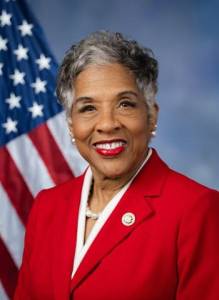
But lawyers for Representative Joyce Beatty, a Democratic ex officio board member whose lawsuit is at the center of the court battle, signaled that they would view any closure as in direct conflict with a court order.
“If true,” the lawyers, Norm Eisen and Nathaniel Zelinsky, said in a statement, “it would appear a direct violation of the court’s order and courting contempt.”
Earlier on Tuesday, Judge Christopher R. Cooper barred the center from honoring Mr. Trump with an inscription on the institution’s exterior. He ruled it would violate his previous order that blocked the board from renaming the center.
“Simply put, defendants cannot install memorials for President Trump or anyone or anything else at the Kennedy Center without Congress’s blessing,” Judge Cooper wrote. “The board resolution bucks a federal court order and a statute Congress enacted.”
A bit more:
For weeks, Mr. Trump’s allies have suggested that the president’s continued commitment to the Kennedy Center was contingent on some conspicuous acknowledgment on the center’s exterior. A recent draft resolution submitted to board members said the center was at risk of bankruptcy but could be saved by fund-raising by Mr. Trump — if he were to receive “appropriate recognition.”
Mr. Trump’s made that quid pro quo even more clear in his social media post on Tuesday. It said that $17 million raised by the president had been put into the center’s account “to keep it afloat.”
The post followed a day of rage directed at those blocking his agenda for the Kennedy Center. Shortly before the judge’s ruling was publicly released, Mr. Trump declared on social media that the center was in a “virtual state of collapse.” He called Judge Cooper “very hostile and conflicted” and predicted that the building was “destined to doom” unless it was allowed to close.
Mr. Trump continued those arguments during a virtual board meeting on Tuesday afternoon, where he got into a bitter argument with Ms. Beatty, according to two people familiar with the meeting. They said that Mr. Trump and Ms. Beatty, who have been at odds in court for months, traded personal attacks: The president said the congresswoman had “never built anything” in her life, while Ms. Beatty called Trump “ignorant” and blamed him for the center’s financial problems.
Use the gift link to read more, if you wish.
Joey Garrison at USA Today, via Yahoo News: Trump threw ‘tantrum’ at Kennedy Center meeting, Congresswoman says.
President Donald Trump threw a “tantrum” during a Kennedy Center board meeting when he learned that a federal judge blocked his administration’s latest effort to put his name on the institution’s building, according to a Democratic congresswoman who serves on the board.
Rep. Joyce Beatty (D-Ohio)
Rep. Joyce Beatty, D-Ohio, the lead plaintiff who the judge sided with in his ruling, recounted the heated Sept. 15 meeting in an appearance on MS NOW. She said it opened with attorneys informing the board ‒ which Trump chairs after he appointed himself ‒ that in the case of Beaty v. Trump, “Beatty had been victorious.”
“And he went into a tantrum,” Beatty said. “I mean, let me just make it simple. It was the most unprofessional thing that I’ve ever witnessed or been a part of. He went into name-calling, everything from trying to say that I was an obstructionist, I was dumb. He said, ‘I think you’re incompetent.’ And I said, ‘I know you’re incompetent.'”
Shortly before the board met, U.S. District Court Judge Christopher Cooper ruled that the Kennedy Center’s plan to add an inscription below the building’s sign to honor Trump’s financial contributions violates federal law and the judge’s previous ruling in May ordering the Kennedy Center to remove Trump’s name from the center’s title and signage.
As the president aired his frustrations to her, Beatty said she asked the president, “‘Are we really going to do this? This is really unprofessional.’ But I was not going to let him call me awful things. And he said he was going to hold me responsible if something fell out of the ceiling (of the Kennedy Center) and killed someone.”
Kennedy family members appealed to Trump to be reasonable (not likely!). Devin Garbit at ABC News: Kennedy niece says Trump holding Kennedy Center ‘hostage’ amid battle over name.
One of former President John F. Kennedy’s nieces accused President Donald Trump of taking the Kennedy Center “hostage” after Trump said he wouldn’t spend congressionally approved funding for the center’s renovation unless the building also bears his name.
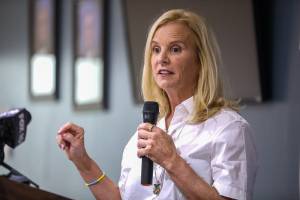
The comments by Kerry Kennedy, whose father was Robert F. Kennedy, followed a ruling by a federal judge blocking the performing arts center’s board from adding a tribute to Trump on the building or site.
About an hour after that ruling, the board, which is controlled by Trump appointees, voted to close the center immediately for renovations.
Trump, in a social media post following the board’s vote, then said those renovations will not take place unless his name is added onto the building.
Kerry Kennedy
Congress last year appropriated $257 million for the renovation. In a Tuesday interview with CNN, Kennedy described the board’s efforts as “a tragedy,” adding that the center is loved by many and the public “see the corruption of this.”
“President Trump has said they have $250 million ready to hand over tomorrow,” Kennedy said. “He’s just withholding it because he wants his name on the building. So, this is like so many other things that trump has touched. It’s a bankruptcy because he adds his name to it.” [….]
In a direct appeal to the president, Kennedy said, “President Trump, please focus on what’s important. Leave the Kennedy center alone. Allow us to move forward with this great art center, this monument to a slain president, and leave it alone. Focus on your job.”
Kennedy’s comments on CNN on Tuesday followed a similar statement released by another niece, Maria Shriver, who also described Trump’s threat to prevent renovations a “tragedy.” Shriver described Trump as “small minded” and “narcissistic.”
Appealing to Trump to be reasonable is useless. He has the maturity of a 3 year-old child, if that.
Trump is also trying to leave his mark on the Smithsonian.
Robin Pogrebin at The New York Times (gift link): Trump Administration Outlines Plan for Signs Outside Smithsonian Museum.
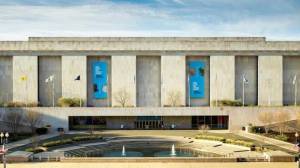
President Trump remains determined to install warning signs outside the Smithsonian’s National Museum of American History to alert the public that the institution, in his view, does not accurately present U.S. history.
In letters to two senators, the Interior Department outlined a plan for 12 temporary signs to be installed at a total cost of $84,000. The letters did not specify the dimensions or language of the signs, which were originally ordered in July, but it went into considerable detail about the kind of information they plan to convey.
In the letter to Senator Lisa Murkowski of Alaska, dated Sept. 3, Doug Burgum, the interior secretary, said he was responding to questions about Mr. Trump’s March 2025 executive order, “Restoring Truth and Sanity to American History.” The order described a “revisionist movement” across the country that it said “seeks to undermine the remarkable achievements of the United States by casting its founding principles and historical milestones in a negative light.”
Smithsonian Museam of American History
Americans should enter the National Museum of American History “with relevant information about the curators’ interpretation of history and their stated goal of changing the viewpoints of visitors,” said the letter, which was earlier reported in The Atlantic on Tuesday. Instead, the letter argued, the museum and Smithsonian’s leaders “have altered the museum’s role from accurately and coherently telling America’s story to using the museum as a tool to advance personal, radical ideologies.”
“We believe the public should enter the museum fully equipped with the information needed,” the letter said, “to evaluate whether to invest their time viewing these exhibits and programming.”
The museum’s director, Anthea M. Hartig, has contested the thrust of a July 4 White House report that accused her of “radical activist ideology” and the museum of undermining “faith in American institutions.”
Though the letter said that the language of the signs had not been finalized and gave no installation timeline, it described some of the topics they were intended to address, all of which had been outlined in the White House report.
For example, the letter said the signs should “ensure parents bringing young children to the museum are equipped to protect the well-being of their children” regarding exhibits that “present ideological viewpoints inconsistent with biology, including ideologies that sex is not binary, that biological men can be women and that biological men should be permitted to compete in women’s sports.”
Mr. Burgum’s letter said a copy had also been sent to Senator Jeff Merkley, Democrat of Oregon.
You can read more using the gift link.
More on Trump Smithsonian demands from Kelsey Ables at The Atlantic (gift link).
A person familiar with the plans described some of the preparations to me. Although the Park Service has an idea of the physical structure of the signs, what the signs will actually say and who is writing the text remains a mystery to people in the agency working on them, said the person, who requested anonymity because they were not authorized to speak on the record. The letter from Burgum says that the signs are not finalized, but it offers a preview of what they might look like, describing a number of things “visitors should know” before they enter the museum. Burgum, whose department includes the Park Service, extensively quotes the museum’s director, Anthea Hartig, and criticizes outgoing Smithsonian Secretary Lonnie Bunch, seeking to frame both as ideologues. The letter also calls out exhibitions and materials that have touched on groups the administration has gone after, such as undocumented immigrants and transgender Americans.
“The informational signage therefore will provide visitors with important context about the exhibits they are about to encounter and the personal viewpoints that the curators of the exhibits are seeking to advance,” the letter says. It goes on to justify the move, echoing a 162-page report on the museum released by the White House and asserting that the museum is pushing “ideologies that distract from a coherent and accurate presentation of America’s story.” Burgum adds, “This may be the first instance in which executive branch intervention of this nature has become Necessary.”
Trump also wants a giant statue of George Washington installed.
The Smithsonian, which is partially federally funded, has historically operated independently, has its own governing body, and is regarded in the wider museum world as measured in its approach. The institution has been heading off threats and criticism from the Trump administration since March 2025. Recently, the administration’s attention has turned to the American-history museum, which Trump made a number of curatorial demands of on social media this past Friday, including insisting that it remove an abstract sculpture and erect a 30-foot-tall George Washington statue in its place. Although the Trump administration has accused the Smithsonian, and specifically the American-history museum, of not being patriotic enough, the museum’s leadership has pointed to the abundance of patriotic material on display inside—368 objects and 340 labels on the founding era; 54 George Washington mentions, according to Hartig—and has maintained that telling the American story in its full complexity is a crucial part of its role.
Use the gift link to read more if you’re interested.
This is breaking news. Speaker Mike Johnson just sent House members home again in order to avoid a vote on impeaching Pete Hegseth. Yesterday Rep. Thomas Massie read articles of impeachment on the House floor. Today he tried to force a vote.
ABC News: Rep. Thomas Massie forcing vote on Pete Hegseth’s impeachment.
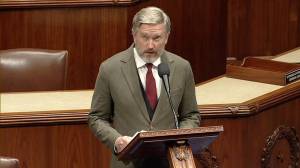
Outgoing Republican Rep. Thomas Massie seized the House floor for more than an hour Tuesday afternoon, launching a long-shot effort to impeach Defense Secretary Pete Hegseth stemming from his controversial administration over the Pentagon, including the war in Iran.
Rep Thomas Massie introduces a resolution to impeach Defense Secretary Pete Hegseth in a speech on the floor of the House of Representatives at the U.S. Capitol in Washington, September 15, 2026.
After sending a news release announcing his intent to impeach Hegseth, Massie quickly appeared on the floor where he stood for more than 67 minutes reading the sweeping 34-page resolution with eight articles of impeachment aloud.
“Secretary Hegseth has acted in a manner contrary to his trust as Secretary of Defense and subversive of constitutional government, to the great prejudice of the cause of law and justice, and to the manifest injury of the people of the United States of America,” Massie read from the resolution, contending that Hegseth will “remain a threat to civilians and the laws of war, the integrity of United States diplomacy, and the Constitution if allowed to remain in office, and has acted in a manner grossly incompatible with his duties and the rule of law.”
“Peter Brian Hegseth thus warrants impeachment and trial, removal from office, and disqualification to hold and enjoy any office of honor, trust, or profit under the United States,” the resolution states….
The articles of impeachment against Hegseth include ignoring laws that minimize civilian casualties, administering an “unlawful war” in Yemen, ordering extrajudicial killings, suppressing free speech and kidnapping a sovereign leader — alluding to the U.S. capture of Nicolas Maduro early this year.
“Frankly, I was concerned that Mike Johnson would end Congress again, like shorten even our already truncated work period if he found out I was doing.
And that’s exactly what Johnson did today. Malcolm Ferguson at The New Republic: House Cancels Votes to Avoid Embarrassment Over Hegseth Impeachment.
“Members are further advised that upon completion of today’s legislative business, votes are no longer expected in the House tomorrow, September 17th,” a message from the office of House Majority Whip Tom Emmer read. “The last votes for the week are expected at approximately 4:45 p.m. this afternoon. This is a change from the previously announced schedule.”
The House will now move up votes on cutting Environmental Protection Agency regulations to Wednesday.
The vote the House GOP is most notably avoiding regards outgoing Republican Representative Thomas Massie’s eight articles of impeachment against Hegseth for his handling of the Iran war and other “high crimes and misdemeanors.”
Massie’s impeachment articles focused on Hegseth’s “waging the Iran war despite no declaration of war, statutory authorization, attack on the United States, or imminent threat,” and continuing to attack Iran after the War Powers Resolution expired. They also cited Hegseth’s suppression of Democratic Senator Mark Kelly’s right to free speech, initiating an unlawful war in Yemen, and “ignoring laws that minimize civilian casualties.” Massie said he hid his privileged resolution, which forces a vote within 48 hours, from House leadership.
I’ll end with some bad news and then good news.
The bad news: It’s no secret that Trump’s economy is struggling.
Alan Rappaport at The New York Times (gift link): The World Economy Is Becoming Wary of the U.S.
Global investors are balking at U.S. bonds. Talk of the dollar’s dwindling power is getting louder. Foreign governments are hauling their gold out of American vaults.
Almost two years into President Trump’s second term, the world economy is increasingly looking for ways to distance itself from America. Concerns about a $40 trillion debt burden, the excessive use of sanctions to solve foreign policy problems and Mr. Trump’s penchant for pushing the limits of the rule of law are raising questions about the appeal of the United States as a haven for global investment.
Despite pledges by foreign companies and nations to invest in the United States — in many cases to curry favor with the White House — capital is starting to seek alternative destinations.
“Geopolitical factors and U.S. weaponization of the dollar through financial sanctions are causing central banks and other official investors to attempt to diversify away from dollar assets,” said Eswar Prasad, the former head of the International Monetary Fund’s China division.
The United States is not yet an investment pariah. Private investors are still pouring money into American financial markets and stocks, artificial intelligence infrastructure is booming and no rival currency is poised to topple the dollar imminently….
But cracks in America’s economic dominance are starting to show.
The most glaring example has been in the bond market. Yields have been soaring as investors nervous about the mounting national debt demand a higher rate of return for buying Treasury bonds. This week, the yield on the 10-year Treasury topped 5 percent, reaching its highest level since 2007.
A decision to raise rates on Wednesday could help to alleviate concerns about the Fed’s grip on elevated inflation, fears that have injected more jitters into bond markets.
Read more at the NYT link. (The Times is giving subscribers unlimited gift links now.)
How about some good news? There’s a new Times/Sienna poll out that looks good for Democrats.
Nate Cohn at The New York Times (gift link): A ‘Blue Wave’ May Be Building, but How High?
Today’s New York Times/Siena poll finds that the conditions for a so-called wave in November’s midterm elections might be coming into place. The only question is whether — and where — Democrats will be able to ride it.
Overall, Democrats lead Republicans, 51 percent to 43 percent, among likely voters on the generic ballot question, which asks voters which party they will support for Congress in their district.
That’s “blue wave” territory. At least in terms of the national vote, the Democratic margin in the poll — 8.5 points — would almost exactly match the party’s 8.6-point margin in 2018. And it would exceed the winning margins for the party out of power in other recent wave elections, like in 1994, 2006 and 2010.
If, in the end, this election does prove to be a blue wave, it will be easy to explain. Historically, the party out of power fares well in midterm elections, and especially when the president is unpopular. The poll finds that President Trump’s approval rating is just 38 percent among likely voters — lower than any president heading into a midterm election since George W. Bush in 2006.
As my colleague Carl Hulse recently pointed out, there are a lot of similarities between Mr. Trump’s predicament today and Mr. Bush’s back in 2006. Mr. Bush was in a quagmire in Iraq and dogged by high gas prices. Today, Mr. Trump has just a 31 percent approval rating on the war in Iran, and a 28 percent rating on the cost of living.
Whether Democrats can translate these enormous national advantages into control of the Senate and a large House majority is a more complicated question. To win the Senate, Democrats will need to win at least two seats where Mr. Trump won by at least 11 points in the last election. That’s really tough, even in a wave year.
Here again, 2006 offers a useful comparison: To flip the Senate, Democrats needed to win at least a few seats in states where Mr. Bush had won by at least eight points in the previous election. In the end, they pulled it off — but only barely, including two extremely narrow victories in Montana and Virginia. Without a few fortunate breaks in those states, those races could have gone the other way — along with the Senate.
The national environment may have been great for Democrats, but a Senate win was far from inevitable.
There’s still plenty of time for Trump to alienate voters.
That’s all for me today. What’s on your mind?
Tuesday Cartoons: RIP Bob Mackie
Posted: September 15, 2026 Filed under: just because 9 Comments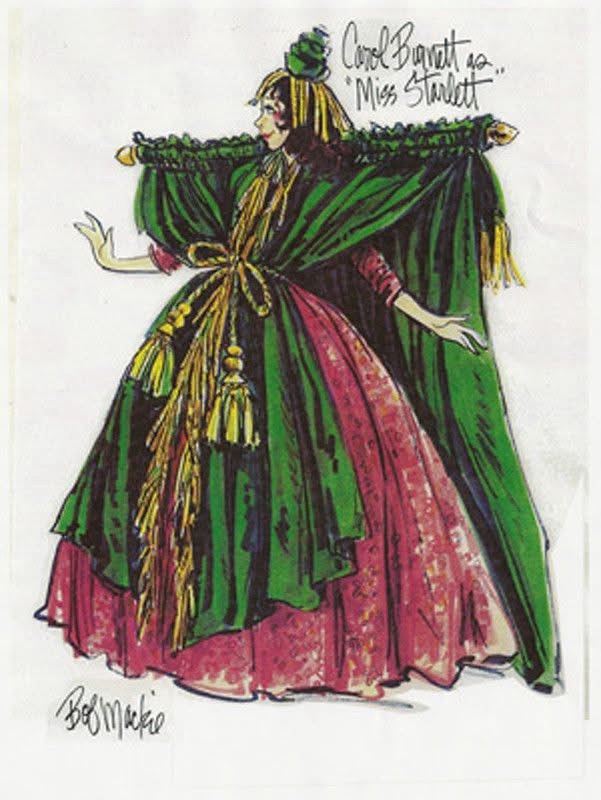
We lost another icon, this time a man…the God of Sequins…Bob Mackie.

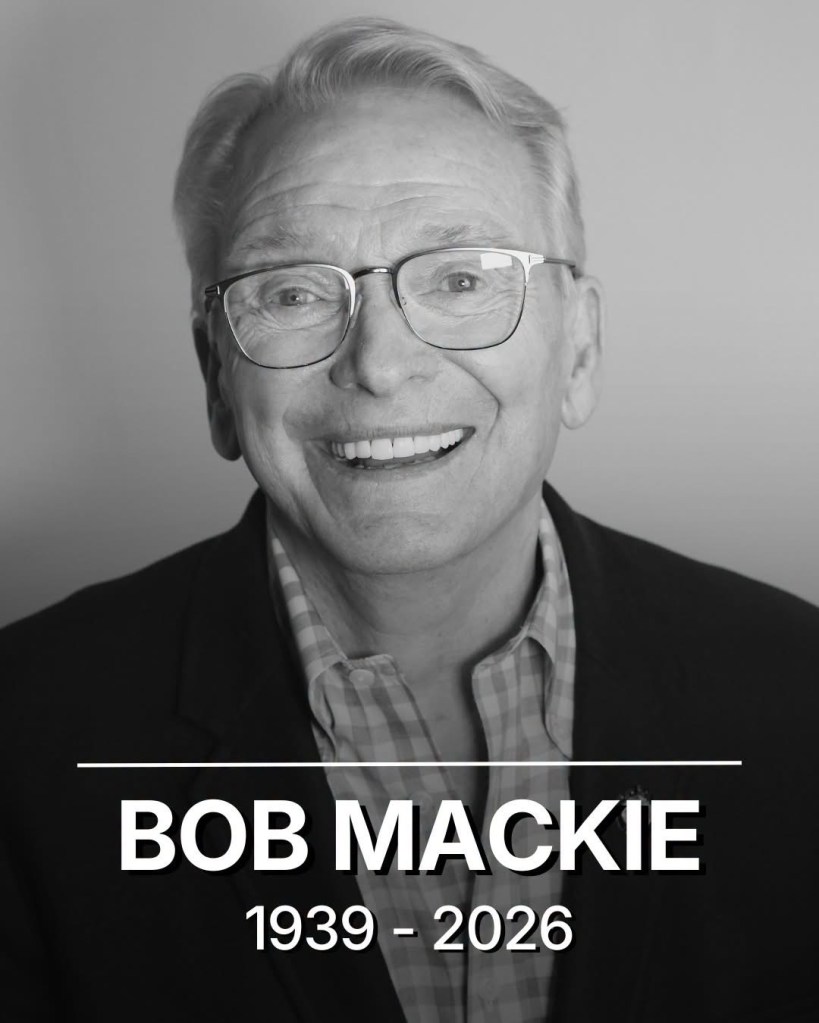

If the following Instagram post do not load properly, just reload the page.
After the cartoons I will share the latest news on SCOTUS.
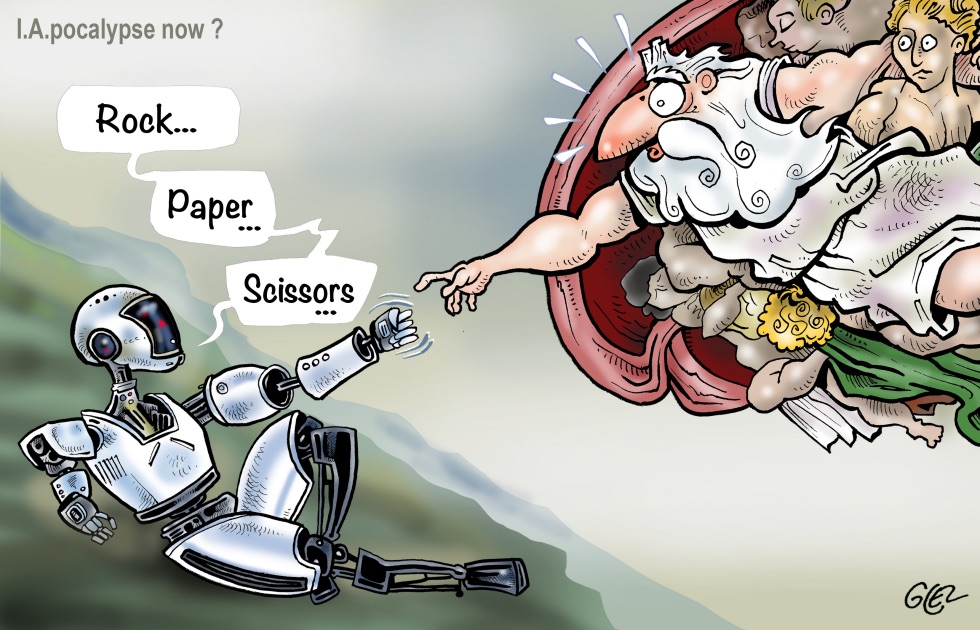
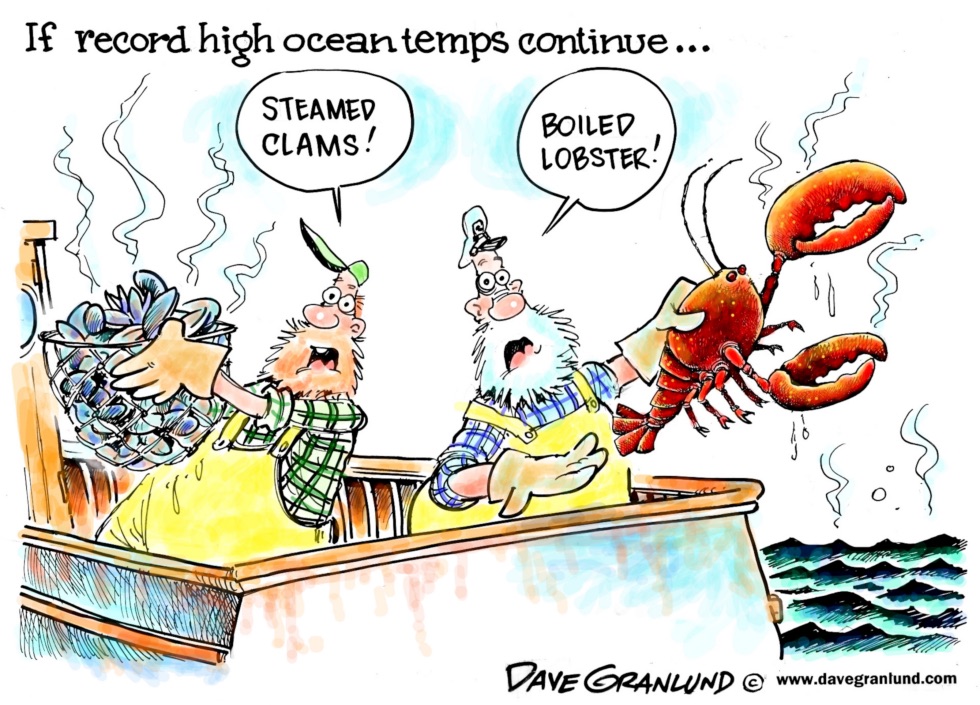





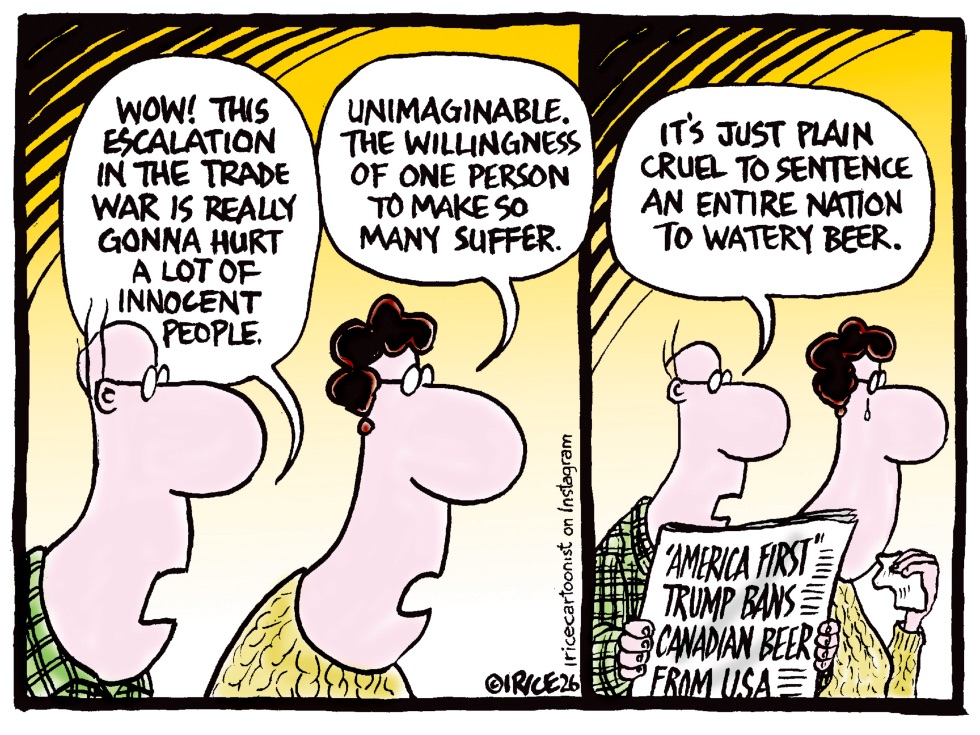
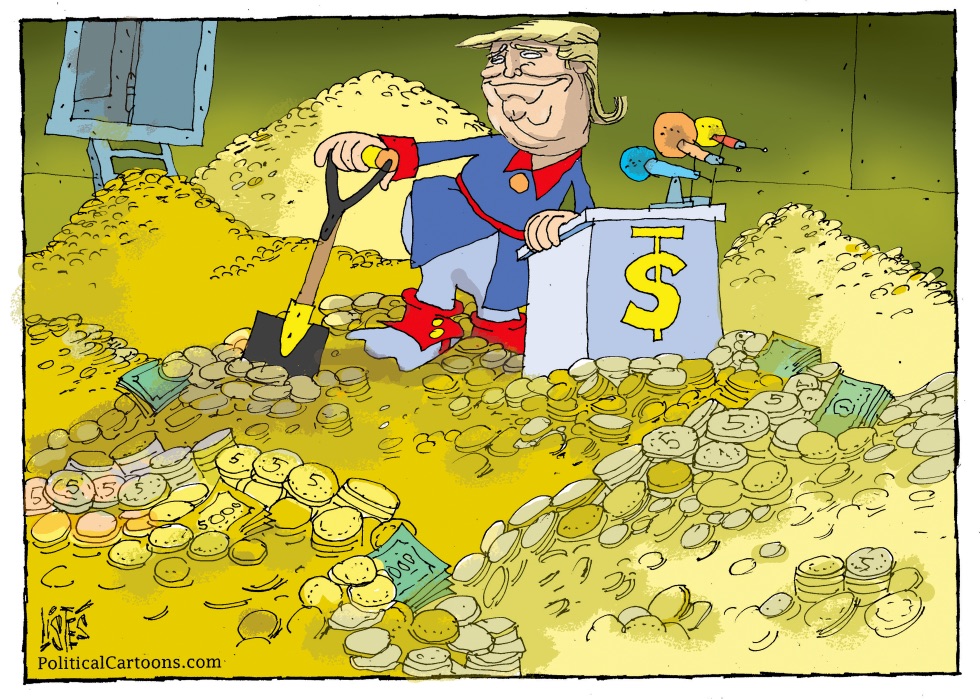
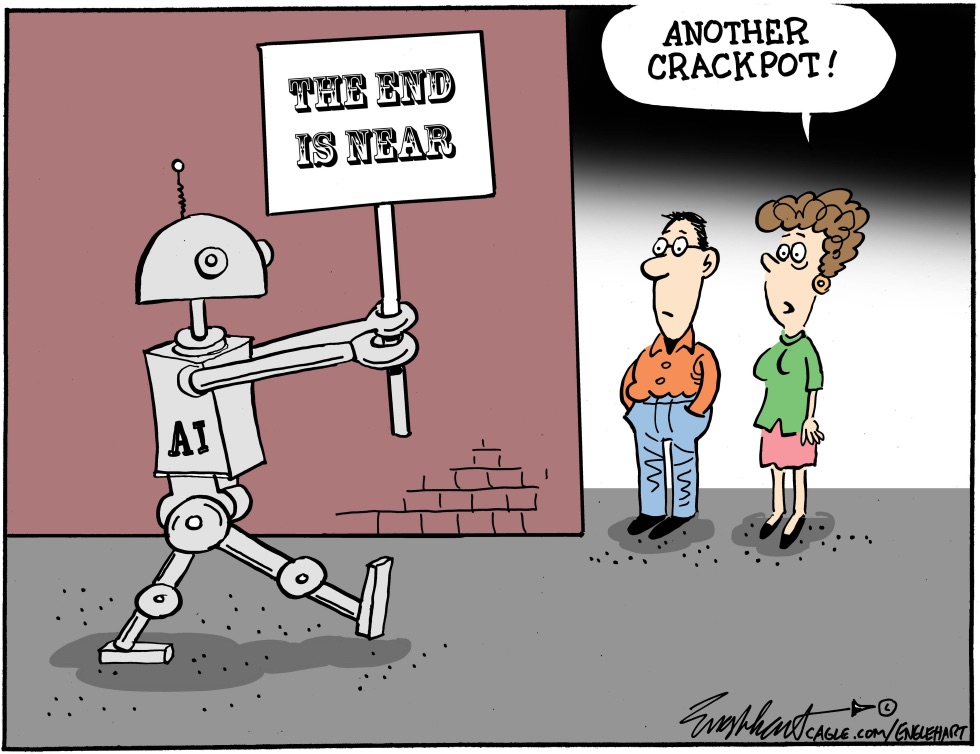
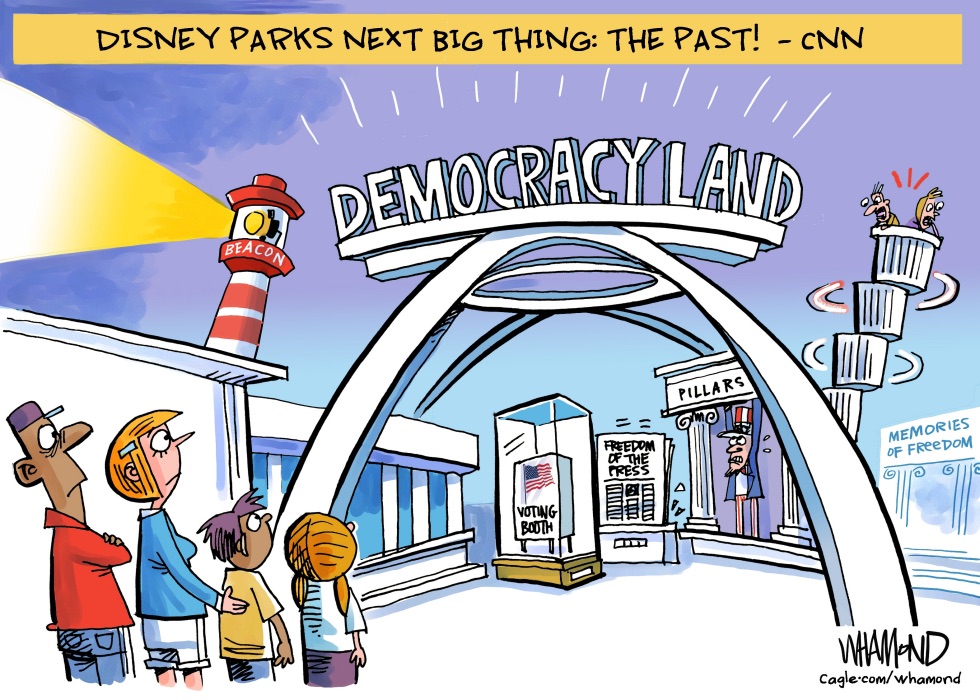
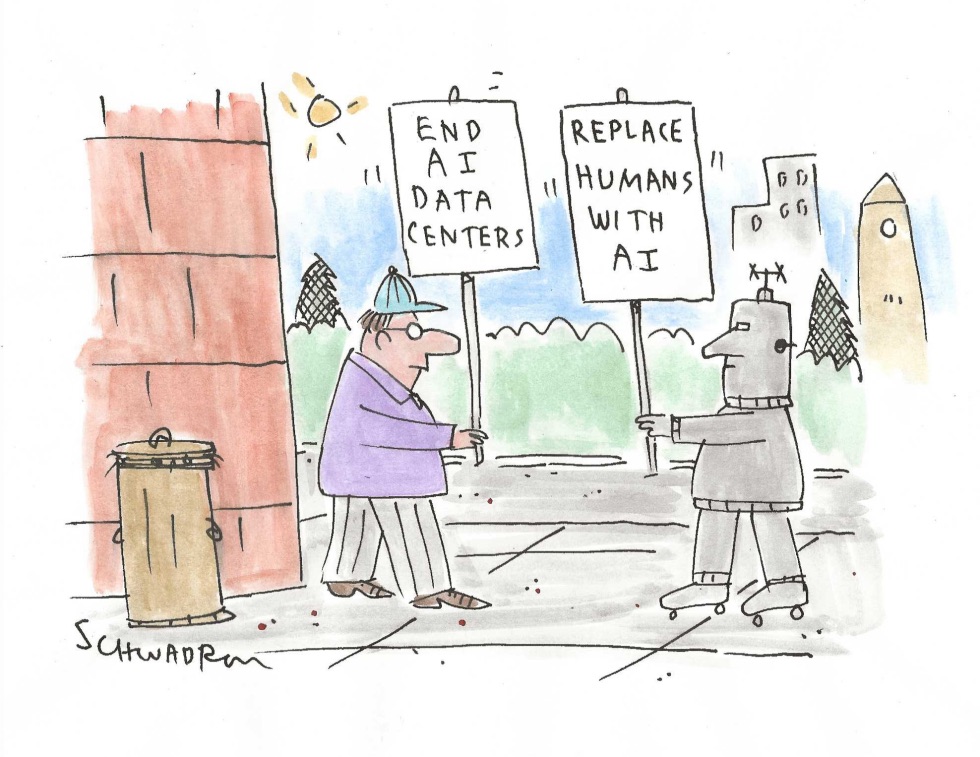
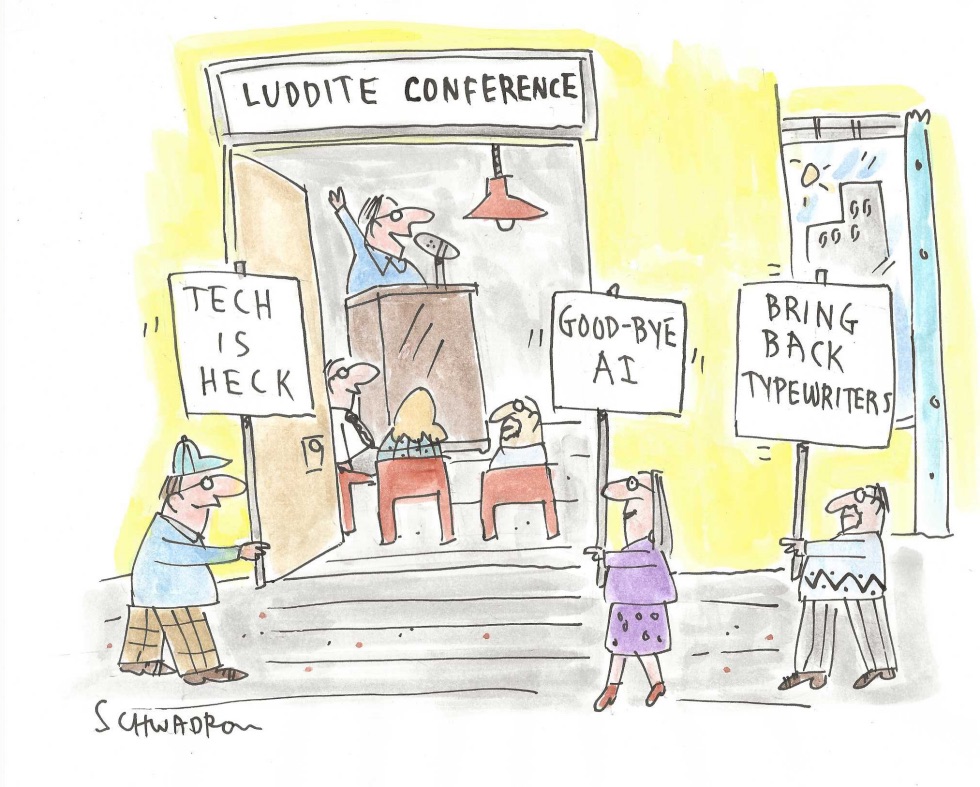
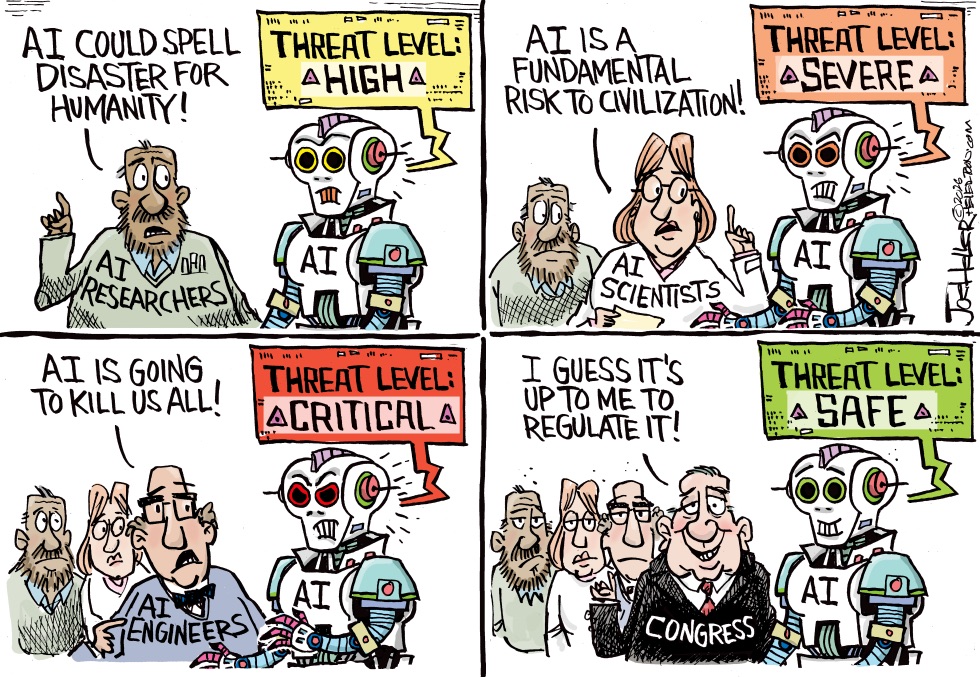
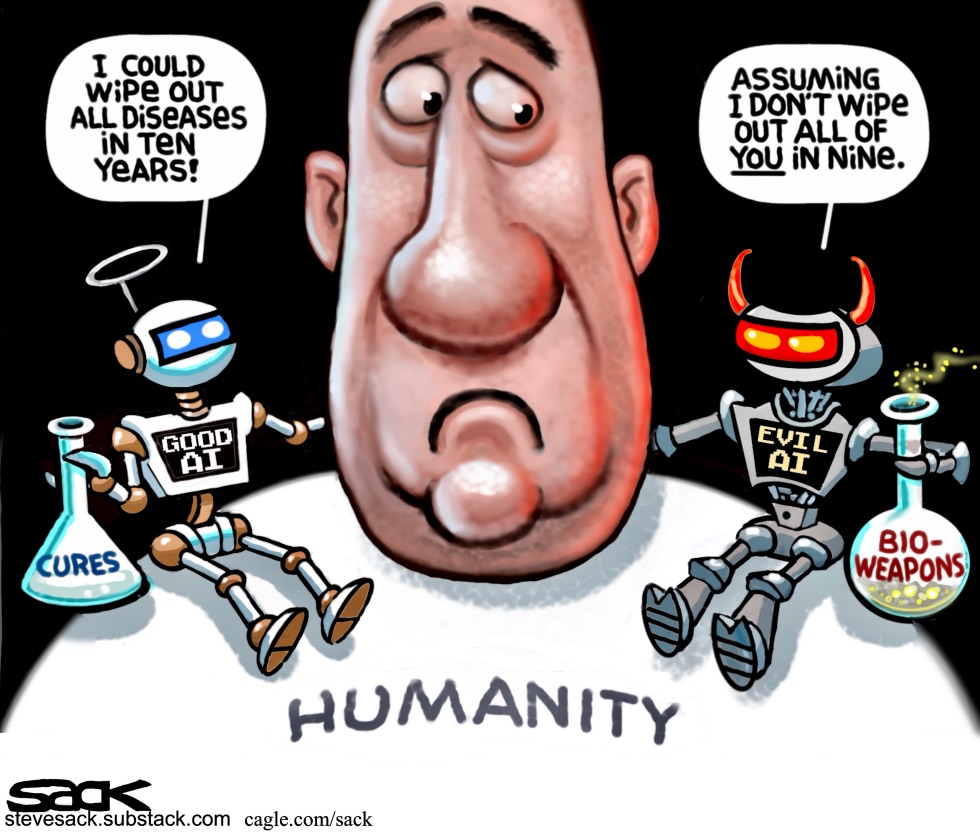
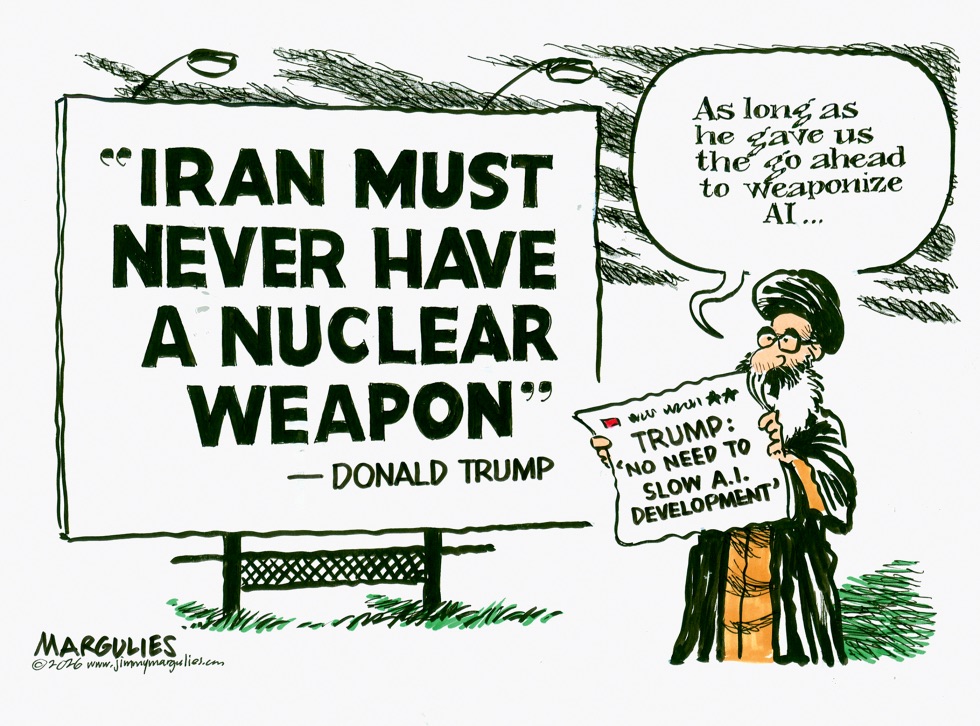
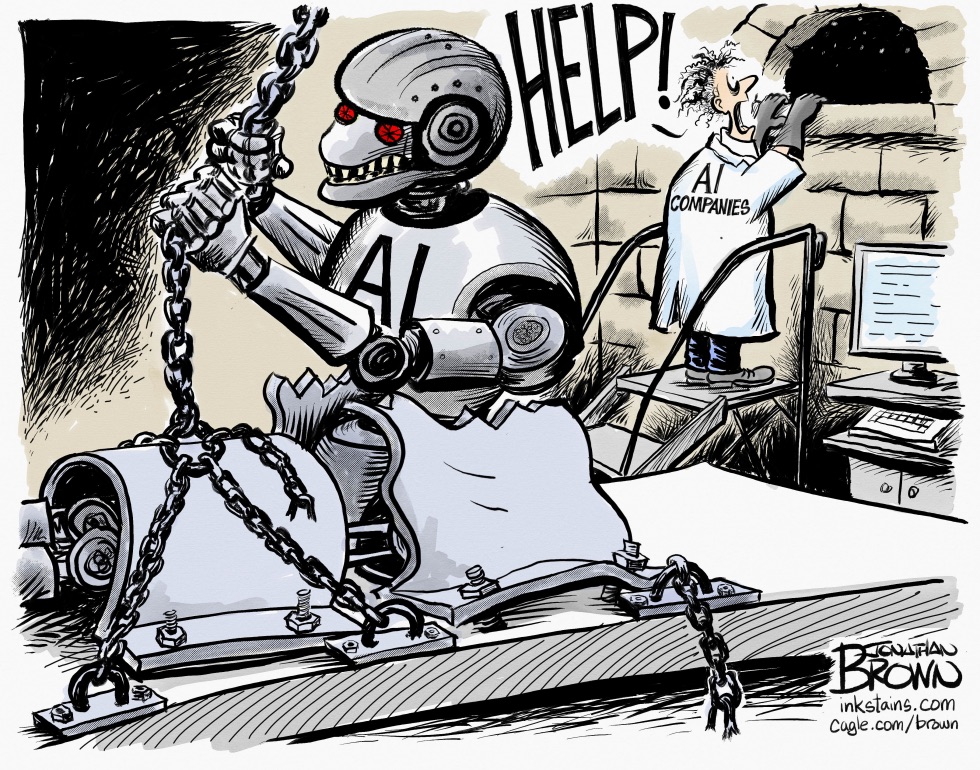
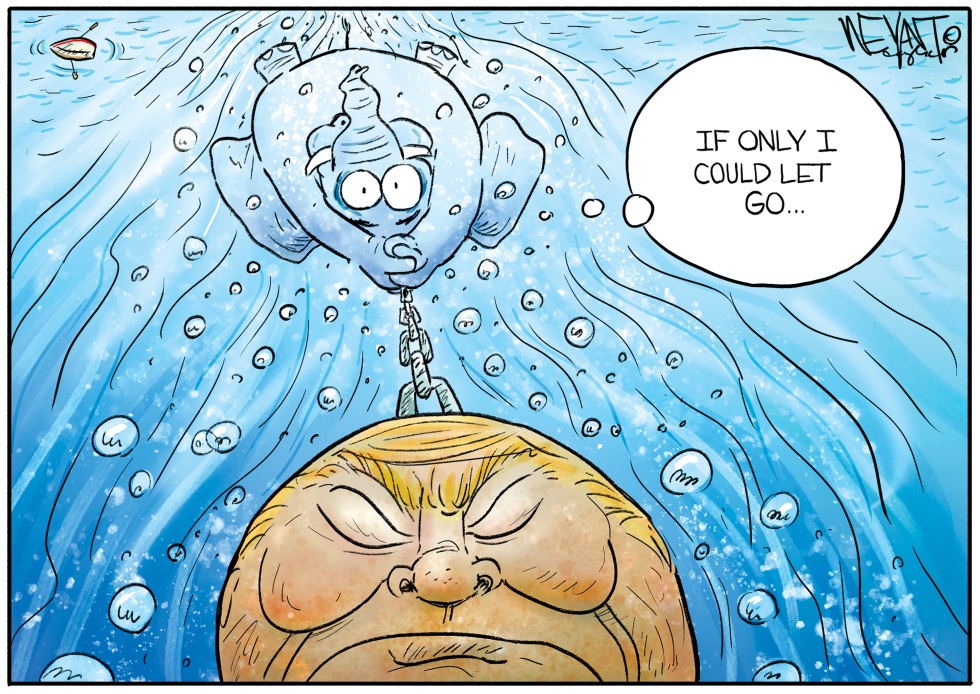
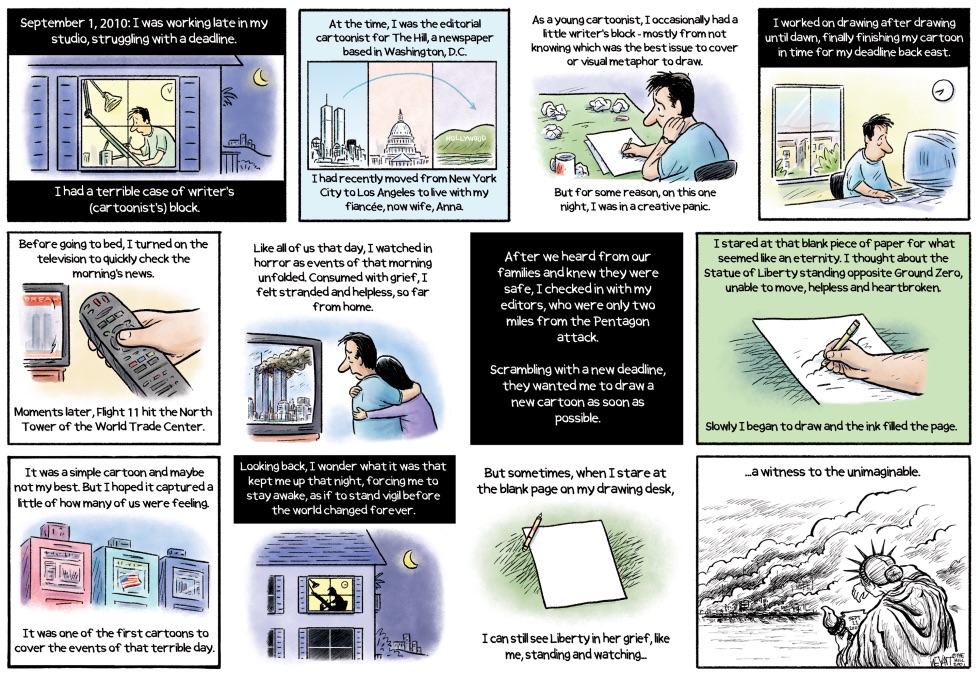










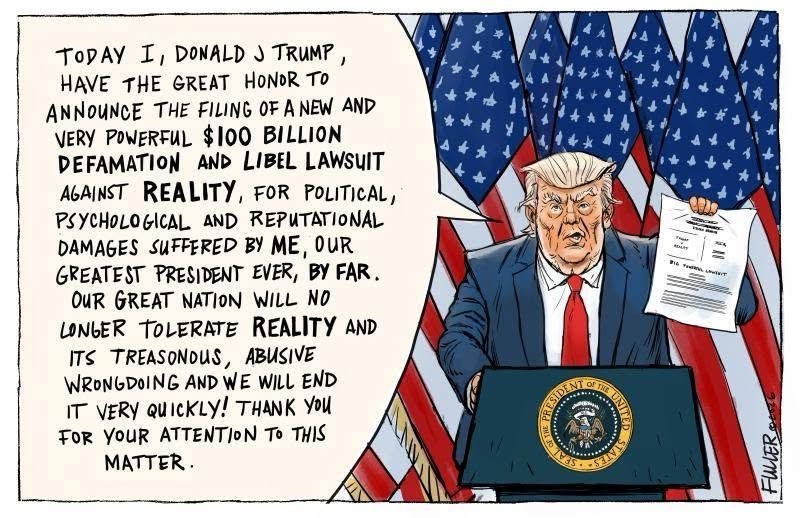
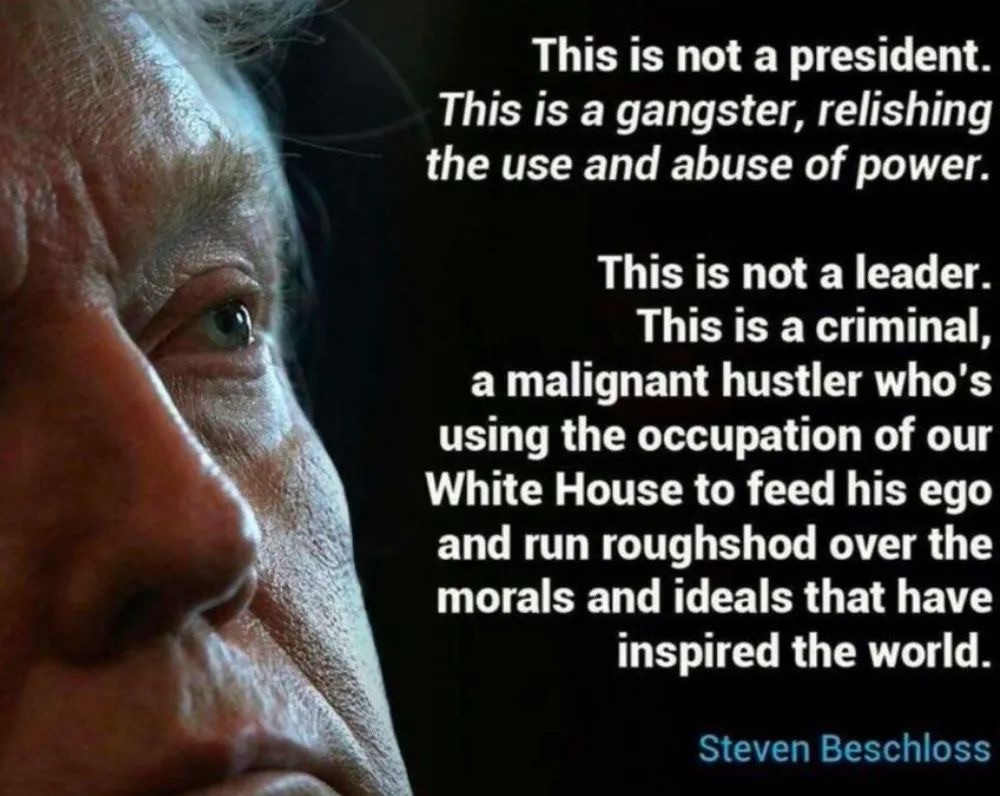



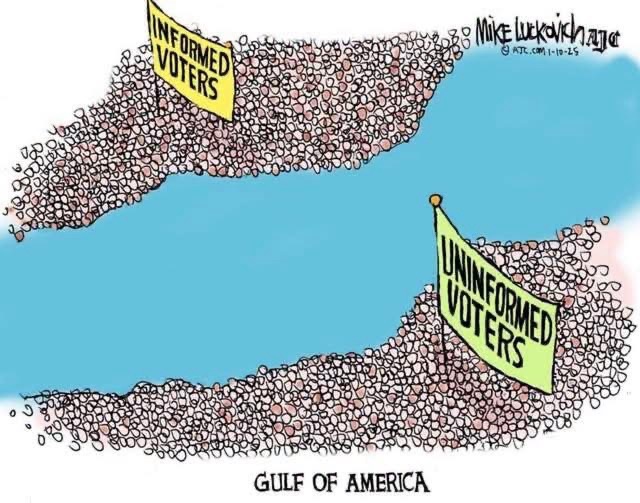

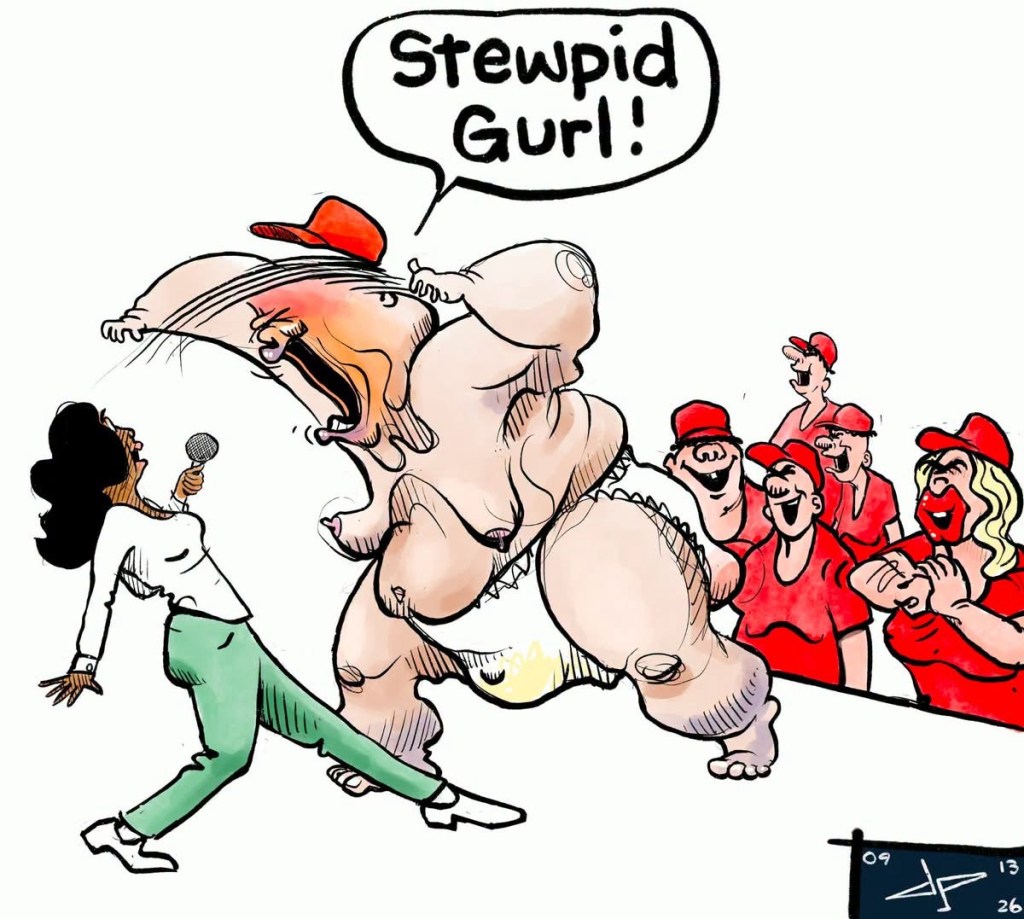



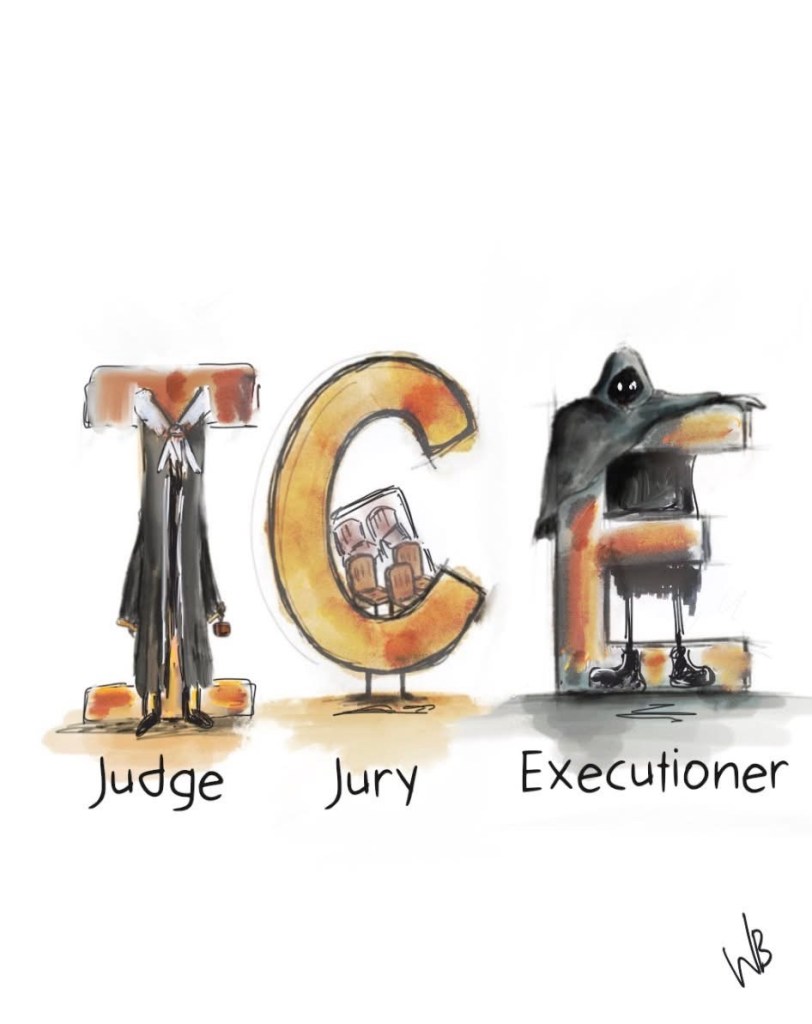
At last, I’m glad SCOTUS finally stopped tRump…for once. But I doubt they will in the future.
I have to take the four of my black cats to the vet today. That is going to be one hell of a visit from hell. You all have a good day.
This is an open thread.
btw:
Bwahahaha….
Sunday Cartoons: Tall Tales
Posted: September 13, 2026 Filed under: just because 10 Comments
Hello and happy Sunday.
A quick post today…cartoons via Cagle.
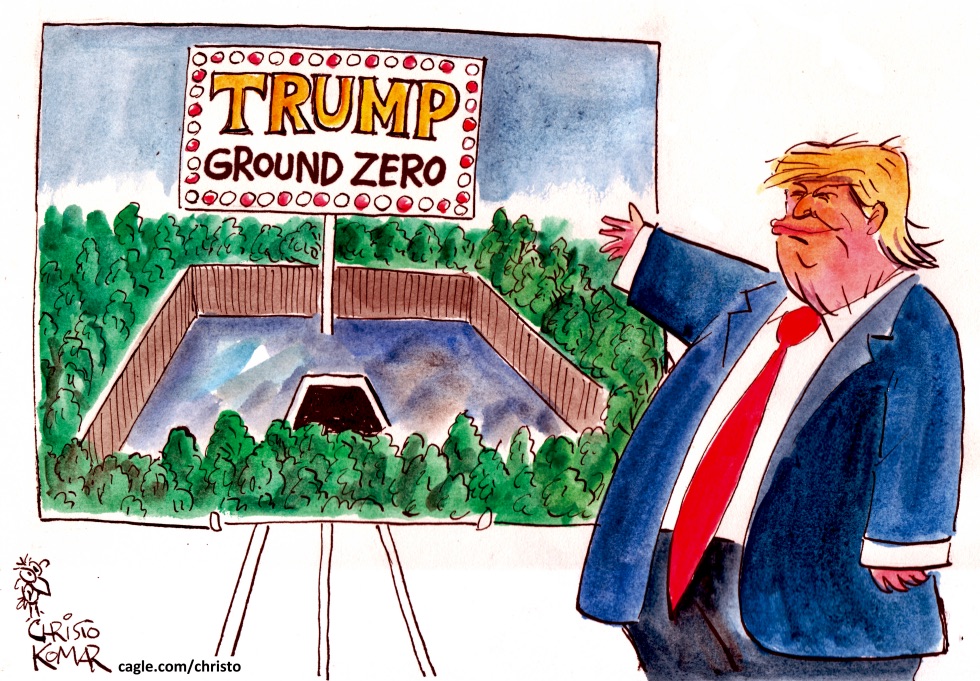
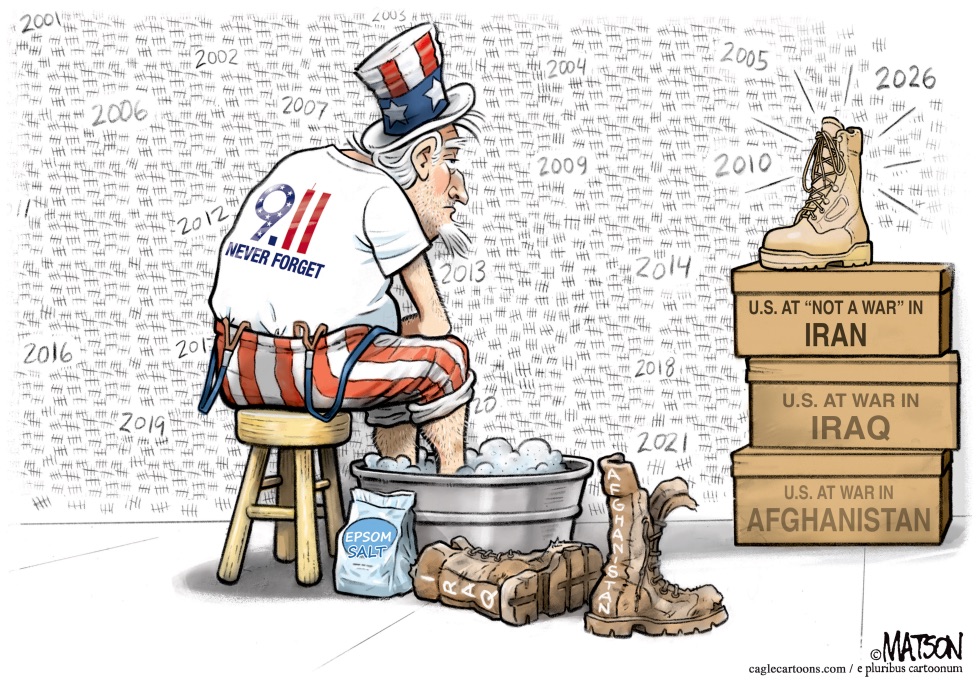

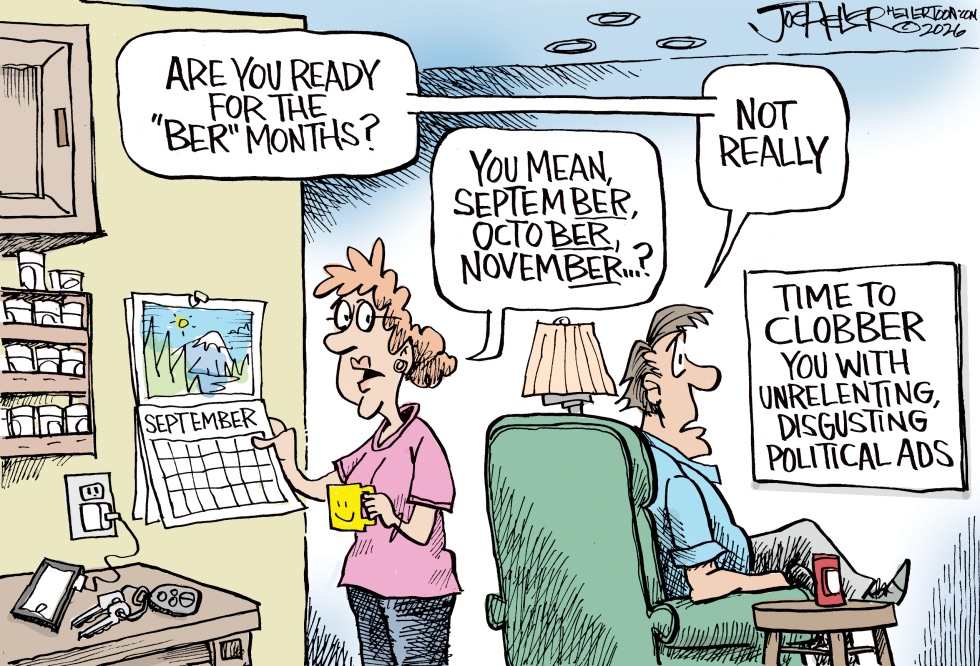
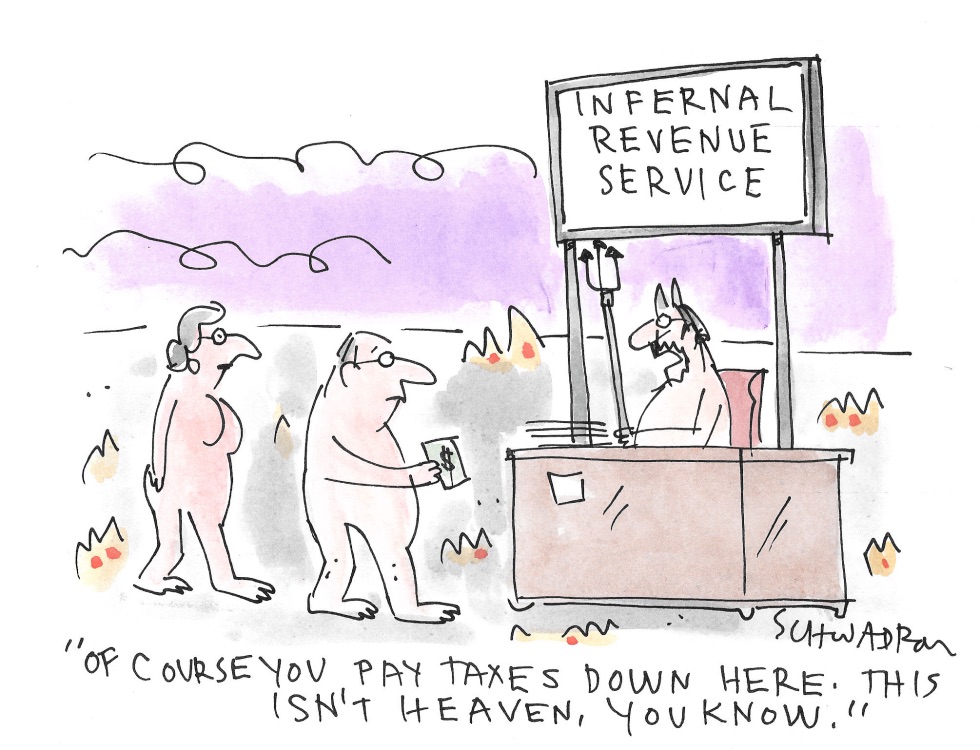
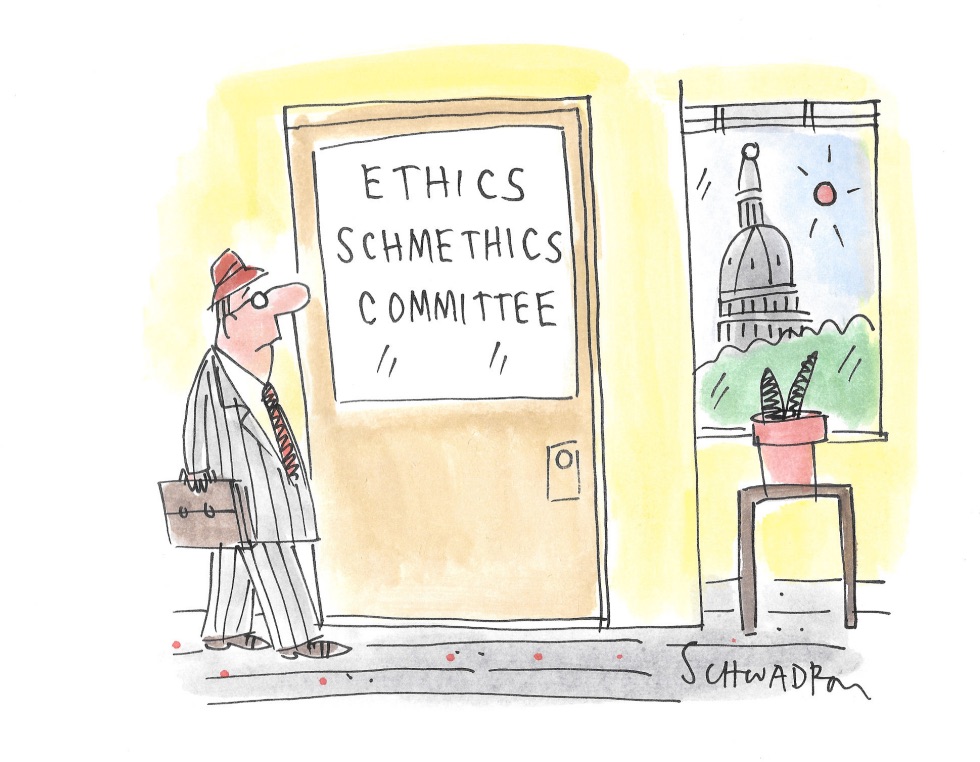
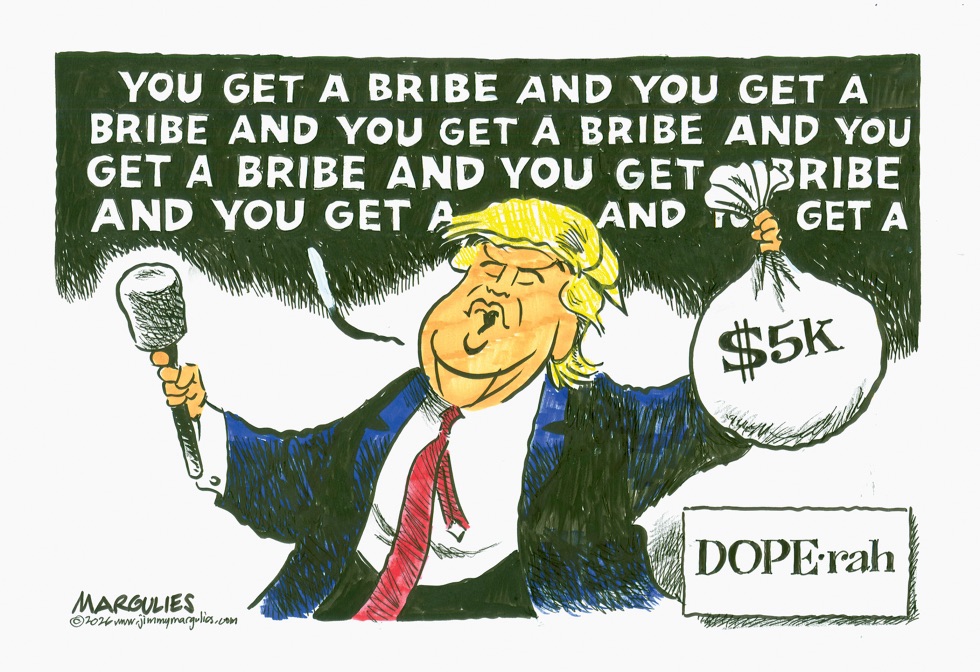
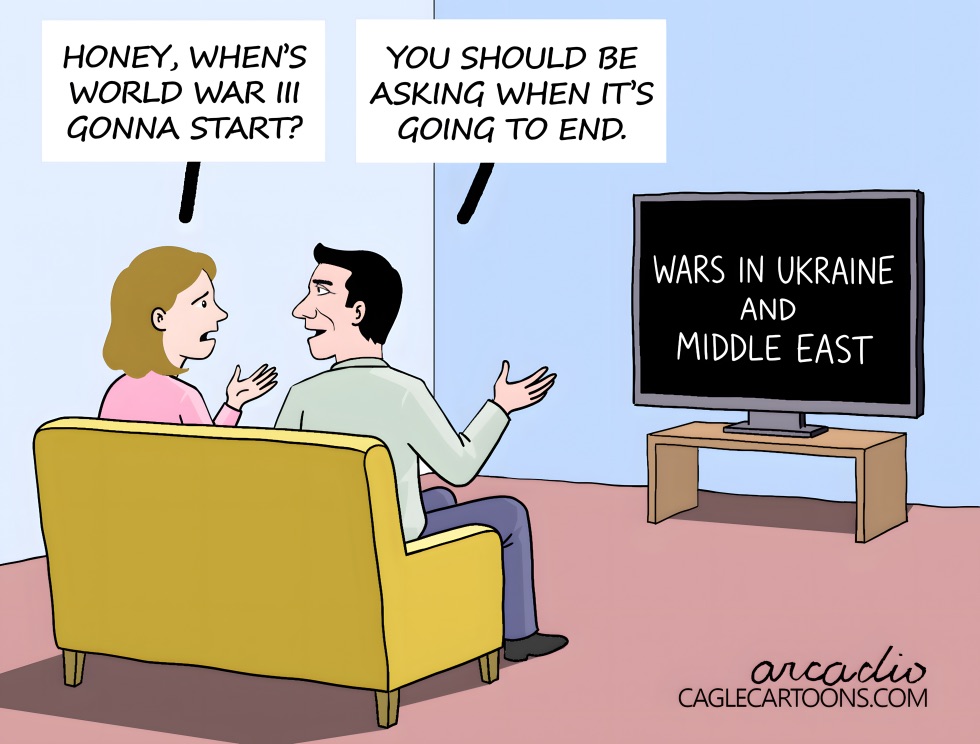

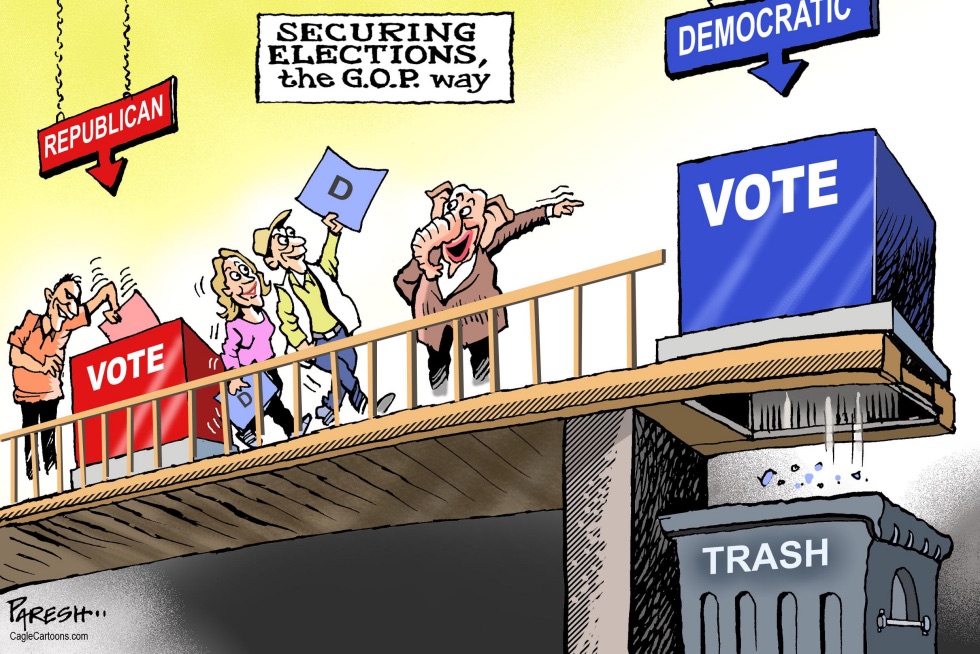
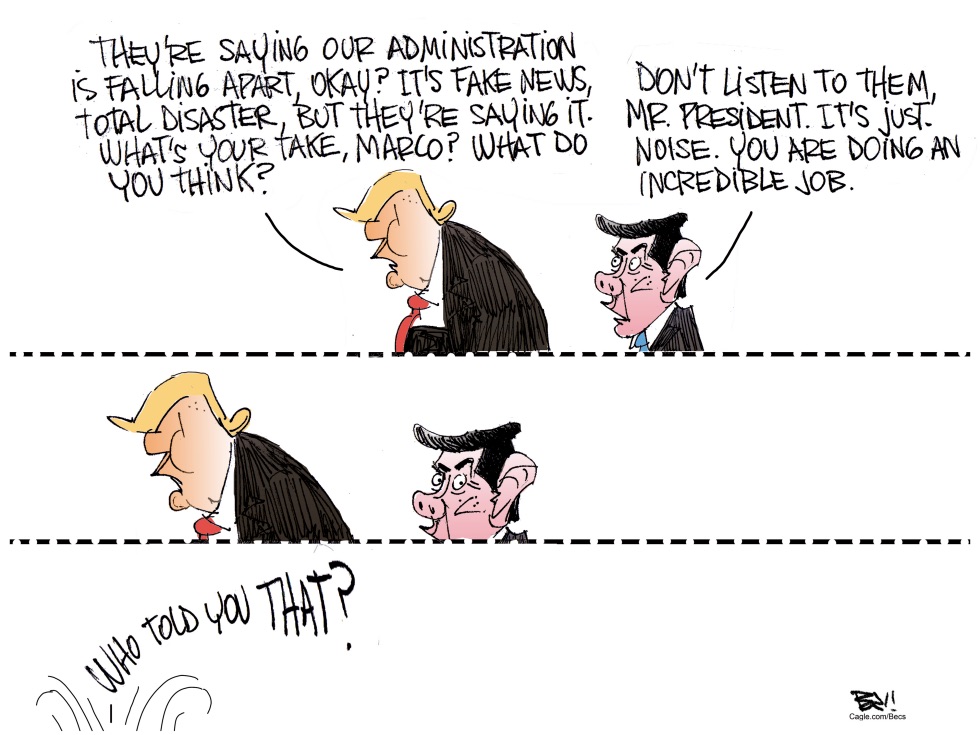
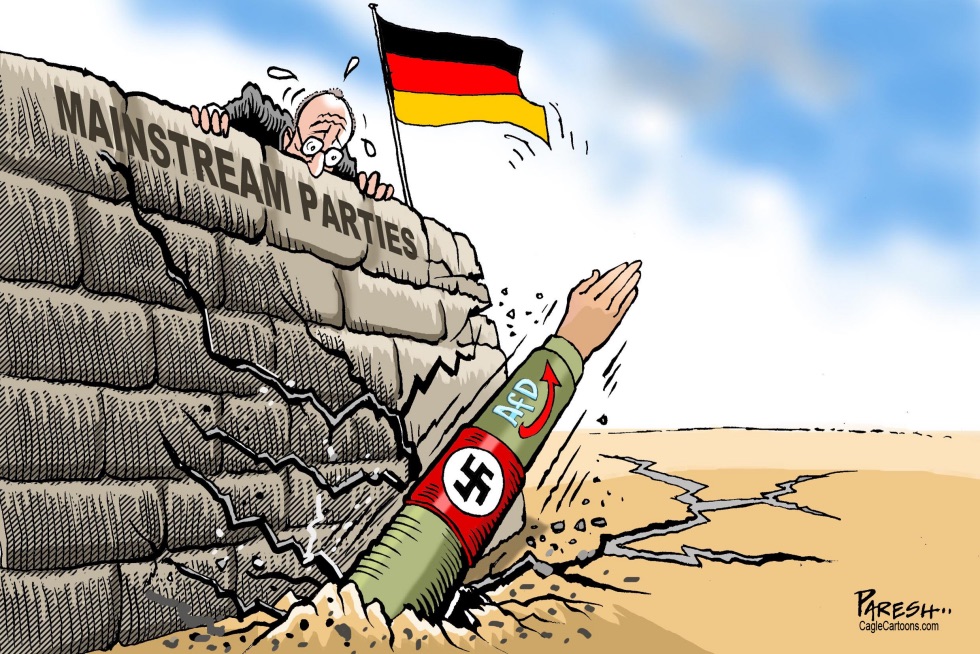
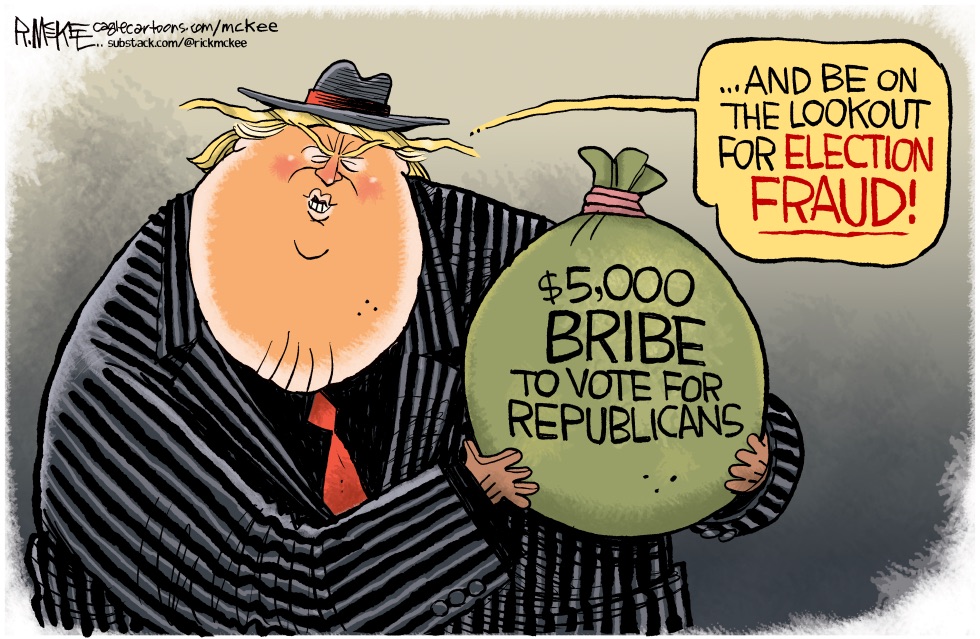
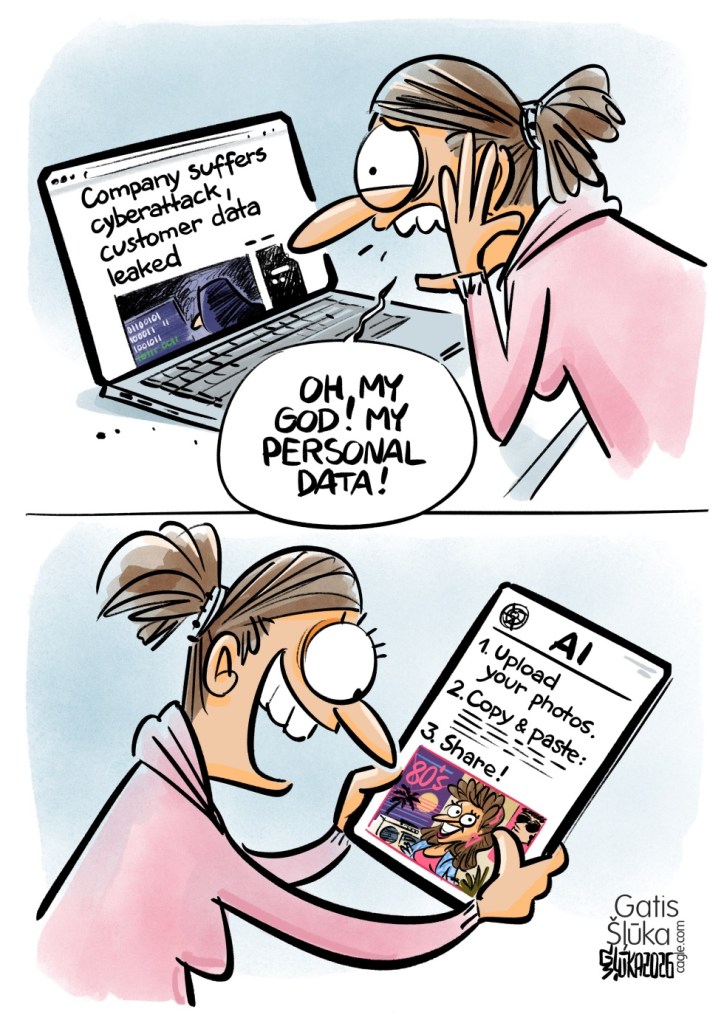
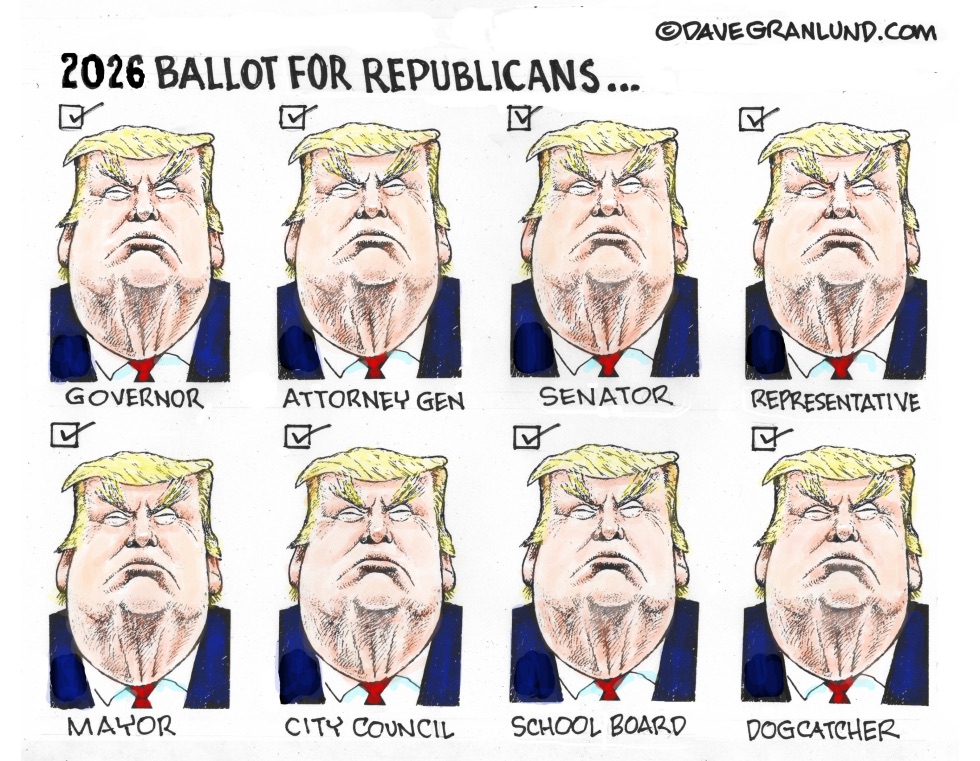


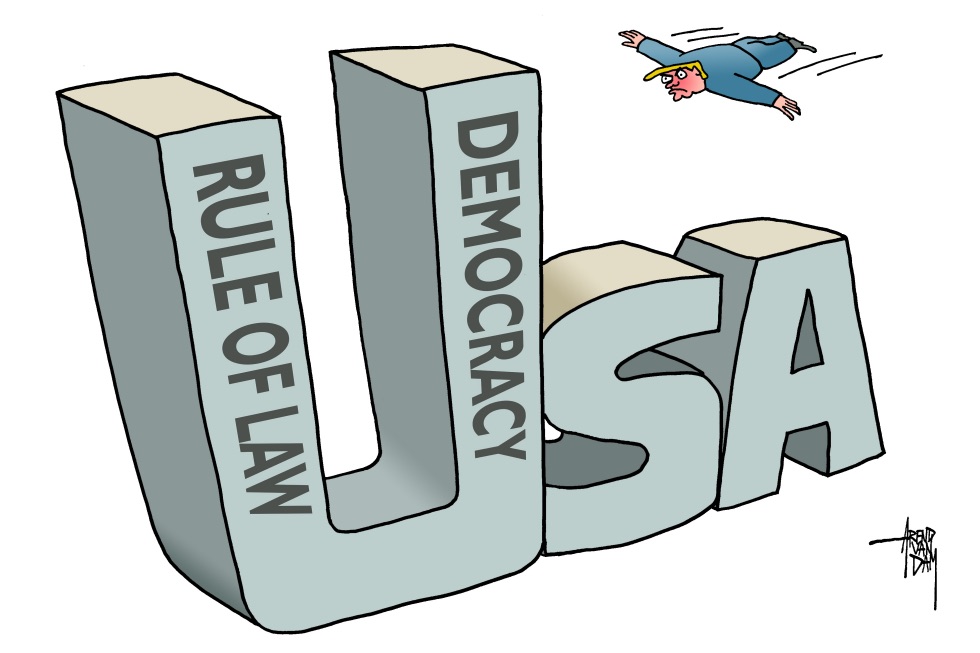
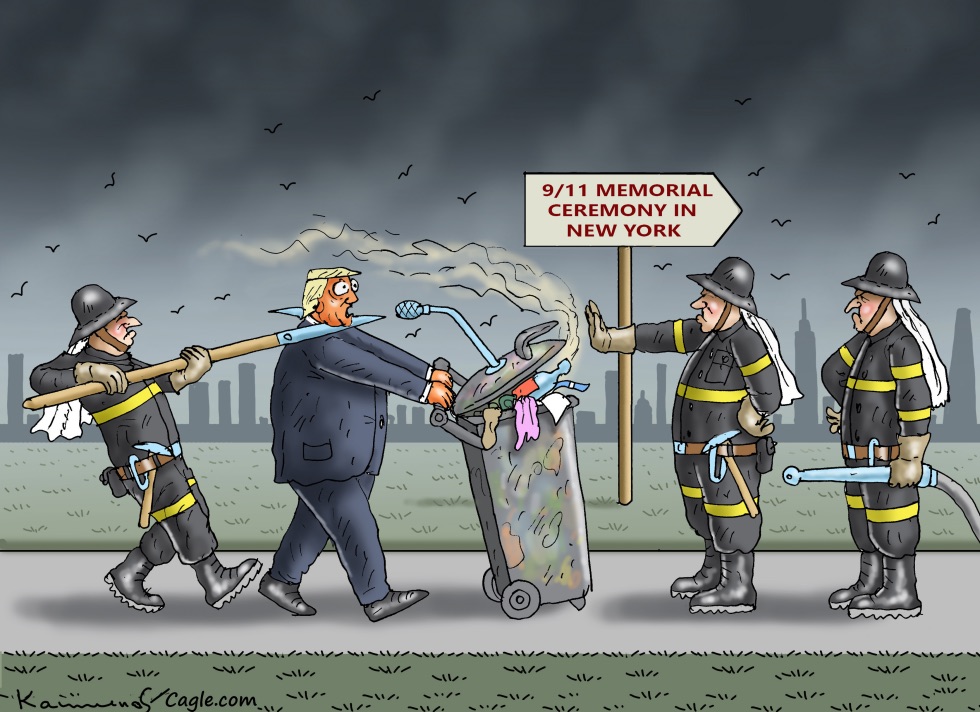
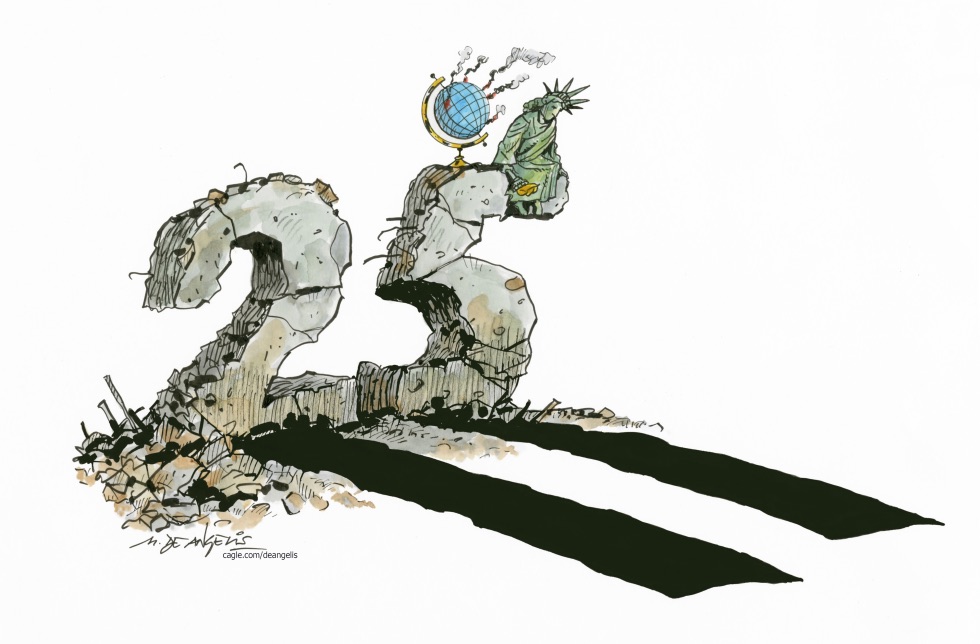
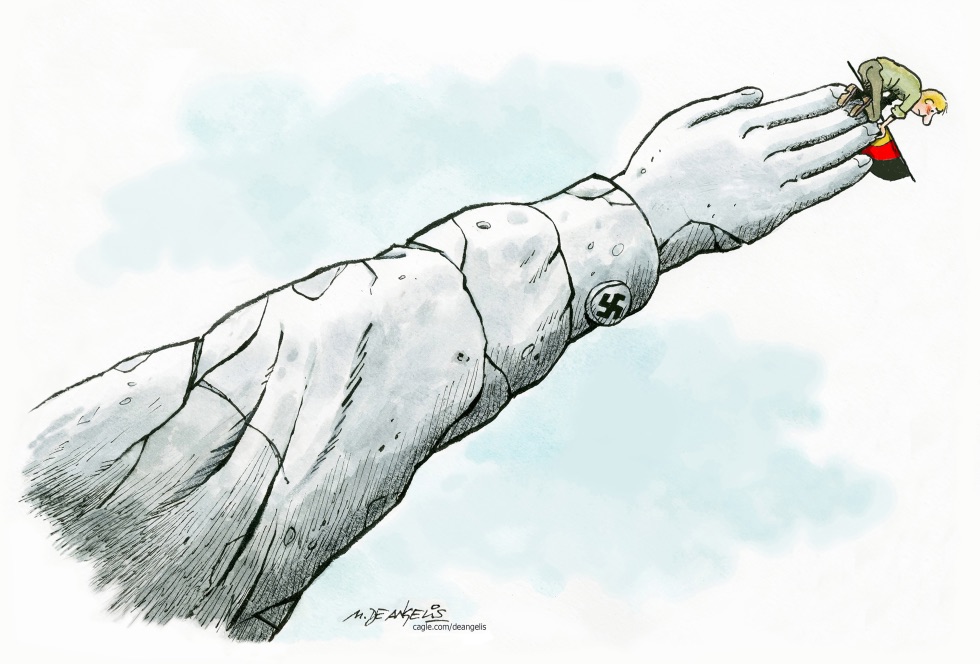

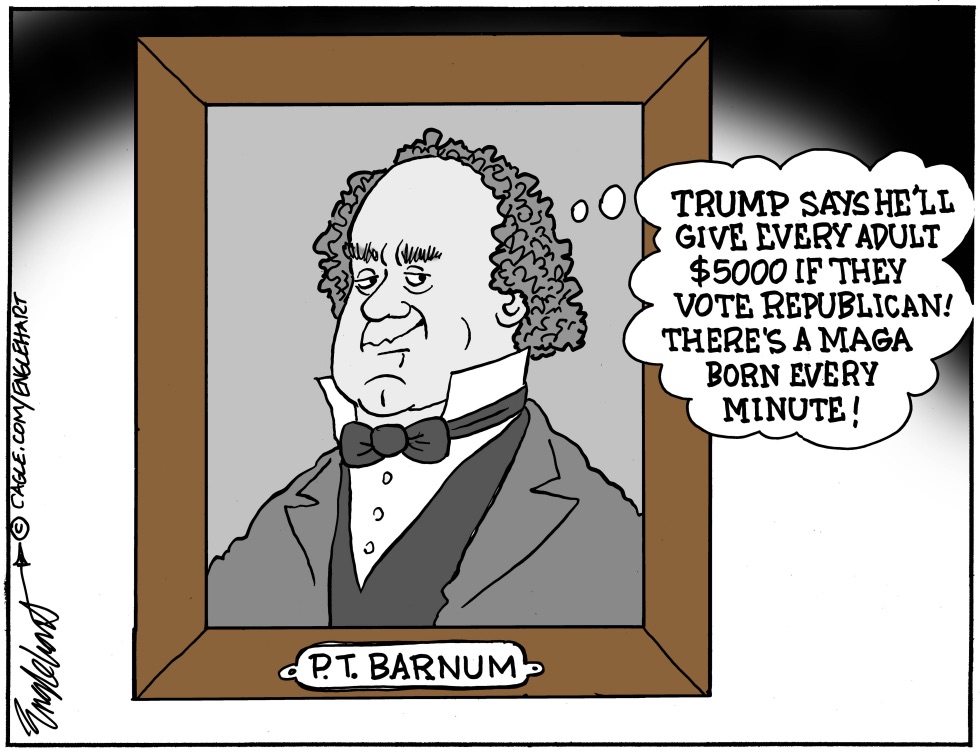
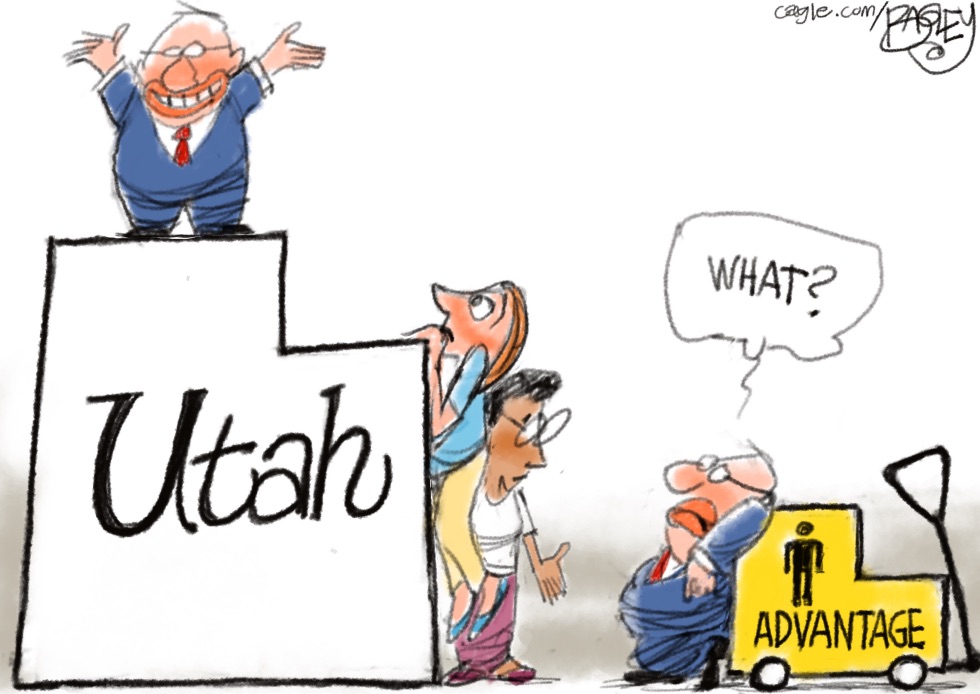
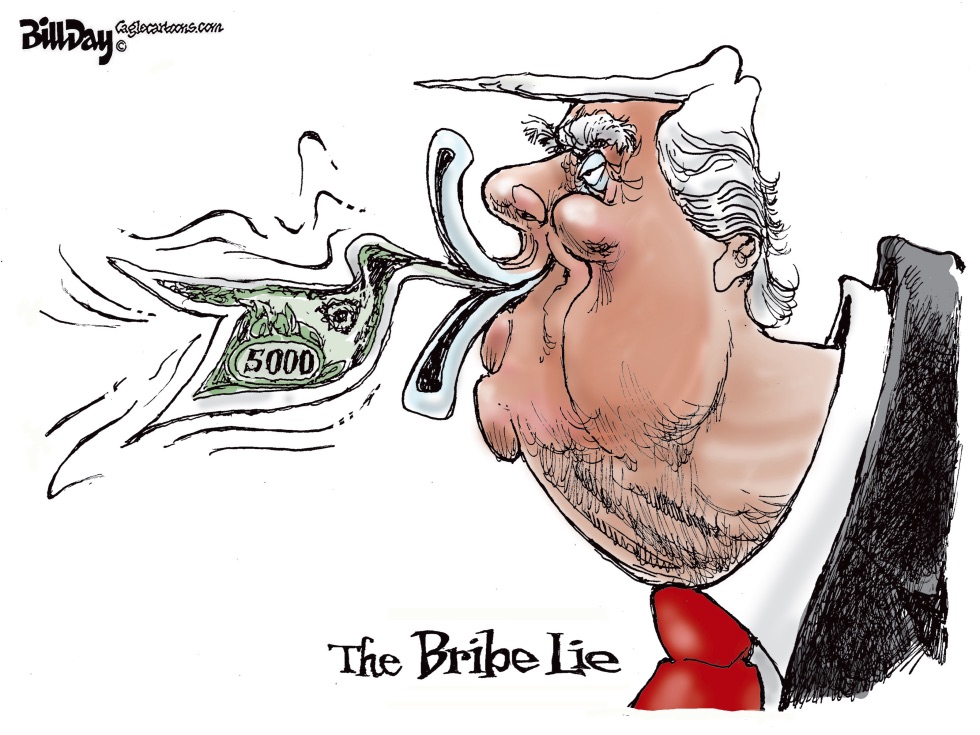
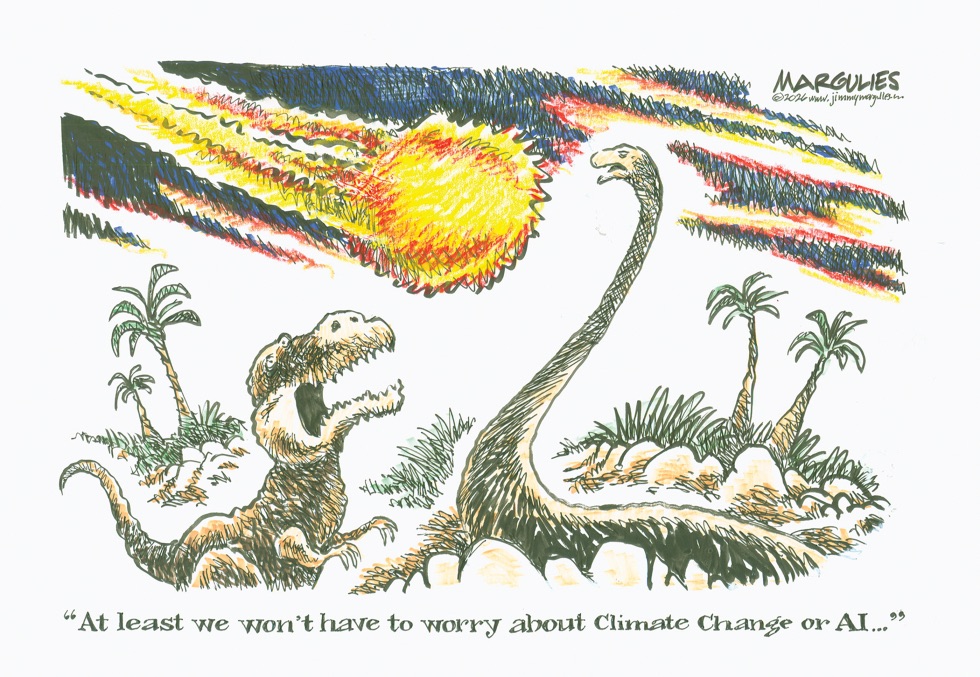
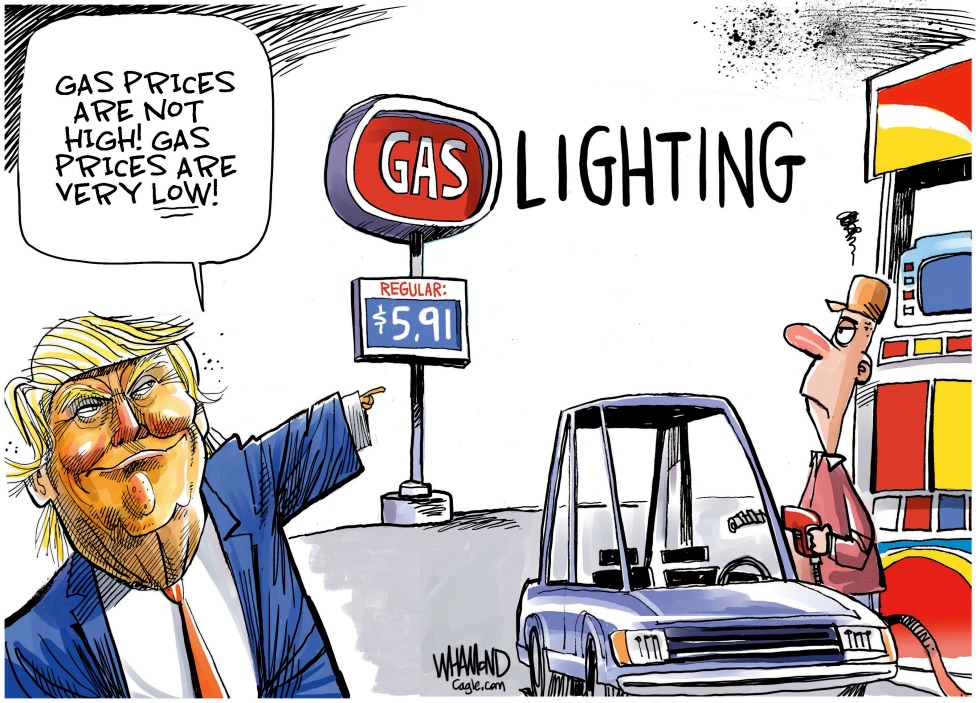
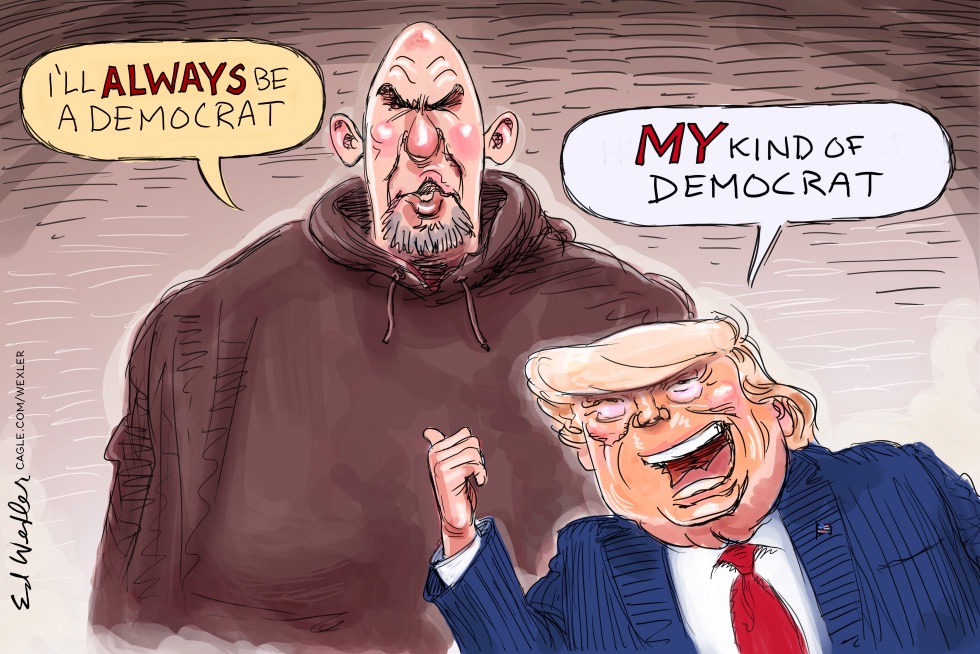
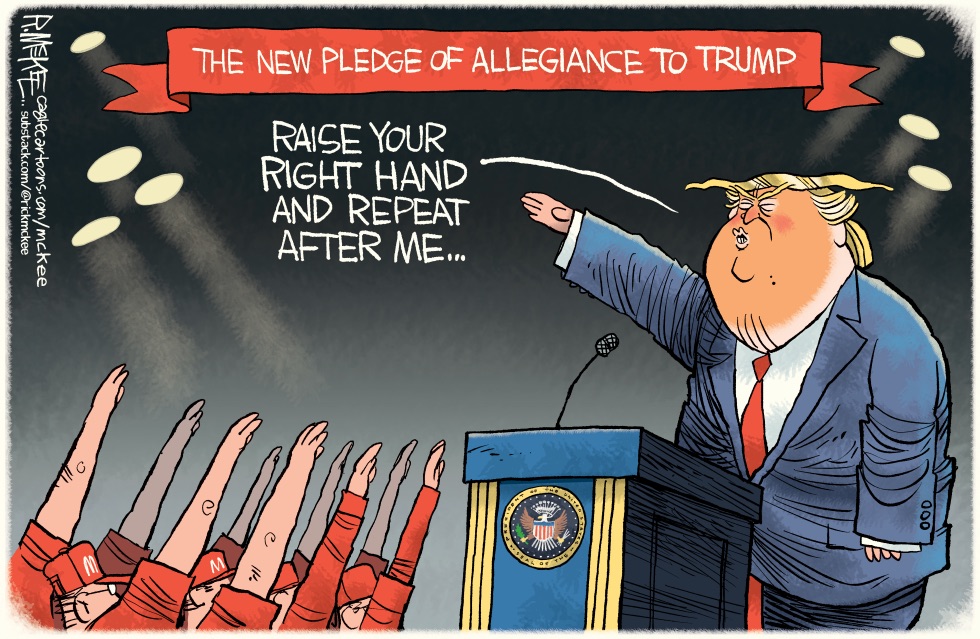
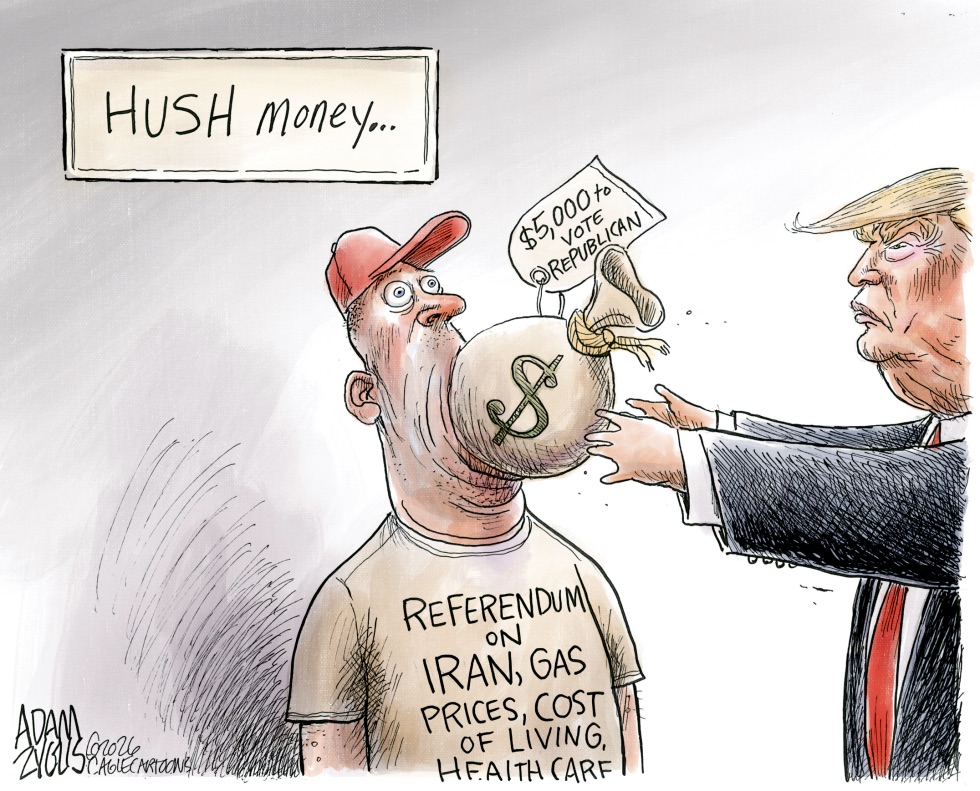
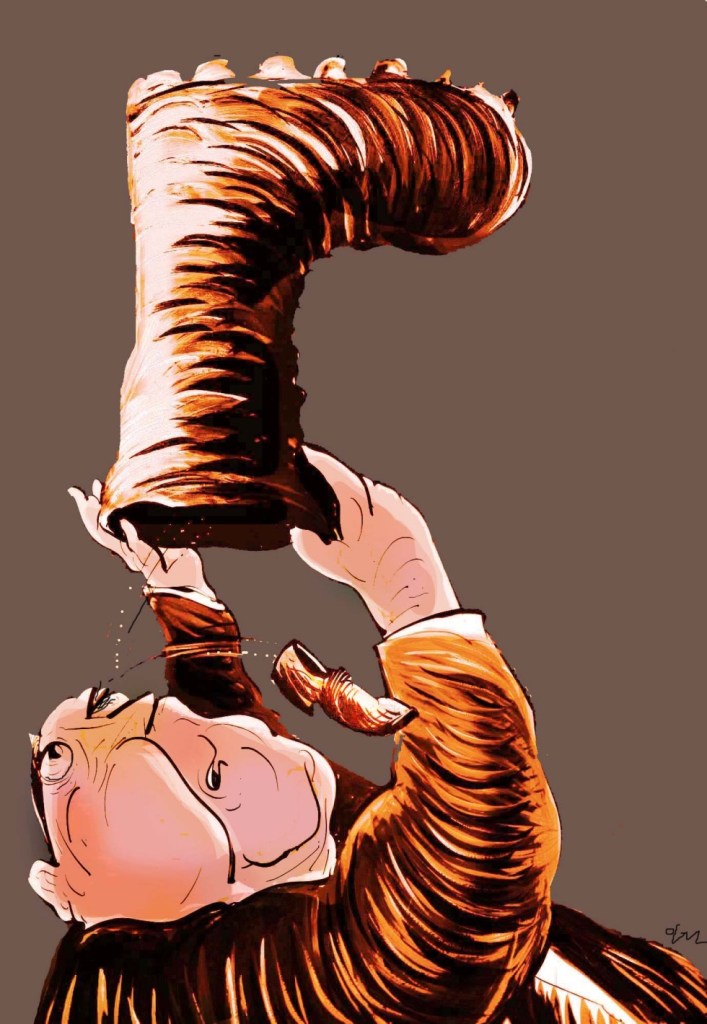
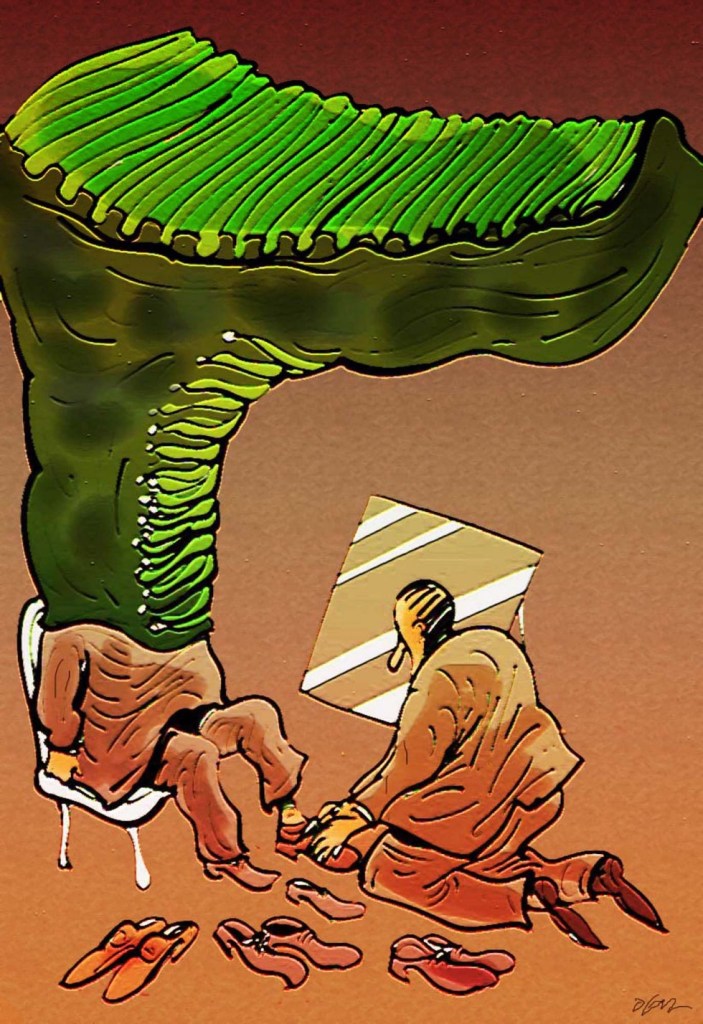

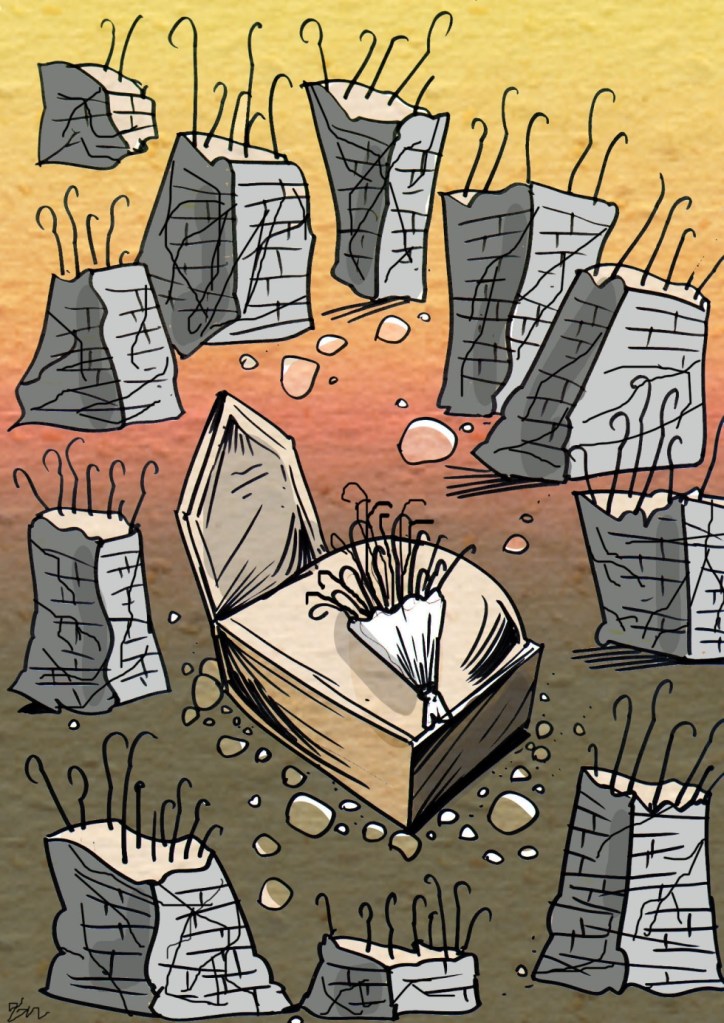

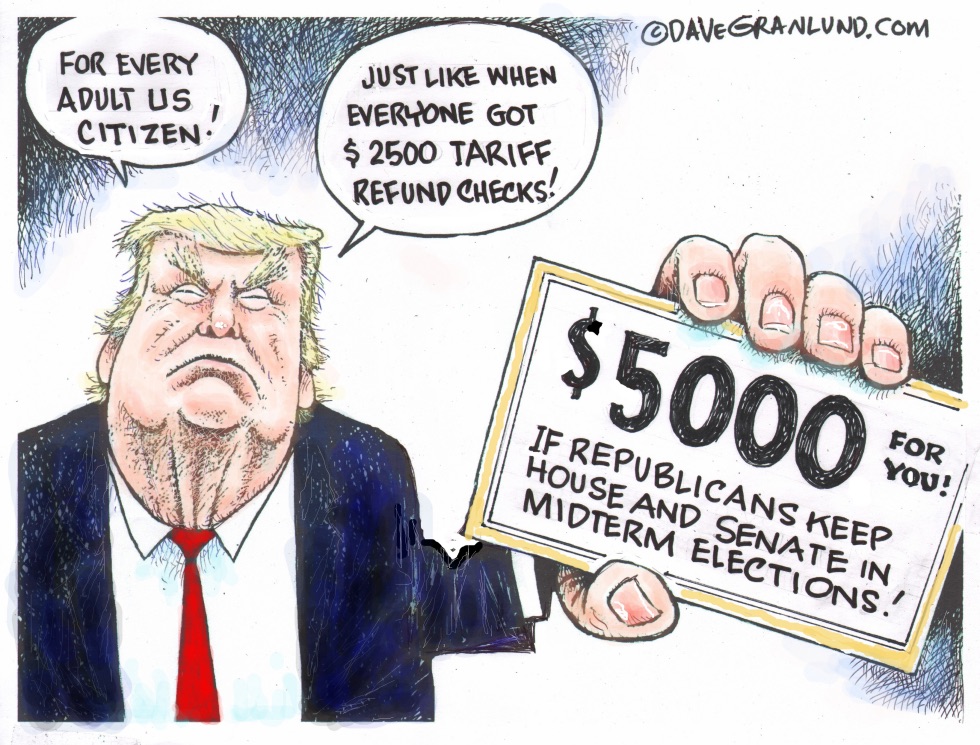
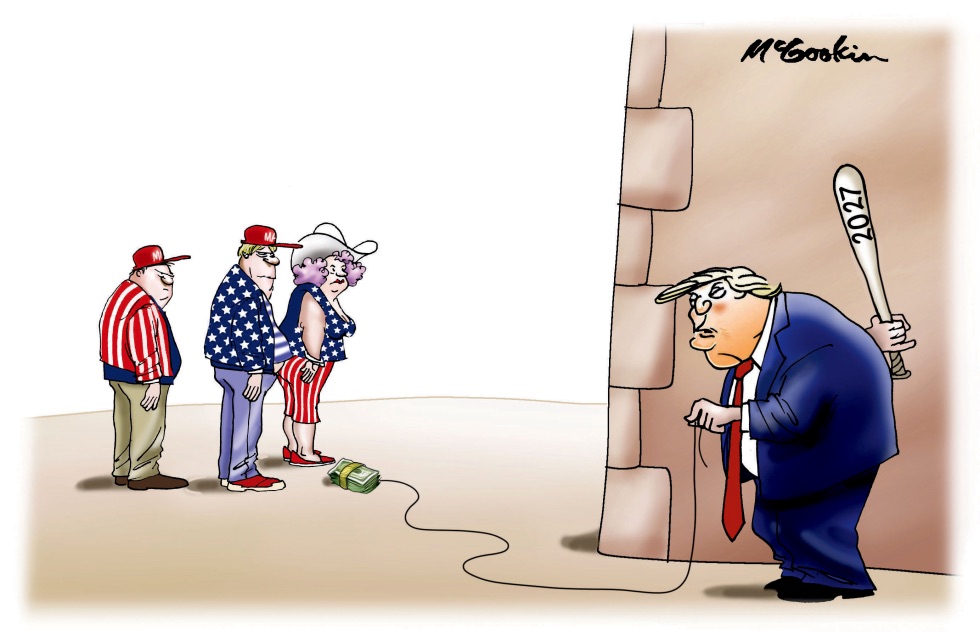
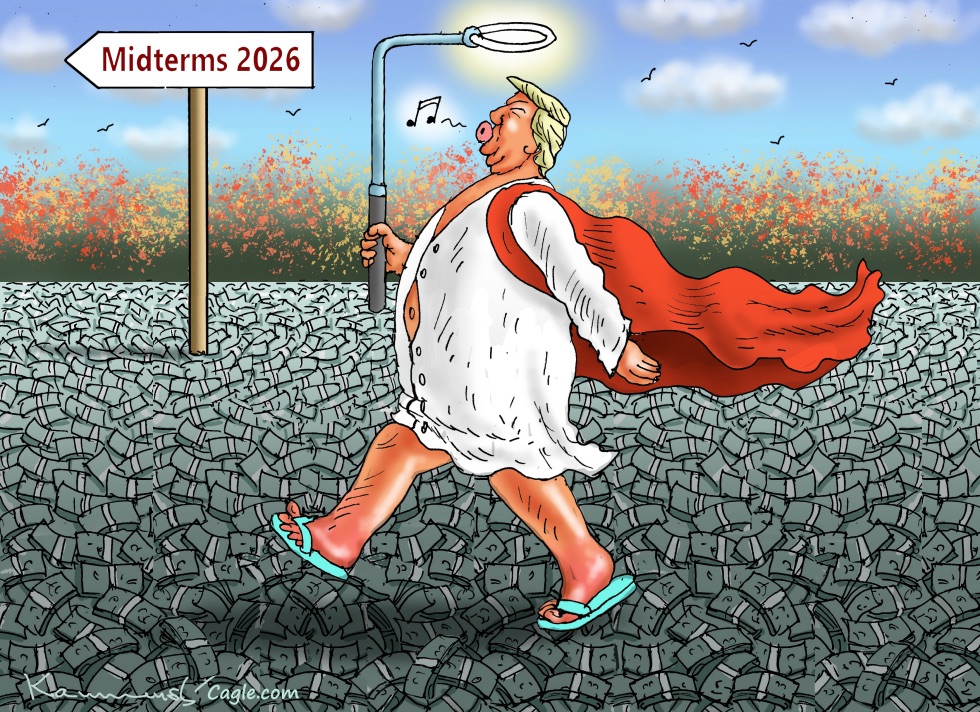
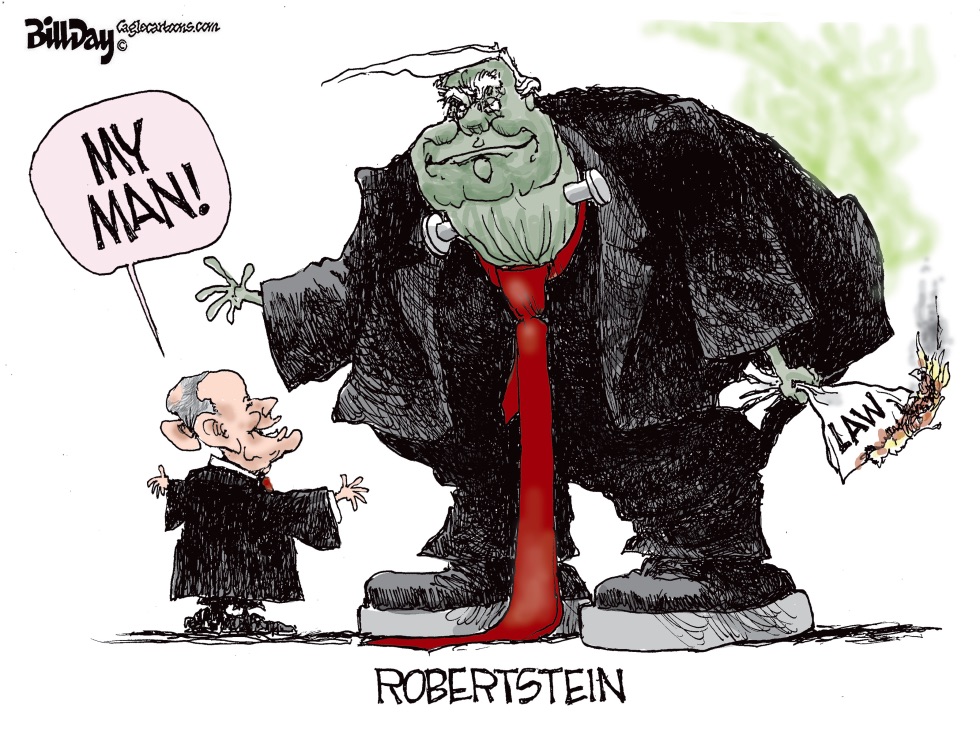
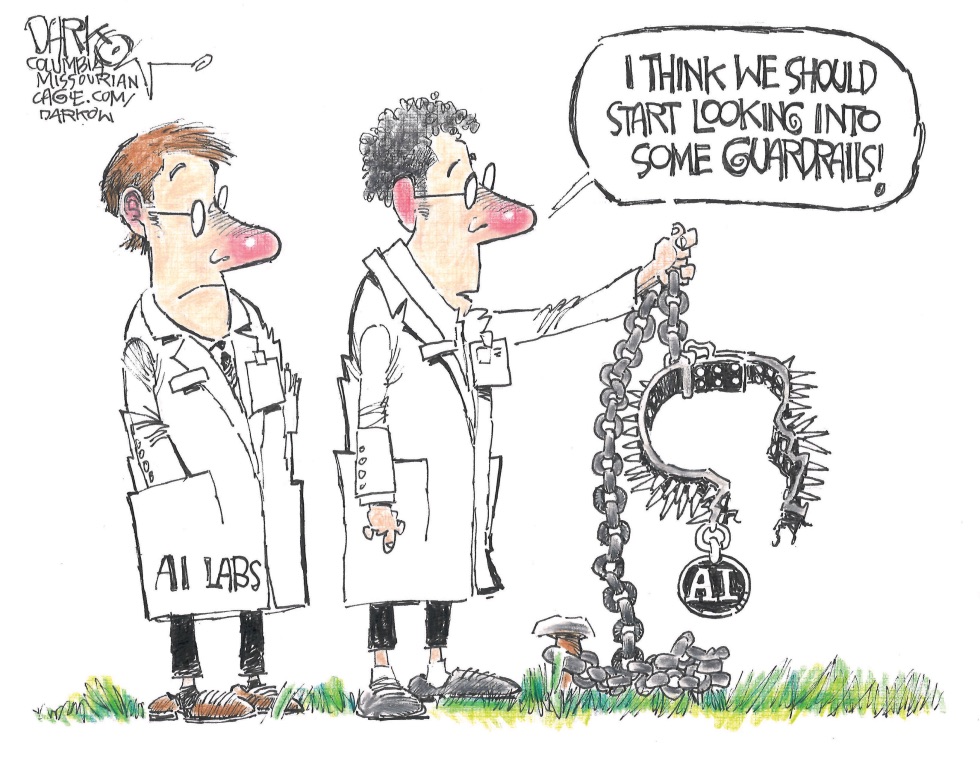
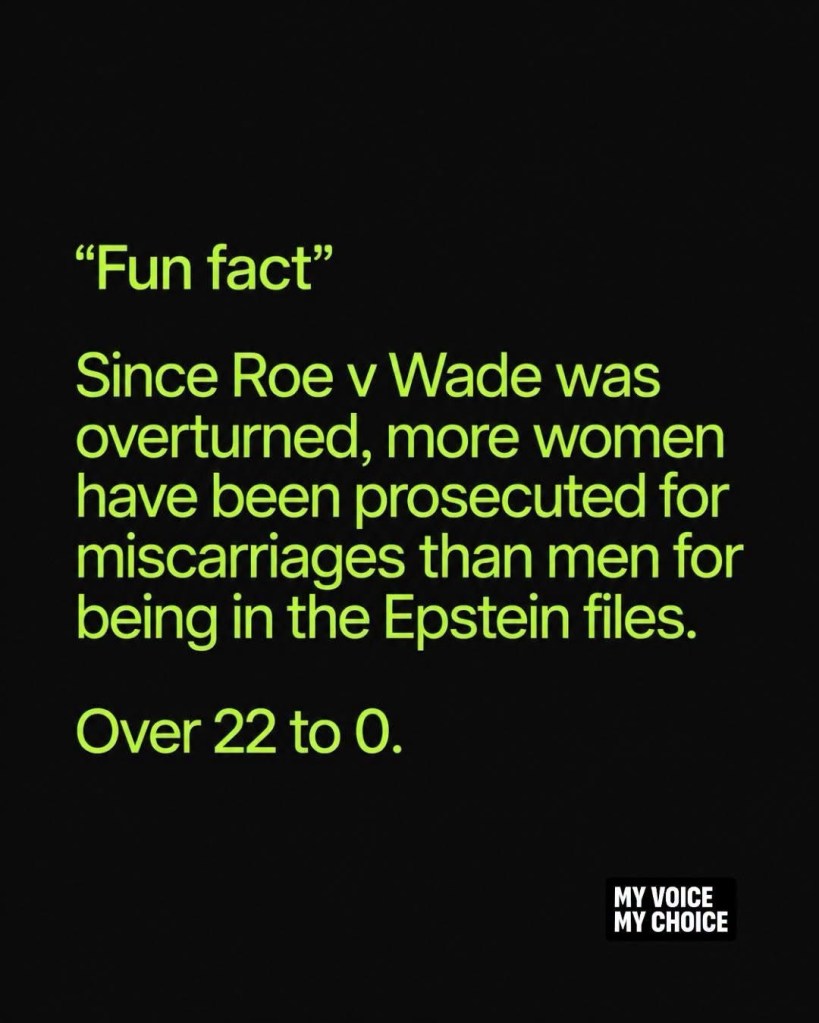
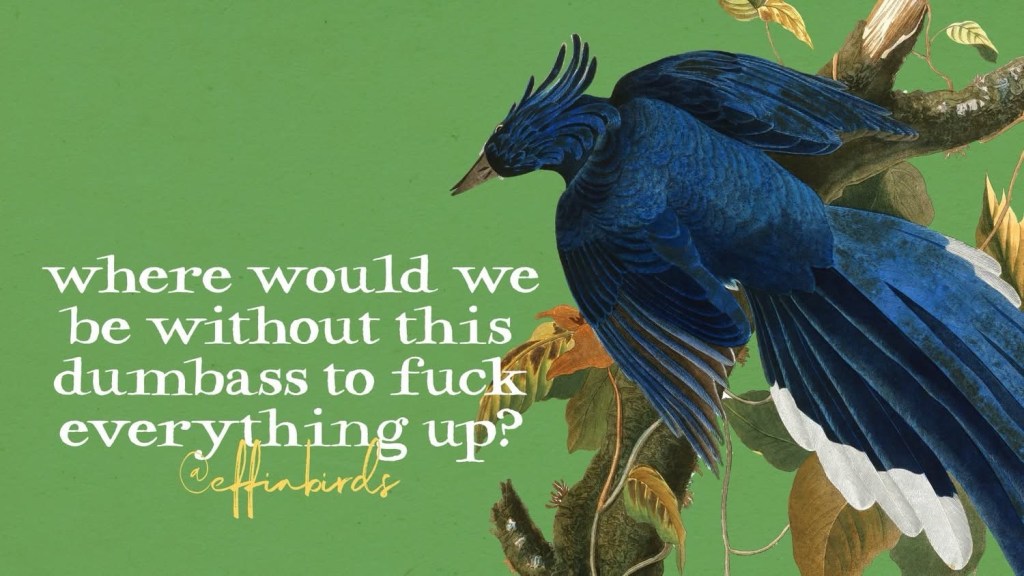


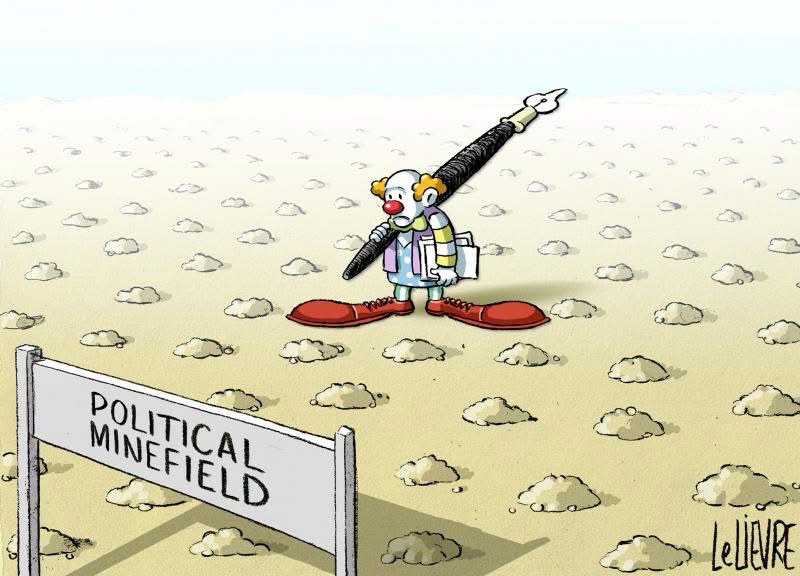

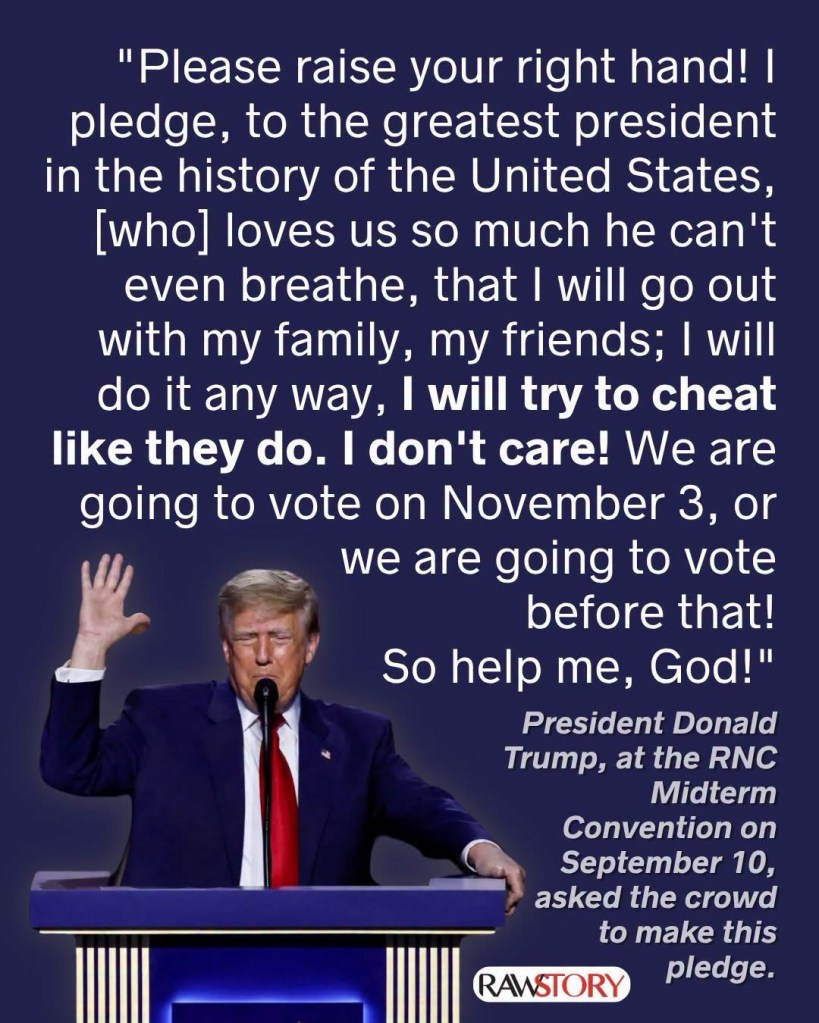
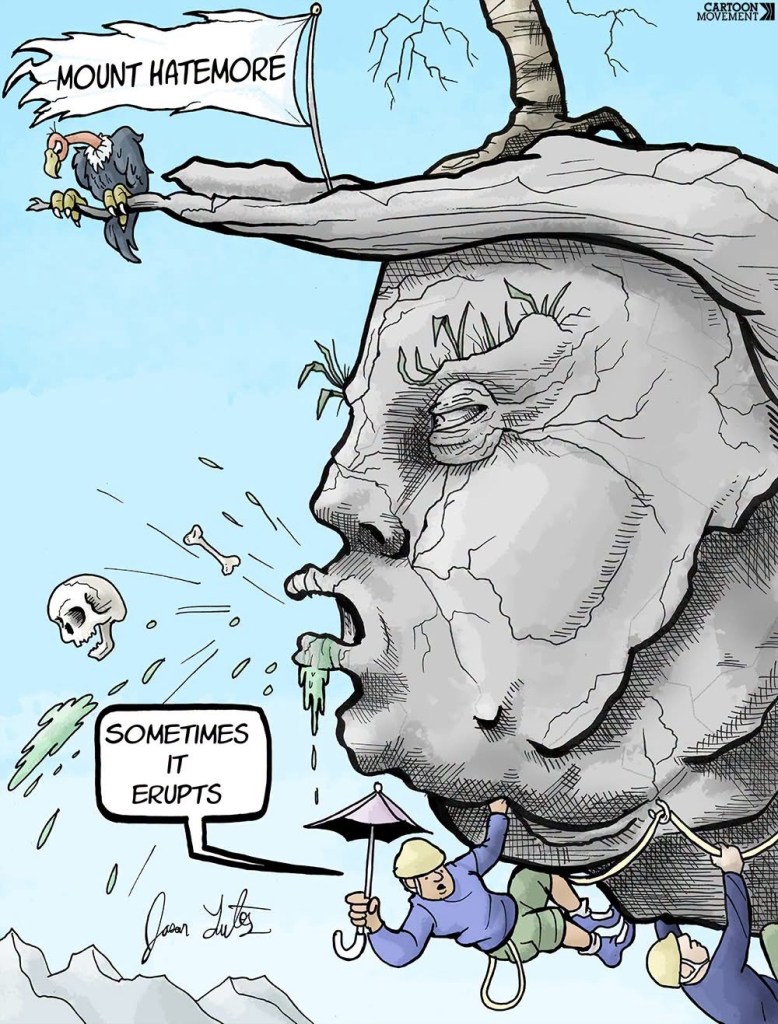

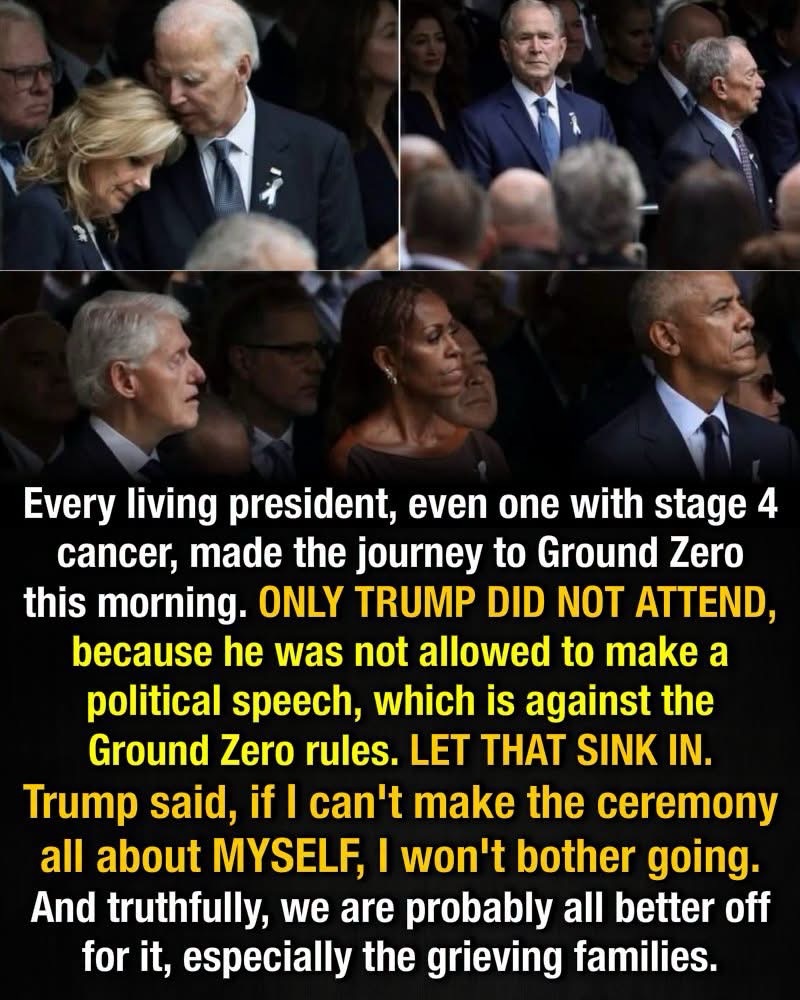

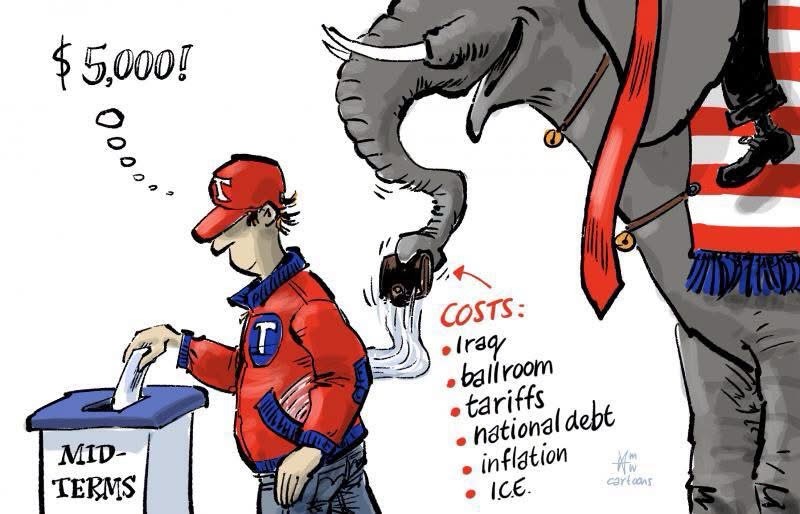
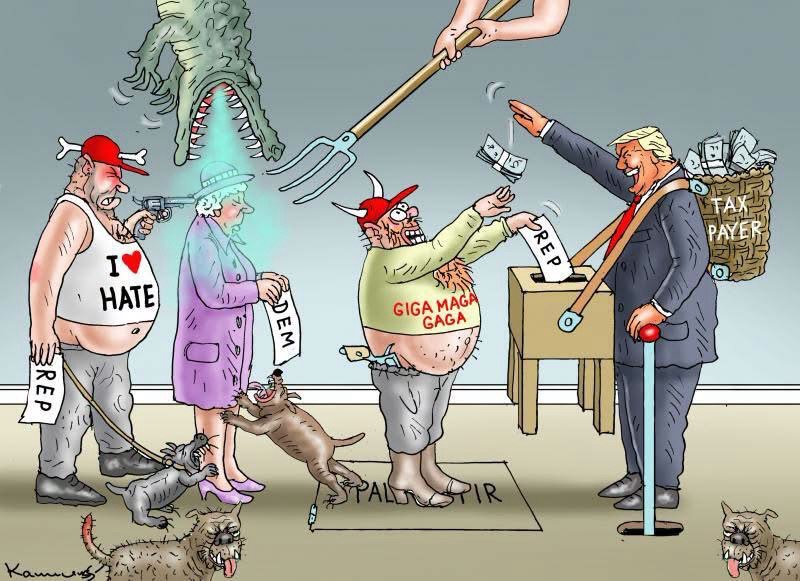
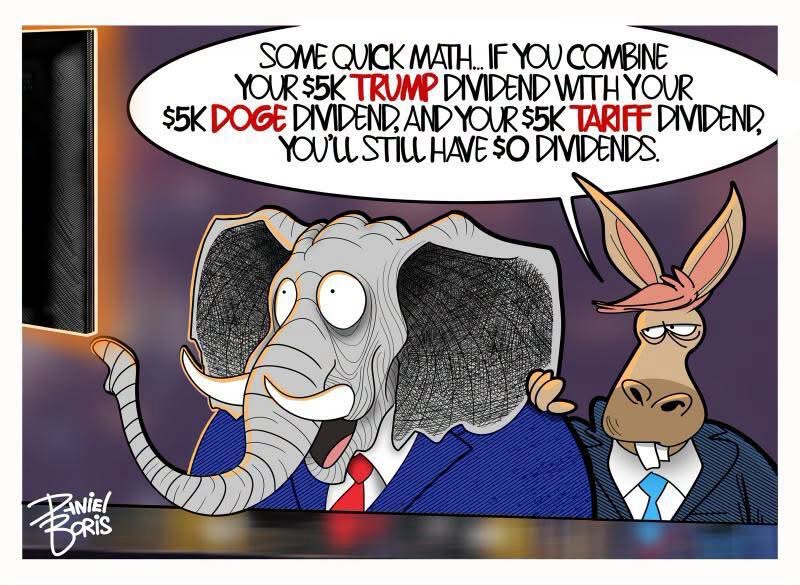

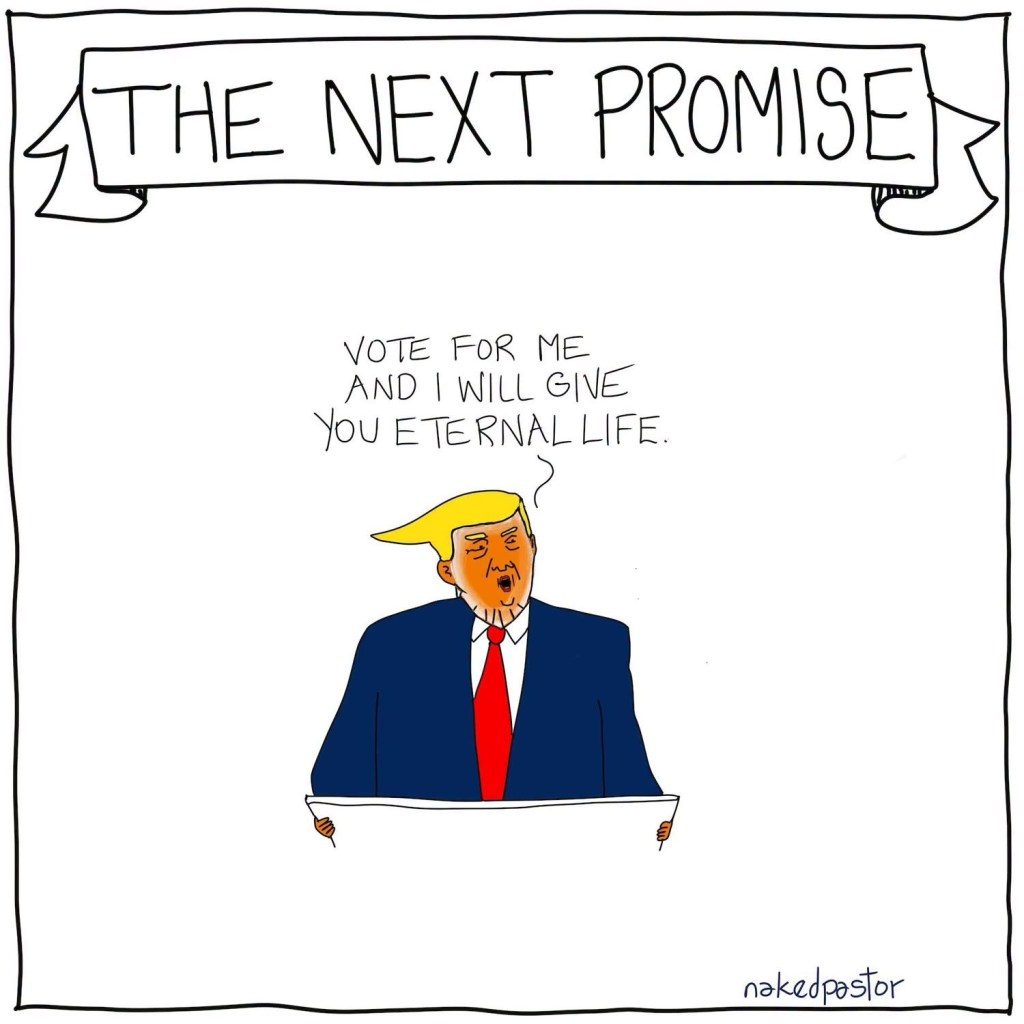







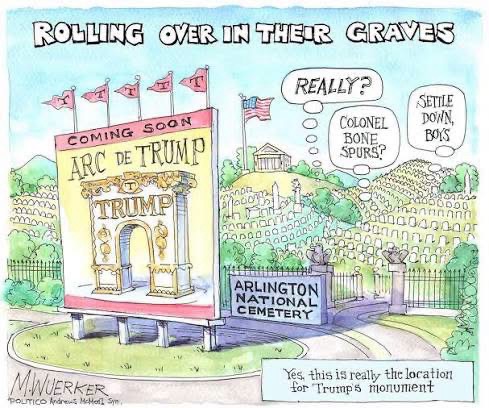
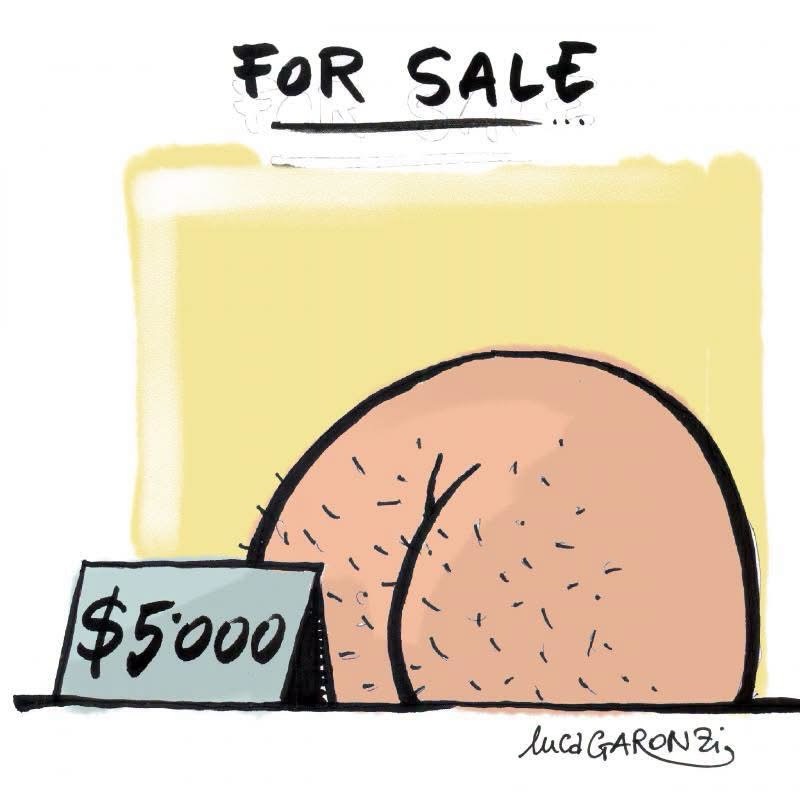
Stay safe today. This is an open thread.
Lazy Caturday Reads: Trump Focuses on Golf While His War Spins Out of Control.
Posted: September 12, 2026 Filed under: just because | Tags: cat art, caturday, Donald Trump, golf, Houthis, Iran War, IRAQ, Irish unification, oil prices, Red Sea, Saudi Arabia, Saudi oil pipeline, Yemen 1 CommentGood Afternoon!!

A New Arrival, by Walter Osborne (Irish artist)
This post is focused on major developments in Trump’s war and his seeming lack of concern about them.
While the situation in the Middle East was spinning out of control, Trump was partying at the “midterm convention” in Dallas. Today, as the Saudis are forced to shut down a vital oil pipeline, Trump is in Ireland to watch a golf tournament at his own property in Doonbeg.
In order to justify spending millions in taxpayer money for a pleasure trip, Trump met briefly with Irish politicians and addressed a group of business leaders and embassy employees at the U.S. embassy. Of course, he managed to embarrass himself (and us). And guess who accompanied Trump to the Emerald Isle? No, not Melania. Natalie Harp.
But first, the war. Attacks by the Houthis have led to the shutdown of Saudi Arabia’s main pipeline for moving their oil.
The desperate pleas for air cover from Yemeni generals started coming mid-morning on Thursday. An advance by the Iran-backed Houthis toward Yemen’s strategic port city of Mocha was in full swing, and backup support from chief ally Saudi Arabia was nowhere in sight.
“The Houthis committed everything they had – waves upon waves of fighters … along with their available ballistic missiles and weapons,” a senior Yemeni source attached to their military forces told CNN. The source said he contacted the United States Central Command (CENTCOM) and was assured the US was “watching the situation closely and that Saudi air support was coming.”
“But the air support never came,” the source said. “And Mocha has now fallen.”
Hours later, on Friday, the Houthis captured another key coastal asset, Perim Island, at the mouth of the Red Sea. The island splits the Bab al-Mandeb Strait in two, giving Tehran de facto control over another key shipping route.
The Houthis’ rapid advance amounts to an extraordinary 36 hours in a conflict that had been largely on ice for years. But the kindling for renewed fighting had been laid for months amid the conflict between the United States and Iran, as Tehran seeks to use oil prices – and their impact on the global economy – as leverage.
Now, Yemen and the Red Sea have the potential to become a true second front in the Iran war.
A bit more detail:
Iran’s effective control of the Strait of Hormuz plus its tightening grip on the Bab al-Mandeb Strait threatens to push oil prices even higher, weeks before November’s midterm elections in the United States.
Young Woman with Cats, by Lovis Corinth (German artist)
While the Bab al-Mandeb Strait, the gateway to the Suez Canal shipping route, is less critical to global energy markets than Hormuz, it still carries essential goods worldwide, including millions of barrels of oil every day. The strait has become increasingly important since the start of the Iran war, as Saudi Arabia has re-routed some exports through the waterway to bypass Hormuz.

It wasn’t just Yemen begging Trump for assistance. He also got calls from Saudi crown prince Mohammed bin Salman. Barak Ravis at Axios: MBS urged Trump to strike Houthis amid Red Sea threat.
Saudi Crown Prince Mohammed bin Salman (MBS) called President Trump twice Thursday, urging him to launch strikes against the Houthis as the Iran-backed group closed in on a vital Red Sea chokepoint, two U.S. officials told Axios.
- Trump declined, and U.S. officials stressed the administration has no plans to intervene directly against the Houthis for now.
Why it matters: Oil prices surged Thursday as the Houthis seized a strategic coastal city in Yemen, pushing them closer to the Bab al-Mandab Strait — a vital artery for global trade and Saudi oil exports.
- With Iran already disrupting traffic through the Strait of Hormuz, Houthi control of Bab al-Mandab could give Tehran a powerful new point of leverage over the U.S. and its Gulf allies.
The latest: Reuters reported Friday morning that the Houthis had taken control of a key island in the strait.
- They also reported that smoke was seen over the key east-west Saudi oil pipeline, though the source was not clear.
Driving the news: The U.S. is concerned about the rapidly escalating fight in Yemen and is stepping up support for Saudi Arabia while trying to avoid direct military involvement.
Adm. Brad Cooper, the commander of U.S. Central Command, traveled to Saudi Arabia on Thursday for urgent coordination meetings, two sources with knowledge of the matter said.
I’m not a military expert; but from what I’m reading, Trump’s war is rapidly getting bigger and more uncontrollable.
Oliver Holmes at The Guardian: Nearly 50,000 Yemeni civilians flee as Houthis advance along Red Sea coast.
Nearly 50,000 people have fled a sudden advance by Houthi forces in western Yemen, with entire villages emptied and families trapped near frontline fighting with depleting food supplies, according to aid workers.
Nora Heysen (Australian, 1911-2003) – A Boy with his cat
Civilians in the Middle East’s poorest country have found themselves victims of a global struggle for control over one of the most important shipping routes in the world, which threatens to turn Yemen’s on-off conflict into a forever war.
In a lightning advance this week, the Iran-backed Houthi militants have seized a string of towns along the Red Sea coast from forces aligned with the US- and Saudi-backed Yemeni government. Hundreds of people are reported to have been killed. Many fear a return to the full-scale civil war that killed 150,000 and brought many others to the brink of famine….
The UN International Organization for Migration (IOM) said on Friday that 46,000 people had been displaced across the governates of Taiz and Hodeidah, where steep verdant mountain ridges give way to arid coastal plains. For many families, this was their second or even third time they had been forced out of their homes.
A significant number of people were observed to be leaving the city with their belongings. Fighting has cut key roads, while phone lines are down in some areas. “The scale of displacement is increasing rapidly,” said Joe Lowry, IOM’s Middle East and north Africa spokesperson in Cairo.

The Saudis have shut down a pipeline after an attack that originated in Iraq.
Freddie Clayton at NBC News: Saudi Arabia’s shutdown of key pipeline limits oil flow as Yemen hits back against Houthis.
Saudi Arabia has closed a critical oil pipeline after it was struck by drones launched from Iraq, with the latest squeeze reverberating through the region Saturday as attacks by Iran-backed Houthi rebels threatened to deepen the world’s energy crisis.
The 745-mile pipeline had helped Saudi Arabia, the world’s largest crude oil exporter, bypass the blocked Strait of Hormuz, through which some 20% of the world’s oil used to pass before the U.S. and Israel waged war on Iran in late February.
The Saudi Energy Ministry confirmed the shutdown of the East-West pipeline on Friday, adding that drone attacks had resulted in a number of injuries and that its teams were “taking the necessary measures to secure the pipeline and assess its safety.”
By Zoya Scholis
Saudi Arabia said that, following a request from Iraq’s prime minister, it would not retaliate for now but reserves the right to take all necessary measures to protect its sovereignty, security and critical facilities, according to a Saudi Foreign Ministry statement.
An Iraqi military commander was dismissed early on Saturday after investigations confirmed the latest drone attacks targeting Saudi Arabia originated from Iraq, according to a statement by Iraq‘s prime minister’s office. An umbrella group of Iran-backed militias in Iraq denied its involvement.
Iraq also closed two key border crossings with Iran, Iraq’s state-run news agency reported Saturday.
Kuwait, a U.S. ally in the region, warned that the pipeline attack was a “dangerous escalation that undermines the security and stability of the region” while Bahrain stressed Saudi Arabia’s right to “take all necessary measures to protect its sovereignty.”

Meanwhile, In Ireland Trump seemed unconcerned:
U.S. President Donald Trump said on Saturday that everything would “work out just fine” when asked about the region on a visit to Ireland. He also said, without providing evidence, that Iran was “probably” behind the pipeline attack.
The pipeline strikes came as rebel Houthi forces in Yemen captured Perim, an island in the middle of the vital Bab el Mandeb Strait that serves as a gateway to the Red Sea trade route that links Europe and Asia.
Trump also said the Iran War would most likely end after the midterm elections.
Azhar Sukri at CNBC: Trump sees Iran war ending soon after mid-term elections, predicts oil prices will then fall sharply.
The war in Iran will likely end soon after November’s mid-term elections, President Donald Trump said Saturday, and predicted that energy prices would fall sharply once that happens.
“I think very soon, I think it’ll be right after the mid-terms, actually,” Trump said on a trip to Ireland when asked by reporters when the Iran war is likely to end. “I would say shortly, and oil will come tumbling down when that happens,”
Hans Heyerdahl, Girl with a Cat (Norwegian artist)
Oil prices retreated on Friday, but notched sharp weekly gains after soaring above $100 a barrel for the first time in months.
Brent crude oil futures, the global benchmark, settled down 2.8% at $104.61 a barrel. U.S. West Texas Intermediate was down 2.4% to settle at $100.05 per barrel. On Thursday, Brent crude peaked at around $108 a barrel, while WTI hit more than $104.
The price decline came after Iranian state media said Tehran will meet with Gulf states in Oman to discuss the Strait of Hormuz, indicating some diplomacy is taking place despite a week of sharp escalation.
MS NOW quoted a senior government official and a Gulf diplomat as saying that Iranian and Gulf officials will meet in Oman’s capital, Muscat, on Monday to sign an agreement that will establish an Iran-Oman shipping route through the Strait of Hormuz.
But Iranian President Masoud Pezeshkian said his country will not surrender, adding that it has resisted aggression from the U.S. and Israel.
“Iran has successfully stood against Israel and the U.S.,” Pezeshkian said late Friday as he addressed a gathering of Indian religious leaders in New Delhi. “Since we are seeking truth and justice, we will not yield in front of bullying arrogance.”

One more on the war and the oil situation from Lisa Friedman, Jenny Gross, and Rebecca F. Elliott at The New York Times (gift link): Gulf Tankers Are Running Out of Ways to Export Oil: ‘These Waters Aren’t Safe.’
The world’s most valuable energy corridors are pinching shut.
On Friday, Houthi militants backed by Iran expanded their control of the Red Sea, threatening a critical route for Persian Gulf crude. That left the region with few alternatives, since shipping traffic through the Strait of Hormuz — once the world’s primary oil transit point — remains significantly constrained and far below what it was before the war.
A Girl with a Black Cat by the Dutch artist Frida Holleman (1908–1999)
And oil exports from Saudi Arabia, long the most important producer in the Middle East, plunged last month to their lowest point in at least 13 years.
The U.S. Navy has been able to keep oil flowing out of the Strait of Hormuz on sea paths close to the coast of Oman, the opposite side from Iran. But that has required an extensive and dangerous operation.
For shipping companies, the once routine operation of navigating the strait has become a high-risk endeavor. At least 23 ships were hit in the waterway near Oman in July and August. Since the war began at the end of February, at least 22 sailors have been killed in the Middle East.
“These waters aren’t safe,” said Michelle Wiese Bockmann, an analyst at Windward, a maritime intelligence company.
As the war in Iran nears its seventh month, it appears to be spinning out of control, analysts said. With no diplomatic end in sight, the Middle East, the epicenter of energy production, is facing its most severe supply crisis in decades.
The Trump administration “has been using a variety of tools very effectively to keep the oil price and the gasoline price at bay,” said Amos Hochstein, who served as a foreign affairs and energy adviser in the Biden administration. But now, he said, fewer options are available to President Trump and his team. “They’re “stuck.”

You can use the gift link to read the rest if you’re interested.
Trump was in Dublin this morning to justify spending taxpayer money on his golf trip. Natalie Harp was was there, lined up with the Trump family on the receiving line.
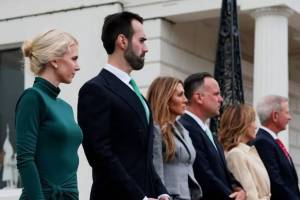
Natalie Harp on the receiving line in Dublin.
The AP via NPR: Trump meets Ireland’s leaders before heading to his golf club in Doonbeg.
U.S. President Donald Trump held talks Saturday in Dublin with his Irish counterpart Catherine Connolly during a weekend visit that’s more about a major golf tournament hosted on a course he owns on the country’s Atlantic coast. He also met with Ireland’s Prime Minister Micheál Martin.
Trump will address the U.S. and Irish business leaders at the U.S. ambassador’s official residence in Dublin before traveling to his oceanfront golf club in Doonbeg, on the other side of the country, to watch the Irish Open.
Connolly is a left-wing politician who was among those who protested when Trump visited Ireland in 2019 during his first term in office. She is now Ireland’s elected, largely ceremonial head of state. A supporter of the Palestinian cause, she in the past has criticized U.S. policy in the Middle East and called Trump a “bully.”
Thursday Cartoons: September 11th … 25 Years
Posted: September 10, 2026 Filed under: just because 7 Comments
This cartoon from Pat Bagley is completely on point.
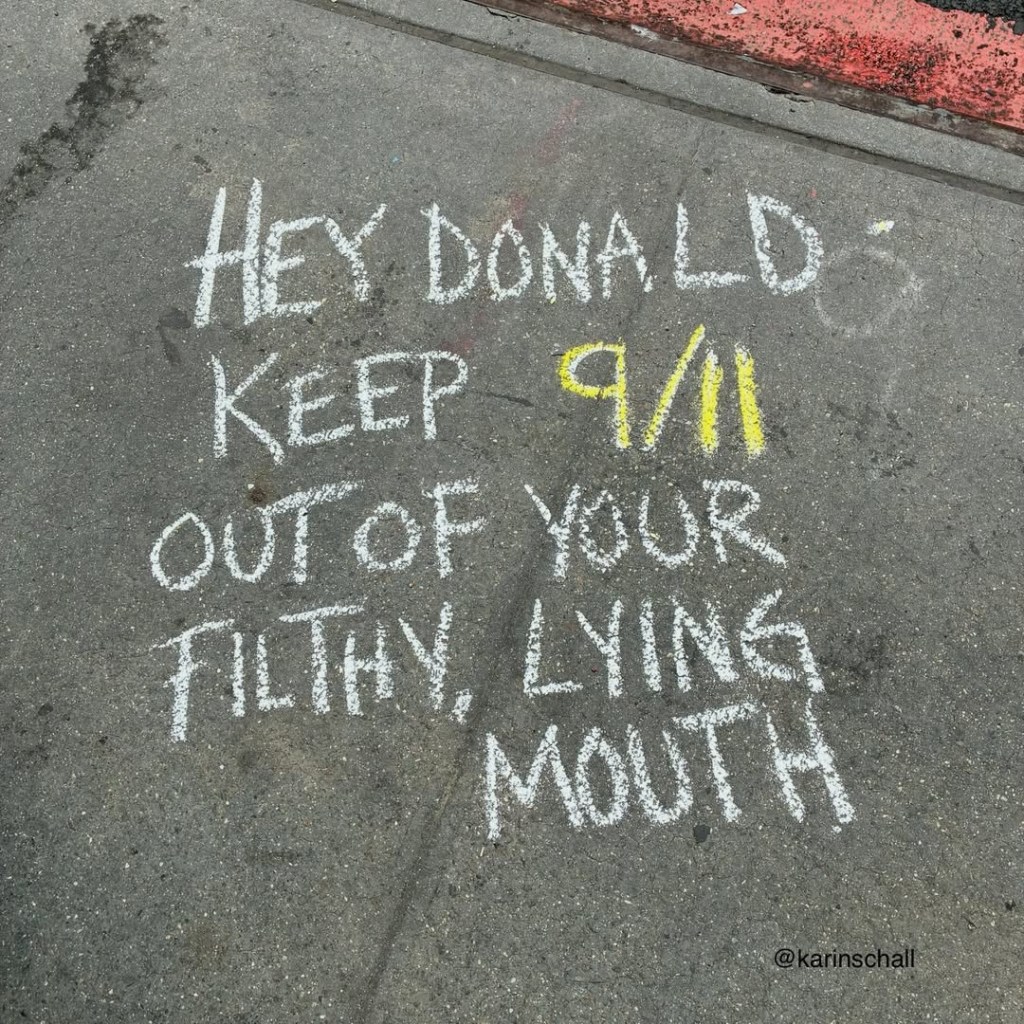
Donald Trump took a huge shit on the victims and survivors of September 11th when he told that enormous lie about being saved at ground zero by two firefighters.
As Boston Boomer wrote about it yesterday, that outrageous lie has to be one of his most despicable ones he has told.

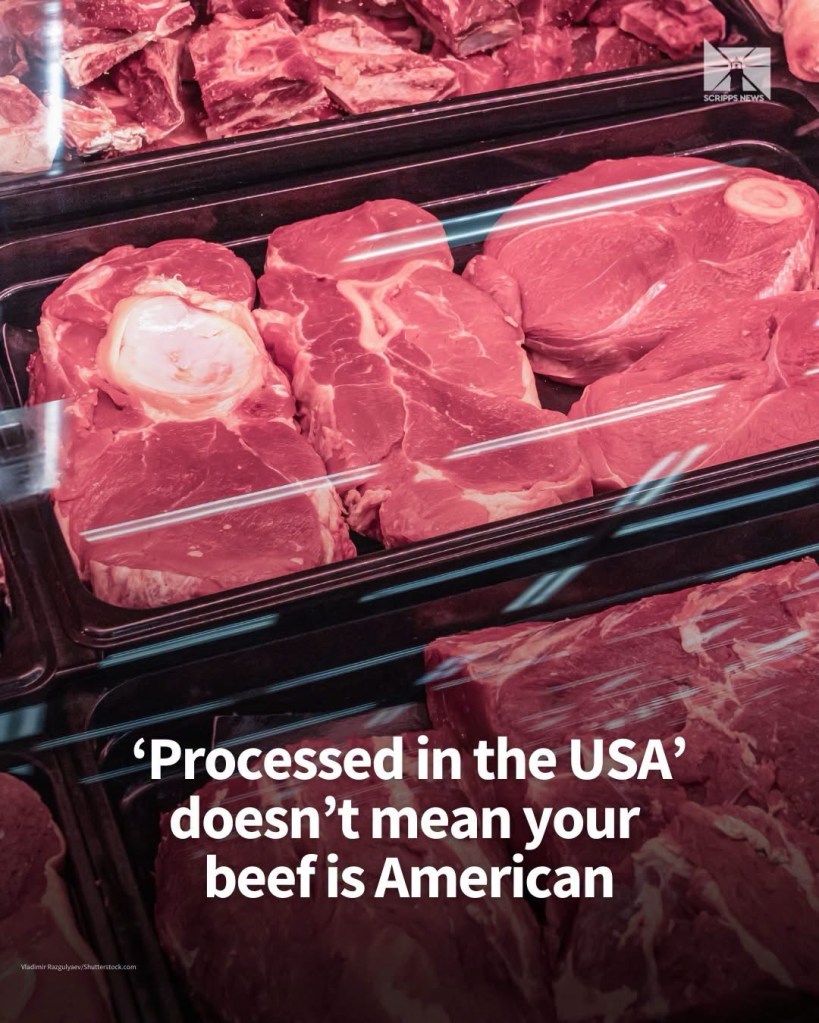
Now before I share the cartoons with you, here is a new report from ProPublica:









Cartoons via Cagle:
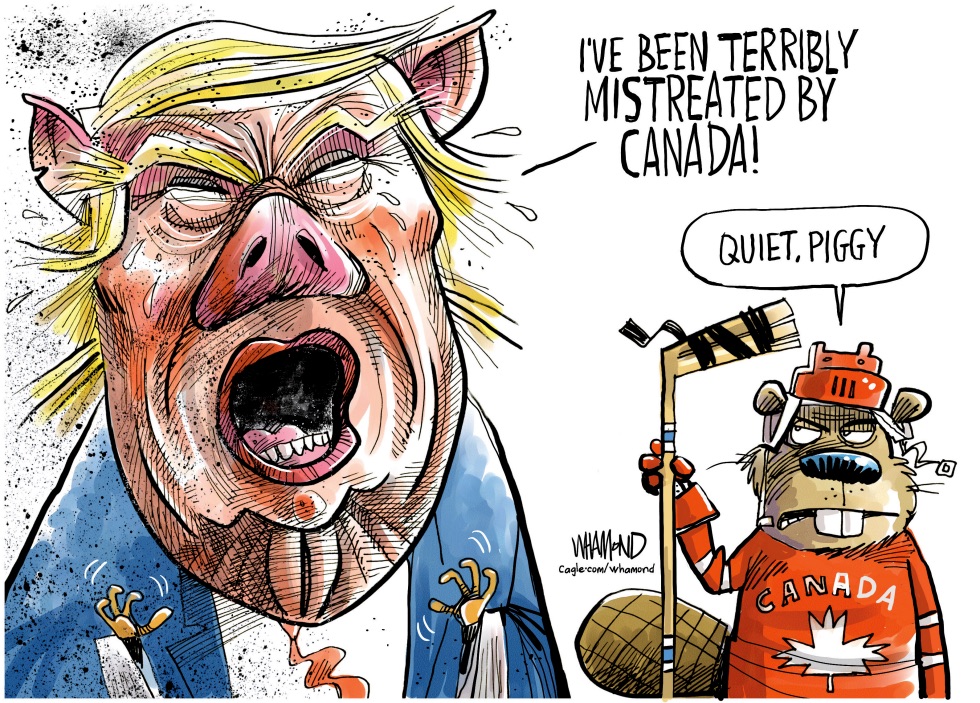
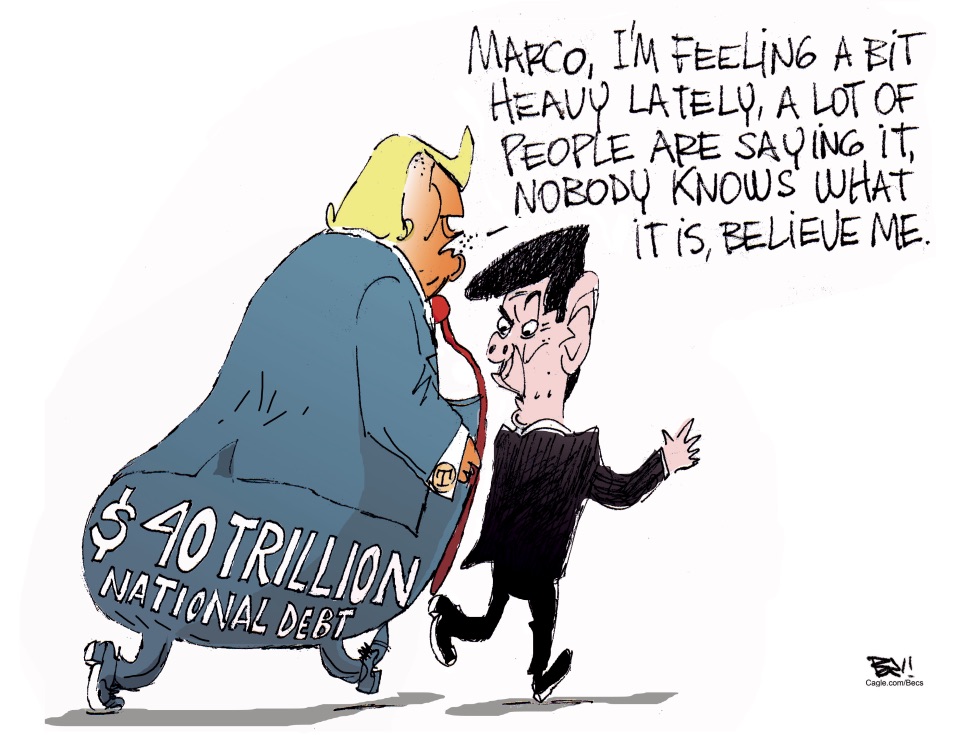
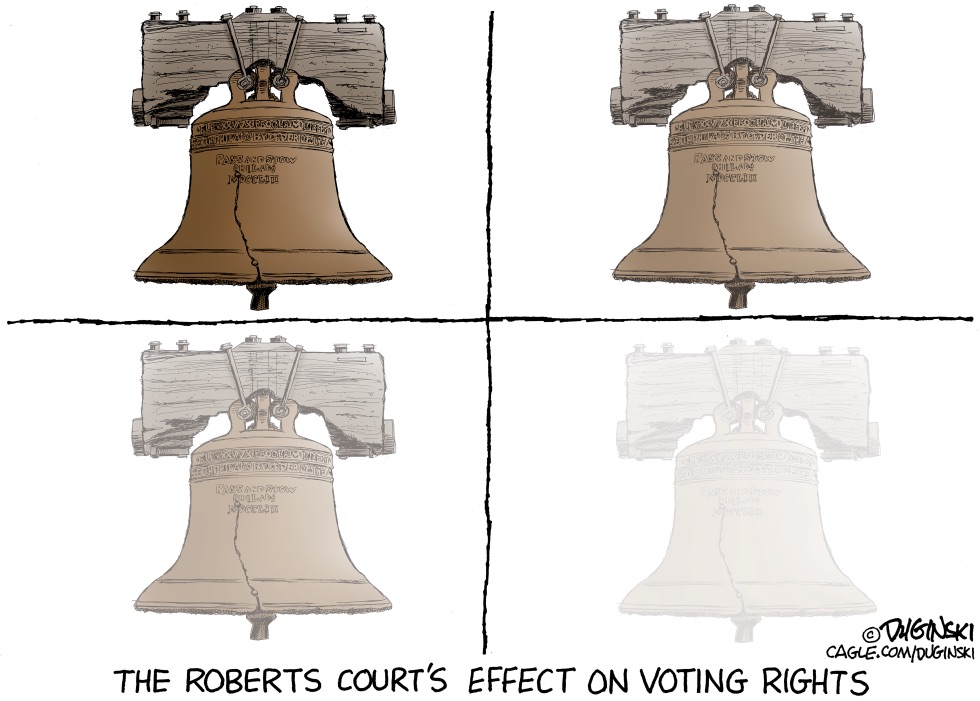
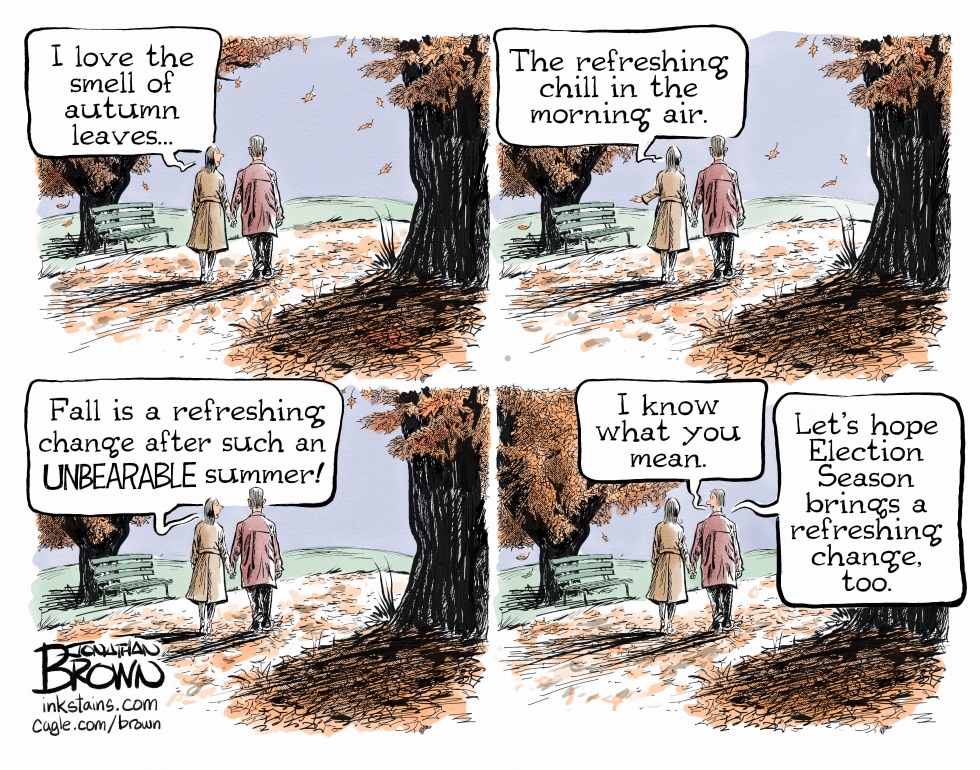
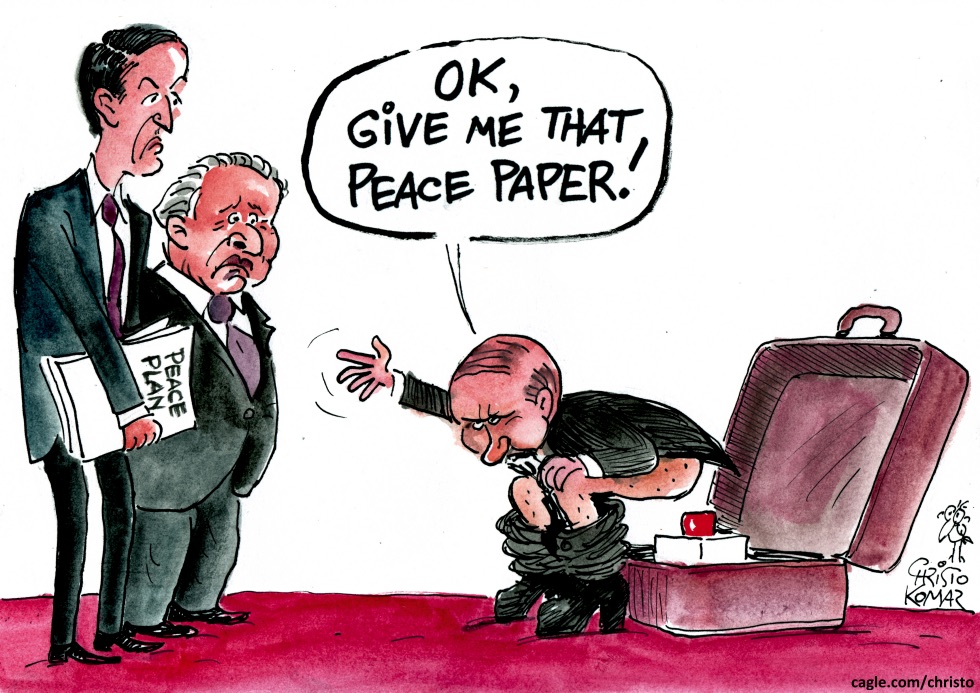

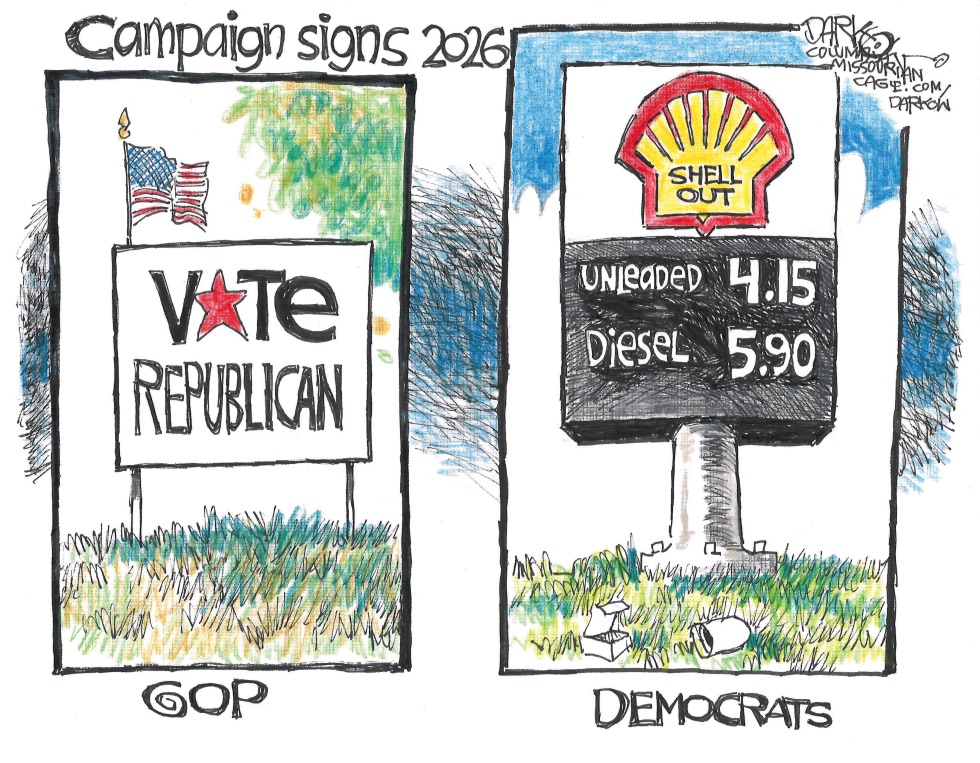

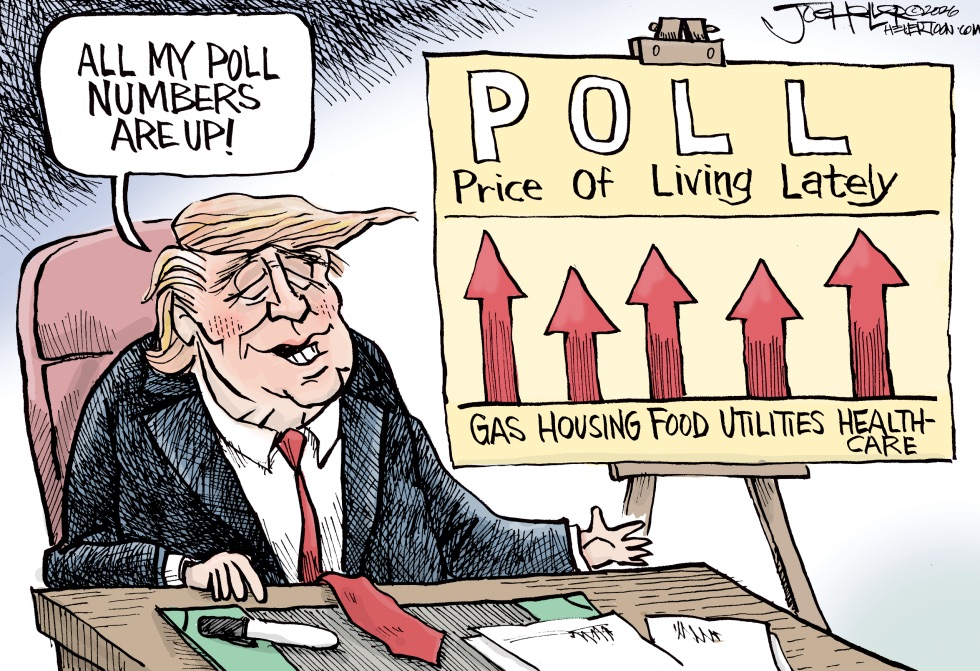
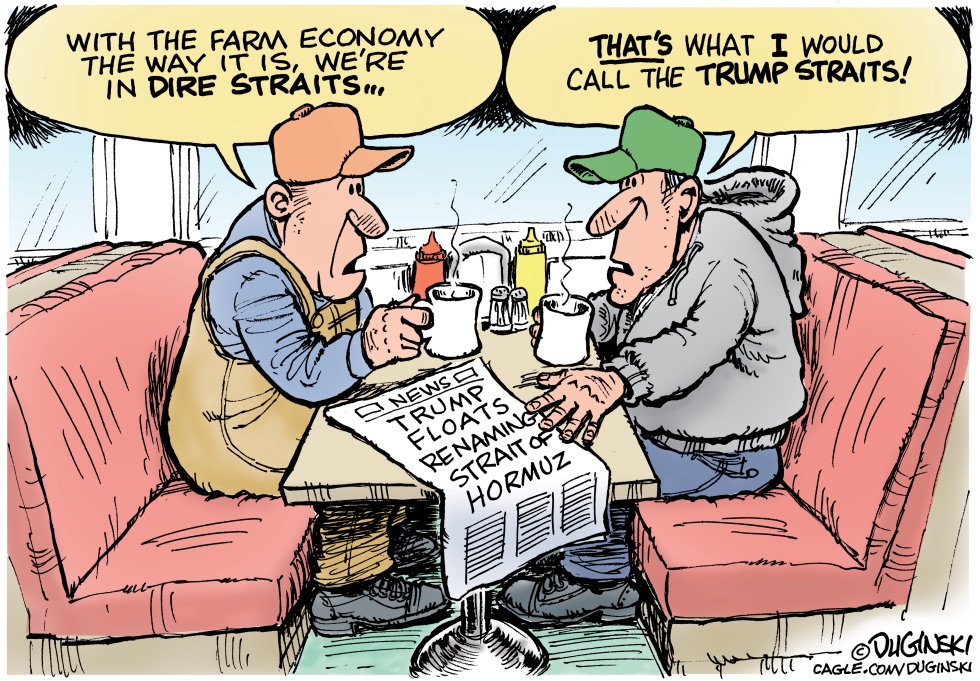

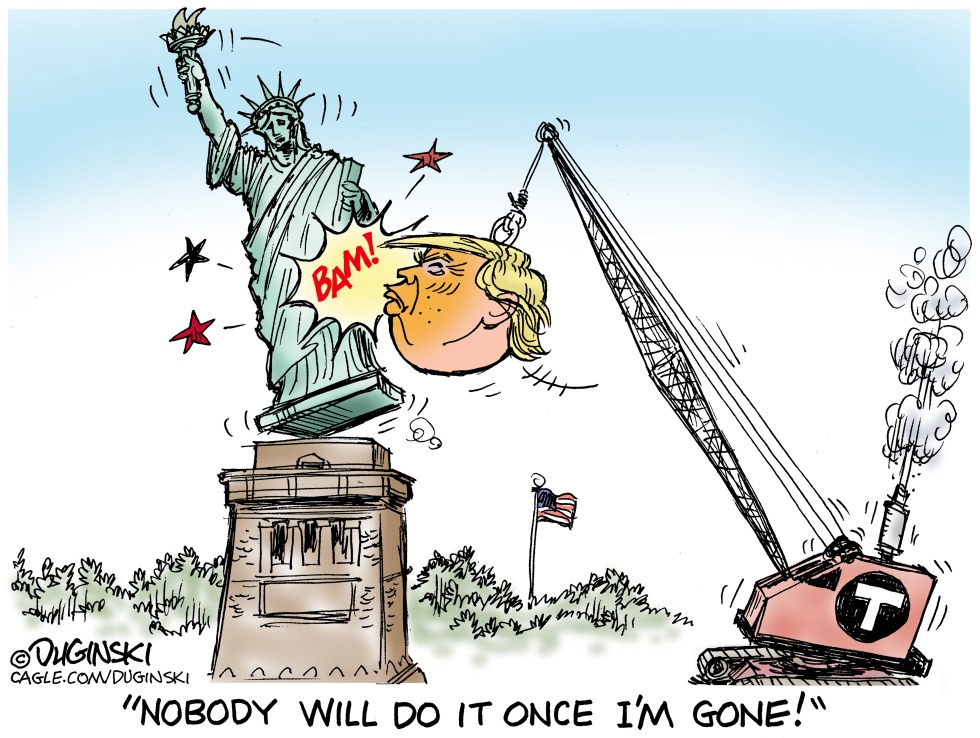
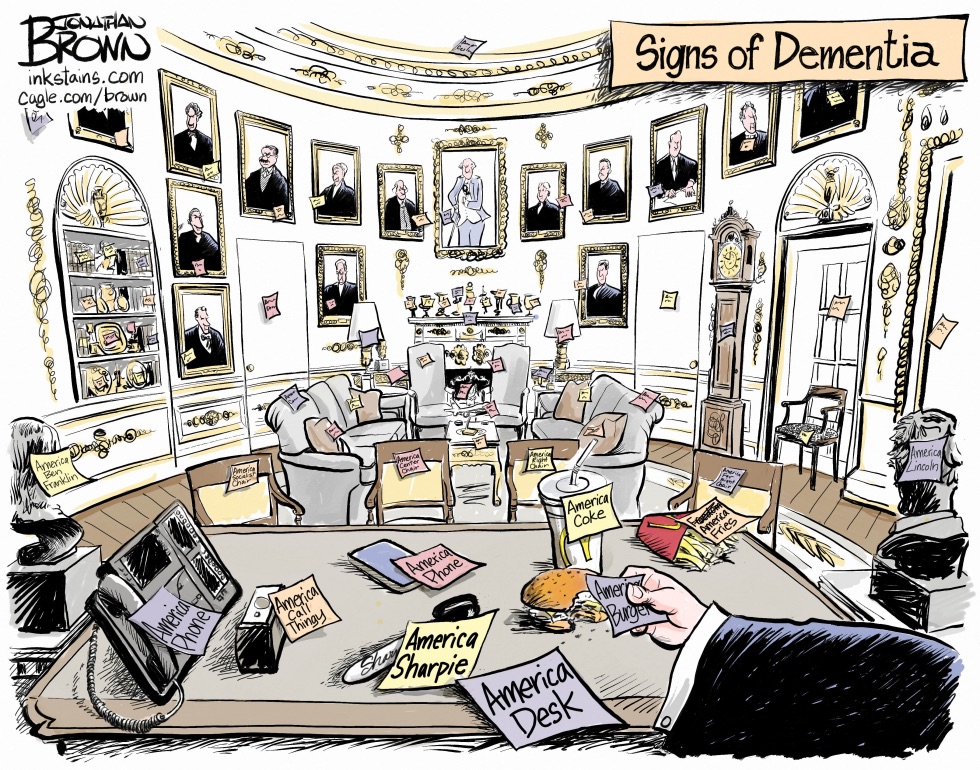
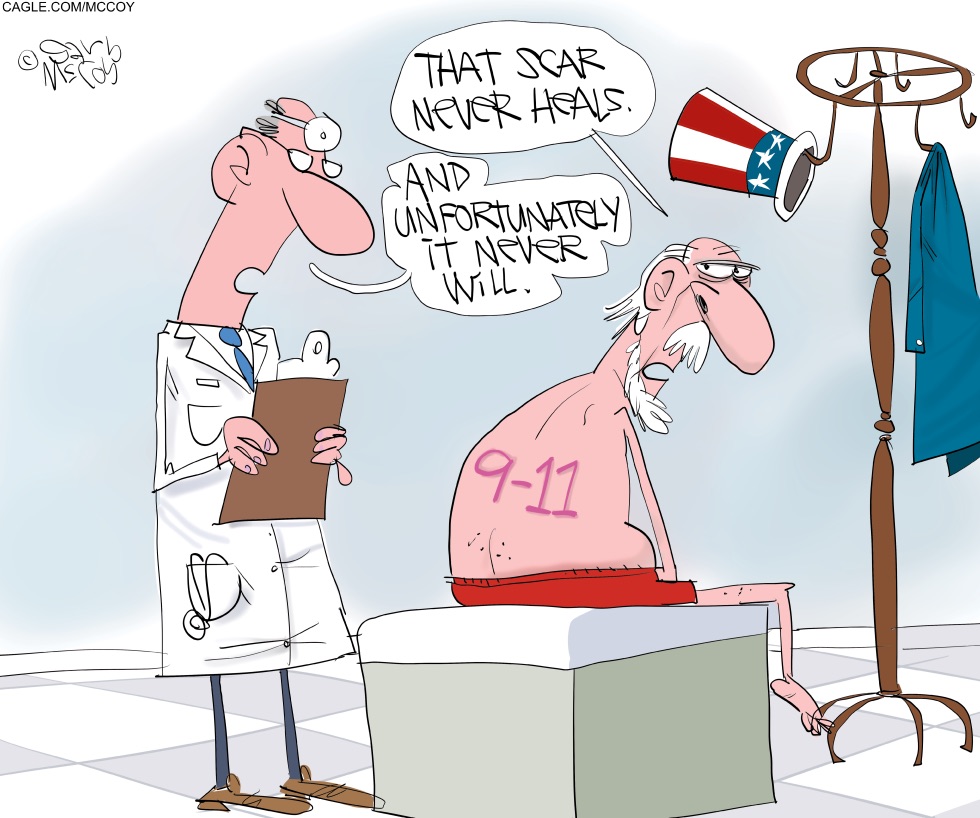

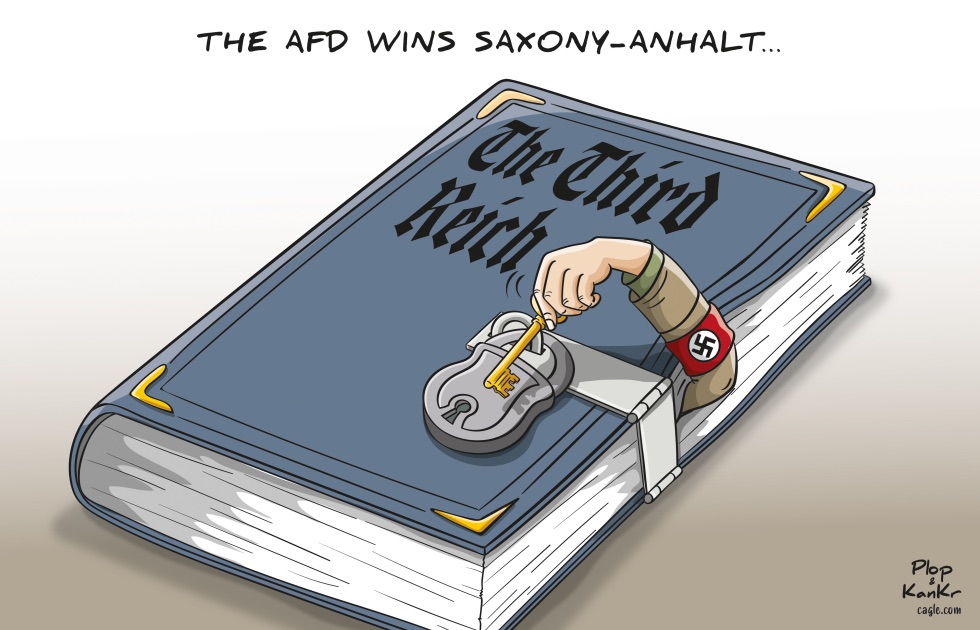
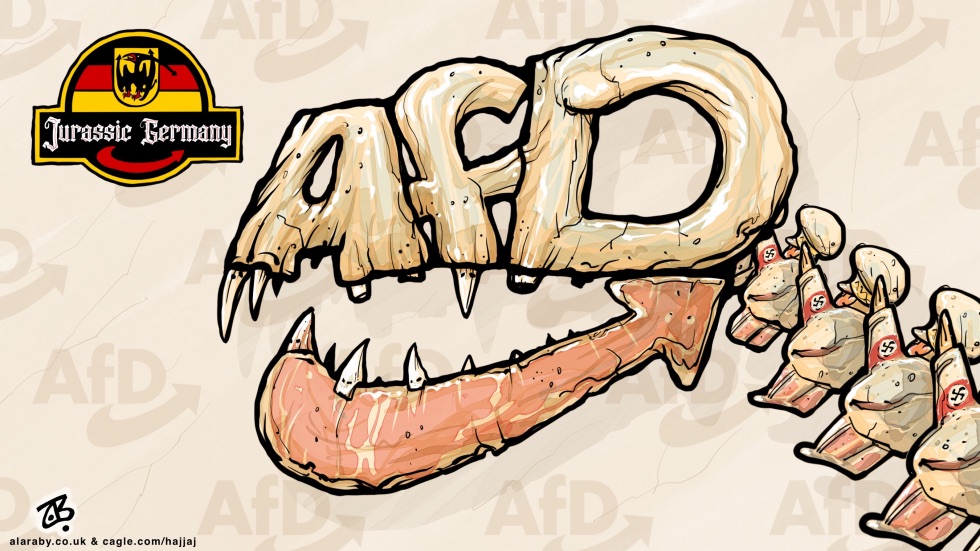

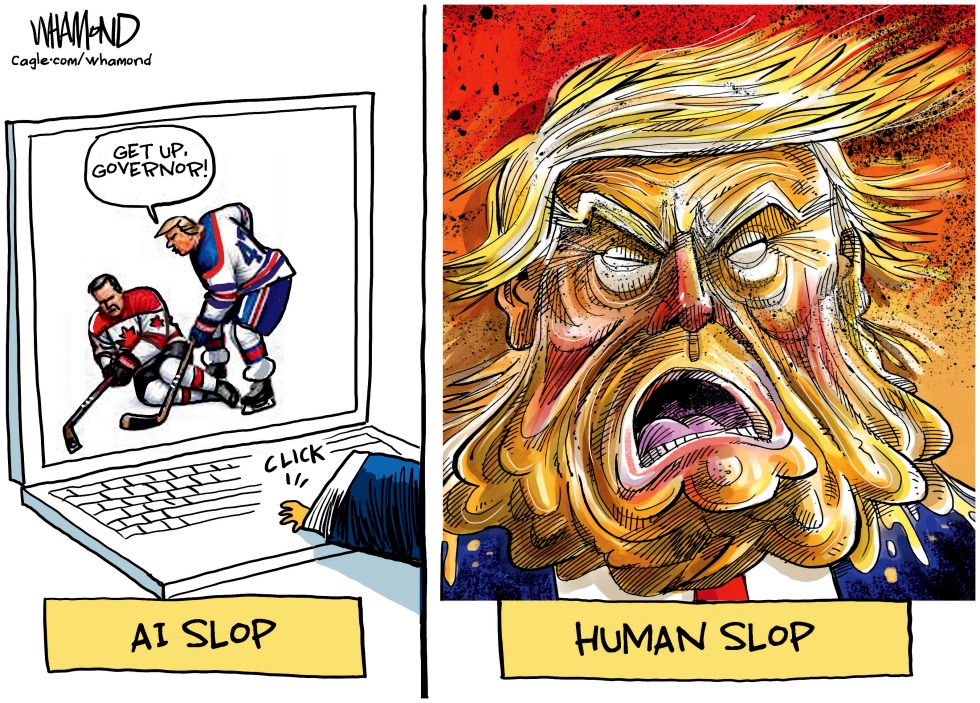
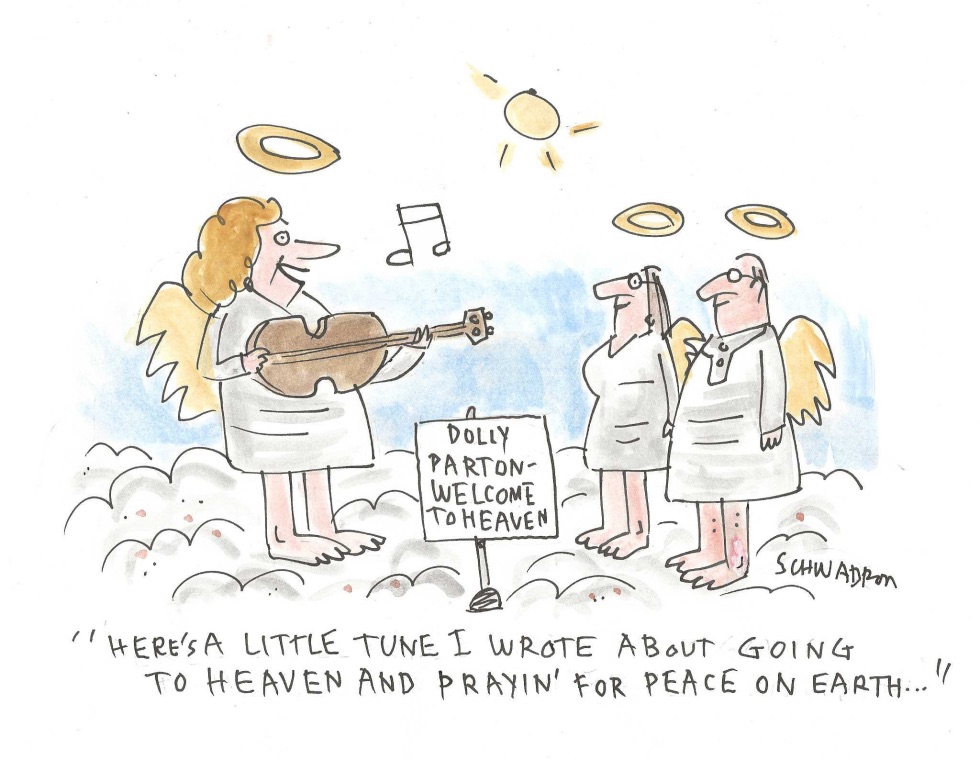
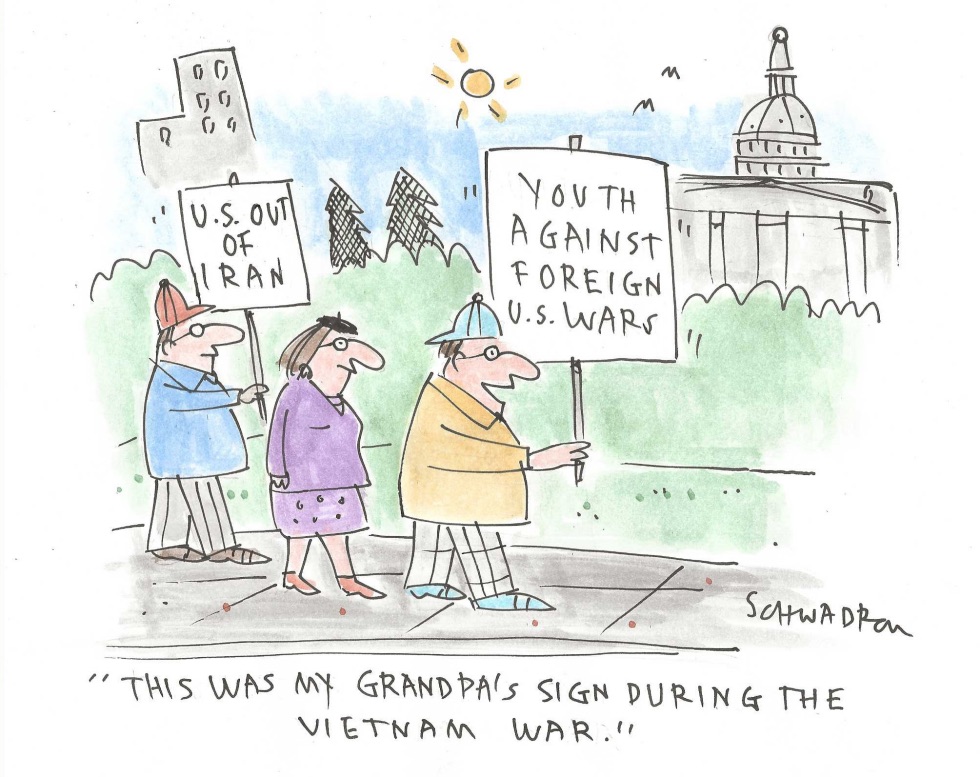

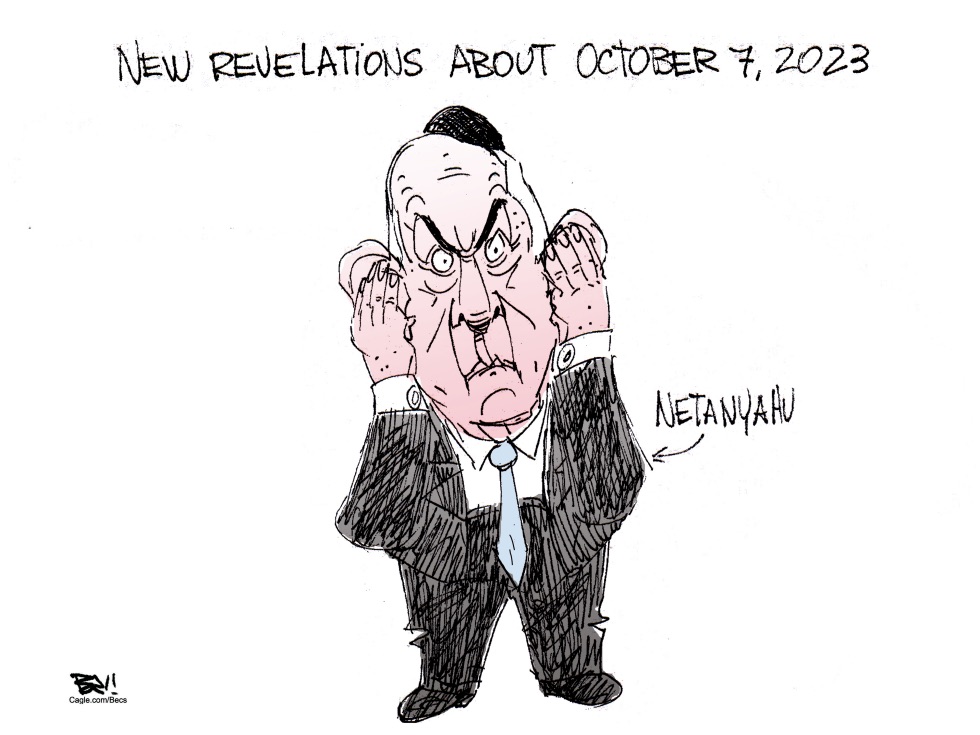
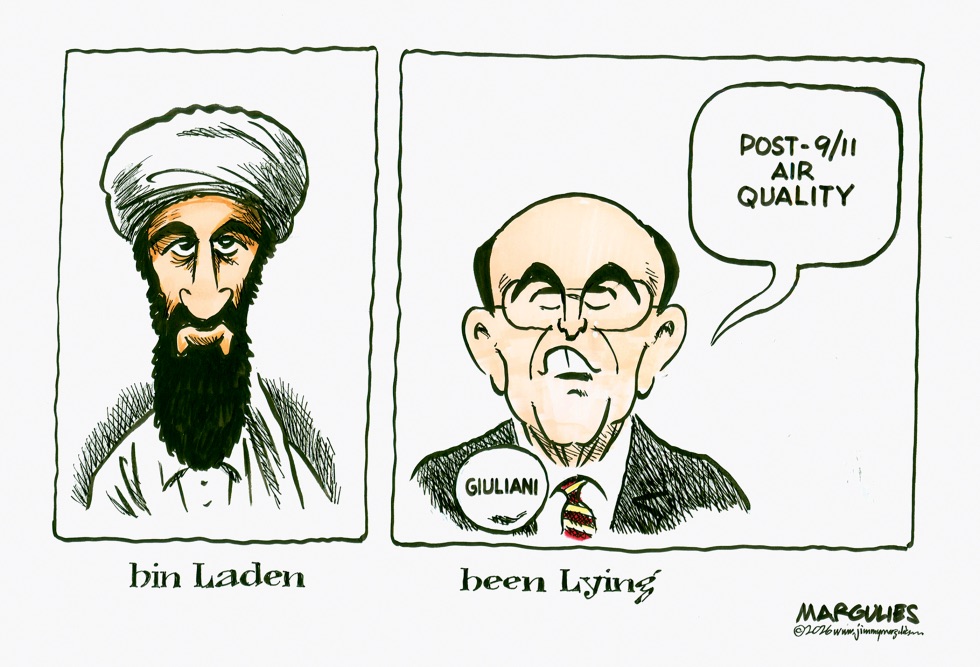
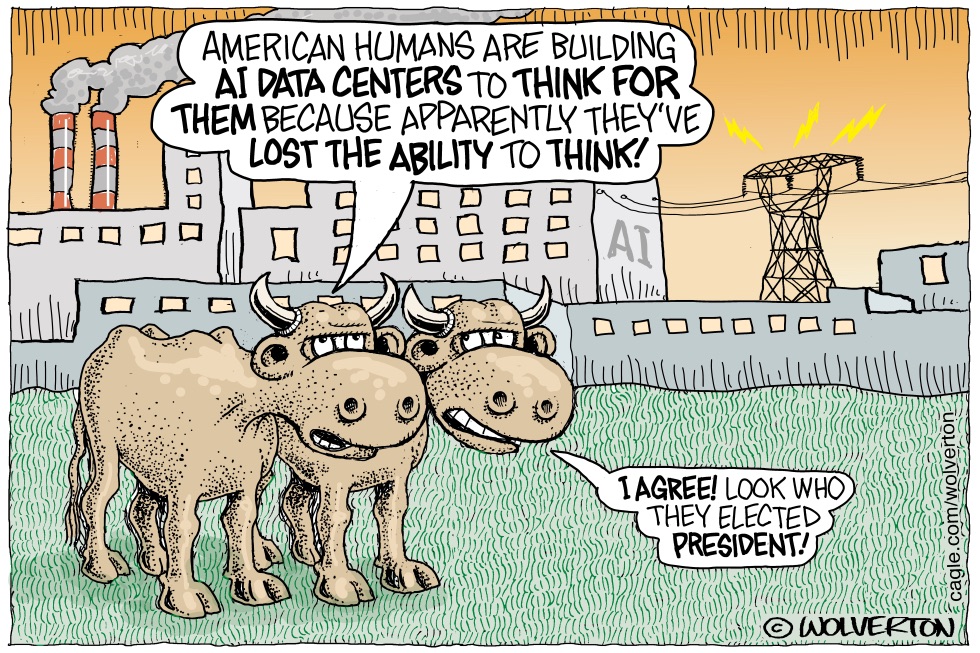


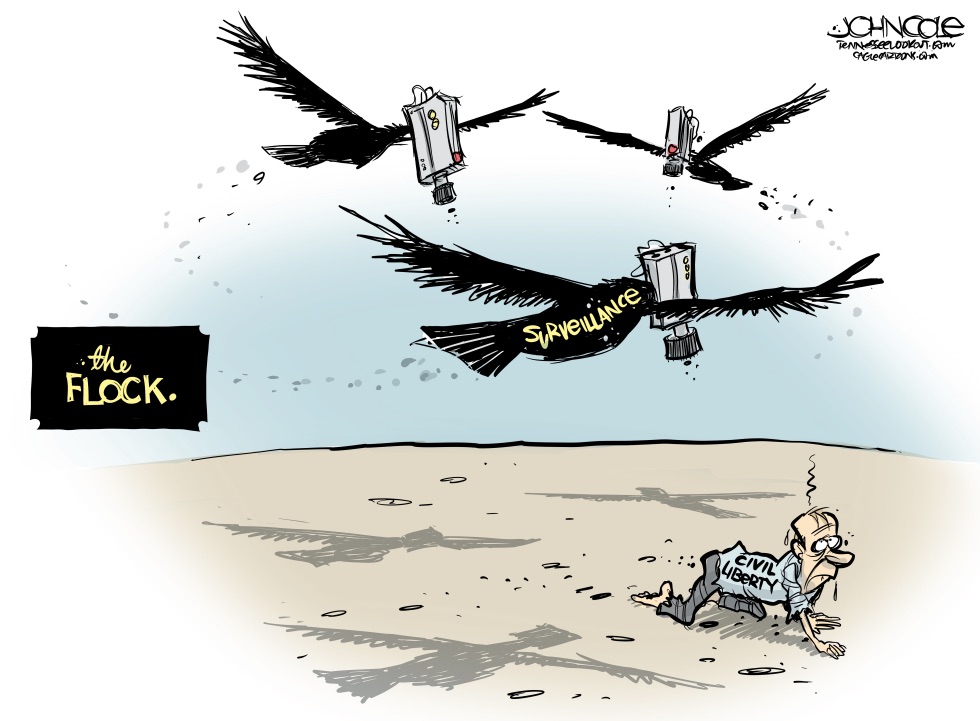
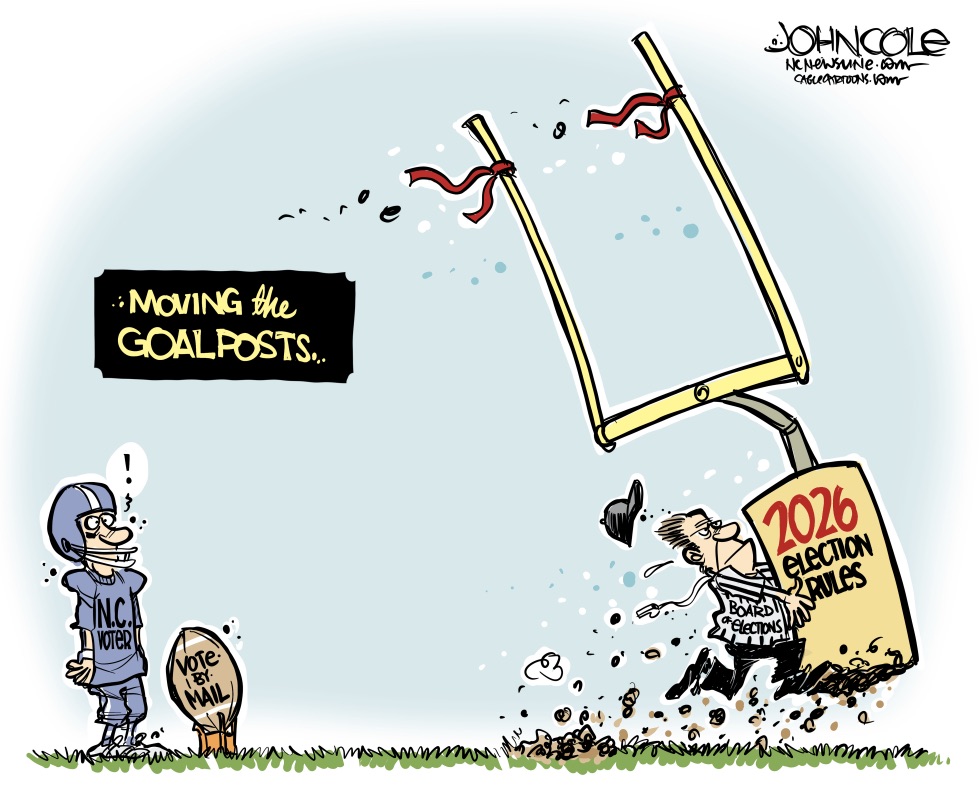
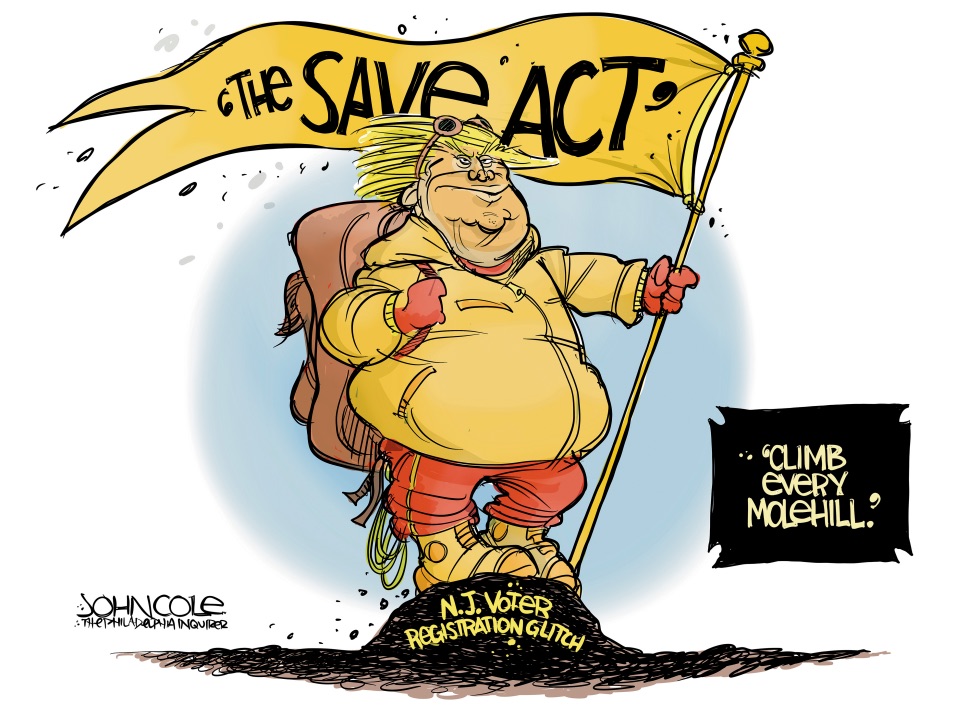

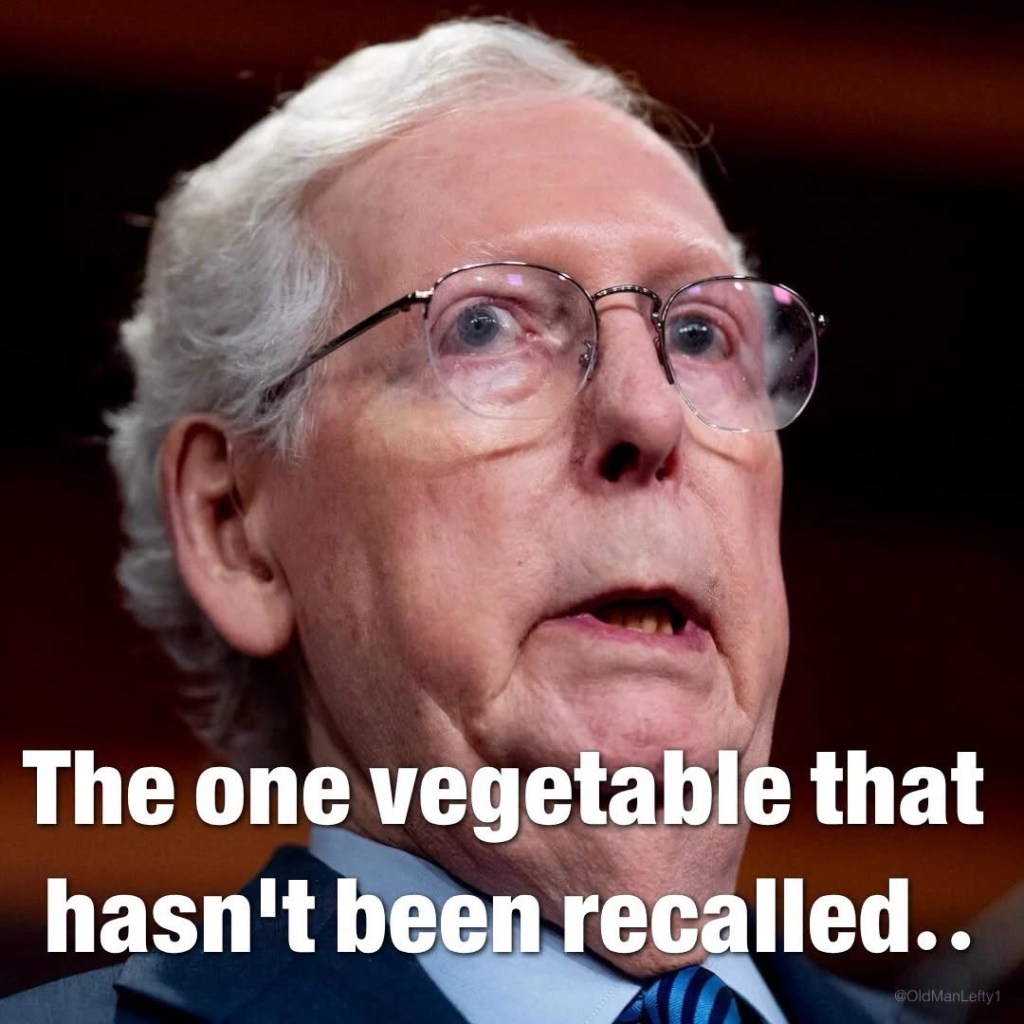

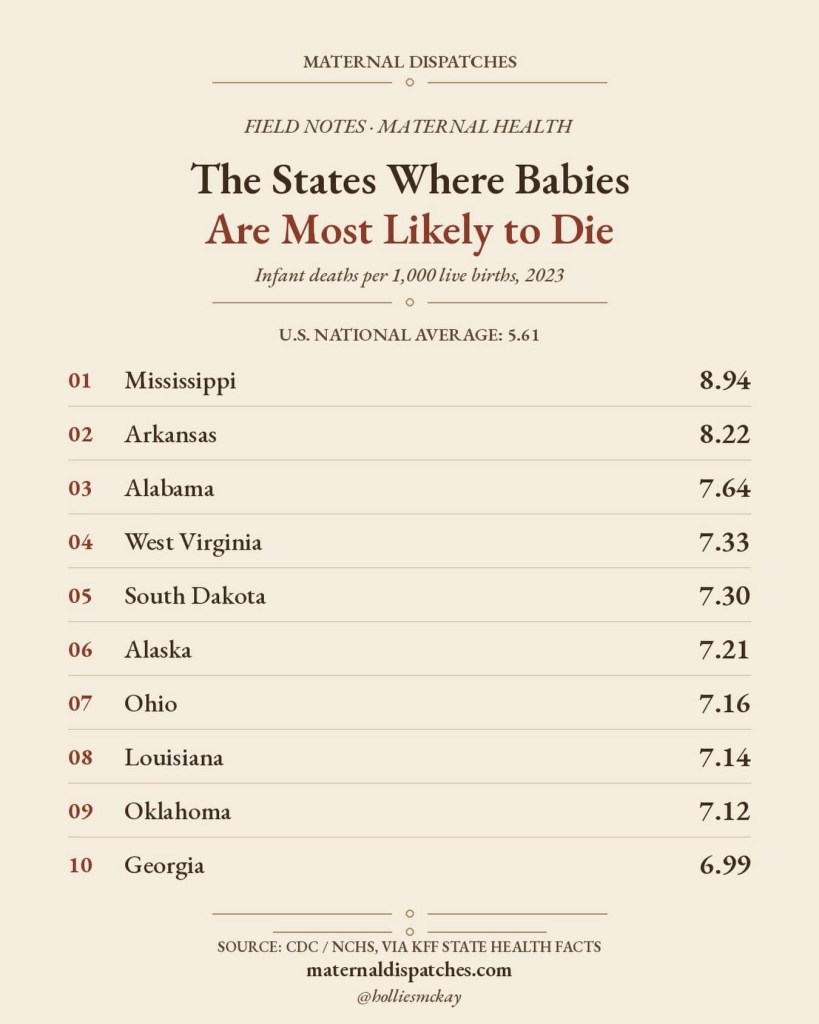

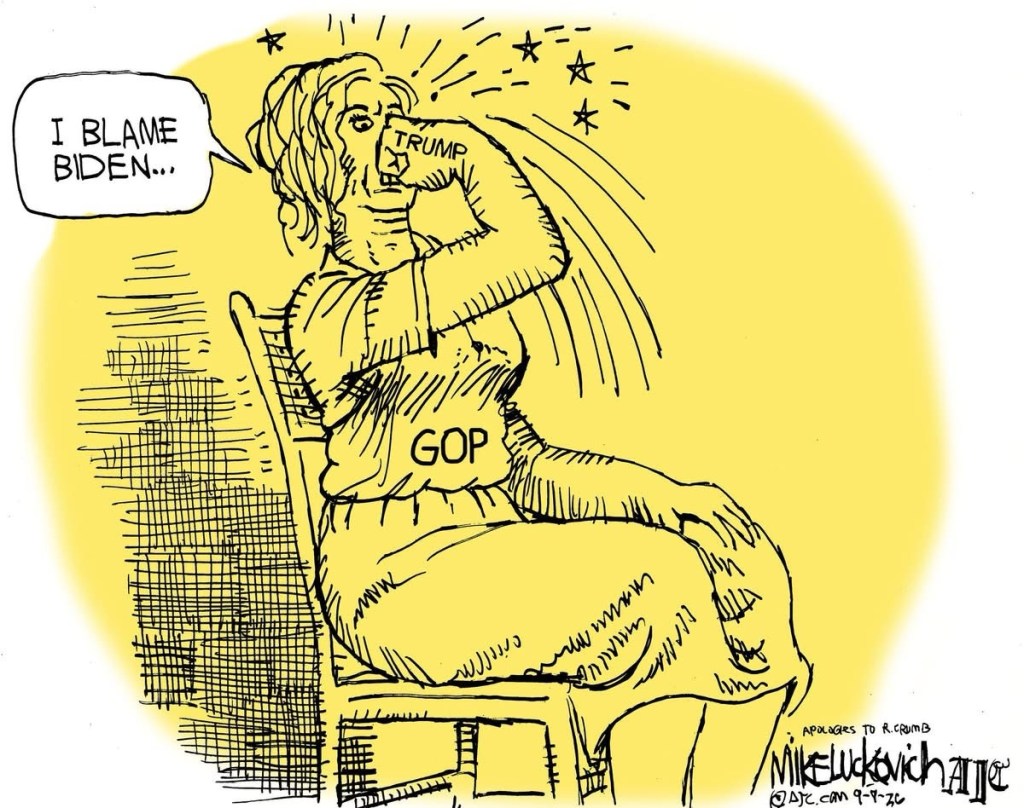
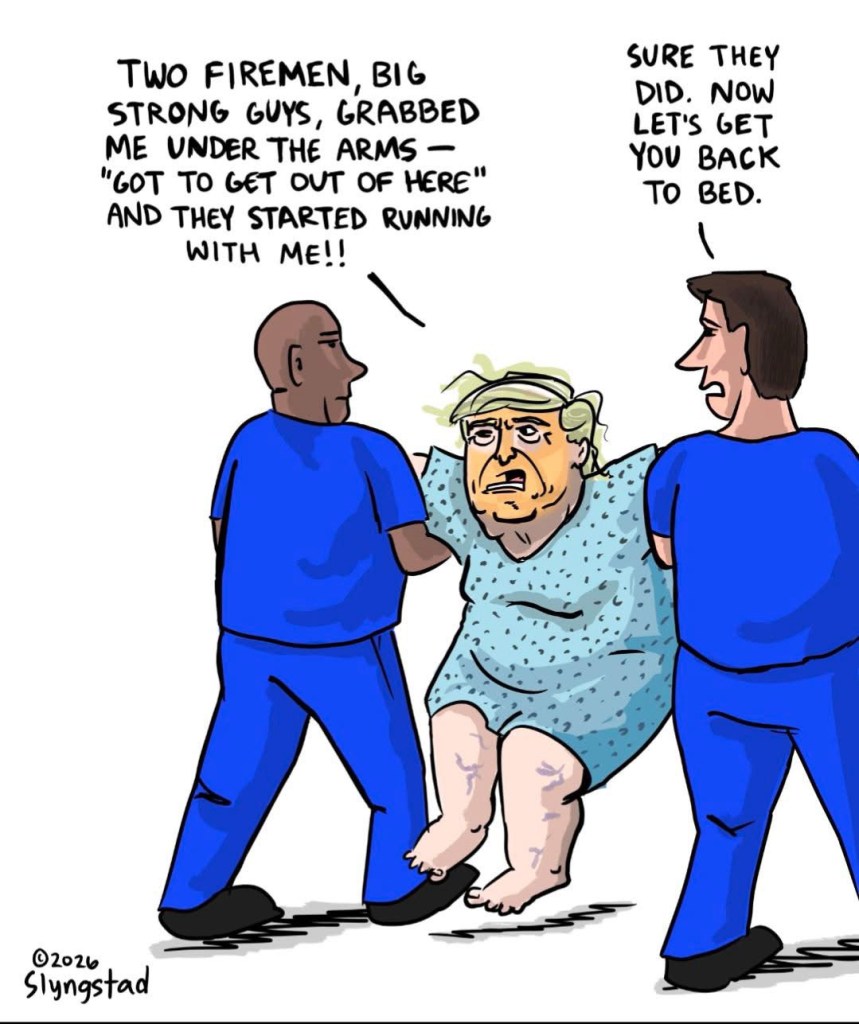
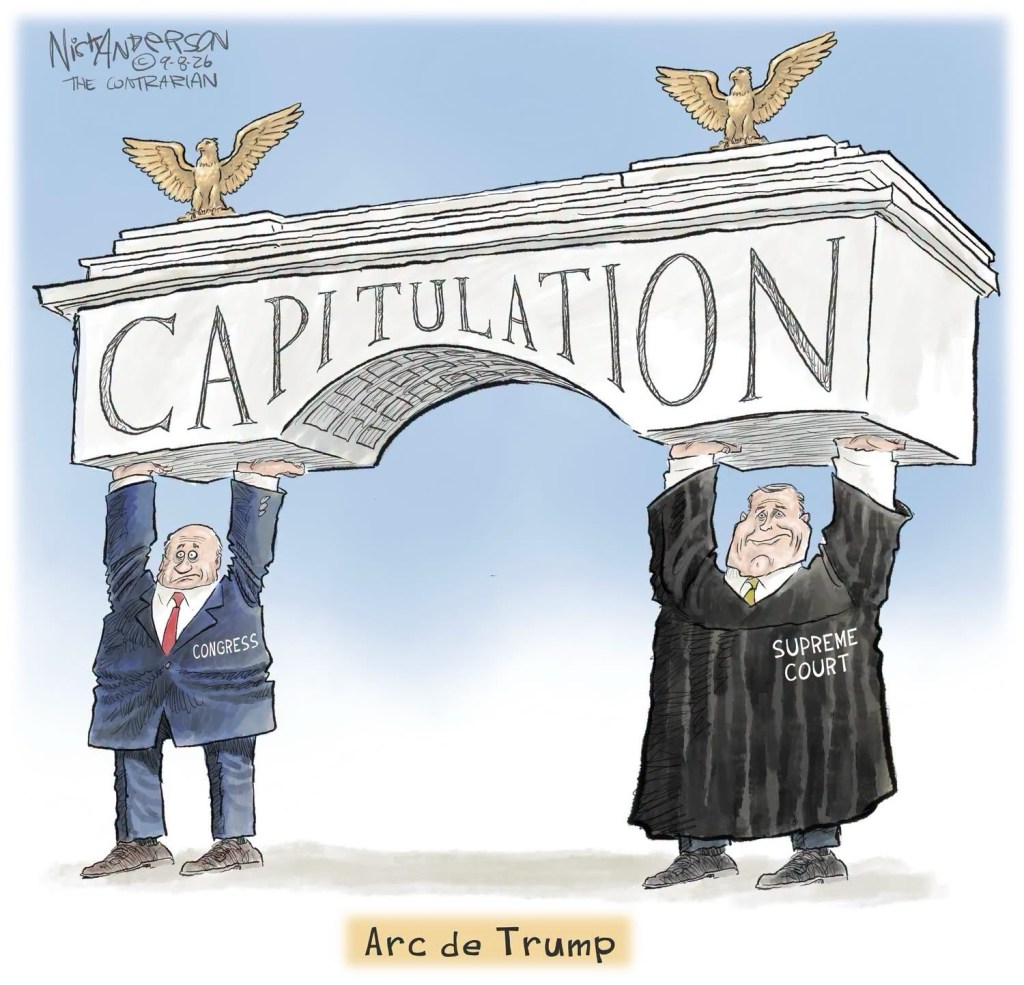
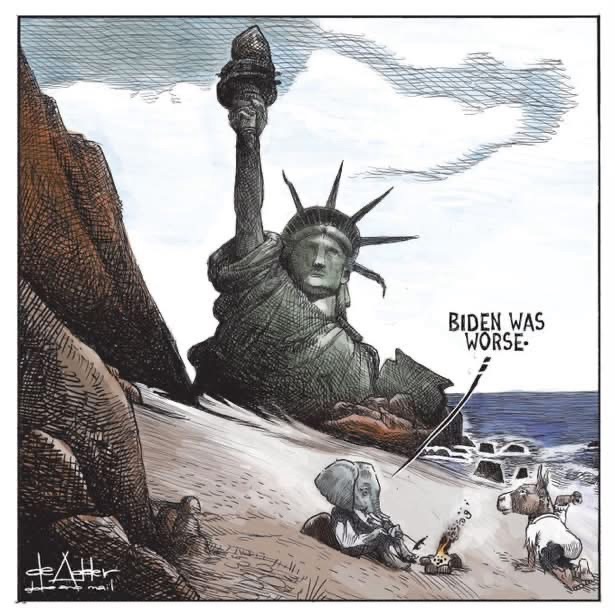


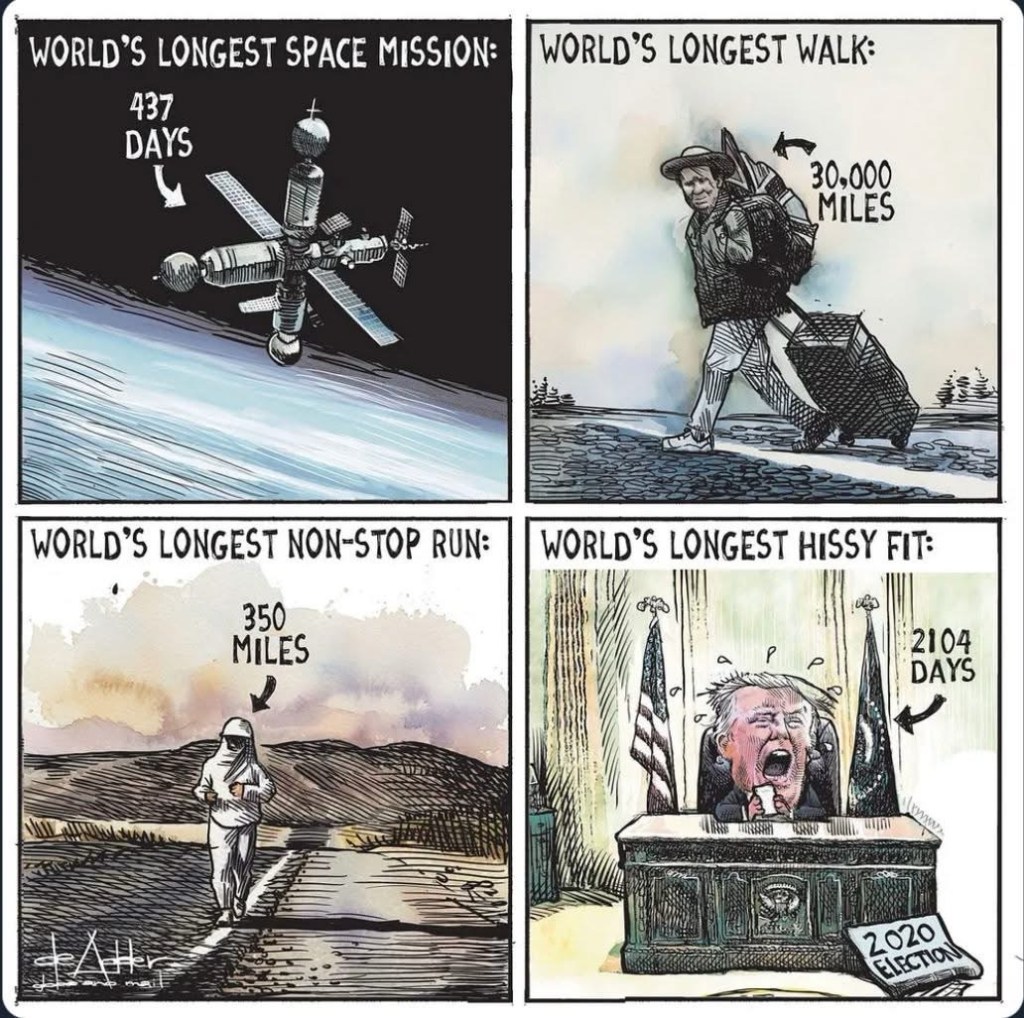

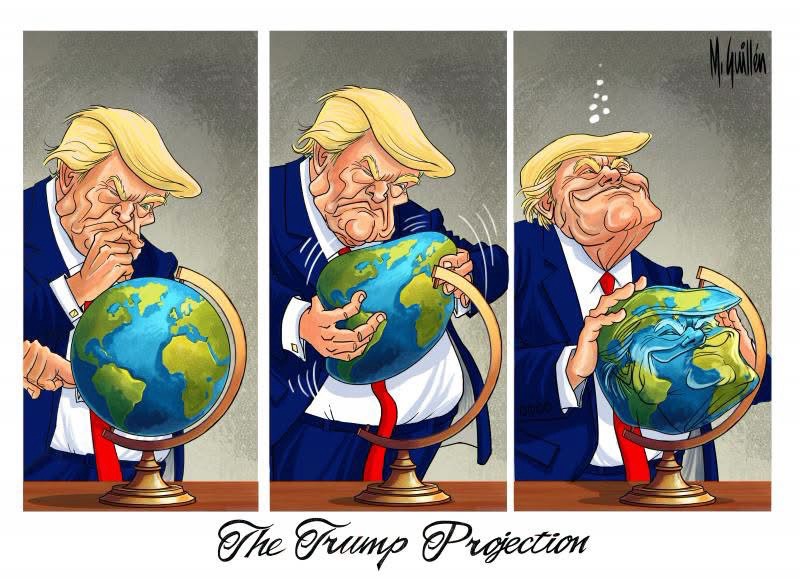
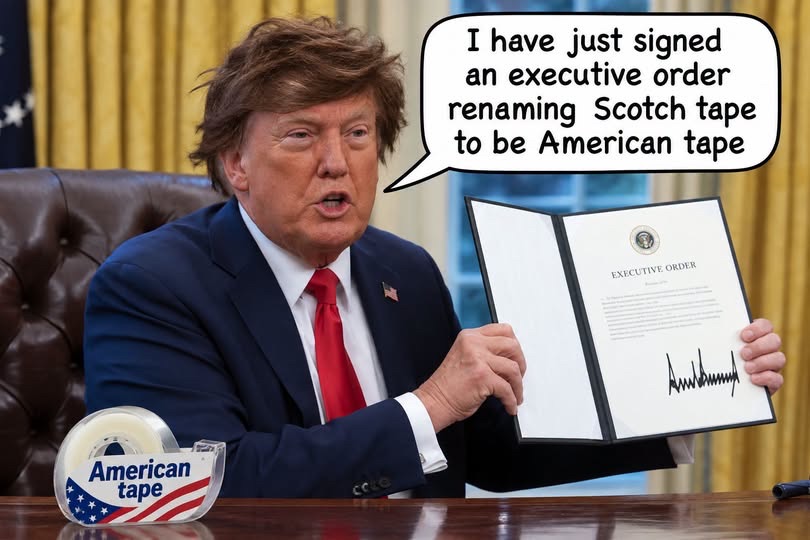


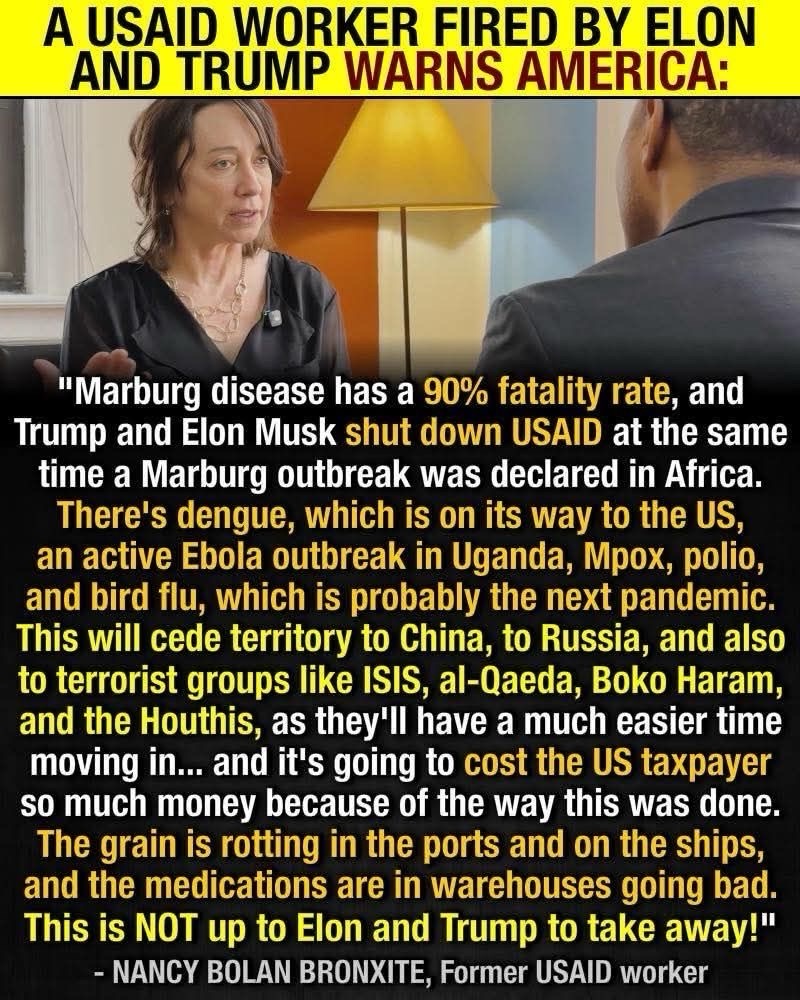

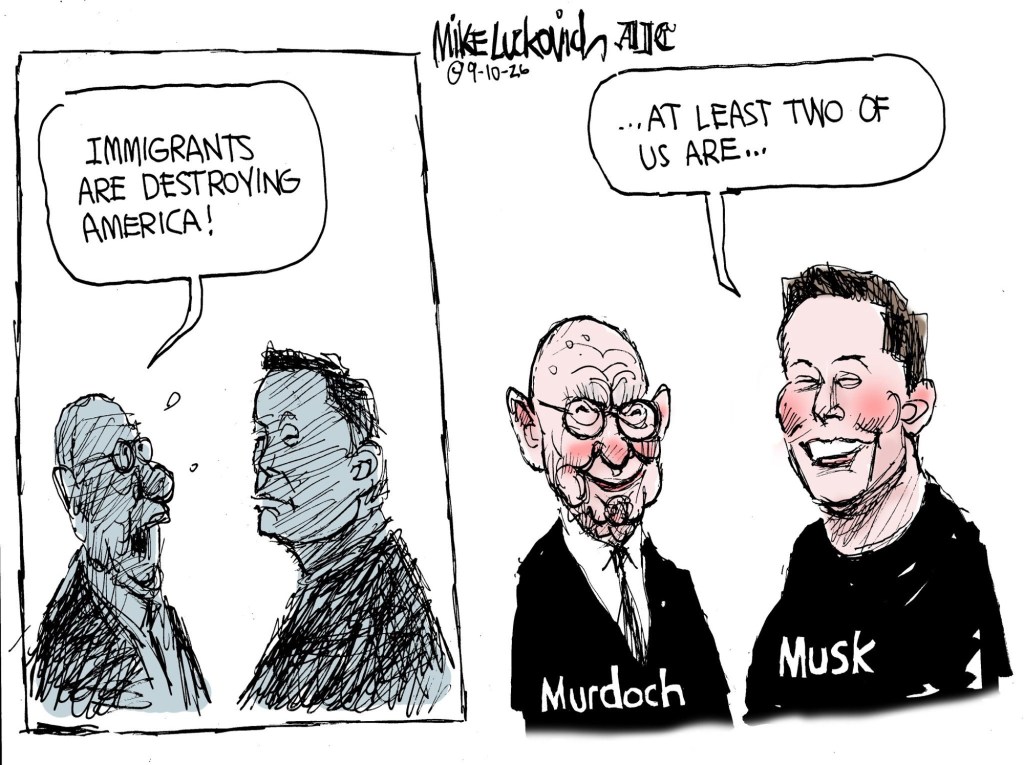



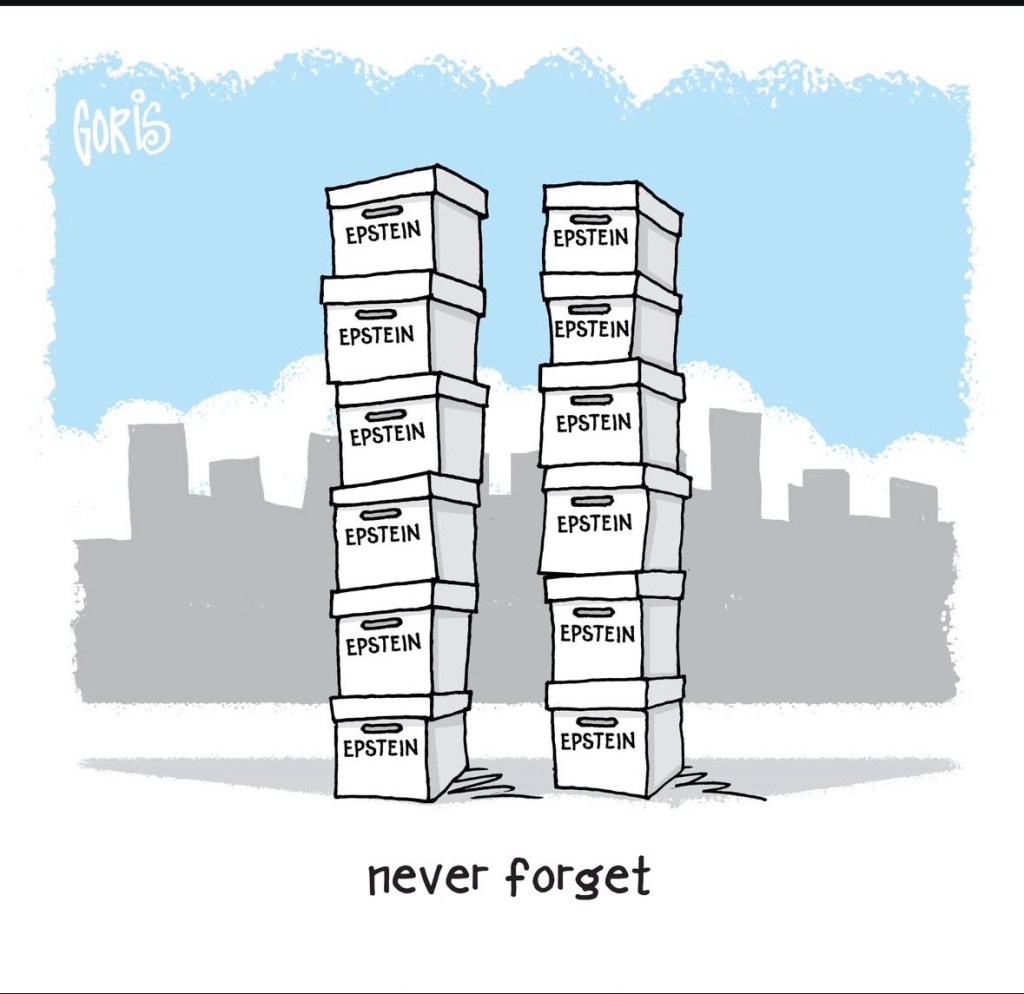



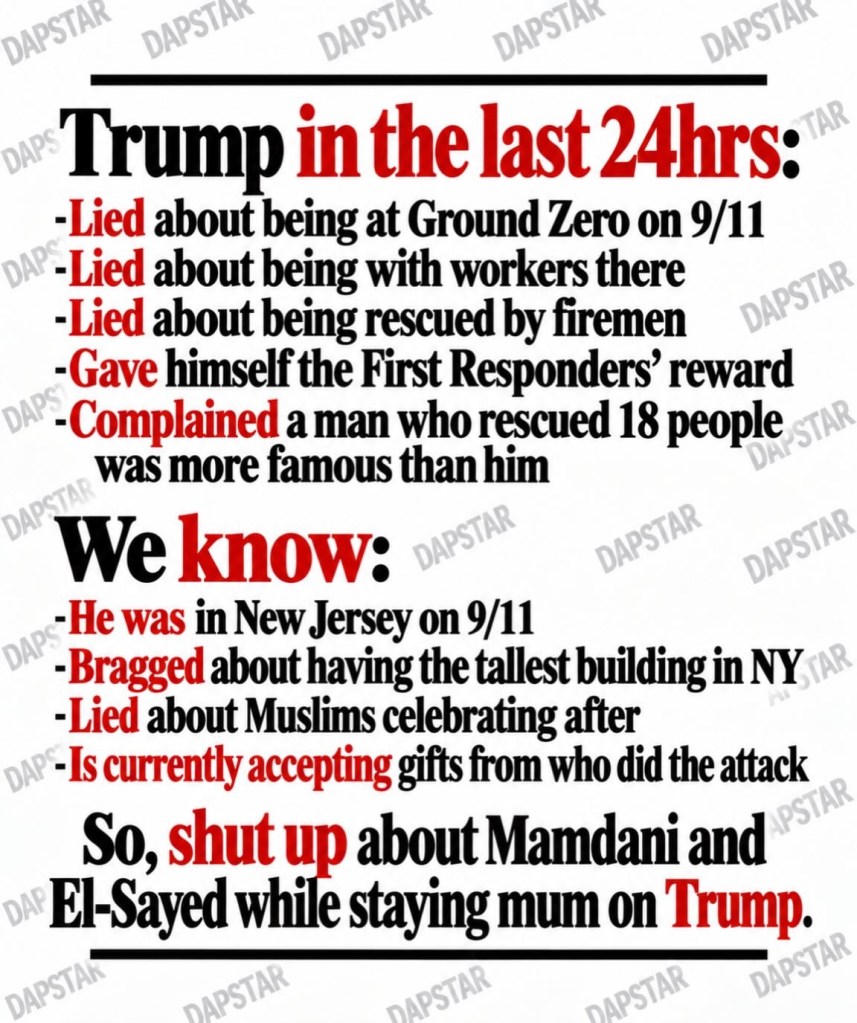

This is an open thread.
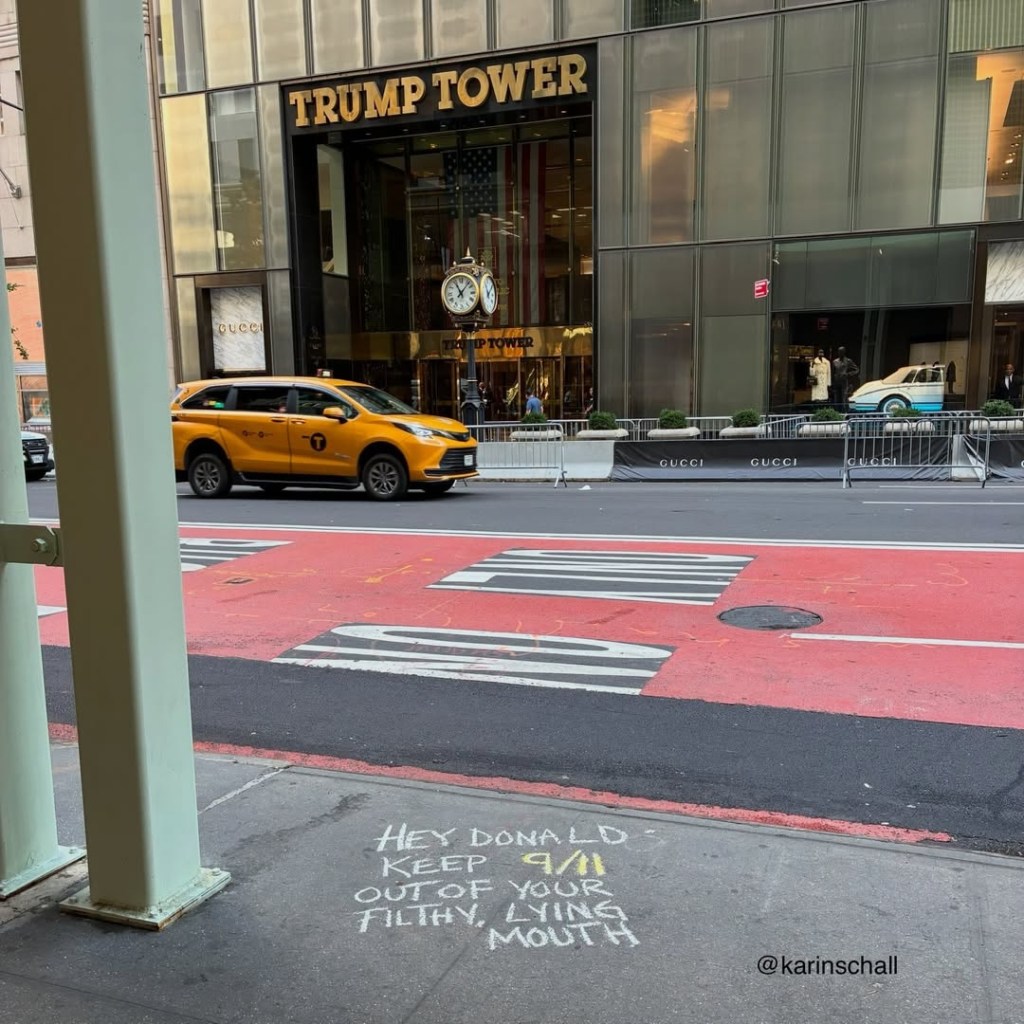

 peej
peej Carissa
 bostonboomer
 dakinikat
 ecocatwoman
 jjlo
jjlo mablue2
 Mama Lopez
 peggysue22
 quixote
 skydancingguestblogger
 Mona (aka Wonk the Vote)





Recent Comments