Politico “Playbook” has a good brief summary of where things stand right now with the January 6 Committee investigation: The Jan. 6 committee drama gets serious. (I’ve added a few links to longer articles.)
JAN. 6 INVESTIGATION STEAMROLLS FORWARD — Over the last 24 hours, we’ve seen major developments in the ongoing investigation into the pro-Trump Jan. 6 riots that sought to overthrow democracy in America.
— What comes next: Trump has 30 days to challenge the decision in court, after which time, the National Archives will release the documents to the Jan. 6 panel. The former president is already asserting privilege over 45 specific documents requested from the committee, and indicated in a letter that he wants to bar the release of additional documents “potentially numbering in the millions.”
2) Committee subpoenas hit deadlines: The first wave of high-profile subpoenas from the Jan. 6 committee have been served, and not all of the subjects are cooperating, as Nicholas, Kyle, Betsy and Meridith detail:
STEVE BANNON claims that Trump’s invocation of executive privilege means that he doesn’t have to participate. (That strikes legal experts as dubious, seeing as at the time of the 2020 election, Bannon hadn’t worked in the White House for several years.)
MARK MEADOWS is “engaging with the Select Committee,” per a statement from the panel.
KASH PATEL issued a statement Friday confirming that he “responded to the subpoena in a timely manner” and is engaging with the committee.
— What comes next: In a statement from Jan. 6 Committee Chair BENNIE THOMPSON (D-Miss.) and Vice Chair LIZ CHENEY (R-Wyo.), the panel said it “will not allow any witness to defy a lawful subpoena or attempt to run out the clock, and we will swiftly consider advancing a criminal contempt of Congress referral.” If they’re serious, a criminal referral would require a full floor vote in the House.More from NYT’s Maggie Haberman and Luke Broadwater
A former high-ranking Capitol Police official with knowledge of the department’s response to the Jan. 6 attack has sent congressional leaders a scathing letter accusing two of its senior leaders of mishandling intelligence and failing to respond properly during the riot.
The whistleblower, who requested anonymity for privacy reasons and left the force months after the attack, sent the 16-page letter late last month to the top members of both parties in the House and Senate. His missive makes scorching allegations against Sean Gallagher, the Capitol Police’s acting chief of uniformed operations, and Yogananda Pittman, its assistant chief of police for protective and intelligence operations — who also served as its former acting chief.
The whistleblower accuses Gallagher and Pittman of deliberately choosing not to help officers under attack on Jan. 6 and alleges that Pittman lied to Congress about an intelligence report Capitol Police received before that day’s riot. After a lengthy career in the department, the whistleblower was a senior official on duty on Jan. 6.
The whistleblower’s criticism went beyond Capitol Police leaders to Congress. Without naming specific lawmakers, his letter accuses congressional leaders of having “purposefully failed” to tell the truth about the department’s failures.
POLITICO obtained the letter detailing the allegations, which is circulating among Capitol Police officers, and is publishing portions of it here. To protect the whistleblower’s identity, POLITICO is not publishing the letter in full.
Click the Politico link to read the rest.
By Evelina Oliveira
This morning the Washington Post Editorial Board posted this in response to the Senate Judiciary Committee’s report on Trump’s efforts to overturn the 2020 election at a meeting three days before the January 6 attack on the Capitol: Opinion: Without these changes, U.S. democracy will remain vulnerable to Trump and other bad actors.
The Senate report details how Mr. Trump tried persistently to enlist the Justice Department in his scheme to overturn the 2020 election results. His pressure campaign, after Attorney General William P. Barr resigned in December, featured calls and meetings with Mr. Rosen and other top Justice Department staff. It continued as Mr. Trump sent them a preposterous petition he wanted them to file with the Supreme Court asking the justices to void Joe Biden’s victory. It reached its zenith in a cockamamie plot to force Mr. Rosen to pressure state governments to cook the results or be replaced by Jeffrey Clark, a lower-ranking Justice official who would go along with the scheme.
Mr. Trump failed because Mr. Rosen and other officials in key positions refused to cooperate and threatened to resign. But they could not stop Mr. Trump from forcing the resignation of the U.S. attorney in Atlanta and replacing him with a lawyer the then-president thought would pursue the fraud investigations he wanted to see.
The editors argue:
The seriousness of Mr. Trump’s effort to nullify an election, his continuing lies about the results and the willingness of so many Republicans to indulge those lies call for several responses.
The investigations must continue. The House’s Jan. 6 committee should compel Mr. Clark, who did not cooperate with the Senate Judiciary panel, to testify. The House and the Justice Department must enforce the committee’s subpoenas, which several Trump confidantes appear prepared to flout on the former president’s say-so. The National Archives should turn over documents immediately. If courts are involved, judges must act with urgency….
Most urgently, Congress must reinforce elements of the nation’s democratic infrastructure vulnerable to exploitation by bad actors such as Mr. Trump. It should revamp the ancient Electoral Count Act to limit partisan interference in presidential vote tallying, and it should impose federal election standards that insulate state election officials from political pressure.
The Committee needs to get right to work on enforcing the subpoenas and Steve Bannon should immediately be arrested and jailed. I hope they do something quickly, but I’m not holding my breath.
After he backed down and allowed a vote to avert a U.S. default and a global financial crisis, Mitch McConnell is now threatening to let it happen in December. His excuse is that Chuck Schumer made an “inappropriate” speech after the vote. Here’s the speech:
Here is the speech from Majority Leader Schumer after the vote last night, that Mitt Romney called graceless, but I call necessary and accurate.
Mitch McConnell, the Republican leader in the Senate, sought to fight his way out of a corner on Friday by releasing an angry letter in which he blamed Democrats for the impasse over the debt ceiling he broke by ending a refusal to co-operate he had said was absolute.
In the letter to Joe Biden, McConnell complained about a speech in which the Democratic majority leader, Chuck Schumer, attacked Republicans for their behaviour.
Lamenting Schumer’s lack of civility – which prompted angry scenes in the Senate – McConnell levelled a string of insults at his opposite number.
Paradise Cat, by Hans Ruettimann
“Last night,” the minority leader wrote, late on Friday, “in a bizarre spectacle, Senator Schumer exploded in a rant that was so partisan, angry and corrosive that even Democratic senators were visibly embarrassed by him and for him.
“This tantrum encapsulated and escalated a pattern of angry incompetence from Senator Schumer … this childish behavior only further alienated the Republican members who helped facilitate this short-term patch. It has poisoned the well even further.”
Democrats argue it was McConnell who poisoned the well by refusing to co-operate with raising the debt limit, a step they took repeatedly with Donald Trump in power. Experts say a US default would be catastrophic for the global economy.
McConnell insisted: “In light of Senator Schumer’s hysterics and my grave concerns about the ways that another vast, reckless, partisan spending bill would hurt Americans and help China, I will not be a party to any future effort to mitigate the consequences of Democratic mismanagement.”
Suddenly being partisan is a bad thing because a Democrat did it? Talk about the pot calling the kettle black.
Former Trump National Security Adviser Michael Flynn has been on a relentless media tour since his pardon last year, sitting for interviews with even the most obscure right-wing media outlets to promote the MAGA agenda.
But on Tuesday, Flynn appeared on a little-known YouTube channel called Truth Unveiled TV for a very different reason: rebutting the idea that he led a church congregation in a Satanic ritual borrowed from a nuclear doomsday cult.
In a video entitled “Some Have Said That General Flynn Prayed to Satan in a Recent Prayer,” host Paul Oebel gave Flynn a chance to rebut the growing right-wing controversy alleging he’s signed on with Lucifer.
Steampunk cat lady, by Jeff Haynie
“I even saw a show the other day saying ‘Michael’s flipped on the side of the devil,’” Oebel said. “Can you please explain what happened there?”
“All of these people that talk about turning to whatever…” Flynn said. “People need to stop overthinking what everybody is saying.”
The bizarre YouTube interview marked Flynn’s latest attempt in a weeks-long campaign to convince his one-time fans in the QAnon conspiracy theory movement that he isn’t a Satanist.
Prior to the unusual controversy, Flynn had embraced his position as a hero to supporters of QAnon, taking a QAnon oath, raising money from QAnon believers, and selling QAnon T-shirts. In May, Flynn even appeared at a QAnon conference and endorsed the idea of a military coup.
But QAnon fame is a fickle thing. After promoting QAnon for more than a year, Flynn now finds himself on the business end of the conspiracy theory. Like QAnon targets before him, Flynn is now struggling to persuade angry QAnon believers that he isn’t a secret Satan-worshipper.
Read the rest at The Daily Beast.
That’s all I have for you today. Have a great weekend!
Did you like this post? Please share it with your friends:
We’re six months past a soft coup d’etat that investigations show was way worse than we thought. It came after months of careful, planning, changes in staffing at DOJ and the Pentagon, and many attempts to manipulate state officials. The brutality to Capitol Hill Officers during the insurrection was terrifying. However, there was a clear, cynical lead-up for planners in the White House–clearly led and encouraged by Trump–as shown by a Senate Committee investigation. This post follows up on BB’s post yesterday as more information becomes available.
The Senate Judiciary Committee on Thursday released a sweeping report about how former President Donald Trump and a top lawyer in the Justice Department attempted to overturn the 2020 presidential election.
Trump directly asked the Justice Department nine times to undermine the election result, and his chief of staff Mark Meadows broke administration policy by pressuring a Justice Department lawyer to investigate claims of election fraud, according to the report, which is based on witness interviews of top former Justice Department officials.
The Democratic-led committee also revealed that White House counsel Pat Cipollone threatened to quit in early January as Trump considered replacing then-acting Attorney General Jeffrey Rosen with Jeffrey Clark, a DOJ lawyer who supported election fraud conspiracies.
After the eight-month investigation, the findings highlight the relentlessness of Trump and some of his top advisers as they fixated on using the Justice Department to prop up false conspiracies of election fraud. The committee report, the most comprehensive account so far of Trump’s efforts to overturn the election, described his conduct as an abuse of presidential power.
The massive plot to overturn the election that eventually led to the January 6 soft coup is laid out bare at the CNN link. You may watch the coverage and continue reading there. This intersects nicely with the 1/6 Commission’s work. They’ve issued subpoenas and Donald Trump has asked four big players to ignore them. From The Independent: “Four of Mr Trump’s associates were sent subpoenas by House select committee investigating 6 January”
Confirming that Mr would not be cooperating, The Washington Post reported the text of a letter from Mr Bannon’s lawyer to the committee citing the former president’s executive privilege.
“It is therefore clear to us that since the executive privileges belong to President Trump and he has, through his counsel, announced his intention to assert those privileges … we must accept his direction and honour his invocation of executive privilege,” attorney Robert Costello wrote.
Mr Bannon’s response was also confirmed by another source who told CNN that a second of Mr Trump’s inner circle asked to cooperate with the investigation, former chief of staff Mark Meadows, has responded, but it is as yet unknown whether he will or will not cooperate.
Four of Mr Trump’s associates were sent subpoenas by the House select committee. It is not yet known if the other two, Karsh Patel and Dan Scavino, have responded.
Lawyers working for the former president sent letters to the four men on Wednesday saying that Mr Trump viewed the subpoenas as an infringement of executive privilege and that they should not cooperate.
Trump continues to push the false narrative that he has some kind of blanket executive privilege after office. He clearly does not as witnessed by the flurry of documents released to both committees by the real President.
But look at where our politics are, nine months after the insurrection, and they tell a radically different story. Trump is, per Pew and other recent polls, both the overwhelming favorite among Republicans for 2024 and their continuing spiritual leader. (Two-thirds of the Republicans and Republican-leaning independents that Pew surveyed wanted Trump to continue to be a major national figure, a total that’s gone up by ten points since January. Yes, that’s not a typo—it’s gone up.) Just as important, he has succeeded in selling his party on his Big Lie about the 2020 election, on January 6th revisionism, and on taking a series of specific actions—from changing how states certify elections to purging state Republican officials who did not go along with his 2020 coup attempt—that will affect American democracy for years to come, whether or not Trump runs again.
Consider one metric I’ve been obsessed with: the increase in the percentage of Republicans who believe Trump’s falsehoods about the election. In January, a CNN poll found that seventy-five per cent of Republicans said that Biden was not legitimately elected President. In April, that number declined to seventy per cent, but now, according to the most recent CNN survey, it has risen to seventy-eight per cent. Yes, more Republicans believe that the 2020 election was stolen now than did when the pro-Trump mob stormed the Capitol.
On January 7th, it was still possible to anticipate a different outcome. But, on October 7th, we have to acknowledge that this didn’t happen. Nine months ago, in the immediate aftermath of the insurrection, enough Republican leaders and Trump White House officials viewed the Trump-inspired attack on the democratic transition of power as an event of such horrifying excess that it was difficult to imagine them normalizing, justifying, and rationalizing it as they had the Trumpian excesses of the previous four years. Yet that is exactly what has taken place in the intervening months. “Republicans initially started down the road to a post-Trump party, as opposed to a Trump party . . . and they backed up in record time,” Larry Sabato, the director of the University of Virginia Center for Politics, told me, on Thursday. “They have missed the historic opportunity to put Trump in the past.” The result is that the political crisis today is worse than it was, not better. The unacceptable has been accepted by a shockingly large part of the population and its political leadership.
Krishen Khanna, News of Gandhiji’s Death (1948). Oil on canvas.
This long form analysis is shocking, indeed! But this viewpoint is very on point!
The survey, which is worth reading in its entirety, shows that this is not a problem of ideology or policy or the other markers of conventional American politics. It is something much deeper and more intractable: two parties whose members now hate one another with a fierce, anti-democratic, Constitution-threatening passion. Eighty-four per cent of Trump voters said that Democratic officials are a “clear and present danger” to society; seventy-eight per cent of Trump voters also said that Americans who strongly support Democrats are a “clear and present danger.” This level of antipathy is fully reciprocated by Democrats; eighty per cent of Biden voters surveyed said that Republican officials represent a “clear and present danger,” and seventy-five per cent of them said the same about Americans who strongly support Republicans. Things are so bad that fifty-two per cent of Trump voters and forty-one per cent of Biden voters said that they would favor seceding from America. January 6th may not have been the end of Trump so much as the beginning of something even worse.
Which is time to discuss today’s events.
1/ I have some bad news. After multiple calls I have some extremely grim news.
As of now 1/6 commission is dead already, and will not enforce the subpoenas.
Trump wins.
The 1/6 terror plot will go unexamined and unpunished.
Select Committee Chairman Rep. Bennie Thompson (D-Miss.) wrote in each of his Sept. 23 letters to the witnesses that the panel is “investigating the facts, circumstances, and causes of the January 6th attack and issues relating to the peaceful transfer of power, in order to identify and evaluate lessons learned and to recommend to the House and its relevant committees corrective laws, policies, procedures, rules, or regulations.”
Thompson’s committee has already taken steps to get its hands on communications from the Trump White House relating to the attack. In August, it sent a sweeping records request to the National Archives, which handles presidential records, and to several federal agencies asking for documentation.
White House press secretary Jen Psaki indicated last month that President Joe Biden was unlikely to block any Trump-era records from making their way onto committee members’ desks, but the administration later issued a clarification saying it would evaluate such requests individually.
Patel issued a statement to The Washington Post on Thursday before the deadline, pointing to his website where he is seeking to raise $250,000 “to fund a top-notch legal team.”
“I will continue to tell the American people the truth about January 6, and I am putting our country and freedoms first through my Fight with Kash initiative,” he told the newspaper.
The committee had been unable to physically locate Scavino in order to serve him with a subpoena as of Thursday.
It’s not entirely clear what steps the select committee will take if the four former aides refuse to cooperate, but Democratic Representative Jamie Raskin, who sits on the committee, suggested on Thursday that they could face contempt charges.
“I believe this is a matter of the utmost seriousness and we need to consider the full panoply of enforcement sanctions available to us, and that means criminal contempt citations, civil contempt citations and the use of Congress‘s own inherent contempt powers,” Raskin said.
I’m willing to give the Congressman the benefit of the weekend. And, do have a good weekend!!!
What’s on your reading and blogging list today?
Did you like this post? Please share it with your friends:
Senate Majority Leader Chuck Schumer said Thursday an agreement has been reached with Republicans to extend the government’s borrowing authority into December, temporarily averting a debt crisis.
“We’ve reached agreement,” Schumer announced as he opened the Senate. “Our hope is to get this done as soon as today.”
THIS IS A BREAKING NEWS UPDATE. AP’s earlier story follows below.
WASHINGTON (AP) — Republican and Democratic leaders edged back from a perilous standoff over lifting the nation’s borrowing cap, with Democratic senators signaling they were receptive to an offer from Senate GOP leader Mitch McConnell that would allow an emergency extension into December.
McConnell made the offer late Wednesday shortly before Republicans were prepared to block legislation to suspend the debt limit until December of next year and as President Joe Biden and business leaders ramped up their concerns that an unprecedented federal default would disrupt government payments to millions of people and throw the nation into recession.
The emerging agreement sets the stage for a sequel of sorts in December, when Congress will again face pressing deadlines to fund the government and raise the debt limit before heading home for the holidays.
A procedural vote — on the longer extension the Republicans were going to block — was abruptly delayed late Wednesday and the Senate recessed so lawmakers could discuss next steps. Democrats emerged from their meeting more optimistic that a crisis would be averted.
Politico speculates that McConnell gave in because he feared the Democrats would finally decide to get rid of the filibuster.
McConnell backed down after Democratic threats of nuking the filibuster for the debt ceiling started to become more real. At their Tuesday lunch, Democratic senators discussed how McConnell’s blockade on the debt ceiling was boosting the case of filibuster reformers. Later that day, Biden, generally a skeptic of filibuster reform, said such a change for the debt ceiling was now a “real possibility.”
George Cochran Lambdin, Girl Reading
McConnell took notice. Our friend Manu Raju at CNN reported, “McConnell told his colleagues he’s concerned about pressure on [JOE] MANCHIN and [KYRSTEN] SINEMA to gut [the] filibuster in order to raise [the] debt ceiling, I’m told. He pointed to this as reason why he is floating short-term increase in order to ease pressure on and push Democrats to use reconciliation.”
McConnell himself alluded to how filibuster reform was the key issue at play. “It’s not clear whether the Democratic leaders have wasted two-and-a-half months because they simply cannot govern, or whether they are intentionally playing Russian roulette with the economy to try to bully their own members into going back on their word and wrecking the Senate,” he said on the Senate floor.
Democratic supporters of filibuster reform have taken note of how the issue seems to have moved McConnell. “The filibuster is McConnell’s instrument of obstruction,” one Democratic senator told Playbook. “He wants to protect that at all costs. He was at real risk of overplaying his hand as he faced the growing prospect that we would have 51 votes to waive it for the purpose of dealing with debt. He wanted to avoid creating that precedent. Still, would have been better for us to just do it.”
Jennifer Rubin has a good column on McConnell’s possible motivations at The Washington Post: Opinion: Mitch McConnell ‘blinked’ on the debt ceiling. Here’s what that means.
Besides the debt ceiling mess, the biggest story this morning is a report issued by the Senate Judiciary Committee on Trump’s plans to attempt a coup after he lost the 2020 election.
Even by the standards of President Donald J. Trump, it was an extraordinary Oval Office showdown. On the agenda was Mr. Trump’s desire to install a loyalist as acting attorney general to carry out his demands for more aggressive investigations into his unfounded claims of election fraud.
Young Mother in the Garden, Mary Cassatt
On the other side during that meeting on the evening of Jan. 3 were the top leaders of the Justice Department, who warned Mr. Trump that they and other senior officials would resign en masse if he followed through. They received immediate support from another key participant: Pat A. Cipollone, the White House counsel. According to others at the meeting, Mr. Cipollone indicated that he and his top deputy, Patrick F. Philbin, would also step down if Mr. Trump acted on his plan.
Mr. Trump’s proposed plan, Mr. Cipollone argued, would be a “murder-suicide pact,” one participant recalled. Only near the end of the nearly three-hour meeting did Mr. Trump relent and agree to drop his threat.
Mr. Cipollone’s stand that night is among the new details contained in a lengthy interim report prepared by the Senate Judiciary Committee about Mr. Trump’s efforts to pressure the Justice Department to do his bidding in the chaotic final weeks of his presidency.
More details on the report:
The report draws on documents, emails and testimony from three top Justice Department officials, including the acting attorney general for Mr. Trump’s last month in office, Jeffrey A. Rosen; the acting deputy attorney general, Richard P. Donoghue, and Byung J. Pak, who until early January was U.S. attorney in Atlanta. It provides the most complete account yet of Mr. Trump’s efforts to push the department to validate election fraud claims that had been disproved by the F.B.I. and state investigators.
The interim report, released publicly on Thursday, describes how Justice Department officials scrambled to stave off a series of events during a period when Mr. Trump was getting advice about blocking certification of the election from a lawyer he had first seen on television and the president’s actions were so unsettling that his top general and the House speaker discussed the nuclear chain of command.
“This report shows the American people just how close we came to a constitutional crisis,” Richard J. Durbin, Democrat of Illinois and chair of the Senate Judiciary Committee, said in a statement. “Thanks to a number of upstanding Americans in the Department of Justice, Donald Trump was unable to bend the department to his will. But it was not due to a lack of effort.”
Mr. Durbin said that he believes the former president, who remains a front-runner for the Republican nomination in 2024, would have “shredded the Constitution to stay in power.”
On Jan. 3, then-acting attorney general Jeffrey Rosen, his deputy Richard Donoghue, and a few other administration officials met in the Oval Office for what all expected to be a final confrontation on Trump’s plan to replace Rosen with Jeffrey Clark, a little-known Justice Department official who had indicated he would publicly pursue Trump’s false claims of mass voter fraud.
Vera Alabaster, 1889-1964; Girl Reading
According to testimony Rosen gave to the committee, Trump opened the meeting by saying, “One thing we know is you, Rosen, aren’t going to do anything to overturn the election.”
For three hours, the officials then debated Trump’s plan, and the insistence by Rosen and others that they would resign rather than go along with it.
The Senate report says that the top White House lawyer, Pat Cipollone, and his deputy also said they would quit if Trump went through with his plan.
During the meeting, Donoghue and another Justice Department official made clear that all of the Justice Department’s assistant attorneys general “would resign if Trump replaced Rosen with Clark,” the report says. “Donoghue added that the mass resignations likely would not end there, and that U.S. Attorneys and and other DOJ officials might also resign en masse.”
A key issue in the meeting was a letter that Clark and Trump wanted the Justice Department to send to Georgia officials warning of “irregularities” in voting and suggesting the state legislature get involved. Clark thought the letter should also be sent to officials in other states where Trump supporters were contesting winning Biden vote totals, the report said.ther DOJ officials might also resign en masse.”
Rosen and Donoghue had refused to send such a letter, infuriating Trump. According to the report, the president thought that if he installed Clark as the new attorney general, the letter would go out and fuel his bid to toss out Biden victories in a handful of states.
Two more interesting articles about the Senate report:
On Dec. 24, a private intelligence company that works with law enforcement issued a grave warning: Users of a pro-Trump internet forum were talking about turning violent on Jan. 6.
“[A] supposedly violent insurrection by [Trump’s] supporters has ‘always been the plan,’” read a briefing by that company, SITE Intelligence Group. SITE sent this bulletin and others to its numerous subscribers, including U.S. federal law enforcement.
Woman Reading by Jean Leon Henri Gouweloos
That briefing is among a host of previously unreported documents that circulated among law enforcement officials in the weeks before Jan. 6 — laying out, some with jarring specificity, the threats that culminated in the attack on the Capitol. They showed just how much of a danger far-right extremists posed to federal buildings and lawmakers. And they bolster the argument that Jan. 6 was not an intelligence failure.
“A potpourri of communities overtly strategized to storm the Capitol building and arrest — if not outright kill — public officials and carry out a coup,” said Rita Katz, the founder and executive director of SITE, which supplied many of the most detailed and specific warnings ahead of Jan. 6She said Jan. 6 represented the most “profound failure to act” she has ever seen in decades of sharing intelligence with the U.S. government.
“Law enforcement officials were alerting their superiors and other agencies to the threats SITE had identified—many of which ended up manifesting that day, just as they were written,” she said. “These warnings were distributed by the FBI and other agencies well before January 6.”
The new documents come from a variety of sources in addition to SITE, including an industry group that tracks threats to rail transportation, the New York City Police Department, a state-government intelligence-sharing hub and the FBI itself. SITE shared its briefings with POLITICO. Property of the People, a transparency watchdog group focused on national security, obtained the other documents through open-records requests.
The documents mirror a flood of public warnings about the gathering danger posed by the outer fringes of the Trump movement in the months leading up to Jan. 6. The congressional select committee probing the attack is scrutinizing the failure of law enforcement to protect the Capitol that day.
There’s much more at the Politico link.
Have a great Thursday, Sky Dancers!!
Did you like this post? Please share it with your friends:
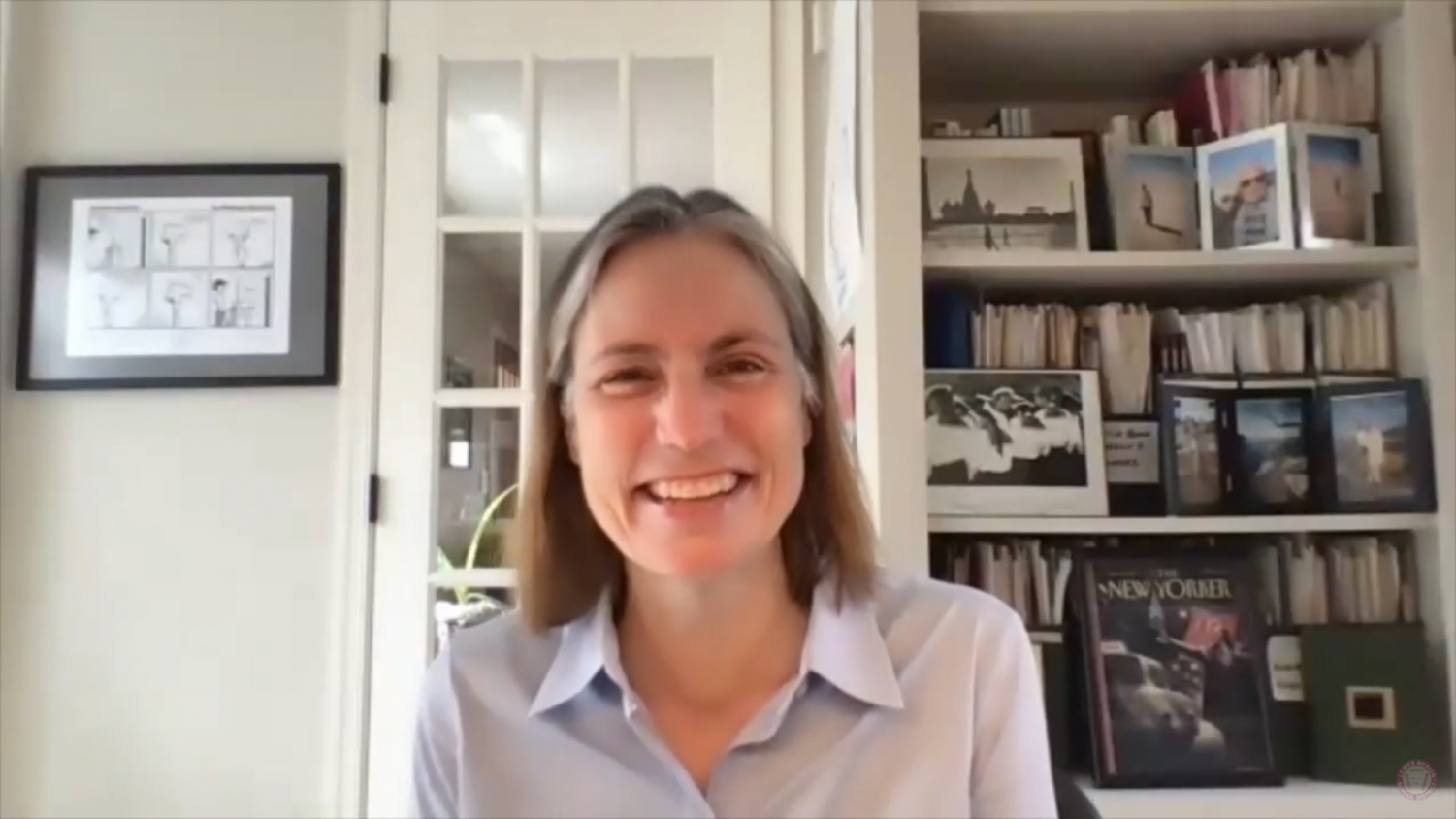
A new book about the Trump Administration was released today, and this one is likely to be much more serious than the many gossipy Trump books that have preceded it. This one is a memoir by Fiona Hill, who served in Trump’s White House as a Russia expert and then testified in the impeachment hearings.
The arresting title of Fiona Hill’s new book, “There Is Nothing for You Here,” is what her father told her when she was growing up in Bishop Auckland, a decaying coal-mining town in North East England. He loved her, and so he insisted that she had to leave.
Hill took his advice to heart — studying Russian and history at St. Andrews in Scotland, sojourning in Moscow, getting a Ph.D. at Harvard and eventually serving in the administrations of three American presidents, most recently as President Trump’s top adviser on Russia and Europe. “I take great pride in the fact that I’m a nonpartisan foreign policy expert,” she said before the House in November 2019, when she delivered her plain-spoken testimony at the hearings for the (first) impeachment of President Trump. But for her, “nonpartisan” doesn’t mean she’s in thrall to bloodless, anodyne ideas totally disconnected from her personal experience. She wrote this book because she was “acutely aware,” she says, “of how my own early life laid the path for everything I did subsequently.”
Sure enough, “There Is Nothing for You Here: Finding Opportunity in the 21st Century” weaves together these two selves, slipping back and forth between the unsentimental memoir reflected in its melancholy title and the wonkish guide promised in its inspirational subtitle. The combination, however unlikely, mostly works — though by the end, the litany of policy prescriptions comes to sound a bit too much like a paper issued by the Brookings Institution, where Hill is currently a fellow. When recounting her life, Hill is a lucid writer, delivering her reminiscences in a vivid and wry style. As much as I wanted more of Hill the memoirist and less of Hill the expert, I began to sense that giving voice to both was the only way she could feel comfortable writing a book about herself.
Looked at from afar, Hill’s story seems like a triumphant tale of striving and accomplishment. Born in 1965, she grew up in a “blighted world.” Her father followed the men in his family into the mines when he was 14; as the industry started to collapse in the 1960s, he found a job as a hospital porter. Hill’s mother worked as a midwife. As late as the 1970s, Hill’s grandparents lived in a subsidized rowhouse without “mod cons,” or modern conveniences, including indoor plumbing. Her grandfather had been pierced by the “windy pick” — the pneumatic drill — and had to wear a brace around his pelvis “to keep his battered insides in” for the rest of his life.
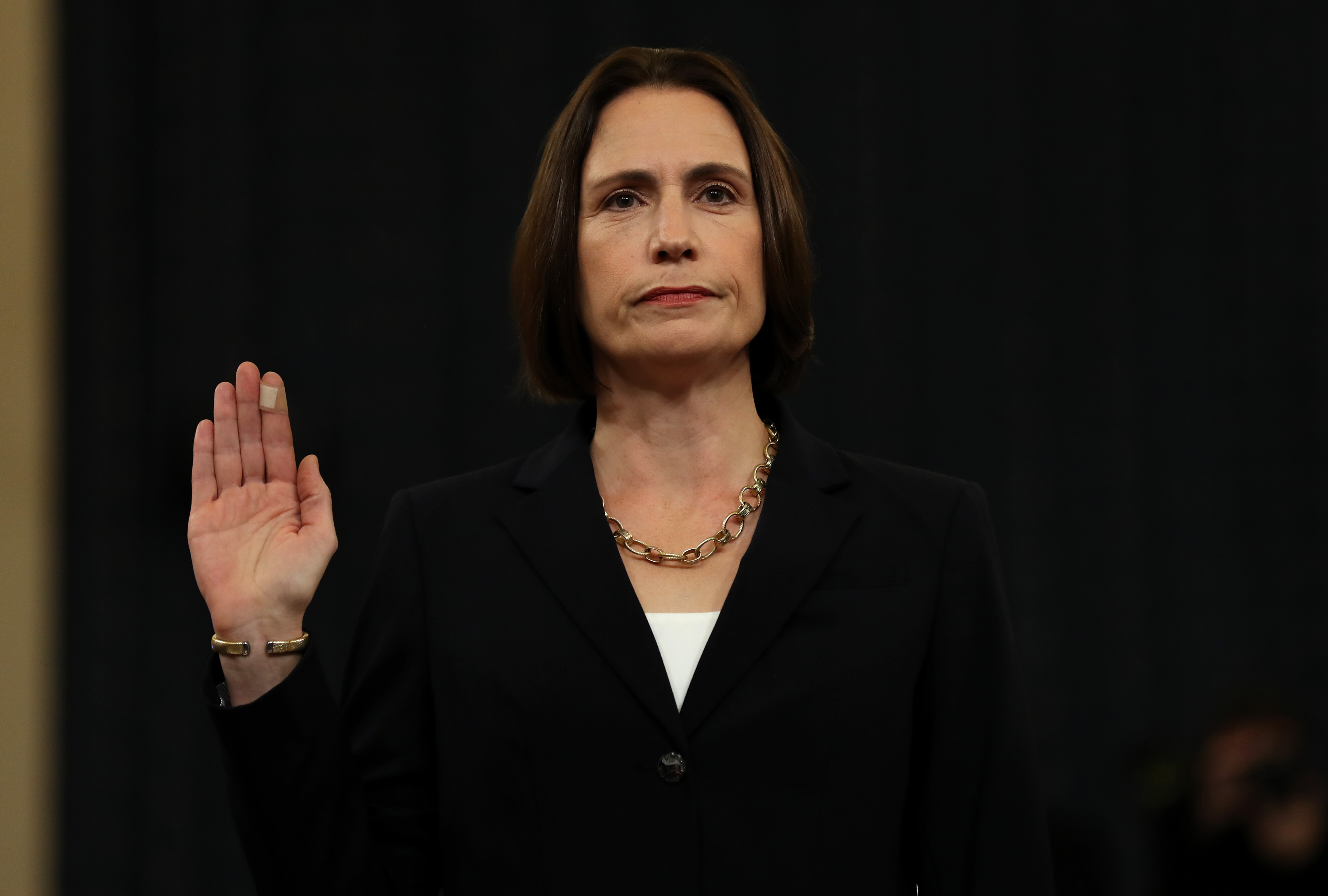
Fiona Hill is worn in at the House Intelligence Committee Open Impeachment Hearings.
Read more about Hill’s early life at the link. Here’s a bit about her experiences in the Trump White House.
Instead of making the usual insider-memoir move of fixating on all the brazenly outrageous behavior — the bizarre comments, the outlandish tweets — Hill notices his insecurities, the soft spots that, she says, made him “exquisitely vulnerable” to manipulation. Yes, she writes, the Kremlin meddled in the 2016 election — but unlike the #Resistance crowd, which insists that such meddling was decisive, Hill is more circumspect, pointing out that Vladimir Putin wasn’t the force that tore the country apart; he was simply exploiting fissures that were already there.
Just as concerning to her was the way that people around Trump would wreak havoc on one another by playing to his “fragile ego” — spreading rumors that their rivals in the administration had said something negative about Trump was often enough to land those rivals on what the president called his “nasty list.” Hill says that watching Trump fulminate made her feel like Alice in Wonderland watching the Queen of Hearts, with her constant shouts of “Off with their heads!” In Hill’s telling, Trump’s norm-breaking was so flagrant and incessant that she compares him, in her matter-of-fact way, to a flasher. “Trump revealed himself,” she writes, “and people just got used to it.”
But neither Trump nor Putin — who was the subject of one of Hill’s previous books — is what she really wants to talk about. What she sees happening in the United States worries her. Economic collapse, structural racism, unrelieved suffering: Even without Trump, she says, none of the country’s enormous problems will go away without enormous efforts to address them. Hill the expert points to heartening examples of benevolent capitalism at work. But Hill the memoirist knows in her bones that the neoliberal approach, left to its own devices, simply won’t do.
I cannot wait to read this book. More articles about it to check out:
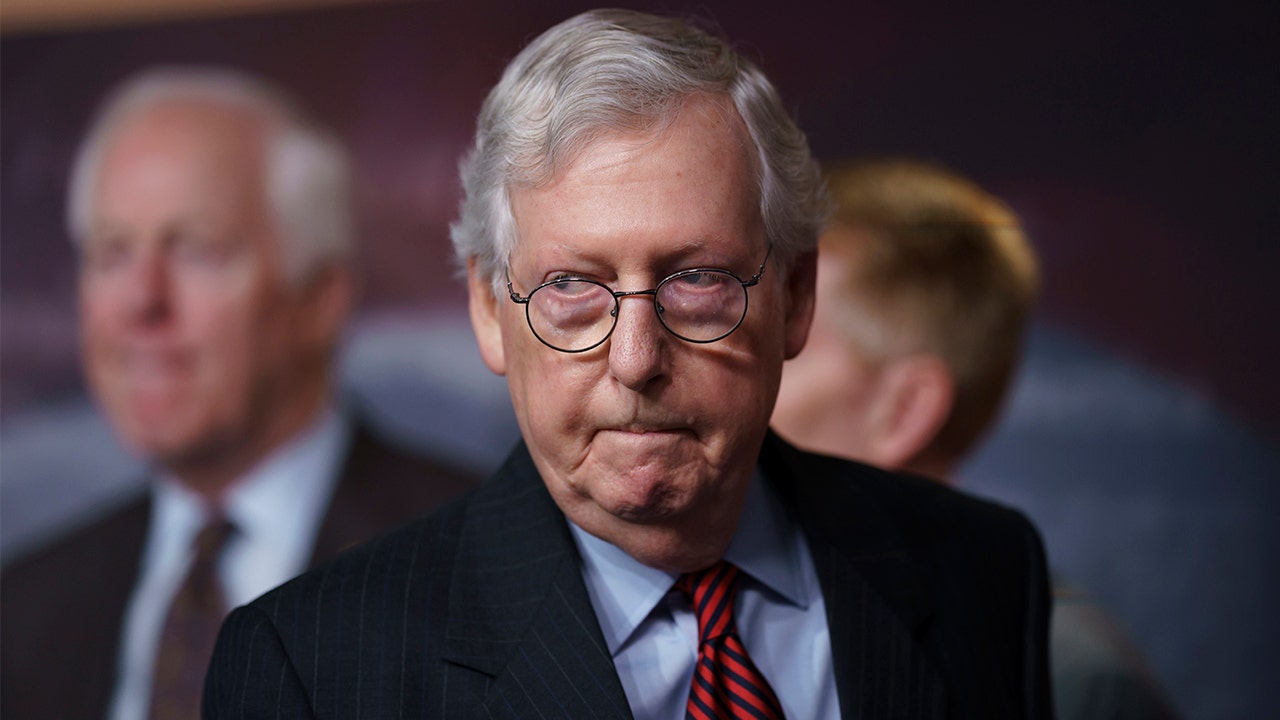
In March 2006, as the government veered dangerously close to a default, Senator Mitch McConnell of Kentucky, the No. 2 Republican, let the Bush White House know he was two votes short of what he needed to raise the legal limit on federal borrowing.
Andrew H. Card Jr., then the White House chief of staff, began working the phones. He soon found two Democrats willing to break ranks and vote to put the legislation over the top. But Mr. McConnell was holding out for something else entirely, hoping to extract concessions from President George W. Bush as the price for uniting Republicans around lifting the limit.
“I don’t need your damned votes,” he snapped at Mr. Card. He lifted the debt ceiling with Republicans only.
Mr. Card never learned what the Senate leader wanted, but he tells the story for a reason: Mr. McConnell has long used the periodic need to raise the government’s borrowing limit as a moment of leverage to secure a policy win, as have leaders of both parties.
But two weeks before a potentially catastrophic default, Mr. McConnell has yet to reveal what he wants, telling President Biden in a letter on Monday, “We have no list of demands.”
Instead, he appears to want to sow political chaos for Democrats while insulating himself and other Republicans from an issue that has the potential to divide them.
Mr. McConnell has said the government must not be allowed to stop paying its debts; he has also said he will not let any Republicans vote to raise the limit, while moving repeatedly to block Democrats from doing so themselves. Instead, he has prescribed a path forward for Democrats: Use a complicated budget process known as reconciliation to maneuver around a Republican filibuster that he refuses to lift.
Asked what he wanted, that was his answer: “As I have said for two months, I want them do it through reconciliation.”
So what’s the problem then? Why don’t the Democrats just do it through reconciliation? Of course that is another problem, because Joe Manchin and Kirsten Sinema are standing in the way of the reconciliation bill. And what the hell do they want? A couple of reads on those two:
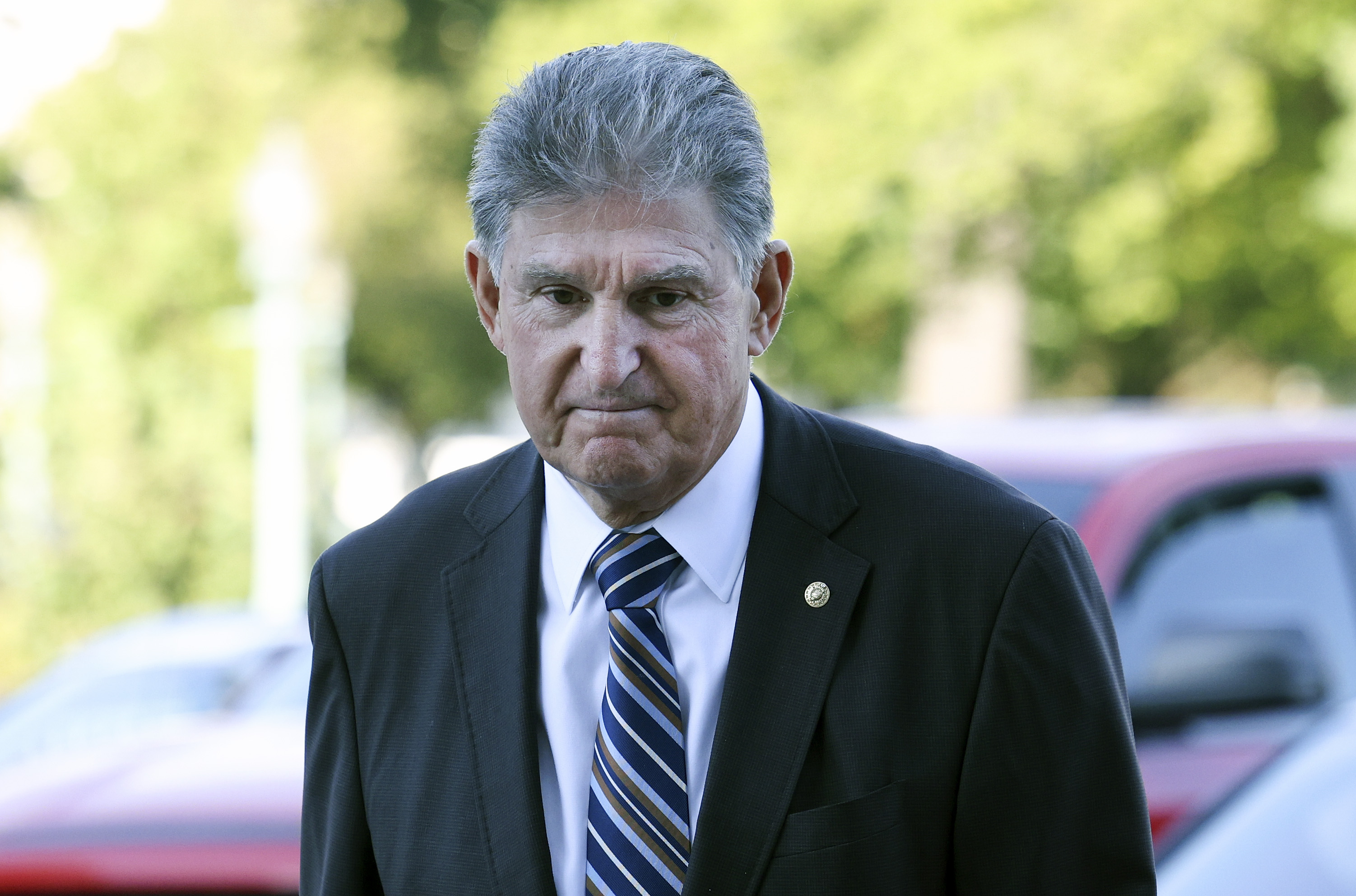
Democratic Sen. Joe Manchin on Monday pushed back on several politically sensitive positions his party leaders are taking at a crucial time for President Joe Biden’s domestic agenda.
The West Virginia Democrat, who holds a pivotal vote in the 50-50 Senate, indicated to CNN that he disagrees with the strategy top Democrats are pursuing in the standoff with Republicans over raising the national debt limit. Manchin said that Democrats “shouldn’t rule out anything,” including a budget process that Democratic leaders have made clear they will not employ.
Speaking to reporters, Manchin also would not commit to the new timeline set by party leaders to find a deal on the social safety net expansion by October 31. And he sounded resistant to calls from progressives and other top Democrats to raise his $1.5 trillion price tag for the package, which many in his party view as too low to achieve key policy objectives.
On Tuesday, however, Manchin did not rule out a $1.9 trillion to $2.2 trillion price tag for the social safety net package, a range Biden has floated privately. “I’m not ruling anything out,” Manchin said when asked by CNN if he would rule out that number.
In a stark warning sign to progressives, Manchin also indicated the package must include a prohibition against using federal funds for most abortions. “The Hyde Amendment is a red line,” he said. Manchin’s stance puts him at odds with progressives, with Congressional Progressive Caucus Chair Pramila Jayapal saying Sunday she would not support a package that included the Hyde Amendment.
In 2003, Joe Lieberman, at the time one of the worst Democratic senators, traveled to Arizona to campaign for his party’s presidential nomination and was regularly greeted by antiwar demonstrators. “He’s a shame to Democrats,” said the organizer of a protest outside a Tucson hotel, a left-wing social worker named Kyrsten Sinema. “I don’t even know why he’s running. He seems to want to get Republicans voting for him — what kind of strategy is that?”
It was a good question, and one that many people would like to ask Sinema herself these days. People sometimes describe the Arizona senator as a centrist, but that seems the wrong term for someone who’s been working to derail some of the most broadly popular parts of Joe Biden’s agenda, corporate tax increases and reforms to lower prescription drug prices. Instead, she’s just acting as an obstructionist, seeming to bask in the approbation of Republicans who will probably never vote for her.
A “Saturday Night Live” skit this weekend captured her absurdist approach to negotiating the reconciliation bill that contains almost the entirety of Biden’s agenda. “What do I want from this bill?” asked the actress playing Sinema. “I’ll never tell.” It sometimes seems as if what Sinema wants is for people to sit around wondering what Sinema wants.
When Sinema ran for Senate, the former left-wing firebrand reportedly told her advisers that she hoped to be the next John McCain, an independent force willing to buck her own party. Voting against a $15 minimum wage this year, she gave a thumbs down — accompanied by an obnoxious little curtsy — that seemed meant to recall the gesture McCain made when he voted against repealing key measures of the Affordable Care Act in 2017.
But people admired McCain because they felt he embodied a consistent set of values, a straight-talking Captain America kind of patriotism. Despite his iconoclastic image, he was mostly a deeply conservative Republican; as CNN’s Harry Enten points out, on votes where the parties were split, he sided with his party about 90 percent of the time.
Sinema, by contrast, breaks with her fellow Democrats much more often. There hasn’t been a year since she entered Congress, Enten wrote, when she’s voted with her party more than 75 percent of the time. But what really makes her different from McCain is that nobody seems to know what she stands for.
Click the link to read more.
There’s lots more news out there. I’ll post more links in the comments. As always, this is an open thread.
Did you like this post? Please share it with your friends:
The Opening up of Pandora’s box, Frederick Stuart Church, 1885
Good Day Sky Dancers!
I’m going to go down a rabbit hole today on findings by journalists on a trove of leaked financial information that shows the financial dealings of current and former world leaders in terms of hiding the loot in the world’s Treasure Islands.
Offshore banking has always frustrated many governments in trying to deal with how the rich and powerful hide wealth. This is from The Guardian on what’s being called the Pandora Papers. There’s an accompanying podcast if you’d rather learn about this important trove of leaked offshore papers. These leaks follow the Panama and Paradise papers leaks.
The financial secrets of some of the world’s most rich and powerful people are revealed following one of the biggest leaks of offshore data. The Pandora papers include 35 current and former world leaders and more than 300 public officials.
The Guardian’s Paul Lewis tells Michael Safi how the project came about and the months of work his investigations team has put into the publication. It is the latest offshore leak following previous global journalistic collaborations on the Panama papers and the Paradise papers.
The Guardian’s deputy business editor, Juliette Garside,explains how former British colonial territories have in recent decades used their legal jurisdictions to attract companies and wealthy individuals to register with them as tax havens.
The editor-in-chief, Katharine Viner, tells Michael that there is a clear public interest in publishing this latest investigation and revealing the secrets of prominent politicians at a time when many governments are raising taxes to fund pandemic recovery efforts.
‘Pandora’s Box’ by Rene Magritte 1951
The Washington Post reports the names and country affiliations of those caught in the leak. It includes Putin and many of his minions, the President of Kenya, and the King of Jordan. Czech Prime Minister Andrej Babis was also caught up in the investigations. This is the lede: “Governments launch investigations after secret papers show how elite shield riches.” The link is constantly updated with new revelations and responses.
Here’s what we know from our collective reporting
The files in the Pandora Papers detail the activities of nearly 29,000 offshore accounts.
Among them are more than 130 people listed as billionaires by Forbes magazine. U.S. states have become central to the global offshore system.
Leaders of countries on five continents use the offshore system, as well as 14 current heads of state or government.
Officials in Pakistan, Mexico, Spain, Brazil, Sri Lanka, Australia and Panama are set to launch inquiries in the wake of the Pandora Papers revelations.
Pandora, c. 1914 (Metropolitan Museum of Art), Odilon Redon
There are short profiles of many of the leaders/elite and their offshore financial activities at the WAPO link. There are also several good links to basics on offshore banking and the small countries around the world that sponsor this very dark corner of the financial sector.
Former UK Prime Minister Tony Blair and his wife, Cherie Blair, avoided paying £312,000 ($423,000) in stamp duty — a tax on property purchases — when they bought a townhouse in London, the BBC reported. The building now houses Cherie Blair’s law firm.
The Blairs purchased the townhouse in 2017 by buying the offshore firm that owned the property. When the property was put up for sale, its ultimate owners were a family with political connections in Bahrain, according to the BBC.
The Blairs set up a UK company to purchase the offshore firm. Doing so was legal, but it allowed them to avoid paying stamp duty, according to the BBC, because the tax is not charged when a company owning a property is acquired.
“It is not unusual for a commercial office building to be held in a corporate vehicle or for vendors of such property not to want to dispose of the property separately,” Cherie Blair told the BBC.
Cherie Blair also said her husband’s only involvement in the transaction was that the mortgage for the property used their joint income and capital, according to the BBC.
“All the arrangements were made for the express purpose of bringing the company and the building back into the UK tax and regulatory regime, where it has remained ever since. All taxes have been paid ever since and all accounts openly filed in accordance with the law,” Cherie Blair said, according to The Guardian.
The Czech national police announced that it will “act upon” the #PandoraPapers, as the revelations emerged as an election campaign issue in the country and a potential challenge for Czech Prime Minister Andrej Babis, who is up for reelection this week. https://t.co/LVBArFwjmf
It may not be illegal but it certainly sounds and appears dodgy. The real shocking thing is that these kinds of enterprises are setting up in the United States. Notice this little financial firm harkens from South Dakota a state that lured Citibank with its lax banking laws back in the good ol’ days. WAPO has just put up a more current analysis of the overall use of offshore banking. “FOREIGN MONEY SECRETLY FLOODS U.S. TAX-HAVENS. SOME OF IT IS TAINTED.”
SIOUX FALLS, S.D. — Across from a Holiday Inn, in a red-brick building with a welcome sign that reads “The Heart of America,” a little-known financial firm set up shop seven years ago and extended an invitation to the world’s elite.
Trident Trust promised to protect the fortunes and privacy of its new customers by relying on the laws of a state that had become a global destination for wealth. The company called it “The South Dakota Advantage.”
Among those who answered the call: a Colombian textile magnate caught in a scheme to launder the proceeds of an international drug ring, an orange juice mogul who settled with authorities in Brazil for allegedly colluding to underpay local farmers, and family members of the former president of a sugar producer in the Dominican Republic that has been accused of exploiting laborers and forcibly evicting families from their homes.
The U.S. government has long condemned prominent offshore financial centers, where liberal rules and guarantees of discretion have drawn oligarchs, business tycoons and politicians.
But a burgeoning American trust industry is increasingly sheltering the assets of international millionaires and billionaires by promising levels of protection and secrecy that rival or surpass those offered in overseas tax havens. That shield, which is near-absolute, has insulated the industry from meaningful oversight and allowed it to forge new footholds in U.S. states.
An alleged murderer, a mob associate and a child sex offender protected their U.S. wealth in Belize tax haven.
Paging Senator Elizabeth Warren! Clean-up in Aisle South Dakota! And of course, Delaware is also one of the usual suspects too. Just ask Senator MBNA (aka President Joe Biden).
The trust documents come mostly from the Sioux Falls office of Trident Trust, a global provider of offshore services. In a written statement, Trident said it is committed to compliance with all applicable regulations and routinely cooperates with authorities. The company declined to answer questions about its clients.
Other states competing to lure wealth include Alaska, Delaware, Nevada and New Hampshire. In South Dakota, assets in trusts more than quadrupled over the past decade to $360 billion. One of the largest trust companies in the state, the South Dakota Trust Co., boasts a roster of international clients from 54 countries.
The industry’s rapid expansion was led by a group of trust company insiders, who year after year pitched legislative proposals that were highly appealing to customers in the United States and abroad: protecting trusts from creditors, from taxing authorities, from foreign governments.
With little opposition, state legislators turned the proposals into laws — dozens since the late 1990s.
So, not only are we giving these folks lower tax bills than their house staff and employees, we’re letting them dodge even more tax liabilities by just traveling to the usual suspect states.
• More than 11.9M confidential files • More than 600 journalists • 150 news outlets • 2 years of reporting
You may read the original work in the tweet directly above. It’s going to be a week of global intrigue! So, hang on to your best James Bond Villian impression. Mine will continue to be Vladimir Putin who set up a mistress and child to live like Marie Antoinette.
The Debt Ceiling is still in the news too!
Q: "Can you guarantee that the U.S. will not reach the debt ceiling?"
Either of these stories could rock the US and Global financial markets! So, I’ll be watching! C’mon Joe! Don’t make me sell the US short to finance my senior days!
Pandora and the Flying Dutchman (1951) This painting was featured in the movie of that name. It plagiarizes the early metaphysical style of Giorgio de Chirico (1888–1978)
President Biden on Monday criticized Republicans for not voting to raise the debt ceiling, accusing them of being “reckless and dangerous” in a way that could harm the economy.
“Not only are Republicans refusing to do their job, they’re threatening to use [the filibuster] to prevent us from doing our job — saving the economy from a catastrophic event,” Biden said during a speech at the White House.
The Democrat-controlled House last week passed legislation that temporarily suspends the debt ceiling. Senate Republicans, however, have said they will not vote to approve such a measure. Biden said the Republicans’ stance is “hypocritical, dangerous and disgraceful.”
“Especially as we’re clawing our way out of this pandemic,” Biden said.
…
Once the Treasury Department runs out of cash, payments to government workers, including military personnel, veterans and Social Security recipients would likely be delayed. A default would also affect taxpayers.
“Savings in your pocketbook could be directly impacted by this Republican stunt,” Biden said.
Treasury Secretary Janet Yellen previously said the department would run out of “emergency measures” to pay the nation’s debts on Oct. 18. The limit on federal borrowing is currently $28.4 trillion.
“I respectfully submit that it is time for you to engage directly with congressional Democrats on this matter,” McConnell told Biden in his letter, a copy of which POLITICO obtained. “Your lieutenants in Congress must understand that you do not want your unified Democratic government to sleepwalk toward an avoidable catastrophe when they have had nearly three months’ notice to do their job.”
The letter, delivered to the White House on Monday, also cites Biden’s past opposition to debt increases while in the minority. McConnell summarized it this way: “The president’s party had to take responsibility for a policy agenda which you opposed. Your view then is our view now.”
So, Republicans continue to obfuscate the debt ceiling. It’s basically got to be increased because of the last 4 years and all years before. There’s very little Biden spending to this point and his budget is not even in effect at this point.
Don’t let your eyes glaze over on this stuff! This is a shit list of how they’re stealing from us!
What’s on your reading and global intrigue list today?
Did you like this post? Please share it with your friends:
The Sky Dancing banner headline uses a snippet from a work by artist Tashi Mannox called 'Rainbow Study'. The work is described as a" study of typical Tibetan rainbow clouds, that feature in Thanka painting, temple decoration and silk brocades". dakinikat was immediately drawn to the image when trying to find stylized Tibetan Clouds to represent Sky Dancing. It is probably because Tashi's practice is similar to her own. His updated take on the clouds that fill the collection of traditional thankas is quite special.
You can find his work at his website by clicking on his logo below. He is also a calligraphy artist that uses important vajrayana syllables. We encourage you to visit his on line studio.
















 In other news, we’re still facing the possible default of the United States leading to a global financial crisis. Jonathan Weisman at The New York Times:
  CNN:
CNN: 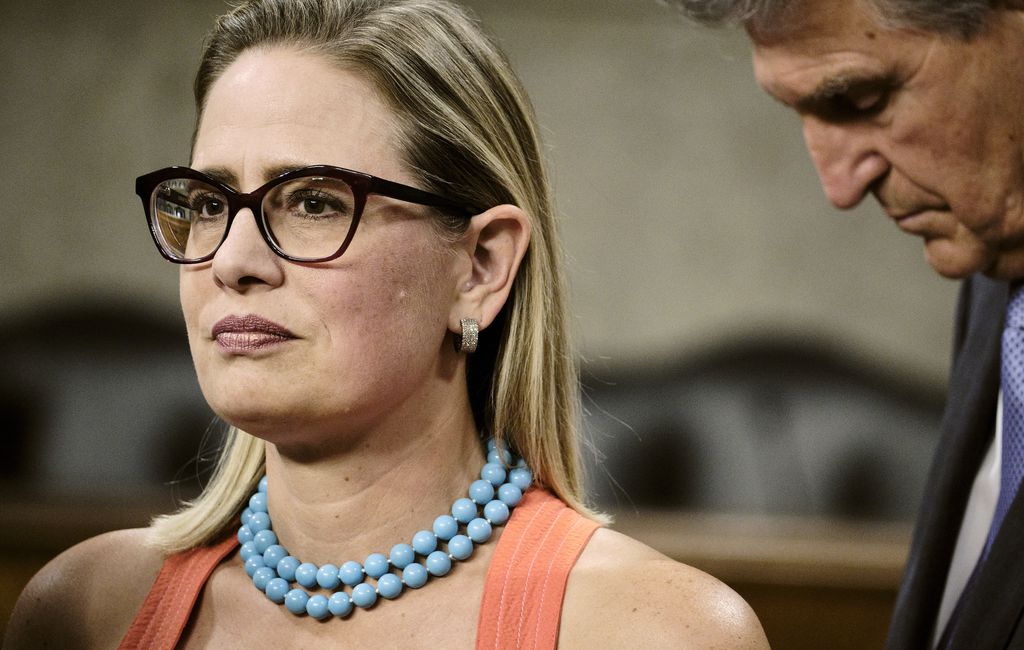 Michelle Goldberg at The New York Times:




 peej
peej Carissa
 bostonboomer
 dakinikat
 ecocatwoman
 mablue2
 Mama Lopez
 peggysue22
 quixote
 skydancingguestblogger
 Mona (aka Wonk the Vote)



 Sky Dancing
Recent Comments