Today is the final day before the Trump 2.0 begins. I have no idea what is going to happen, but I’m sure it will be ugly and deeply embarrassing to our country.
Our so-called “president” will be a convicted felon, a rapist, a grifter, a fraudster, a common criminal.
So far, I don’t see any sign that Democrats will put up a serious challenge to what is coming. I hope I’m wrong.
Tomorrow Trump will be sworn in, and the inauguration is going to be very odd. At the last minute, he decided to hold the ceremony indoors in the Capital rotunda and cancel the parade, supposedly because the weather will be “dangerously cold.” I’m sorry, but 20 degrees is not “dangerous” weather. The more likely reason for the change is that Trump feared a small turnout.
Donald Trump drastically scaled back plans for his inauguration as hotel occupancies stalled just days ahead of his return to the White House.
The president-elect was infamously touchy about the crowd size at his first inauguration in 2017, and hotel occupancy rates in Washington, D.C., are hovering just above 70 percent with three days until he takes the oath of office again and bitterly cold temperatures forecast for Monday, so Trump announced that he would instead move the ceremony indoors to the U.S. Capitol….
“It is my obligation to protect the People of our Country but, before we even begin, we have to think of the Inauguration itself,” Trump added. “The weather forecast for Washington, D.C., with the windchill factor, could take temperatures into severe record lows. There is an Arctic blast sweeping the Country. I don’t want to see people hurt, or injured, in any way. It is dangerous conditions for the tens of thousands of Law Enforcement, First Responders, Police K9s and even horses, and hundreds of thousands of supporters that will be outside for many hours on the 20th (In any event, if you decide to come, dress warmly!). Therefore, I have ordered the Inauguration Address, in addition to prayers and other speeches, to be delivered in the United States Capitol Rotunda, as was used by Ronald Reagan in 1985, also because of very cold weather.” [….]
“The various Dignitaries and Guests will be brought into the Capitol,” Trump posted. “This will be a very beautiful experience for all, and especially for the large TV audience! We will open Capital One Arena on Monday for LIVE viewing of this Historic event, and to host the Presidential Parade. I will join the crowd at Capital One [Arena], after my Swearing In. All other events will remain the same, including the Victory Rally at Capital One Arena, on Sunday at 3 P.M. (Doors open at 1 P.M.—Please arrive early!), and all three Inaugural Balls on Monday evening. Everyone will be safe, everyone will be happy, and we will, together, MAKE AMERICA GREAT AGAIN!”
Hotel bookings are way down ahead of Donald Trump’s inauguration next week, and applications for protest permits are also off pace compared to the last time he took office.
The president-elect’s first inauguration sparked furious protests that led to violence and arrests in January 2017. This year the National Park Service has fielded far fewer requests for permits and law enforcement officials don’t anticipate trouble managing any crowds that do converge to oppose the incoming president, reported the Washington Post….
Hotel occupancy rates for next Sunday hovered at about 70 percent as of last week, according to Smith Travel Research. That’s compared to 95 percent the night before Trump’s first inauguration eight years ago and 97.2 percent for Barack Obama’s first inauguration in 2009. That rate plunged to 78 percent for his second inauguration in 2013.
Trump’s inaugural committee has raised a record $170 million to go toward a parade, swearing-in ceremony, a “victory rally” at Capital One Arena on Sunday and a national prayer service Tuesday at Washington National Cathedral. Information about other events are “forthcoming,” according to the inauguration website.
John F. Kennedy inauguration
Now all that is scaled back. I suppose it will mean that Trump gets to keep all that money. The MAGATs who elected him spent big bucks to come to DC and see their cult leader’s big moment. Now they’ve lost all that money and all they have are their tickets to the inauguration as souvenirs, but Trump couldn’t care less about them. They’ve served their purpose and now they can be discarded.
at noon on January 20, 1961, as John F. Kennedy prepared to take the oath of office, the temperature hovered around 22°F. the wind-chill made it seem more like 7°F. did JFK whine that it was too chilly, and insist on going inside? no, he did not. he stood there in the cold, and ask not what your country’d the shit out of his inauguration. he fucking nailed it.
Jimmy Carter shrugged off the 28°F temps at his inauguration. same deal with Bill Clinton — the Big Dog wasn’t about to let 28°F temps spoil his day.
Little Donny Convict, however, is a dotard of a different stripe. the frail old fuck took one look at tomorrow’s forecast of 23°F temps and pulled the plug on the whole enchilada.
In a statement posted to his Truth Social social media platform, Trump said that he does not “want to see people hurt, or injured, in any way” amid the freezing temperatures.
“It is dangerous conditions for the tens of thousands of law enforcement, first responders, police K9s and even horses” as well as “hundreds of thousands” of supporters.
ohhhh, it’s too cold. oh, boo fucking hoo. cry me a river with this ‘dangerous conditions’ nonsense. maybe Florida Man should have holed up in his golf motel instead of running for president. he doesn’t seem up to the rigors of the job.
how fucking hilarious is it that this self-styled “tough guy” who sells AI-generated pics of himself tarted up as Superman falls to pieces and hide out the second the thermometer drops?
you want to talk about cold? yesterday, Kansas City Chiefs and Houston Texans played a football game. it was 25°F in Kansas City — but Arrowhead Stadium was packed to the rafters. no one complained about how dangerous the conditions were.
but sure, tell me again how Donny the Great Humanitarian cares about the safety of the cultists. it’s such a great story. but where was this concern a year ago, when he made the faithful wait for hours outside in -17°F temps in Iowa?
Jimmy Carter and Rosalynn Carter walk in the Inaugural parade.
But Trump will still surround himself with autocrats from around the world.
In a historic first, President-elect Donald Trump is bucking centuries of American tradition by welcoming an array of foreign leaders to his second inauguration.
The parade is about as far-right as they come, including many who — whether in policy or bombast — have been compared to Trump himself….
Below is a partial list of the Trump-like leaders coming to kiss the ring….
Trumplike European leaders
Nigel Farage — Brexit salesman. He is known for his anti-EU and anti-immigrant stances and accused of inciting xenophobia throughout his Brexit campaign.
Giorgia Meloni — Italy’s first female prime minister. Leader of the Brothers of Italy, a far-right party with post-fascist roots. Advocate for strict immigration controls and preservation of Italy’s ‘Christian’ identity. She’s alarmed critics for declaring herself a defender of “God, homeland and family,” echoing nationalist slogans from the past (think Mussolini).
Rewriting Nazi atrocities
Tino Chrupalla— Co-leader of Alternative for Germany Party (AfD). Known for nationalist and Eurosceptic stances. Advocate for ending Russian sanctions and Trump fanboy. In a televised debate, Chrupalla once drew outrage for questioning Germany’s responsibility for World War II atrocities.
Mateusz Morawiecki— Former Polish prime minister. Member of the right-wing Law and Justice Party (PiS). A staunch conservative who regularly deploys anti-LGBTQ and anti-EU rhetoric. Once claimed Poland shouldn’t be blamed for Nazi atrocities during World War II.
Persecuting ethnic minorities now en vogue
Tom Van Grieken — Leader of Belgium’s far-right Vlaams Belang Party, which advocates for Flemish independence and stringent immigration policies. Has labeled refugees “fortune seekers” and likened multiculturalism to “the destruction of Europe.”
André Ventura— Leader of Portugal’s right-wing populist Chega Party. Anti-migrant and anti-Roma, a minority community of asylum seekers fleeing persecution back in India. Controversially called Roma communities a “state-sponsored gang” and proposed DNA testing for welfare applicants to prove their identity.
Xenophobia in the House (Senate too)!
Éric Zemmour— French far-right commentator, author and politician. Anti-immigrant, Eurosceptic. He claims France’s decline is due to immigration and liberal policies in his book, The French Suicide. Sparked outrage for accusing Muslim asylum seekers of being focused on the “colonization” of France.
Santiago Abascal— Leader of Spain’s far-right Vox Party. A vocal critic of multiculturalism and immigration. Calls for building Trump-like walls along Spain’s borders to deter migrants. Calls Islam a “threat to European civilization.” Once claimed feminists were part of “gender totalitarianism” at a political rally.
Mixing religion and politics
Javier Milei — Newly elected president of Argentina. A Trump-like populist. Called Pope Francis a “communist” and “representative of the evil left.”
Election denier’s request to attend inauguration denied
Jair Bolsonaro — Former President of Brazil. Bombastic right-wing populist. Facing charges for allegedly trying to overturn Brazil’s 2022 election. He had his passport confiscated, and on Thursday, the Brazilian Supreme Court denied his request to travel to Washington for Trump’s second inaugural.
No Orban? No Putin?
What does Trump have planned for day 1? Reportedly, there will be ICE raids on undocumented immigrants in blue cities. According to the Wall Street Journal, Chicago will be first.
President-elect Donald Trump’s handpicked “border czar” Tom Homan said in an interview Saturday that the incoming administration is reconsidering whether to launch immigration raids in Chicago next week after preliminary details leaked out in news reports.
Homan, the former acting director of U.S. Immigration and Customs Enforcement, told The Washington Post that the new administration “hasn’t made a decision yet.”
1/20/1981 President Reagan being sworn in on Inaugural Day at the United States Capitol
“We’re looking at this leak and will make a decision based on this leak,” Homan said. “It’s unfortunate because anyone leaking law enforcement operations puts officers at greater risk.”
ICE has been planning a large operation in the Chicago area for next week that would start after Inauguration Day and would bring in additional officers to ramp up arrests, according to two current federal officials and a former official who spoke on the condition of anonymity to discuss internal law enforcement planning.
Homan said he did not know why Chicago “became a focus of attention” and said the incoming administration’s enforcement goals are much broader than one city.
“ICE will start arresting public safety threats and national security threats on day one,” he said. “We’ll be arresting people across the country, uninhibited by any prior administration guidelines. Why Chicago was mentioned specifically, I don’t know.”
“This is nationwide thing,” he added. “We’re not sweeping neighborhoods. We have a targeted enforcement plan.”
The seesawing reports of possible raids in Chicago can stir up fears that advance the administration’s broader enforcement goals, even if operations are postponed or shifted to other cities. Homan and other Trump aides say they want immigrants living in the United States illegally to once more fear arrest and choose to leave the country on their own, or “self-deport.”
Sources told the Herald on Saturday that the U.S. Immigration Customs and Enforcement will conduct its first raid under the Trump administration in Chicago on Tuesday. New York and Miami will follow soon after, according to multiple news reports.
Boston and other Massachusetts sanctuary cities are expected to be a top-five target for the Trump administration to conduct mass arrests of illegal immigrants, sources said, depending on how the rollout progresses.
Trump has promised tackling illegal immigration will be a top priority when he regains office on Monday, pledging to oversee the largest deportation effort in U.S. history.
“There’s going to be a big raid all across the country,” incoming border czar Tom Homan said on Fox News Friday night. “Chicago is just one of many places.”
“ICE is finally going to go out and do their job,” he added. “We’re going to take the handcuffs off ICE and let them go arrest criminal aliens. That’s what’s going to happen.”
National Guard members fear landing in the center of a political tussle between red state governors and blue state attorneys general over Donald Trump’s expected crackdown on undocumented immigrants.
The large-scale deportation effort could begin as soon as Monday with Republican governors vowing to deploy the Guard if Trump asks and officials in Democratic states readying quick legal pushback. Some of the 435,000 troops worry they’ll get pulled into a legally murky mission rooting out people in communities where they have day jobs such as sheriffs, cops or firefighters.
Bill Clinton taking the oath of office.
“Our North Star is how lawful is it?” said Rob Bonta, California’s attorney general, in an interview about the incoming president deploying the Guard. “If they are operating lawfully, there’s nothing for us to do, and the president is allowed to do that. If he’s acting unlawfully, as he did many times under Trump 1.0, we sued him over 120 times.”
Trump has said he would bring in the military to help with mass deportations, but he has not specified whether he means state-based National Guard members or active duty troops.
“I don’t want to be seen as a Gestapo,” said one former senior military official who is in close contact with current Guard members and was granted anonymity to speak about a legally precarious situation. “It’s important that everybody understands who they are and what they’re doing.”
But the confusion within the Guard hasn’t stopped Republican governors from pledging quick support to Trump’s immigration plans. Tennessee Gov. Bill Lee said earlier this month he would use the National Guard to assist with deportations if asked by the incoming U.S. administration….
But certain legal guardrails exist. Red states can activate the National Guard to help with immigration enforcement — possibly to assist federal agents — but blue states with control of their own Guard could simply refuse to go along.
Trump has a range of options. He could leave the National Guard under state control but give troops federal funding to tackle the deportation mission, although that would allow individual governors to retain authority over their troops. Trump also could call the Guard up to active-duty status, which would give him greater ability to control troops in blue states and order them across state lines.
Read more at the Politico link.
Trump will also have to deal with the TikTok situation right away.
“Sorry, TikTok isn’t available right now,” the message read.
Hours before a federal law banning TikTok from the United States took effect on Sunday, the Chinese-owned social media app went dark, and U.S. users could no longer access videos on the platform. Instead, the app greeted them with a message that said “a law banning TikTok has been enacted.”
“We are fortunate that President Trump has indicated that he will work with us on a solution,” the message said. “Please stay tuned!”
In addition, TikTok’s sister app, Lemon8, stopped working and showed U.S. users a message saying that it “isn’t available right now.” Both TikTok and Lemon8 are owned by ByteDance, a Chinese internet giant. CapCut, a popular video-editing app from ByteDance, was also unavailable.
Apple said it had removed TikTok and other ByteDance apps, including Lemon8, from its app store, and users said that Google’s U.S. app store had also removed TikTok. Searching for the apps on Apple’s app store on Sunday yielded a new message: “TikTok and other ByteDance apps are not available in the country or region you’re in.”
TikTok became unavailable after the Supreme Court decision on Friday upholding the law, which calls for ByteDance to sell the app by Sunday or otherwise face a ban. The law was passed overwhelmingly by Congress last year and signed by President Biden. TikTok, which has faced national security concerns for its Chinese ties, had believed it could win its legal challenge to the law, but failed.
The blackout capped a chaotic stretch for TikTok, which had made last-minute pleas to both the Biden administration and President-elect Donald J. Trump for a way out of the law. Until Saturday night, no one — including the U.S. government — was entirely sure what would happen to it when the law took effect. The United States has never blocked an app used by tens of millions of Americans essentially overnight.
Not too long ago, Donald Trump was a big fan of banning TikTok, the Chinese-owned social media app that went offline in the U.S. early Sunday under a controversial ban. On Friday, the Supreme Court upheld the law, passed by bipartisan majorities last April, largely due to concerns that the Chinese government used the platform to spy on Americans. President Joe Biden signed that law, but only four years after Trump, while still president, tried and failed to ban the app through executive order. TikTok allows “the Chinese Communist Party access to Americans’ personal and proprietary information — potentially allowing China to track the locations of Federal employees and contractors, build dossiers of personal information for blackmail, and conduct corporate espionage,” Trump said in the 2020 order.
Barak Obama being sworn in.
There’s good reason to believe Trump’s personal reasons weren’t so noble. For one thing, he’s racist against Chinese people and apparently believes COVID-19 was somehow their fault, instead of seeing them as the first victims of a mutated virus. However, while U.S. intelligence services are frustratingly tight-lipped about the specific evidence, both common sense and the testimony of more trustworthy politicians who have seen the intel — including Biden — suggest that the accusation of foreign spying is almost certainly true. Nor is this a “free speech” issue. The right to speak out, even online, has not changed. The government’s authority here is to determine what foreign companies are allowed to operate within our borders, a nearly ironclad power.
Trump, meanwhile, has changed his tune about TikTok, but not because he disbelieves the intelligence reports or because he is a free trade absolutist. (Hardly that, as his love of tariffs demonstrates.) No, it’s because he’s learned in the past four years that TikTok is a shockingly efficient disseminator of disinformation, which is Trump’s main stock-in-trade. “I’m now a big star on TikTok,” he bragged in September, vowing to protect the site from being banned. He’s also buddied up with the chief executive of the American division of TikTok, Shou Chew, inviting him to join the murder’s row of tech billionaires attending the inauguration.
“It’s been a great platform for him and his campaign to get his America first message out,” Mike Waltz, an incoming national security advisor to Trump, said Thursday. “We will put measures in place to keep TikTok from going dark.” Chew then took to TikTok to publicly credit Trump with working to save the platform.
On Sunday, Tik Tok rewarded Trump for his support with blatant propaganda. The app went dark, as expected, but when users tried to open it, they got this message: “We are fortunate that President Trump has indicated that he will work with us on a solution to reinstate TikTok once he takes office.”
TikTok is good for Trump, and for one simple reason: It is a maelstrom of disinformation so gargantuan that even Elon Musk-controlled Twitter fails to compete. It’s a train wreck of B.S., from people claiming sunscreen and vaccines don’t work to bizarre videos claiming demons infect everything to old-fashioned authoritarian lies. The company claims to stand for “free speech,” but the Chinese government censors information that doesn’t serve its political goals. The algorithm is hidden from public view, but it’s easy to see it favors divisive, emotionally manipulative and misleading information. It ratchets up culture war tensions and stokes arguments while undermining people’s mental ability to focus on developing solutions. Hundreds of millions of people willingly plug into an app that feeds them the demoralizing propaganda authoritarians have been trying to shove down our throats forever. It’s a fascist’s dream.
As we inch close to January 20 and another Trump administration, my feeling of dread only grows stronger. Already, Trump is dominating the news and acting as if he is in charge.
Last time, Trump had the “adults in the room” to occasionally hold back his efforts to destroy the country; this time, he only has Elon Musk, and Trump still doesn’t seem to comprehend that Musk is manipulating him. It’s going to be every bit as chaotic and exhausting as last time. And, of course, there will be the ugly Trump social media posts. Here’s his Christmas greeting from Truth Social:
Pieter Bruegel the Elder – Hunters in the Snow
Isn’t that sweet? I will never understand how anyone could stand to be in the same room with this monster, let alone vote for him for POTUS.
There’s not much exciting news today, but I’ve found some interesting reads.
The bald eagle has landed in the U.S. code after President Joe Biden signed a bill Tuesday making the predator the official national bird.
Congress passed the measure with unanimous support.
Although the bird of prey is at the center of the Great Seal of the United States, it was never formally recognized as the country’s official bird. Some of the Founding Fathers — Benjamin Franklin, John Adams and Thomas Jefferson — were tasked with creating a national seal but simply couldn’t come to an agreement.
In 1782, a version of the seal with a bald eagle was submitted by Secretary of the Continental Congress Charles Thomson and approved. Most Americans are familiar with the seal’s eagle carrying a flag-emblazoned shield holding an olive branch in one talon and arrows in the other.
Franklin was historically against the decision, arguing in a letter to his daughter that the bald eagle was “a bird of bad moral character.”
Either way, the U.S. has not had an official bird in the almost 250 years since its founding.
Nearly eight years ago, reports began circulating in Washington that the Trump administration was going to be chaotic. One obvious sign was the rapid turnover of aides close to the president. Within months, Trump had replaced his chief of staff, national security advisor, press secretary and counselor to the president. Ultimately, in a four-year period, Trump would go through four chiefs of staff, four national security advisors, four press secretaries and five counselors to the president.
Beyond the rapid turnover, those who worked with Trump in his first term recounted his anarchic governing style. He refused to read briefing books before meeting with government leaders and simply “winged” important negotiations. He read only one-page summaries, and even then, only if they were filled with maps, photos and graphs. He ignored advice from his counselors in favor of information (or misinformation) from Fox News and extreme social media posts. He made policy on his own via tweets rather than through consultations with others.
Aides, who sought anonymity for obvious reasons, recounted that Trump was spending several hours every day watching television, typically Fox News, and impulsively walking out of meetings he was bored with. As a result, his governing style whipsawed between a lack of interest and sudden intense activity. Simply put, he did not pay attention until, suddenly, he understood a policy he did not like was being made without him. For example, in 2018, he intervened at the last minute as a government shutdown loomed to insist that the continuing resolution include money for a Mexican border wall. One aide reported that Trump was an “instinctive and reactive” leader.
His aides revealed that his attention span was extraordinarily short. They confessed that when he made some outrageous demand, they would distract him with something else, expecting he would forget about the order he just gave. One journalist found that Trump was live-tweeting Fox News, setting his agenda based on what Fox News was reporting.
Political scientist David Drezner analyzed statements by Trump aides and supporters comparing him to a toddler who throws temper tantrums when he does not get his way, has a short attention span, and has no interest in learning if it is not presented in an extremely simple manner. Drezner says his aides would treat Trump like a toddler by using reverse psychology on him (telling him he cannot do something that they actually wanted him to do), keeping him busy so he would not have time to tweet, and feeding him simple information.
Van Gogh-Snowy Landscape with Arles in Background
This time, it will be much, much worse. Trump has already threatened to take over Panama, Greenland, and Canada. And, of course, he has threatened repeatedly to attack Mexico.
The Danish government has announced a huge boost in defence spending for Greenland, hours after US President-elect Donald Trump repeated his desire to purchase the Arctic territory.
Danish Defence Minister Troels Lund Poulsen said the package was a “double digit billion amount” in krone, or at least $1.5bn (£1.2bn).
He described the timing of the announcement as an “irony of fate”. On Monday Trump said ownership and control of the huge island was an “absolute necessity” for the US.
Greenland, an autonomous Danish territory, is home to a large US space facility and is strategically important for the US, lying on the shortest route from North America to Europe. It has major mineral reserves.
Poulsen said the package would allow for the purchase of two new inspection ships, two new long-range drones and two extra dog sled teams.
It would also include funding for increased staffing at Arctic Command in the capital Nuuk and an upgrade for one of Greenland’s three main civilian airports to handle F-35 supersonic fighter aircraft.
“We have not invested enough in the Arctic for many years, now we are planning a stronger presence,” he said.
The defence minister did not give an exact figure for the package, but Danish media estimated it would be around 12-15bn krone.
The announcement came a day after Trump said on his social media platform Truth Social: “For purposes of National Security and Freedom throughout the World, the United States of America feels that the ownership and control of Greenland is an absolute necessity.”
A major international crisis is “much more likely” in Donald Trump’s second term given the president-elect’s “inability to focus” on foreign policy, a former US ambassador to the United Nations has warned.
John Bolton, who at 17 months was Trump’s longest-serving national security adviser, delivered a scathing critique of his lack of knowledge, interest in facts or coherent strategy. He described Trump’s decision-making as driven by personal relationships and “neuron flashes” rather than a deep understanding of national interests.
Bolton also dismissed Trump’s claims during this year’s election campaign that only he could prevent a third world war while bringing a swift end to the conflicts in Gaza and Ukraine.
“It’s typical Trump: it’s all braggadocio,” Bolton told the Guardian. “The world is more dangerous than when he was president before. The only real crisis we had was Covid, which is a long-term crisis and not against a particular foreign power but against a pandemic.
“But the risk of an international crisis of the 19th-century variety is much more likely in a second Trump term. Given Trump’s inability to focus on coherent decision making, I’m very worried about how that might look.” [….]
Bolton was Trump’s national security adviser from April 2018 to September 2019.
Bolton recalled: “What I believed was that, like every American president before him, the weight of the responsibilities, certainly in national security, the gravity of the issues that he was confronting, the consequences of his decisions, would discipline his thinking in a way that would produce serious outcomes.
“It turned out I was wrong. By the time I got there a lot of patterns of behaviour had already been set that were never changed and it could well be, even if I had been there earlier, I couldn’t have affected it. But it was clear pretty soon after I got there that intellectual discipline wasn’t in the Trump vocabulary.”
“When you hear the acts of each, you won’t believe that he did this. Makes no sense. Relatives and friends are further devastated. They can’t believe this is happening!”
Trump vowed to take action as soon as he takes office.
“As soon as I am inaugurated, I will direct the Justice Department to vigorously pursue the death penalty to protect American families and children from violent rapists, murderers, and monsters,” he said in a follow up post. “We will be a Nation of Law and Order again!”
The Trump Store has a gift for every patriot on your Christmas list.
It’s a little late for this year’s celebrations, but you can get a very early jump on next year and count down with the $38 Trump Advent calendar. Or trim the tree with a $95 Mar-a-Lago bauble or a $16 MAGA hat ornament, sold in nine colors. (A glass version of the hat ornament is $92.) Stuff stockings with an $86 “GIANT Trump Chocolate Gold Bar” and a $22 pair of candy cane socks printed with “Trump.” Prepare a holiday feast with a $14 Trump Christmas tree pot holder and $28 Trump apron featuring Santa waving an American flag.
The profits from these holiday trinkets do not benefit a political committee or a charitable cause, but the Trump Organization, the Trump family’s privately owned conglomerate of real estate, hotel and lifestyle businesses. As the company encouraged customers to celebrate the holidays with Trump gifts for all ages, President-elect Donald Trump personally profited off of his upcoming term in a manner that is unprecedented in modern history — even during his unconventional first stint in the White House.
The Trump Organization thought of everyone celebrating Trump’s nonconsecutive terms this yuletide season, rolling out a line of merchandise printed with “45-47,” including $195 quarter-zip sweatshirts, $85 cigar ashtrays and $38 baseball caps. Fido can’t go without his gear, of course: The store also sells gifts for dogs, including orange leashes and camo collars emblazoned with Trump’s name. And don’t forget the kids! How about a $38 teddy bear wearing a red, white or blue Trump sweater, $8 MAGA hat stickers or an array of Trump sweets, including $16 gummy bears?
All of these gifts can be wrapped in $28 golden Trump wrapping paper or stuck into Trump ornament gift bags ($14 a pair), and accompanied by a note on $35 stationery featuring bottles of Trump wine.
“Make the holidays that much greater this year with essentials from the Trump Home and Holiday collection,” the website says, over a photo of an Elf on the Shelf toy and a lime-green MAGA hat.
Trump has long delighted in finding new ways to market his name, creating a merchandise empire that includes digital trading cards, pricey sneakers, expensive watches and signed Bibles. But his expansion of offerings in the run-up to the inauguration has further concerned ethics experts and watchdogs, who say his behavior is the opposite of what they expect from a president-in-waiting during the transition.
“How much is he going to use the presidency just to sell Trump products?” said Jordan Libowitz, vice president for communications for the nonprofit Citizens for Responsibility and Ethics in
Claude Monet, The Magpie
Washington.
That’s what I want to know. Are he and Melania going to continue hawking their tasteless junk from the White House?
The hard lesson of 2024 is that liberals spent too much time fretting that Donald Trump would subvert democracy if he lost and not enough that Trump would win a free and fair election. We can argue about the reason why voters elected Trump—inflation, transgender hysteria, Joe Biden staying too long in the race—but we can’t pretend that those who cast their vote for Trump didn’t know they were choosing oligarchy.
Thanks to the 14-year run of The Apprentice, even the politically ignorant were well aware that Donald Trump (net worth $6.2 billion, per Forbes) was a wealthy real estate tycoon. If anything, the voting public judged Trump wealthier than he really is; as John D. Miller, a marketer for the NBC series, pointed out in October, “We created the narrative that Trump was a super-successful businessman who lived like royalty.” Given that narrative’s predominance, nobody can be surprised that the president-elect’s sidekick ended up being the richest person in the world, or that he’s appointed a dozen billionaires to top posts.
How could this happen? None of liberals’ usual explanations is available. We can’t blame Trump’s victory on the distortions of the Electoral College (as we could in 2016) because Trump won the popular vote. And we can’t blame Trump’s victory on the distortions of money, because even when you figure in outside money, including more than a quarter-billion to Trump from Elon Musk, it was the loser, Kamala Harris, who raised the most cash. Yes, Trump indicated before the election that if he lost he wouldn’t accept the result, just as he still refuses to concede the 2020 election. But in the end, democracy didn’t come under threat. Democracy turned out to be the problem.
This has happened before. The worst presidential choice prior to 2024 was James Buchanan in 1856. Like Trump, Buchanan won both the popular vote and the Electoral College. These two presidents are the lowest-ranked in an annual poll of American political scientists, and Buchanan ranks last in a 2021 survey of American political historians (though for some mysterious reason that one ranks Trump only fourth-worst). Buchanan is reviled for fumbling Confederates’ threats to secede, which of course led to the Civil War. I would argue that the public also chose very badly in reelecting Richard Nixon in 1972 and George W. Bush in 2004—and that in choosing Ronald Reagan in 1980, the party cleared a path that eventually led to Trump.
But 2024 may be the first election in American history in which a majority of United States voters specifically chose oligarchy. This is terra incognita, but it turns out to be a problem to which our second president, John Adams, gave considerable thought.
Democrats spent much of the presidential campaign warning that a second Donald Trump presidency would move methodically and remorselessly toward sinister goals: persecuting immigrants, enriching billionaires, ending democracy, imposing theocracy. This time, they said, he and his people would already know how to use the powers of his office. His party would put up less, maybe no, resistance. He now has the backing of the world’s richest man. The fact that Trump won a plurality of the popular vote and enjoys his best polling ever has deepened progressive despair.
Last week’s fight over the continuing resolution to keep the federal government funded should calm some of these fears. It won’t change progressive minds about Republicans’ ambitions. But it should suggest that many of the limits on Republican effectiveness that were in place during Trump’s first term remain — and new ones have arisen….
Trump’s decision to insist that the legislation include a lifting of the debt ceiling also suggests that he still has little interest in figuring out how to build a legislative coalition. He was effectively demanding that Republicans lift the debt ceiling on a party-line vote. He should have known that they would never accede. Now, seeing his demand so widely ignored has moved him a little closer to lame-duck status. Congressional Republicans may be learning that if enough of them balk at a Trump order — 38 of them voted down the funding bill he endorsed — he cannot credibly threaten all of them.
The president-elect also kneecapped Johnson by telegraphing his disappointment with the way the speaker handled the continuing resolution. This was unfair, since Trump hadn’t articulated his key priorities, such as raising the debt limit, or done anything else to make them achievable. It was also counterproductive. By blaming Johnson for the embarrassing zigzags of the spending bill, Trump avoids taking any responsibility himself. But he has increased the chances that House Republicans will be consumed by a fight over their leadership rather than enacting his administration’s agenda.
By now, though, Republicans are used to the drawbacks of working withTrump. Their new difficulty is Musk. During Trump’s first term, Republicans in Congress and the executive branch had to anticipate what would draw the president’s wrath. Now they will have to wonder, as well, what will bring them negative attention from Musk. They can’t count on either man to telegraph his views well ahead of time or privately; they will just have to keep a social media tab open. The two men also have varying views and priorities, with Musk more concerned about controlling federal spending than Trump has ever shown himself to be. (Even Musk, though, did not stir himself against the bipartisan bill to spend nearly $200 billion more on Social Security — which passed Congress at the same time as the government-funding deal.)
Republicans can’t be sure, either, how long Trump and Musk will stay allied. Musk isn’t like Steve Bannon, whom Trump could put into political exile and then summon back. He has fame, a fan base, a means of communication and resources of his own. This would be Trump’s messiest divorce yet.
I expect Trump to tire of Musk stealing the spotlight, but Ponnuru is probably right that Musk will be difficult for Trump to eliminate.
I hope you all have a nice, relaxing day whether you celebrate the holidays or not.
Did you like this post? Please share it with your friends:
Lesley Ivory, Dandelion, Snowdrop and the Devon Christmas Market
The House and Senate passed the bill to fund the government for 3 more months, thanks to Democratic votes. After unelected President Musk sabotaged the original bipartisan bill, it was touch and go, but the House and Senate both passed a compromise spending bill at the very last minute last night. The Hill: House passes bill to avert government shutdown after whirlwind funding fight.
The House approved legislation to avert a government shutdown hours before the deadline Friday, sending the bill to the Senate for consideration after a whirlwind week on Capitol Hill.
The chamber voted 366-34-1 in support of the legislation, clearing the two-thirds threshold needed for passage since GOP leadership brought the bill to the floor under the fast-track suspension of the rules process. All Democrats except one — Rep. Jasmine Crockett (Texas), who voted present — joined 170 Republicans in voting yes….
Speaker Mike Johnson (R-La.), after the vote, lauded the legislation as “‘America First’ legislation because it allows us to be set up to deliver for the American people.”
“In January, we will make a sea change in Washington. President Trump will return to D.C. and to the White House, and we will have Republican control of the Senate and the House. Things are going to be very different around here. This was a necessary step to bridge the gap, to put us into that, that moment where we can put our fingerprints on the final decisions on spending for 2025,” he said.
The package — which Johnson rolled out shortly before the vote — would fund the government at current levels through March 14, extend the farm bill for one year and appropriate billions of dollars in disaster relief and assistance for farmers.
The legislation does not, however, include language to increase the debt limit, an eleventh-hour demand from President-elect Trump that hurled a curveball into the sensitive government funding negotiations.
The Senate approved legislation to avert a federal government shutdown just after a midnight deadline, capping a chaotic week in which President-elect Donald J. Trump blew up a bipartisan spending deal, only to see his own preferred plan collapse as Republicans defied him.
President Biden is expected to sign the measure, which would extend funding into mid-March and approve disaster relief for parts of the nation still recovering from storms. The White House said early Saturday that it was not instituting a government shutdown, even though funding to run the government technically ran out at midnight.
The Senate passed legislation late Friday that would reauthorize pared-back funding for childhood cancer research after the bipartisan program briefly became a political flash point.
The Senate’s version of the Gabriella Miller Kids First Research Act 2.0 was originally tacked on to a 1,547-page short-term stopgap government funding bill congressional leaders unveiled Tuesday. The program was dropped from the compromise measure after billionaire Elon Musk and President-elect Donald Trump claimed the deal contained unnecessary spending.
Democrats specifically highlighted the cut in cancer research to suggest the GOP favored tax cuts and the bottom line over sick children.
Legislation to expand Social Security benefits to millions of Americans passed the U.S. Senate early Saturday and is now headed to the desk of President Biden, who is expected to sign the measure into law.
Senators voted 76-20 for the Social Security Fairness Act, which would eliminate two federal policies that prevent nearly 3 million people, including police officers, firefighters, postal workers, teachers and others with a public pension, from collecting their full Social Security benefits. The legislation has been decades in the making, as the Senate held its first hearings into the policies in 2003.
“The Senate finally corrects a 50-year mistake,” proclaimed Senate Majority Leader Chuck Schumer, a Democrat from New York, after senators approved the legislation at 12:15 a.m. Saturday.
The bill’s passage is “a monumental victory for millions of public service workers who have been denied the full benefits they’ve rightfully earned,” said Shannon Benton, executive director for the Senior Citizens League, which advocates for retirees and which has long pushed for the expansion of Social Security benefits. “This legislation finally restores fairness to the system and ensures the hard work of teachers, first responders and countless public employees is truly recognized.”
The vote came down to the wire, as the Senate looked to wrap up its current session. Senators rejected four amendments and a budgetary point of order late Friday night that would have derailed the measure, given the small window of time left to pass it.
Explanation of the Social Security Fairness Act:
The Social Security Fairness Act would repeal two federal policies — the Windfall Elimination Provision (WEP) and the Government Pension Offset (GPO) — that reduce Social Security payments to nearly 3 million retirees.
That includes those who also collect pensions from state and federal jobs that aren’t covered by Social Security, including teachers, police officers and U.S. postal workers. The bill would also end a second provision that reduces Social Security benefits for those workers’ surviving spouses and family members. The WEP impacts about 2 million Social Security beneficiaries and the GPO nearly 800,000 retirees.
The measure, which passed the House in November, had 62 cosponsors when it was introduced in the Senate last year. Yet the bill’s bipartisan support eroded in recent days, with some Republican lawmakers voicing doubts due to its cost. According to the Congressional Budget Office, the proposed legislation would add a projected $195 billion to federal deficits over a decade.
This week’s installment of the long-running saga, “House Republicans cannot govern,” will soon be forgotten. Elon Musk’s decision to blow up a bipartisan agreement to keep the government funded through the sheer power of posting (and the latent threat posed by his immense wealth), Donald Trump suddenly calling for the abolition of the debt limit, House Republican Chip Roy telling his colleagues that they lack “an ounce of self-respect” — all these dramas will surely give way to even more ridiculous ones in the new year.
But this week’s government funding fight also revealed something that could have profound implications for the next four years of governance: Trump’s power over the congressional GOP is quite limited.
This did not appear to be the case just days ago. On Wednesday, Trump joined Elon Musk in calling on House Republicans to scrap a bipartisan spending deal that would have kept the government funded through March, increased disaster relief, and funded pediatric cancer research, among many other things. Despite the fact that the GOP needs buy-in from the Senate’s Democratic majority in order to pass any legislation — and failure to pass a spending bill by Saturday would mean a government shutdown — House Republicans heeded Trump’s call to nix the carefully negotiated compromise.
If Trump had little difficulty persuading his co-partisans to block one spending bill, however, he proved less adept at getting them to support a different one.
On Thursday, in coordination with Trump, the House GOP unveiled a new funding bill, one shorn of all Democratic priorities. Over social media, the president-elect instructed his party to “vote ‘YES’ for this Bill, TONIGHT!” Then, 38 House Republicans voted against the legislation, which was more than enough to sink it amid nearly unified Democratic opposition.
House conservatives’ defiance of Trump is partly attributable to ideological differences. The president-elect’s objections to Wednesday’s bipartisan agreement were distinct from those of his donor Elon Musk or the House GOP’s hardliners. The latter disdained the spending bill’s page count and fiscal cost. Trump, by contrast, appeared more preoccupied with the legislation’s failure to increase — or eliminate — the debt limit.
Trump wanted the debt limit raised for his first two years so he could give more tax cuts to billionaires, but Republicans refused to go along with that. Read the rest at Vox.
The latest shock posting from President Musk was a tweet supporting a neo-Nazi party in Germany. Then last night a man who is a fan of both AfD and Musk perpetrated a deadly terror attack. Dakinikat wrote about this yesterday.
At least five people were killed and more than 200 wounded after a man plowed a car into a Christmas market in the central German city of Magdeburg, German leaders said Saturday, hours after authorities identified the suspect as Taleb al-Abdulmohsen, a 50-year-old Saudi doctor who officials said had expressed anti-Islamic views.
Reiner Haseloff, the premier of the state of Saxony-Anhalt, confirmed the new toll during a visit to the scene of Friday’s incident. A child is among the dead.
German Chancellor Olaf Scholz, who appeared alongside Haseloff, said almost 40 of the casualties “are so seriously injured that we must be very worried about them.”
Getting Together, by Pat Scott
Scholz noted that the attack took place just days before Christmas, and that normally “there is no place more peaceful or cheerful than a Christmas market.”
“What a terrible act it is, to kill and injure so many people with such brutality,” Scholz said, adding that it is important that the country “stays together” and did “not allow those who wish to sow hate” to do so.
The suspect, Abdulmohsen, who arrived in Germany in 2006, had expressed anti-Islam views and described himself as a Saudi dissident, according to a German official, who spoke on the condition of anonymity to discuss an open investigation.
Interior Minister Nancy Faeser told reporters Saturday the investigation was ongoing, and “we can only say with certainty that the perpetrator was obviously Islamophobic,” according to Zeit newspaper and Reuters news agency.
The jealousy bone might appeared to have bitten Elon Musk Wednesday, as he reportedly crashed the widely publicized dinner between President-elect Donald Trump and Amazon CEO Jeff Bezos.
Trump’s Mar-a-Lago hosted the dinner dinner for the politician and billionaire, but the two didn’t have privacy for long before Musk appeared. According to the New York Times, the X CEO “was not initially expected to be part of the dinner but joined as it was underway.”
Reactions online to the apparent power move were swift and cutting, with late night hosts and social media commentators mocking Musk as “deranged” and “creepy,” among other unflattering conclusions. The tech mogul was dragged up and down, with many saying it seemed like he was worried about his ongoing “bromance” with the president-elect.
“This two-week bromance is going to fall apart more spectacularly than any in history,” journalist and author Seth Abramson wrote on Bluesky. “Elon Musk is so deranged and creepy — and such a clueless stalker — that he actually crashed a private dinner between Donald Trump and Musk rival Jeff Bezos. I can’t imagine how livid that made both Trump and Bezos.”
He continued his post: “What it also confirms is that Musk not only has no boundaries and believes himself Trump’s superior but has no intention of permitting any other plutocrat to squeeze more juice out of Trump than him. Showing up at that dinner uninvited is a power play intended to cow both other oligarchs and Trump.”
Musk’s choice to crash Trump and Bezos’ meal was a dinner bell to the various late night hosts out there, as well. Just about every single one of them had a joke or two to crack at Musk’s expense this week, with Seth Meyer’s warning Trump he got “‘Cable Guy’-ed” – a reference to the 1996 Jim Carrey stalker comedy.
“Oh my god, you let him do you a favor, and now you can’t get rid of him — you got ‘Cable Guy’-ed by Elon Musk,” Meyers said. “Every time you look out that little keyhole, he gonna be there.”
Jimmy Fallon pondered how these two rival billionaires could claim custody of the president-elect. The answer came from another ’90s classic: “Air Bud.”
“To settle who he loves more, Elon and Bezos are going to put Trump down in the middle of the room and see who he goes to first: ‘All right, here boy!’” Fallon joked.
A nearly two-year investigation by Democratic senators of supreme court ethics details more luxury travel by Justice Clarence Thomas and urges Congress to establish a way to enforce a new code of conduct.
Any movement on the issue appears unlikely as Republicans prepare to take control of the Senate in January, underscoring the hurdles in imposing restrictions on a separate branch of government even as public confidence in the court has fallen to record lows.
The 93-page report released on Saturday by the Democratic majority of the Senate judiciary committee found additional travel taken in 2021 by Thomas but not reported on his annual financial disclosure form: a private jet flight to New York’s Adirondacks in July and a jet and yacht trip to New York City sponsored by billionaire Harlan Crow in October, one of more than two dozen times detailed in the report that Thomas took luxury travel and gifts from wealthy benefactors.
The court adopted its first code of ethics in 2023, but it leaves compliance to each of the nine justices.
“The highest court in the land can’t have the lowest ethical standards,” the committee’s chair, Senator Dick Durbin of Illinois, said in a statement. He has long called for an enforceable code of ethics.
Republicans have said the investigation is a way to undermine the conservative majority court, and all the Republicans on the committee protested against the subpoenas authorized for Crow and others as part of the investigation. No Republicans signed on to the final report, and no formal report from them was expected.
Thomas has said that he was not required to disclose the trips that he and his wife, Ginni, took with Crow because the big donor is a close friend of the family and disclosure of that type of travel was not previously required. The new ethics code does explicitly require it, and Thomas has since gone back and reported some travel. Crow has maintained that he has never spoken with his friend about pending matters before the court….
The investigation found that Thomas has accepted gifts and travel from wealthy benefactors worth more than $4.75m by some estimates since his 1991 confirmation and failed to disclose much of it. “The number, value and extravagance of the gifts accepted by Justice Thomas have no comparison in modern American history,” according to the report.
Justice Clarence Thomas failed to disclose two additional trips from a billionaire patron than have previously come to light, Senate Democrats revealed on Saturday after conducting a 20-month investigation into ethics practices at the Supreme Court.
The findings were part of a 93-page report released by Democratic staff members of the Judiciary Committee along with about 800 pages of documents. It said the two trips, both of which had been previously unknown to the public, took place in 2021 and were provided by Harlan Crow, a real estate magnate in Texas and a frequent patron of Justice Thomas’s.
One trip took place that July by private jet from Nebraska to Saranac, N.Y., where Justice Thomas stayed at Mr. Crow’s upstate retreat for five days. The other came in October, when Mr. Crow hosted Justice Thomas overnight in New York on his yacht after flying him from the District of Columbia to New Jersey for the dedication of a statue.
The disclosures were one of the few new revelations in a report that otherwise largely summarized information about largess accepted by justices — and failures to disclose it — that had already become public. Justice Thomas had not disclosed the trips, even after refiling some of his past financial forms, and the committee learned about them through a subpoena to Mr. Crow, the report said.
Read more details about the investigation at the NYT link.
That’s all I have for you today; I’ll be back here on Wednesday, December 25, Christmas Day. Best wishes to all of you.
Did you like this post? Please share it with your friends:
Recently, Dakinikat has been writing about the notion of kakistocracy, government of the worst people. That is obviously where we are headed with Trump and his appointments of completely inappropriate and incompetent people to his cabinet, White House staff, and ambassadorships. The latest example is his nomination of Herschel Walker as Ambassador to the Bahamas.
The term “kakistocracy” (rule by the worst) emerged from obscurity during the first Trump administration. The word, which was previously used to describe troubled foreign governments, gained mainstream usage as critics pointed to controversial appointments such as Tom Price at the Department of Health and Human Services and Scott Pruitt at the Environmental Protection Agency—officials whose qualifications and conduct drew widespread criticism.
With President-elect Donald Trump’s imminent return to power, “kakistocracy” is back in public conversation. As the Economist noted by making it “word of the year,” Google searches for the term spiked in November: first after Trump’s victory, then after he nominated controversial officials for cabinet positions, including Matt Gaetz for attorney general and Robert F. Kennedy Jr. for secretary of health and human services, and again when Gaetz withdrew his nomination amid criticism. And Trump’s recent nomination of Kash Patel to lead the FBI has only intensified concerns about an impending kakistocracy.
More than just a problem of policy or politics, kakistocracy undermines a core constitutional principle: Functioning democracies need qualified individuals to hold public trust. Trump’s nominees threaten key constitutional norms in unprecedented ways: through their flaws, their number, and Trump’s willingness to skirt the procedural safeguards that ensure the Senate’s role in the appointments process. And like with so many of Trump’snorm-bustingactions in his first term, constraints will mostly have to come from the political process rather than the legal one….
The Constitution’s framers were obsessed with the quality of American public officials. Thomas Jefferson extolled “a natural aristocracy among men[,] the grounds of [which] are virtue [and] talents. … [T]he natural aristocracy I consider as the most precious gift of nature, for the instruction, the trusts, and government of society.” He argued, “[M]ay we not even say that that form of government is the best which provides the most effectually for a pure selection of these natural aristo[crats] into the offices of government?” Similarly, in the Federalist Papers, Alexander Hamilton recognized that personnel is policy, predicting that “judicious choice of men for filling the offices of the Union” would determine the “character of its administration,” while John Jay predicted that “when once an efficient national government is established, the best men in the country will not only consent to serve, but also will generally be appointed to manage it.”
The founders expected presidents to appoint competent and distinguished candidates for roles in their administrations.
Unsurprisingly, the Constitution carefully addresses the appointment of government officials. First, it makes the president primarily responsible for appointments. This decision—to have a single person, rather than a collective body, nominate officials—both strengthens the executive and, as Hamilton explained, increases the quality of the appointments, since having a single individual in charge increases their political accountability in case of bad appointees. In contrast, with a committee of appointments, “while an unbounded field for cabal and intrigue lies open, all idea of responsibility is lost.”
By Leonora Carrington
Second, the Constitution requires Senate consent to the appointment of high-level officers, subject to the limited exception of temporary appointments when the Senate is in recess. Hamilton argued that this limitation on the president’s appointment power would be an “excellent check upon a spirit of favoritism in the President, and would tend greatly to prevent the appointment of unfit characters from State prejudice, from family connection, from personal attachment, or from a view to popularity.”
Beyond the constitutional procedures of presidential nomination and Senate confirmation, the appointments process functions, as do so many parts of the Constitution, less as a matter of law than of norms. The expectation is that the president will nominate competent officials to run the executive branch and the Senate will exercise its confirmation power responsibly and block bad presidential nominees….
Trump’s nominations represent an unprecedented triple assault on constitutional appointment norms: First, many are unqualified or hostile to their agencies’ missions. Second, rather than making a few controversial picks, Trump has flooded the zone, nominating an entire slate of problematic candidates that burdens the Senate’s capacity for proper vetting. And third, Trump has signaled willingness to circumvent the confirmation process through legally dubious tactics such as forced Senate adjournment. Together, these moves threaten to transform the appointments process from a constitutional safeguard into a vehicle for installing loyalists regardless of competence.
There’s much more to read at Lawfare.
One of Trump’s goals in appointing his loyalist cabinet is to carry out his revenge against anyone who criticized him in the past or present. Kash Patel, whom Trump nominated as FBI director, already has an enemies list. Here’s the list, as posted at The New Republic:
Michael Atkinson (former inspector general of the intelligence community) Lloyd Austin (defense secretary under President Joe Biden) Brian Auten (supervisory intelligence analyst, FBI) James Baker (not the former secretary of state; this James Baker is former general counsel for the FBI and former deputy general counsel at Twitter) Bill Barr (former attorney general under Trump) John Bolton (former national security adviser under Trump) Stephen Boyd (former chief of legislative affairs, FBI) Joe Biden (president of the United States) John Brennan (former CIA director under President Barack Obama) John Carlin (acting deputy attorney general, previously ran DOJ’s national security division under Trump) Eric Ciaramella (former National Security Council staffer, Obama and Trump administrations) Pat Cippolone (former White House counsel under Trump) James Clapper (Obama’s director of national intelligence) Hillary Clinton (former secretary of state and presidential candidate) James Comey (former FBI director) Elizabeth Dibble (former deputy chief of mission, U.S. Embassy, London) Mark Esper (former secretary of defense under Trump) Alyssa Farah (former director of strategic communications under Trump) Evelyn Farkas (former deputy assistant secretary of defense for Russia, Ukraine, Eurasia under Obama) Sarah Isgur Flores (former DOJ head of communications under Trump) Merrick Garland (attorney general under Biden) Stephanie Grisham (former press secretary under Trump) Kamala Harris (vice president under Biden; former presidential candidate) Gina Haspel (CIA director under Trump) Fiona Hill (former staffer on the National Security Council) Curtis Heide (FBI agent) Eric Holder (former FBI director under Obama) Robert Hur (special counsel who investigated Biden over mishandling of classified documents) Cassidy Hutchinson (aide to Trump chief of staff Mark Meadows) Nina Jankowicz (former executive director, Disinformation Governance Board, under Biden) Lois Lerner (former IRS director under Obama) Loretta Lynch (former attorney general under Obama) Charles Kupperman (former deputy national security adviser under Trump) Gen. Kenneth Mackenzie, retired (former commander of United States Central Command) Andrew McCabe (former FBI deputy director under Trump) Ryan McCarthy (former secretary of the Army under Trump) Mary McCord (former acting assistant attorney general for national security under Obama) Denis McDonough (former chief of staff for Obama, secretary of veterans affairs under Biden) Gen. Mark Milley, retired (former chairman, Joint Chiefs of Staff) Lisa Monaco (deputy attorney general under Biden) Sally Myer (former supervisory attorney, FBI) Robert Mueller (former FBI director, special counsel for Russiagate) Bruce Ohr (former associate deputy attorney general under Obama and Trump) Nellie Ohr (wife of Bruce Ohr and former CIA employee) Lisa Page (former legal counsel for Deputy Director Andrew McCabe at FBI under Obama and Trump; exchanged texts about Trump with Peter Strzok) Pat Philbin (former deputy White House counsel under Trump) John Podesta (former counselor to Obama; senior adviser to Biden on climate policy) Samatha Power (former ambassador to the United Nations under Obama, administrator of AID under Biden) Bill Priestap (former assistant director for counterintelligence, FBI, under Obama) Susan Rice (former national security adviser under Obama, director of the Domestic Policy Council under Biden) Rod Rosenstein (former deputy attorney general under Trump) Peter Strzok (former deputy assistant director for counterintelligence, FBI, under Obama and Trump; exchanged texts about Trump with Lisa Page) Jake Sullivan (national security adviser under President Joe Biden) Michael Sussman (former legal representative, Democratic National Committee) Miles Taylor (former DHS official under Trump; penned New York Times op-ed critical of Trump under the byline, “Anonymous”) Timothy Thibault (former assistant special agent, FBI) Andrew Weissman (Mueller’s deputy in Russiagate probe) Alexander Vindman (former National Security Council director for European affairs) Christopher Wray (FBI director under Trump and Biden; Trump nominated Patel to replace him even though Wray’s term doesn’t expire until August 2027) Sally Yates (former deputy attorney general under Obama and, briefly, acting attorney general under Trump)
Last week, I noted with alarm that House Republicans were shrugging off—or even approving of—Donald Trump wanting to jail some of their past and current colleagues who served on the January 6th Committee. As it turns out, I underestimated their bloodthirstiness.
Yesterday, a key House Republican released a report directly calling for a criminal investigation into former Rep. Liz Cheney for her committee work.
The report came from Rep. Barry Loudermilk (R-Ga.), whom House Republicans tapped two years ago to spearhead the House Administration Committee’s probe into the actions of the January 6th Committee itself. It was clear from the start that Loudermilk’s primary goal was to shift blame for the attempted insurrection away from Trump. His report works plenty hard at that.
False Profits by Mear One
What wasn’t expected was what Loudermilk would bring forward as his number-one “top finding”: “Former Representative Liz Cheney colluded with ‘star witness’ Cassidy Hutchinson without Hutchinson’s attorney’s knowledge. Former Representative Liz Cheney should be investigated for potential criminal witness tampering based on the new information about her communication.”
Testimony from Hutchinson, a former aide to Trump’s one-time chief of staff Mark Meadows, featured prominently in the January 6th Committee’s work. Loudermilk focuses in on the fact that Hutchinson, who by her own account originally intended to keep her head down and clam up—even asking Team Trump for a lawyer to represent her through her interactions with the committee—had a change of heart midway through. Bracing to break with Trumpworld, Hutchinson reached out to Cheney for advice, and they had several conversations without Hutchinson’s Trump-issued lawyer present.
“Representative Cheney’s influence on Hutchinson is apparent from that point forward by her dramatic change in testimony and eventual claims against President Trump using second- and thirdhand accounts,” the report reads.
This is incredibly weak milktea on any level. Hutchinson clearly intended to open up to Cheney’s committee before Cheney ever spoke with her. That’s obvious from the fact that it was Hutchinson who initiated the contact, not Cheney. The idea that this amounted to witness-tampering on Cheney’s behalf would be too stupid to entertain if not for the fact that the country’s most powerful people are trying to pass it off with a straight face.
In a statement, Cheney denounced Loudermilk’s report as “a malicious and cowardly assault on the truth.” “No reputable lawyer, legislator or judge,” she added, “would take this seriously.”
President-elect Donald Trump reignited his longstanding feud with former Rep. Liz Cheney, saying she “could be in a lot of trouble” following a House subcommittee report accusing her of wrongdoing while serving on the panel that investigated the Jan. 6, 2021, attack on the Capitol.
Trump’s post cites a 128-page report released Tuesday by the House Administration Oversight Subcommittee chaired by GOP Rep. Barry Loudermilk that accuses Cheney of colluding with top witnesses and calls for her to be investigated for witness tampering. “Liz Cheney could be in a lot of trouble based on the evidence obtained by the subcommittee,” Trump wrote. “Which states that ‘numerous federal laws were likely broken by Liz Cheney, and these violations should be investigated by the FBI.’”
The report also accuses members of the Jan. 6 committee of withholding evidence and failing to preserve records from its investigation. It places blame for the attack on a “series of intelligence, security, and leadership failures at several levels and numerous entities” rather than Trump, who urged his supporters to march on the Capitol that day during an earlier rally near the White House.
Cheney responded:
In a statement, Cheney defended her work while taking a shot at Trump.
“January 6th showed Donald Trump for who he really is — a cruel and vindictive man who allowed violent attacks to continue against our Capitol and law enforcement officers while he watched television and refused for hours to instruct his supporters to stand down and leave,” Cheney said in a statement.
“Now, Chairman Loudermilk’s ‘Interim Report’ intentionally disregards the truth and the Select Committee’s tremendous weight of evidence, and instead fabricates lies and defamatory allegations in an attempt to cover up what Donald Trump did.”
This is frightening. Trump isn’t even waiting until he takes office to try to prosecute anyone who opposes him.
Donald Trump and his Republican allies are planning to target progressive groups they perceive as political enemies in a sign of deepening “authoritarianism”, a US watchdog has warned.
The president-elect could potentially use the justice department and Internal Revenue Service (IRS) to target non-profits and researchers, launch politically motivated investigations and pass legislation to restrict their activities.
Playing God, Troy Jacobson
“Trump has made it clear that he plans to use his second term to attack the progressive ecosystem and his perceived enemies,” Adrienne Watson of the Congressional Integrity Project (CIP) told the Guardian. “This is a worrying progression of Trump’s authoritarianism that would undermine our democracy.”
The CIP announced on Wednesday that it will aim to counter such abuses of power with a new initiative to defend progressive groups and individuals. The Civic Defense Project will be led by Watson, a former White House and Democratic National Committee spokesperson.
Fears have been raised by the Trump second term agenda’s considerable overlap with Project 2025, a policy blueprint from the Heritage Foundation think tank that includes plans to attack non-profits, researchers and civil society groups that have challenged election denial narratives.
Activists say the threat extends beyond political investigations and includes leveraging government agencies such as the justice department and IRS to investigate, prosecute and shut down organisations that oppose the administration’s policies.
Democrats may be in the minority, but they are not yet an opposition.
What’s the difference?
An opposition would use every opportunity it had to demonstrate its resolute stance against the incoming administration. It would do everything in its power to try to seize the public’s attention and make hay of the president-elect’s efforts to put lawlessness at the center of American government. An opposition would highlight the extent to which Donald Trump has no intention of fulfilling his pledge of lower prices and greater economic prosperity for ordinary people and is openly scheming with the billionaire oligarchs who paid for and ran his campaign to gut the social safety net and bring something like Hooverism back from the ash heap of history.
An opposition would treat the proposed nomination of figures like Robert F. Kennedy Jr., Kash Patel and Pete Hegseth as an early chance to define a second Trump administration as dangerous to the lives and livelihoods of ordinary Americans. It would prioritize nimble, aggressive leadership over an unbending commitment to seniority and the elevation of whoever is next in line. Above all, an opposition would see that politics is about conflict — or, as Henry Adams famously put it, “the systematic organization of hatreds” — and reject the risk-averse strategies of the past in favor of new blood and new ideas.
By Jhonata Aguiar
The Democratic Party lacks the energy of a determined opposition — it is adrift, listless in the wake of defeat. Too many elected Democrats seem ready to concede that Trump is some kind of avatar for the national spirit — a living embodiment of the American people. They’ve accepted his proposed nominees as legitimate and entertained surrender under the guise of political reconciliation. Senator Richard Blumenthal of Connecticut, for example, praised Elon Musk, a key Trump lieutenant, as “the champion among big tech executives of First Amendment values and principles.” Senator Chris Coons of Delaware similarly praised Musk and Vivek Ramaswamy’s so-called Department of Government Efficiency, a glorified blue-ribbon commission, as a potentially worthwhile enterprise — “a constructive undertaking that ought to be embraced.” And a fair number of Democrats have had friendly words for the prospect of Kennedy going to the Department of Health and Human Services, with credulous praise for his interest in “healthy food.”
“I’ve heard him say a lot of things that are absolutely right,” Senator Cory Booker of New Jersey said last week. “I have concerns, obviously, about people leading in our country who aren’t based in science and fact.” But, he continued, “when he speaks about the issues I was just speaking about, we’re talking out of the same playbook.”
And at least two Democrats want President Biden to consider a pardon for incoming President Trump. “The Trump hush money and Hunter Biden cases were both bullshit, and pardons are appropriate,” Senator John Fetterman of Pennsylvania wrote in his first post on Trump’s social networking website.
Representative Jim Clyburn of South Carolina also said that Biden should consider a pardon for Trump as a way of “cleaning the slate” for the country.
Reading that makes me feel like throwing up. We are going to have to fight the Democrats and the media if we want to save what’s left of our democracy.
In the wake of Donald Trump’s election victory and promised revenge tour, a number of individuals have proposed the creation of an organization or fund which would take on the job of defending the various lawsuits, prosecutions and generalized legal harassment Trump will bring to the table in the next four years. It’s a very good idea. It’s a necessary one. Over the last six weeks I’ve had a number of people reach out to me and ask who is doing this. Where should they send money to fund this effort? This includes people who are in the small-donor category and also very wealthy people who could give in larger sums. So a few days ago I started reaching out to some people in the legal world and anti-Trump world to find out what’s going on, whether any efforts are afoot and who is doing what.
What I found out is that there are at least a couple groups working toward doing something like this. But the efforts seem embryonic. Or at least I wasn’t able to find out too much. And to be clear, I wasn’t reaching out as a journalist per se. I was explicitly clear about this. I was doing so as a concerned citizen, not to report anything as a news story but as someone who wants such an entity to come into existence. The overnight news that Trump is now suing Ann Selzer and the Des Moines Register over her final election poll for “election interference” makes me think that these efforts aren’t coming together soon enough or can’t come together soon enough. (If you’re not familiar with the details, Selzer is a pollster of almost legendary status and in what turned out to be her final public poll, dramatically missed not only the result of the election but the whole direction of it.) So what I’m going to write here is simply my take on why such an effort is important and what shape it should take….
Waldemar von Kosak, We are the Robots
Trump’s retribution may focus on individuals, but it’s a collective harm. So it makes sense to spread the cost of dealing with it. If person X is targeted for defending the rule of law or democracy or related equities, those are things we all have an interest in defending. So it makes sense to spread the burden.
When a powerful person (and in this case a president) targets individuals, he is trying to overwhelm them, force them to knuckle under because they lack the resources to fight. That does more damage to the civic equities we’re trying to defend. The point of such retribution is to make an example of someone and cast a penumbra of fear that keeps other people from getting out of line. If people are confident their costs — literal and figurative — will be covered they will be more likely to speak their minds, do the right thing, run risks.
These two points are straightforward. But they’re worth articulating. First, fairness: targeted individuals shouldn’t alone bear the costs of protecting collective goods. Second, self-protection: people who believe in democracy and the rule of law have a clear interest in guaranteeing these defenses and preventing the spread of civic fear.
A bit more:
But there’s another need that may not be as clear and its a role some group like this should fill.
Let’s take the Selzer/Des Moines Register suit as our example. Trump is claiming that he was damaged and should be made whole because of a poll that showed him behind and turned out to be wrong. His lawyers are trying to shoe-horn this claim into an Iowa consumer fraud statute. But we shouldn’t be distracted by that. The idea that a political candidate has a cause of action over a poll is absurd on its face. And really that is precisely the point. I’ve written a number of times recently about the ways Trump casts penumbras of power and fear with talk, how he holds public space, how he keeps opponents off balance and guessing. This is another example.
As I noted above, a lot of the power and point of such an exercise is precisely the absurdity of it. It is meant to spur a chorus of “You can’t do that” and “How can he do that?” But he does do it. We have that same mixture of outrage, incomprehension, uncanny laughter, the upshot of which is an overwhelming and over-powering belief that the rules somehow don’t apply to this guy. That’s the power and that is the point. It is a performance art of power enabled by a shameless abuse of the legal system.
The Sky Dancing banner headline uses a snippet from a work by artist Tashi Mannox called 'Rainbow Study'. The work is described as a" study of typical Tibetan rainbow clouds, that feature in Thanka painting, temple decoration and silk brocades". dakinikat was immediately drawn to the image when trying to find stylized Tibetan Clouds to represent Sky Dancing. It is probably because Tashi's practice is similar to her own. His updated take on the clouds that fill the collection of traditional thankas is quite special.
You can find his work at his website by clicking on his logo below. He is also a calligraphy artist that uses important vajrayana syllables. We encourage you to visit his on line studio.




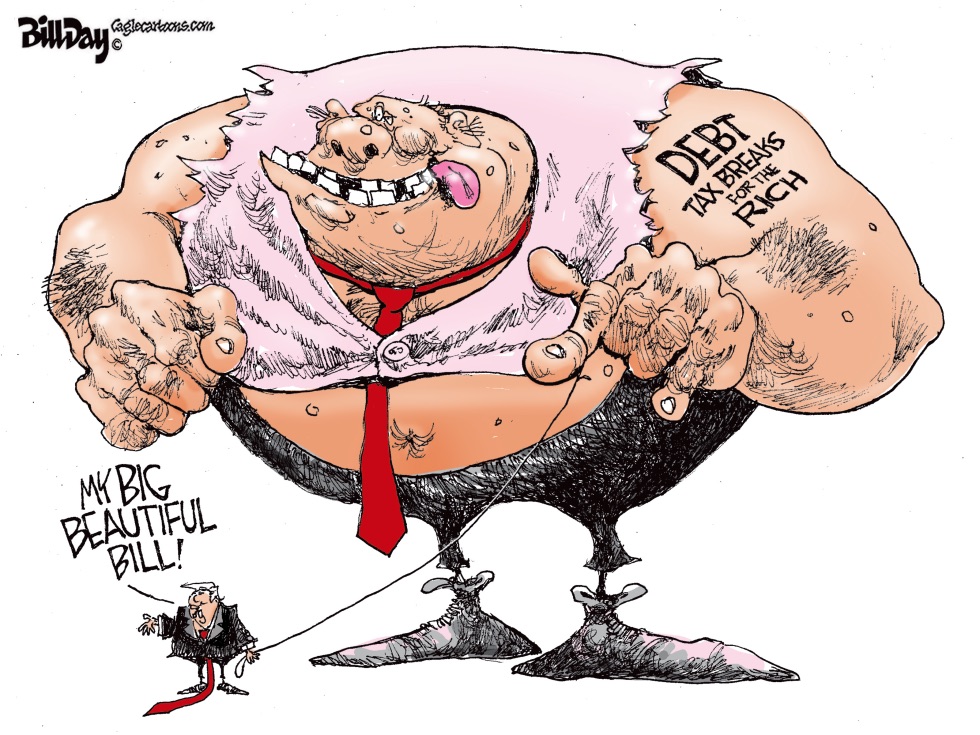
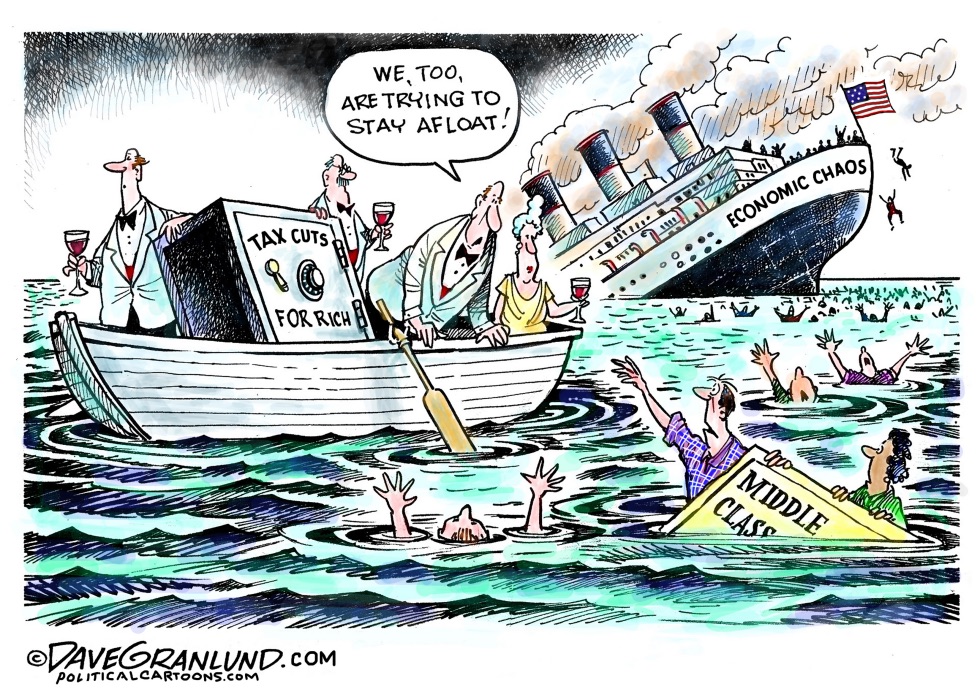


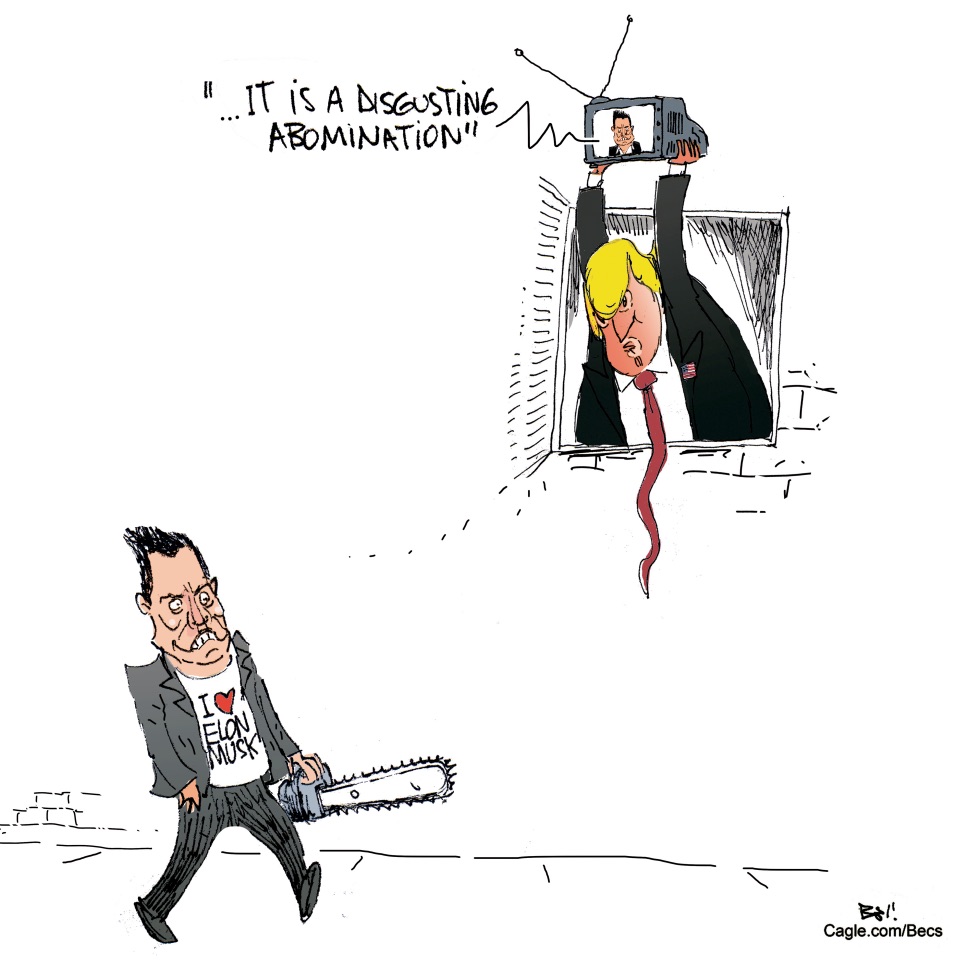
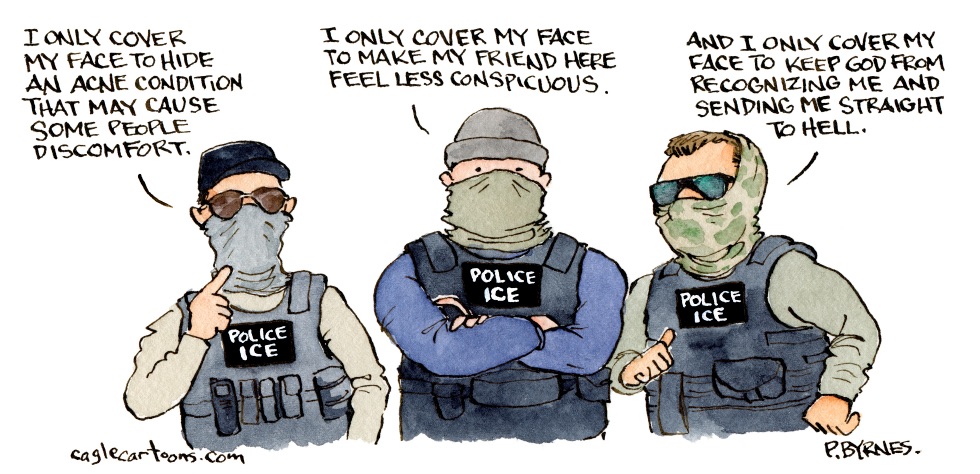
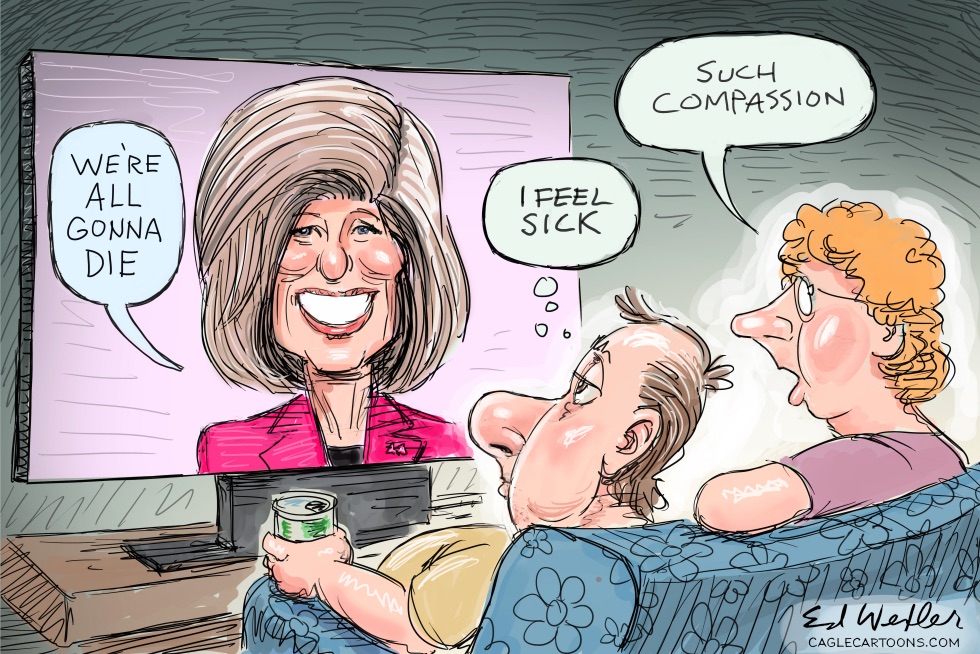
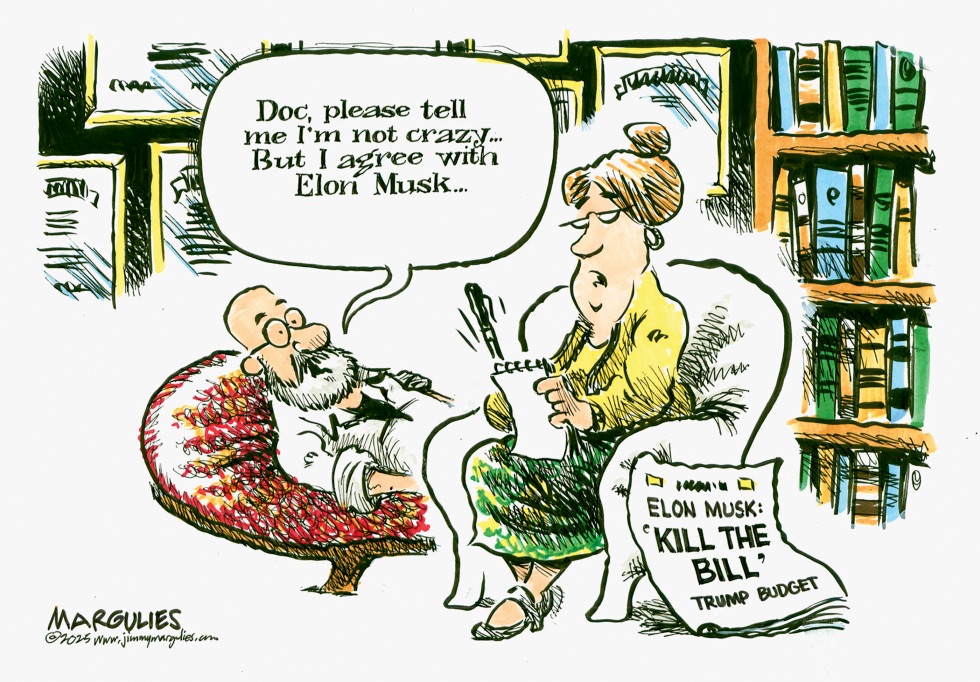
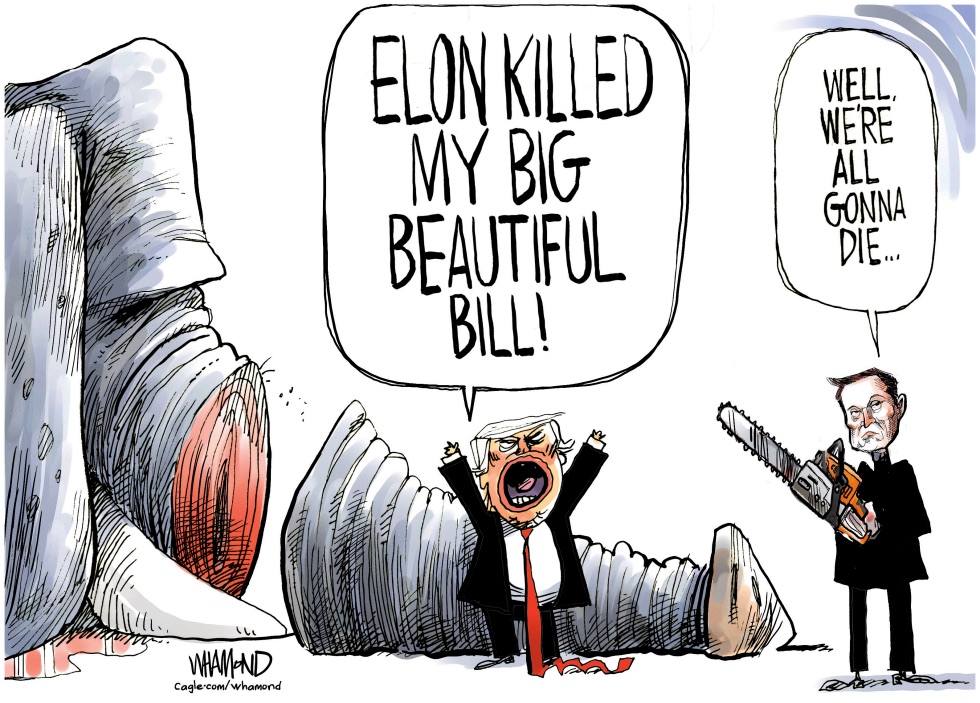
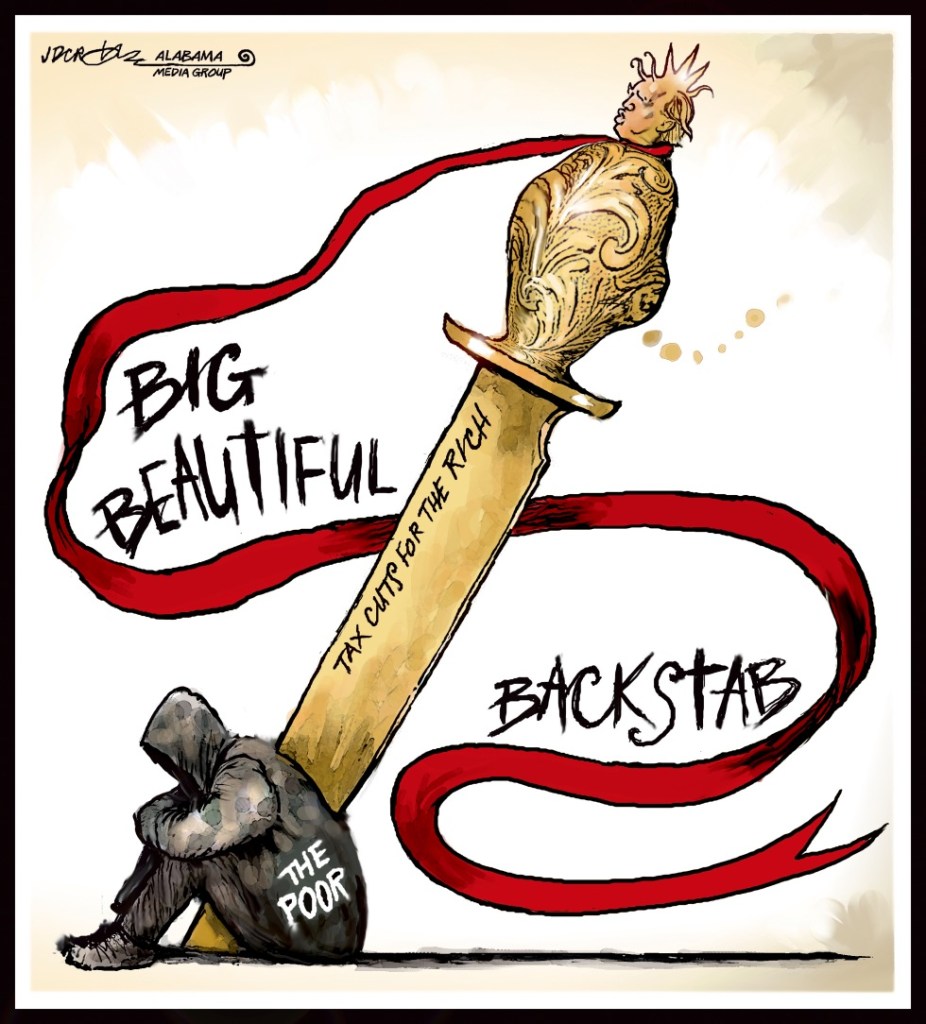

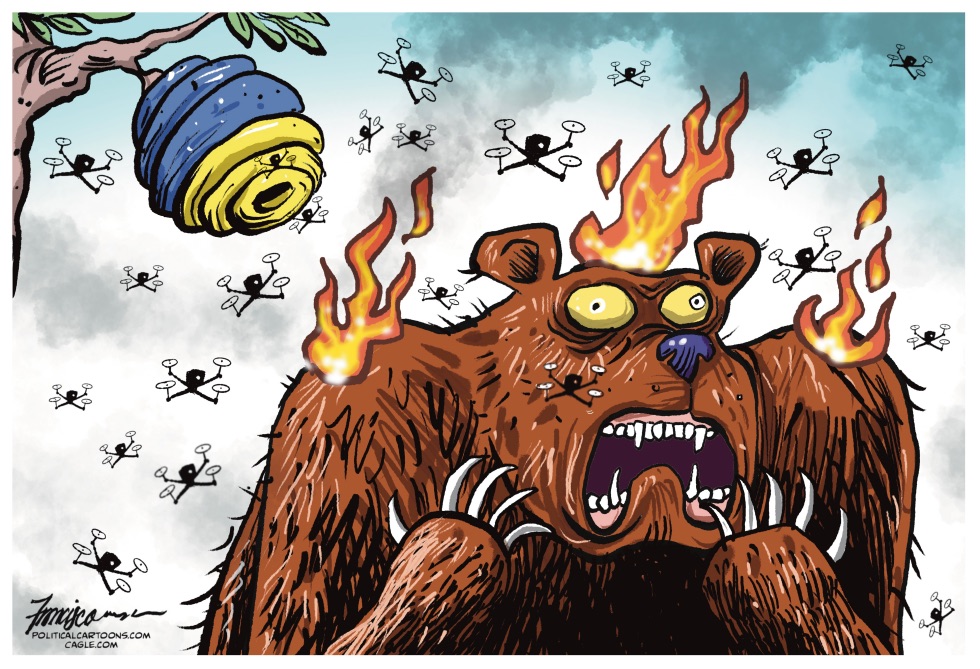
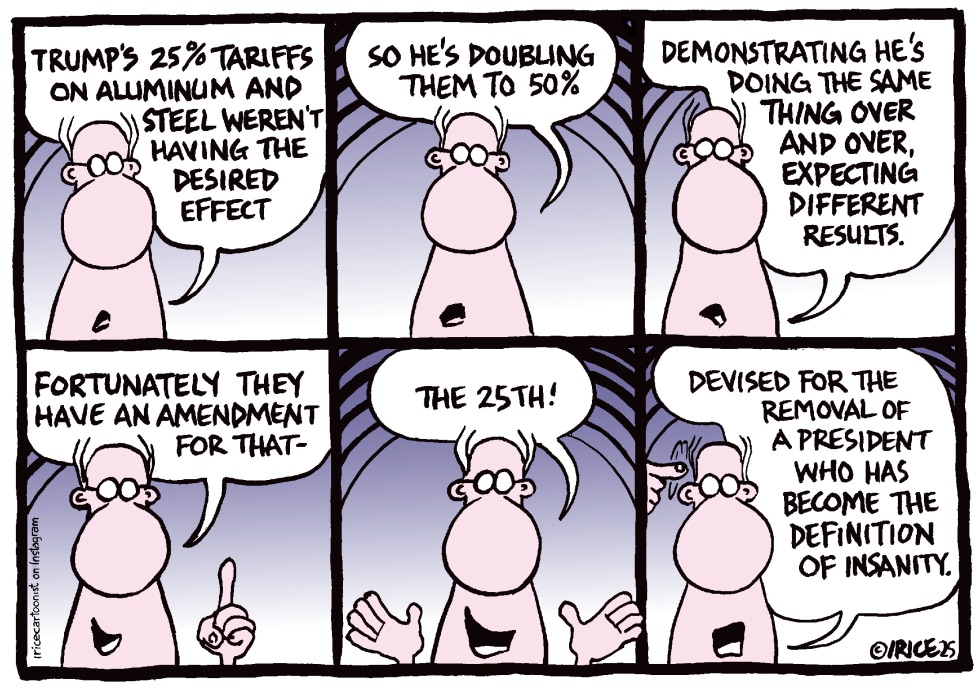

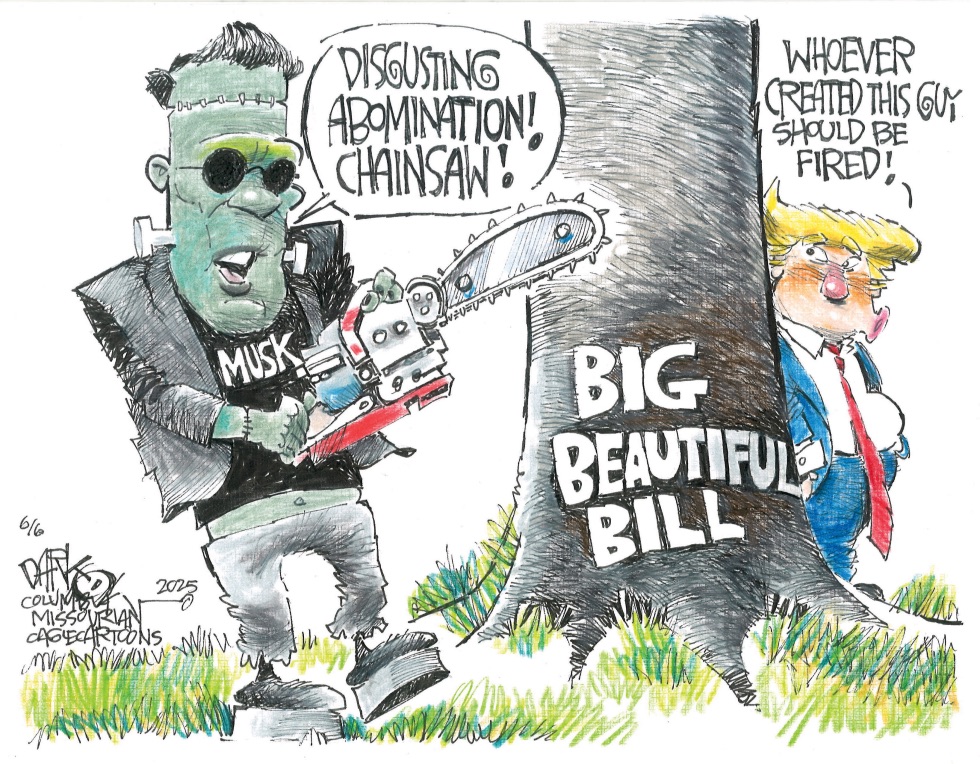
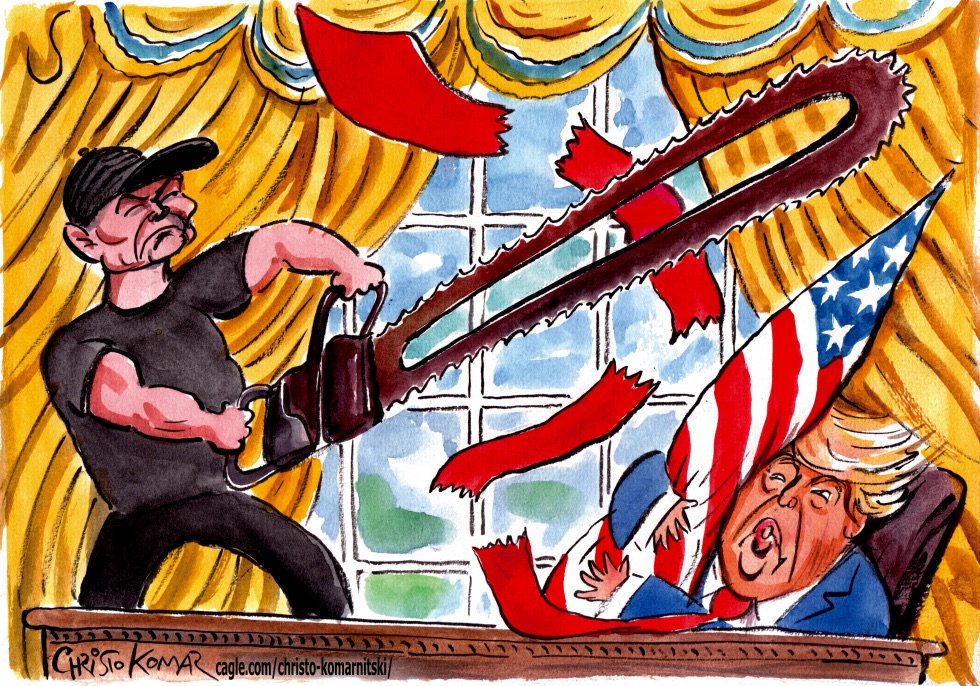
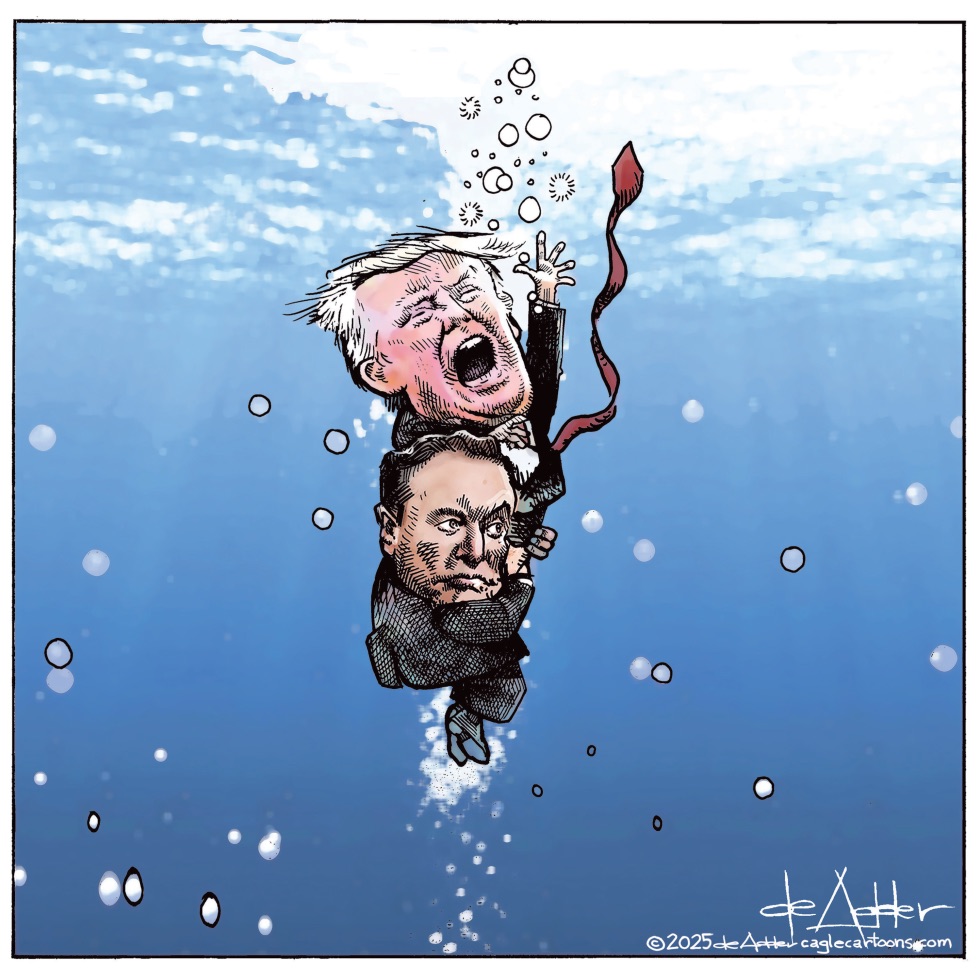


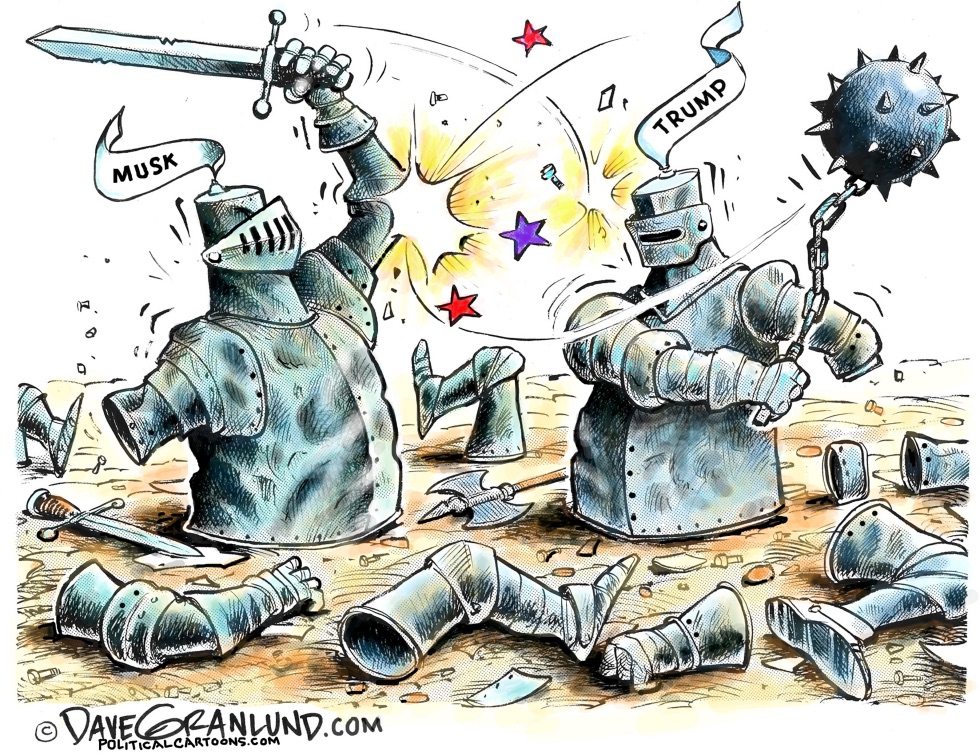
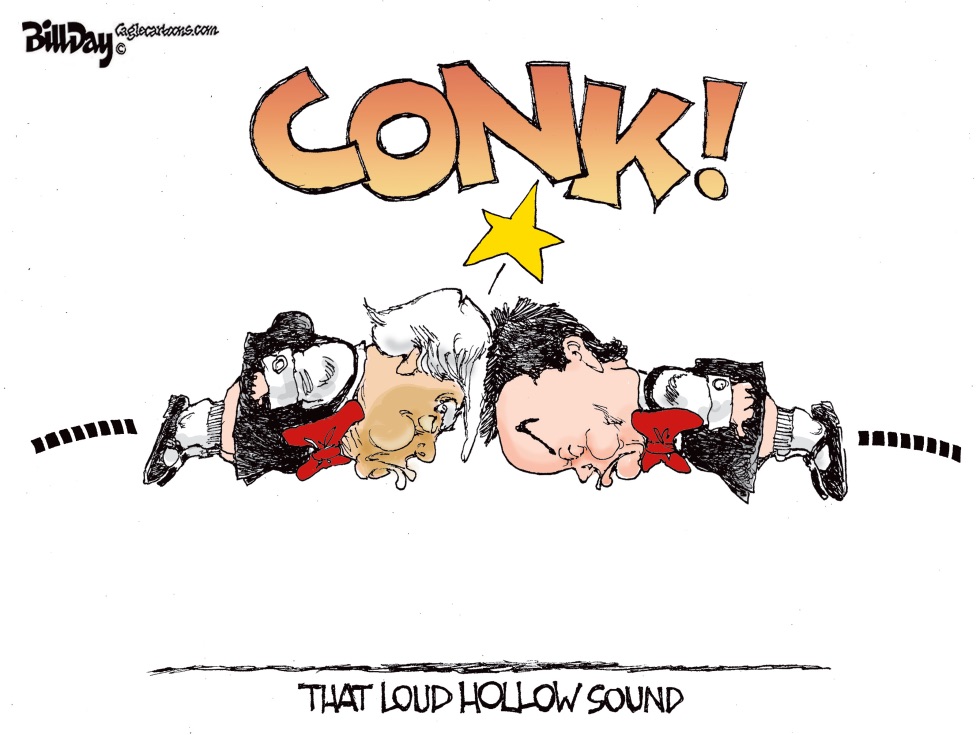
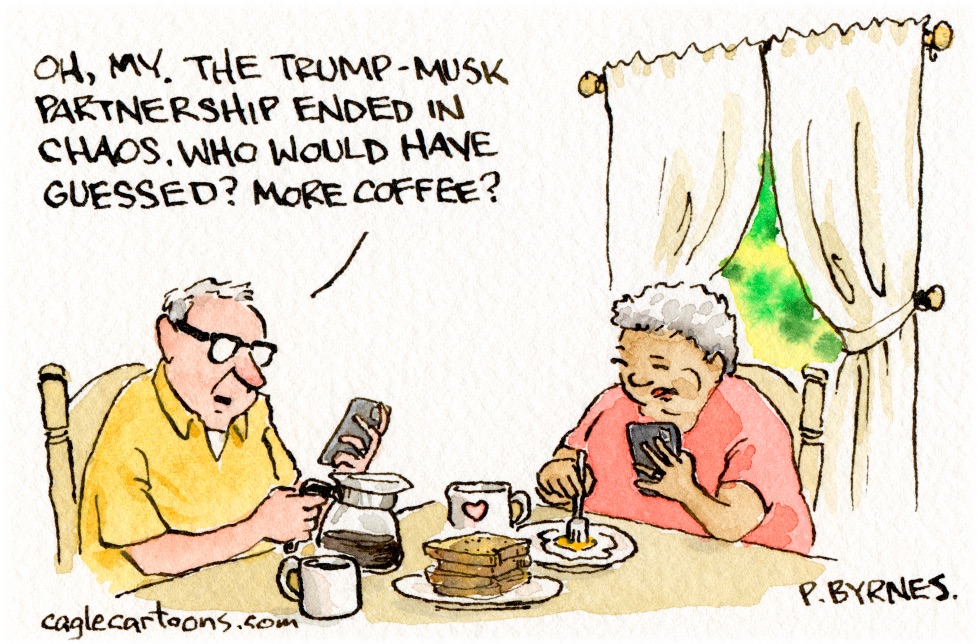
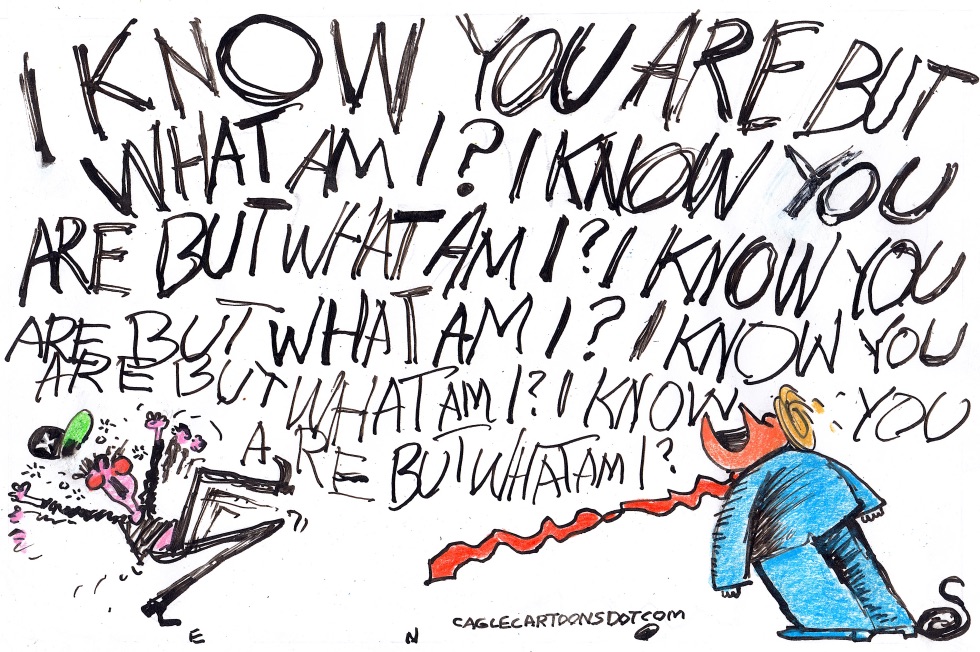
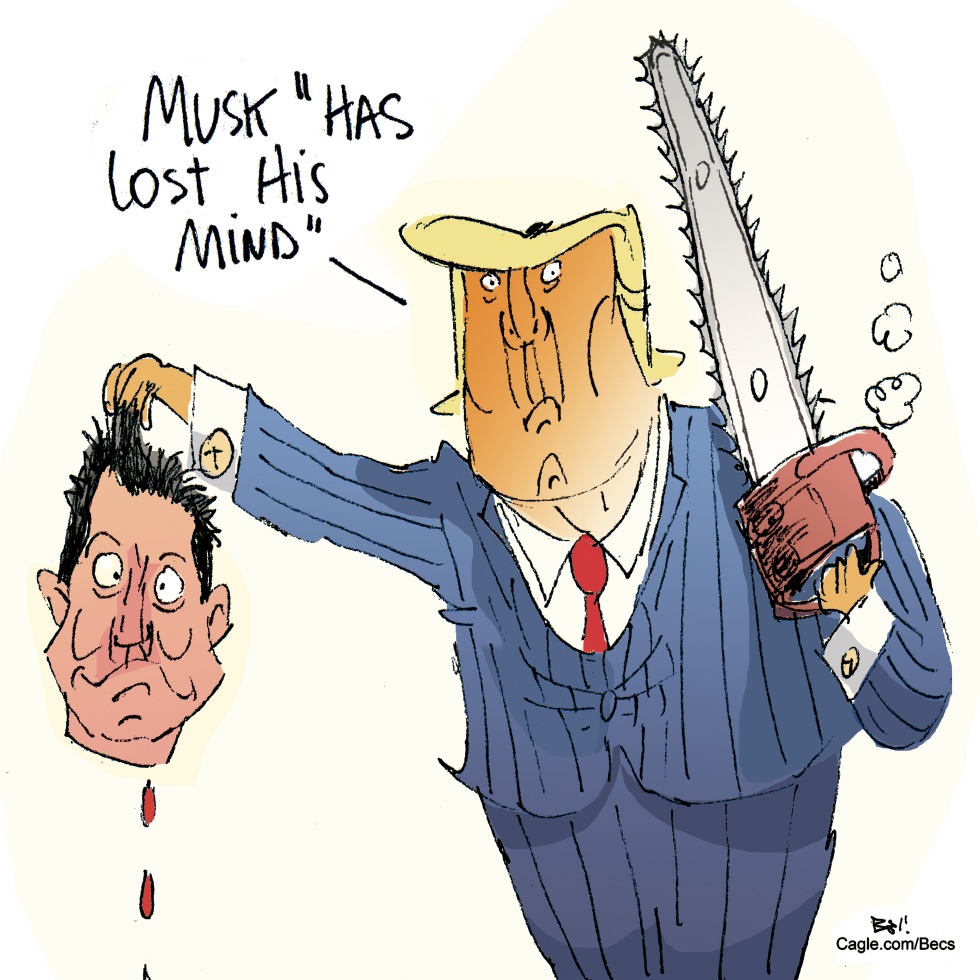
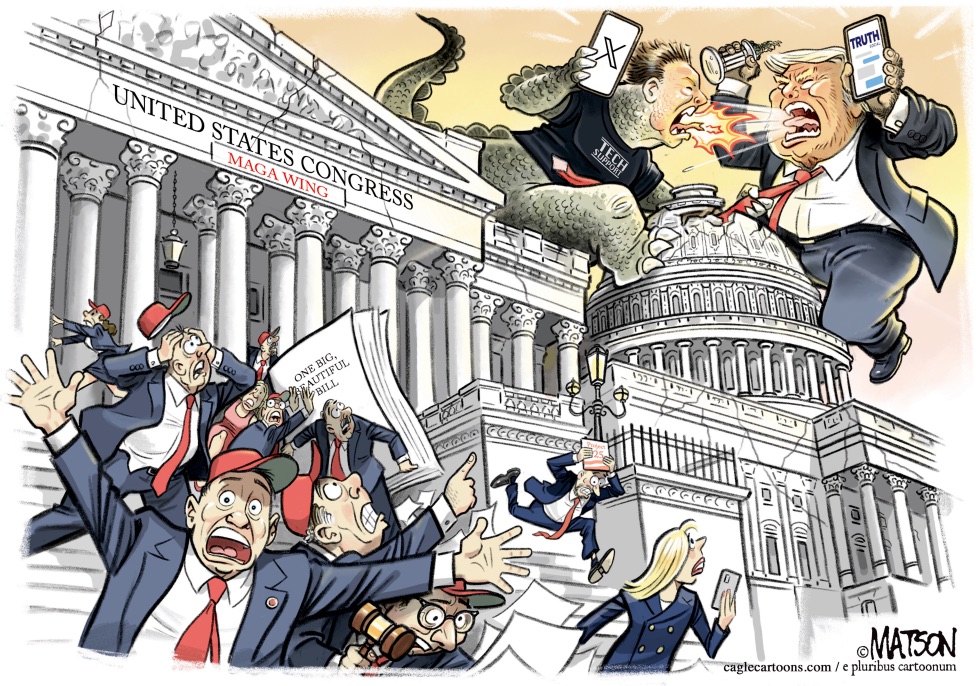
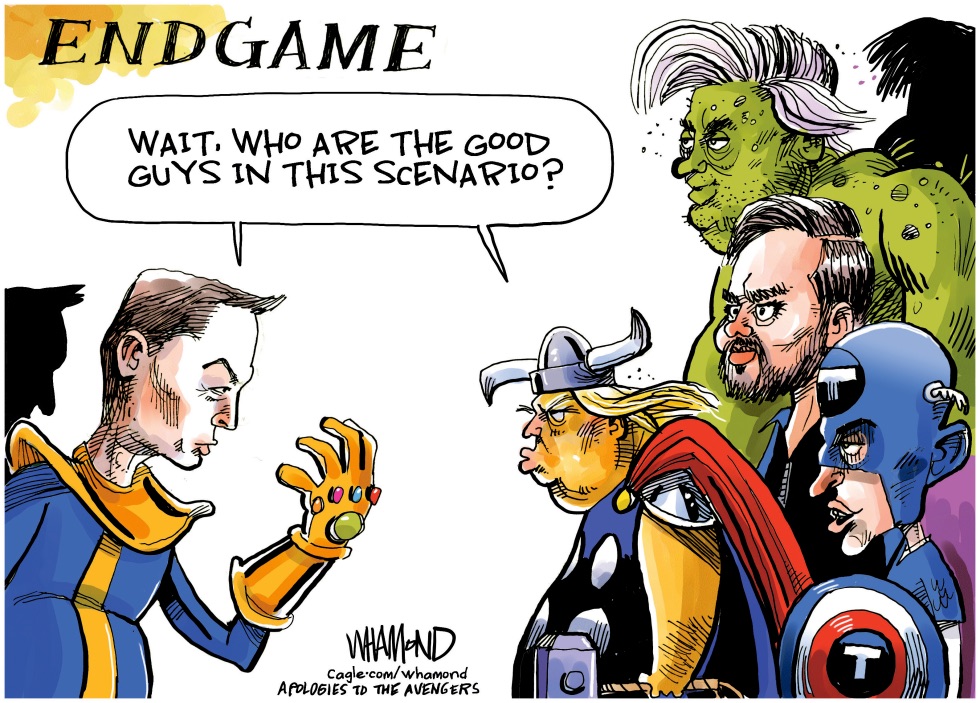
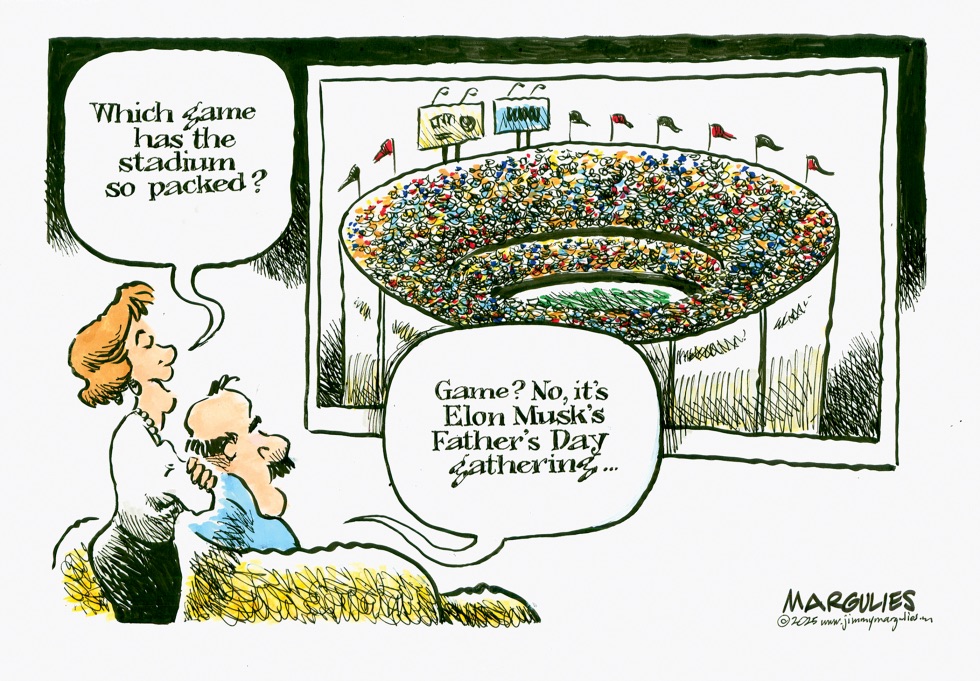
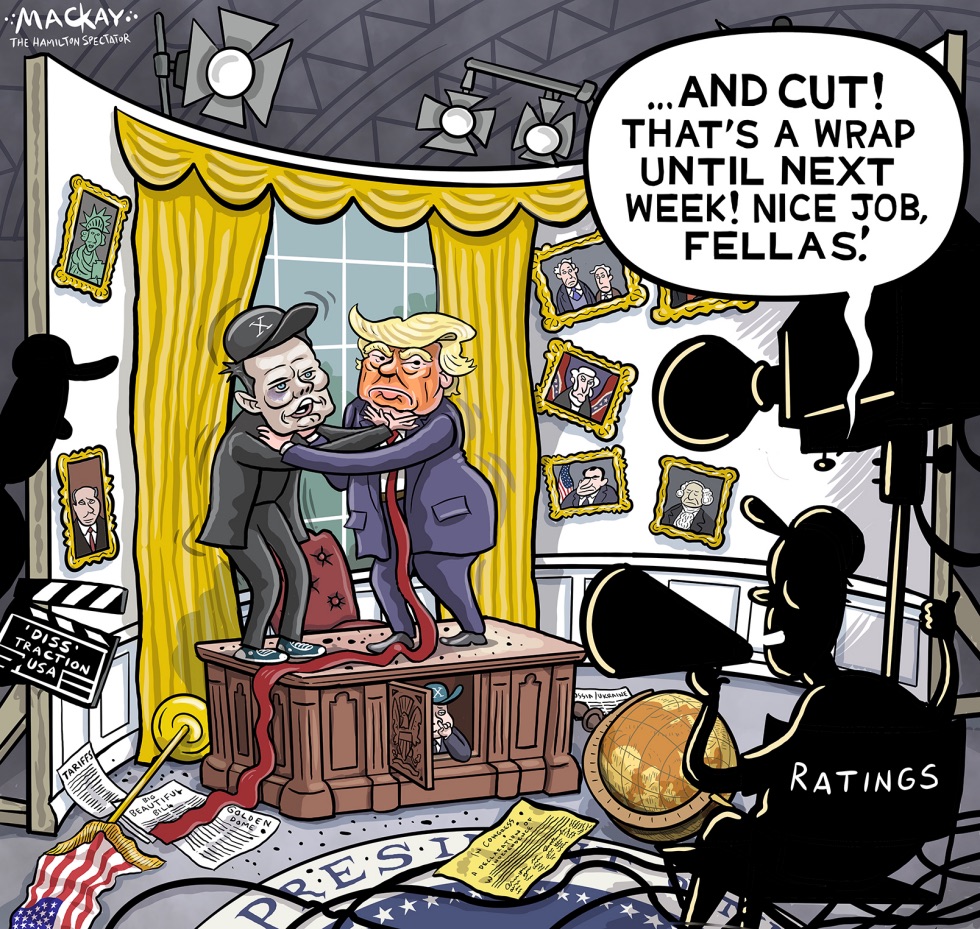
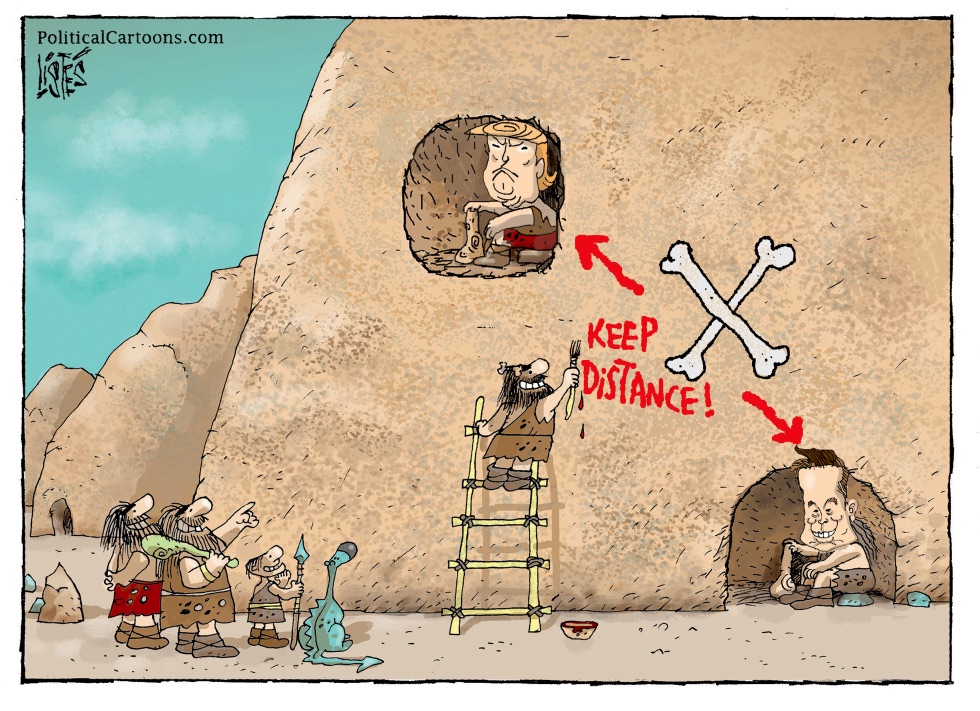

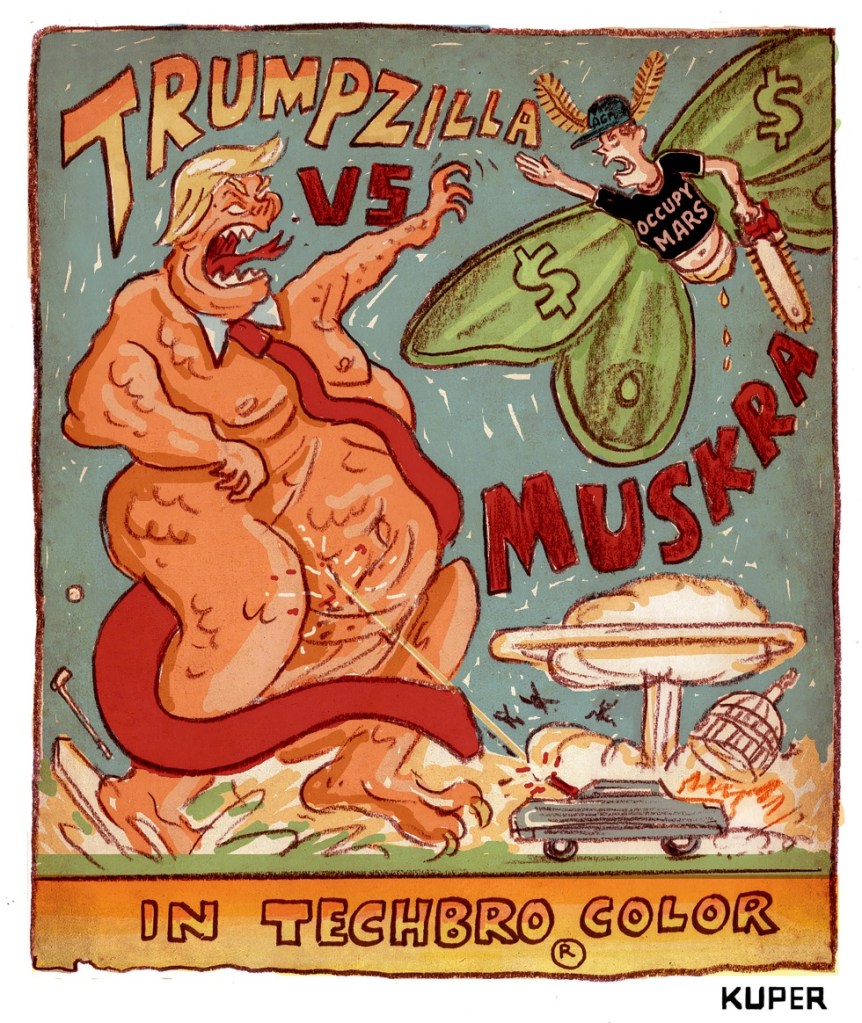
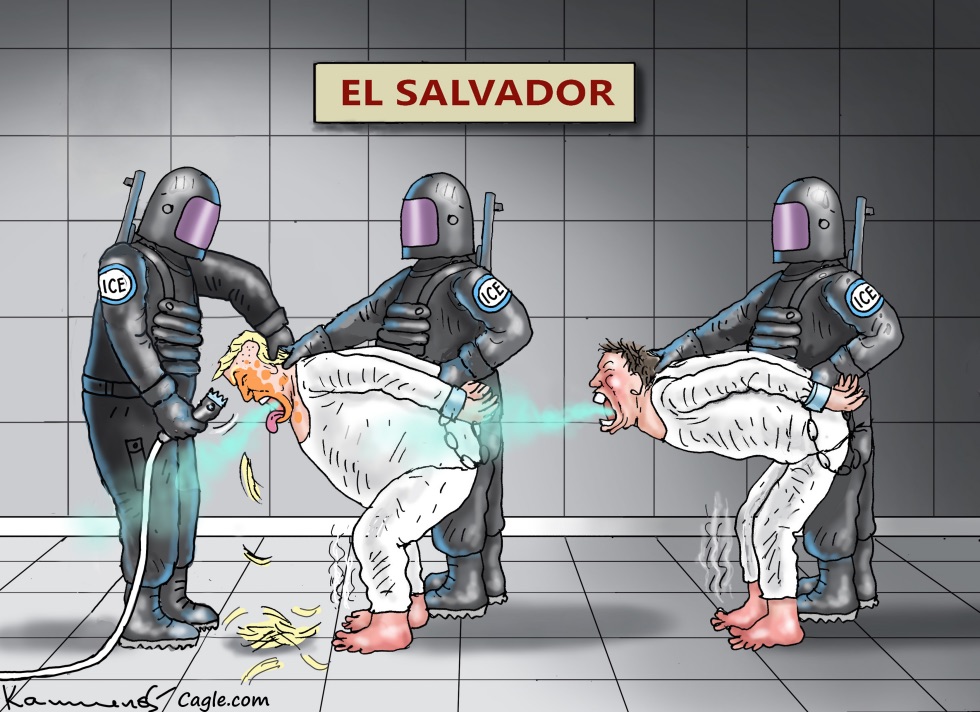
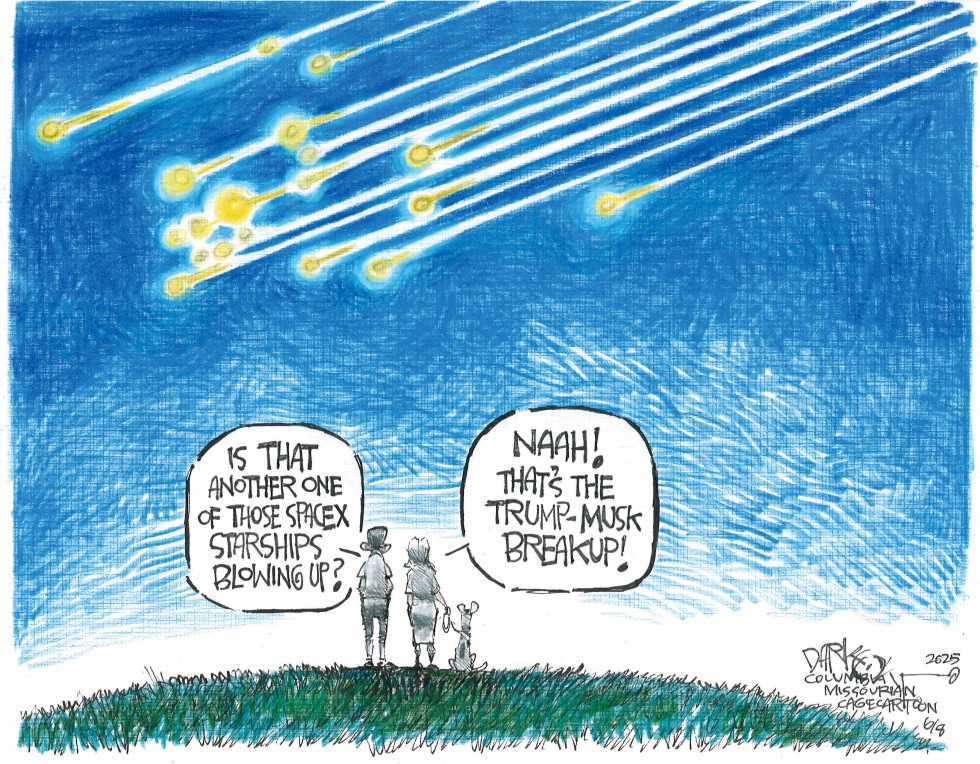
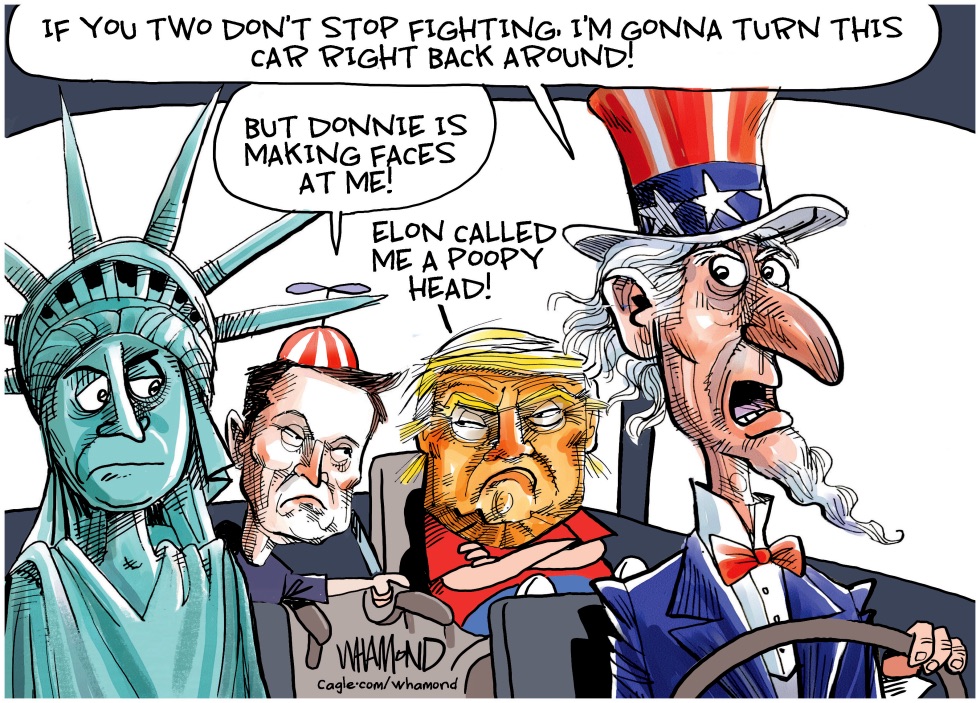

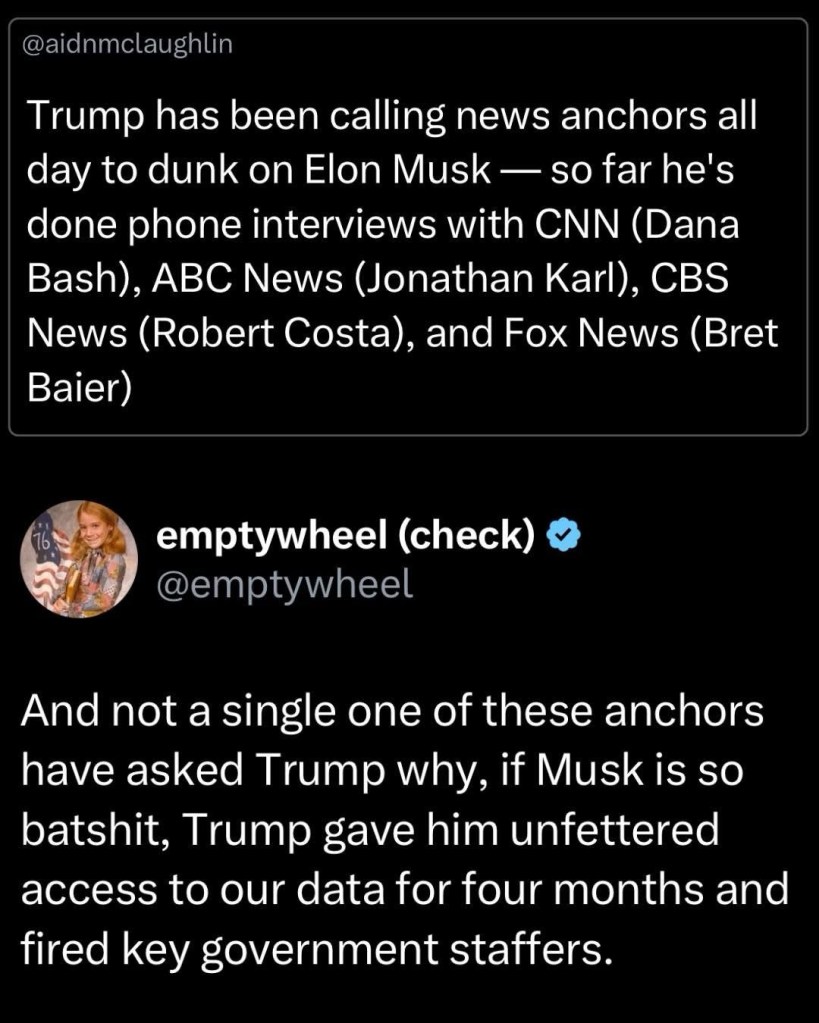
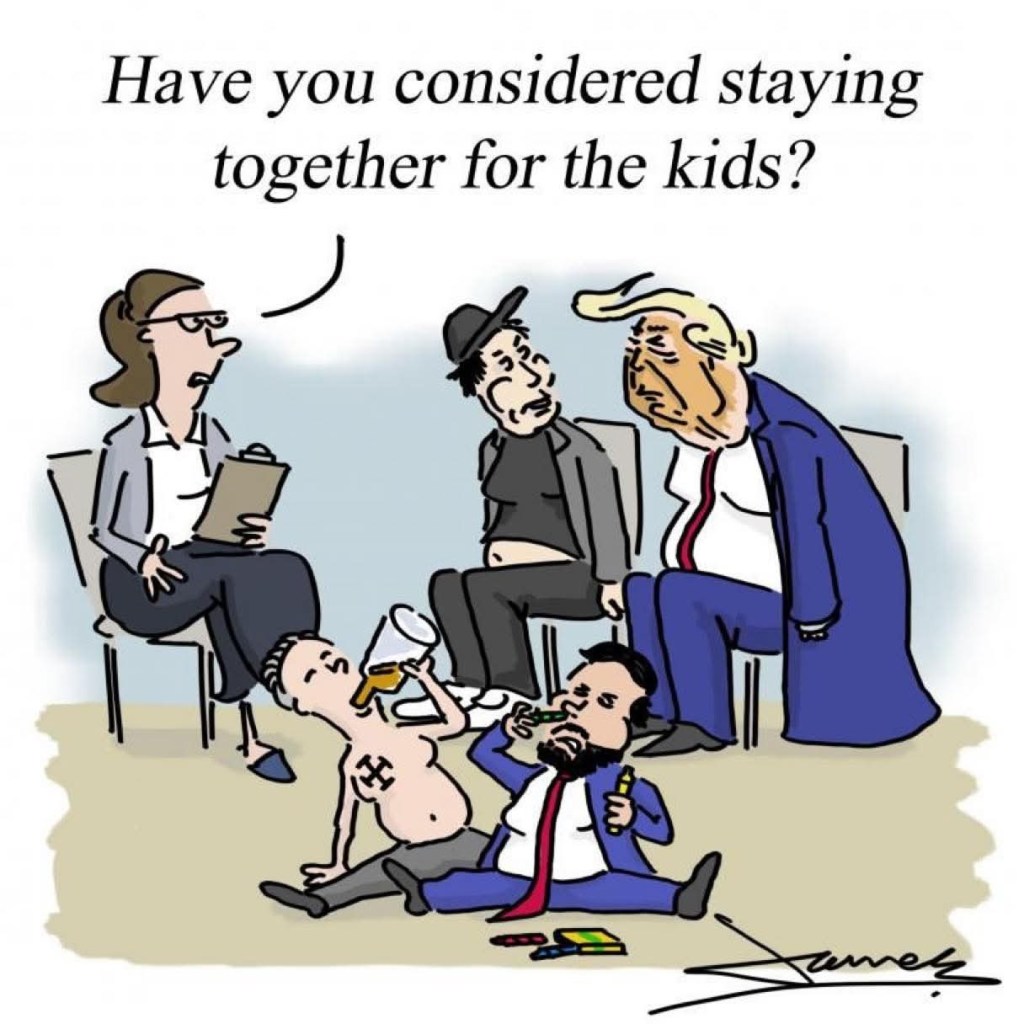
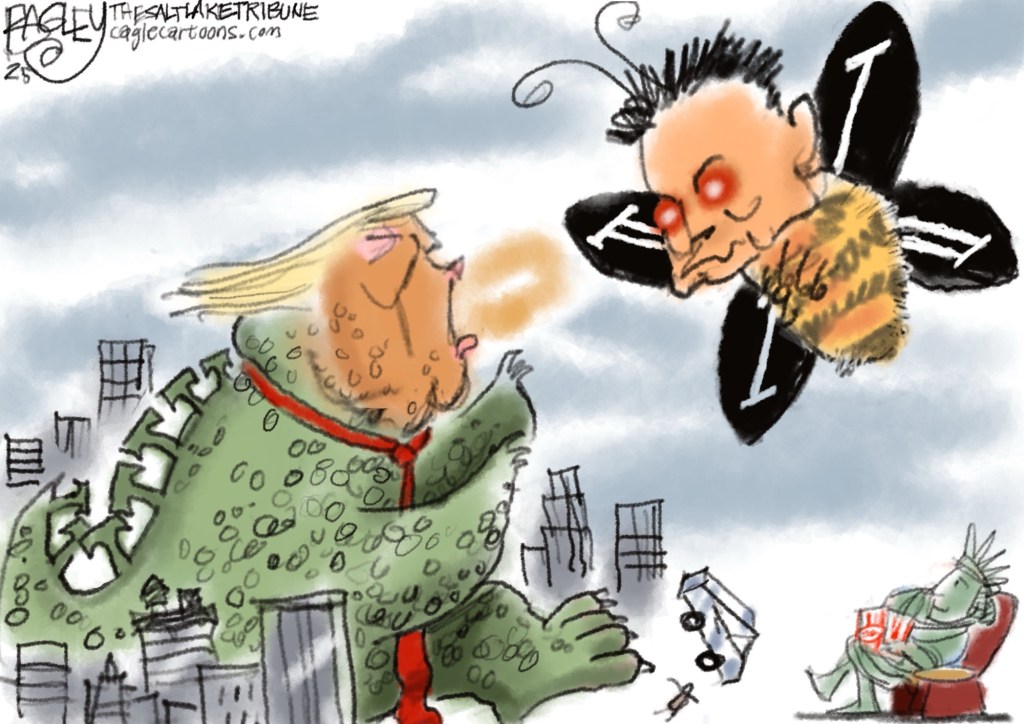
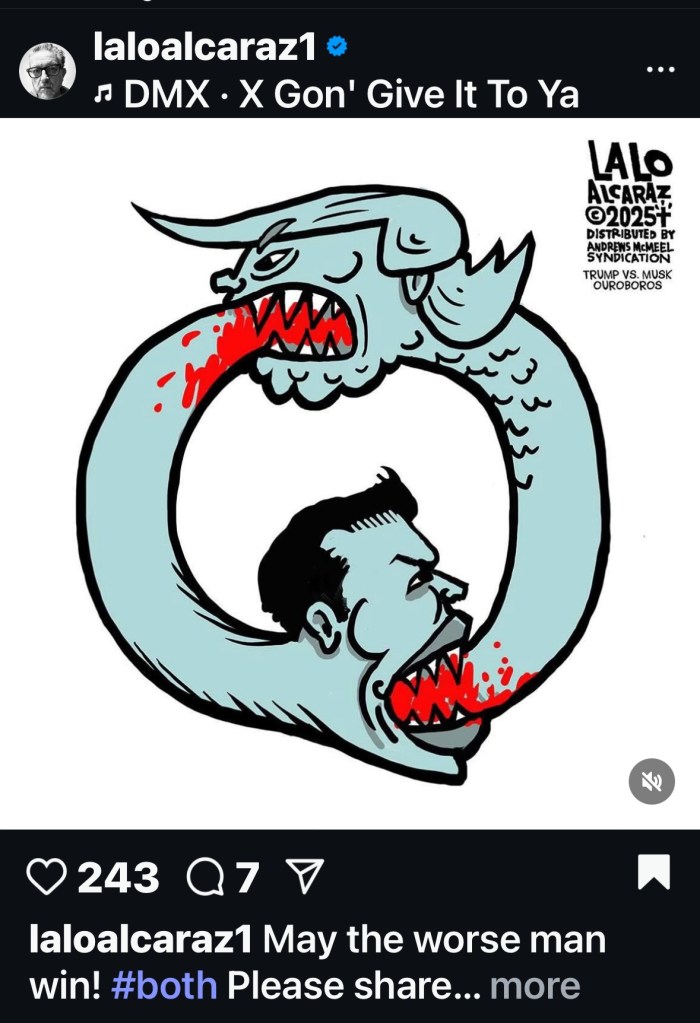




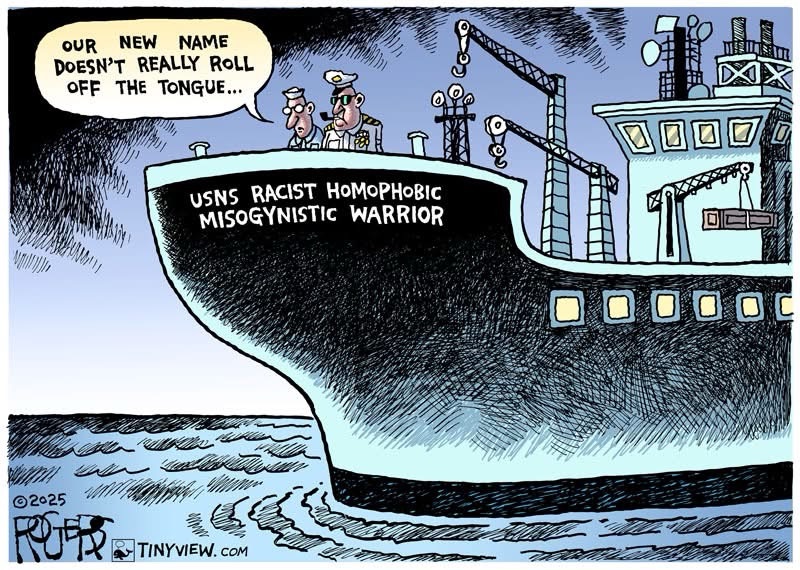

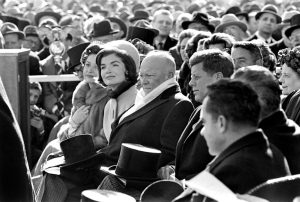

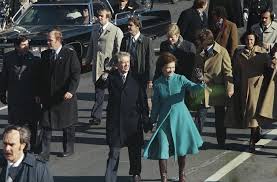

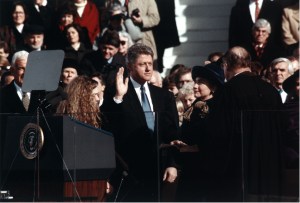
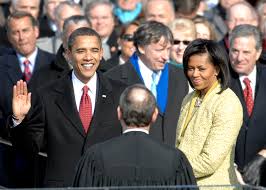









 “The Senate finally corrects a 50-year mistake,” proclaimed Senate Majority Leader Chuck Schumer, a Democrat from New York, after senators approved the legislation at 12:15 a.m. Saturday.
 This did not appear to be the case just days ago. On Wednesday, Trump joined Elon Musk in
 Republicans have said the investigation is a way to undermine the conservative majority court, and all the Republicans on the committee protested against the subpoenas authorized for Crow and others as part of the investigation. No Republicans signed on to the final report, and no formal report from them was expected.


 peej
peej Carissa
 bostonboomer
 dakinikat
 ecocatwoman
 mablue2
 Mama Lopez
 peggysue22
 quixote
 skydancingguestblogger
 Mona (aka Wonk the Vote)



 Sky Dancing
Recent Comments