Thanks to the Delta variant, and people refusing to be vaccinated, Covid-19 cases are rising around the country, particularly in Florida, Texas, Mississippi, and Louisiana. At least Louisiana’s Democratic Governor John Bel Edwards is trying to get the situation under control. But in the other three states, governors are working against public health.
When Gov. John Bel Edwards lifted Louisiana’s mask mandate at the end of April, he warned that loosening restrictions wasn’t a “one way street” and that he would reimpose the rules if COVID-19 came roaring back.
On Monday, as hospitals statewide buckled under an unprecedented surge in patients, Edwards followed through on his word.
Schools, businesses, universities, churches, and any other indoor public settings in Louisiana will require a face mask for entry beginning on Wednesday, under a proclamation Edwards signed that expires September 1.
“It has become extremely clear that our current recommendations on their own are not strong enough to deal with Louisiana’s fourth surge of COVID. In fact, nobody should be laboring under the misapprehension that this just another surge,” Edwards told reporters Monday in announcing the order he had already signed. “This is the worst one we’ve had thus far.”
The return to restrictions comes as the pandemic enters a new stage defined by the delta variant, a highly contagious strain of COVID-19 first identified in India that now accounts for most new cases in Louisiana. On Monday, the state reported 11,109 new confirmed and probable infections of COVID-19. More than 2,000 of those cases were among children.
One-third of all US Covid-19 cases reported in the past week were in just two states – Florida and Texas – according to White House Covid-19 response coordinator Jeff Zients.
The cases are mainly in areas where vaccination rates remain low, Zients said at a briefing Monday.
“In fact, seven states with the lowest vaccination rates represent just about 8- 1/2% of the US population, but account for more than 17% of cases, and one in three cases nationwide occurred in Florida and Texas, this past week,” Zients said.
In the past two weeks, daily case rates have gone up fourfold, according to Dr. Francis Collins, director of the National Institutes of Health.
The increase comes as the Delta variant spreads and the percentage of fully vaccinated Americans hovers around 49.7%, according to the US Centers for Disease Control and Prevention. Hospitals are once again filling up with patients as the virus tears through the unvaccinated population.
“There are still about 90 million eligible Americans who are unvaccinated,” Zients said. “And we need them to do their part, roll up their sleeves and get vaccinated. Each and every shot matters.”
It doesn’t seem to matter to some Republican Governors.
On Saturday, Florida recorded 21,683 new cases of COVID-19, breaking its one-day record for new cases. But even as the state swells with fresh infections, Republican Gov. Ron DeSantis remains hellbent on his war against mask mandates. He even recently barred school districts from instituting mask mandates when classes reconvene in August.
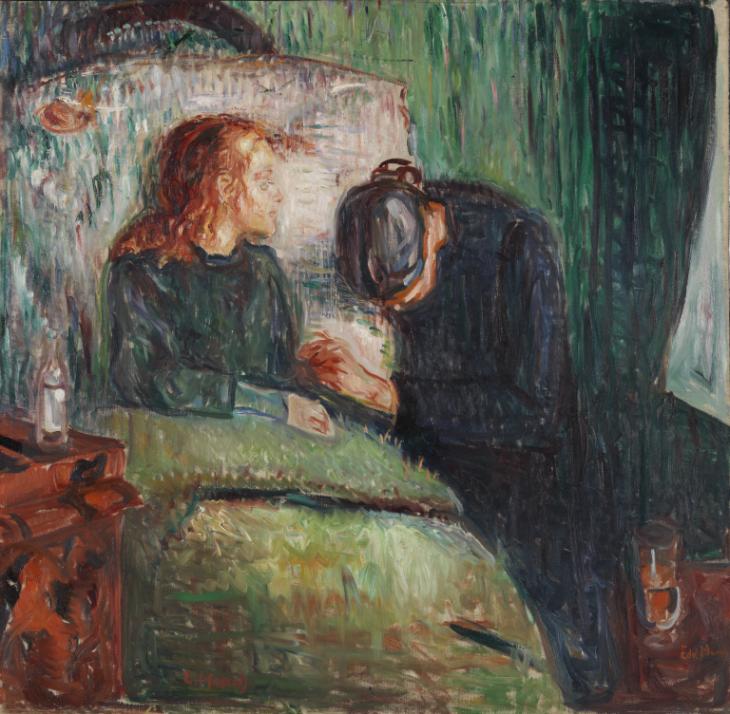
The Sick Child, 1907, by Edvard Munch
DeSantis feels so good about his war on masks, he’s even laughing about it. “Did you not get the CDC’s memo?” DeSantis joked to a largely maskless crowd at a conference for the American Legislative Exchange Council in Utah last week, referring to the Centers for Disease Control and Prevention’s updated guidelines recommending mask-wearing amid the surge of the Delta variant. “I don’t see you complying.”
He continued, prompting applause, “I think it’s very important that we say unequivocally, ‘No to lockdowns, no to school closures, no to restrictions, and no mandates.’ Floridians are free to choose and all Americans should be free to choose how they govern their affairs, how they take care of themselves and our families.”
The governor, who is reportedly eyeing a bid for president in 2024, has spent most of the pandemic fiercely opposing COVID safety measures—a stance public health officials say has allowed the virus to run rampant across the state and has now made Florida the epicenter of the pandemic in this country. To DeSantis’ sort-of credit, he has made recent efforts to boost vaccinations, though at the same time he’s selling anti-Anthony Fauci merchandise on his website.
In Mississippi:
In Mississippi, where ICU beds are nearing capacity with a surge of unvaccinated individuals, Republican Gov. Tate Reeves blasted the CDC’s mask guidelines as “foolish” and claimed that it reeked of “political panic.”
“It has nothing, let me say that again: It has nothing to do with rational science,” Reeves said on Thursday.
Except that it does. As Dr. Fauci warned on Sunday, “Things are going to get worse.” The country’s top expert on infectious diseases told ABC’s This Week, “You want them to wear a mask so that if in fact they do get infected, they don’t spread it to vulnerable people, perhaps in their own household, children, or people with underlying conditions.”
In an executive order issued on Thursday, Gov. Greg Abbott, the Republican governor of the nation’s second-largest state, prohibited local governments and state agencies from mandating vaccines, saying that protection against the virus should be a matter of personal responsibility, not forced by a government edict.
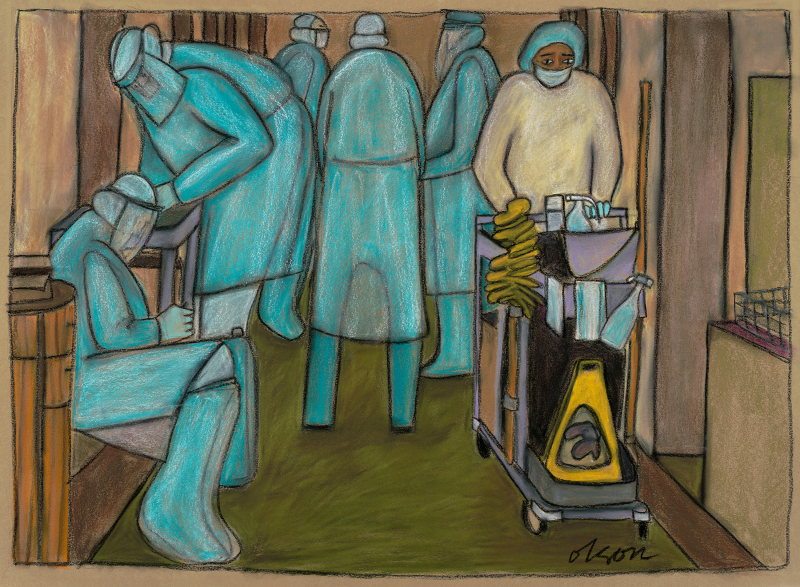
Hospital Workers, by Carolyn Olson
The order also reinforced his prior directive prohibiting local officials from requiring face masks, despite growing calls from city leaders for greater flexibility to reverse the renewed spread of Covid.
The daily average of cases in Texas as of Friday was 8,820, according to a New York Times database, a 209 percent increase over the past 14 days. Cities across the state are facing a surge in hospitalizations reminiscent of the alarming spikes that occurred before Covid cases began nosing downward with the arrival of vaccines.
With 56 percent of the state’s population unvaccinated — including nearly five million children under 12 who are not eligible — health officials have expressed concern about the state’s vulnerability.
In May, when the CDC said fully vaccinated people could ditch masks and social distancing, it seemed to signal a return to normalcy. But epidemiologists cautioned at the time that the move wasn’t likely to be permanent, and shouldn’t be interpreted as the end of Covid-19 as a daily concern. Colder weather or a right hook in the virus’s evolution could bring restrictions right back.
Still, Americans seem shocked by the recent turn of events. Last week, the Centers for Disease Control and Prevention advised everyone — even those who’ve gotten Covid-19 shots — to go back to indoor masking, a decision driven by new data showing the hyper-contagious Delta variant colonizes the nose and throat of some vaccinated people just as well as the unvaccinated, meaning they may just as easily spread this new version of the virus, while stilling being protected against the worst manifestations of the disease.
The prospect of contending with a prolonged outbreak phase — and adjusting again to a constantly evolving roster of restrictions — has brought back another feature of pandemic living in America: anger.
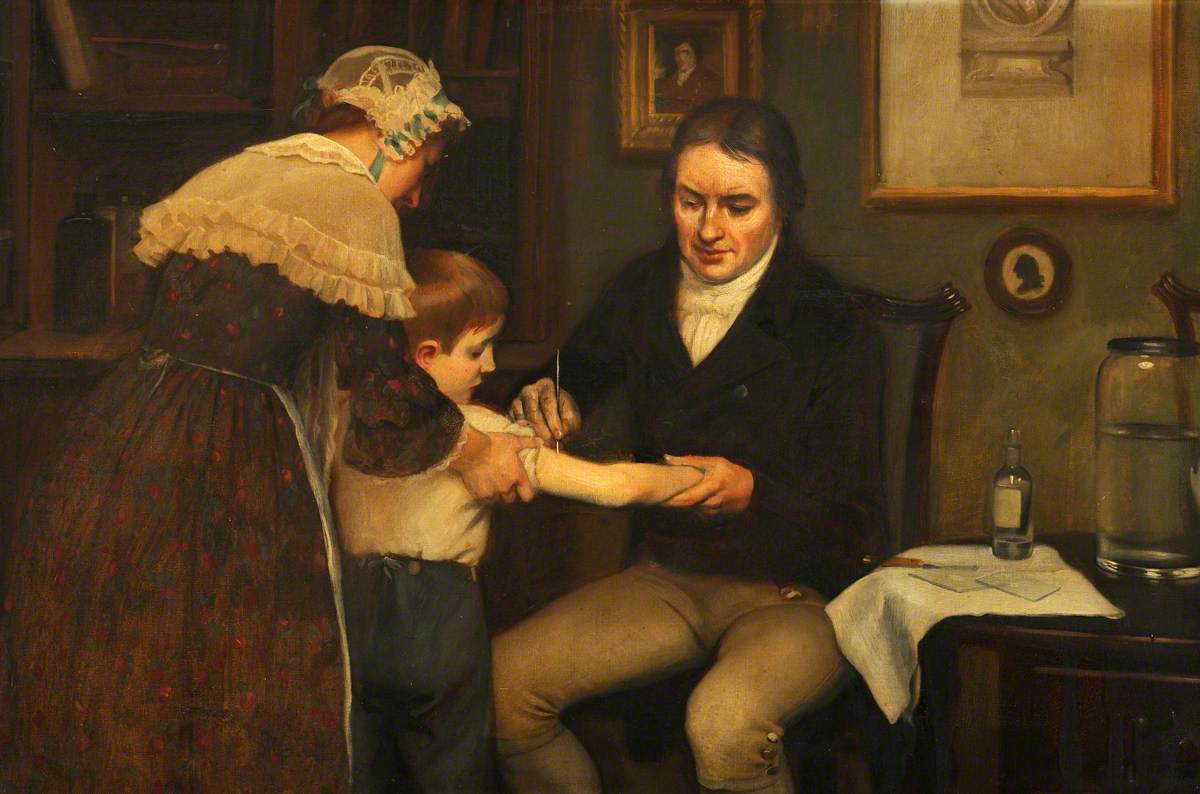
Board, Ernest; Vaccination: Dr Jenner Performing His First Vaccination, 1796
This time it’s not just the mostly Republican anti-masking refrain rearing its defiant head (though fights over school mask mandates have returnedwith a vengeance). Coast to coast, and across the political spectrum, contempt for unvaccinated people is rising. “It’s the unvaccinated folks that are letting us down,” Alabama Governor Kay Ivey, a Republican, said on July 22, as her state, with one of the lowest vaccination rates in the country, reeled from a 530% rise in Covid-19 hospitalizations in just three weeks.
Among the vaccinated, there’s a sense that the freedoms they gained by getting the shots — travel, eating out, concerts, sports, school, seeing friends — are now being jeopardized by those who are still holding out.
Though this new flavor of outrage might look and sound like righteous indignation, mental health professionals say that what’s behind it is fear.
“It’s scary to admit that somebody else has power over you and you’re at their mercy and you’re afraid of them, but showing that is not a very American ideal,” said David Rosmarin, an associate professor of psychiatry at Harvard Medical School and a clinician at McLean Hospital. “Instead of expressing that fear, it’s a lot more comfortable to blame somebody else.”
Anger is what people in his profession refer to as a “secondary emotion.” It’s a feeling that arises in response to a more primal emotion, like fear and anxiety over having some aspect of your life threatened. “The reality is that there are millions of people who are miseducated about something, they’re making a big mistake that will have massive consequences that might affect you and your family and that makes you scared,” Rosmarin said. “But nobody is saying that.”
Unfortunately, there’s another looming disaster caused by the pandemic: the CDC eviction ban is expiring, and in Washington everyone is accusing everyone else of being responsible for dealing with the situation. And it’s complicated by a Supreme Court ruling.
The White House said Monday that it was unable to find a legal means to extend the eviction moratorium, despite the fact that millions of Americans could soon lose their homes even as the Delta variant of COVID-19 continues to spread.
The Centers for Disease Control and Prevention has “been unable to find legal authority for a new, targeted eviction moratorium,” White House press secretary Jen Psaki said in a statement. “Our team is redoubling efforts to identify all available legal authorities to provide necessary protections.”
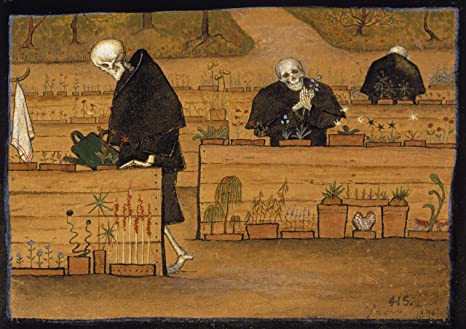
The Garden of Death, Hugo Simberg, 1897
Citing a Supreme Court decision issued in late June, the White House said it was unable to unilaterally extend the moratorium for evictions. Late last week, Psaki issued a statement pressuring Congress to act, but the House went into recess before a vote could be held. Were it to pass the House, it is unclear if an extension of the moratorium would be able to pass the Senate.
The federal eviction moratorium expired over the weekend, yet more than 6.5 million U.S. households are currently behind in rental payments totaling more than $20 billion, according to a study by the Aspen Institute and the COVID-19 Eviction Defense Project. Without federal protections in place, many renters will now need to pay months of back rent.
“On this particular issue, the president has not only kicked the tires, he has double, triple, quadruple checked,” Gene Sperling, the White House COVID-19 economic relief coordinator, said at a briefing on Monday, adding, “The rise off the Delta variant is particularly harmful for those who are most likely to face evictions, and as that reality became more clear going into the end of last week, I think all of us started asking what more can we do.”
On July 31, the federal government’s eviction moratorium expired, potentially forcing millions of Americans out of their homes during yet another COVID surge. In the days before the eviction cliff, House Democrats attempted to extend the moratorium, but Republicans easily blocked their measure. Democratic lawmakers then spent the weekend arguing over who was to blame for the looming catastrophe.
Curiously, most Democrats chose not to focus on the primary culprit: the Supreme Court. In late June, five conservative justices signaled that they would not let the White House extend the eviction ban beyond July 31 absent further congressional authorization. These Republican-appointed justices set the terms of the debate, yet were largely absent from Democrats’ blame game. As a result, most vulnerable Americans will likely not understand they face homelessness in a pandemic because of SCOTUS. This strange dynamic is symptomatic of a deeper pathology in contemporary American politics: Democrats appear incapable of explaining how the Supreme Court stymies their own agenda—and the resulting confusion shields the court from criticism, consequences, and accountability when its decisions wreak havoc.
Vaccination by Adolfo Flores
When House Speaker Nancy Pelosi urged Biden to extend the eviction moratorium on his own, she framed the issue as a matter of morality. But the president’s inaction was almost certainly a legal calculation. To understand his hesitation, it’s key to remember that the recently expired moratorium was not the same policy that had been in effect since the start of the pandemic. Congress passed its first eviction ban in March 2020, explicitly prohibiting landlords from kicking out tenants who could not afford rent because of the pandemic. After this provision expired that August, Donald Trump issued an executive order asking the CDC to take action. The CDC responded in September with its own eviction moratorium set to run through the end of 2020. It was rooted in a federal law that allows the agency “to make and enforce such regulations” that are “necessary to prevent” the “spread of communicable diseases” between states. In December, Congress passed legislation that explicitly extended the CDC’s moratorium through Jan. 31, 2021. The agency then extended the ban several more times.
While the CDC kept the moratorium in place, a group of landlords sued to block it, claiming it exceeded the agency’s authority. On May 5, U.S. District Judge Dabney Friedrich sided with the plaintiffs against the ban but stayed her order. One month later, the U.S. Court of Appeals for the District of Columbia Circuit court refused to block the ban. The plaintiffs then appealed to SCOTUS, which came within an inch of ending the moratorium. Five justices—Clarence Thomas, Sam Alito, Neil Gorsuch, Brett Kavanaugh, and Amy Coney Barrett—believed it violated the law. But Kavanaugh, who cast the decisive fifth vote, wrote separately to explain that although he believed the CDC had “exceeded its existing statutory authority,” he would not invalidate the ban. Instead, weighing the “balance of equities,” he would allow it to remain for “a few weeks.”
“In my view,” the justice declared, “clear and specific congressional authorization (via new legislation) would be necessary for the CDC to extend the moratorium past July 31.”
Kavanaugh’s analysis is dubious at best. (Maybe that’s why Chief Justice John Roberts didn’t join it, instead quietly voting to keep the moratorium in place.) Congress already gave the CDC expansive powers to fight the “spread of communicable diseases” between states. The agency acted pursuant to this law when it determined that mass evictions would force many Americans to live unhoused or crammed together in close quarters, transmitting the virus more widely. Crucially, when Congress chose to extend the moratorium, it simply passed a law extending the CDC’s own ban. By doing so, lawmakers chose “to embrace” the agency’s action and “expressly recognized” that it had the authority to issue the ban, in the words of the D.C. Circuit. It would not make a lick of sense for Congress to extend the CDC’s moratorium if it did not believe the CDC had authority to issue it.
More eviction reads:
The Washington Post Editorial Board: Opinion: There’s plenty of money to avoid evictions. States just have to spend it.
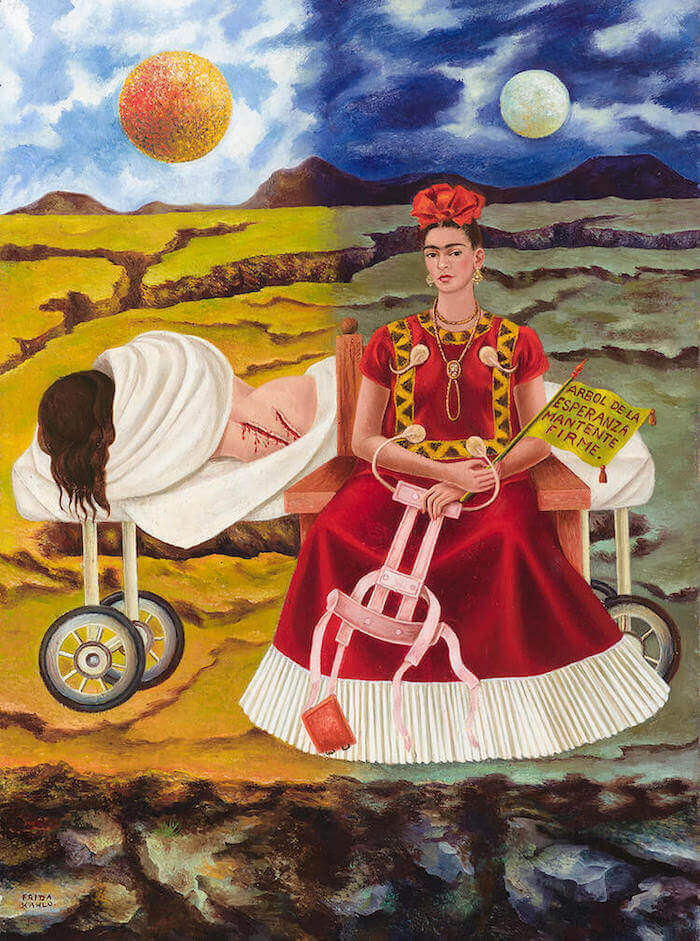
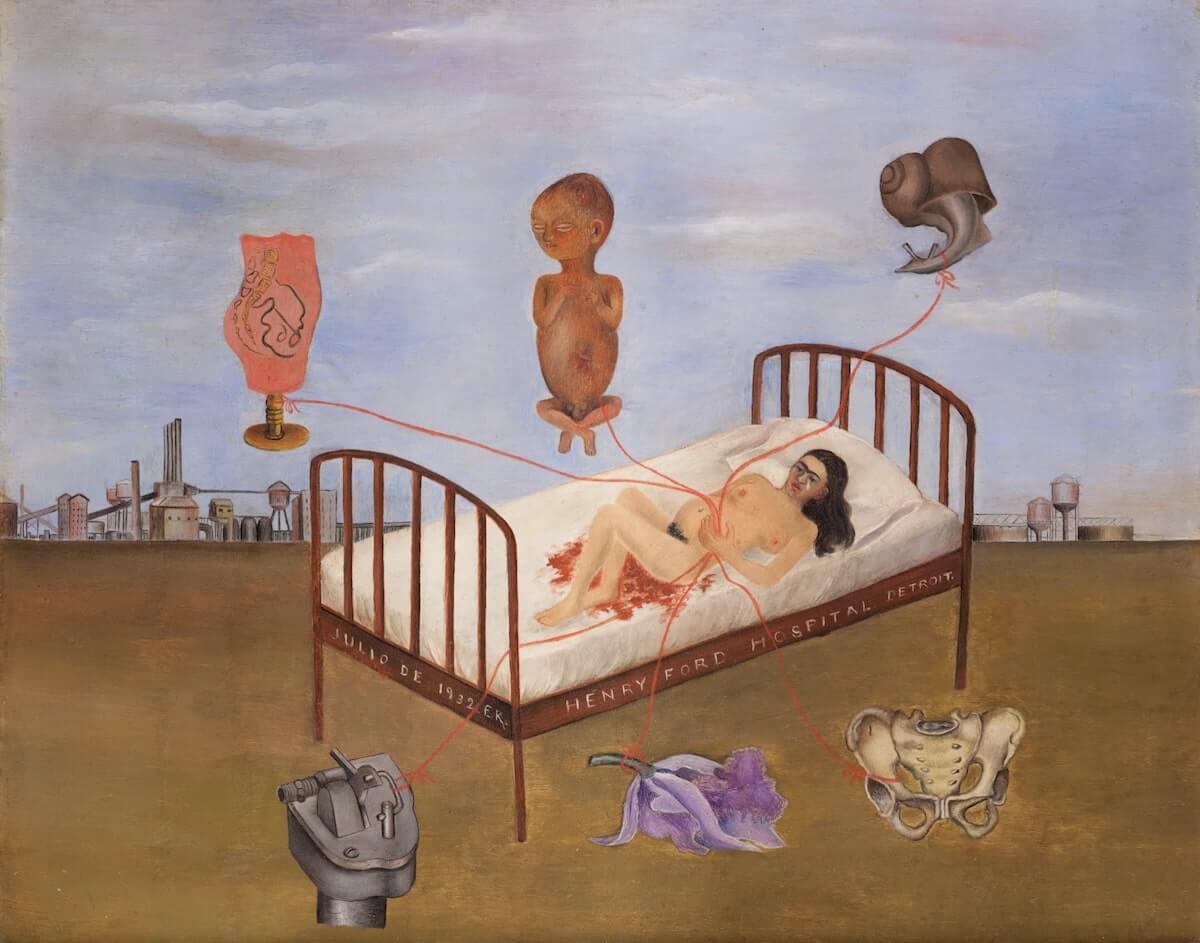
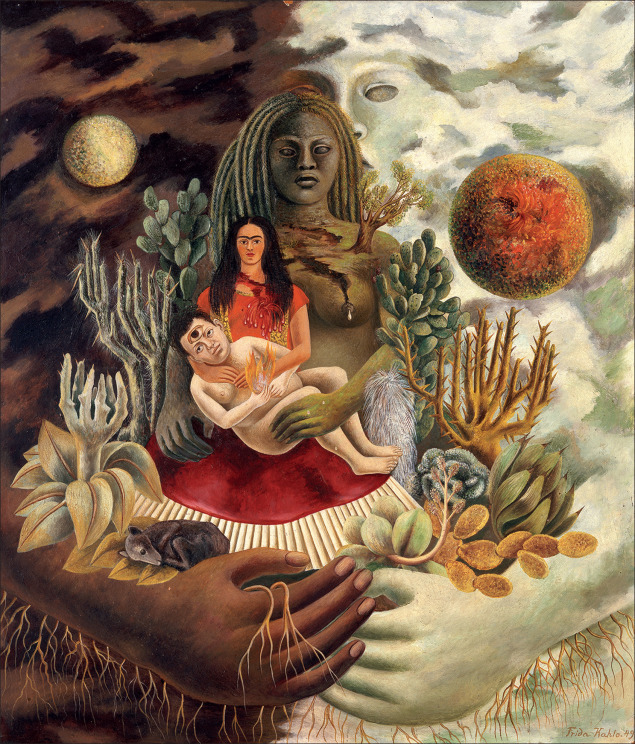
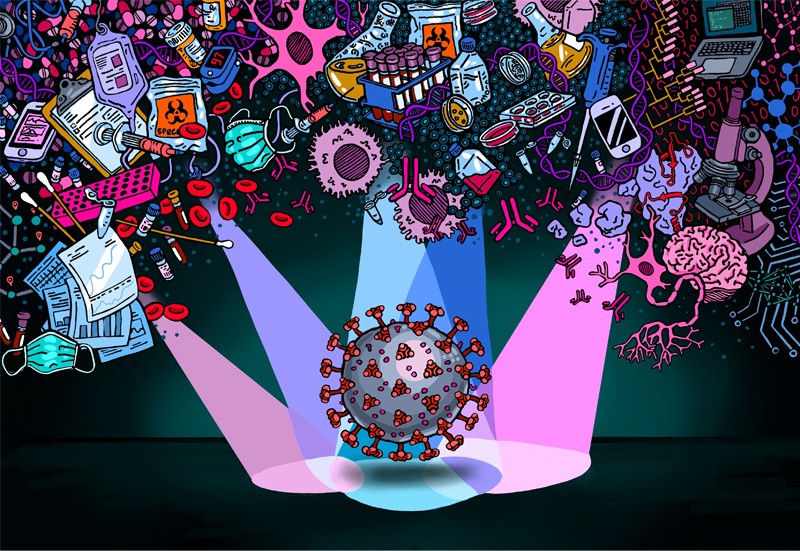
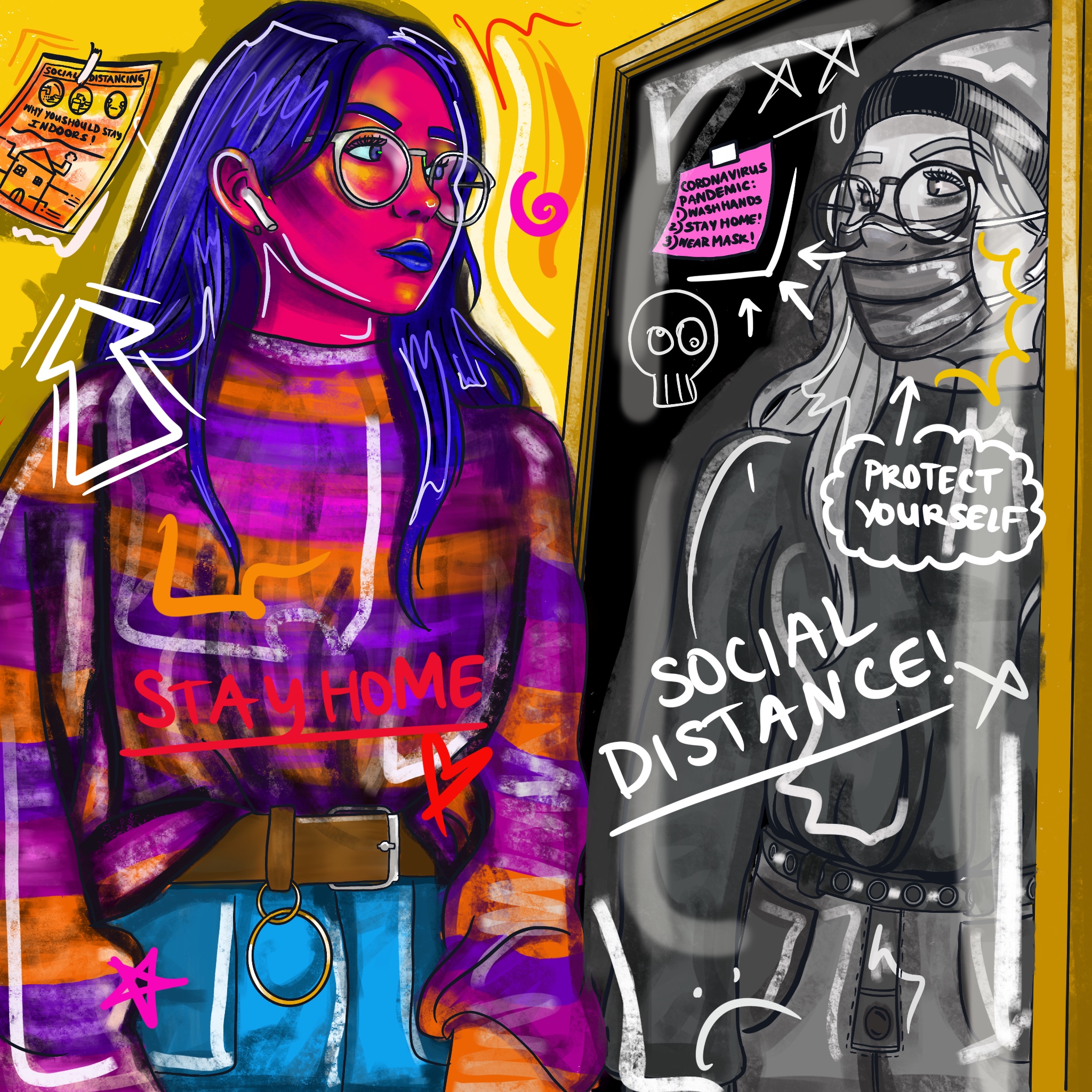
The illustrations in this post are by paintings by Frida Kahlo
I hate to focus another post on Covid-19, but honestly I think it’s the biggest story today. Cases are rising again, even in highly vaccinated states like Massachusetts.
Despite having one of the highest vaccination rates in the United States, Massachusetts is seeing a surge in COVID-19 cases.
Data from the Massachusetts Department of Public Health shows an additional 717 confirmed COVID-19 cases were reported Monday. The data includes new positive coronavirus cases reported since Friday.
The data shows the biggest percentage increase in cases was on Cape Cod, where 59 new cases were reported, or a 0.4% increase since Friday.
Middlesex County reported 147 new cases since Friday. Suffolk County reported 114 new cases, Worcester County reported 73 new cases and Norfolk County reported 59 new cases.
The COVID-19 positivity rate has also increase, from a seven-day weighted average low of 0.31% in mid-June to its current mark of 1.16%.
According to Monday’s report from the DPH, 106 patients with confirmed coronavirus cases were hospitalized in Massachusetts, of which 31 were reported to be in an intensive care unit.
The seven-day average of hospitalizations has increased every day since July 9, increasing from a low of 85 to its current number of 106.
At least 79 people have died and more than over 300 have been hospitalized in Massachusetts due to COVID-19 breakthrough cases after they were fully vaccinated, state health officials say….
A vaccine breakthrough case occurs when a person tests positive for COVID-19 after they’ve been fully vaccinated against the disease.
A person is considered “fully vaccinated” two weeks after receiving the second dose of either the Pfizer or Moderna COVID vaccine, or two weeks after receiving the single-dose Johnson & Johnson vaccine….
Seventy-nine vaccinated residents in Massachusetts died from COVID-19, either without being hospitalized or following a hospital stay, DPH said. That death toll reflects 1.78% of the 4,450 confirmed breakthrough cases and 0.0019% of the 4,195,844 people fully vaccinated as of July 10.
“All available data continue to support that all 3 vaccines used in the US are highly protective against severe disease and death from all known variants of COVID-19. The best way to protect yourself and your loved ones is to get vaccinated,” the DPH said in a statement to The Boston Globe.
If Joe Biden’s July Fourth fireworks marked a moment to declare the darkest days of the pandemic over, Monday was the day when reality dawned that the nation’s fight against Covid-19 is quickly sliding back in the wrong direction.
A hybrid version of American life that will pass for normality for the foreseeable future is coming into view, in which most of the vaccinated live and many of those who refuse their shots get sick or die.
In a moment of stark symbolism, new schools guidance released Monday from the American Academy of Pediatrics on mask wearing dashed hopes that kids robbed of a chunk of their childhoods by Covid-19 could go back to carefree schooldays this fall. The prospect of millions of youngsters over 2-years-old in face coverings in class epitomized how the nation is still under siege from the virus. It’s also likely to unleash yet another political culture war in some GOP states that abhor masking and have banned schools from seeking to protect the vulnerable that way.
Thinking about Death, 1943
In another shock to the national psyche on Monday, the Dow Jones Industrial Average plunged more than 700 points in its biggest drop of the year as alarm over virulent Delta variant infections hammered travel, leisure and energy stocks that had been juiced by the idea of a summer of freedom.
And at the same time, eyes were drawn toward Tokyo, where more worries loom. So often, the Olympics forge cathartic national unity thanks to athletes inspired to go faster, higher, stronger. Such a moment has rarely been so needed. But these Games are unlikely to offer that feeling of escape, as they often do — a sheen of reflected glory for the White House….
All these developments, in many cases, represented a realization that hopes that the virus would be in the rearview mirror this summer were unfounded and that some kind of new national effort is warranted.
“If we don’t get a significant proportion of these recalcitrant people vaccinated, you’re going to be seeing a smoldering of this outbreak in our country for a considerable period of time,” Dr. Anthony Fauci, the government’s top infectious diseases expert, told CNN’s Kate Bolduan on Monday.
The chief of the Tokyo 2020 organizing committee on Tuesday did not rule out a last-minute cancellation of the Olympics, as more athletes tested positive for COVID-19 and major sponsors ditched plans to attend Friday’s opening ceremony.
Asked at a news conference if the global sporting showpiece might still be cancelled, Toshiro Muto said he would keep an eye on infection numbers and liaise with other organizers if necessary.
“We can’t predict what will happen with the number of coronavirus cases. So we will continue discussions if there is a spike in cases,” said Muto.
“We have agreed that based on the coronavirus situation, we will convene five-party talks again. At this point, the coronavirus cases may rise or fall, so we will think about what we should do when the situation arises.”
Tunas. Still Life with Prickly Pear, 1938
Two new polls reveal discouraging news about the people who are refusing to be vaccinated.
When asked which poses a greater risk to their health, more unvaccinated Americans say the COVID-19 vaccines than say the virus itself, according to a new Yahoo News/YouGov poll — a view that contradicts all available science and data and underscores the challenges that the United States will continue to face as it struggles to stop a growing “pandemic of the unvaccinated” driven by the hyper-contagious Delta variant.
The survey of 1,715 U.S. adults, which was conducted from July 13 to 15, found that just 29 percent of unvaccinated Americans believe the virus poses a greater risk to their health than the vaccines — significantly less than the number who believe the vaccines represent the greater health risk (37 percent) or say they’re not sure (34 percent).
Yet 93 percent of unvaccinated U.S. adults — the equivalent of 76 million people — say they will either “never” get vaccinated (51 percent); that they will keep waiting “to see what happens to others before deciding” (20 percent); or that they’re not sure (22 percent).
Most Americans who still aren’t vaccinated say nothing — not their own doctor administering it, a favorite celebrity’s endorsement or even paid time off — is likely to make them get the shot, according to the latest installment of the Axios/Ipsos Coronavirus Index.
Why it matters: The findings are more sobering evidence of just how tough it may be to reach herd immunity in the U.S. But they also offer a roadmap for trying — the public health equivalent of, “So you’re telling me there’s a chance.”
Henry Ford Hospital, 1932
What they’re saying: “There’s a part of that population that are nudge-able and another part that are unbudge-able,” said Cliff Young, president of Ipsos U.S. Public Affairs.
“From a public health standpoint they’ve got to figure out how you nudge the nudge-able.”
Details: 30% of U.S. adults in our national survey said they haven’t yet gotten the COVID-19 vaccine — half of them a hard no, saying they’re “not at all likely” to take it. We asked the unvaccinated about how likely they’d be to take it in a number of scenarios:
The best prospect was a scenario in which they could get the vaccine at their regular doctor’s office. But even then, 55% said they’d remain not at all likely and only 7% said they’d be “very likely” to do it. That leaves a combined 35% who are either somewhat likely or not very likely but haven’t ruled it out.
The Biden administration’s Olivia Rodrigo play won’t reach a lot of the holdouts, according to these results: 70% said the endorsement of a celebrity or public figure they like is “not at all likely” to get them to take a shot, and just 4% said they’d be “very likely” to do it. But another combined 24% could be somewhat in play.
What if your boss gave you paid time off to get the shot? 63% said they’d still be not at all likely to do it, while 5% said they’d be very likely. Another 30% combined are potentially but not eagerly gettable.
Similar majorities said they’d be unmoved by community volunteers coming to the door to discuss the vaccine, the option to get a shot at work or a mobile clinic, or being lobbied by friends or family members.
Tucker Carlson has called the idea of vaccine passports the medical equivalent of “Jim Crow” laws. And other Fox News personalities have spent months both trafficking in anti-vaccine rhetoric and assailing the concept of showing proof of vaccination status.
But Fox Corporation, the right-wing talk channel’s parent company, has quietly implemented the concept of a vaccine passport as workers slowly return back to the company’s offices.
Fox employees, including those who work at Fox News, received an email, obtained by CNN Business, from the company’s Human Resources department in early June that said Fox had “developed a secure, voluntary way for employees to self-attest their vaccination status.”
The system allows for employees to self-report to Fox the dates their shots were administered and which vaccines were used.
The company has encouraged employees to report their status, telling them that “providing this information to FOX will assist the company with space planning and contact tracing.”
Employees who report their status are allowed to bypass the otherwise required daily health screening, according to a follow-up email those who reported their vaccination status received.
“Thank you for providing FOX with your vaccination information,” the email said. “You no longer are required to complete your daily health screening through WorkCare/WorkMatters.”
The concept, which was first reported Monday by Ryan Grim on The Hill’s morning streaming show, is known internally as “FOX Clear Pass.”
While the “Fox Clear Pass” is voluntary for employees, and other companies have similar tools, it is still remarkable, given how vocal Fox’s top talent has been in criticizing the concept of vaccine passports.
In what appeared to be the first ruling upholding a coronavirus vaccine mandate by a university, a federal judge affirmed on Monday that Indiana University could require that its students be vaccinated against the virus.
A lawyer for eight student plaintiffs had argued that requiring the vaccine violated their right to bodily integrity and autonomy, and that the coronavirus vaccines have only emergency use authorization from the Food and Drug Administration, and should not be considered as part of the normal range of vaccinations schools require. He vowed an appeal to the U.S. Supreme Court if necessary….
He said that the appeal would be paid for by America’s Frontline Doctors, a conservative organization that has been pursuing an anti-vaccine agenda. Mr. Bopp, of Terre Haute, Ind., is known for his legal advocacy promoting conservative causes.
Mr. Bopp filed the lawsuit in June, after Indiana University announced the previous month that faculty, staff and students would be required to get coronavirus vaccinations before coming to school this fall.
Viva la Vida, 1954
The university, whose main campus is in Bloomington, Ind., said that students who did not comply would have their class registrations canceled and would be barred from campus activities.
The requirement permitted exemptions only for religious objections, documented allergies to the vaccine, medical deferrals and virtual class attendance.
On Monday, Judge Damon R. Leichty of the U.S. District Court for Northern Indiana said that while he recognized the students’ interest in refusing unwarranted medical treatment, such a right must be weighed against the state’s greater interest.
“The Fourteenth Amendment permits Indiana University to pursue a reasonable and due process of vaccination in the legitimate interest of public health for its students, faculty and staff,” his ruling said, also noting that the university had made exceptions for students who object.
Judge Leichty was appointed by former President Donald J. Trump.
Sorry for the boring post, but unless we get a grip on this pandemic, any chance of a return to “normal” life is going to disappear.
As always, this is an open thread.
Did you like this post? Please share it with your friends:
Over the long Fourth of July weekend, many Americans celebrated as if the pandemic is in the rear view mirror. Unfortunately that’s not the case. The Delta variant of Covid-19 is establishing itself around the country, especially in the places where people have resisted getting vaccinated. And now there’s a new strain of the virus, the Lambda variant, which originated in Peru and is now appearing in Europe.
Actually, though things are pretty good, they are far from back to normal. In fact, COVID is once again going in the wrong direction in Massachusetts, according to the state’s numbers. While infections remain extremely low, they are suddenly on the upswing – very slightly.
From June 23 to June 27, the state confirmed 291 COVID cases. In the following five days, tests confirmed 376 cases. That was an increase of about 29%. And there’s something troubling behind the numbers.
Dr. Richard Ellison, an infectious disease specialist at UMass Memorial Medical Center in Worcester said, across New England, about a quarter of the new cases have been traced to the highly transmissible Delta variant.
“So, Delta is here and there is an opportunity for it to increase,” Dr. Ellison said. “So New England’s the safest part of the country, but we’re going to have to watch it.”
Health care workers in southwest Missouri are sounding the alarm over a wave of young, unvaccinated COVID-19 patients who are now filling hospital beds.
Leanne Handle, an assistant nurse manager of a medical surgical COVID-19 unit at CoxHealth in Springfield, Missouri, said she and her staff have seen the patient population over the past year go from elderly people who are immunocompromised or have multiple other conditions to, more recently, younger individuals who “don’t think COVID is real” and haven’t been vaccinated against the disease….
Outsized, Overwhelming Impact of COVID-19
“So, what we’re seeing now are the patients who are coming in who don’t think that they’re going to get sick from it, who aren’t mentally prepared to make life and death decisions of do they want to be intubated, do you want CPR if your heart should stop,” she added. “We have very few patients who have been admitted that have been vaccinated. So it has been proven to keep you at least out of the hospital, and from severe disease.”
Handle also noted a “scary trend” among younger patients with the spread of the so-called delta variant, a highly contagious strain of the virus that was first identified in India and has since been detected in more than 80 countries around the world as well as dozens of U.S. states, including Missouri.
“With the new variant in our area, these patients are getting sicker quicker,” she said. “They are progressing through this spectrum very, very quickly.”
The hospital executives at the lectern called her a hero, and the struggle that had earned Emily Boucher that distinction showed on her face: in the pallor acquired over 12-hour shifts in the intensive care unit, the rings beneath eyes that watched almost every day as covid-19 patients gasped for their final breaths.
The pandemic had hit late but hard in the Appalachian highlands — the mountainous region that includes Southwest Virginia and Northeast Tennessee — and over the winter many of its victims had ended up on ventilators tended by Boucher and her fellow nurses at Johnston Memorial Hospital.\They were enduring the traumas known to ICU workers across the world: days filled with death, nights ruined by dreams in which they found themselves at infected patients’ bedsides without masks. But they were also enduring a trauma that many doctors and nurses elsewhere were not: the suspicion and derision of those they risked their lives to protect.
Conspiracy theories about the pandemic and lies recited on social media — or at White House news conferences — had penetrated deep into their community. When refrigerated trailers were brought in to relieve local hospitals’ overflowing morgues, people said they were stage props. Agitated and unmasked relatives stood outside the ICU insisting that their intubated relatives only had the flu. Many believed the doctors and nurses hailed elsewhere for their sacrifices were conspiring to make money by falsifying covid-19 diagnoses.
Boucher and her colleagues were pained by those attacks — and infuriated by them.Unlike their exhaustion, that anger rarely showed on their faces, but it was often there: as they scrolled Facebook to see local ministers saying God was greater than any virus, or stood in line with unmasked grocery shoppers who joked loudly about the covid hoax.
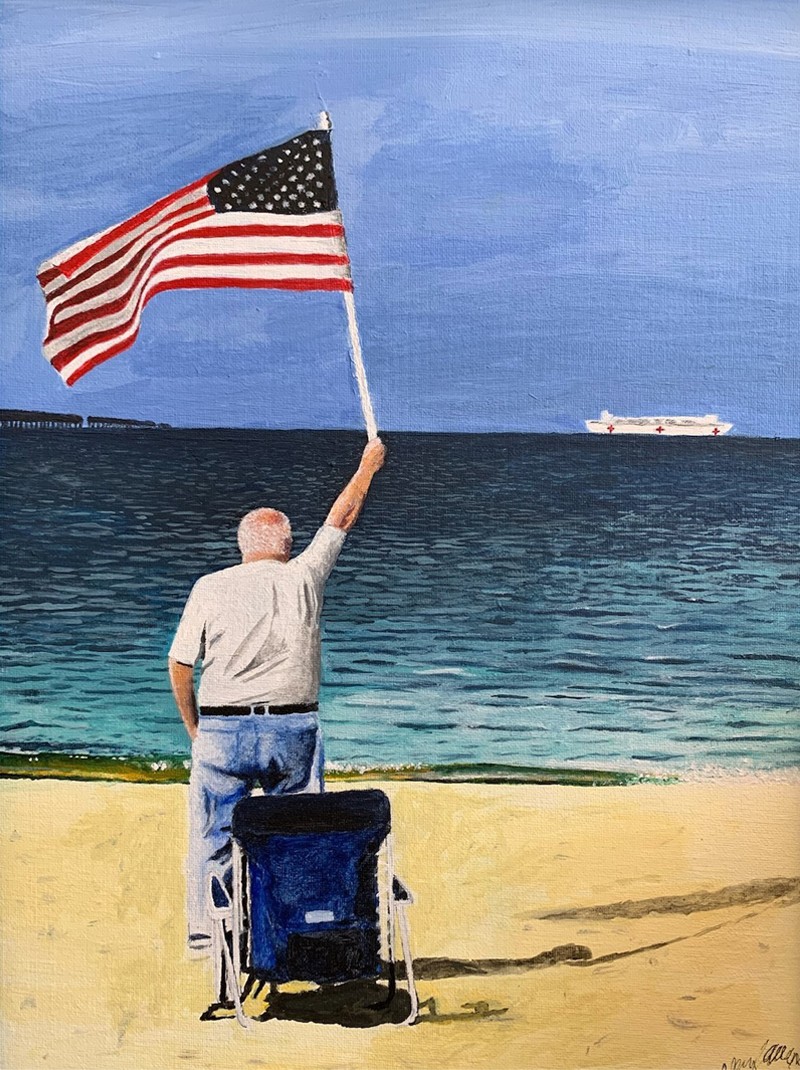
Hope, by Alexander Allen. Man on beach with U.S. Naval Ship Comfort in the distance
Out of the Covid-19 pandemic, two Americas are emerging: One protected by vaccines and the other still vulnerable to infection — and experts say progress made across the entire US is being threatened by low-vaccinated regions.
“We’re already starting to see places with low vaccination rates starting to have relatively big spikes from the Delta variant. We’ve seen this in Arkansas, Missouri, Wyoming … those are the places where we’re going to see more hospitalizations and deaths as well, unfortunately,” Dean of the Brown University School of Public Health, Dr. Ashish Jha, told CNN.
“And any time you have large outbreaks, it does become a breeding ground for potentially more variants.”
Parts of the South, Southwest and Midwest are starting to see spikes in cases, and many of those states — like Alabama, Arkansas, Louisiana and Mississippi — are among those with the lowest rates of vaccination, according to the US Centers for Disease Control and Prevention. Recent Covid-19 case rates are an average of three times higher in states that have vaccinated a smaller share of their residents than the United States overall, CDC data shows.
If there is another surge, Dr. Megan Ranney, associate professor of emergency medicine at Brown University, said young unvaccinated adults could be a big part of the problem.
“We’ve already seen that the highest number of infections over the past few months have been in those younger adults,” Ranney said. “These are the people that thought they were invincible.”
“The Delta variant will likely become the dominant strain in the U.S. by the end of the summer,” Lawrence Gostin, a Georgetown University global health expert, told The Daily Beast. “It is entirely foreseeable that the U.S. will experience surges, particularly in states with relatively low vaccination coverage.”
Thanks to its sprawling pharmaceutical industry and carefully worded contracts between the vaccine-makers and the federal government, the United States is one of the few countries where supply of vaccine far exceeds willing recipients.
Virtually anyone in the U.S. can get vaccinated, for free, at any time. So far, 54 percent of all Americans have taken advantage of that rare privilege and have gotten at least one dose. But vaccination rates are uneven across U.S. states and, unsurprisingly in this polarized era, map fairly neatly on political alignment.
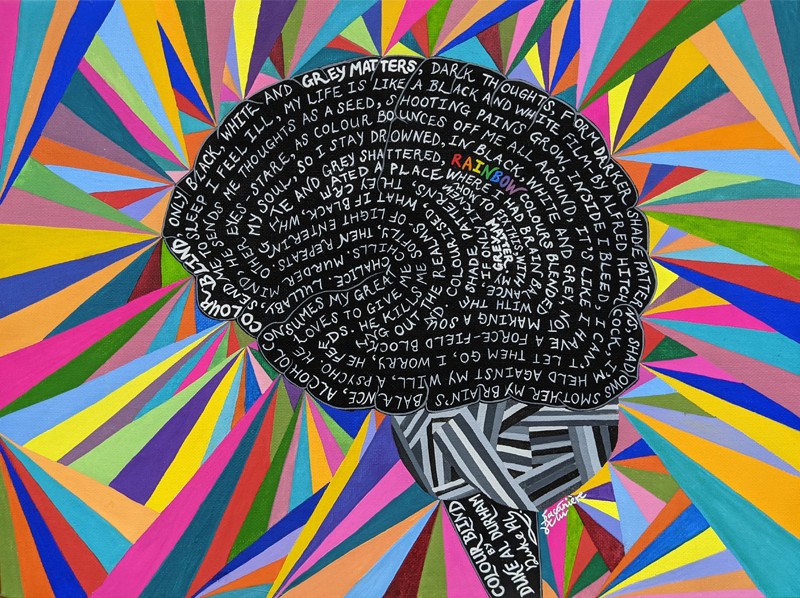
Colour Blind, by Sarah Racaniere, a poem by Duke Al Durham
Vaccine uptake is high in states governed by Democrats. Consider California, where 61 percent of the population is at least partially vaccinated. In Republican states, uptake is generally low. Just 36 percent of Mississippi residents have gotten their first shot.
There’s a politically charged vaccination disparity in the United States, and the Delta lineage is taking advantage of it.
The new variant now accounts for around a quarter of all new infections in the U.S.. But it’s not evenly distributed. Five states where Delta is prevalent—Arkansas, Missouri, Nevada, Utah and Wyoming—are all seeing significant increases in new COVID cases, even though case rates are probably still flat on the national level.
Not surprisingly, those are the states where vaccination rates are lowest.
“When you have such a low level of vaccination superimposed upon a variant that has a high degree of efficiency of spread, what you are going to see among undervaccinated regions, be that states, cities or counties, you’re going to see these individual types of blips,” Anthony Fauci, head of the U.S. National Institute of Allergy and Infectious Diseases, told CNN.
“It’s almost like it’s going to be two Americas,” Fauci added.
Chris Beyrer, an epidemiologist at the Johns Hopkins Bloomberg School of Public Health, said he’s especially worried about Southern states. “The Deep South is a real concern, where political leadership was much too slow to endorse the science, and scientific literacy is lower than in many parts of the country,” Beyrer told The Daily Beast. “The more infectious variants, like Delta, will exploit these vulnerabilities. That’s what viruses do.”
The latest variant to be highlighted by the World Health Organization, named Lambda, has now been found in at least 27 different countries.
It is especially widespread across South America, having first appeared in Peru in August last year, and is accounting for more and more cases in these countries.
Pipetting The Sample by Ali Al-Nasser
Having found its way to Europe, where there is already an ongoing battle against the Delta variant, due to lack of study it is still unclear how major a cause of concern it might be.
The latest variant to be highlighted by the World Health Organization, named Lambda, has now been found in at least 27 different countries.
It is especially widespread across South America, having first appeared in Peru in August last year, and is accounting for more and more cases in these countries.
Having found its way to Europe, where there is already an ongoing battle against the Delta variant, due to lack of study it is still unclear how major a cause of concern it might be.
It is not yet listed as a ‘variant of concern’, rather a ‘variant of interest’ by the WHO, meaning it has been identified as causing transmission or detected in multiple countries.
Read more at the link.
We’ve learned that we will be affected by what is happening with the virus in other countries. Therefore, I want to call your attention to two longer articles–one about Russia and one about India.
MOSCOW—As I write this, Russia is firmly in the grip of the third wave of the COVID-19 pandemic. Every day, there are about 22,000 reported new infections—twice as many as during the peak of the first wave in May 2020—and more than 600 deaths. The new Delta variant of the virus, which Moscow Mayor Sergey Sobyanin says is responsible for 90 per cent of new infections in the Russian capital, has caught Russia almost completely unawares. Despite having access to the brain power and resources of one of the most technologically advanced nations in the world, Russian authorities have repeatedly squandered almost every chance to beat the pandemic. Their massive, bloated propaganda apparatus failed to do the one job it was designed for: Get the message out. Instead, the pandemic has exacerbated the crisis of trust between the Russian government and citizens. Now, the campaign for parliamentary elections in September could make fighting the pandemic even harder, since the ruling United Russia party may be even more reluctant to impose unpopular measures such as lockdowns.
Russian independent observers and journalists—including me and my colleagues at Meduza—already knew something was terribly off with Russia’s handling of the pandemic in late spring of 2020. We had looked at the numbers and recognized that COVID-19 deaths were being underreported in many regions of Russia. According to the official statistics at the time, tens of thousands of Russians were dying in 2020 of a mysterious pneumonia epidemic unrelated to COVID-19. This was hardly plausible. The more likely explanation: Russian regional authorities were writing off the majority of COVID-19 cases as “community-acquired pneumonia.”
There is no evidence of a cover-up ordered from the top. More likely, regional governorates were simply being discreet to avoid being the bearer of bad news to the Kremlin. Underreporting COVID-19 cases in the early stages of the pandemic plausibly made many Russians question the existence of the virus or lulled them into a false sense of security, although there is no poll data to back this up. What’s certain is that by November 2020, according to independent polling institute Levada, the majority of Russians did not trust their government’s COVID-19 figures: 33 percent thought them too low, while 28 percent believed they were exaggerated.
Sounds familiar, doesn’t it? Read the rest at Foreign Policy.
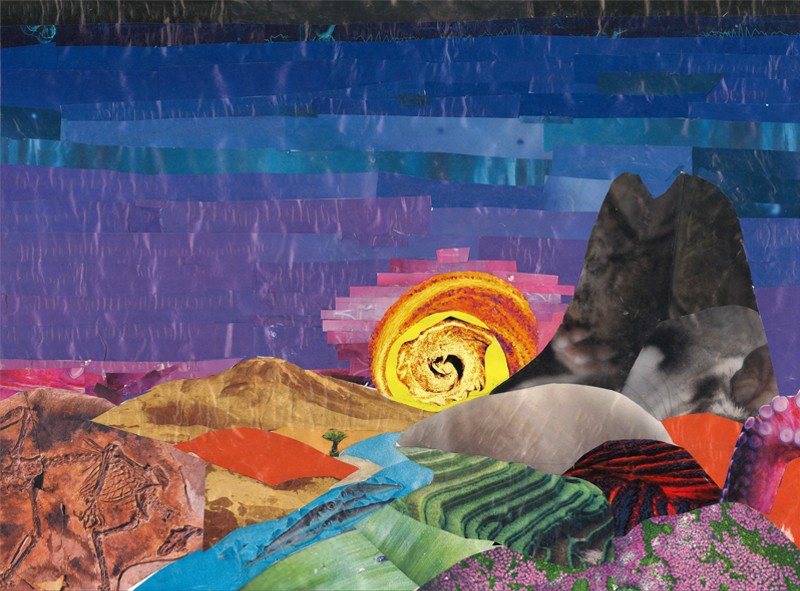
Naturarte by Angela Araujo, Sunsuet collage made from cuts from Nature covers
America may seem to be approaching the end of the pandemic, but covid-19 remains a surging catastrophe in India, with more than 30 million people infected and more than 400,000 deaths—official figures that many believe are far below the real numbers. A more likely scenario, the New York Times reported on May 25, is that 539 million people have been infected and more than 1.6 million are dead. On June 27, the Wall Street Journal published figures from the University of Washington’s Institute for Health Metrics and Evaluation, whose modeling also suggests that India is undercounting. The institute estimates the death toll at over 1.1 million, or three times the official figure.
But the crisis was not an unavoidable tragedy. Even the new delta variant discovered to be sweeping through the country was not some terrible random error. Instead, the catastrophe that has struck millions of Indians is the direct outcome of the government’s failures: its failure to plan ahead by increasing hospital capacity and acquiring medicines; its failure to figure out contact tracing, collect adequate data, and purchase vaccines. Even after it became clear that a second wave was inevitable, the government went ahead with superspreader events that served its own political purposes—and gave the virus a new opportunity. And at the center of the crisis—paying little attention to science, seemingly refusing to heed good advice, and appearing concerned primarily with holding on to power at any cost—stands India’s Prime Minister Narendra Modi, a Hindu nationalist whose arrogance and underpreparedness have cost the country an incalculable amount.
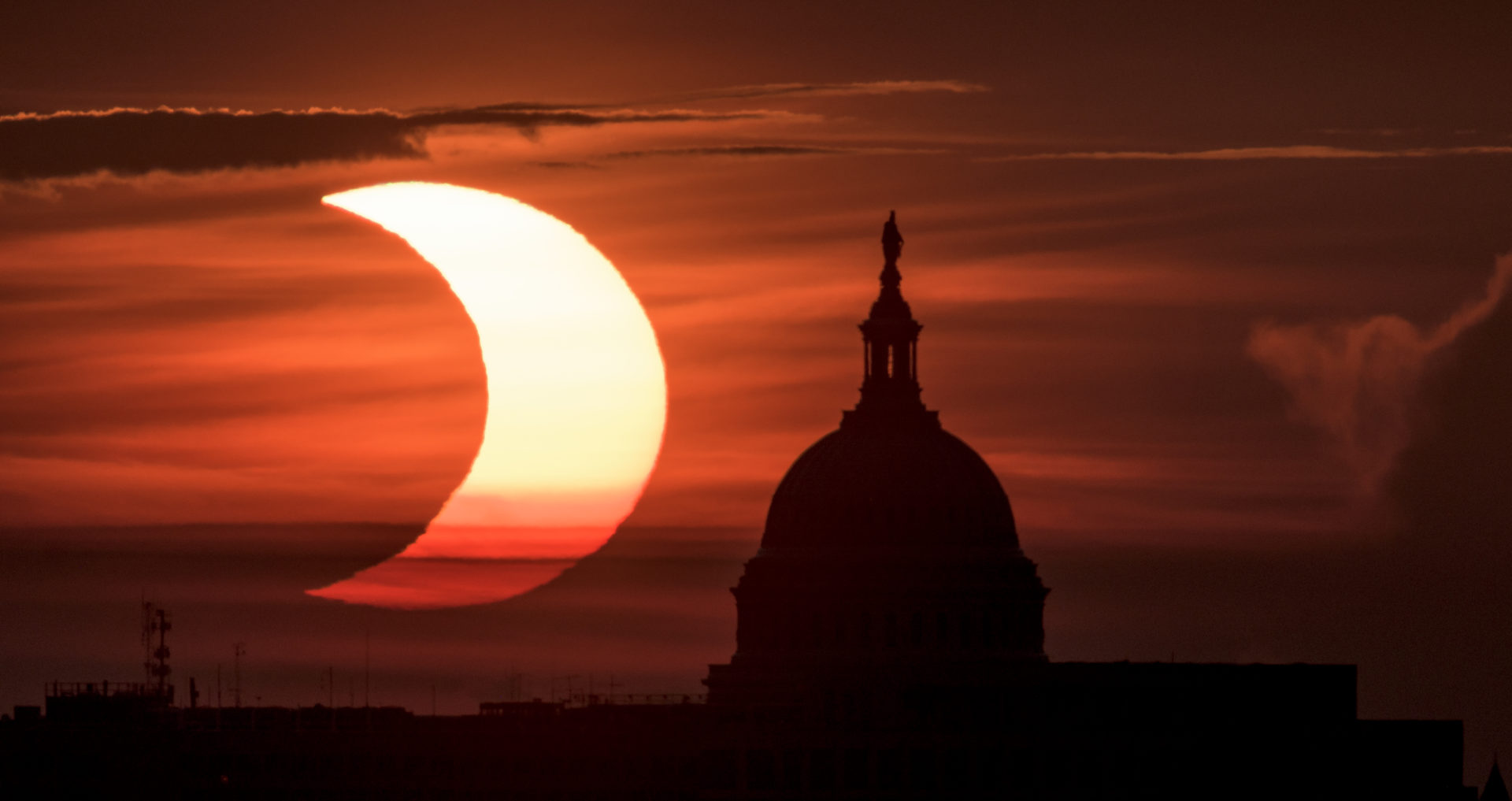
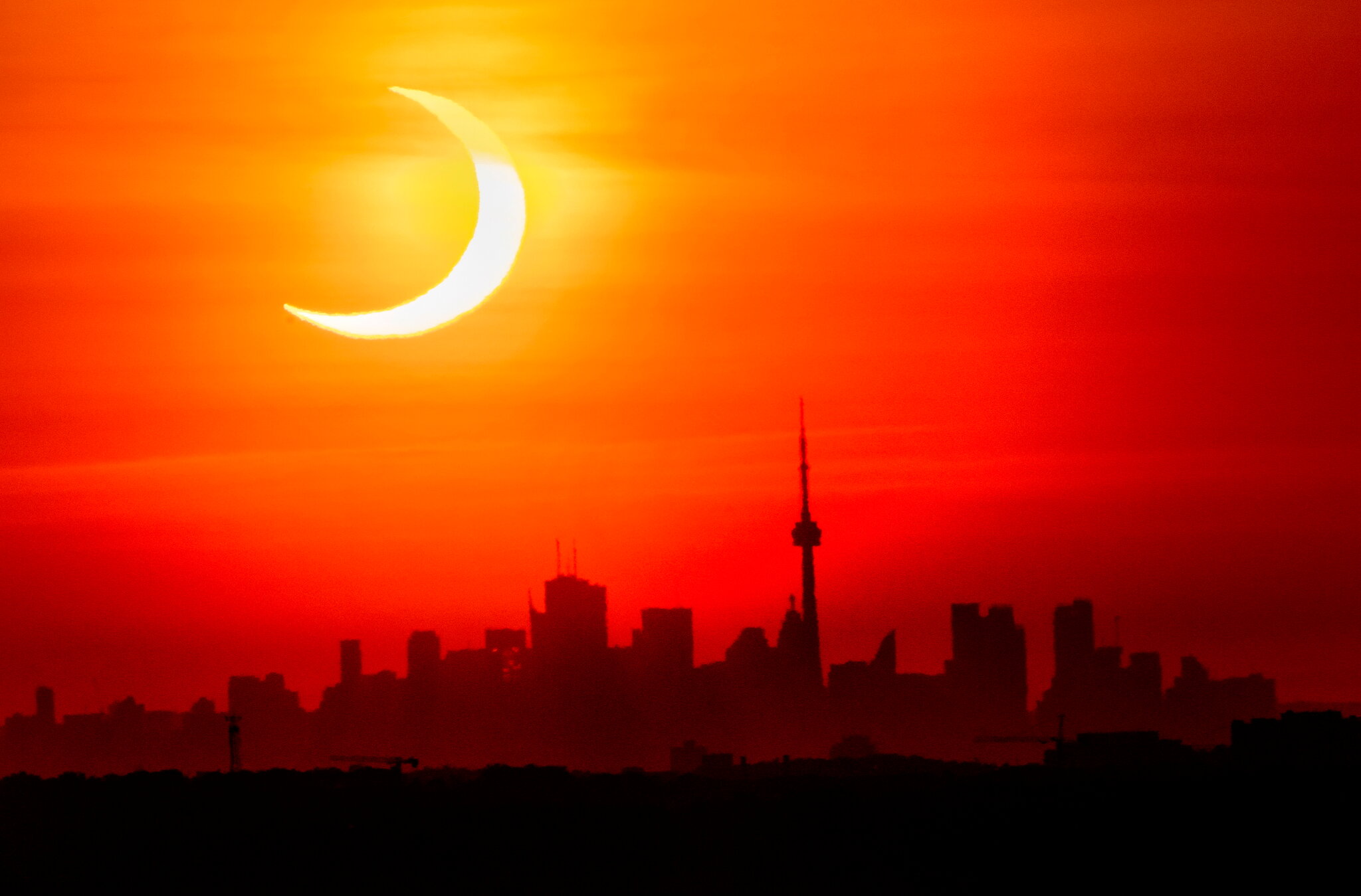
ARLINGTON, VIRGINIA – JUNE 10: A partial solar eclipse is seen as the sun rises behind the Capitol Building on June 10, 2021 in Arlington, Virginia. (Photo by Bill Ingalls/NASA via Getty Images)
Good Morning!!
I don’t know why I keep reading articles about the lab-leak theory. It’s not that I necessarily believe it’s true. I certainly don’t believe that a virus was created or modified in the Wuhan lab and then released into the population. I do think it’s possible that a researcher picked up a virus in the field and somehow carelessly infected someone on the outside. I still think the most likely scenario is the cross species (animal-to-human) route, because that clearly happens. I guess I’m just interested in why the argument has arisen in the media and won’t go away.
Anyway, there’s an interesting article on the subject at The Atlantic this morning: Don’t Fall for These Lab-Leak Traps. Recent coverage of the pandemic’s origins has ensnared readers in semantic quibbles, side points, and distractions, by Daniel Engber. I won’t try to summarize the piece because it’s so long, but here’s a bit of what Engber writes about what he calls “the mad scientist trap.”
The lab-leak theory isn’t singular; rather, it’s a catchall for a continuum of possible scenarios, ranging from the mundane to the diabolical. At one end, a researcher from the Wuhan Institute of Virology might have gone out to sample bat guano, become infected with a novel pathogen while in the field, and then seeded it back home in a crowded city. Or maybe researchers brought a specimen of a wild-bat virus back into the lab without becoming infected, only to set it free via someone’s clothes or through a leaky sewage pipe.
The microbiologists Michael Imperiale and David Relman, both former members of the National Science Advisory Board for Biosecurity, told me several weeks ago that lab-leak scenarios of this rather more innocent variety—involving the collection and accidental release of a naturally occuring pathogen—were the most probable of all the non-natural possibilities. Yet the most prominent opinionating on this topic has clustered at the other end of the continuum, at first around the dark-side theory of a bioweapon gone awry, and then around the idea that a harmless virus had been deliberately transformed into SARS-CoV-2 (and released by accident) after a reckless series of tabletop experiments.
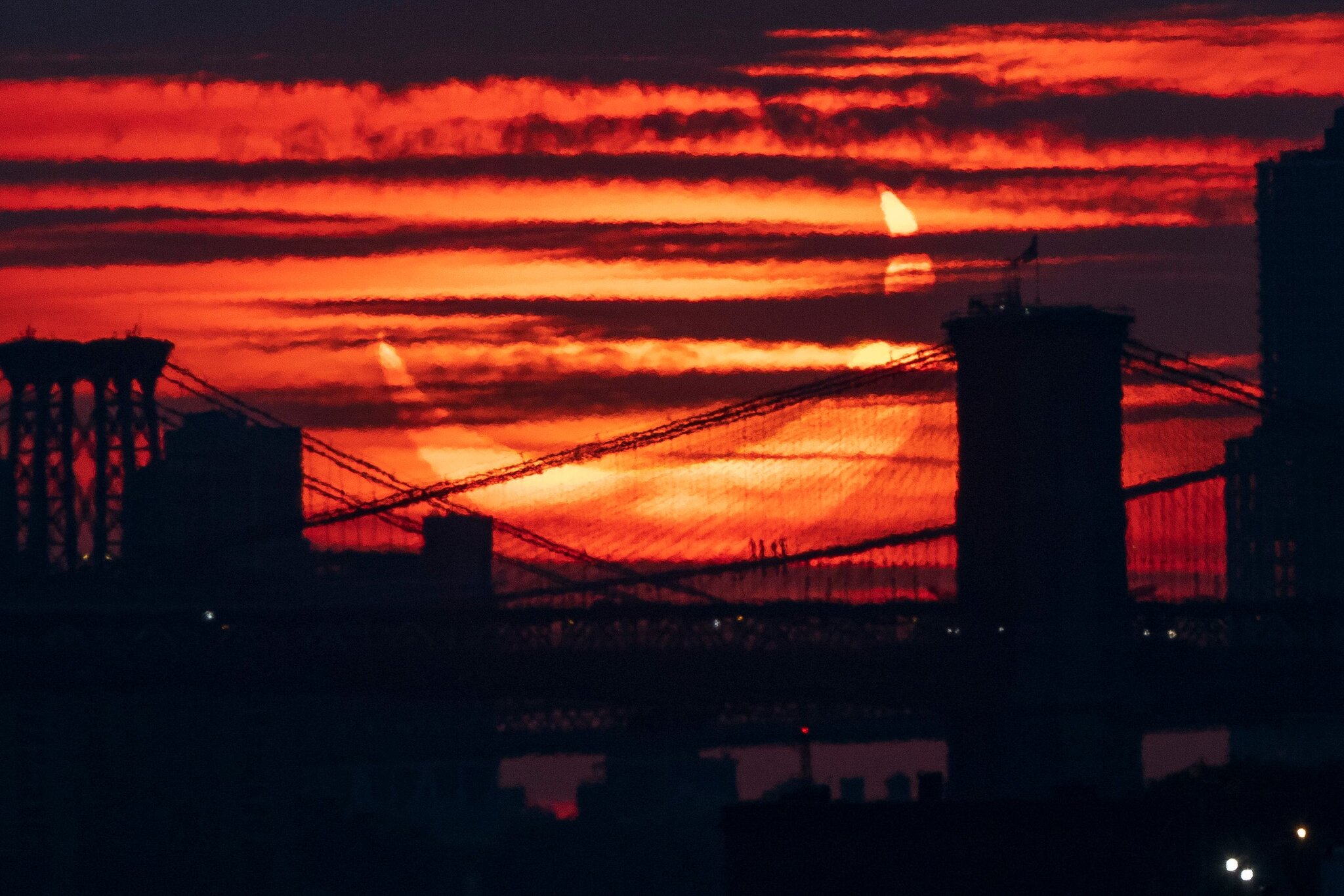
The eclipse viewed from Brooklyn Thursday morning. Justin Lane EPA, via Shutterstock
That’s another pitfall in this debate: a tendency to focus only on the most disturbing and improbable versions of the lab-leak hypothesis, and to downplay the rest. The mad-scientist trap sprays a mist across the facts by presuming scientific motivations; it posits that researchers could have caused the pandemic only if they’d been trying to create infectious pathogens.
Efforts to enhance a virus in a lab, usually described as “gain of function” studies, have engendered hyperbolic speculation….
The problem is, depending on how one chooses to define gain-of-function research, it could well include most virological research, some forms of vaccine development, and a healthy portion of biology writ large. Anytime a scientist tries to probe or tweak the function of a gene, she could be working in this vein. In that sense, yes, the National Institutes of Health is a “huge gain-of-function bureaucracy.” So what?
Engler concludes:
One might assume that the single-minded fear of gain-of-function research is peculiar to conservatives—sitting, as it does, at the shadowy convergence of Big Government and Critical Frankenstein Studies. But the urge to blame scientific hubris for scientific problems, as opposed to farcical incompetence, seems to have long-standing, bipartisan support.
This trap was last sprung seven years ago. In March 2014, a CDC lab accidently shipped the highly virulent H5N1 bird flu to a poultry lab at the Department of Agriculture. Then in June, another CDC lab sent off samples of the bacteria that cause anthrax without properly inactivating them—and 75 government employees were potentially exposed. A few weeks after that, scientists at NIH stumbled across six vials of smallpox in a forgotten cardboard box. Regulators had every reason to believe that accidental laboratory leaks of naturally occurring pathogens were more common (and more likely) than genetic-engineering studies gone awry. But when confronted with all this evidence that scientists were slipping on banana peels, the government looked at other risks instead: It announced a pause on gain-of-function research.
The sun rises next to the Statue of Liberty during an annular eclipse on June 10, 2021 in New York City. (Photo by Gary Hershorn/Getty Images)
We’re in the process of defaulting to the same idea—that better biosafety might be achieved, and the next pandemic headed off, if we prevent or slow the development of genetically engineered bananas. That might only help ensure that no one thinks too hard about the odds of slapstick-fueled catastrophe. We may yet find, with more investigation, that the Wuhan Institute of Virology, and other places like it around the world, is positively strewn with banana peels. If that’s the case, our first and most important goal should be to clean them up. In the meantime, don’t be fooled by false antonyms. The opposite of nature isn’t hubris, and if SARS-CoV-2 turns out not to have a “natural” origin, that doesn’t have to mean someone made it in a lab.
Sorry for the long excerpt, but I do think it’s a useful article. Read more at the link if you’re interested.
Just after sunrise over the eastern half of North America, the sun was almost completely blotted out by the moon for a few dawn hours in an annular solar eclipse.
During such an eclipse, the black silhouette of the moon — too far from Earth to completely cover the sun — will be surrounded by a thin ring of our home star’s surface, or photosphere. Many know this as a “ring of fire,” but few will get to experience the full effect.
The eclipse started after sunrise north of Lake Superior and began crossing remote regions of Canada, on its way into Greenland and the Arctic Ocean before going over the North Pole. Its course then heads south before ending in parts of the Russian Far East.
Still, some lucky souls got to experience this cosmic geometry, and a few were even intrepid and well organized enough to book airplane flights into the zone of maximum darkness. Many more of us got to experience a partial solar eclipse if we woke up early to clear enough skies….
It was dark and windy as the visitors spread out across the 86th floor observation deck 1,050 feet above midtown, adjusting camera lenses and perfecting positions as they waited for the sun to appear.
When the sky began to lighten and clouds turned shades of fuchsia pink, attendees of the event, who had paid $114.81 each to be there, could be overheard begging the skyline to clear up so there would be a better view….
Finally, the sun rose and the eclipse was visible — if a little hazily — through the cloud cover.
“You could hear the entire audience react at the first viewing of the sun,” said Jean-Yves Ghazi, president of the Empire State Building Observatory. “Everybody was gasping and it was absolutely magical.”
Read more at the link.
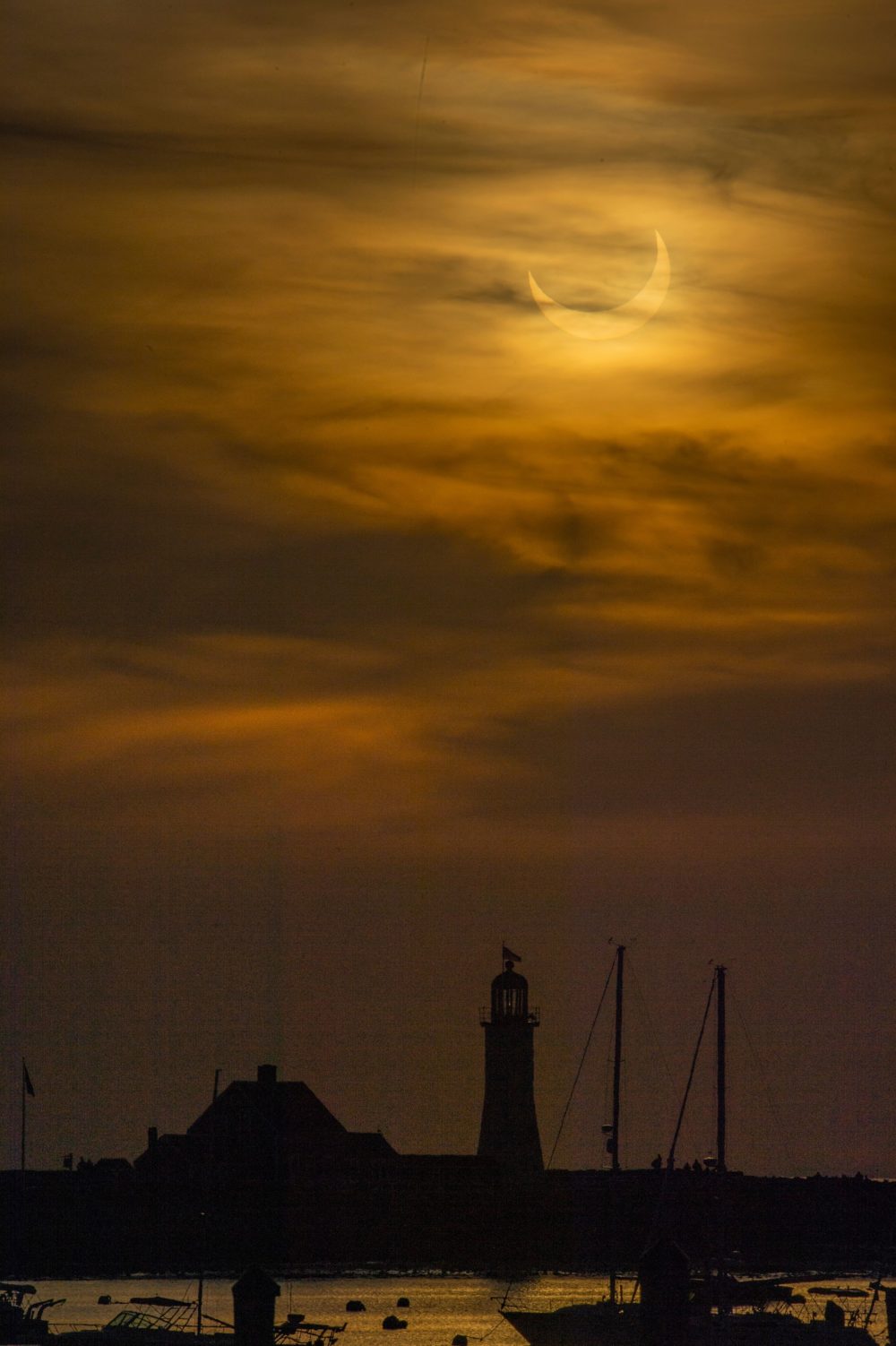
Annular (partial solar) eclipse is seen as the sun rises over Scituate Light in Scituate, MA, June 10, 2021. (Photo by Joseph Prezioso / AFP) via Getty Images)
No US President has ever left the nation’s shores with democratic values under attack as broadly and systemically at home as they are abroad. This extraordinary reality will complicate his mission to purge the trauma of the Donald Trump era and convince both foes and friends that the US is reclaiming its global leadership role for good.
Biden meets British Prime Minister Boris Johnson on Thursday before the G7 summit, makes a hop to NATO in Brussels, then has a summit with Russian President Vladimir Putin in Geneva that will evoke the most tense days of the Cold War.
“We’re going to make it clear that the United States is back and democracies of the world are standing together to tackle the toughest challenges,” Biden told US troops at an air base in eastern England on WednesdaFor Biden, democracy is not just some abstract concept from civics class that Americans experience only when they enter the voting booth every few years.
It is a system, a way of life and a set of rules and norms that made the United States the strongest and richest country in history. The free, prosperous nations the US rebuilt and protected after World War II faced down communist tyranny in the form of the Soviet Union and underwrote 70 years of peace. This web of open, like-minded countries is also the key to America’s global power. If democracy ebbs abroad, so does US influence.
The rise of a new superpower, China, determined to overhaul US riches and power is becoming a grave threat to democracy, and offers potential autocrats an alternative power template of one-party rule.
Russia — the adversary that Biden will confront at the end of his Europe trip — meddled in the last two US elections to help Trump, who often seemed to advance its foreign interests over America’s.
But the most extraordinary feature of Biden’s trip is that he’s not an American President going out to confront tyranny abroad — that’s happened before. He’s huddling with US allies at a moment when the greatest threat to democracy comes from within the United States.
The world looked on, horrified, at the insurrection against the US Capitol orchestrated by Trump in January. Since then, the ex-President has poisoned millions of Americans against democracy with his false electoral-fraud claims. Republican state lawmakers are quickly passing bills that make it harder for all but their own supporters to vote and make it easier to steal elections. The principle that voters have the right to pick their own leaders is under threat.
Thursday’s eclipse over the Toronto skyline. Credit Frank Gunn, The Canadian Press, via Associated Press
I don’t see how U.S. democracy can be saved unless Trump and his enablers are investigated and prosecuted. It’s also vitally important to investigate the insurrection that Trump incited on January 6, 2021. There are endless avenues of corruption to deal with from Trump’s four years in office, but here’s the latest to hit the news (actually is old news…).
In a fit of pique over Special Counsel Robert Mueller’s Russia investigation, former President Donald Trump almost reached an “inflection point” and “point of no return” that would have set in motion a Richard Nixon-style “Saturday Night Massacre,” ex-White House Counsel Don McGahn recently told Congress behind closed doors.
The just-released transcript of McGahn’s closed door testimony before the House Judiciary Committee contains a series of new answers and elaborations on details that were publicized in the Mueller Report.
Releasing the June 4th transcript on Wednesday, Judiciary Chair Jerry Nadler (D-N.Y.) said: “Mr. McGahn provided the Committee with substantial new information—including firsthand accounts of President Trump’s increasingly out of control behavior, and insight into concerns that the former President’s conduct could expose both Trump and McGahn to criminal liability.”
“Mr. McGahn also confirmed that President Trump lied when he denied the accuracy of the Mueller report, and admitted that he was the source for a Washington Post report that confirmed Trump’s direction to McGahn to remove the Special Counsel,” Nadler wrote in a statement.
In the transcript, McGahn explains his reluctance to convey a message from Trump pressuring then-Deputy Attorney General Rod Rosenstein to not allow the special counsel to serve because of alleged conflicts—a request that McGahn considered an “inflection point.”
“‘Inflection point,’ with that I meant a point of no return,” McGahn testified. “If the Acting Attorney General received what he thought was a direction from the counsel to the President to remove a special counsel, he would either have to remove the special counsel or resign. We are still talking about the ‘Saturday Night Massacre’ decades and decades later.”
Have a great Thursday Sky Dancers!!
Did you like this post? Please share it with your friends:
Suddenly, talk of the Wuhan lab-leak theory seems to be everywhere.
President Biden yesterday called on U.S. intelligence officials to “redouble their efforts” to determine the origin of Covid-19 and figure out whether the virus that causes it accidentally leaked from a Chinese laboratory. Major publications and social media have recently been filled with discussion of the subject.
The origin of the virus remains unclear. Many scientists have long believed that the most likely explanation is that it jumped from an animal to a person, possibly at a food market in Wuhan, China, in late 2019. Animal-to human transmission — known as zoonotic spillover — is a common origin story for viruses, including Ebola and some bird flus.But some scientists have pointed to another possibility: that it escaped from the Wuhan Institute of Virology. As in other laboratories, researchers there sometimes modify viruses, to understand and treat them.
“It is most likely that this is a virus that arose naturally, but we cannot exclude the possibility of some kind of a lab accident,” Dr. Francis Collins, the director of the National Institutes of Health, told senators yesterday.
Leonhardt writes–as I did on Tuesday–that the reason this is suddenly getting so much attention is because a number of scientists have recently argued that the lab leak theory should be investigated.
Among the reasons: Chinese officials have refused to allow an independent investigation into the lab and have failed to explain some inconsistencies in the animal-to-human hypothesis. Most of the first confirmed cases had no evident link to the food market.
But has anything really changed?
In some ways, not much has not changed. From the beginning, the virus’s origin has been unclear. All along, some scientists, politicians and journalists have argued that the lab-leak theory deserves consideration.
Almost 15 months ago, two Chinese researchers wrote a paper concluding that the virus “probably originated from a laboratory in Wuhan.” Alina Chan, a molecular biologist affiliated with Harvard and M.I.T., made similar arguments. David Ignatius and Josh Rogin, both Washington Post columnists, wrote about the possibility more than a year ago. Joe Biden, then a presidential candidate, didn’t mention the lab-leak theory in early 2020 but he did argue that the U.S. should “not be taking China’s word” for how the outbreak started.
But these voices were in the minority. The World Health Organization initially dismissed the lab-leak theory as implausible.
Read the rest at the link–I’ve probably quoted too much.
If you read the comments on the Tuesday post, you know that Quixote, who is quite knowledgeable on this subject, vehemently argued against the lab leak theory. Quixote posted another comment yesterday that I didn’t see until this morning:
The virus isn’t engineered because you can tell by the RNA sequence. If it had been, the inserted bits will be obvious when you compare it to related viruses. Sort of like Frankenstein’s monster is visibly sewn together from parts that don’t go together.
The early cases don’t particularly center on the lab or on people associated with it. They’re outside Wuhan, inside Wuhan, at the abandoned mine / bat cave, at the captured animal food market, and so on. The pattern is what you’d see if a virus mutated to be able to infect people, but wasn’t very good at it yet, and had been moving through the population for a while. In the course of simmering through the population, the most successful virus would be the one that changed enough to infect people easily.
It had enough time to do that, and that was exactly the threat the Wuhan lab, and also CDC people there, were looking for. (Trump, by the way, cut funding for both of those because what the hell do we need to be paying people in China for.) The danger was noticed by Chinese doctors (one of whom soon died of the disease) who tried hard to alert the world. They were squelched by the government. If the CDC people had still been there, it would have been a lot harder to squelch.
So tl:dr; no evidence covid19 was an intentional bioweapon thing. Poor evidence that it could have unintentionally leaked. It’s a fact that the attempted coverup by the Chinese let the pandemic get going. If procedures at the lab need improving, they certainly should be.
The other things you mention about China are all true. (Tibet too. Never forget Tibet.) It’s been obvious for decades that China was going to abuse whatever power it could get. But that’s another whole train of thought.
As bad as they are, covid19 does not fit the lab leak story at all well. Both things can be true: they’re bad and covid was an incompetent accident made infinitely worse by self-serving dictators all over the world, including China.
I agree that there certainly is no evidence for the lab leak theory. The only reason I thought there could be something to it was that several people in the lab got sick with something that looked like Covid-19 and were hospitalized. I thought they could have gotten the virus from the cave samples–not that the virus was engineered in the lab–and that somehow the virus got into the population that way. But there is no way to ever know if this happened, as China would never cooperate with any investigation.
Now that Biden has ordered an investigation, we will likely hear more about this, but I can’t see how we’re ever going to know for sure how the virus originated. The crossover from animal to human explanation makes the most sense.
It’s also worth checking out this thread on Twitter by a China expert.
there is no actual evidence. there is a bunch of supposition and misunderstanding of Chinese political contexts and bad contrarianism and reporters getting played by formal Trump officials with dodgy documents. nothing else has changed. https://t.co/3P7X4RbOy5
Immunity to the coronavirus lasts at least a year, possibly a lifetime, improving over time especially after vaccination, according to two new studies. The findings may help put to rest lingering fears that protection against the virus will be short-lived.
19 Faces of Covid-19, by Suzon Lucore
Together, the studies suggest that most people who have recovered from Covid-19 and who were later immunized will not need boosters. Vaccinated people who were never infected most likely will need the shots, however, as will a minority who were infected but did not produce a robust immune response.
Both reports looked at people who had been exposed to the coronavirus about a year earlier. Cells that retain a memory of the virus persist in the bone marrow and may churn out antibodies whenever needed, according to one of the studies, published on Monday in the journal Nature.
The other study, posted online at BioRxiv, a site for biology research, found that these so-called memory B cells continue to mature and strengthen for at least 12 months after the initial infection.
“The papers are consistent with the growing body of literature that suggests that immunity elicited by infection and vaccination for SARS-CoV-2 appears to be long-lived,” said Scott Hensley, an immunologist at the University of Pennsylvania who was not involved in the research.
Heartbroken to see another deadly mass shooting that’s taken at least 8 lives & is so close to home. With 230 mass shootings in 2021, the time for moments of silence is over. Congress must pass commonsense gun violence legislation supported by the vast majority of Americans!
The eight people initially killed by a gunman at a Northern California rail yard Wednesday morning were shot in two separate buildings before the suspected shooter took his own life, authorities said Wednesday.
A ninth victim died in a hospital late Wednesday evening, authorities said.
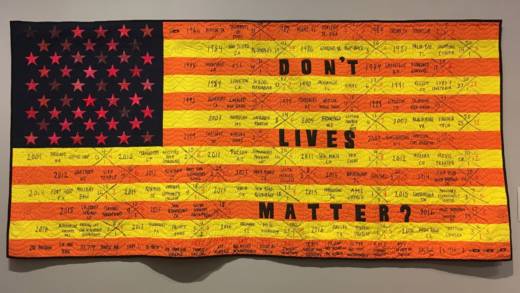
The mass shooting epidemic, credit Dana Gornall
Santa Clara Sheriff Laurie Smith expressed her grief for the families of the victims before praising the quick response of law enforcement officers who went into a Valley Transportation Authority building as the active shooting was happening. She said deputies and San Jose police officers were the first on the scene.
The suspect was identified Wednesday as Samuel Cassidy, 57, who was a VTA employee, officials said. No motive is known for the shooting at this time.
An ex-girlfriend told the San Francisco Chroniclehe was prone to alcohol-fueled mood swings and had been accused in a March 2009 court filing of rape and abuse. The documents were filed in response to a domestic violence restraining order that Cassidy had filed earlier that month.
The former girlfriend alleged his mood swings worsened when he drank alcohol and that he played “several mind games which he seems to enjoy.” She listed several incidents of alleged sexual assault in which he would hold her arms and force his weight onto her.
He would apologize and promised to never do it again afterward, the report said.
The man who opened fire Wednesday at a rail yard in San Jose, killing nine other people and ending his own life, has been identified as 57-year-old Sam Cassidy. He was an employee of the Valley Transportation Authority, which provides bus, light rail and other transit services throughout Santa Clara County, authorities said.
Cassidy was identified as a maintenance worker at the Valley Transportation Authority….
According to The Associated Press, Cassidy had talked to his ex-wife about killing people at work more than a decade ago.
“I never believed him, and it never happened. Until now,” a tearful Cecilia Nelms told The Associated Press.
She said he used to come home from work resentful and angry over what he perceived as unfair assignments.
“He could dwell on things,” she said. The two were married for about 10 years until a 2005 divorce filing and she hadn’t been in touch with Cassidy for about 13 years, Nelms said.
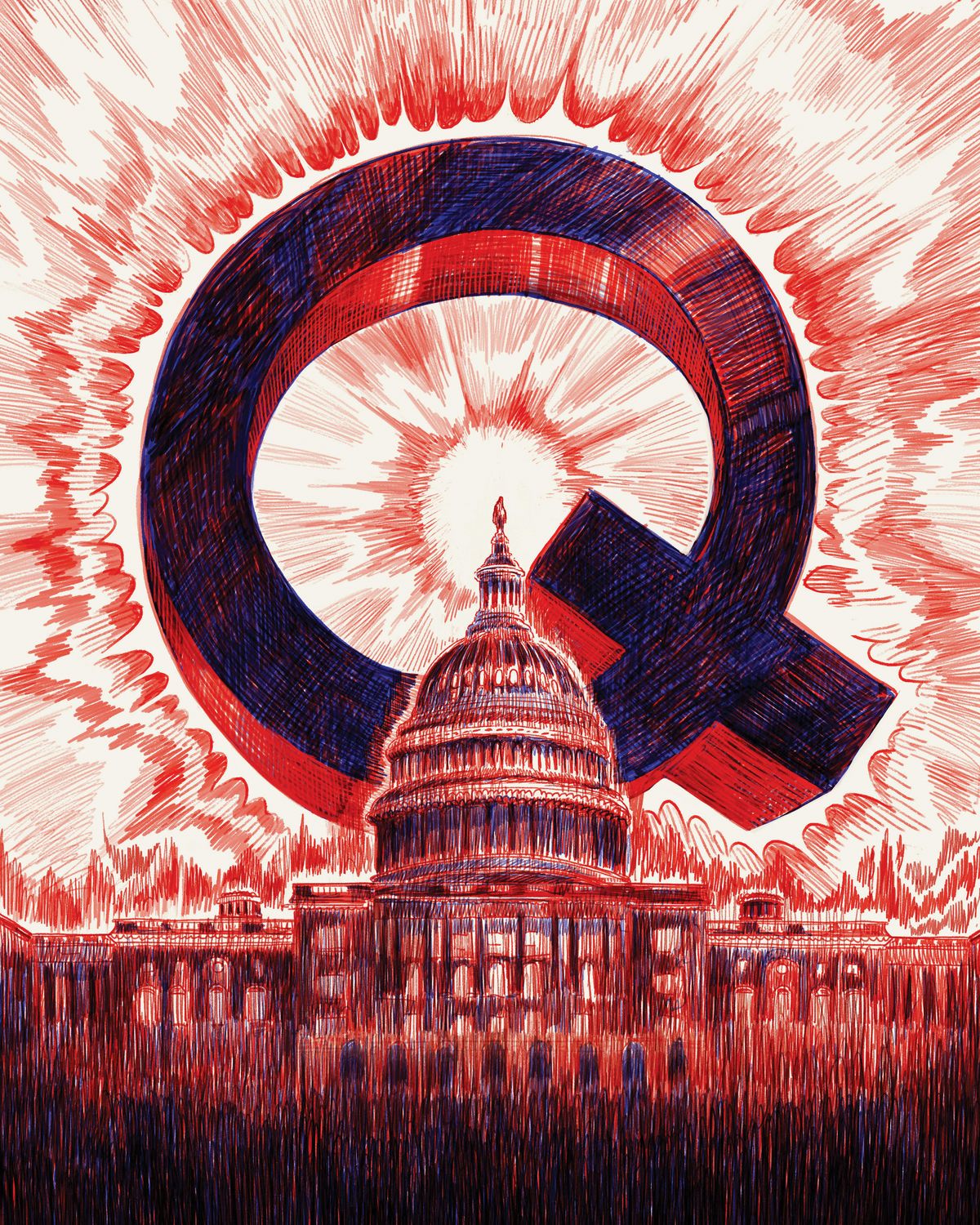
I’m still perplexed and fascinated by the Q-Anon phenomenon. There a couple of stories about it today.
Washington, we have a problem — politically, informationally and societally — when 15 percent of Americans agree with the QAnon statement that the U.S. government, media and financial worlds “are controlled by a group of Satan-worshipping pedophiles who run a global child sex trafficking operation.”
Or when 20 percent agree with this statement: “There is a storm coming soon that will sweep away the elites in power and restore the rightful leaders.”
Or when another 15 percent agree that “Because things have gotten so far off track, true American patriots may have to resort to violence in order to save our country.”
These are the results of a PRRI-IFYC study that was conducted online March 8-30, but that was just released Thursday.
And the study finds that Republicans, those who trust far-right news outlets like OANN and Newsmax, and white evangelicals and Hispanic Protestants are all more likely to believe these statements than other Americans.
It’s hard to call something fringe when approximately one-in-five Americans believe these statements, especially one that true patriots “may have to resort to violence” to save the country.
The far-right conspiracy theory movement known as QAnon emerged on the internet in late 2017 and gained traction throughout former president Donald Trump’s time in office. QAnon’s core theory revolves around Satan-worshipping pedophiles plotting against Trump and a coming “storm” that would clear out those evil forces, but the movement has also been described as a “big tent conspiracy theory” that involves a constantly evolving web of schemes about politicians, celebrities, bankers, and the media, as well as echoes of older movements within Christianity, such as Gnosticism.
To understand how this loosely connected belief system is influencing American politics, religion, and media, we fielded three questions, each containing a tenet of the QAnon conspiracy movement….
QAnon Beliefs and Partisanship
A nontrivial 15% of Americans agree with the sweeping QAnon allegation that “the government, media, and financial worlds in the U.S. are controlled by a group of Satan-worshipping pedophiles who run a global child sex trafficking operation,” while the vast majority of Americans (82%) disagree with this statement. Republicans (23%) are significantly more likely than independents (14%) and Democrats (8%) to agree that the government, media, and financial worlds in the U.S. are controlled by a group of Satan-worshipping pedophiles who run a global child sex trafficking operation.
Similarly, one in five Americans (20%) agree with the statement “There is a storm coming soon that will sweep away the elites in power and restore the rightful leaders,” while a majority (77%) disagree. Nearly three in ten Republicans (28%), compared to 18% of independents and 14% of Democrats, agree with this secondary QAnon conspiracy theory. Trends among demographic groups are similar to those of the core QAnon conspiracy theory.
Fifteen percent of Americans agree that “Because things have gotten so far off track, true American patriots may have to resort to violence in order to save our country,” while the vast majority (85%) disagree. Republicans (28%) are twice as likely as independents (13%) and four times as likely as Democrats (7%) to agree that because things have gotten so far off track, true American patriots may have to resort to violence.
Click the link to read the rest.
So…that’s a mixed bag of news for you. What else is happening? As always, this is an open thread.
Did you like this post? Please share it with your friends:
The Sky Dancing banner headline uses a snippet from a work by artist Tashi Mannox called 'Rainbow Study'. The work is described as a" study of typical Tibetan rainbow clouds, that feature in Thanka painting, temple decoration and silk brocades". dakinikat was immediately drawn to the image when trying to find stylized Tibetan Clouds to represent Sky Dancing. It is probably because Tashi's practice is similar to her own. His updated take on the clouds that fill the collection of traditional thankas is quite special.
You can find his work at his website by clicking on his logo below. He is also a calligraphy artist that uses important vajrayana syllables. We encourage you to visit his on line studio.






 The system allows for employees to self-report to Fox the dates their shots were administered and which vaccines were used.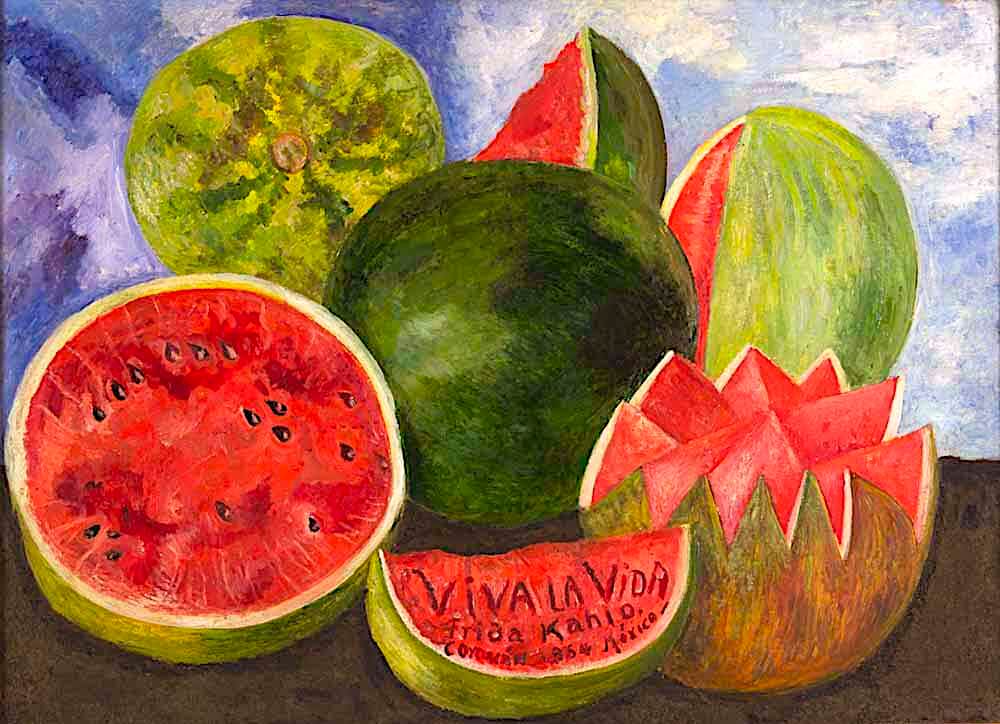



 On Tuesday,
  If you read the comments on the Tuesday post, you know that Quixote, who is quite knowledgeable on this subject, vehemently argued against the lab leak theory. Quixote posted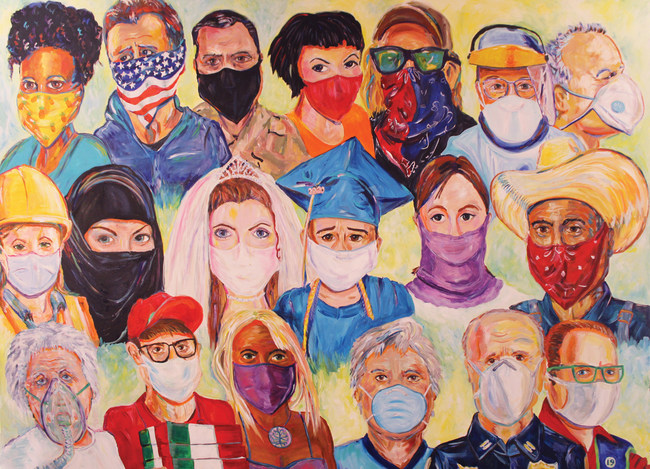
 Cassidy was identified as a maintenance worker at the Valley Transportation Authority….
 To understand how this loosely connected belief system is influencing American politics, religion, and media, we fielded three questions, each containing a tenet of the QAnon conspiracy movement….
 peej
peej Carissa
 bostonboomer
 dakinikat
 ecocatwoman
 jjlo
jjlo mablue2
 Mama Lopez
 peggysue22
 quixote
 skydancingguestblogger
 Mona (aka Wonk the Vote)



 Sky Dancing
Recent Comments