
Tuesday Cartoons: From Love to Violence
Posted: August 5, 2025 Filed under: just because 12 Comments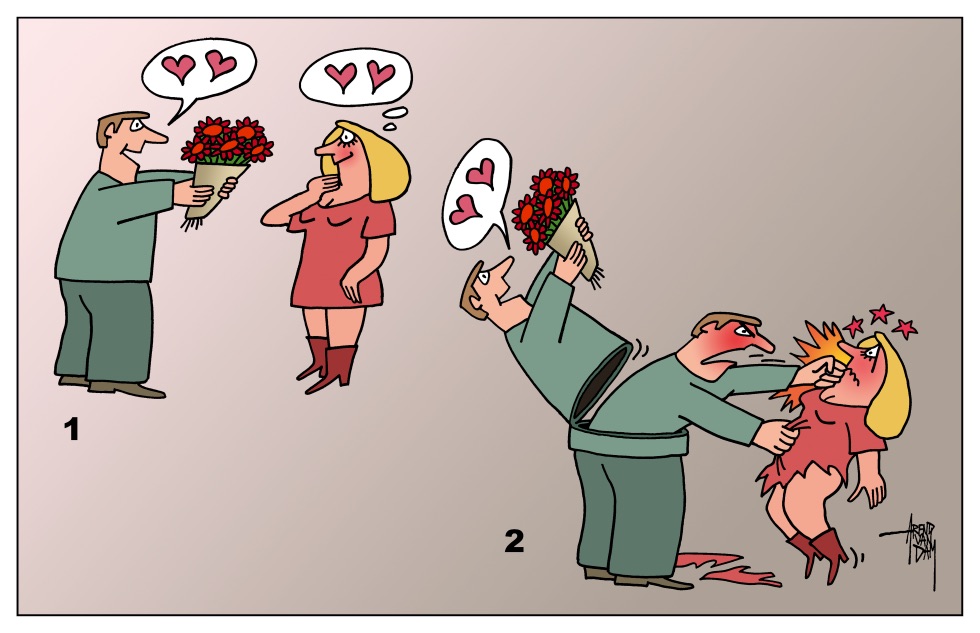
Hello…we are having some technical problems with our WordPress website. So if you could please help us out…if you can see our header image up top, please let us know. It looks like our image is not being displayed in the desktop view. But it seems to show up on the mobile version. We are trying to work on this issue, and hopefully will have it resolved soon.
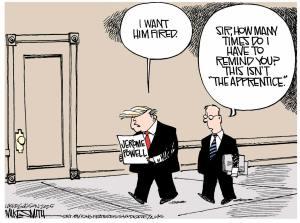
Now, a few comments on the cartoons this week. Several of the cartoons are from the foreign press. I wanted to make sure you were aware of this fact. Because, it is so painfully obvious that Trump is the laughing stock of the world.
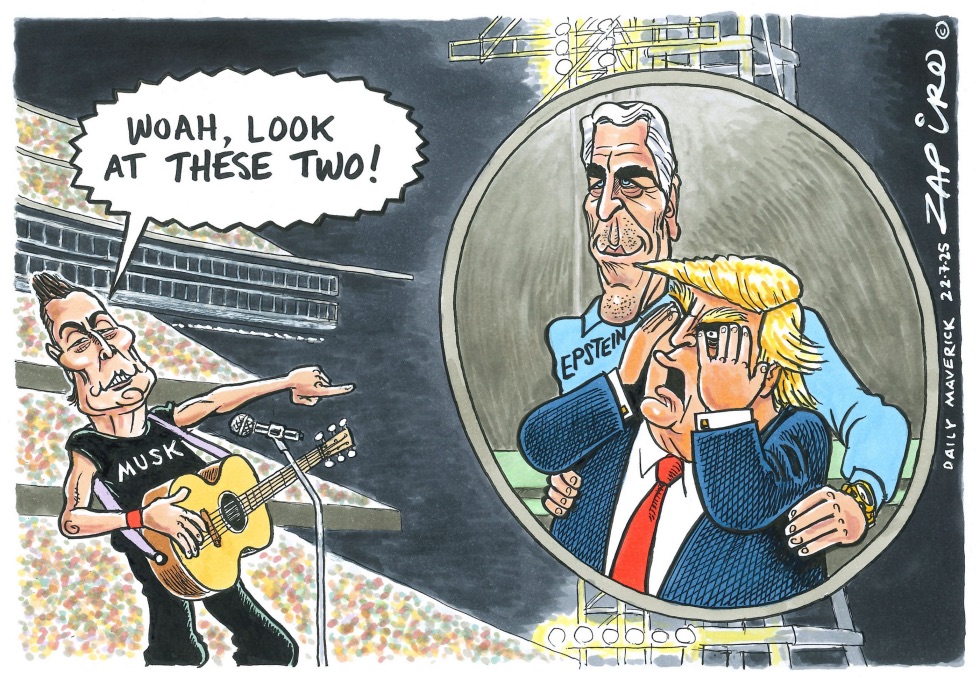
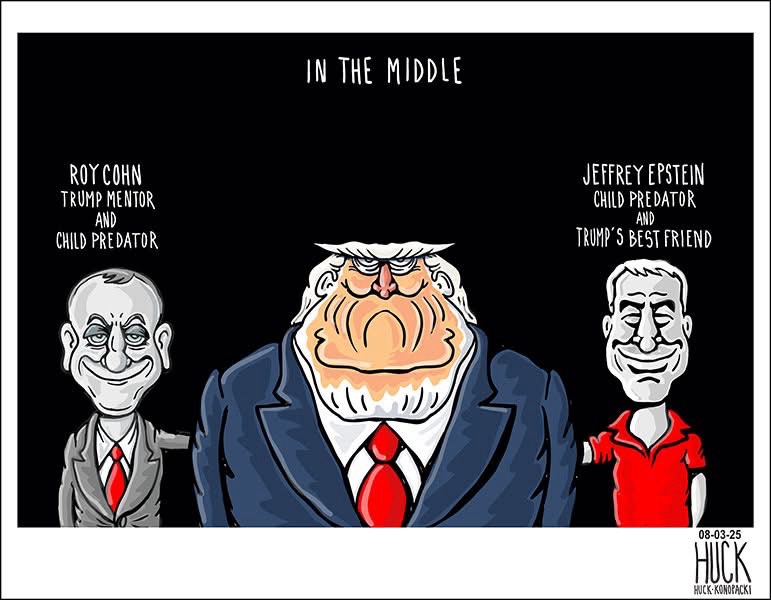
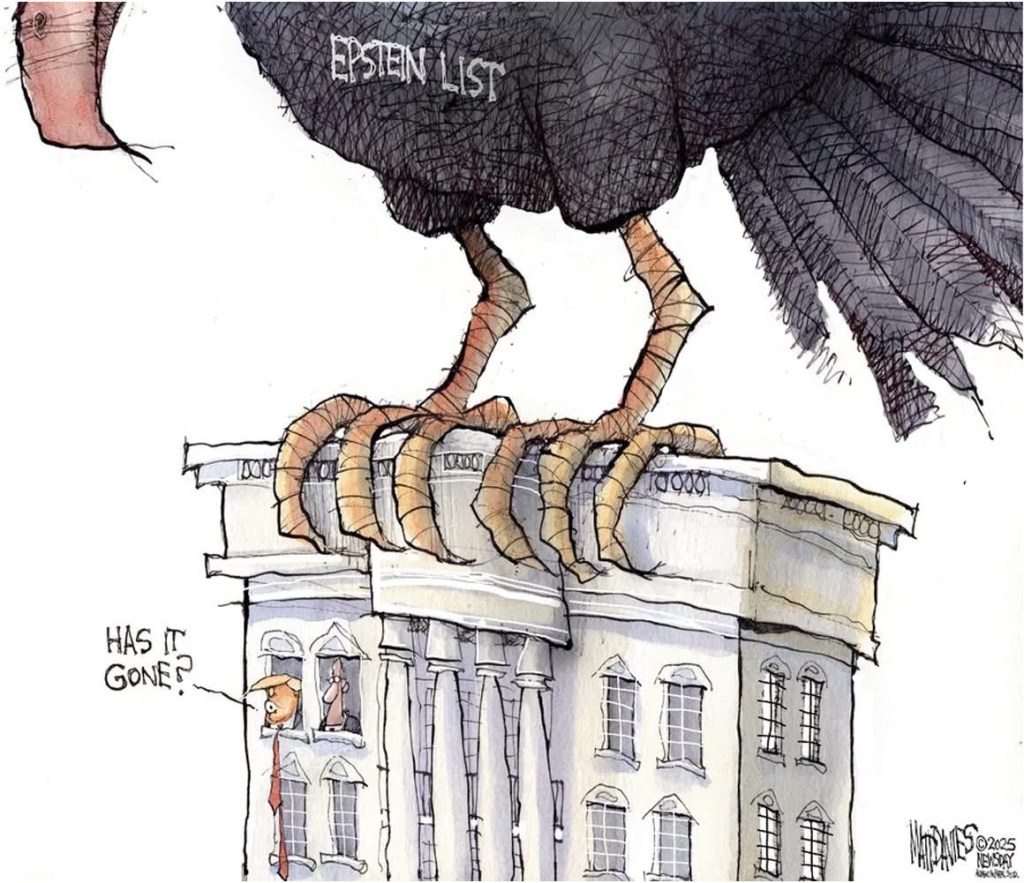
I also want to bring special attention to this particular cartoon:
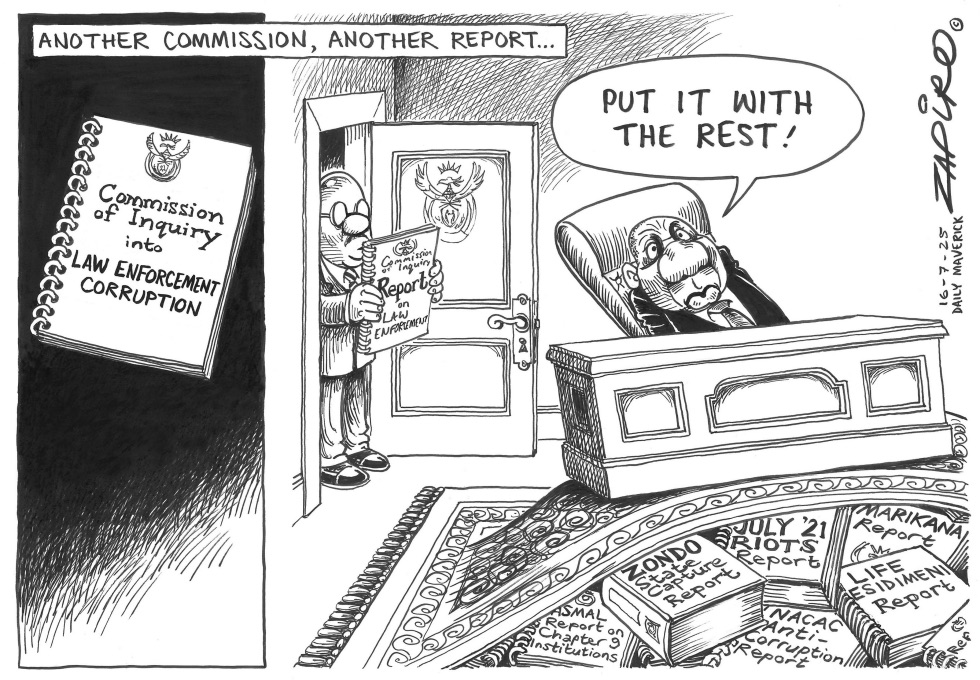
This is drawn by the cartoonist known as Zapiro:
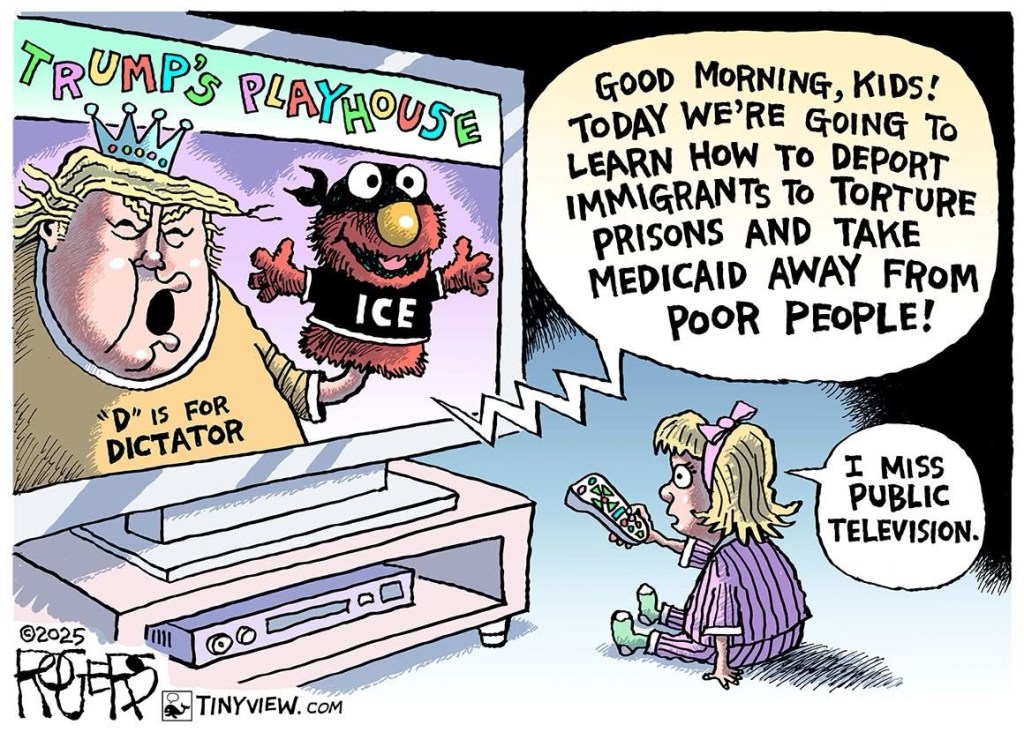
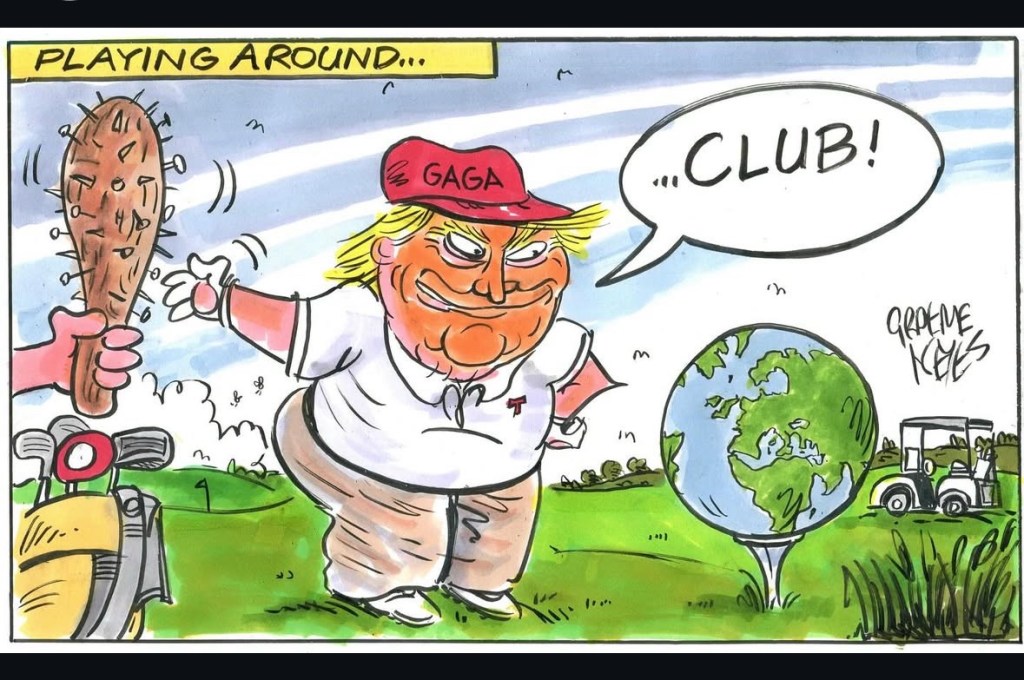
The reason I bring this up…is because I want to show the cartoon itself. And how similar it is to several other cartoons we have seen depicting Trump.
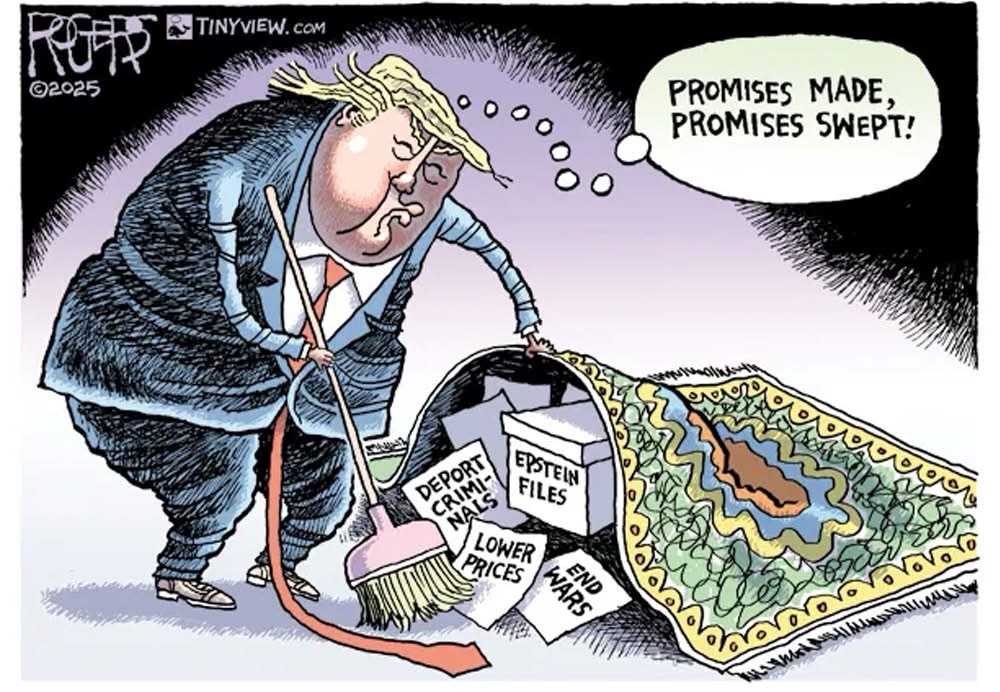
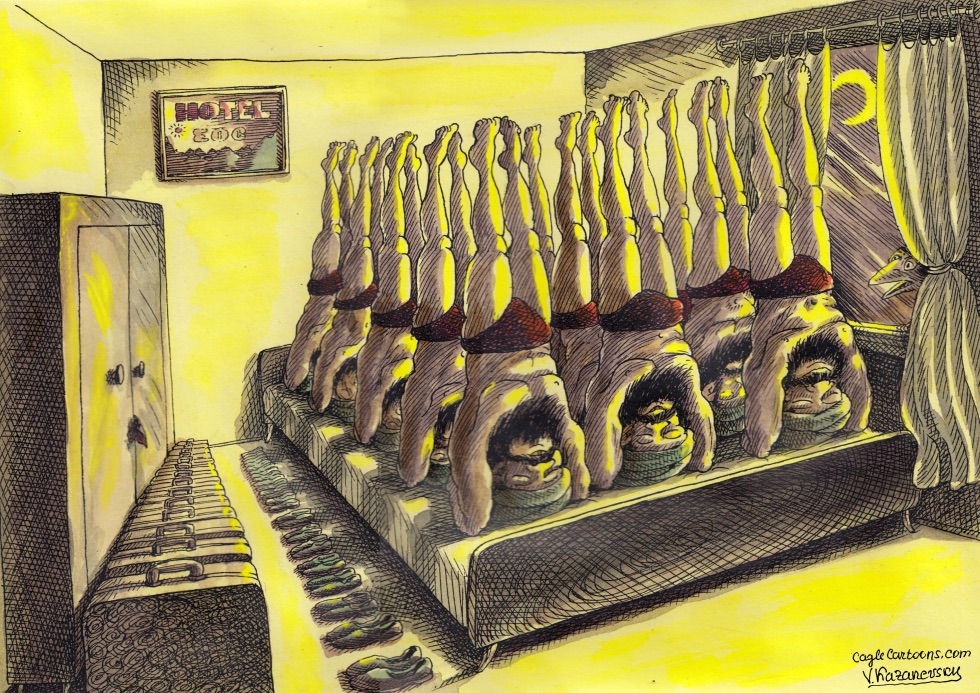
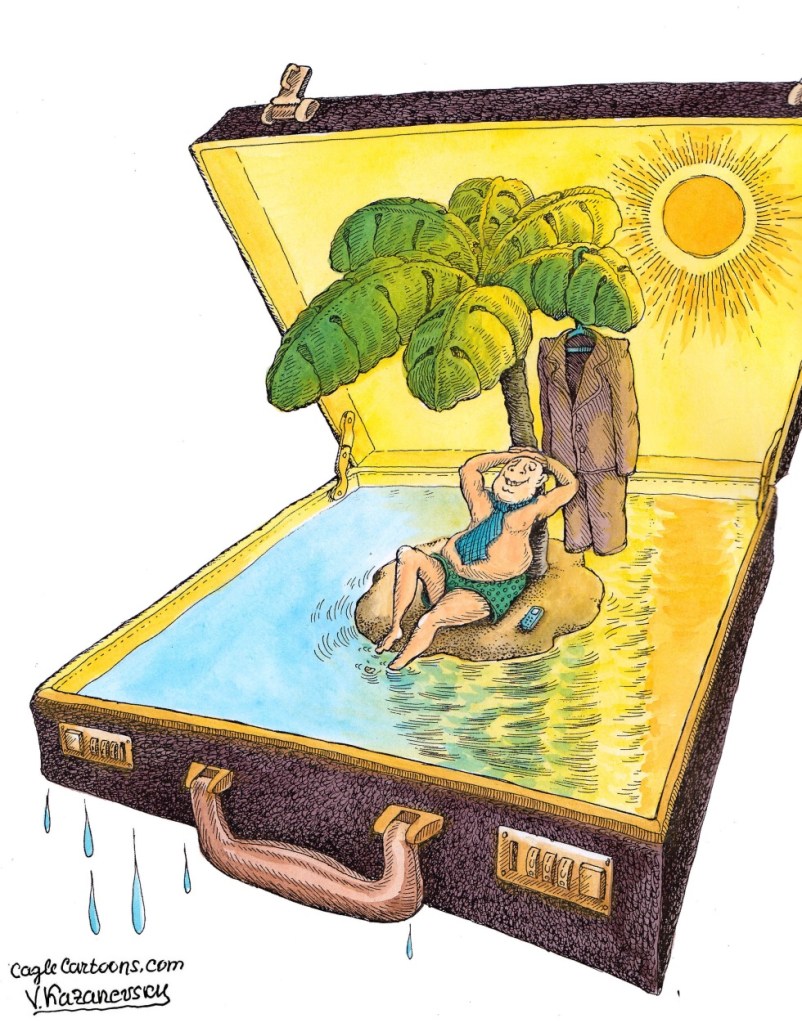
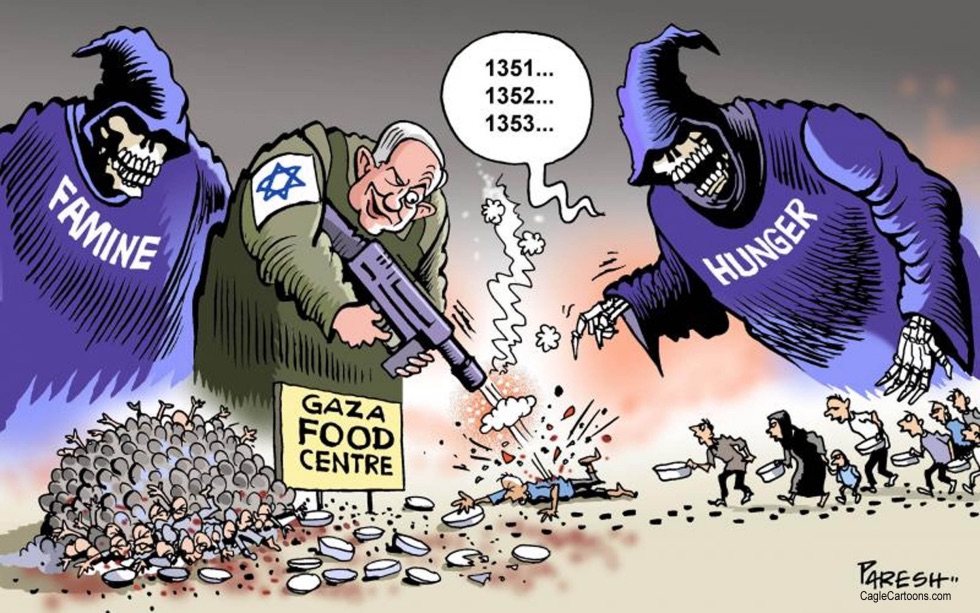
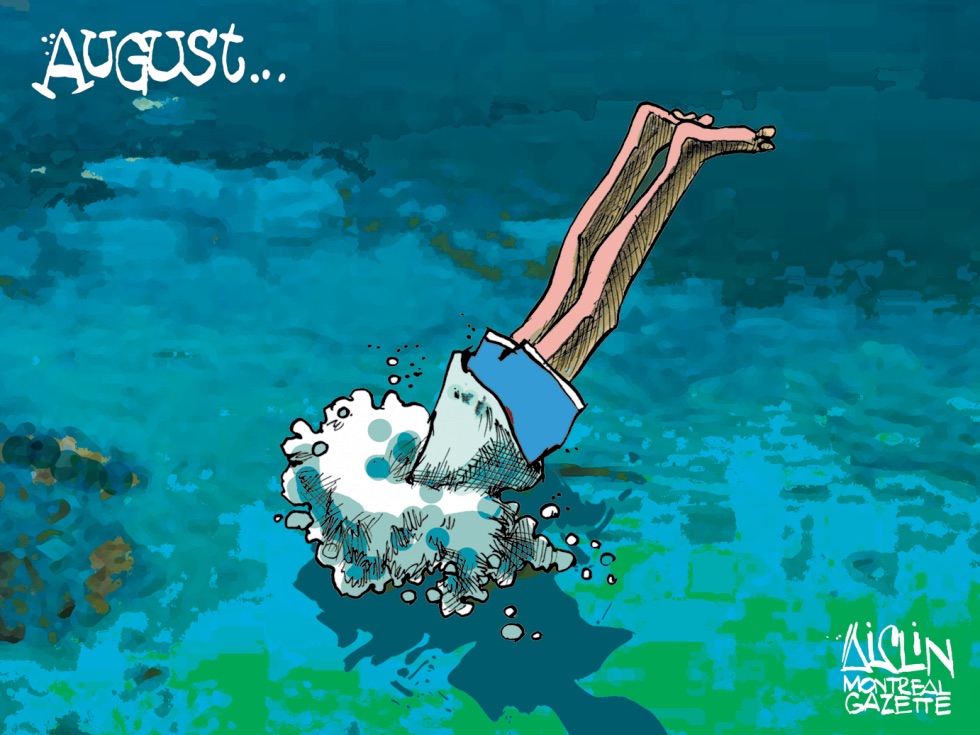
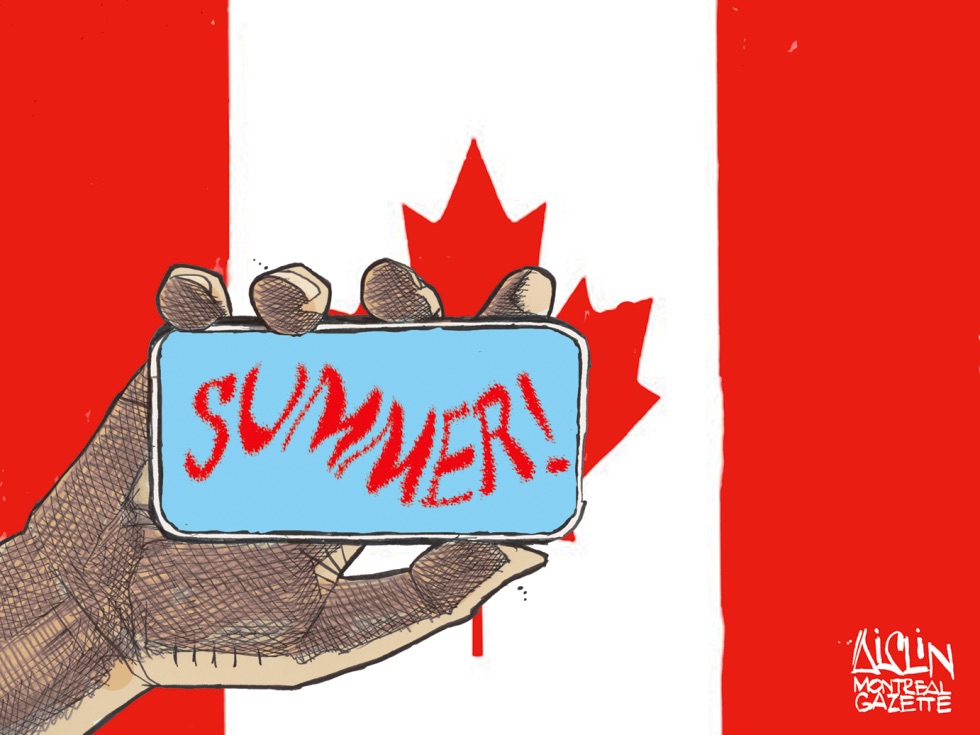
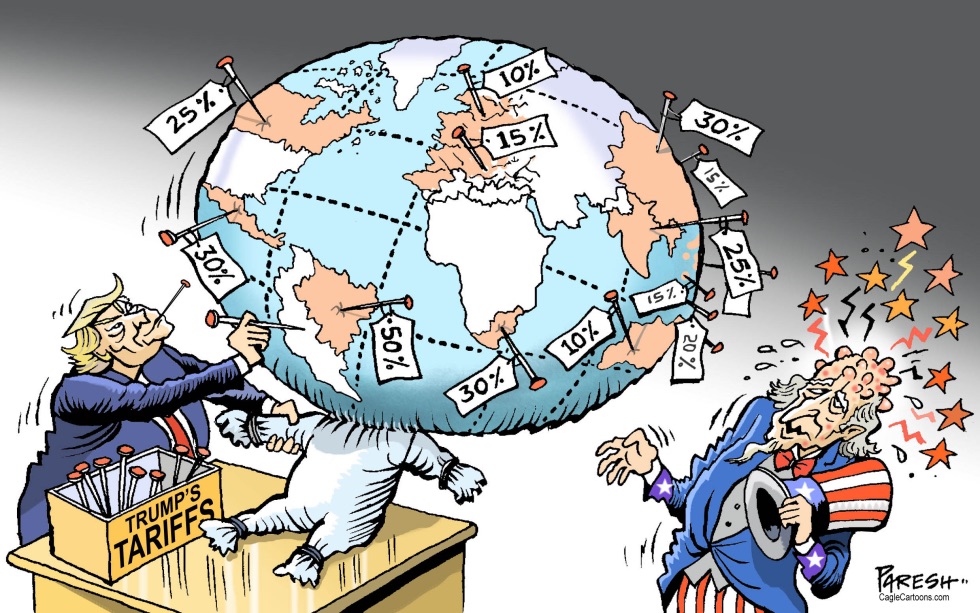
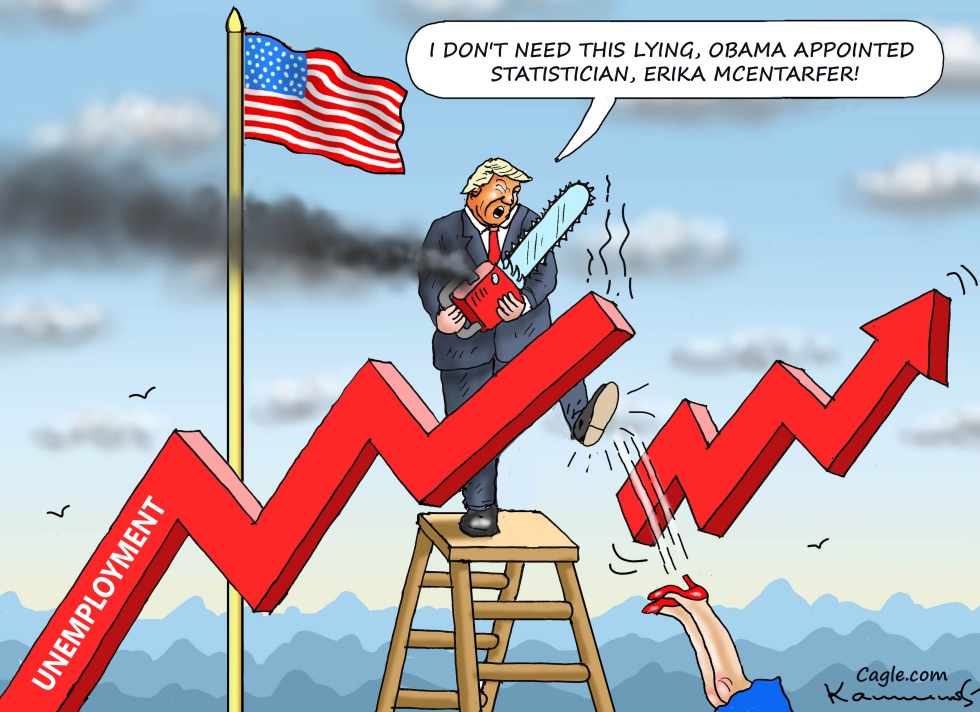
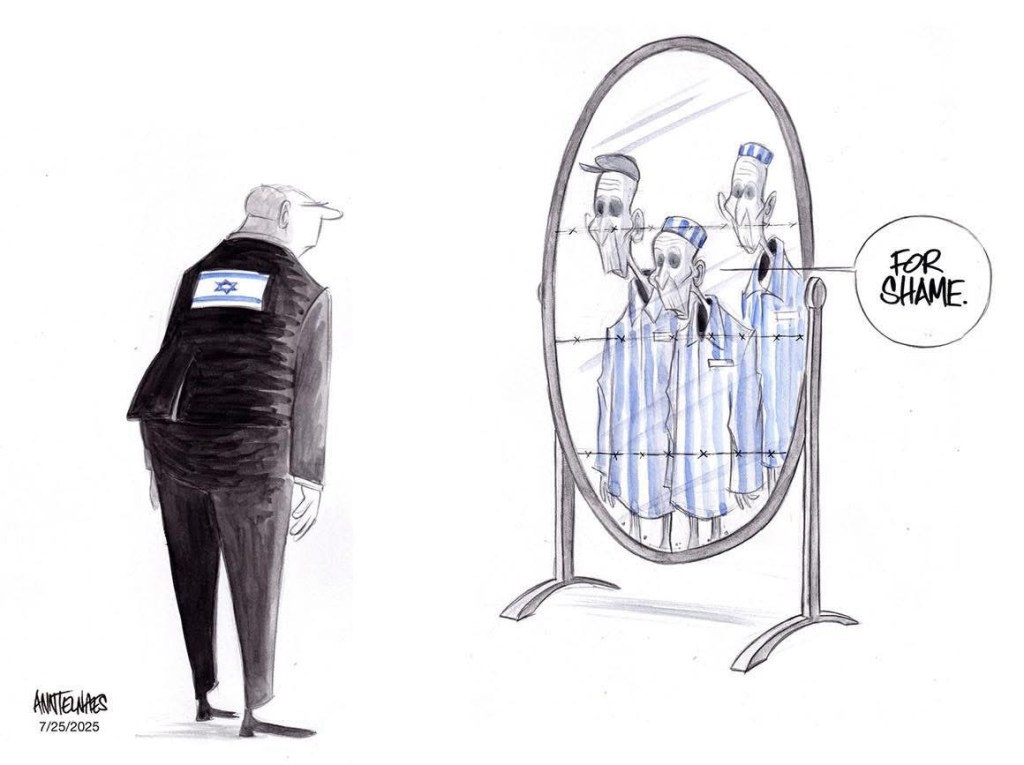
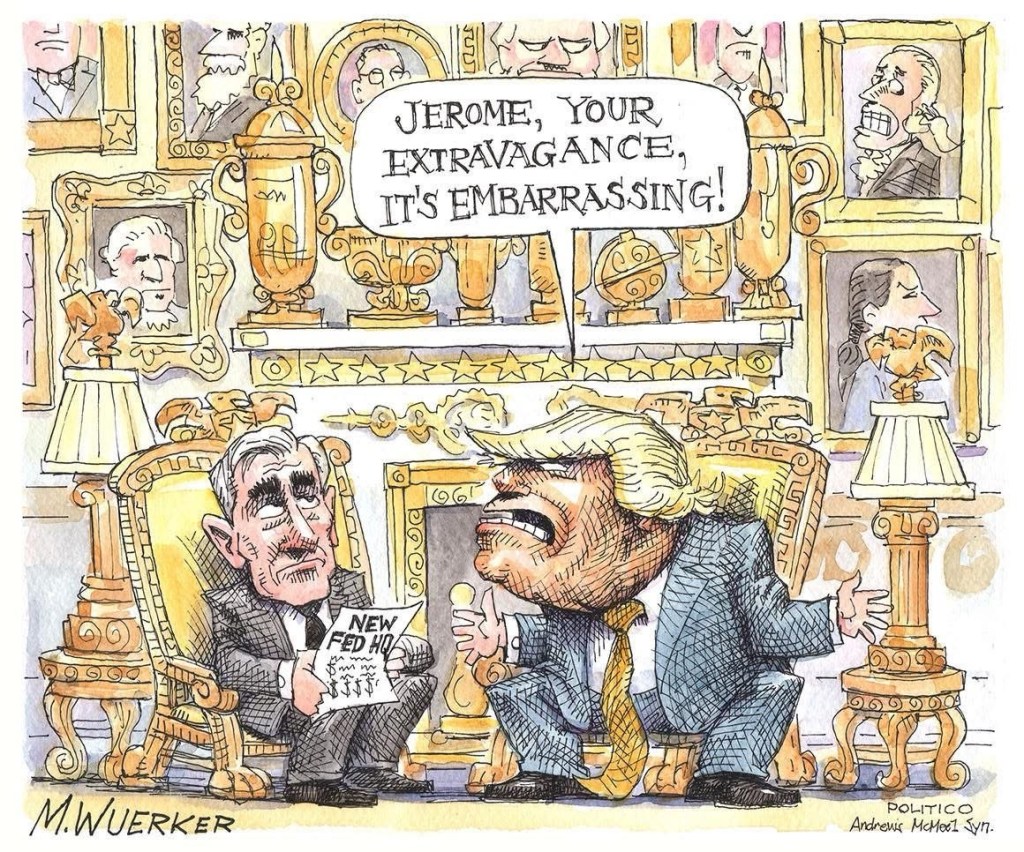
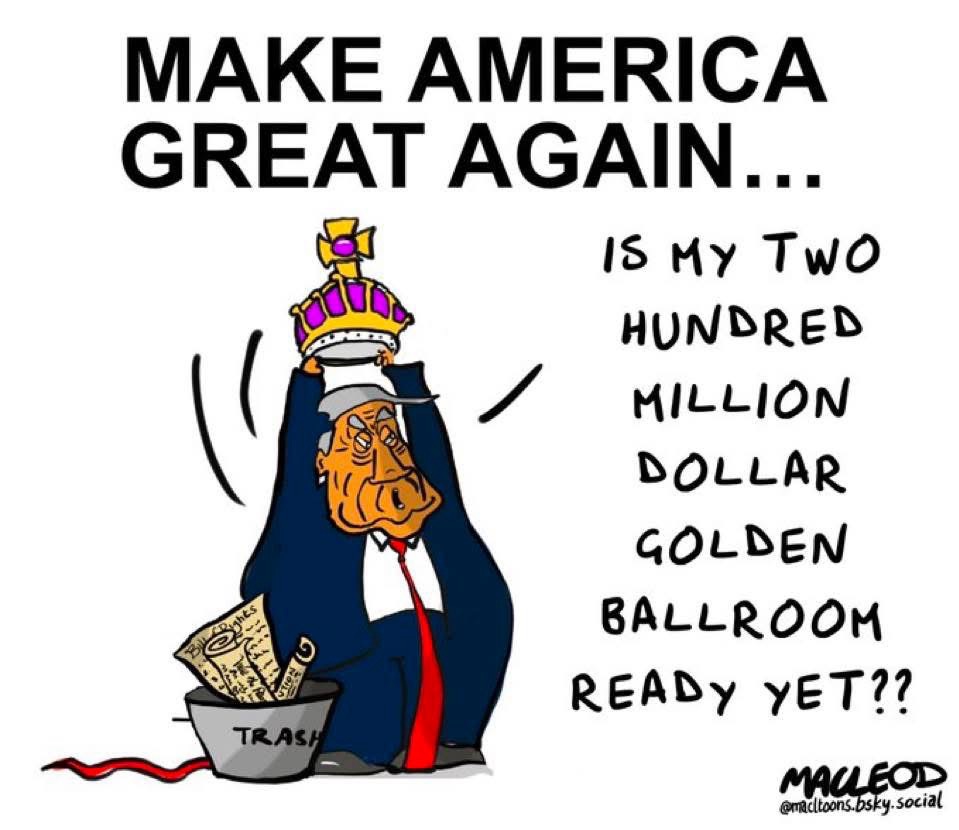
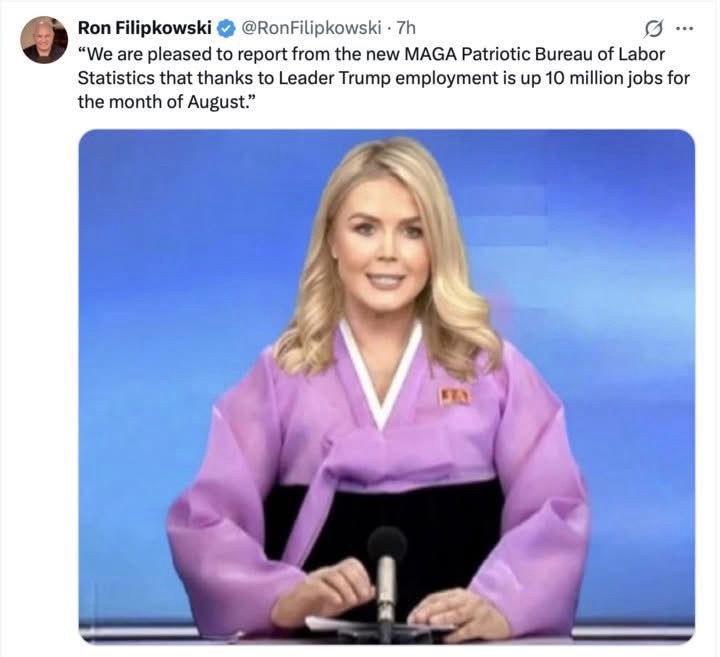
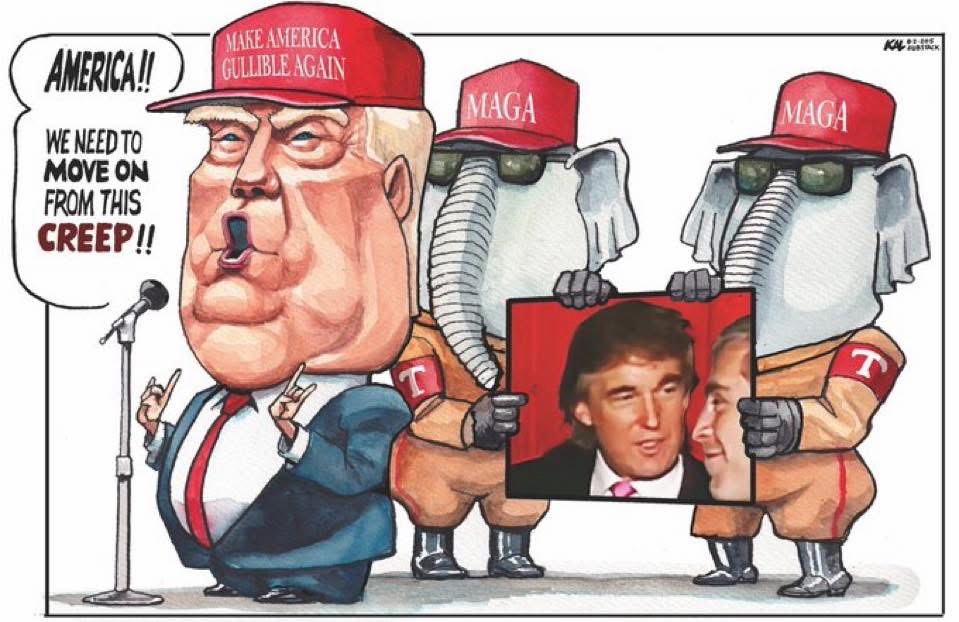
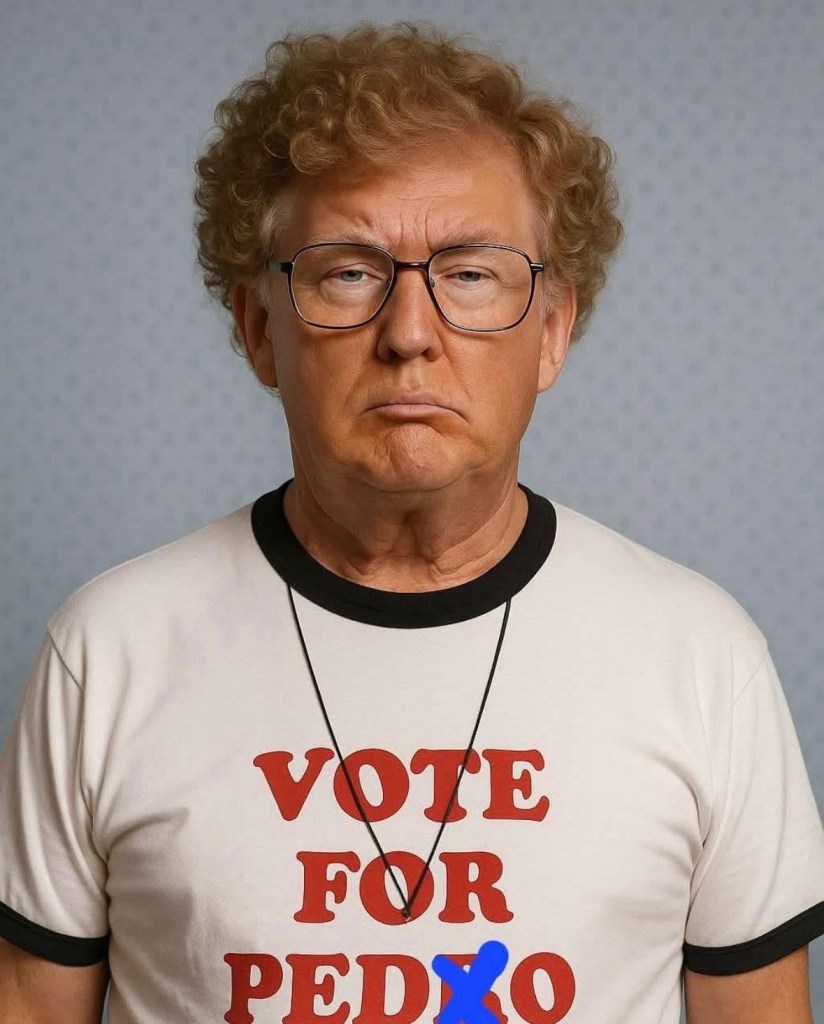
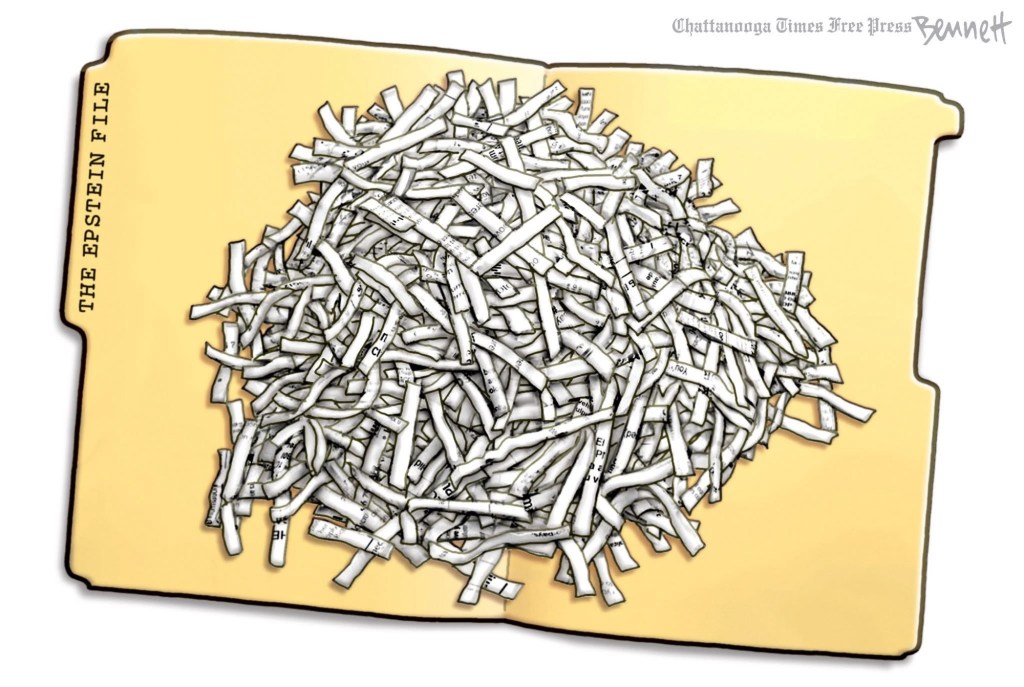
Now…back to the cartoons via Cagle, the first batch are foreign cartoons from around the world:

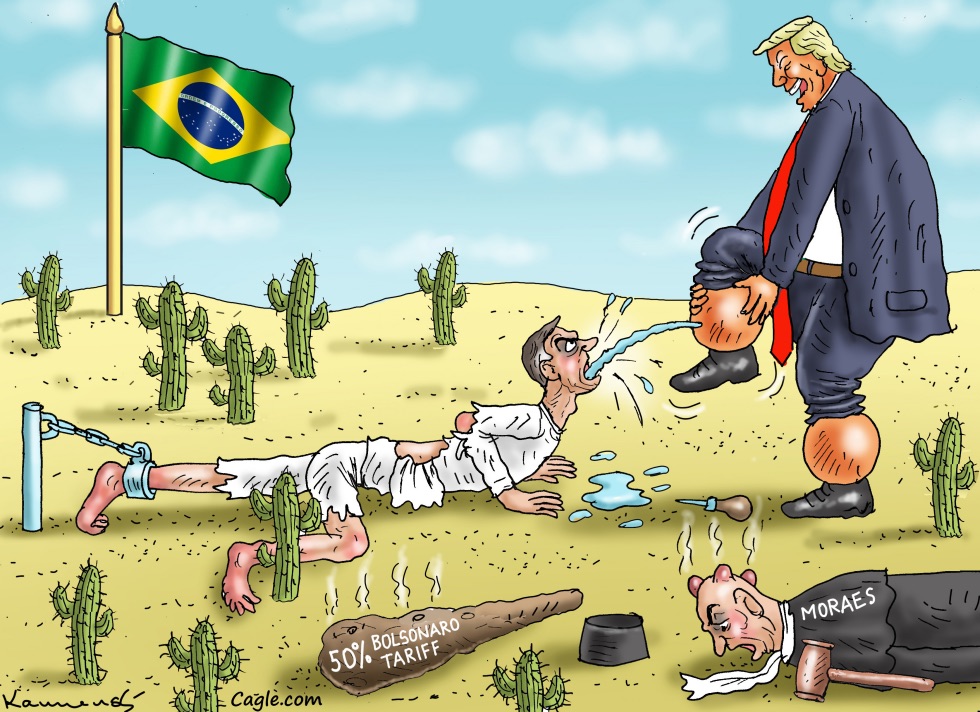
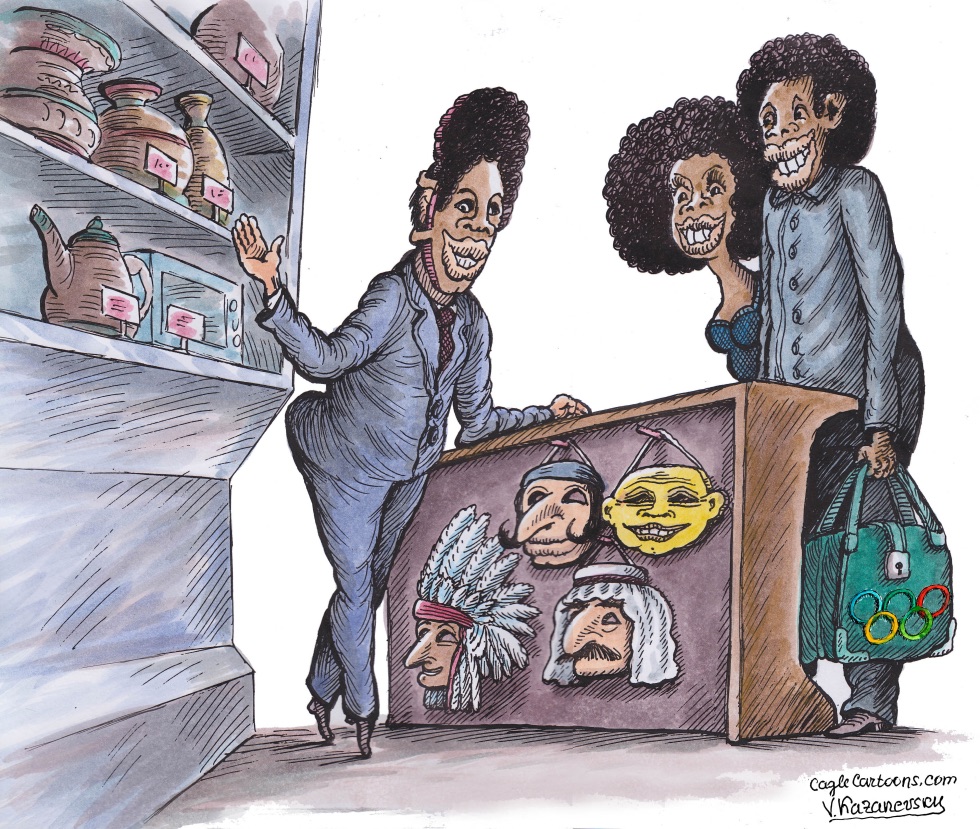


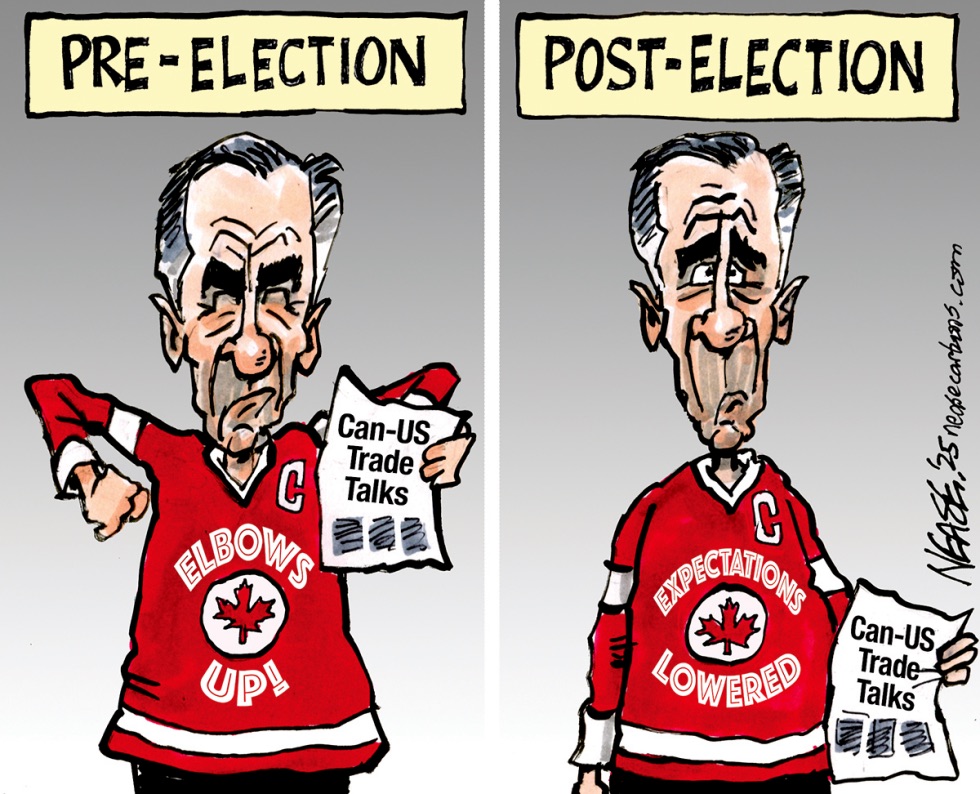

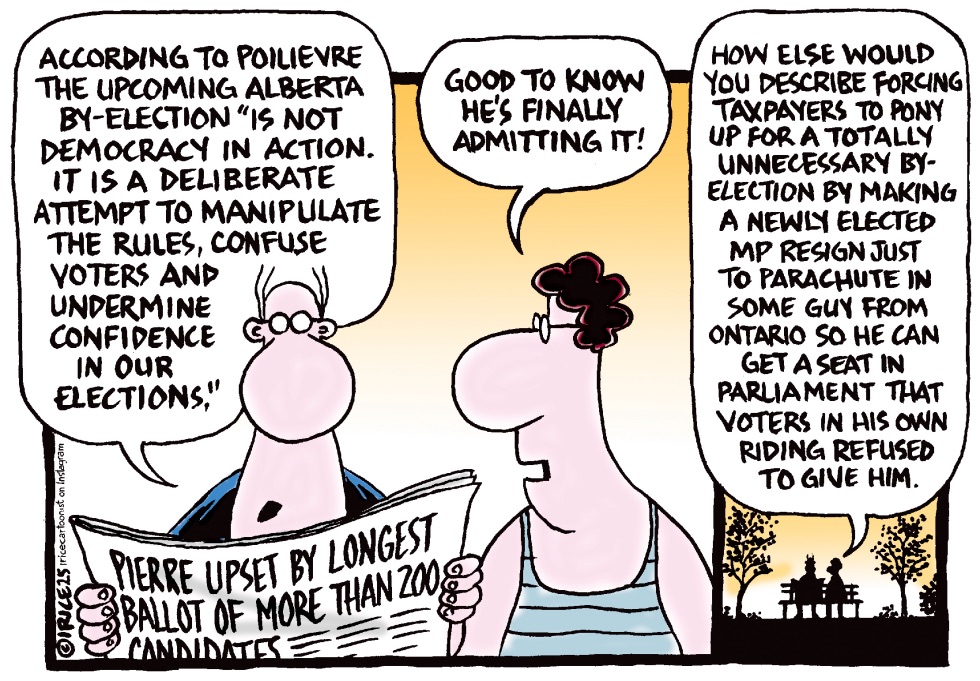
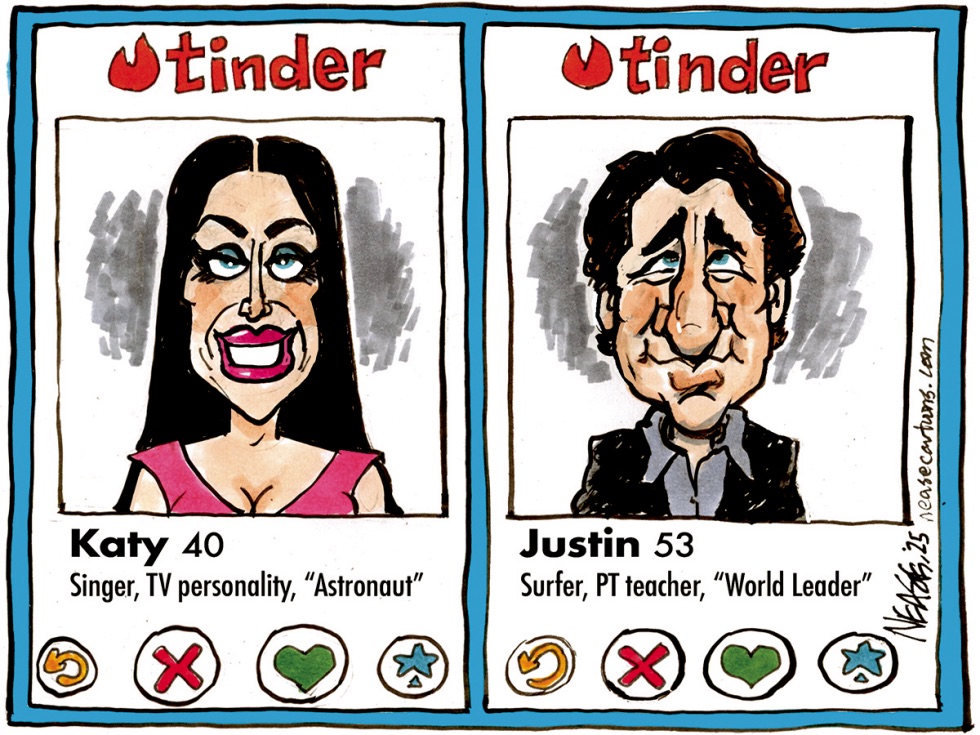

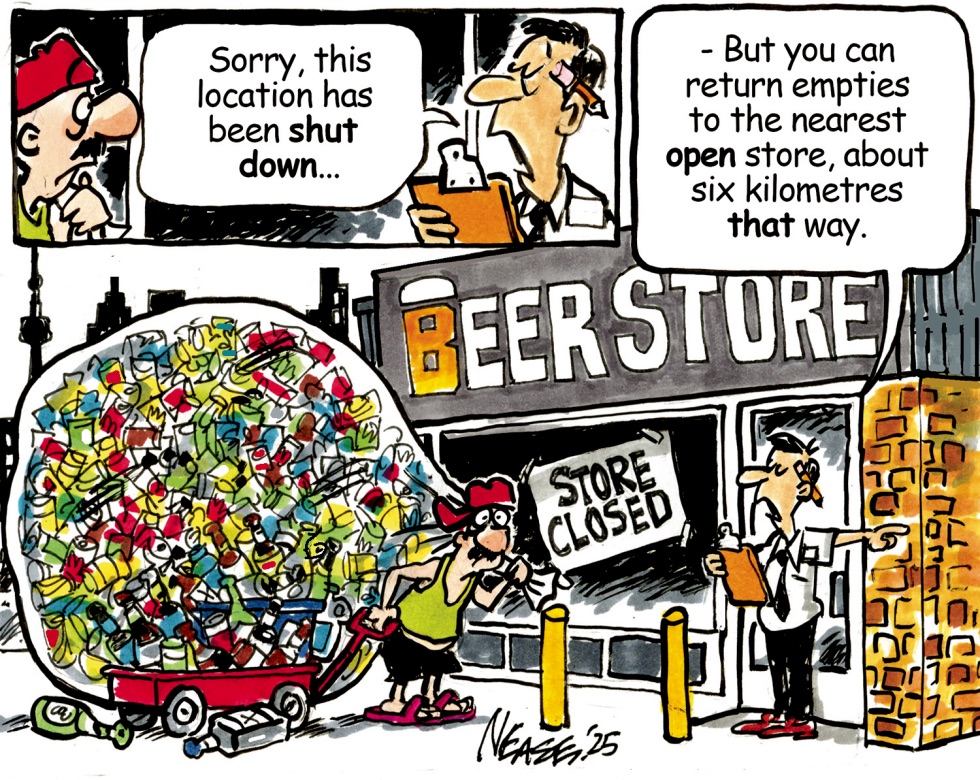
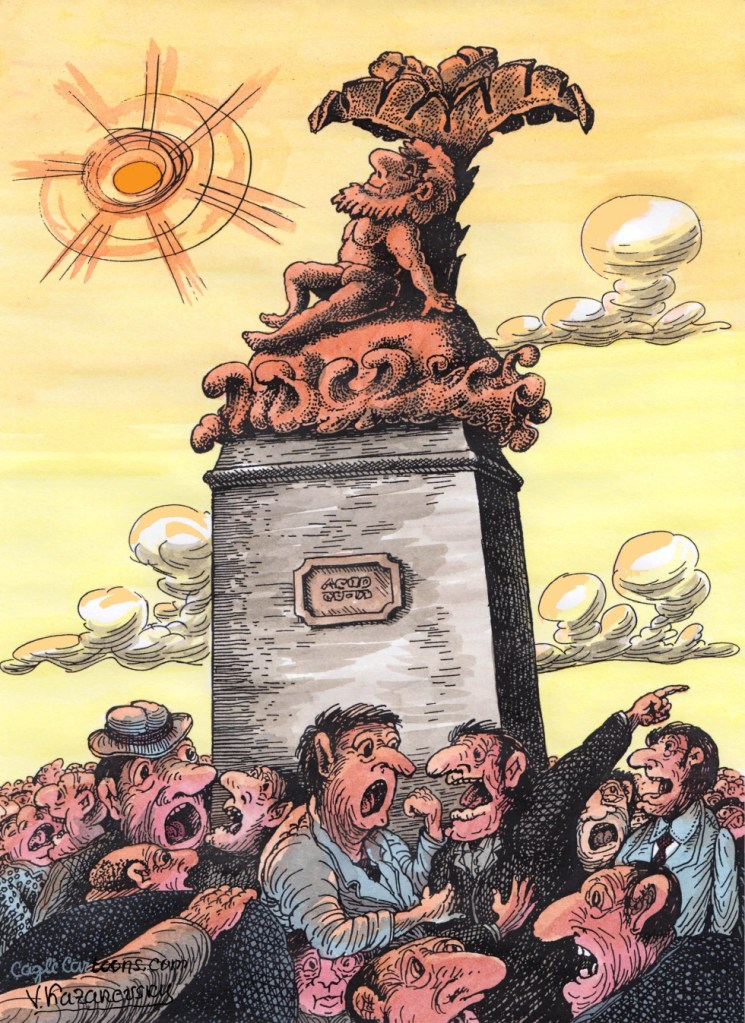


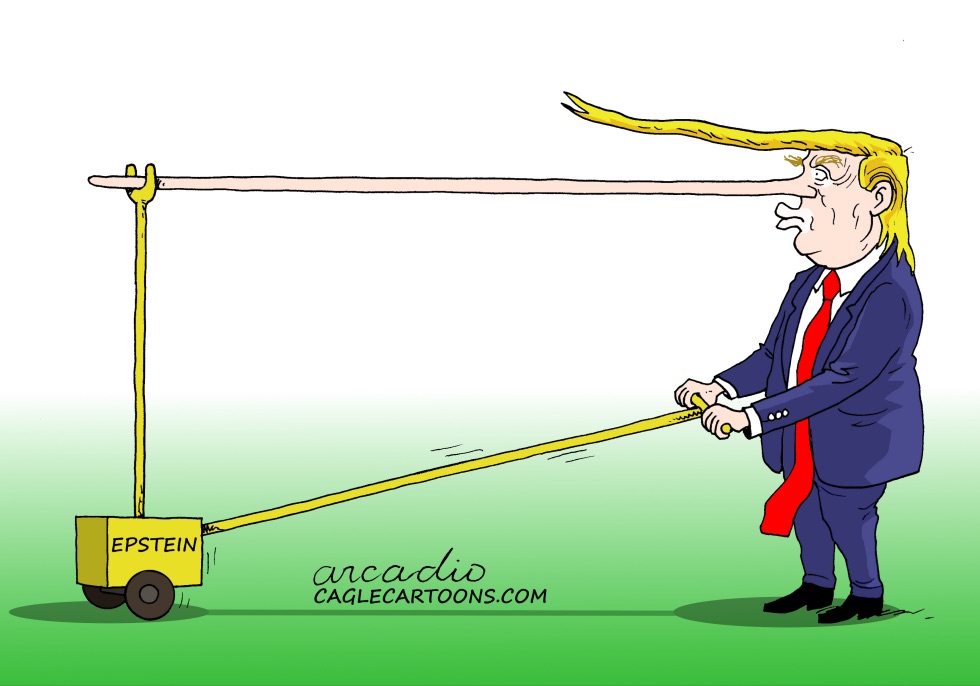

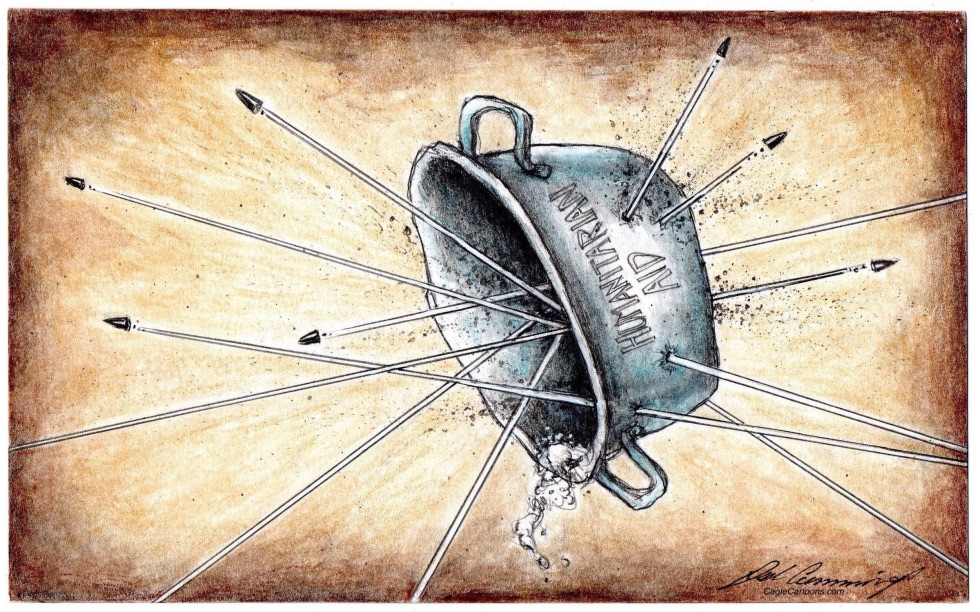
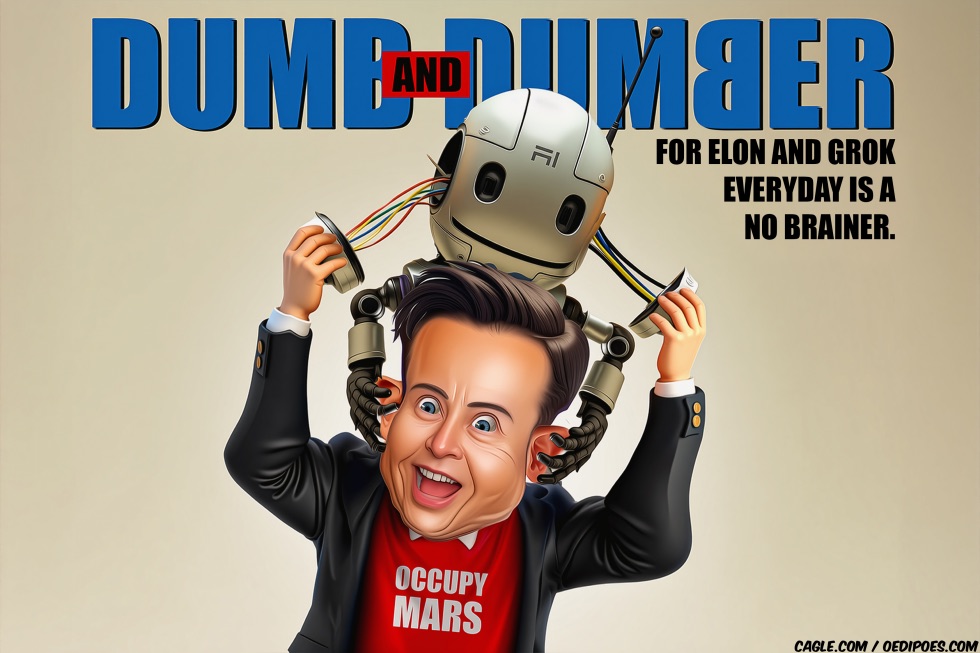
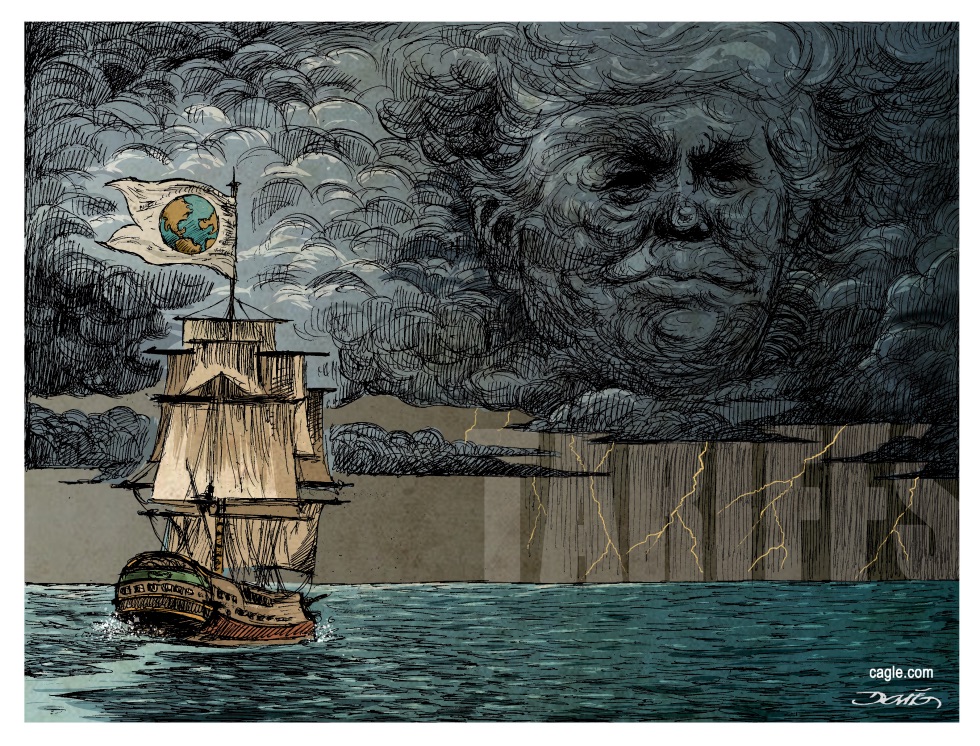
From the stateside:
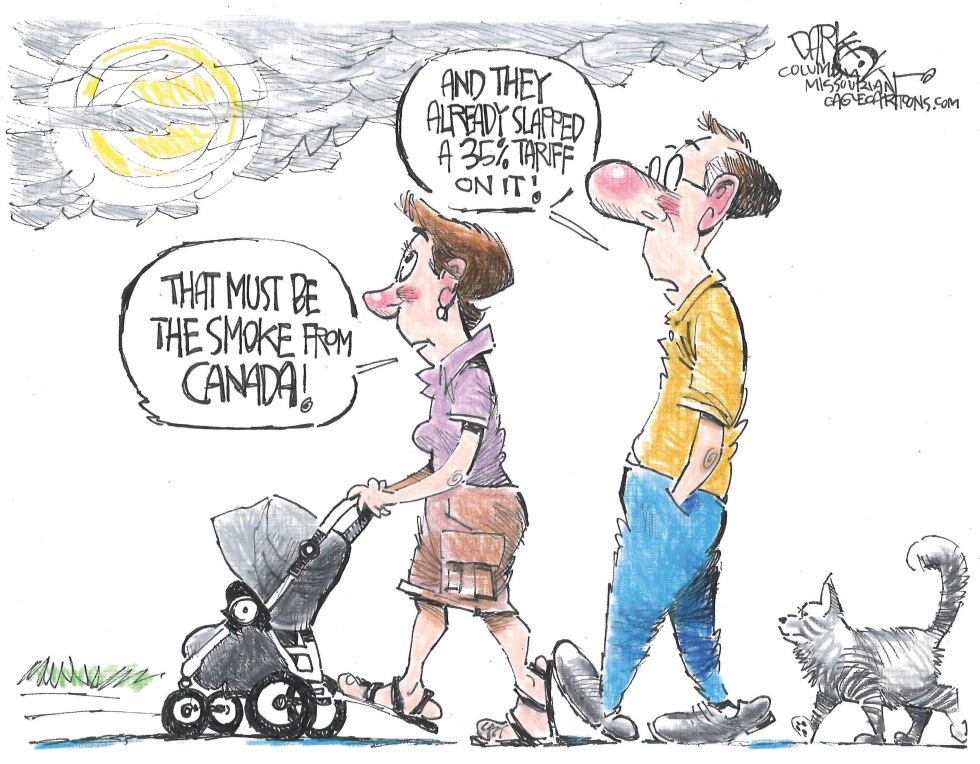

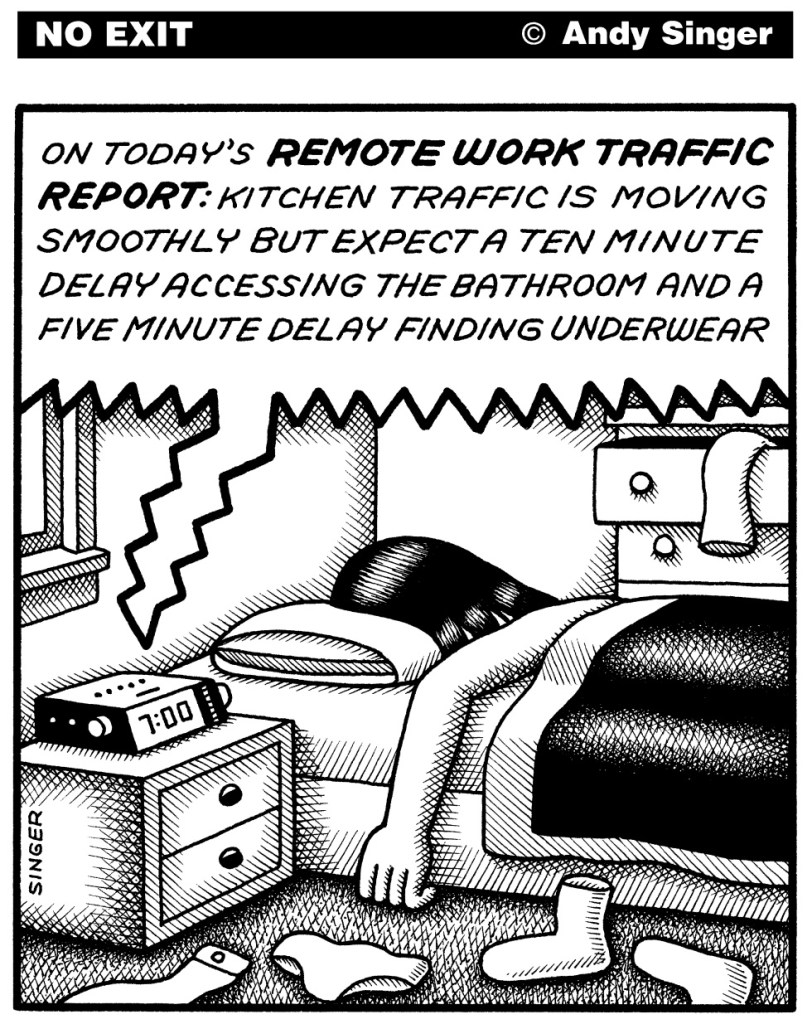
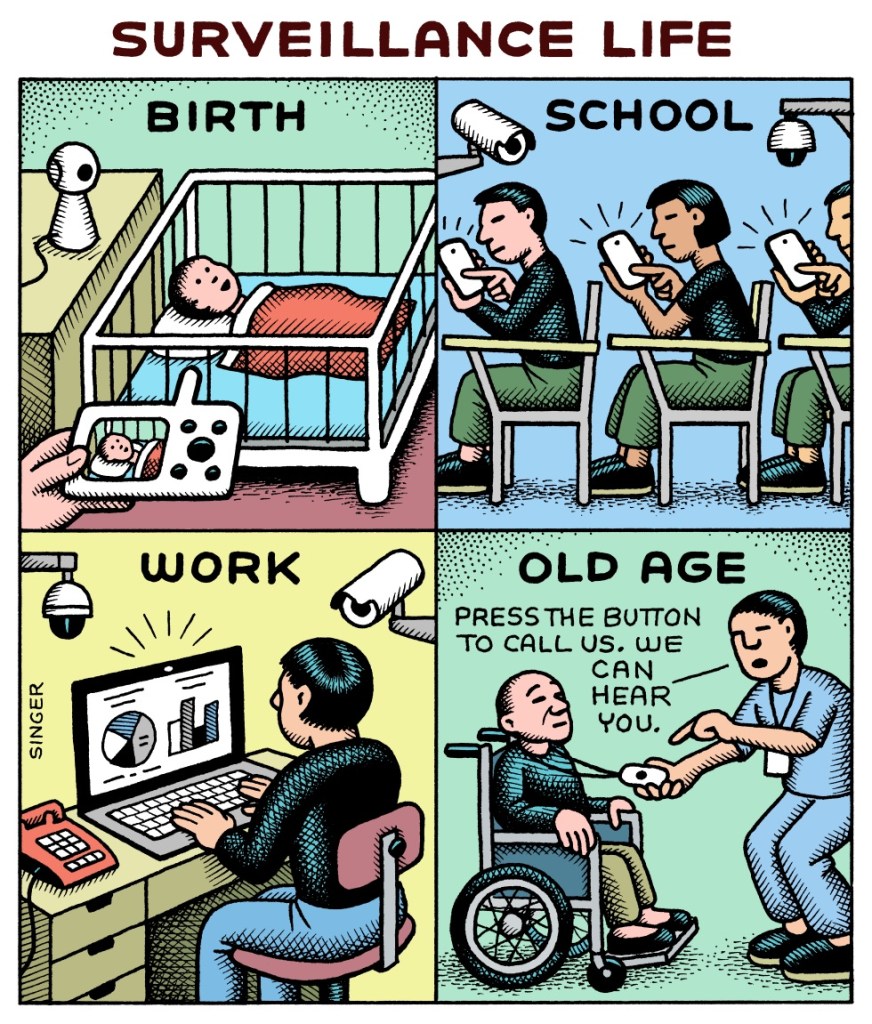
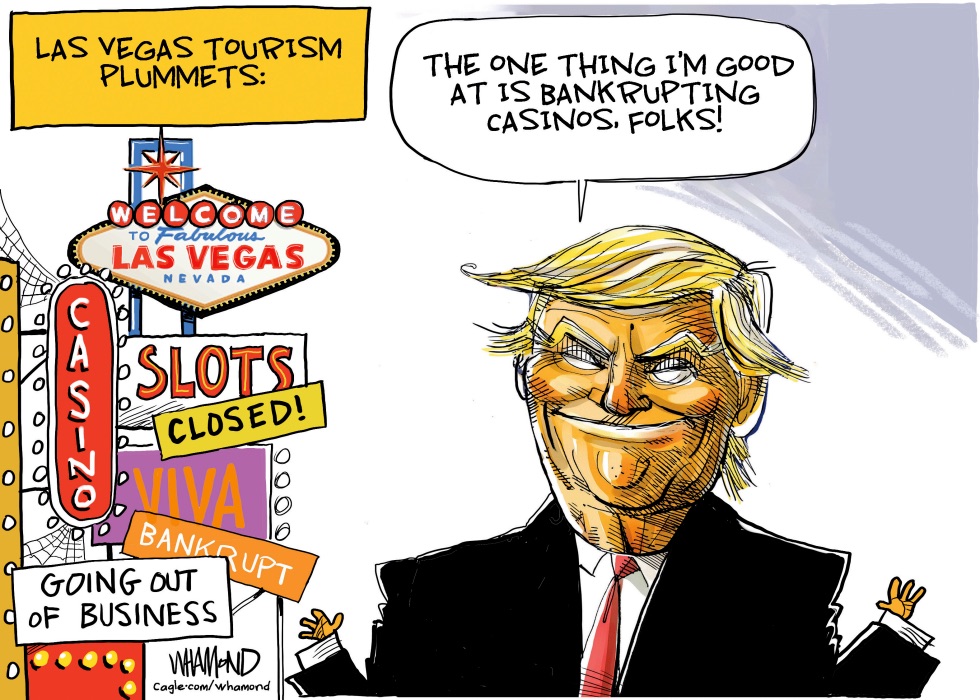
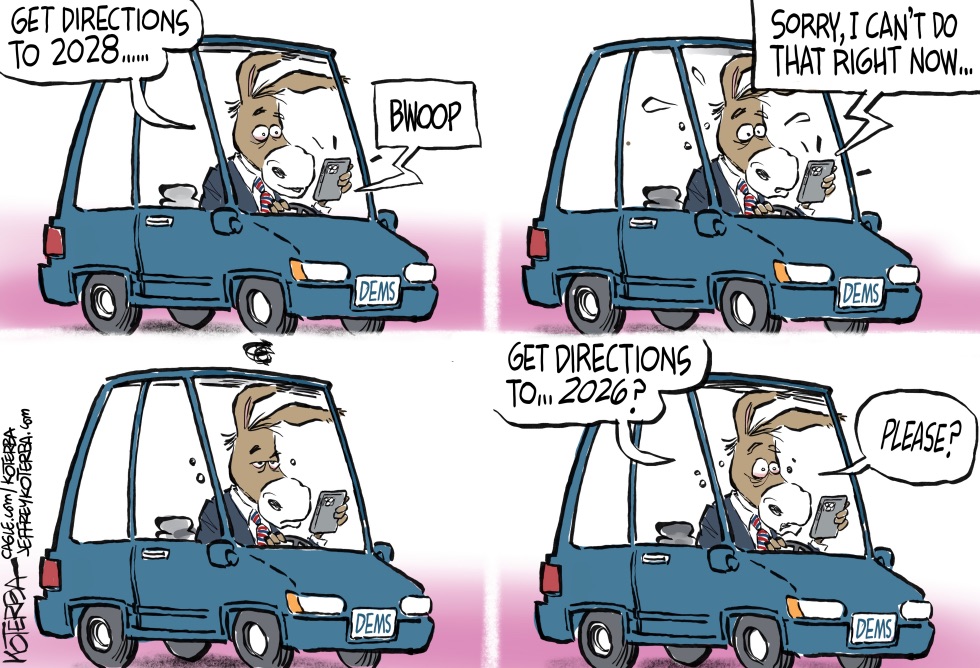
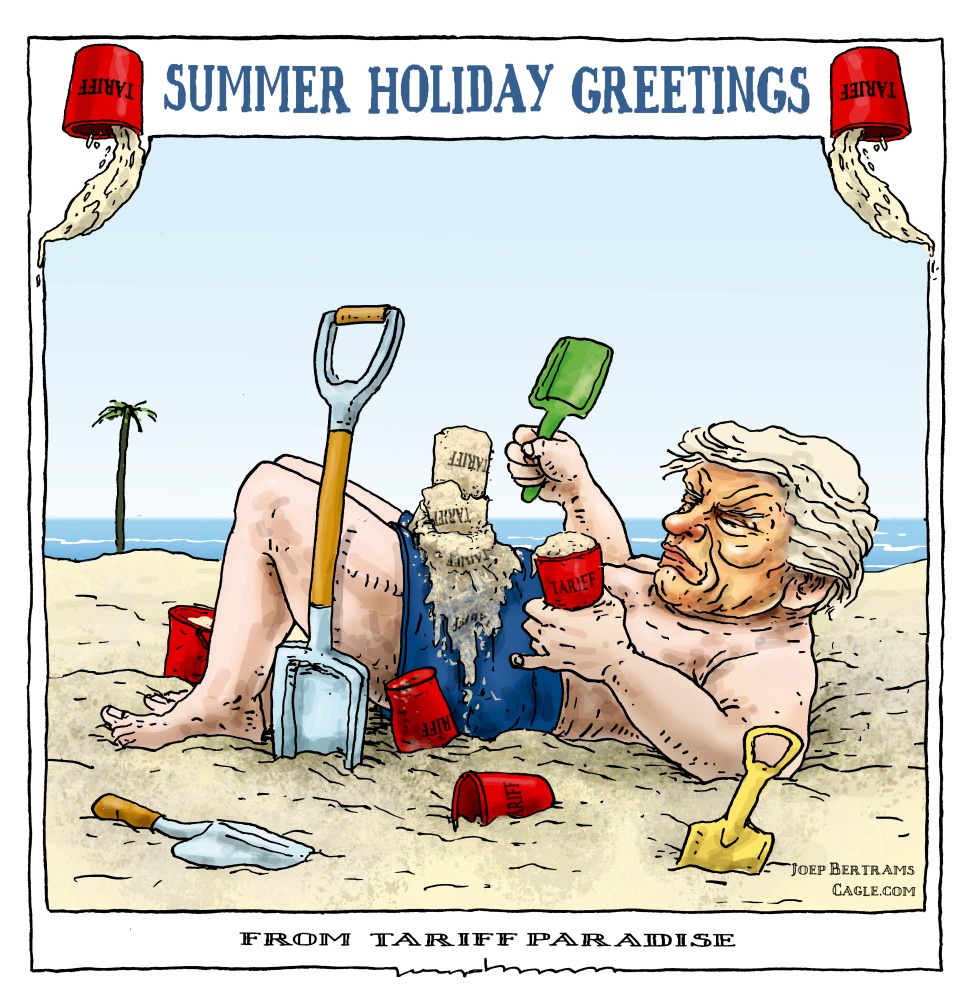
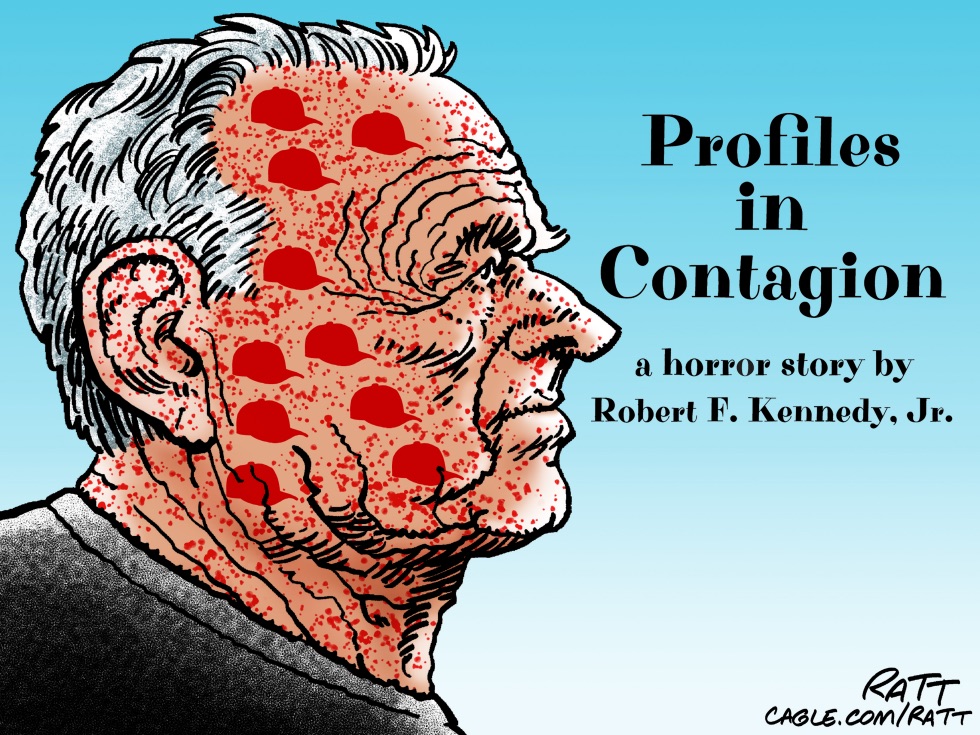
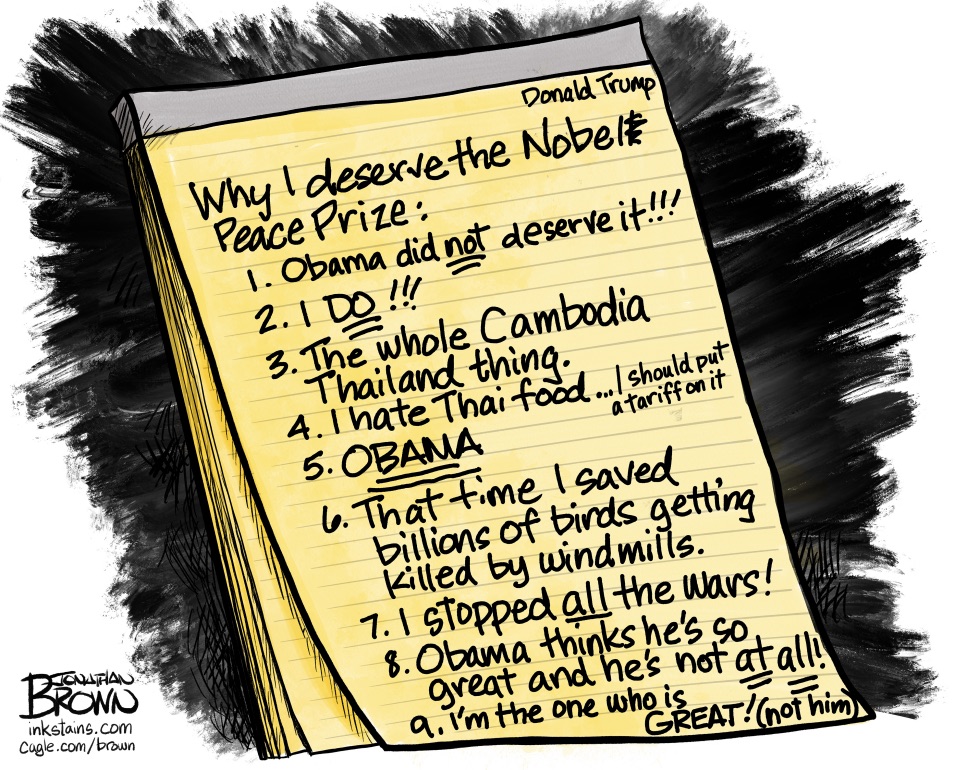
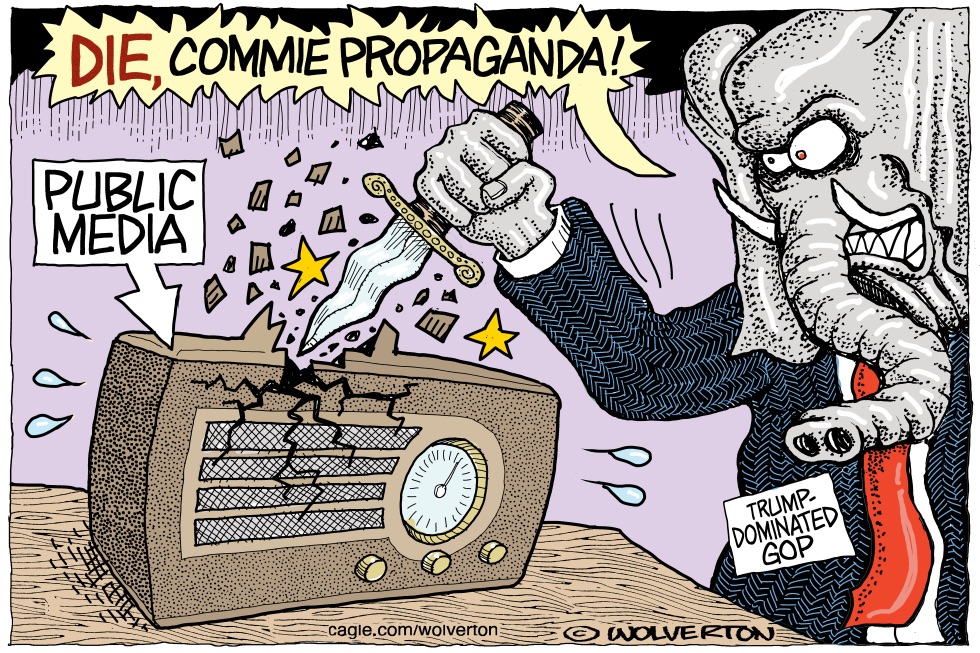
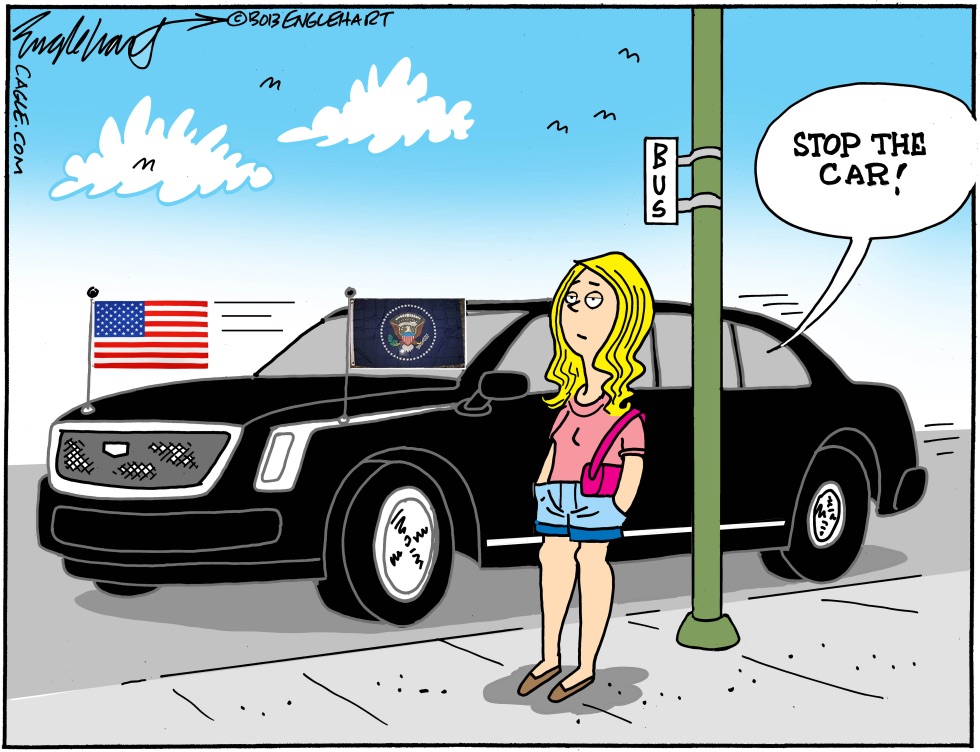
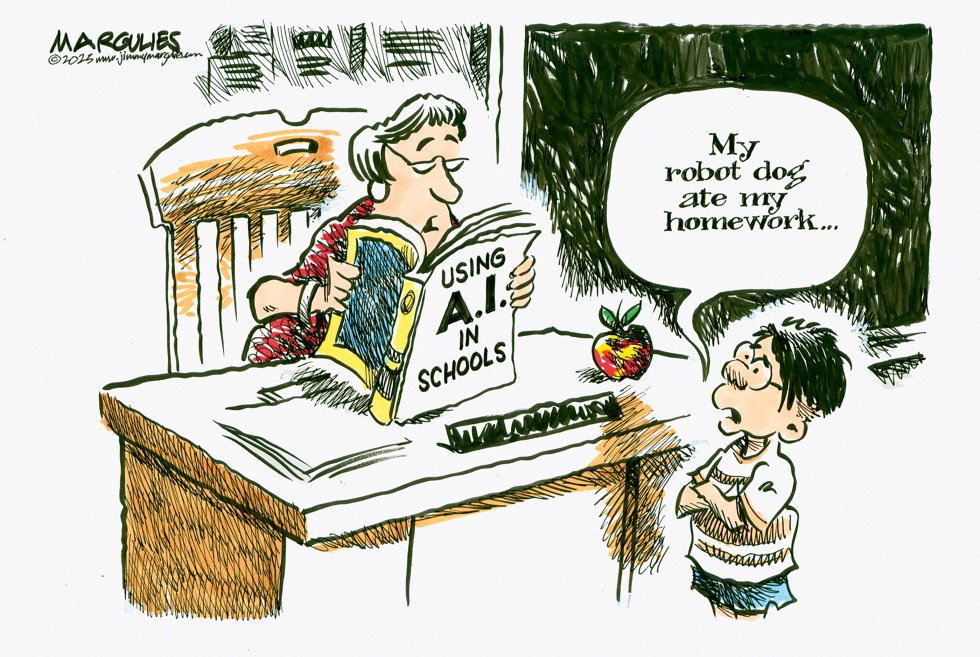
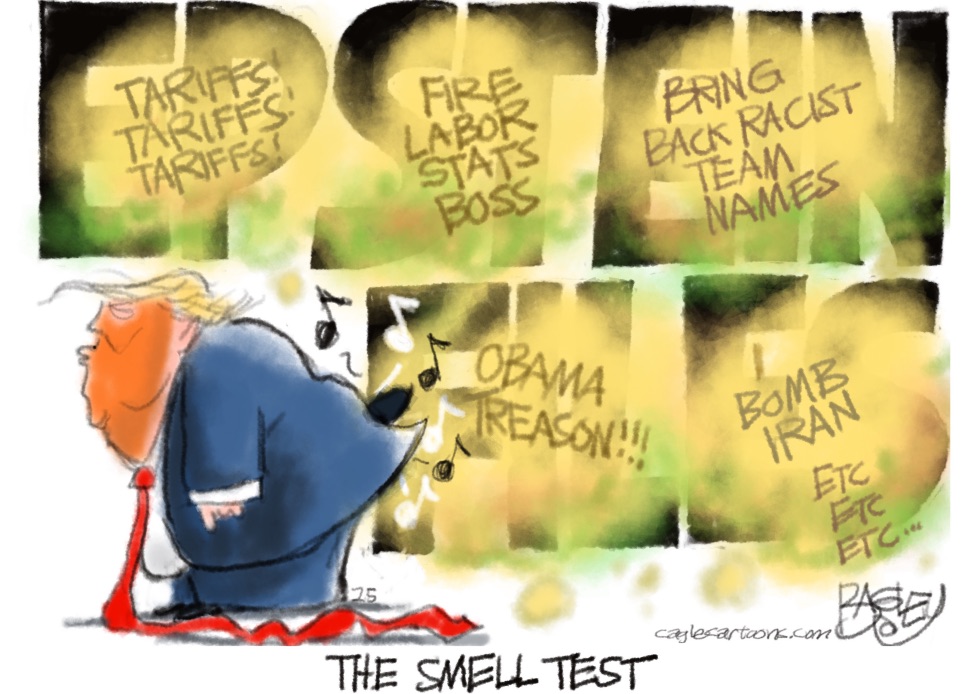
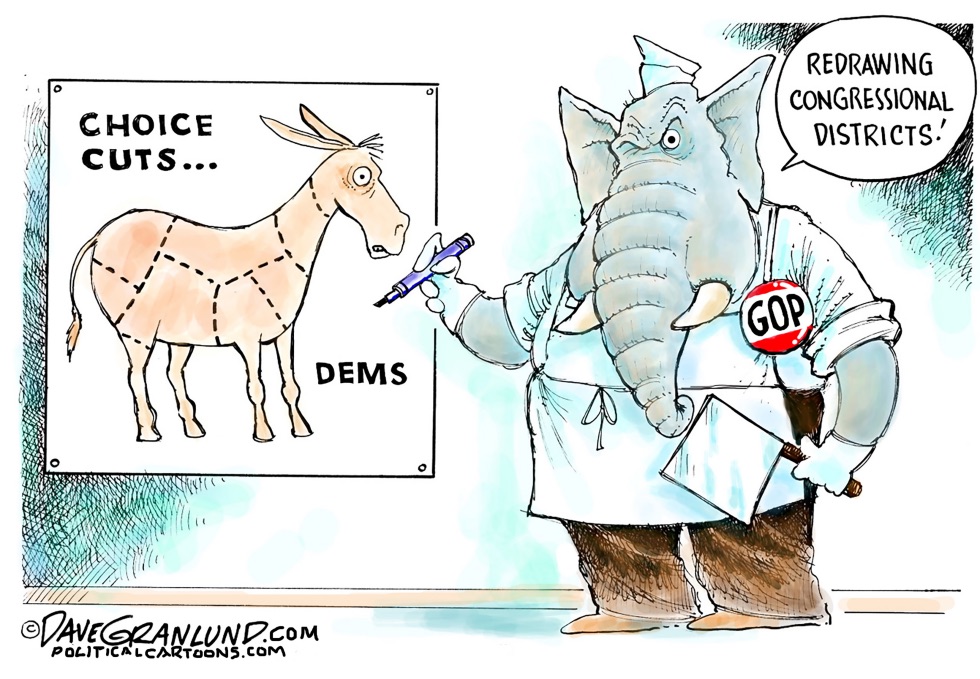
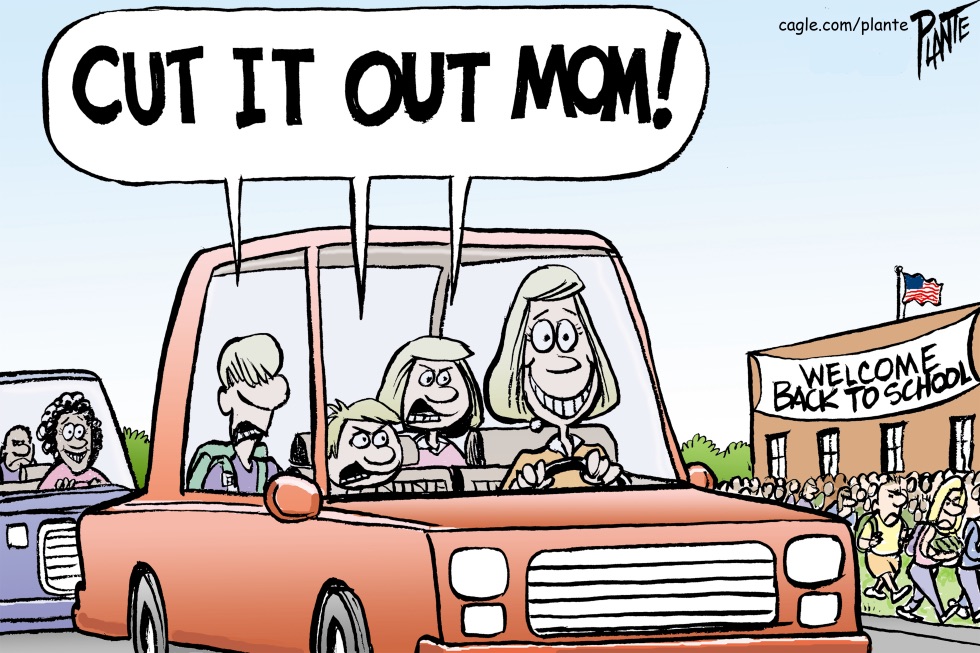
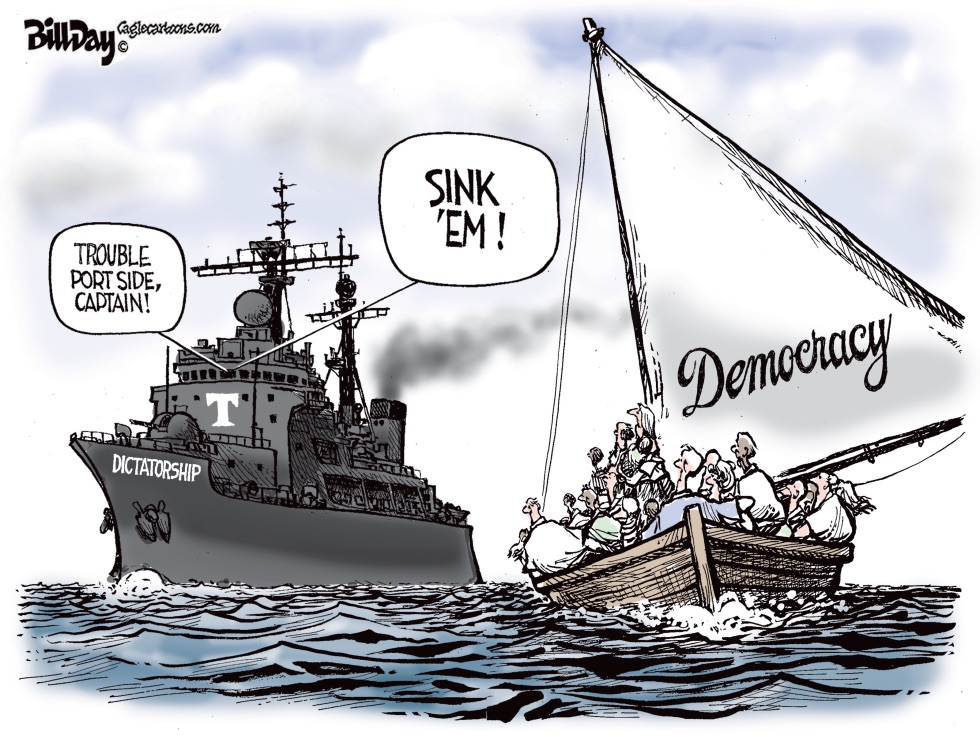
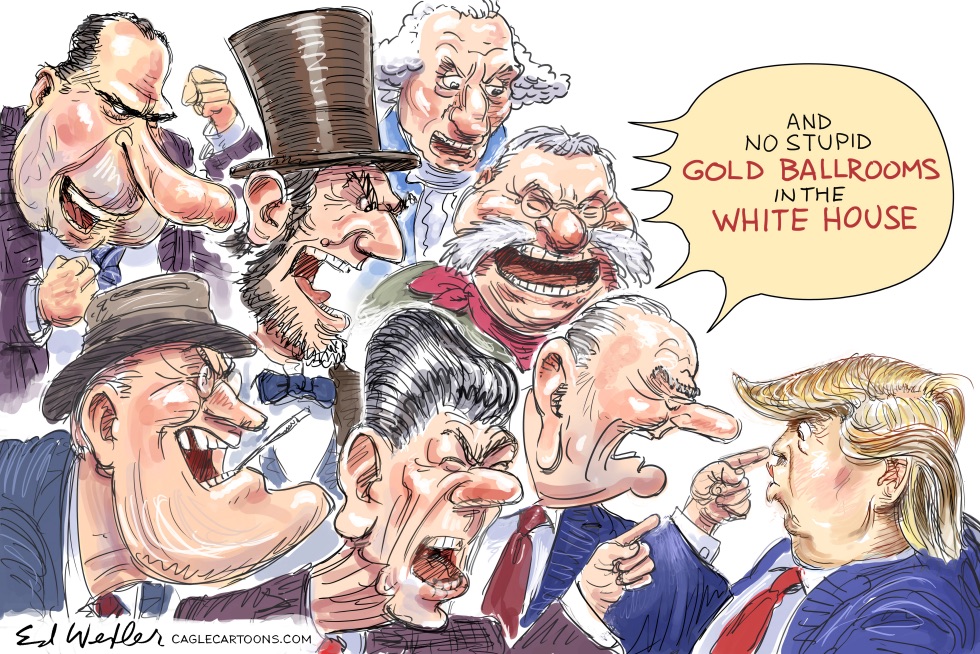
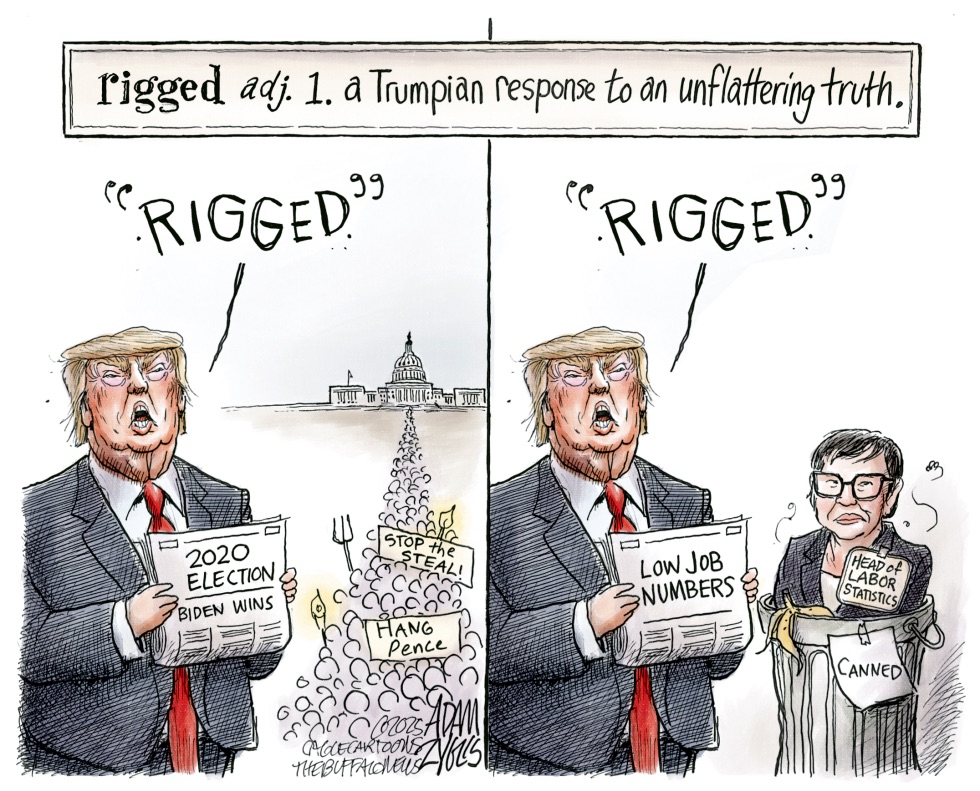
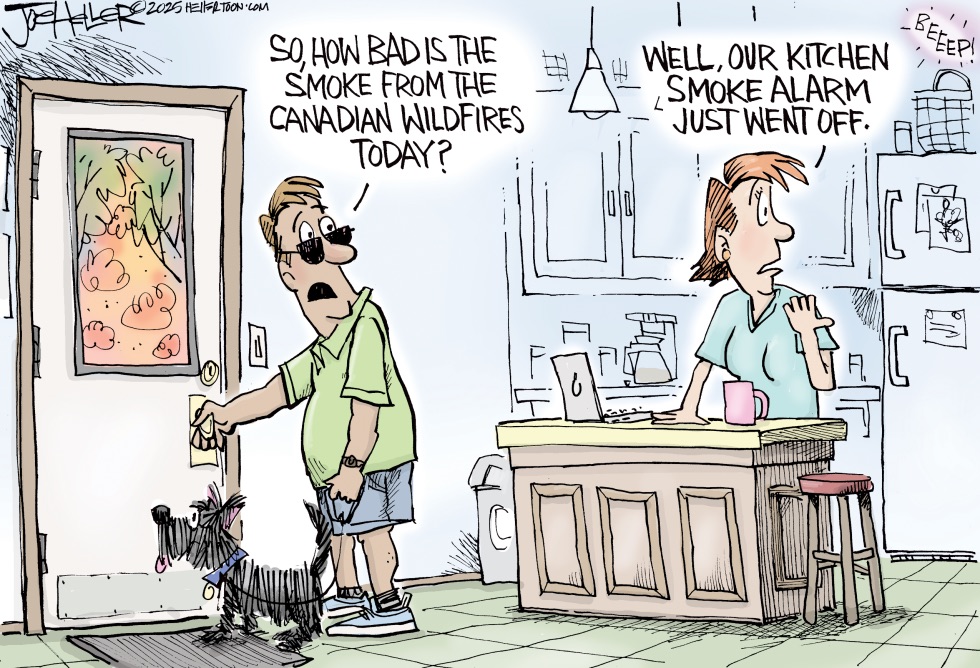
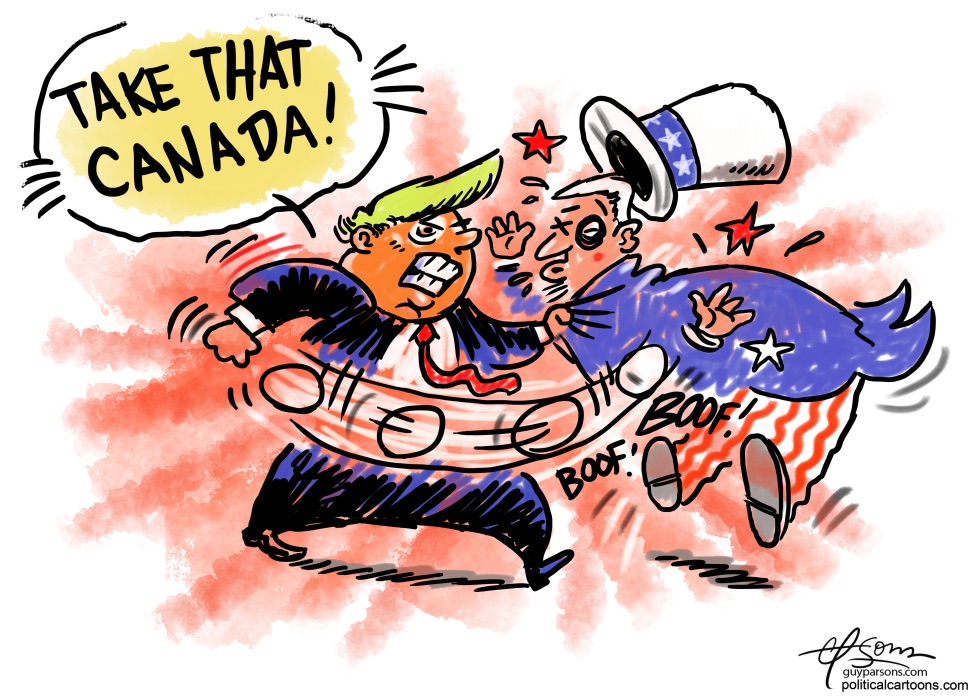
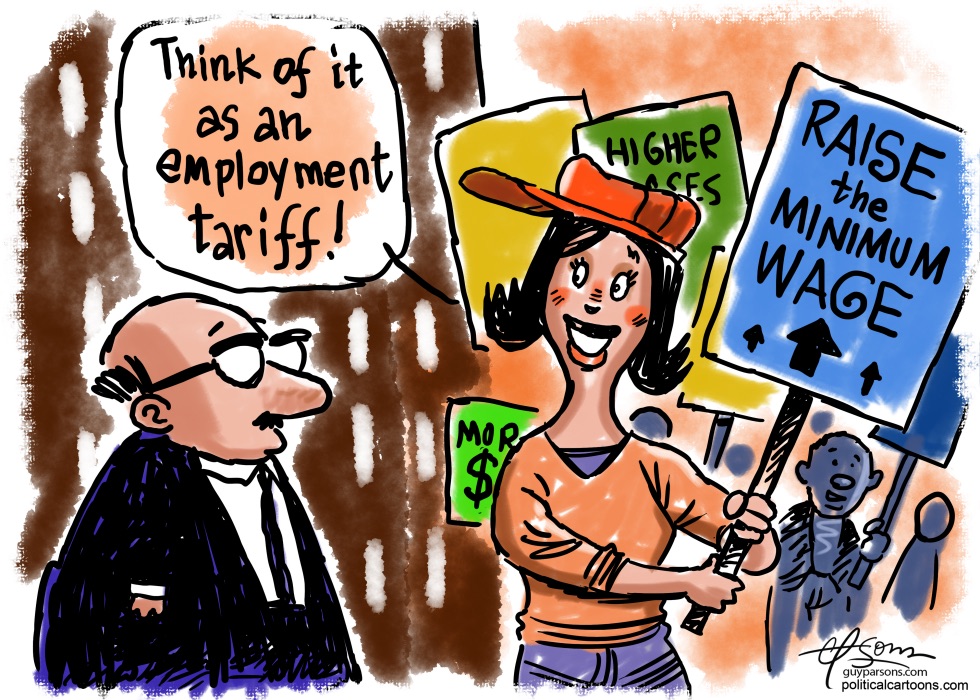
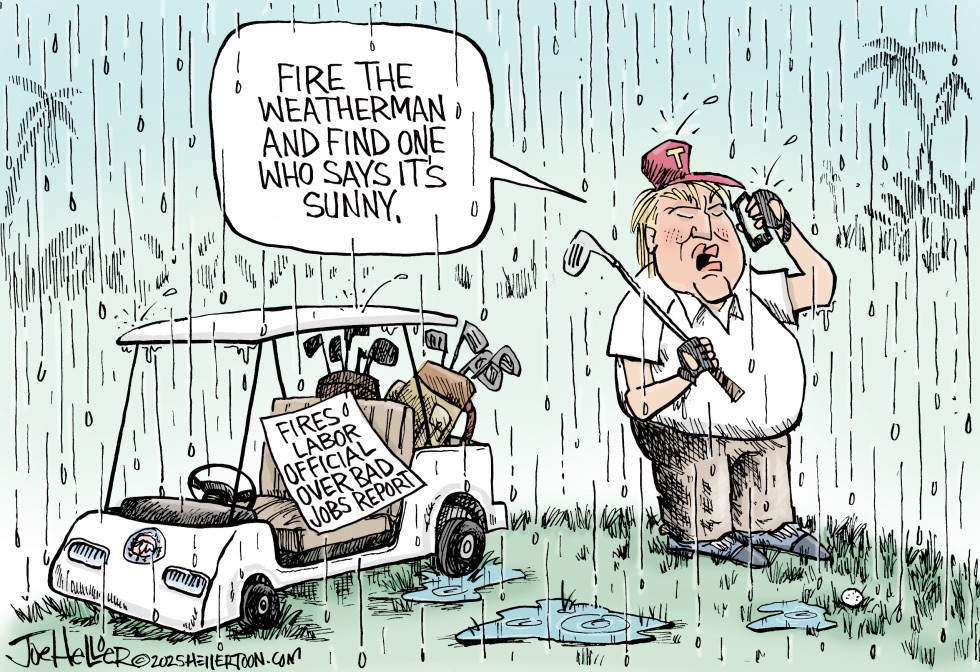
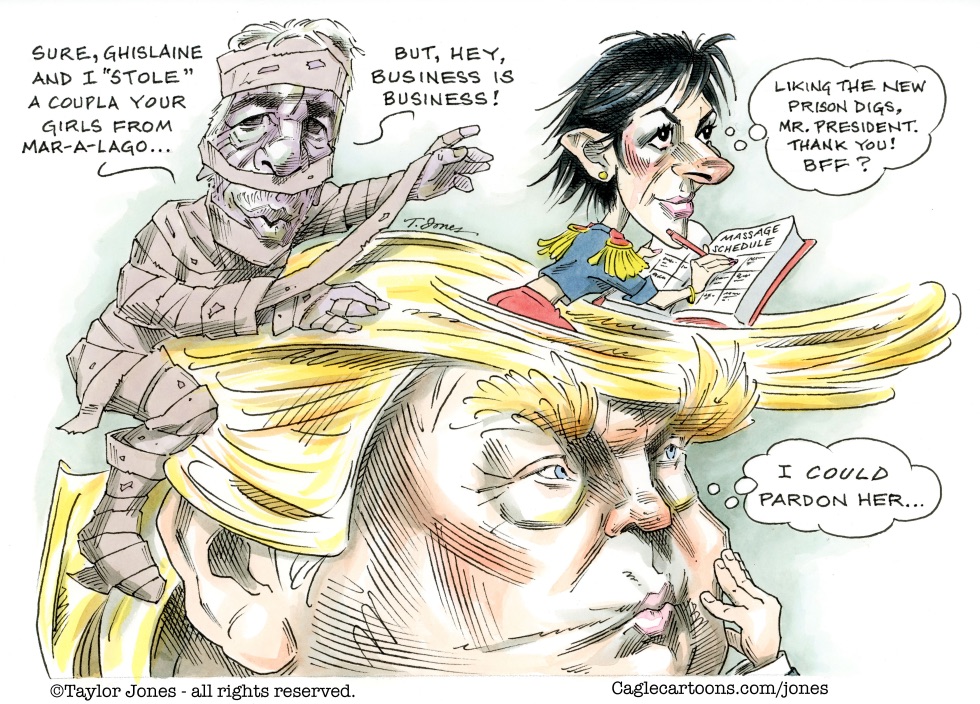
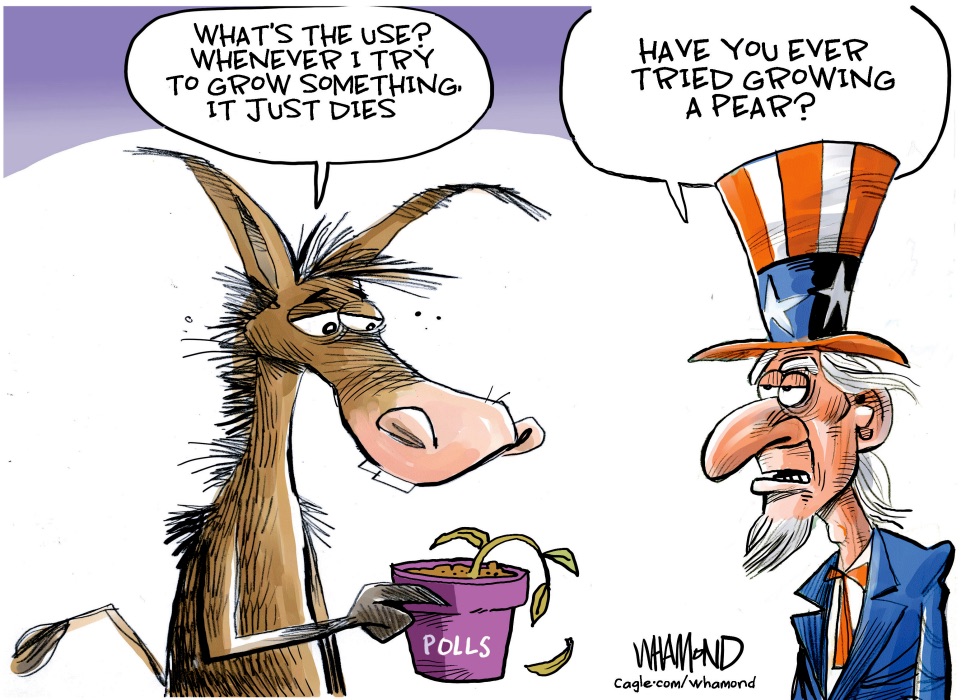
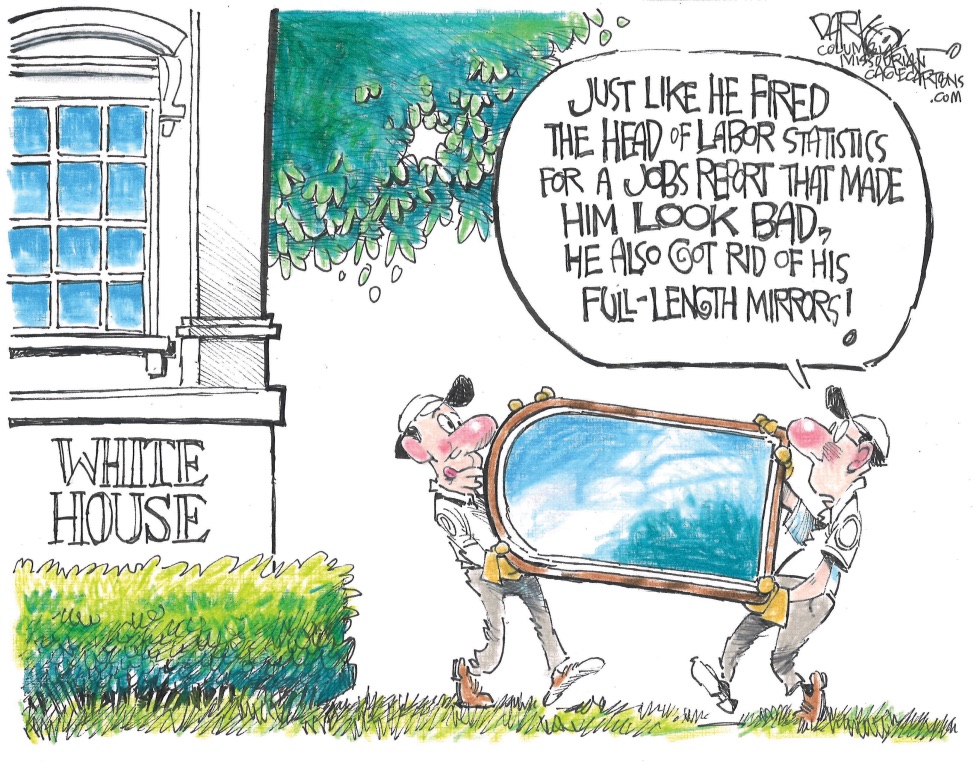
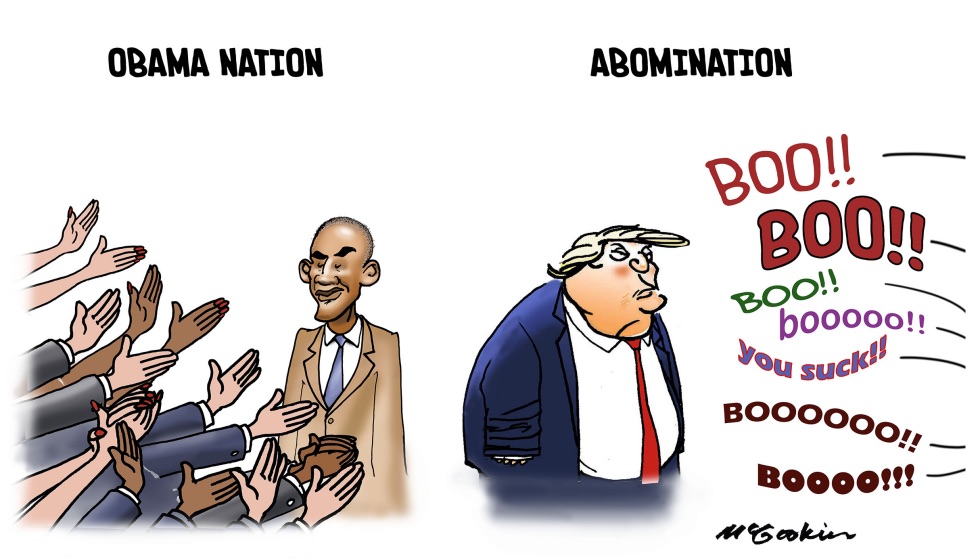
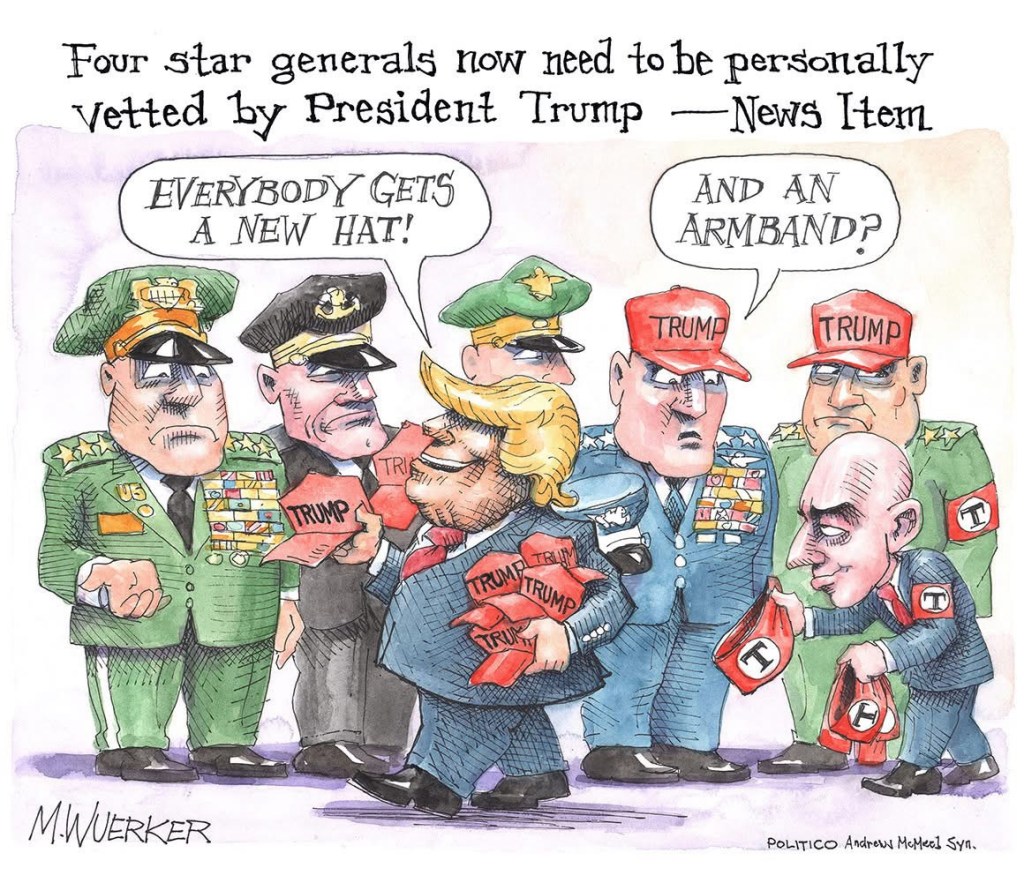
I think I will refer to one of the cartoons up top…Trump is an abomination.
Stay safe out there. This is an open thread.
(Just a few other items.)







Mostly Monday Reads: Cheat if you have to Republican Strategy
Posted: August 4, 2025 Filed under: #FARTUS, #MAGAnomics, #We are so Fucked | Tags: gerrymandering, Are all Republicans Corrupt? Asking for a friend., #TrumpCult, Corrupt SCOTUS, Stagflation, Trumpcession, Trump Vendettas and Jack Smith 7 Comments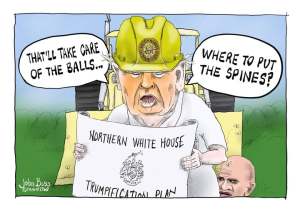
“He’s not ever leaving as long as Republicans turn a blind eye.” John Buss, @repeat1968
Good Day, Sky Dancers!
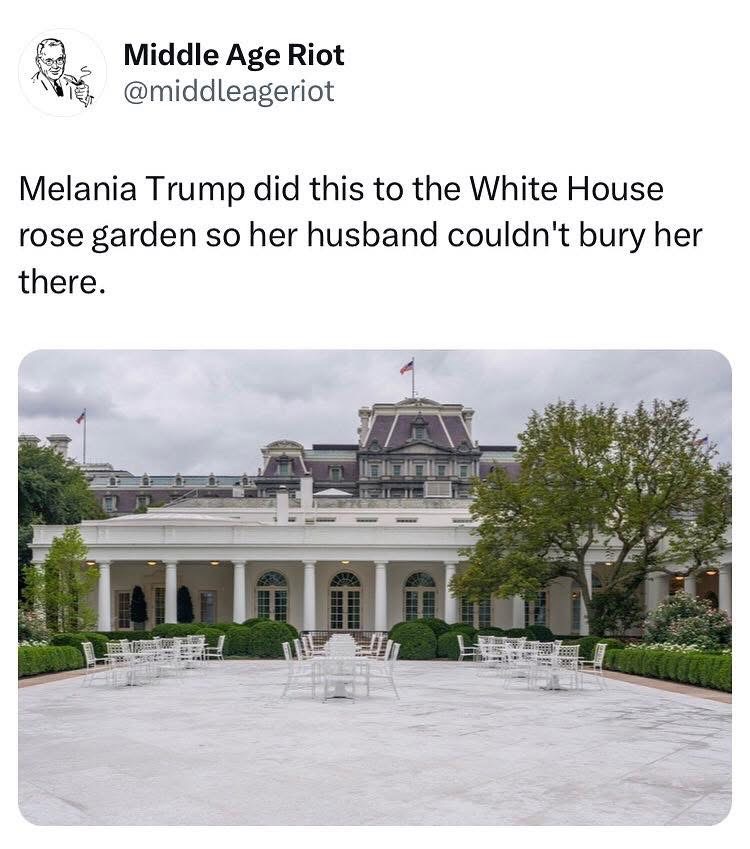
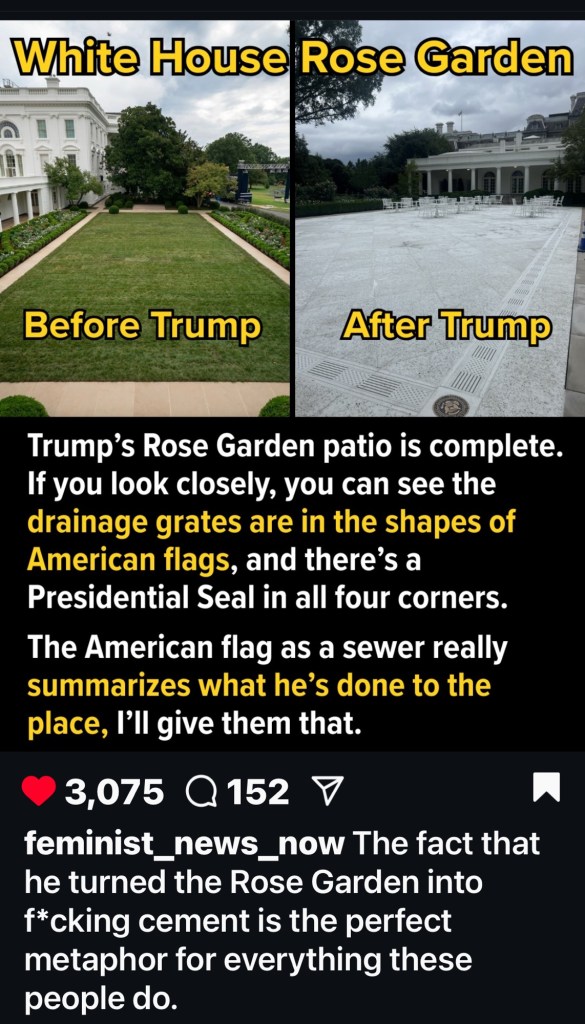
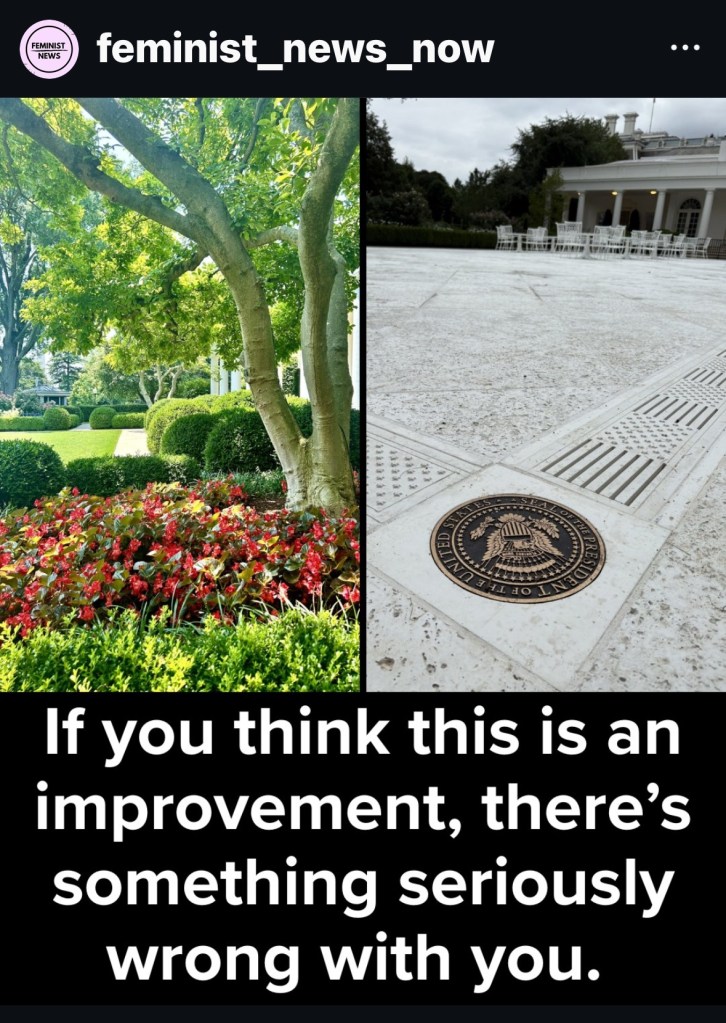
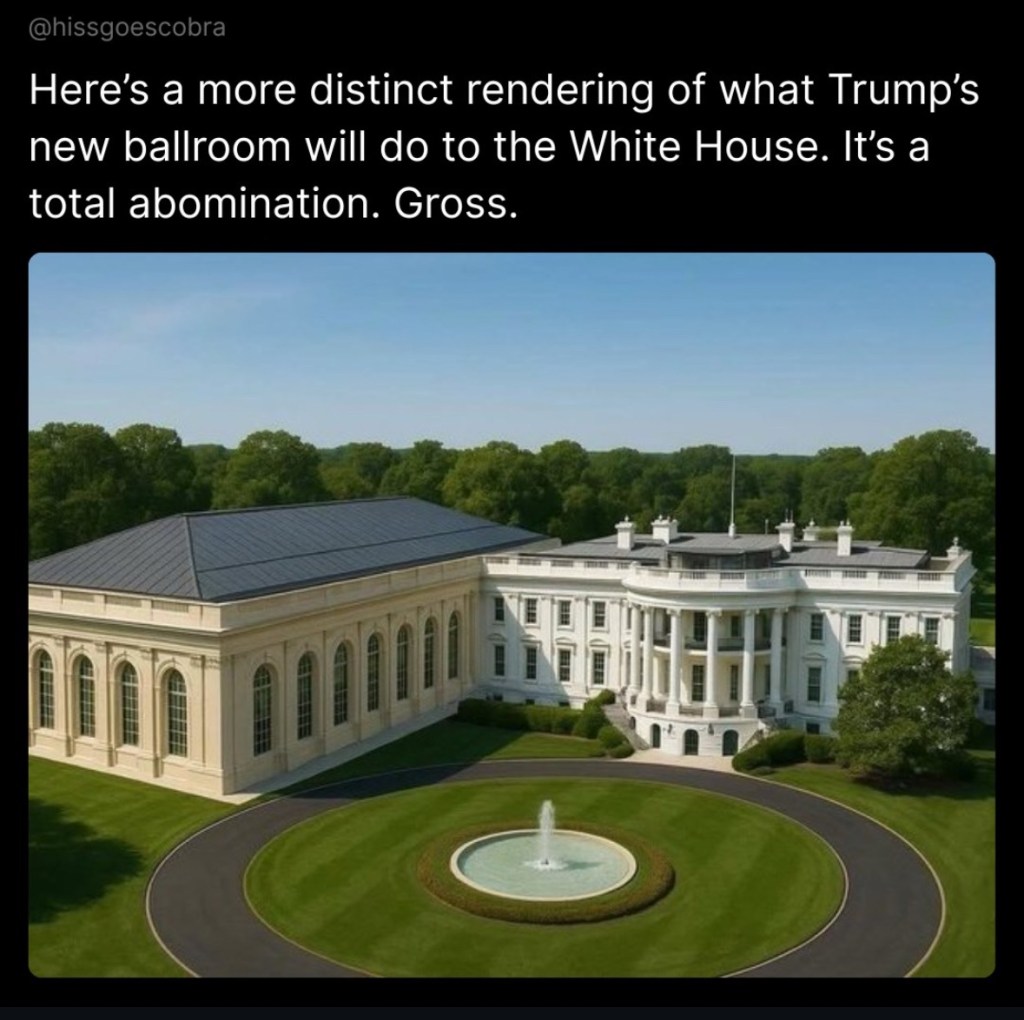
Texas Democratic Delegates have fled to Illinois to stop the redistricting of Congressional Districts, preventing a quorum on a vote. Legislators in both California and New York are gearing up for similar action in response. It’s likely Florida will try the same maneuver. Trump ordered the action to prevent likely Republican losses in the midterms. Usually, Congressional Districts are redrawn every 10 years to reflect changes shown by the most recent census. This is definitely a move to disenfranchise people of color. It has become clear that our institutions are in a process of democratic backsliding due to extremists and cowardly Republicans. Even the People’s House is losing its historic look as Yam Tits paved over the gifts of flowers from our allies that filled Jackie Kennedy’s Rose Garden. A huge, tasteless ballroom to the east of the edifice is the next planned monstrosity. Nothing is safe or sacred.
This is the headline from NBC News. “Texas Democrats decamp to Illinois to deny Republicans a quorum on redistricting. In response, Texas Gov. Greg Abbott threatened to try to remove the Democrats from the state Legislature and said some of them may even be “felons.” This coverage is from NBC News.
A showdown over redistricting in Texas played out here on Sunday as dozens of state Democrats took refuge roughly 1,000 miles away from home, saying they had fled Texas to deny a quorum to Republican efforts to add as many as five congressional seats to their map.
It culminated with Texas’ governor, a Republican, threatening to expel the Democrats from the Texas state House and potentially extradite them, saying they may be “felons.”
The Texas state House Democrats filed off of buses and Ubers into a crammed county party headquarters at a strip mall Sunday night, standing alongside Illinois Gov. JB Pritzker to rail against what they charged was a racist, unfair and undemocratic attempt to overhaul the Lone Star State’s political map.
Texas House Democratic Caucus Chair Gene Wu said that he believed about 57 Democrats have left the state, with the bulk staying in Illinois for at least the immediate future. Other House Democrats were in Boston and Albany, New York.
“Gov. Abbott is doing this in submission to Donald Trump so that Donald Trump can steal these communities’ power and voice,” Wu said. “We will not be complicit in the destruction of our own communities. We’re not here to play political games. We’re here to demand an end to this corrupt process.”
After the news conference, Wu said there was real fear that some of their members could be arrested for defying a special session call.
“We have discussed this. This is a topic of serious concern. We know the governor has no authority to send state troopers over here but we don’t know what Donald Trump’s going to do,” Wu said.
He argued there was no legal basis for arrests but then pointed to questionable actions taken by immigration officials in their nationwide sweeps.
“That’s not far-fetched from arresting state legislators because they feel like it, and consequences be damned,” he added.
 This is not the first time this has happened. You may remember that the same strategy was used in 2003 for the same reason. However, this action has roots deep in Texas History, according to the Texas Tribune. Hayden Betts reports that “Denying quorum has been a Texas political strategy since 1870. While the Democrats could technically derail the GOP’s redistricting map, such efforts have been largely symbolic and had limited success blocking past legislation, experts say.”
In June 1870, 13 Texas senators walked out of the Capitol to block a bill giving the governor wartime powers, depriving the upper chamber of the two-thirds quorum required for voting. Though the fleeing members were arrested, and the bill eventually passed, the “Rump Senate incident” established quorum-breaking as a minority party tactic that has persisted in Texas politics ever since.
After significant quorum breaks in 1979, 2003, and 2021, Texas House Democrats are once again employing this nuclear option, fleeing the state Sunday to block passage of a congressional redistricting map that would give Republicans five additional seats in the U.S. House. The attempt represents the latest chapter for the maneuver that political scientists say, barring exceptional endurance on the part of the democratic delegation, is likely to be symbolic rather than directly effective in preventing redistricting.
“It’s a messaging move,” said Brandon Rottinghaus, a political science professor at the University of Houston. “It’s a last resort for Democrats who have run out of options legislatively and even legally.”
 Partisan Republicans stacked into the Supreme Court are making moves to diminish the Constitution and our democratic republic, also by signalling willingness to dismantle the Voting Rights Act. This is from Slate. Robert L. Hasen reports this. “The Supreme Court Just Signaled Something Deeply Disturbing About the Next Term.” It’s a lawsuit against the redistricting that happened recently in Louisiana because the courts determined that Louisiana redistricting had disenfranchised minorities in Louisiana.
Reading the tea leaves from cryptic Supreme Court orders can be perilous business because the justices are not bound by the questions they ask at oral argument, the offhand comments they make at a judicial conference, or even their monumental “shadow docket” rulings on emergency petitions that have become all too common. But a technical briefing order in a long pending case out of Louisiana, posted on the court’s website after 5 p.m. on a Friday in August, was ominous. The order was likely intended to obscure that SCOTUS is ready to consider striking down the last remaining pillar of the Voting Rights Act, known as Section 2. Such a monumental ruling, likely not coming until June 2026, would change the nature of congressional, state, and local elections all across the country, and likely stir major civil rights protests as the midterm election season heats up.
Louisiana v. Callais, the case that was the subject of last Friday’s order, is a voting case over the drawing of the state’s six congressional districts. Louisiana has a one-third Black population, but after the 2020 census the state Legislature drew a districting plan, passed over a Democratic governor’s veto, that created only one district in which Black voters would be likely to elect their candidate of choice. Before Callais, Black voters had successfully sued Louisiana in a case called Robinson v. Ardoin, arguing that Section 2 of the Voting Rights Act required drawing a second congressional district giving Black voters that opportunity. Section 2 says minority voters should have the same chance as other voters to elect their candidates of choice, and courts have long used it to require new districts when there is a large and cohesive minority population concentrated in a given area, when white and minority voters choose different candidates, and when the minority has difficulty electing its preferred representatives.
After Robinson and more litigation, the Louisiana Legislature drew up a new plan, which created the second congressional district. The state drew the second district to otherwise favor Republicans in the state overall, including House Speaker Mike Johnson. A new group of voters then sued in the Callais case, arguing that Louisiana’s drawing of the second district violated the U.S. Constitution’s equal protection clause by being a racial gerrymander. Since 1993’s Shaw v. Reno, the Supreme Court has found racial gerrymanders when race is the central factor in drawing district lines and the state has no compelling interest in drawing such lines.
When the court first held oral argument in the Callais case in March, it appeared to be another in a long series of cases (many out of Louisiana) in which the justices considered whether race or partisanship predominated in the drawing of district lines. I’ve long written that this is an impossible exercise in places like Louisiana, where the factors overlap—most white voters in the state are Republicans and Black voters are Democrats, so when the state discriminates against Democrats, it is also discriminating against Black voters. It appeared from the initial March oral argument that the court was going to once again determine whether race or party predominated.
But instead of deciding the case at the end of June, when the court ordinarily disposes of the cases heard during the term, the court set the case up for reargument. That’s a rare move, but it’s not unheard of. Back in 2010, SCOTUS set the Citizens United case up for reargument the following September. But when the court issued its June order in Citizens United for reargument, the same order informed the parties that the court wanted something new to be briefed and argued on reargument: whether to overrule a line of cases allowing limits on corporate spending in elections. The court the following January then overruled these cases in one of the most consequential election law decisions of our time. It has had significant reverberations for our politics ever since.
Fifteen years later, something similar seems to be happening with Section 2 of the Voting Rights Act. In June of this year, rather than deciding the case it heard in March, the court issued an order in Callais setting the case for reargument and stating, “In due course, the Court will issue an order scheduling argument and specifying any additional questions to be addressed in supplemental briefing.” Justice Clarence Thomas impatiently dissented from the order, saying that this was the time to recognize that Section 2 of the VRA and the court’s racial gerrymandering case are on a collision course and to kill off Section 2 or rewrite it to be toothless.
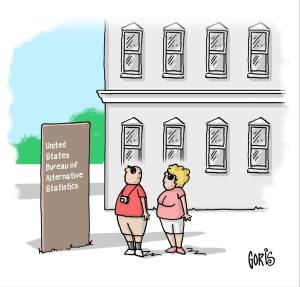 Orange Caligula is searching for someone to fudge the numbers at the Bureau of Labor. This is from the New York Times. I’ve gifted the article so you may read the entire thing. It is reported by Tony Romm. “Trump to Appoint New Top Labor Official Within Days. President Trump fired the commissioner of the Bureau of Labor Statistics on Friday after the agency released dour monthly jobs data.”
President Trump said on Sunday that he would announce a new commissioner for the Bureau of Labor Statistics “over the next three, four days” after he fired the head of the agency last week over a gloomy jobs report.
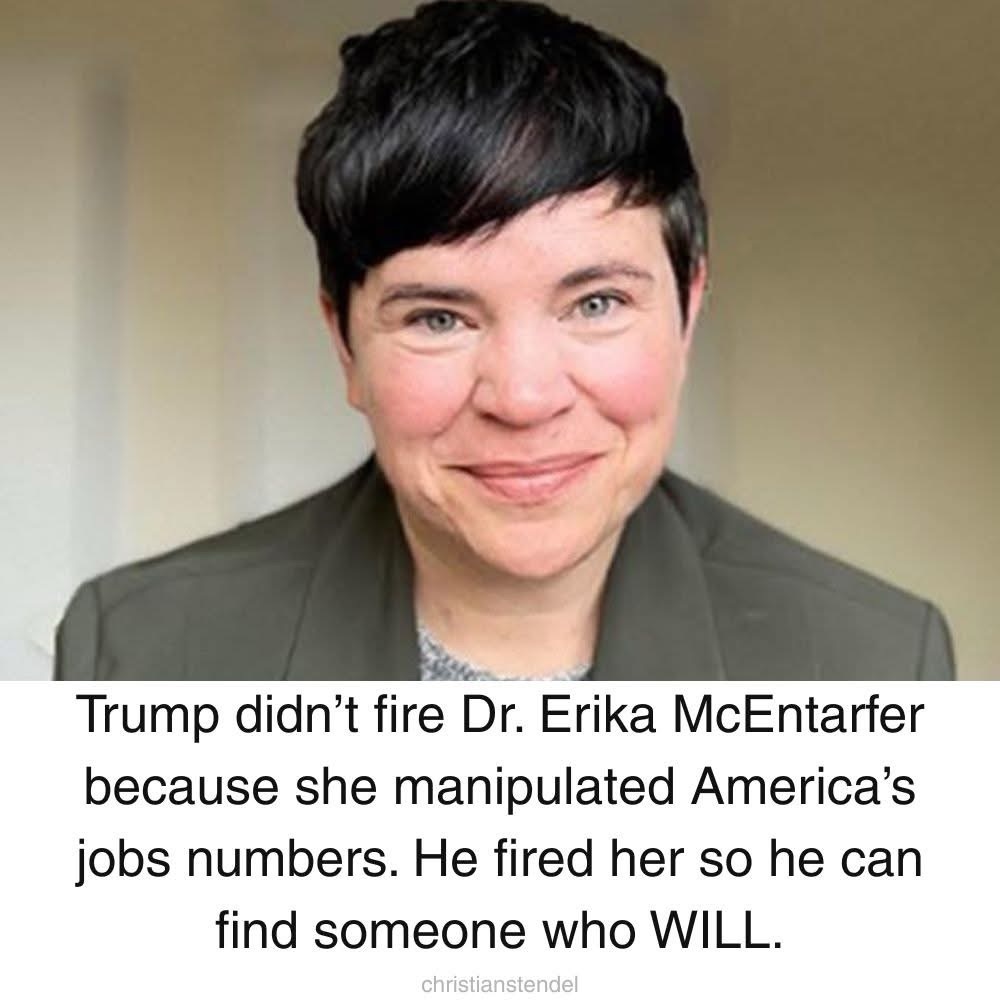
Mr. Trump fired the top labor official in charge of compiling statistics on employment, Erika McEntarfer, on Friday after the B.L.S. released monthly jobs data showing a significant slowdown in hiring. Mr. Trump accused Ms. McEntarfer, without evidence, of rigging the numbers.
Ms. McEntarfer had worked as a government economist for decades and was confirmed by the Senate in a bipartisan vote last year. Mr. Trump gave no further details about the announcement of her replacement.
Earlier Sunday, Kevin Hassett, the director of the White House National Economic Council, insisted that the administration was “absolutely not” shooting the messenger on the heels of the jobs report.
Mr. Hassett repeatedly declined to furnish detailed evidence that would substantiate the president’s claims that the data had been manipulated to hurt him politically.
“The president wants his own people there, so that when we see the numbers, they’re more transparent and more reliable,” Mr. Hassett told NBC’s “Meet the Press,” explaining at one point that the president sought to ensure jobs numbers could be “trusted.”
In a second appearance, on “Fox News Sunday,” Mr. Hassett claimed there were “partisan patterns” in the jobless data, and said that “data can’t be propaganda.”
Since Ms. McEntarfer’s sudden dismissal, economists across the political spectrum have offered a more worrisome assessment, warning that Mr. Trump’s actions threaten to pollute the nonpartisan work at B.L.S. to measure the trajectory of the economy.
Her dismissal came only hours after the statistics agency reported the slowdown in hiring in July, on top of two substantial downward revisions to its previous estimates of job growth in May and June.
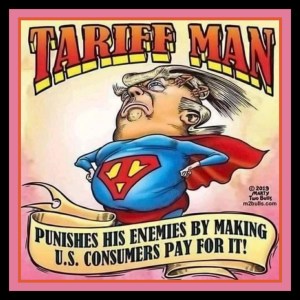 The methodology has been used for over 50 years. The reason for the updates, which usually occur over 2-3 months after the original release, is that many businesses and individuals cannot get their surveys back to the Bureau in a timely manner. Anyone who uses the data for research or making business decisions is aware of this. It is absolutely nothing new. The current data reflects the chaotic Tariff introductions by Trump. The simplest practice of running a business is that you must have a rational and stable economic policy that provides information and an atmosphere to make good decisions. Trump can’t even make the simplest decisions or leave things alone long enough to prevent the instability that freezes any moves by business decision-makers. Noah Berlesky writes this at Public Notice. “The looming Trumpcession. Orange man bad (for the economy).” This guy bankrupted casinos and himself so many times that you’d think everyone would know this by now.
The July jobs numbers, released last Friday, could not have been much bleaker.
The economy undershot the projection of 100,000 new jobs significantly, adding only 73,000. Even worse, the numbers for May and June were revised down by a ghastly 285,000 jobs. That means that the economy created only 33,000 jobs in May and June combined — anemic growth the likes of which we haven’t seen the final months of President Trump’s first term. In contrast, under President Biden, the economy gained some 420,000 jobs in May and June 2024.
Trump’s response was as unhinged and authoritarian as you’d expect. In an unprecedented move, he abruptly fired Erika McEntarfer, the head of the Bureau of Labor Statistics, and as an excuse, lied that the job numbers were “phony.”
Of course, the numbers were not phony. They were actually exactly what you’d expect given Trump’s relentless effort to destroy the robust economy left to him by Biden.
The president usually has limited control over the economy, with downturns being caused by events beyond their control. In this case, however, Trump’s policies are directly responsible for job losses, rising prices, wavering confidence, and a speedrun toward what looks like stagflation.
Flashing red
The jobs report is bad news. But it’s hardly the only sign that the economy is heading to a dark place.
The overall unemployment rate last month ticked up to 4.2 percent, but more worrying is the increase in Black unemployment to 7.2 percent. That’s the highest rate since December 2021, when the economy was still struggling to emerge from the covid pandemic. Black workers are often the last hired and the first fired. As a result Black unemployment rates often shoot up first when a serious economic downturn is on the horizon.
The economy is also struggling with stubborn inflation that will only be exacerbated by Trump’s inflationary tariff policies. Current inflation indicators are all bad. The personal consumption price index has prices rising 0.3 percent from May to June, which means they’ve risen 2.6 percent from last year.
Usually, a hot job market can mean increased inflation, while lower inflation can lead to slower job growth. In the final years of Biden’s presidency, the US managed to achieve both low inflation and record low unemployment. But Trump has reversed that. And now we may be looking at the worst of both worlds — stagflation, when jobs stagnate and prices spike.
The last time the US experienced serious stagflation was in the late 1970s under Jimmy Carter — and that’s a big part of what led to Carter’s landslide loss to Reagan in 1980.
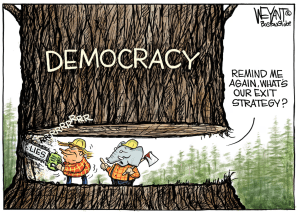 Berlesky cites a very interesting study by Yale.
While Trump claims that his senseless tariff fetish will somehow lead to awesome trade deals, the truth is that he’s simply imposing massive arbitrary taxes on consumer goods. Taxing goods raises prices. The nonpartisan Yale Budget Lab has concluded that the effective tariff rate under Trump is around 18.3 percent, the highest since 1934. That means that households will be paying an extra $2,400 each in taxes to the government on purchases.
Tariffs are a regressive tax — they are hardest to absorb for lower income households, since the taxes are a higher percentage of their income. Even worse, lower income households tend to be especially dependent on imported goods, which are often cheaper than domestic products. Ernie Tedeschi, director of the Yale Budget Lab, told NPR that Trump’s tariffs seem “almost tailor made” to harm lower income workers the most.
I know I’ve been jumping up and down about this since January, but the economic performance has brought us an economy that even an Econ 101 student could predict. Former Republican and still conservative voice Bill Kristol has this to say in The Bulwark today. “Democracy dies in Daylight.”
In the last few days, it seems as if we’ve reached a new stage in the attempted authoritarian takeover of American democracy. It’s not just that the multi-faceted assault on the truth, on the rule of law, on a free society has picked up steam—though it has. It’s that the assault, from our own government, now proceeds so openly and unashamedly.
Once, if there were bad economic statistics, the president and his supporters tried to spin them. Now the president and his supporters simply deny them. And those who produced them are punished. And so President Trump fires, with no pretense of real cause or justification, the commissioner of the Bureau of Labor Statistics, a career civil servant who has supervised a host of other career civil servants in producing these statistics, as they have for decades. And he brazenly lies in accusing her and a host of other civil servants of “rigging” their findings.
This is part of a broader pattern of the transformation of government information into pure propaganda. Kash Patel and Tulsi Gabbard—using the resources of the federal agencies they direct—have taken the lead in this. But they are only the tip of the Trump spear.
Once, if a president or his subordinates wanted to cover up a problem, even a crime, they made labored efforts at obfuscation and concealment. Coverups were, as the term implies, pursued under the cover of darkness. That’s why the Washington Post, with the experience of Watergate in mind, came up at the beginning of Trump’s first term with the slogan “Democracy Dies in Darkness.” But that slogan applies to a different era.
Now Ghislaine Maxwell, one of two organizers of a massive and horrendous child sex trafficking ring of which Donald Trump appears to have had considerable contemporaneous knowledge, meets with the deputy attorney general of the United States—who had previously been Trump’s private lawyer—and the White House openly embraces it. A week later, contrary to the normal rules for a prisoner convicted of her crimes, Maxwell is transferred to a minimum security “Club Fed” facility. This was presumably as a down payment on not spilling the beans about Trump, and perhaps as an interim step on the way to a pardon. This coverup is happening in broad daylight.
Once, state legislators redistricted congressional seats every ten years, after the constitutionally mandated census. These reapportionments were often accompanied by gerrymandering. But, with a notable exception, the partisan power grabs were at least adjacent to a regular and lawful process. They were at least somewhat constrained by calendars and custom.
Now the governor of Texas has decided, at the public urging of the president of the United States, to have his state legislature carry out a gerrymander mid-decade, so as to try to preserve a Republican majority in the House of Representatives for the final two years of Trump’s term. And it seems other red states will follow.
There is no pretense here other than a grab for power. It is the unconstrained use of the instrumentalities of government, state and federal, to hold on to control of the House.
The New York Times quotes “one person close to the president” as summing up the approach of the Trump White House as “maximum warfare, everywhere, all the time.” It’s important to add that it’s not just maximum warfare by one party against the other. It’s warfare by the government of the United States against the justice system, against the presentation of true facts, against free and fair elections. It’s maximum warfare against the norms and institutions of a liberal democracy and republican self-government.
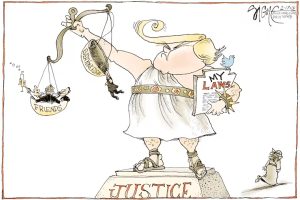 All of us who have written for and followed Sky Dancing Blog know that we’ve been canaries shrieking in a coal mine. I cannot figure out what is not obvious to everyone, and that’s damned depressing. I’m going to close with a certain sign that this country is in trouble. It’s posted at Maddow Blog and written by Steven Benen. This is a certain sign that justice is not being served in the United States. “The 3 biggest problems with the new and unwarranted investigation into Jack Smith. For years, Team Trump treated the Hatch Act like a joke. To target former special counsel Jack Smith, they’ve apparently changed their mind.”
It’s a serious enough problem when Donald Trump publicly endorses investigations into his perceived political foes. But when the president’s targets actually become the subject of investigations, it’s far worse. NBC News reported:
Federal officials are investigating former special counsel Jack Smith after President Donald Trump and other prominent Republicans have alleged that his investigations into then-candidate Trump amounted to illegal political activity. The U.S. Office of Special Counsel, an independent federal agency, confirmed to NBC News on Saturday that it’s investigating Smith for alleged violations of the Hatch Act, a law that prohibits certain political activities by government officials.
Right off the bat, let’s not overlook the most glaring problem with these developments: There’s literally no evidence whatsoever of Smith engaging in any kind of wrongdoing. Then-Attorney General Merrick Garland tapped Smith to serve as a special counsel in November 2022 — two years before the 2024 presidential election — at which point he oversaw the federal investigations into Trump.
The prosecutor proceeded to collect voluminous evidence, secure indictments and charge Trump with a great many felonies, but at no point did Smith engage in any partisan political activities, making the basis for such an investigation from the U.S. Office of Special Counsel absurd.
Just as notably, it seems rather obvious that this move against Smith is part of a larger partisan vendetta from a party that’s eager to retaliate against those who dared to try to hold Trump accountable for his alleged crimes. Indeed, it was Republican Sen. Tom Cotton of Arkansas, a close White House ally, who requested that the OSC investigate Smith for “unprecedented interference in the 2024 election,” despite the complete lack of evidence pointing to any interference.
But even if we put these relevant angles aside, there’s a broader point that’s hanging overhead: Since when does the Trump administration care about alleged Hatch Act violations? I’m reminded of this New York Times report from nearly four years ago:
Thirteen of President Donald J. Trump’s most senior aides — including his son-in-law and his chief of staff — campaigned illegally for Mr. Trump’s re-election in violation of a law designed to prevent federal employees from abusing the power of their offices on behalf of candidates, a government watchdog agency said Tuesday. Henry Kerner, who heads the Office of Special Counsel, made the assertion in a withering report that followed a nearly yearlong investigation into ‘myriad’ violations of the law, known as the Hatch Act.
In a 63-page report, the Office of Special Counsel concluded, “Senior Trump administration officials chose to use their official authority not for the legitimate functions of the government, but to promote the re-election of President Trump in violation of the law.”
Richard Painter, who served as the chief White House ethics lawyer in the Bush/Cheney White House, described Team Trump’s routine transgressions at the time as “disgusting” and “unprecedented in the history of the Hatch Act.” Painter added that the entire Trump administration, at the most senior levels, was “devoted to illegally using federal offices to promote the president’s political campaign.”
Each one of us had better get serious about voting, action, and finding out what these cartoonish villains are doing, because we’re not just democratic backsliding. We democratic falling off a cliff.
What’s on your Reading, Blogging, and Action list today?
Sunday Cartoons: BS
Posted: August 3, 2025 Filed under: just because 5 Comments
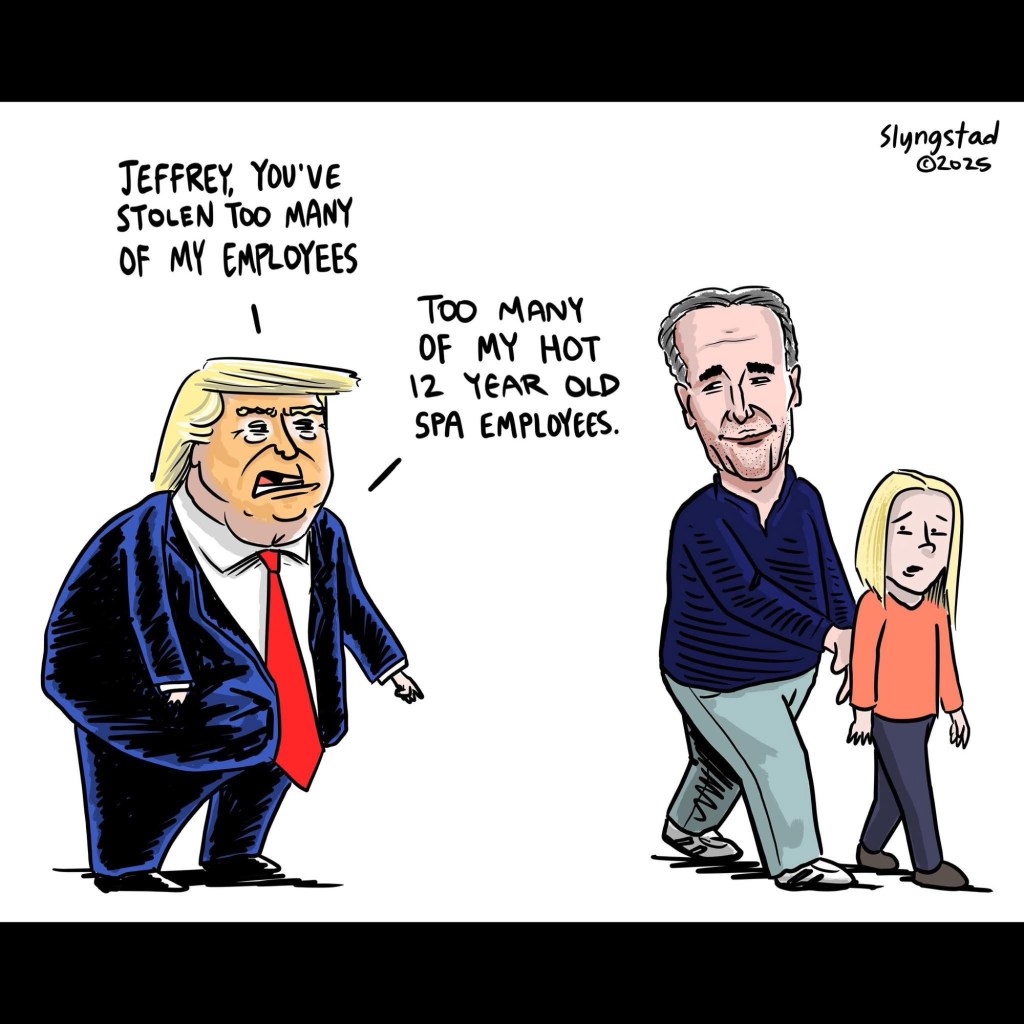
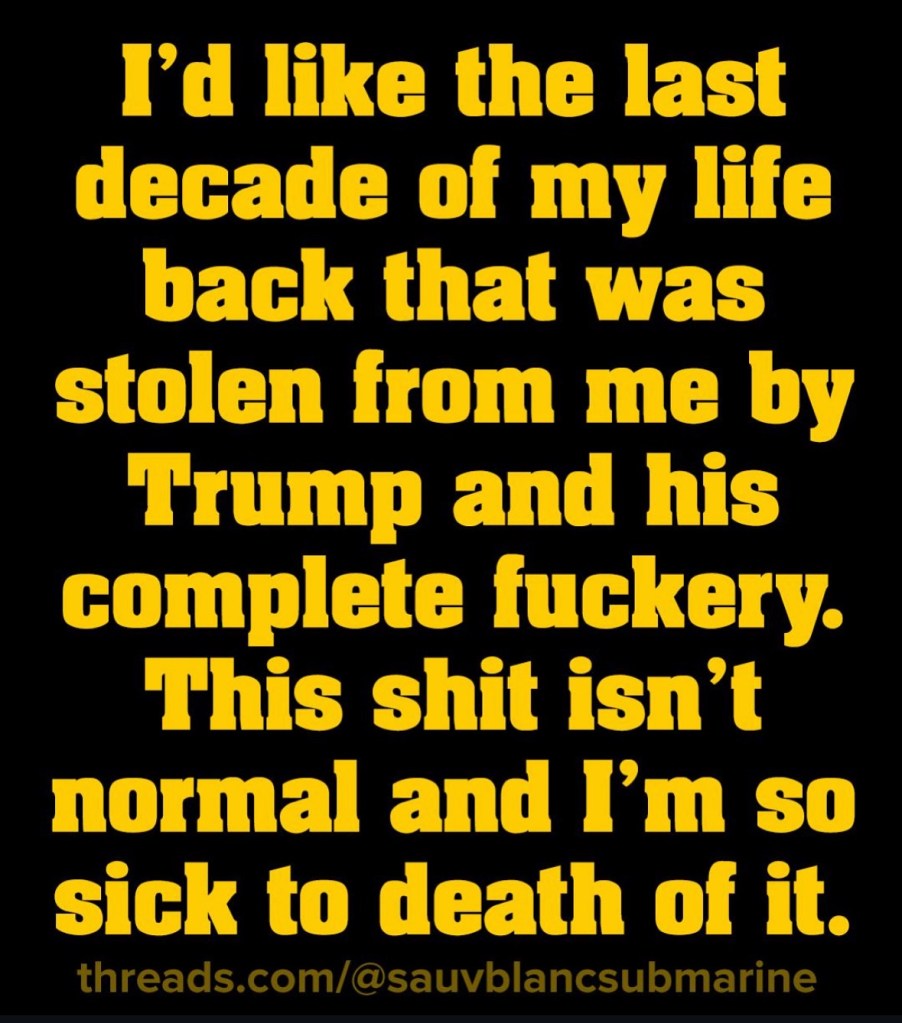
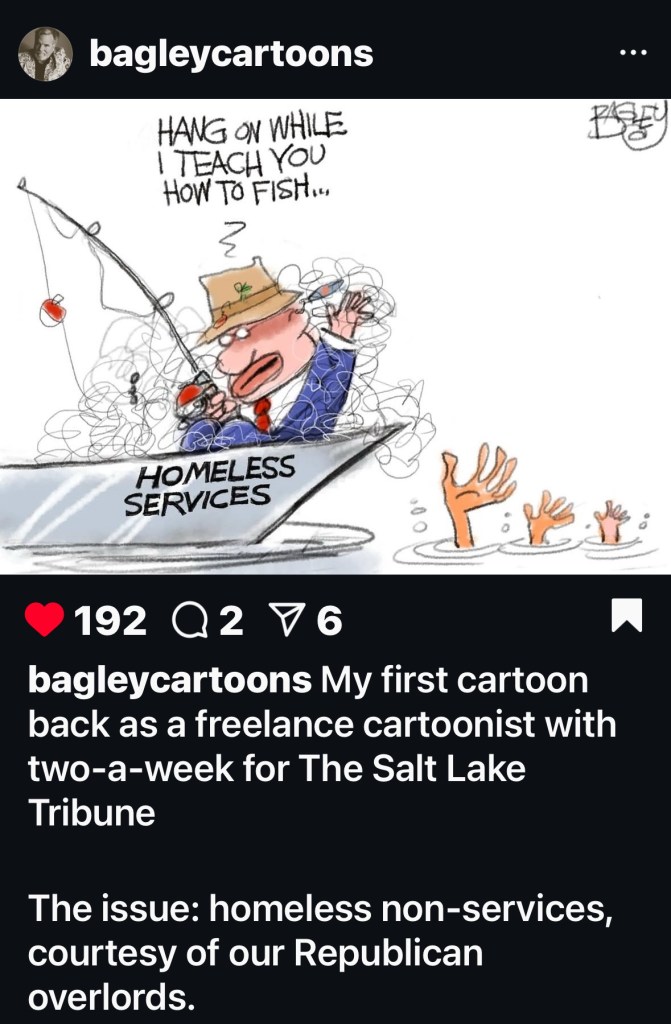
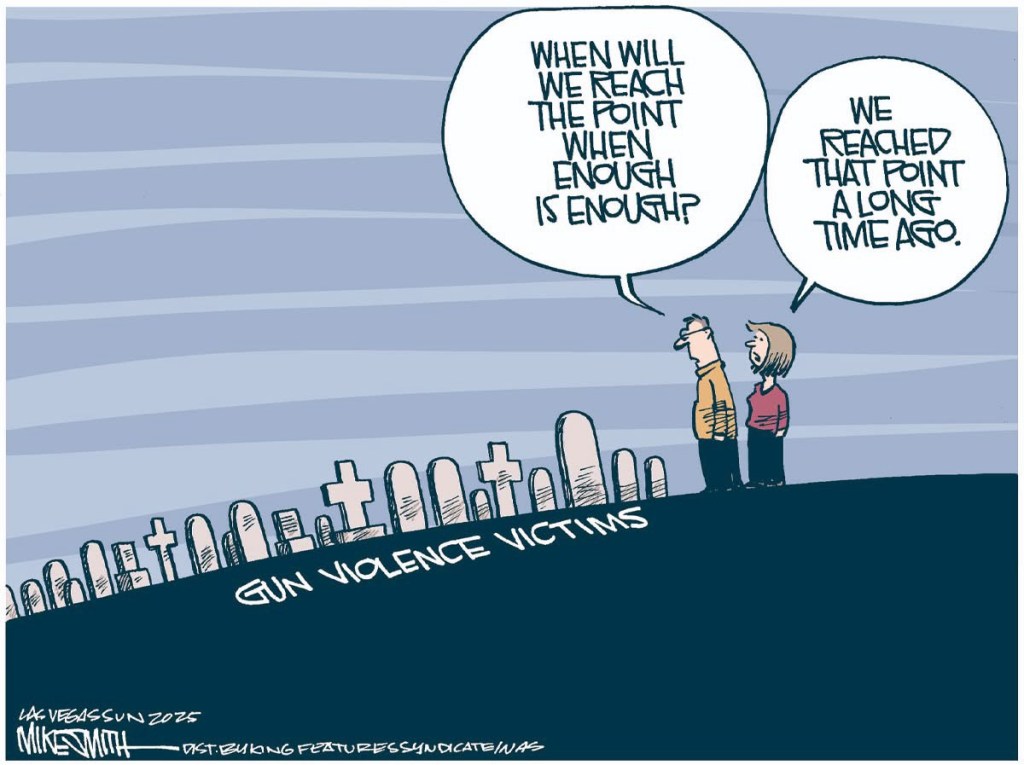
Check out these few BlueSky post:










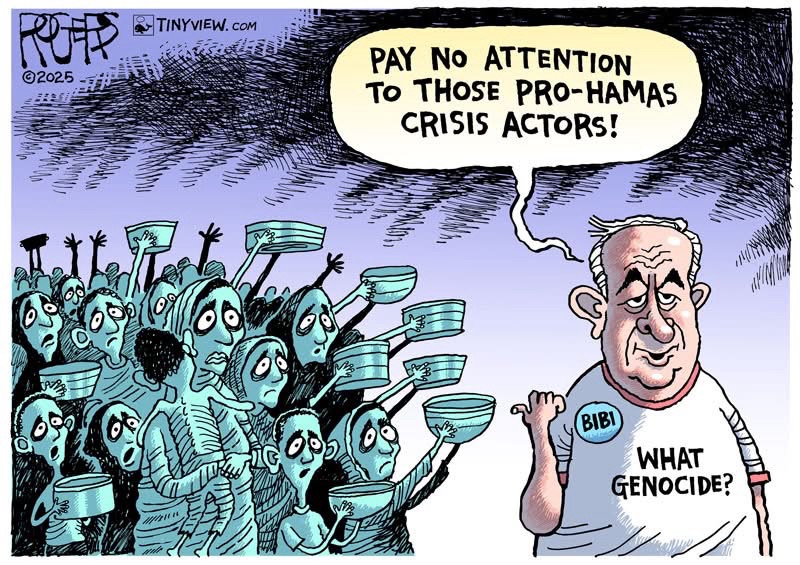
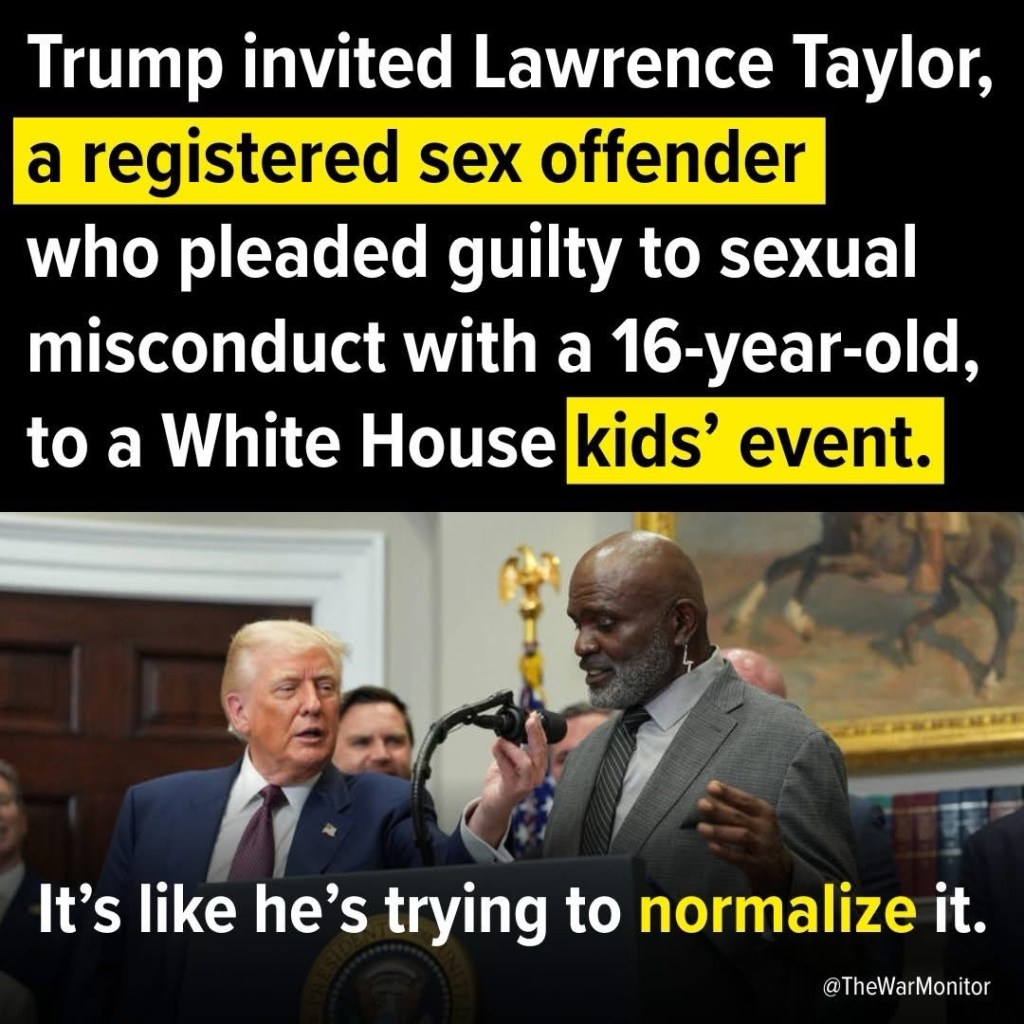

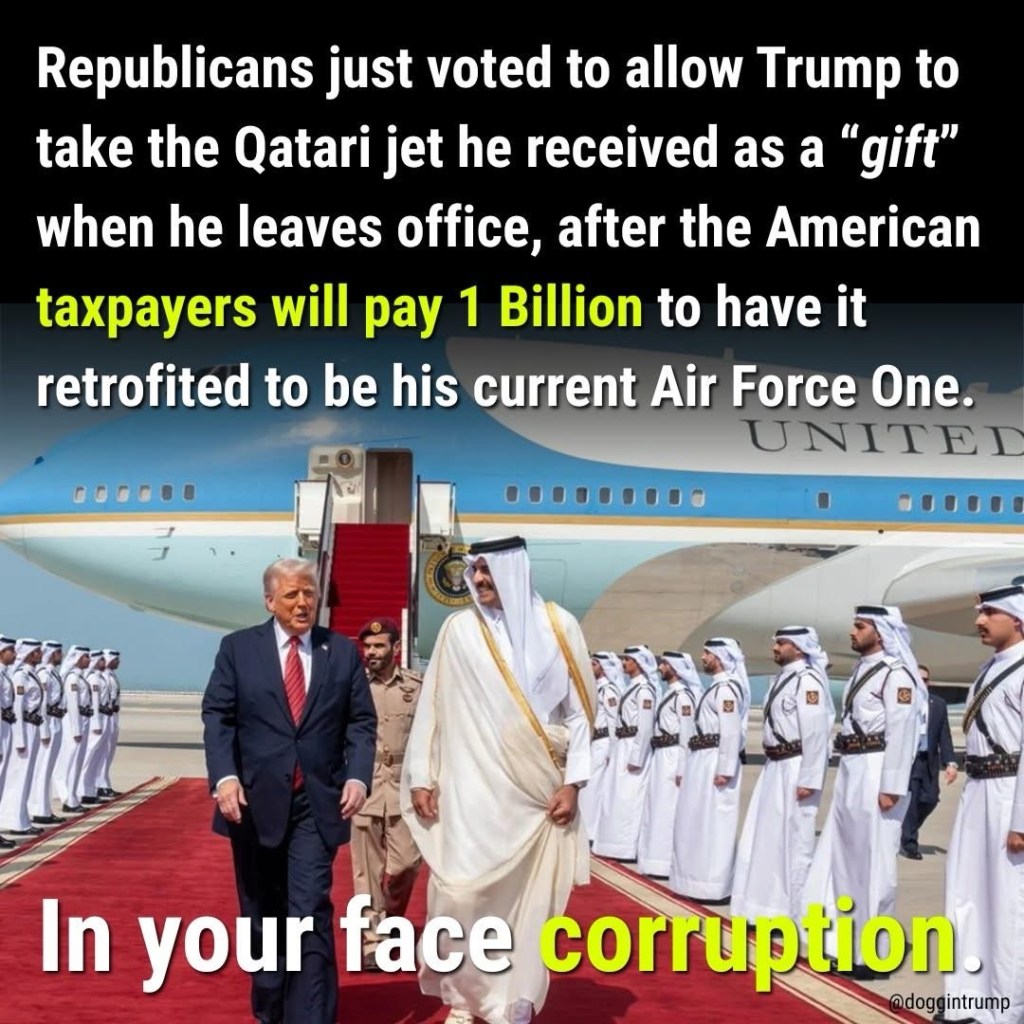
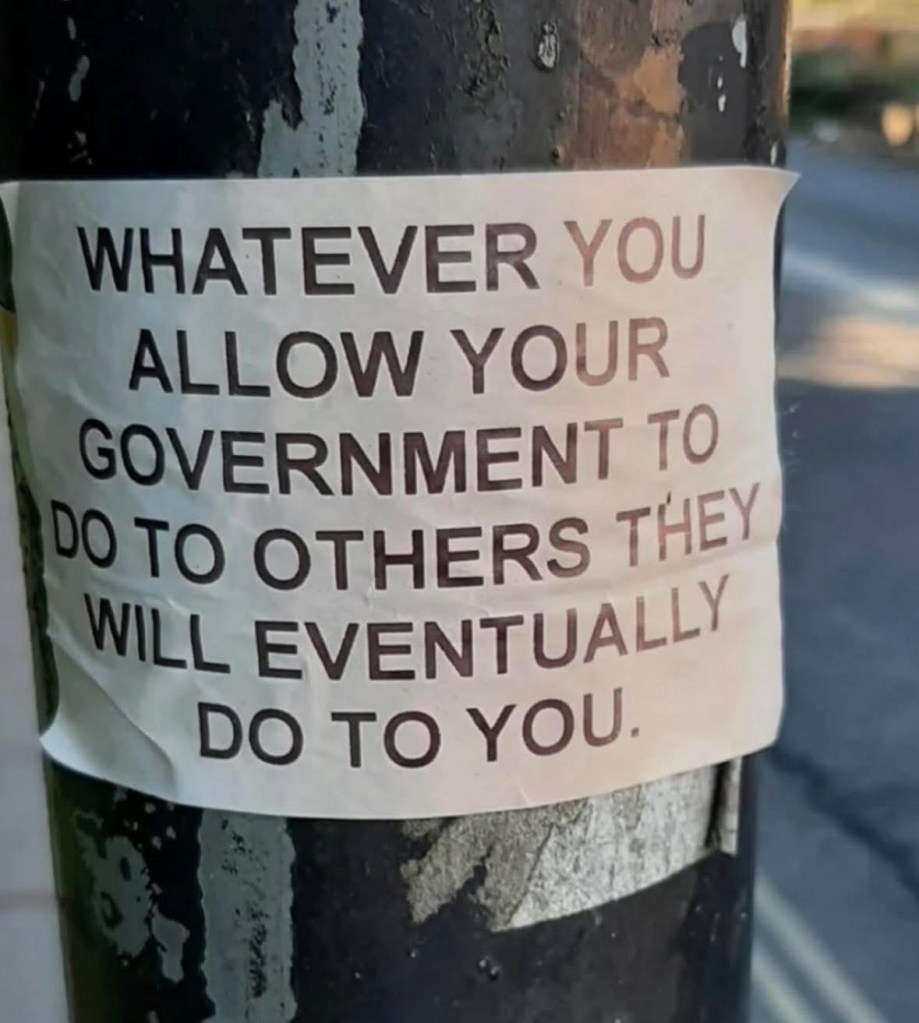

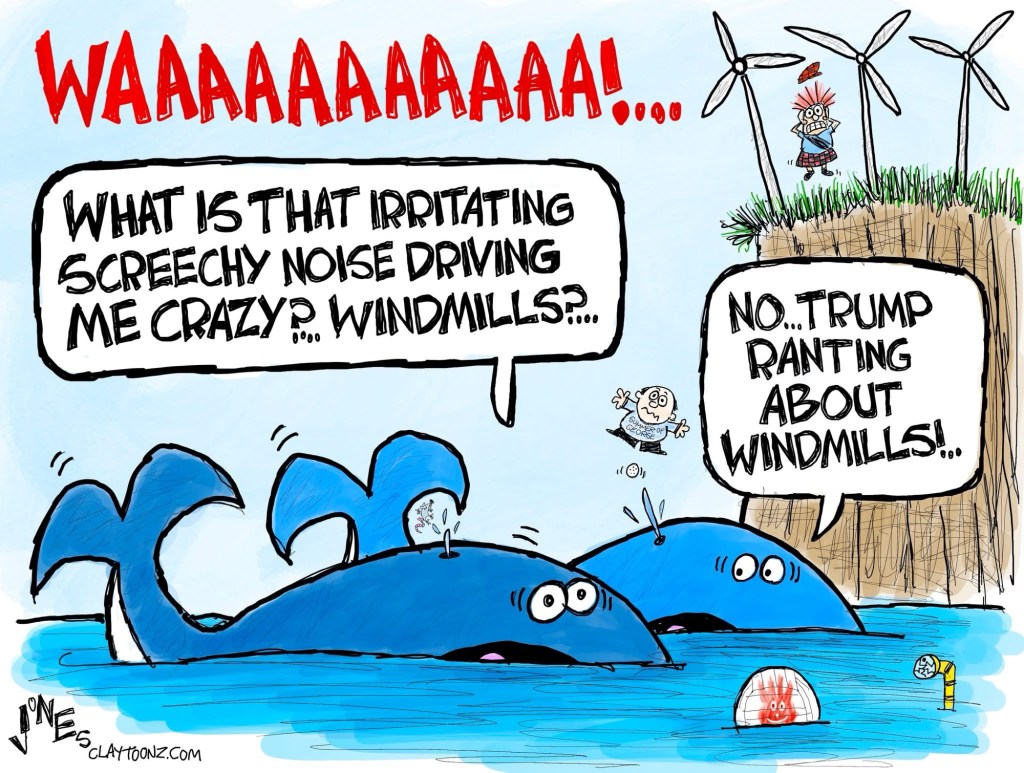
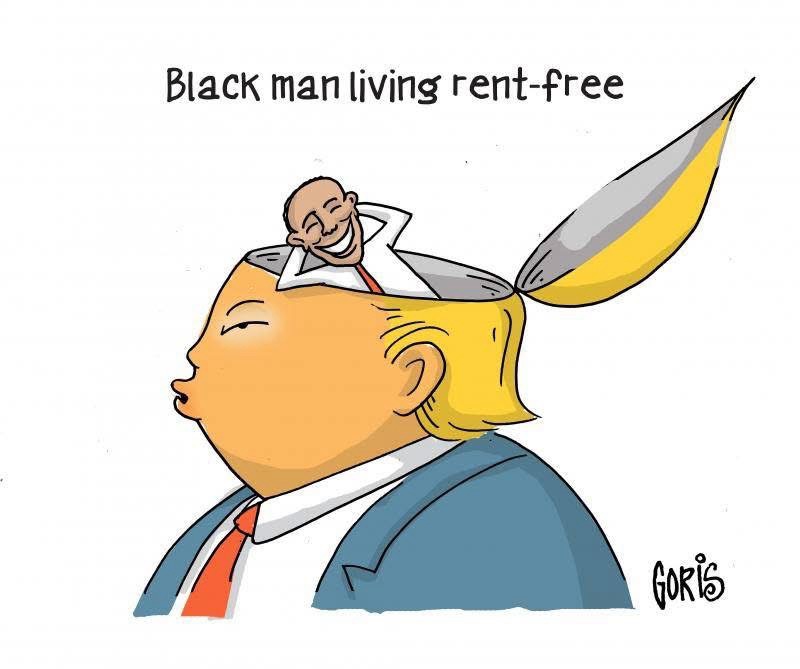


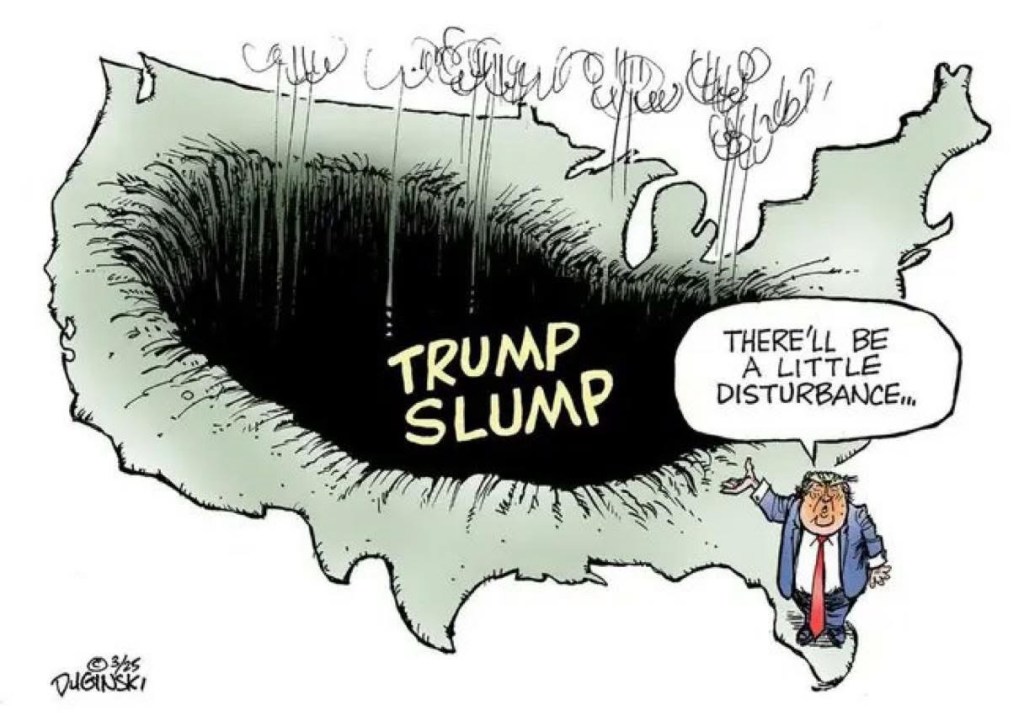


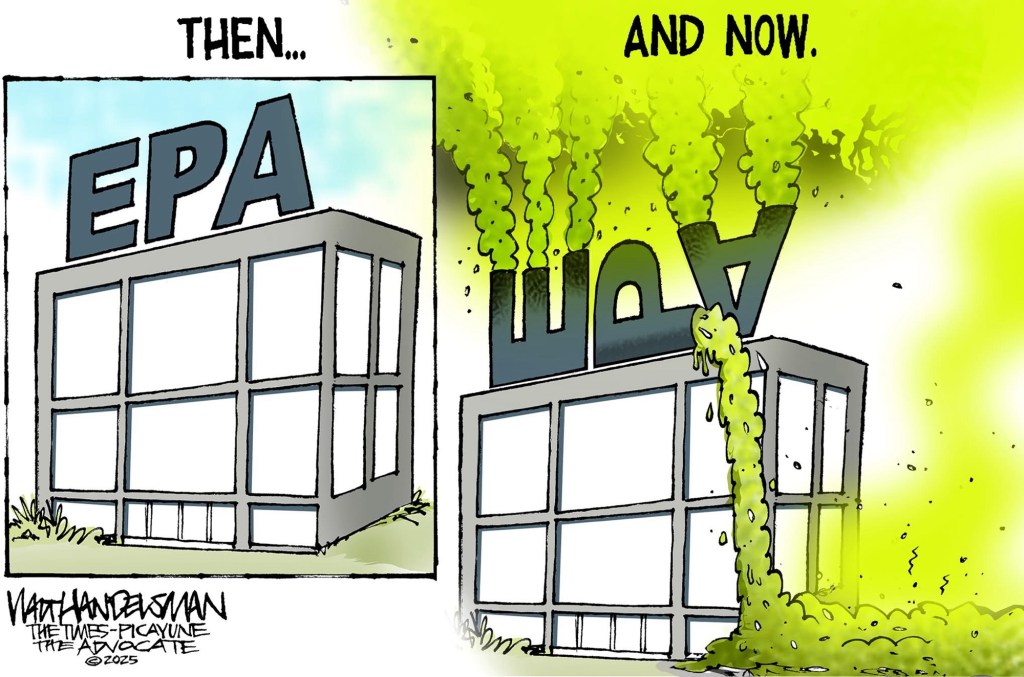




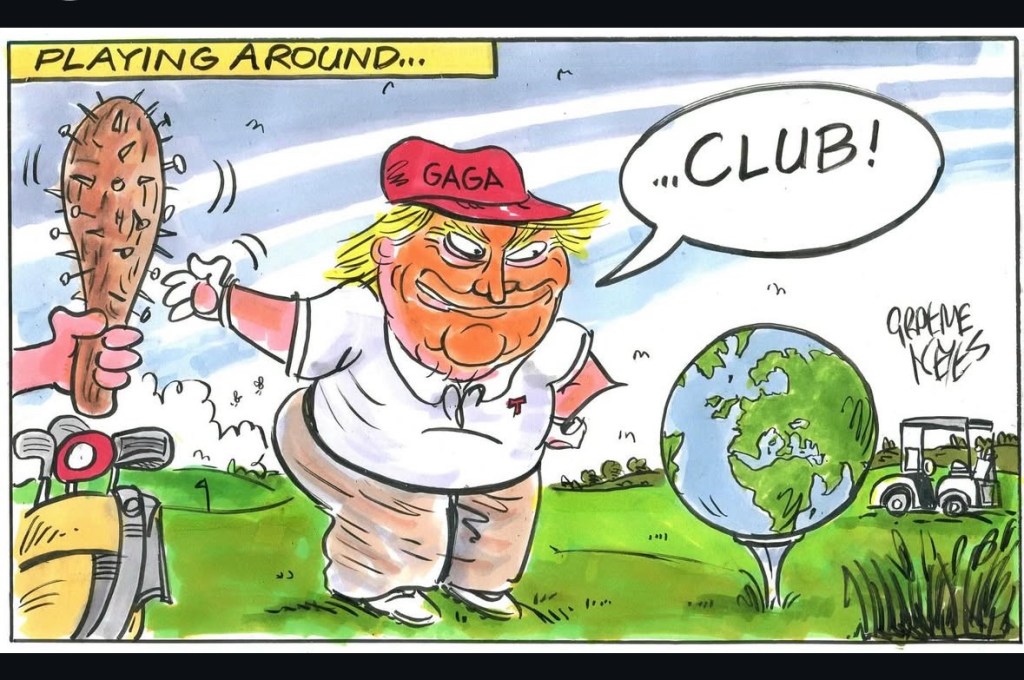
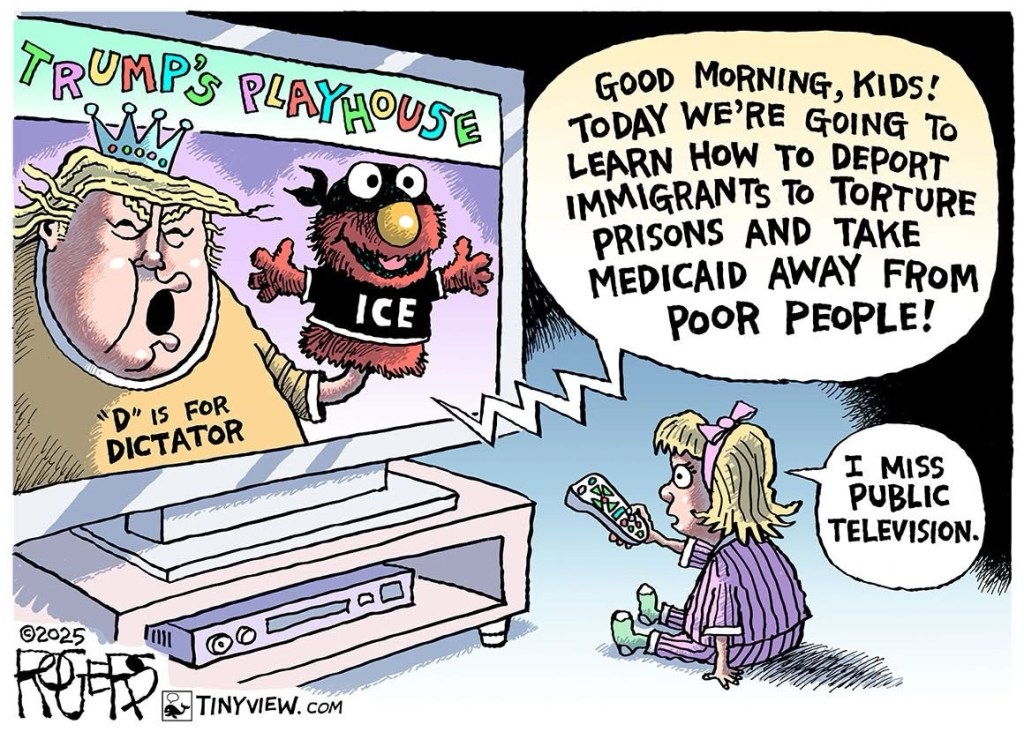
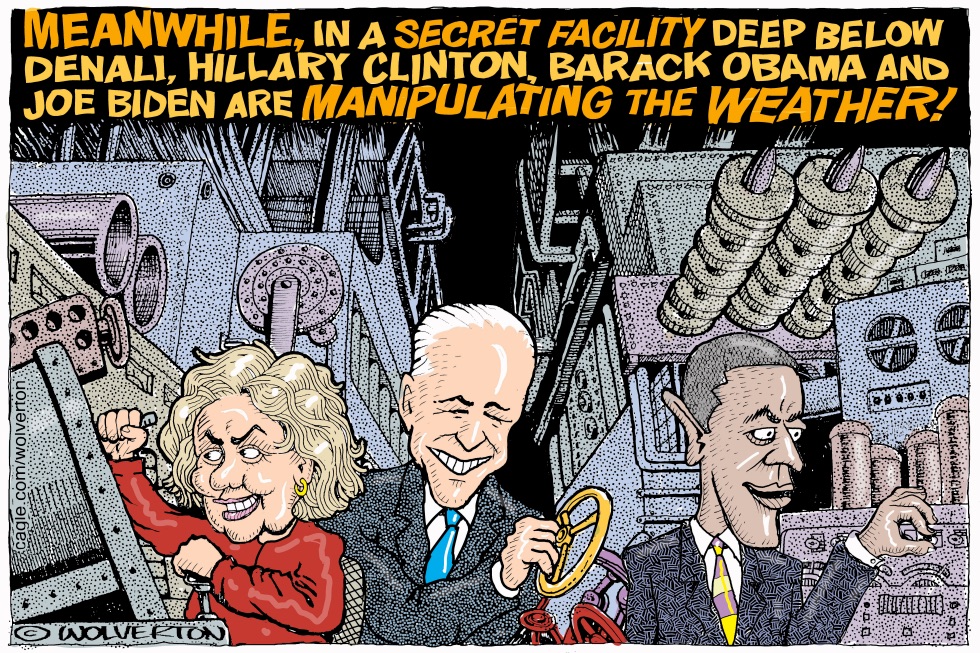
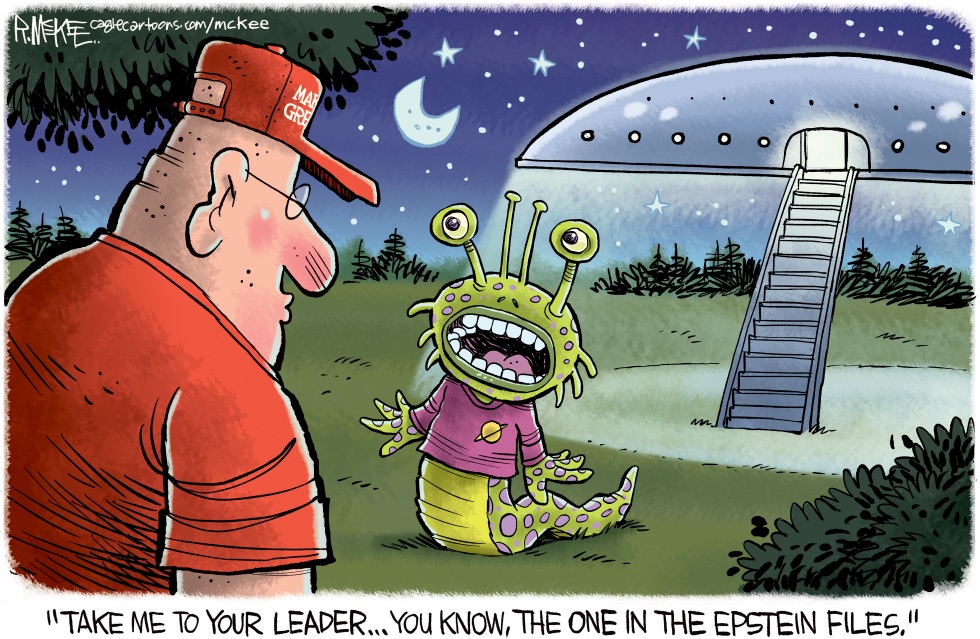
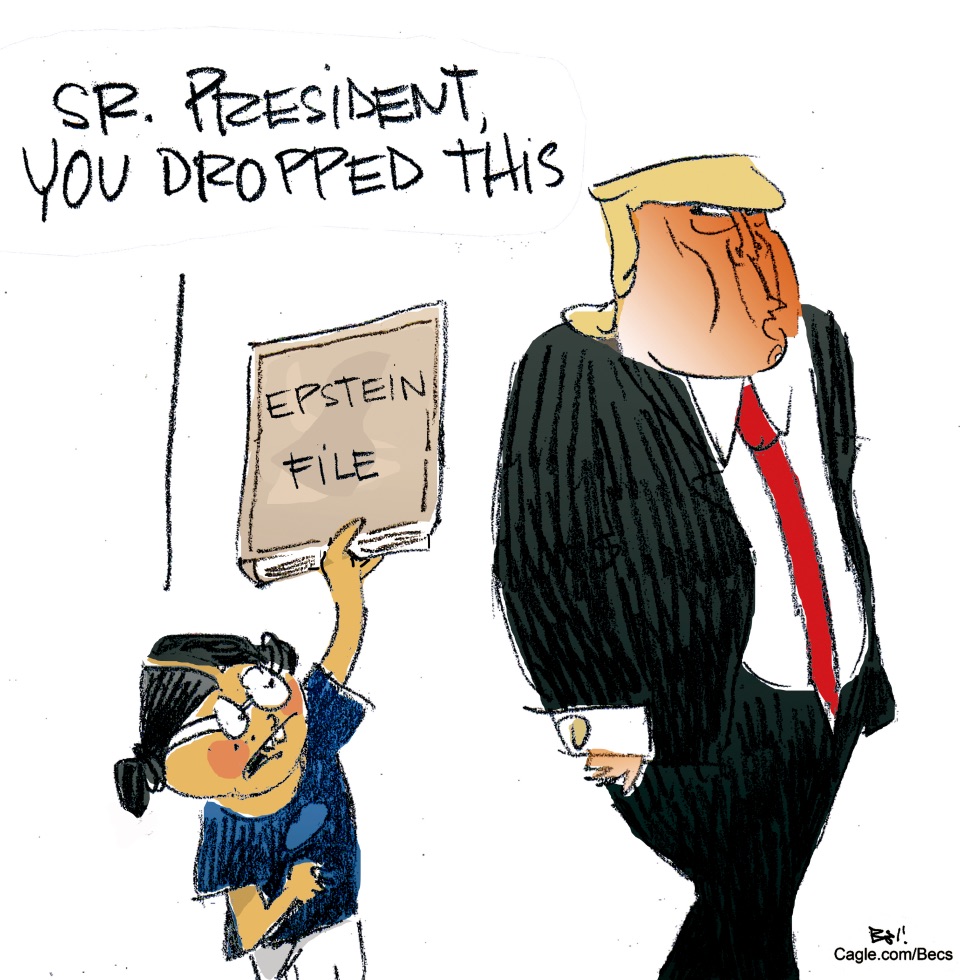
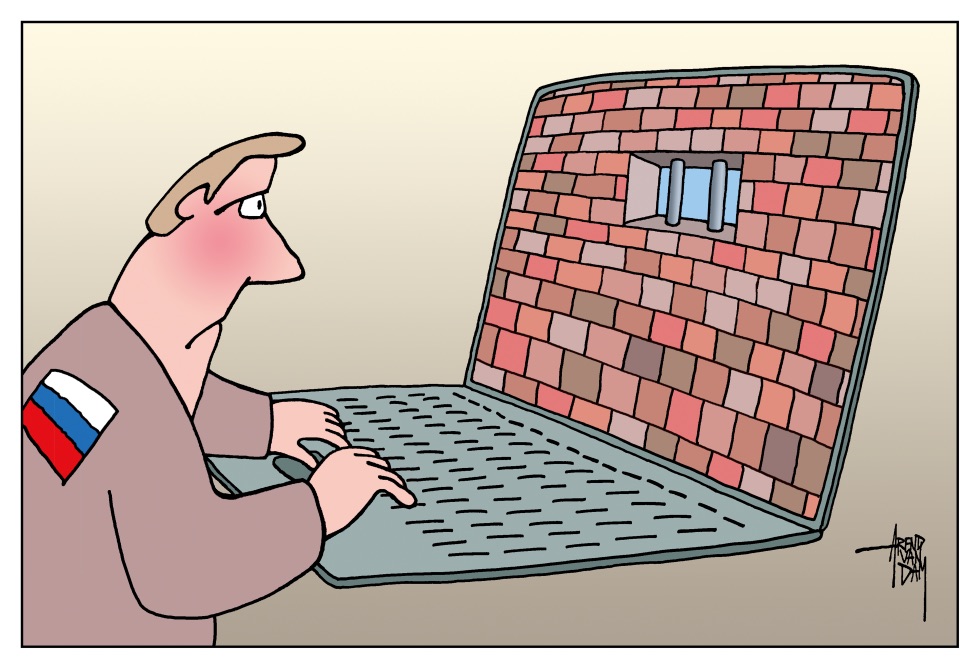
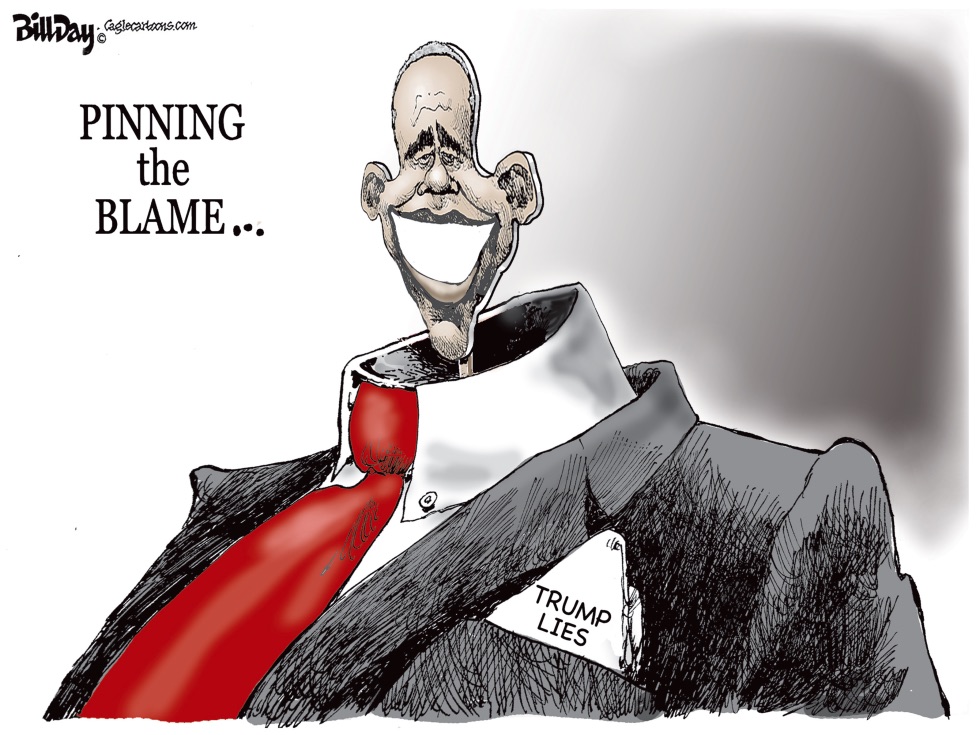
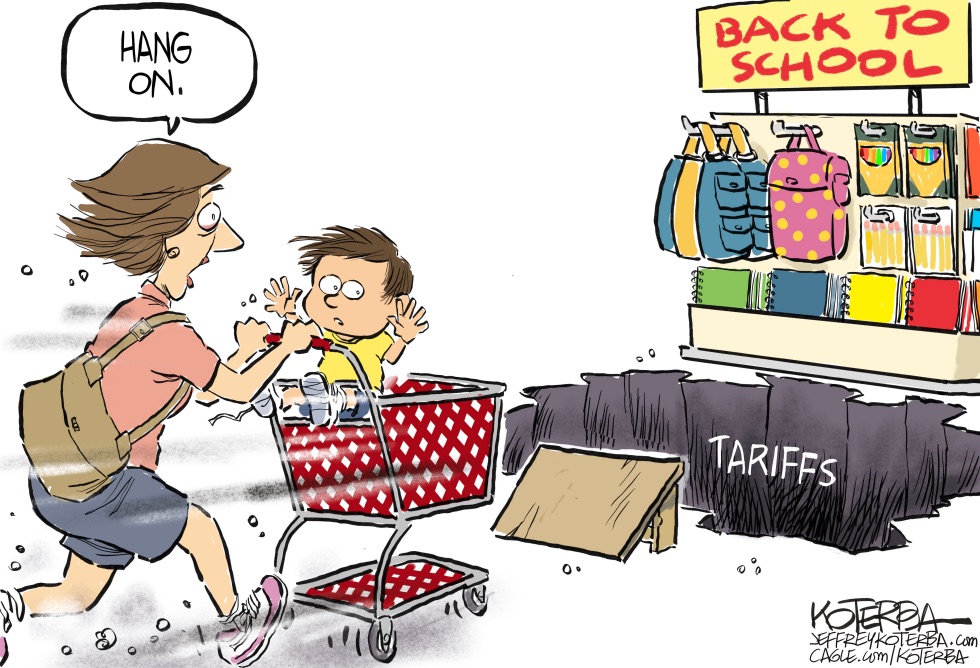
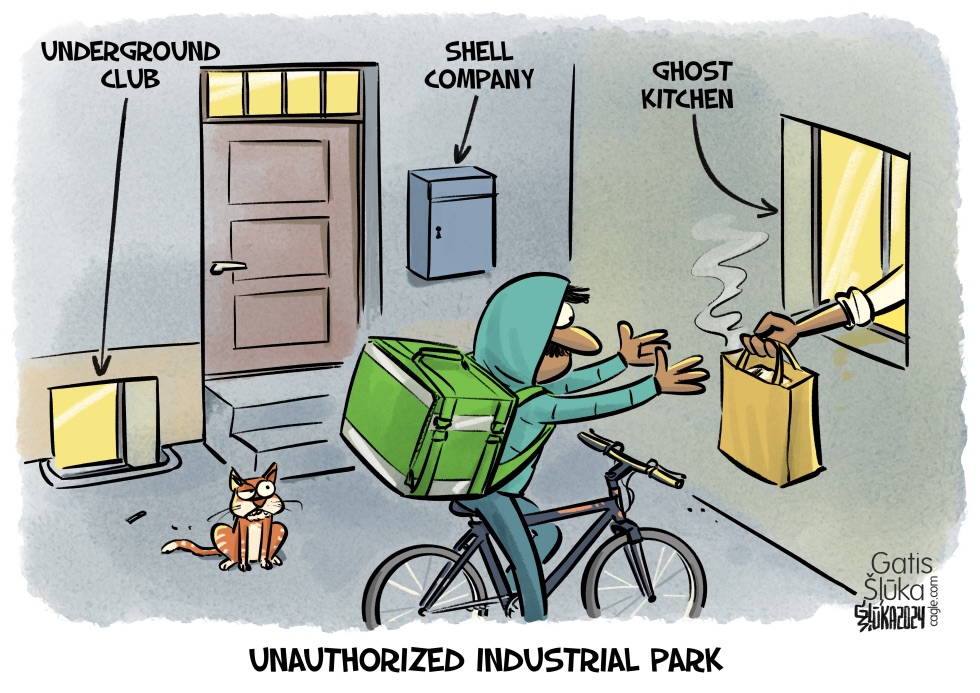
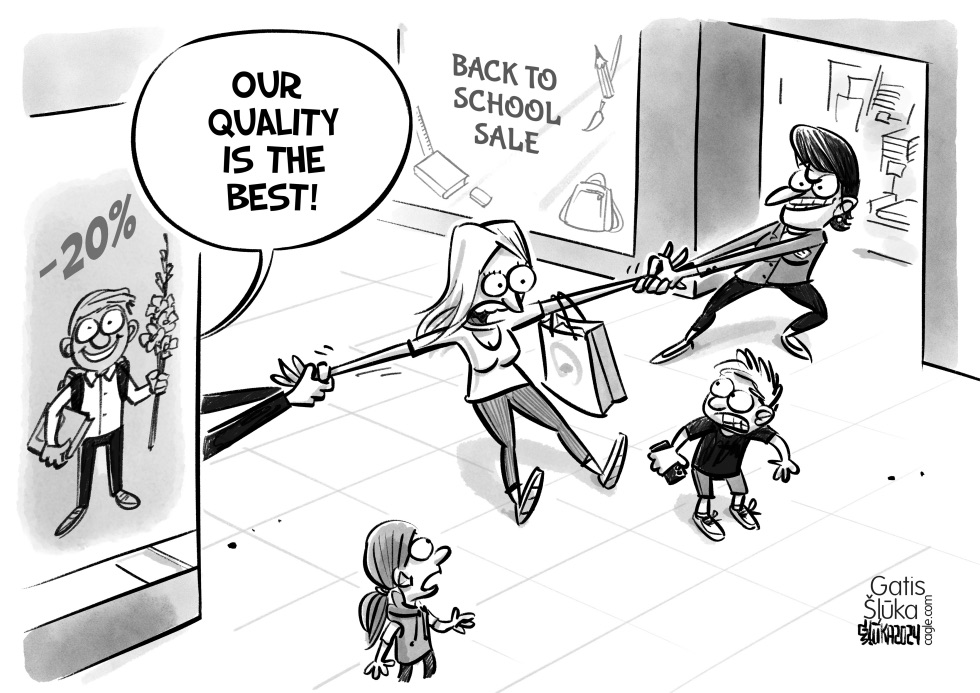
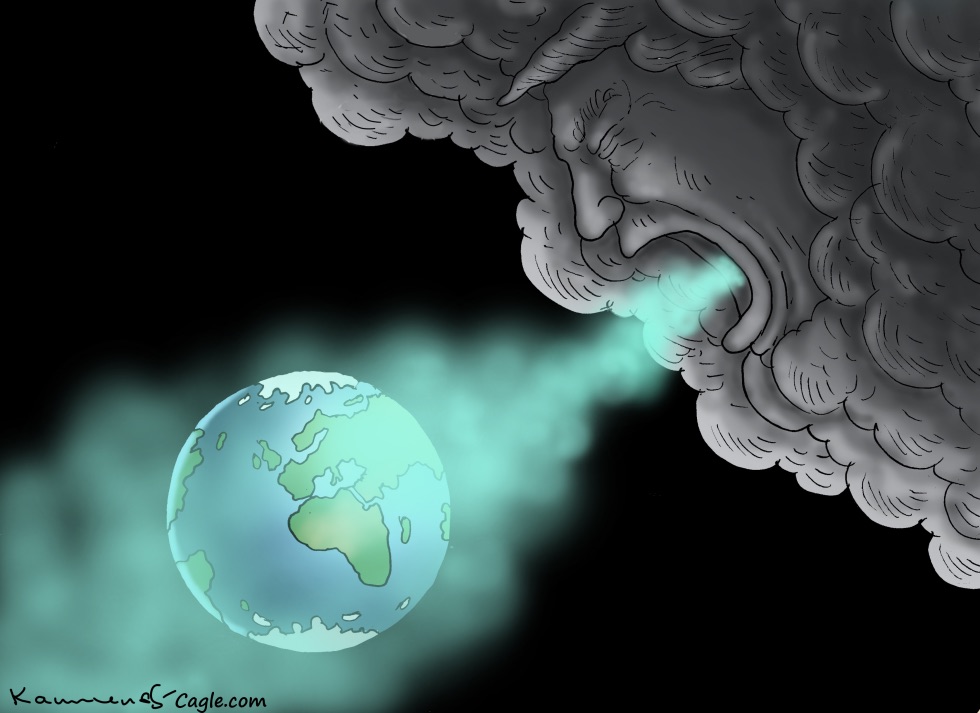
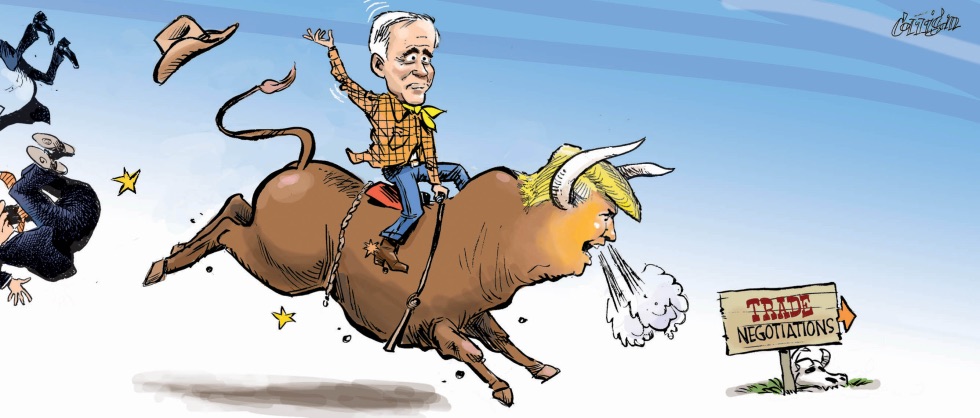
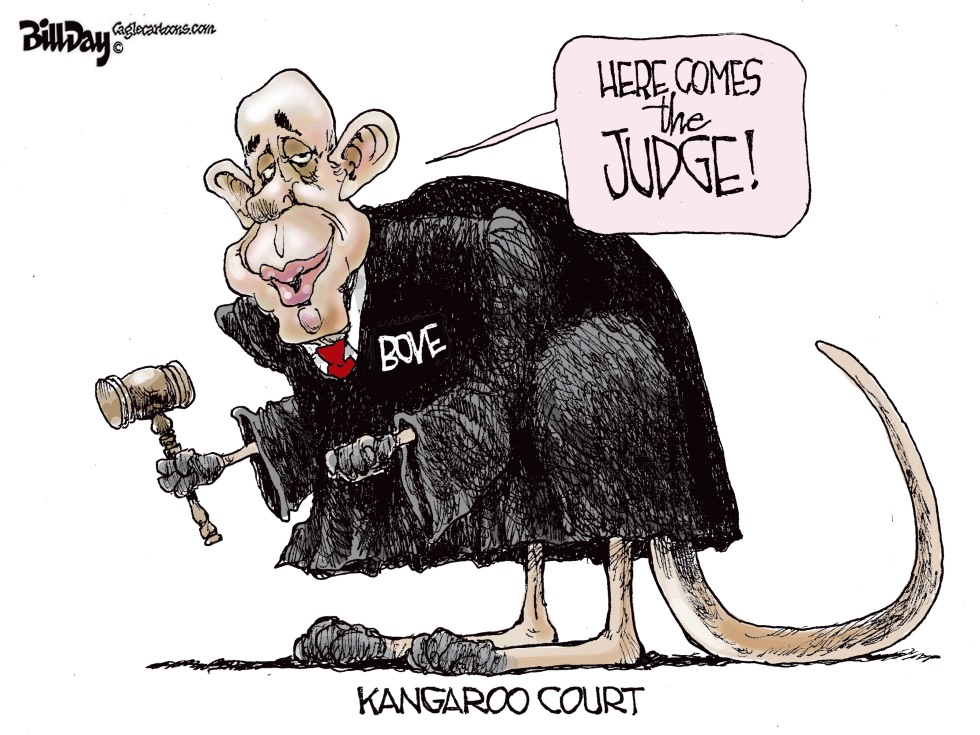
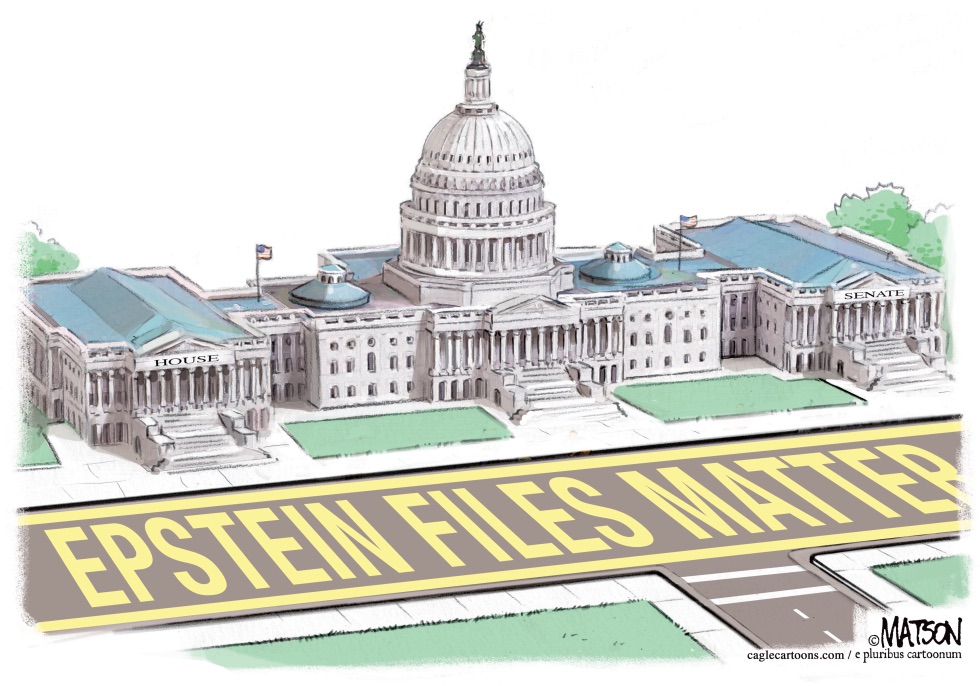
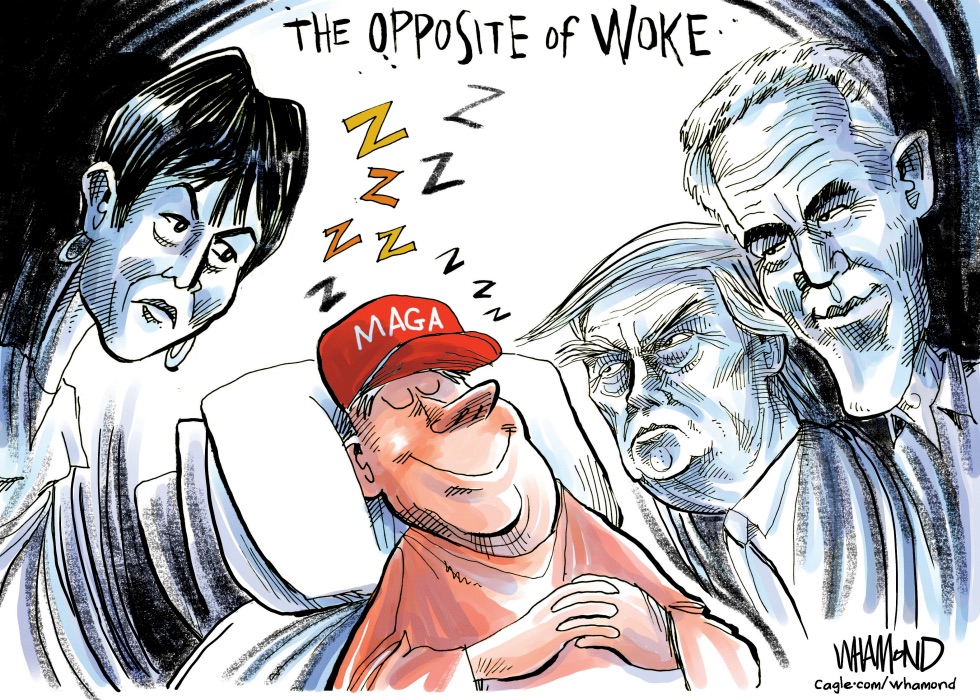
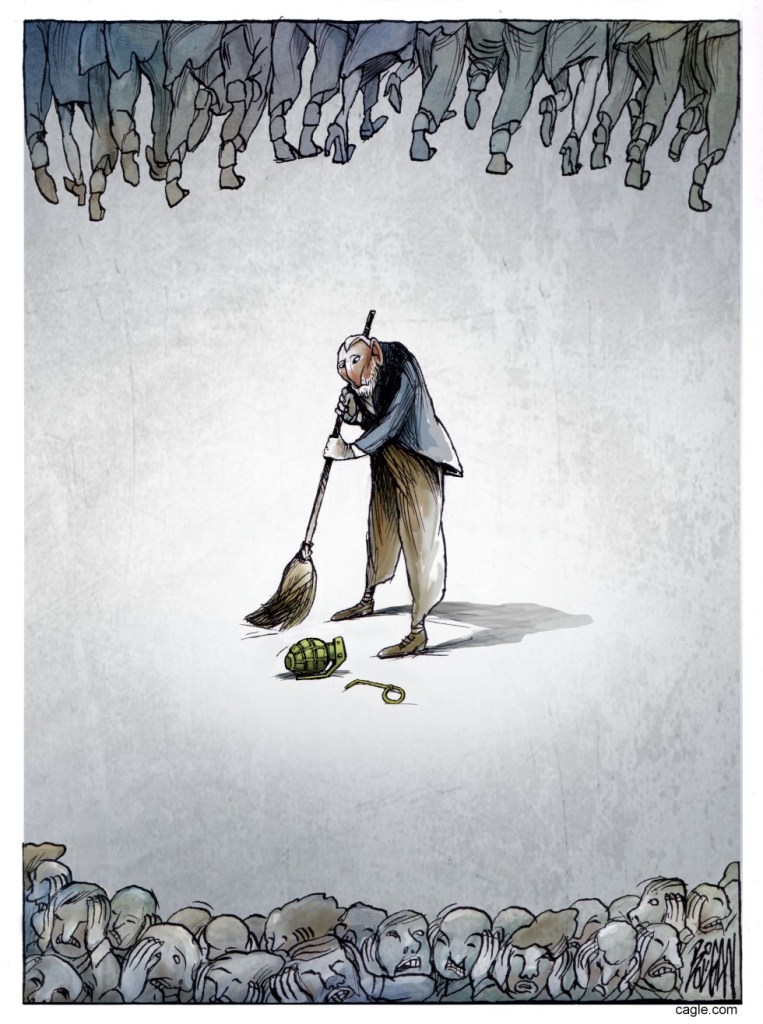
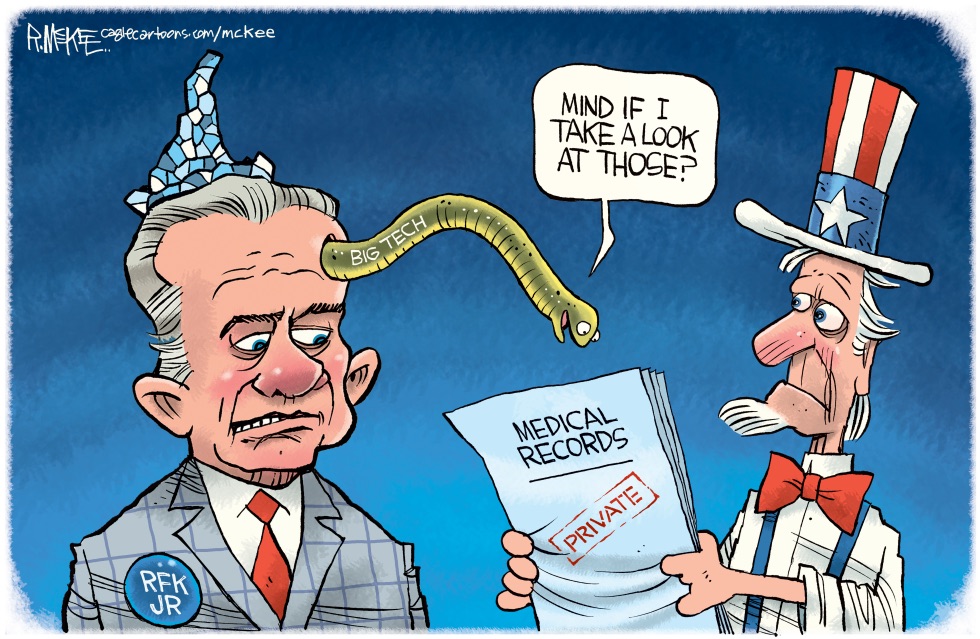
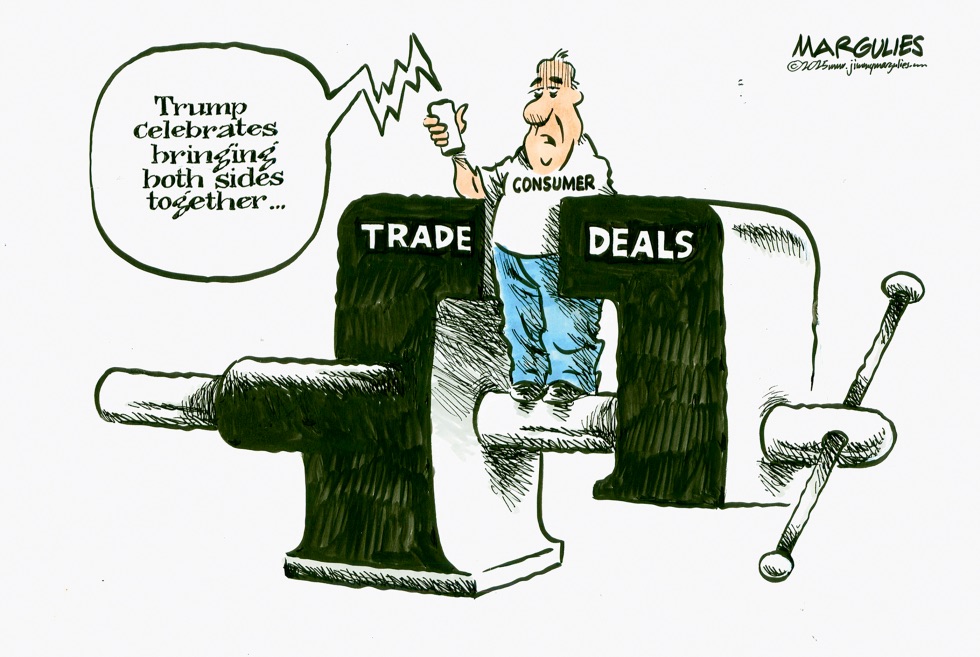
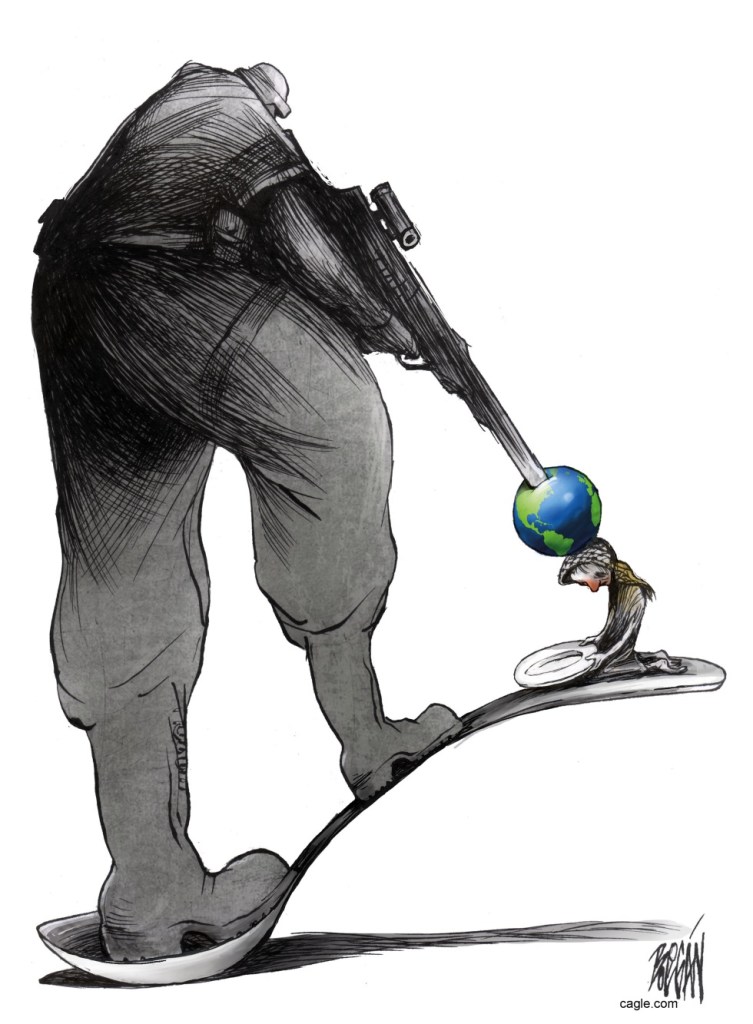
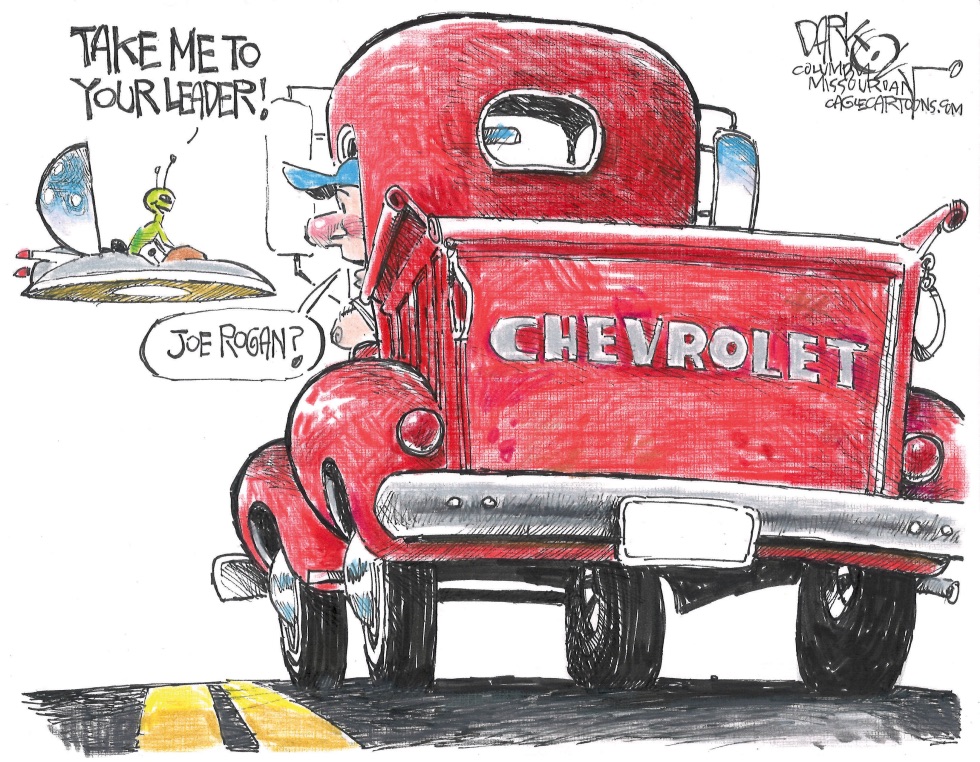
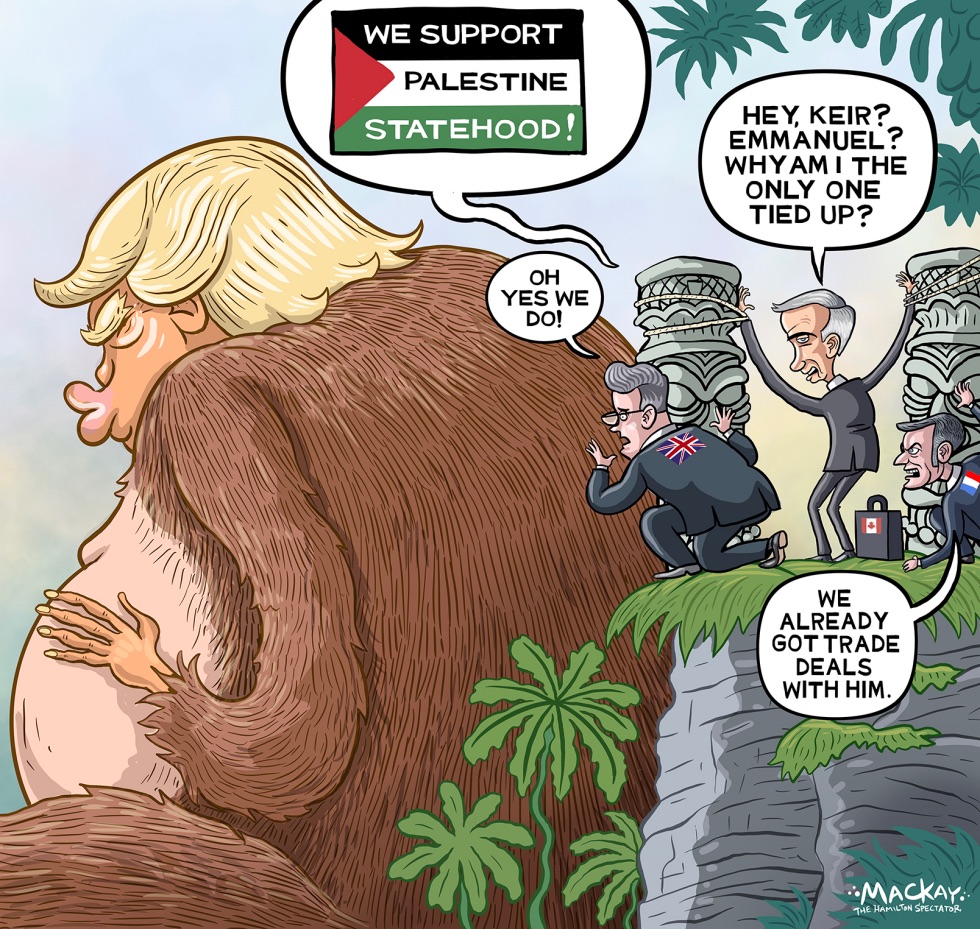
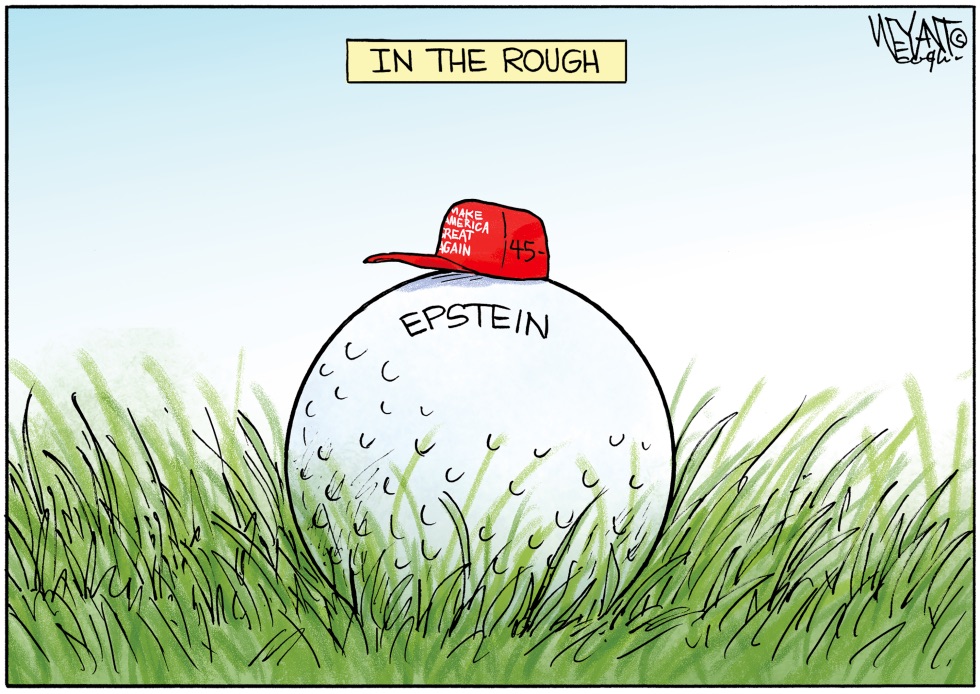
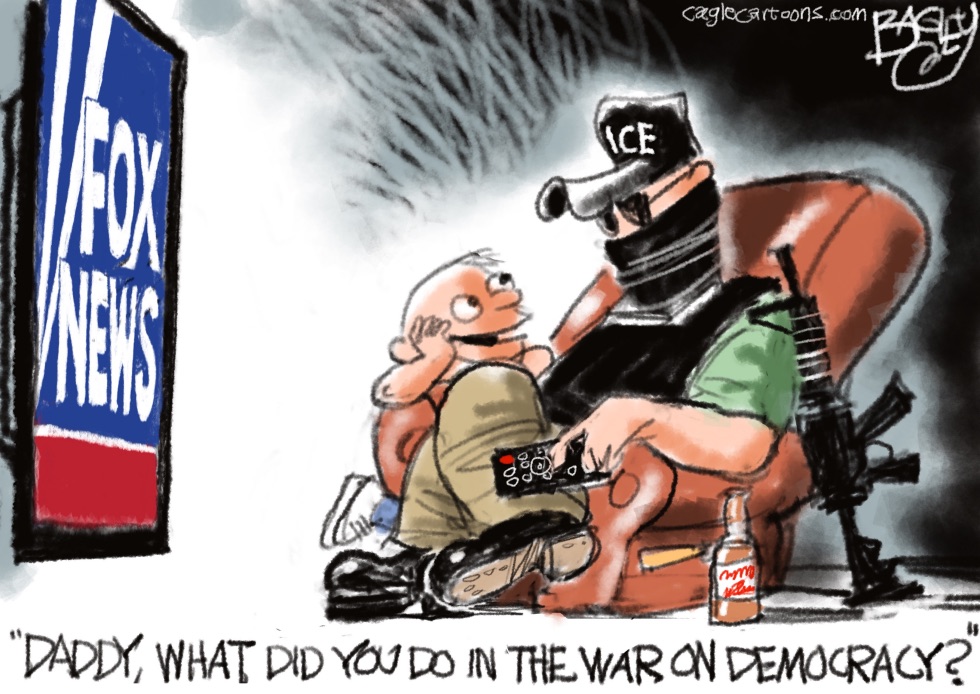
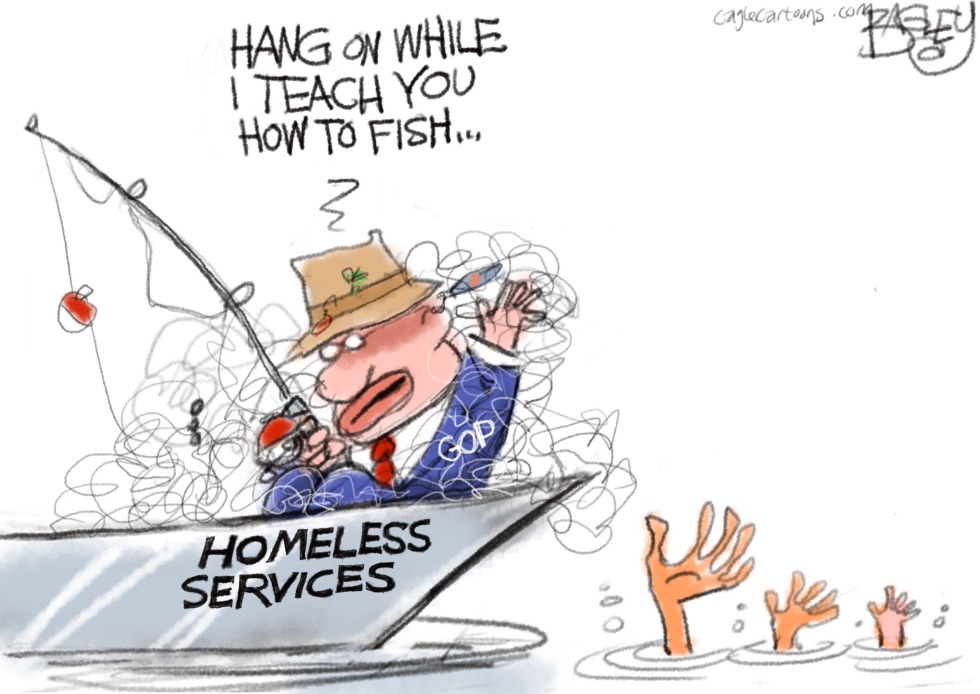
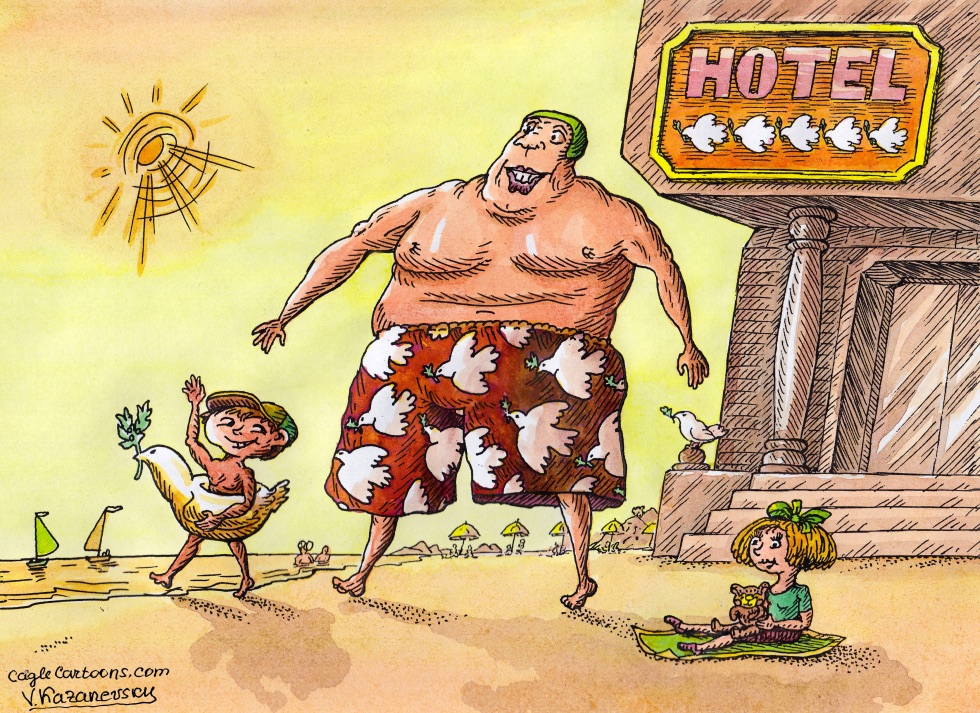
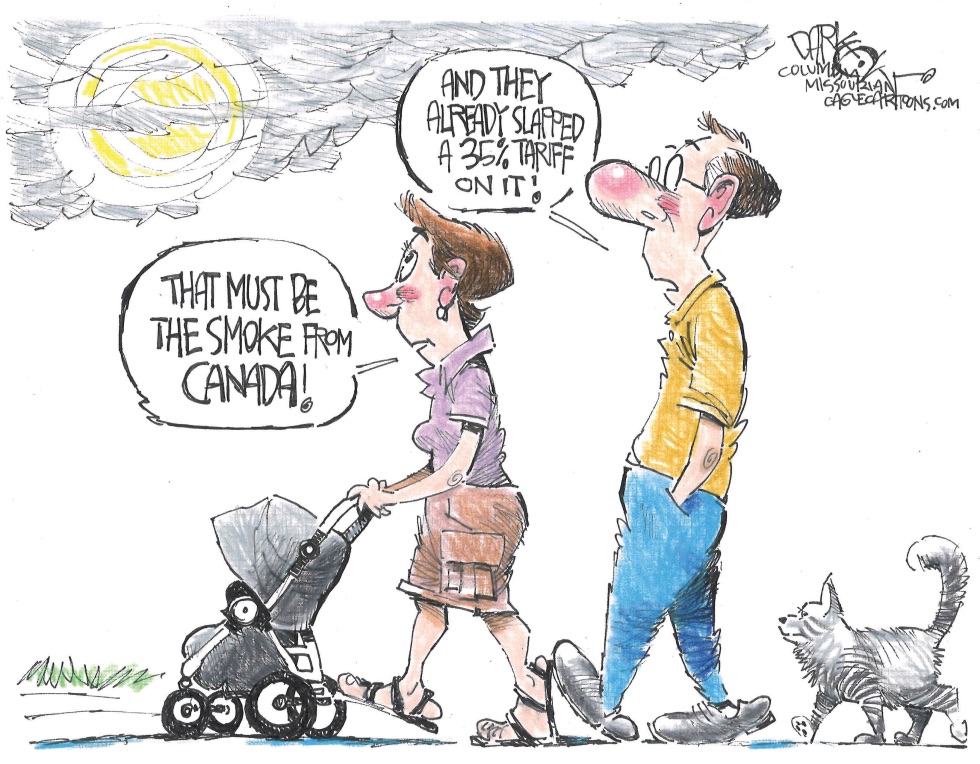
Cartoons via Cagle:

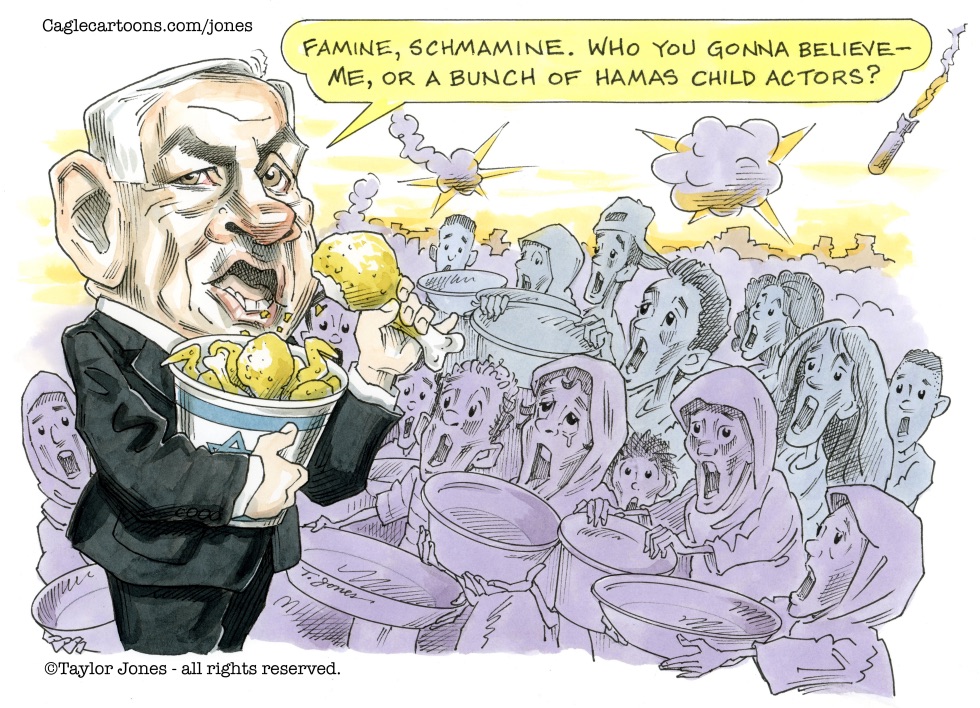

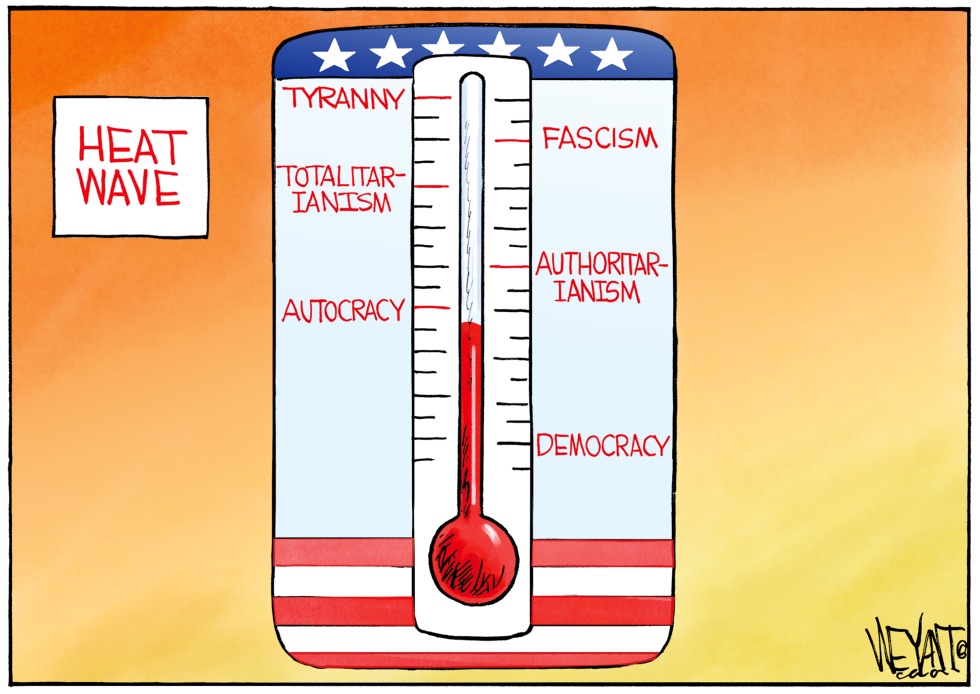


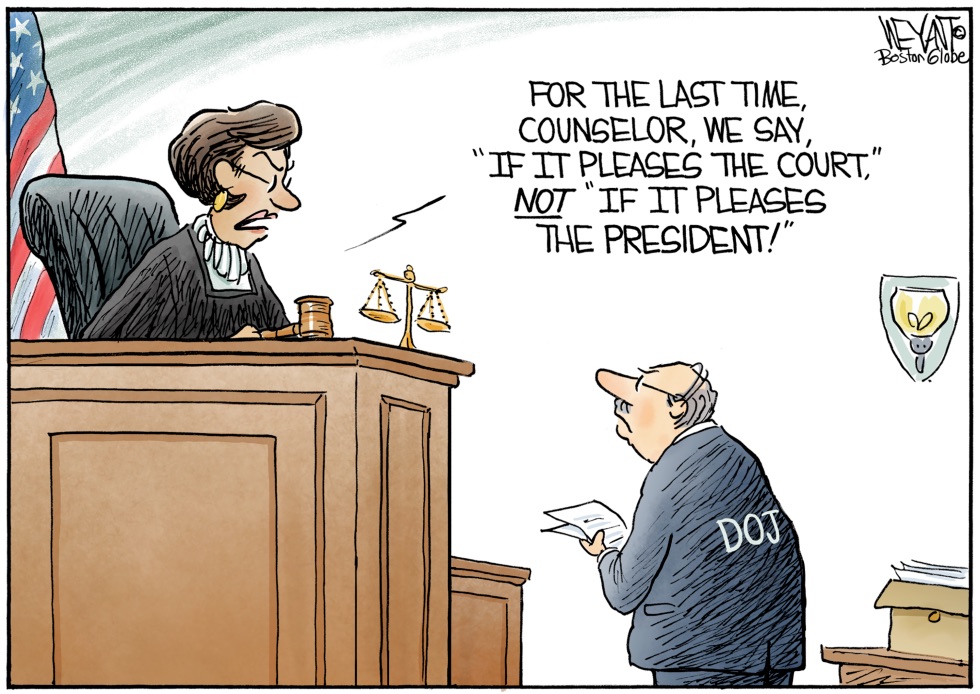
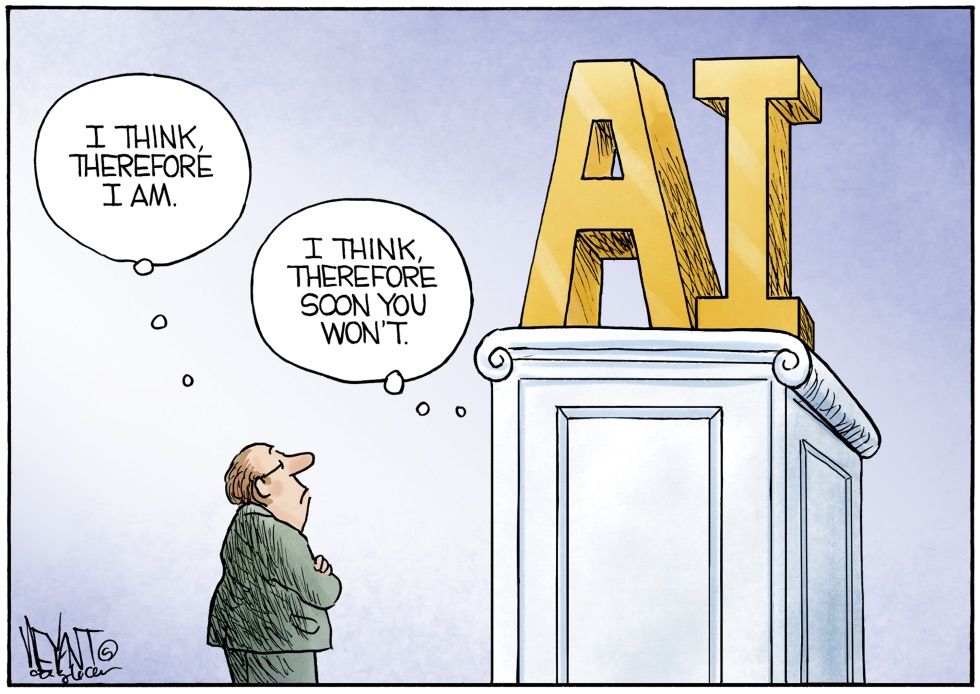
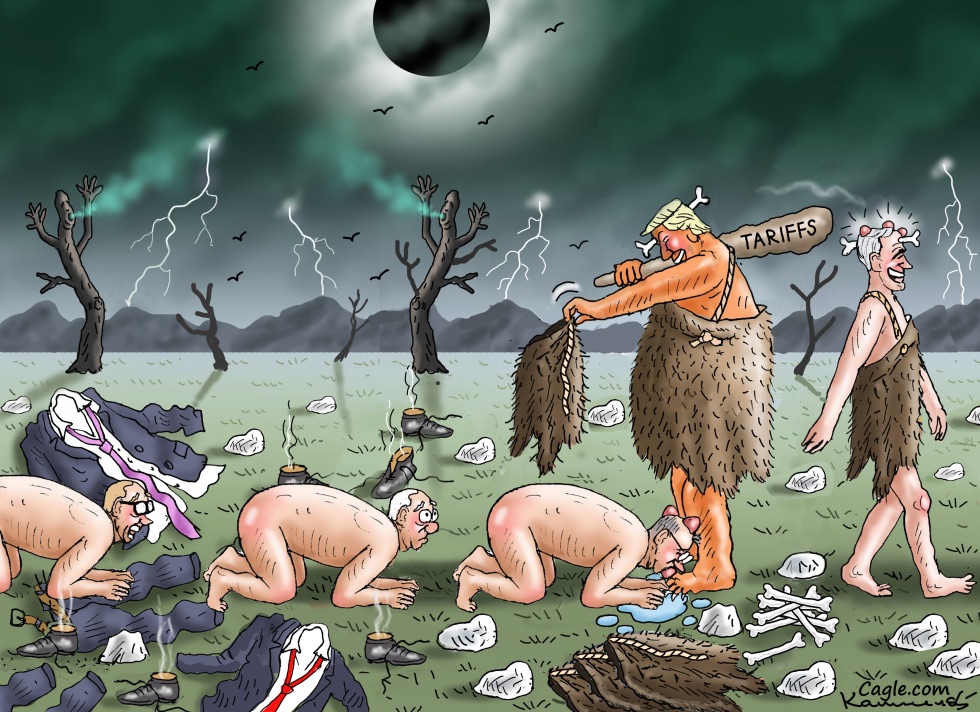
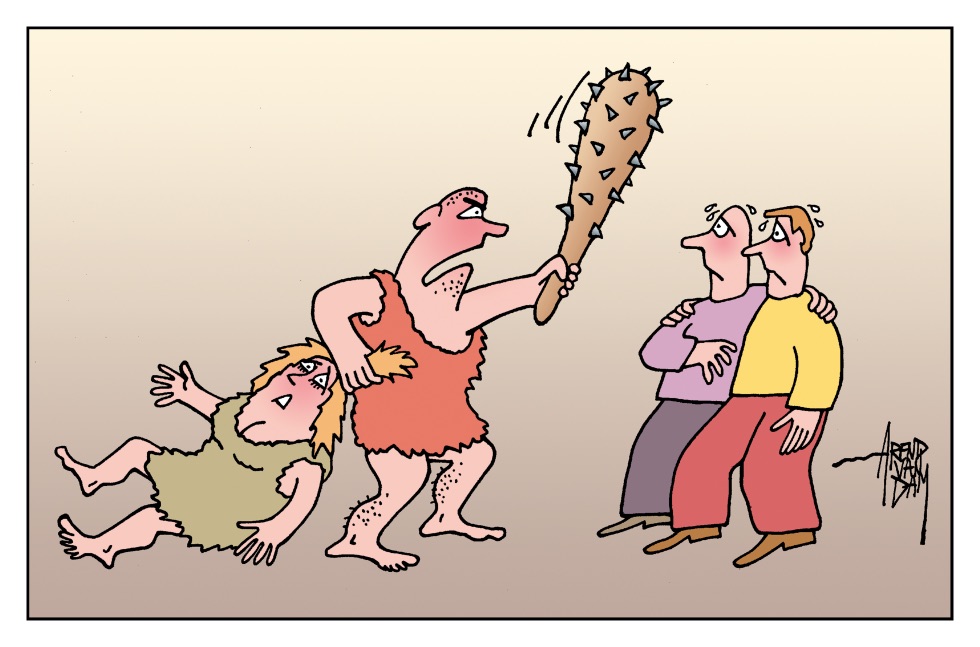



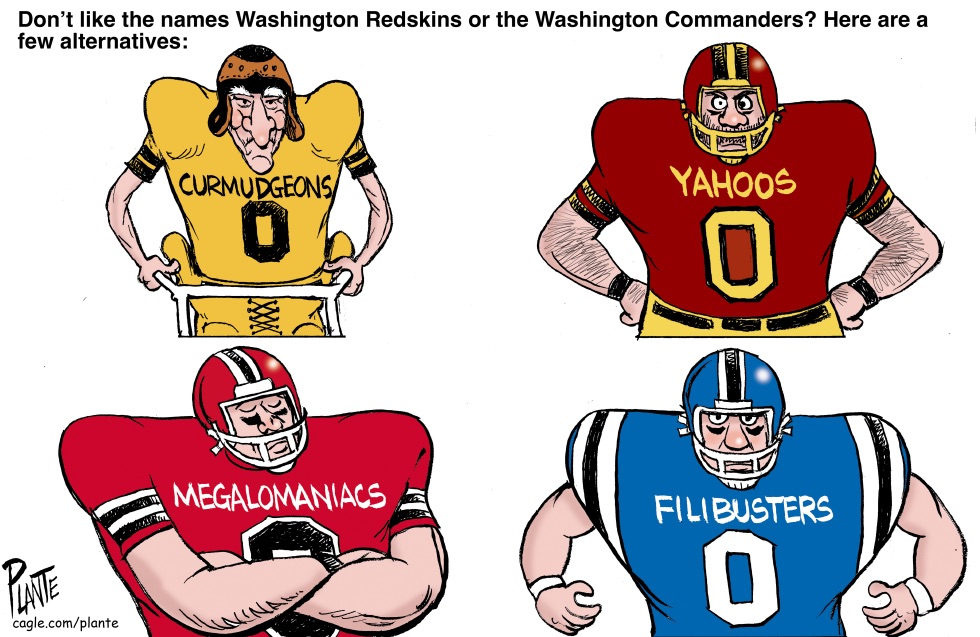
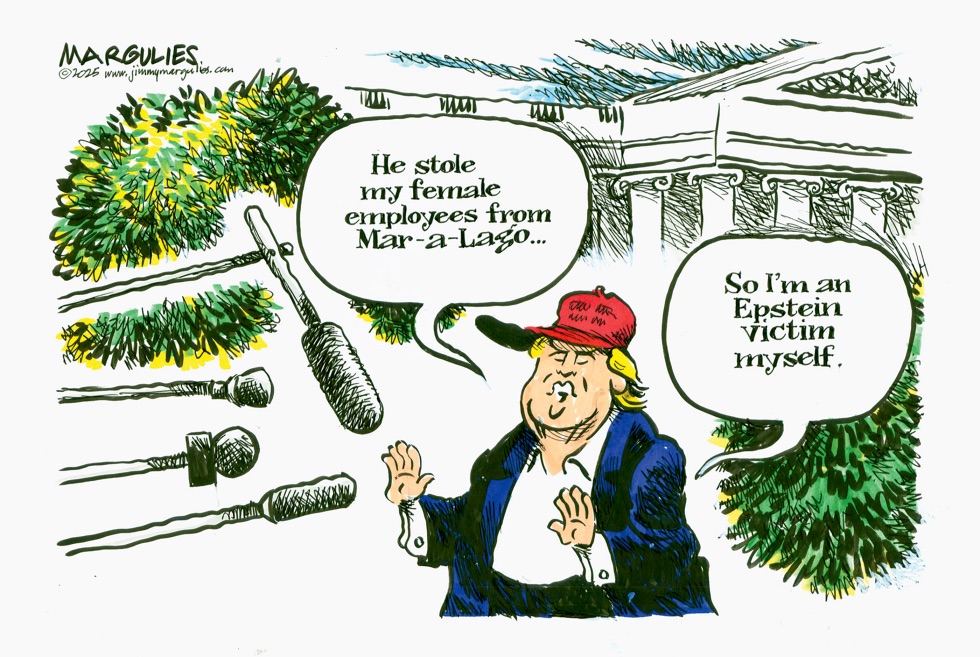
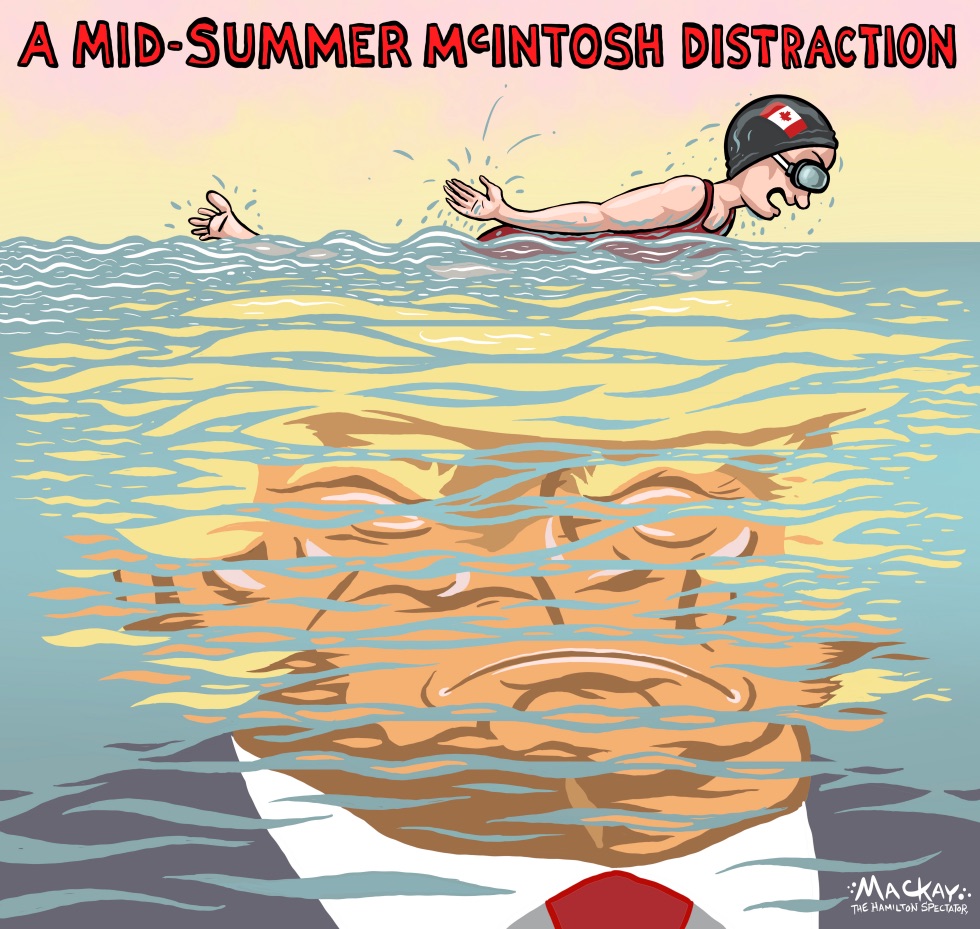
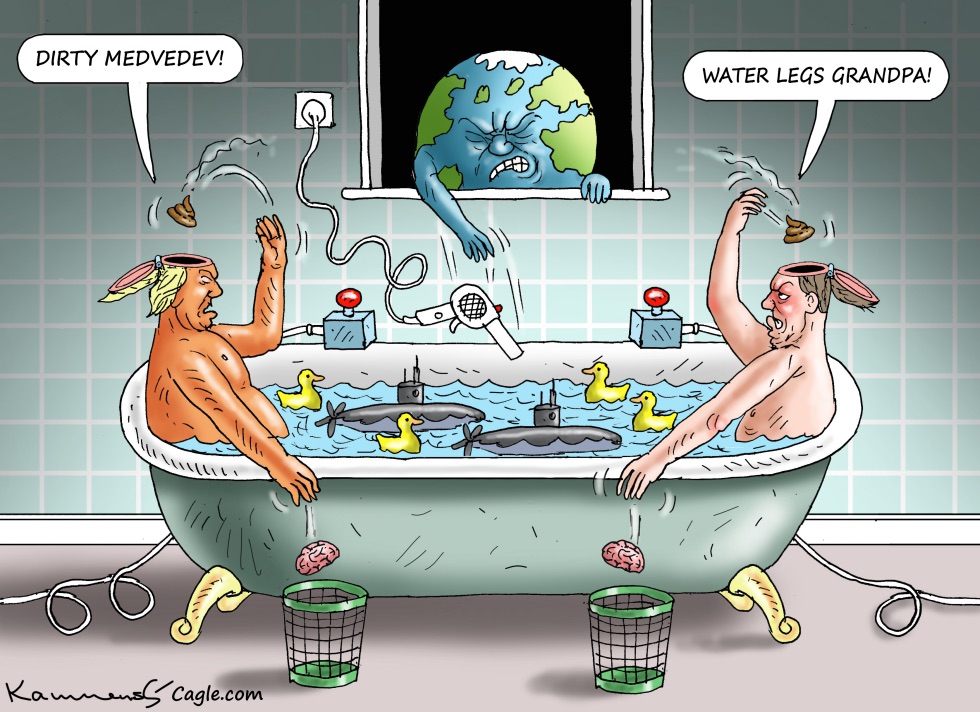


Stay safe out there…this is an open thread.
Lazy Caturday Reads
Posted: August 2, 2025 Filed under: just because | Tags: authoritarianism, Bureau of Labor Statistics, Bureau of Prisons, cat art, caturday, concentration camps, Dmitri Medvedev, Donald Trump, Ghislaine Maxwell, ICE, immigration, Jeffrey Epstein, Jeffrey Epstein files, nuclear submarines, Pete Hegseth, Philip Hegseth, Russia, tent cities, Use of military for immigration enforcement 5 CommentsGood Day!!

Michael Cox, in the style of Amadeo Modigliani
The top stories today focus on Trump’s failing economy and his firing of Bureau of Labor Statistics commissioner Erika McEntarfer after she released weak job numbers yesterday. Dakinikat provided a deep dive into the economy yesterday and addressed the firing in the comments to her post, so I hope you’ll forgive me if I don’t spend much time on economic issues, which are not my area of expertise, to put it mildly.
I’m still laser focused on the Epstein/Maxwell story. I’m currently reading Julie Brown’s book on the case, Perversion of Justice: The Jeffrey Epstein Story, and it is fascinating and enlightening. Brown is was responsible for keeping the case alive–after Epstein received a only slap on the wrist for his crimes–with her investigative stories in the Miami Herald
I’m also concerned about the news that Trump has moved nuclear submarines closer to Russia, perhaps as a threat to Putin and as another attempt at distraction from Epstein/Maxwell news.
Another important story breaking today is about Trump’s plans to further involve the military in his deportation efforts and build more concentration camps to detain migrants.
Two economic stories of possible interest
The Wall Street Journal Editorial Board: The Trump Economy Stumbles.
President Trump has now imposed his new tariff regime on the world, and the triumphalism is palpable in MAGA land. But maybe hold the euphoria, as this week’s reports on jobs and the economy suggest the new golden age may take a while to appear.
Friday’s labor report arrived with a particular jolt, with a mere 73,000 net new jobs in July. Even more bearish were the downward revisions of 258,000 jobs in May and June. Job gains over the last three months are barely more than 100,000.
The details in the report provide little solace. The jobless rate ticked up only to 4.25% from 4.1%, but that was in part because the labor force continued to shrink. The labor participation rate fell again to 62.2% and is now down half a percentage point in a year.
Employers aren’t laying off workers, but they have all but stopped new hiring. Notably, most of the new jobs are in healthcare and social assistance, which rely heavily on government spending. This continues the Biden-era trend that Trumponomics was supposed to change. Not so far.
The much-advertised rebirth of U.S. manufacturing also hasn’t arrived. The economy shed 11,000 manufacturing jobs in July, following a loss of 26,000 in May and June. The ISM Manufacturing Index fell again in July to 48, the fifth straight month below 50.
A bit more:
One labor market problem may be the crackdown on migrant workers. The foreign-born workforce has fallen by about a million since Mr. Trump took office. The National Foundation for American Policy, a nonpartisan think tank, says immigrants accounted for over half of the labor force increase in each of the last three decades. Fewer workers means fewer new jobs as employers conclude they can’t fill them.
How much of this jobs and growth slowdown owes to Mr. Trump’s tariffs? It’s hard to say for sure. But it has occurred in the wake of Mr. Trump’s April 2 tariff shock, his rapid backtrack from the highest rates, and then his willy-nilly threats and deal-making with the world. The policy uncertainty has surely affected business hiring and investment. How can you hire or invest if you don’t know what your cost of goods will be, or from which supplier you will be able to buy at a competitive price?
On that score, Mr. Trump’s latest tariff blast this week hasn’t put an end to the uncertainty. Much of the world will now pay 15%, if Mr. Trump sticks to his deals. But some of the biggest U.S. trading partners—Mexico, Canada, China and India—remain in tariff limbo. Brazil will pay 50%, though it has a trade surplus with the U.S. And what did Switzerland ever do to Mr. Trump to deserve 39%? Charge too much for a watch?
Don Moynihan at Can We Still Govern?: Trump Shoots the Messenger. Firing the BLS Commissioner moves us into banana republic territory.
One basic character of the politicization necessary to create an authoritarian regime is that public employees are reluctant to share information that displeases their political bosses. When those bosses can fire them, the incentives to suppress uncongenial information, or provide false information, become overwhelming.
Modigliani’s Cat by Eve Riser Roberts
Over time, life in these countries become bifurcated. Statistics become propaganda. There is an official reality, which many proclaim but few believe, and actual reality. And at some point actual reality catches up with the fantasy.
We have seen examples of this dynamic already play out in the Trump administration. Career civil servants have been reluctant to contradict, for example, Musk’s false claims about fraud in government, or Kennedy’s nonsensical claims about vaccines, knowing that doing so would probably cost them their jobs. In certain areas, such as environmental policy, the people that produce factual information that the administration dislikes are being fired.
Trump just took his attack on reality to a different level, by firing the head of the Bureau of Labor Statistics. Why? Because he did not like the job numbers her agency produced.
In related news, we just saw the last credible BLS data for the rest of the Trump administration….
Trump’s claim is that the head of the BLS is somehow “rigged” the data “to make the Republicans, and ME, look bad.” “We need accurate Jobs Numbers” that reflect Trump’s opinion that “The Economy is BOOMING.”
As Trump fires an official because he does not like the job numbers, he proclaims that says that such numbers “can’t be manipulated for political purposes.” But revisions to job numbers are routine, and there is no reason to assume that an official would willingly publish false data knowing the ire that would follow from the White House.
Trump has no evidence for what he claims. He simply does not like reality, and will do what he can to deny it. And as tariffs kick in, and Trump’s layoffs of public employees becomes incorporated into jobs data, that reality will look worse and worse.

Read the rest at the Substack link.
Epstein/Maxwell News
Anna Betts at The Guardian: Epstein confidante Ghislaine Maxwell transferred to lower-security prison in Texas.
Ghislaine Maxwell, the associate of Jeffrey Epstein who is currently serving a 20-year prison sentence for sex-trafficking crimes, has been transferred from a federal prison in Florida, to a lower-security facility in Texas, the US Bureau of Prisons said on Friday.
“We can confirm, Ghislaine Maxwell is in the custody of the Bureau of Prisons (BOP) at the Federal Prison Camp (FPC) Bryan in Bryan, Texas,” a spokesperson for the Bureau of Prisons said in a statement.
Maxwell’s attorney, David Oscar Markus, also confirmed the transfer but declined further comment. FPC Bryan is described as a “minimum security federal prison camp” that houses 635 female inmates.
According to the Bureau of Prisons’ inmate locator, the Texas facility is also home to Elizabeth Holmes, the disgraced former CEO of the California-based blood-testing company Theranos, who is serving a lengthy sentence for fraud. Real Housewives of Salt Lake City TV star Jen Shah is also serving time there for fraud.
Oh good. Maybe they can all hang out.
Maxwell’s move from FCI Tallahassee, a low-security prison, to the federal prison camp in Bryan comes roughly a week after she was interviewed in Florida over two days about the Epstein case by the deputy US attorney general, Todd Blanche, who is also one of Donald Trump’s former lawyers.
Amadeo Modigliani, by Nancy Alari
Blanche had said that he wanted to speak with Maxwell – who was sentenced in 2022 for sex trafficking and other related crimes – to see if she might have “information about anyone who has committed crimes against victims”.
Details of that meeting have not been made public but Maxwell’s lawyer described it as “very productive”, adding that Maxwell answered the questions “honestly, truthfully, to the best of her ability”.
The interview took place amid growing political and public pressure on the Trump administration to release additional federal documents related to the Epstein case – a case which has, for years, been the subject of countless conspiracy theories.
Earlier in July, the justice department drew bipartisan criticism and backlash after announcing that it would not be releasing any more documents from the investigation into the late Epstein, who died in prison in New York in 2019 while awaiting federal trial. This was despite earlier pledges to release more files, by the US president and the US attorney general, Pam Bondi.

Allison Gill notes that this transfer was highly irregular:
The reason for the move is listed as a “lesser security transfer” (code 308) according to a transfer document I reviewed, which is completely inappropriate of for inmates who are in the early stages of serving their sentences, according to another source. “This is such obvious corruption. I have never seen this before,” said another person at BOP familiar with the situation.
The unit that approves waivers for sex offenders to be moved to minimum security camps is the Designation and Sentence Computation Center near Dallas. Currently, the senior deputy assistant director is Rick Stover, a career BOP employee who speaks frequently with White House officials.
I can’t help but wonder whether this is part of a deal struck between Maxwell and Blanche in exchange for her testimony.
It sure looks like it.
CNBC: Jeffrey Epstein victims and family blast Trump for Ghislaine Maxwell prison transfer.
Two sexual abuse victims of Jeffrey Epstein and the family of late Epstein victim Virginia Giuffre on Friday blasted President Donald Trump after learning that Epstein’s accomplice Ghislaine Maxwell had been transferred to a less restrictive prison in Texas from Florida….
“President Trump has sent a clear message today: Pedophiles deserve preferential treatment and their victims do not matter,” the statement said, noting that the two women and Giuffre’s family had not been notified of Maxwell’s transfer before media reports of it….
“It is with horror and outrage that we object to the preferential treatment convicted sex trafficker Ghislaine Maxwell has received,” the statement said.
“Ghislaine Maxwell is a sexual predator who physically assaulted minor children on multiple occasions, and she should never be shown any leniency,” the statement said.
“Yet, without any notification to the Maxwell victims, the government overnight has moved Maxwell to a minimum security luxury prison in Texas,” the statement said.
“This is the justice system failing victims right before our eyes. The American public should be enraged by the preferential treatment being given to a pedophile and a criminally charged child sex offender. The Trump administration should not credit a word Maxwell says, as the government itself sought charges against Maxwell for being a serial liar,” the statement said.
“This move smacks of a cover up. The victims deserve better,” the statement said.
No kidding. And as we all know, the coverup is usually worse than the crime.
This is interesting, from Alison Detzel at MSNBC: Legal expert breaks down the ‘curious’ timeline of Ghislaine Maxwell’s DOJ meeting.
Before Maxwell’s arrival in Texas was reported, MSNBC legal correspondent Lisa Rubin was asked about the interactions between Maxwell and the Trump administration on Thursday’s “Deadline: White House,” and called the timeline “curious.”
Rubin recounted that before that late July meeting between Blanche and Maxwell, the Trump administration, through Solicitor General D. John Sauer, submitted a brief to the Supreme Court arguing Maxwell’s conviction should stand. (Maxwell was sentenced to 20 years in prison in 2022 after being convicted of sex-trafficking-related crimes.) In that July 14 filing, Sauer shot down Maxwell’s claim that she was protected from prosecution due to Epstein’s 2007 plea agreement in Florida.
But the following day, Rubin recalled, on July 15, Trump was contacted by reporters from The Wall Street Journal about an alleged birthday card he had written to Epstein in 2003. Trump has denied the Journal’s reporting, but the president was inundated with questions about the details of his relationship with Epstein.
One week later, Blanche posted to social media that the Justice Department would reach out to Maxwell for an interview, and later that week, he met with her in Florida.
Rubin noted that the government had “two days of conversations with her, not in the federal prison where she’s serving time, but in a U.S. Attorney’s Office, so she theoretically could be more comfortable during those conversations.”
While we know that the meeting took place, Rubin stressed that many of the details are still unknown: “We still don’t know who else from the Department of Justice was there. We don’t know how that conversation was recorded, if at all. And yet, we still don’t know what the resolution is.”
So what changed? Was it just about the birthday note/drawing? Or did Trump learn something else about how he was portrayed in the FBI files?

Cat in a Hat, inspired by Amadeo Modigliani painting, by Olga Koval
One more Epstein story from Newsweek: Donald Trump’s Name in Jeffrey Epstein Files Redacted by FBI: Report.
The FBI redacted Donald Trump‘s name, along with the names of other prominent public figures, from references in the Jeffrey Epstein files, three people familiar with the matter told Bloomberg‘s Jason Leopold.
Internal directives instructed about 1,000 FBI agents to flag any mention of Trump during a March review of roughly 100,000 pages of records, people familiar with the process told Bloomberg.
The Justice Department said the review turned up no “client list” or evidence linking Trump to criminal activity, despite his name appearing in Epstein’s contact book and flight logs….
The president and senior White House officials have repeatedly said in recent weeks that there was no reason to release the remaining Epstein files, and they have sought to move on from the saga despite calls from Trump’s base to release all documents as promised.
The Bloomberg report said that earlier this year, FBI agents were directed to search for all documents associated with the Epstein case and determine which could be released, totaling tens of thousands of pages, following Attorney General Pam Bondi‘s request for them.
During the review, in March, FBI personnel were said to have identified numerous references to Trump and other high-profile people, with the names then redacted by FOIA officers because they were private citizens at the time—a common practice under FOIA case law.
Trump Moves Nuclear Submarines
Brad Lendon at CNN: Trump is moving nuclear submarines following remarks by an ex-Russian president. Here are the subs in the American fleet.
US President Donald Trump said Friday he was ordering two US Navy nuclear submarines to “appropriate regions,” in response to remarks by Dmitry Medvedev, Russia’s former president and current deputy chairman of its Security Council.
In what he called an effort to be “prepared,” Trump said in a Truth Social post that he had “ordered two Nuclear Submarines to be positioned in the appropriate regions, just in case these foolish and inflammatory statements are more than just that.”
The president did not specify what type of submarines were being moved or where to, and the Pentagon usually reveals little about any of its subs’ movements.
The US Navy has three types of submarines, all of which are nuclear-powered, but only one of which carries nuclear weapons.
Ballistic Missile Submarines
The US Navy has 14 Ohio-class ballistic-missile submarines (SSBNs), often referred to as “boomers.”
SSBNs “are designed specifically for stealth and the precise delivery of nuclear warheads,” a Navy fact sheet on them says.
Each can carry 20 Trident ballistic missiles with multiple nuclear warheads. Tridents have a range of up to 4,600 miles (7,400 kilometers), meaning they wouldn’t need to move closer to Russia to hit it – in fact, they could do so from the Atlantic, Pacific, Indian or Arctic oceans….
Olga Koval, Cat is on the chair, inspired by Amadeo Modigliani painting
Guided missile submarines
In the 1990s, the Pentagon determined the Navy didn’t need as many Ohio-class SSBNs in the nuclear deterrent role, converting four of them into guided-missile submarines (SSGNs).
Retaining the same overall specs as the boomers, the SSGNs carry Tomahawk cruise missiles instead of the Trident ballistic missiles.
Each can carry 154 Tomahawks with a high-explosive warhead of up to 1,000 pounds, and a range of about 1,000 miles….
Fast-attack submarines
These form the bulk of the US Navy’s submarine fleet and are designed to hunt and destroy enemy subs and surface ships with torpedoes. They can also strike land-based targets with Tomahawk missiles, though they carry the Tomahawks in much smaller numbers than the SSGNs.

Read more details at CNN.
Tom Nichols at The Atlantic (gift link): Not With a Bang, but With a Truth Social Post. The president is rattling a nuclear saber as a distraction.
Donald Trump, beset by a week of bad news, has decided to rattle the most dangerous saber of all. In a post today on his Truth Social site, the president claimed that in response to recent remarks by former Russian President Dmitri Medvedev, he has “ordered two Nuclear Submarines to be positioned in the appropriate regions.” (All American submarines are nuclear-powered; Trump may mean submarines armed with ballistic nuclear weapons.) “Words are very important,” Trump added, “and can often lead to unintended consequences, I hope this will not be one of those instances.”
And then, of course: “Thank you for your attention to this matter!”
Trump’s words may mean nothing. The submarines that carry America’s sea-based nuclear deterrent routinely move around the world’s oceans. Each carries up to 20 nuclear warheads, on missiles with a range of more than 4,000 miles, and so almost anywhere can be an “appropriate region.” And Trump may not even have issued such orders; normally, the Pentagon and the White House do not discuss the movements of America’s ballistic-missile submarines.
Medvedev is a man with little actual power in Russia, but he has become Russia’s top internet troll, regularly threatening America and its allies. No one takes him seriously, even in his own country. He and Trump have been trading public insults on social media for months, with Trump telling Medvedev to “watch his words” and Medvedev—nicknamed “Little Dima” in Russia due to his diminutive stature—warning Trump to remember Russia’s “Dead Hand,” a supposed doomsday system that could launch all of Russia’s nuclear weapons even if Moscow were destroyed and the Kremlin leadership killed.
The problem is not that Trump is going to spark a nuclear crisis with a post about two submarines—at least not this time. The much more worrisome issue is that the president of the United States thinks it is acceptable to use ballistic-missile submarines like toys, objects to be waved around when he wants to distract the public or deflect from bad news, or merely because some Russian official has annoyed him.
Unfortunately, Trump has never understood “nuclear,” as he calls it. In a 2015 Republican primary debate, Trump said: “We have to be extremely vigilant and extremely careful when it comes to nuclear. Nuclear changes the whole ball game.” When the moderator Hugh Hewitt pressed Trump and asked which part of the U.S. triad (land-based missiles, bombers, and submarines) would be his priority, Trump answered: “For me, nuclear, the power, the devastation, is very important to me.”
That power and devastation, however, is apparently not enough to stop the president from making irresponsible statements in response to a Kremlin troll. One would hope that after nearly five years in office—which must have included multiple briefings on nuclear weapons and how to order their use—Trump might be a bit more hesitant to throw such threats around. But he appears to have no sense of the past or the future; he lives in the now, and winning the moment is always the most important thing.
Use the gift link above to read more.
Are More Concentration Camps Like Alligator Alcatraz Coming?
Greg Sargent at The New Republic: Trump’s Domestic Use of Military Set to Get Worse, Leaked Memo Shows.
President Donald Trump has already enmeshed the United States military in domestic law enforcement operations involving immigration to an unprecedented degree. He has authorized a major military buildup at the border. He has maximized the use of military planes for deportations, complete with the White House pumping out imagery of migrants getting frog-marched onto souped-up military aircraft. He sent the National Guard into Los Angeles amid large-scale protests there—and then sent in the Marines.
But an internal memo circulated inside the Department of Homeland Security suggests that Trump’s use of the military for domestic law enforcement on immigration could soon get worse. The memo—obtained by The New Republic—provides a glimpse into the thinking of top officials as they seek to involve the Defense Department more deeply in these domestic operations, and it has unnerved experts who believe it portends a frightening escalation.
Woman red dress grey cat, by Theresa Tanner, based on a painting by Modigliani.
The memo lays out the need to persuade top Pentagon officials to get much more serious about using the military to combat illegal immigration—and not just at the border. It suggests that DHS is anticipating many more uses of the military in urban centers, noting that L.A.-style operations may be needed “for years to come.” And it likens the threat posed by transnational gangs and cartels to having “Al Qaeda or ISIS cells and fighters operating freely inside America,” hinting at a ramped-up militarized posture inside the interior.
“The memo is alarming, because it speaks to the intent to use the military within the United States at a level not seen since Japanese internment,” Carrie Lee, senior fellow at the German Marshall Fund, told me. “The military is the most powerful, coercive tool our country has. We don’t want the military doing law enforcement. It absolutely undermines the rule of law.”
The memo was authored by Philip Hegseth—the younger brother of Defense Secretary Pete Hegseth—who is a senior adviser to Homeland Security secretary Kristi Noem and DHS liaison officer to the Defense Department. As such it also sheds light on Hegseth the Younger’s role, which has been the subject of media speculation labeling him an obscure but influential figure in his brother’s MAGA orbit.
The memo outlines the itinerary for a July 21 meeting between senior DHS and Pentagon officials, with the goal of better coordinating the agencies’ activities in “defense of the homeland.” It details goals that Philip Hegseth hopes to accomplish in the meeting and outlines points he wants DHS officials to impress on Pentagon attendees.
Participants listed comprise the very top levels of both agencies, including Defense Secretary Pete Hegseth and several of his top advisers, Joint Chiefs chairman Dan Caine, and NORTHCOM Commander Gregory Guillot. Staff include Phil Hegseth and acting ICE commissioner Todd Lyons….

Please read the rest if you have time.
Samantha Michaels at Mother Jones: ICE Plans to Build More Tent Jails for Immigrants. What Could Go Wrong?
Immigration and Customs Enforcement (ICE), now the best-funded federal lawenforcement agency in the United States, is embarking on a plan to drastically expand its detention infrastructure. But considering the $45 billion it’s been given for the job, the agency’s vision for its new facilities seems startlingly low-tech.
In July, the Wall Street Journal got its hands on internal government documents revealing that ICE wants to incarcerate more immigrants in tents, or “hardened soft-sided facilities.” The administration hopes to erect thousands of these tents “as quickly as possible to expand detention capacity…at US military bases and adjoining bricks-and-mortar ICE jails,” the Journal reported. Officials say they like this approach, at least for now, because they can quickly set up tons of beds in a few new locations rather than finding space at existing facilities here and there.
But tents raise serious humanitarian and safety issues. “There’s a reason no one wants to live in a tent,” says Eunice Cho, an attorney who challenges unconstitutional conditions in immigrant detention centers with the ACLU’s National Prison Project. “There are many, many logistical problems—with sanitation, getting food. They certainly are not weatherproof. They do not have the setup to make sure people’s medical concerns are addressed.”
Prior to 2025, ICE did not use tents for long-term detention, but soft-sided facilities are not completely new in the incarceration realm. Here are some recent examples, each highlighting problems that are almost sure to repeat themselves as the Trump administration rolls out its plan.
Michaels provides a detailed history of tent cities in the U.S. The article is well worth reading in full.
Those are my offerings for today. What do you think? What else is on your mind?
Finally Friday Reads: Burning down the Economy
Posted: August 1, 2025 Filed under: #FARTUS, #MAGAnomics, #We are so Fucked | Tags: Burning Down the Economy, MAGAnomics will kill us, trade wars, Trump Tariffs 15 Comments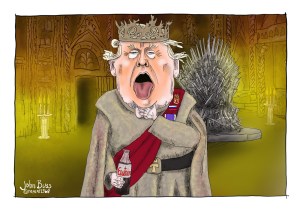
“I’m pretty sure Rosie O’Donnell isn’t the one who is a threat to humanity. No one chokes better than King Donald.” John Buss, @repeat1968
Good Day, Sky Dancers!
Our country’s economy is in trouble. The first signs of stagflation are showing up in our jobs and GDP numbers. More are coming as the chaos surrounding a chaotic and dangerous tariff scheme is put into effect based on political gripes and whims. The gripes of wrath are upon us. It’s too hot to wear my hood and robe because climate change is also throttling the world. None of this was necessary. We are ruled by greedy men of small vision. I’ll start with the weak jobs report and the downward revisions to the recent jobs numbers because it will be easier to speak to. The tariff mess is so chaotically applied that it takes a more detailed look because each country brings different goods to us. Grab your support buddy or blanket. Bad news is never a solo event.
Jeff Cox of CNBC analyzes the oncoming economic crash. “U.S. added just 73,000 jobs in July, and numbers for prior months were revised much lower.” I assume Yam Tits will try to blame Biden, but this is on him. Well, he did get some help from DOGE, which is probably the most costly debacle in the country’s history outside of invading Iraq. This will undoubtedly cost the Republican Party some seats in the midterms. It’s probably why they’re scurrying around to gerrymander states like Texas. As of now, I trust the numbers coming out of the usual agencies. But, I will warn you that I fear the administration will try to cook the books as this gets worse.
Nonfarm payroll growth was slower than expected in July and the unemployment rate ticked higher, raising potential trouble signs for the U.S. labor market as President Donald Trump ramps up tariffs.
Job growth totaled a seasonally adjusted 73,000 for the month, above the June total of 14,000 but below even the meager Dow Jones estimate for a gain of 100,000, the Bureau of Labor Statistics reported Friday. June and May totals were revised sharply lower, down by a combined 258,000 from previously announced levels.
At the same time, the unemployment rate rose to 4.2%, in line with the forecast.
The June total came down from the previously stated 147,000, while the May count fell to just 19,000, revised down by 125,000.
Stock market futures fell further after the news while Treasury yields also were sharply lower.
“This is a gamechanger jobs report,” said Heather Long, chief economist at Navy Federal Credit Union. “The labor market is deteriorating quickly.”
The weak report, including the dramatic revisions, could provide incentive for the Federal Reserve to lower interest rates when it next meets in September. Following the report, futures traders raised the odds of a cut at the meeting to 75.5%, up from 40% on Thursday, according to CME Group data.
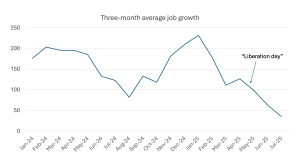
The problem with that last statement is that we still have inflation on the upper policy bound, and the tariffs will make that worse in the coming weeks. Stagflation is the one phenomenon that makes monetary policy quite weak. You have to decide which is worse because if you go after inflation, you get more unemployment. The reverse is also true. You have to be my age or older to remember the terrible stagflation of the 1970s. It’s the worst of both worlds. Nobel Prize-winning Paul Krugman writes on “The Meaning of a Weak Jobs Report. It’s (probably) the tariff uncertainty, stupid.” He plans to write a piece on tariffs on Sunday, so please be sure to read that. Most of us never thought we’d see the stupidity of tariffs again, so we never plan too much lecture or reading time for it. But no one expected a president so unfit for office as Yam Tits.
It’s highly likely that what we’re seeing is the effect of Trump’s tariffs — or more precisely the uncertainty that his erratic tariff policy has created.
Contrary to myth, tariffs don’t necessarily cause high unemployment. They make the economy less efficient and poorer, but don’t necessarily reduce the total number of jobs. For example, Britain in the 1950s had high tariffs and import controls, but also full employment. The claim that Smoot-Hawley caused the Great Depression is a myth, one fostered in part by anti-Keynesians who didn’t want to admit that the problem was inadequate demand and the answer fiscal stimulus.
But Trump has brought something special to the mix: Not just high tariffs, but unpredictable tariffs. Since April 2 nobody (probably Trump included) has had no idea what tariff rates will be for the next few months, let alone for the long term.
As many of us pointed out, this uncertainty was a huge deterrent to business investment. Build a factory based on the assumption that tariffs will go back down to more normal levels, and you risk having a stranded investment if 20-25 percent tariffs are here to stay. Build a factory based on the assumption that high tariffs are the new normal, and you’ll have a stranded investment if Trump chickens out.
So many of us predicted an economic slowdown caused not by the level of tariffs but by uncertainty. Yet the predicted slowdown, while visible in “soft” data like surveys, kept not showing up in the hard data, making these predictions look all wrong.
Hard data, however, aren’t as hard as we’d like. Payroll numbers, in particular, rely a lot on assumptions and interpolations, and are often revised.
And the revised numbers now show exactly the kind of uncertainty-induced slowdown I and many others predicted.
These numbers don’t show the long-run damage from Trump’s tariffs, which are really a completely different story. In fact, the short-run jobs picture may improve now that it’s clear that there won’t be any real trade deals, just Smoot-Hawley redux as far as the eye can see.
One thing is clear: The previously reported good numbers were proof of Trump’s brilliance. Now that they’ve been revised away, the bad numbers are clearly Biden’s fault, or maybe Jerome Powell’s, or Barack Obama’s.
 Forbes put these depressing numbers right in the headline. “Unemployment Rose To 4.2% in July, As Hiring Fell Sharply. The U.S. job market appeared to lose steam last month, according to Labor Department data released Friday, as the Federal Reserve warned the effects of President Donald Trump’s tariffs on the economy have yet to be seen. “ The analysis is by Ty Roush. I’m going to remind you of the Humphrey-Hawkins mandate to the Fed by Law before we go into this one. It’s also called The Full Employment and Balanced Growth Act. This is a Wiki overview, so it’s short and sweet. It was signed just as I entered graduate school to study Economics.
In response to rising unemployment levels in the 1970s, Representative Augustus Hawkins and Senator Hubert Humphrey created the Full Employment and Balanced Growth Act. It was signed into law by President Jimmy Carter on October 27, 1978, and codified as 15 USC § 3101. The Act explicitly instructs the nation to strive toward four ultimate goals: full employment, growth in production, price stability, and balance of trade and budget. By explicitly setting requirements and goals for the federal government to attain, the Act is markedly stronger than its predecessor (an alternate view is that the 1946 Act concentrated on employment, and Humphrey–Hawkins, by specifying four competing and possibly inconsistent goals, de-emphasized full employment as the sole primary national economic goal). In brief, the Act:
- Explicitly states that the federal government will rely primarily on private enterprise to achieve the four goals.
- Instructs the government to take reasonable means to balance the budget.
- Instructs the government to establish a balance of trade, i.e., to avoid trade surpluses or deficits.
- Mandates the Board of Governors of the Federal Reserve to establish a monetary policy that maintains long-run growth, minimizes inflation, and promotes price stability.
- Instructs the Board of Governors of the Federal Reserve to transmit a Monetary Policy Report to the Congress twice a year outlining its monetary policy.
- Requires the President to set numerical goals for the economy of the next fiscal year in the Economic Report of the President and to suggest policies that will achieve these goals.
- Requires the Chairman of the Federal Reserve to connect the monetary policy with the Presidential economic policy.
The Act set specific numerical goals for the President to attain. By 1983, unemployment rates should be not more than 3% for persons aged 20 or over and not more than 4% for persons aged 16 or over, and inflation rates should not be over 4%. By 1988, inflation rates should be 0%. The Act allows Congress to revise these goals over time. (As of 2017 the Federal Reserve has had a target inflation rate of 2%, not 0%. 0% inflation is not considered ideal and can lead to deflation which can hurt the economy.)
If private enterprise appeared not to be meeting these goals, the Act in its original form, though not in its ultimate iteration, expressly allowed the federal government to create a “reservoir of public employment,” provided of course that the legislation to establish the “reservoir” managed to become ratified. These jobs would have been required to be in the lower ranges of skill and pay to minimize competition with the private sector.
The Act directly prohibits discrimination on account of sex, religion, race, age, and national origin in any program created under the Act.
 I can only imagine the ketchup flinging in that gaudily redone Oval Office if someone explains this to him. However, he does think he’s above the law, as are his stupid sharpie orders. But let’s get back to the current unemployment problem.
It’s not immediately clear whether Trump’s tariffs have directly affected the number of jobs available, though retail and automotive sectors have recorded an increase in layoffs. The retail market cut nearly 80,500 jobs in July, a year-over-year increase of 249%, according to the Challenger report, as companies cited tariffs, inflation, and economic uncertainty.
Following the Federal Reserve’s policymaking meeting in July, during which the agency opted to hold interest rates between 4.25% and 4.5%, Fed Chair Jerome Powell noted there were several economic reports ahead before the Fed considers a rate easement, including Friday’s labor report. Powell said the unemployment rate would be a focus, as the Fed operates on a dual mandate of setting rates to keep inflation and unemployment low, though he warned about the looming impacts of Trump’s tariffs, as there is a “long way to go” before the long-term effects of those are known. Tariff costs are starting to raise consumer prices, Powell said Wednesday, and “we expect to see more of that.” The Fed’s policymaking panel will meet again on Sept. 17, and there’s about 39% odds the agency opts for a quarter-point reduction, according to CME’s FedWatch. There’s a higher chance during its Oct. 29 meeting, at 61.3% odds.
 The worst American President ever announced his latest version of the tariff schemes today that he thinks will punish other countries, but will, indeed, punish American Businesses and households. His executive orders will undoubtedly go down in history as attempts to overrule what should be the business of Congress. “FURTHER MODIFYING THE RECIPROCAL TARIFF RATES.” Yes, it was in all caps, so when in Rome. (Maybe I should say Rome burning)
By the authority vested in me as President by the Constitution and the laws of the United States of America, including the International Emergency Economic Powers Act (50 U.S.C. 1701 et seq.) (IEEPA), the National Emergencies Act (50 U.S.C. 1601 et seq.), section 604 of the Trade Act of 1974, as amended (19 U.S.C. 2483), and section 301 of title 3, United States Code, I hereby determine and order:
Section 1. Background. In Executive Order 14257 of April 2, 2025 (Regulating Imports With a Reciprocal Tariff To Rectify Trade Practices That Contribute to Large and Persistent Annual United States Goods Trade Deficits), I found that conditions reflected in large and persistent annual U.S. goods trade deficits constitute an unusual and extraordinary threat to the national security and economy of the United States that has its source in whole or substantial part outside the United States. I declared a national emergency with respect to that threat, and to deal with that threat, I imposed additional ad valorem duties that I deemed necessary and appropriate.
I have received additional information and recommendations from various senior officials on, among other things, the continued lack of reciprocity in our bilateral trade relationships and the impact of foreign trading partners’ disparate tariff rates and non-tariff barriers on U.S. exports, the domestic manufacturing base, critical supply chains, and the defense industrial base. I also have received additional information and recommendations on foreign relations, economic, and national security matters, including the status of trade negotiations, efforts to retaliate against the United States for its actions to address the emergency declared in Executive Order 14257, and efforts to align with the United States on economic and national security matters.
For example, some trading partners have agreed to, or are on the verge of agreeing to, meaningful trade and security commitments with the United States, thus signaling their sincere intentions to permanently remedy the trade barriers that have contributed to the national emergency declared in Executive Order 14257, and to align with the United States on economic and national security matters. Other trading partners, despite having engaged in negotiations, have offered terms that, in my judgment, do not sufficiently address imbalances in our trading relationship or have failed to align sufficiently with the United States on economic and national-security matters. There are also some trading partners that have failed to engage in negotiations with the United States or to take adequate steps to align sufficiently with the United States on economic and national security matters.
After considering the information and recommendations that I have recently received, among other things, I have determined that it is necessary and appropriate to deal with the national emergency declared in Executive Order 14257 by imposing additional ad valorem duties on goods of certain trading partners at the rates set forth in Annex I to this order, subject to all applicable exceptions set forth in Executive Order 14257, as amended, in lieu of the additional ad valorem duties previously imposed on goods of such trading partners in Executive Order 14257, as amended.
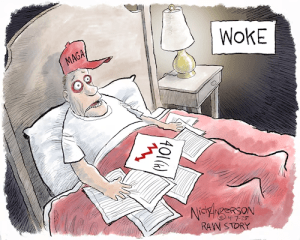 That basically is a bunch of gibberish. Wall Street Journal, our nation turns its lonely eyes to you and the analysis of Sharon Terlep. “Why Ford’s Made-in-America Strategy Hurts It in Trump’s Trade War. The company says new tariff deals with Japan, the EU, and South Korea put it at a disadvantage.'” Do you suppose he’s killing the American Automobile Industry just to spite Obama, who once saved it?
There is an irony in Detroit right now: The automaker most reliant on U.S. manufacturing is among the hardest hit by tariffs.
Ford Motor F -2.94%decrease; red down pointing triangle, the second-largest American carmaker, prides itself on making most of its vehicles in the U.S. Some 80% of the cars Ford sells in the U.S. are built there, and it makes more vehicles in the U.S. than any other automaker.
But the Dearborn, Mich., company said the Trump administration’s latest trade deals with Japan, the European Union and South Korea put it at a disadvantage with foreign rivals. Those deals now set a 15% tariff rate, which is lower than the 25% auto tariff that went into effect this spring.
Ford faces steeper tariffs on many parts as well as higher costs for imported aluminum, which is subject to 50% duties. Ford, one of the industry’s biggest users of aluminum, buys the material from U.S. suppliers who pass on a chunk of their tariff costs.
Treasury Secretary Scott Bessent said in a CNBC interview that Ford’s predicament is due to “idiosyncratic” factors, as the company’s F-series pickups are made with aluminum, which isn’t readily available in the U.S. Bessent said the administration hopes to cut a deal with Canada to address aluminum costs in particular. “I admire Ford,” he said.
When President Trump rolled out his tariff plan in April, he railed against the tariffs other countries had imposed on U.S.-made vehicles and said his new trade policy would help restore the U.S. to be an industrial powerhouse.
U.S. automakers have long complained that they struggle to compete with foreign rivals that enjoy lower labor costs, higher levels of government support and less-stringent regulations.
“For decades now, it has not been a level playing field for U.S. automakers globally, with either tariffs or trade barriers,” General Motors Chief Executive Mary Barra said earlier this year. “So I think tariffs is one tool that the administration can use to level the playing field,” she said.
As the trade policy was rolled out, the U.S. automakers found themselves also vulnerable to the tariffs. Trump slapped duties on steel and aluminum, on automotive parts and on all imported foreign vehicles, even those made by American carmakers.
During the era of the North American Free Trade Agreement, GM, Ford and Stellantis expanded significant portions of their manufacturing capacity to Mexico and Canada. Those products became subject to tariffs.
Around half of what GM sells in the U.S. it makes abroad; Ford builds most of its vehicles in the U.S. but relies heavily on imported parts. A trade deal that helps one might weaken the other.
“Ford has more reason to complain,” said Daniel Roeska, a Bernstein analyst. “If you’re now lowering tariffs and letting more cars and content flow into the U.S., that relatively disadvantages Ford more than others.”
All three companies have reported big tariff costs. Ford said it paid $800 million in the second quarter. GM put its tab at $1.1 billion. Stellantis, which makes the U.S. brands Chrysler, Ram and Jeep, said tariffs shaved $350 million from its bottom line.
Tesla, which builds all the vehicles it sells in the U.S. domestically and gets most parts in North America, said tariffs cost its automotive unit $200 million.
When the Trump administration started striking deals with big trading partners in recent weeks, Ford executives cringed with each deal.
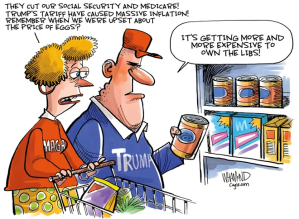 This is the headline at CNBC. “Live Updates: Trump’s tariffs kick in, reversing decades of global trade expansion.” Your homework today is to compare the minimum wage ($7.25) to a pound of any meat or fresh vegetable. Then, develop a budget that can feed 2 adults and 2 kids. “U.S. Trade Representative Jamieson Greer is calling Trump’s new tariffs a “knockout win.” He just doesn’t follow up with who exactly Trump has knocked out.
Trump’s new tariffs are hitting several countries’ imports harder than the rates that had initially been announced for those nations on April 2.
Brazil’s rate jumped from 10% to 50%, as Trump ramps up criticism of the country’s treatment of former Brazilian President Jair Bolsonaro.
Canada is also facing a large increase, with its previously announced rate of 25% being upped to 35%.
Trump cited Canada’s “continued inaction” in curbing the flow of fentanyl and drugs for imposing the higher rate, according to an executive order.
Switzerland was hit with a jump from 31% to 39%, among the highest rates of the new tariffs.
Swiss President Karin Keller-Sutter said that she spoke to Trump on Thursday but did not reach an agreement with him to forestall that spike.
– Laya Neelakandan
To continue …
Switzerland reels from 39% tariff announcement
Swiss businesses broadly believed they were close to a framework trade deal with the U.S. — instead they have been rocked by news of a 39% tariff, one of the highest in the world, to apply from Aug. 7.
“This unpredictability imposes a rising risk premium on financial assets,” Beat Wittmann, chairman and partner at Porta Advisors, said in emailed comments. “This will lead to a weakening of the Swiss economy, the Swiss Franc and the Swiss equity market, particularly the all-important export sector.”
Consultancy Capital Economics estimates that a 39% tariff could knock 0.6% off Swiss GDP, or more if it extends to pharmaceuticals.
However, analysts also noted Friday that there was still time for Switzerland to negotiate new rates before the end of next week. Read more here.
— Jenni Reid
 This is from USA Today.
 President Donald Trump imposed sweeping new tariffs on imports from across the world, escalating an aggressive trade policy aimed at spurring domestic manufacturing in the United States.
In addition, Trump took separate action on July 31 to raise tariffs on Canadian goods from 25% to 35%.
U.S. stocks were lower on August 1, ahead of what turned out to be a disappointing July jobs report that saw unemployment rise from 4.1% to 4.2%.
The new tariff rates, which will go into effect in seven days, came before an Aug. 1 deadline Trump gave about 180 countries to either reach trade deals or face higher import duties. Trump had twice set earlier deadlines for new tariffs before backing down.
In April White House trade advisor Peter Navarro had predicted “90 deals in 90 days,” but the haul has been modest: U.S. negotiators made eight trade deals in 120 days before Trump ordered the new tariffs.
A top White House economic adviser acknowledged that “uncertainty” over President Trump’s tariffs contributed to the weaker than expected jobs report.
Council of Economic Advisers Chairman Stephen Miran argued on MSNBC that July’s number was “decent” but admitted that downward revisions to May and June “are not great.” He chalked those up to seasonal factors such as teachers on summer break and cited Trump’s border policies, which he said were eliminating jobs held by foreign workers.
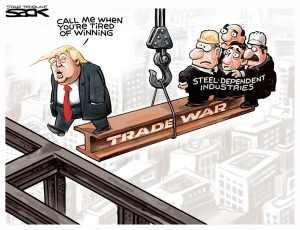 Just so you know, the Commerce and Labor Departments use statistical tools to remove the seasonal factors in the unemployment rates. So the BBC has a heading we can all appreciate today. This is from Jennifer Clarke. “What tariffs has Trump announced and why?” Anyone who takes a shot at why Trump does something is a hero in my book.
US President Donald Trump has announced a 35% tariff on Canada from 1 August. He also announced new tariff rates for dozens of countries that will come into effect on 7 August.
Since returning to office in January, Trump has introduced a series of these import taxes, and threatened many more.
He argues that the tariffs boost American manufacturing and protect jobs.
However, his volatile international trade policy has thrown the world economy into chaos, and a number of firms have increased prices for US consumers as a result.
What are tariffs and how do they work?
Tariffs are taxes charged on goods bought from other countries.
Typically, they are a percentage of a product’s value.
A 10% tariff means a $10 product has a $1 tax on top – taking the total cost to the importer $11 (£8.35).
Companies that bring foreign goods into the US have to pay the tax to the government.
They may pass some or all of the extra cost on to customers. Firms may also decide to import fewer goods.
At the end of May, a US trade court ruled that Trump did not have the authority to impose some of the tariffs he has announced, because he did so under national emergency powers.
But the following day, an appeals court said the relevant taxes could stay in place while the case continued.
Why is Trump using tariffs?
Trump says tariffs will encourage US consumers to buy more American-made goods, increase the amount of tax raised and boost investment.
He wants to reduce the gap between the value of goods the US buys from other countries and those it sells to them – known as the trade deficit. He argues that America has been taken advantage of by “cheaters”, and “pillaged” by foreigners.
The president has announced different tariffs against specific goods, and imports from individual countries.
Many of these have been subsequently amended, delayed or cancelled altogether.
Critics accuse Trump of making dramatic and sometimes contradictory policy statements as a negotiating tactic to encourage trade partners to agree deals that benefit the US.
Trump has made other demands alongside the tariffs.
Setting out the first tariffs of his current term against China, Mexico and Canada, he said all three countries must do more to stop migrants and illegal drugs reaching the US.
Separately, on 14 July, Trump threatened to introduce significant tariffs against companies trading with Russia, if a deal to end the war in Ukraine was not reached within 50 days.
- 50% tariff on steel and aluminium imports
- 50% tariff on copper imports from 1 August
- 25% tariff on foreign-made cars and imported engines and other car parts
On 8 July, Trump threatened to impose a 200% tariff on pharmaceutical imports but no further details have been confirmed.
Trump has also said the global tariff exemption covering goods valued at $800 or less will end on 29 August.
He had already removed the so-called “de minimis” exemption for products from China and Hong Kong, to restrict American’s purchase of cheap clothes and household items from commerce sites like Shein and Temu.
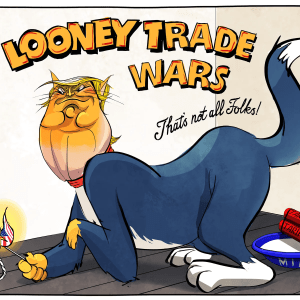 Continue reading the article for more really good basic information. And now you know why it’s called the dismal science. Well, not exactly, that was originally because of clergyman Thomas Robert Malthus and the entire idea that we’d eventually overpopulate the world, use up all the resources, and die. Early economists studied that notion, but quickly dropped it when the entire notion of technological changes came about. The problem is that just like climate change, we know a lot about what helps and hurts an economy, but that doesn’t mean the leaders of a given country will use it. (Especially if they’re as stupid as our current president.)
Sorry, this is so late, but I’ve had to change my entire sleeping hours based on when it’s cool enough to get the house temperatures down. The humidity and heat here have been awful. But hey, Climate change is fake, right?
What’s on your Reading, Blogging, and Action list today?

 peej
peej Carissa
 bostonboomer
 dakinikat
 ecocatwoman
 mablue2
 Mama Lopez
 peggysue22
 quixote
 skydancingguestblogger
 Mona (aka Wonk the Vote)



 Sky Dancing
Recent Comments