
“In this all-hands-on-deck, wartime context, Chevron needed to produce more crude oil as quickly as possible to facilitate more avgas refining, including its own,” Justice Clarence Thomas wrote for the majority.
Finally, Friday Reads: Continued Chaos in Congress and American Policy
Posted: April 17, 2026 Filed under: #We are so Fucked, 2026 MidTerm elections, Big Oil, Foreign Affairs, MAGA Republican Theology, Republican politics, U.S. Economy, Women's Rights | Tags: 2026 midterms, @johnbuss.bsky.social John Buss, Big Oil and SCOTUS, MAGA and Congress turn on TRUMP?, Mikie Sherrill, Pete Hegseth weirdo sexual assaulter, SAVE America Act, Trump Theological Weirdness 1 Comment
“So, since Trump has defeated Venezuela and Iran. Is the Vatican after Cuba, or is that Greenland? So hard to keep track.” John Buss, @repeat1968
Good Day, Sky Dancers!
I’d like to thank JJ again for covering for me on Monday. I’m not sure what’s been going on with my stomach, but the daily news sure doesn’t help! Today’s biggest headline for me is a decision that will impact Louisiana and likely any part of the country where big oil continues to wreck the environment and sicken and murder people with their business practices. It’s a discouraging decision. I have always thought my own bout with an extremely rare form of cancer was due to oil leaking into the drinking water in Ponca City, Oklahoma, where I was born.
This story is from the Washington Post. “Supreme Court hands win to Chevron, Big Oil in environmental damage case. The decision puts into question a $745 million judgment against Chevron to help restore coastal wetlands in Louisiana that were damaged as long ago as World War II.” As you may know, the damage to the wetlands down here is immense, and it’s one of the reasons hurricane season is quite frightening. The industry is deadly for all forms of life. Julian Mark reports on the decision.
This decision seems to say that if they did what they did for a war the government ran, then it’s okay if they ruin our lives. That’s pretty frightening in my estimation. What other things could this apply to? What would it have done to the Agent Orange victims in our military?
The Supreme Court on Friday sided with oil giant Chevron, ruling that it can fight an environmental damage lawsuit in federal court — a decision that could affect the outcomes of nearly a dozen other lawsuits that make similar allegations about the oil and gas industry.
The unanimous decision puts into question a $745 million state court judgment against Chevron to help restore coastal wetlands in Louisiana that were damaged as far back as World War II. Chevron had asked the Supreme Court to order the case moved to federal court.
At the heart of Chevron’s case was the argument that during World War II, the firm’s predecessors played a key role in the refinement of aviation gas, or avgas, to meet the demands of the war. Because the work was on behalf of U.S. government interests, the company and its backers have argued, claims regarding the actions at the time should be heard in a federal court rather than at the state level. The high court agreed.
Chevron applauded the decision. “As the Court recognized, the plaintiffs’ claims are related to activities that Chevron and other energy companies performed under federal supervision during World War II,” company spokesman Bill Turenne said in a statement. “Those claims are flawed as a matter of both state law and federal law, and Chevron looks forward to litigating these cases in federal court, where they belong.”
Justice Samuel A. Alito Jr. did not participate in the case. Shortly before arguments in January, he recused himself, citing financial interests in ConocoPhillips, the parent of Burlington Resources Oil & Gas, a party in a related case.
 Just a side note: ConocoPhillips was responsible for all the oil that leaked into my small Oklahoma hometown. This story is breaking, so be sure to follow up later as more analysis becomes available.
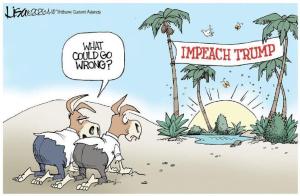
Lots of weirdness is happening in Congress this week as Democrats put a toe in the water to test the chances of yet another impeachment process. However, there is more afoot. Heather Cox Richardson discusses some of these issues on her Substack today.
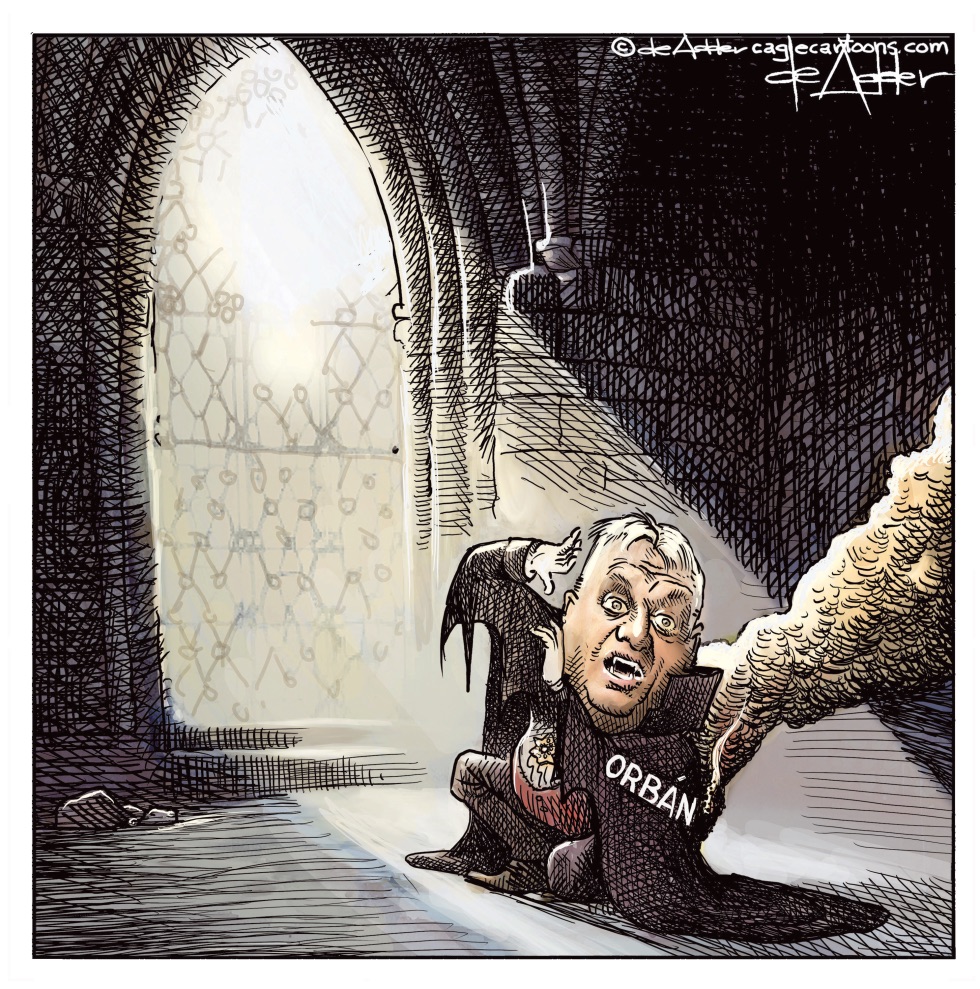
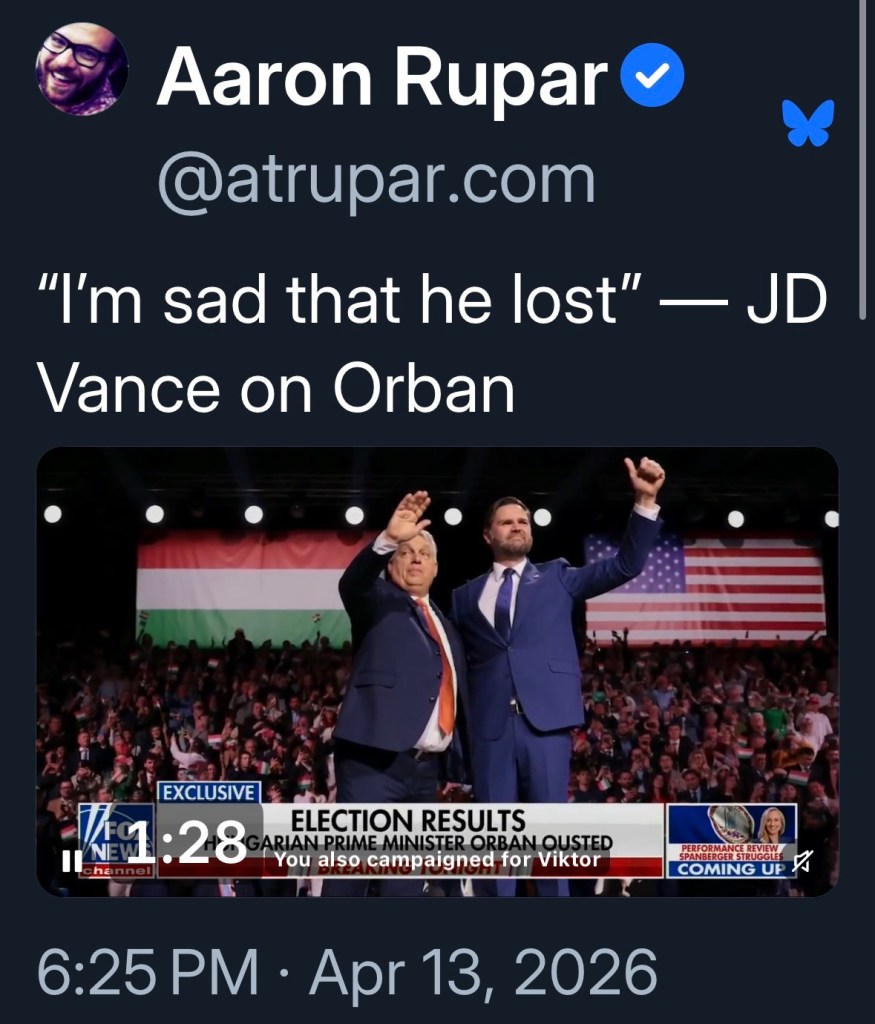
Congress is back in session, and there is a frantic feel in the air. Republicans appear to be assessing the fall of Hungarian prime minister Victor Orbán, Trump’s increasingly erratic behavior along with his abysmal job approval numbers, rising prices, and an unpopular war in Iran that currently does not appear to have a solution that will not result in the U.S. losing face.
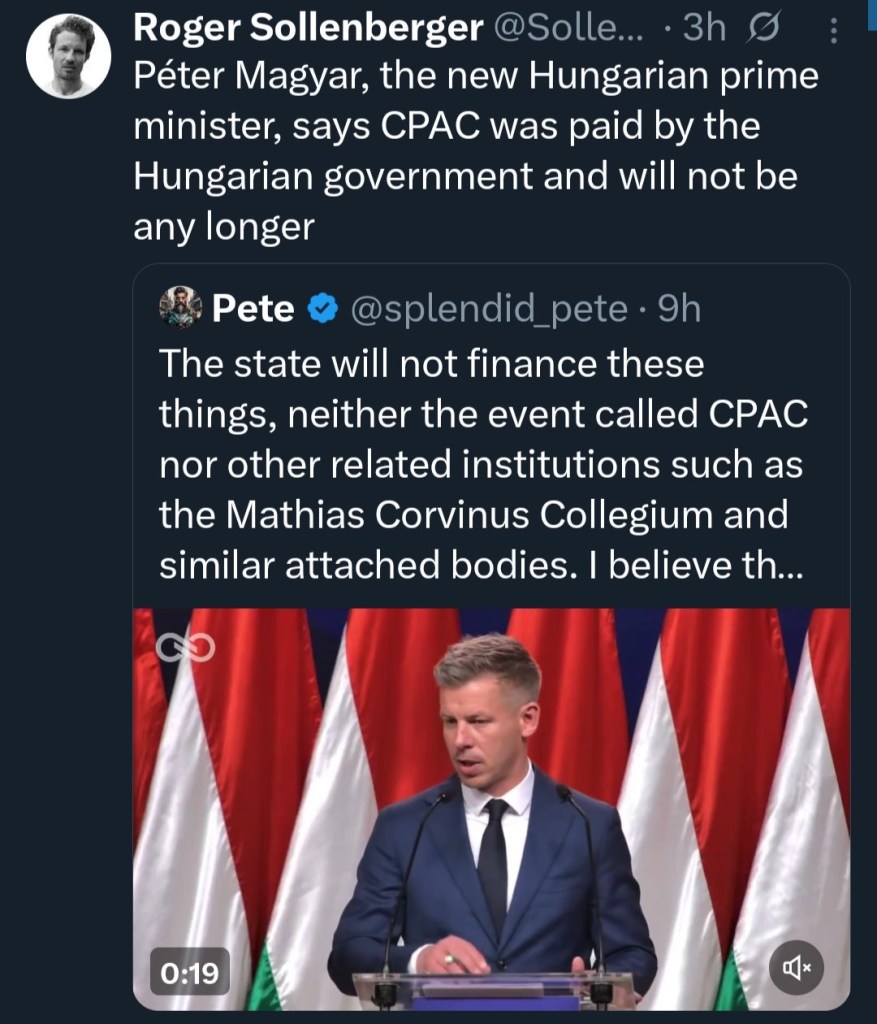
In Hungary, incoming prime minister Péter Magyar is setting a bar as he appears to want no part of playing business as usual with Orbán’s cronies. A center-right politician, Magyar appeared as a guest on state television after his party’s dramatic win—Orbán’s state media had not let him appear on it before the election—and said he intended to suspend the station’s news service because state media does not provide the journalism that the country deserves. He said that he would end the state subsidies for Orbán’s right-wing-allied university and that Hungarian president Tamas Sulyok, a close ally of Orbán, was “unfit to serve as the guardian of legality” and “must leave office immediately.”
Republicans appear to be trying to grab all the turf they can before the midterm elections.
Today the Senate passed House Joint Resolution 140, a bill that overturns a 20-year mining ban upstream from the Boundary Waters Canoe Area Wilderness (BWCA) in Minnesota. Representative Pete Stauber (R-MN) introduced the measure, which passed the House in January. It clears the way for a subsidiary of Chilean mining giant Antofagasta to engage in copper-sulfide mining, which produces sulfuric acid, above the pristine BWCA. Those waters include 1,175 lakes and over 1,200 miles of rivers and streams. According to outdoor writer Wes Siler, about 165,000 people visit the BWCA annually, generating $1.1 billion in economic activity and supporting 17,000 jobs.
The Republicans’ attack on the BWCA for the benefit of a foreign billionaire feeds President Donald J. Trump’s ongoing crusade against Minnesota. Trump’s secretary of transportation, Sean Duffy, is targeting New York today as well, saying that the federal government will withhold $73.5 million from the state because it has refused to review the commercial driver’s licenses of almost 33,000 immigrants. New York officials say they are complying with federal law.
Trump is also continuing to try to exert his personal power over the government, threatening again to fire Federal Reserve chair Jerome Powell, whose term as chair ends in May but who has said he will continue on the board until the administration drops its trumped-up criminal investigation of him over alleged cost overruns on the renovations of Federal Reserve* buildings.
As Jacob Rosen and Olivia Gazis of CBS News noted, Director of National Intelligence Tulsi Gabbard is supporting Trump’s attacks on those he perceives to be his enemies by sending to the Department of Justice two criminal referrals yesterday. One is for the former government official who was the whistleblower over the July 2019 phone call in which Trump told Ukraine president Volodymyr Zelensky he would release money the U.S. Congress had appropriated for Ukraine’s defense against Russia’s 2014 incursion…but only after Zelensky did him the “favor” of smearing Democratic presidential candidate Joe Biden.
The whistleblower told the intelligence community inspector general: “I have received information from multiple U.S. Government officials that the President of the United States is using the power of his office to solicit interference from a foreign country in the 2020 U.S. election. This interference includes, among other things, pressuring a foreign country to investigate one of the President’s main domestic political rivals.”
Gabbard’s second referral is for the inspector general, Michael Atkinson, who found the complaint “credible” and “urgent” and set in motion the process of sharing it with the congressional intelligence committees, which led to Trump’s first impeachment.
As Representative Jim Himes (D-CT), the top-ranking Democrat on the House Intelligence Committee, noted, the effort to criminalize whistleblowing from 2019 for what was Trump’s well-established behavior is most likely an attempt to chill future whistleblower complaints.
There certainly appears to be concern on the part of MAGA loyalists that they are in danger of losing power, and that might mean legal repercussions. Testifying before the Senate Budget Committee today, Director of Office of Management and Budget Russell Vought denied that he had held back funds Congress had appropriated. Doing so is called “impoundment,” and it is illegal, but the administration has been engaged in it since it took office in January 2025.
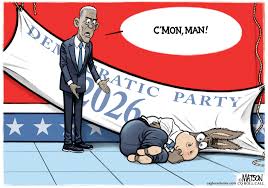 There is a hell of a lot more in this piece, and it’s worth reading. I’m fairly jaded by now, so I don’t think it will actually amount to much. I’m still relying on voters. to come through. I’m into more election-related victories, including this one in New Jersey reported in Politico. “Progressive Analilia Mejia coasts to victory in New Jersey special House election. The Democratic will fill the seat held by Gov. Mikie Sherrill.” Madison Fernandez has the analysis.
Progressive organizer Analilia Mejia will succeed Democratic Gov. Mikie Sherrill in New Jersey’s 11th Congressional District, adding to a run of party victories that suggest voter dissatisfaction with President Donald Trump ahead of the midterms.
Mejia defeated Republican Randolph Township Councilmember Joe Hathaway in Thursday’s special election, according to the Associated Press.
In a victory speech, Mejia labeled her opponent and Republicans such as Trump and Speaker Mike Johnson, as well as billionaires Jeff Bezos and Elon Musk, “radicals who are willing to upend our democracy, subvert our Constitution and act with impunity.”
“We must stop them,” she said. “These radicals will watch Rome burn with all of us within, and they are simply cowards — cowards unwilling to stand up to this madness. But we stand up, we resist, we will not allow it to continue.”
Hathaway conceded defeat but said he intends to challenge her again since there will be a regular primary in June and general election in November. He said he will keep a close eye on her voting record in the meantime and “will continue fighting for affordability, public safety, accountable government, and I will continue to stand up for the families of NJ-11.”
Mejia entered as the favorite for the affluent, blue-leaning North Jersey seat after an unexpected victory in February’s Democratic primary — a race that featured nearly a dozen candidates, including many who spent more and had higher name ID than Mejia.
In the primary, hefty outside spending from the American Israel Public Affairs Committee against former Rep. Tom Malinowski in part helped propel Mejia to a win. But outside groups on both sides of the aisle largely stayed out of the special general election — money that could have otherwise made the race more competitive.
Republicans — who are looking to rebuild after brutal losses in the state last year — tried to make the argument that Mejia was too far to the left of the district. Sherrill, a moderate Democrat, first flipped the seat in 2018 and won reelection handily in the years after that; former Vice President Kamala Harris won by around 9 points in 2024. Like in other races across the country, the GOP was eager to refer to Mejia as a “socialist” — a label she did not identify with — and compare her to New York City Mayor Zohran Mamdani.
But that message didn’t land among the electorate, where Democrats outnumber Republicans by more than 60,000. Mejia also garnered support from Democrats across the ideological spectrum in her general election campaign.
Turnout is always key. Also, I have a feeling women voters will be hitting the polls hard between the Epstein files and the rampant misogyny in the Republican line-up. It’s likely why our votes are threatened by the Save America Act. Here’s some analysis by Al Jazeera. “What is Trump-backed SAVE America Act and what could it mean for US vote? Senate resumes debate on controversial bill requiring more proof of citizenship, which Trump calls top priority.” Yes, it attacks all immigrants, but it also threatens women who can’t document the name changes from birth to marriage(s).
Here’s what to know.
What would the SAVE America Act do?
The version of the Safeguard American Voter Eligibility (SAVE) America Act passed by the House in February would require voters to provide proof of citizenship – a birth certificate or passport – when registering to vote. It would also implement stricter voter identification requirements for individuals casting ballots, whether by mail or in person.
Under the US Constitution, states administer elections, and currently have different processes for registering voters and confirming citizenship. Voting by noncitizens is already illegal, and all people registering to vote attest they are US citizens under threat of perjury.
The bill does not provide any funding for the new verification processes, which would be effective immediately upon the bill being signed into law.
The legislation would also require all states to run their voter rolls through a US Citizenship and Immigration Services (USCIS) “Alien Verification Eligibility” system to identify potential noncitizens already enrolled.
What has Trump said about the SAVE Act?
The US president has long maintained that elections in the country are marred by widespread fraud, including noncitizen voting, despite there being no evidence to support these claims.
Even the conservative Heritage Foundation, which has influenced many of Trump’s policies, has found only exceedingly rare instances of voter fraud over decades of US elections.
Trump’s focus on election administration dates back to his 2020 loss to former US President Joe Biden, which he continues to maintain was the result of the vote being “stolen”. Again, no evidence has emerged to back those claims.
The president has called the SAVE America Act “one of the most IMPORTANT & CONSEQUENTIAL pieces of legislation in the history of Congress, and America itself”.

Screenshot
Pete Hegseth is letting his freak fly over the incredible amount of negative media and public response to the Iran War. This is from NBC News. “Pete Hegseth attacks ‘unpatriotic’ media and compares reporters to Jewish biblical group. The defense secretary has frequently attacked the media over Iran war coverage.” It’s really surprising to me how Orange Caligula and his weirdo cabinet members seem to think they know biblical texts better than anyone else, including the Pope. This analysis is written by Rich Schapiro. Also, aren’t the Pharisees supposed to be the bad guys in the Jesus story? At least, that’s what the Presbyterians taught me.
Defense Secretary Pete Hegseth escalated his attacks on the media Thursday, comparing reporters covering the Iran war to the Pharisees, the biblical Jewish group that opposed Jesus.
The comments came at a Pentagon press briefing in which Hegseth first described the American media as “incredibly unpatriotic.”
“I just can’t help but notice the endless stream of garbage, the relentlessly negative coverage you cannot resist peddling, despite the historic and important success of this effort and the success of our troops,” Hegseth said, referring to the Iran war.
“Sometimes it’s hard to figure out what side some of you are actually on,” he added.
Since the fighting began in late February, Hegseth, who is Christian, has frequently used religious rhetoric at news conferences and attacked the media over its coverage. But he went further Thursday by doing so with religious overtones.
Hegseth said he was at church on Sunday when his pastor read a Bible passage that described Jesus healing a man in front of the Pharisees, “the so-called and self-appointed elites of their time.”
“Our press are just like these Pharisees — not all of you, not all of you, but the legacy Trump-hating press. Your politically motivated animus for President Trump nearly completely blinds you from the brilliance of our American warriors,” he said.
Hegseth added: “The Pharisees scrutinized every good act in order to find a violation, only looking for the negative. The hardened hearts of our press are calibrated only to impugn. I would ask you to open your eyes to the goodness, the historic success of our troops, the courage of this president.”
Hegseth was a member of the media — a Fox News host — before President Donald Trump tapped him to lead the Defense Department. Like some other members of the Trump administration, his use of Christian rhetoric in public statements is a departure from the language used by his predecessors.
 In celebration of my goal of better emotional and mental health, I have canceled my cable TV news subscription. I can no longer stand to watch any of these idiots speaking and moving around like they’re live human beings or something. I’m strictly sticking to the places where I can get a timeline without sacrificing my eyes and stomach. I’m hoping this helps the tummy and the budget, which is tighter than I’ve ever had it.
Wired is one media outlet that is on my keep list. David Gilbert writes this analysis today. “MAGA Is Increasingly Convinced the Trump Assassination Attempt Was Staged. Conspiracy theories about the Butler, Pennsylvania, shooting have ramped up in recent weeks as once steadfast Trump supporters turn on the president.”
Are they really waking up? Finally?
In recent weeks, as criticism of President Donald Trump from his own supporters has reached a fever pitch, a new conspiracy theory has taken hold: Some of the president’s biggest supporters are now claiming, without evidence, that Trump staged the assassination attempt on his life in Butler, Pennsylvania in 2024 and is covering it up.
During an open-air campaign rally on July 13, 2024, Trump survived an attempted assassination when a bullet fired by a 20-year-old on a roof nearby clipped the top of his ear. Corey Comperatore, a Trump supporter sitting near the president, was shot and killed. The shooter was later killed by Secret Service agents. Conspiracy theories around the Butler assassination quickly permeated the internet, but for many Trump supporters, his survival was seen as a sign from God that he was the chosen one.
As Trump’s hold over MAGA has waned, though, an increasing number of his supporters have begun to push the narrative that the entire incident was staged.
“I think that maybe it was staged,” Tim Dillon said on his show last weekend about the assassination attempt. Dillon, who was previously a staunch Trump supporter, went on to share that Trump should now come out and say, “Some people are going to be upset by this, but we staged the assassination attempt in Butler to show people how important it was to vote for me and how far I was willing to go for them.”
Some of these claims began months ago. In November, former Fox News pundit Tucker Carlson promoted the idea that the FBI was somehow involved in covering up the shooting, writing on X that the “FBI lied” about the shooter’s online footprint.
A day later, conservative pundit Emerald Robinson went further, posting on X that the FBI “did it.” (In the same post, Robinson claimed that the agency was responsible for everything from the January 6 attack on the Capitol to “Jeffrey Epstein’s blackmail tapes” and the “Gov. Whitmer fake kidnap plot.”)
But the claims that Trump had staged the entire thing really picked up steam when former US National Counterterrorism Center director Joe Kent appeared on Carlson’s podcast last month, one day after he resigned from his position over the Iran war.
During the interview, Carlson and Kent discussed the failure of the Trump administration to provide more details about the Pennsylvania shooter. Kent claimed, without providing any evidence, that investigations into the shooting had been shut down before they finished.
Kent also claimed that this vacuum of information about the incident would lead to more conspiracy theories. “If you don’t want to address that question, then you just go silent and say you can’t ask that question,” he said. “Which then creates people who come out of nowhere and they start drawing their own conclusions.” (This is in fact, experts say, one basic dynamic behind conspiracy theorizing.)
“If you cannot look at this story and use critical thinking skills and have at least some questions, you are the problem and we need you to snap out of it,” Trisha Hope, a GOP national delegate from Texas and former Trump supporter, posted on X about Butler this week.
As usual, more to read at all the links!
What’s on your Reading, Action, and Blogging list today?
Thursday Political Cartoons: Tell it like it is…
Posted: April 16, 2026 Filed under: just because 3 Comments
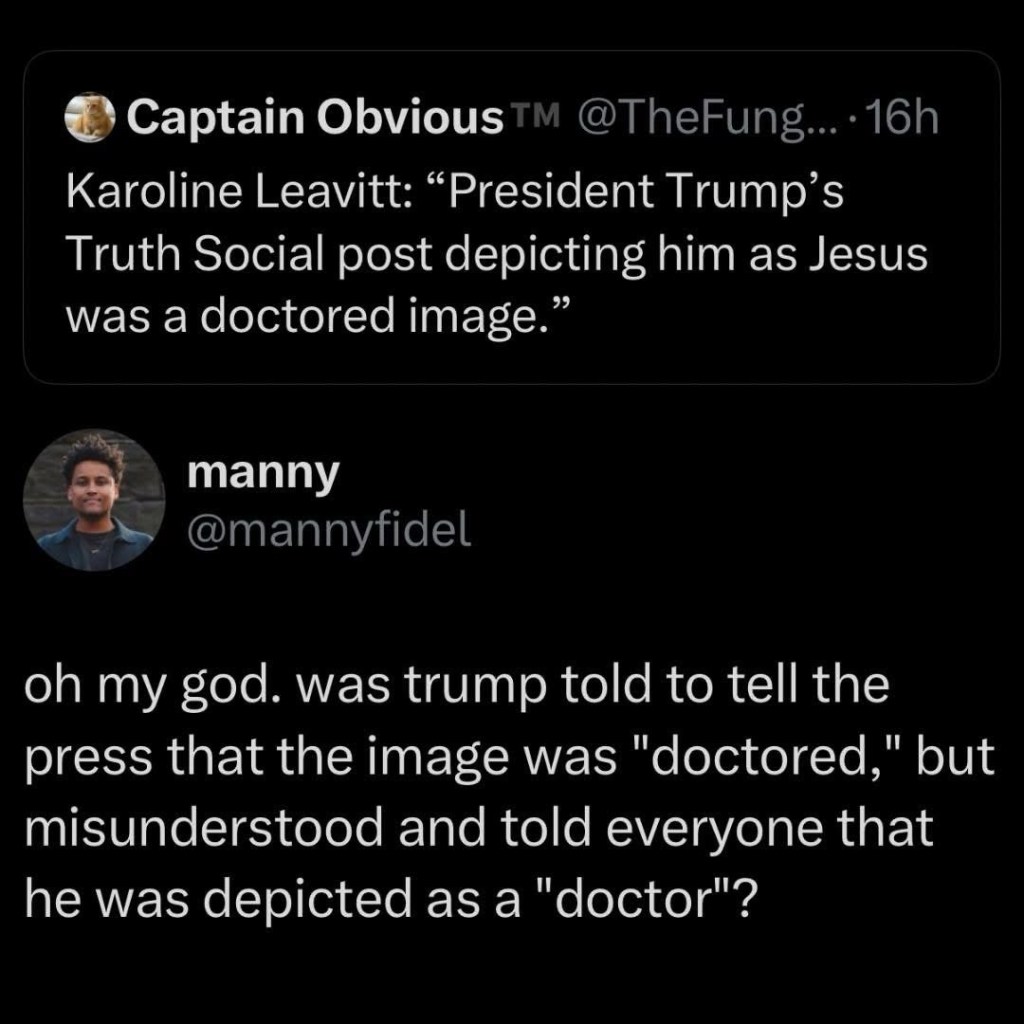
Can’t argue with that. Trump is truly an evil dickwad.
Case in point…h/t Boston Boomer:
Cartoons via Cagle:
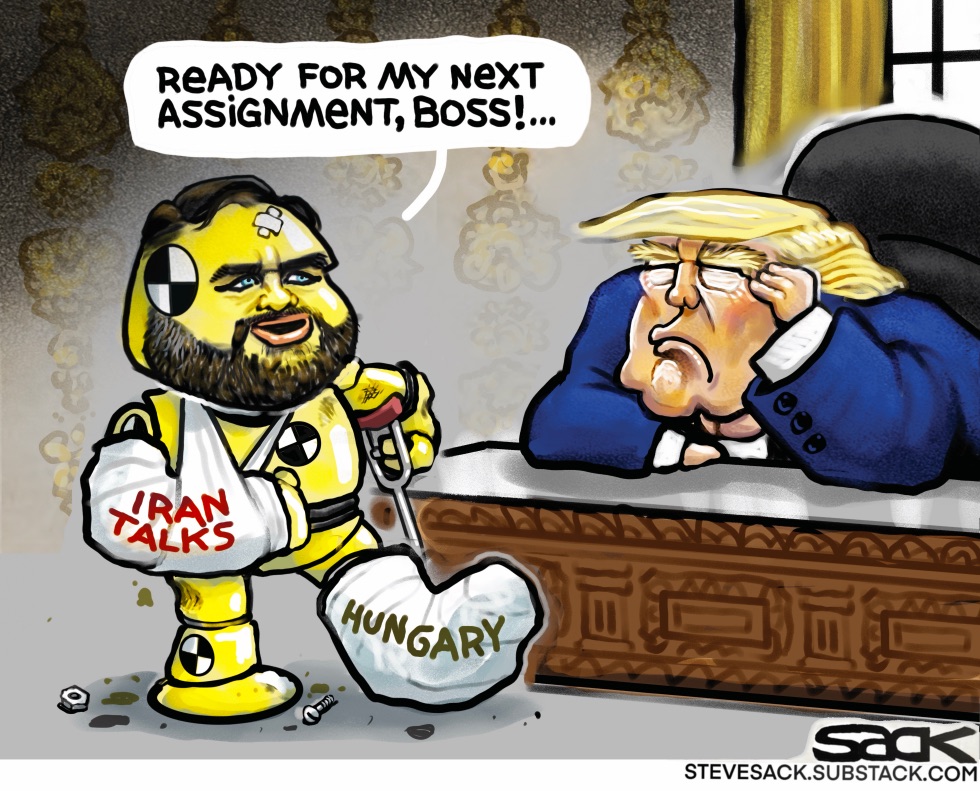


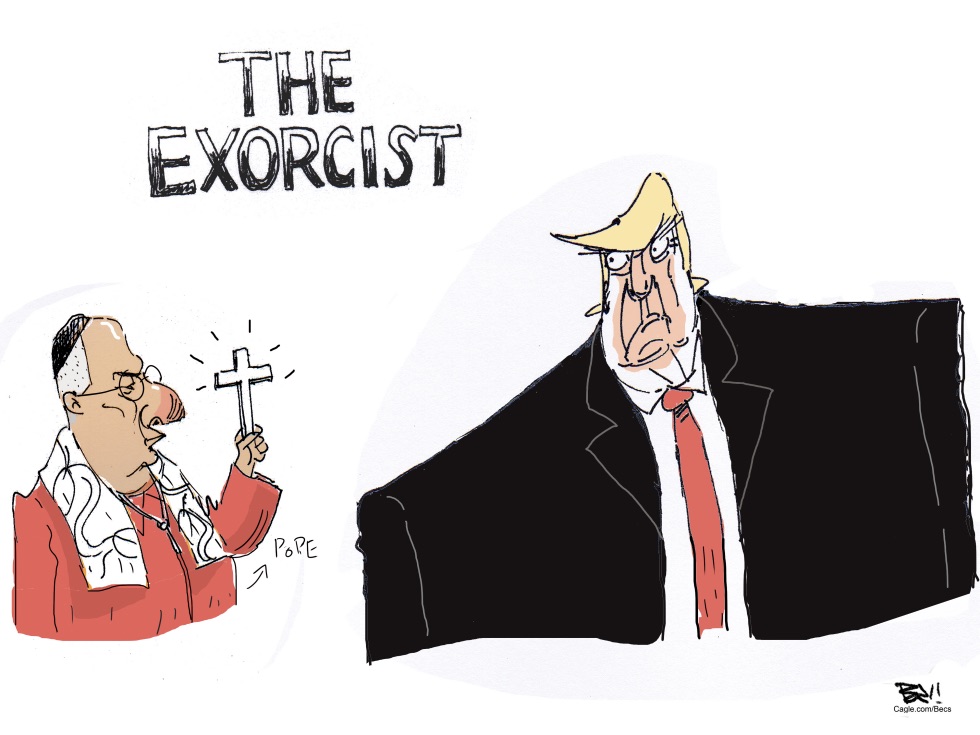
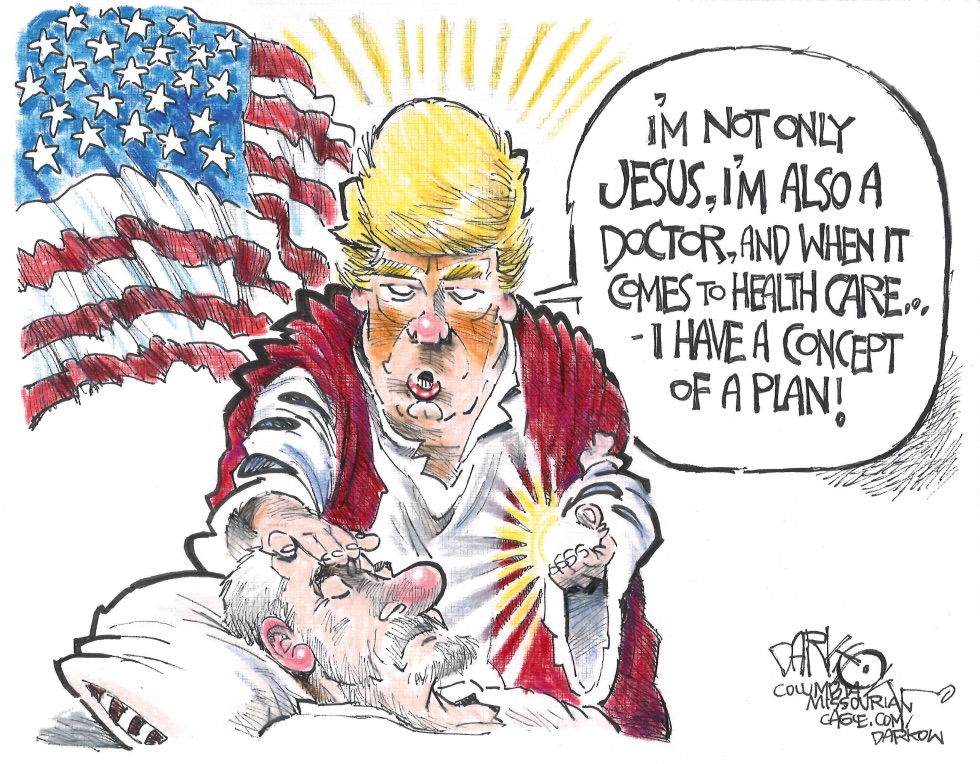

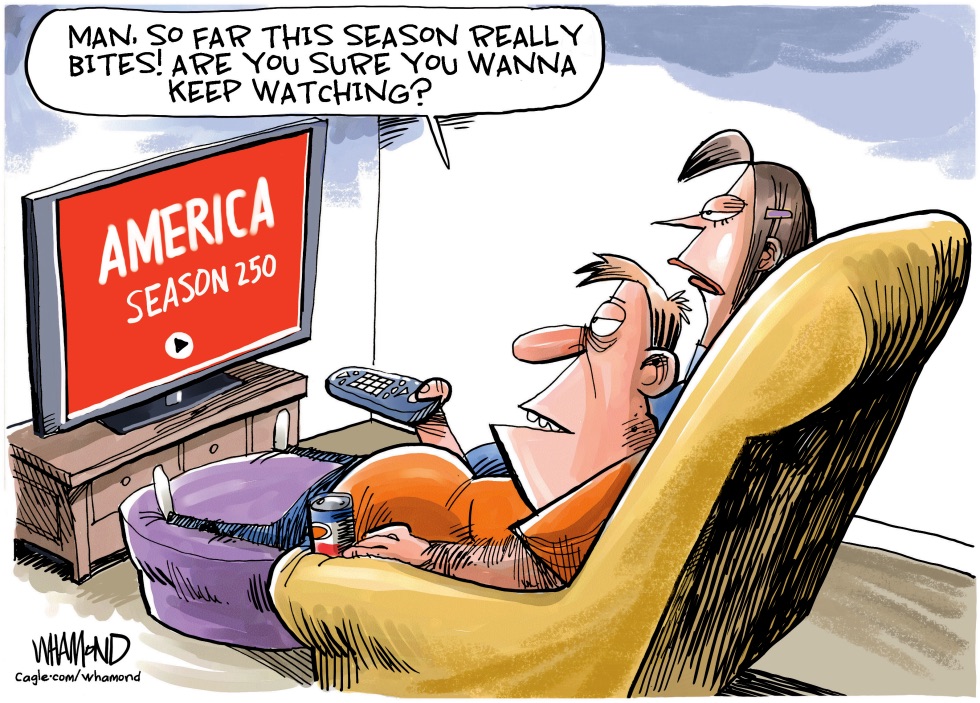

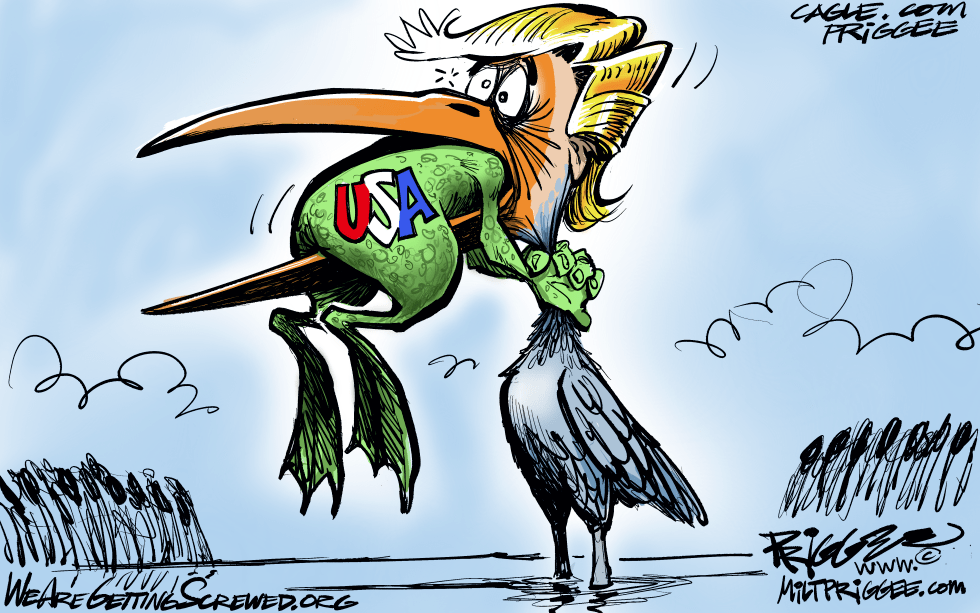
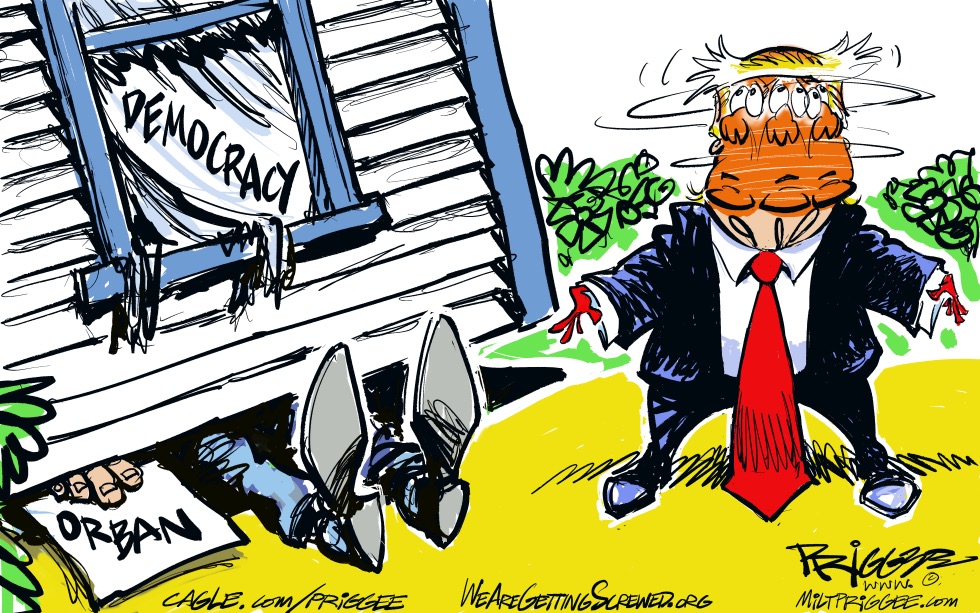
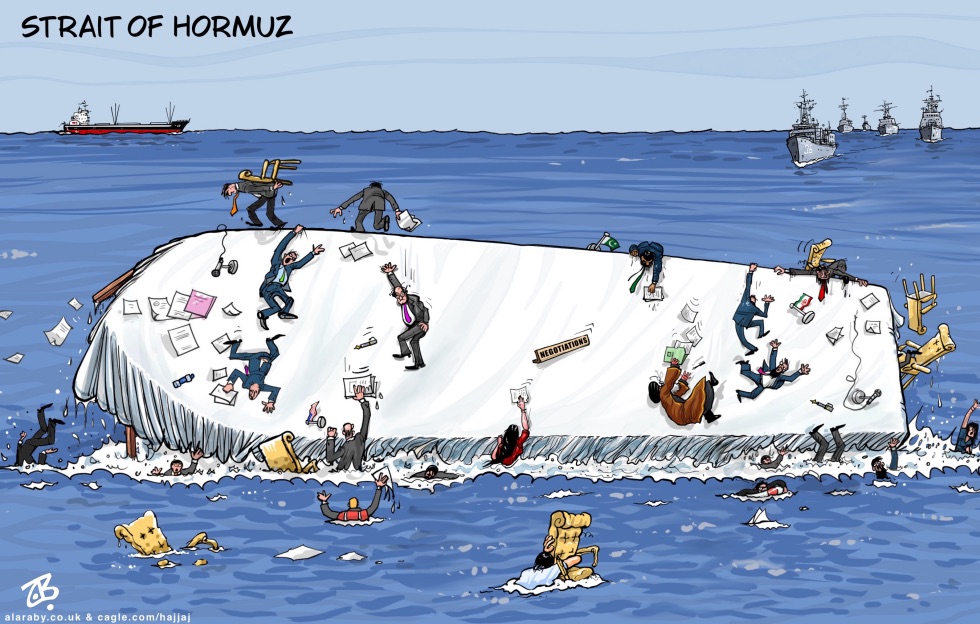
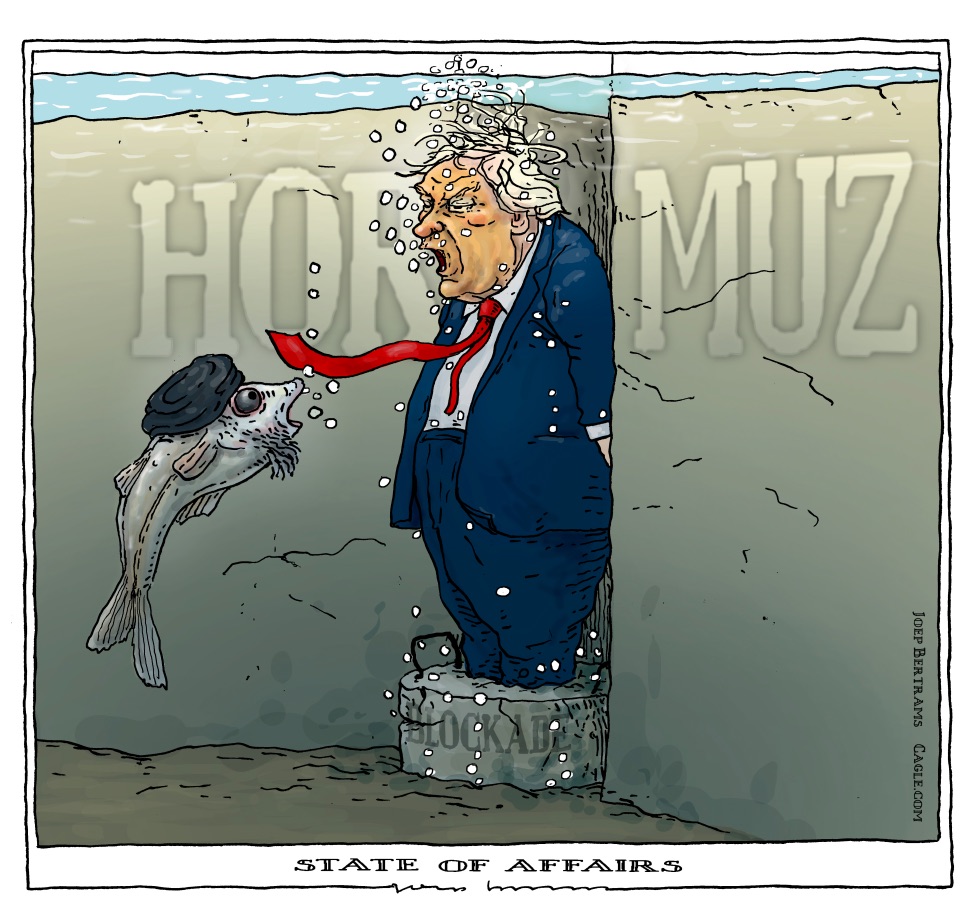


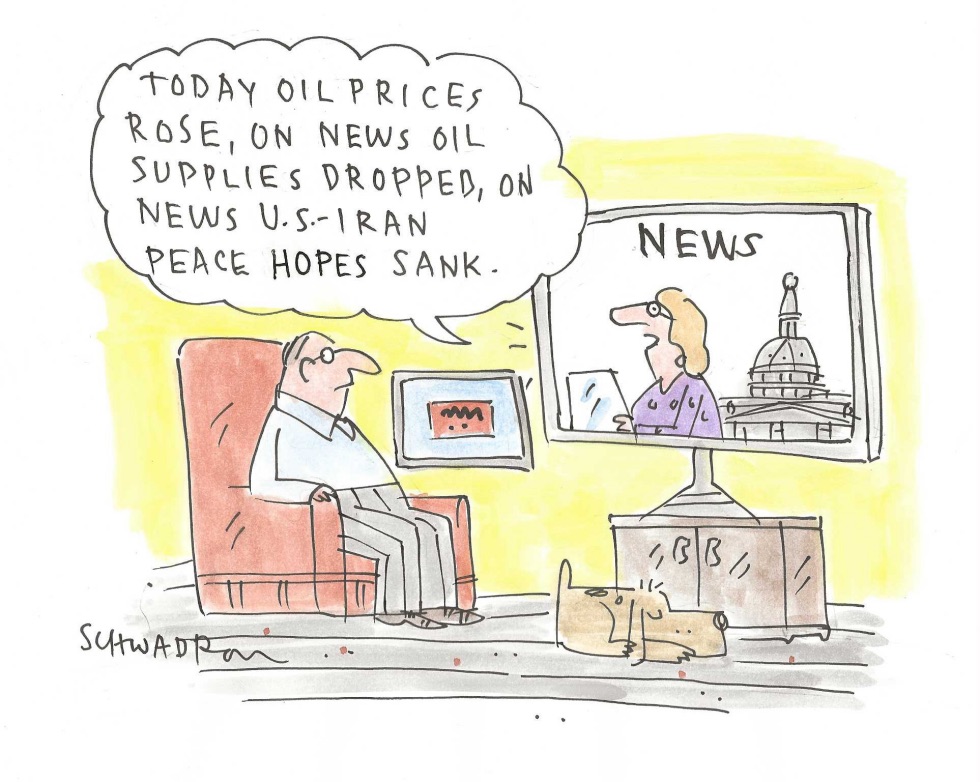
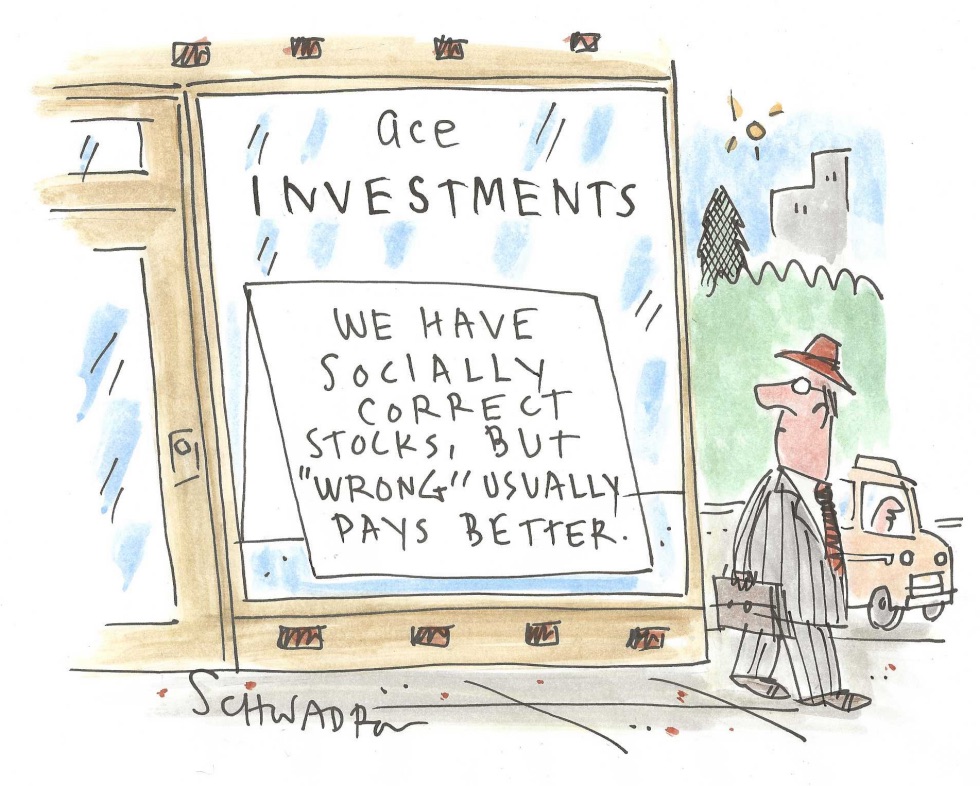
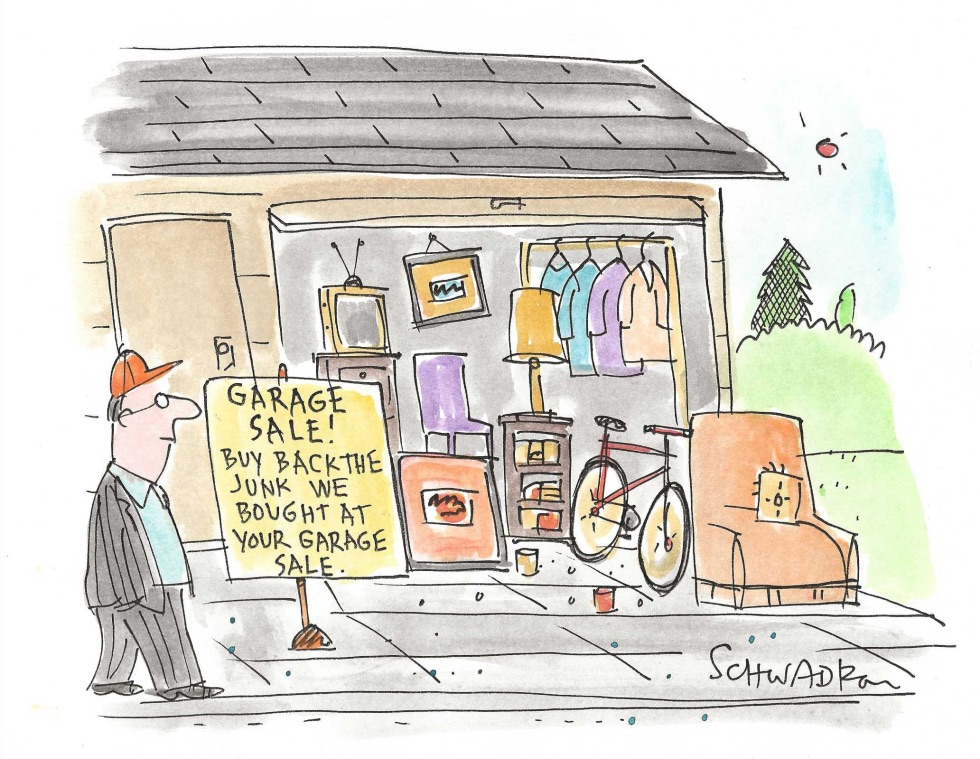
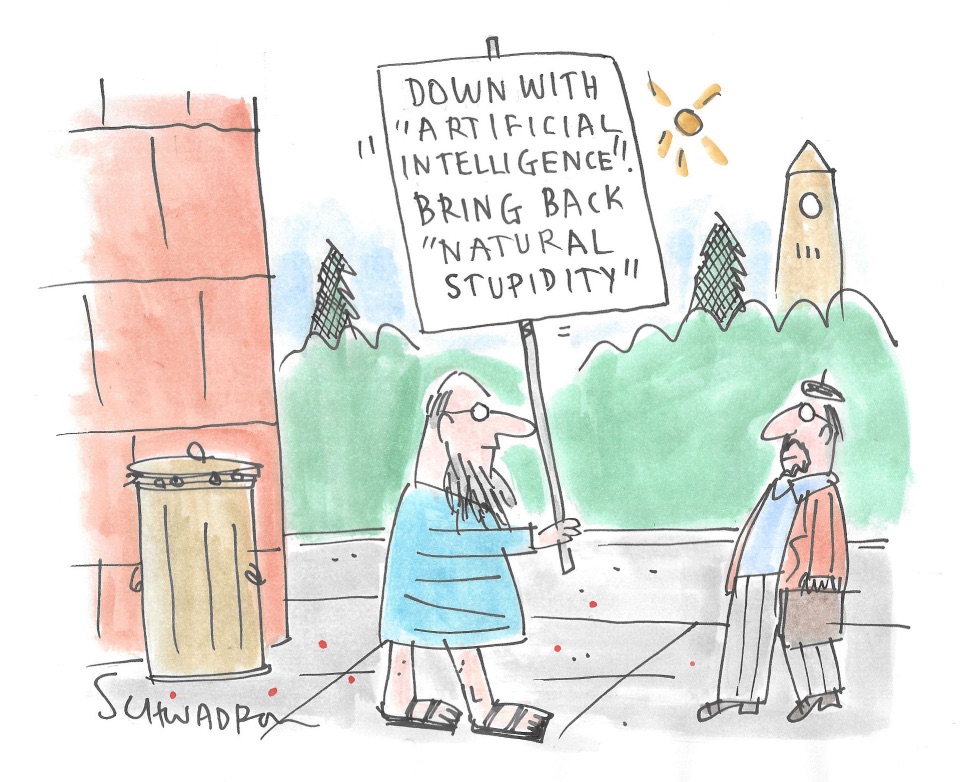
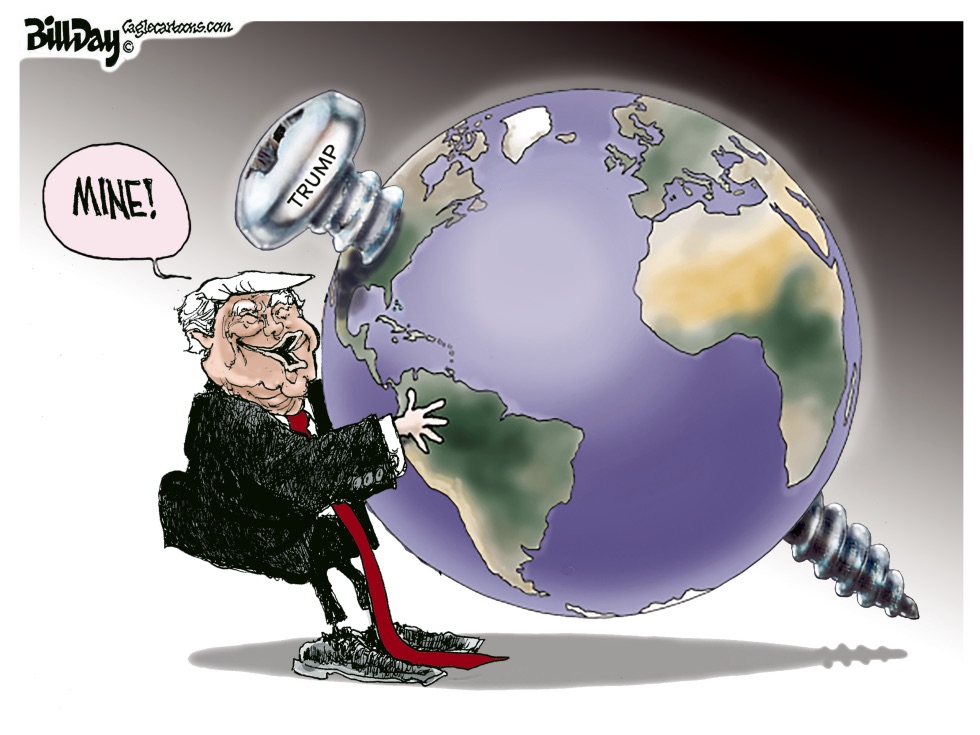
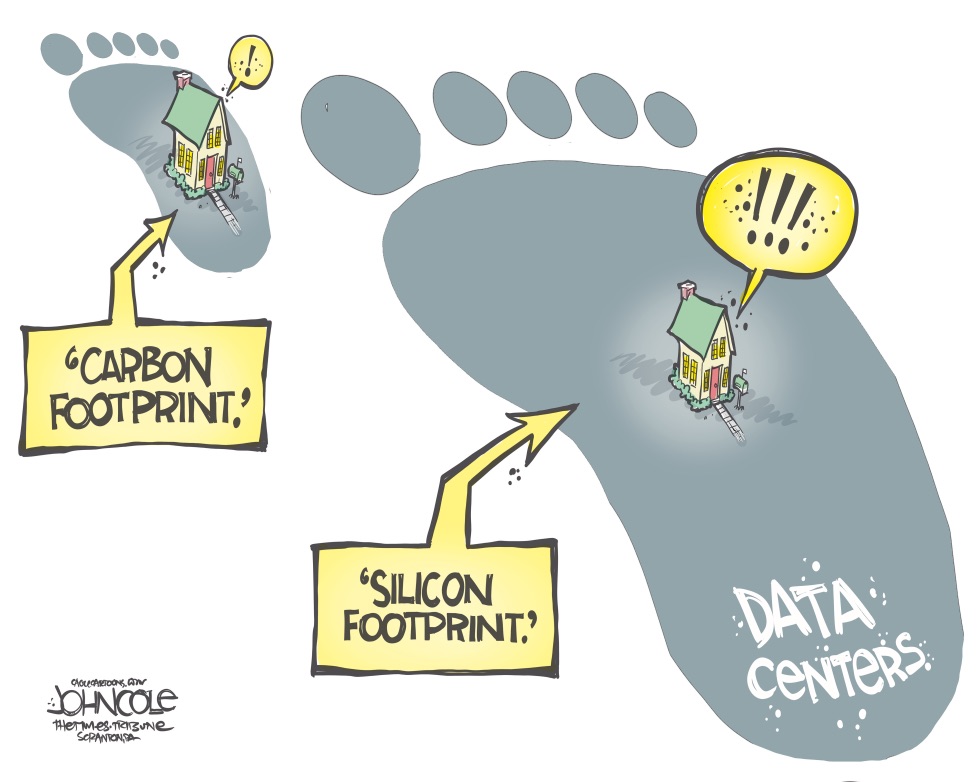
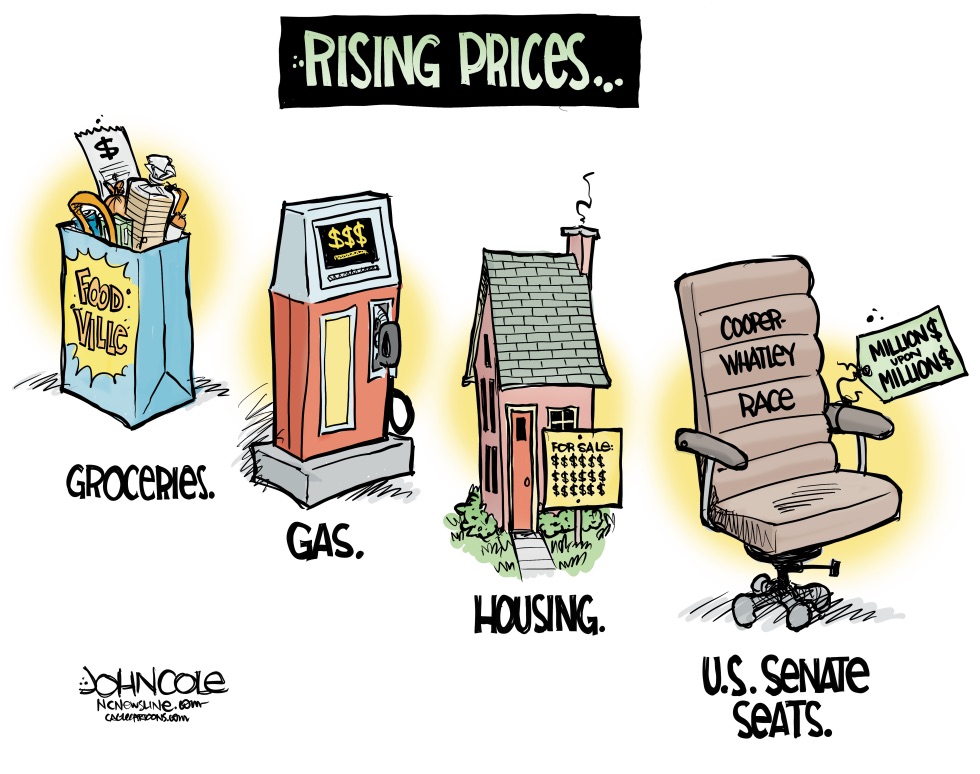
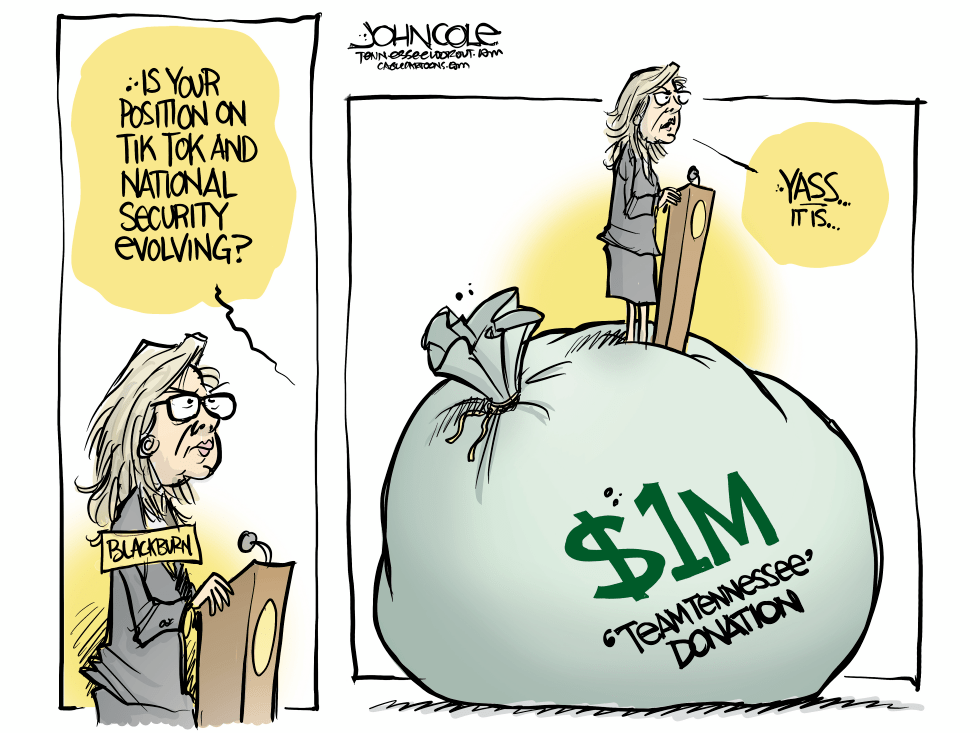
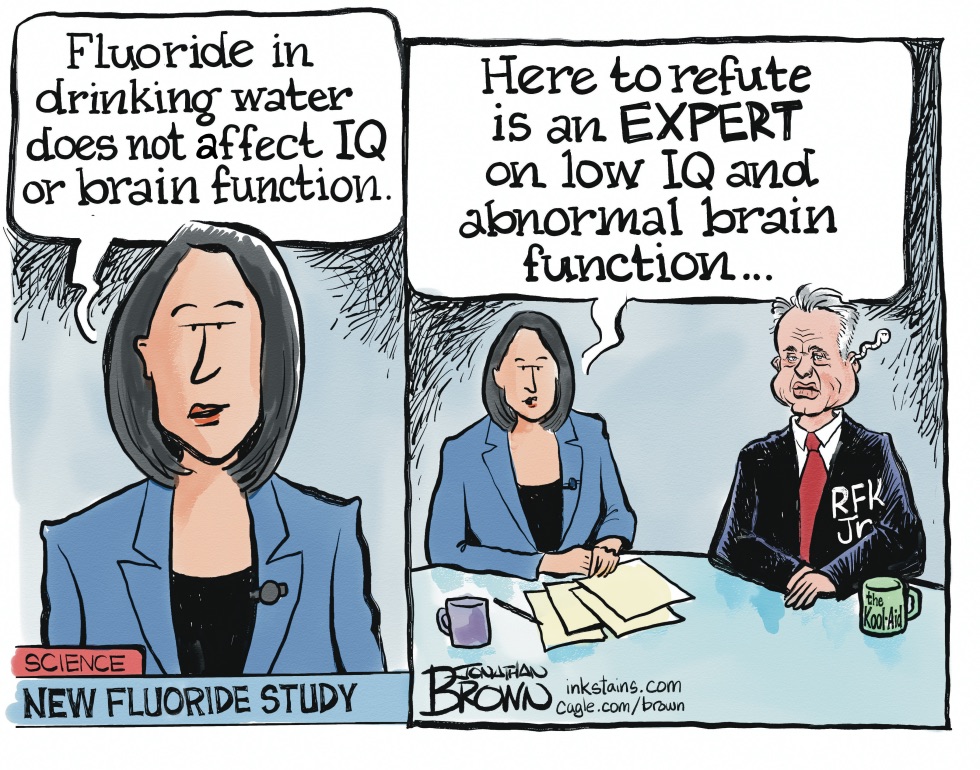

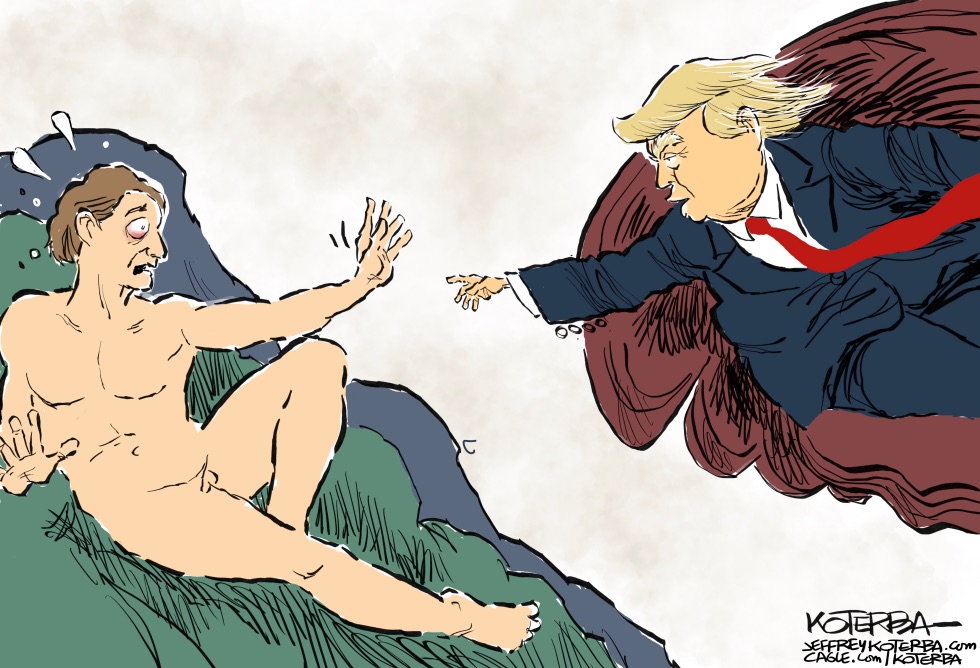


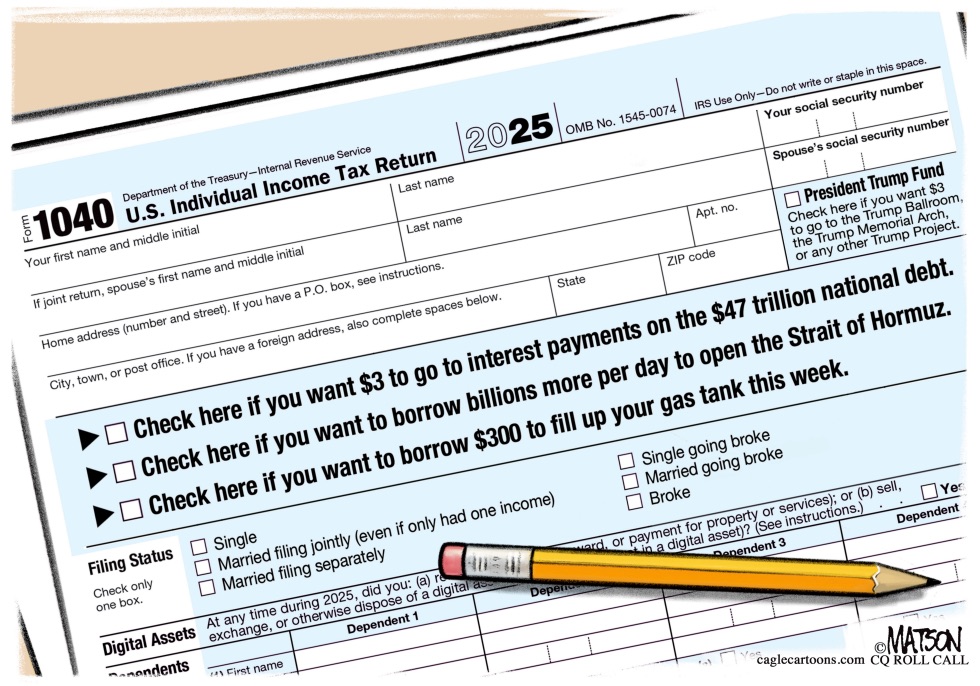


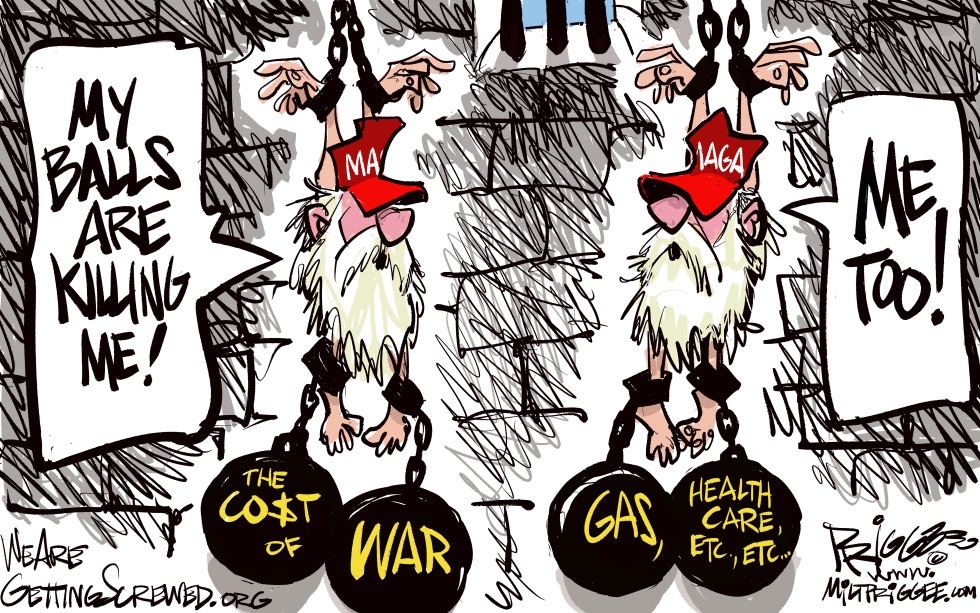

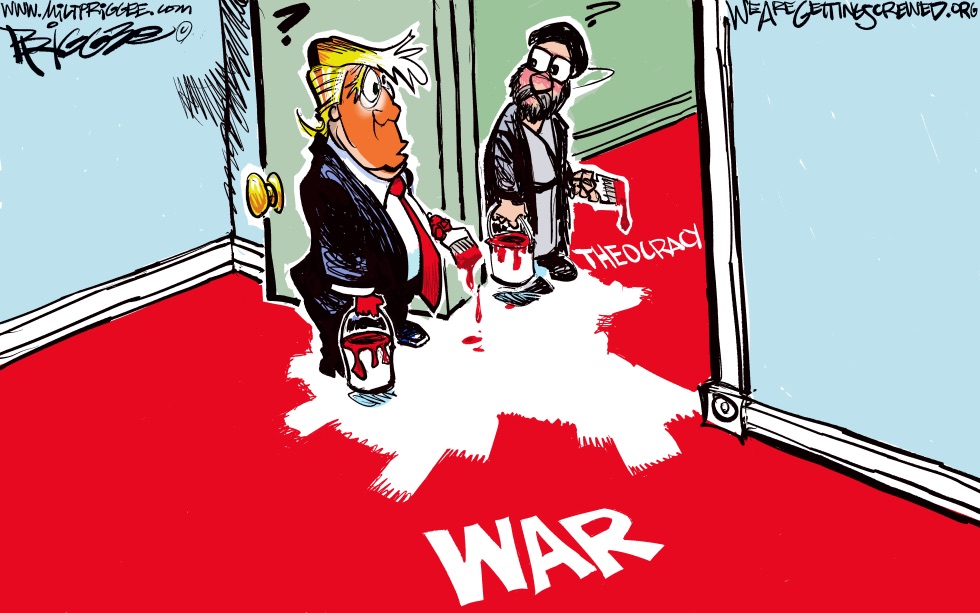
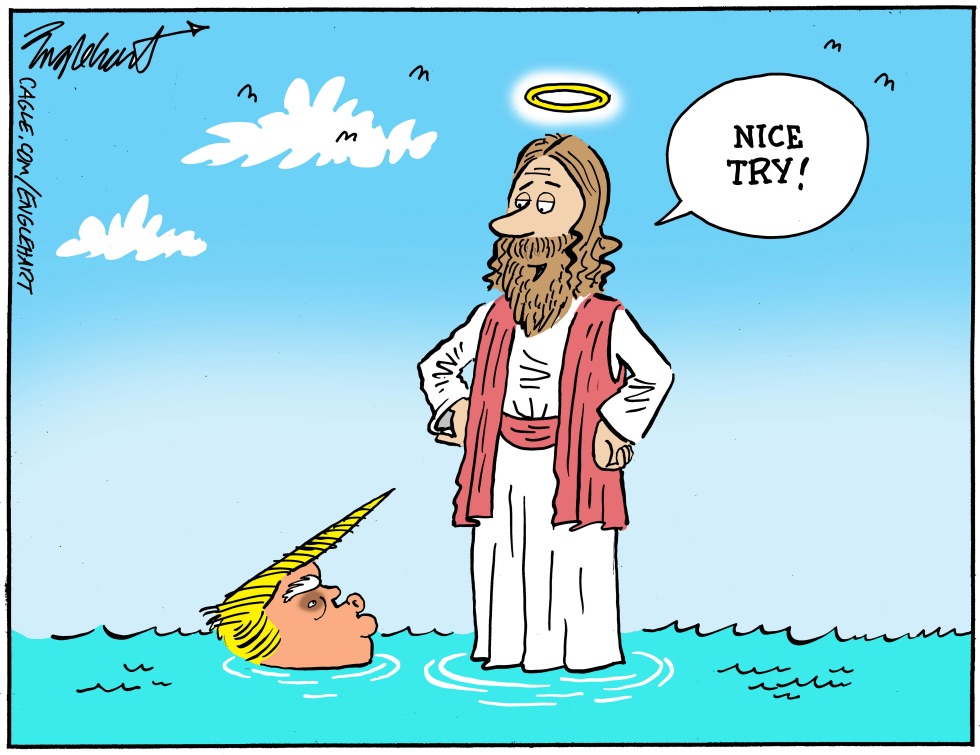
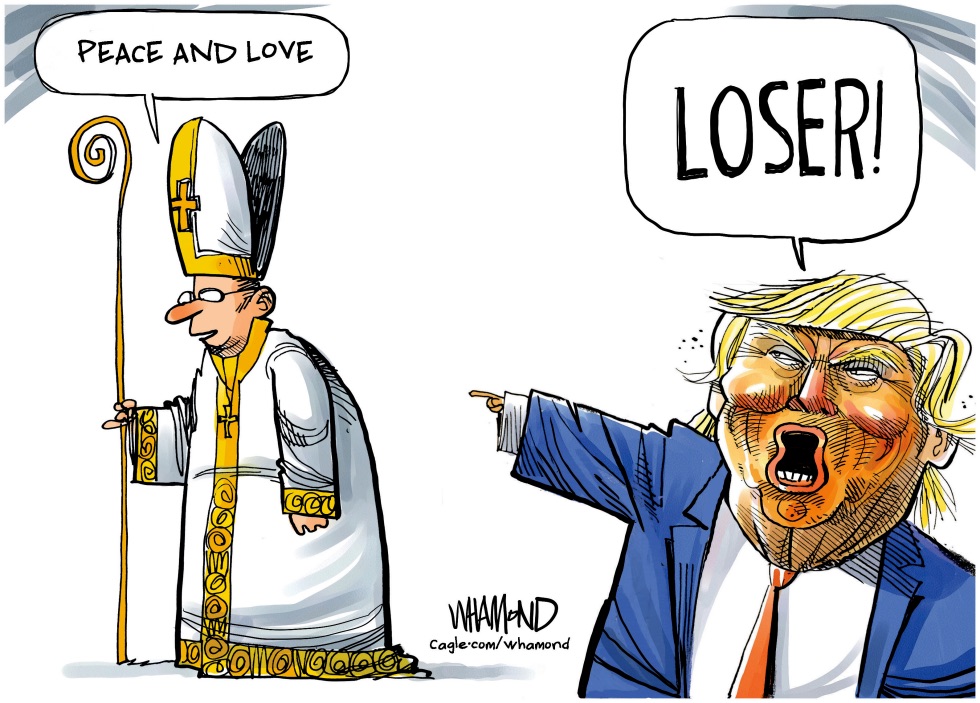
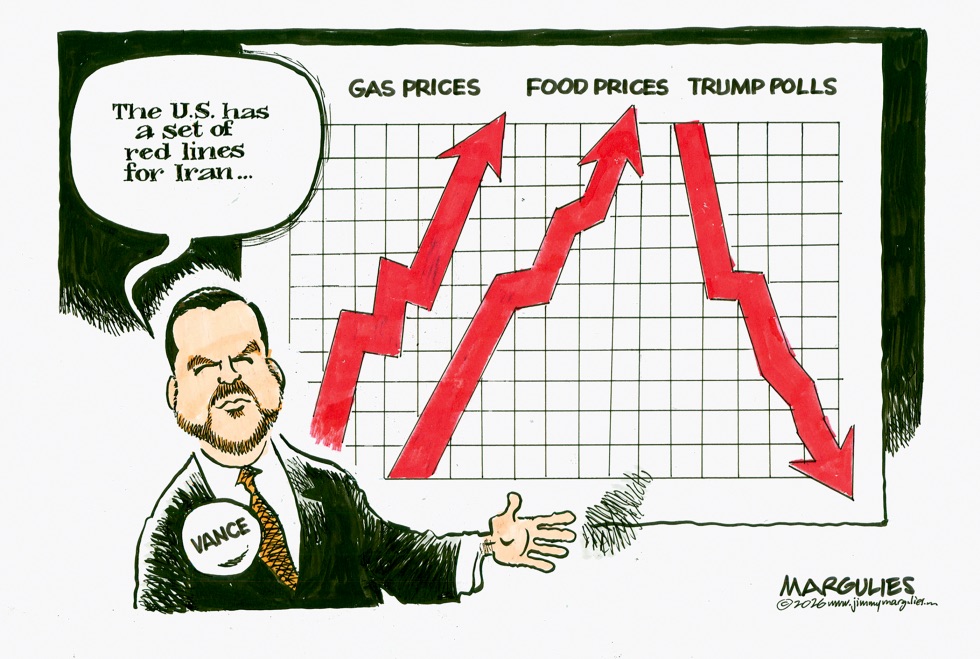
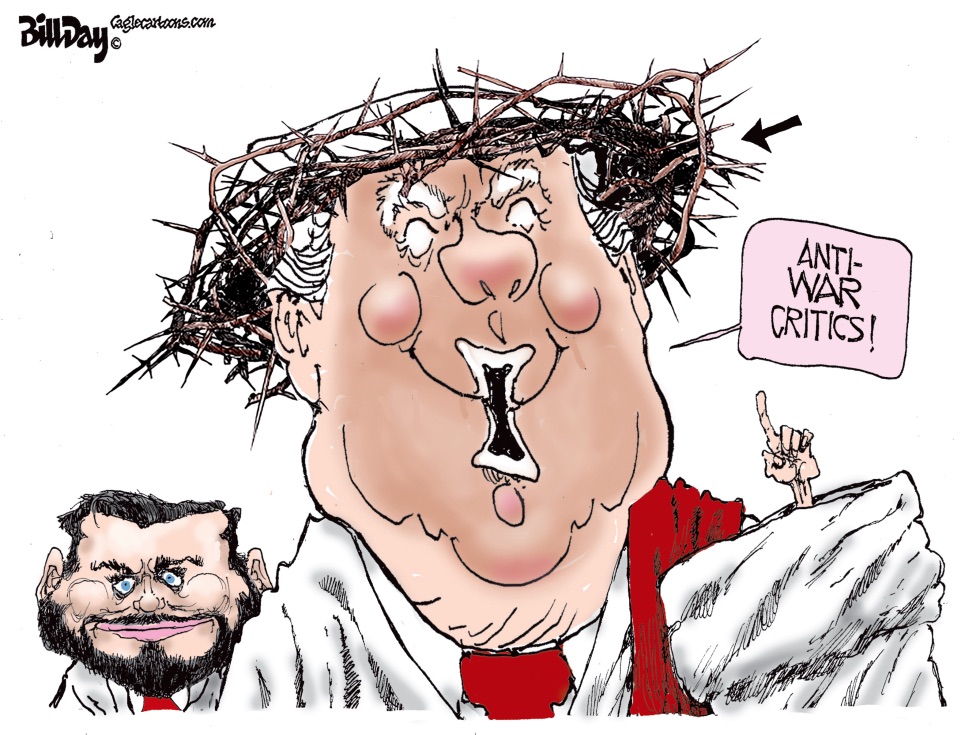

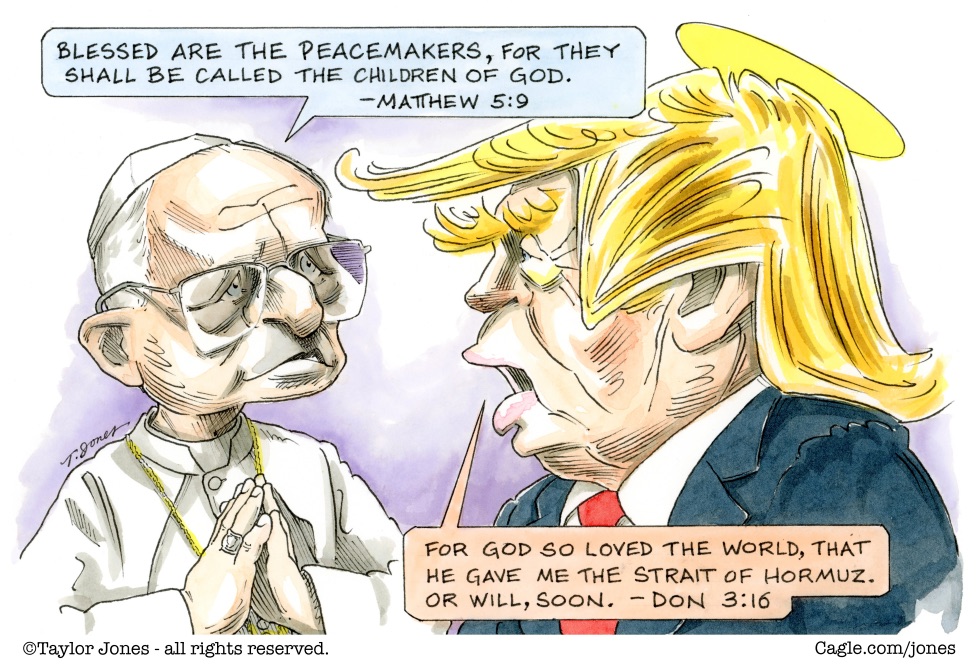

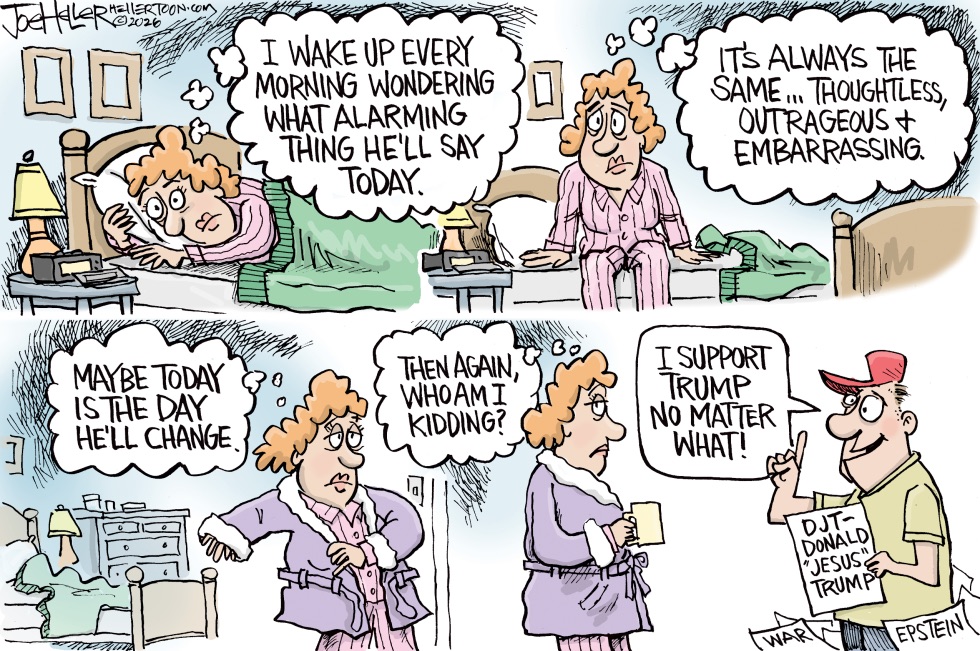
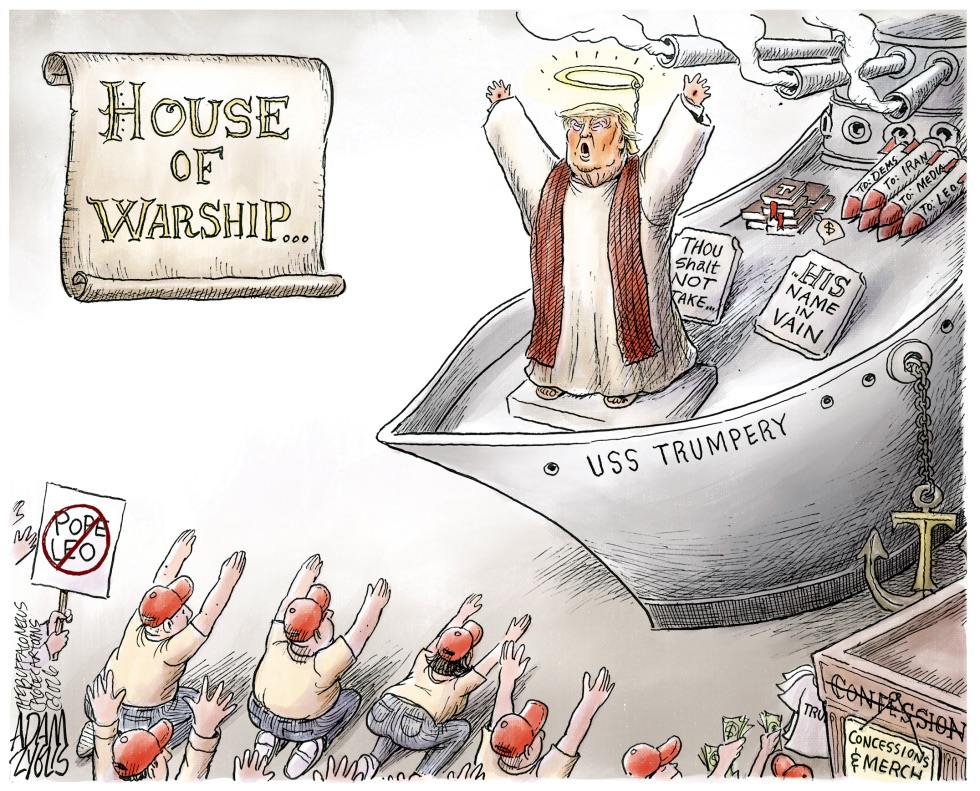


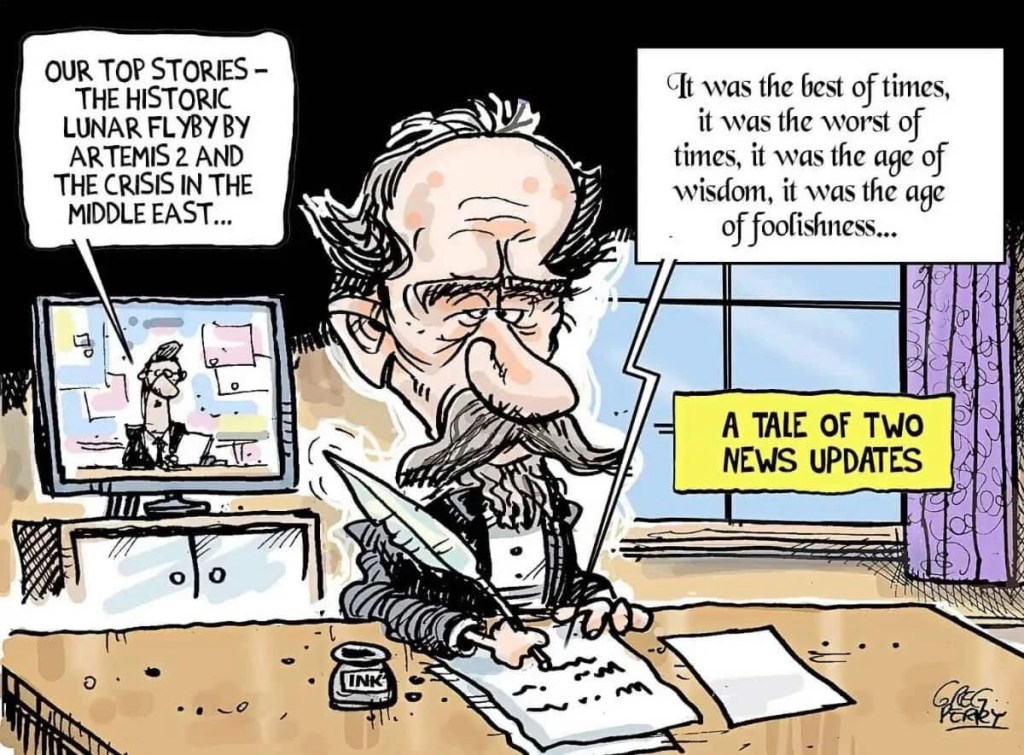
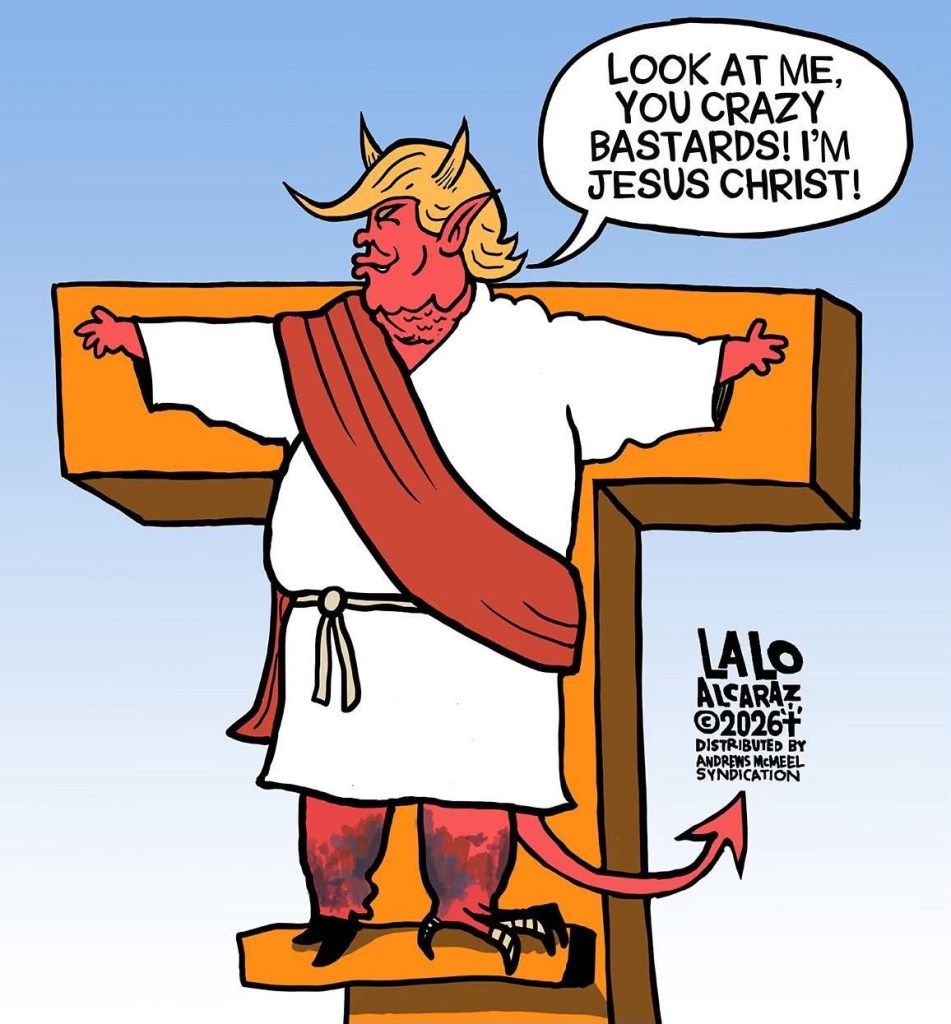

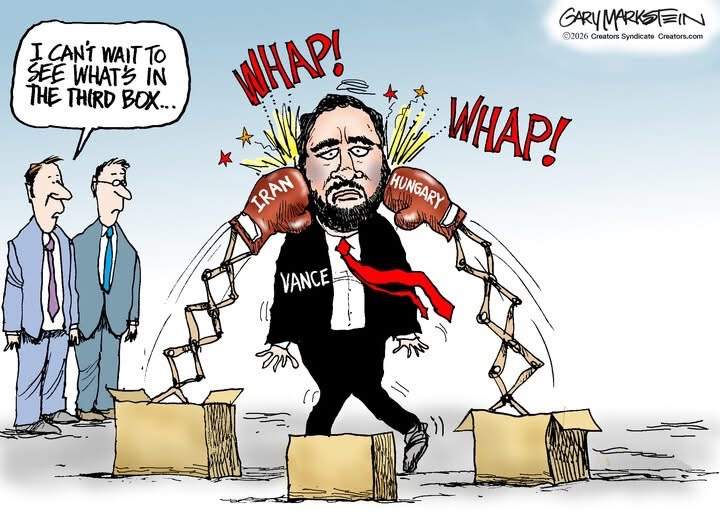
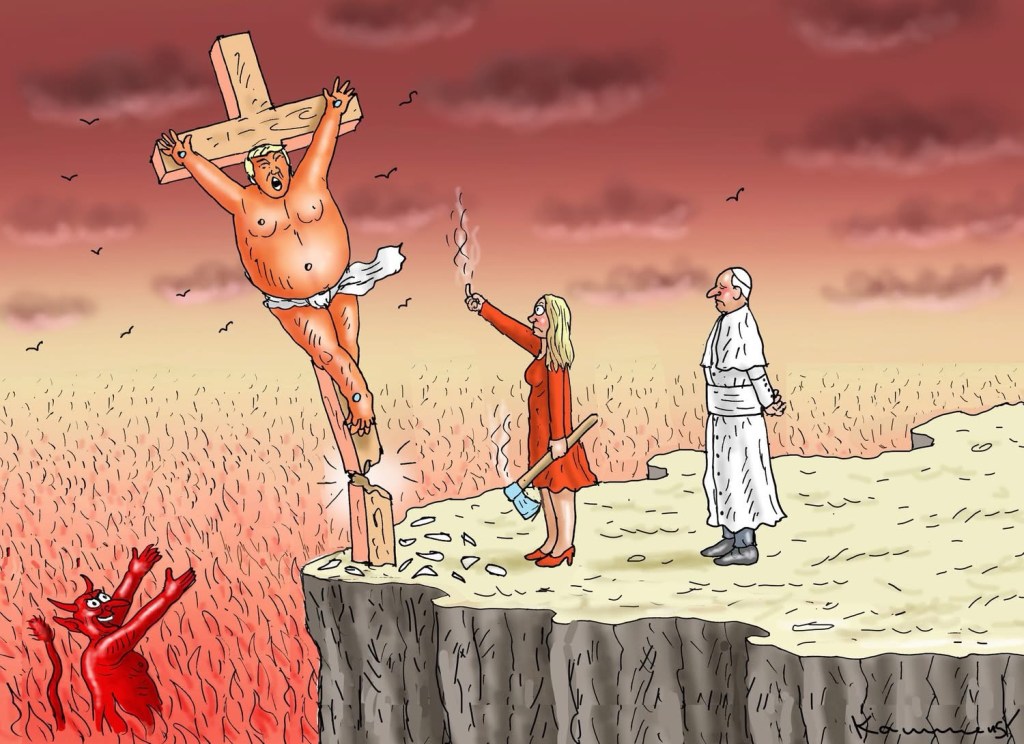
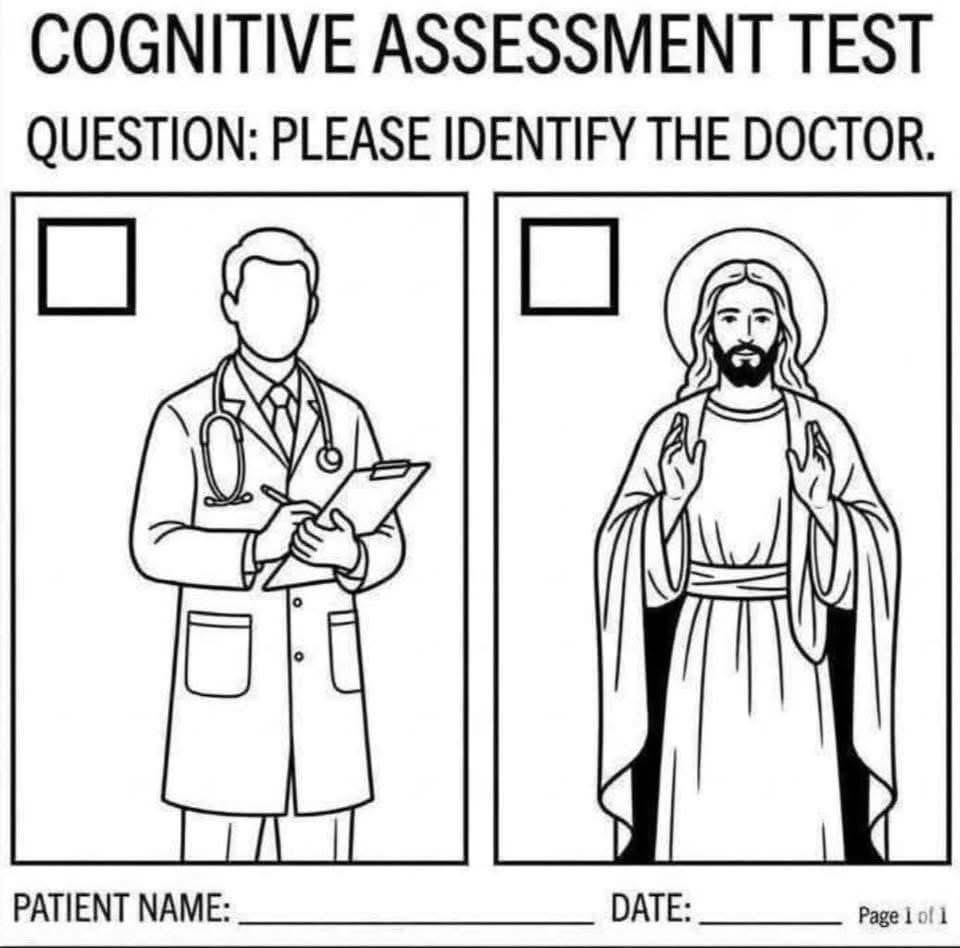



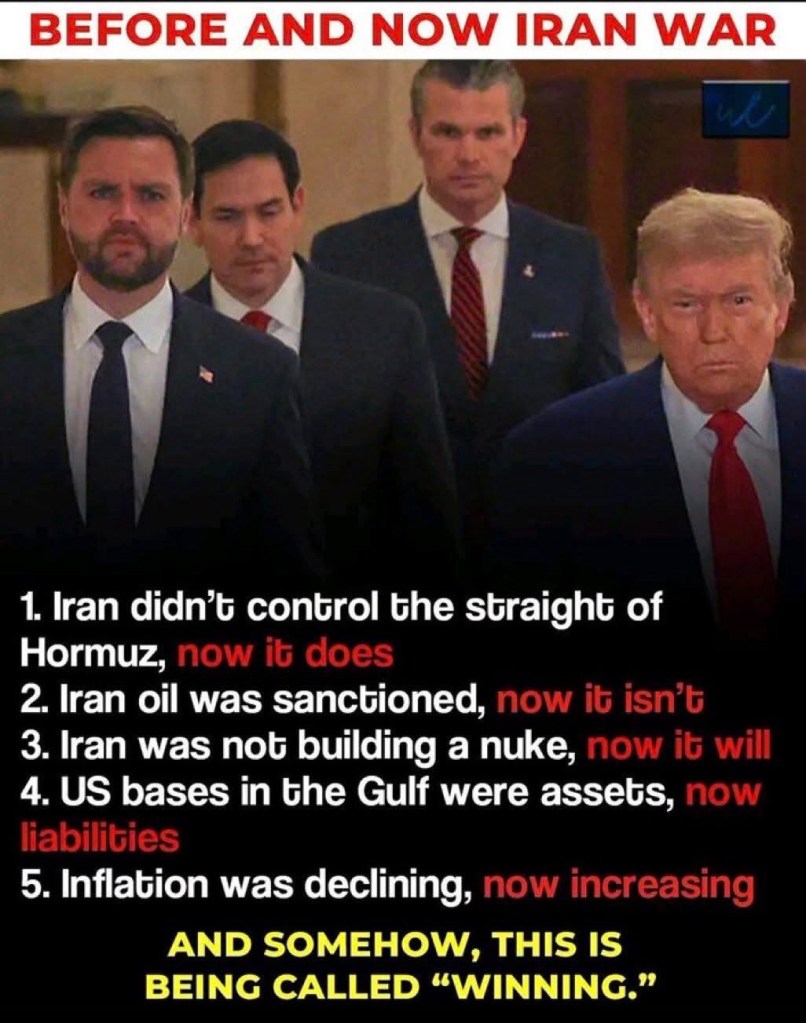

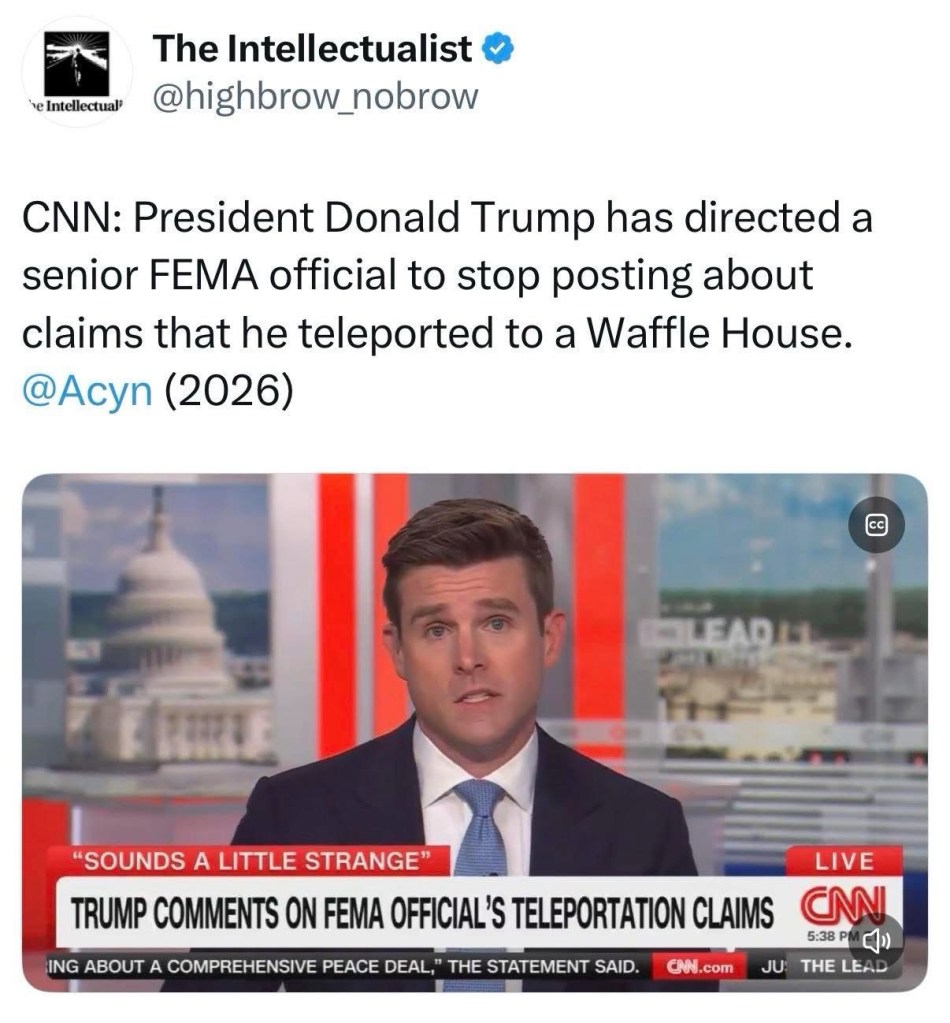
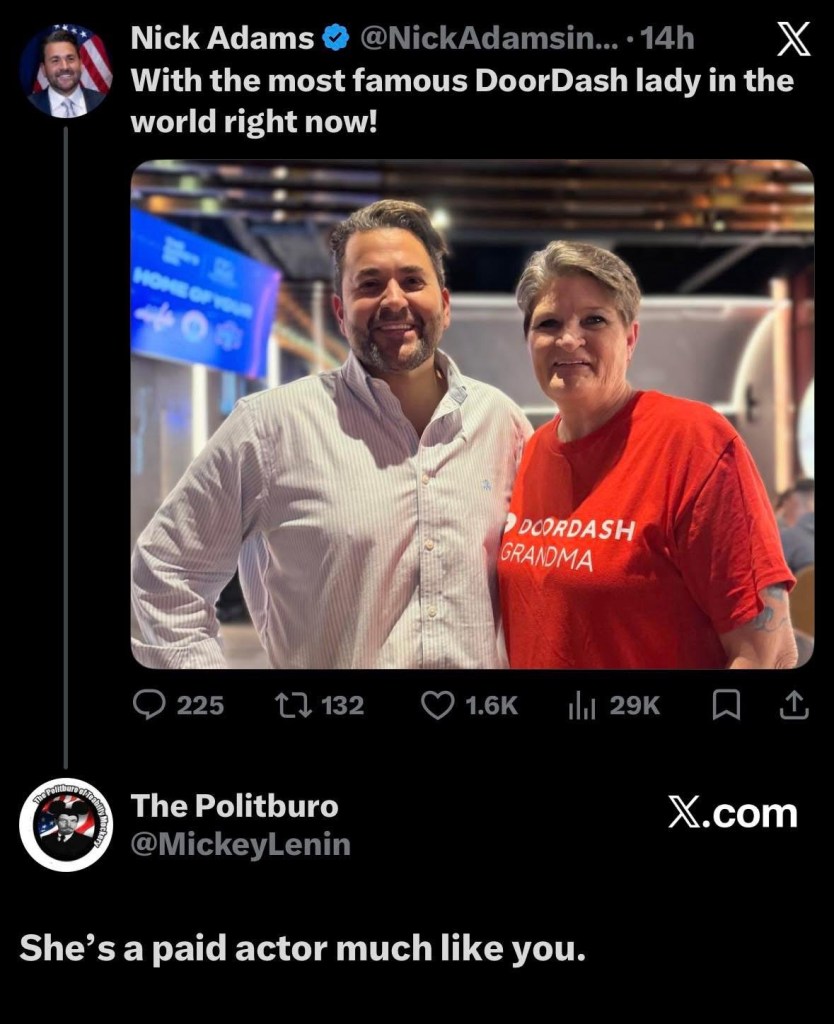
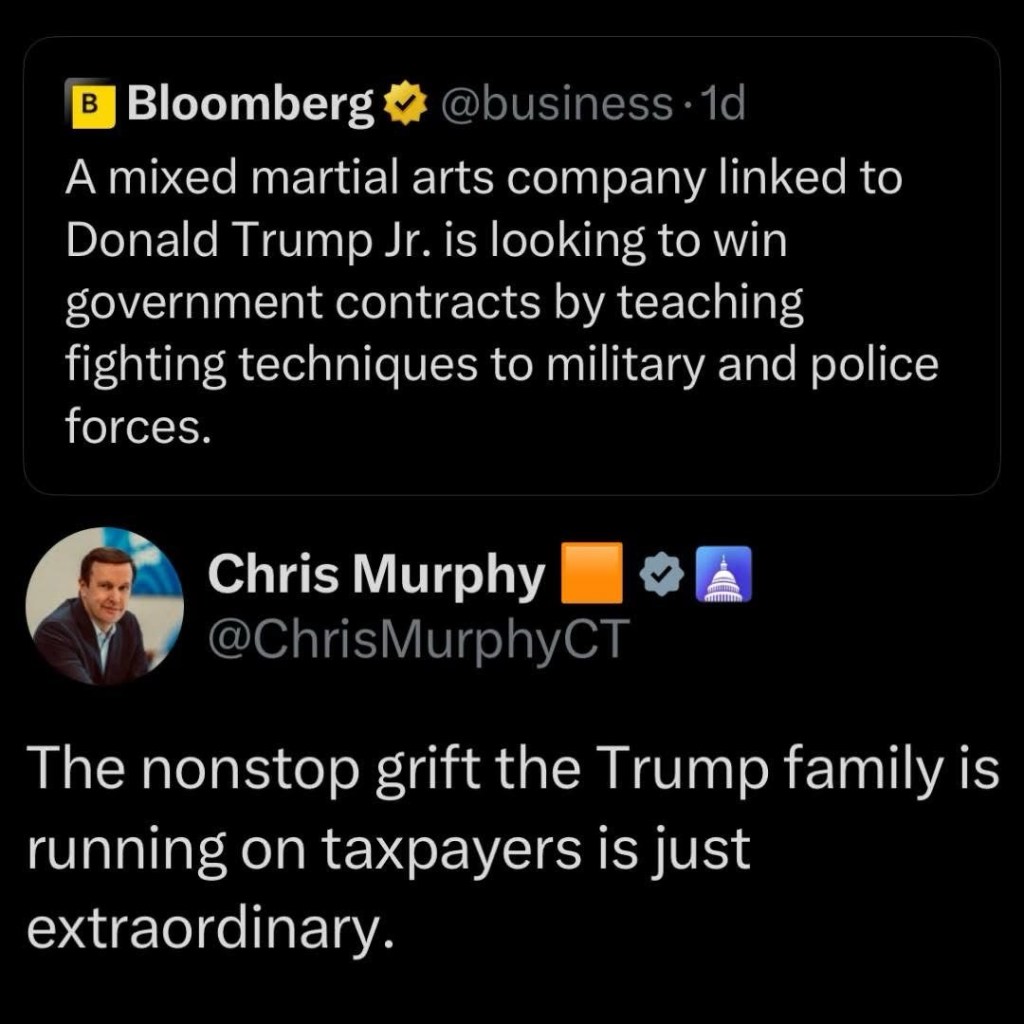
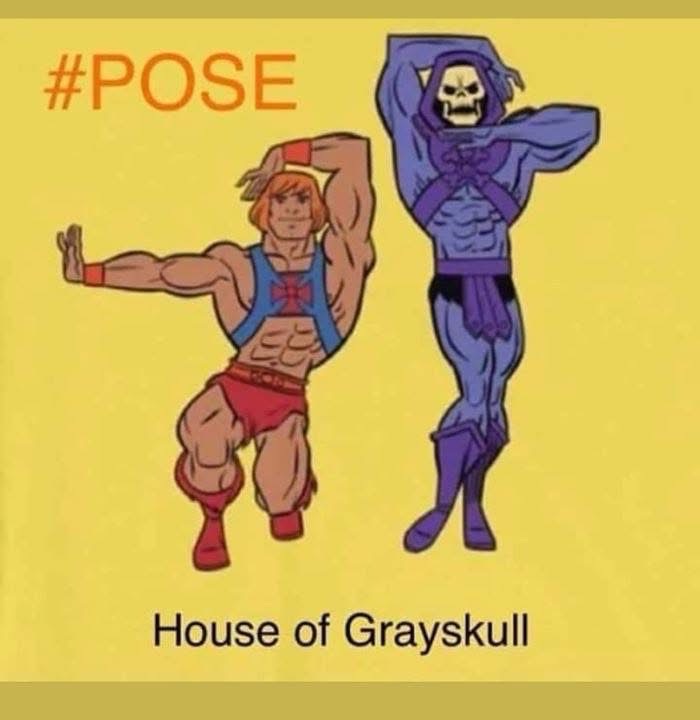



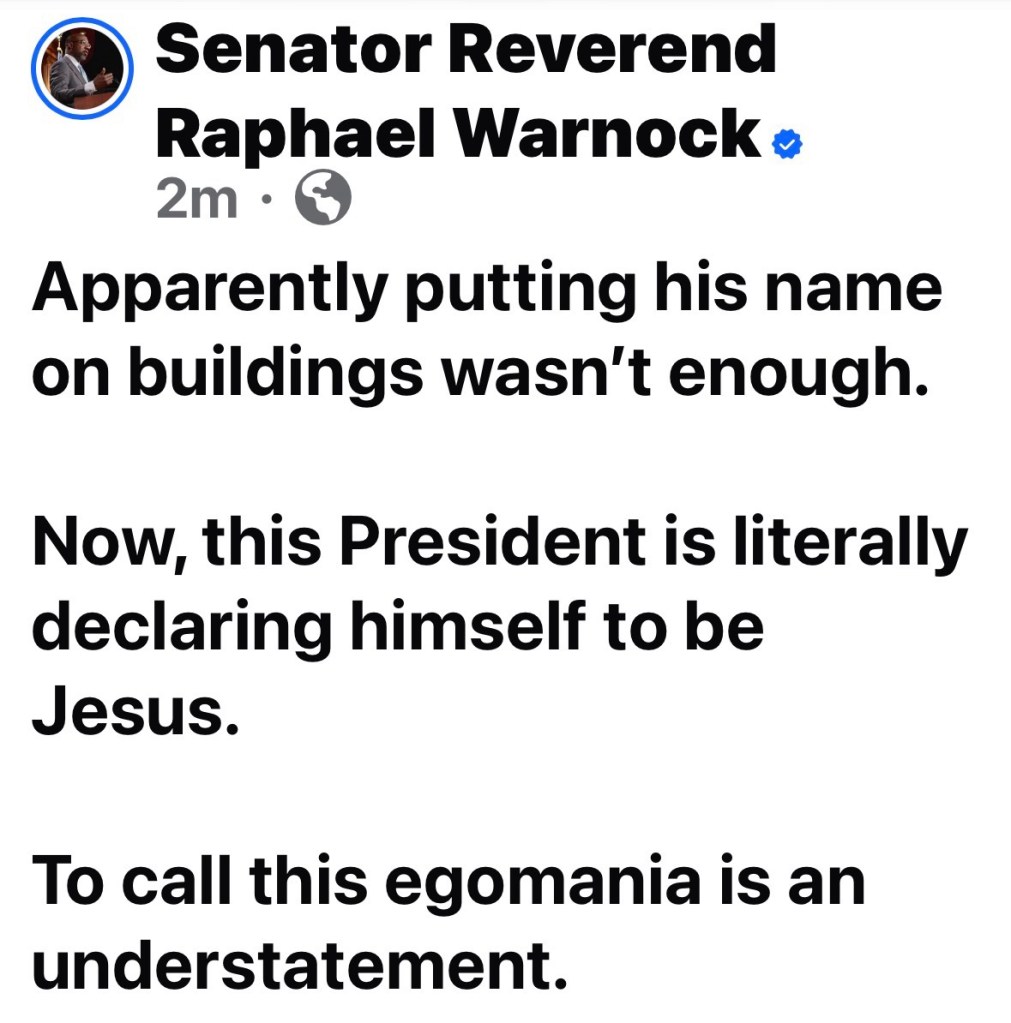
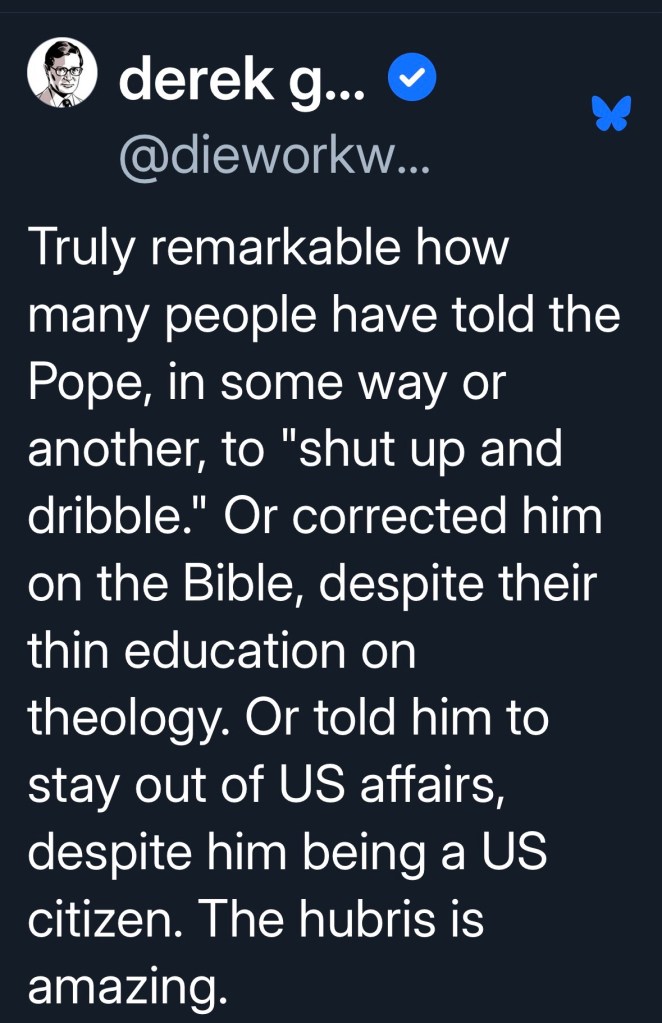
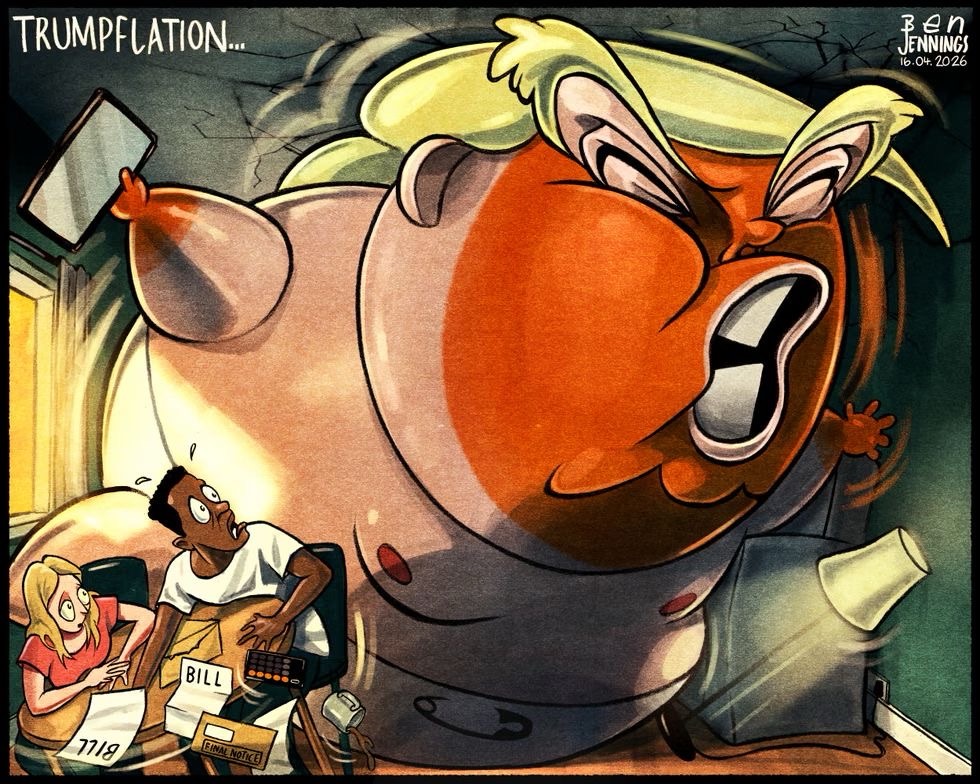

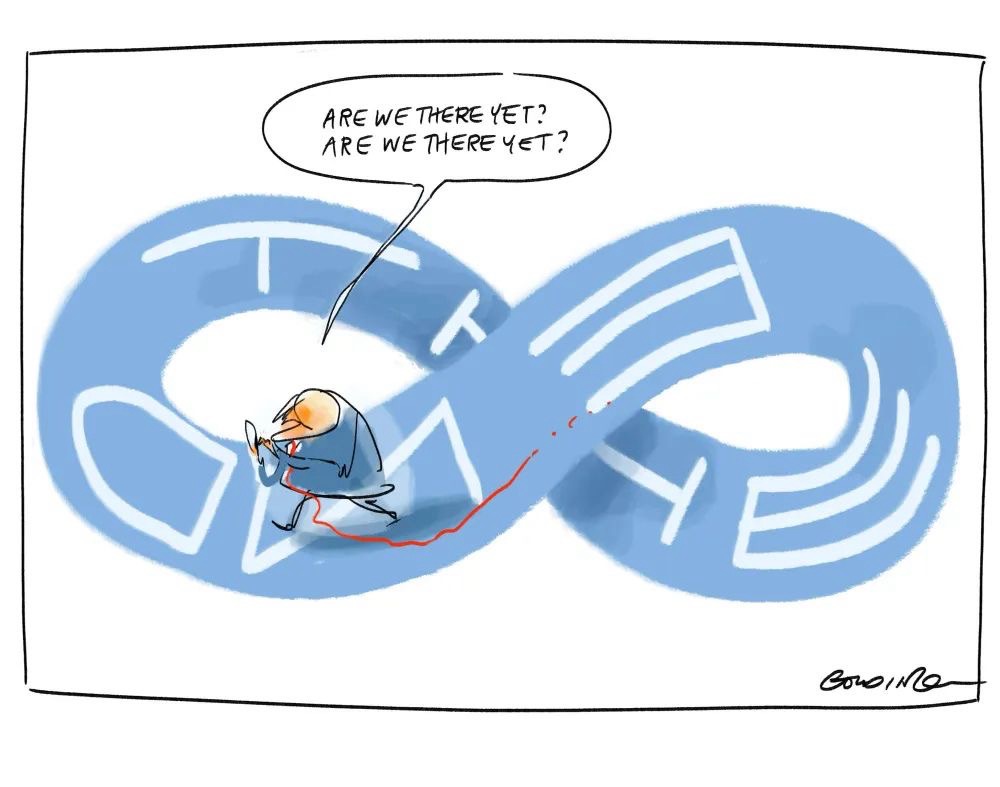


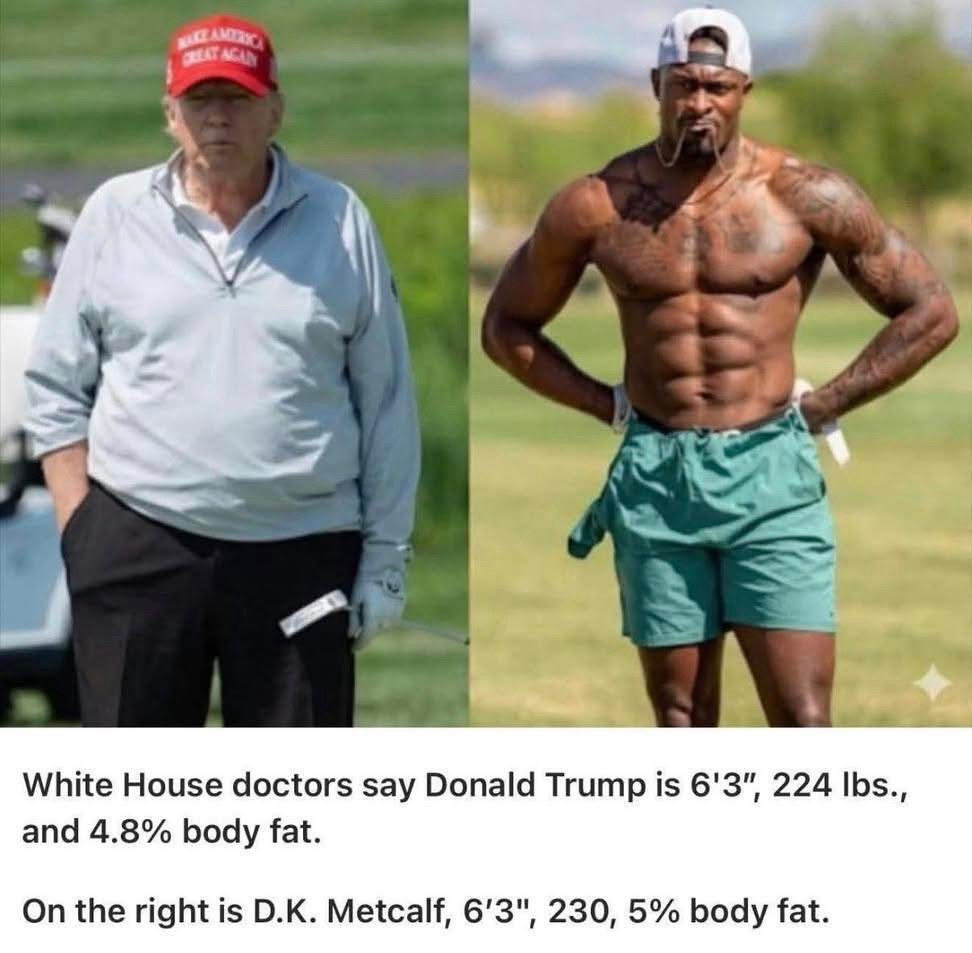

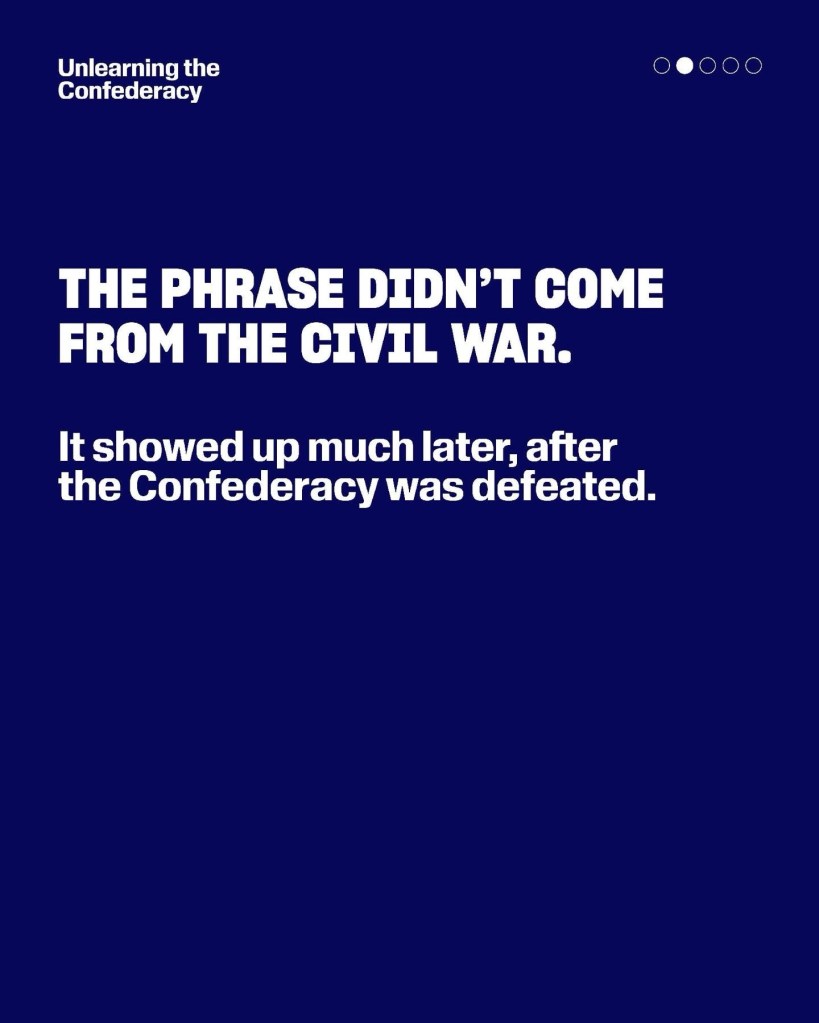


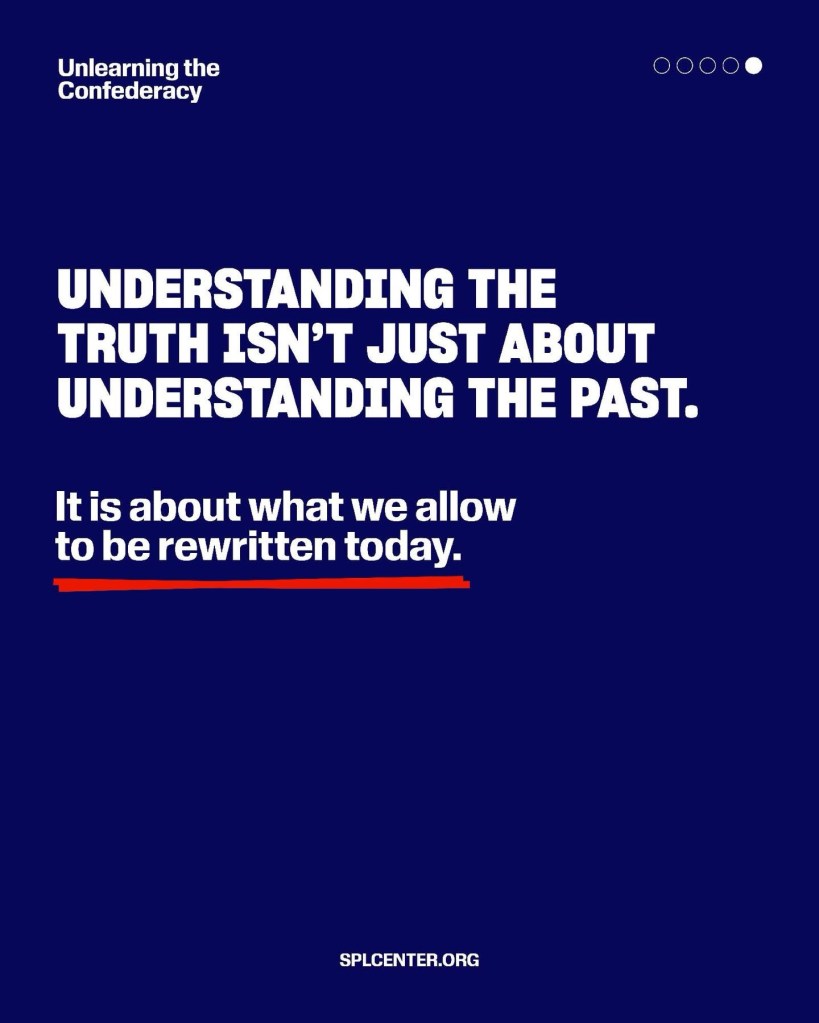
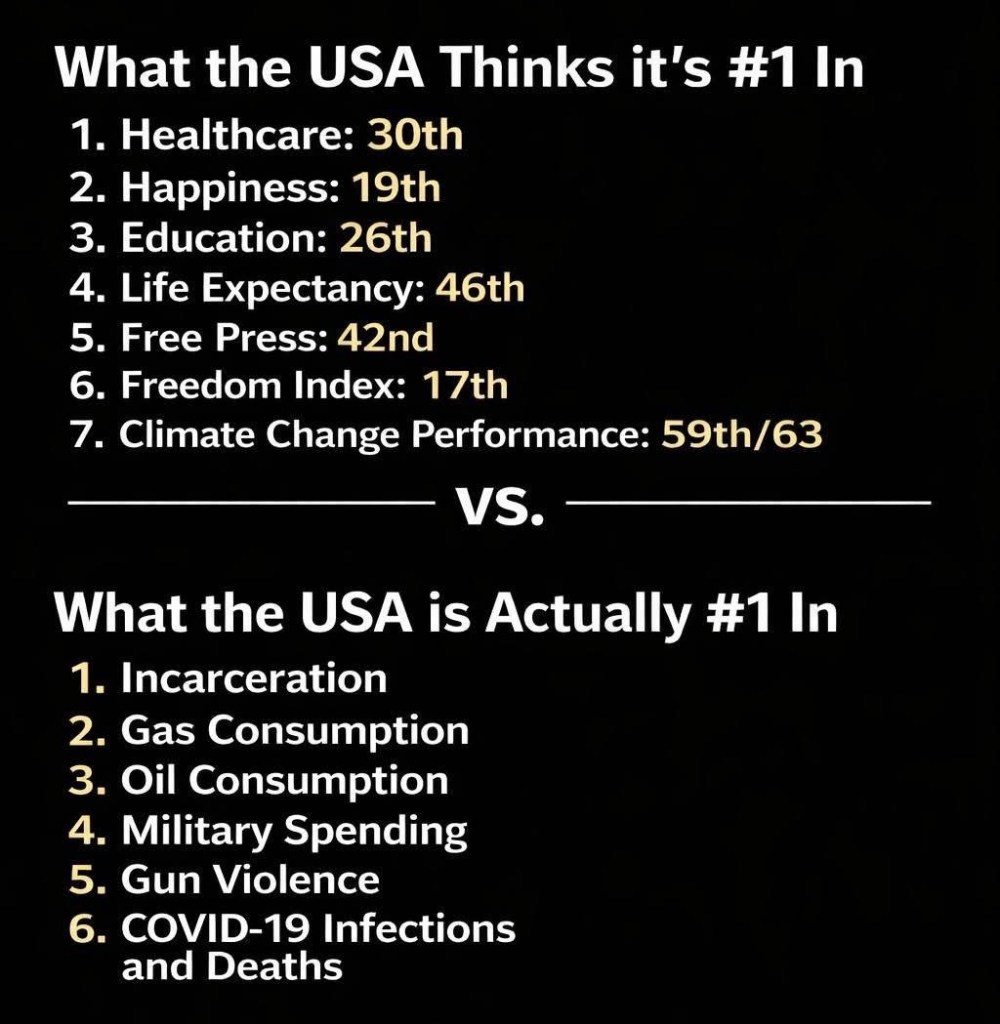
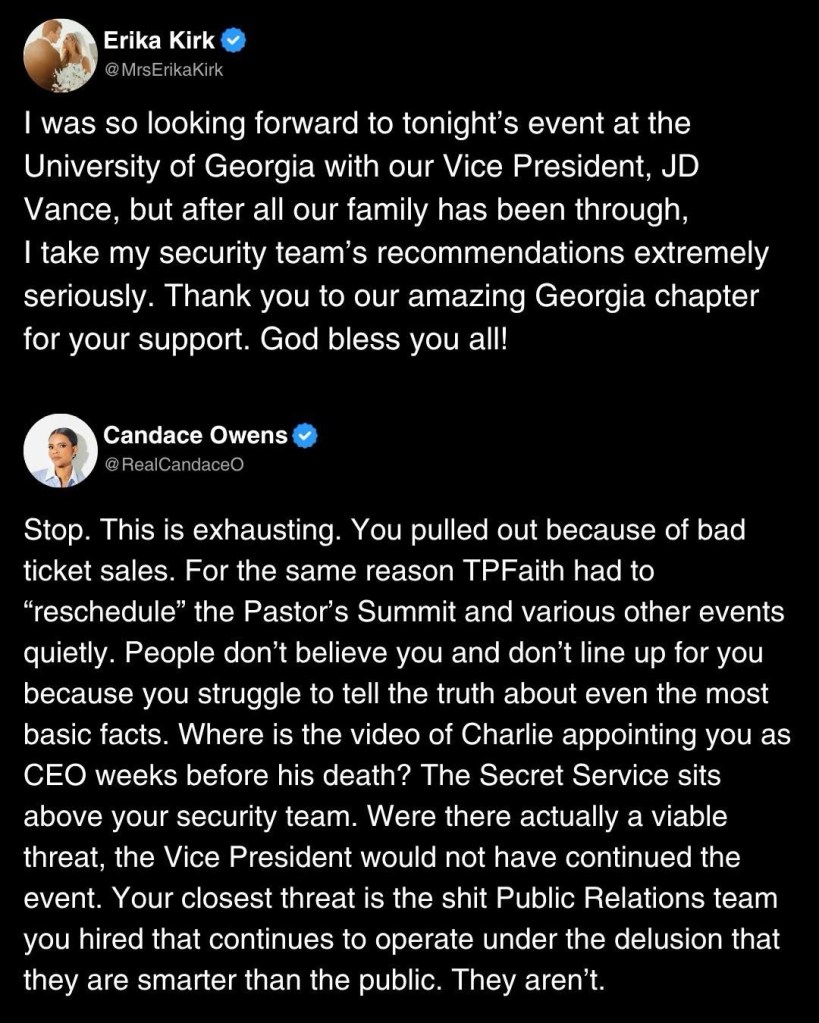

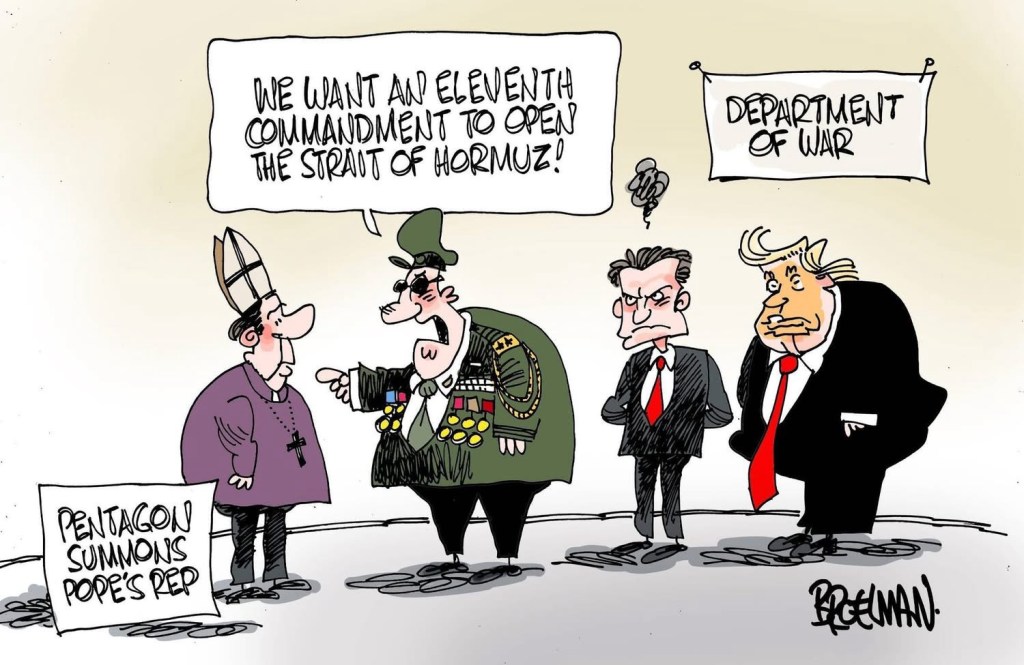

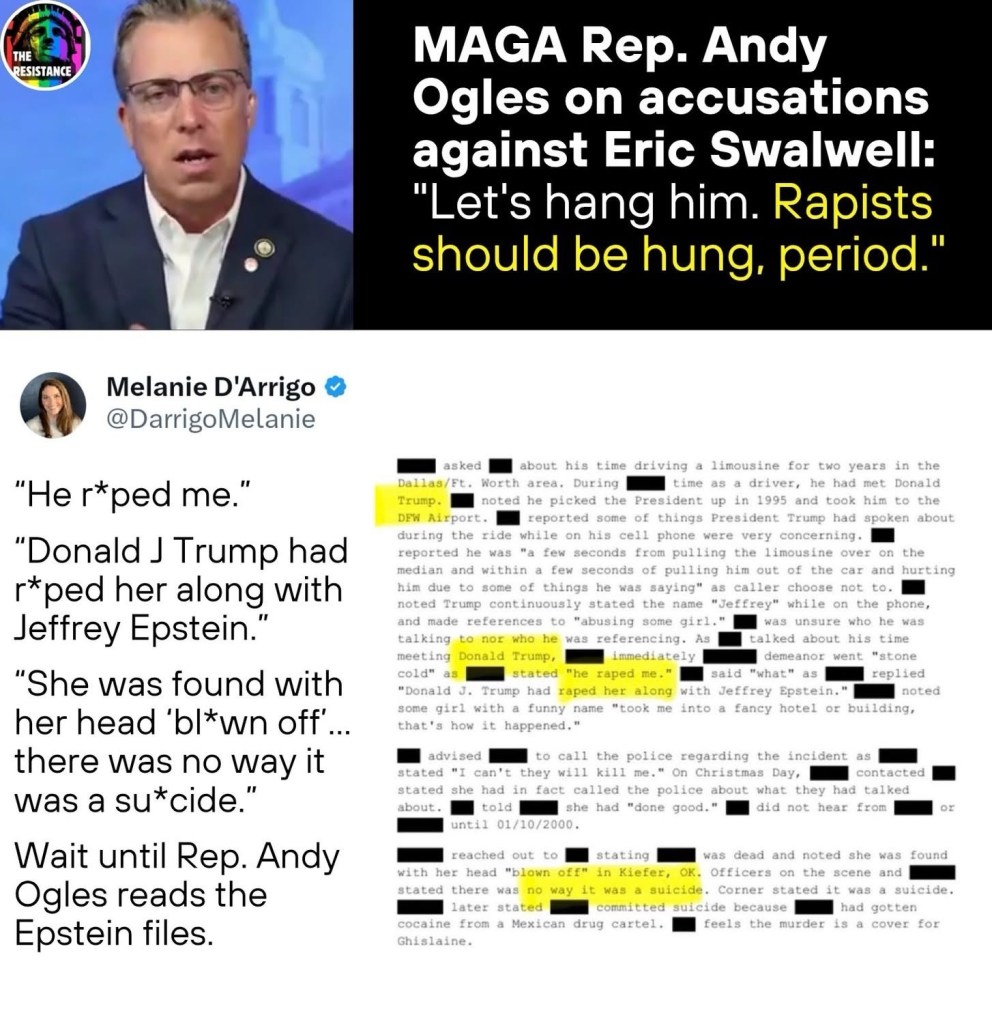
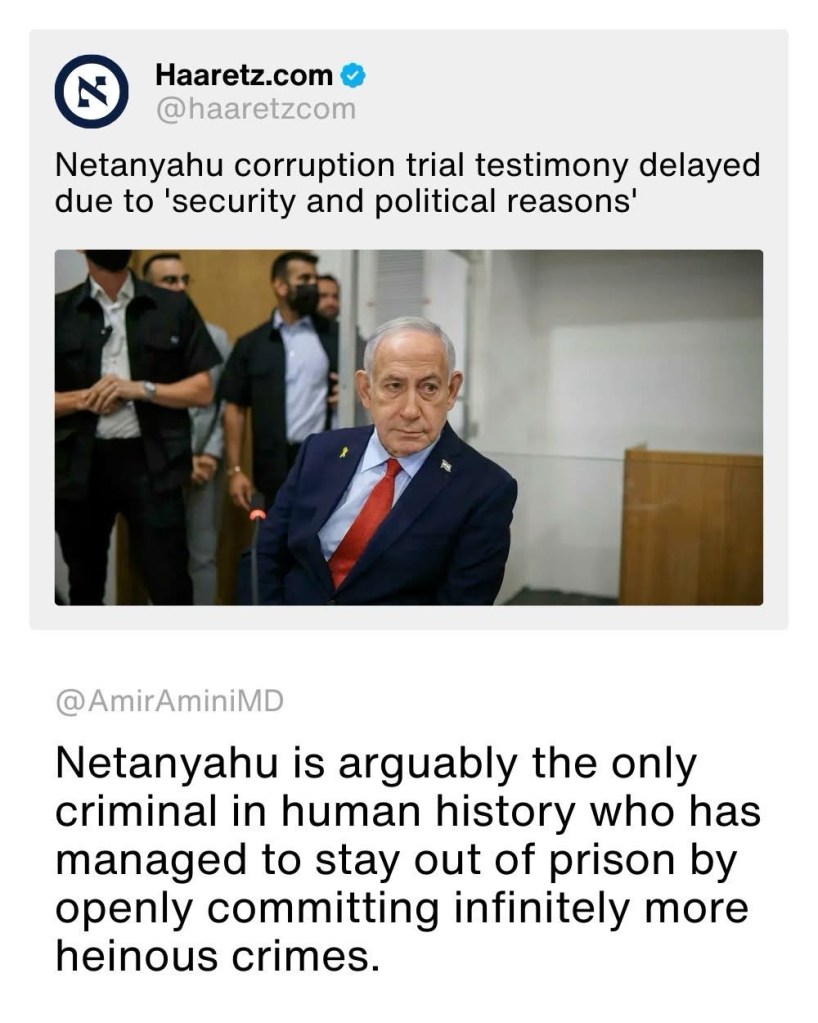





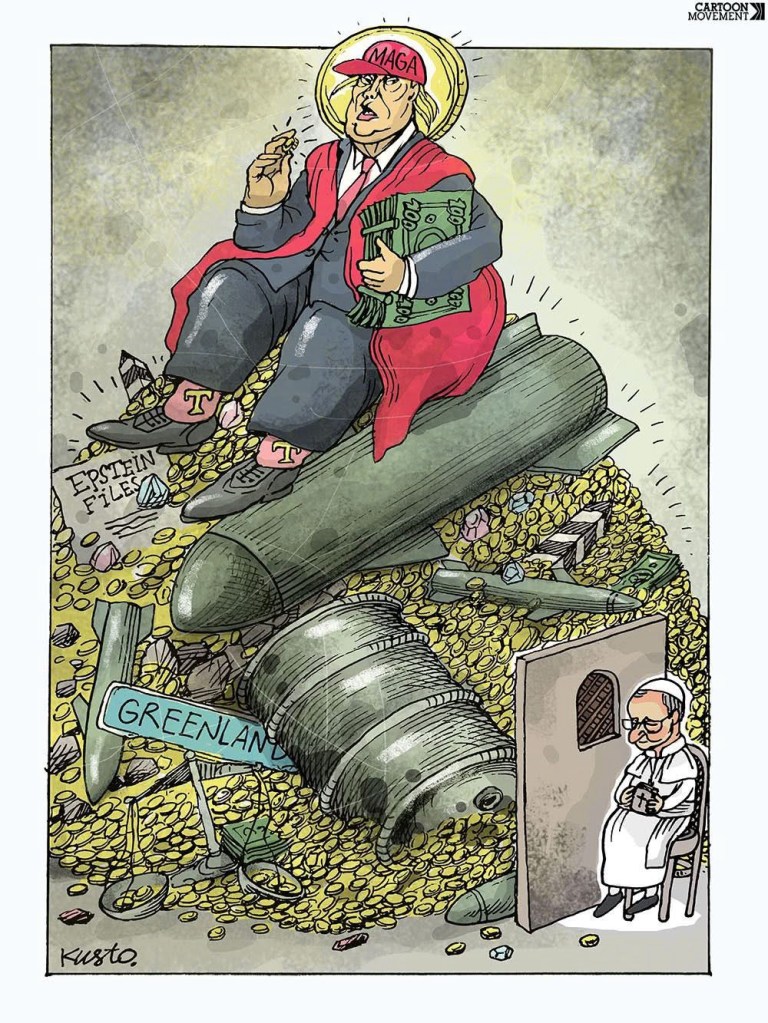

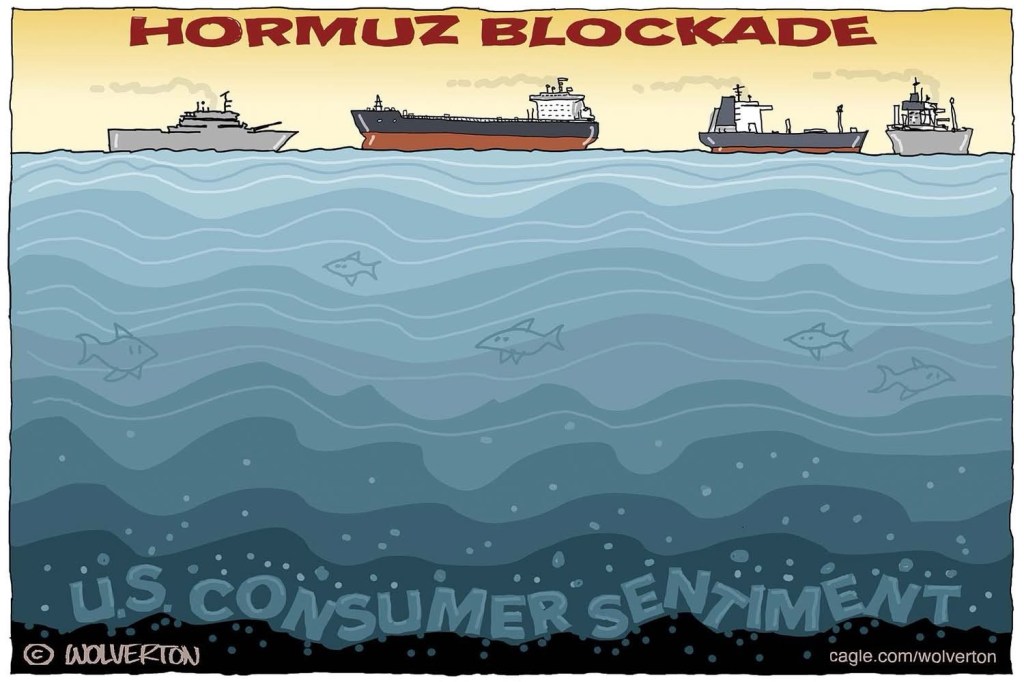





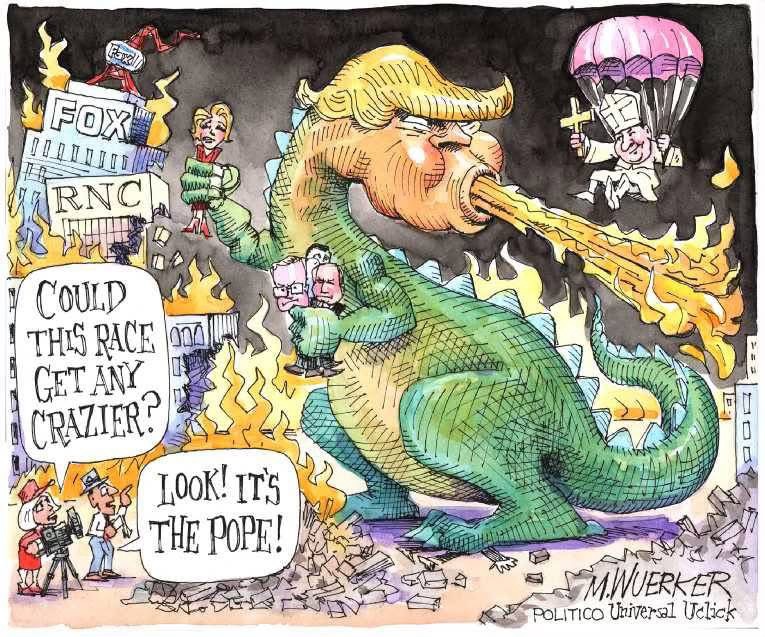






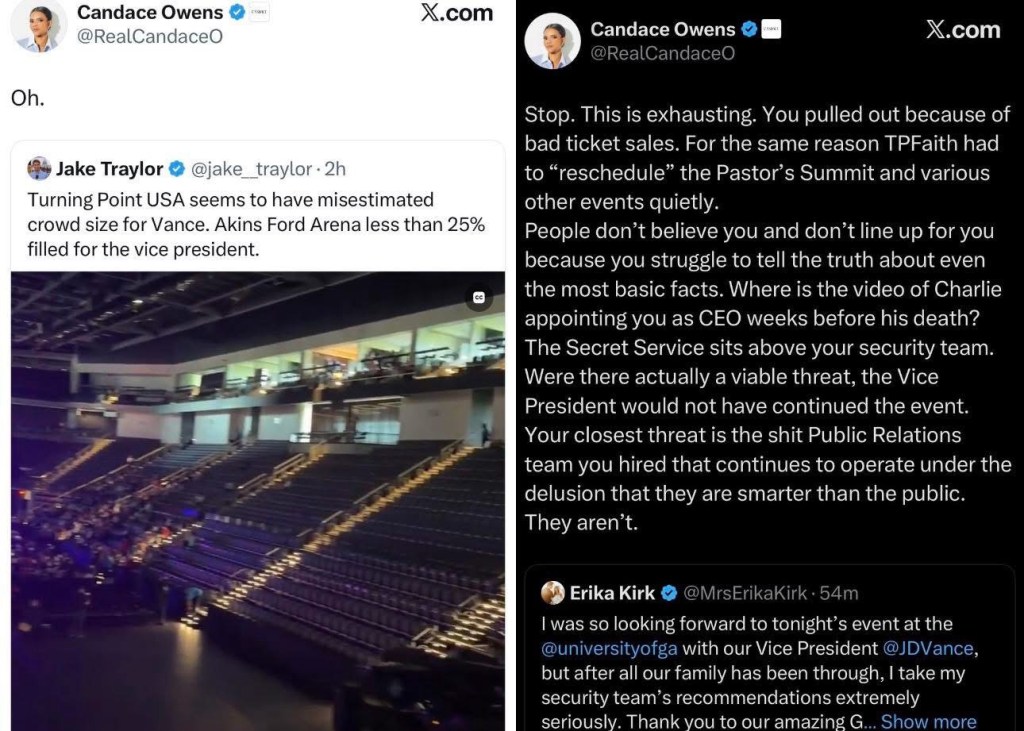

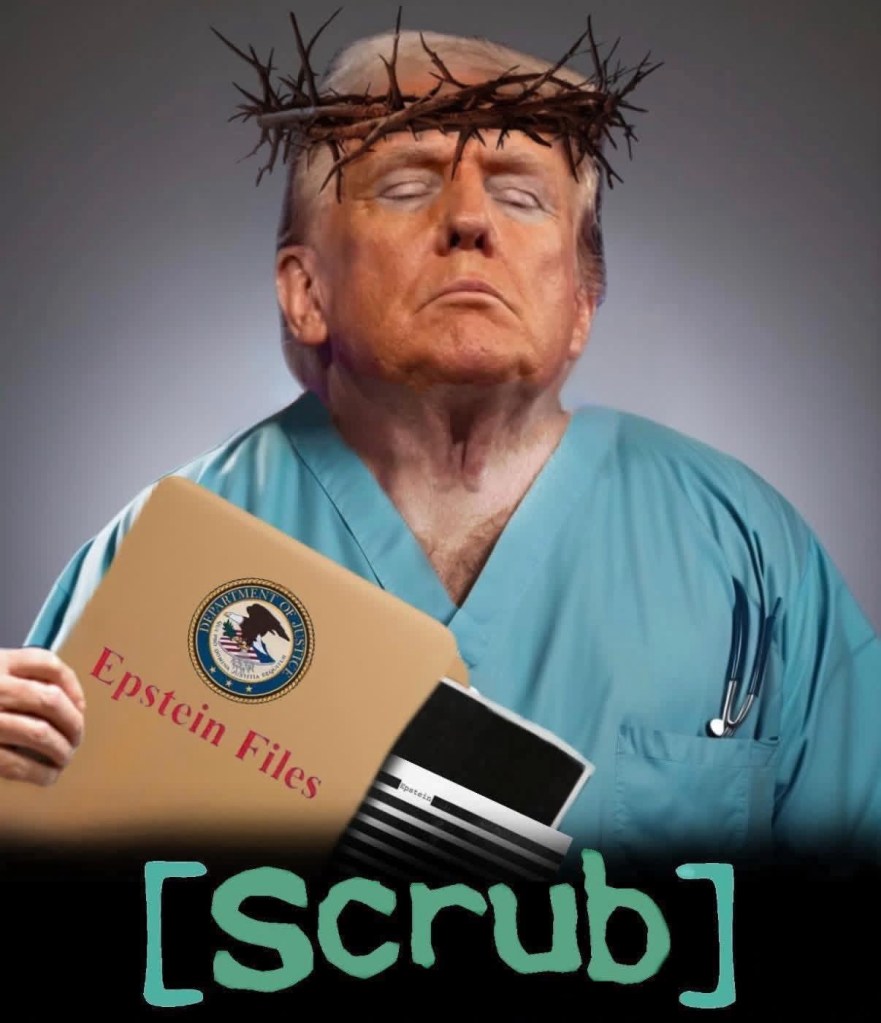


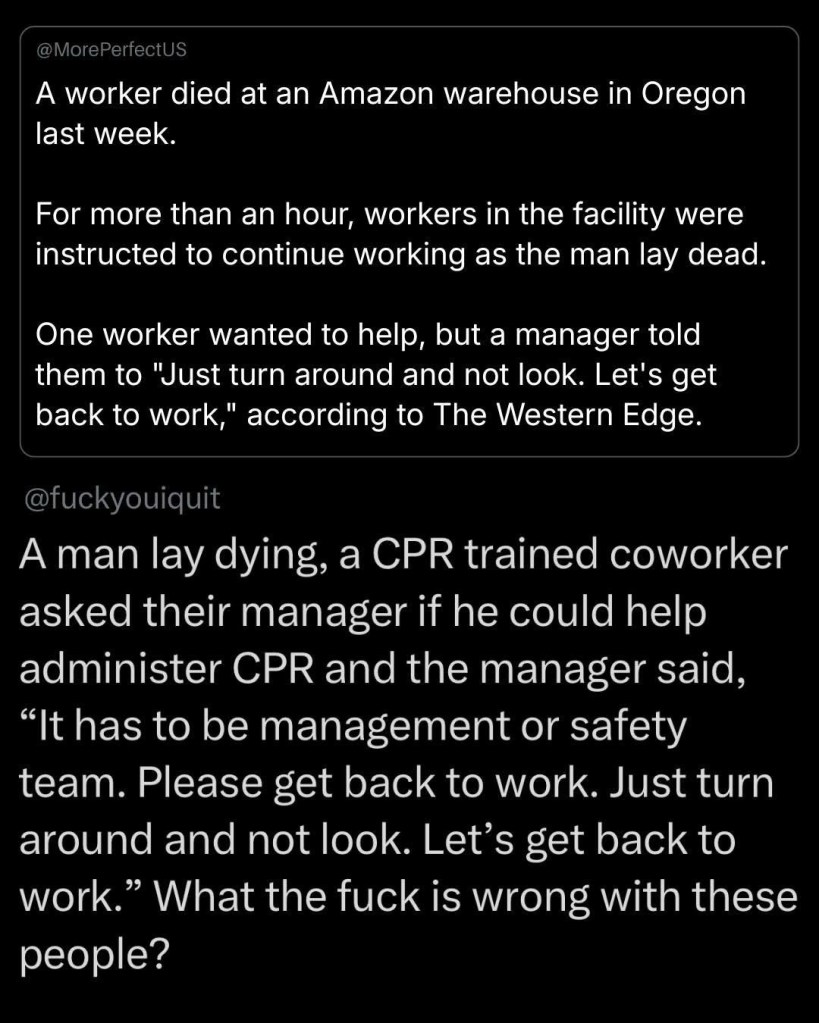

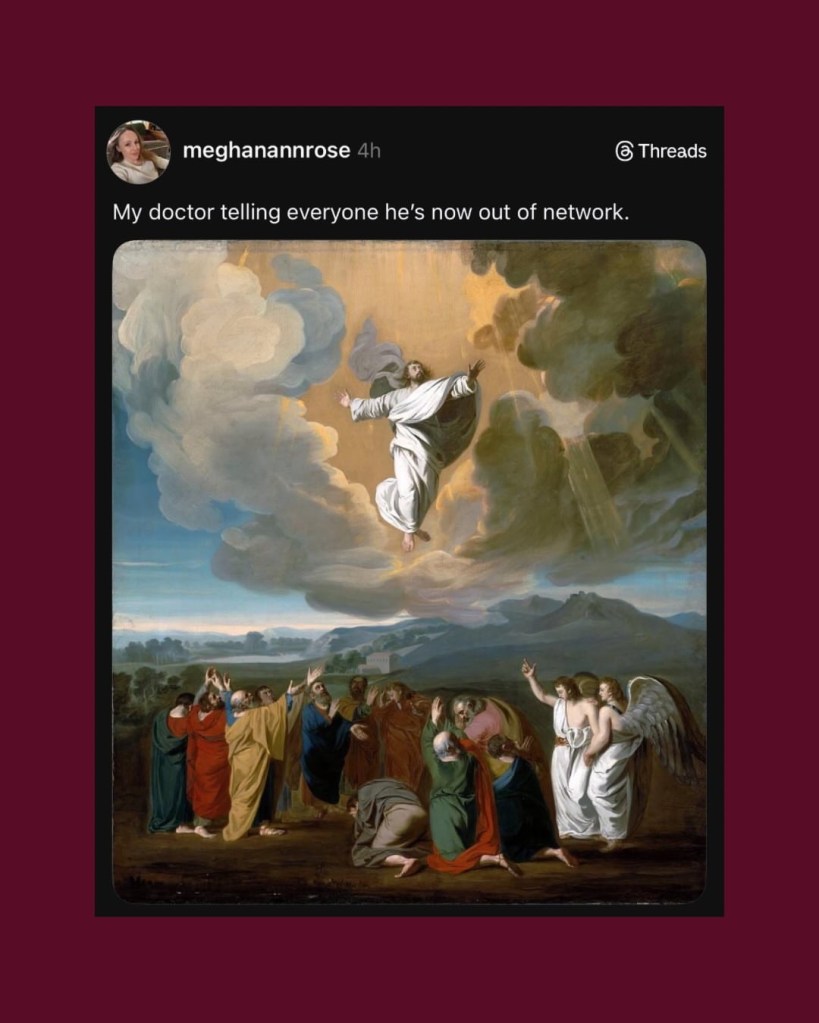




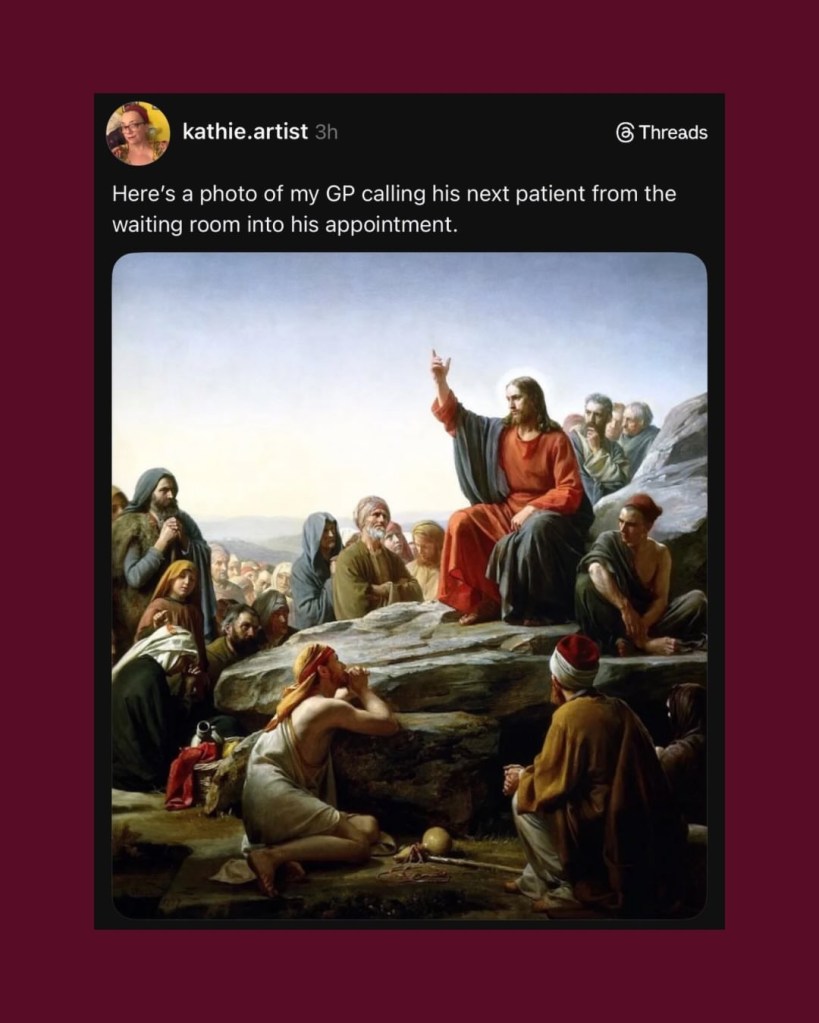



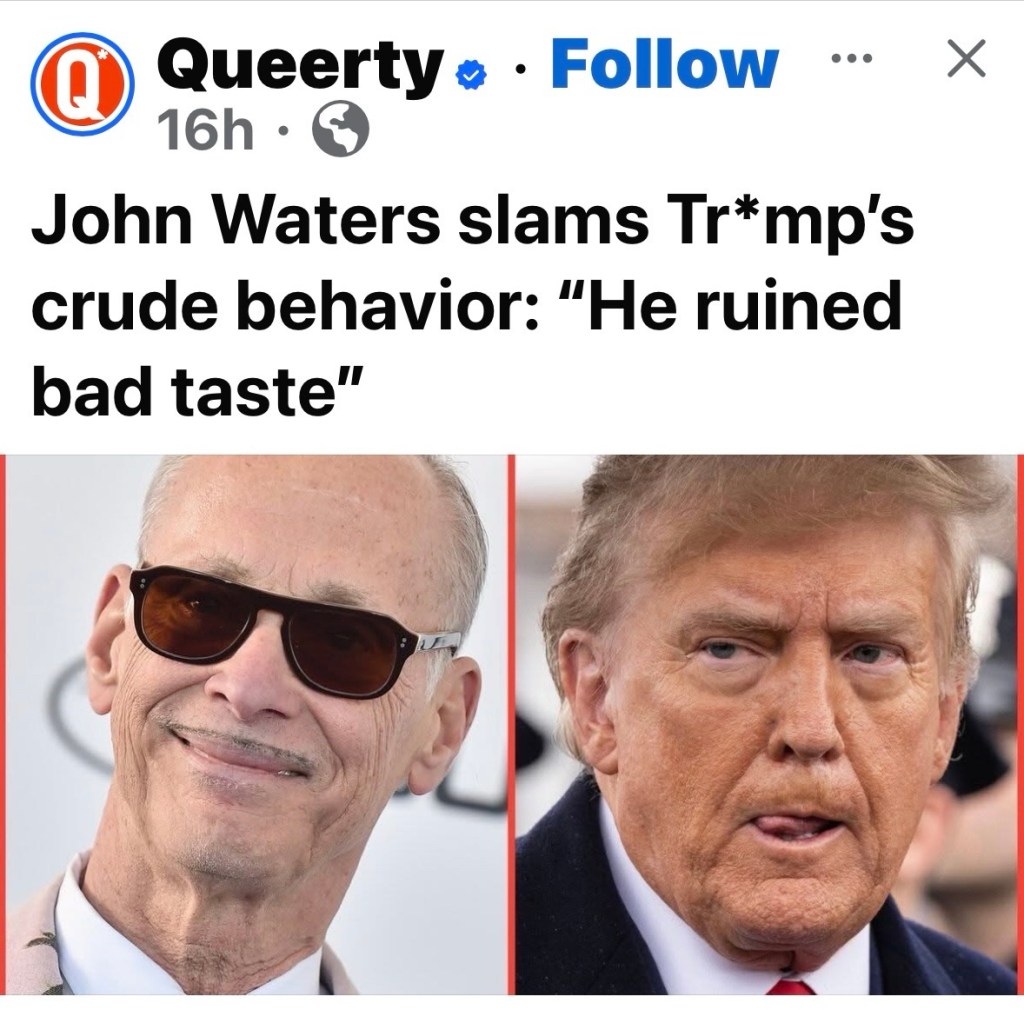
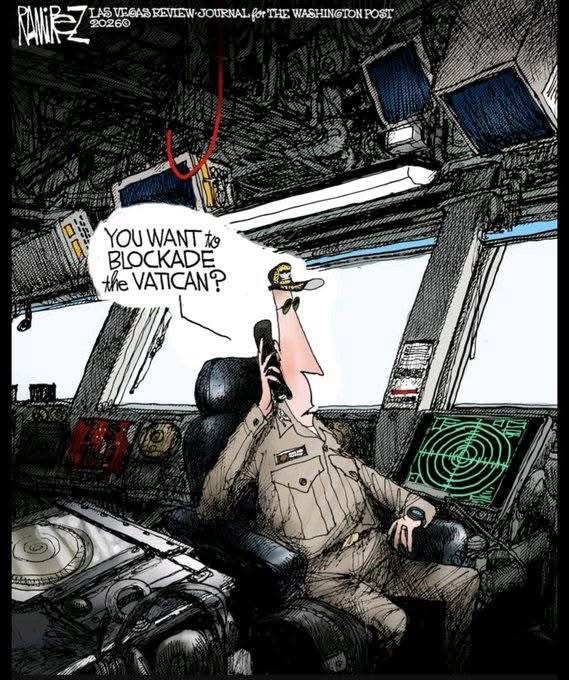
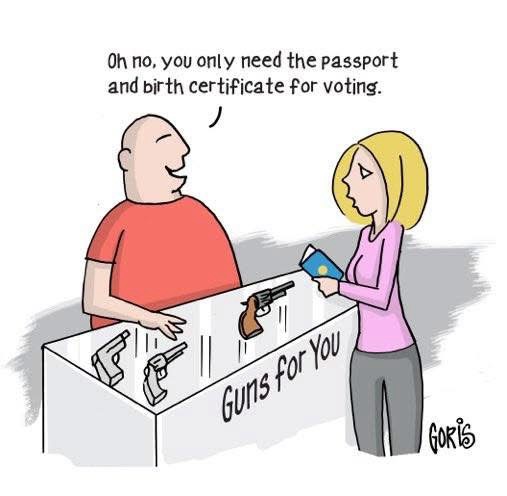

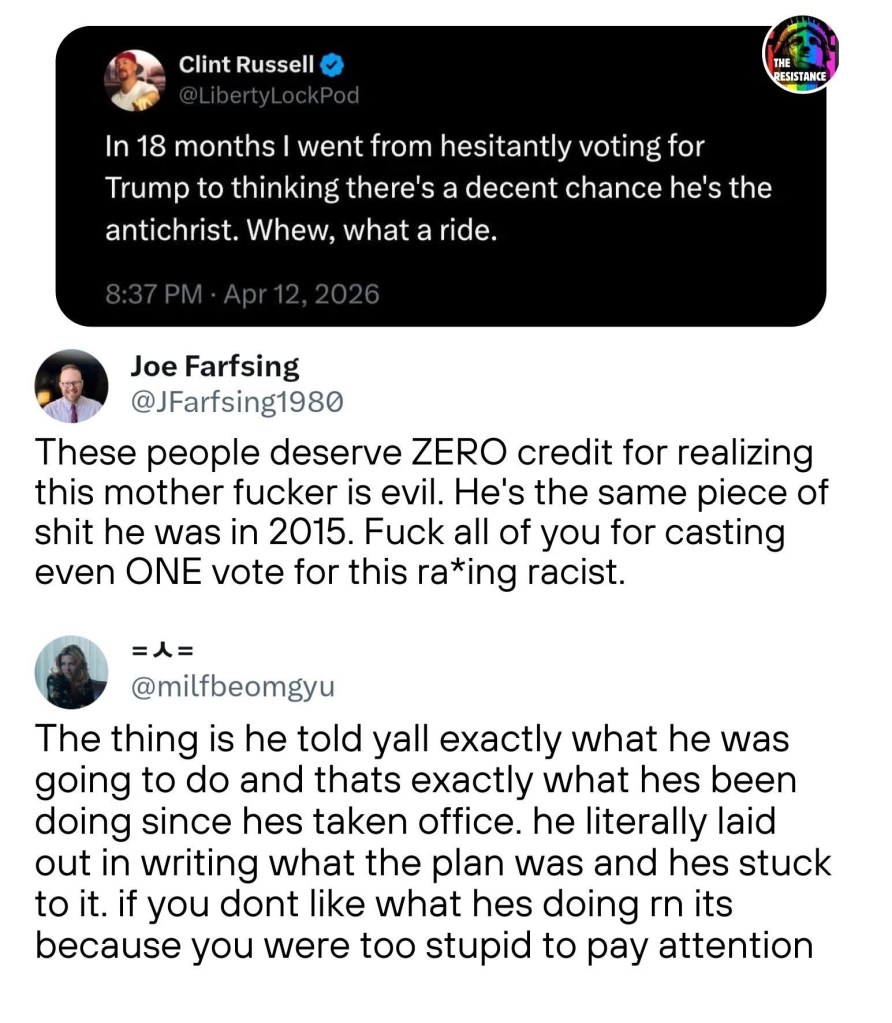
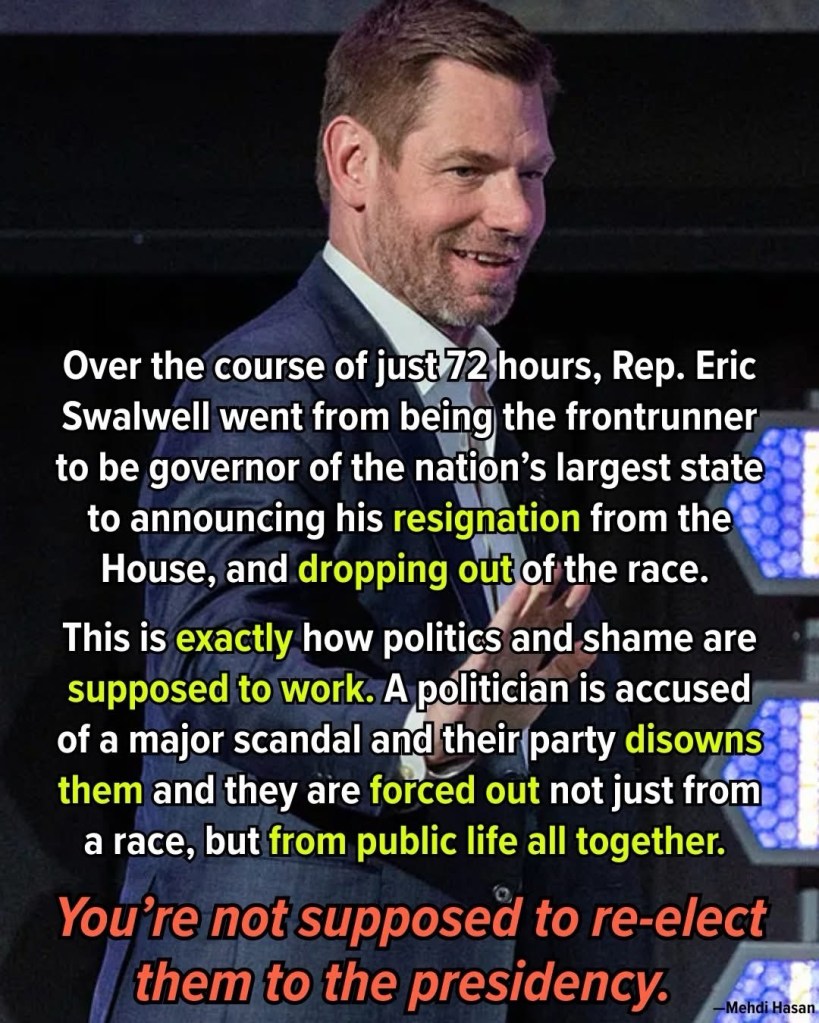
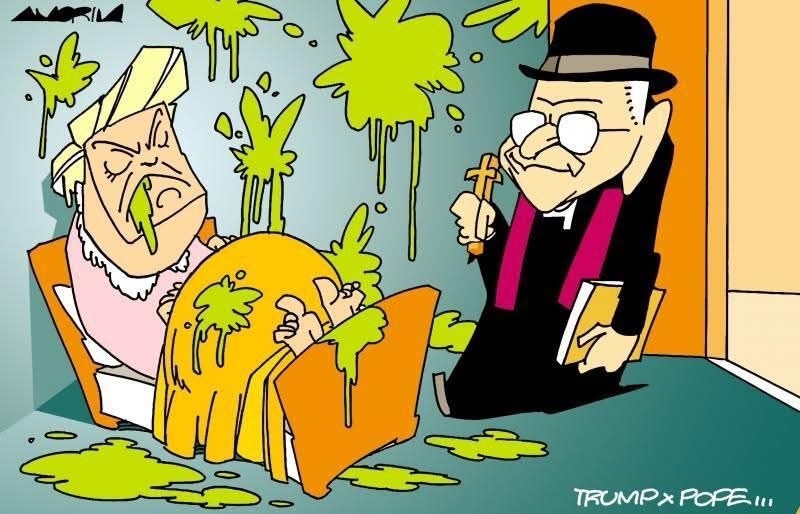

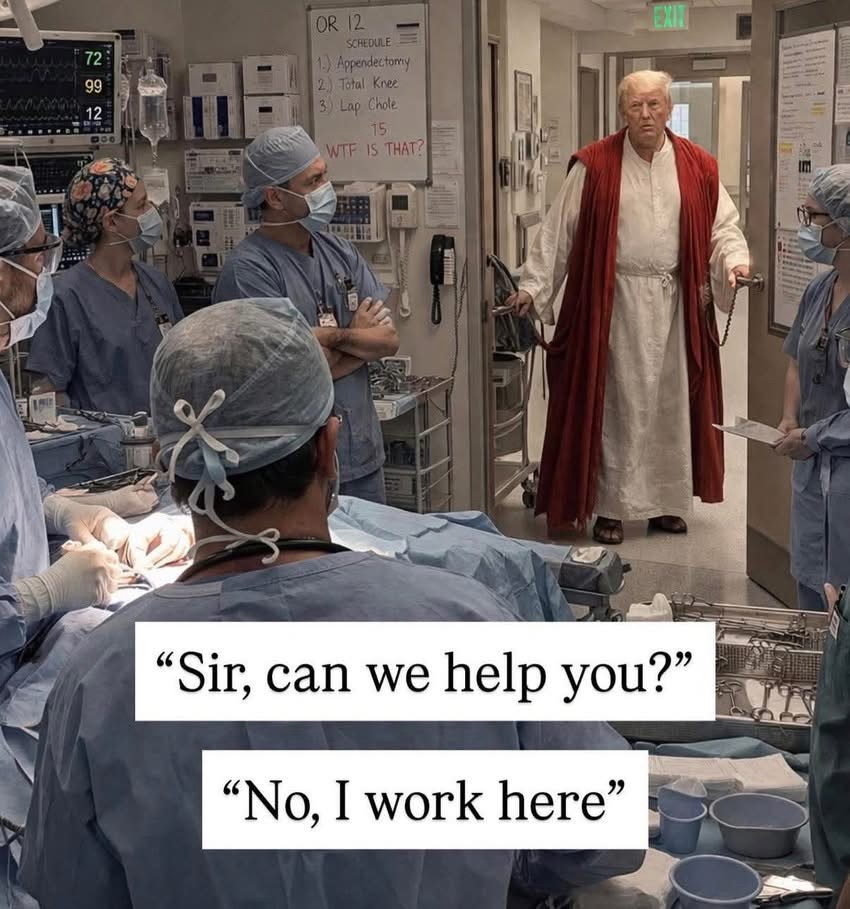


Sing it:
Wednesday Reads: Will We Ever Return to Pre-Trump Normal?
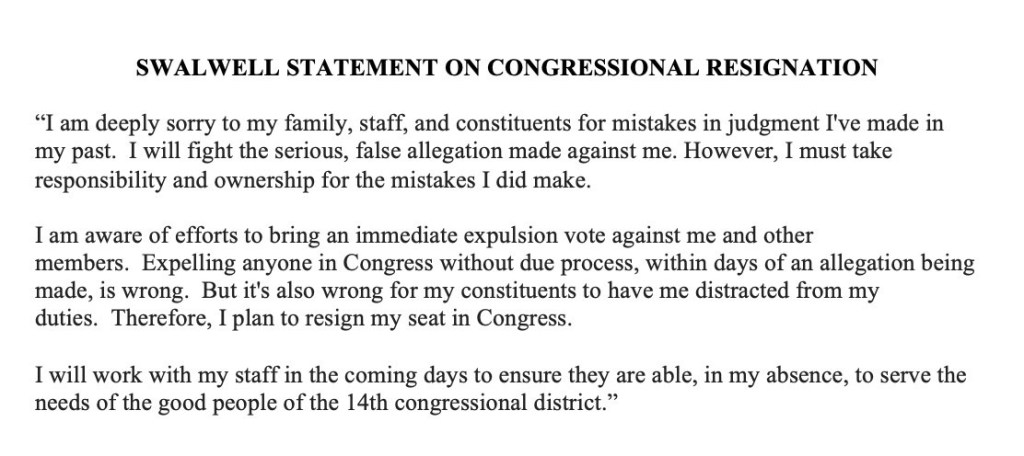
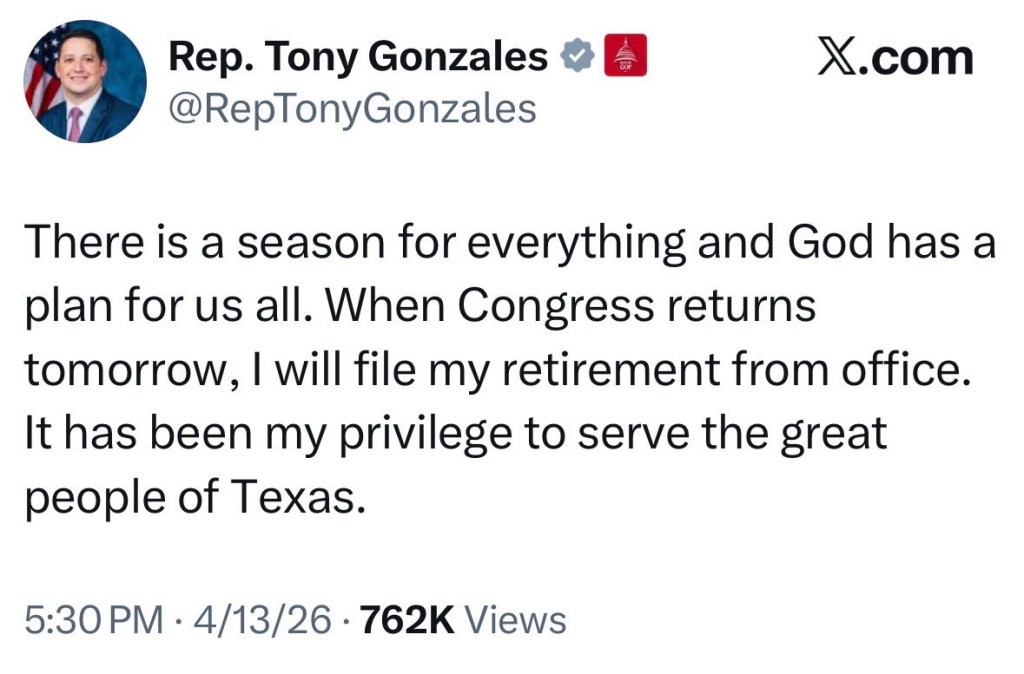
Posted: April 15, 2026 Filed under: just because | Tags: Donald Trump, Eric Swalwell, J.D. Vance, Lonna Drewes, Pope Leo, Tony Gonzales, Trump's insanity, Turning Point USA, Ty Cobb, USS George HW Bush, war in Iran 6 CommentsGood Afternoon!!
I’ve been sitting in front of my computer for quite awhile now, trying to figure out what stories to focus on today. I guess to me the most important story right now is that we have a president who is not only evil, corrupt, and incompetent, but also appears to be insane. I got this from JJ this morning:
This man is such an embarrassment to our country. If only he would just disappear. Unfortunately, we have to keep dealing with him.
This is from Peter Baker at The New York Times (gift link): Trump’s Erratic Behavior and Extreme Comments Revive Mental Health Debate.
A series of disjointed, hard-to-follow and sometimes-profane statements capped by his “a whole civilization will die tonight” threat to wipe Iran off the map last week and his head-spinning attack on the “WEAK on Crime, and terrible for Foreign Policy” pope on Sunday night have left many with the impression of a deranged autocrat mad with power.
The White House rejected such assessments, saying that Mr. Trump is sharp and keeping his opponents on edge. But the president’s eruptions have raised questions about America’s leadership in a time of war. While the country has had presidents whose capacity came under question before, most recently the octogenarian Joseph R. Biden Jr. as he aged demonstrably before the public’s eyes, never in modern times has the stability of a president been so publicly and forensically debated — and with such profound consequences.
Democrats who have long challenged Mr. Trump’s psychological fitness have issued a fresh chorus of calls to invoke the 25th Amendment to remove the president from power for disability. But it is not just a concern voiced by partisans on the left, late-night comics or mental health professionals making long-distance diagnoses. It can be heard now among retired generals, diplomats and foreign officials. And most strikingly, it can be heard now on the political right among onetime allies of the president.
Former Representative Marjorie Taylor Greene, the Georgia Republican who recently broke with Mr. Trump, advocated using the 25th Amendment, telling CNN that threatening to destroy Iran’s civilization was “not tough rhetoric, it’s insanity.” Candace Owens, the far-right podcaster, called him “a genocidal lunatic.” Alex Jones, the conspiracy theorist and founder of Infowars, said Mr. Trump “does babble and sounds like the brain’s not doing too hot.”
Some of the questions about Mr. Trump’s soundness come from people who once worked with him and have since become critics. Even before the civilization post, Ty Cobb, a White House lawyer in Mr. Trump’s first term, told the journalist Jim Acosta that the president is “a man who is clearly insane” and that his recent string of belligerent, middle-of-the-night social media posts “highlights the level of his insanity.” Stephanie Grisham, a former White House press secretary for Mr. Trump, wrote online last week that “he’s clearly not well.”
A bit more:
Mr. Trump fired back in a long, angry social media post that did not exactly radiate calm stability. “They have one thing in common, Low IQs,” he wrote of Ms. Owens, Mr. Jones, Megyn Kelly and Tucker Carlson. “They’re stupid people, they know it, their families know it, and everyone else knows it, too!” He threw the crazy charge back at them. “They’re NUT JOBS, TROUBLEMAKERS, and will say anything necessary for some ‘free’ and cheap publicity.”
A Reuters/Ipsos poll in February found that 61 percent of Americans think Mr. Trump has become more erratic with age and just 45 percent say he is “mentally sharp and able to deal with challenges,” down from 54 percent in 2023. Roughly half of Americans, 49 percent, deemed Mr. Trump too old to be president when asked in a YouGov poll in September, up from 34 percent in February 2024, while just 39 percent said he was not too old.
Democrats have pressed the point in recent days. Mr. Trump is “an extremely sick person” (Senator Chuck Schumer of New York), “unhinged” and “out of control” (Representative Hakeem Jeffries of New York) or, more bluntly, “batshit crazy” (Representative Ted Lieu of California). Representative Jamie Raskin of Maryland, wrote the White House physician requesting an evaluation, noting “signs consistent with dementia and cognitive decline” and “increasingly incoherent, volatile, profane, deranged, and threatening” tantrums.
You can use the gift link to read the rest.
The Hill on Ty Cobb’s thoughts on Trump’s behavior: Ty Cobb: Late-night Trump posts prove he’s ‘gone.’
Former White House attorney Ty Cobb suggested on Tuesday that President Trump’s rhetoric and late-night musings on social media about the ongoing conflict with Iran are demonstrating his cognitive decline.
Ty Cobb
“It’s not a surprise that we’re in this much trouble,” Cobb told independent journalist Jim Acosta during an appearance on the former CNN anchor’s streaming show. “It’s not a surprise given the fact that the Cabinet will not invoke the 25th amendment for a man who is clearly insane, and this war highlights that.”
Cobb ripped Trump’s nightly “screeds,” which he said the president uses to vent “without oversight” about a range of political issues, including the war.
“You think he’s just gone?” Acosta asked.
“I think he’s gone,” Cobb replied….
Questions surrounding Trump’s mental fitness have risen in recent months, spurred by his tendency to embark on rambling tangents and instances where he appeared to doze off or close his eyes during events and meetings.
A Reuters/Ipsos poll released last month found that roughly six in 10 Americans believe Trump is becoming more erratic with age. Trump will turn 80 years old in June.
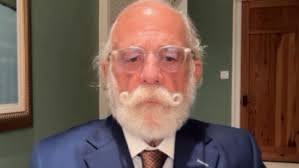
At the New York Times, Jamelle Bouie doesn’t quite question Trump’s sanity, but describes a man who is lost, confused and out of control (gift link): This Is Not a Man in Control of Himself.
To have spent any amount of time observing President Trump over the last month is to conclude that he is in far over his head.
The president is struggling with the consequences of his actions, raging in protest of the fact that for all its firepower, the United States cannot bomb Iran into submission. When Trump launched his “short-term excursion,” he assumed that it would be — in the words of a Pentagon official in the last Republican administration to launch a Middle East war — a “cakewalk.”
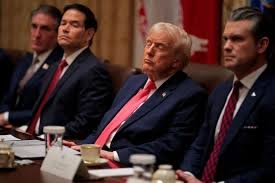
Trump sleeps at Cabinet meeting.
That, as Trump’s own intelligence agencies told him, was a mistake. Now, he is stuck. And he lacks the skill and patience to find a way out of his self-inflicted catastrophe. Unable to will a better outcome into existence — there are limits to the power of positive thinking — and frustrated by his own impotence, his response, familiar to anyone who must manage the emotions of a young child, is to throw a tantrum.
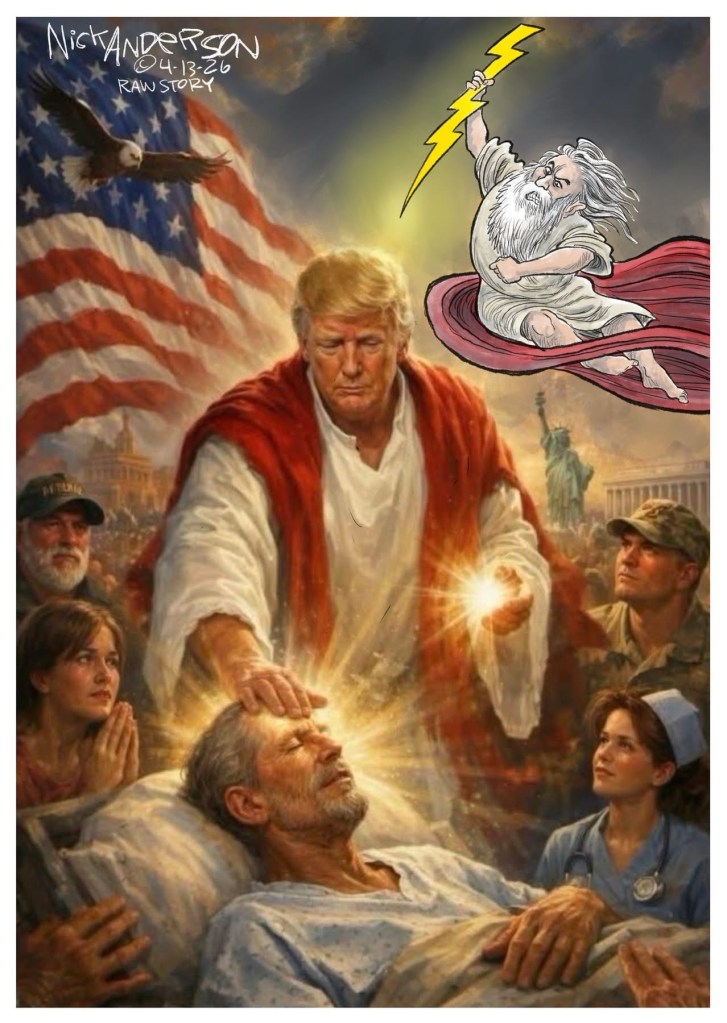
Over the last few days, Trump has denounced “the Fake News Media” as “CRAZY, or just plain CORRUPT!” for its reporting on the war. He attacked Pope Leo XIV in a bizarre rant, calling him “WEAK on Crime” and “terrible for Foreign Policy.” And he posted an A.I. image of himself as Jesus, surrounded by devotees, healing an unnamed man.
This is not a man in control of himself, or a president in control of the situation around him.
I’ve written before about the irony of a strongman president so uninterested in governing that he has handed his power over to a handful of deputies. Trump’s behavior as he faces failure in Iran underscores another such irony.
Months before Trump won his second term, and well before he took office, the Supreme Court handed him the reins of the unitary executive — the promise of an active, energetic administration free of what the court deemed unnecessary constraints. The president hasused this power to run wild, trampling over constitutional government. But he has also, at the same time, shown himself to be the weakest and most ineffectual president of recent memory, less a man of commanding authority than, well, a buffoon.
This is not to say that Trump has been an inconsequential president, that he hasn’t presided over the wholesale destruction of large parts of the federal government, or that he hasn’t turned the sharp edge of the state against the most vulnerable people in the country.
Use the gift link to read more specifics, if you’re interested.
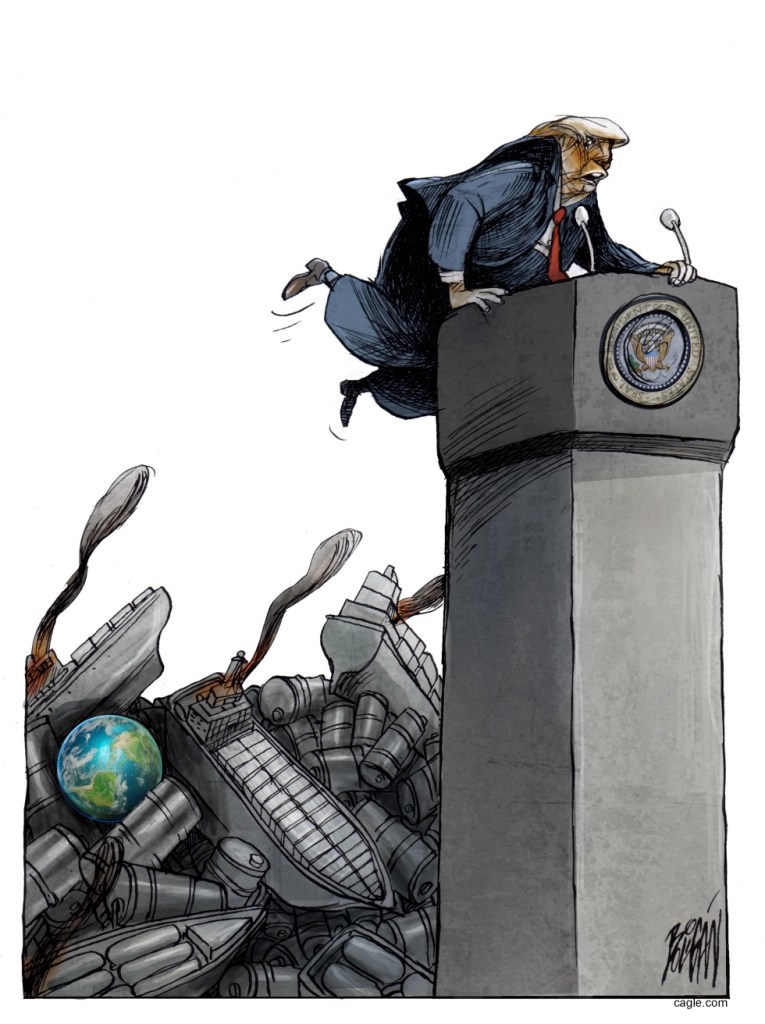
I guess Trump’s War with Iran is the next most important issue. Here’s the latest.
The Washington Post: U.S. sends thousands more troops to Mideast as Trump seeks to squeeze Iran.




Tuesday Political Cartoons: Piss off or Piss on
Posted: April 14, 2026 Filed under: just because 2 Comments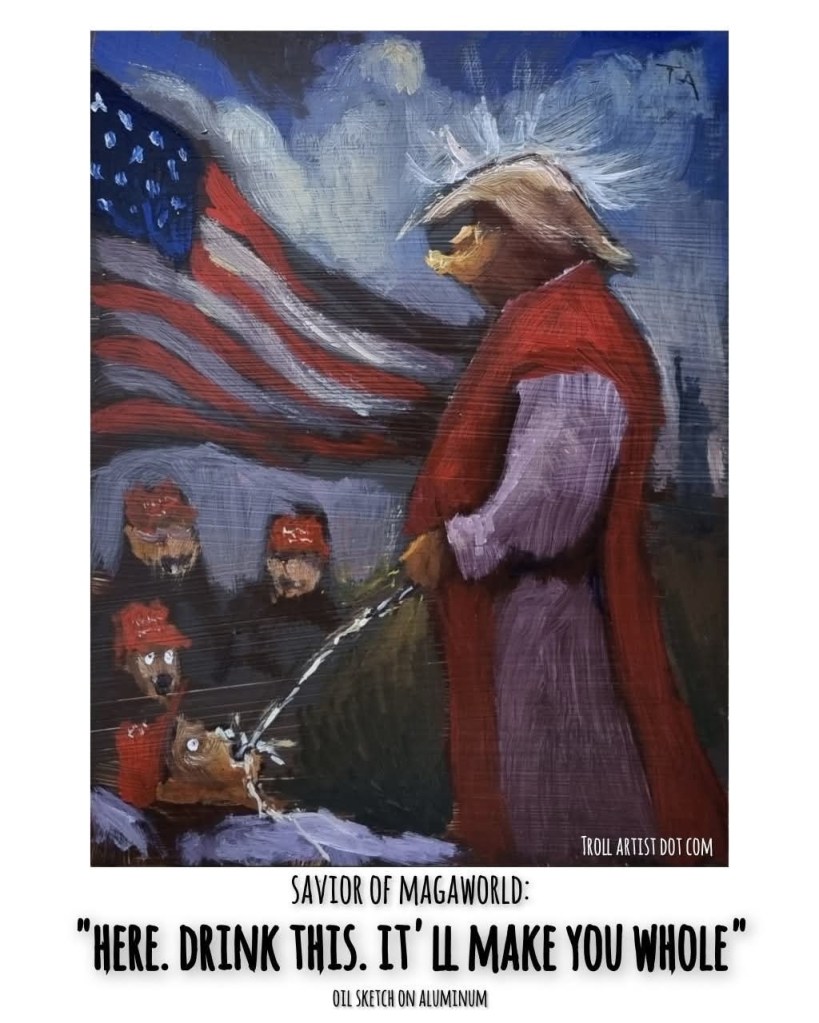
Yup, that sounds about right…
Well, another day another grift. As you can see from the following BlueSky posts.
So this was the game in DC yesterday:
The con is always on when it comes to Donald Trump.
I’m going to keep posting a few more BlueSky links:
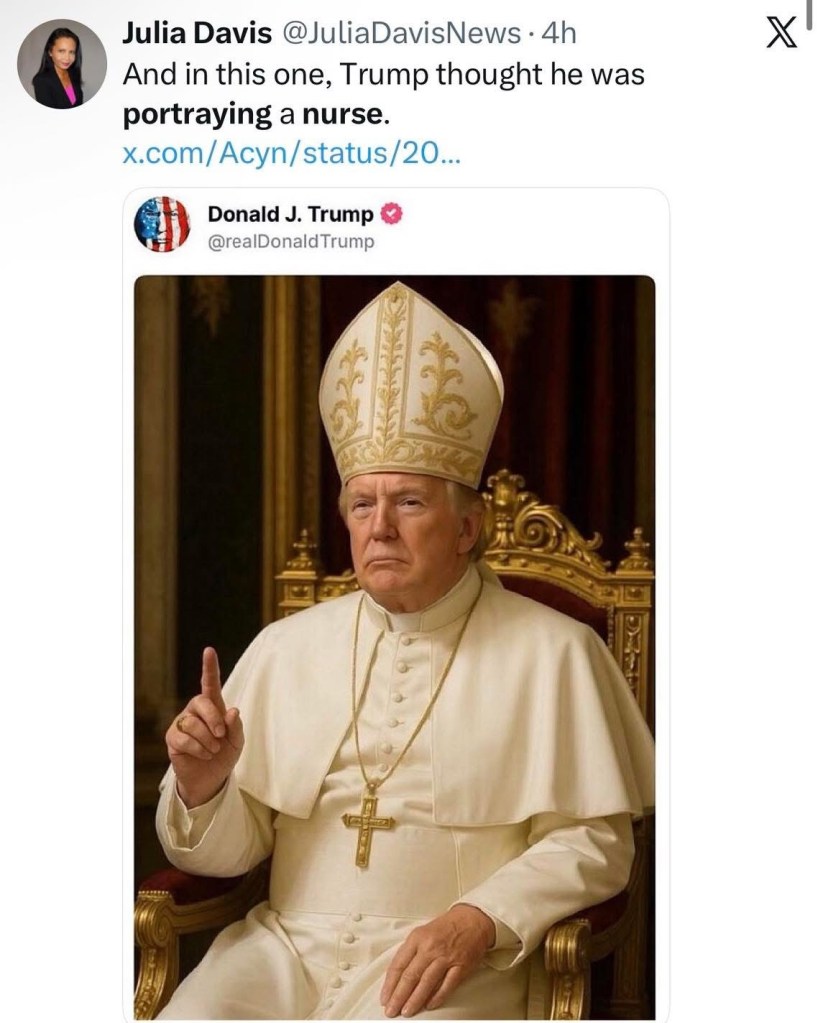
Yeah, he posted a picture of himself as the Pope too.
Just a reminder of what substack truly is:
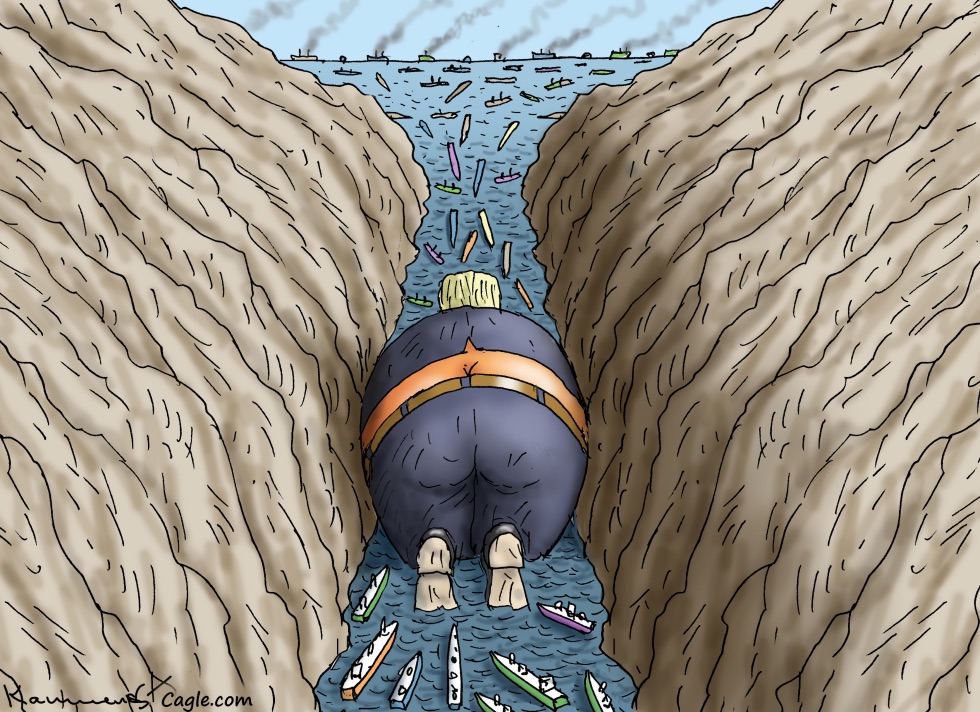
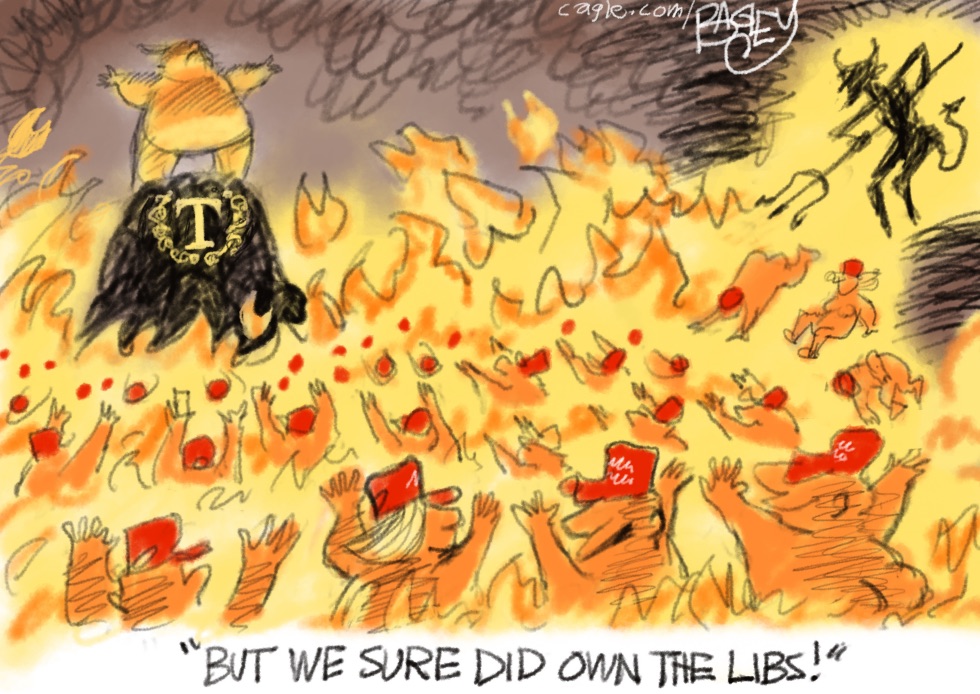
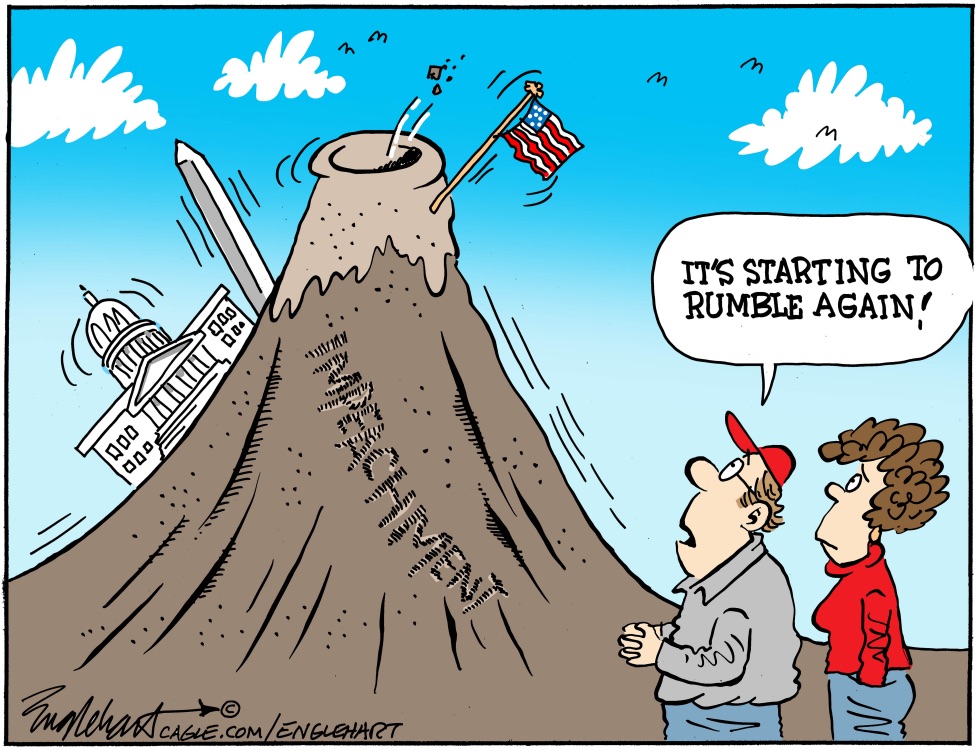
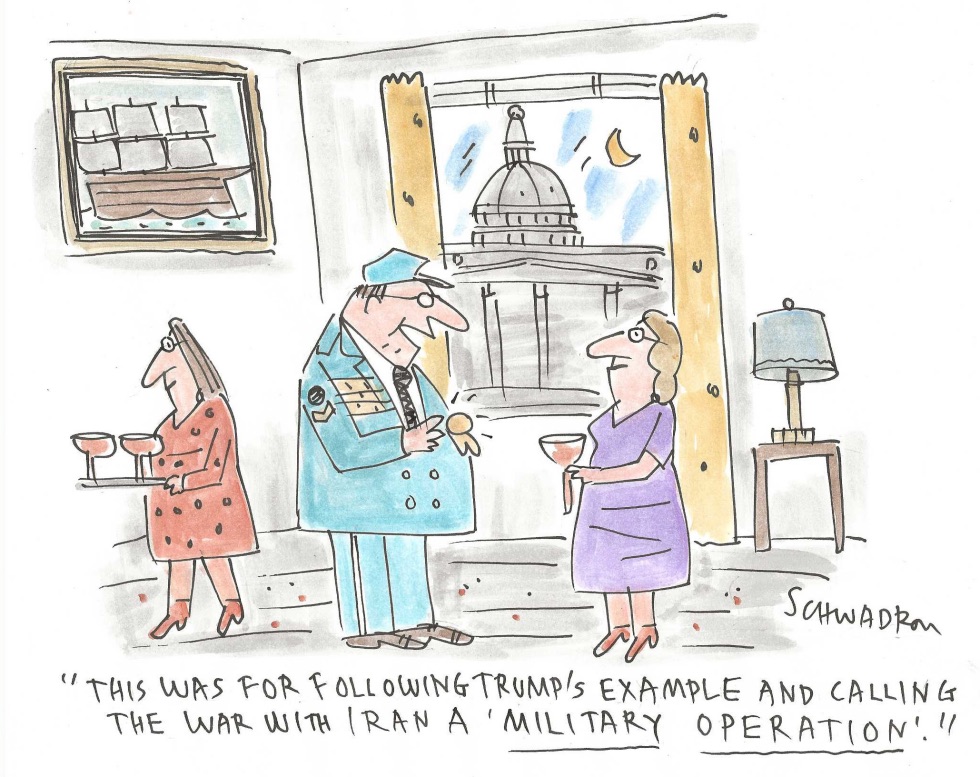
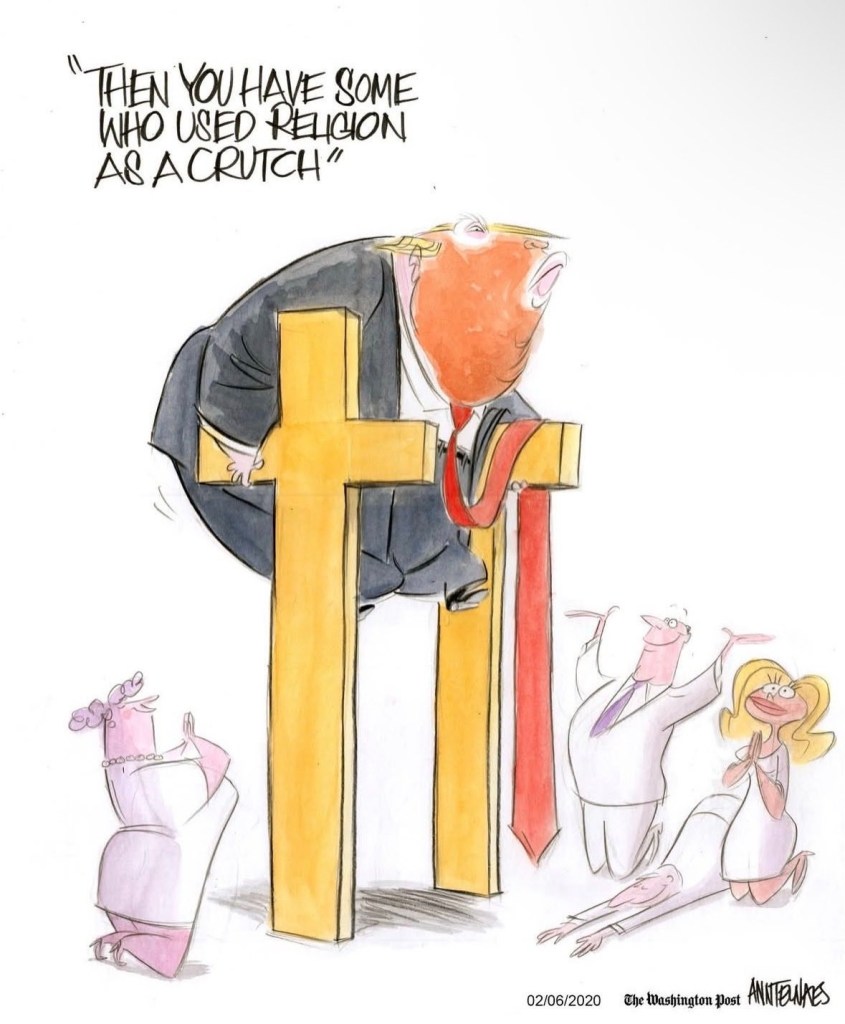
Now the cartoons via Cagle:

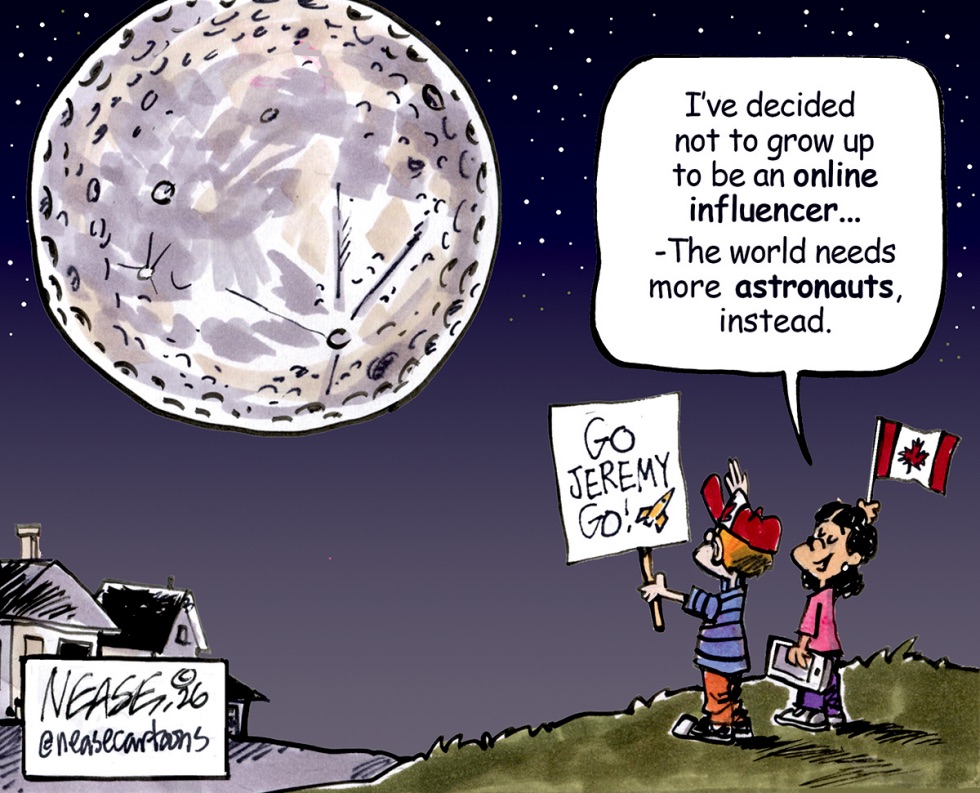




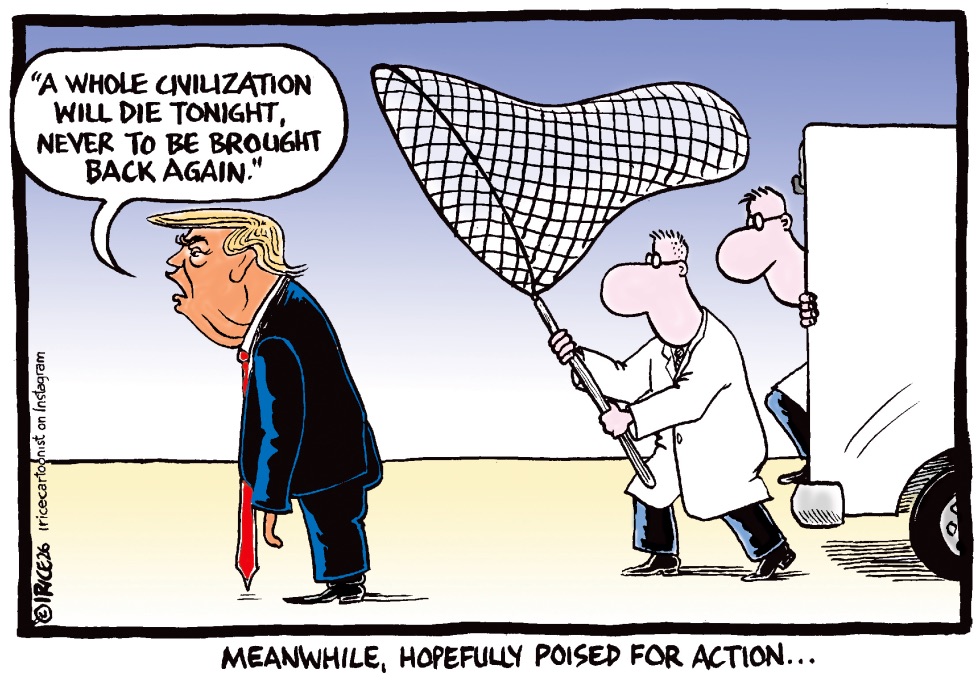









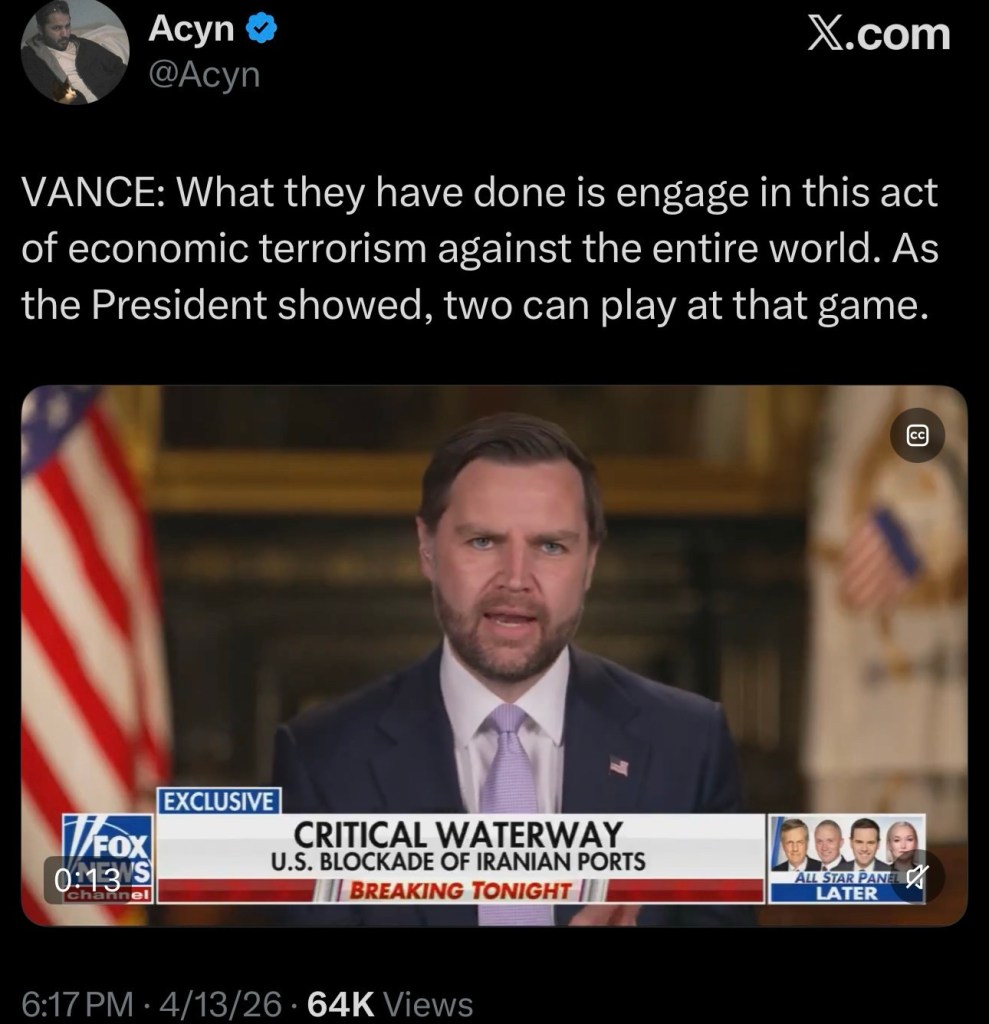
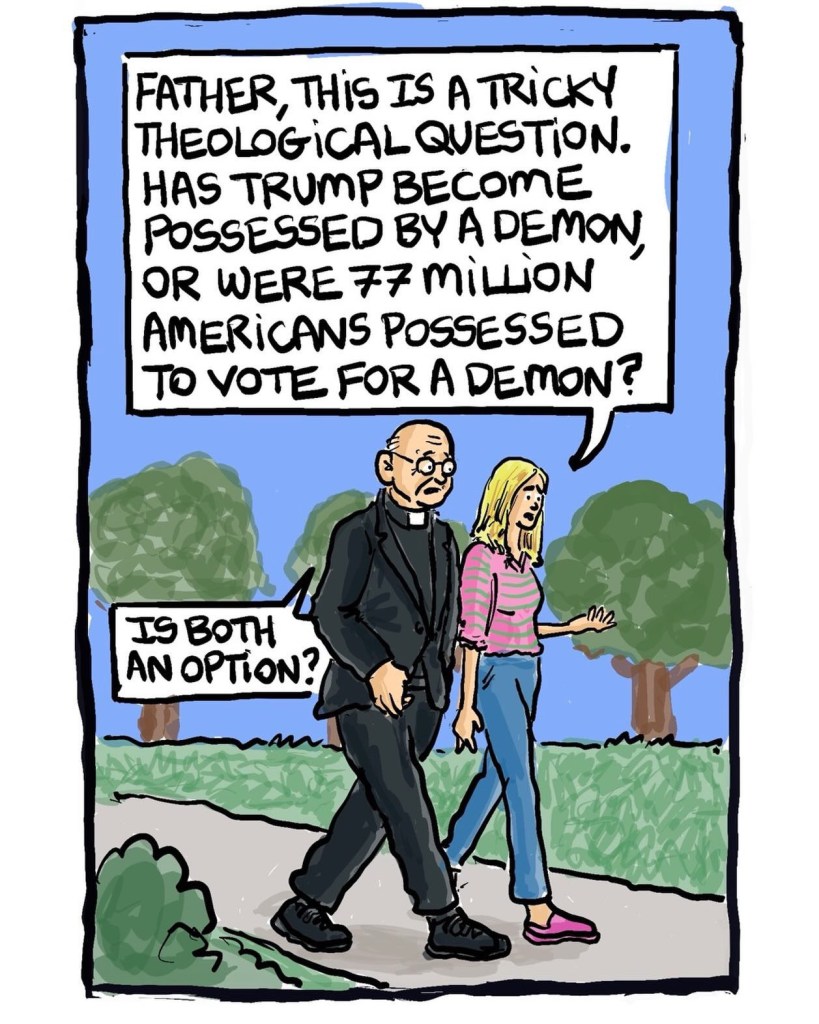
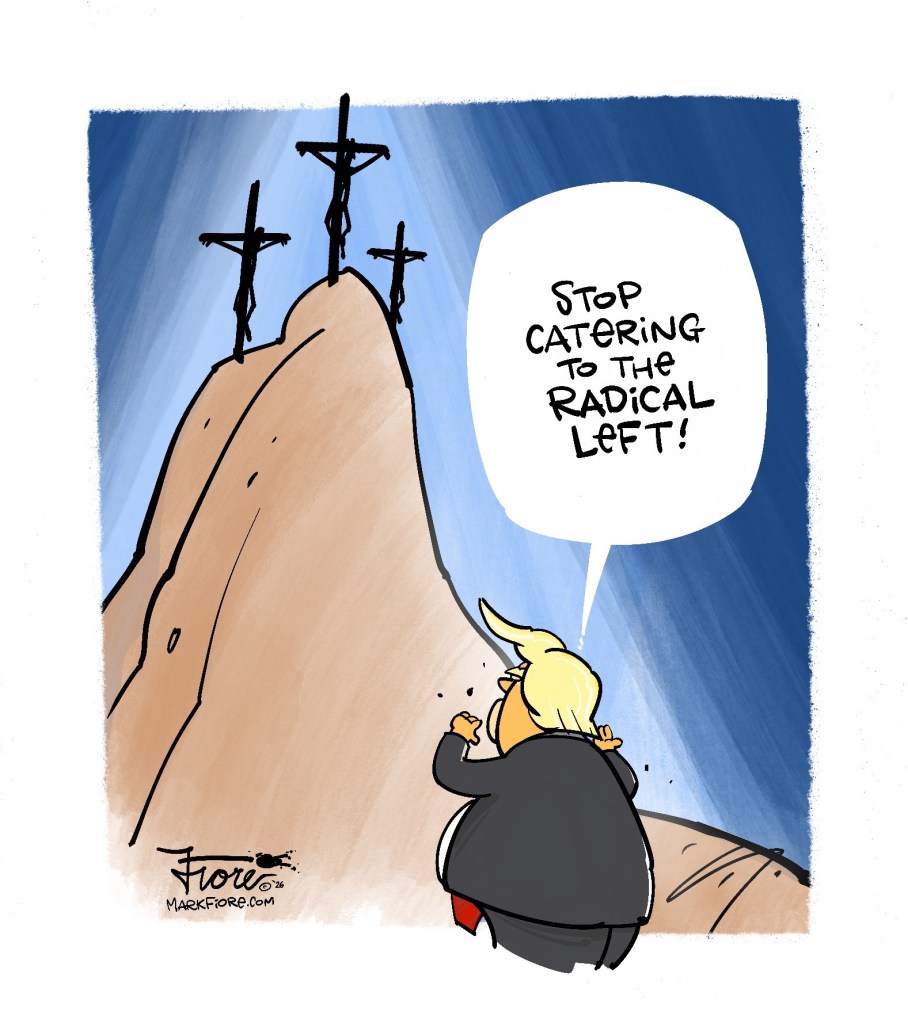
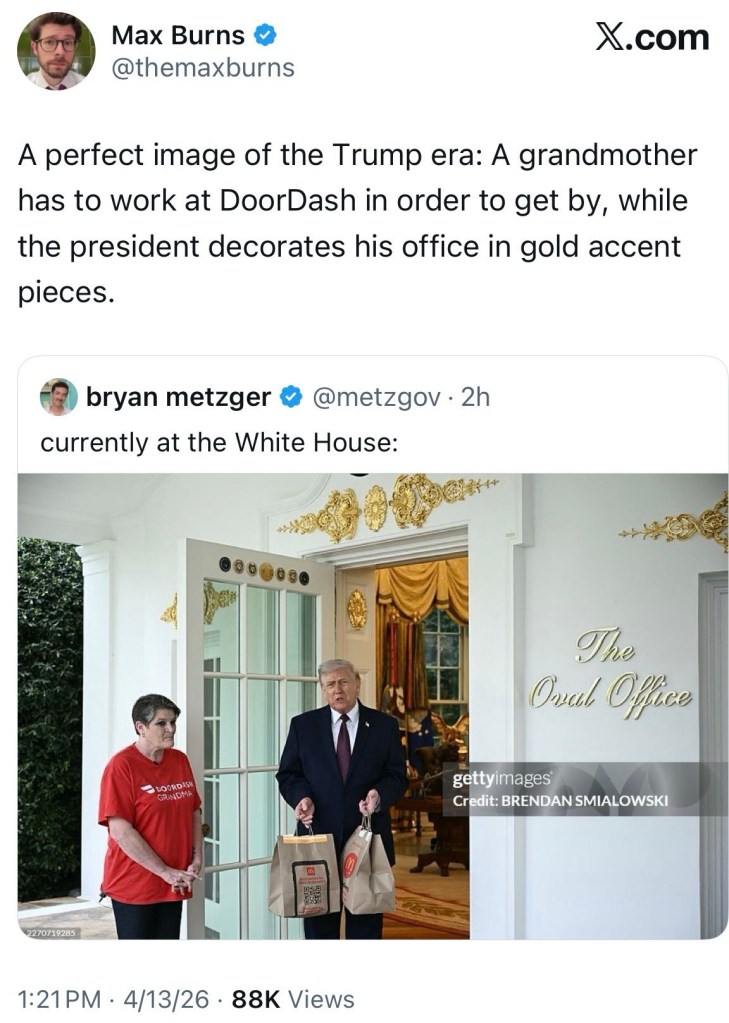

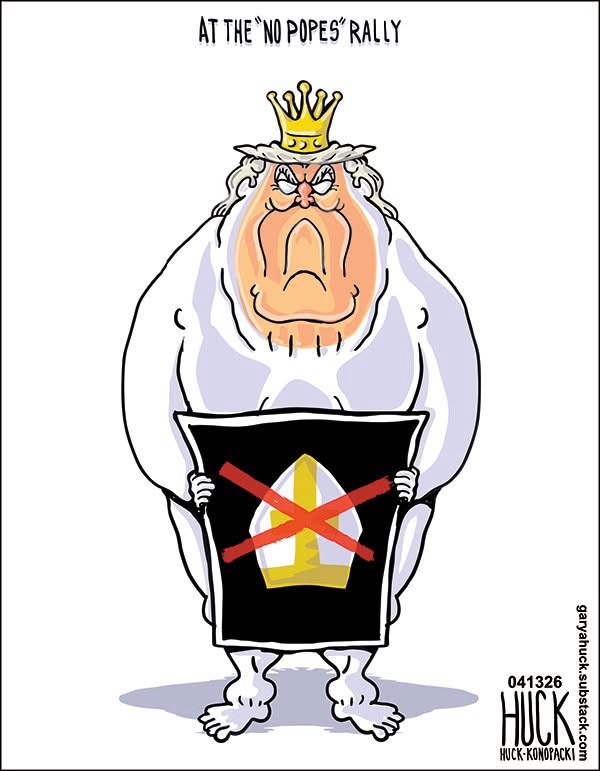

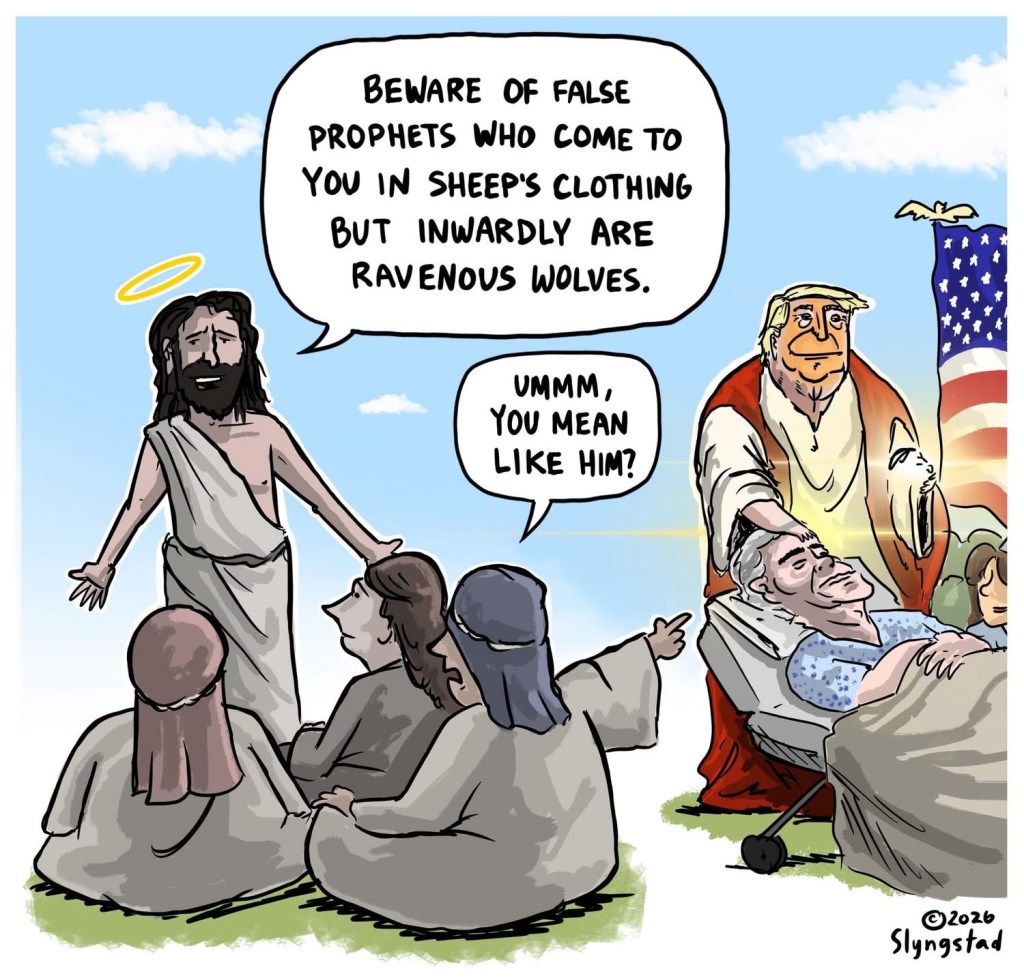
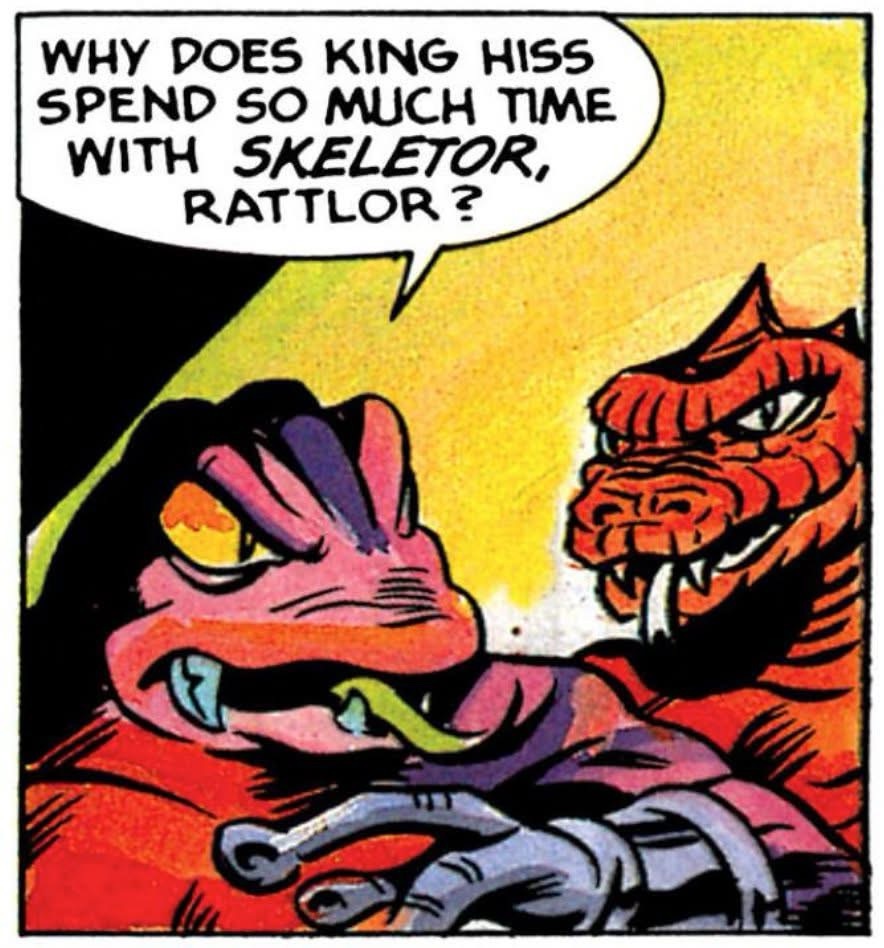
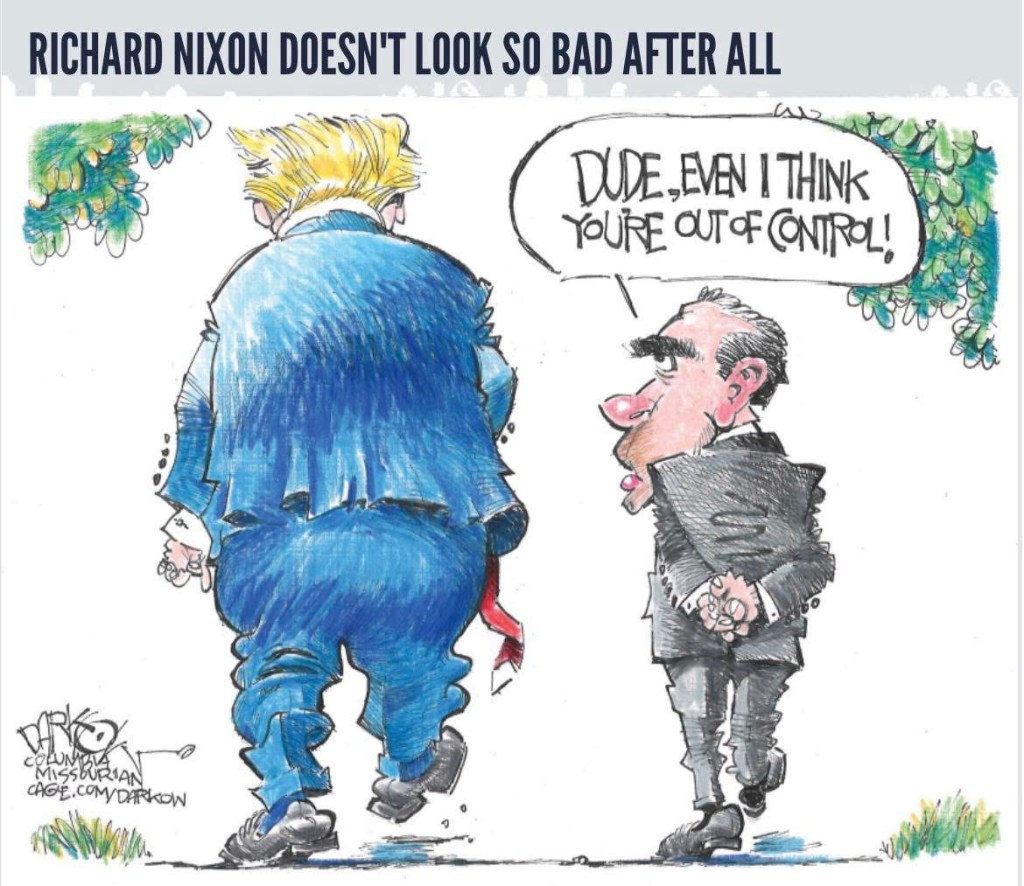

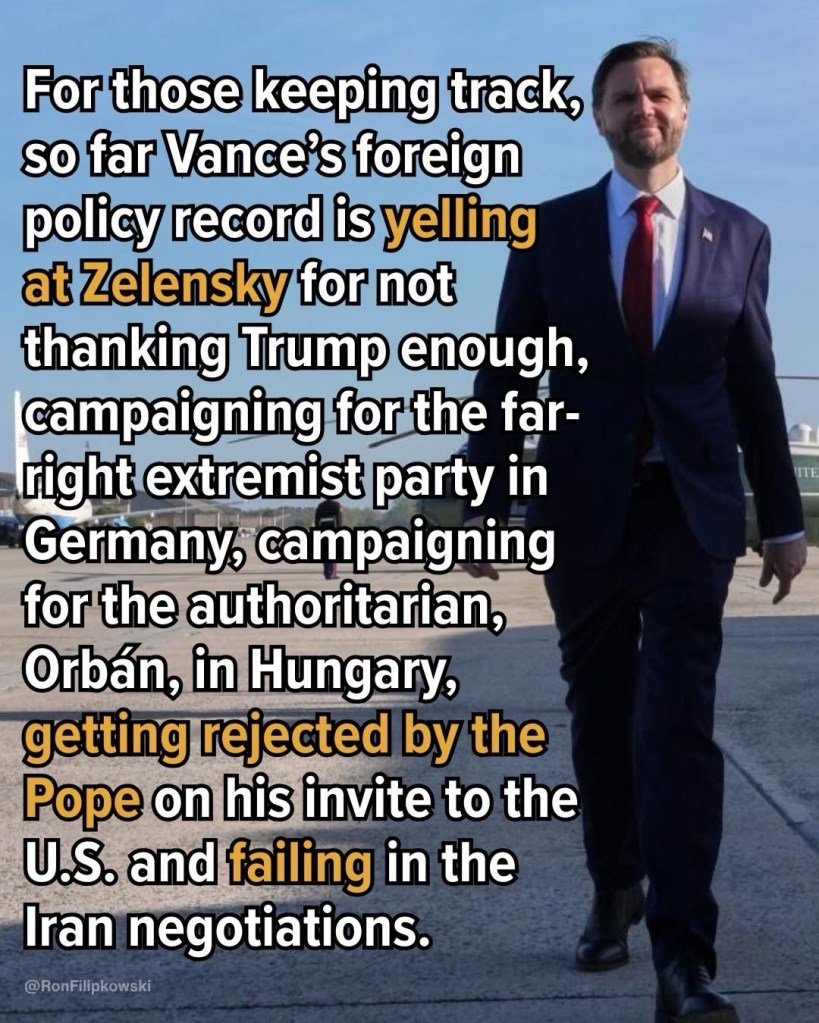













Damn, now I got the fucking song stuck in my head. I bet you do too…
Stay safe out there.
Monday Political Cartoons and Memes: Cheetos Fecking Christ!
Posted: April 13, 2026 Filed under: just because 9 Comments
trump #popeleo #trumpisnotwell #dementiadon #weakoncrime
Yikes, what the fuck is up with Trump?
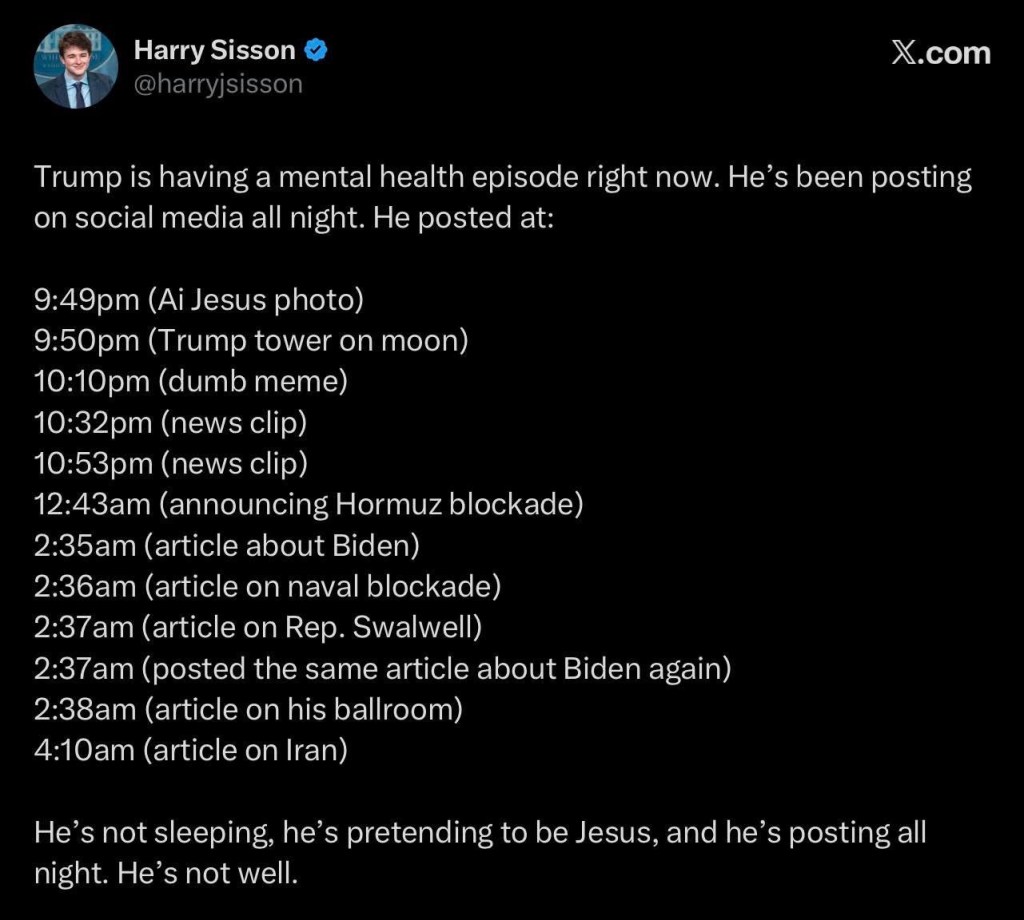
This is beyond anything he has done before:
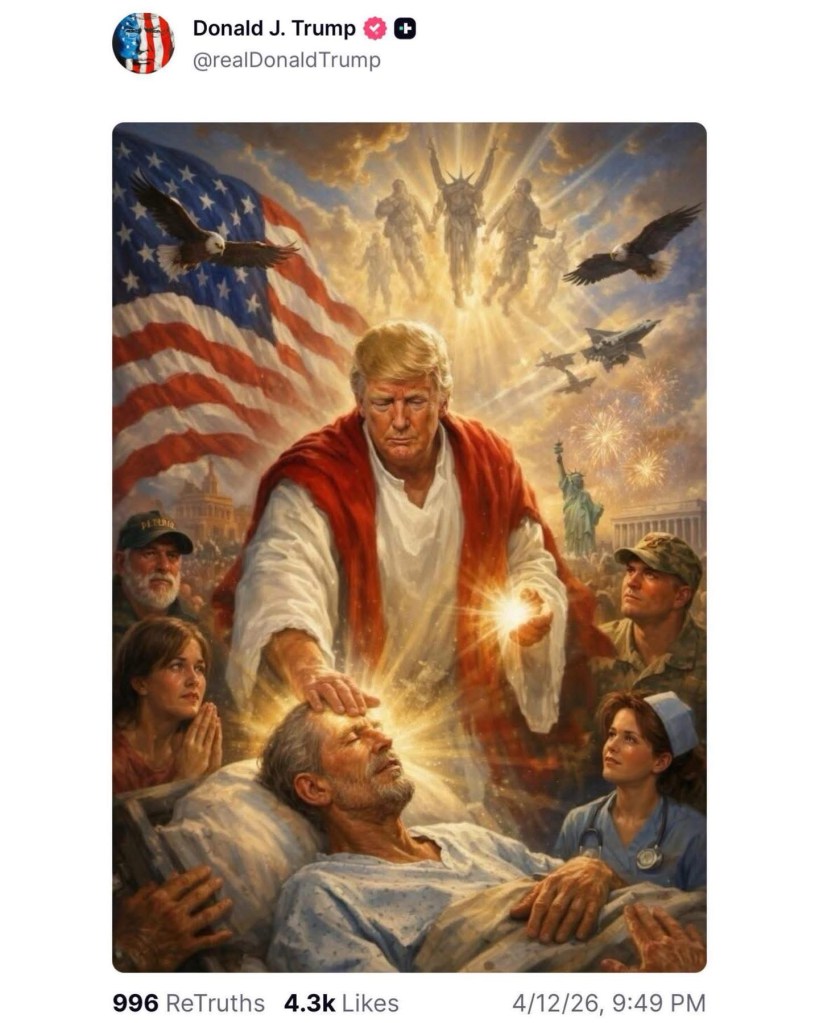

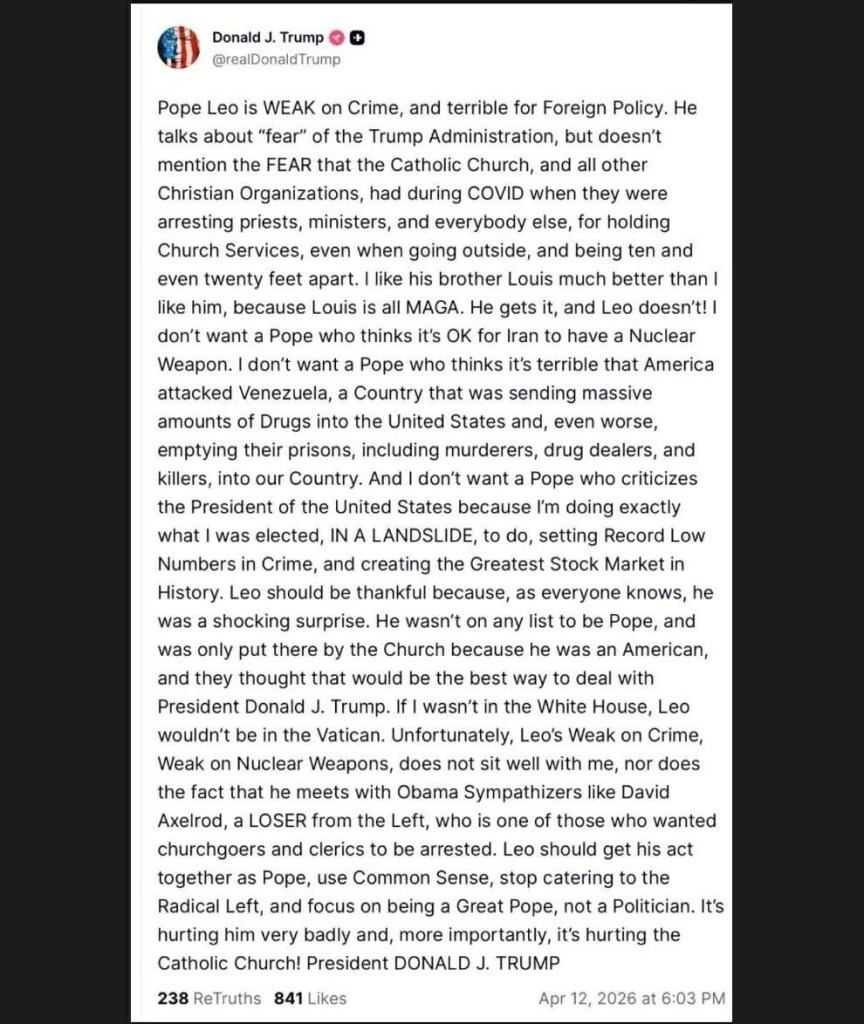
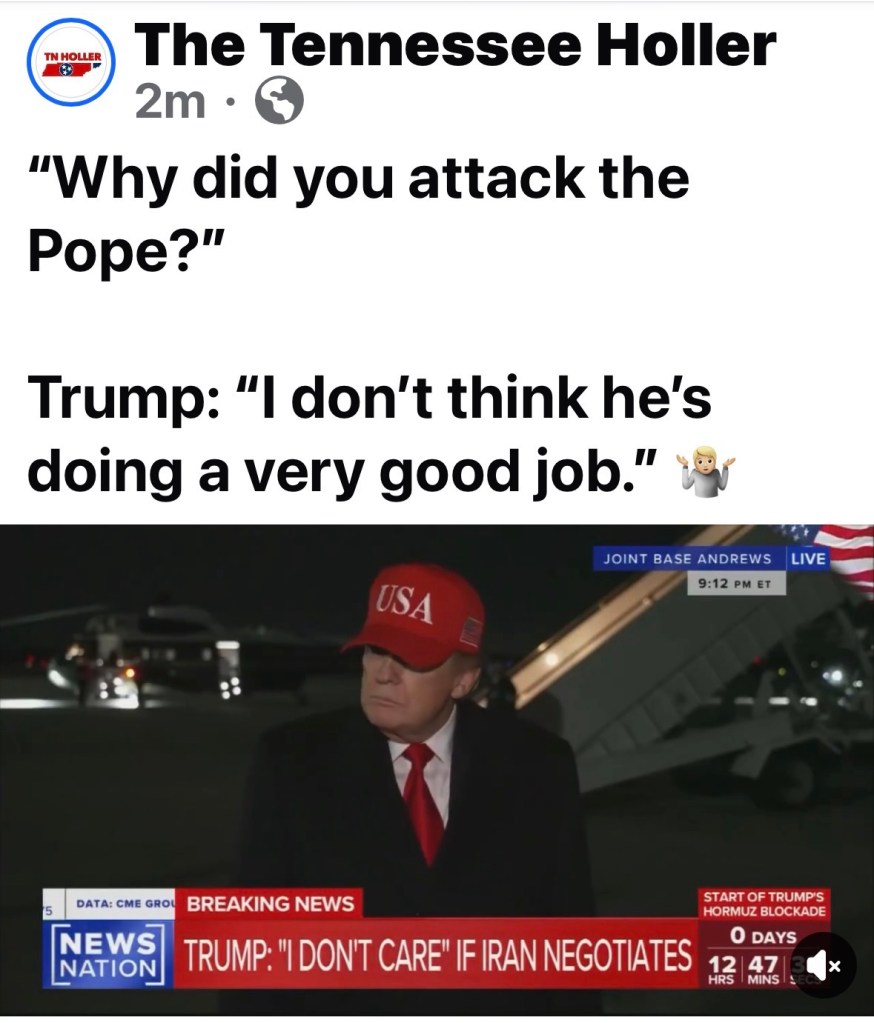





Hot damn! What an evening!
So, Dakinikat is under the weather and you’re stuck with me, and I have some things to share with you.
First off, Trump deleted his Jesus post. He was getting too much flack from his followers.
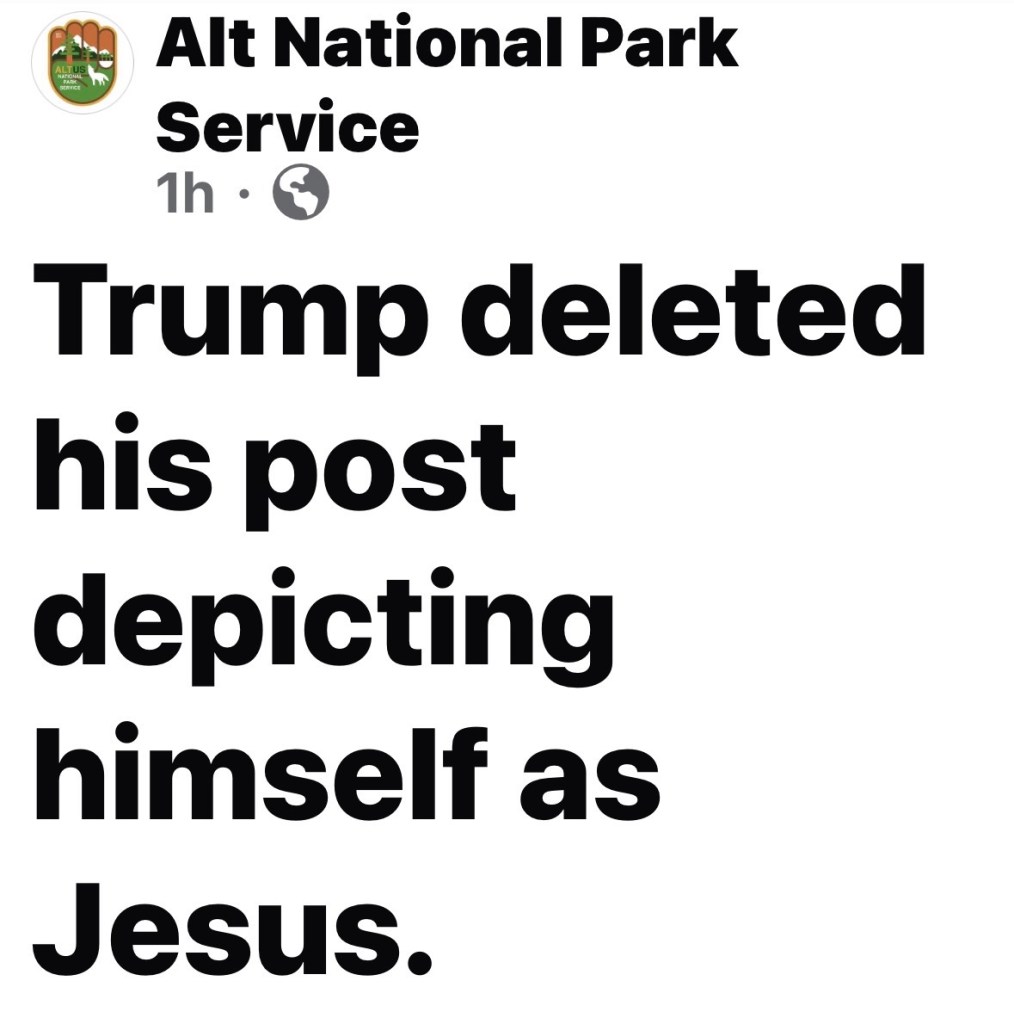
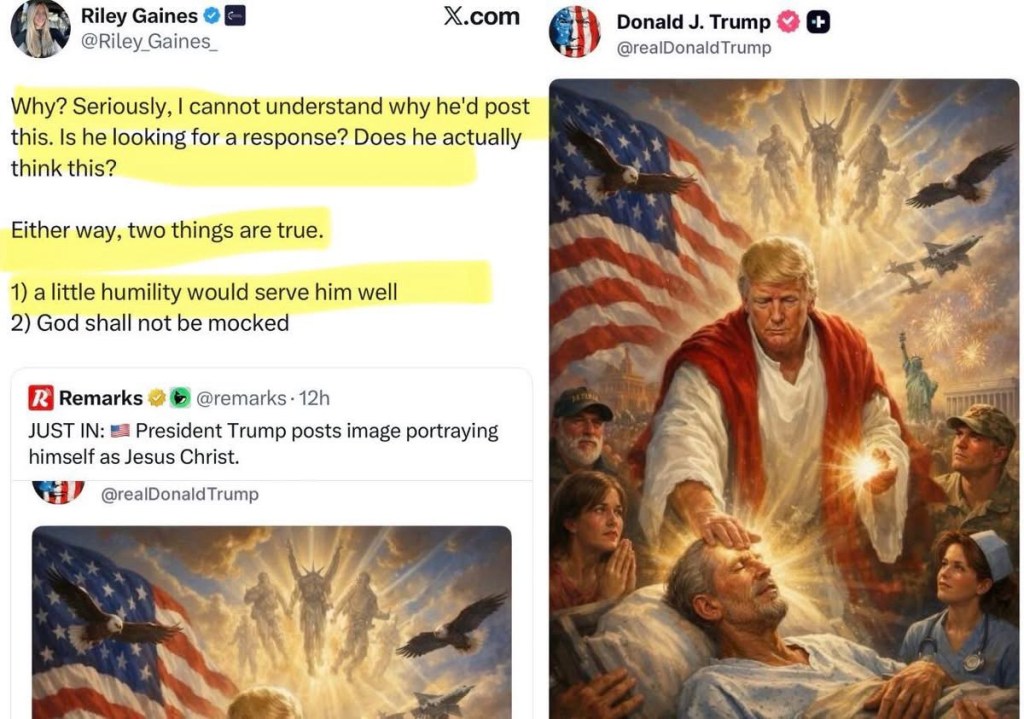

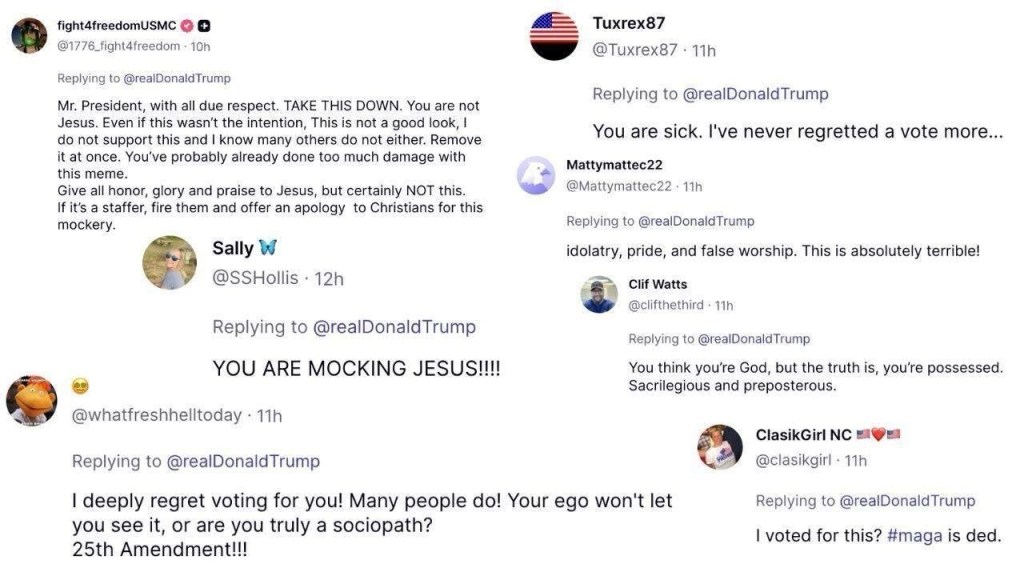



This was the orange turd’s reasoning behind the Jesus depiction:
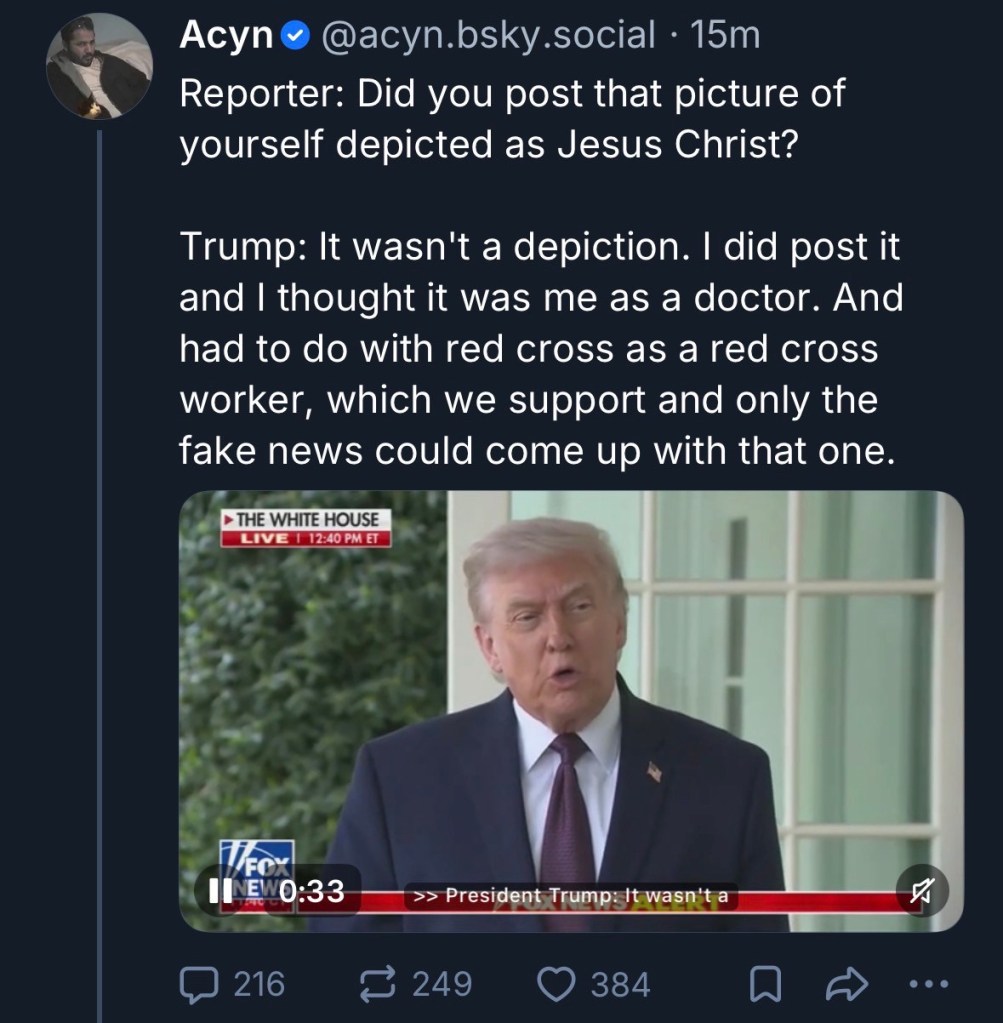
If you want to actually see Trump saying this shit:
Earlier the pope had this to say about Trump’s attacks:
Man…Fuck Donald Trump.
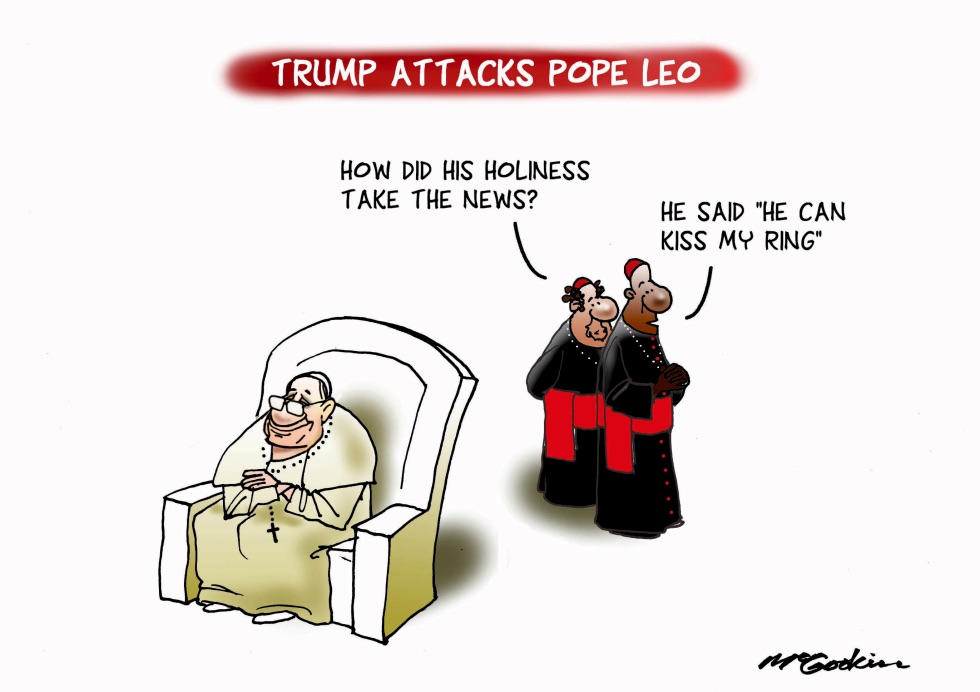
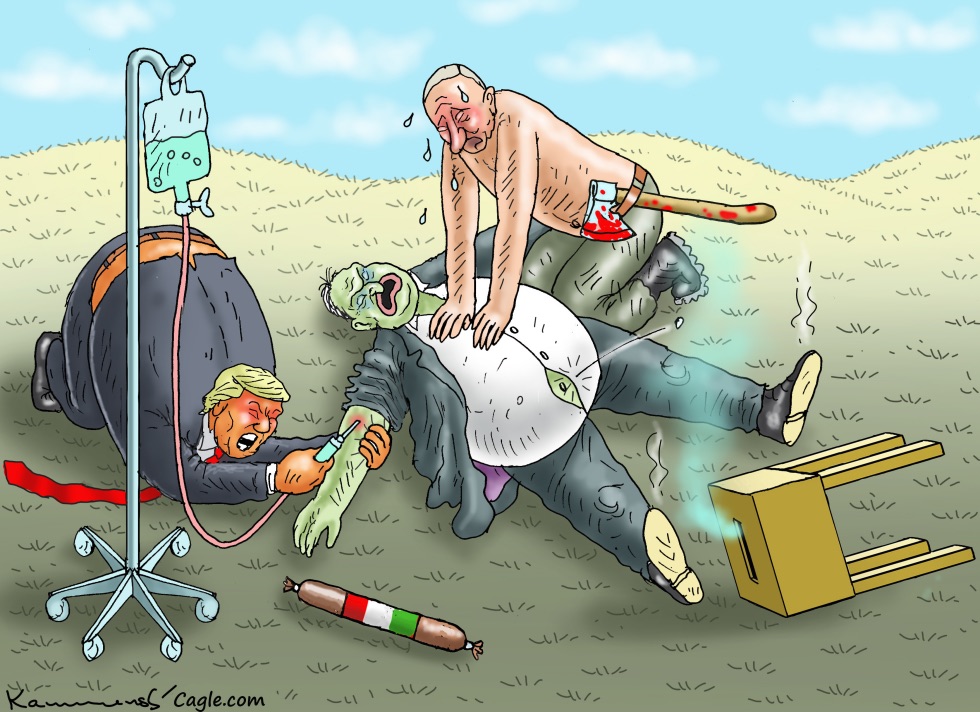
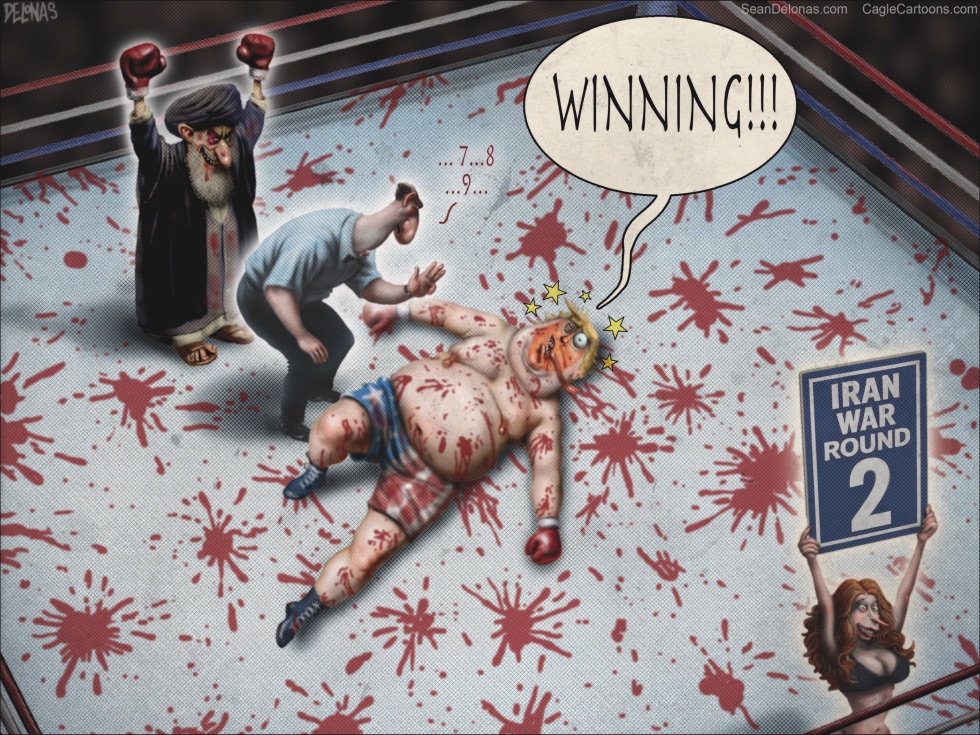
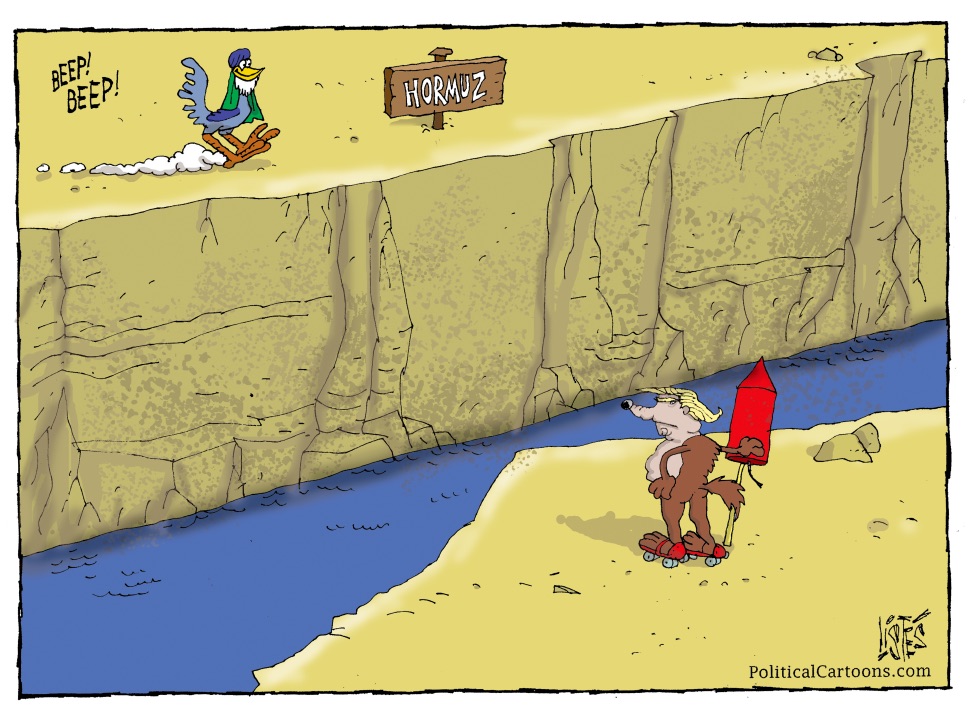
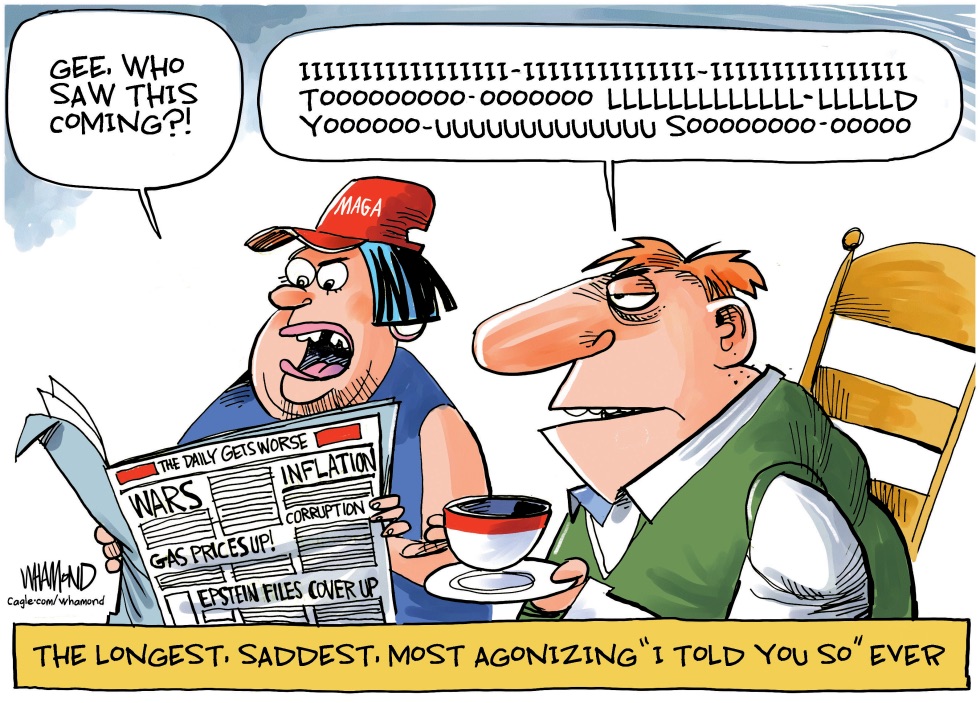
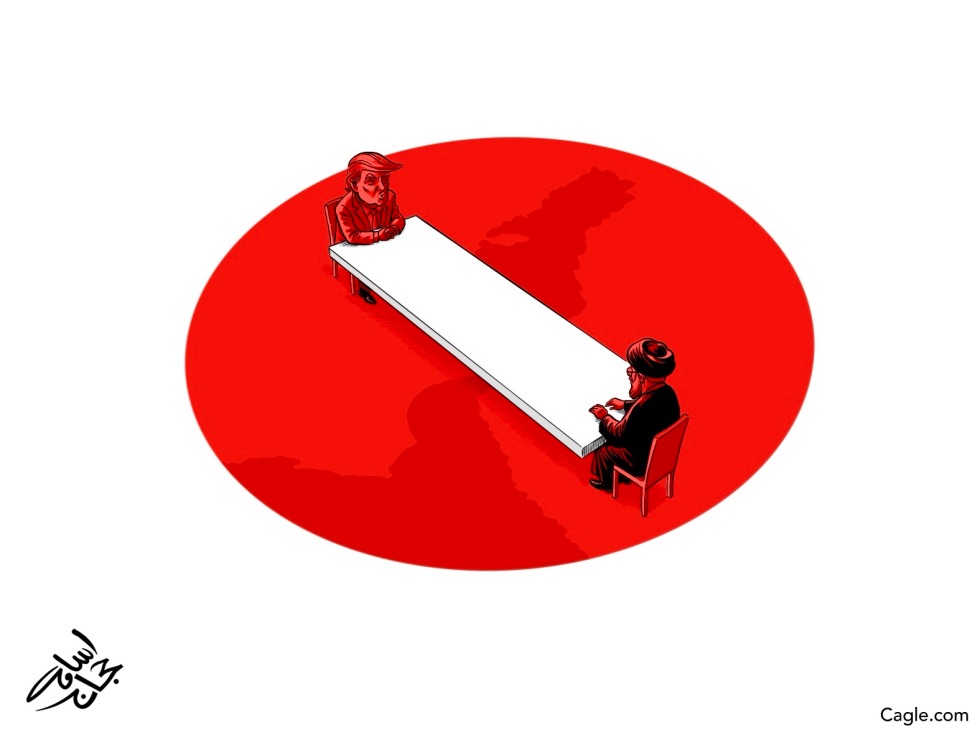
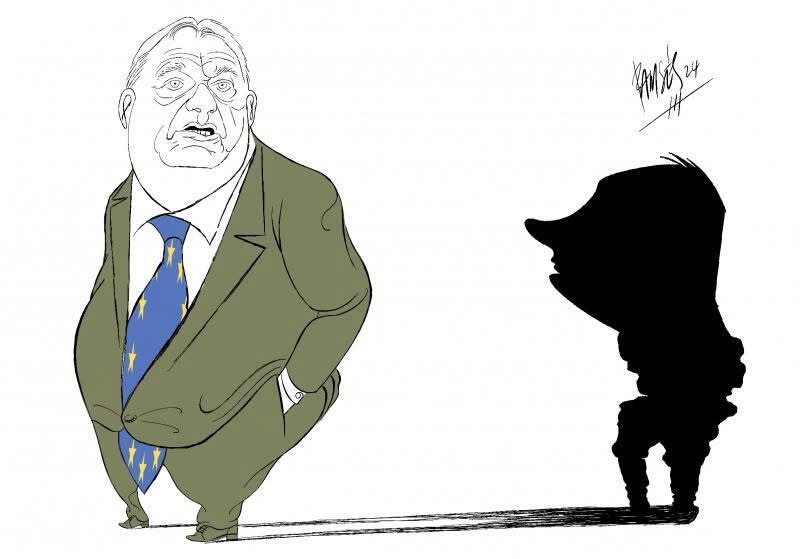
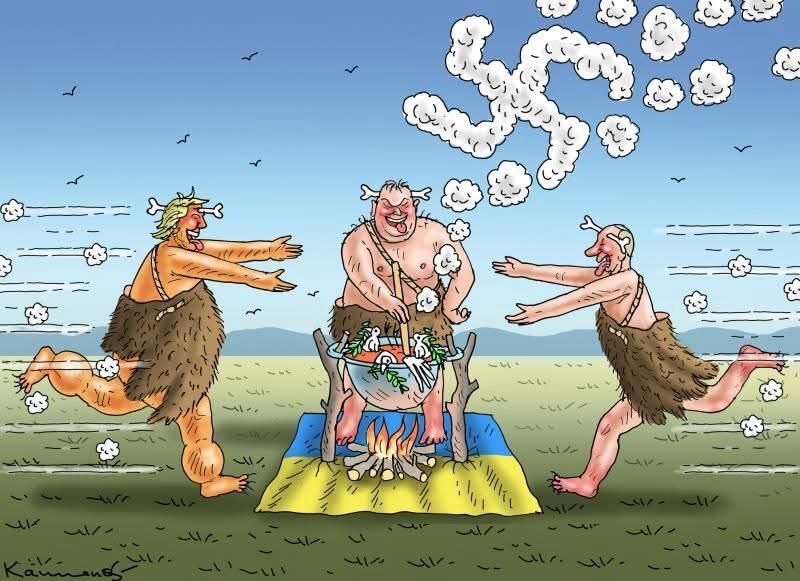
Cartoons via Cagle:


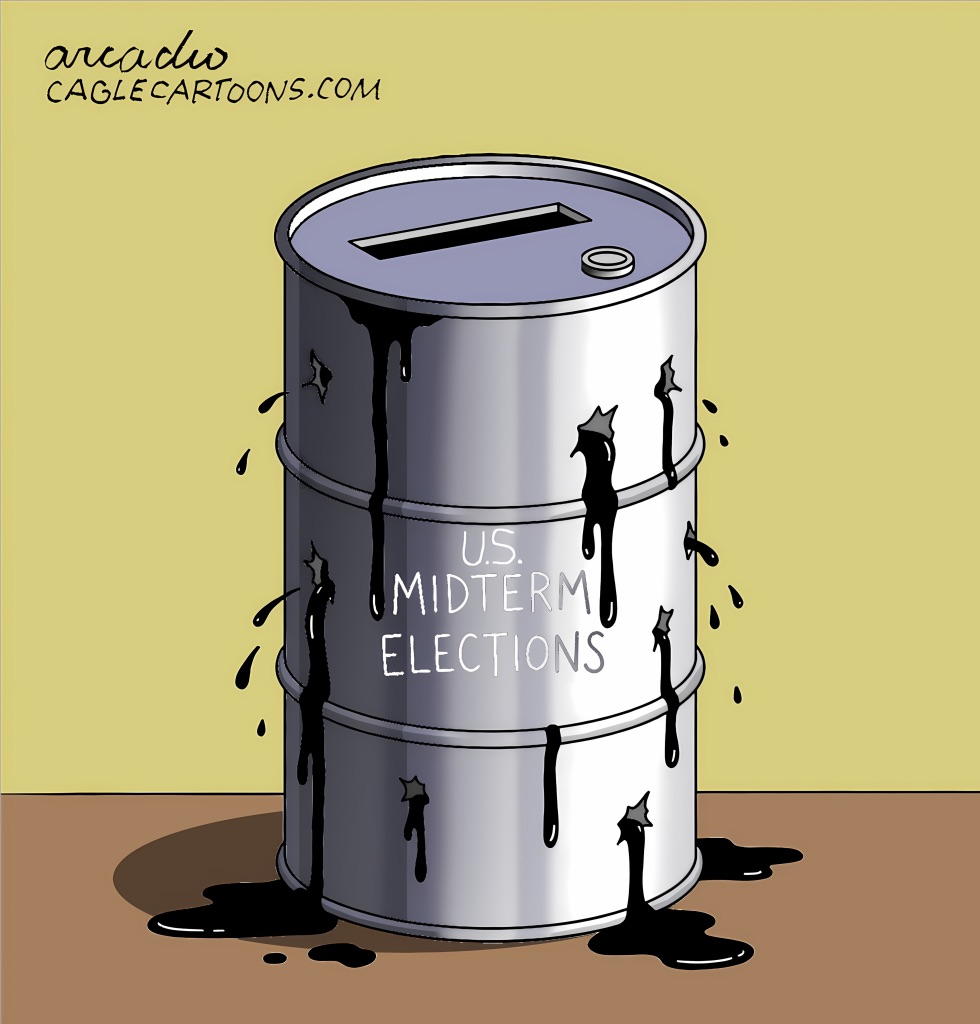












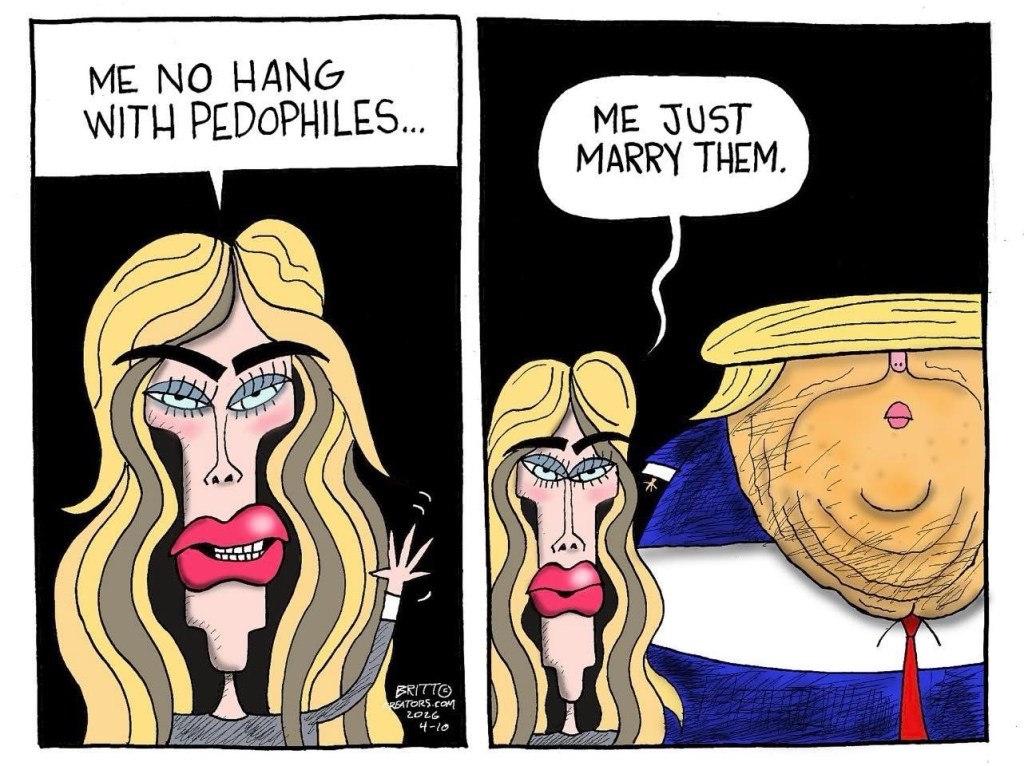
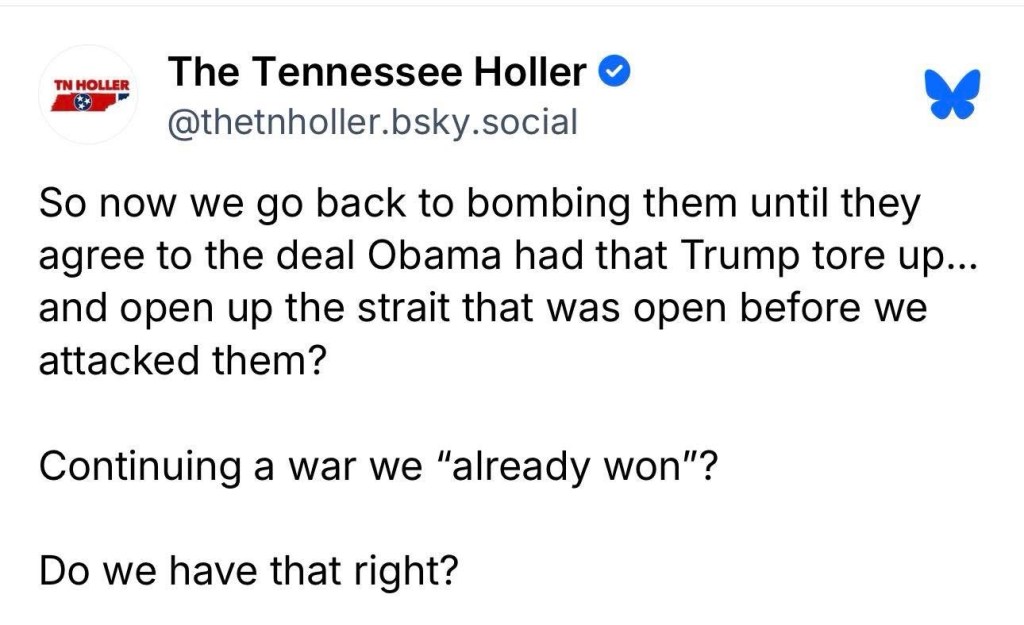

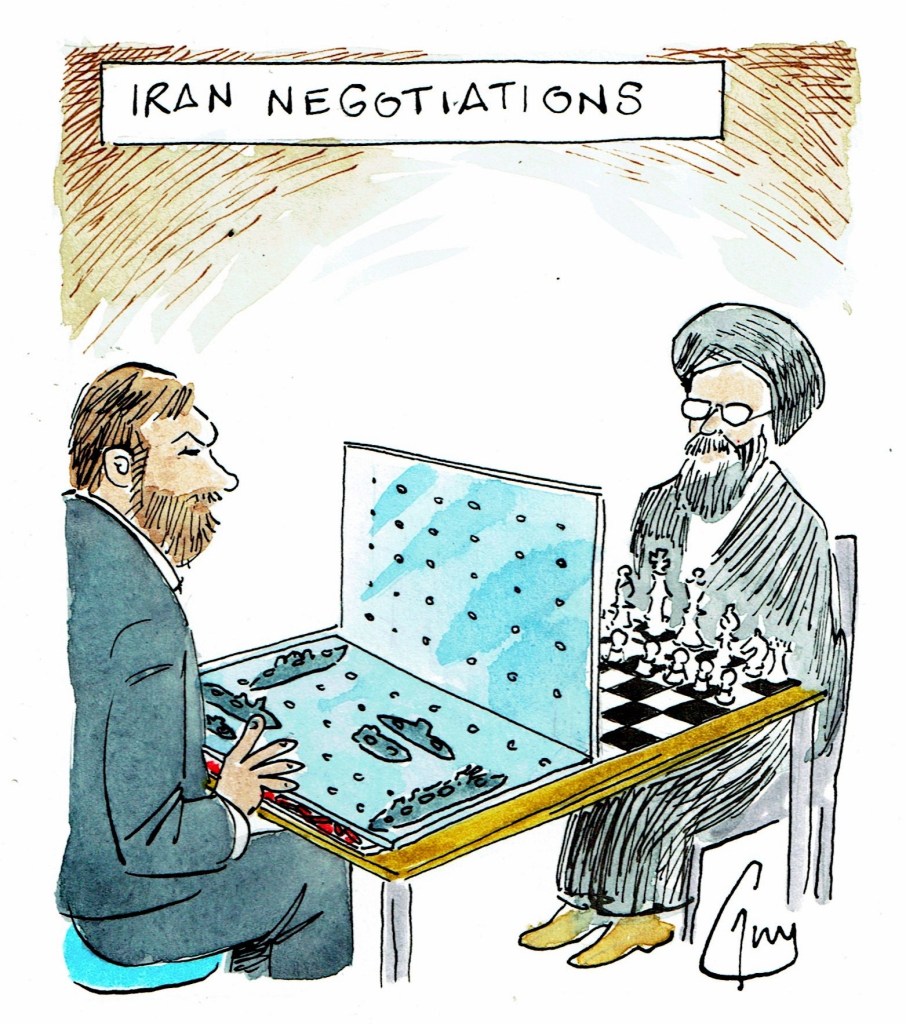
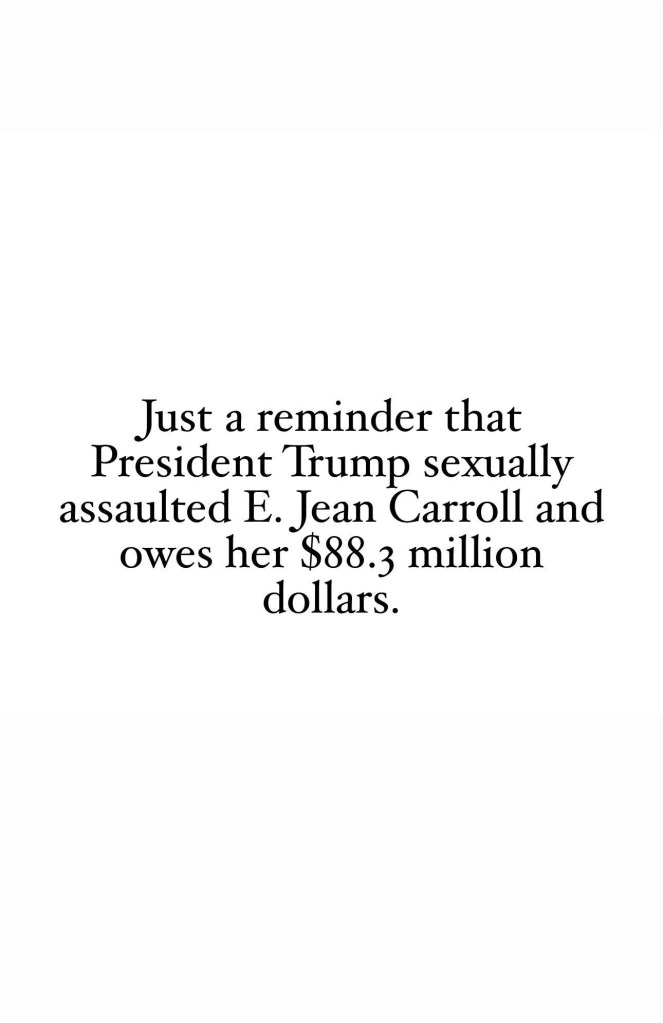

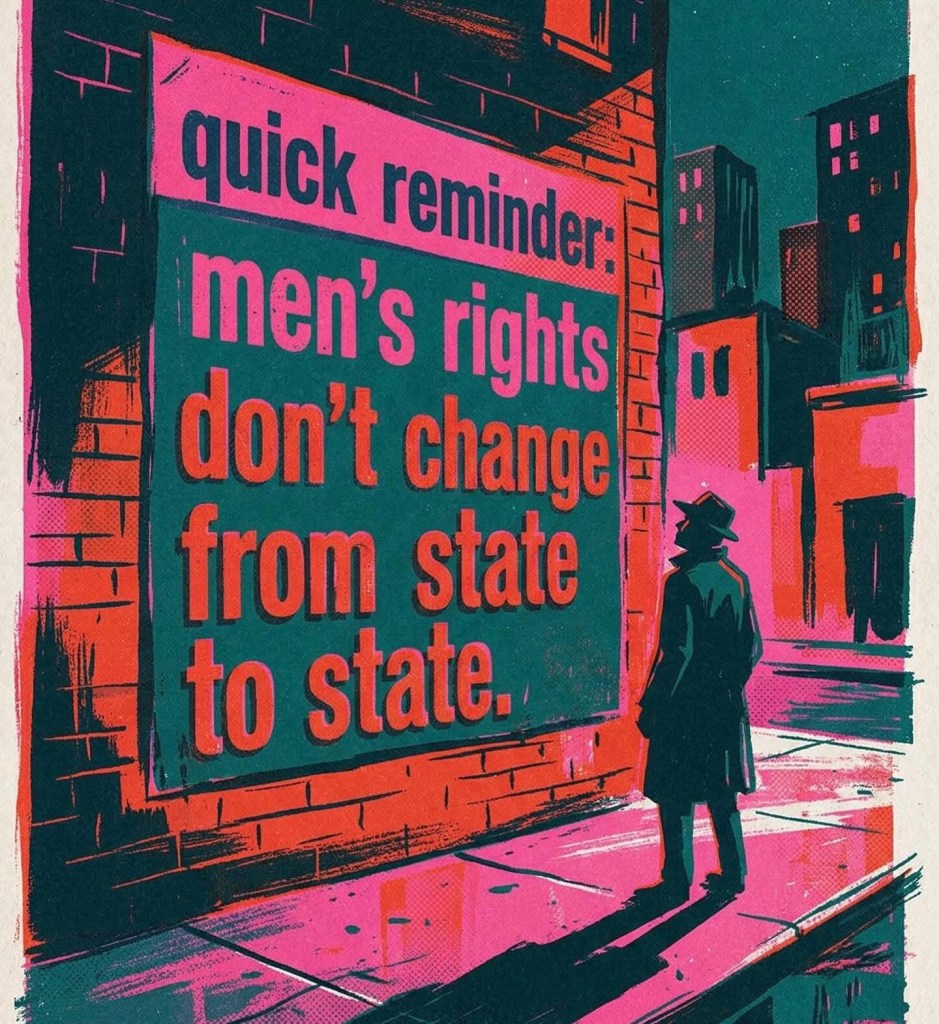



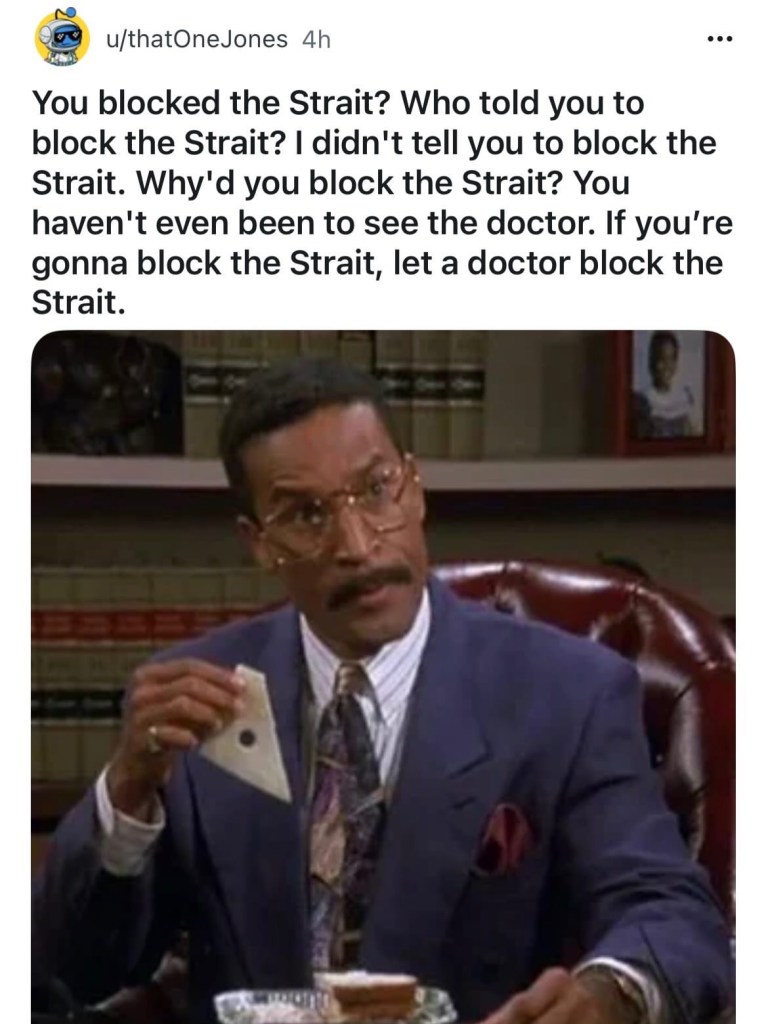



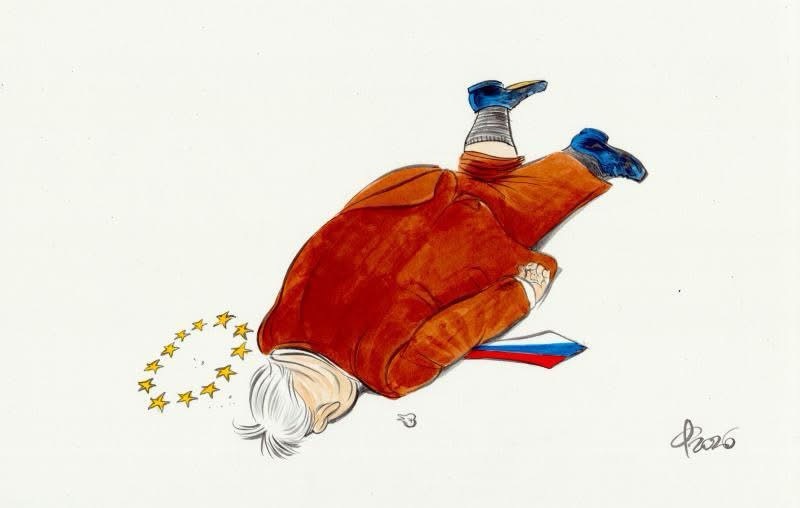




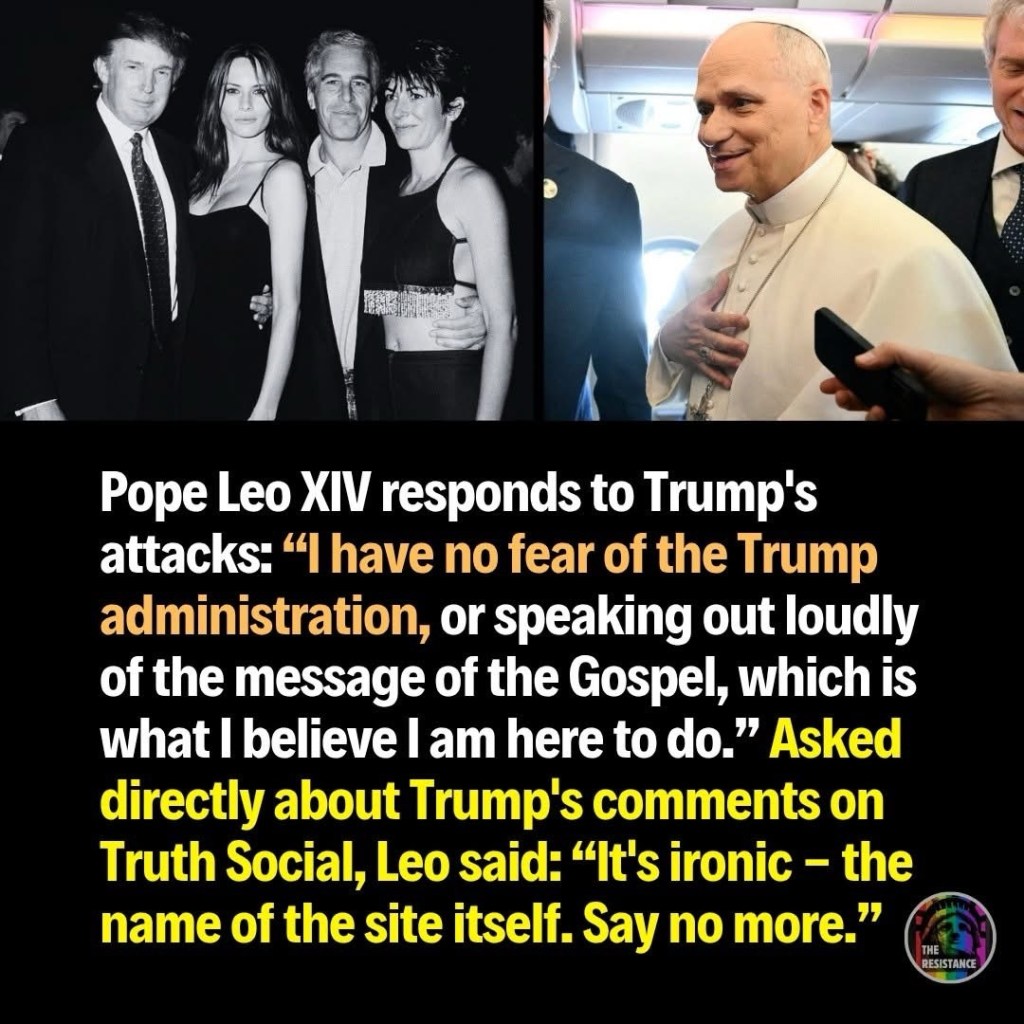








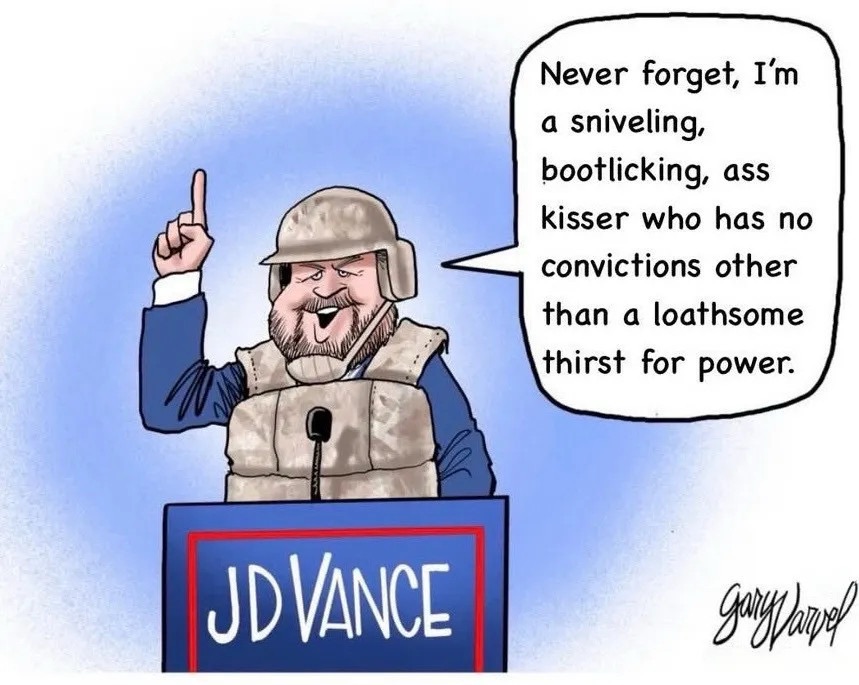
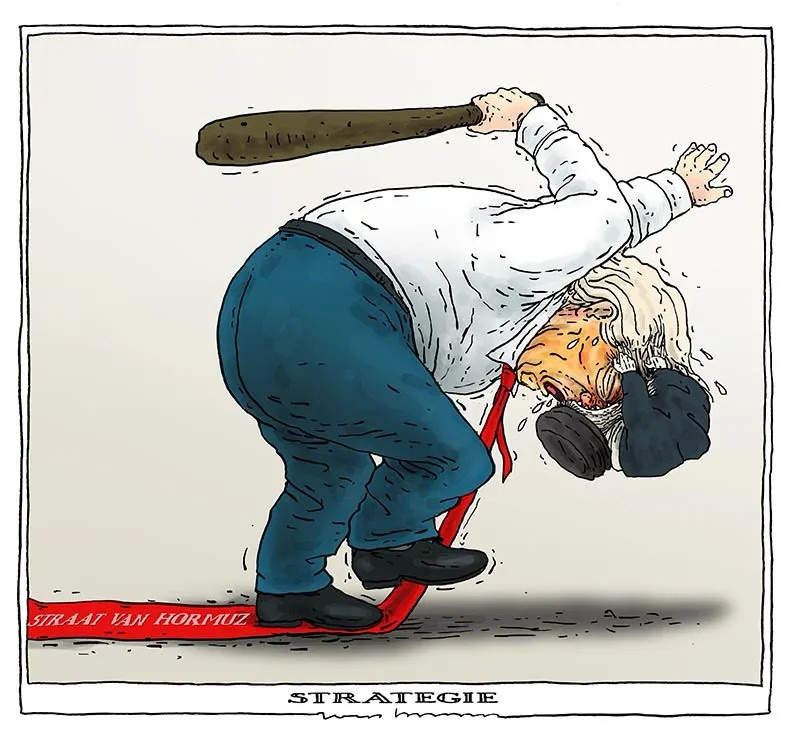
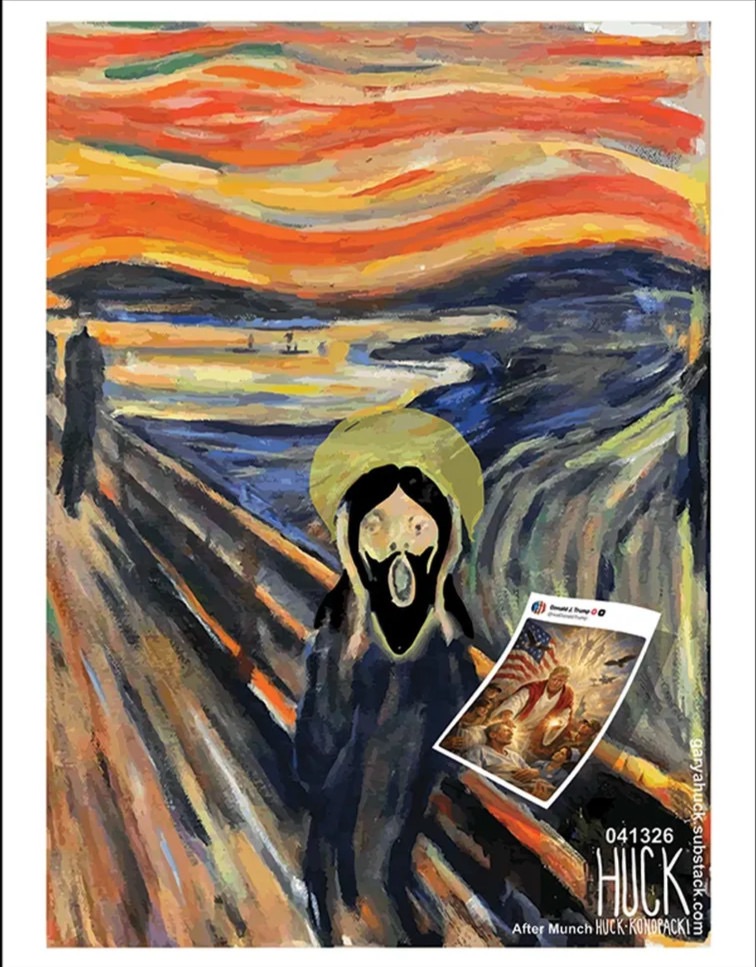

And that’s all I got for you right now, see ya tomorrow. Stay safe out there.

 peej
peej Carissa
 bostonboomer
 dakinikat
 ecocatwoman
 mablue2
 Mama Lopez
 peggysue22
 quixote
 skydancingguestblogger
 Mona (aka Wonk the Vote)



 Sky Dancing
Recent Comments