


Murphy suggested that if the goal is not to ensure a transition of power, the U.S. will just face more issues further down the line. He said: “So, they are going to spend hundreds of billions of your taxpayer dollars, get a whole bunch of Americans killed, and a hardline regime – probably a MORE anti-American hardline regime – will still be in charge.”
He said there didn’t seem to be a clear goal apart from “destroying lots of missiles and boats and drone factories.”
“But the question that stumped them: what happens when you stop bombing and they restart production? They hinted at more bombing. Which is, of course, endless war,” he said.
Wednesday Reads: Iran Dominates the News; Epstein Still Breaks Through
Posted: March 11, 2026 Filed under: just because | Tags: Dan Caine, DOGE Social Security Attacks, Donald Trump, Iran War, Jared Kusher, Kristi Noem, Pete Hegseth, Sen. Chris Murphy, Steve Witkoff, Strait of Hormuz 5 CommentsGood Afternoon!!
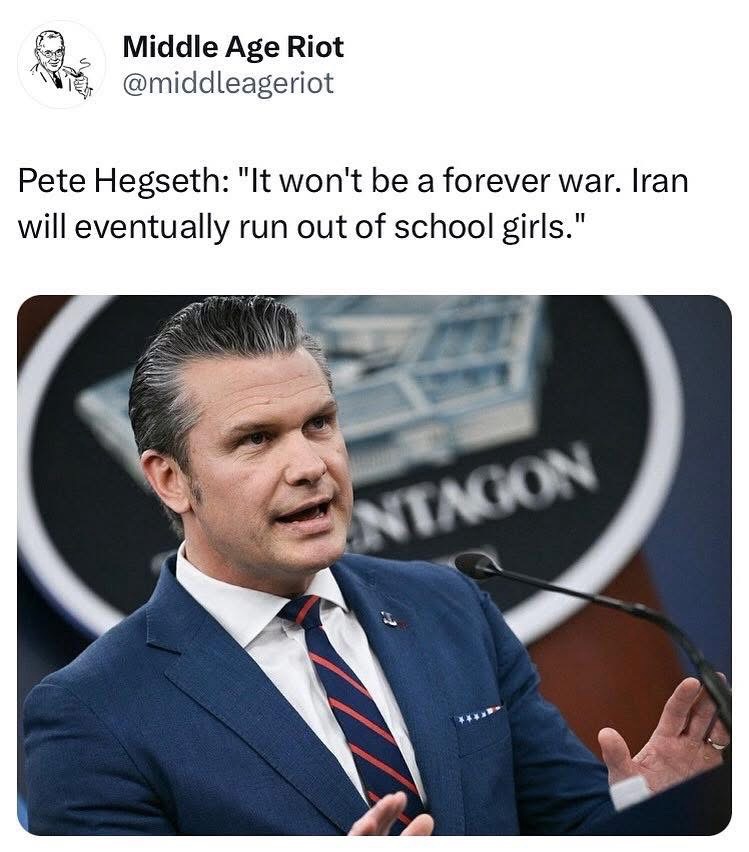
Yesterday I tried to watch a press conference on Trump’s Iran conflict by Pete Hegseth and Dan Caine, but it was unwatchable. Hegseth waved his arms around and yelled over-the-top threats, and Caine sort of tried to sound reasonable; but none of it made sense. No one in the Trump administration has a clue why we’re in this “war.” I really do think it’s another distraction from the Epstein files.
So this morning I enjoyed reading this description by John Ganz at Unpopular Front: Command-Shift-War. War as Cliché.
This war is notable not for its use of Artificial Intelligence, but for the fact that it is the first war that feels like it’s been launched by A.I: It’s all been done on a level less than thought. Trump’s remarks, Hegseth’s speeches; they all sound like autocompletes or snippets of half-remembered things. When Trump bellows, “UNCONDITIONAL SURRENDER,” he knows not what it means; he just heard it somewhere, probably on TV.
The barrage of clichés from Hegseth’s mouth is astonishing—“Flying over their capital. Death and destruction from the sky all day long. We’re playing for keeps. Our warfighters have maximum authorities granted personally by the president and yours truly. Our rules of engagement are bold, precise, and designed to unleash American power, not shackle it. This was never meant to be a fair fight, and it is not a fair fight. We are punching them while they’re down, which is exactly how it should be….” Then General Caine (what a name) joins in the fusillade: “Profound sadness and gratitude….wounded warriors…standing shoulder to shoulder…making steady progress…clear-eyed…quiet professionals…call balls and strikes.” Clear-eyed, quiet professionals are making steady progress calling balls and strikes on our wounded warriors, to whom we feel eternal gratitude. We may run out of interceptors, but we are well-stocked with hackneyed phrases. And the munitions may be “precision guided,” but the language is necessarily vague. Too bad they can’t bore the enemy to death.
Pete Hegseth and Dan Caine try to make sense of the Iran war.
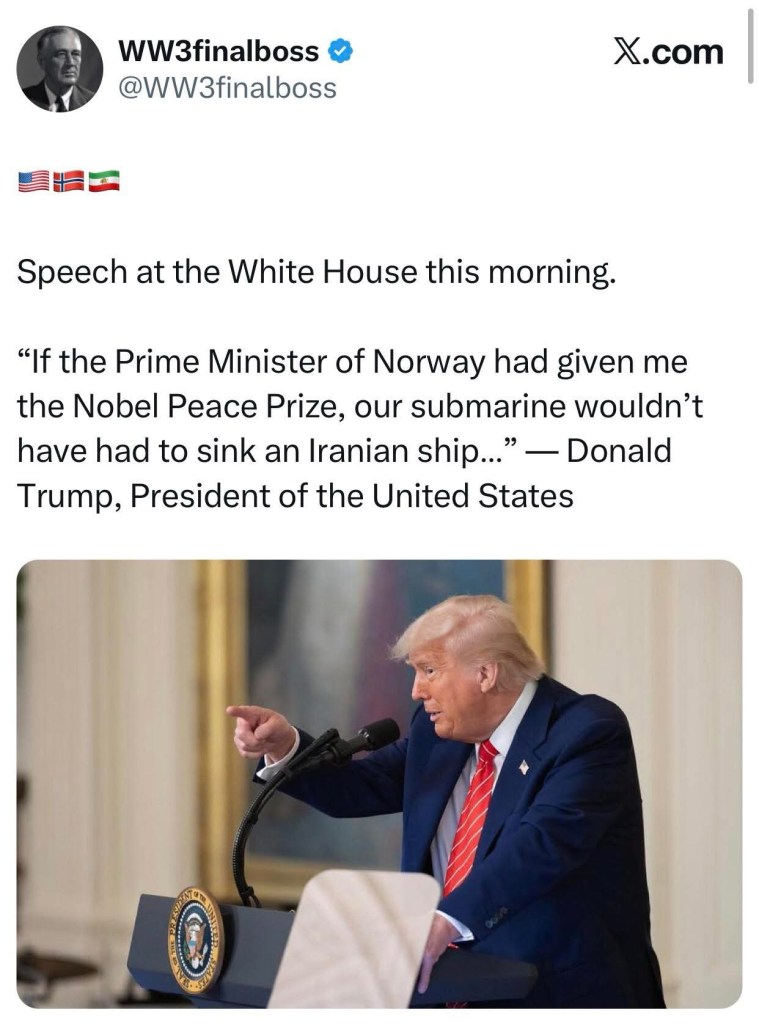
The images, too, are familiar and shopworn for anyone who can remember as far back as the First Persian Gulf War. The grainy footage of “precision strikes” (another cliché) on “key targets.” The night sky of a Middle Eastern metropolis illuminated with fire and smoke—we’ve all seen Shock and Awe (2002), dir. George W. Bush and Michael Bay—Tomahawks streaking into the sky. The jets screaming off the decks of carriers; The video edits using “the Macarena” or “Fortunate Son,” meant to recall Forrest Gump, itself already a pastiche of Vietnam movies. I’m sure something is reassuring about it all to a Fox viewer approaching senescence. But also for the young who have processed everything through video games. They’ve seen this movie before. (That’s another one, in case you didn’t notice.) It’s a kind of medley of America’s wars; the themes come and go: oil crisis…Iran…Kuwait…boots on the ground…Patriot missiles…Scuds. Even the sinking of an apparently unarmed Iranian warship by a submarine was a callback: Hegseth reminded us it was the first time a US sub had sunk an enemy vessel with a torpedo since WWII. It had no strategic or tactical purpose; it was just meant to generate an image: a ship going down viewed through the crosshairs of a periscope. Something out of Run Silent Run Deep, watched on a Sunday afternoon. Or the Victory at Sea doc,not for nothing, a movie that Trump obsesses over. Of course, “unrestricted submarine warfare” and abandoning survivors at sea recalls a coldhearted U-Boat skipper more than Clark Gable, but no matter.
In the past, propaganda served the purposes of war; now war serves the purposes of propaganda. But the blood remains real.
A.I. will supposedly give us fully automated wars in the future, but it’s here, right now. There’s a blind automatism to this war; It’s a war without thought or deliberation, public or private. It’s war as autocomplete. Of course, we were gonna “do” Iran. It was just what was next. Another barrage of clichés: “American blood on their hands…theocratic lunatics…the mullahs…We’ve been at war with Iran for 47 years.” The last one is particularly Orwellian: We’ve always been at war with West Asia.
Read more at the Substack link above.
Here’s the latest news and opinion about Trump’s “war.”
The Pentagon tried to hide the number of U.S. injuries in the war until Reuters did an independent investigation. Now they say there are 140 wounded.
Reuters: Exclusive: As many as 150 US troops wounded so far in Iran war, sources say.
As many as 150 U.S. troops have been wounded in the 10-day-old war with Iran, two people familiar with the matter told Reuters on Tuesday.
The casualty figure has not been previously reported. Prior to Reuters’ publication of the figure, the Pentagon had only disclosed eight U.S. personnel seriously injured.
In a statement after Reuters published its report, the Pentagon estimated the figure to be approximately 140 wounded and said the vast majority of them were minor.
“Since the start of Operation Epic Fury, approximately 140 U.S. service members have been wounded over 10 days of sustained attacks,” said chief Pentagon spokesperson Sean Parnell.
He said 108 of the wounded service members had already returned to duty.
Parnell said the eight seriously wounded service members were receiving the highest level of medical care.
Reuters could not determine the types of injuries and whether they include traumatic brain injuries, which are common after exposure to blasts.
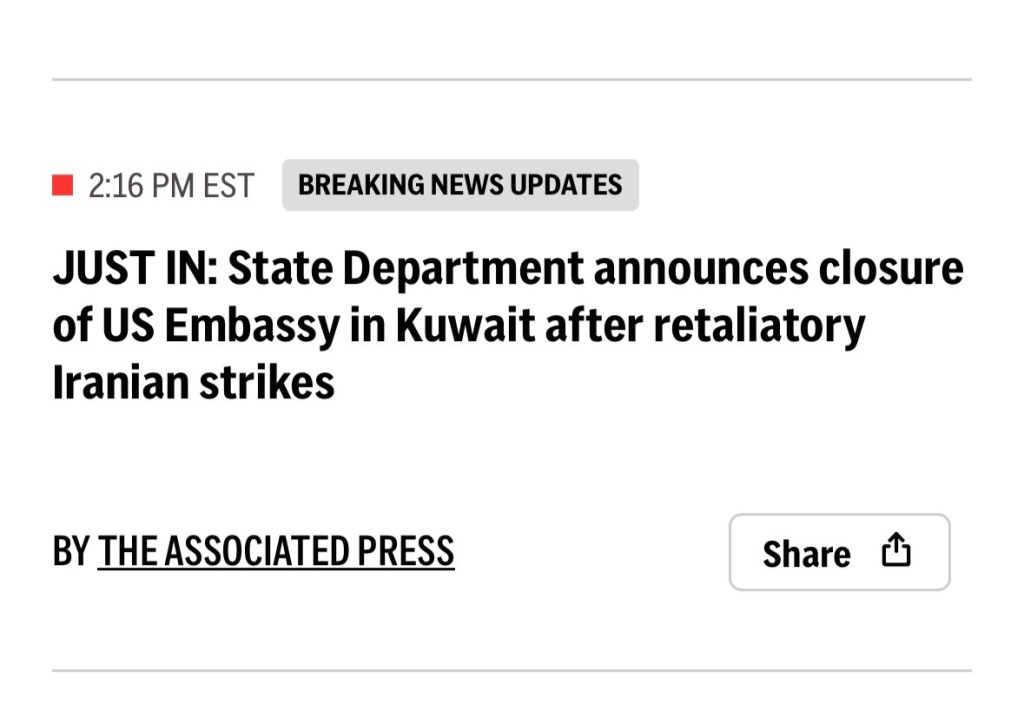
Iran has launched retaliatory strikes against U.S. military bases since the start of the conflict on Feb. 28. It has also struck diplomatic missions in Arab Gulf states as well as hotels and airports and damaged oil infrastructure.
The New York Times: At Least 3 Ships Are Struck In and Around a Key Gulf Oil Passage.
At least three ships were hit on Wednesday in and around the vital oil route of the Strait of Hormuz, according to a British maritime monitoring group, as the Middle East war chokes off one of the key conduits for the global oil trade.
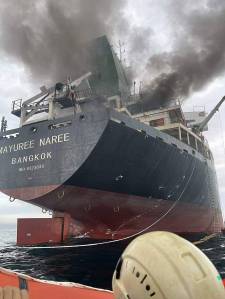
An image released by the Royal Thai Navy shows a tanker near the Strait of Hormuz that was attacked on Wednesday. Iran claimed responsibility. Credit…Royal Thai Navy, via Agence France-Presse — Getty Images
Iran appeared to claim responsibility for at least one of the attacks. Alireza Tangsiri, the naval commander in Iran’s powerful Revolutionary Guards Corps, named one of the ships that was struck, the Mayuree Naree, in a post on social media, saying they had “ignored the warnings” from Iran, and “ended up getting caught.”
He added: “Any vessel that intends to pass must obtain permission from Iran.”
The incidents came after the U.S. military said it struck 16 Iranian mine-laying vessels near the Strait of Hormuz — though it remained unclear whether any Iranian mines had actually been deployed there.
There were three separate reports, according to United Kingdom Maritime Trade Operations, a British monitoring agency. Iran fired at targets across the Middle East on Wednesday, but did not explicitly claim responsibility for the strikes on the ships.
Three strikes on ships in a single morning appeared to represent an unusual uptick: The U.K.M.T.O. said it had received reports of 13 attacks in total since the U.S.-Israeli war on Iran began on Feb. 28.
One cargo vessel was struck “by an unknown projectile” north of Oman in the Straits of Hormuz, resulting in a fire onboard, the agency said. The Oman News Agency said the country’s Maritime Security Center received a report indicating that the Mayuree Naree, a commercial vessel flying the flag of Thailand, was hit off the Omani coast.
Mark Mazzetti, Tyler Pager, and Edward Wong at The New York Times: How Trump and His Advisers Miscalculated Iran’s Response to War.
On Feb. 18, as President Trump weighed whether to launch military attacks on Iran, Chris Wright, the energy secretary, told an interviewer he was not concerned that the looming war might disrupt oil supplies in the Middle East and wreak havoc in energy markets.
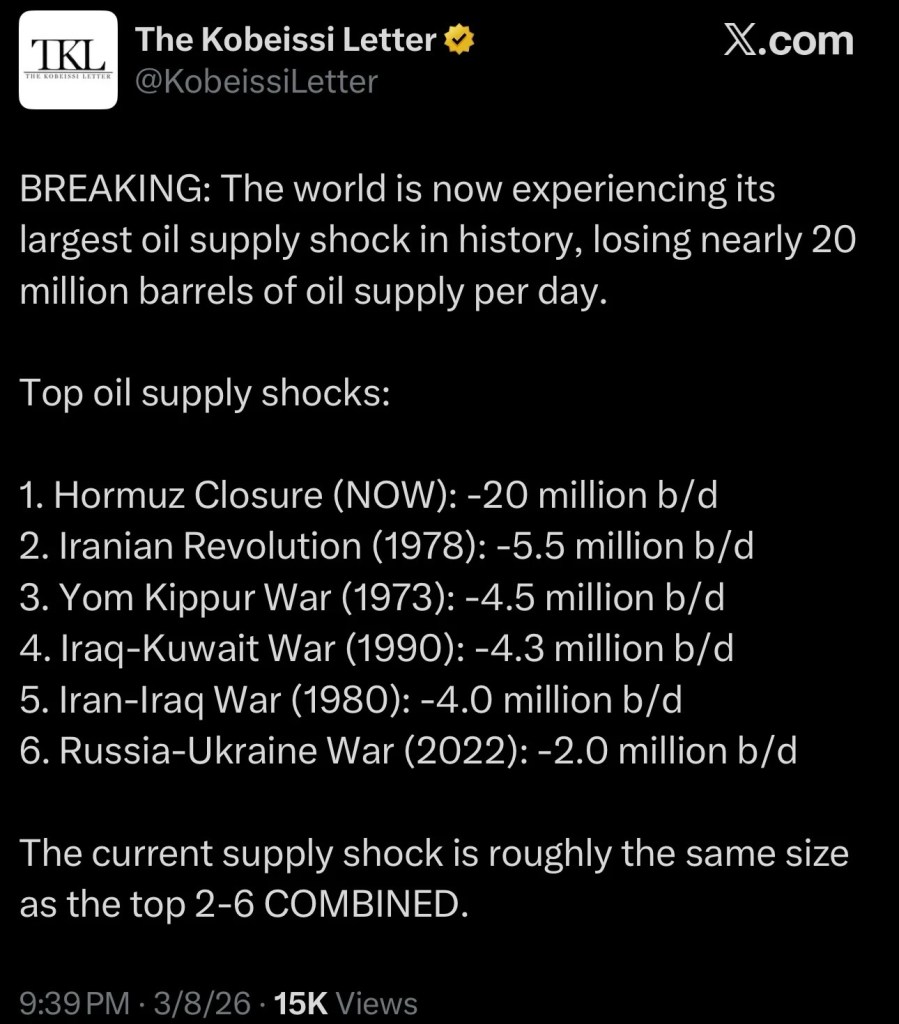
Even during the Israeli and U.S. strikes against Iran last June, Mr. Wright said, there had been little disruption in the markets. “Oil prices blipped up and then went back down,” he said. Some of Mr. Trump’s other advisers shared similar views in private, dismissing warnings that — the second time around — Iran might wage economic warfare by closing shipping lanes carrying roughly 20 percent of the world’s oil supply.
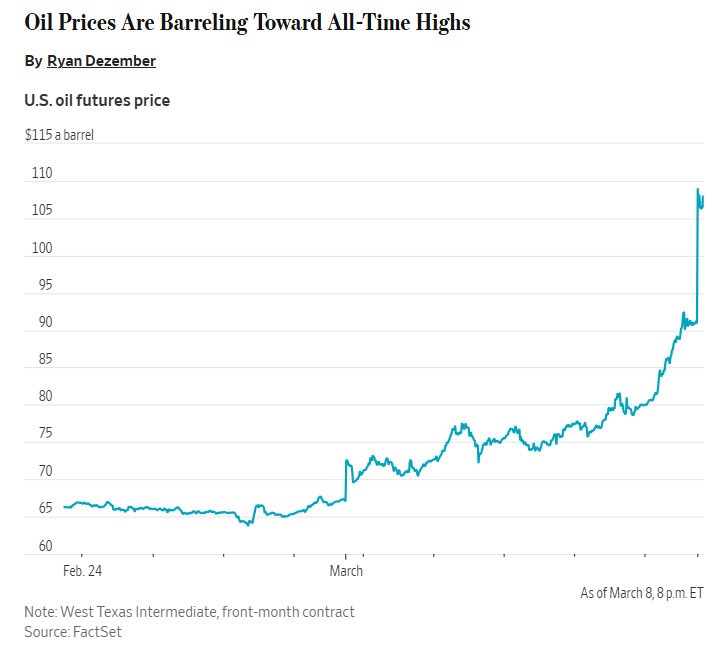
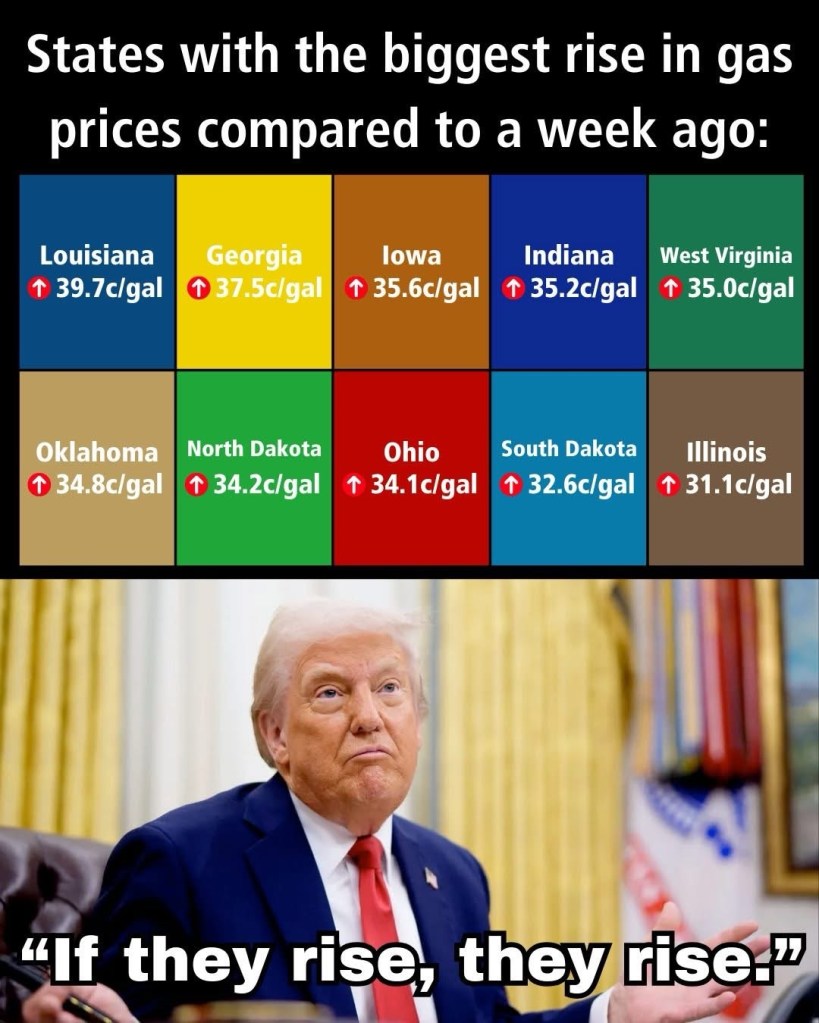
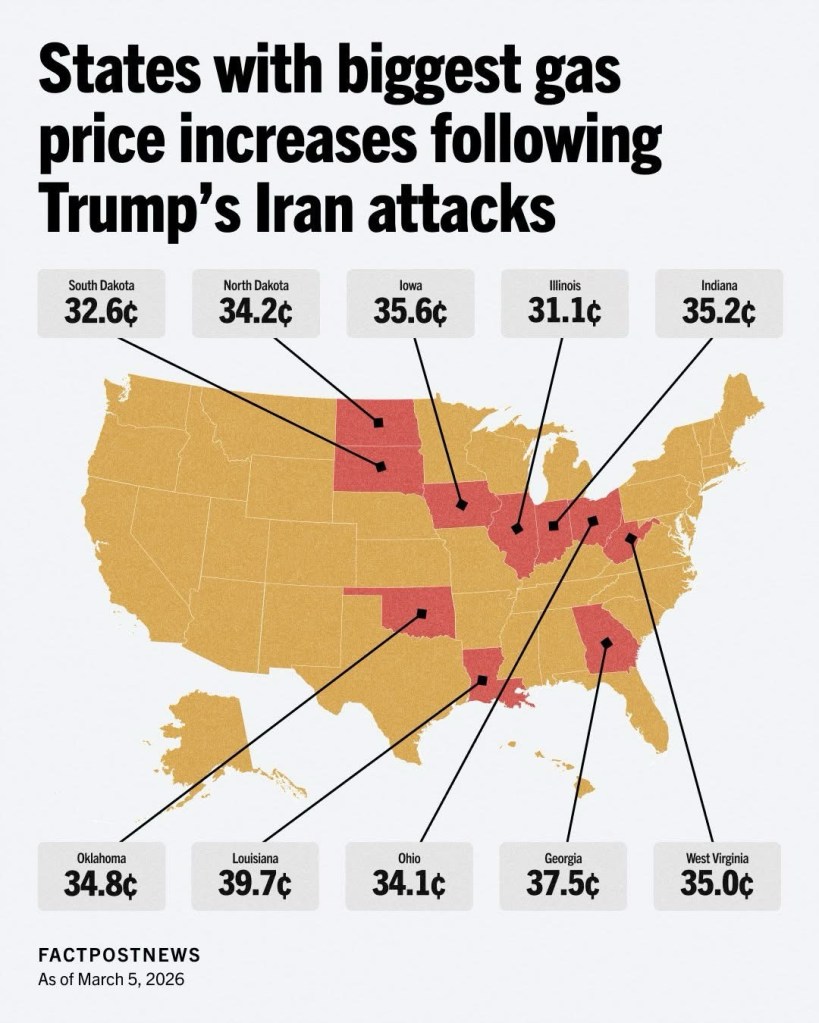
The extent of that miscalculation was laid bare in recent days, as Iran threatened to fire at commercial oil tankers transiting the Strait of Hormuz, the strategic choke point through which all ships must pass on their way out of the Persian Gulf. In response to the Iranian threats, commercial shipping has come to a standstill in the Gulf, oil prices have spiked, and the Trump administration has scrambled to find ways to tamp down an economic crisis that has triggered higher gasoline prices for Americans.
The episode is emblematic of how much Mr. Trump and his advisers misjudged how Iran would respond to a conflict that the government in Tehran sees as an existential threat. Iran has responded far more aggressively than it did during last June’s 12-day war, firing barrages of missiles and drones at U.S. military bases, cities in Arab nations across the Middle East, and on Israeli population centers.
U.S. officials have had to adjust plans on the fly, from hastily ordering the evacuation of embassies to developing policy proposals to reduce gas prices.
The Daily Beast: Senator Torches Trump’s ‘Incoherent’ War Plans After Secret Briefing.
President Trump’s closed-door meeting about his long-term plan in Iran and overall justification for the war has been blasted as “incoherent” by a senator who attended.
Chris Murphy, a Democrat representing Connecticut, unloaded on the White House in a troubling X thread after the secret briefing on “Operation Epic Fury.”
Sen. Chris Murphy warned about the lack of a plan in a worrying X thread.
He said there doesn’t seem to be a clear goal apart from “destroying lots of missiles and boats and drone factories.”
“I obviously can’t disclose classified info, but you deserve to know how incoherent and incomplete these war plans are,” he said.
Several of the White House’s stated reasons for the war didn’t even come up, Murphy said, with not a single mention of plans to destroy Iran’s nuclear infrastructure. “This is, uh…surprising…since Trump says over and over this is a key goal,” he said.
The Trump administration also now claims that regime change is not the goal of the operation, despite the president initially framing it that way for the public.
Barak Ravid at Axios: Trump tells Axios there’s “practically nothing left” to target in Iran.
President Trump told Axios in a brief phone interview Wednesday that the war with Iran will end “soon” because there is “practically nothing left to target.”
“Little this and that… Any time I want it to end, it will end,” Trump said during the five-minute call.
Why it matters: Even as Trump publicly signals his operation has largely accomplished its objectives, U.S. and Israeli officials say there has been no internal directive on when fighting might stop.
Israeli Defense Minister Israel Katz said Wednesday the war will continue “without any time limit, for as long as necessary, until we achieve all the objectives and decisively win the campaign.”Israeli and
U.S. officials say they are preparing for at least two more weeks of strikes in Iran.
It sounds like Israel is actually going to decide when the war ends.
On Tuesday, the U.S. received intelligence that suggested Iran has started laying mines in the Strait of Hormuz — one of the world’s most critical chokepoints for oil supply.
Officials say it’s unclear how many mines Iran has deployed, but the assessment is that the number is very small.
Trump confirmed to Axios that U.S. strikes on Tuesday destroyed 16 mine-laying boats and disrupted Iranian plans….
What he’s [Trump] saying: “The war is going great. We are way ahead of the timetable. We have done more damage than we thought possible, even in the original six-week period,” Trump told Axios.
I guess we’ll have to wait and see.
One more on Iran from Judd Legum at Popular Information: UPDATE: Trump says Kushner helped convince him to go to war with Iran. The disclosure highlights Kushner’s massive financial conflicts.
At a press conference on Monday evening, President Trump said his son-in-law, Jared Kushner, was one of a handful of top advisers who convinced him to launch major combat operations in Iran. The disclosure raises additional questions about the role of Kushner, who is being paid tens of millions of dollars annually by Middle Eastern governments that were reportedly lobbying Trump to attack Iran.
Jared Kushner is acknowledged during the State of the Union on February 24, 2026, in Washington, DC. (Photo by Win McNamee,Getty Images)
“The situation was very quickly approaching the point of no return… based on what Steve and Jared and Pete and others were telling me, Marco is so involved, I thought they were going to attack us,” Trump said, referring to Middle East envoy Steve Witkoff, Secretary of War Pete Hegseth, Secretary of State Marco Rubio, and Kushner, who has no formal title.
“Within a week, [Iran was] going to attack us, 100 percent. They were ready,” Trump said at a different event Monday. “They had all these missiles, far more than anyone thought, and they were going to attack us.”
Witkoff and Kushner were dispatched by Trump to Geneva to participate in mediation with their Iranian counterparts, in what was described as a last-ditch effort to avoid war. Kushner’s participation violated his pledge not to be involved in foreign policy in a second Trump administration. Instead, Kushner had said he was focused on running his private equity fund, Affinity Partners, which has raised billions of dollars from foreign governments.
Kushner’s largest investor is the Saudi Arabian government, which provided Kushner with $2 billion in funding in 2021. Each year, Saudi Arabia pays Kushner 1.25% of its investment, $25 million, as a “management fee.” Meaning he has received in excess of $100 million from the Saudi government over the last few years.
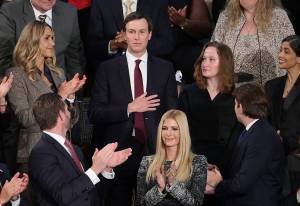
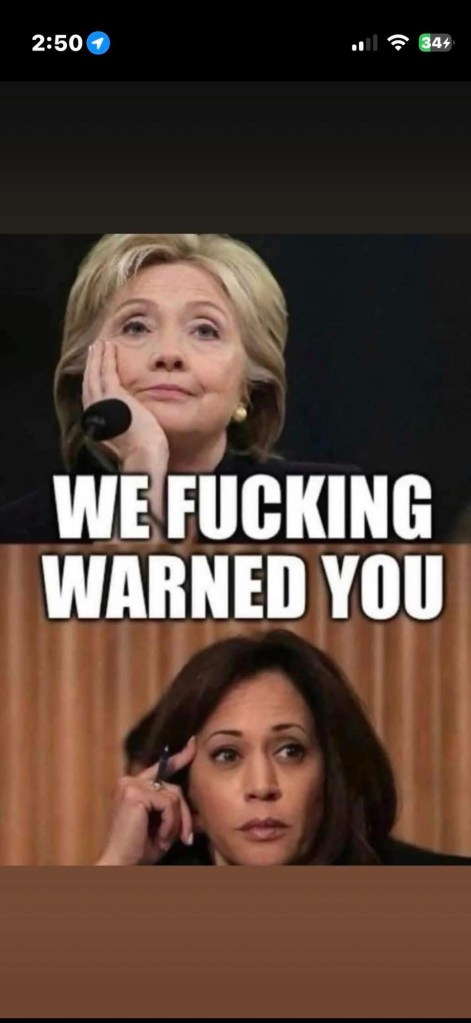
And Witkoff is a Russian asset. I will never forgive the idiots who voted for Trump because they just didn’t want a Black woman to be president.
Trump’s fear of the Epstein files is behind this idiotic war. No one will ever convince me otherwise. Here’s the latest on the Epstein story.
NBC News: Jeffrey Epstein’s New Mexico ranch searched by state investigators.
State investigators in New Mexico on Monday searched a 7,600-acre property that once belonged to the late convicted sex offender Jeffrey Epstein.
The search came after documents released under the Epstein Files Transparency Act showed no record of federal investigators ever searching the property, known as Zorro Ranch, despite a number of years-old civil suits that accused Epstein of sexually assaulting girls there — allegations over which he was never charged.
“This search is part of the criminal investigation announced by the New Mexico Department of Justice on February 19th into allegations of illegal activity at Epstein’s ranch prior to Epstein’s 2019 death,” the state agency said in a statement.
“The New Mexico Department of Justice appreciates the cooperation of the current property owners in granting access for the search and extends its thanks to the ranch staff for their professionalism,” the statement said, and will “continue to keep the public appropriately informed, support the survivors, and follow the facts wherever they lead.”
New Mexico Attorney General Raúl Torrez, a Democrat, ordered the search. His office announced its probe into Epstein last month, days after state lawmakers passed legislation to begin their own investigation into Epstein’s activities in the state.
The Legislature’s $2.5 million investigation, which has subpoena power, aims to close gaps in state law that may have allowed Epstein to operate in New Mexico with impunity. The committee is expected to release interim findings in July and a final report by the end of the year.
The bill’s co-sponsor, Democratic state Rep. Andrea Romero, said when the legislation passed last month that Epstein “was basically doing anything he wanted in this state without any accountability whatsoever.”
From Epstein expert Julie K. Brown at The Epstein files: Dead bodies and a long missing 300-year-old church bell: What will they find on Zorro Ranch?
The reach of the mysteries involving Jeffrey Epstein’s Zorro Ranch in New Mexico now span several centuries — as new documents reveal that the FBI’s Albuquerque office was investigating whether Epstein had a stolen historical artifact that dates back hundreds of years stored on his sprawling NM property.
Zorro Ranch
The artifact was a “death bell” that was once housed at the San Jose de Gracia Mission Church in Las Trampas, a village in Northern New Mexico between Sante Fe and Taos. The church was built in 1760 and is considered one of the best examples of Spanish Colonial architecture in the Southwest U.S. It is also a National Historic Landmark.
The lore about the missing church bell only adds to the questions about why the Justice Department never searched Epstein’s ranch back in 2019 — when at least two victims alleged they were sexually assaulted there, and another tipster claimed that two girls’ bodies are possibly buried there….
The “Death bell,” as it came to be called, was smaller than the other bell. During the church’s restoration in the 1930s, the bell was stolen.
In November 2019, Timothy Lopez told the FBI in Albuquerque, New Mexico that he recalled seeing Epstein’s ranch featured in a local real estate magazine in 2014 or 2015. In the photos accompanying the article, he said he noticed a room filed with Spanish Colonial art — and noticed a bell he thought might be the Death bell that had been stolen more than 80 years earlier.
The 7,400-ace property, which Epstein called “Zorro Ranch,” was purchased by Epstein from former New Mexico Governor Bruce King in 1993. The disgraced financier built a hilltop mansion with a private runway on the property, which was sold after Epstein’s death to the family of former Texas state Sen. Don Huffines, who won the Republican primary for Texas state comptroller last week.
After Epstein’s arrest in July 2019, the FBI search Epstein’s Manhattan townhouse, but did not immediately search Epstein’s private island in the Caribbean until after his August 2019 death. They never searched his New Mexico compound, despite having evidence of crimes that occurred there, including the tip about the stolen church bell….
the documents about the sexual assaults that were reported to have occurred on the property led to public outcry in recent weeks. That that led to New Mexico authorities finally on Monday beginning a long overdue search of the property. Of course, by now, any evidence of any sex crimes committed there has likely disappeared just like the long-vanished death bell.

The FBI claimed they abandoned the investigation of Zorro Ranch because they lacked enough evidence to get a search warrant. It will be interesting to see what New Mexico authorities find.
Two more significant stories:
The Washington Post (gift link): Whistleblower claims ex-DOGE member says he took Social Security data to new job.
The Social Security Administration’s internal watchdog is investigating a complaint that alleges a former U.S. DOGE Service employee claimed he had access to two highly sensitive agency databases and planned to share the information with his private employer — a claim that, if true, would constitute an unprecedented breach of security protocols at an agency that serves more than 70 million Americans.
The agency’s inspector general is investigating the disclosure and has alerted members of Congress of its existence, according to a letter by the acting inspector general to top members of four congressional committees reviewed by The Washington Post and two people familiar with the process, who spoke on the condition of anonymity to describe sensitive deliberations. The inspector general’s office has also shared the disclosure with the Government Accountability Office, which has been conducting its own audit of DOGE’s access to data, according to one of the people. The Post has reviewed the complaint and spoken with the whistleblower, who issued the complaint anonymously for fear of retaliation.
According to the disclosure, the former DOGE software engineer, who worked at the Social Security Administration last year before starting a job at a government contractor in October, allegedly told several co-workers that he possessed two tightly restricted databases of U.S. citizens’ information, and had at least one on a thumb drive. The databases, called “Numident” and the “Master Death File,” include records for more than 500 million living and dead Americans, including Social Security numbers, places and dates of birth, citizenship, race and ethnicity, and parents’ names. The complaint does not include specific dates of when he is said to have told colleagues this information, but at least one of the alleged events unfolded around early January, according to the complaint. While working at DOGE, the engineer had approved access to Social Security data.
According to the complaint, he allegedly told the whistleblower that he needed help transferring data from a thumb drive “to his personal computer so that he could ‘sanitize’ the data before using it at [the company.]” The engineer told colleagues that once he had removed personal details from the data, he wanted to upload it into the company’s systems. He told another colleague, who refused to help him upload the data because of legal concerns, that he expected to receive a presidential pardon if his actions were deemed to be illegal, according to the complaint.
The complaint does not allege that the engineer was successful in uploading the data to the company’s system.
The Post is not naming the former DOGE member or company because it has not independently confirmed the accusations in the complaint.
Use the gift link to read more.

Kristi Noem in one of her cosplay costumes
The Daily Beast: Insiders Reveal ICE Barbie Is Leaving DHS With a Major Problem.
Kristi Noem is apparently leaving the Department of Homeland Security with dozens of unsigned contracts on her desk—including payments owed to a facility holding migrant children.
The backlog is the fallout from a policy Noem, 54, imposed that required every DHS contract worth $100,000 or more—which covers nearly all of the agency’s agreements—to receive her personal sign-off before taking effect. The rule proved so disruptive that some vendors began billing the department in chunks of $99,999 each just to get paid.
“There’s a mountain of backed-up contracts and invoices on her desk that the new guy will just have to deal with,” a source familiar with the situation at DHS told Axios.
“From everything that I’ve heard, it’s still a giant s–t show up there,” a source familiar with Federal Emergency Management Agency (FEMA) delays told the outlet, referring to DHS leadership.
“The ramifications of her tenure are going to be felt for years and years and years and years,” the source added. “We’re not really going to know exactly how bad it is until we have a major hurricane that unfortunately impacts someplace in the United States.”
The disruption, Axios says, is already reaching real facilities. At the family detention center in Dilley, Texas—the only long-term immigration facility in the country holding migrants’ children—government payments lapsed in early March, with roughly 700 people detained there as of mid-February.
That’s it for me today. As you can tell, the Iran situation is freezing out other stories.
Take care, everyone.
Tuesday Political Cartoons: 6 Year Old
Posted: March 10, 2026 Filed under: just because 7 Comments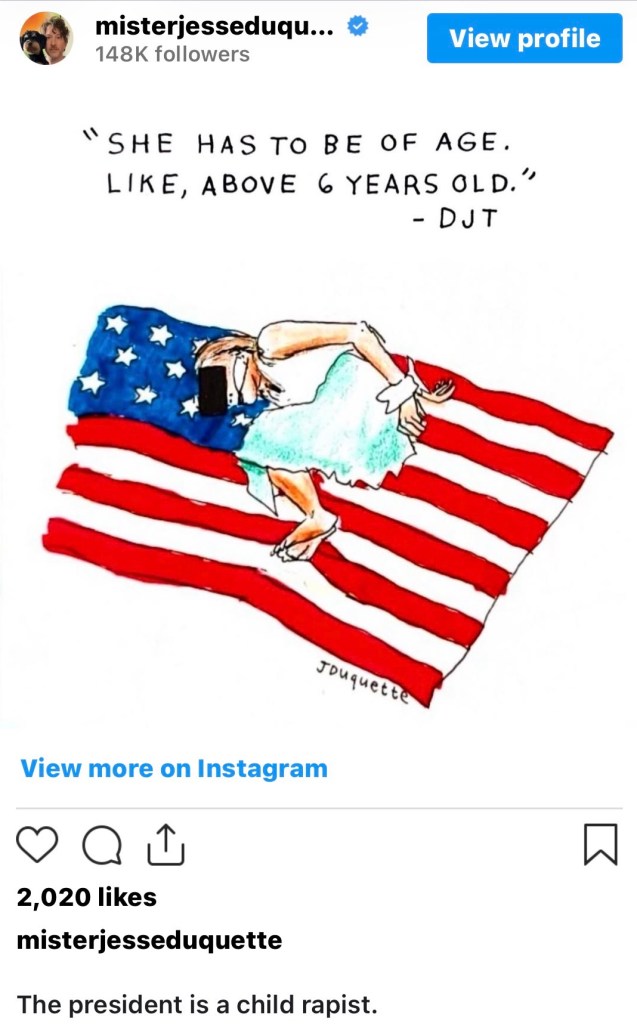
If you are wondering what the above cartoon is about…here is the explanation:
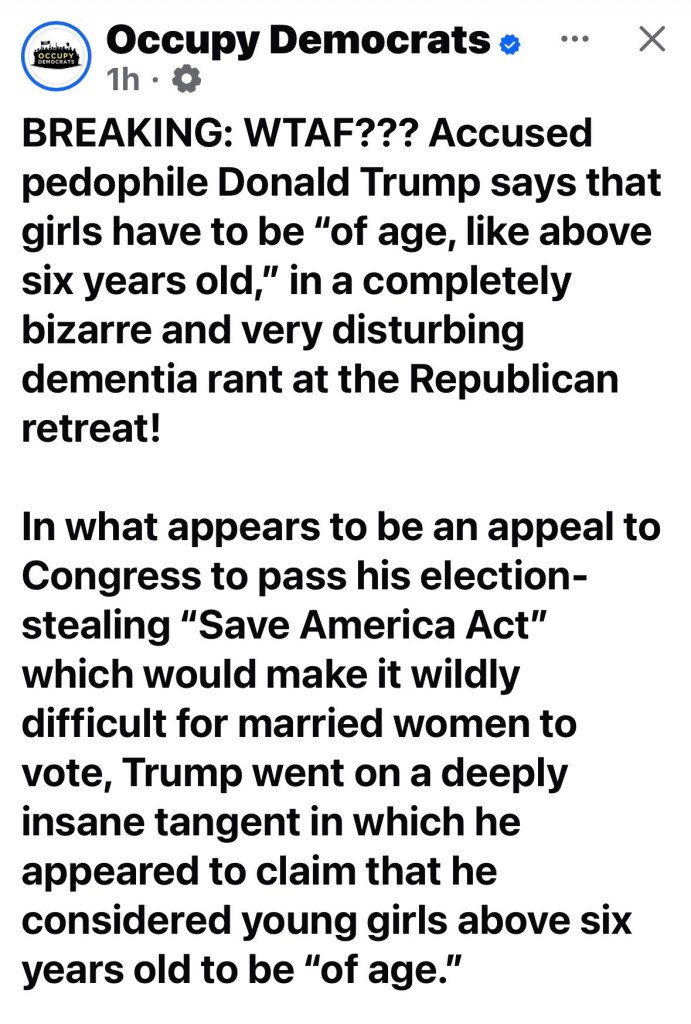
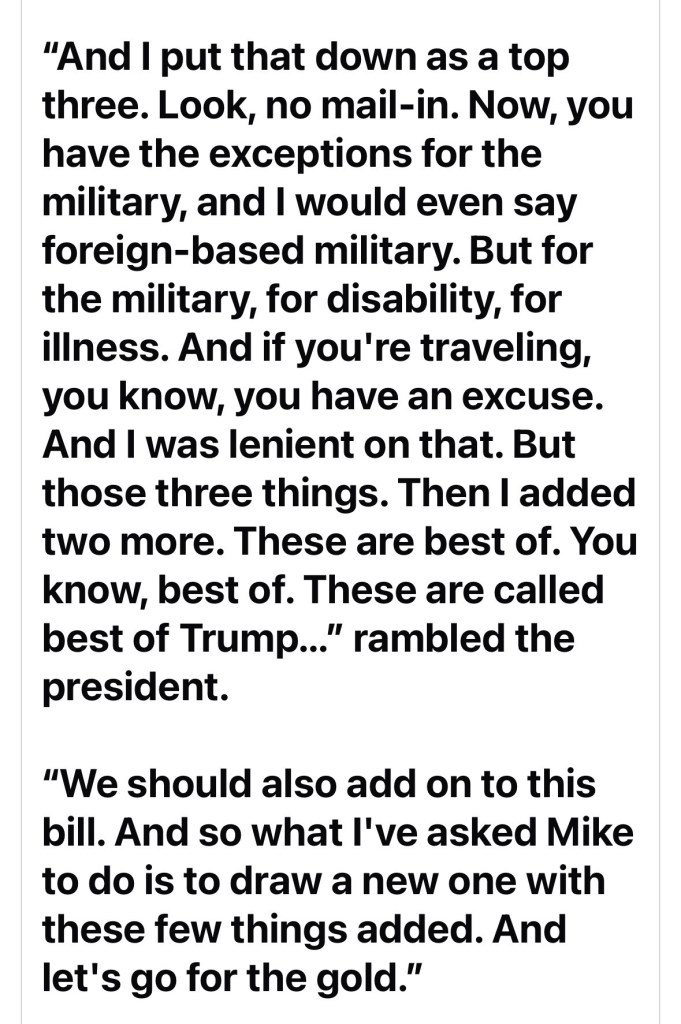
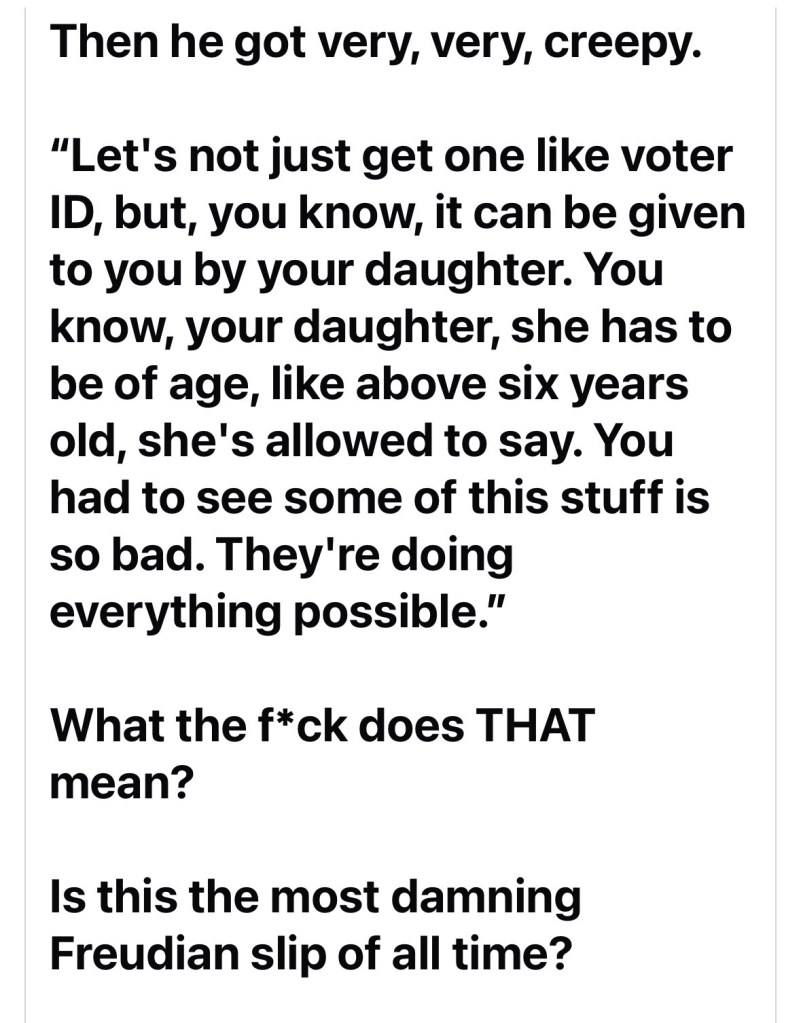


And here is the video of this fucking…whatever this is:
Trump is so disgusting.
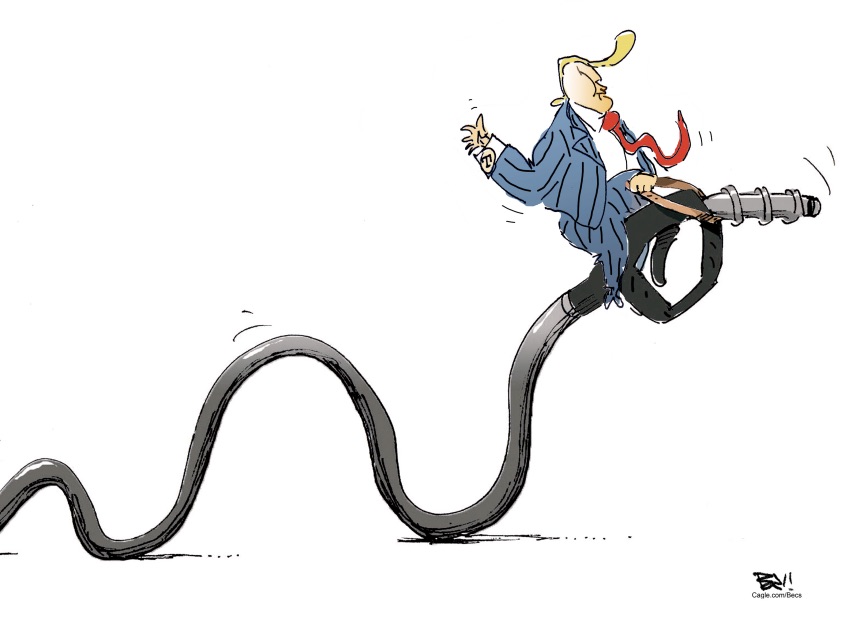
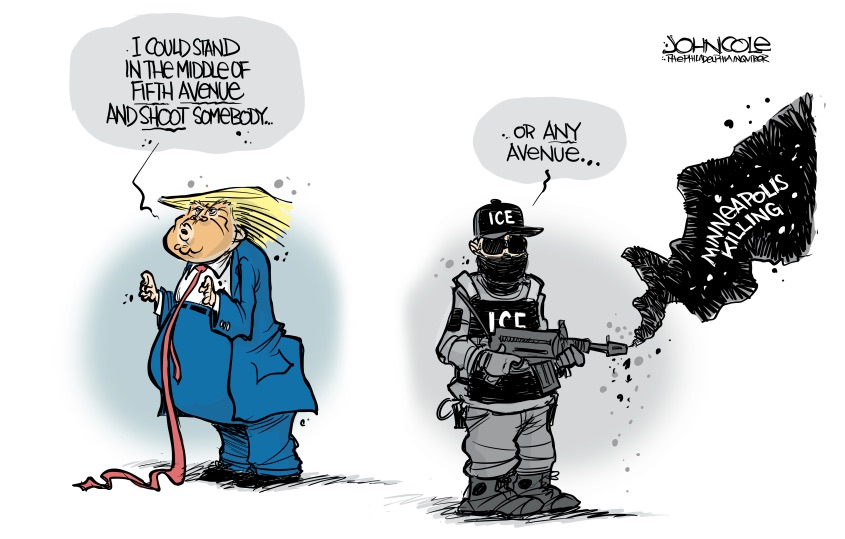
Cartoons via Cagle:










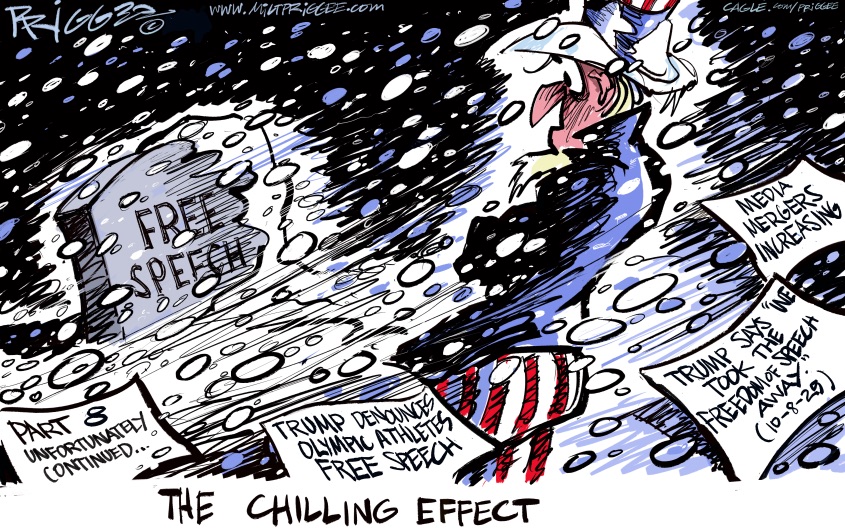
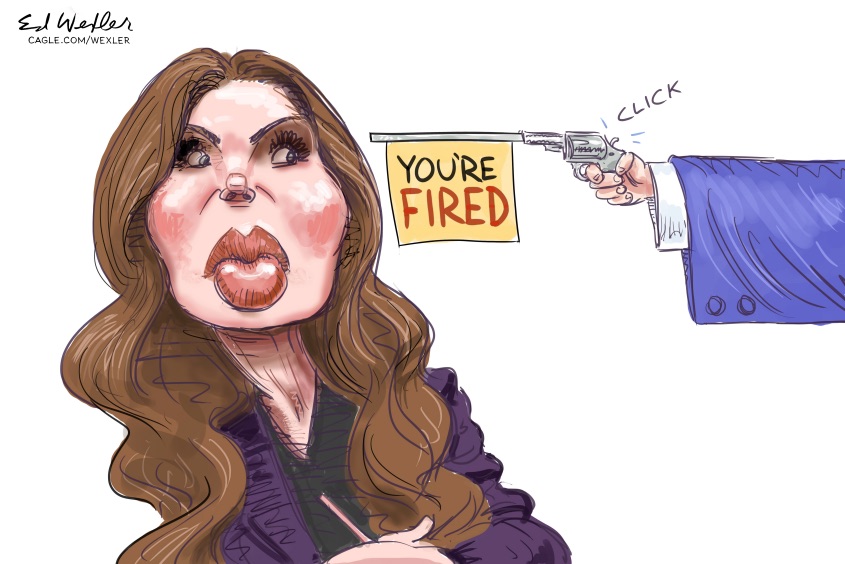
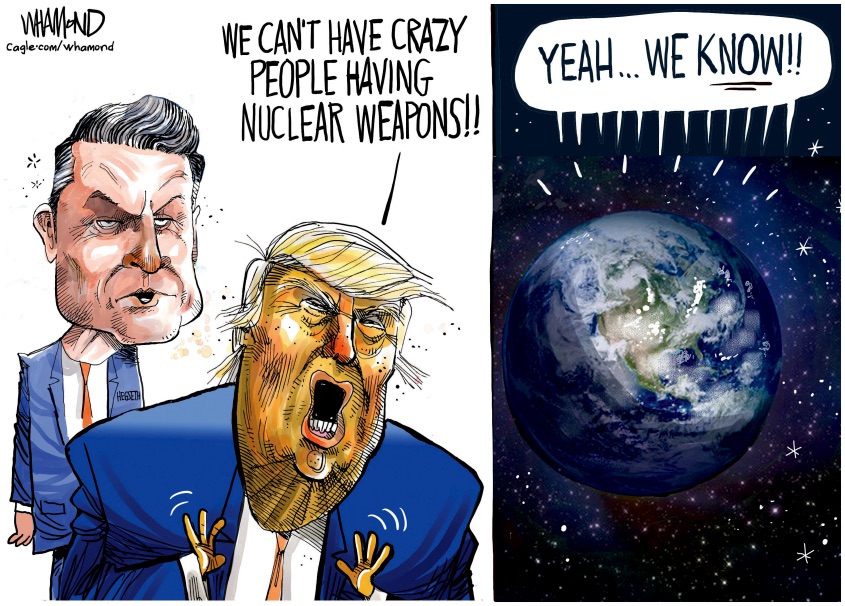
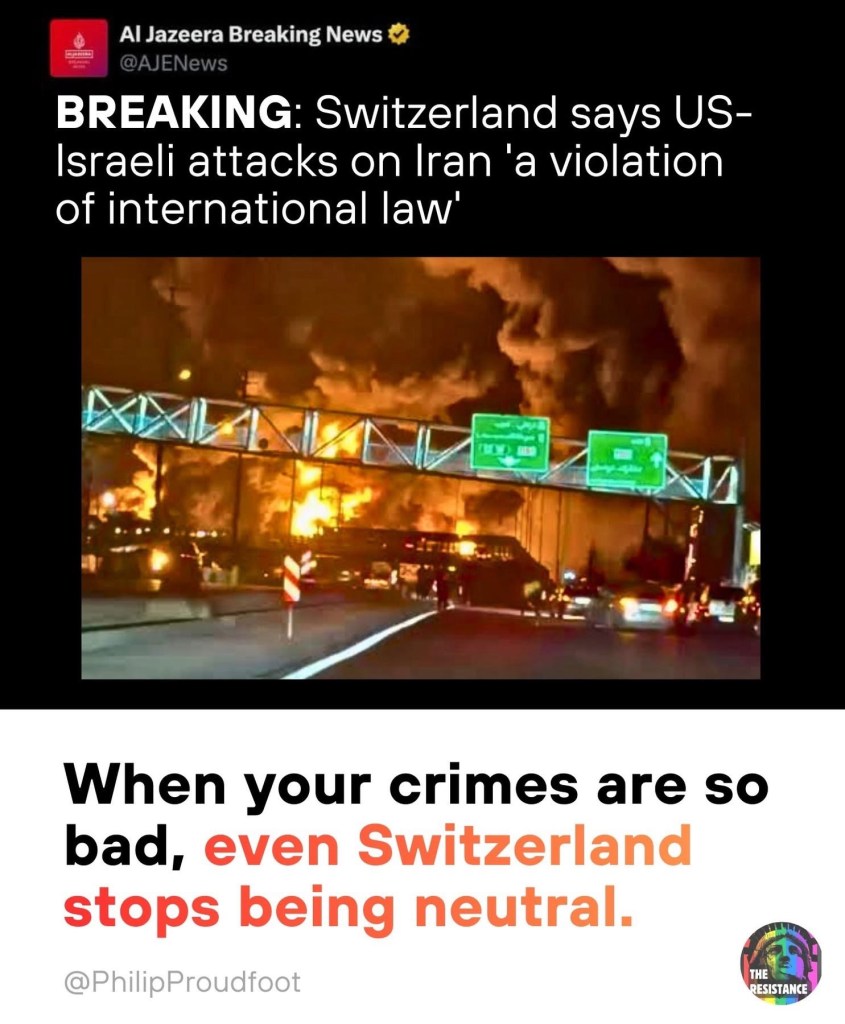



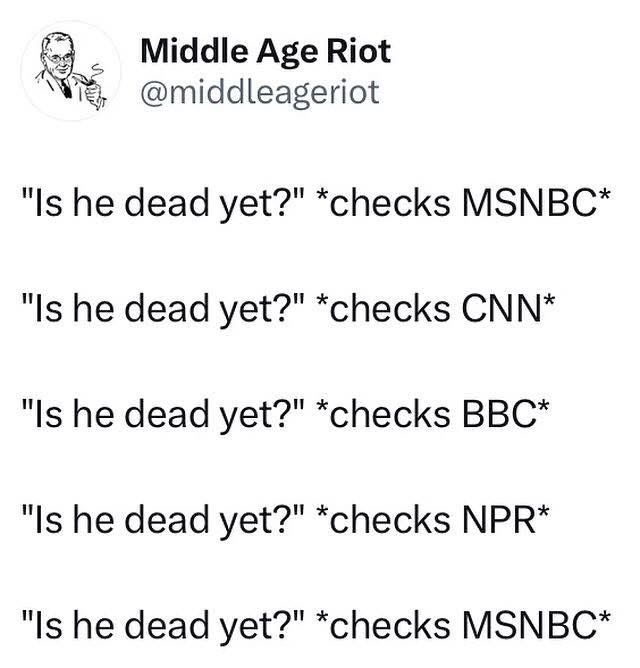
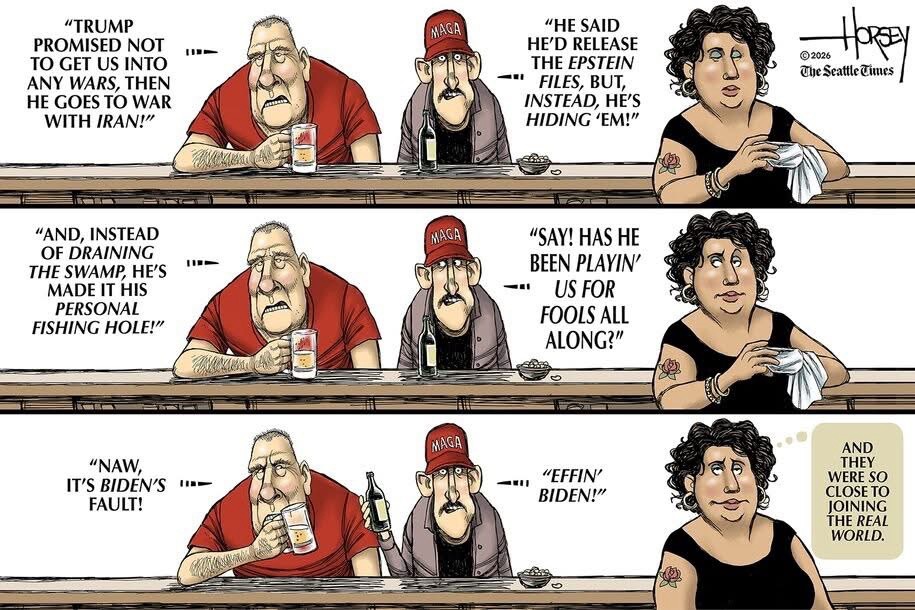
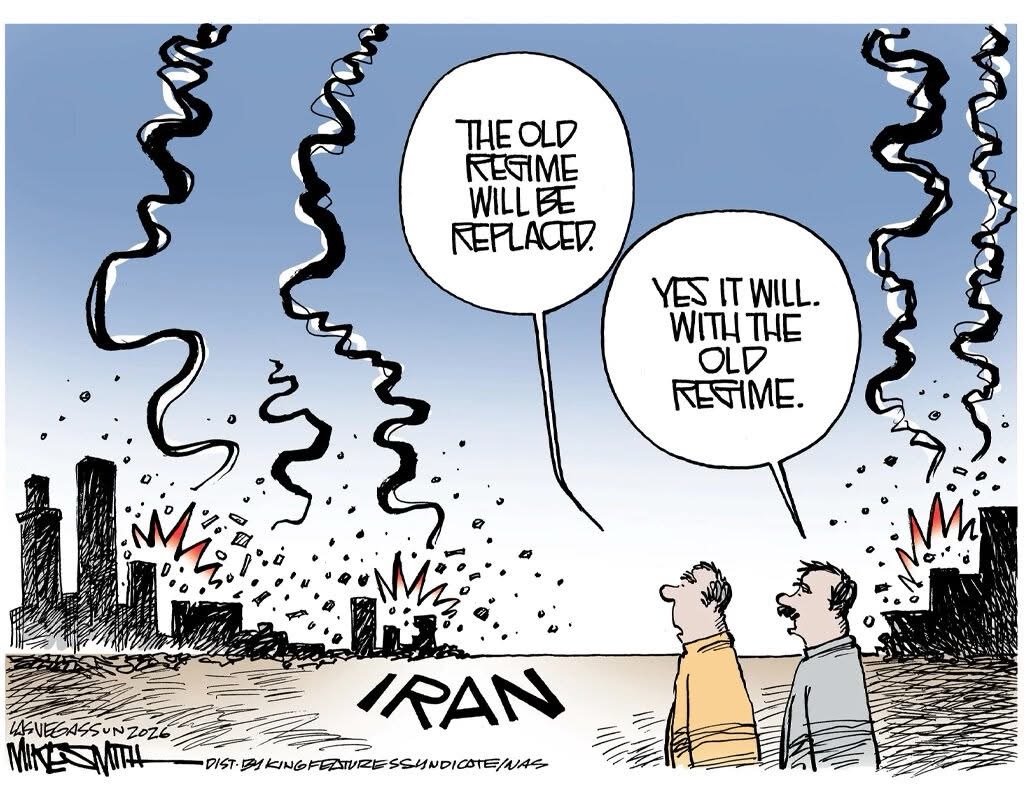
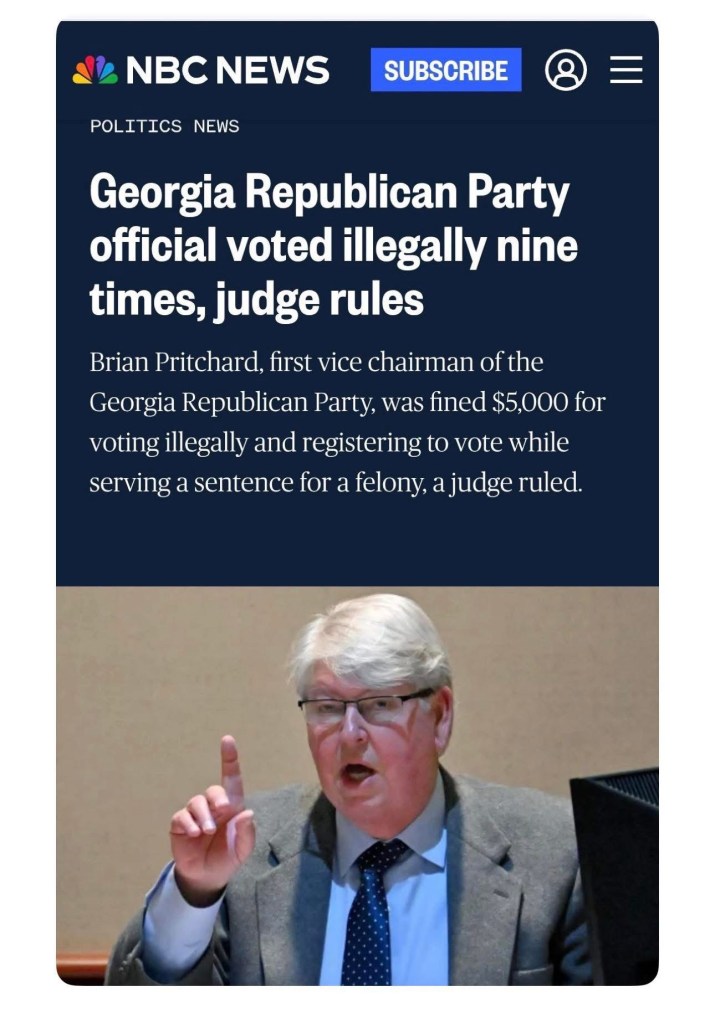


















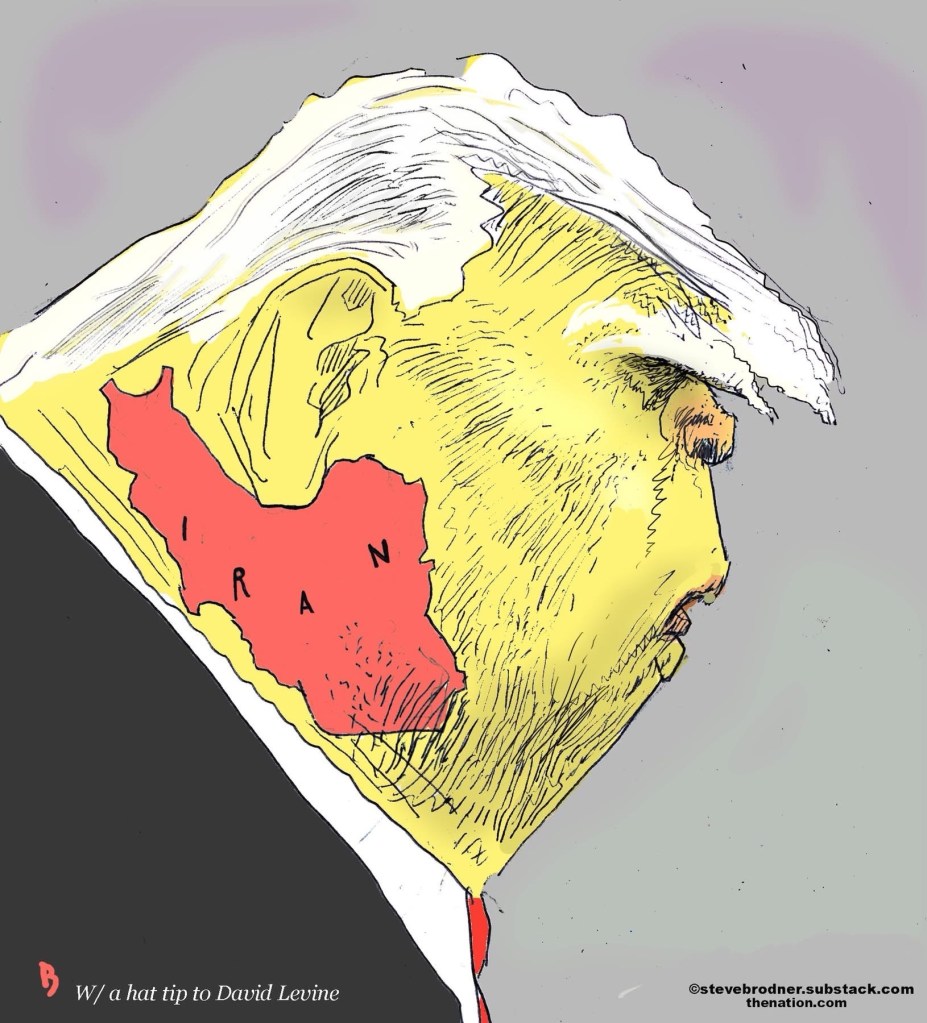
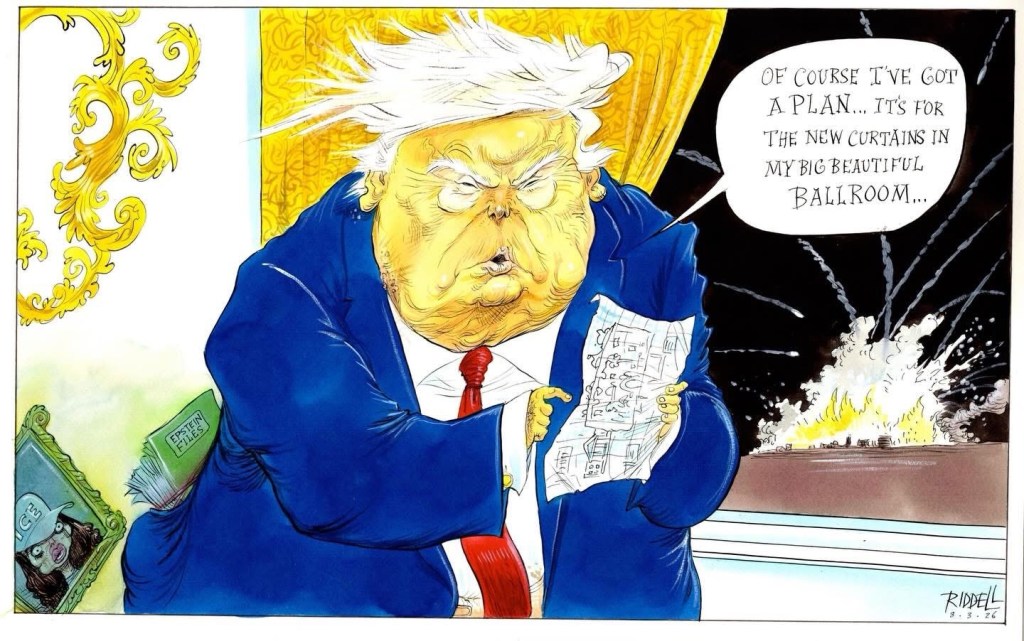
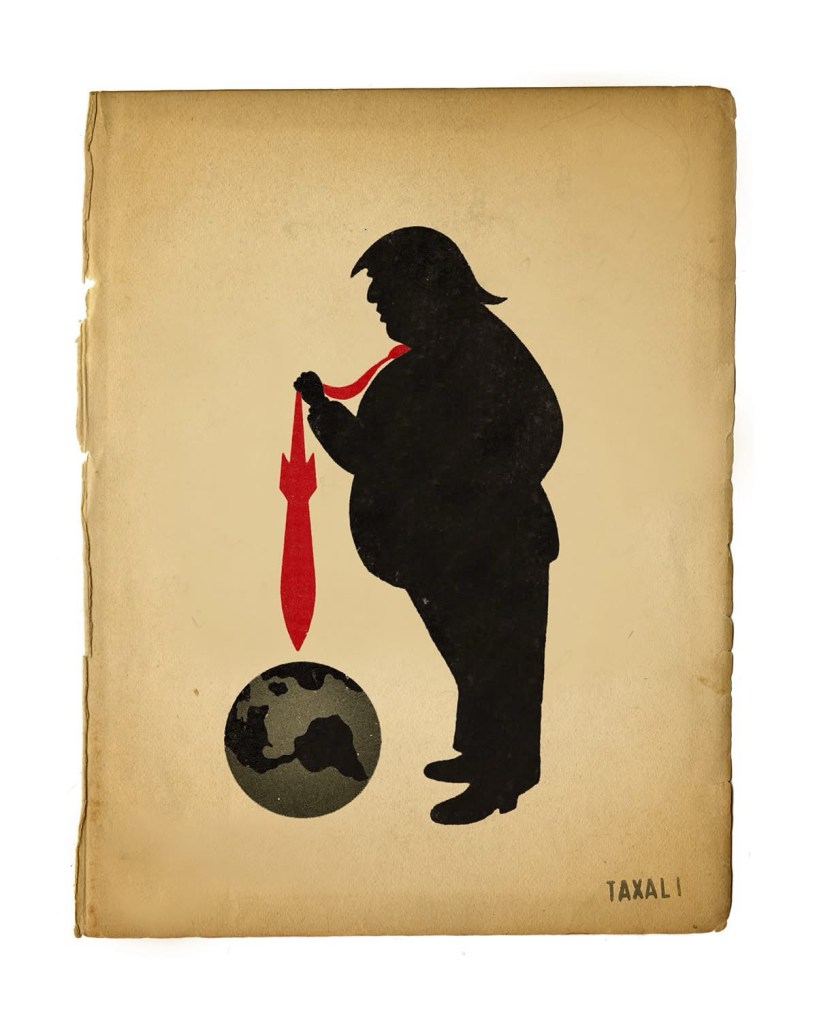
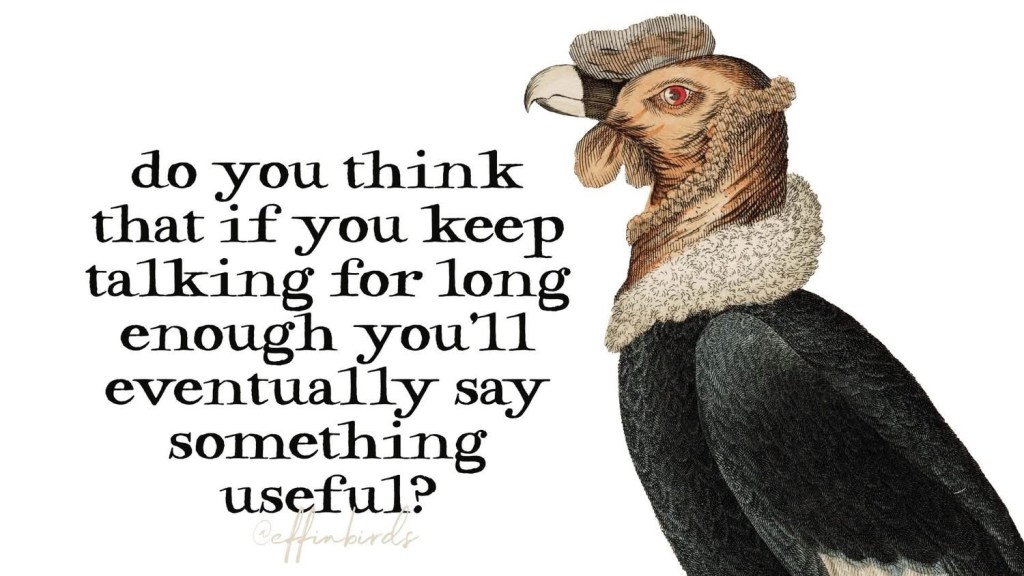




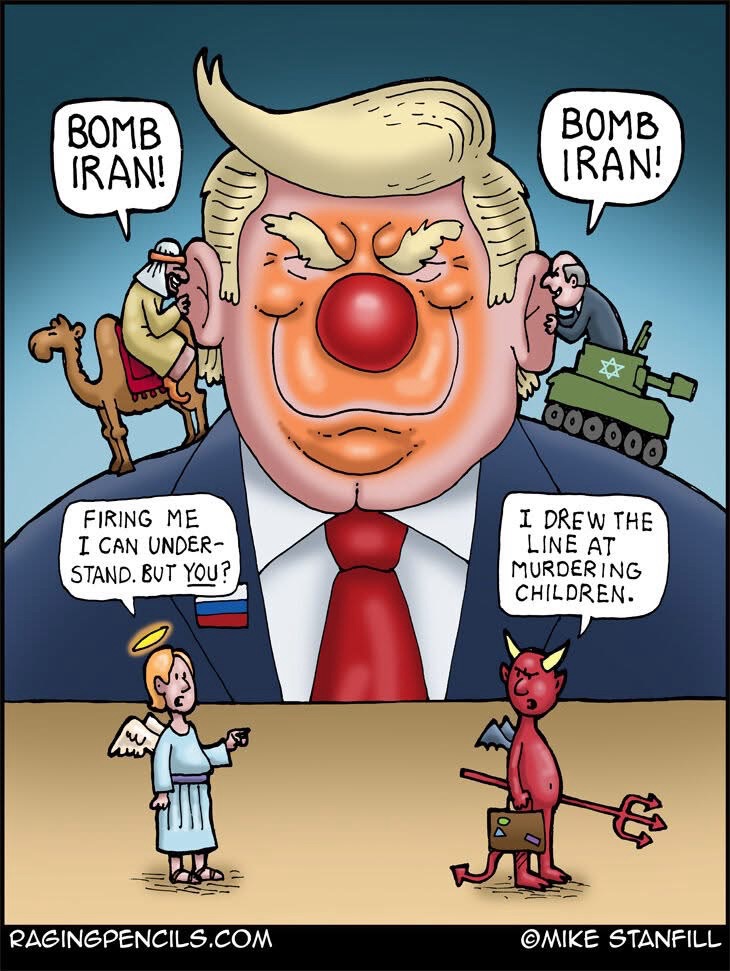
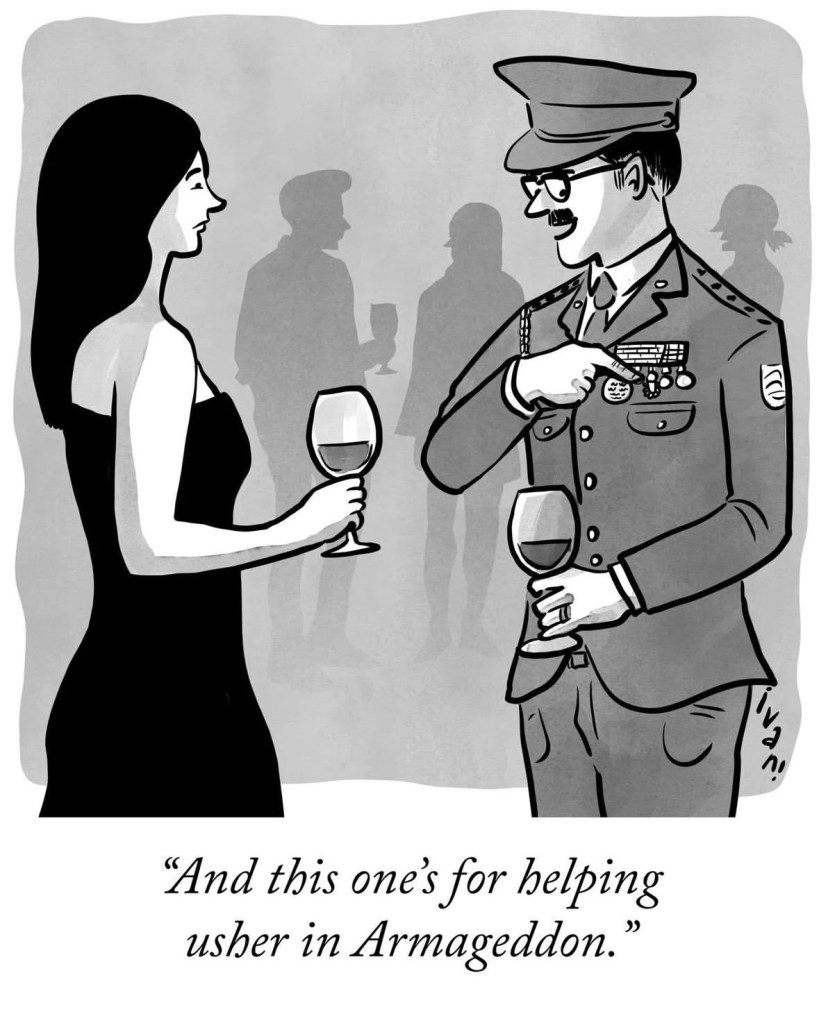
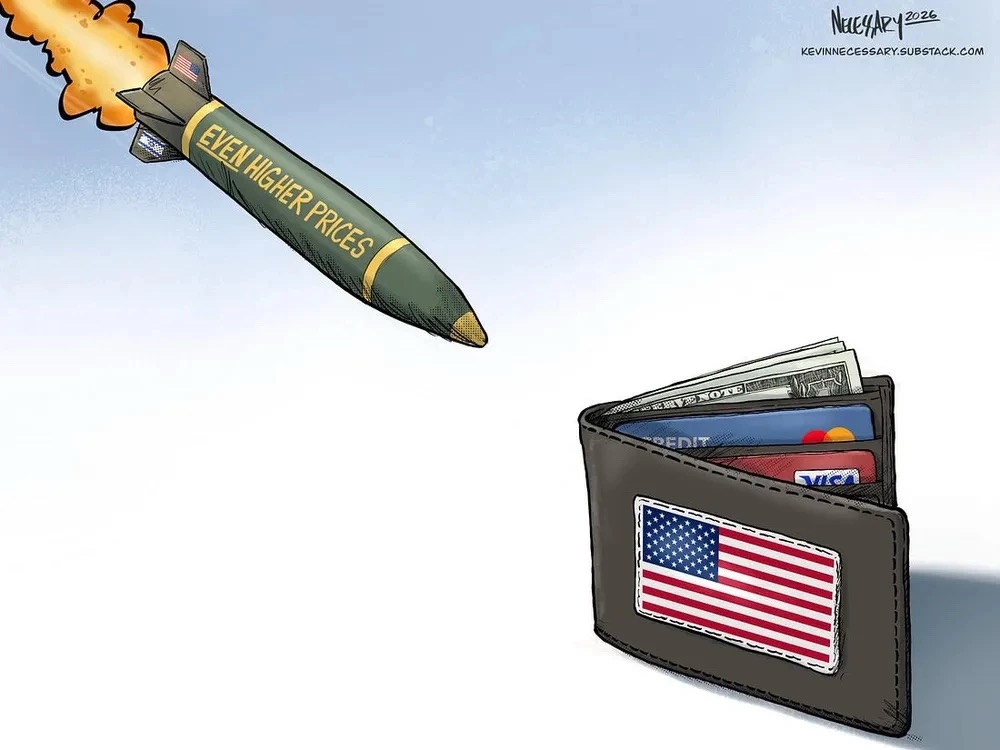
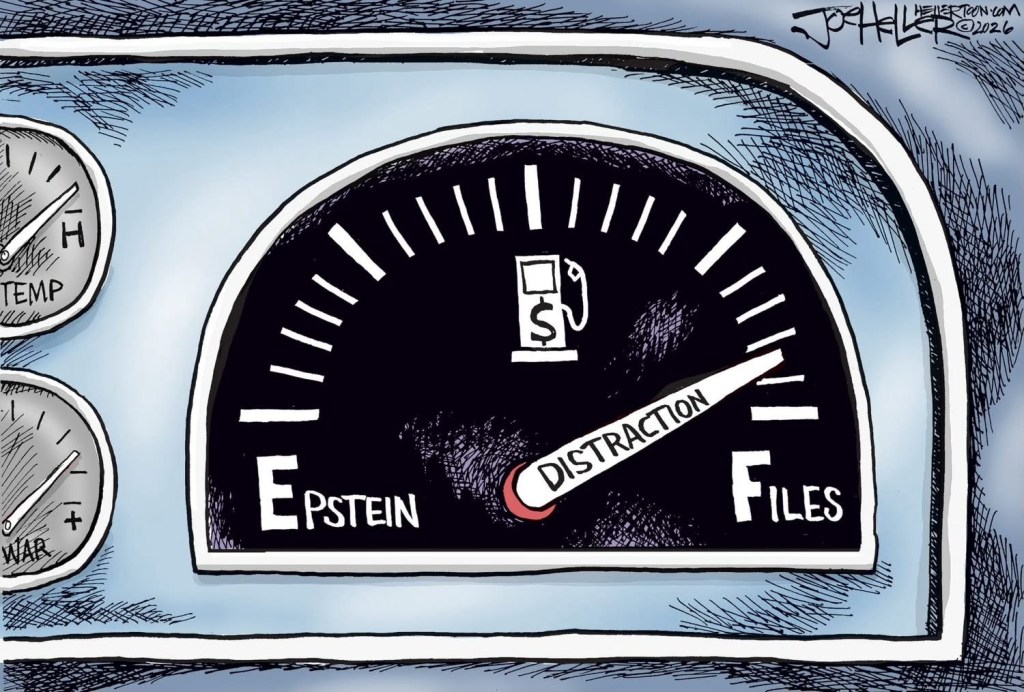
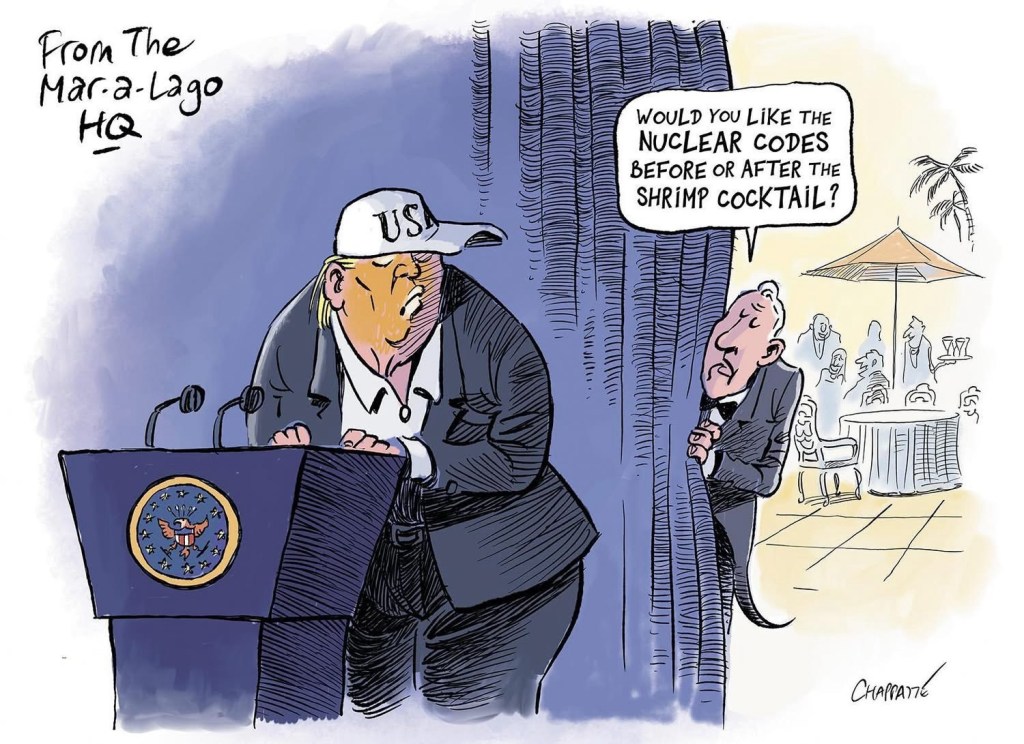
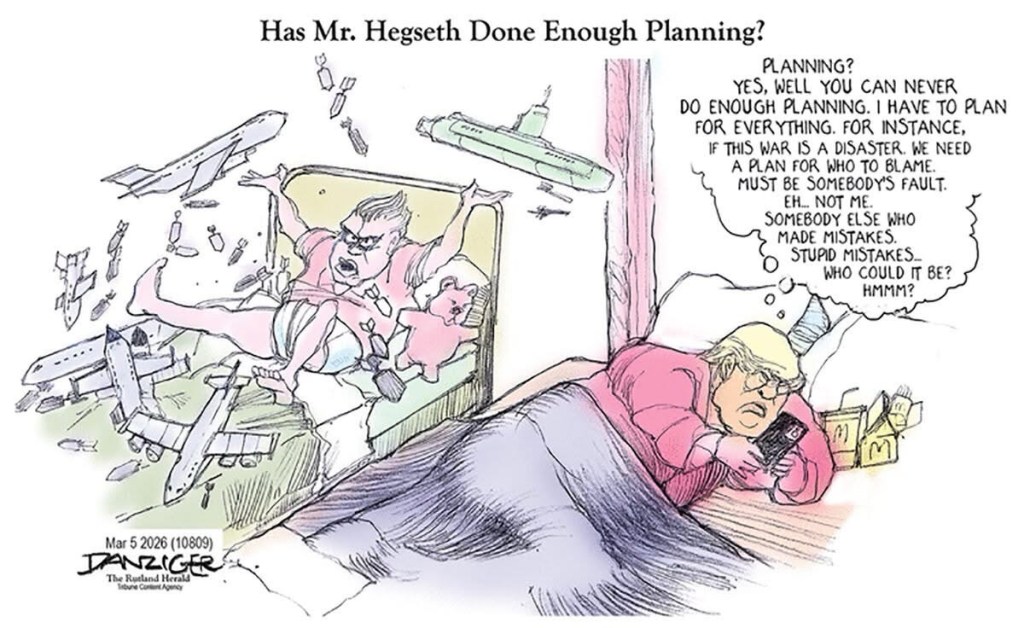
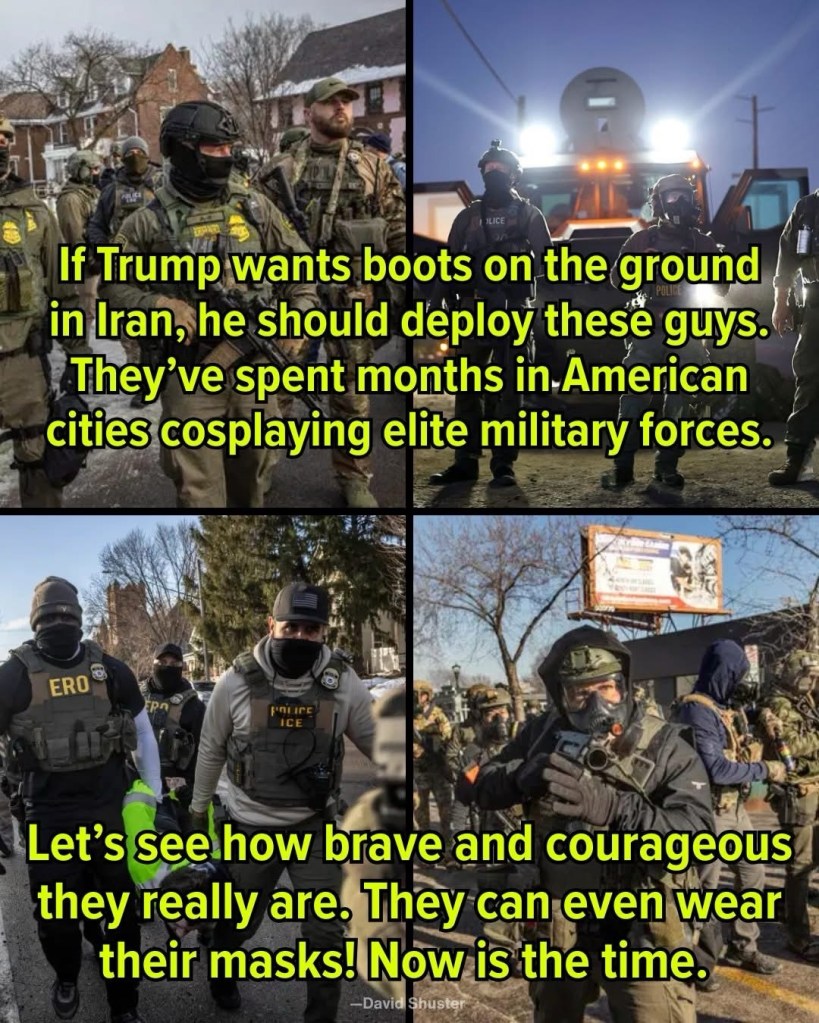
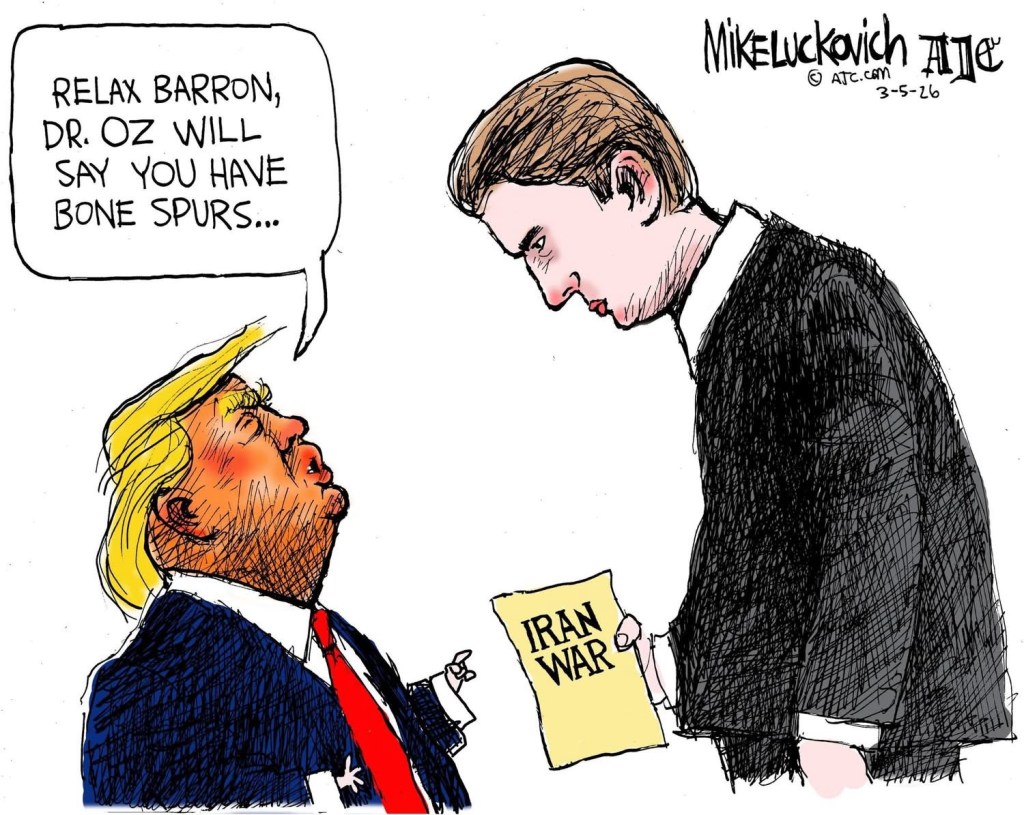
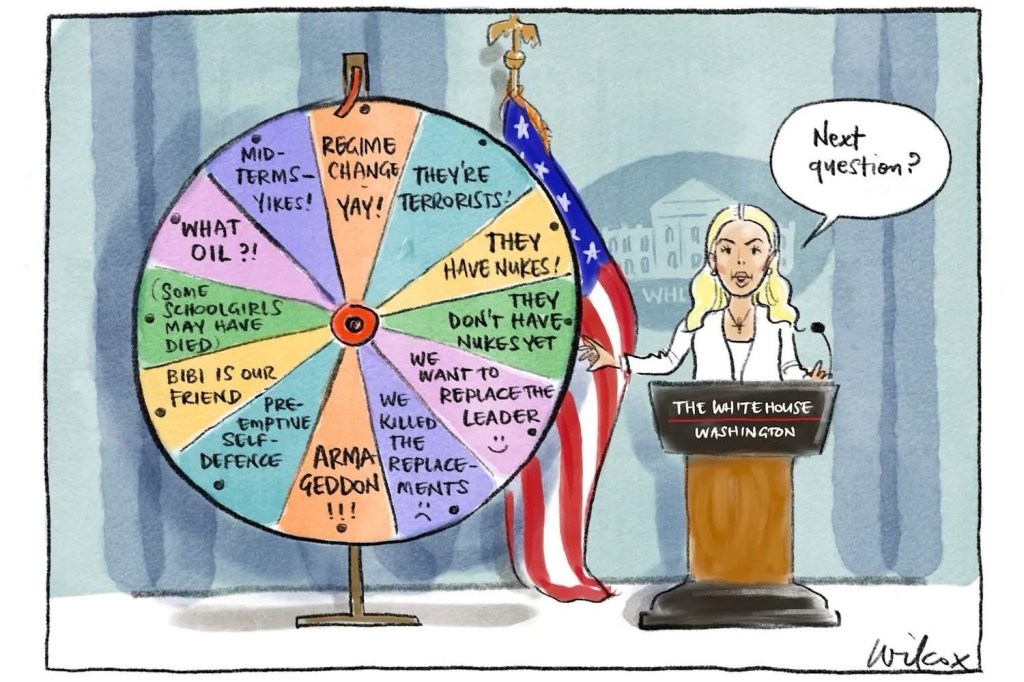
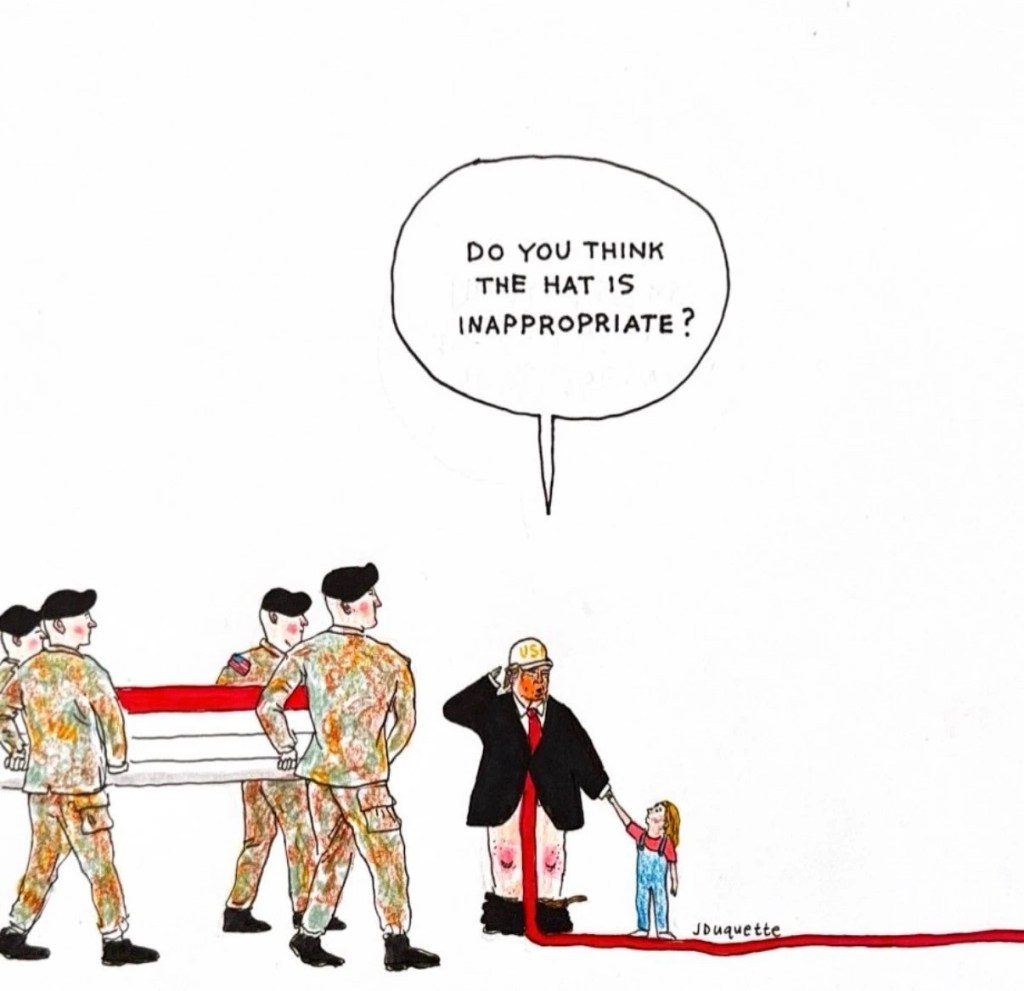
Stay safe out there…
Sunday Political Cartoons: Aaack
Posted: March 8, 2026 Filed under: just because 7 Comments
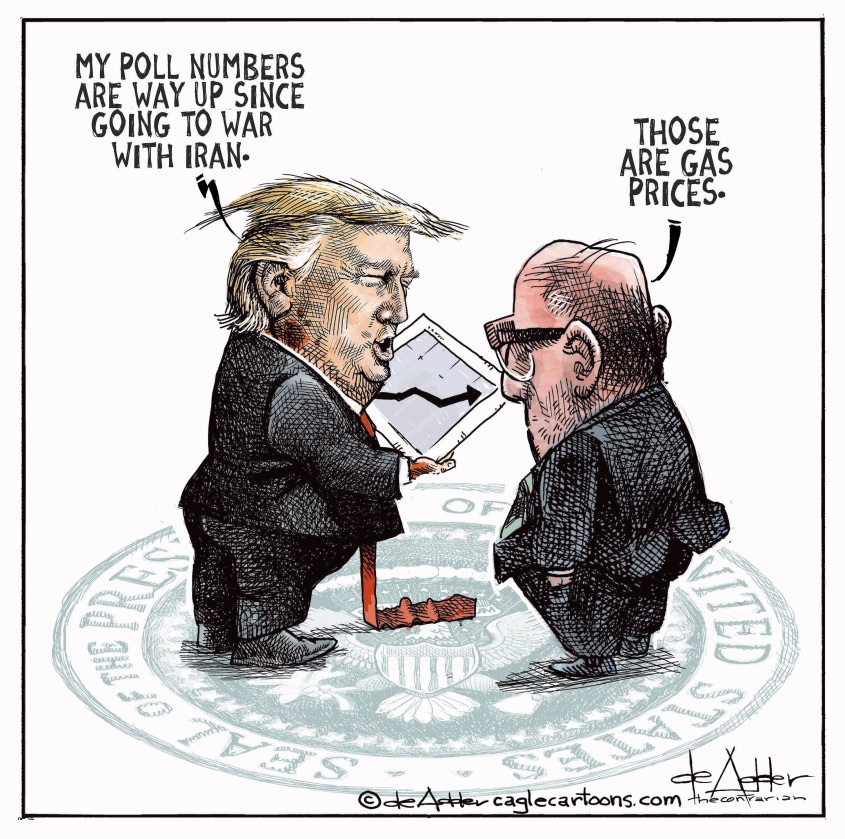
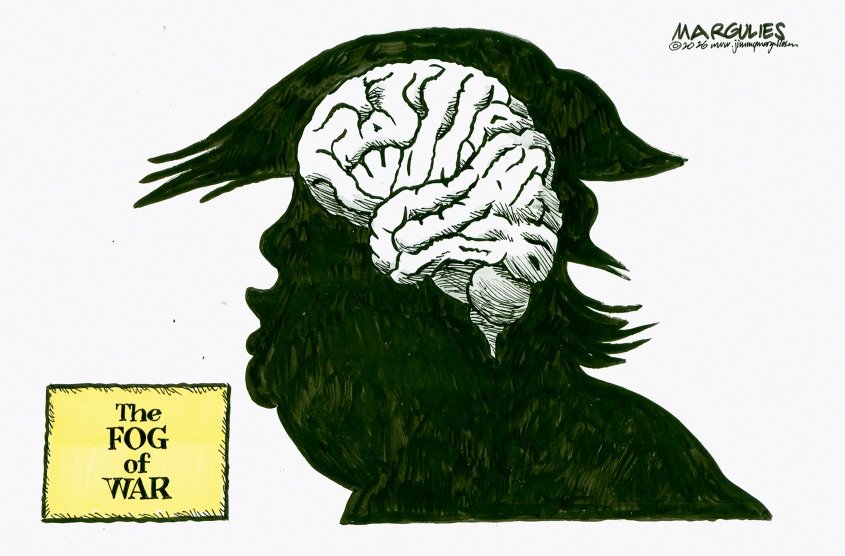
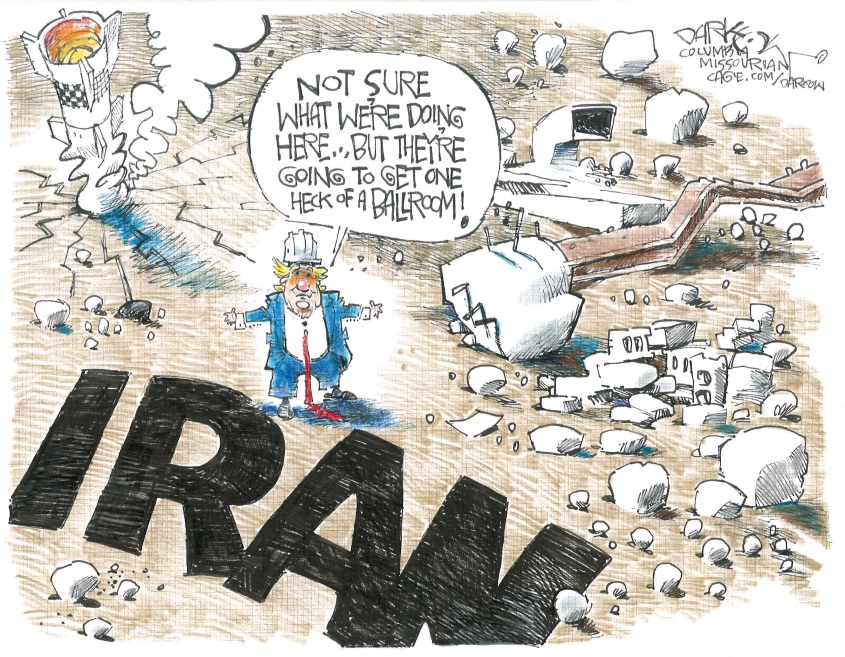
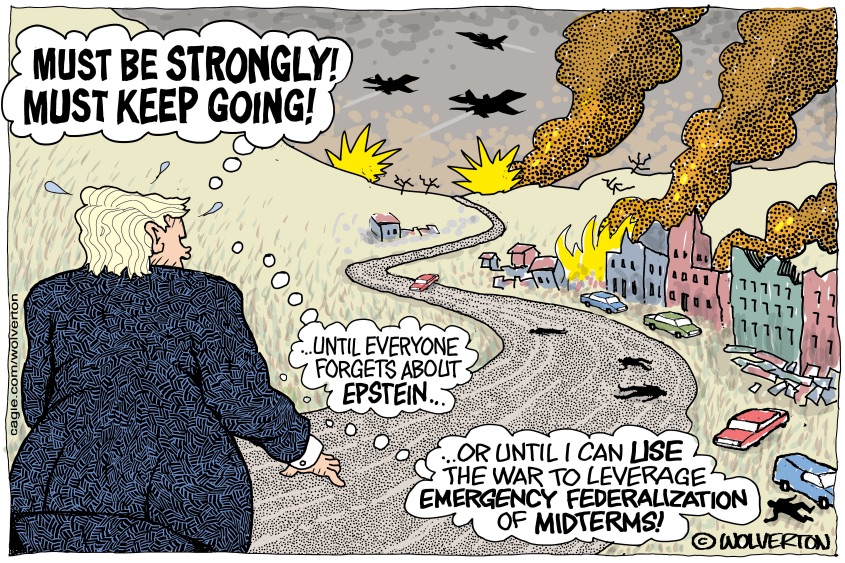
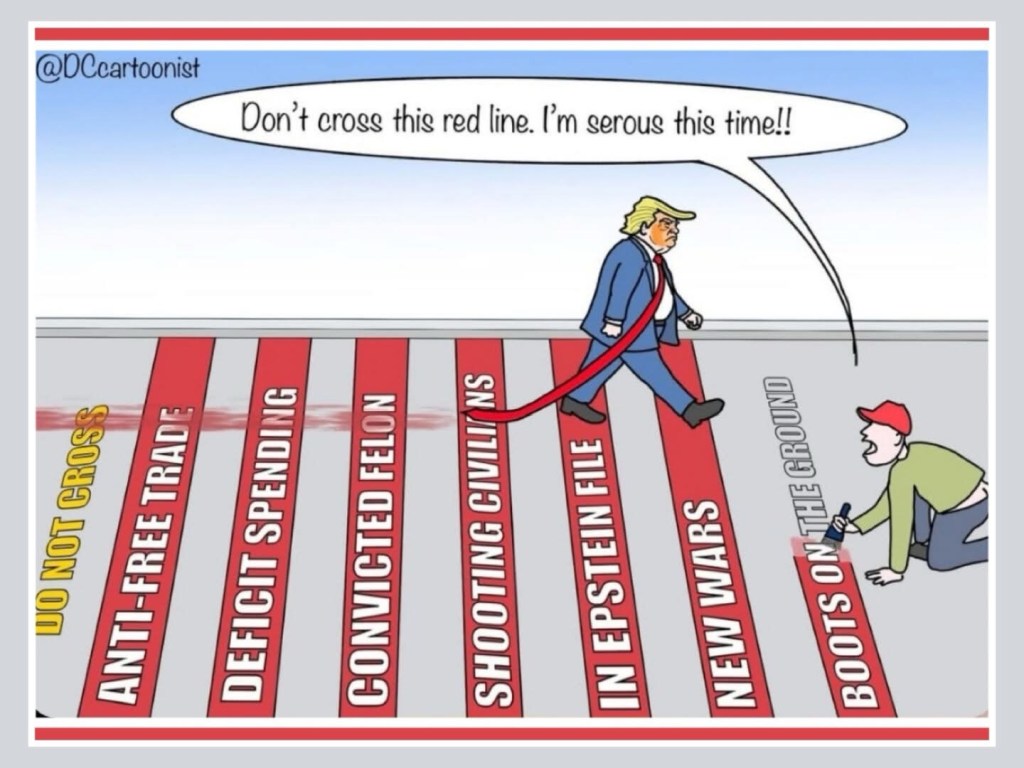
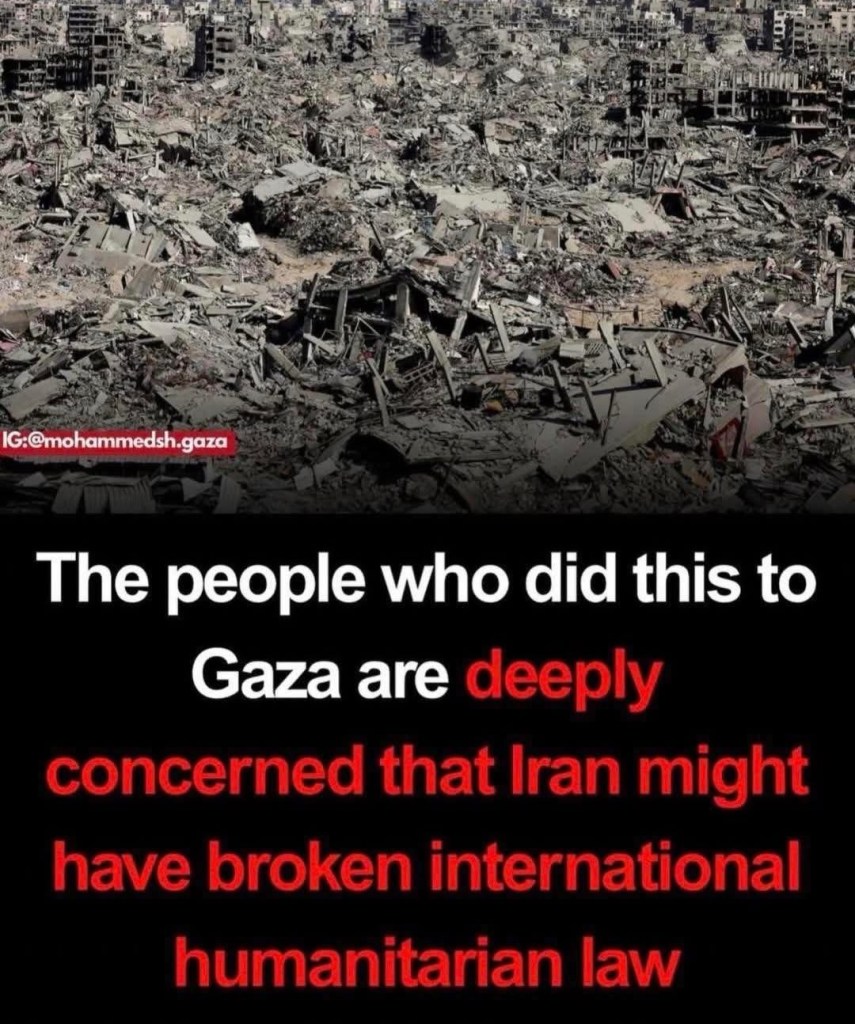
Don’t know about you all, but I am spitting mad…at Trump. I mean, more mad than usual.
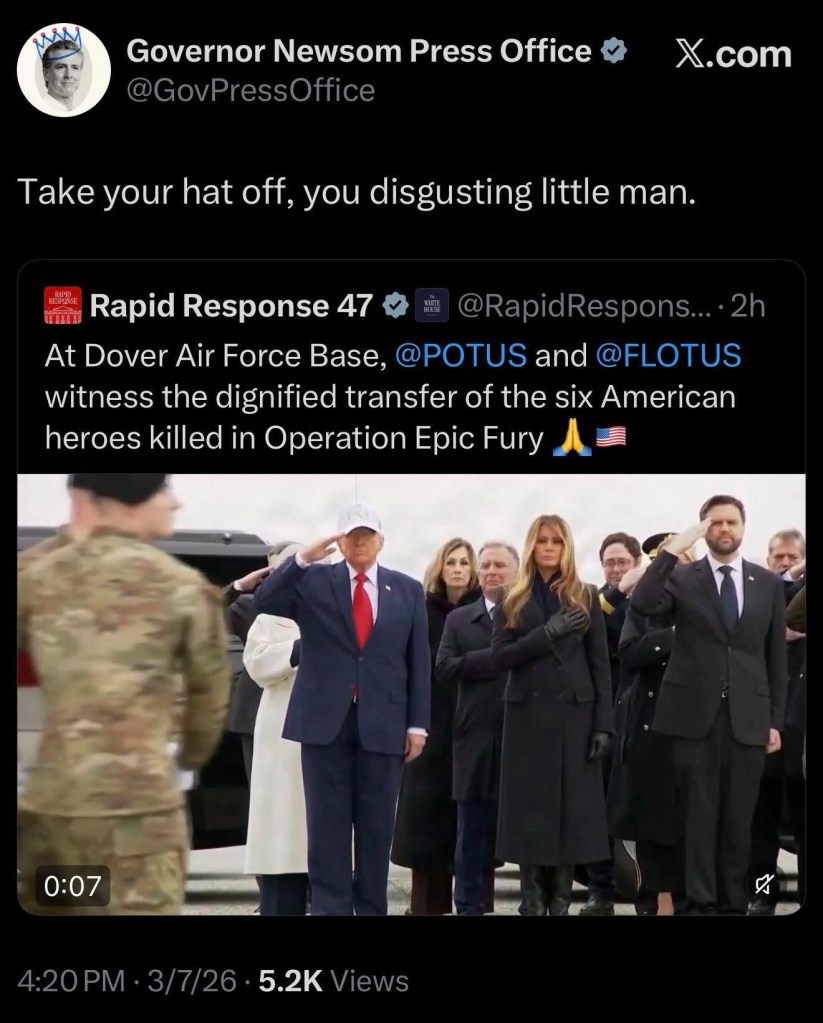
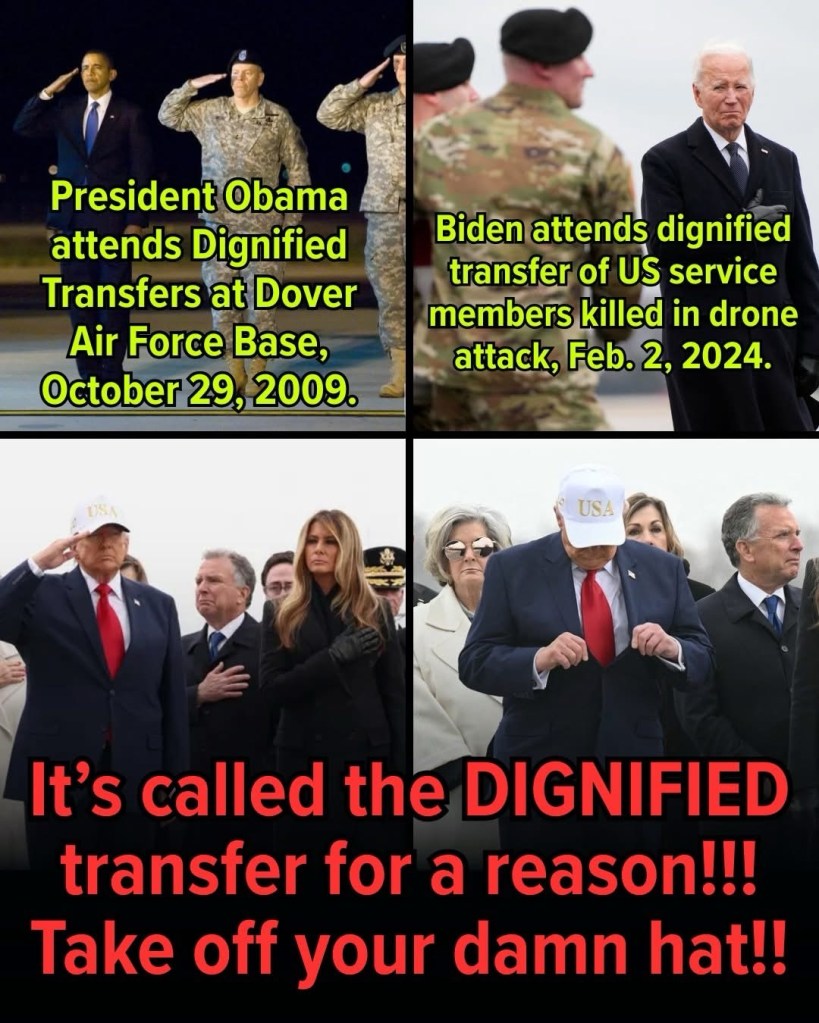
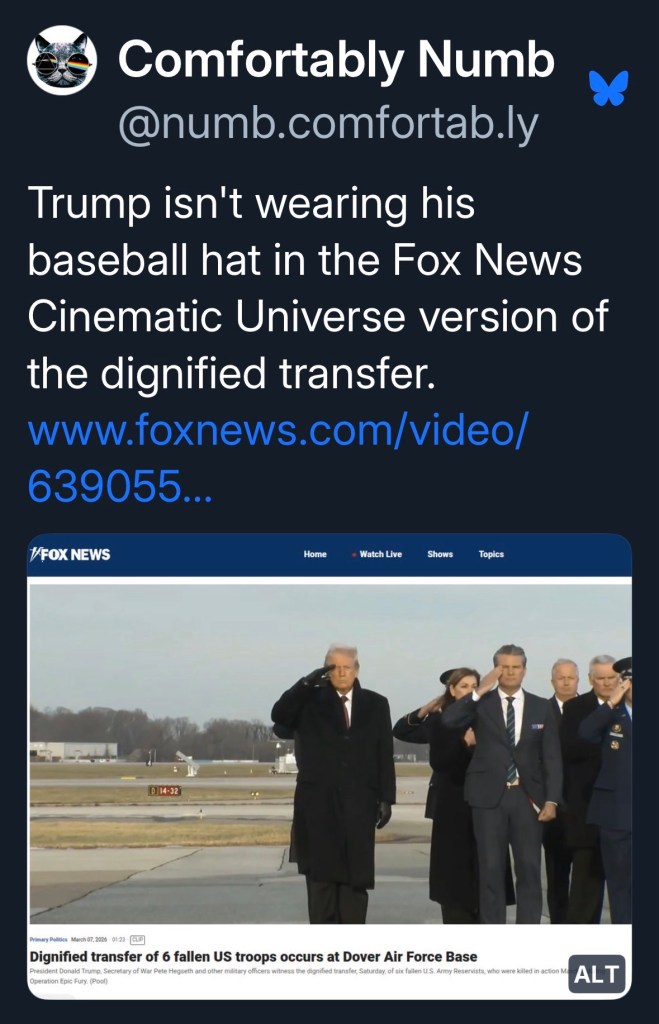
Cartoons via Cagle:
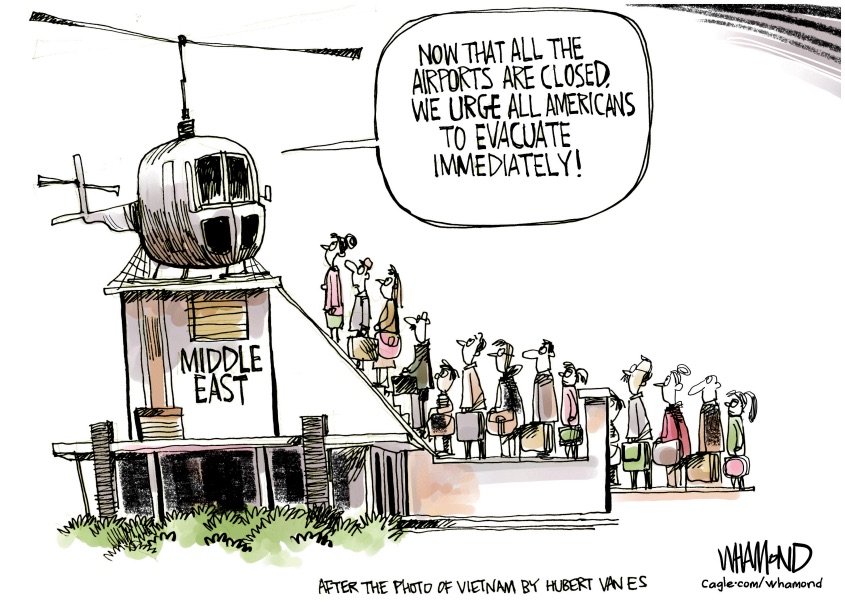
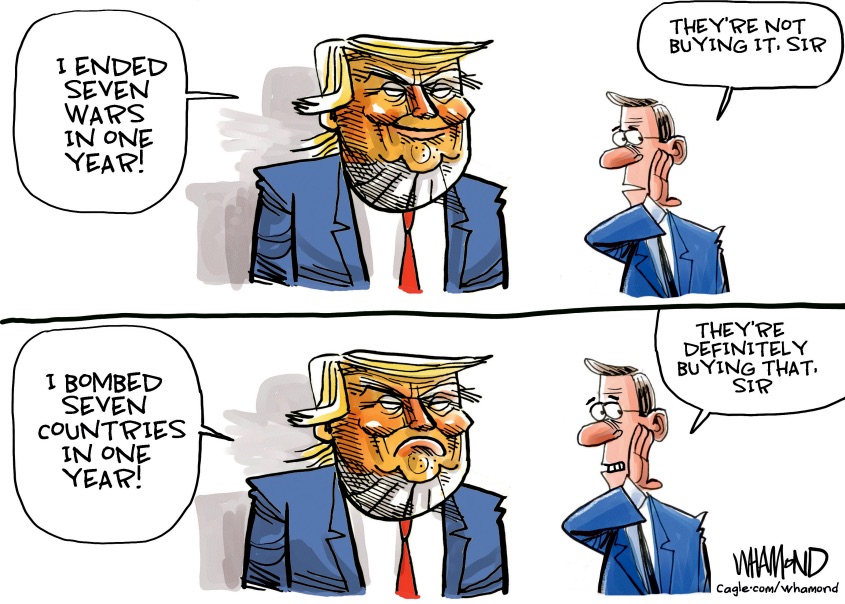
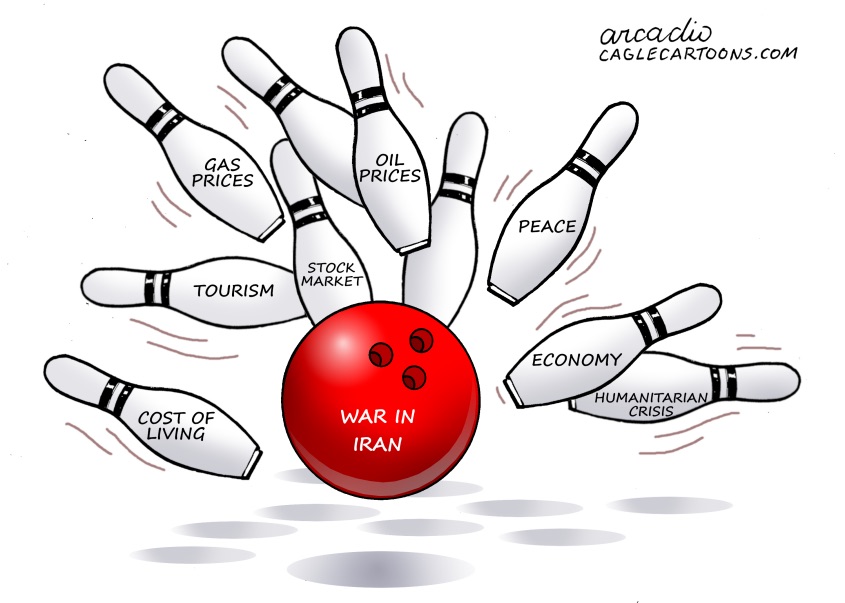
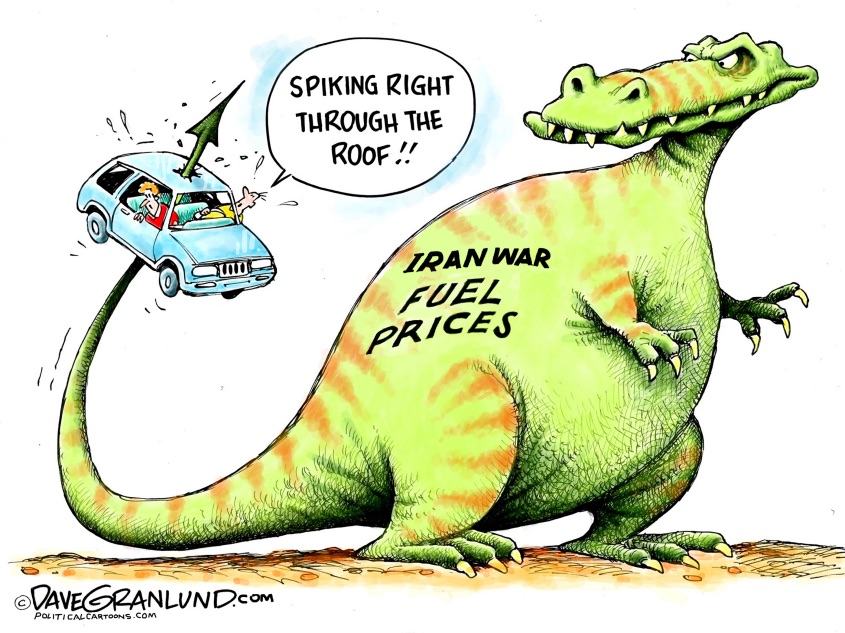
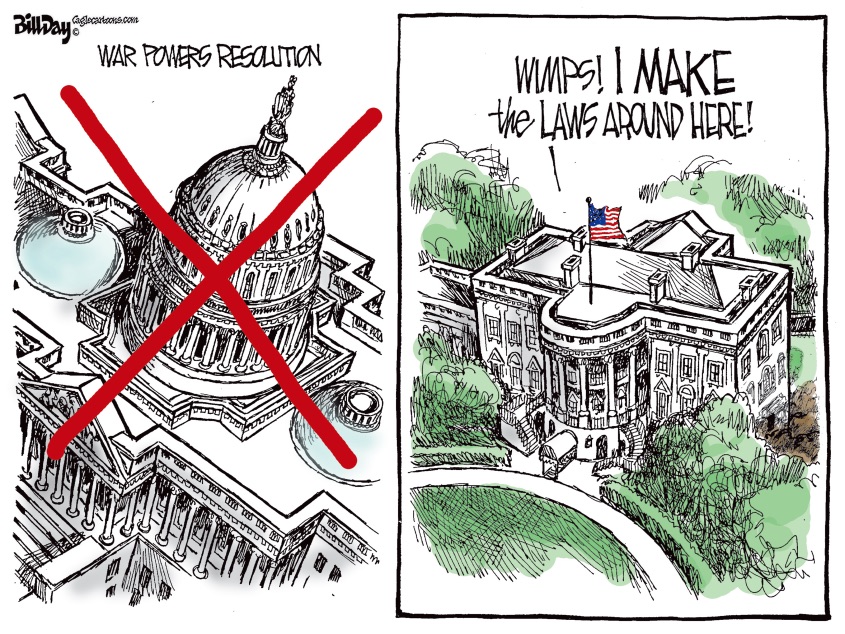
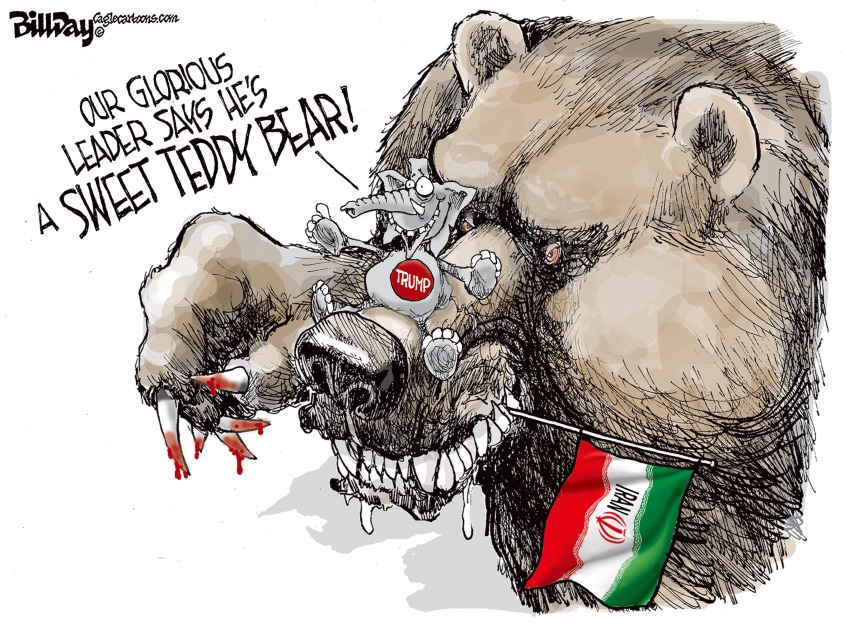
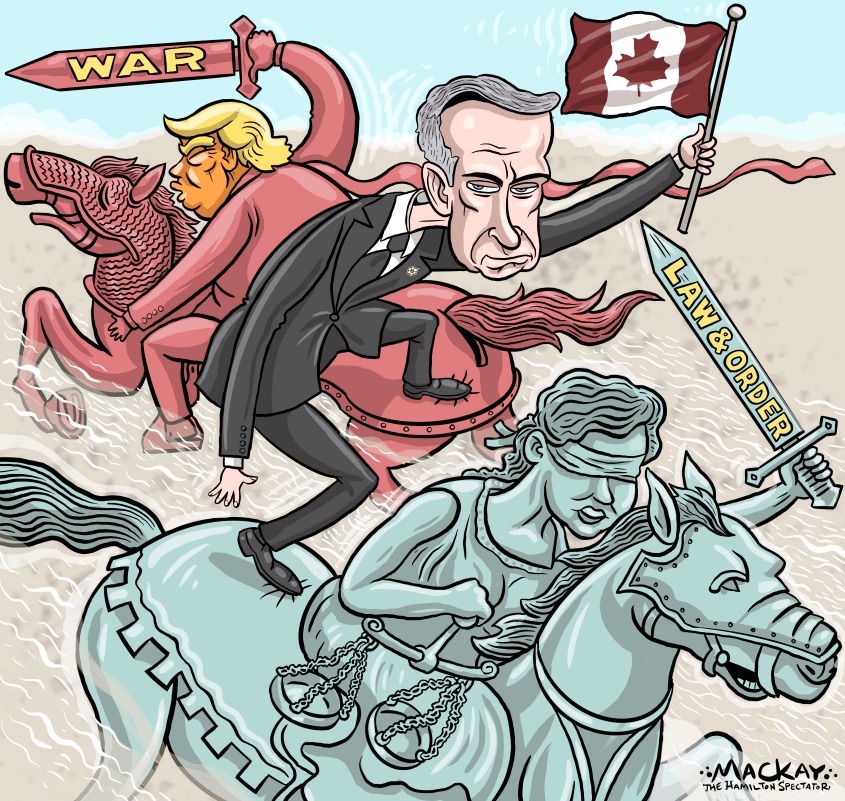


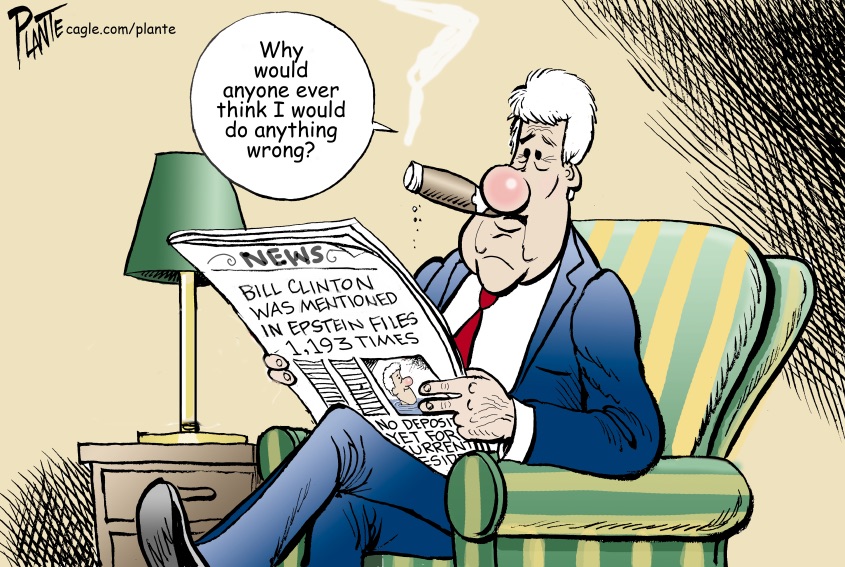
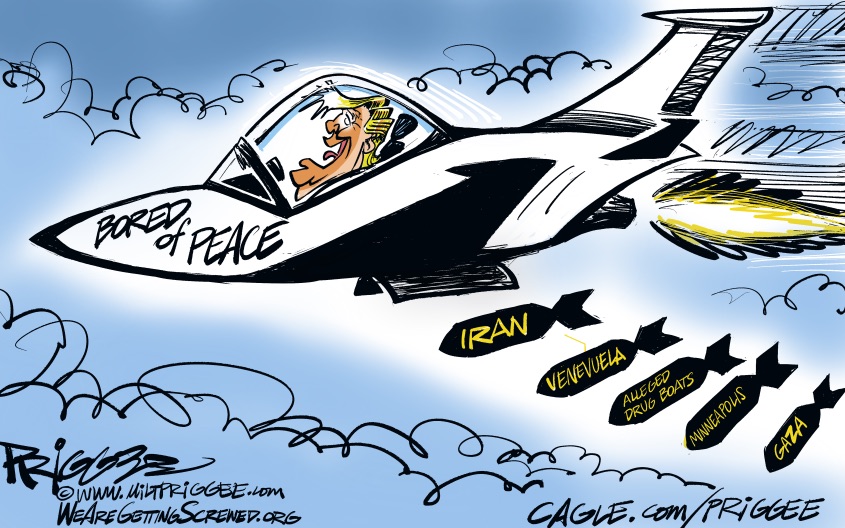
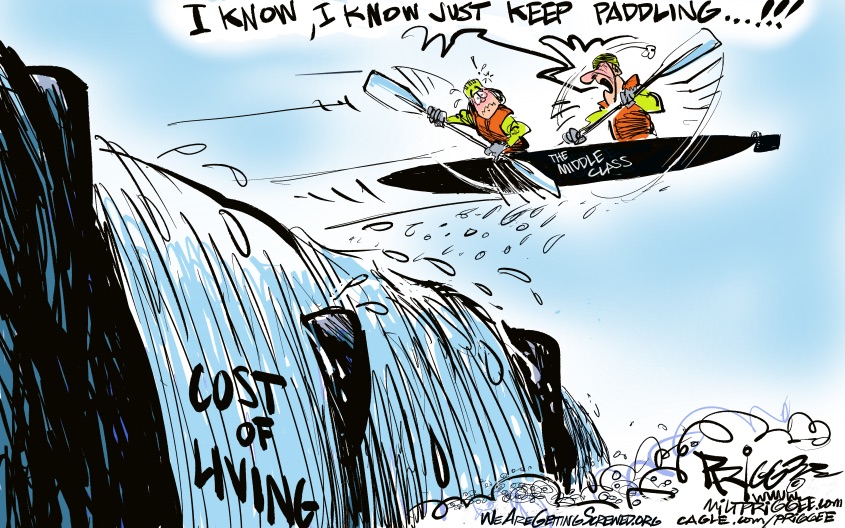
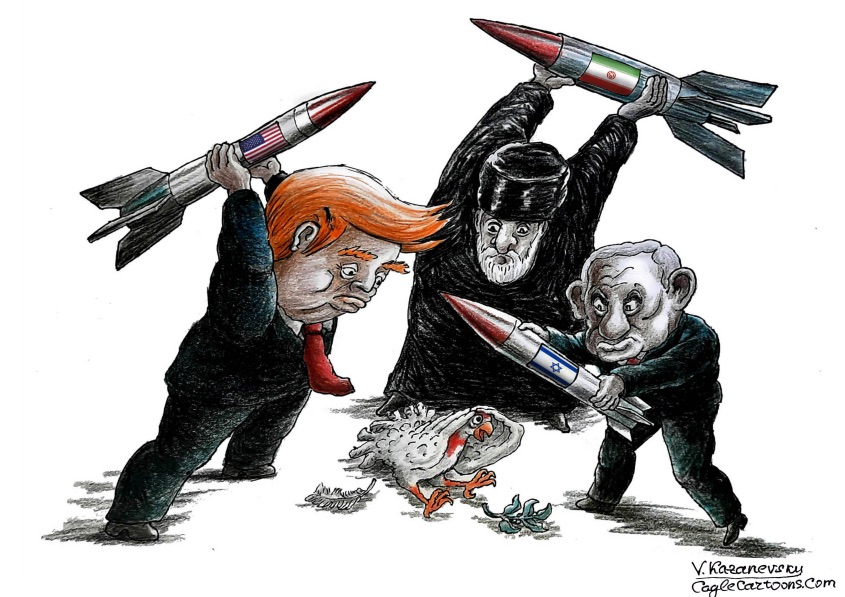
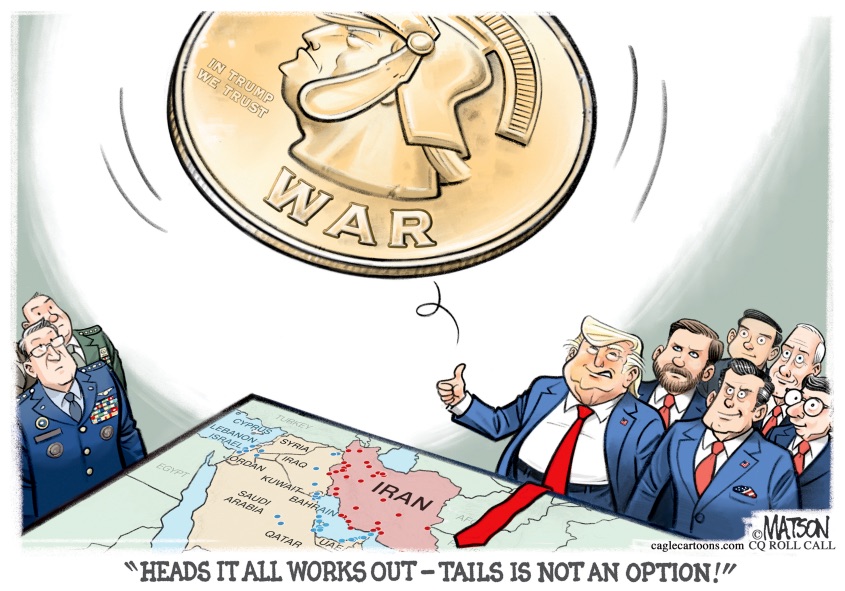
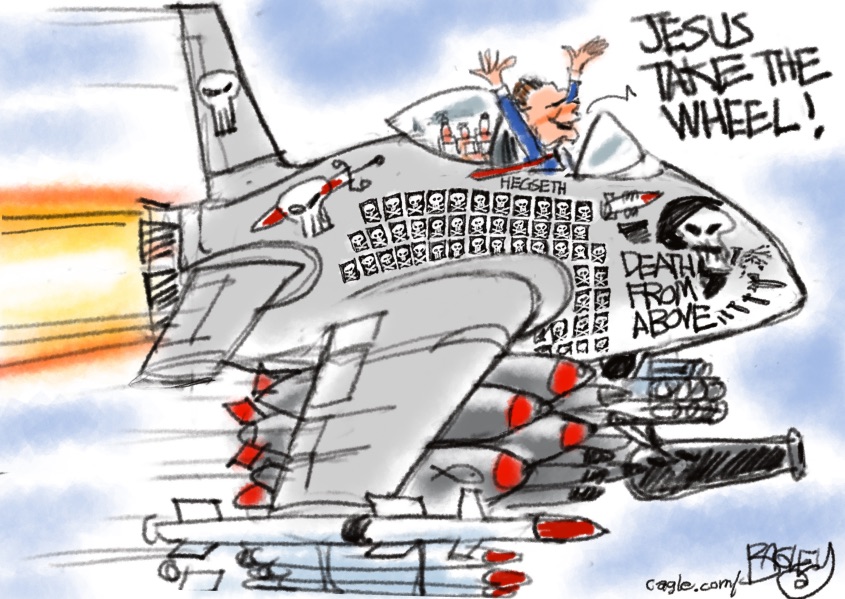
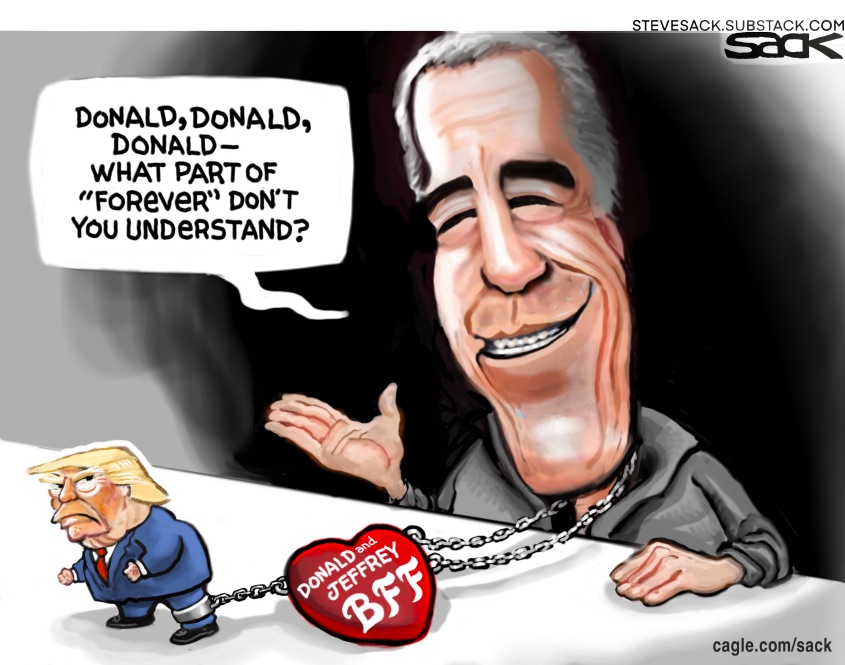
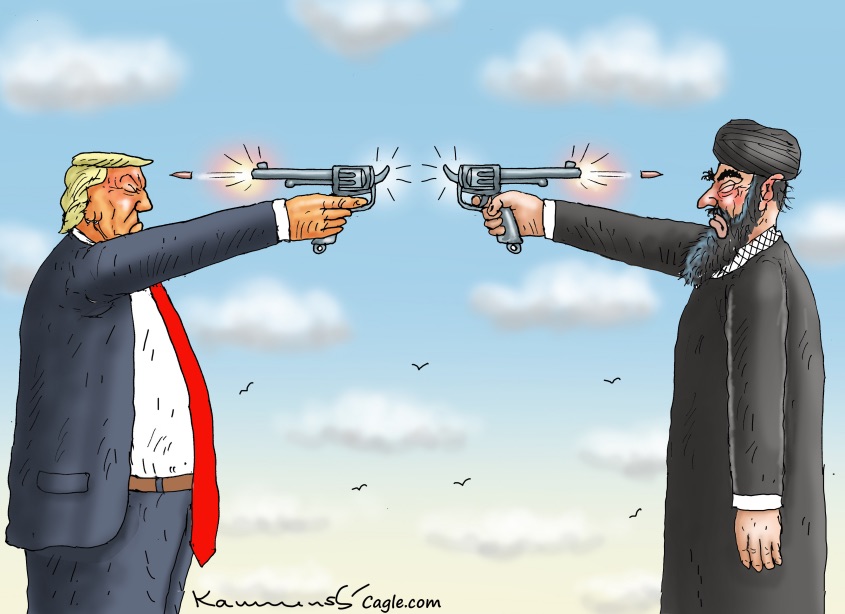
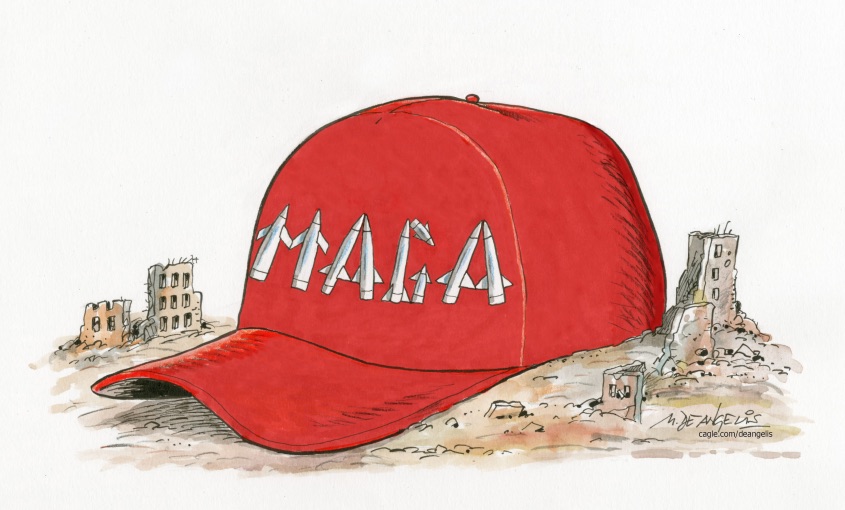
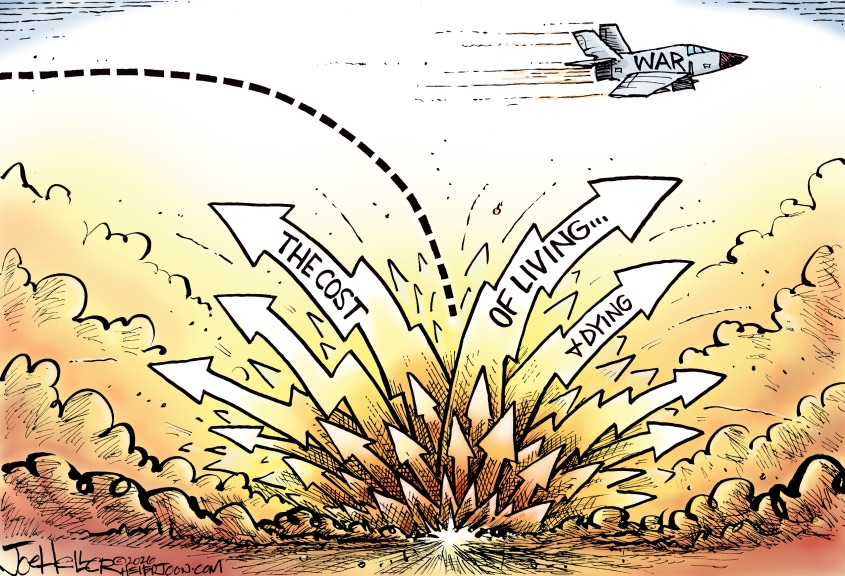
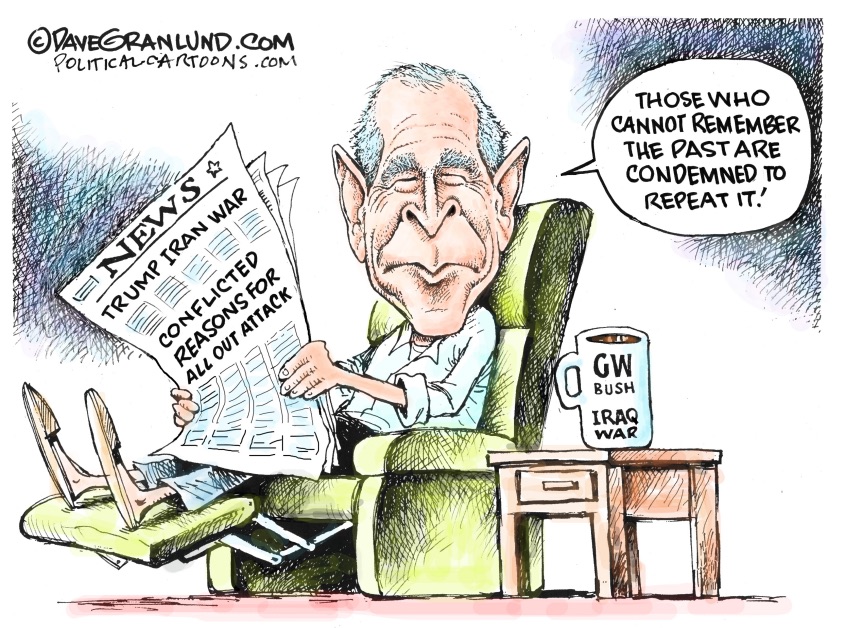
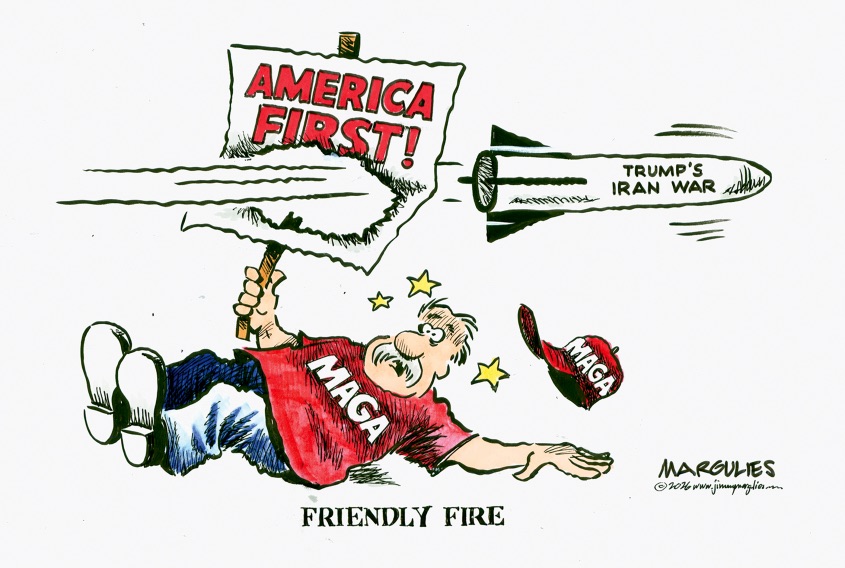
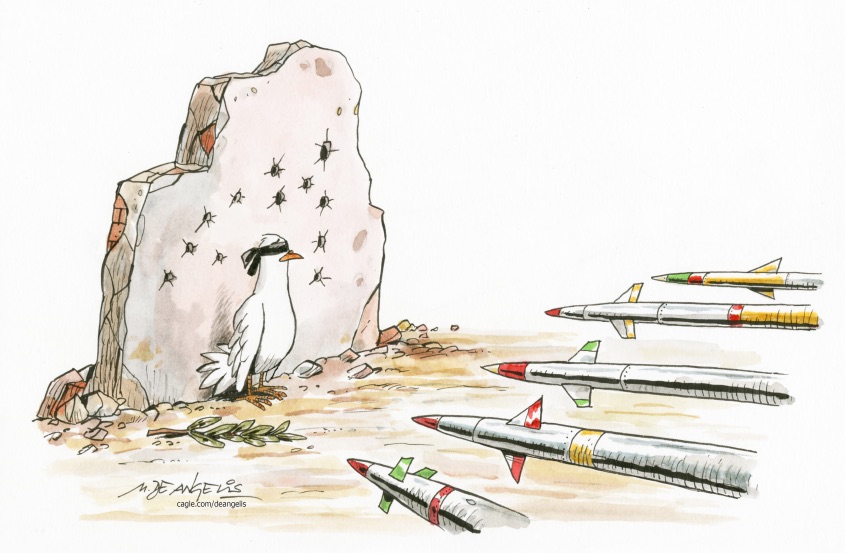
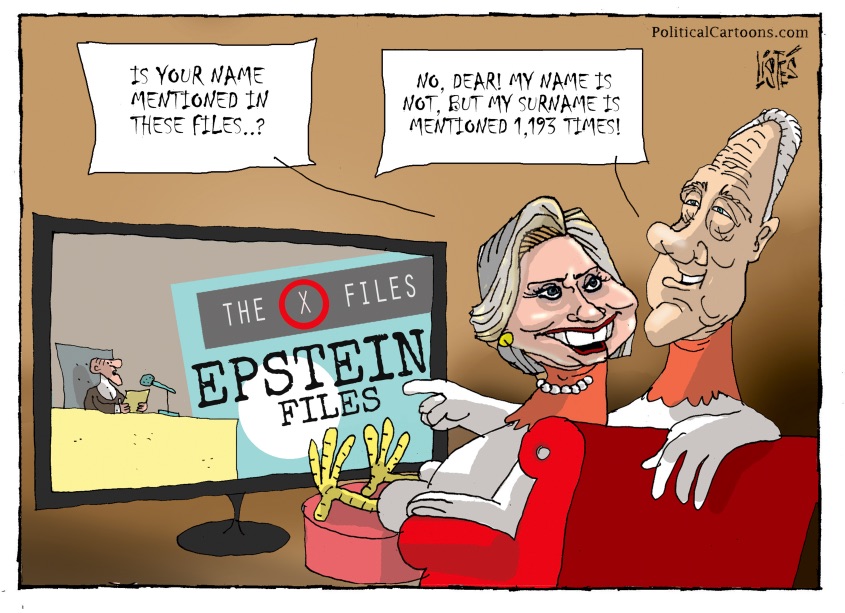
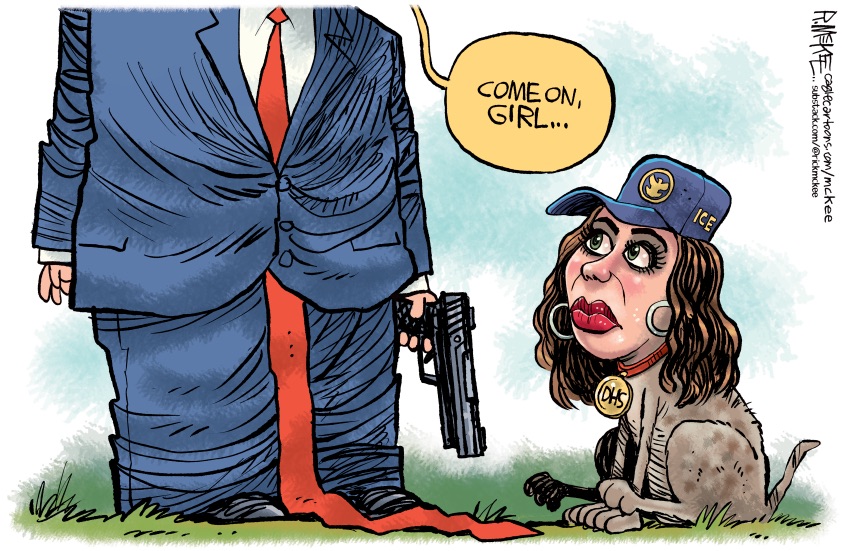



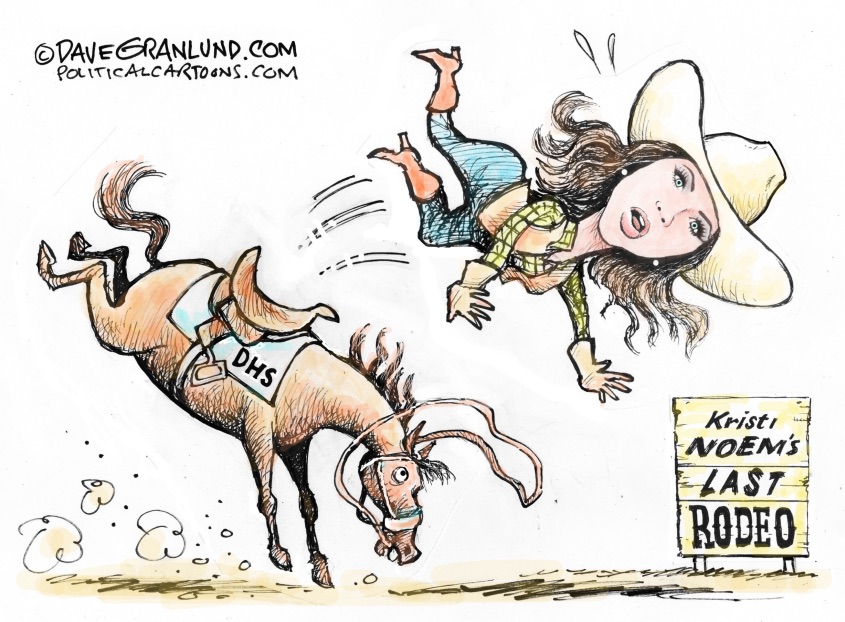


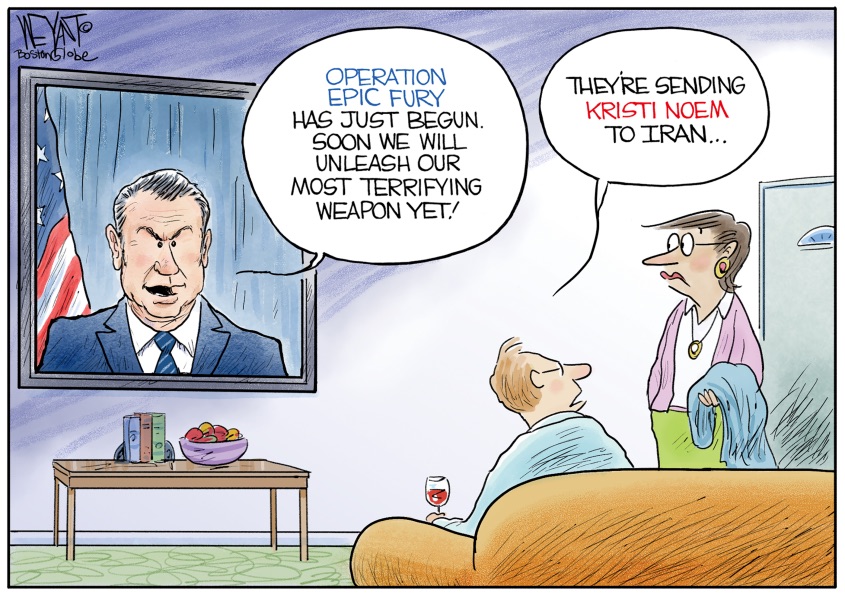
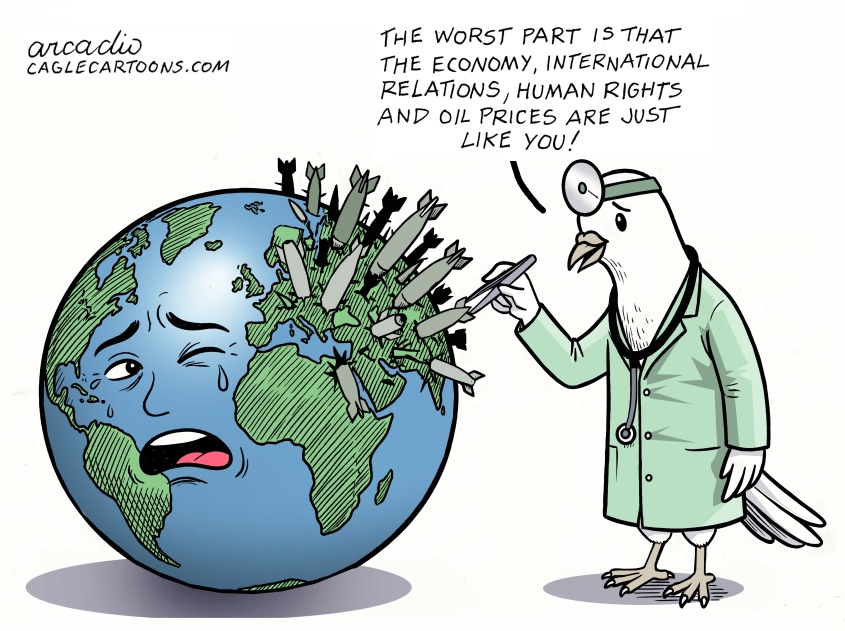
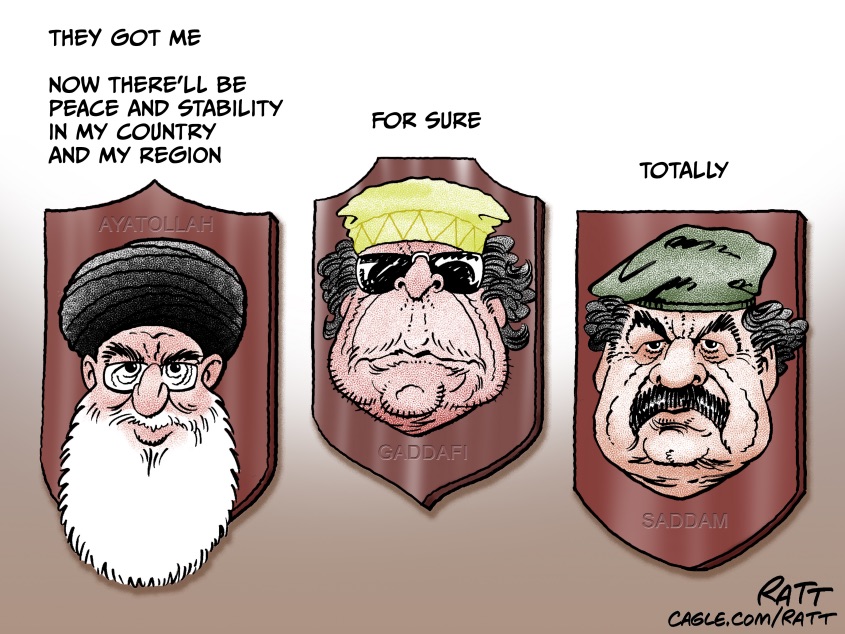
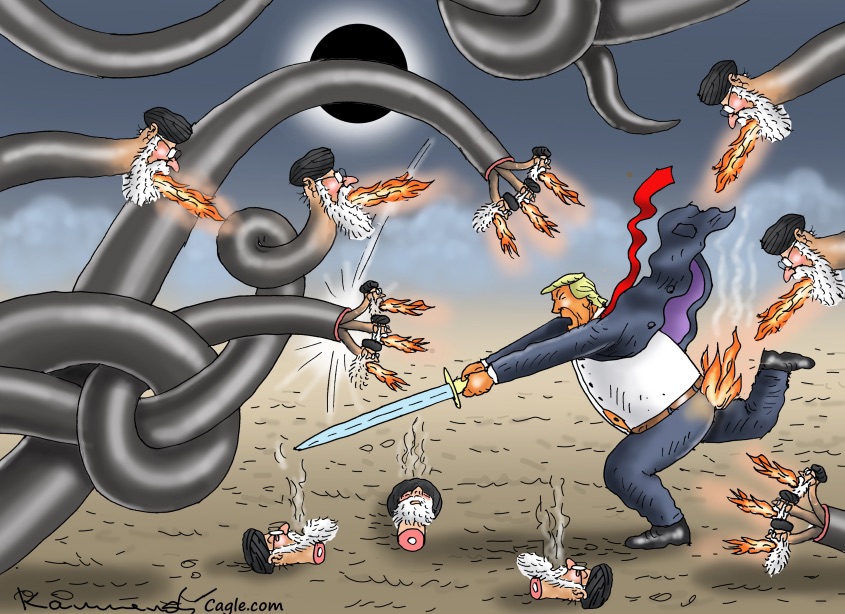
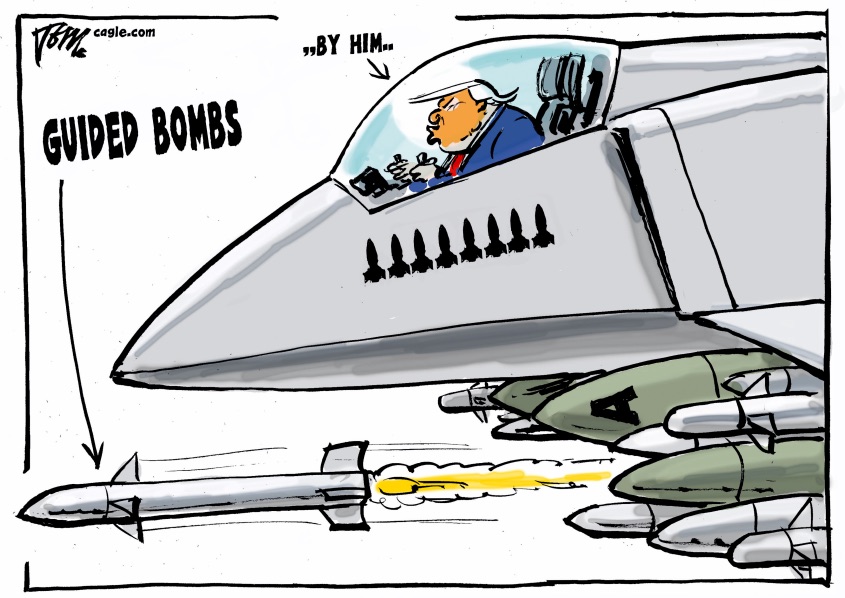
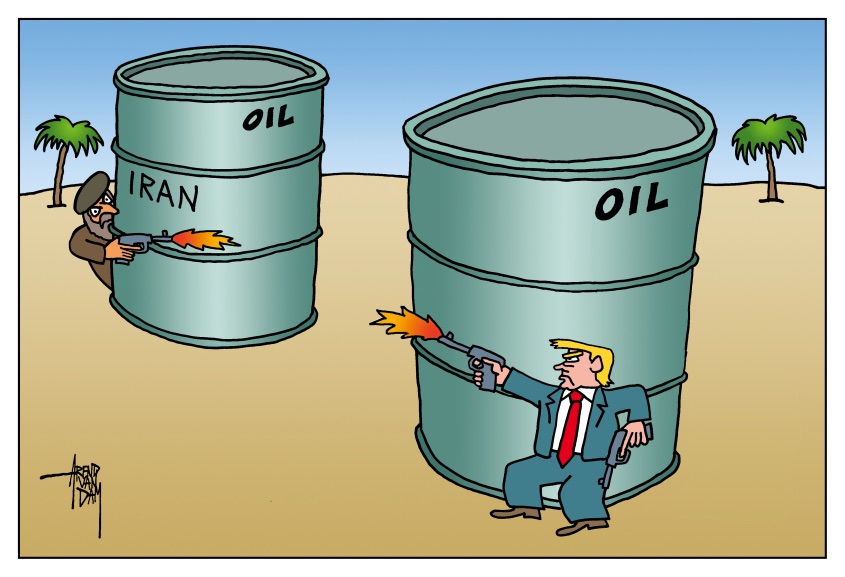
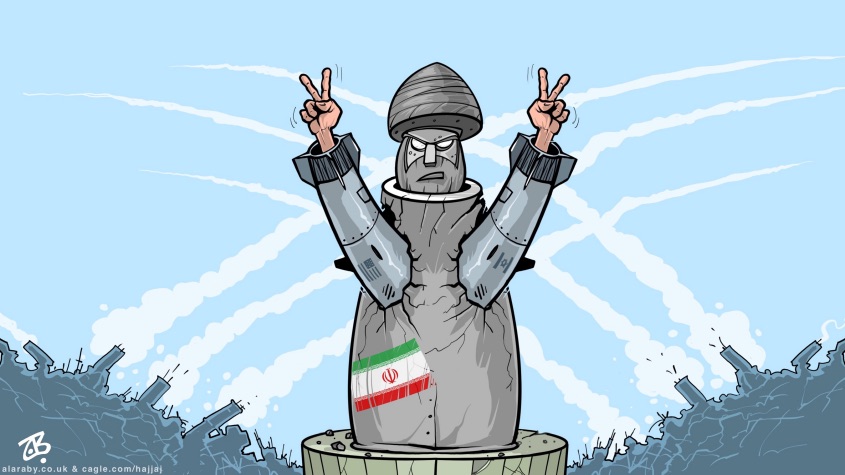
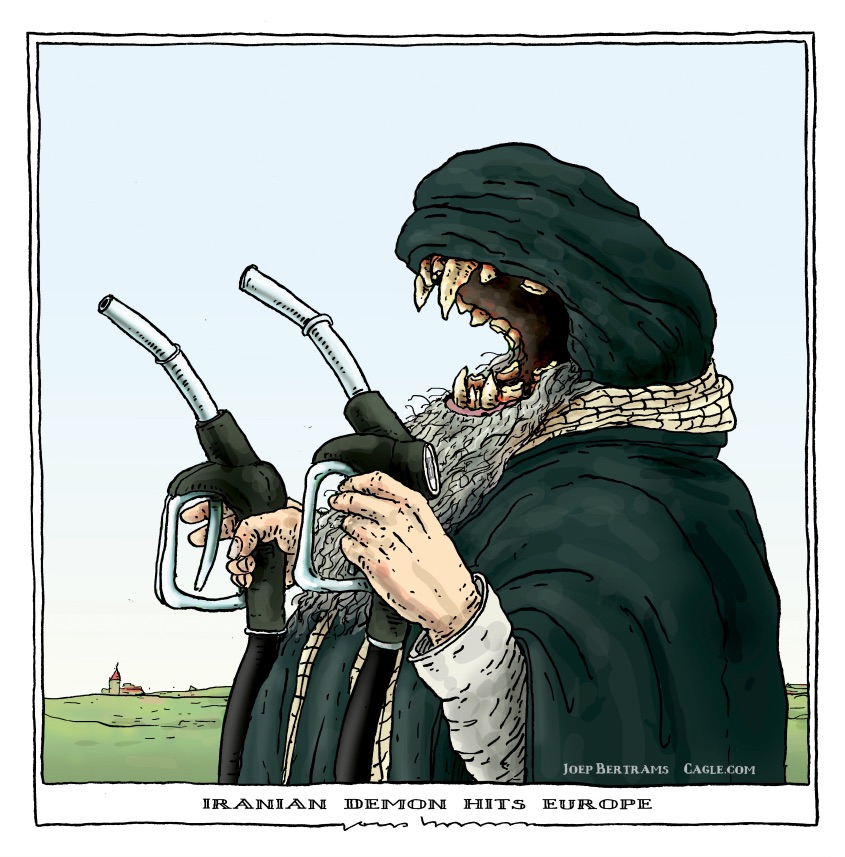
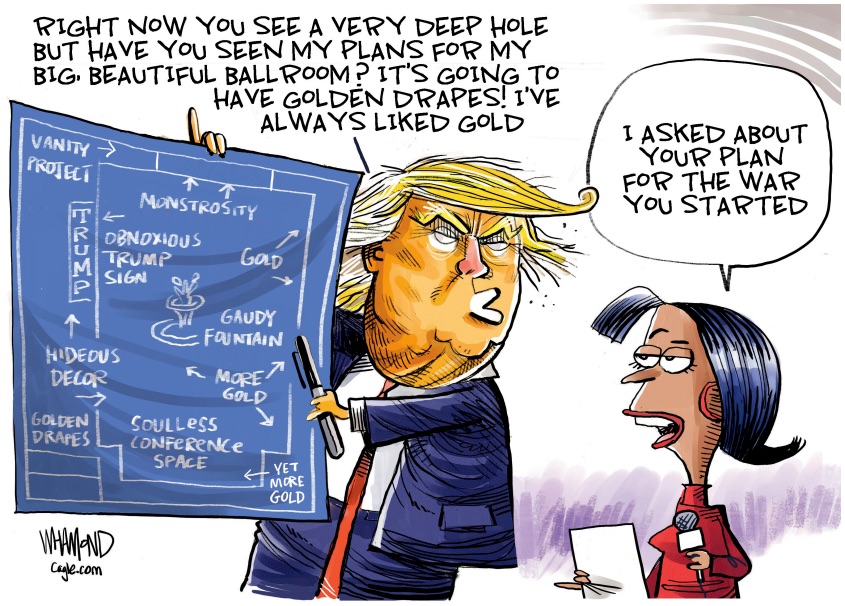
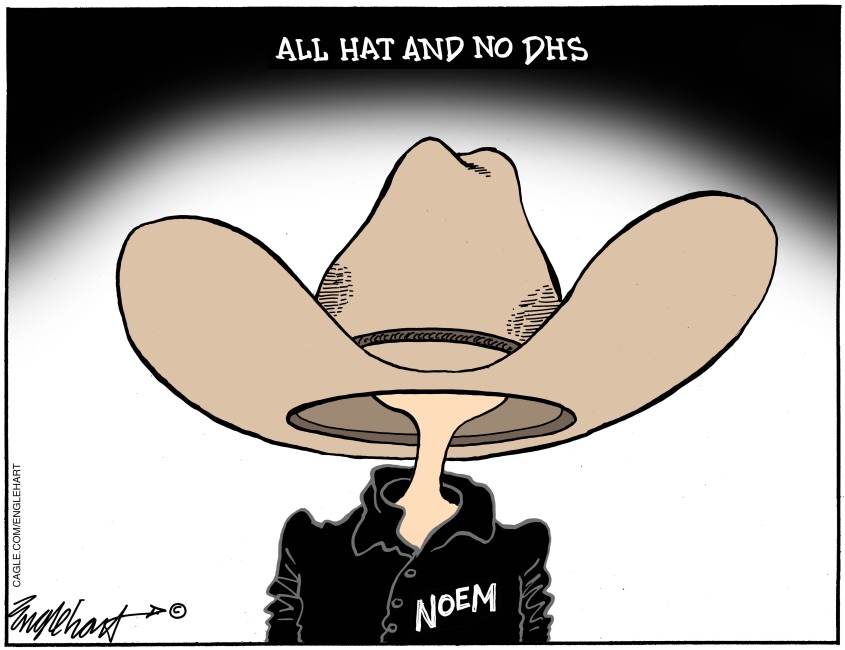


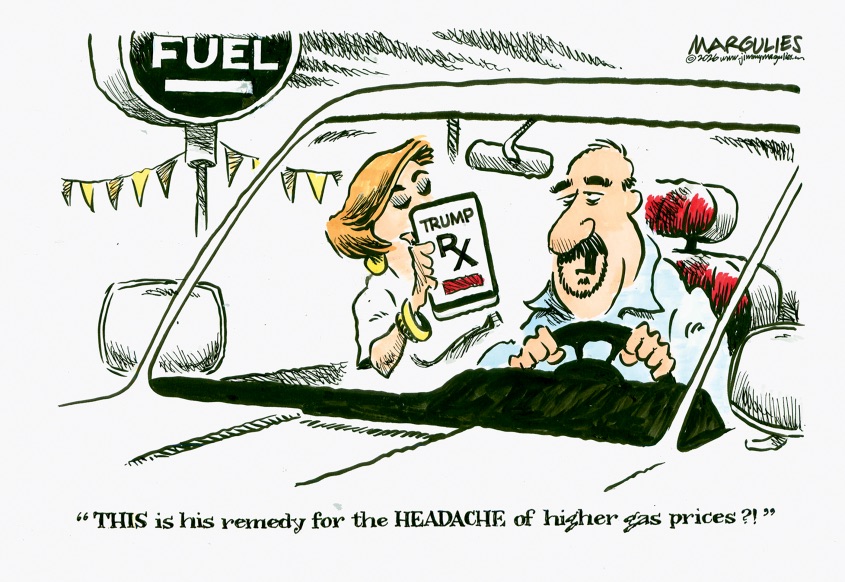
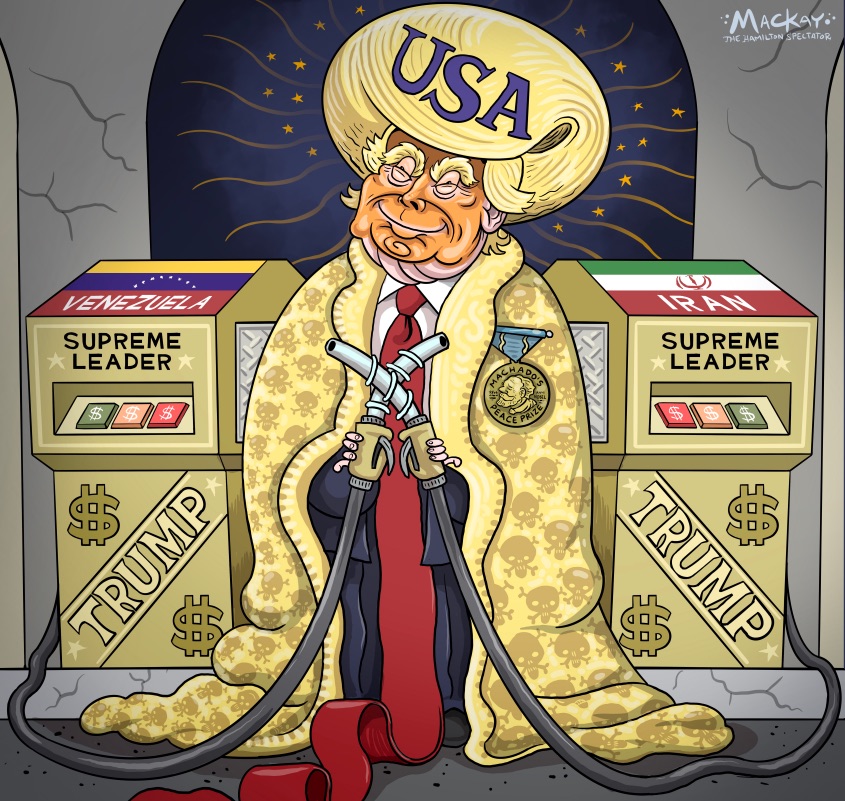
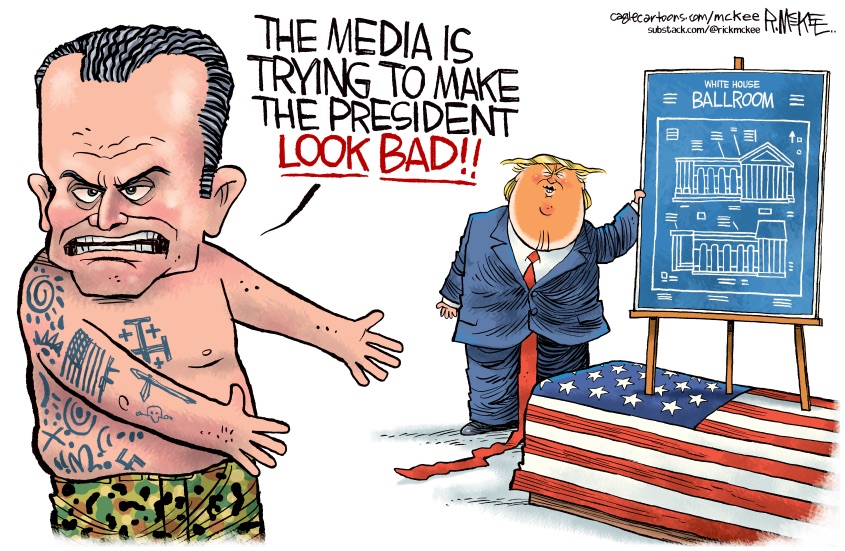

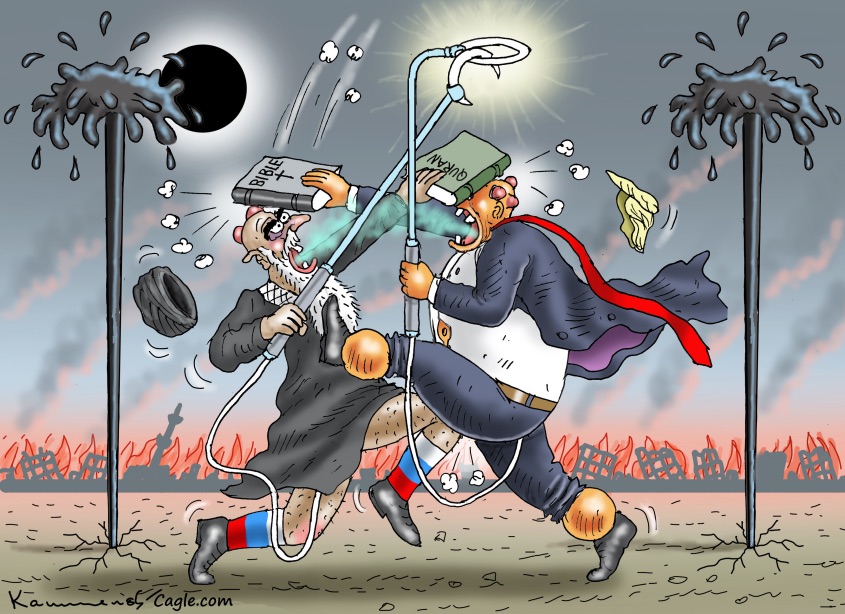
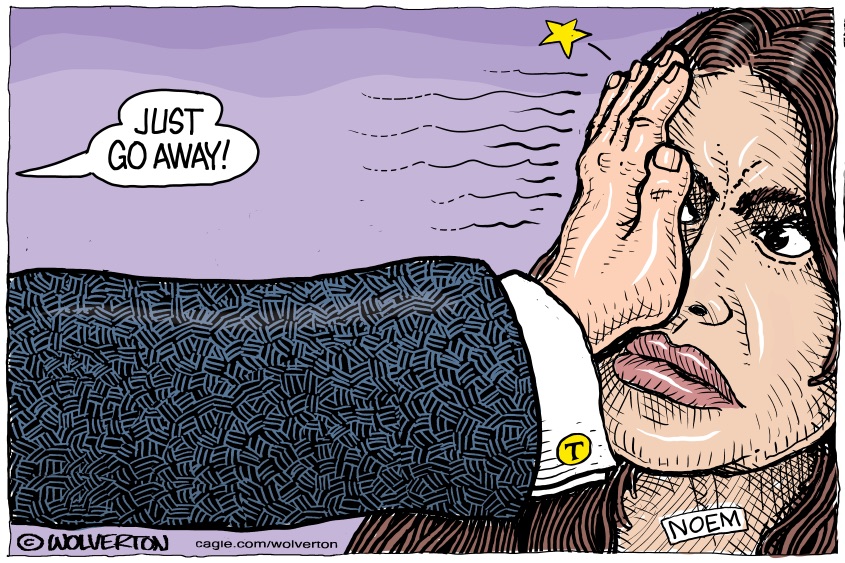
















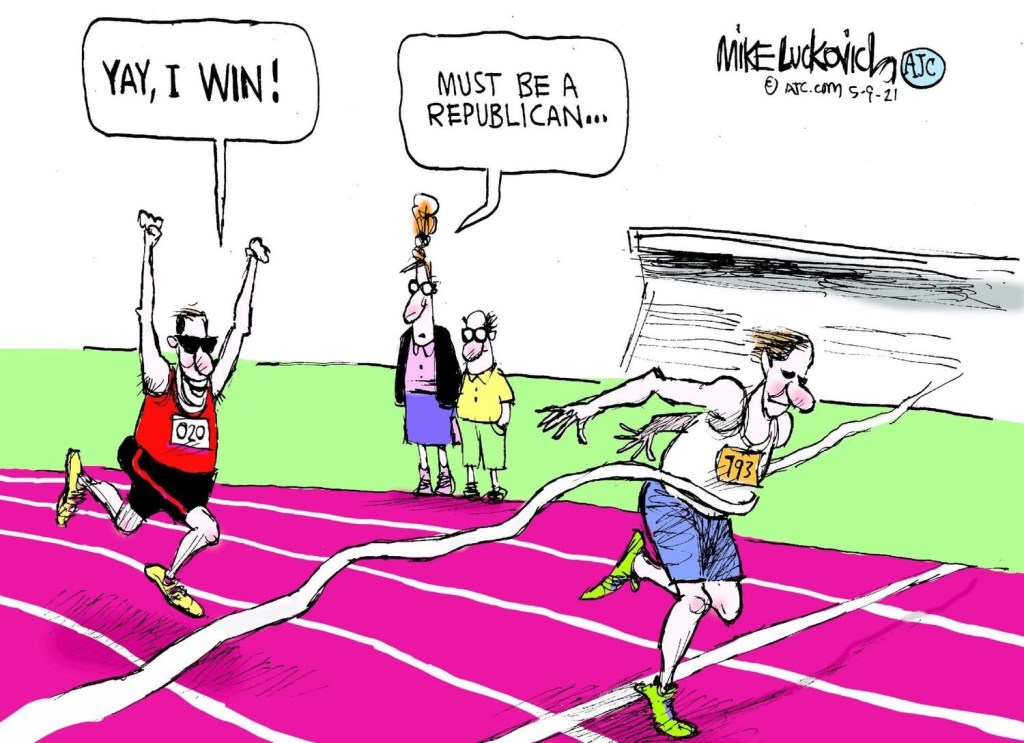
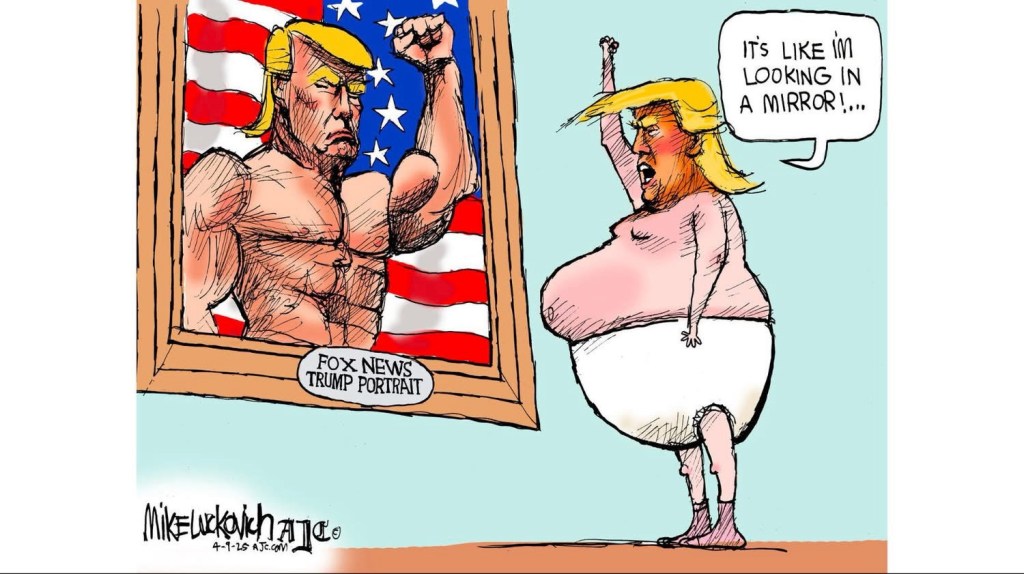
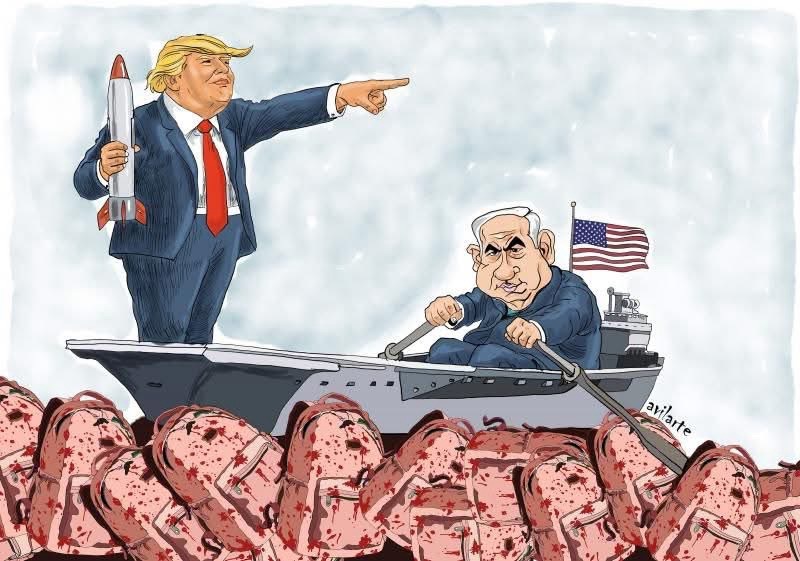

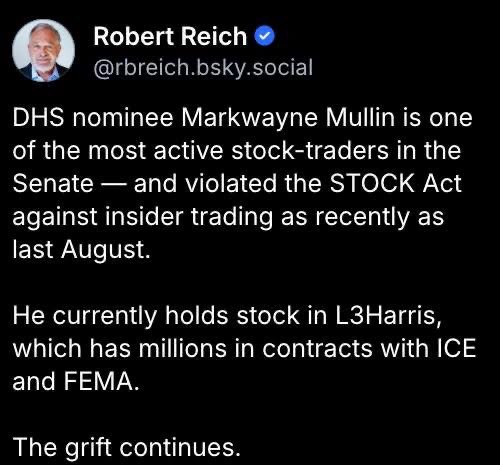
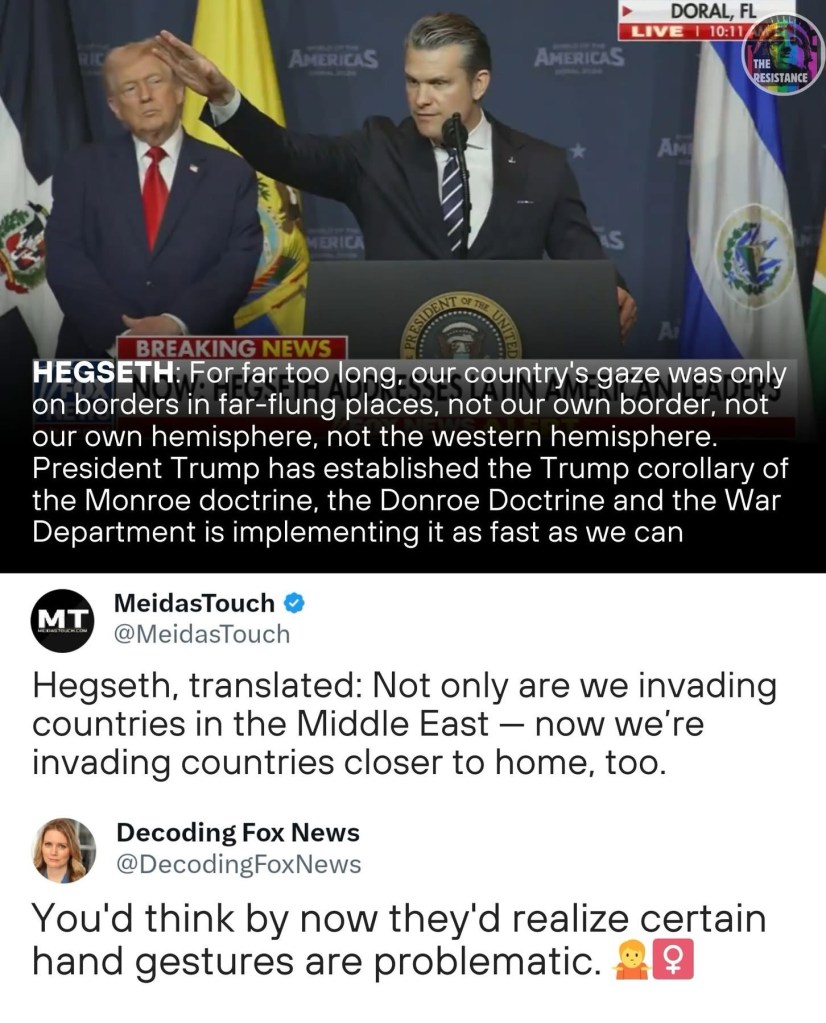



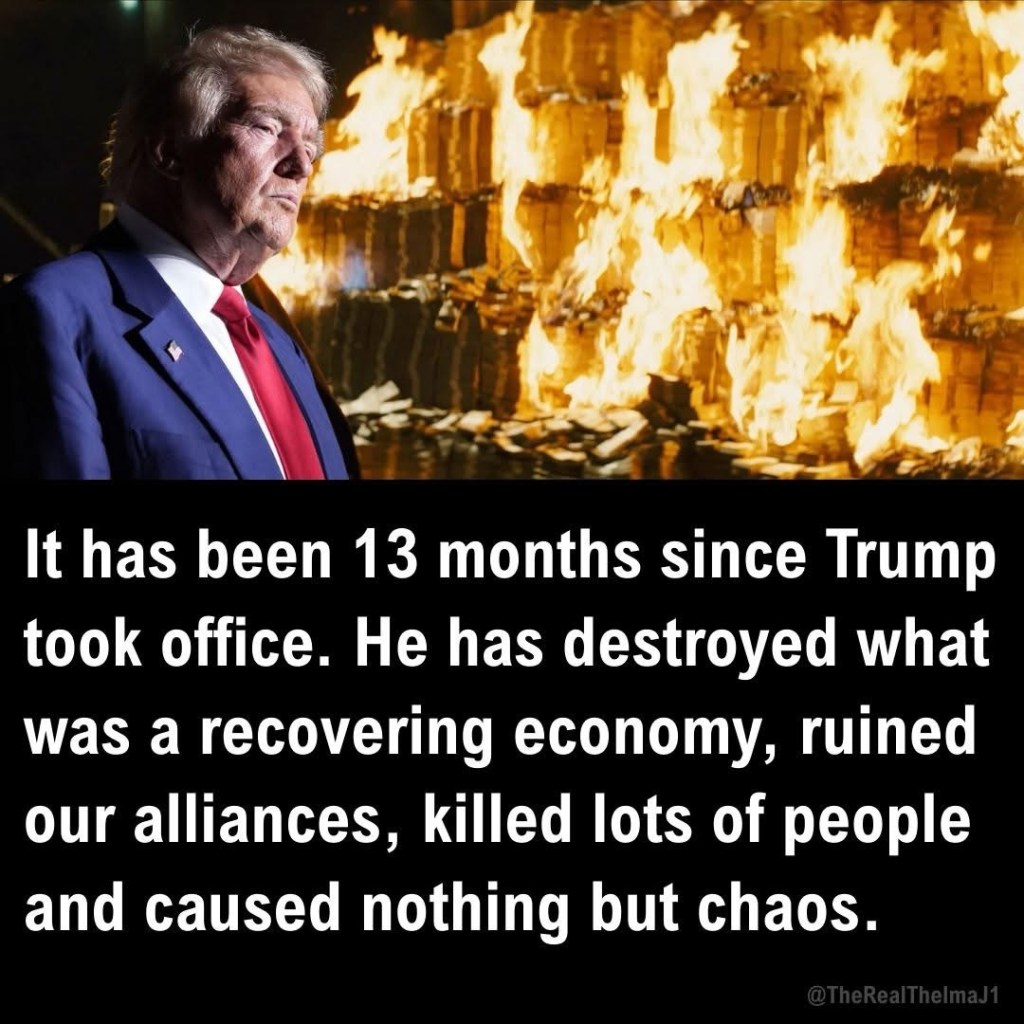
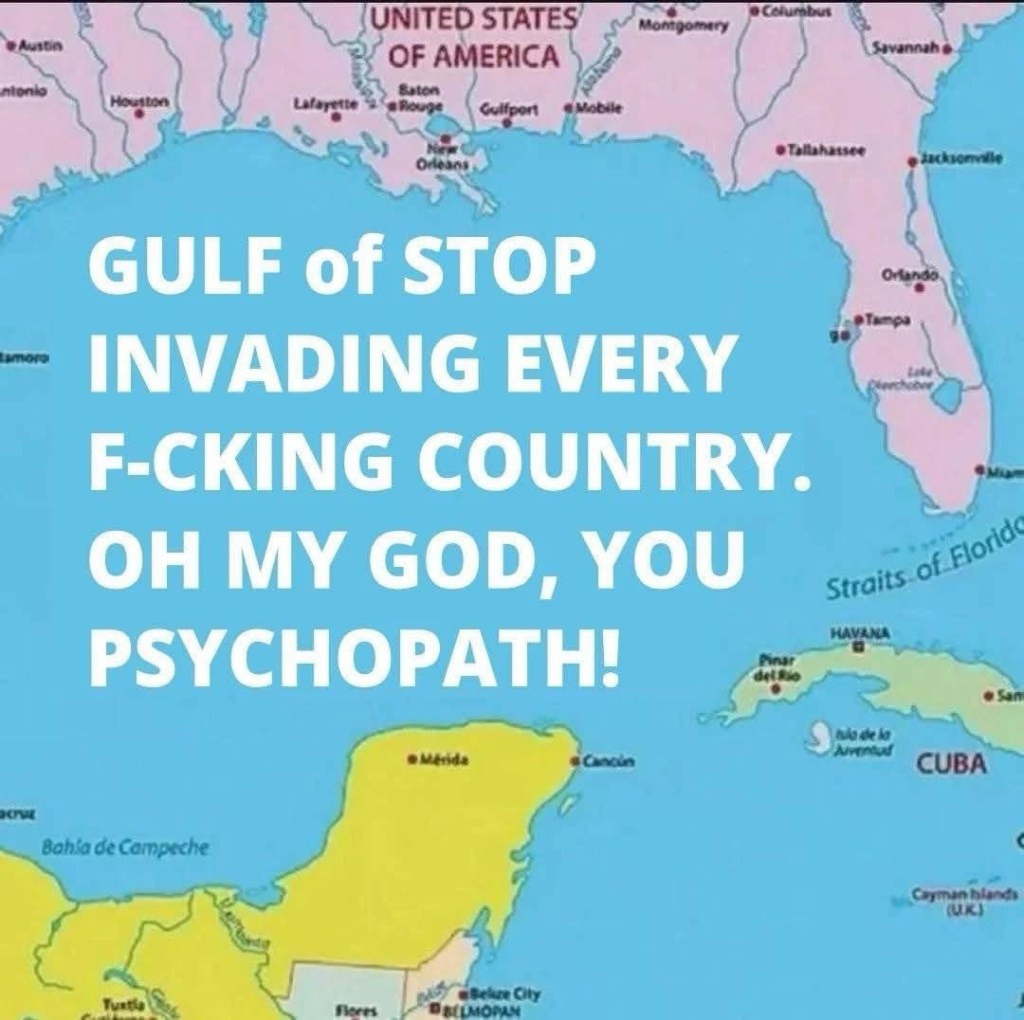
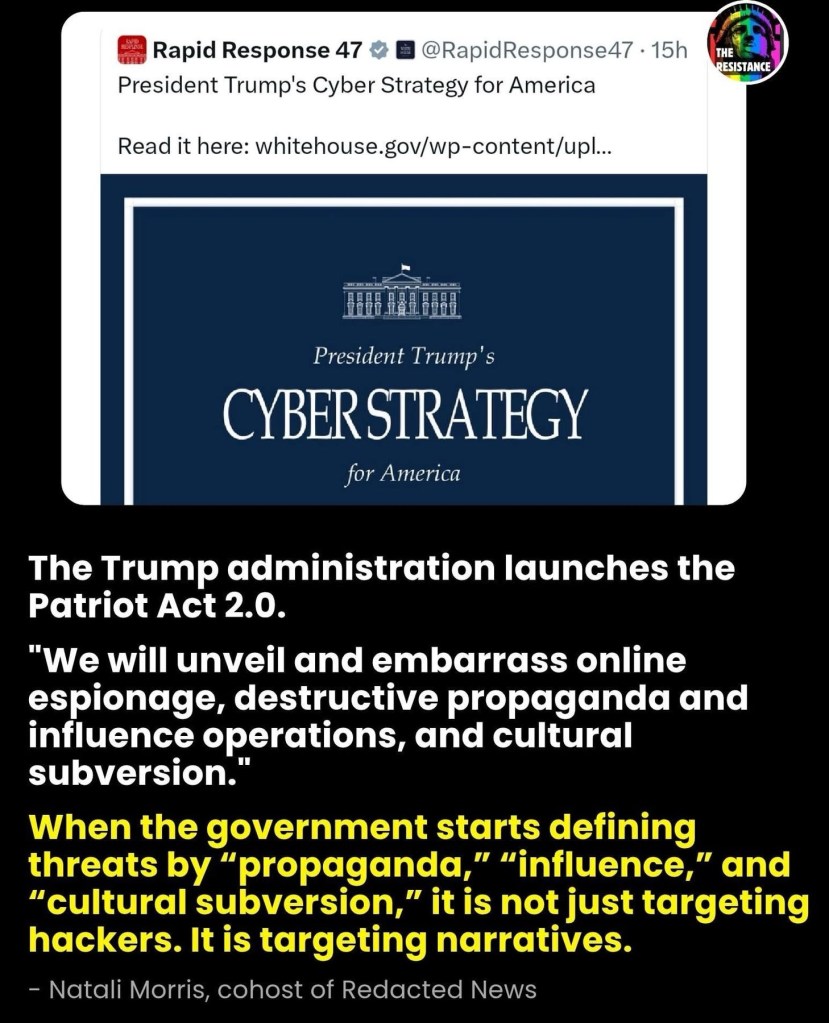
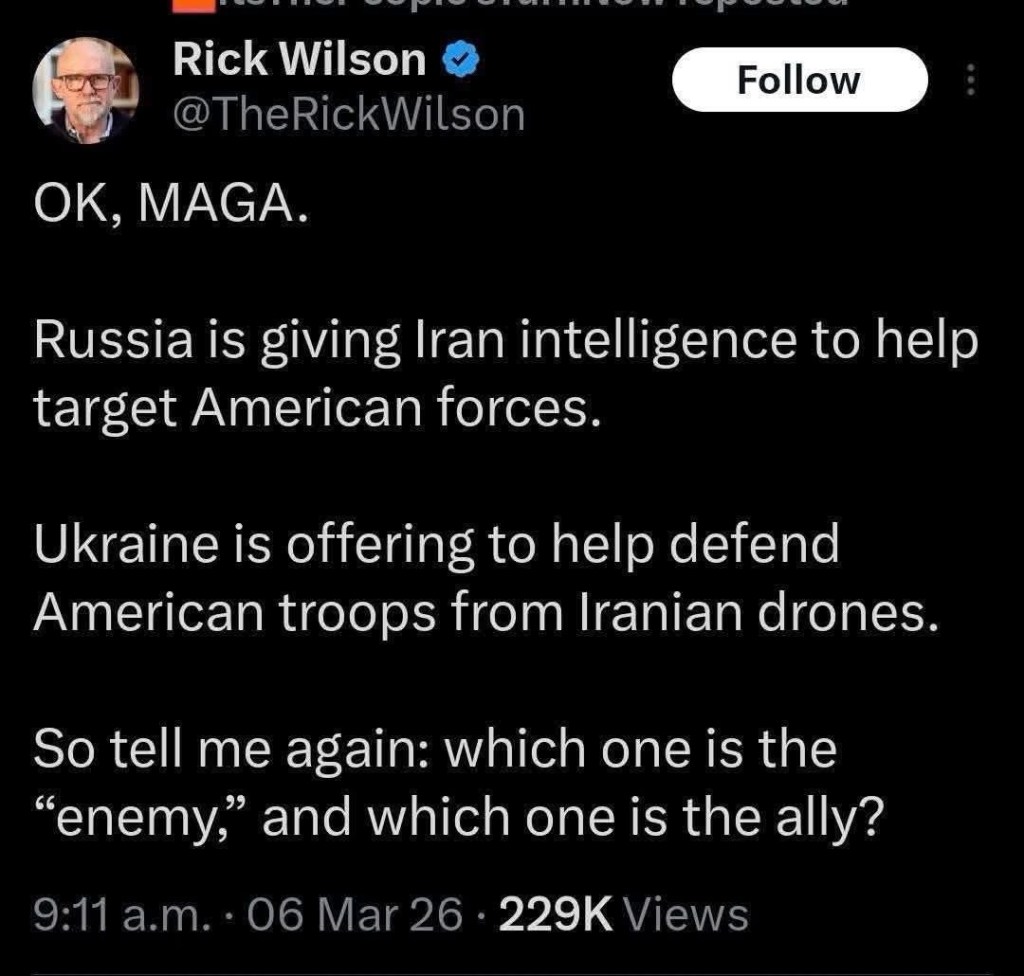



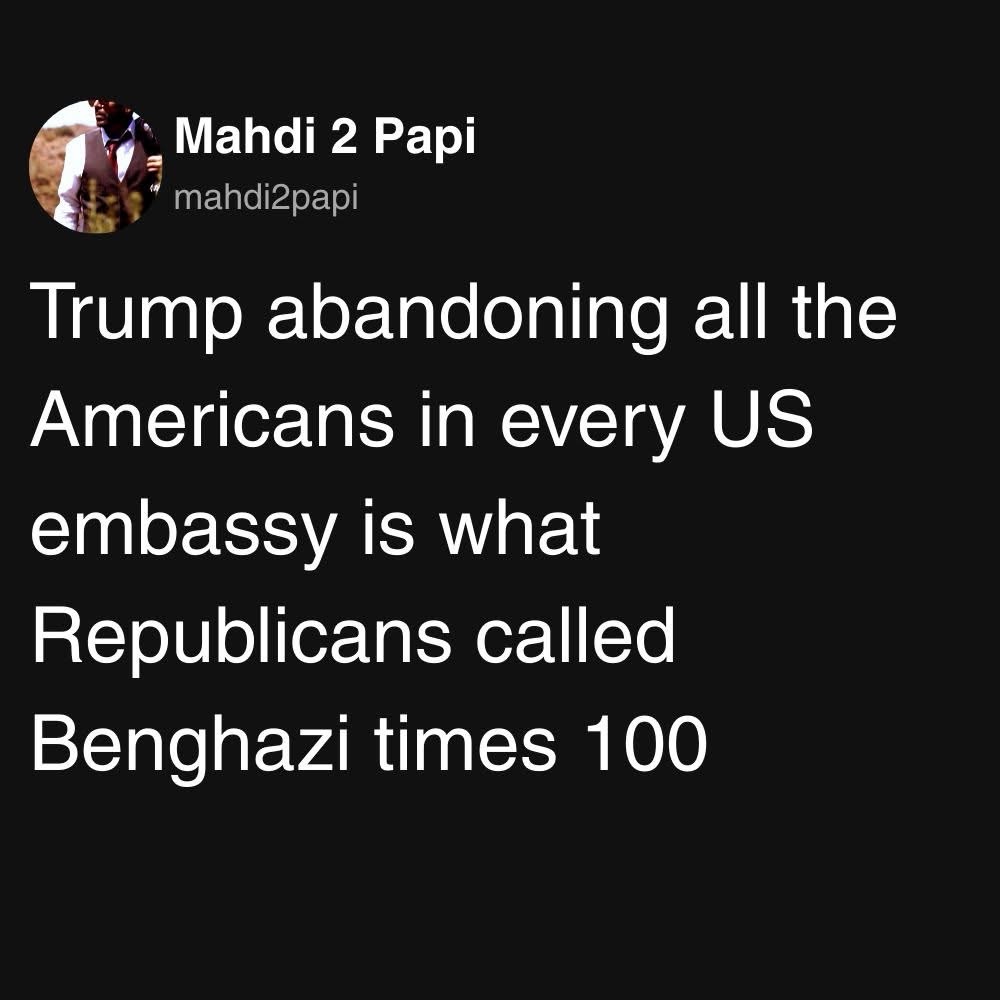
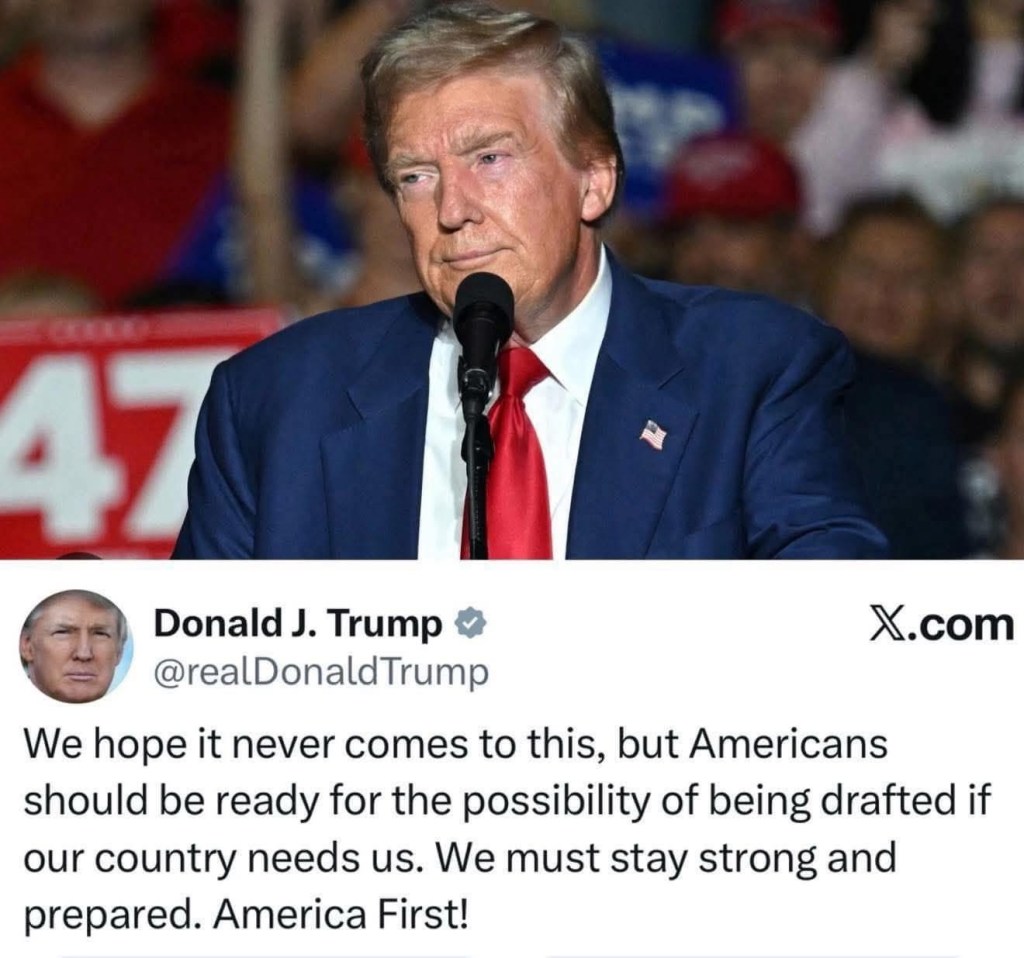
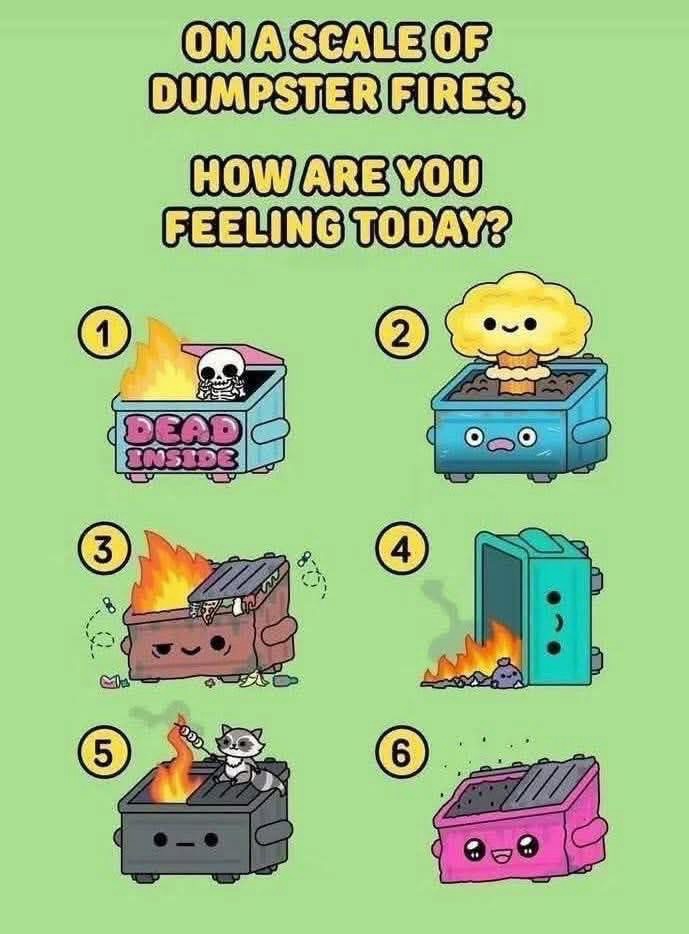
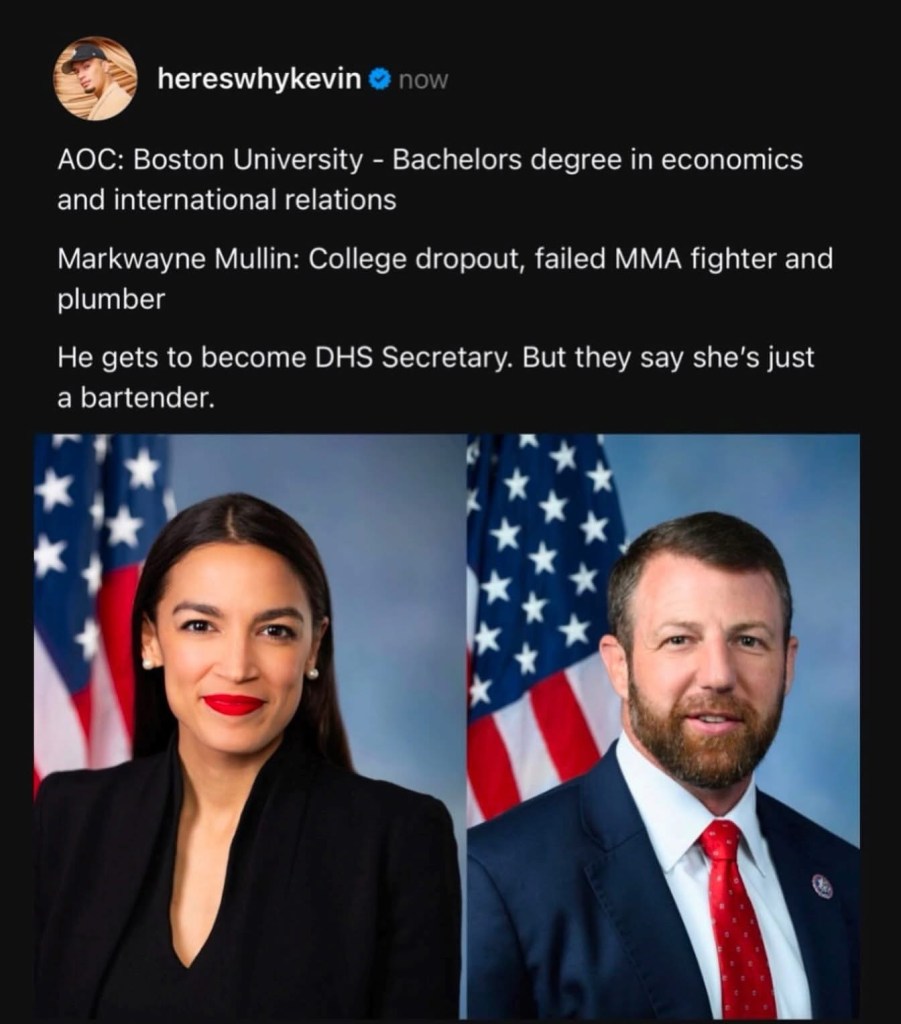

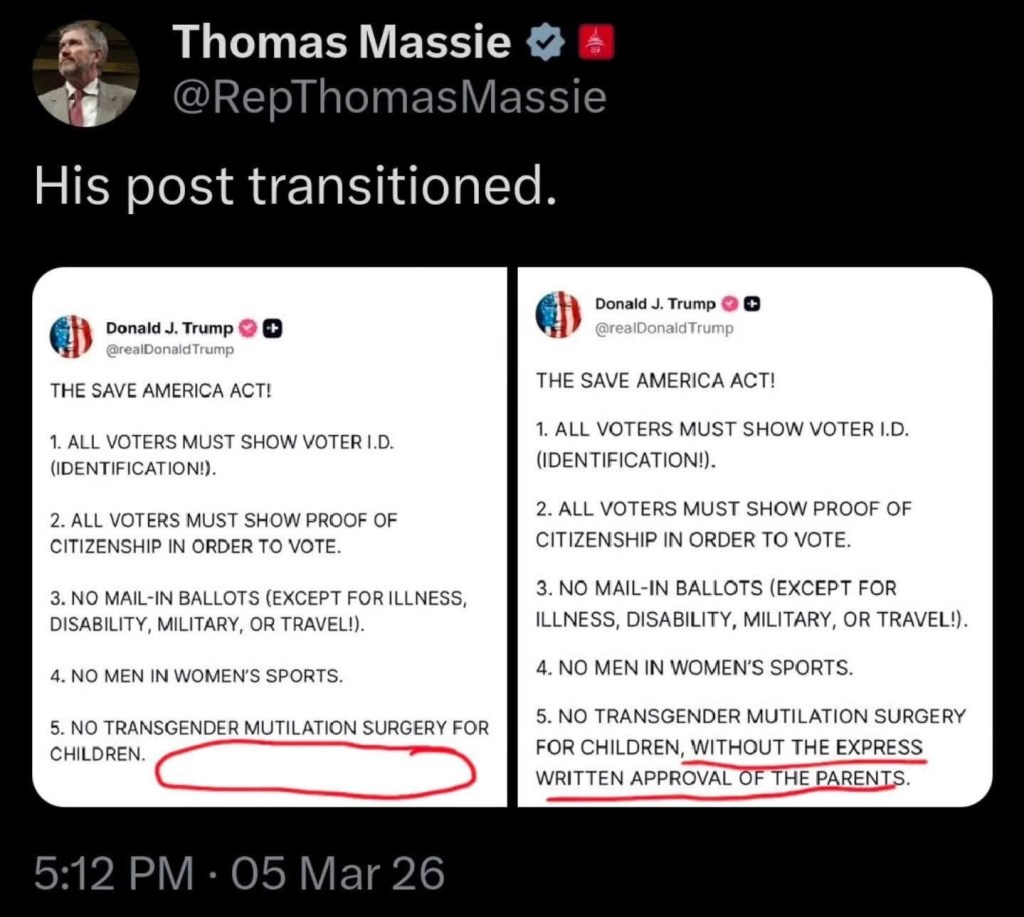

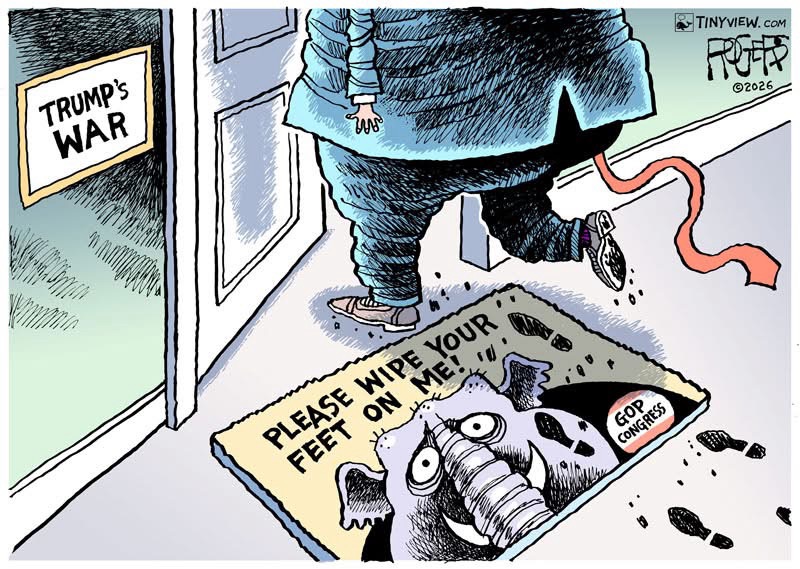


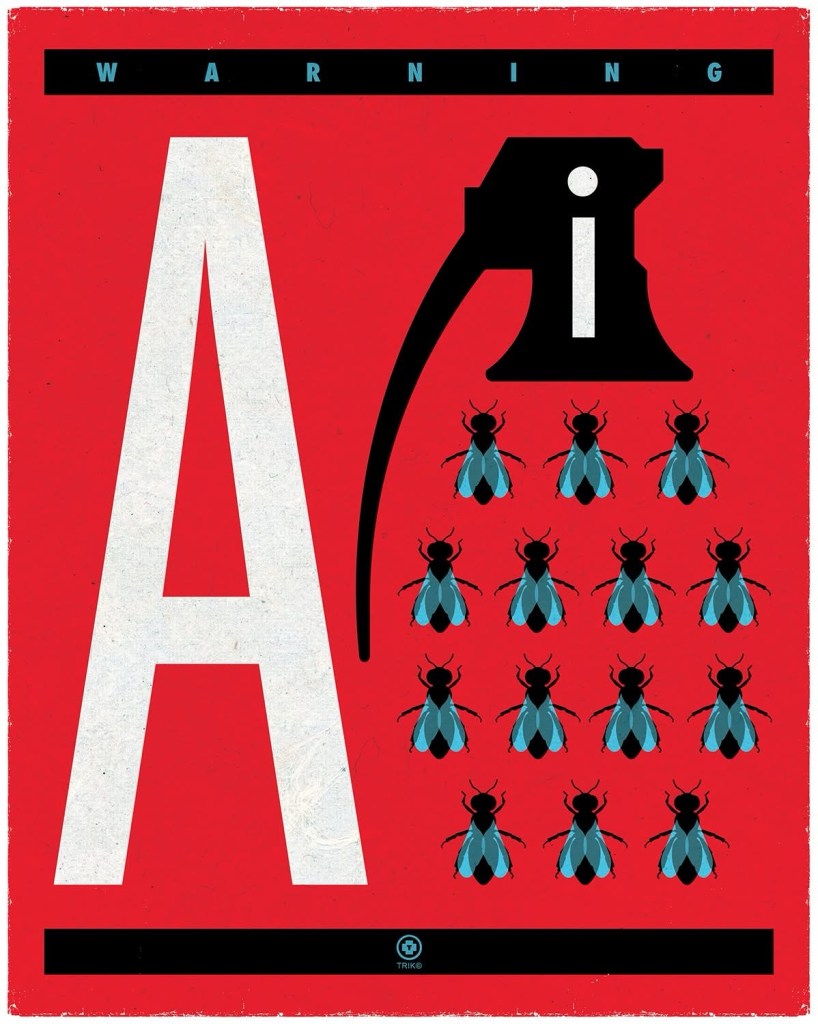

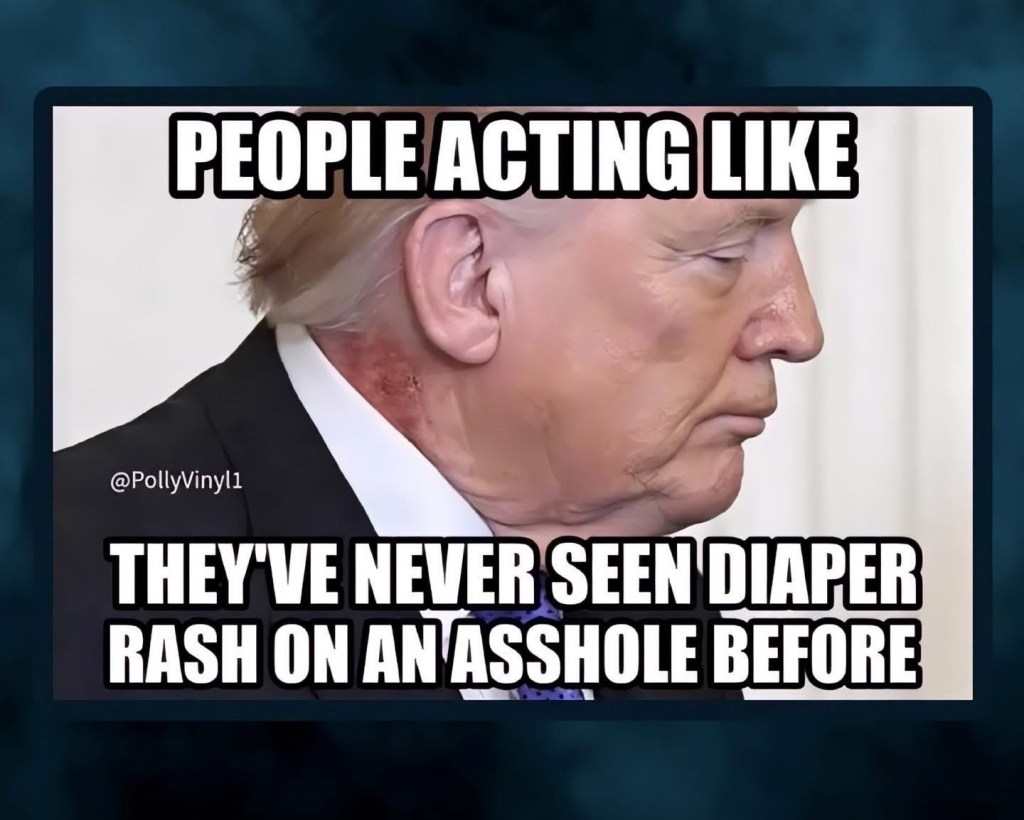





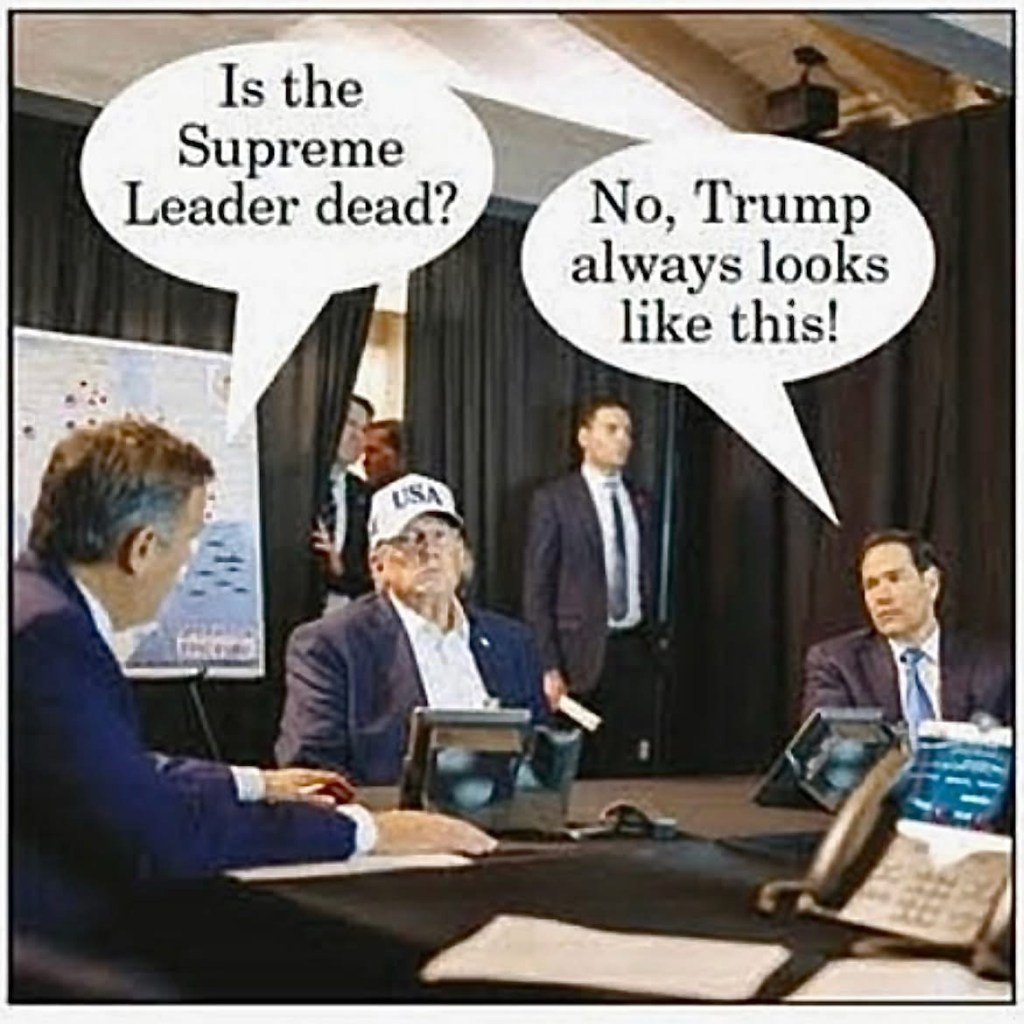

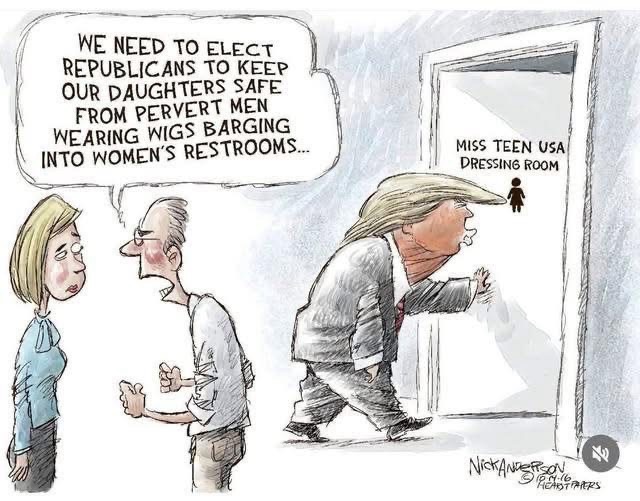
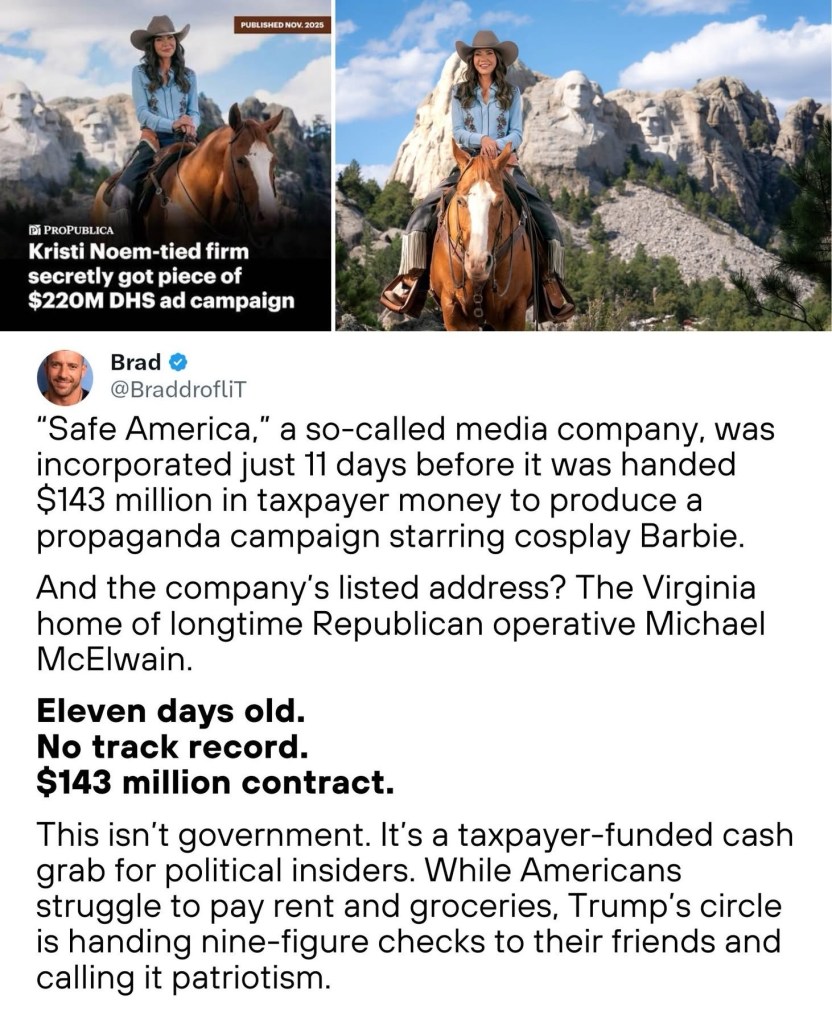
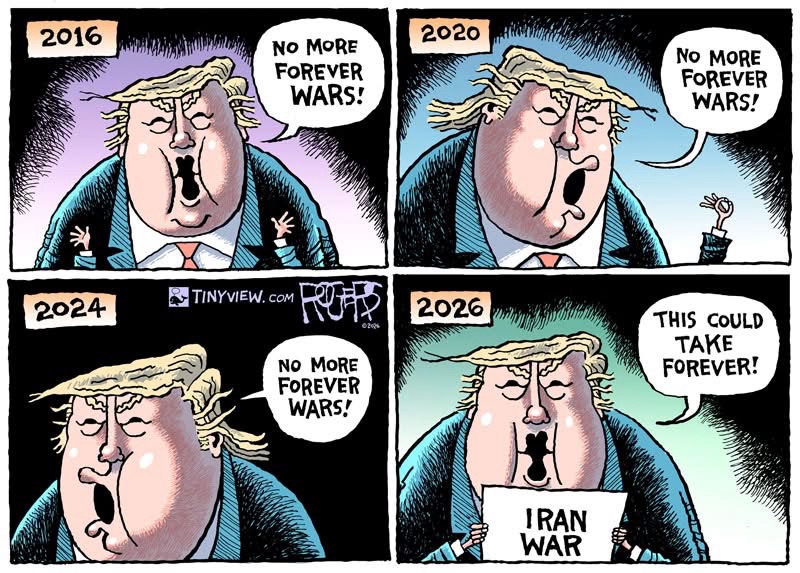






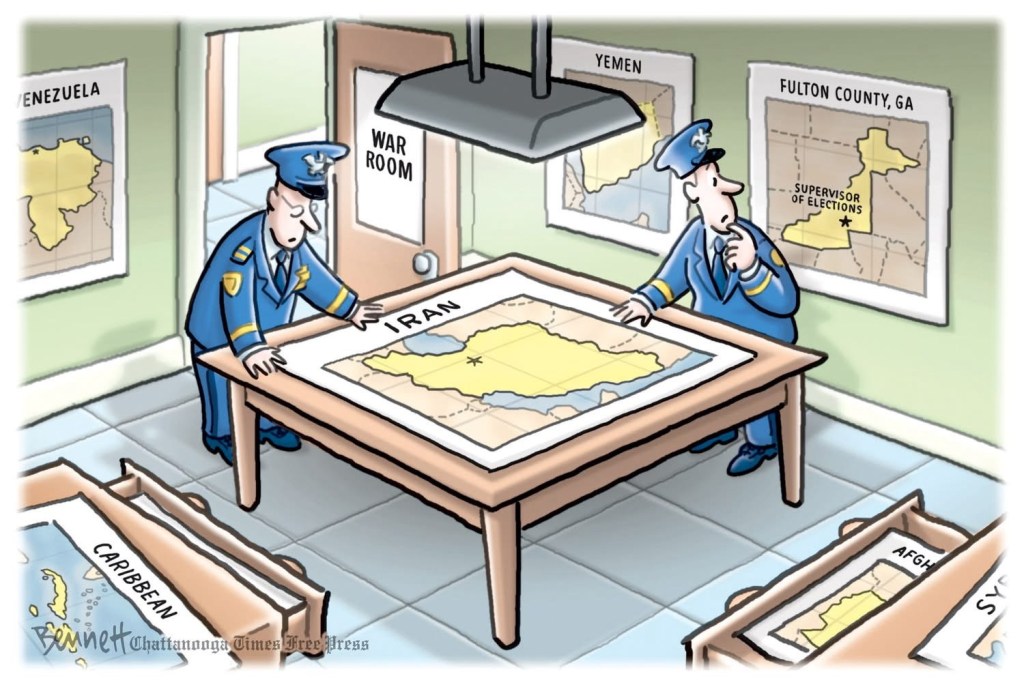
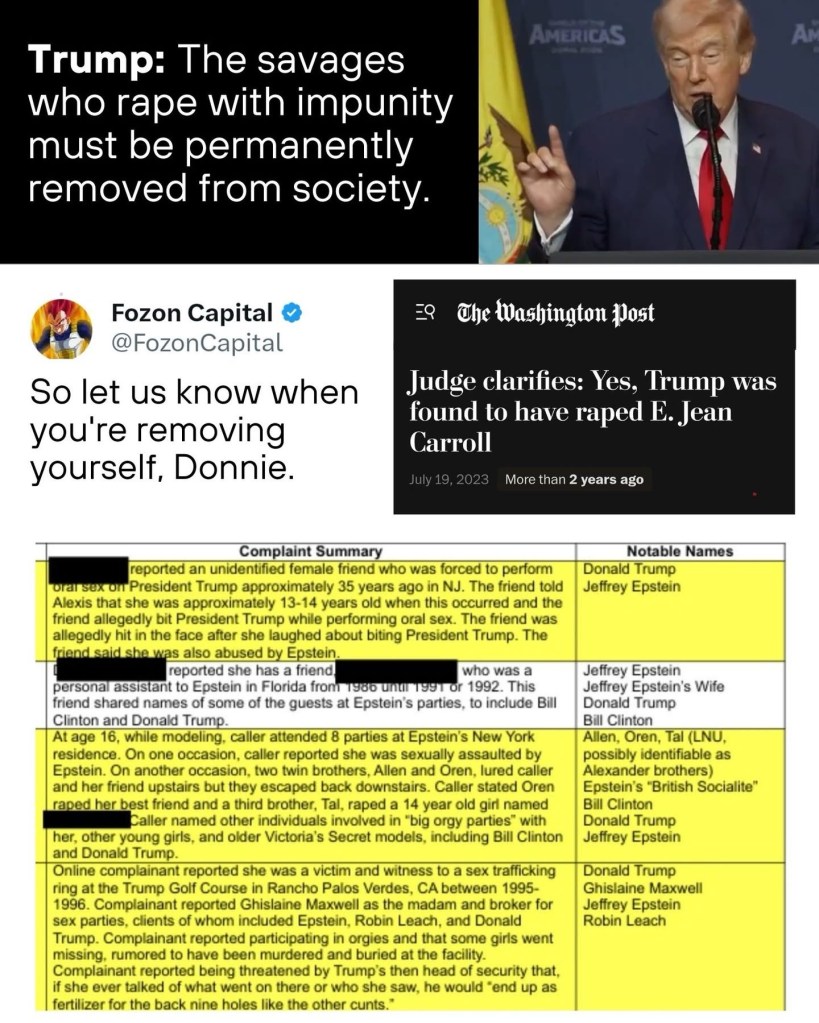
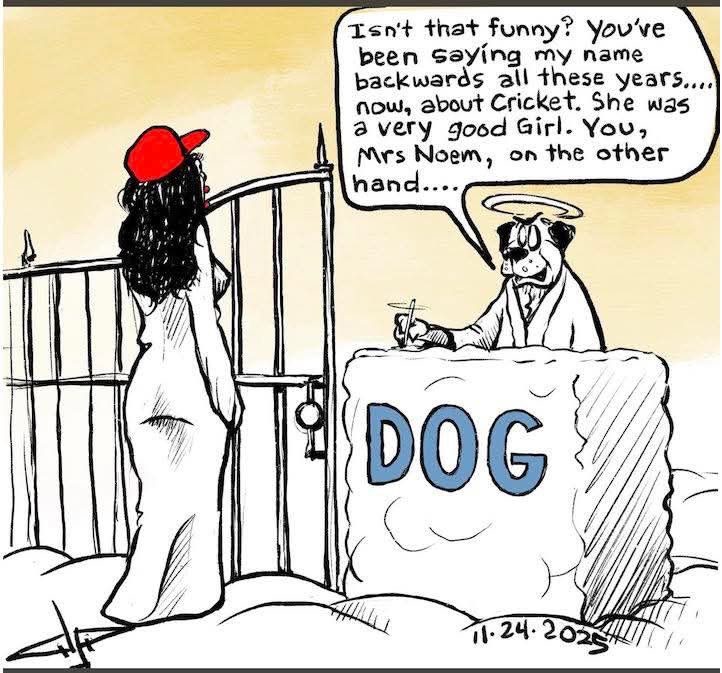
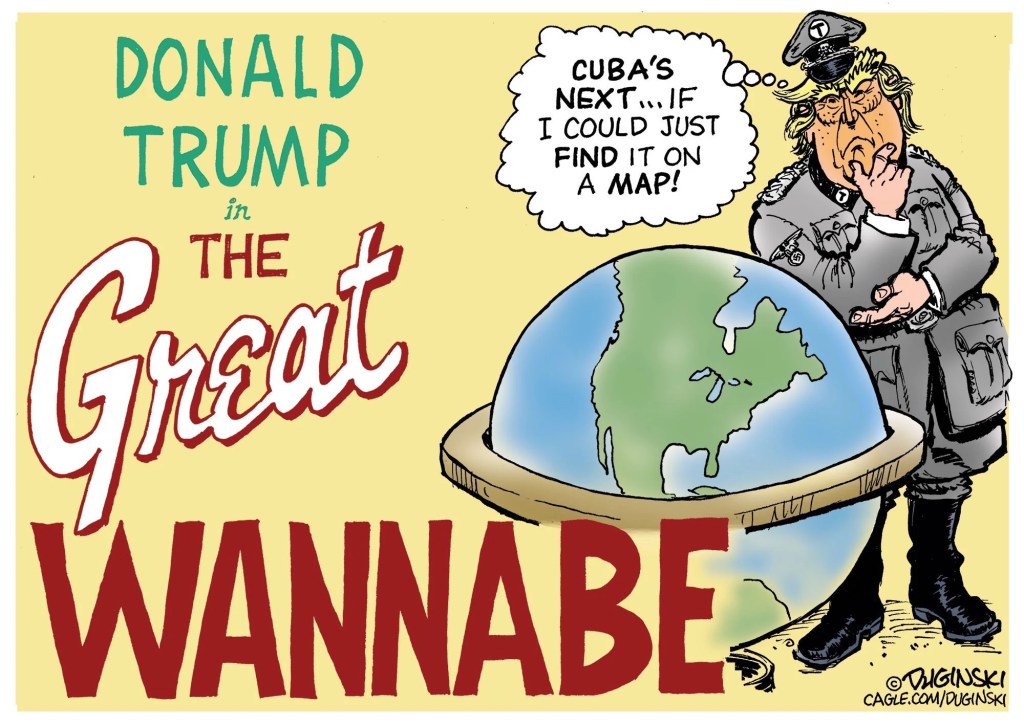
Be safe out there.
Lazy Caturday Reads: Trump’s War on Iran
Posted: March 7, 2026 Filed under: just because | Tags: U.S. Economy, Donald Trump, caturday, cat art, Pete Hegseth, Trump's War in Iran, Persian cats, views of cats in Iran 9 CommentsGood Day!!

Painting of a cat resting on a pillow next to a Muslim scholar in Cairo, by John Frederick Lewis (1805–1876)
Today I’m featuring Persian cats. It’s not the Iranian people’s fault that Trump is raining down hellfire on their country. According to Wikipedia, cats are the preferred pet in Iran; and Persian cats are the local favorite.
The Persian cat, also known as the Persian Longhair or simply Persian, is a long-haired traditional breed of cat characterised by a round face and petite, but not flat and not smashed in, muzzle. The short flat nose was created in the US from in-breeding and causes breathing difficulties in the breed, whereas, the traditional Persian breed has a petite nose which enables them to breathe without difficulties.
The first documented ancestors of Persian cats might have been imported into Italy from Khorasan as early as around 1620, but this has not been proven. Instead, there is stronger evidence for a longhaired cat breed being exported from Afghanistan and Iran/Persia from the 19th century onwards.[2][3][4] Persian cats have been widely recognised by the North-West European cat fancy since the 19th century,[5] and after World War II by breeders from North America, Australia and New Zealand.[5] Some cat fancier organisations’ breed standards subsume the Himalayan and Exotic Shorthair as variants of this breed, while others generally treat them as separate breeds.
The selective breeding carried out by breeders has allowed the development of a wide variety of coat colours,[5] but has also led to the creation of increasingly flat-faced Persian cats. Favoured by fanciers, this head structure can bring with it several health problems. As is the case with the Siamese breed, there have been efforts by some breeders to preserve the older type of cat, the Traditional Persian, which has a more pronounced muzzle.
Wikipedia on Islamic beliefs about cats:
In Islam, the domestic cat is regarded as ritually clean and thus holds a unique status in comparison to other companion animals, such as the domestic dog. Under Islamic law, cats are permitted to be kept by Muslims within their homes and other private and public spaces, including mosques. Likewise, if a person’s food or drink is sampled by a cat, it is not rendered impure or unfit for consumption, and water from which a cat has drunk is permissible to use for ablution.
Cats are believed by Muslims to possess barakah, which refers to a blessing power that is said to flow through those who are spiritually closest to God.[1][2] As such, they are widely acclaimed as the “quintessential pet” for a Muslim household.
I hope these cats will provide some respite from the horrible news.
Trump is really sounding drunk with power (what else is new?) on his illegal war on Iran. Yesterday, he demanded “unconditional surrender” from the Iranians.

Traditionall Persian cat
CNBC: Trump says no deal with Iran to end war without ‘unconditional surrender.’
President Donald Trump said in a social media post on Friday that there would be no deal to end the U.S. war against Iran without an “UNCONDITIONAL SURRENDER” by Iran.
The Dow Jones Industrial Average dropped more than 900 points, or nearly 2%, after Trump’s demand, which he wrote on Truth Social. The S&P 500and Nasdaq Composite fell 1.6% each, and oil futures prices rose.
Trump said that after a surrender and “the selection of a GREAT & ACCEPTABLE Leader(s), we, and many of our wonderful and very brave allies and partners, will work tirelessly to bring Iran back from the brink of destruction, making it economically bigger, better, and stronger than ever before.”
“IRAN WILL HAVE A GREAT FUTURE. “MAKE IRAN GREAT AGAIN (MIGA!)” Trump wrote, echoing his “Make America Great” movement’s name.
Trump’s demand came as Iran has yet to pick a leader to replace Supreme Leader Ayatollah Ali Khamenei, who was killed last weekend in an airstrike at the beginning of the war by the U.S. and Israel.
What the hell does that mean? It’s not even a declared war.
Later, the White House tried to clarify the demand: Trump to Axios: “Unconditional surrender” is when Iran “can’t fight any longer.”
President Trump told Axios Friday that his demand for Iran’s “unconditional surrender” could mean the complete destruction of the regime’s military capabilities — not necessarily a formal surrender.
- “Unconditional surrender could be that [the Iranians] announce it. But it could also be when they can’t fight any longer because they don’t have anyone or anything to fight with,” he said in a phone interview.
Why it matters: Trump’s explanation came hours after he appeared to leave no visible off-ramp for Iran, ruling out any kind of “deal” as he demanded “UNCONDITIONAL SURRENDER” in a post on Truth Social.
— White House press secretary Karoline Leavitt later said on Fox News that “unconditional surrender” means Trump determining “that Iran can no longer pose a threat to the U.S. and our troops in the Middle East.”
— Leavitt listed U.S. objectives as destroying Iran’s navy, eliminating its ballistic missile threat, ensuring it cannot obtain a nuclear weapon and weakening its regional proxies.
From The Guardian: Iran rejects Trump’s demand for unconditional surrender as a ‘dream.’
The president of Iran has rejected Donald Trump’s call for the country’s unconditional surrender as a “dream”, while issuing a rare apology for Iranian attacks that hit neighbouring states, even as missiles and drones continued to strike Gulf countries.
Moder type Persian cat
In a prerecorded address broadcast on state television on Saturday, Iran’s president, Masoud Pezeshkian, said the country would never capitulate, responding to remarks by the US president, who said on Friday that only Iran’s total submission could bring the war to an end.
Iran’s enemies, Pezeshkian said, “must take their dream of the Iranian people’s unconditional surrender to their graves”, in remarks that further escalate the eighth day of conflict, which has choked global oil supplies and cut world air travel.
During his speech, Pezeshkian also issued an apology to neighbouring states for Iran’s recent “actions”, in an apparent attempt to ease regional anger after Iranian strikes hit civilian targets in Gulf Arab countries.
Tehran has responded to attacks on its territory by targeting Israel, but also Gulf Arab states that host US military installations, while Israel has also launched intense strikes on Lebanon, where the Iran-backed armed group Hezbollah is based.

In response to Iran’s refusal to surrender, Trump issued more threats. Politico: Trump vows to hit ‘very hard’ after Iran’s president says he won’t surrender.
President Donald Trump announced plans to launch yet more strikes against Iran on Saturday, escalating his threats as the conflict with Iran enters its second week.
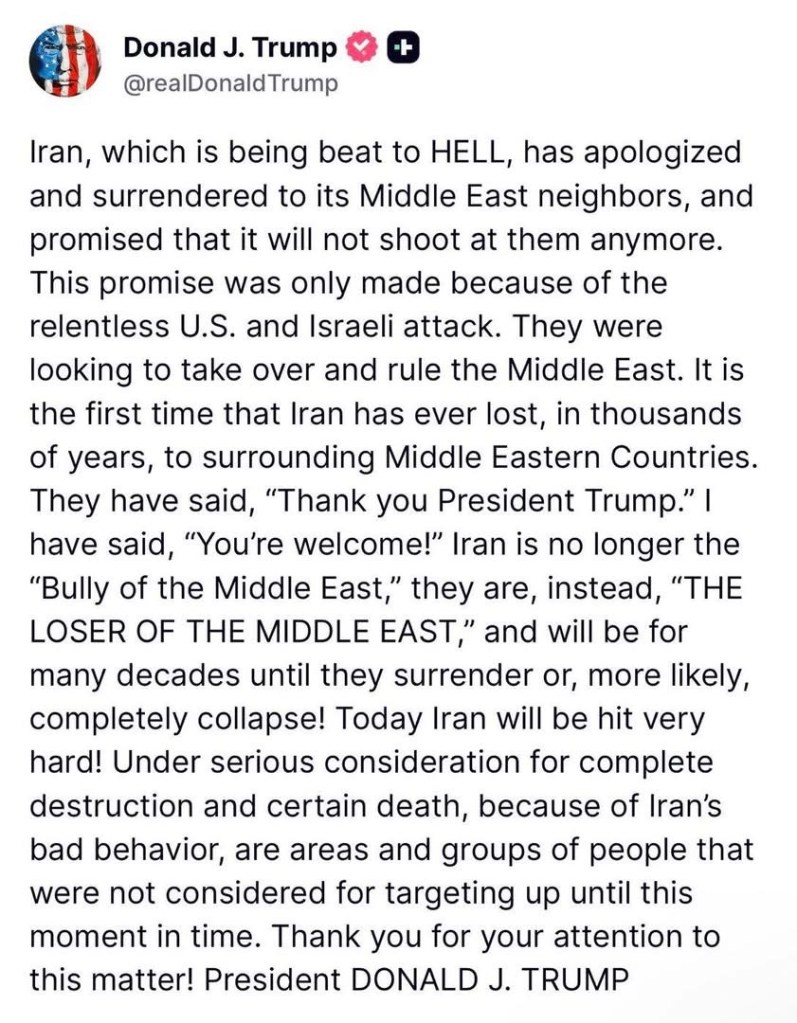
“Today Iran will be hit very hard!” he wrote on Truth Social Saturday morning. “Under serious consideration for complete destruction and certain death, because of Iran’s bad behavior, are areas and groups of people that were not considered for targeting up until this moment in time.”
Islamic miniature depicting Abu Hudhayfa ibn Utba (right) informing As’ad ibn Zurara that he has converted to Islam, with the presence of a cat denoting his home’s ritual purity.
Trump’s threat came after Iranian President Masoud Pezeshkian labeled the president’s earlier call for Tehran’s “unconditional surrender” a “dream that they should take to their grave” in a speech broadcast on state television Saturday.
Pezeshkian also said his country would no longer strike its neighbors in the Middle East — so long as attacks against Iran weren’t being launched from those countries. Trump took credit for the new policy, writing on Truth Social that it “was only made because of the relentless U.S. and Israeli attack.”
“It is the first time that Iran has ever lost, in thousands of years, to surrounding Middle Eastern Countries,” he said. “They have said, ‘Thank you President Trump.’ I have said, ‘You’re welcome!’ Iran is no longer the ‘Bully of the Middle East,’ they are, instead, ‘THE LOSER OF THE MIDDLE EAST,’ and will be for many decades until they surrender or, more likely, completely collapse!”

Trump is really full of himself. He even thinks he should help decide who Iran’s next leader will be!
Meanwhile, things here at home aren’t going so well.
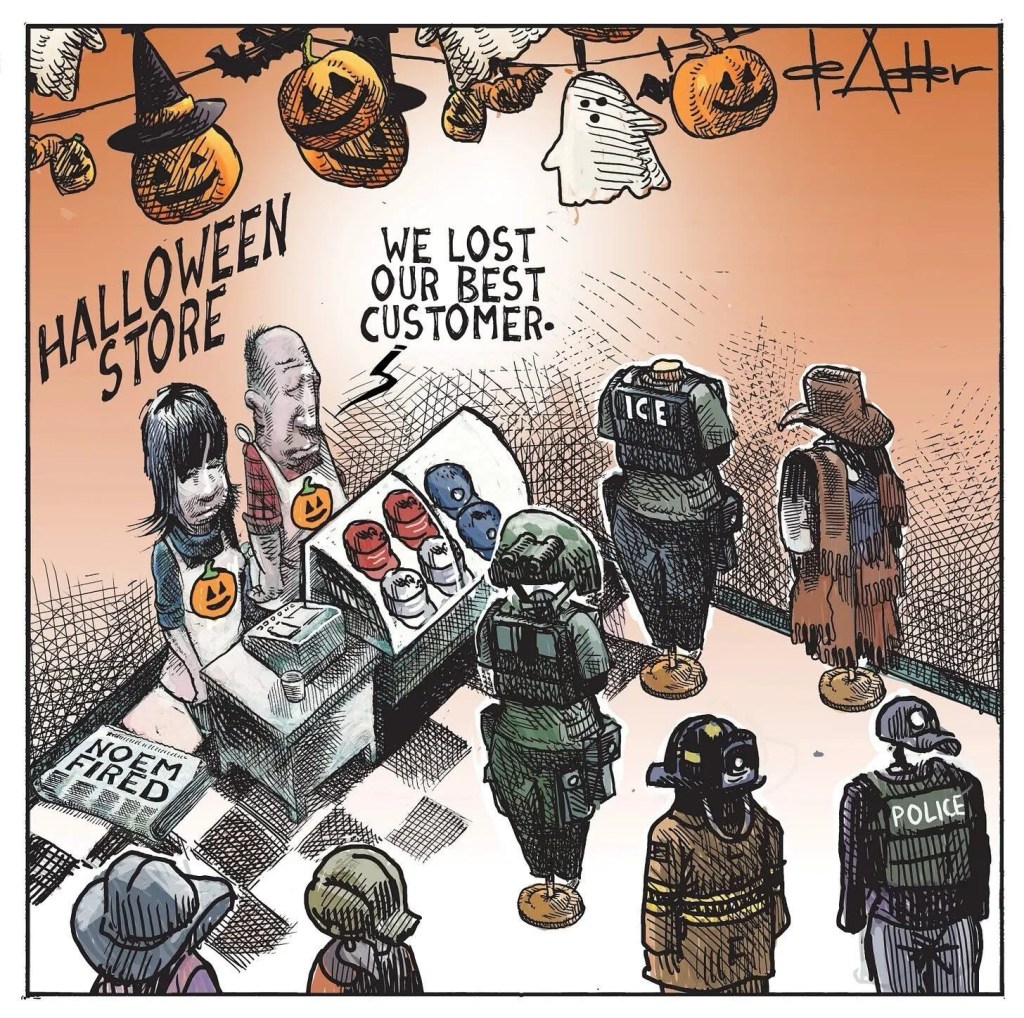
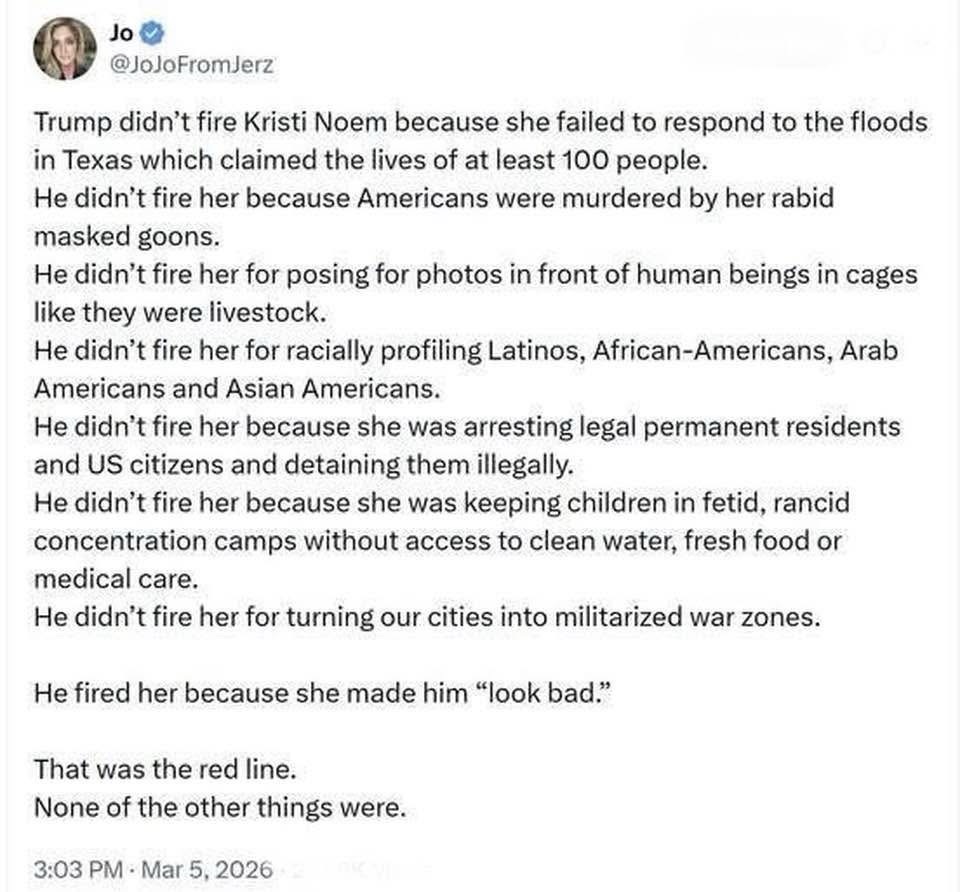
Politico: Trump’s week: Poor jobs numbers, high gas prices and Noem’s ouster.
Donald Trump won reelection on the promise of restoring the economy and eliminating illegal immigration.
But in the last week, both issues have threatened to turn into liabilities: A stagnant labor market and soaring gas prices amid the Iran conflict are hammering the economy, and the ouster of Kristi Noem from the Department of Homeland Security has cast new light on the administration’s increasingly unpopular immigration agenda. The economic backdrop has grown ominous — Wall Street analysts are warning that surging oil prices could lead to stagflation — and the blitzkrieg of bad news has jeopardized the GOP’s ability to keep voters focused on Trump administration policies that were designed to help with the rising cost of living.
“If you combine an economy that people don’t like with a prolonged war that you know nobody in his base believes they voted for, that’s a toxic problem,” said one Trump ally granted anonymity to speak freely. While Trump isn’t on the ballot this year, his party needs the president’s poll numbers to improve to keep the House and Senate….
The Iran conflict has put immense upward pressure on oil and gas –- prices at the pump have climbed by more than 11 percent in a week. Now, with employers shedding payroll and Trump pressing reset on who’s leading his immigration agenda, the president is on the backfoot on the two issues he needs to own for his party to win the midterms….
The president, meanwhile, is also struggling with what was once his strongest and most defining issue — immigration. While the number of people crossing the southern border has fallen significantly, in part due to Trump administration efforts, the widely shared images of aggressive enforcement actions across the country have left even some of his supporters wincing. Other conservatives, still, are unhappy that those efforts have not gone far enough, falling short of the “mass deportations” he promised on the campaign trail.
Polling underscores the erosion of support. A recent NBC News poll found that 49 percent of adults strongly disapprove of Trump’s handling of border security and immigration, up from 38 percent last summer. Nearly three-quarters of the poll’s respondents said that Immigration and Customs Enforcement should be reformed or abolished.
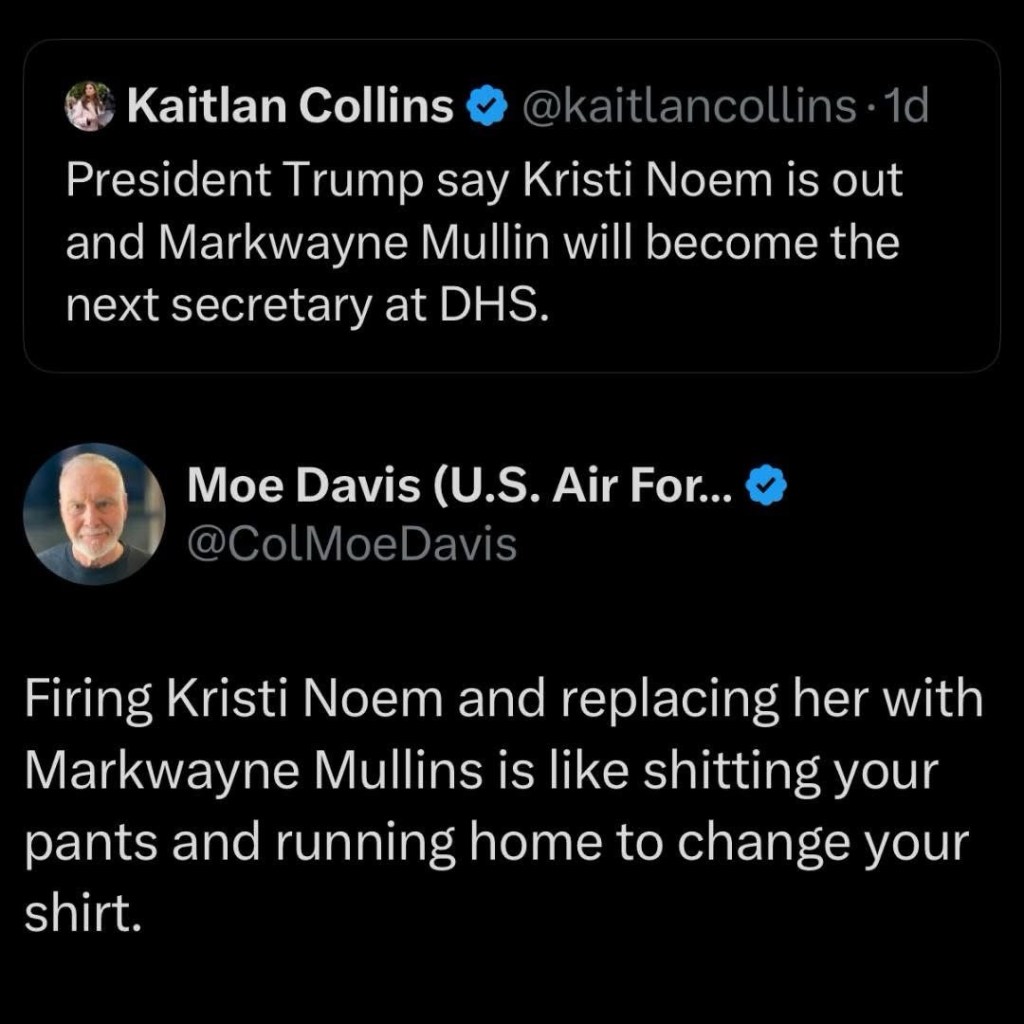
Trump’s Thursday dismissal of Noem came after months of increasing frustration inside the White House with how she ran the department.
From Greg Sargent at The New Republic: Donald Trump’s Presidency Is in Free Fall.
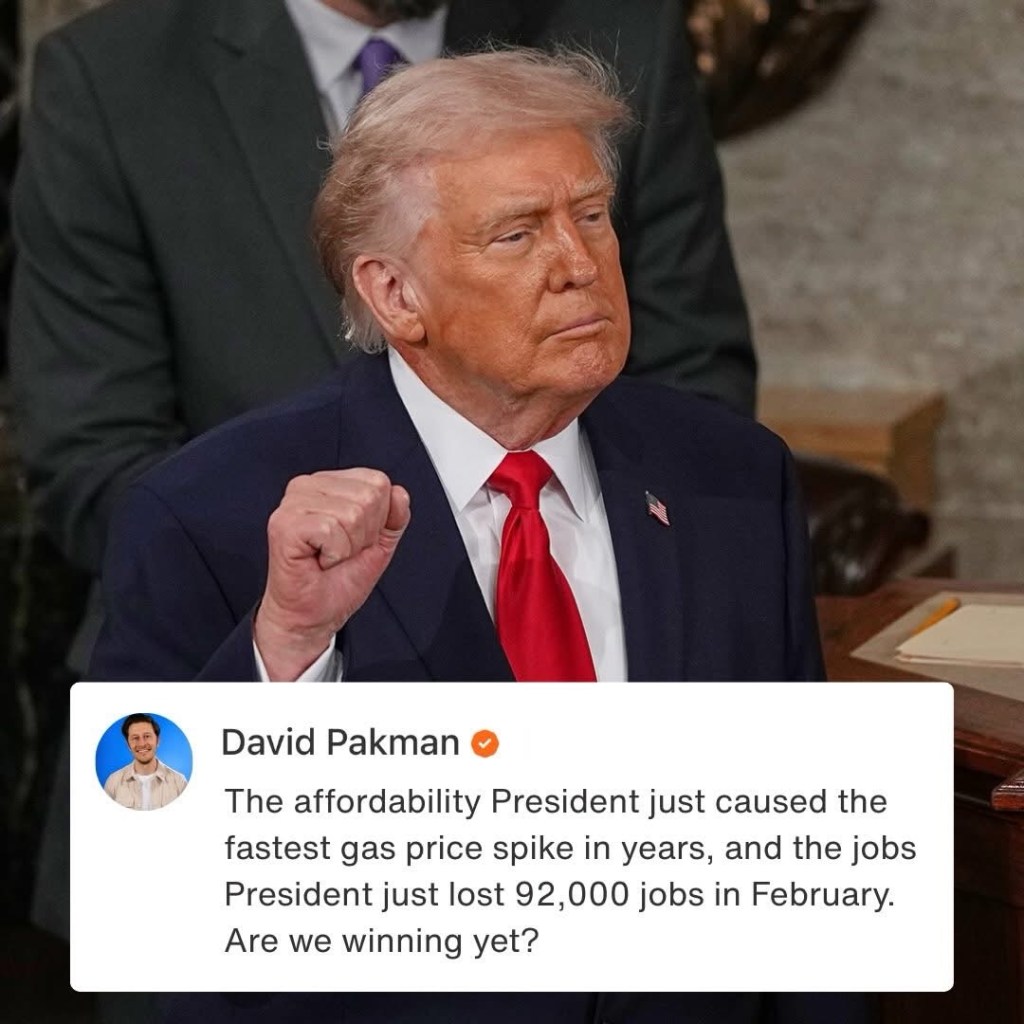
Consider three of the biggest developments in our politics right now: We just learned that the economy lost 92,000 jobs in February, a capstone to a terrible year in terms of job creation. President Trump has fired widely despised Homeland Security Secretary Kristi Noem, a key architect of his mass deportations. And reports are indicating that the killing of scores of Iranian schoolchildren might have been the handiwork of the United States.
What links all these things? In addition to the massive human toll they’re inflicting, they suggest that Trump is about to pull off a unique trifecta. He is squandering the advantage he and Republicans have enjoyed in recent years on three major GOP-friendly issues: The economy, immigration, and national security.
Painting by Tatjana Cechun
This isn’t meant as a political gotcha; it has important ideological and policy implications. When Trump took office last year, it was reasonable to fear that the American public would rally behind mass deportations and tariffs—that is, embrace two of the main tenets of right-wing nationalism. Meanwhile, the launch of the largest military attack in the Mideast in decades might have plausibly produced a rally-around-the-war-president effect.
None of that is happening. And that’s significant in not-so-obvious ways.
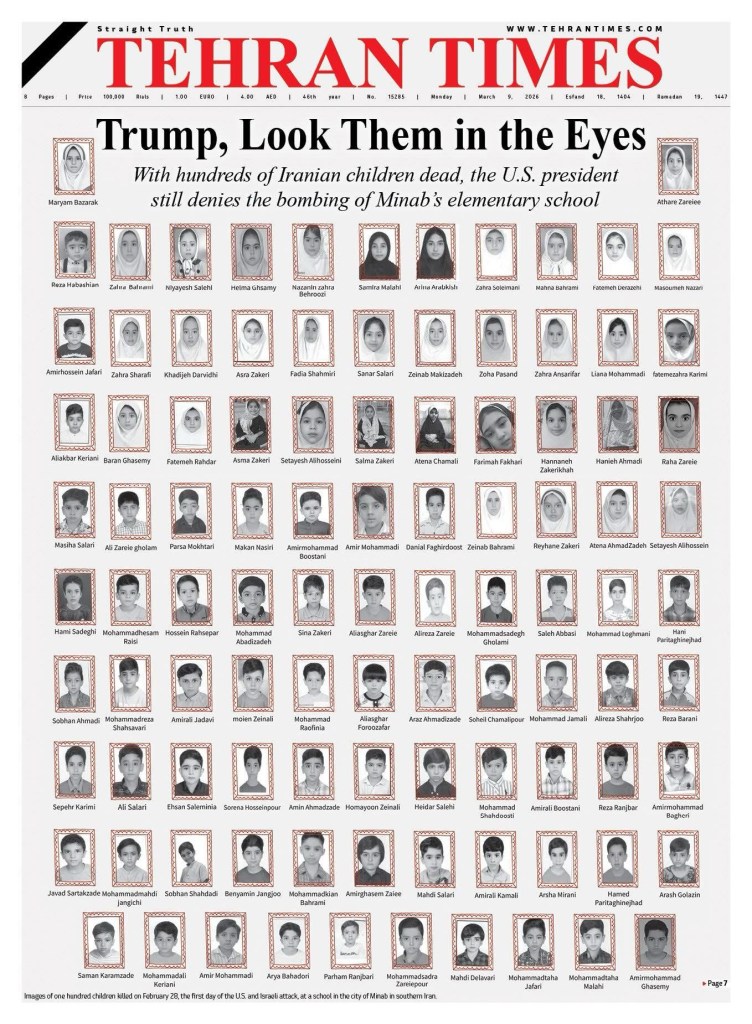
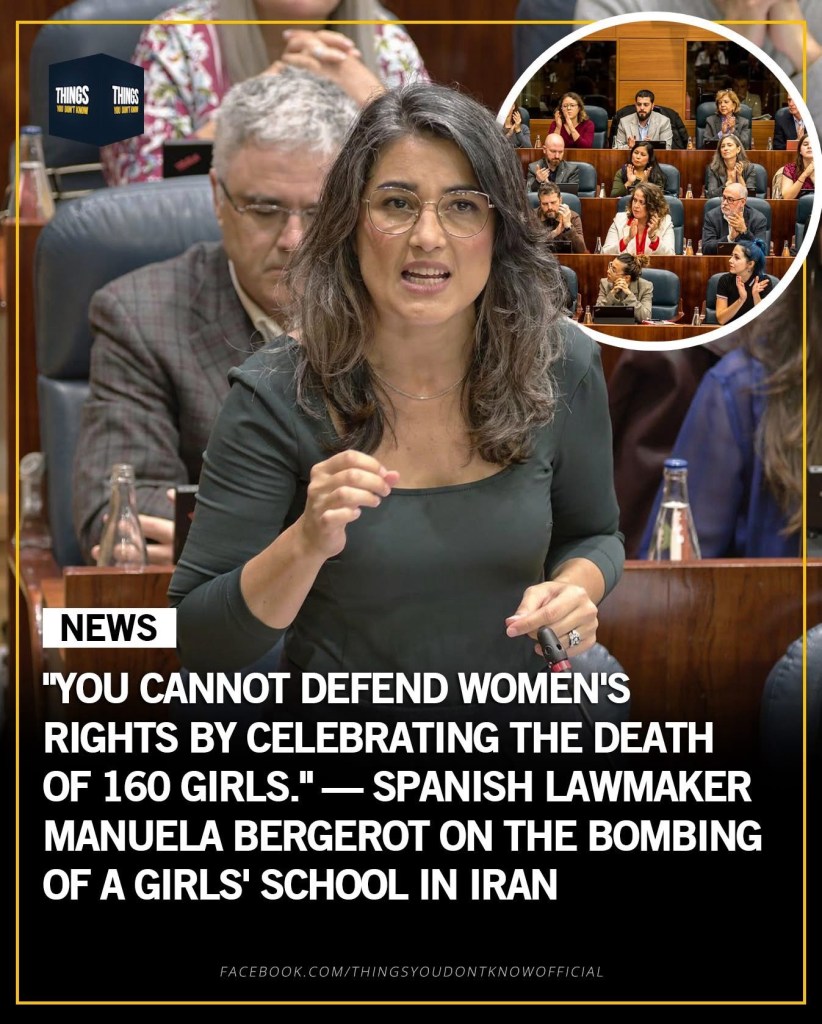
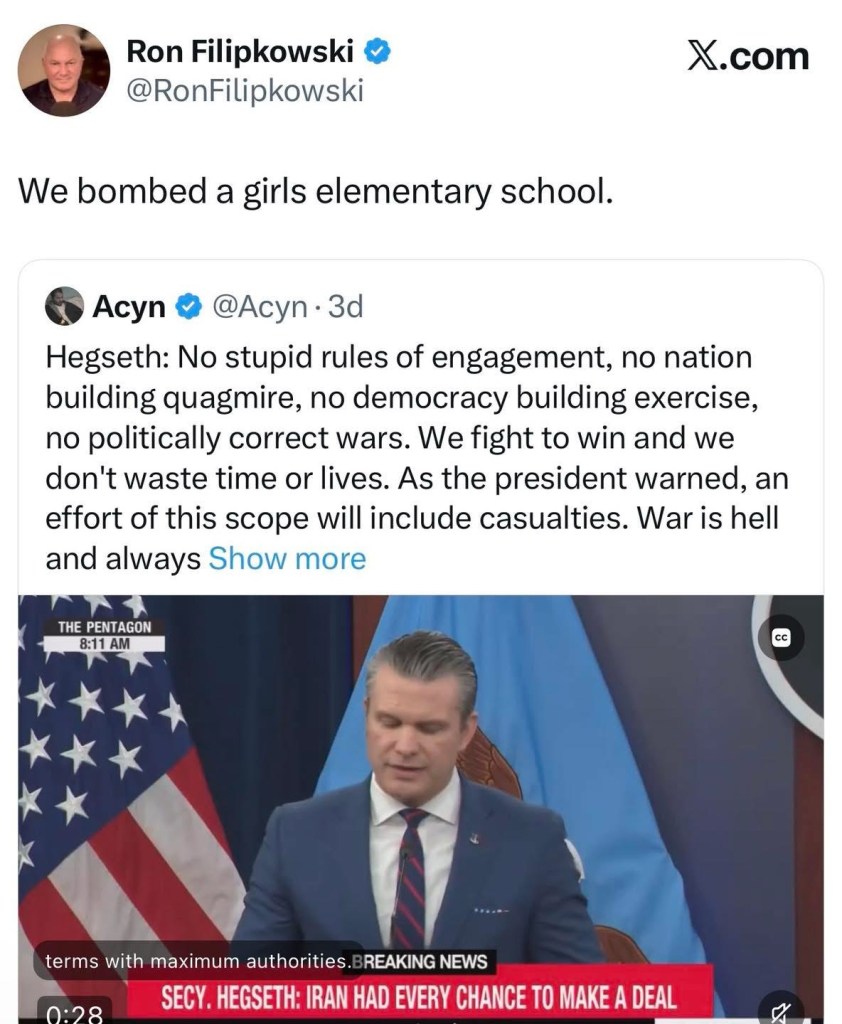
Let’s start with Trump and national security. According to an extraordinary video analysis by The New York Times, the horrific bombing of an elementary school in southern Iran—which killed 175 people, many children—occurred while the United States was conducting missile strikes in the area aimed at a nearby Iranian naval base.
What’s more, Reuters reports that military investigators now believe U.S. forces likely bombed the school. We should suspend final judgement, of course. But it’s looking very much like this atrocity—one of the worst massacres of civilians in memory—is the result of Trump’s war. Whatever we learn about it, there will inevitably be more such horrors.
Now look at this in the context of remarks from Defense Secretary Pete Hegseth and White House adviser Stephen Miller. Hegseth recently declared that the United States is dispensing with “stupid rules of engagement” and will no longer fight “politically correct wars.” Miller recently enthused that Trump’s military doesn’t have “its hands tied behind its back,” mocked the very idea of human rights, and insisted that “strength” and “force” and “power” are fundamentally all that matter in the international arena.
But we’re now learning why we have the sort of constraints on military conduct these men ridicule. “Trump, Miller and Hegseth’s FAFO approach to the use of official government force and violence comes with considerable risk,” Democratic Congressman Adam Smith told me, employing the acronym for “Fuck Around and Find Out.” Atrocities like the school bombing, he added, show the perils that come when we “brazenly dismiss any sort of rules of engagement designed to protect the lives and rights of civilians.”

Just a bit more:
The swaggering certainty of Hegseth and Miller, those two giants of American statecraft, is what’s notable here. As Alan Elrod writes at Liberal Currents, at times like this you can almost smell MAGA’s “bloodlust.” Clearly they have no doubt the public will rally behind this supposed display of Trump’s “strength.” Or maybe they don’t think it matters what the public thinks.
But it does matter. Data analyst G. Elliott Morris averaged high quality polling on Trump’s Iran invasion, and found that only 38 percent of respondents approve—the lowest initial support for an American war perhaps ever. Trump’s overall approval has also dropped a hair since the bombing began—it’s hovering at around 39-58—leading Morris to conclude that no rally-around-the-flag effect is materializing.
Also note that a CNN poll just showed that 59 percent don’t trust Trump to make the right decisions regarding the use of force in Iran, suggesting already-entrenched skepticism of Trump’s commander-in-chief abilities exactly when a “war president” boomlet might be expected to kick in. The school bombing will make this worse. In short, Trump has no built-in national security advantage. If anything he’s viewed as bad on it.
Read the rest at TNR.
Two more stories that show the callous nature of Trump’s war:
HuffPo: U.S. May Have Committed War Crime In Sinking Of Iranian Ship.
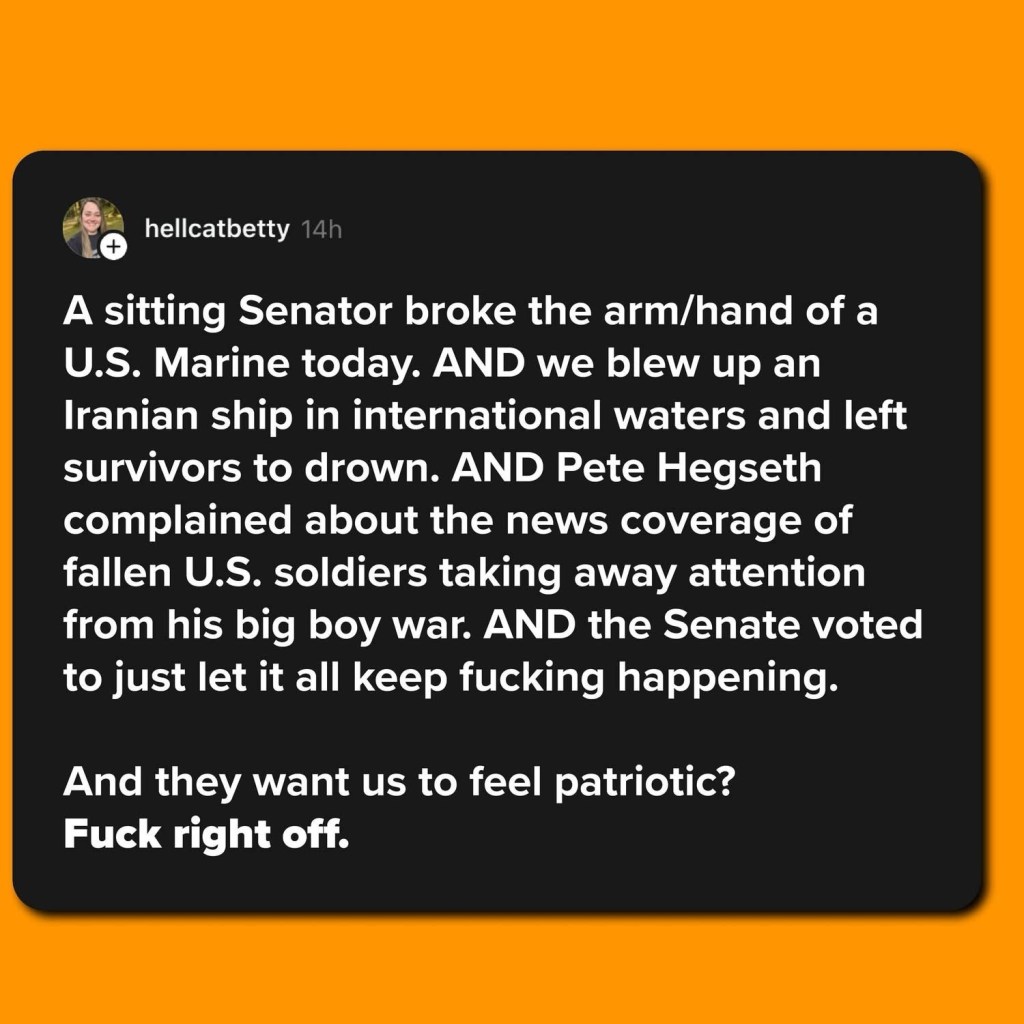
The U.S. torpedoing of an Iranian frigate off Sri Lanka this week may have violated the Geneva Conventions by failing to help rescue sailors from the stricken warship, an act that could potentially endanger American service members in this and future wars.
The 312-foot Dena and its 130-member crew, many of them musicians in the Iranian navy band, had just finished participating in an Indian government naval exercise and cultural exchange that the U.S. Navy had also participated in and were on the way home on Wednesday. After clearing Sri Lanka, it was struck by a torpedo fired from a U.S. Navy submarine about 20 miles from the island’s southern tip. The weapon appears to have ruptured the hull from beneath, and the warship quickly sank. The submarine did not attempt to rescue Iranian sailors in the water.
Painting of a calico Persian cat, by Lynn Lachapelle Seguin
White House press secretary Karoline Leavitt bragged about how the attack featured the first American use of a torpedo to sink a ship since World War II. Defense Secretary Pete Hegseth, narrating a video clip of the attack, used the same gloating tone. “An American submarine sunk an Iranian warship that thought it was safe in international waters. Instead, it was sunk by a torpedo. Quiet death,” he intoned.
Hegseth had previously mocked the “stupid rules of engagement” that aim to limit civilian deaths and other actions that could constitute war crimes.
“There is an affirmative duty to rescue under the Geneva Conventions,” said Mark Nevitt, a former Navy lawyer in the judge advocate general corps and now a law professor at Emory University.
He and other legal experts warn that disregarding those and other rules invites mistreatment, even death, to Americans who are shipwrecked or captured.

Yahoo News: Pete Hegseth Mocks ‘Iranians That Think They’re Gonna Live.’
In a preview of an upcoming 60 Minutes interview released on Friday, Secretary of Defense Pete Hegseth mocked “Iranians that think they’re gonna live” while answering a question on reports that Russia provided Iran with intel to target American soldiers in the ongoing conflict.
In the clip, CBS News’ Major Garrett cited three sources “telling us that Russia is providing intelligence to Iran on U.S. positions and movements.”
“The average American might hear that and think that’s a big and dangerous deal,” continued Garrett. “Is it?”
“Well, we’re tracking everything,” responded Hegseth. “We have the best intelligence in the world… President [Donald Trump] has an incredible knack at knowing how to mitigate those risks, and so the American people can rest assured their commander in chief is well aware of who’s talking to who, and anything that shouldn’t be happening — whether it’s in public or backchanneled — is being confronted and confronted strongly.”
“So the American people can therefore expect conversations with the Russians to stop this?” clarified Garrett.
“Well, I,” Hegseth stumbled. “President Trump, as people have seen, has a unique relationship with a lot of world leaders, where he can get things done that other presidents — certainly [former President] Joe Biden —
“Well, I,” Hegseth stumbled. “President Trump, as people have seen, has a unique relationship with a lot of world leaders, where he can get things done that other presidents — certainly [former President] Joe Biden — never could have. And through direct conversations or indirect, through him one-to-one, or through his cabinet, messages definitely can be delivered.”
We’ll see. I have zero faith that Trump will stand up to Putin on anything.
The New York Times on the Russia story: Russia Is Sharing Intelligence With Iran, U.S. Officials Say.
Russia has provided intelligence to Iran during the U.S.-Israeli war, including satellite imagery showing the locations of warships and military personnel, according to U.S. officials.
The information sharing could complicate relations between the United States and Russia, given that President Trump has often taken a more conciliatory stance toward Moscow than his predecessors.
Persian cat by Carolee Vitaletti
But some of the officials played down the partnership, saying Russia has long provided similar intelligence to Iran. And it is not clear how much Tehran has been able to use the new intelligence, if at all. Iran has advanced missiles, but they lag far behind Russia’s and it is not clear Iran could use the intelligence to target a ship.
Furthermore, given the immense pressure of the combined U.S.-Israeli assault, which began last Saturday, Iran’s ability to launch missiles has been degraded, officials said.
But officials confirmed that Russia has provided updated intelligence on the position of U.S. assets since the beginning of the war, information meant to help Iran target the assets.
So far Iranian forces have not hit any U.S. warships, but they have struck at U.S. military bases, killing six service members in Kuwait and damaging facilities in Bahrain. Iranian drones have also struck a building housing the C.I.A. station in Riyadh, Saudi Arabia, though no one was injured in that attack, officials said.

I guess we’ll eventually find out how effective Russia’s help is and whether Trump will do anything about it.
Two more stories that address possible outcomes of the Iran “war.”
The Washington Post (gift link): Intel report warns large-scale war ‘unlikely’ to oust Iran’s regime.
Finally Friday Reads: Perpetual Fresh Hells
Posted: March 6, 2026 Filed under: #FARTUS, #MAGAnomics, #We are so Fucked, just because, kakistocracy, Kristi Noem, MAGA Assholes, Trump's Wars | Tags: @johnbuss.bsky.social John Buss, Cadet Bonespur's Iran War, Ecuador, Kristi Noem Sociopath and Cunt, Markwayne Mullin, Trump's Economy Sux, Trump's Wars 7 Comments
“Meanwhile, in the newly acquired Homeland Security luxury jet’s bedroom…” John Buss, @repeat1968
Good Day, Sky Dancers!
There’s so much news to cover today that I don’t even know where to start. We’ve got information that we’re the ones who struck the elementary school in Iran, killing all those little girls. We’ve also found out that the Russians are helping Iran target us. This sure feels like the start of World War 3. Additionally, the job picture is bleak as stats show that jobs are being eliminated. Finally, don’t start celebrating Kristi Noem’s demise quite yet. She’s headed to another job, and her replacement is a bimbo with some odd kink. Orange Caligula and his Incompetence Legion continue to wreck everything. Steven Miller must be thrilled.
So, how goes the war? My bad, wars. We’ve got yet another frontline in another country as of 2 days ago. We’re now staging attacks in Ecuador. This is from Time Magazine. “Why Is the U.S. Launching Military Operations in Ecuador?” This analysis and reporting is by Chantelle Lee.
The United States and Ecuador announced this week that they’ve begun a joint military operation to combat narcoterrorism in the South American country.
The U.S. Southern Command (Southcom), which oversees the nation’s military activity in Latin America and the Caribbean, said in a press release on Tuesday that Ecuadorian and American military forces had started operations that day “against Designated Terrorist Organizations in Ecuador.”
“The operations are a powerful example of the commitment of partners in Latin America and the Caribbean to combat the scourge of narco-terrorism,” Southcom said in the press release. “Together, we are taking decisive action to confront narco-terrorists who have long inflicted terror, violence, and corruption on citizens throughout the hemisphere.”
Southcom also shared on X a short video in which a helicopter can be seen taking flight and picking up service members. The command didn’t explain what the video was depicting, though, or how it was tied to the operation in Ecuador.
Officials have so far shared little information about the military operation. But here’s what we do know.
Ecuadorian President Daniel Noboa said in a post on X this week that the country will be conducting “joint operations with our regional allies, including the United States” in March. He didn’t provide any details about the scale of the operation or the intended targets.
“The security of Ecuadorians is our priority, and we will fight to achieve peace in every corner of the country,” he said in his post. “To achieve that peace, we must act forcefully against criminals, wherever they may be. The pursuit of justice and national dignity will never be persecution, but rather a promise that we will keep to Ecuadorians.”
The Trump Administration hasn’t publicly shared how the U.S. military is involved in the operation in Ecuador. But one American official, speaking to the New York Timeson the condition of anonymity, said that, in the months leading up to this week’s announcement, U.S. Special Forces have been assisting Ecuadorian soldiers in preparing for raids. American service members, the official told the Times, have been deployed to support the Ecuadorian military with the operation, which is reportedly targeting drug facilities led by violent gangs. U.S. troops, though, will not be directly involved in the operation, the official told the Times.
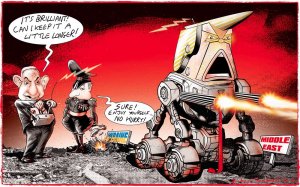 Dalia Dassa Kaye, reporting for Foreign Affairs, has this analysis. “The Mirage of a New Middle East. War With Iran Won’t Reshape the Region the Way America Wants.”
Eager to show that he can do what no American leader has done before, President Donald Trump has chosen conflict over diplomacy and gone to war with Iran. The Islamic Republic, knowing that this fight is existential, retaliated quickly with deadly missile and drone attacks on Israel, U.S. bases in the Middle East, and targets in Gulf states and beyond. This is now a regional war with global impact, disrupting oil and financial markets, supply chains, maritime commerce, and air travel. Threats to Americans and the death toll in Iran mount by the hour. These growing risks were predictable long before the war became reality, which might help explain why no previous president took the United States down this perilous path.
How this war will end remains uncertain. But when it does, the United States will have to face what comes next. To the extent that the Trump administration has considered plans for “the day after,” it seems to have made a series of overly optimistic assumptions about how the war might reshape Iran and the Middle East. For one, the Trump administration has insisted—including in Trump’s social media post on February 28 announcing the war—that a relentless degradation of Iranian leadership and military capabilities would weaken the regime enough that the Iranian people could rise up and “take over the government.” Even if that doesn’t happen, the administration’s logic goes, Iran would be defanged and so preoccupied with internal problems that it could no longer pose a threat to the region or American interests. Taking the current Iranian regime out of the equation, Washington assumes, would remove one of the largest sources of regional instability and usher in a new Middle East more to the United States’ liking.
But the outcome of this war will likely fall far short of these rosy expectations. After the bombing ends, Iran and the region could look worse, or at least not better, than they did before the war. The fighting could create a power vacuum in Tehran, sour U.S. allies on their partnerships with Washington, and produce ripple effects on conflicts elsewhere in the world, all without removing sources of regional strife that have nothing to do with the regime in Iran. The risks increase the longer the war goes on, so Congress and U.S. allies must press for a cease-fire now if there is to be any hope of mitigating these day-after dangers.
 More analysis of the likely deadly results over time, which include the rise of terrorism once more, can be found at the link. Eric Cortellessa has more analysis about “Trump’s War” at Time Magazine.
In short, if Trump campaigned as a President of peace, he has governed as the opposite. Now he has drawn the U.S. into the kind of conflict he long pledged to avoid. Having ousted the tyrannical ruler of Iran’s theocracy, he has committed the U.S. anew to regime change in the Middle East, telling TIME he intends to play a role in shaping the next government of a regional powerhouse home to some 90 million people. “One of the things I’m going to be asking for is the ability to work with them on choosing a new leader,” he says. “I’m not going through this to end up with another Khamenei. I want to be involved in the selection. They can select, but we have to make sure it’s somebody that’s reasonable to the United States.”
It’s impossible to know how all this will unfold. There was little sympathy internationally for the Ayatollah, who reigned over a brutal Islamist regime; throughout Tehran and across the Iranian diaspora, crowds have rejoiced in the streets upon hearing the news of his demise. To some, Trump’s attacks are historic in the best sense, eliminating an avowed adversary who sought to destroy the U.S. and whom Washington has long viewed as the head of the world’s foremost state sponsor of terrorism.
But the gambit carries extraordinary risks—for Trump’s presidency, for Iran’s fragile political future, for regional stability, and for the safety of Americans at home and abroad. The gravest decision a President can make is whether to send American troops into harm’s way. Trump, who once defined himself in opposition to foreign entanglements, has pivoted with astonishing alacrity toward open-ended confrontation across multiple theaters.
In his interview with TIME, Trump says his goals are to eliminate Iran’s nuclear threat once and for all, to dismantle its ballistic-missile program, and to install a Western-friendly government. “We have to be able to deal with sane and rational people,” he says. Yet Trump launched a war before making a case to the country or to Congress, and his Administration has offered unclear—and at times contradictory—explanations of the mission’s objectives. The most unnerving possibility is that Operation Epic Fury is not the culmination of his shift toward a war presidency, but rather the beginning of a new chapter.
The path to war with Iran was paved by a pair of meetings, one year apart, with Benjamin Netanyahu.
 As usual, Trump is easily manipulated by his counterparts with selfish and bad intentions.
On Feb. 4, 2025, the Israeli Prime Minister visited the White House for the first time since Trump’s return to power. Seated at a long table in the Cabinet Room, Netanyahu began with a bracing reminder, according to U.S. and Israeli officials present at the meeting: Iran, he noted, had plotted to assassinate Trump during the 2024 campaign. Law-enforcement officials disclosed that they had disrupted what they described as two Iranian plots to kill Trump. (Tehran denied the allegations.) Trump has long fused geopolitics with grievance, and Iran’s clerical leadership occupied a singular place on his list of adversaries. When TIME asked him in a November 2024 interview about the prospect of war with Iran, Trump did not dismiss it. “Anything can happen,” he said.
Sensing an opening, Netanyahu walked through a slide deck. It showed stockpiles of highly enriched uranium climbing, centrifuges spinning faster, inspectors reporting gaps. Ever since Trump withdrew from President Barack Obama’s nuclear accord in 2018, Tehran had incrementally expanded its enrichment program, moving closer to breakout capacity. By the time Trump was inaugurated a second time, international inspectors assessed that Iran possessed enough weapons-grade uranium to place it mere weeks from assembling a bomb. “Look, Donald,” Netanyahu said, leaning in, “this has to be tackled, because they’re racing forward.” He paused, locking eyes with the President. “You can’t have a nuclear Iran on your watch.”
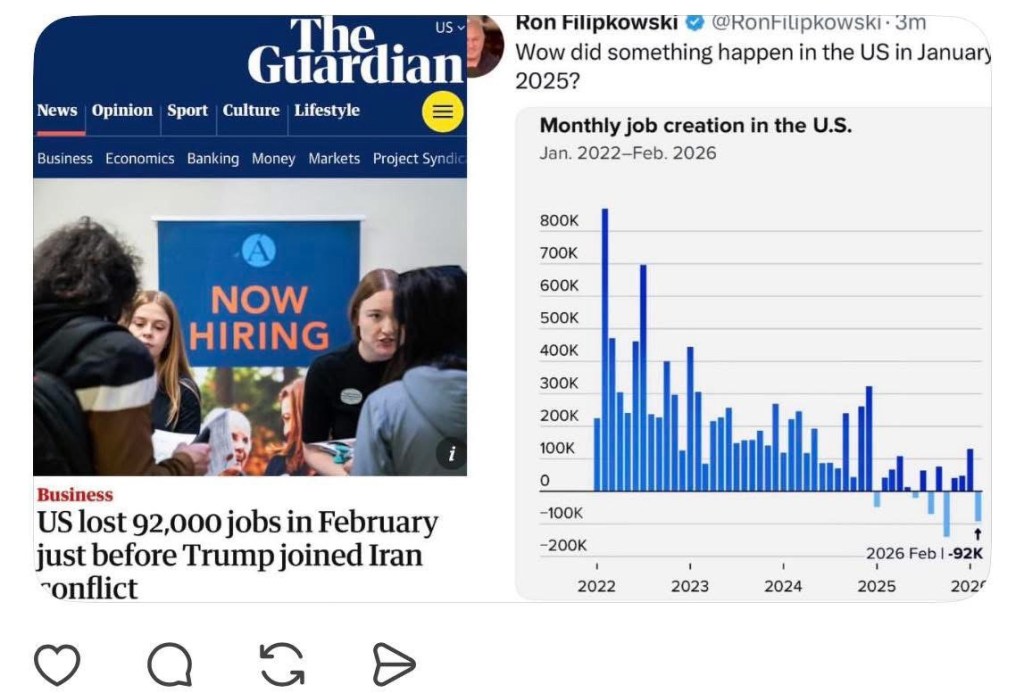
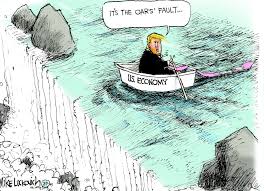 I wanted to mention the economy signalling a meltdown. This is from Jeff Cox writing for CNBC. “Economy: U.S. payrolls unexpectedly fell by 92,000 in February; unemployment rate rises to 4.4%.”
-
Nonfarm payrolls in February fell by 92,000, compared with the estimate for 50,000 and below the downwardly revised January total of 126,000. It was the third time in five months that the economy lost jobs.
-
Health care, the primary growth driver in payrolls, saw a loss of 28,000, due largely to a strike at Kaiser Permanente that sidelined more than 30,000 workers in Hawaii and California.
-
Wages rose more than expected. Average hourly earnings increased 0.4% for the month and 3.8% from a year ago, both 0.1 percentage point above forecast.
I want to mention a few things about this. Generally, this would indicate that the Fed’s Board of Governors may loosen interest rates. However, we’re still on the high end of the inflation rate target, considering that wages rose by more than expected, the Fed may be reluctant to move on that. Wars generally stimulate an economy but that remains to be seen on the various military advantages Trump has undertaken. There is still concern about the supply inventory needed to support the war. Moving to a wartime economy can create shortages in the consumer sector. International markets are already pricing in oil shortages.
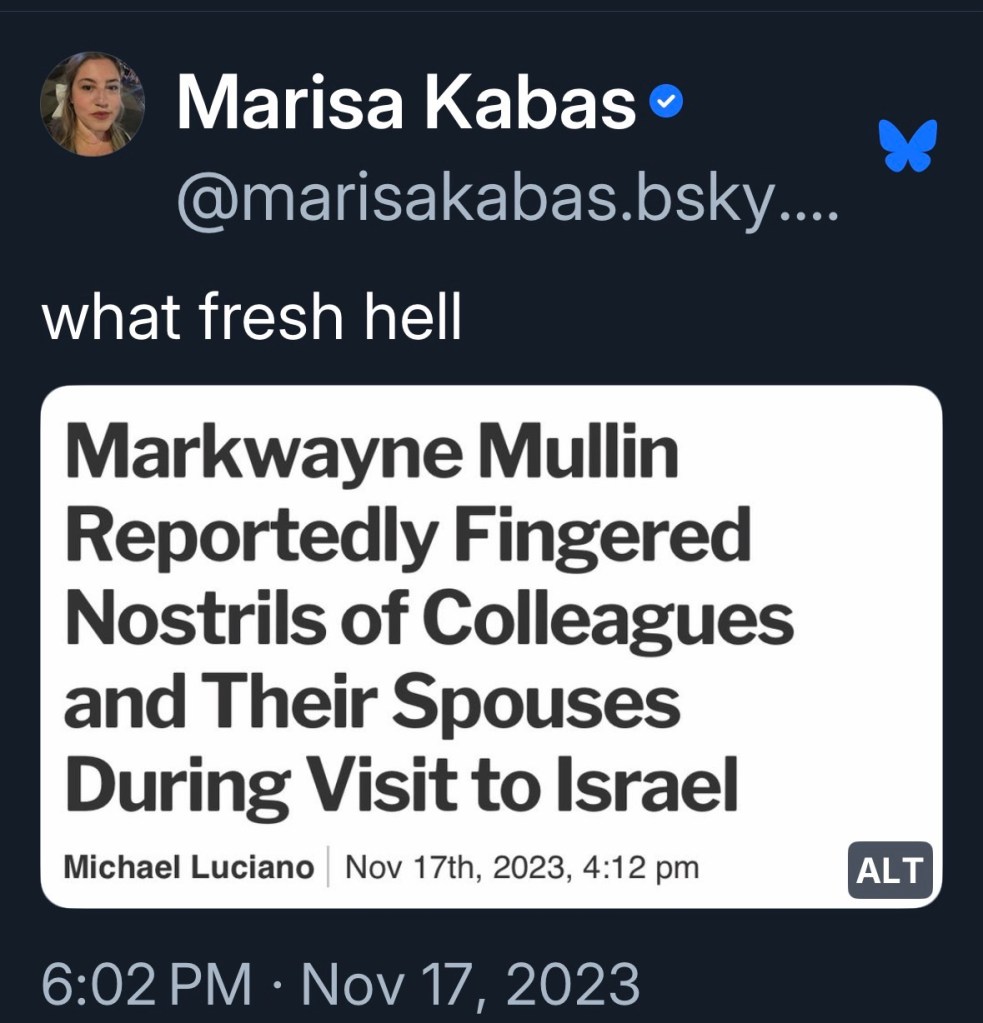
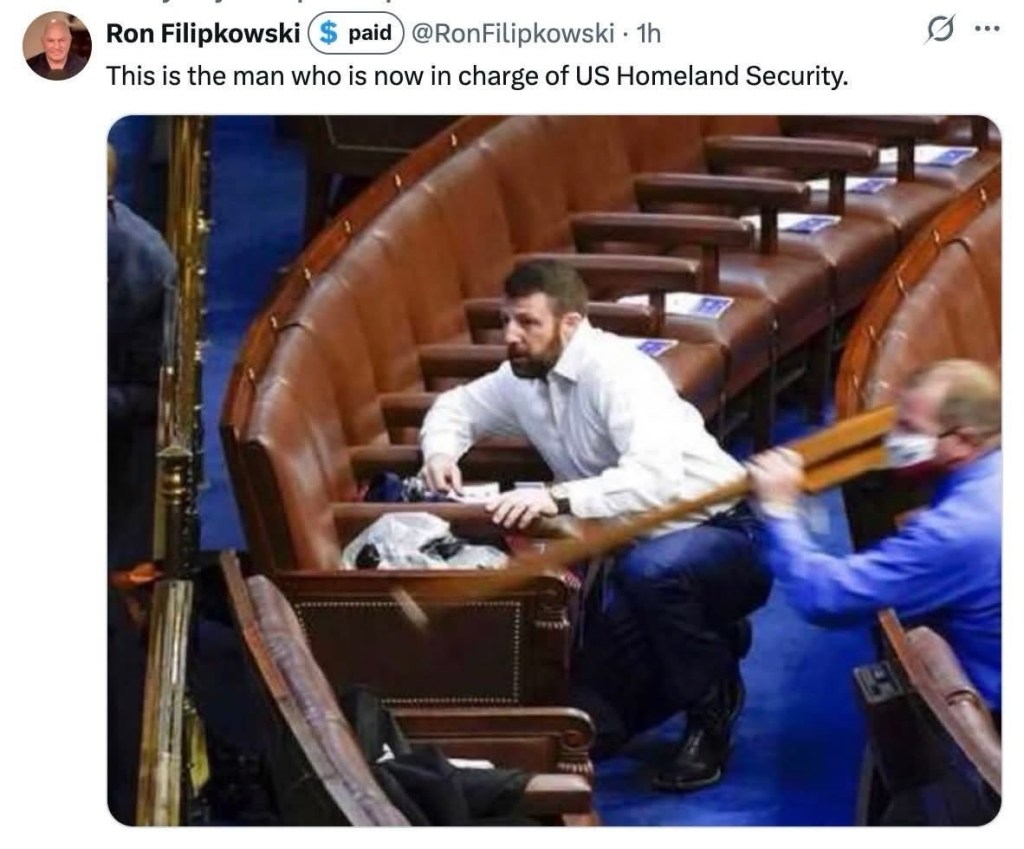
 As usual, I am ever the economist. I’m just weirded out about all the Kristi Noem and her likely replacement news. These people are all bimbos and freaks. Noem’s replacement, Senator Markwayne Mullin, appears to have a really odd kink. This is from MEDIAite. It’s a headline from 2023. “Markwayne Mullin Reportedly Fingered Nostrils of Colleagues and Their Spouses During Visit to Israel.” I certainly want the committee hearing to ask about this, but I really don’t want to hear the details.
I do want to know more about Noem’s new job, however. This is from The Hill. WTH is the Shield of the Americans anyway? Ashleigh Fields has this headline. “What we know about Noem’s new ‘Shield of the Americas’ role.”
While the soon-to-be former secretary will no longer head up immigration and other national security agencies under DHS, her work for “Shield of the Americas” will hit on similar topics, including immigrants in the country illegally, transnational trafficking and border crossings.
Here’s what we know about the role: What is ‘Shield of the Americas’?
The regional coalition of countries in Latin America will work together on ideology and policy initiatives that help secure the Western Hemisphere, according to the White House.
The Shield of the Americas will be guided in part by the president’s foreign policy initiatives dubbed the “Donroe Doctrine,” fashioned after the Monroe Doctrine. The administration has described the doctrine as enlisting “established friends” in the Western Hemisphere to pursue U.S. aims and expanding ties by “cultivating and strengthening new partners.”
Since Trump returned to office last year, he directed the renaming of the Gulf of Mexico to the “Gulf of America,” announced plans to “take back” the Panama Canal, and pushed efforts to acquire Greenland and make Canada the 51st state.
A summit making the Shield of the Americas official is set to take place this weekend in Miami, and it may largely focus on counterterrorism measures in the region as a group of Latin American leaders assemble on American soil.
Noem will work with foreign leaders in both North and South America. The Trump administration has maintained a heavy interest in connecting with Latin American leaders to combat human smuggling, drug trafficking and undocumented immigration.
Thirteen heads of Latin American countries are expected to be present at the Miami summit this weekend. Some notable names, according to the White House, include: Argentine President Javier Milei, Chilean President-elect José Antonio Kast, Salvadoran President Nayib Bukele Ortez and Honduran President Nasry “Tito” Asfura.
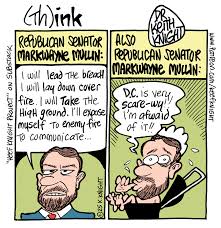 NPR has the go-to list on “What you need to know about Sen. Markwayne Mullin, Trump’s new pick to lead DHS.”
-
Mullin was first elected to the House in 2012 and was sworn in the following January.
-
A decade later he won a special election to fulfill the term of former Sen. James Inhofe, a fellow Republican who resigned due to health issues.
-
Mullin is an enrolled member of the Cherokee nation. He is the first tribal citizen in the Senate since Ben Nighthorse Campbell left in 2005.
-
Mullin has been a reliable defender of President Trump in Congress, including just this week, backing the president’s decision to launch strikes against Iran.
-
Mullin serves on several committees, including Appropriations, Armed Services, Indian Affairs and Health, Education, Labor and Pensions.
-
In his role on the Appropriations Committee, he helps write and negotiate federal funding, including the ongoing talks to fund DHS, the agency he has been tapped to lead.
-
DHS has been operating without annual appropriations funding since February 14.
-
Mullin has frequently defended President Trump’s approach to immigration enforcement.
Anyway, he has a background in construction. He’s from Oklahoma. Evidently, he and Rand Paul don’t get along, and since Paul is the head of the committee that will approve his appointment, it should be interesting.
So, that’s enough weird Trump news for the day. I need to return to doing something more worthwhile, like the laundry and dishes.
What’s on your Reading, Blogging, and Action list today?

 peej
peej Carissa
 bostonboomer
 dakinikat
 ecocatwoman
 mablue2
 Mama Lopez
 peggysue22
 quixote
 skydancingguestblogger
 Mona (aka Wonk the Vote)



 Sky Dancing
Recent Comments