

One day after the last rioter had left the U.S. Capitol on Jan. 6, 2021, President Donald Trump’s advisers urged him to give an address to the nation to condemn the violence, demand accountability for those who had stormed the halls of Congress and declare the 2020 election to be decided.
He struggled to do it. Over the course of an hour of trying to tape the message, Trump resisted holding the rioters to account, trying to call them patriots, and refused to say the election was over, according to individuals familiar with the work of the House committee investigating the Jan. 6 attack.
The public could get its first glimpse of outtakes from that recording Thursday night, when the committee plans to offer a bold conclusion in its eighth hearing: Not only did Trump do nothing despite repeated entreaties by senior aides to help end the violence, but he sat back and enjoyed watching it. He reluctantly condemned it — in a three-minute speech the evening of Jan. 7 — only after the efforts to overturn the 2020 election had failed and after aides told him that members of his own Cabinet were discussing invoking the 25th Amendment to remove him from office.
“This is what he wanted to happen,” Rep. Elaine Luria (D-Va.), who is scheduled to lead the questioning Thursday along with Rep. Adam Kinzinger (R-Ill.), said in an interview this week. “You might have earlier on said, ‘Was he incompetent? Was he someone who freezes in a moment when they can’t react to something? Or was it exactly what he wanted to have happened?’ And after all of this, I’m convinced that this is exactly what he wanted to have happen.”
Thursday Reads: Jan. 6 Committee Hearing Tonight
Posted: July 21, 2022 Filed under: January 6, January 6 Committee Public Hearings, Joe Biden, morning reads, Treason and Sedition Republican Style | Tags: Covid-19, Donald Trump, Joseph Cuffari, Matthew Pottinger, Rep. Andrew Clyde, Sarah Matthews, Secret Service 17 CommentsGood Morning!!
Tonight is the final January 6 Committee hearing, at least for this month. It should be a blockbuster. There are plenty of predictions about what will happen tonight. There is also more news about the Secret Service deleting text messages from January 5 and 6. I’ll get to those stories in a minute, but first some breaking news.
Despite his advanced age, Biden appears to be healthy and fit. Here’s hoping his symptoms stay mild.
Tonight’s January 6 Committee Hearing
Hugo Lowell at The Guardian: January 6 panel to show Trump violated law by refusing to stop Capitol attack.
The January 6 House select committee is expected to make the case at its hearing on Thursday that Donald Trump potentially violated the law when he refused entreaties to take action to stop the 2021 attack on the US Capitol by a mass of his supporters, according to two sources familiar with the matter.
The panel will demonstrate that the former Republican president was “derelict in his duty” to protect the US Congress and might have also broken the federal law that prohibits obstructing an official proceeding before Congress, which had gathered to certify Democrat Joe Biden’s victory in the 2020 presidential election.
Matthew Pottinger
Trump could have called on national guard troops to restore order when he saw on TV the melee unfolding at the Capitol, the panel is expected to argue, or he could have called off the rioters via a live broadcast from the White House press briefing room, but he did not. Or he could have sent a tweet trying to stop the violence far earlier than he actually did, during the 187-minute duration of the Capitol attack.
The former president instead only reluctantly posted a tweet in the afternoon of January 6, hours after his top advisors at the White House and Republicans allies in Congress repeatedly implored him to intervene, the select committee will show….
The sources described what the select committee sees as potential legal culpability for the former president, speaking on the condition of anonymity ahead of the prime time hearing.
Two insider witnesses, “former deputy national security advisor Matthew Pottinger and former Trump press aide Sarah Matthews,” will testify in the hearing.
The two witnesses with inside knowledge of how the West Wing operated on January 6 are expected to narrate how that day unfolded, starting with how desperately Trump did not want to return to the White House after delivering his speech at the rally at the nearby Ellipse, where he had urged supporters to “fight like hell” to overturn his election defeat….
The Guardian has learned, according to a person directly familiar with the matter, that in a previously unreported incident, the fracas [described in testimony by Cassidy Hutchinson” about going to the Capitol, after Trump told his supporters at the rally to go to Congress and “I’ll be there with you”, continued when he arrived back at the White House, and the argument spilled into the West Wing driveway.
Pottinger and Matthews are expected to testify about what happened when Trump was back at the White House, including details on Trump in his dining room off the Oval Office, where he watched the Capitol attack erupt on TV, transfixed by the images as rioters overran police and rampaged through the halls of Congress, the sources said.
The select committee will show through videotaped testimony from the Trump White House counsel, Pat Cipollone, and other aides, that the former president ignored repeated entreaties from advisers to help stop the Capitol attack, the sources said.
Rolling Stone: Exclusive: Jan. 6 Committee Plans to Humiliate MAGA Lawmakers Who Cowered During Capitol Attack.
The Jan. 6 committee plans to use its Thursday-night hearing to call out insurrection-friendly lawmakers who cowered during the Capitol attack but have since downplayed the insurrection’s severity, according to two sources familiar with the committee’s planning.
“They have plans to paint a really striking picture of how some of Trump’s greatest enablers of his coup plot were — no matter what they’re saying today — quaking in their boots and doing everything shy of crying out for their moms,” one source tells Rolling Stone. “If any of [these lawmakers] were capable of shame, they would be humiliated.” [….]
The committee has at times switched plans at the last minute, and it remains unclear which specific lawmakers the committee could call out. But at least some Republicans have already had their attempts to downplay or justify the attempted coup undone by footage from the day of the attack. When Rep. Andrew Clyde (R-Ga.) claimed the insurrection “a normal tourist visit,” social media users quickly located photos of the Georgia Republican gasping in terror and hiding behind an armed Capitol police officer pointing a handgun at a barricaded entrance to the Senate floor.
https://twitter.com/BettyBowers/status/1394670227628171265?s=20&t=s2PoA7SQaC58YWCCbk_awg
In the 18 months since the insurrection, Republican lawmakers have tried to whitewash it through a series of contradictory talking points. Republicans have alternately downplayed the attack by calling it “a peaceful protest,” claimed it was violent but that the violence was carried out solely by nonexistent “antifa” or federal informants at the Capitol, or that Democrats were to blame for failing to adequately defend the Capitol against the protesters they variously claim weren’t violent or a threat.
Republicans like Reps. Matt Gaetz, Marjorie Taylor Greene, and Paul Gosar have gone so far as to cast alleged rioters held in pretrial detention as unjustly accused political prisoners.
Read more at Rolling Stone.
The Washington Post: Even a day after Jan. 6, Trump balked at condemning the violence.
CNN: Trump had ‘extreme difficulty’ with his speech on the day after January 6.
The Secret Service and the Missing Text Messages
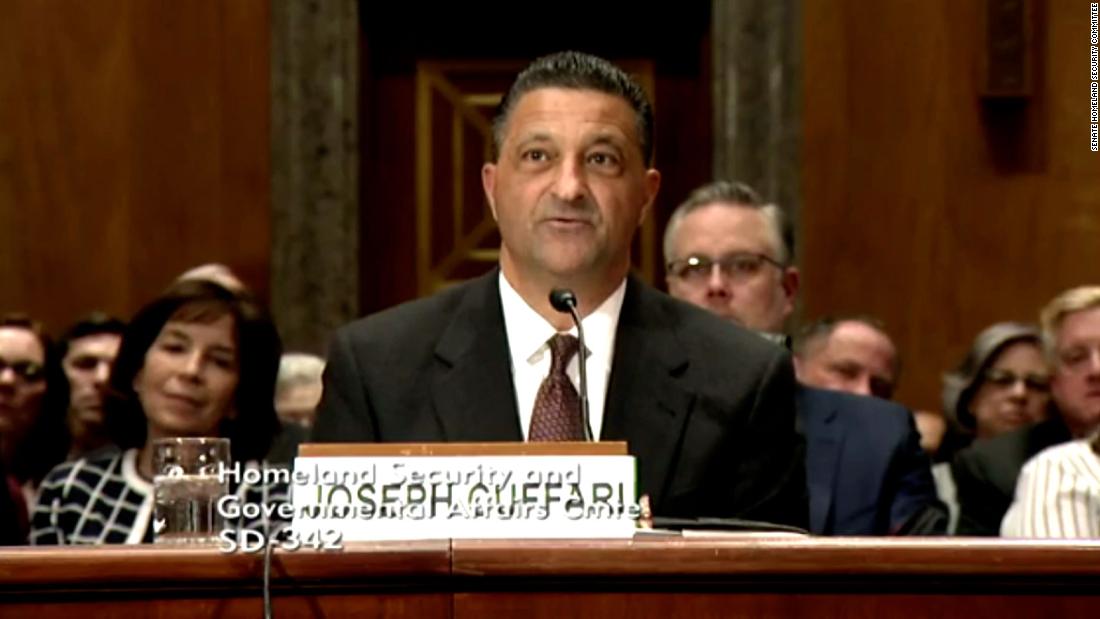
This shocking story broke last night. Carol Leonig and Maria Sacchetti at The Washington Post: Secret Service watchdog knew in February that texts had been purged.
Tuesday Reads
Posted: July 19, 2022 Filed under: just because 18 Comments
Summertime, 1894, by Mary Cassatt
Good Afternoon!!
Down in New Orleans, Dakinikat has been dealing with day after day of 90 degree weather for most of the summer. Now New England is going to heat up. So far we’ve had a relatively cool summer here in the Boston area, but today we begin an extended heat wave. WBUR: An extended heat wave begins in Boston on Tuesday.
Boston so far this year has seen two days hit 90 degrees or higher (June 26 and July 1), but that’s about to change. Hot air comes to the region Tuesday, and the heat will be here for an extended stay.
It’s likely the city will be coping with a six-day-long heat wave. That’s nearly a week of temperatures reaching 90 degrees or higher.
Typically, Boston averages about 15 days a year with such highs. In 2021, Boston recorded four heat waves, the longest of which occurred between June 5-9. We also saw 24 days at 90 degrees or higher last year, including a day in which the city hit 100 degrees.
Over 100 years ago, back in 1912, Boston endured its longest stretch of consecutive 90-degree days in history: nine in a row.
The heat is really bad in Europe too. From The Washington Post Capitol Weather Gang:
A historic and deadly heat wave has been scorching western Europe, killing hundreds in Spain and Portugal. Temperatures spiked to 115 degrees on the Iberian Peninsula amid bone-dry conditions, fueling wildfires and displacing thousands of people in France. The mercury topped 100 degrees (38 Celsius) in Britain on Monday and is expected to surge higher Tuesday.
For the first time, the U.K. Met Office has issued a red warning for heat, its most extreme alert. The warning, in effect through Tuesday, includes Birmingham, Oxford, Nottingham and London.
Wales already established its highest temperature on record Monday, and England could be next Tuesday, with temperatures as high as 104 degrees (40 Celsius).
Sitting in the Shade, by Roelof Rossouw
At the same time, another heat wave is brewing across the pond in the United States — one that produced a tie for Salt Lake City’s highest temperature Sunday and could bring readings as high as 113 degrees in Texas and Oklahoma on Tuesday.
A third heat wave is simmering in Central Asia.
These heat waves fit into a pattern of increasingly frequent, intense and prolonged events catalyzed by climate change. Human activities are pushing already high-end heat into record territory.

You can see maps of the high temperatures around the world at the WaPo link.
From AP News: UK breaks record for highest temperature as Europe sizzles.
Britain shattered its record for highest temperature ever registered Tuesday amid a heat wave that has seared swaths of Europe — and the national weather forecaster predicted it would get hotter still in a country ill prepared for such extremes.
The typically temperate nation was just the latest to be walloped by unusually hot, dry weather that has triggered wildfires from Portugal to the Balkans and led to hundreds of heat-related deaths. Images of flames racing toward a French beach and Britons sweltering — even at the seaside — have driven home concerns about climate change.
The U.K. Met Office registered a provisional reading of 40.2 degrees Celsius (104.4 degrees Fahrenheit) at Heathrow Airport in early afternoon — breaking the record set just an hour earlier and with hours of intense sunshine still to go. Before Tuesday, the highest temperature recorded in Britain was 38.7 C (101.7 F), set in 2019.
As the nation watched the mercury rise with a combination of horror and fascination, the forecaster warned temperatures could go higher still.
The sweltering weather has disrupted travel, health care and schools in a country not prepared for such extremes. Many homes, small businesses and even public buildings, including hospitals, don’t even have air conditioning, a reflection of how unusual such heat is in the country better known for rain and mild temperatures.

Summer Day by Berthe Morisot
Unfortunately, Joe Manchin, along with the Republicans in the Senate, refuses to vote for legislation to deal with climate change. Now Biden is considering executive action. The Washington Post: Biden could declare climate emergency as soon as this week, sources say.
President Biden is considering declaring a national climate emergency as soon as this week as he seeks to salvage his environmental agenda in the wake of stalled talks on Capitol Hill, according to three people familiar with the matter who spoke on the condition of anonymity to discuss the private deliberations.
The potential move comes days after Sen. Joe Manchin III (D-W.Va.) told Democratic leaders that he does not support his party’s efforts to advance a sprawling economic package this month that includes billions of dollars to address global warming. If an emergency is invoked, it could empower the Biden administration in its efforts to reduce carbon emissions and foster cleaner energy.
In anticipation of a potential announcement, Biden is set to travel to Somerset, Mass., to deliver a speech on climate change on Wednesday. The president intends to speak on “tackling the climate crisis and seizing the opportunity of a clean energy future to create jobs and lower costs for families,” the White House announced Tuesday morning.
Two of the individuals with knowledge of the discussions said also they expect the president to announce a slew of additional actions aimed at curbing planet-warming emissions. The exact scope and timing of any announcements remain in flux.
Boats in the Harbour at Collioure, 1905 (oil on canvas), Andre Derain
“The president made clear that if the Senate doesn’t act to tackle the climate crisis and strengthen our domestic clean energy industry, he will,” a White House official, who requested anonymity to describe the deliberations, said in a statement late Monday. “We are considering all options and no decision has been made.”
Jared Bernstein, a top White House economic adviser, emphasized to reporters at a news briefing earlier in the day that Biden would work “aggressively fight to attack climate change.”
“I think realistically there is a lot he can do and there is a lot he will do,” Bernstein said.

The prime time January 6 hearing is coming up on Thursday at 8PM. Unfortunately, Chairman Bennie Thompson has tested positive for Covid and won’t be able to preside. As of now, the hearing will go ahead as planned. I sure hope he didn’t pass the virus on to other committee members at recent in-person meetings.
The Guardian: Primetime January 6 hearing to go ahead despite chairman’s positive Covid test.
The chairman of the congressional committee investigating the January 6, 2021, attack on the US Capitol by extremist Trump supporters has contracted Covid – but Thursday’s primetime hearing will proceed, according to a statement from the chairman, Mississippi congressman Bennie Thompson.
“While Chairman Thompson is disappointed with his Covid diagnosis, he has instructed the select committee to proceed with Thursday evening’s hearing. Committee members and staff wish the chairman a speedy recovery,” committee spokesperson Tim Mulvey said….
Meanwhile, two former White House aides are expected to testify at the hearing as the panel examines what then president Donald Trump was doing as his supporters stormed the US Capitol, according to a person familiar with the plans.
Matthew Pottinger, former deputy national security adviser, and Sarah Matthews, a former press aide, are expected to testify, according to the person, who was not authorized to publicly discuss the matter and requested anonymity.
Mrs. Monet and a friend in the garden. Two women sitting in the shade of a tree, by Claude Monet
Pottinger and Matthews resigned immediately after the January 6 insurrection, which interrupted the congressional certification of Joe Biden’s victory over Trump in the election.
Lawmakers on the nine-member panel have said the hearing will offer the most compelling evidence yet of Trump’s “dereliction of duty” that day, with witnesses detailing his failure to stem the angry mob.
“We have filled in the blanks,” Illinois Republican congressman Adam Kinzinger said on Sunday. “This is going to open people’s eyes in a big way.”
He added: “The president didn’t do very much but gleefully watch television during this timeframe.”

Kyle Cheney and Nicholas Wu at Politico: ‘Sprint through the finish’: Why the Jan. 6 committee isn’t nearly done.
The Jan. 6 select committee once envisioned a single month packed with hearings. Then a fire hose of evidence came its way — and now its members have no interest in shutting or even slowing the spigot.
As its summer hearings show some signs of chipping at Donald Trump’s electoral appeal, select panel members describe Thursday’s hearing as only the last in a series. Committee members, aides and allies are emboldened by the public reaction to the information they’re unearthing about the former president’s actions and say their full sprint will continue, even past November.
The only hard deadline, they say, is Jan. 3, 2023, when Republicans likely take over the House.
Sea Watchers, 1952, by Edward Hopper.
Thursday’s hearing will focus on Trump’s hours of inaction on Jan. 6, 2021, while a mob ransacked the Capitol and supporters, aides and family members begged him to speak out. But beyond that, the committee is pursuing multiple new avenues of inquiry created by its investigation of Trump’s scheme to seize a second term he didn’t win, from questions about the Secret Service’s internal communications as well as leads provided by high-level witnesses from his White House.
“It’s been amazing to see, kind of, the flurry of people coming forward,” said Rep. Adam Kinzinger (R-Ill.), one of the panel’s two Republican members. “So it’s not the time to wind it down.” [….]
A major reason to continue, for many select panel members, is the public discussion they’ve driven about what they see as an ongoing threat to democracy posed by Trump and his allies. With every new hearing, particularly as White House aide Cassidy Hutchinson described an enraged Trump directing armed supporters to the Capitol and trying to join them there, the panel has seemed to get further under the skin of the former president as he contemplates a third bid for the White House.

What else is happening? What stories are you following today?
Lazy Caturday Reads
Posted: July 16, 2022 Filed under: abortion rights, Afternoon Reads, just because | Tags: abortion, cat art, caturday, Department of Justice, Donald Trump, Dr. Caitlin Bernard, Grace Paley, January 6 Committee, Mark Meadows, Mike Roman, Rep. Mike Kelly 25 Comments
Jacques Hnizdovsky, born Pylypcze, Ukraine 1915-died New York City 1985
Good Afternoon!!
There’s quite a bit of January 6 investigation news today, but before I get to that I want to call your attention to two long reads on abortion. Some of us here are old enough to remember the days before Roe v. Wade declared that women had a right to make decisions about our own bodies. Now that right has been taken away.
This is a very good essay by short story author and poet Grace Paley about the days when abortion was a crime and getting access to birth control was extremely difficult, republished in 2017 at The Literary Hub: Women Died All the Time: Grace Paley on Illegal Abortions.
It was the late 30s, and we all knew that birth control existed, but we also knew it was impossible to get. You had to be older and married. You couldn’t get anything in drugstores, unless you were terribly sick and had to buy a diaphragm because your womb was falling out. The general embarrassment and misery around getting birth control were real.
There was Margaret Sanger at that time, and she had a clinic right here in Manhattan in a beautiful house on Sixteenth Street; I still walk past and look at it. As brave as the Margaret Sanger people were, they were under very tough strictures. It was scary to go there. I was 18, and it was 1940 when I tiptoed in to get a diaphragm. I said I was married….
Most of my friends married early. I married when I was 19; then my husband went overseas during the Second World War. I would have loved it if I had had a child when he went overseas, but we had decided against it.
When he came back, I was in my late 20s, and in the next couple of years, I had two children. When the children were one and a half and three, I got pregnant again. I don’t remember if my birth control failed . . . I wasn’t the most careful person in the world. Something in me did want to have more children, but since I had never gotten pregnant until I really wanted to—I was 26 and a half when I had my first child—I had assumed that the general mode would continue.
I knew I couldn’t have another child. I was exhausted with these two tiny little kids; it was just about all I could do to take care of them. As a child, I had been sick a lot, and people were always thinking I was anemic . . . I was having bouts of that kind. I was just very tired, all the time. I knew something was wrong because my whole idea in my heart had always been to have five, six children—I loved the idea of having children—but I knew I couldn’t have this kid.
Please go read the rest. It’s well worth your time. I also recommend this series of reactions to the loss of abortion rights at the London Review of Books: Prejudice Rules LRB contributors on the overturning of Roe v. Wade. I haven’t read them all yet, but I plan to.
More abortion stories:
Dr. Caitlin Bernard testified last year, in a case involving abortion restrictions in Indiana, that she was forced to stop providing first-trimester abortions at a clinic in South Bend. She stopped the procedures after she was alerted by Planned Parenthood – who in turn had been alerted by the FBI – that a kidnapping threat had been made against her daughter.
The Black Cat Stretch, by chocolatefrizz89 at deviant art
The Guardian reported in January that the names of six abortion providers, as well as their educational backgrounds and places of work, were listed on the website of an extreme anti-abortion group called Right to Life Michiana, in a section of the website titled “Local Abortion Threat”. Bernard was among the list of doctors named on the extremist website.
Barrett, who voted to overturn Roe v Wade last month, signed a two-page advertisement published by the group in 2006, while she was working as a professor at Notre Dame. It stated that those who signed “oppose abortion on demand and defend the right to life from fertilization to natural death”. The second page of the ad called Roe v Wade, the landmark 1973 decision that legalized abortion, “barbaric”. The advertisement was published in the South Bend Tribune by St Joseph County Right to Life, which merged with Right to Life Michiana in 2020.
Bernard said in sworn testimony that she had started to travel to South Bend once a month – beginning in 2020 – in order to perform first trimester abortions, but stopped making the 2.5-hour trip once she learned of the threat against her daughter.

It’s time for Amy Coney Barrett to recuse herself from cases involving abortion.
The Washington Post: Confusion post-Roe spurs delays, denials for some lifesaving pregnancy care.
A woman with a life-threatening ectopic pregnancy sought emergency care at the University of Michigan Hospital after a doctor in her home state worried that the presence of a fetal heartbeat meant treatingher might run afoul of new restrictions on abortion.
At one Kansas City, Mo., hospital,administrators temporarily required “pharmacist approval” before dispensing medications used to stop postpartum hemorrhages, because they can also be also used for abortions.
And in Wisconsin, a woman bled formore than 10 days from an incomplete miscarriage after emergency room staffwould not remove the fetal tissueamid a confusing legal landscape that has roiled obstetric care.
Robert Smithson, American, b. Passaic, New Jersey, 1938–1973
In the three weeks of turmoil since the Supreme Court overturnedthe constitutional right to abortion, many physicians and patients have been navigating a new reality in which the standard of care for incomplete miscarriages, ectopic pregnancies and other common complications is being scrutinized, delayed — even denied — jeopardizing maternal health, according to the accounts of doctors in multiple states where new laws have gone into effect.
While state abortion bans typically carve out exceptions when a woman’s life is endangered, the laws can be murky, prompting some obstetricians to consult lawyers and hospital ethics committees on decisions around routine care.

And it’s going to get a lot worse. We’re going back to the dark ages. See also this piece at The Texas Tribune: Texas hospitals are putting pregnant patients at risk by denying care out of fear of abortion laws, medical group says.
Now for some January 6 investigation news:
The Wall Street Journal: Justice Department Steps Up Jan. 6 Probe of Those in Trump’s Orbit.
The Justice Department is adding prosecutors and resources to its investigation into the actions of former President Donald Trump’s allies to overturn the 2020 election, according to people familiar with the matter, as the related congressional hearings have turbocharged interest in Mr. Trump’s own role in that effort.
A Justice Department team focusing on elements of the investigation beyond the violence at the Capitol on Jan. 6, 2021, has in recent weeks been given more personnel, office space and an expanded mandate, the people said….
As the Justice Department began in late 2021 to develop cases alleging complex conspiracies and investigate sources of funding, it assigned an experienced prosecutor from Maryland, Thomas Windom, to focus on those efforts.
Mr. Windom previously met with some skepticism within the department when he pushed to explore the activities of several members of Mr. Trump’s inner circle, the people said, with some officials believing prosecutors lacked sufficient evidence to pursue those paths. But the hearings have revealed new details of Mr. Trump’s actions leading up to and on Jan. 6, 2021, that legal experts have said could put the former president in greater legal jeopardy for charges such as fraud, inciting a riot or obstructing the election’s certification.
The Cat, by Pablo Picasso
The testimony of former White House aide Cassidy Hutchinson in particular—including her allegation that Mr. Trump knew some of the protesters were armed but wanted them at his rally and at the Capitol anyway—has broadened some Justice Department officials’ view of the potential scope of the probe, the people said, though officials said the testimony didn’t prompt any change in investigative strategy.
Ms. Hutchinson told the committee on June 28 that Mr. Trump was concerned that magnetometers were keeping supporters from attending his speech at the Ellipse earlier in the day on Jan. 6. She said she overheard him saying something to the effect of, “I don’t effing care that they have weapons. They’re not here to hurt me. Take the mags away. Let the people in, they can march to the Capitol from here.”
Former prosecutors have identified that testimony as the first to speak to Mr. Trump’s intent as tension escalated that day, and said it suggests he knew some of the protesters were armed and urged them toward the Capitol anyway as lawmakers were certifying President Biden’s victory in the 2020 election. Prosecutors would need to prove that Mr. Trump knew his actions would result in violence to pursue a related criminal case against the former president.

Read more at the WSJ. I didn’t encounter a paywall when I click on the link at Memeorandum.
Politico: Trump campaign operative who delivered Jan. 6 false elector lists is identified.
A little-known Donald Trump campaign operative delivered lists of false electors to Capitol Hill in a bid to get them to Vice President Mike Pence on Jan. 6, 2021, according to two people familiar with the episode.
Mike Roman, then Trump’s 2020 director of Election Day operations, delivered those false elector certificates — signed by pro-Trump activists in Michigan and Wisconsin — to Rep. Mike Kelly’s (R-Pa.) chief of staff at the time, both people told POLITICO. Kelly was a Trump ally in the effort to overturn the 2020 election, and his then-top aide received the documents from Roman before deputizing a colleague to disseminate copies on Capitol Hill, according to both people.
Cat Gathering (Night) by Inagaki Tomoo, 1957, color woodcut
Roman’s role in the effort to deliver those slates of electors directly to Pence has not previously been reported. The onetime Trump White House researcher and former aide to the conservative Koch network, who was subpoenaed in February by the Jan. 6 select committee, did not respond to multiple requests for comment for this story.
The origin of the false elector lists, which never got to Pence before he presided over certification of Joe Biden’s victory on Jan. 6, has become an enduring subplot in the select panel’s investigation of the Capitol attack designed to disrupt that day. After the committee revealed the role of a top aide to Sen. Ron Johnson (R-Wis.) in the episode during a hearing last month, Johnson said the false elector lists came from Kelly — who has repeatedly denied any involvement by his office in their distribution.

More at the link.
Politico: Jan. 6 committee subpoenas Secret Service amid text message controversy.
The Jan. 6 select committee has subpoenaed the Secret Service following a string of conflicts with the agency and revelations that a large swath of text messages sent by agents on the day of the Capitol attack have been erased.
The move marks the first time the select committee has publicly announced the subpoena of an Executive Branch agency and comes the same day the Department of Homeland Security’s inspector general privately briefed committee members on the discovery of the missing text messages.
The subpoena, directed at agency director James Murray — who is retiring later this month — demands the production of records by July 19.
“The Select Committee seeks the relevant text messages, as well as any after action reports that have been issued in any and all divisions of the USSS pertaining or relating in any way to the events of January 6, 2021,” Chairman Bennie Thompson said in a letter accompanying the subpoena.
Committee members emerging from the DHS briefing said they were awaiting details about whether the inspector general will be able to obtain any of the missing messages.
“We’re interested in getting the texts from the Secret Service that happened on the fifth and sixth and we want to get the IG’s perspective on what he thought was going on,” Thompson told reporters Friday.
One more from Politico: Justice Dept. backs House over Jan. 6 subpoena to Meadows.
The Justice Department declared Friday that the Jan. 6 select committee has adequately justified its subpoena for testimony and documents from Mark Meadows, a former chief of staff in Donald Trump’s White House.
A Cat Named Sam, Andy Warhol
That conclusion came as part of a landmark filing taking a position for the first time that former advisers to presidents who have left office are not “absolutely immune” from congressional subpoenas.
DOJ filed the brief Friday evening in a civil suit Meadows filed in December against House Speaker Nancy Pelosi and the committee’s members in a bid to quash subpoenas the former Trump aide received from the House panel.
Last month, U.S. District Court Judge Carl Nichols asked the Justice Department to weigh in on what immunity, if any, Meadows is entitled to in the dispute.
“When a congressional committee demands testimony from an immediate presidential adviser after the President’s term of office has ended, the relevant constitutional concerns are lessened. Accordingly, the Department does not believe that the absolute testimonial immunity applicable to such an adviser continues after the President leaves office. But the constitutional concerns continue to have force,” the department argues in the new brief, signed by DOJ Civil Division attorney Elizabeth Shapiro and endorsed by other top officials.

Finally, a preview of Thursday’s prime-time January 6 Committee hearing by Luke Broadwater at The New York Times: Jan. 6 Panel to Dissect Trump’s 187 Minutes of Inaction During Riot.
The House committee investigating the Jan. 6 attack on the Capitol is planning to return to prime time on Thursday for what could be the finale of its summer hearing schedule: a session focused on former President Donald J. Trump’s 187 minutes of inaction as a mob of his supporters assaulted Congress.
The hearing, scheduled for 8 p.m. on July 21, is expected to give a detailed account of how Mr. Trump resisted multiple entreaties from staffers, lawyers and even his own family to call off the attack, which raged for hours in the early afternoon of Jan. 6, 2021.
Representatives Elaine Luria, Democrat of Virginia, and Adam Kinzinger, Republican of Illinois, are expected to play leading roles in the hearing.
One witness the panel could hear from is Sarah Matthews, a former White House press aide who resigned in the aftermath of Jan. 6. She has told the committee that a tweet Mr. Trump sent attacking Vice President Mike Pence while the riot was underway was like “pouring gasoline on the fire.” [….]
The committee is also likely to play clips of the testimony of other witnesses who attempted to intervene with Mr. Trump during those more than three hours, including Pat A. Cipollone, the White House counsel. The committee has also said it received testimony from Keith Kellogg, a retired lieutenant general who was Mr. Pence’s national security adviser, about Mr. Trump’s refusal to condemn the violence as the mob engulfed the Capitol.
Mr. Kellogg said Ivanka Trump, Mr. Trump’s eldest daughter, urged her father at least twice to call off the violence, as did Mark Meadows, the chief of staff, and Kayleigh McEnany, the White House press secretary.
Read the rest at the NYT.
That’s it for me today. What are your thoughts? What stories are you following?
Thursday Reads
Posted: July 14, 2022 Filed under: Afternoon Reads, just because | Tags: 10-year-old rape victim, Abortion horror stories, Department of Justice, Donald Trump, January 6 Committee, Jared Yates Sexton, journalism, Roe v. Wade, Supreme Court 29 Comments
Summer Porch, by Childe Hassam
Good Afternoon!!
I’m feeling kind of blue today. Partly it’s just the inevitable losses that come with my advanced age, and of course I’m sad about what’s happening to our country. In the past 7 years, we were forced to deal with an evil and incompetent man as presidential candidate and then president, and a still-ongoing global pandemic that has killed more than a million Americans. No wonder so many of us are exhausted. I got this in an e-mail from political writer Jared Yates Sexton this morning. He describes our situation better than I ever could.
There are nine members of the Supreme Court of the United States of America. It might be presumptuous, but I’m guessing if you’re reading this you are not counted among them.
The last time I checked, there was one President, one hundred members of the Senate and 435 representatives in the House. Though there are individuals in the White House and Congress who read this newsletter, their ability to effectively pass legislation or break up the intentional logjam at the federal level is somewhat negligible.
Meanwhile, our political and economic systems have been largely corrupted and co-opted by an increasingly wealthy group of power brokers hellbent on growing their wealth and power at any cost, including the destruction of the Earth and total dismantling of liberal democracy. Chances are, considering the math, you are probably not a member of this historically wealthy class of individuals, but if you are, feel free to get a hold of me. I’ve got some ideas should you want to make a difference.
All of it is overwhelming. To watch detestable actions like the overthrow of Roe V. Wade, followed by a yawning lack of response by those charged with protecting us, leaves a person feeling desperate and, over time, isolated and demoralized. The system, after all, is designed with this in mind. The founding of the United States was predicated on neutralizing the power of the masses in favor of rule by a tiny group of wealthy white men. Almost everything that has happened since then has been to either shore up that rule or battle attempts to trouble it.
To be clear, it feels as if the deck is stacked against you because it is. The flow of history is the story of how the powerful have continually protected themselves from situations where the fate of the masses is weighed more heavily than their own self-interest.
This newsletter appears to be a promo for Sexton’s upcoming book, and it doesn’t offer solutions; but it sure does paint a picture of where we are as a country right now. Sexton says, “we are not alone and we are not powerless.” I guess he’ll explain that in the book.
There isn’t that much I can do at my age, but I keep posting on this blog; somehow that gives me a sense of being a small part of the resistance to authoritarianism. At least I’m paying close attention to daily events and what is being written about them. We’ve been posting to this blog for many years now, and we’ve seen people come and go. If you’re still coming here, I’m very grateful for your presence. Thank you for reading and sharing your thoughts with us.
A Ten-Year-Old Pregnant Rape Victim and Clueless Male Journalists
Last week a story broke about a 10-year-old Ohio girl who was raped and impregnated. The Guardian:
The case of a 10-year-old child rape victim in Ohio who was six weeks pregnant, ineligible for an abortion in her own state, and forced to travel to Indiana for the procedure has spotlighted the shocking impact of the US supreme court ruling on abortion.
Breakfast Porch, William James Glackens, 1925
The story of the girl came to light three days after the court overturned a nationwide right to terminate pregnancy, and Ohio’s six-week “trigger ban” came into effect.
Dr Caitlin Bernard, an Indianapolis obstetrician-gynecologist, said she had received a call from a colleague doctor in Ohio who treats child abuse victims and asked for help….
Abortion providers like Bernard say they are receiving a sharp increase in the number of patients coming to their clinics for abortion from the neighboring states where such procedures are now restricted or banned.
“It’s hard to imagine that in just a few short weeks we will have no ability to provide that care,” Bernard told the Columbus Dispatch.

You’d think since the story mentioned a doctor by name, people would accept that the story was legitimate. Bernard even appeared on MSNBC’s The Last Word to talk about the case. But Republicans in Ohio claimed the story was fabricated, and that triggered claims that the story was fake on Fox News and social media. Even the Washington Post fact checker got involved.
But yesterday we learned that the perpetrator of the rape has been arrested. CNN: A man was charged in the rape of a 10-year-old who traveled to Indiana for an abortion.
A Columbus man has been charged with raping a 10-year-old Ohio girl who then had to travel to Indiana seeking an abortion after the Supreme Court overturned Roe v. Wade, according to court proceedings CNN obtained through affiliate WBNS.
Rumors of the case garnered national and international attention, with some US political leaders referencing it in conversations about abortion bans.
Gerson Fuentes, 27, was arrested Tuesday, according to Columbus police and court documents. He has been charged with felony rape of a minor under age 13, according to the Franklin County Municipal Court. His first court appearance was Wednesday.
Fuentes is being held on $2 million bond, according to the court. CNN has reached out to his attorney for comment.
Fuentes admitted to authorities he raped the young girl on at least two occasions, Det. Jeffrey Huhn testified Wednesday at Fuentes’ arraignment.
Police first were alerted to the child’s pregnancy in late June through a referral by a local children services department that was made by the 10-year-old’s mother, Huhn testified.
The girl underwent a medical abortion in Indianapolis on June 30, the detective testified. DNA from the Indianapolis clinic was being tested against samples from Fuentes and the child’s siblings, Huhn said.
Fox News’s Tucker Carlson was still pretending the story was false last night.
At Neiman Lab, Laura Hazard Owen writes: Unimaginable abortion stories will become more common. Is American journalism ready?
As more states restrict or ban abortion, more girls who are raped will face a choice between crossing state lines for care or having babies while they are still in elementary school.
House with a porch, by Andrew Wyeth
I wish that this weren’t true. But events this week make it very clear that if you can’t bear to believe it — even if it seems so impossible that it needs a heartily skeptical fact-checking treatment — it is going to happen.
And reporters who want to tell these stories (and the news organizations those reporters work for) may have to abandon some conventional journalism wisdom in order to give the stories the attention they deserve….
The two-byline story — written by Shari Rudavsky and Rachel Fradette — made headlines around the world. But the first reaction of mainly right-leaning news organizations — despite the fact that the doctor who performed the abortion was on the record saying this happened — was to try to debunk it. Why? I mean, in part because it’s horrible and we don’t want to believe a 10-year-old could get raped and pregnant, because 10-year-olds are babies themselves. (By the way, Covid appears to have increased early-onset puberty around the world. Getting your period “early” now means getting it when you’re younger than 8. People for whom a pregnant 10-year-old strains credulity should keep this in mind.)
The debate over the story’s veracity started with a Washington Post “Fact Checker” column. In “A one-source story about a 10-year-old and an abortion goes viral,”

You can read the quotes at Neiman Lab, but lets just say Kessler was extremely skeptical.
“An abortion by a 10-year-old is pretty rare,” Kessler notes. (Oh, that “by.”) “The Columbus Dispatch reported that in 2020, 52 people under the age of 15 received an abortion in Ohio.” Definitions of “rare” may vary, but if 52 under-15-year-olds got abortions in Ohio in 2020, that’s one a week — and it’s just abortions that were reported, during a pandemic when a lot of abortion clinics were closed.
The Post column opened the door to worse takes. “Every day that goes by, the more likely that this is a fabrication. I know the cops and prosecutors in this state. There’s not one of them that wouldn’t be turning over every rock, looking for this guy and they would have charged him,” Ohio attorney general Dave Yost told USA Today’s Ohio Network bureau on Tuesday. Picking up on Kessler’s “single source” criticism, Yost added, “Shame on the Indianapolis paper that ran this thing on a single source who has an obvious axe to grind.”
The Wall Street Journal’s editorial board called the episode “An abortion story too good to confirm,” as if there was something particularly juicy and delicious about this one (hint: It’s her age!)
We’re going to be seeing many more horror stories now that the Extreme Court has returned women and girls to second-class citizen status. And no, male journalists will not be ready to deal with the onslaught.
January 6 Committee News
Former President Donald Trump tried to call a member of the White House support staff who was talking to the House select committee investigating January 6, 2021, two sources familiar with the matter tell CNN.
The support staffer was not someone who routinely communicated with the former President and was concerned about the contact, according to the sources, and informed their attorney.
Women Taking Tea on the Porch, Albert Lynch
The call was made after former Trump White House aide Cassidy Hutchinson testified publicly to the committee. The White House staffer was in a position to corroborate part of what Hutchinson had said under oath, according to the sources.
CNN was told the position of the witness Trump tried to call, but not the person’s name. Details about the witness Trump tried to contact have not been previously reported.
The initial revelation about Trump’s phone call was made in a dramatic moment at the end of this week’s hearing by committee Vice Chair Liz Cheney. Cheney, a Wyoming Republican, revealed that Trump “tried to call” an unnamed witness in the committee’s investigation. She said that witness “declined to answer or respond” to Trump’s call and instead alerted their lawyer. The committee has since supplied that information to the Department of Justice….
Rep. Pete Aguilar, a California Democrat who serves on the committee, told CNN on Tuesday that the individual Trump tried to call has been speaking with the panel.
“Trump himself had called someone who has been talking with us,” Aguilar said.
A source familiar with the panel’s investigation added that the committee has spoken to the person Trump tried to call, but not as part of a deposition.

Trump’s crimes just keep on piling up. When will he pay a price? No one outside the DOJ knows.
Donald Ayer, Stuart Gerson, and Dennis Aftergut at The Atlantic: January 6 Was Trump’s Project All Along. And The Department of Justice Has More Than Enough Evidence To Prosecute Him For It.
After seven hearings held by the January 6 committee thus far this summer, doubts as to who is responsible have been resolved. The evidence is now overwhelming that Donald Trump was the driving force behind a massive criminal conspiracy to interfere with the official January 6 congressional proceeding and to defraud the United States of a fair election outcome.
The evidence is clearer and more robust than we as former federal prosecutors—two of us as Department of Justice officials in Republican administrations—thought possible before the hearings began. Trump was not just a willing beneficiary of a complex plot in which others played most of the primary roles. While in office, he himself was the principal actor in nearly all of its phases, personally executing key parts of most of its elements and aware of or involved in its worst features, including the use of violence on Capitol Hill. Most remarkably, he did so over vehement objections raised at every turn, even by his sycophantic and loyal handpicked team. This was Trump’s project all along.
By Edward Hopper
Everyone knew before the hearings began that we were dealing with perhaps the gravest imaginable offense against the nation short of secession—a serious nationwide effort pursued at multiple levels to overturn the unambiguous outcome of a national election. We all knew as well that efforts were and are unfolding nationwide to change laws and undermine electoral processes with the specific objective of succeeding at the same project in 2024 and after. But each hearing has sharpened our understanding that Donald Trump himself is the one who made it happen.
As former prosecutors, we recognize the legitimacy of concerns that electoral winners prosecuting their defeated opponents may look like something out of a banana republic rather than the United States of America; that doing so might be viewed as opening the door to prosecutorial retaliation by future presidential winners; and that, in the case of this former president, it might lead to civil unrest.
But given the record now before us, all of these considerations must give way to the urgency of achieving a public reckoning for Donald Trump.

Read the rest of the argument at The Atlantic.
The New York Times: Jan. 6 Panel Will Turn Over Evidence on Fake Electors to the Justice Dept.
The Justice Department has asked the House committee investigating the Jan. 6 attack on the Capitol for evidence it has accumulated about the scheme by former President Donald J. Trump and his allies to put forward false slates of pro-Trump electors in battleground states won by Joseph R. Biden Jr. in 2020.
Representative Bennie Thompson, Democrat of Mississippi and the chairman of the committee, disclosed the request to reporters on Capitol Hill on Wednesday, and a person familiar with the panel’s work said discussions with the Justice Department about the false elector scheme were ongoing. Those talks suggest that the department is sharpening its focus on that aspect of Mr. Trump’s efforts to overturn the election, one with a direct line to the former president.
Mr. Thompson said the committee was working with federal prosecutors to allow them to review the transcripts of interviews the panel has done with people who served as so-called alternate electors for Mr. Trump. Mr. Thompson said the Justice Department’s investigation into “fraudulent electors” was the only specific topic the agency had broached with the committee.
A Justice Department official said the agency maintained its position that it was requesting copies of all transcripts of witness interviews.
More details at the NYT.
CNBC reports that the next hearing is scheduled for next Thursday at 8PM. and will focus on “Trump’s hourslong failure to stop the Capitol riot.”
NBC News says there may be more hearings in August: The Jan. 6 committee won’t rule out more hearings this summer.
Have an enjoyable Thursday everyone!!
Tuesday Reads: January 6 Committee Hearing #7
Posted: July 12, 2022 Filed under: morning reads | Tags: Cassidy Hutchinson, Donald Trump, extremist groups, Jamie Raskin, January 6 Committee hearings, Jason Van Tatenhove, Oath Keepers, Pat Cipillone, Patrick Byrne, Proud Boys, Stephanie Murphy, Stephen Ayres, Will be wild tweet 18 Comments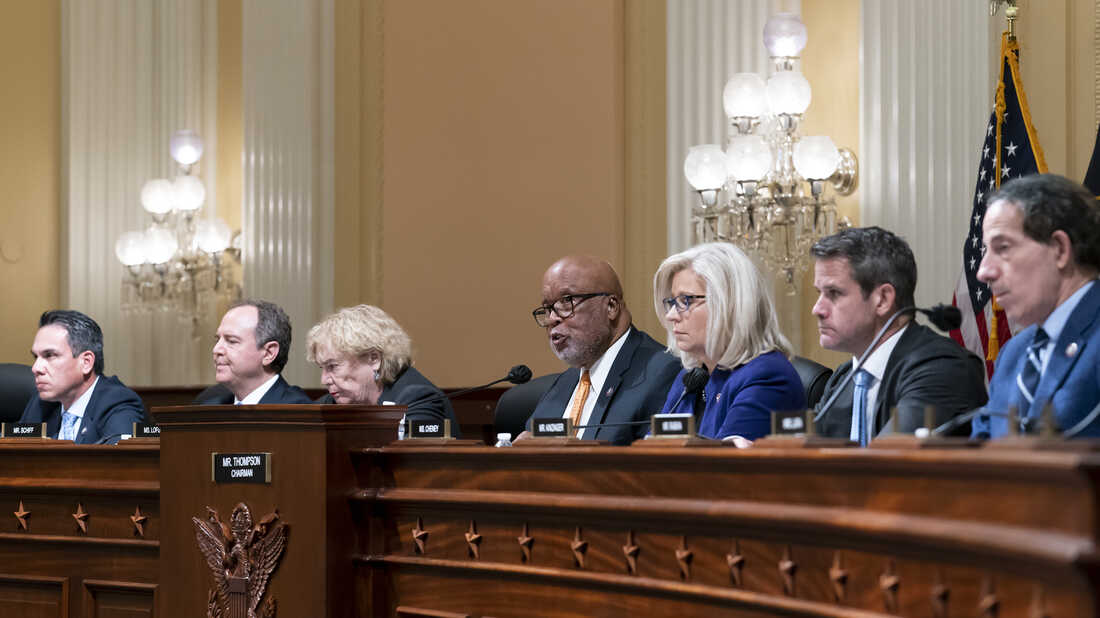
Good Morning!!
The January 6 Committee will hold a hearing today beginning at 1PM. There won’t be a hearing on Thursday night, but at least one is planned for next week. As Dakinikat wrote yesterday, the hearing is expected to focus on ties between Trump and militia groups the Oath Keepers and Proud Boys, and how Trump used tweets to communicate with them and urge his followers to converge on Washington DC to interfere with the certification of electoral votes on January 6, 2021.
Nicholas Wu and Kyle Cheney at Politico: Jan. 6 panel zeroes in on Trump’s ‘clarion call’ to extremists.
The Jan. 6 select committee plans to make its most complex case yet at its public hearing Tuesday: that Donald Trump’s words and actions influenced extremists and brought them to the steps of the Capitol.
“Be there. Will be wild,” Trump tweeted on Dec. 19, 2020, barely two weeks before a mob seeded with members of the far-right Proud Boys and Oath Keepers besieged the Capitol and threatened the transfer of power to Joe Biden. That tweet will be the focal point of the Jan. 6 panel’s seventh public hearing, as House investigators aim to show that the former president’s most extreme supporters were intently listening — and quickly began preparing for potential violence in support of Trump’s goal to stay in power.
The tweet was a “clarion call” to the groups, said Rep. Stephanie Murphy (D-Fla.), who is leading Tuesday’s hearing along with Rep. Jamie Raskin (D-Md.).
Tuesday’s hearing will require investigators to delve into the sordid world of internet extremism and specifically lay out how Trump’s words rippled through its corners.
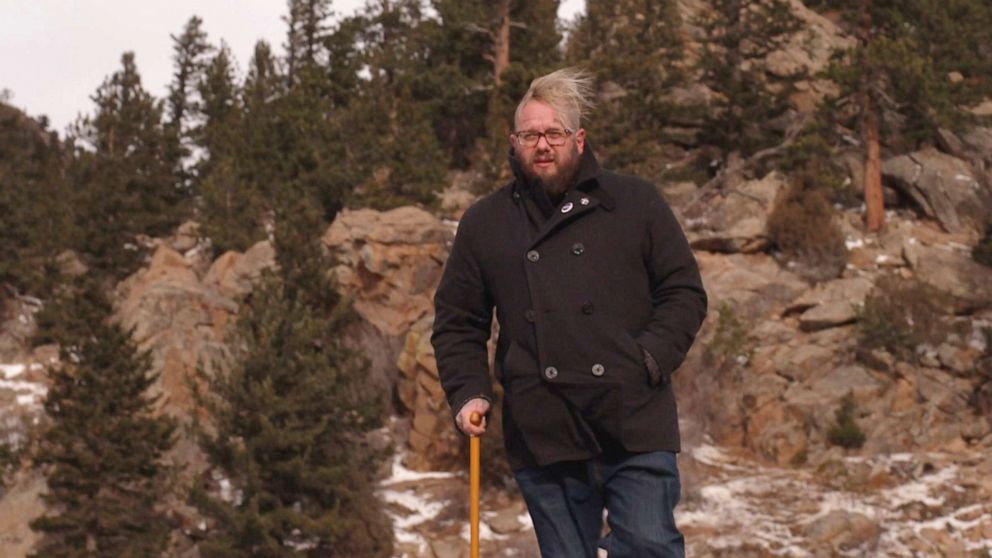
Former Oath Keepers spokesperson Jason Van Tatenhove is expected to be one of the witnesses Tuesday afternoon, according to a person familiar with the situation. Van Tatenhove has described himself as a former “propagandist” for the Oath Keepers, and left the group several years ago, he told local television station KDVR. The select panel has cited concerns about harassment and security of the witnesses, mostly declining to name them before the hearings begin.
A bit more detail:
The panel intends to highlight how adherents to the antisemitic, fringe conspiracy theories of QAnon latched onto Trump’s stolen-election claims, as well as how the extremist Proud Boys and Oath Keepers used Trump’s crusade to fundraise for a violent effort to keep Biden from office. Committee members will also get into how the White House pushed forward with plans for a march on the Capitol — one witnesses say Trump desperately tried to join — even as warnings about the likelihood of brutality grew.
Jason Van Tatenhove, former spokesperson for the Oathkeepers
The role of social media platforms in extremists’ mobilization will also play a role in Tuesday’s hearing, Murphy said. The select panel subpoenaed companies like Alphabet, the parent company of Google; Meta, Facebook’s parent company; and Twitter earlier this year for records related to the attack. The committee has scrutinized the companies’ roles in spreading misinformation and providing breeding grounds for extremism….
Committee aides previewing the hearing said it would also touch on members of Congress who helped fan the flames of the false election fraud claims and how that effort helped drive forward the pressure campaign against then-Vice President Mike Pence, who presided over the Jan. 6 session of Congress to count electoral votes.
Another preview of the hearing from Scott Wong at NBC News: Ties between Trump allies and extremist groups to be focus of Jan. 6 panel hearing.
The Jan. 6 committee on Tuesday plans to demonstrate how right-wing militia groups that led the assault on the U.S. Capitol were connected to key Trump allies, including Roger Stone and Michael Flynn, who were at the center of the plot to overturn the 2020 election.
“We’ll show how some of these right-wing extremist groups who came to D.C. and led the attack on the Capitol had ties to Trump associates, including Roger Stone and General Flynn,” a committee aide said Monday on a conference call with reporters.
“And we know that both members of the Oath Keepers and the Proud Boys have been charged with seditious conspiracy by the DOJ in relation to their actions on Jan. 6.” [….]
In linking the domestic extremist groups and the Trump inner circle that was aggressively working to overturn Joe Biden’s election victory, the committee is making the case that actions by President Donald Trump and his allies resulted in the violence at the Capitol, which claimed the lives of both police officers and Trump supporters.
Aides said the hearing will also reveal ties between some Trump associates and the QAnon movement, which subscribes to a set of bizarre, sometimes antisemitic conspiracy theories in which Trump is viewed as a savior fighting the evil forces of the deep state.
ABC News Reports another expected witness: Accused Jan. 6 rioter who warned of possible ‘civil war’ expected to testify to House committee Tuesday.
An Ohio man who accused Joe Biden, other Democrats, and the mainstream media of “treason” is set to testify in a public hearing Tuesday before the House committee investigating the attack on the U.S. Capitol last year, according to a source familiar with the matter.
The hearing is expected to focus on the rise of radical extremism in the United States, and the source said one of the key witnesses will be Stephen Ayres of Warren, Ohio, who recently admitted to illegally entering the Capitol on Jan. 6, 2021….
In court documents filed last month, Ayres acknowledged that the day before the riot, he drove to Washington, D.C., to protest Congress’ certification of the 2020 presidential election results.
Stephen Michael Ayres
On Facebook, Ayres had spotlighted then-President Donald Trump’s call for supporters to descend on Washington on Jan. 6, which Trump said will “be wild” in a Tweet he posted on Dec. 19, 2020….
Two days before he left for the nation’s capital, Ayres posted a message on Facebook saying, “Mainstream media, social media, Democrat party, FISA courts, Chief Justice John Roberts, Joe Biden, Nancy Pelosi, etc….all have committed TREASON against a sitting U.S. president!!! All are now put on notice by ‘We The People!'”
In the week before that, Ayres said in social media posts that it was “time for us to start standing up to tyranny!” and he warned that “If the [deep state] robs president Trump!!! Civil War will ensue!” according to the FBI.
Ayres joined the mob outside the Capitol on Jan. 6, 2021, then entered the building that afternoon, court documents say.

The Committee is also expected to show clips of testimony from Pat Cipillone, Trump’s White House Counsel. NBC News: Cipollone corroborated virtually everything from Hutchinson, Jan. 6 panel member says.
Trump White House counsel Pat Cipollone corroborated virtually all of the revelations from previous witnesses, including former White House aide Cassidy Hutchinson, in lengthy testimony before the panel last week, a top Jan. 6 committee member told NBC News.
“Cipollone has corroborated almost everything that we’ve learned from the prior hearings,” Rep. Jamie Raskin, D-Md., said in an exclusive interview just hours before the next hearing. “I certainly did not hear him contradict Cassidy Hutchinson. … He had the opportunity to say whatever he wanted to say, so I didn’t see any contradiction there.”
It was unclear if Cipollone was directly asked by investigators about the specifics of some of the more explosive aspects of Hutchinson’s testimony — including that they would be charged with “every crime imaginable” if Trump went to the Capitol on Jan. 6.
Raskin added this additional preview of the hearing:
Raskin said the hearing will include new details about what committee members have been told was “the craziest meeting in the Trump presidency,” on Dec. 18, 2020, describing it as “hot-blooded, contentious, deranged” when the president met with outside and internal legal advisers for a “Hail Mary desperation ploy” to subvert an election they had lost, including possibly seizing state election machines and appointing Trump ally Sidney Powell as a special counsel.
More January 6 Committee news from CNN’s Jamie Gangel: Exclusive: Former Overstock CEO Patrick Byrne to meet with January 6 investigators.
Former Overstock CEO Patrick Byrne, an ally of former President Donald Trump, is expected to meet Friday with the House select committee investigating January 6, 2021, according to three sources familiar with the matter.
Patrick Byrne
There have been no ground rules or topics defined, according to one of the sources. The meeting will be behind closed doors….
Byrne played an active role supporting efforts to question and push baseless claims about the 2020 election, including attending a meeting in mid-December at the White House to discuss strategies to overturn the election. That meeting with Trump also included former national security adviser Michael Flynn and his lawyer Sidney Powell, as well as some White House staff. It focused on ideas to block Joe Biden’s certification as president and discussed the prospect of seizing voting machines. White House officials in the meeting pushed back at the ideas in heated exchanges, CNN previously reported.
CNN reported earlier Monday that former White House Counsel Pat Cipollone had been asked about the December 18, 2020, meeting in his interview with the committee last week….
Two sources familiar with Cipollone’s testimony told CNN that he was asked extensively about his role in that meeting where Trump welcomed the group of extreme election deniers to the West Wing and what was discussed. One source familiar with Cipollone’s testimony told CNN that he described to the committee his view of how insane the meeting was.
The session, which, according to two people familiar with the matter, began as an impromptu gathering, devolved and eventually broke out into screaming matches at certain points as some of Trump’s aides pushed back on Powell and Flynn’s more outrageous suggestions about overturning the election.

The day after this meeting, Gangel notes, Trump sent his infamous “will be wild” tweet.
Finally, The New York Times’ Luke Broadwater has a profile of Rep. Jamie Raskin: Raskin Brings Expertise on Right-Wing Extremism to Jan. 6 Inquiry.
When Representative Jamie Raskin enters a Capitol Hill hearing room on Tuesday to lay out what the House committee investigating the Jan. 6 attack has uncovered about the role of domestic extremists in the riot, it will be his latest — and potentially most important — step in a five-year effort to crush a dangerous movement.
Long before the Jan. 6, 2021, assault, Mr. Raskin, Democrat of Maryland, had thrown himself into stamping out the rise of white nationalism and domestic extremism in America. He trained his focus on the issue after the deadly Unite the Right rally in Charlottesville, Va., five years ago. Since then, he has held teach-ins, led a multipart House investigation that exposed the lackluster federal effort to confront the threat, released intelligence assessments indicating that white supremacists have infiltrated law enforcement and strategized about ways to crack down on paramilitary groups.
Now, with millions of Americans expected to tune in, Mr. Raskin — along with Representative Stephanie Murphy, Democrat of Florida — is set to take a leading role in a hearing that promises to dig deeply into how far-right groups helped to orchestrate and carry out the Jan. 6 assault at the Capitol — and how they were brought together, incited and empowered by President Donald J. Trump.
“Charlottesville was a rude awakening for the country,” Mr. Raskin, 59, said in an interview, rattling off a list of deadly hate crimes that had taken place in the years before the siege on the Capitol. “There is a real pattern of young, white men getting hyped up on racist provocation and incitement.”
Tuesday’s session, set for 1 p.m., is expected to document how, after Mr. Trump’s many efforts to overturn the 2020 election had failed, he and his allies turned to violent far-right extremist groups whose support Mr. Trump had long cultivated, who in turn began assembling a mob to pressure Congress to reject the will of the voters.
Read the rest at the NYT.
Have a great Tuesday everyone! If you’re watching the hearings, I hope you’ll share your reactions with us.

 peej
peej Carissa
 bostonboomer
 dakinikat
 ecocatwoman
 mablue2
 Mama Lopez
 peggysue22
 quixote
 skydancingguestblogger
 Mona (aka Wonk the Vote)



 Sky Dancing
Recent Comments