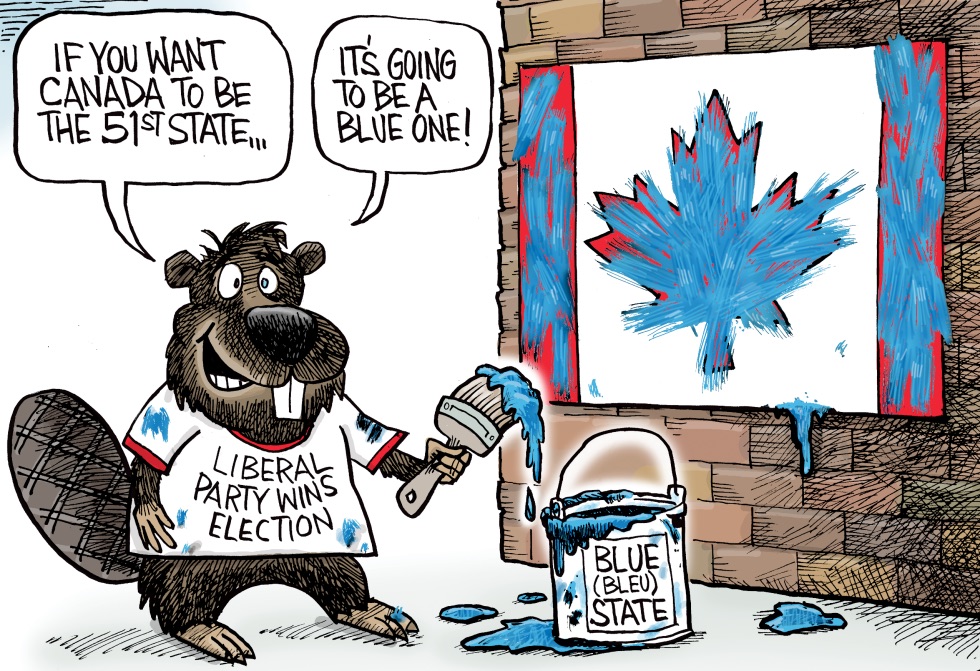
As usual, much of today’s news is awful. Trump is working hard to destroy the U.S. Government, but his actions here have had a positive effect on the leadership of two of our allies. First liberals took over in Canada and now they’ve done it in Australia.
SYDNEY — Australia’s center-left government convincingly won reelection Saturday in a remarkable turnaround driven partly by anger over President Donald Trump’s disruptive trade war and its impact on the close U.S. military ally.
Anthony Albanese became the first Australian prime minister to win a second term in more than two decades as his Labor Partydramatically increased its parliamentary majority. It marked a stunning comeback for the progressive leader, who trailed in the polls two months ago.
In a jubilant victory speech, the 62-year-old struck a tone of unity while also alluding to his opponent’s failed embrace of Trump-like policies.
“We do not need to beg or borrow or copy from anywhere else,” Albanese said to a raucous Sydney crowd. “We do not seek out our inspiration overseas. We find it right here in our values and in our people.”
Trump’s tariffs — first 25 percent on Australia’s aluminum and steel, then 10 percent across the board — had driven voters toward the even-keeled incumbent and away from his conservative opponent, Peter Dutton, whose plans and rhetoric had echoed the American president, said Sean Kelly, a political columnist for the Sydney Morning Herald.
“Trump has absolutely dominated the trajectory of this election,” Kelly said, adding that the global uncertainty unleashed by Trump had made “Albanese’s boringness quite an appealing commodity.”
Australia’s Prime Minister Anthony Albanese has secured a second term in office in a disastrous night for his conservative rivals, as voters chose stability over change against a backdrop of global turmoil inflicted by US President Donald Trump.
Australia’s return of a left-leaning government follows Canada’s similar sharp swing towards Mark Carney’s Liberal Party, another governing party whose fortunes were transformed by Trump. The loss of Liberal Party leader Peter Dutton’s seat mirrors that of Conservative Party leader Pierre Poilievre.
While Australia wasn’t facing the same threats to its sovereignty as Canada, Trump’s global tariffs and policy swings have undermined Australians’ trust in the US, according to recent surveys.
Albanese’s victory makes him the first Australian Prime Minister to win re-election for two decades and he will start his second term with at least 87 seats in the 150-seat lower house, according to the most recent estimates.
A clearly emotional Albanese took the stage to cheers just before 10 p.m. local time to thank Australians for choosing a majority Labor government, defying predictions both major parties would lose seats.
“In this time of global uncertainty, Australians have chosen optimism and determination,” Albanese said, at the Labor victory party in Sydney.
Dutton, who had hoped to end the night as prime minister, lost the outer-suburban Brisbane seat that he’s held for more than 20 years, ending a brutal night for the veteran politician who held senior seats in the last Coalition government.
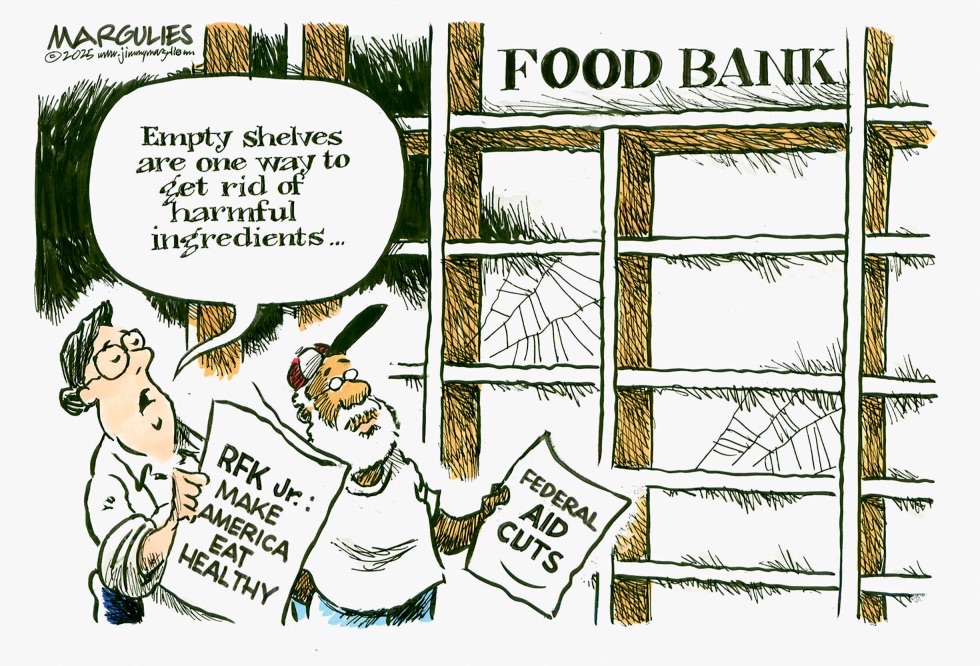
Here in the USA, things aren’t so great. Trump’s tariffs are kicking in, the economy is struggling, he is trying to destroy education and the arts, RFK Jr. is working to make Americans sick, and Elon Musk and DOGE are wreaking havoc in government agencies. Here’s the latest.
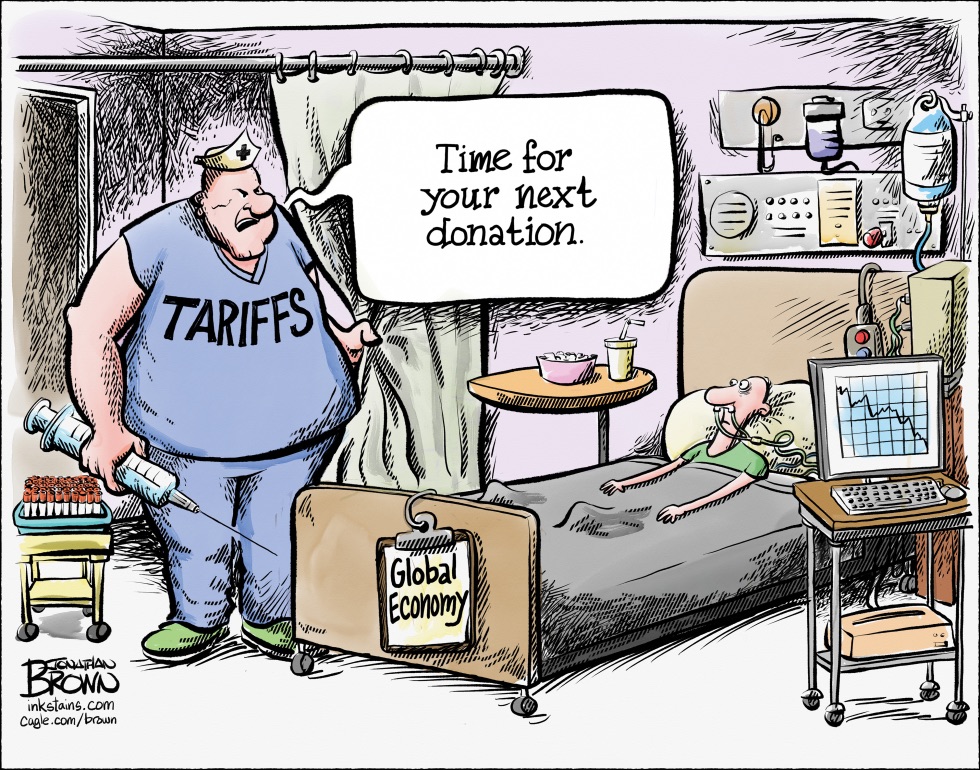
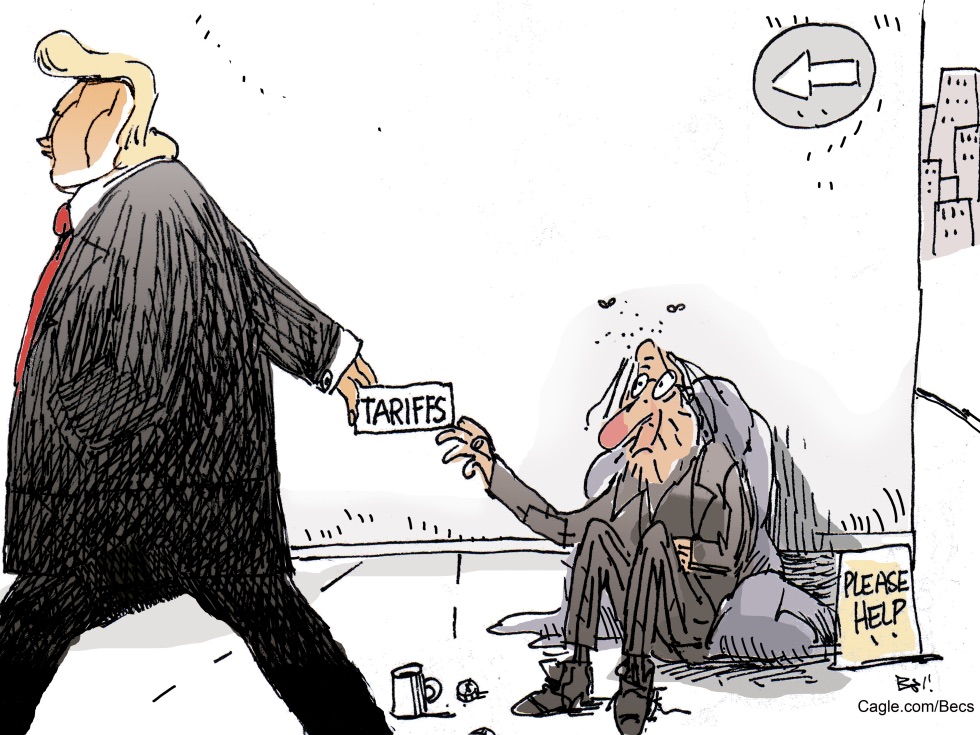
Many Americans might not have felt major effects from President Donald Trump’s sweeping tariffs — until now.
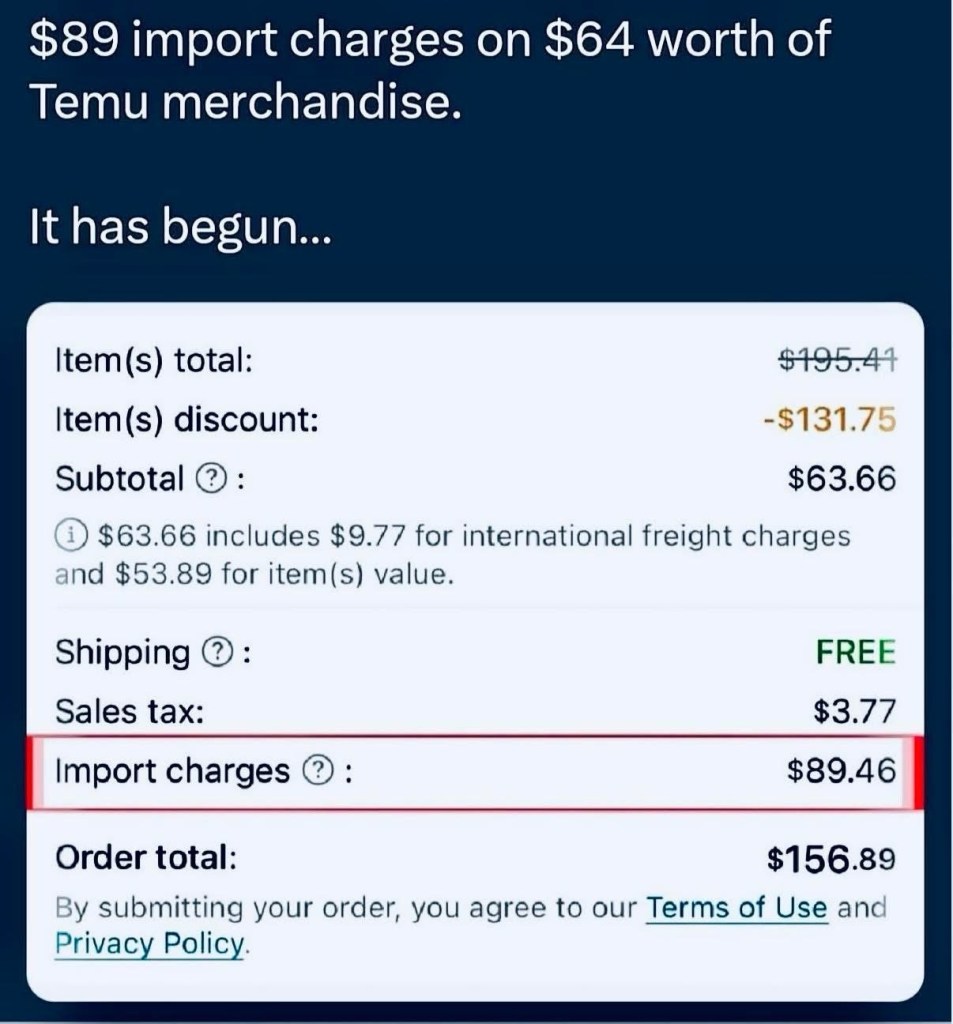
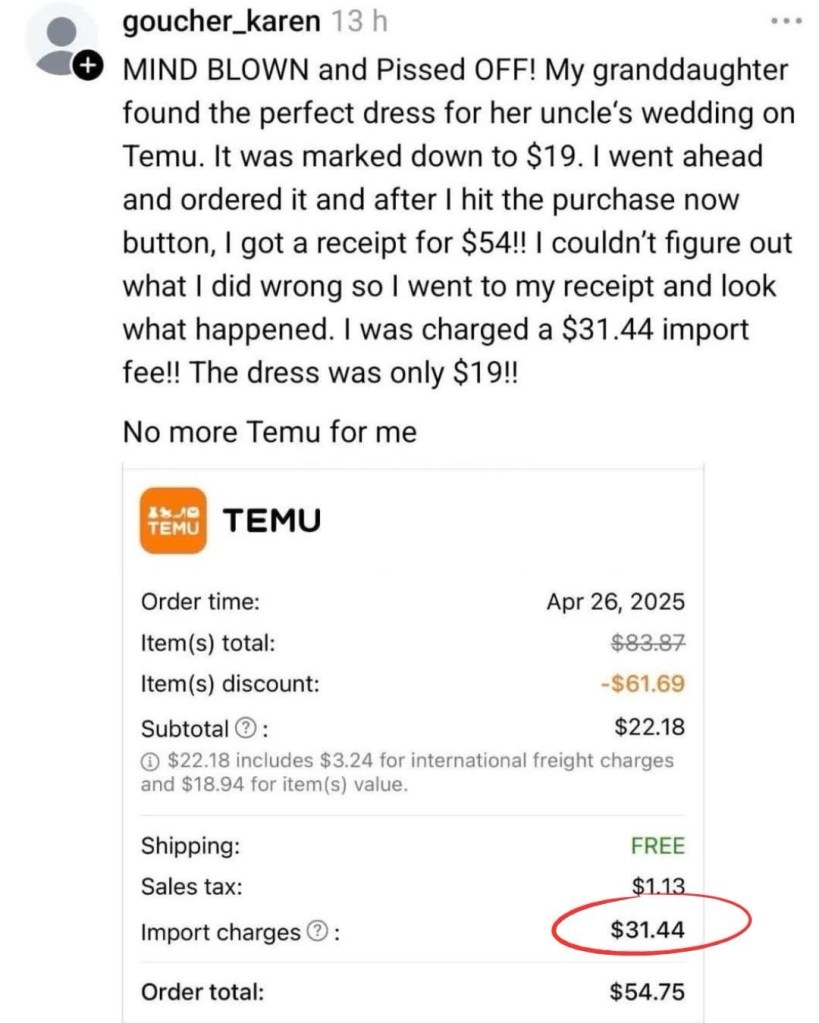
That’s because a major shipping loophole expired at one minute past midnight on Friday. The de minimis exemption, as it’s known, allowed shipments of goods worth $800 or less to come into the United States duty-free, often more or less skipping time-consuming inspections and paperwork.
The loophole helped reshape the way countless Americans shop, allowing ultra-low-cost Chinese e-commerce sites like Shein, Temu and AliExpress to pour everything from yarn to patio furniture, clothes to photography equipment and more into US homes.
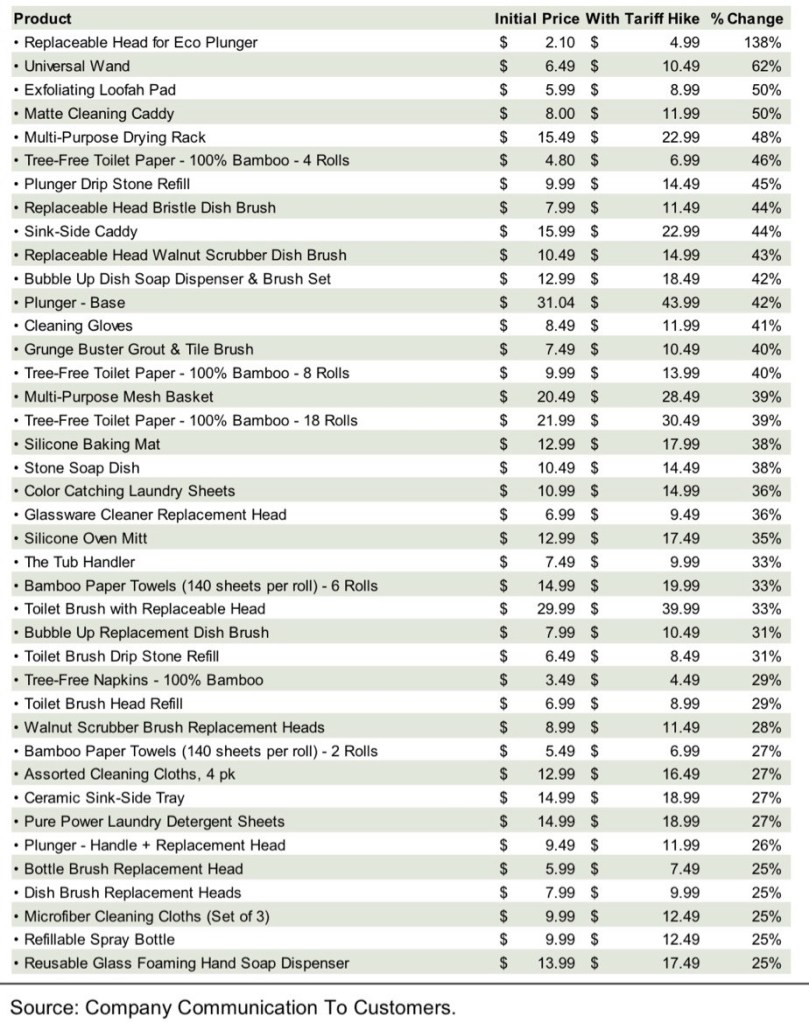
Its impending end has rung alarm bells across social media, with a baseline tariff as high as 145% depending on the carrier set to take effect on Chinese imports, potentially more than doubling the cost for all those cheap products deal-hungry Americans scooped up.
And the end of the de minimis exemption for Chinese goods will also distill abstract, complicated, messy, hard-to-follow trade policy into something much easier to understand: a receipt.
Major carriers like UPS, FedEx, DHL and the United States Postal Service say they’re prepared for the changes. The government says it, too, is set; a US Customs and Border Protection spokesperson told CNN that “We are prepared and equipped to carry out enhanced package screenings and enforce orders effectively.”
But whether regular American shoppers are ready for the changes is another matter.
Read more at CNN.
Caroline Petrow-Cohen and James Rainey at The Los Angeles Times:
Amid a wave of unprecedented tariffs, anxiety is running high for truck drivers like Helen, who makes her living delivering cargo containers from the Los Angeles and Long Beach harbors to warehouses and other customers around Southern California.
After a strong start to the year, the number of jobs has started to slip in recent days and truck drivers have heard reports predicting a sharp decline in incoming cargo for May and June….
“There’s real concern that we’re going to be struggling,” said Helen, a Downey resident who declined to give her last name for fear she might lose work if she is considered disgruntled. “If ships are not coming in and there are no loads, then there is no work. If there is no work there’s no money.”
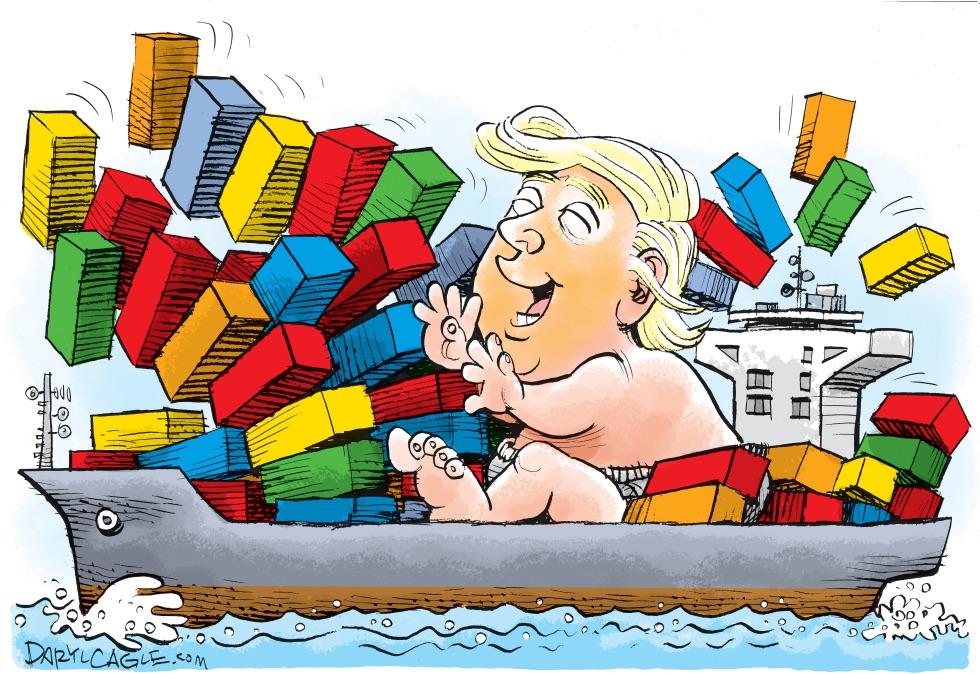
As President Trump’s aggressive tariffs rattle business owners and shake the foundation of American importing, the men and women who work on the ground at the country’s busiest port are feeling the effects too.
Thousands of dockworkers, heavy equipment operators and truck drivers support a flurry of activity at the Port of Los Angeles, which covers 7,500 acres on San Pedro Bay and processed more than 10 million 20-foot-long cargo units in 2024. The neighboring Port of Long Beach moved 9.6 million 20-foot equivalent units, or TEUs, last year.
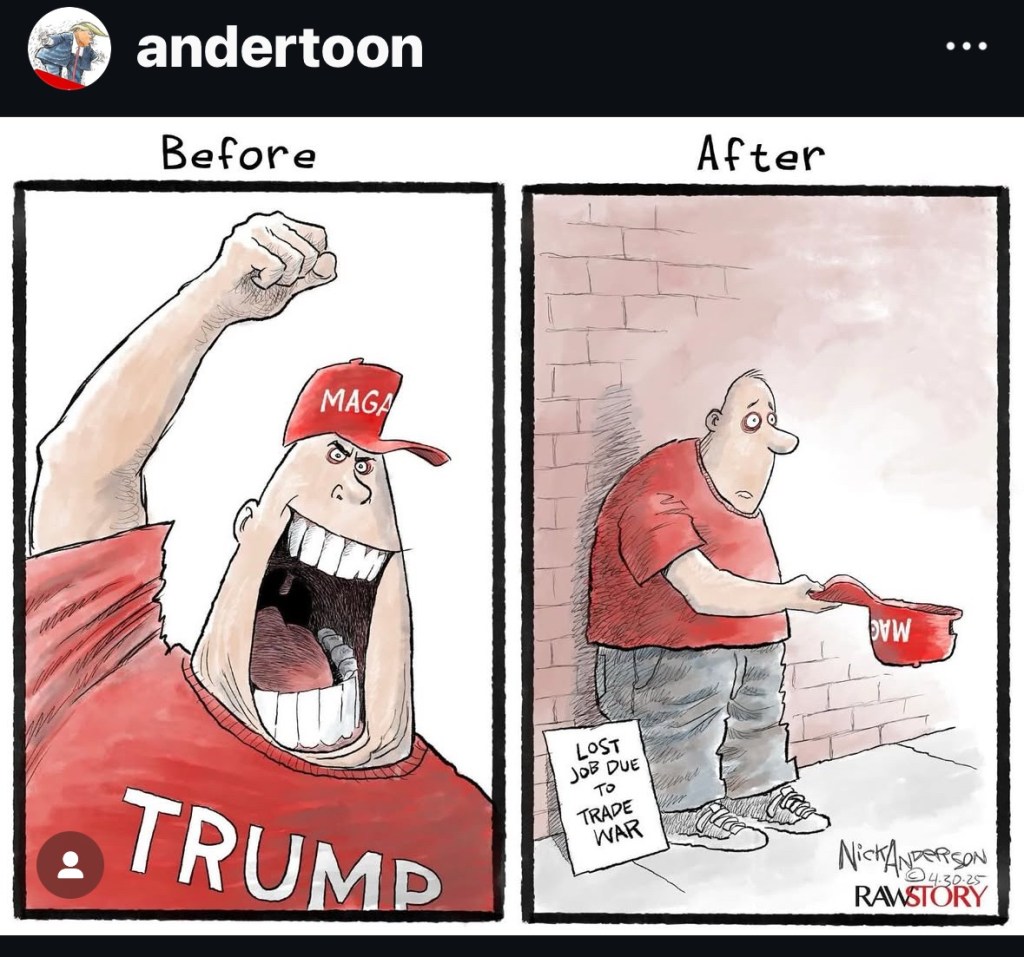
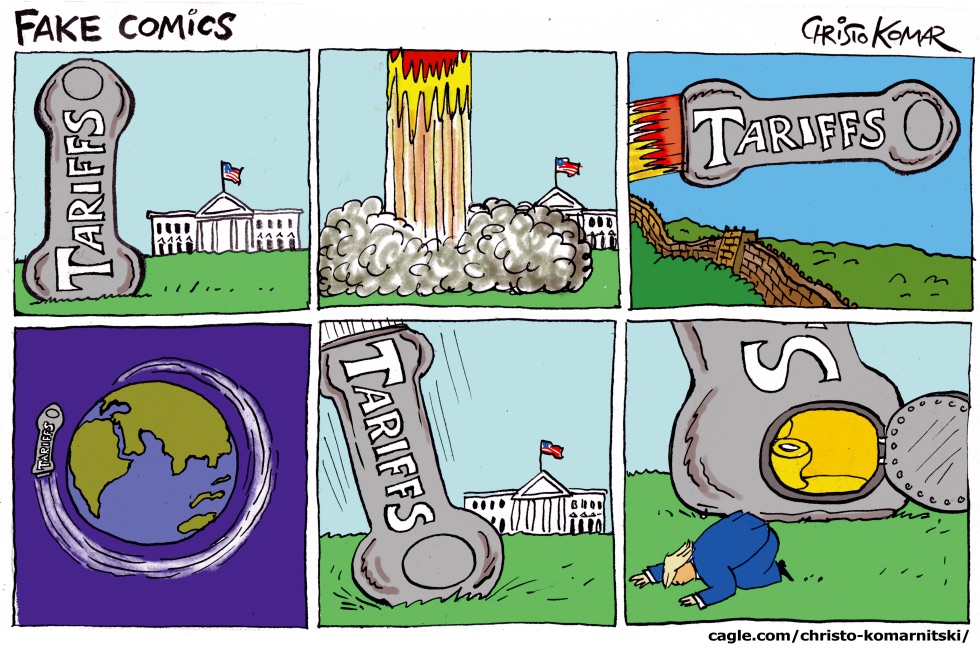
With a 145% tariff on China, a 25% tariff on Canada and Mexico, and 10% tariffs on dozens of other countries, the flow of goods into the U.S. is expected to slow drastically.
Fewer shipments into the ports of Los Angeles and Long Beach mean less work for the Californians who move cargo, said Raman Dhillon, chief executive of the North American Punjabi Trucking Assn.
“The truckers are scrambling right now,” he said. “They are at the verge of collapsing. The administration needs to move quickly, or it’s going to be chaos and price hikes and empty shelves.”
Trump isn’t worried about a recession and he doesn’t care how it will affect Americans. It’s just a transition period, he says.
President Donald Trump on Friday downplayed concerns about potential economic trouble, saying everything would be “OK” in the long term, even if the U.S economy experienced a recession in the short term.
Cat Astronaut, Michael Raiano
Asked twice by “Meet the Press” moderator Kristen Welker whether it would be OK in the long run if there were a recession in the short term, the president said, “Look, yeah, it’s — everything’s OK. What we are — I said, this is a transition period. I think we’re going to do fantastically.”
Following up, Welker asked Trump if he was worried about a recession, to which he responded, “No.” Asked whether he thinks one could happen, Trump replied, “Anything can happen, but I think we’re going to have the greatest economy in the history of our country.”
The remarks come as analysts on Wall Street are increasingly worried that the country could face a recession due to Trump’s changing tariff policy.
“Well, you know, you say, ‘Some people on Wall Street say’ — well, I tell you something else. Some people on Wall Street say that we’re going to have the greatest economy in history. Why don’t you talk about them?” Trump said during the interview at his Mar-a-Lago resort in Florida.
“There are many people on Wall Street say this is going to be the greatest windfall ever happen,” the president added.
Really? Who are those people? Name one.
Trump doesn’t want the government to support the arts.
President Trump proposed eliminating the National Endowment for the Arts and the National Endowment for the Humanities in the budget he released Friday, taking aim once again at two agencies that he had tried and failed to get rid of during his first term.
The endowments, along with the Institute of Museum and Library Services, were among the entities listed in a section titled “small agency eliminations” in his budget blueprint for the next fiscal year. The document said that the proposal was “consistent with the president’s efforts to decrease the size of the federal government to enhance accountability, reduce waste, and reduce unnecessary governmental entities” and noted that Mr. Trump’s past budget proposals had “also supported these eliminations.”
Since Mr. Trump returned to office this year, his administration has taken aim at the National Endowment for the Humanities and the Institute of Museum and Library Services, canceling most of their existing grants and laying off a large portion of their staffs. But the arts agency had yet to announce major cuts.
The proposal to eliminate the endowments drew a quick and furious reaction from Democrats. One, Senator Jack Reed of Rhode Island, vowed to fight the plan to eliminate the N.E.A. “tooth and nail.”
“We were able to restore the funding last time,” she said, “but as you know, based on the first 100 days of this administration, they’re in no mood to keep much of government alive anymore, and their attack is focused on everything, and the arts have already got a bull’s-eye on their back.
Outerspace laser cats (greeting card)
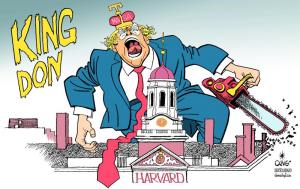
Of course Trump is also attacking our vital educational institutions. The latest is his threat to remove Harvard’s tax-exempt status. Here in Boston, Harvard and MIT are gearing up to fight back.
Harvard University signaled Friday that it would resist President Trump’s renewed threat to revoke the school’s tax-exempt status, a move for which it said there was “no legal basis” as the president escalated his bitter dispute with the nation’s oldest university.
Harvard stopped short of explicitly pledging a legal challenge to a revocation of its tax status, a change that would upend the university’s finances. But a spokesperson for the university said in a statement that there was “no legal basis to rescind Harvard’s tax-exempt status.”
“Such an unprecedented action would endanger our ability to carry out our educational mission,” the statement said. “It would result in diminished financial aid for students, abandonment of critical medical research programs and lost opportunities for innovation. The unlawful use of this instrument more broadly would have grave consequences for the future of higher education in America.”
Mr. Trump declared Friday morning on social media that the government would be “taking away Harvard’s Tax Exempt Status.” Mr. Trump added, “It’s what they deserve.”
Despite Mr. Trump’s assertion online and Harvard’s sharp response, it was not immediately clear Friday whether the I.R.S. was in fact moving forward with revoking Harvard’s tax-exempt status, a change that could typically occur only after a lengthy process. Federal law prohibits the president from directing the I.R.S. to conduct tax investigations, and I.R.S. employees who receive such a command are required to report it to an internal government watchdog.
The unrelenting high-velocity attacks from the Trump administration have forced leaders of the nation’s premier universities to navigate an extraordinary and bruising balancing act, choosing when to take a stand in the face of continued threats while trying to mitigate the loss of federal funding.
Among the schools where that intense drama is playing out is the Massachusetts Institute of Technology, where the sobering realities of the administration’s funding cuts were discussed at a meeting convened by senior leaders in April.
Under one scenario presented at that meeting by treasurer Glen Shor, MIT risks losing the equivalent of 23 percent of revenues for its central budget, according to a recording of the presentation to school staff obtained by the Globe.
“Unfortunately, we should expect a prolonged period of challenge,” MIT president Sally Kornbluth told staff, according to the recording. “We really have to balance things. And I have to say, I feel a grave responsibility to you all . . . to ensure the livelihoods of this community and to make sure that we can continue to function. I need to balance all of these goalsthat are, again, often in great tension with each other.”
Kornbluth also outlined how she is trying to preserve institutional independence while being pragmatic with so much money hanging in the balance. MIT needs to “adapt” where necessary to the priorities of the federal government, she said, but also resist by suing when it feels the administration had overreached. Senior leaders are also working to improve the university’s reputation in Washington, D.C., and among the broader public.
The recording offers a rare inside look into how institutions are trying to respond to a fast-moving and ever-changing dynamic, with new lines of pressure from the administration coming from unforeseen angles.
I’m terrified by what is happening to public health under RFK Jr. Here’s the latest on that.
A leading immunologist warned of a “post-herd-immunity world”, as measles outbreaks affect communities with low vaccination rates in the American south-west, Mexico and Canada.
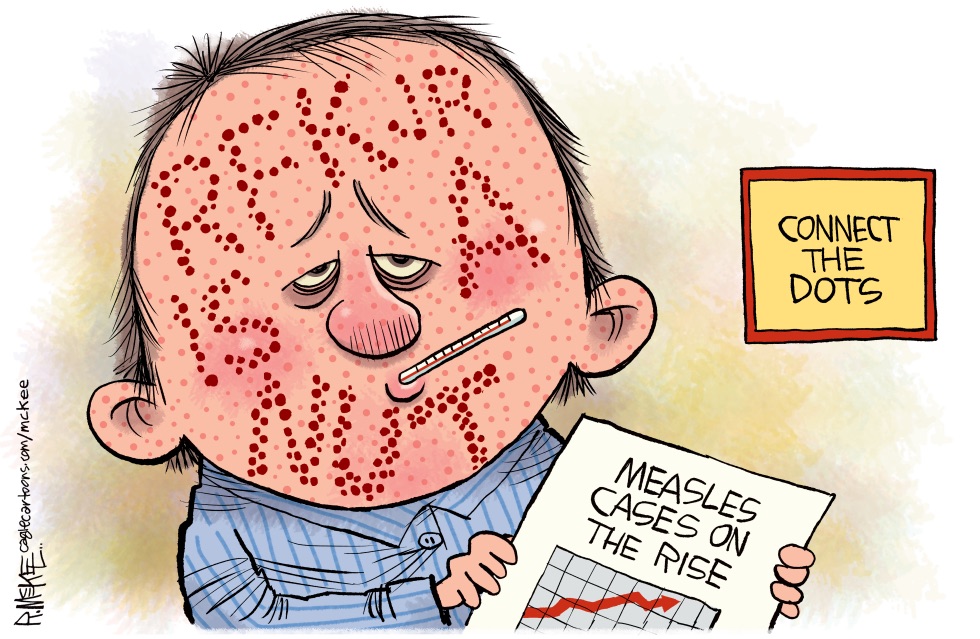
The US is enduring the largest measles outbreak in a quarter-century. Centered in west Texas, the measles outbreak has killedtwo unvaccinated children and one adult and spread to neighboring states including New Mexico and Oklahoma.
“We’re living in a post-herd-immunity world. I think the measles outbreak proves that,” said Dr Paul Offit, an expert on infectious disease and immunology and director of the Vaccine Education Center at Children’s Hospital of Philadelphia.
“Measles – because it is the most contagious of the vaccine-preventable diseases, the most contagious human disease really – it is the first to come back.”
The US eliminated measles in 2000. Elimination status would be lost if the US had 12 months of sustained transmission of the virus. As of 1 May, the US Centers for Disease Control and Prevention (CDC) reported 935 confirmed measles cases across30 jurisdictions.Nearly one in three children under five years old involved in the outbreak, or 285 young children, have been hospitalized.
Three large outbreaks in Canada, Mexico and the US now account for the overwhelming majority of roughly 2,300 measles cases across the World Health Organization’s six-country Americas region, according to the health authority’s update this week. Risk of measles is considered high in the Americas, and has grown 11-fold compared with 2024.
Is RFK Jr. concerned about this situation? Not really.
With the United States facing its largest single measles outbreak in 25 years, Health and Human Services Secretary Robert F. Kennedy Jr. will direct federal health agencies to explore potential new treatments for the disease, including vitamins, according to an H.H.S. spokesman. The decision is the latest in a series of actions by the nation’s top health official that experts fear will undermine public confidence in vaccines as an essential public health tool.
The announcement comes as Mr. Kennedy faces intense backlash for his handling of the outbreak. It has swept through large areas of the Southwest where vaccination rates are low, infecting hundreds and killing two young girls. On Friday, the Centers for Disease Control and Prevention reported more than 930 cases nationwide, most of which are associated with the Southwest outbreak.
Critics have said Mr. Kennedy has focused too much on untested treatments — such as cod liver oil supplements — and offered only muted support for the measles vaccine, which studies show is 97 percent effective in preventing infection.
The decision to put more resources into potential treatments, rather than urging vaccination, could have grave consequences at the center of the outbreak….
Scientists have already thoroughly studied various vitamins and medications as potential treatments for measles, said Michael Osterholm an epidemiologist at the University of Minnesota.
Decades of research have turned up no miracle treatment for the measles virus, which can cause pneumonia, making it difficult for patients to get oxygen into their lungs, and brain swelling, which can cause blindness, deafness and intellectual disabilities.
Texas Attorney General Ken Paxton is investigating two leading toothpaste makers over their use of fluoride, suggesting that they are “illegally marketing” the teeth cleaners to parents and kids “in ways that are misleading, deceptive, and dangerous.”
Space cats from Mars, Damien Northmore
The toothpaste makers in the crosshairs are Colgate-Palmolive Company, maker of Colgate toothpastes, and Proctor & Gamble Manufacturing Co., which makes Crest toothpastes. In an announcement Thursday, Paxton said he has sent Civil Investigative Demands (CIDs) to the companies.
The move is an escalation in an ongoing battle over fluoride, which effectively prevents dental cavities and improves oral health. Community water fluoridation has been hailed by health and dental experts as one of the top 10 great public health interventions for advancing oral health across communities, regardless of age, education, or income. But, despite the success, fluoride has always had detractors—from conspiracy theorists in the past suggesting the naturally occurring mineral is a form of communist mind control, to more recent times, in which low-quality, controversial studies have suggested that high doses may lower IQ in children.
These people are insane.
Just a few Elon Musk stories before I wrap this post up.
The Trump administration asked the Supreme Court on Friday to clear the way for Elon Musk ’s Department of Government Efficiency to access Social Security systems containing personal data on millions of Americans.
The emergency appeal is the first in a string of applications to the high court involving DOGE’s swift-moving work across the federal government.
It comes after a judge in Maryland restricted the team’s access to Social Security under federal privacy laws. The agency holds personal records on nearly everyone in the country, including school records, bank details, salary information and medical and mental health records for disability recipients, according to court documents.
The government says the team needs access to target waste in the federal government. Musk, now preparing to step back from his work with DOGE, has been focused on Social Security as an alleged hotbed of fraud. The billionaire entrepreneur has described it as a “ Ponzi scheme ” and insisted that reducing waste in the program is an important way to cut government spending.
Solicitor General John Sauer argued Friday that the judge’s restrictions disrupt DOGE’s important work and inappropriately interfere with executive-branch decisions. “Left undisturbed, this preliminary injunction will only invite further judicial incursions into internal agency decision-making,” he wrote.
I shudder to think what the Supreme Court will do with this.
In the lead up to the April 1 election for the Wisconsin state Supreme Court, a little-known private equity executive by the name of Antonio Gracias joined Tesla billionaire Elon Musk on stage as the latter launched into a tirade clearly inspired by the white supremacist Great Replacement Theory — the discredited canard that the Biden administration was letting in millions of “illegals” to engage in mass voter fraud.
On the dais, Gracias described how his foray into Social Security had revealed something already widely known to immigration policymakers: that the Biden administration had substantially expanded the Temporary Protected Status program, allowing millions of immigrants to enter and work in the country legally. These noncitizens were given Social Security numbers, as is completely standard — in fact, the process was automated during Trump’s first term — but Gracias and Musk, the world’s richest man, treated it like a scandal.
“We started at the top of the system mapping the whole system of Social Security to understand where the fraud was — this is what jumped out at us,” Gracias said. “When we saw these numbers, we asked ‘What is this?’ In ‘21, you see 270,000 people, it goes all the way to 2.1 million in ‘24. These are noncitizens that are getting Social Security numbers. … This literally blew us away. We went there to find fraud, and we found this by accident.” Noting that his parents and siblings, like Musk, are immigrants, Gracias added, “I’m pro-legal immigration — this is about America and the future of America.”
The crowd of conservatives gasped as the billionaires made it sound as if they and their team at Trump’s so-called Department of Government Efficiency had finally found proof of the waste, fraud, and abuse in the Social Security Administration that Musk has repeatedly talked about — examples that might help justify the massive upheaval that DOGE has created within the agency that manages America’s core retirement program.
Check this out:
Despite all of Musk and Gracias’ rhetoric about rooting out waste, fraud, and abuse in Social Security, scant attention has been paid to how the pair has become phenomenally wealthy with support from Americans’ retirement funds.
It’s well-known that Musk’s space company, SpaceX, has long cashed in on federal contracts — a trend turbocharged by Trump’s administration. Gracias, for his part, has relied on significant investments from public retirement systems to fund his firm’s deals. In the past decade, Gracias’ private equity firm, Valor Equity Partners, has received at least $1.7 billion in investment commitments from state and local pension funds — which manage the retirement savings of unionized teachers, firefighters, social workers, bus drivers, and cops — according to a Rolling Stone review of public documents.
Much of this money has come from Democratic states and locales. For its most recent fund, Valor received $800 million in investment commitments from a range of state and local pension funds. Investors include the California Public Employees’ Retirement System; the California State Teachers’ Retirement System; the Illinois Municipal Retirement Fund; the New York State Teachers’ Retirement System; a range of New York City pension funds; the Philadelphia Board of Pensions and Retirement; and the Hartford Municipal Employees Retirement Fund in Connecticut.
There’s much more at the link. If you clear your cache, you should be able to read it.
That’s all I have for you today. What’s on your mind?
Did you like this post? Please share it with your friends:
“Wow, eye-opening interview!” John Buss, @repeat1968
Good Day, Sky Dancers!
I’m a little late on this because I’ve finally reached the end of all these tests to figure out why I keep having to sing Feet Don’t Fail Me Now. I’m finally getting a bit of information on my poor polyneuropathic feet. It seems they likely came from the intense rounds of chemotherapy I had for the cancer I developed after my youngest was born. Anyway, I’m back from the EMG which involves a lot of needle poking and shocking your nerves. It wasn’t a pleasant experience, much like Yam Tits’ reign of terror, but now I know. I guess the best thing I can do is take a couple more supplements, so I will keep on Truckin’ here in New Orleans. Anyway, the Polycrisis continues on all fronts.
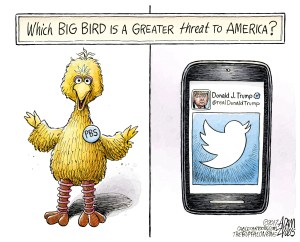
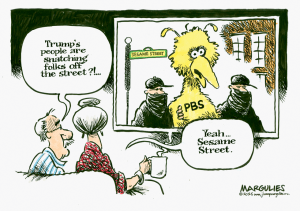
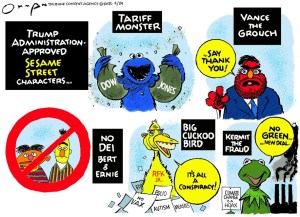
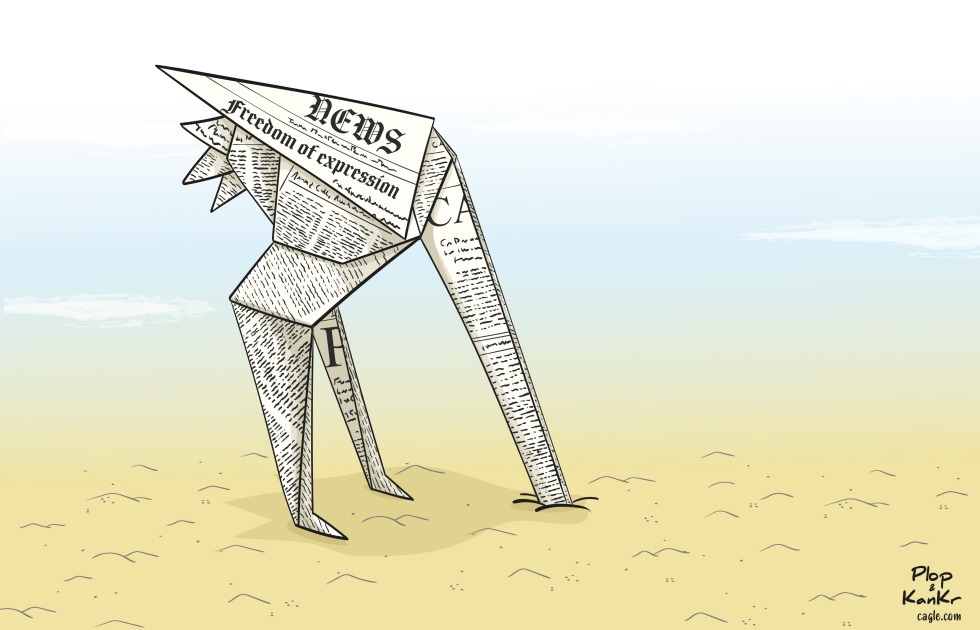
So, now is the time for all good citizens to come to the defense of Big Bird, Elmo, Cookie Monster, and all the Sesame Street gang. The AP reports that “Trump signs executive order directing federal funding cuts to PBS and NPR.”
President Donald Trump on Thursday signed an executive order aiming to slash public subsidies to PBS and NPR as he alleged “bias” in the broadcasters’ reporting.
The order instructs the Corporation for Public Broadcasting and other federal agencies “to cease Federal funding for NPR and PBS” and further requires that that they work to root out indirect sources of public financing for the news organizations. The White House, in a social media posting announcing the signing, said the outlets “receive millions from taxpayers to spread radical, woke propaganda disguised as ‘news.’”
It’s the latest move by Trump and his administration to utilize federal powers to control or hamstring institutions whose actions or viewpoints he disagrees with. Since taking office, Trump has ousted leaders, placed staff on administrative leave and cut off hundreds of millions of dollars in funding to artists, libraries, museums, theaters and others, through takeovers of the John F. Kennedy Center for the Performing Arts and the National Endowment for the Humanities. Trump has also pushed to withhold federal research and education funds from universities and punish law firms unless they agreed to eliminate diversity programs and other measures Trump has found objectionable.
The broadcasters get roughly half a billion dollars in public money through the Corporation for Public Broadcasting, and have been preparing for the possibility of stiff cuts since Trump’s election, as Republicans have long complained about them.
March 20, 2017
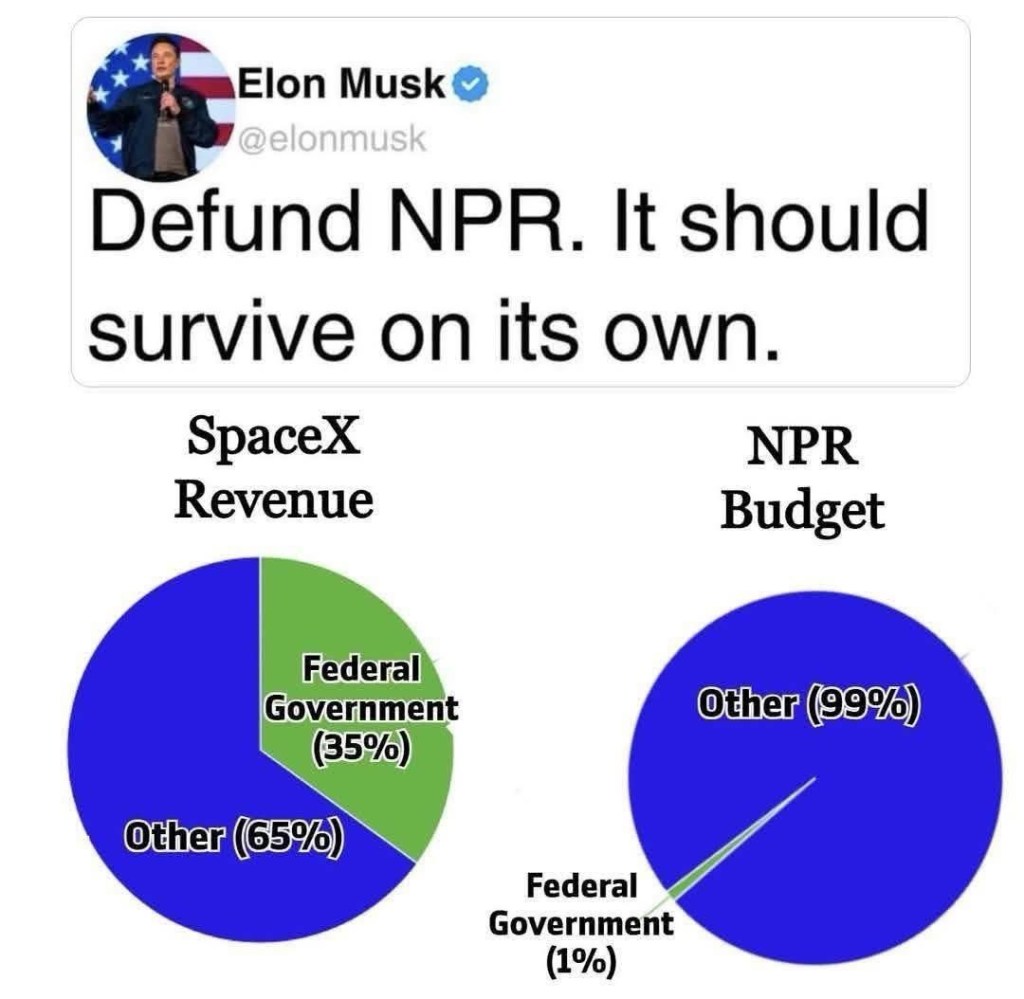
I have to say that PBS is a mainstay of the small amount of TV viewing I actually do. Master Piece Theater has been a staple of my viewing since University, and my daughters grew up with Mr Rodgers, Sesame Street, and my youngest was addicted to Barney and Friends. My mother always watched all the Detective Shows they ever showed, including Mystery Theater. It’s where I learned to love Dr. Who and Monty Python. I can’t even imagine #FARTUS has even seen any of those shows. The actual Federal Spending on the public networks is very small. They get most of their money from corporate sponsorship and their viewers. The amount going to Elon Musk’s enterprises is huge. You can view the funding numbers for PBS at this link: “Frequently Asked Questions about Support.”
The Corporation for Public Broadcasting (CPB) receives a congressional appropriation each year of about $500M. CPB allocates the appropriation mostly to public television and radio stations, with some assigned to NPR and PBS to support national programming.
CPB funding to stations covers a portion of each’s annual operating budget (the percentage varies from station to station but as a general rule the percentage is smaller for larger market stations). Stations rely on generous donations from viewers like you, corporate sponsorships, and foundation grants to cover the rest of their operating budget.
Part of each station’s operating budget is programming dues which it pays to PBS (and NPR) for National programming like PBS News Hour.
The News Hour receives about 35% of its annual funding/budget from CPB and PBS via national programming funds – a combination of CPB appropriation funds and annual programming dues paid to PBS by stations re-allocated to programs like ours. The remaining 65% is generated from individual donations, foundation grants and corporate sponsorships.
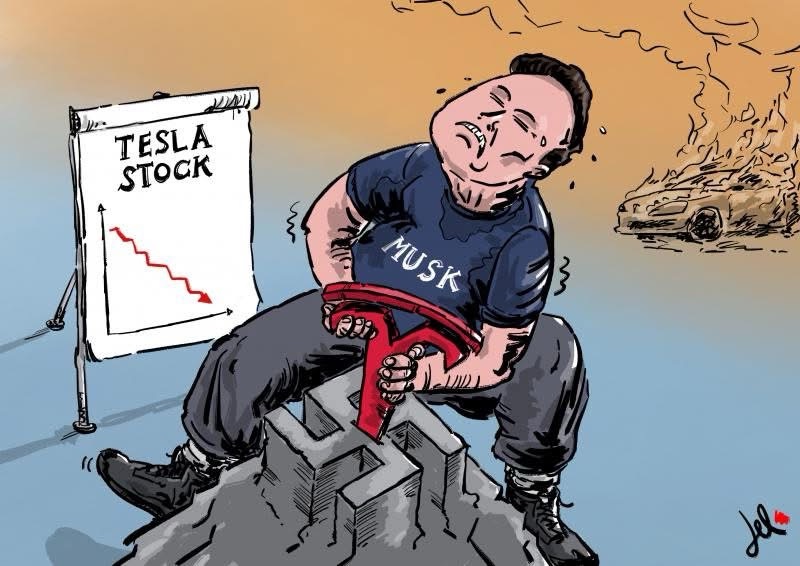
Elon Musk and his cost-cutting U.S. DOGE Service team have been on a mission to trim government largesse. Yet Musk is one of the greatest beneficiaries of the taxpayers’ coffers.
Over the years, Musk and his businesses have received at least $38 billion in government contracts, loans, subsidies and tax credits, often at critical moments, a Washington Post analysis has found, helping seed the growth that has made him the world’s richest person.
The payments stretch back more than 20 years. Shortly after becoming CEO of a cash-strapped Tesla in 2008, Musk fought hard to secure a low-interest loan from the Energy Department, according to two people directly involved with the process,holding daily briefings with company executives about the paperwork and spending hours with a government loan officer.
When Tesla soon after realized it was missing a crucial Environmental Protection Agency certification it needed to qualify for the loan days before Christmas, Musk went straight to the top, urging then-EPA Administrator Lisa Jackson to intervene, according to one of thepeople. Both people spoke on the condition of anonymity for fear of retribution.
Nearly two-thirds of the $38 billion in funds have been promised to Musk’s businesses in the past five years.
In 2024 alone, federal and local governments committed at least $6.3 billion to Musk’s companies, the highest total to date.
The total amount is probably larger: This analysis includes only publicly available contracts, omitting classified defense and intelligence work for the federal government.SpaceX has been developing spy satellites for the National Reconnaissance Office, the Pentagon’s spy satellite division, according to the Reuters news agency. The Wall Street Journal reported that contract was worth $1.8 billion, citing company documents.
The Post found nearly a dozen other local grants, reimbursements and tax credits where the specific amount of money is not public.
An additional 52 ongoing contracts with seven government agencies — including NASA, the Defense Department and the General Services Administration — are on track to potentially pay Musk’s companies an additional $11.8 billion over the next few years, according to The Post’s analysis.
Well, isn’t that special? Here’s a read from Politico about the pushback from NPR to Trump. “Public media executives push back against Trump targeting NPR and PBS: ‘Blatantly unlawful’. The president issued an executive order late Thursday trying to cut federal funding.”
Public media executives are pushing back against President Donald Trump’s late Thursday executive order seeking to strike federal funding for NPR and PBS, arguing it is unlawful.
Trump’s Thursday order directed the Corporation for Public Broadcasting, a private nonprofit that Congress awards more than $500 million annually to fund public media, to “cancel existing direct funding to the maximum extent allowed by law” to NPR and PBS.
“Congress directly authorized and funded CPB to be a private nonprofit corporation wholly independent of the federal government,” she wrote.
Trump and his allies in Congress have repeatedly targeted NPR and PBS, arguing that the two outlets have a liberal bias and seeking to strip their funds.
The leaders of both organizations were hauled in front of Congress for a hearing in front of the House Oversight Subcommittee on Delivering on Government Efficiency — a companion to Elon Musk’s Department of Government Efficiency — and the FCC has launched an investigation of both’s underwriting messages.
The White House is expected to ask Congress to cancel already approved funding for public broadcasting, in what is known as a rescission request, POLITICO previously reported.
PBS Chief Executive Paula Kerger released a statement Friday in response to the president’s order, calling it “blatantly unlawful” and said the broadcaster is “exploring all options” to ensure it can continue programming across the country.
In a press release from NPR, the organization said it would “vigorously defend our right to provide essential news, information and life-saving services to the American public” and challenge the executive order “using all means available.”
The order explicitly called on the CPB Board of Directors to end direct, indirect and future funding to the two public broadcasters. Federal funds make up about 15 percent of PBS’ annual revenue and about 1 percent of NPR’s budget every year.
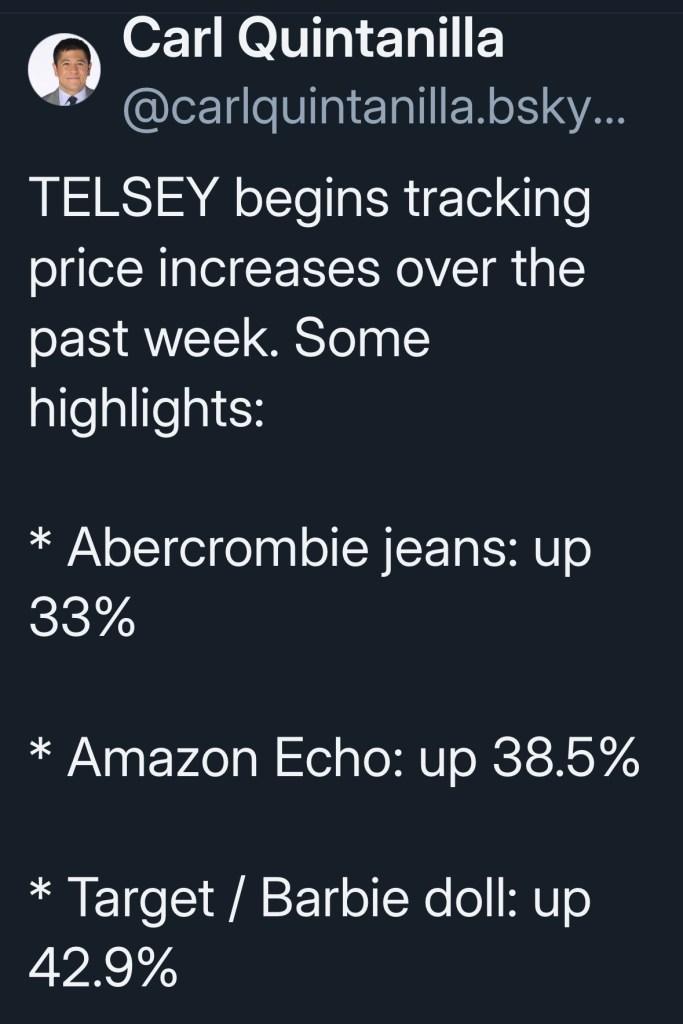
Well, kids, the President says you have to scale back holiday gifts, and he doesn’t want you to access Blue’s Clues. Work it out, Wombat, Milo, and Carl the Collector. Lawrence O’Donnell is now calling him Donny Two Dolls. Martine Powers–writing for the Washington Post–has this to say. “Is Trump waging a war on dolls? The president’s call for American children to own fewer dolls sounded to some like an implicit rebuke of U.S. consumerism. It’s not his usual message.”
Call it the Great Barbie Belt-Tightening — as if that were even possible with her waistline.
President Donald Trump and his deputy chief of staff, Stephen Miller, might have a new target in their trade war crosshairs: dolls.
Or, more specifically, excessive numbers of dolls. Or, dolls that are not of the superior manufacturing quality befitting America’s children.
On Wednesday, Trump predicted during a Cabinet meeting that higher prices caused by tariffs will mean “children will have two dolls instead of 30 dolls.” The next morning, Miller doubled down in a White House briefing, suggesting that American parents agree that fewer dolls would be better.
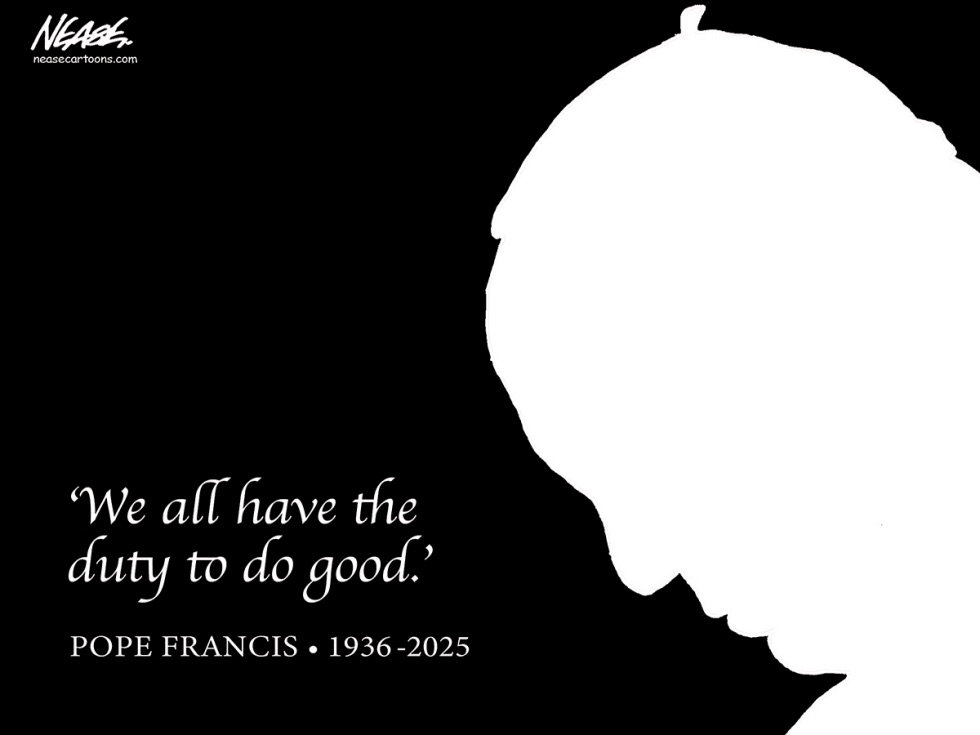
People of all ideological stripes, from liberals to conservatives to the late Pope Francis, have cautioned against American overconsumption — and suggested that the world’s richest nation should make do with less. But Trump has never come close to espousing such a philosophy, not even in his messaging around his tariff policies, which threaten to raise prices on myriad consumer products, including dolls. In his second term, the president has decorated the Oval Office with gilded accents — and has promised repeatedly, as he did Tuesday at a political rally in Warren, Michigan, to “make America wealthy again.”
History shows that there is great political peril in asking Americans to do more with less. Just ask Jimmy Carter, the late president whom Republicans have pilloried for nearly 50 years for scolding the country to make sacrifices during the energy crisis of the late 1970s.
Plus, there are few more uniquely American icons than toy dolls. Barbie was the runaway bestseller for decades before it became a blockbuster movie in 2023. One of the most popular brands of dolls is literally called American Girl. And among the best-selling dolls are action figures marketed to boys, such as the U.S.-military-inspired G.I. Joe.
Some Democrats have suggested that Trump’s comments are an act of political self-sabotage — a bridge too far for American consumers, who don’t want to be told by a rich politician that their children should expect a smaller-than-usual stack of toys on Christmas morning.
So, you intrepid reporter wants to know if Yam Tit’s has just started an official war on Christmas? This surely looks like it. Good thing Sky Dancing Blog doesn’t rely on any federal or state funding.
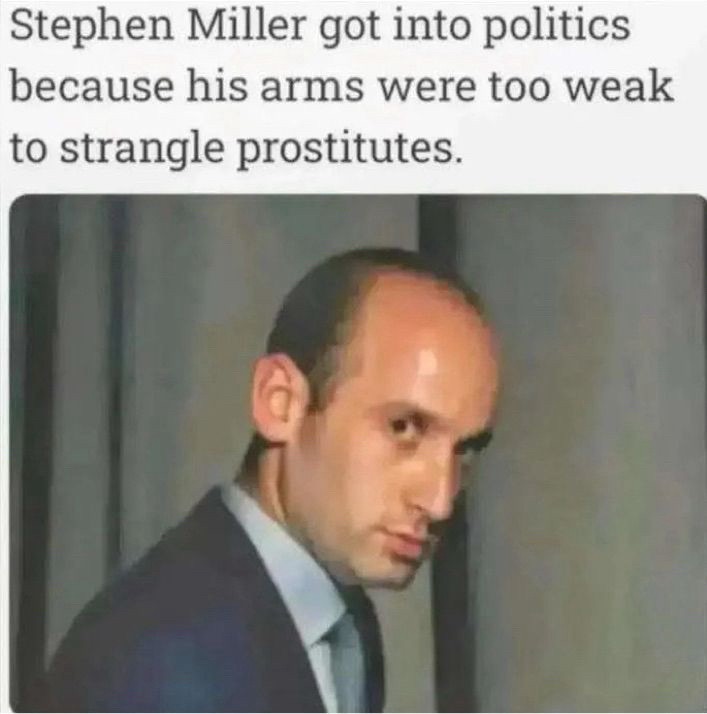
Why it matters: Miller — the deputy chief of staff and the brain behind Trump’s controversial immigration crackdown — is one of the president’s longest-serving and most-trusted aides.
Miller’s name surfaced shortly after Trump removed Mike Waltz as national security adviser on Thursday and nominated Waltz to become the next United Nations ambassador.
Secretary of State Marco Rubio is temporarily taking over Waltz’s responsibilities, but sources familiar with his thinking say he’s busy enough running the State Department.
Zoom in: Miller already is the administration’s Homeland Security adviser, and is an aggressive defender of the administration’s legal push for immediate deportations of unauthorized immigrants without court hearings.
One White House source told Axios via text that Miller has made the Homeland Security Council run “like clockwork,” and that it’s “infinitely more effective than the NSC [National Security Council] with a tiny fraction” of the staff.
Zoom out: Trump has a penchant for putting his faith in a small number of advisers and piling responsibilities on their plate, so insiders say it wouldn’t be unusual for Miller hold multiple titles, just as Rubio does.
“Marco and Stephen have worked really closely on immigration and it might be a perfect match,” said another White House source.
“Given how well he’s worked with Marco, many see him as the perfect person to restore the role of the NSA to a staff-level policy role that reports to the chief of staff, instead of some inflated Cabinet position,” said another insider.
A fourth source said Miller signaled interest in the job Thursday, but Miller couldn’t be reached for comment to confirm.
A fifth source said Miller might not want the job “if it takes him away from his true love: immigration policy.”
What’s next: Those who understand the president’s thinking say it’s unclear how long he wants to keep Rubio as national security adviser.
But one of the administration sources said that “if Stephen wants the job, it’s hard to see why Trump wouldn’t say yes.”
Judges that have made decisions against Trump continue to be under threat of violence and death as are their families. This headline is from Reuters. “These judges ruled against Trump. Then their families came under attack. As federal judges rule against the Trump administration in dozens of politically charged cases, the families of at least 11 of the jurists have been targeted with threats and harassment. The intimidation campaign has strained judges and their relatives – and legal scholars fear it could have a chilling effect on the judiciary. Multiple reporters have contributed to this very jarring story.
When U.S. District Judge James Boasberg ruled in April that Trump administration officials could face criminal contempt charges for deporting migrants in defiance of a court order, the blowback was When Elon Musk shared an online post that mischaracterized the work of Judge Boasberg’s daughter, some of his followers responded on X with calls “to lock her up.”
The president’s supporters unleashed a wave of threats and menacing posts. And they didn’t just target the judge. Some attacked Boasberg’s brother. Others blasted his daughter. Some demanded the family’s arrest – or execution.v
U.S. District Judge John McConnell’s family endured similar threats after he ruled that President Donald Trump overstepped his authority in freezing grants for education and other services. Far-right provocateur Laura Loomer tweeted a photo of the judge’s daughter, who had worked at the U.S. Education Department as a policy advisor, and accused McConnell of protecting her paycheck. Billionaire Elon Musk amplified the post to his 219 million X followers. Neither mentioned the daughter had left her job before Trump’s inauguration.
When Elon Musk shared an online post that mischaracterized the work of Judge Boasberg’s daughter, some of his followers responded on X with calls “to lock her up.”
Loomer continued her attacks with nine more posts in the ensuing days – and more than 600 calls and emails flooded McConnell’s Rhode Island courthouse, including death threats and menacing messages taunting his family, according to a court clerk and another person familiar with the communications.
Trying to fly anywhere? Are you willing to take this hits to your time and the risk to your safety?
“Newark Liberty Airport posted a statement to X advising, “Flights at @EWRairport continue to be disrupted due to @FAA staffing shortages, with delays and cancellations expected to continue throughout the day.”😱 How many more “Newark’s” are there?#DemVoice1 http://www.rawstory.com/newark-airpo…
Jennifer Bowers Bahney–writing for Raw Story— has the scary details. “Insider issues ‘incredible’ warning to avoid critical air hub ‘at all costs’ over safety.” Is this another shot across the bow of America’s Christmas celebrations? Well, Mister and Misus American and all the ships at sea, you let me know.
MSNBC correspondent Tom Costello claimed Friday that an air traffic controller who “handles airspace” at the Newark, NJ, airport gave him some “rather concerning and startling information” about public safety.
“He said, It is not safe. ‘It is not a safe situation right now for the flying public,” Costello said. “Really an incredible statement, unsolicited. He just said that to me, and separately, ‘Don’t fly into Newark. Avoid Newark at all costs.”
Costello said that there were about two-hour delays for planes coming into Newark on Friday following a week of major delays due to staffing issues.
“We’ve got a lot of problems going on,” Costello said, including “equipment failures.”
“They have lost both radios and radars this week,” Costellos said. “And because of the stress, some controllers have walked off the job.”
Costello said that Transportation Secretary Sean Duffy was touring the Newark facility, along with the president of the air traffic controllers union, “trying to reassure the public and reassure controllers that they’re working on this.”
“But,” Costello added, “this is not going to be an easy fix by any means.”
CNN reports that “Trump says the government will revoke Harvard’s tax-exempt status.”
President Donald Trump says Harvard University will be stripped of its tax-exempt status, redoubling an extraordinary threat amid a broader chess match over free speech, political ideology and federal funding at the Ivy League school and across American academia.
“We are going to be taking away Harvard’s Tax Exempt Status. It’s what they deserve!” Trump posted Friday morning on Truth Social.
Trump floated a trial balloon April 15 for the notion of removing Harvard’s tax-exempt status, and the Internal Revenue Service had been making plans to carry out the idea.
“There is no legal basis to rescind Harvard’s tax-exempt status,” a university spokesperson told CNN. “Such an unprecedented action would endanger our ability to carry out our educational mission.”
Money for federal taxes would have to be taken away from other priorities and “would result in diminished financial aid for students, abandonment of critical medical research programs, and lost opportunities for innovation,” the spokesperson said Friday.
US law specifically prohibits presidents from directing the IRS to investigate anyone. If it found Harvard’s tax-exempt status should be revoked, the agency would have to formally notify and give the school a chance to challenge the decision. The IRS did not immediately respond to CNN’s questions about how Trump’s announcement might be implemented.
Democratic Sen. Ed Markey of Massachusetts said Friday that Trump’s actions are an attempt to force Harvard to comply with his ideology and described the move as unconstitutional. He added the disruption caused by Trump’s threats has had a negative impact on life-saving research and people’s livelihoods.
The trouble is, if you give in just a little bit on a Mafia shake-down, they always return for more. “It’s not personal, Sonny. It’s strictly business.”
I’m not sure it was the pokes or the shocks this morning, but I seem to be floating back somewhere to the 70s where Nixon was making trouble for every one. That seems picayune now. I was planning to do some work around the garden and the backyard but for some reason, I just want to hug the furbabies, make so lunch, and find something distracting. I certainly hope you’re upcoming weekend will be joyful and peaceful. I’m wondering how much tea I’m going to have to stock up on.
What’s on your reading and blogging list today?
Did you like this post? Please share it with your friends:
If only things were back to normal. Every day I start to spiral out of control. Thinking of how bad it is going to get…and my imagination takes me pretty far. I wouldn’t be so spastic, if all my past predictions had not come true.
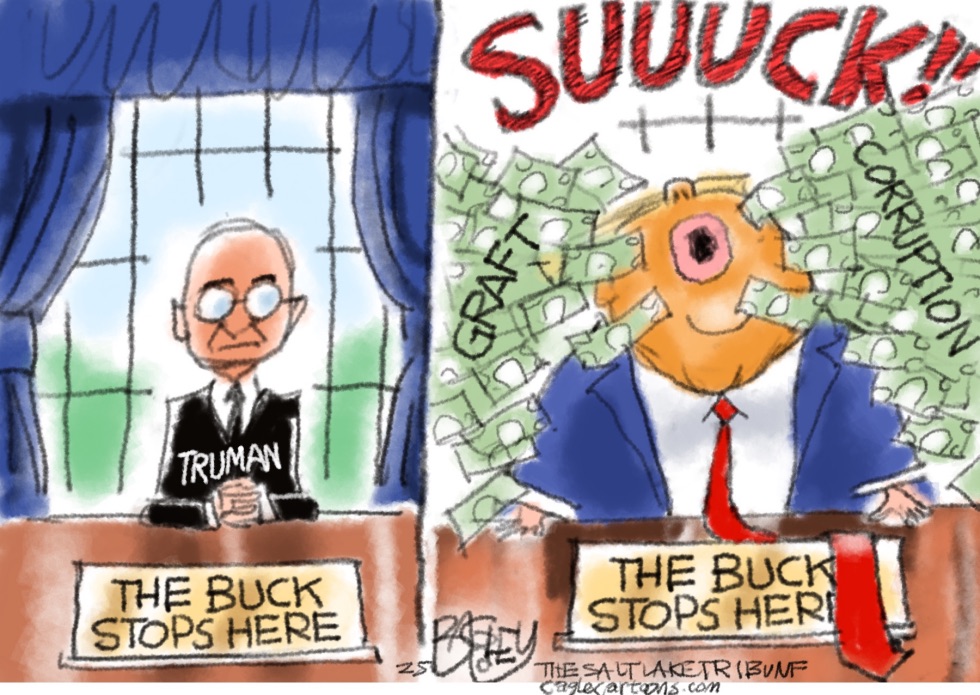
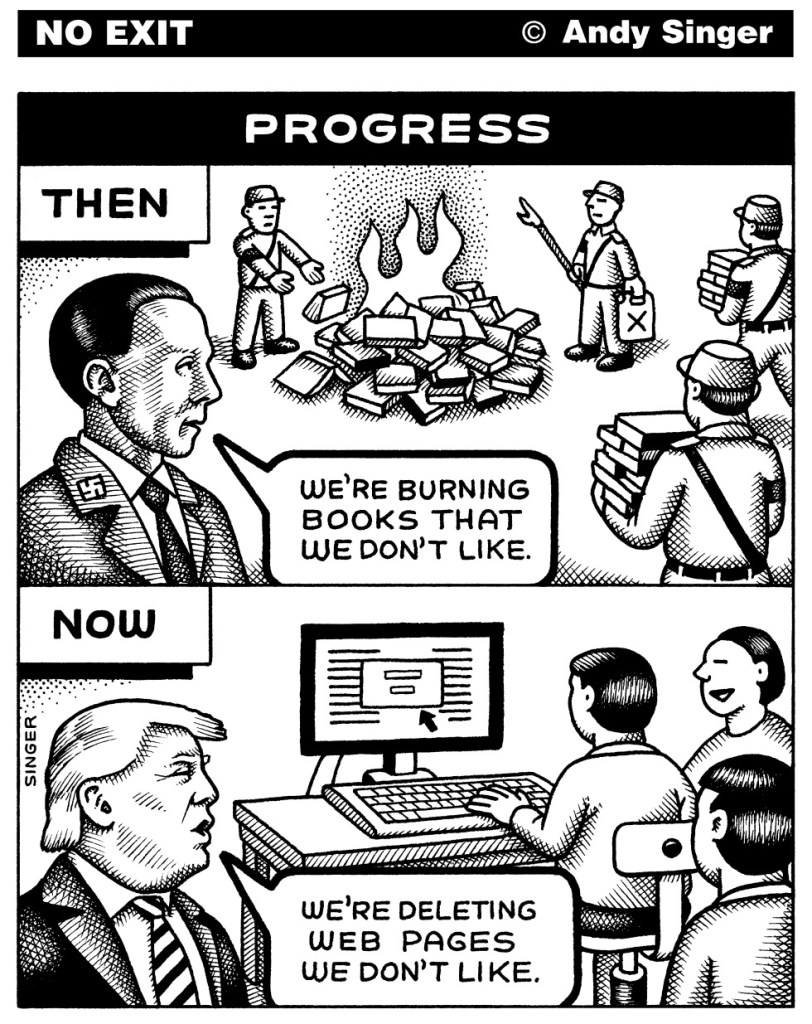
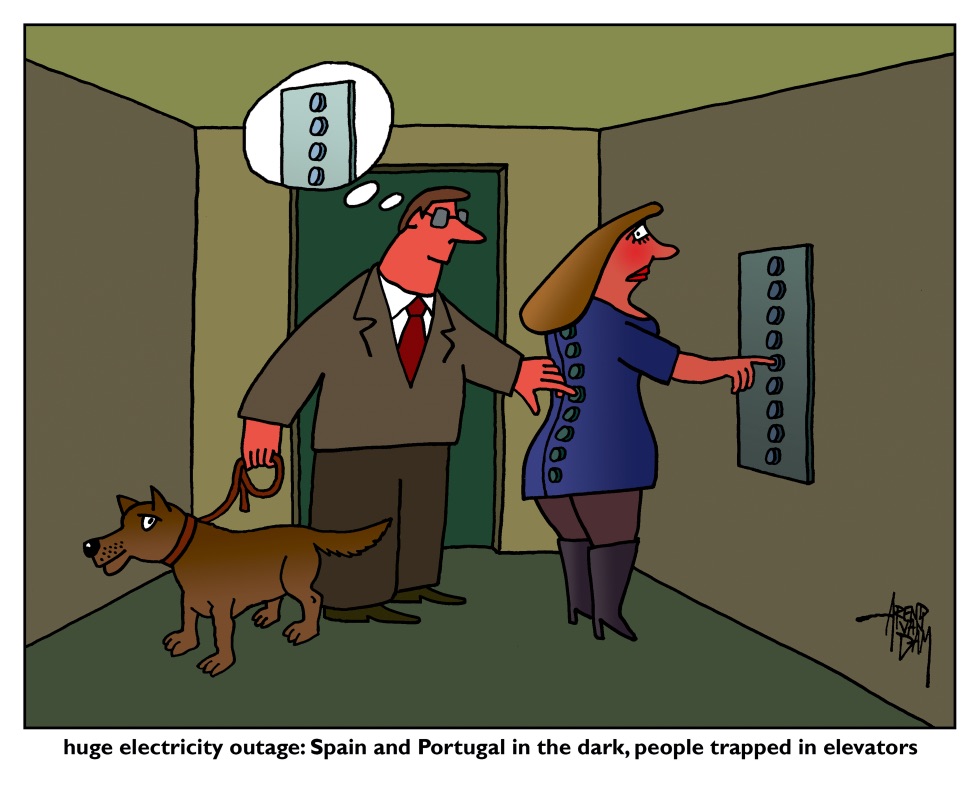
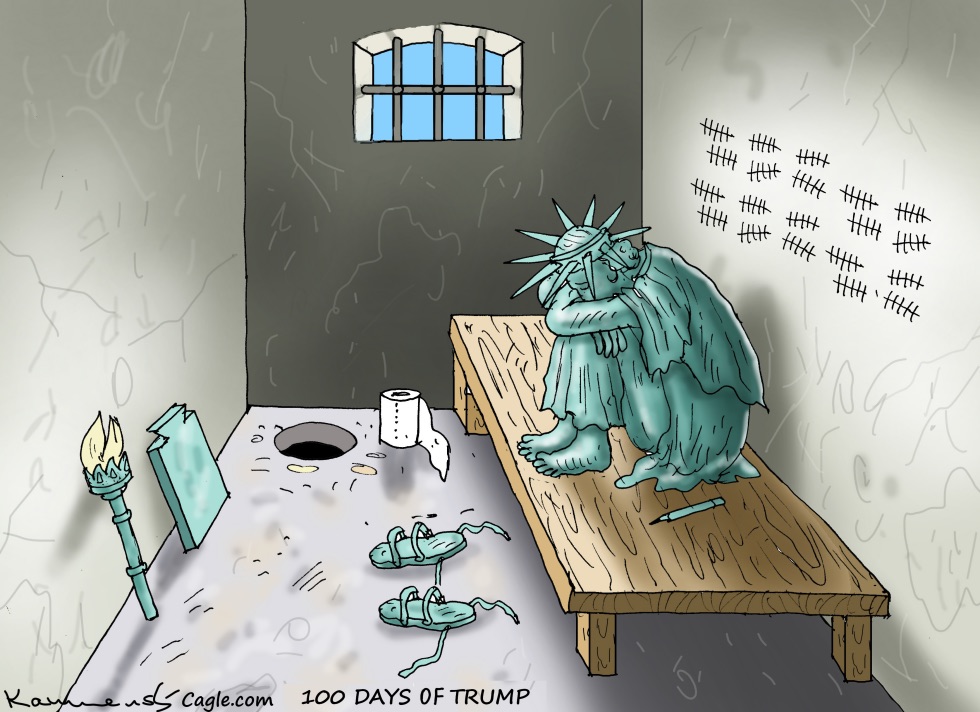
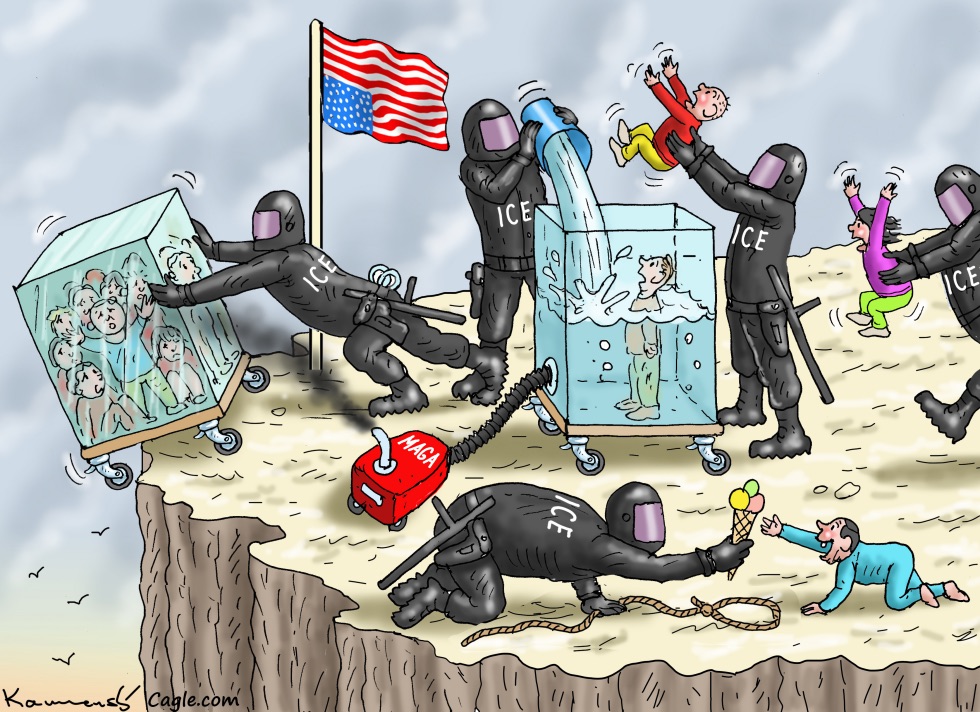
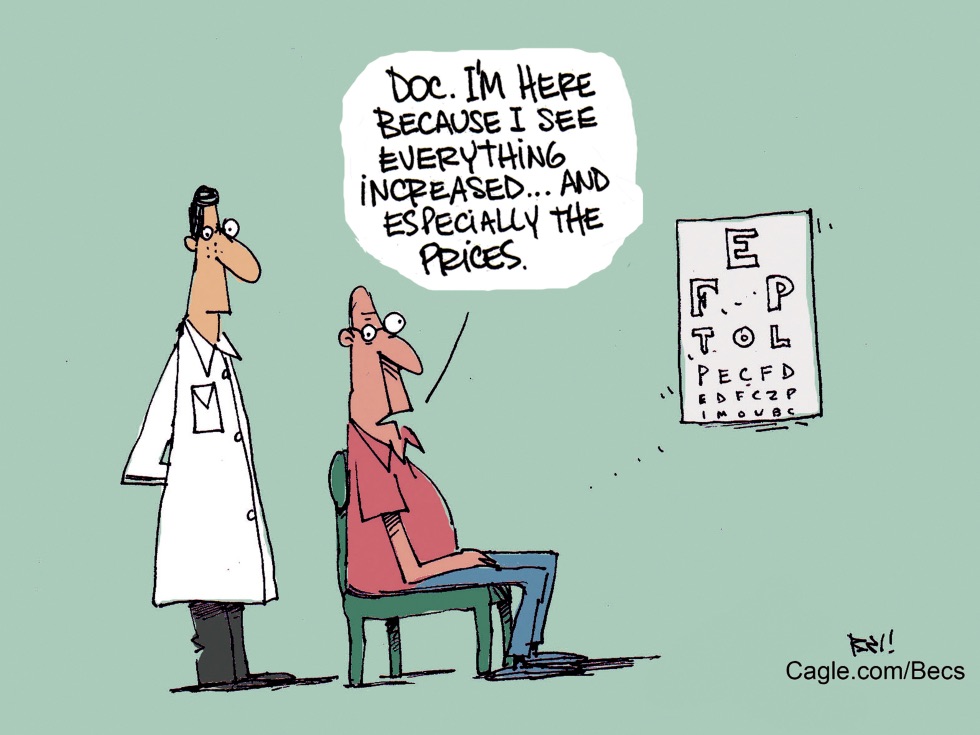
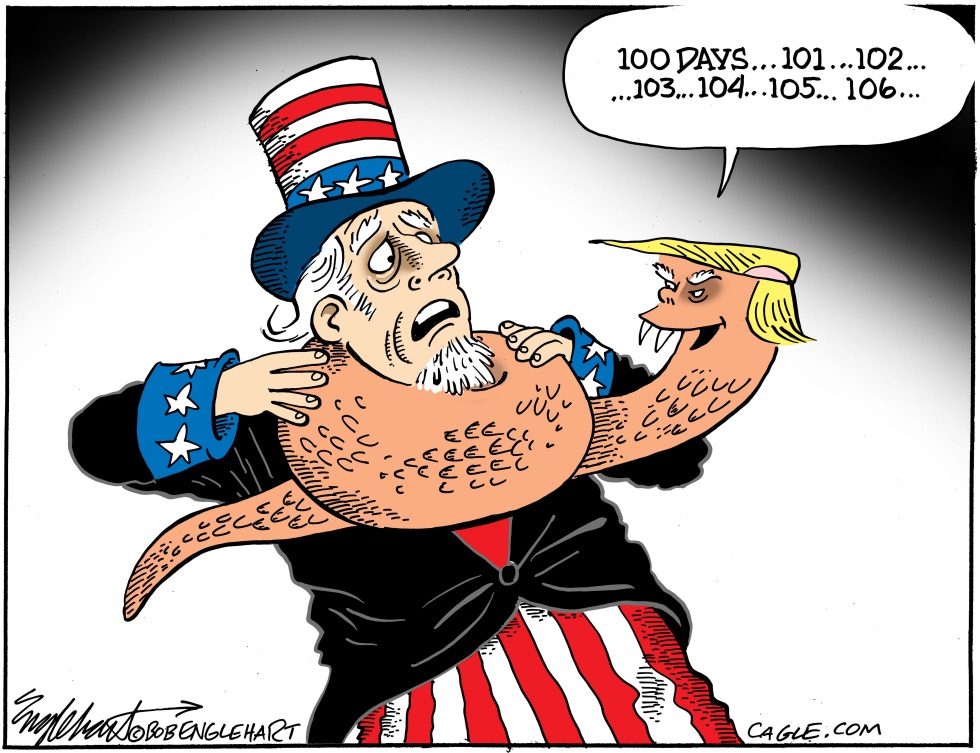
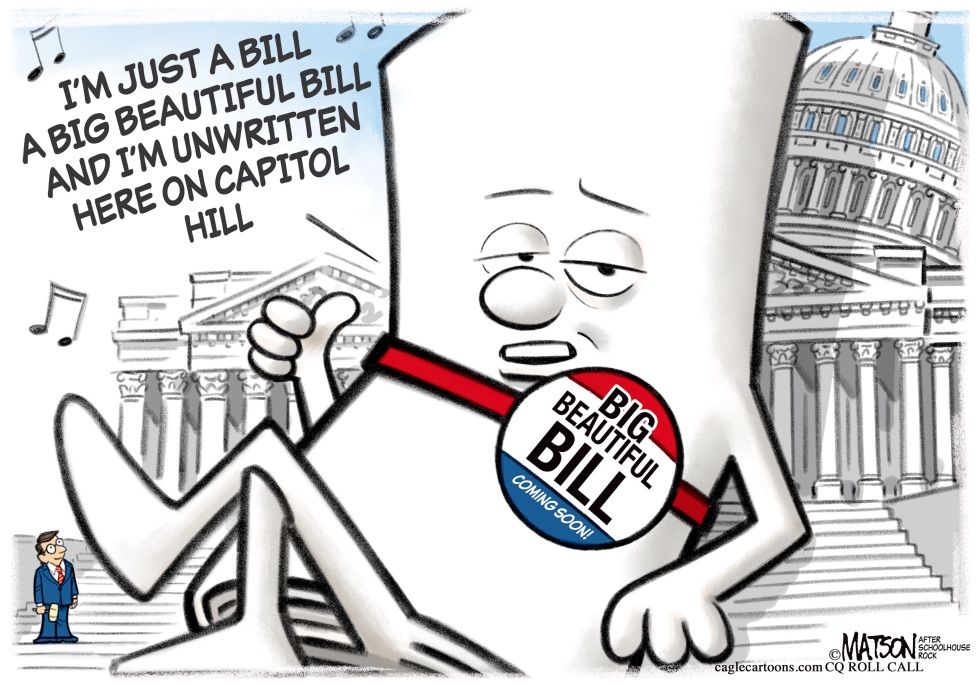
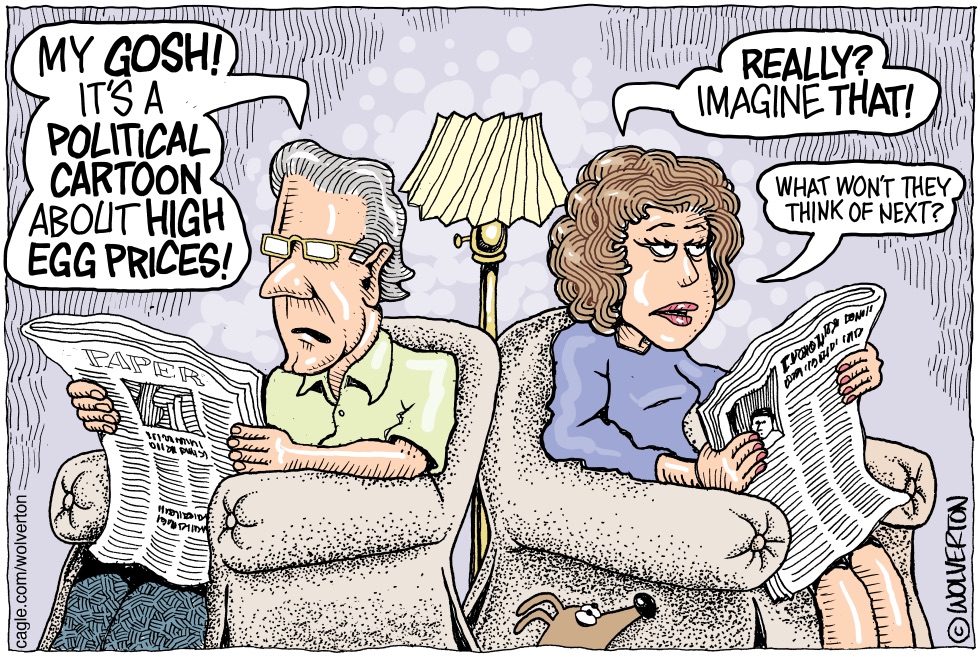
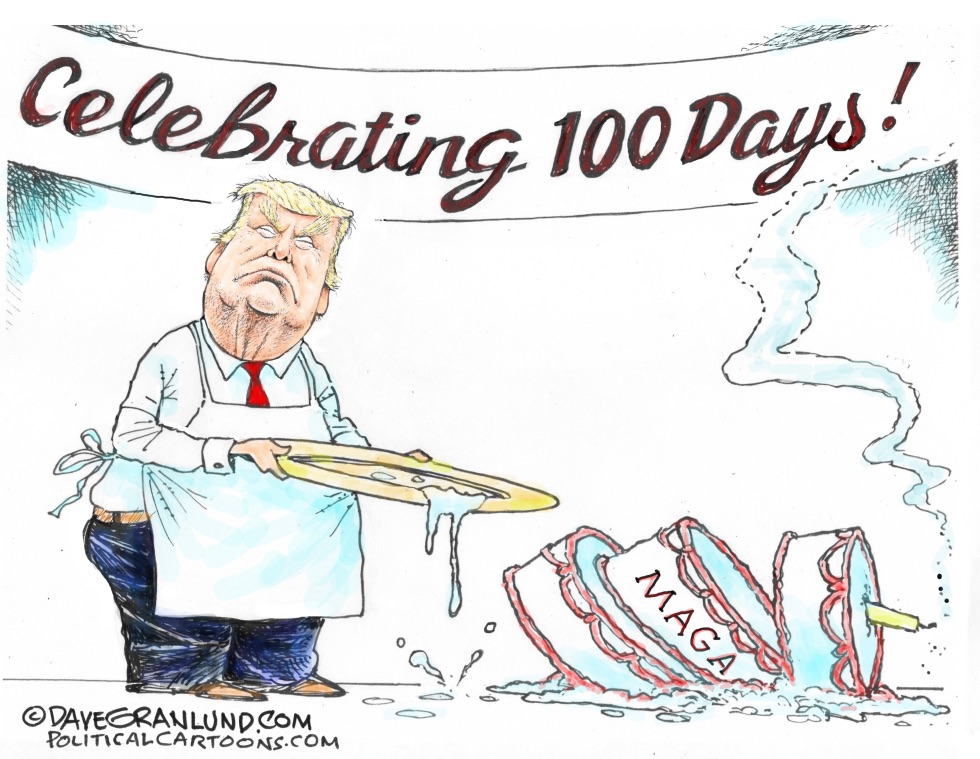
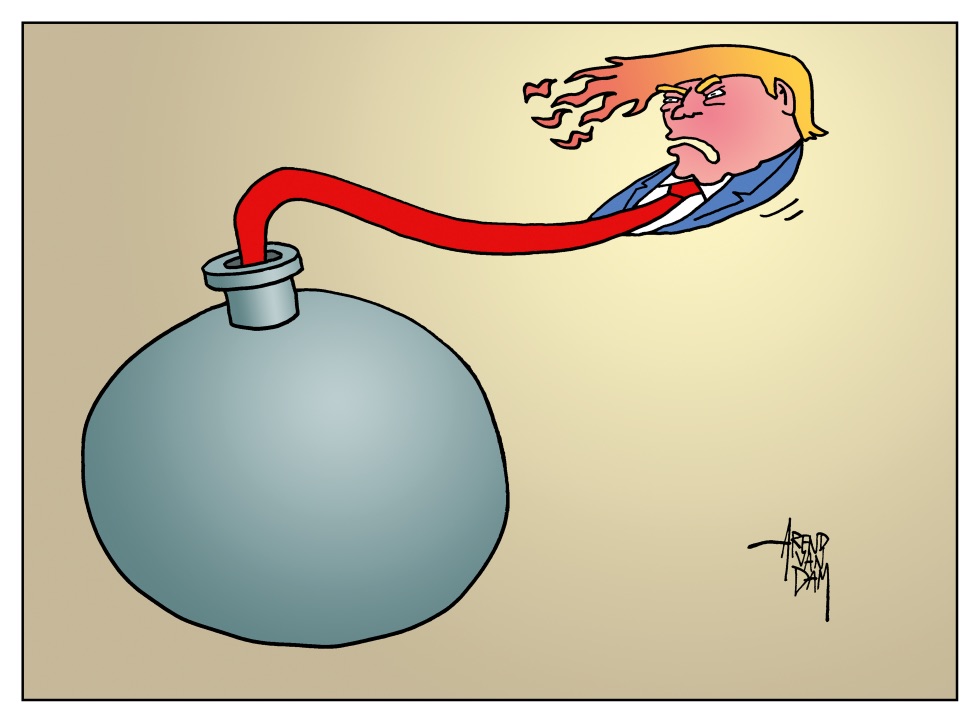
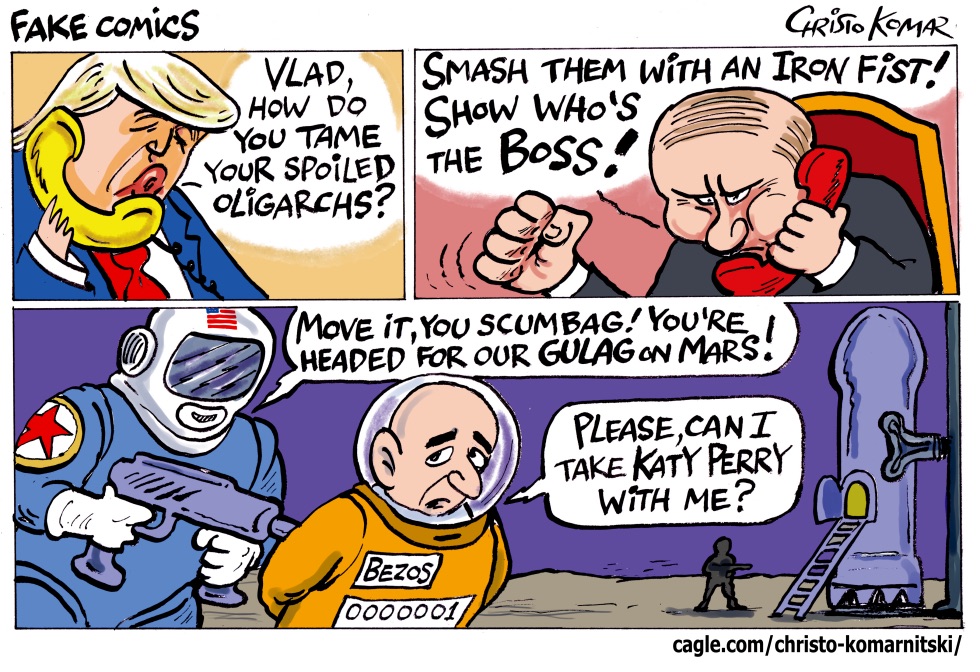
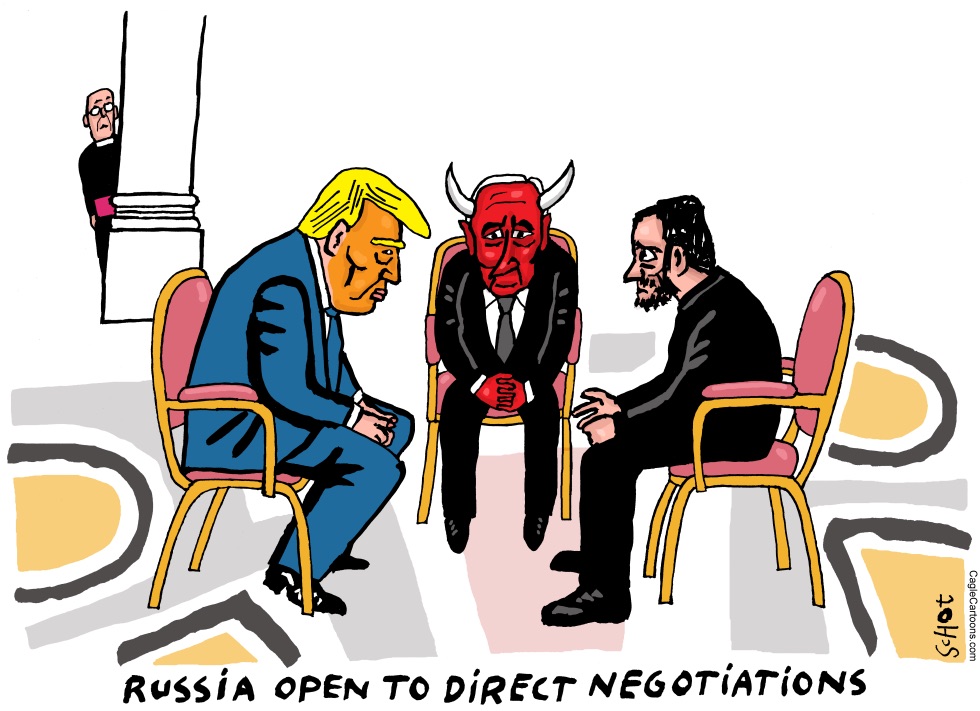
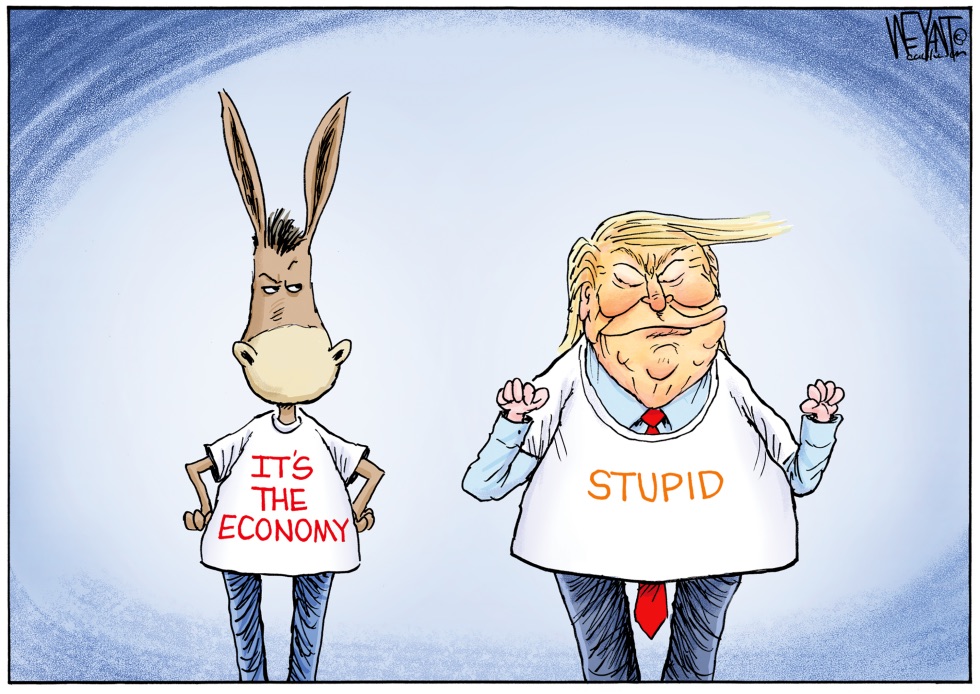
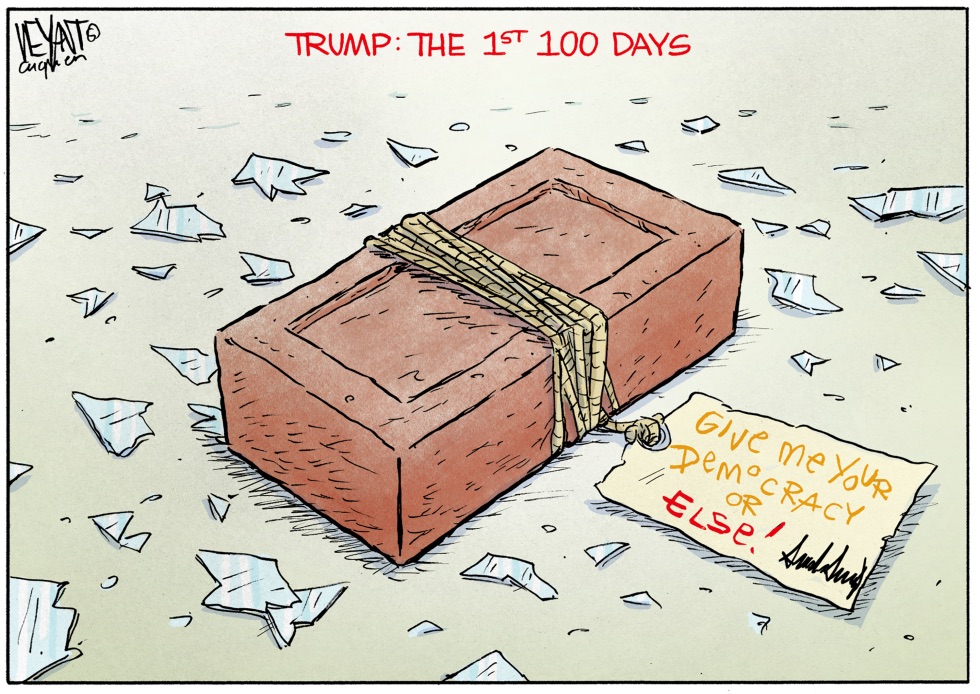
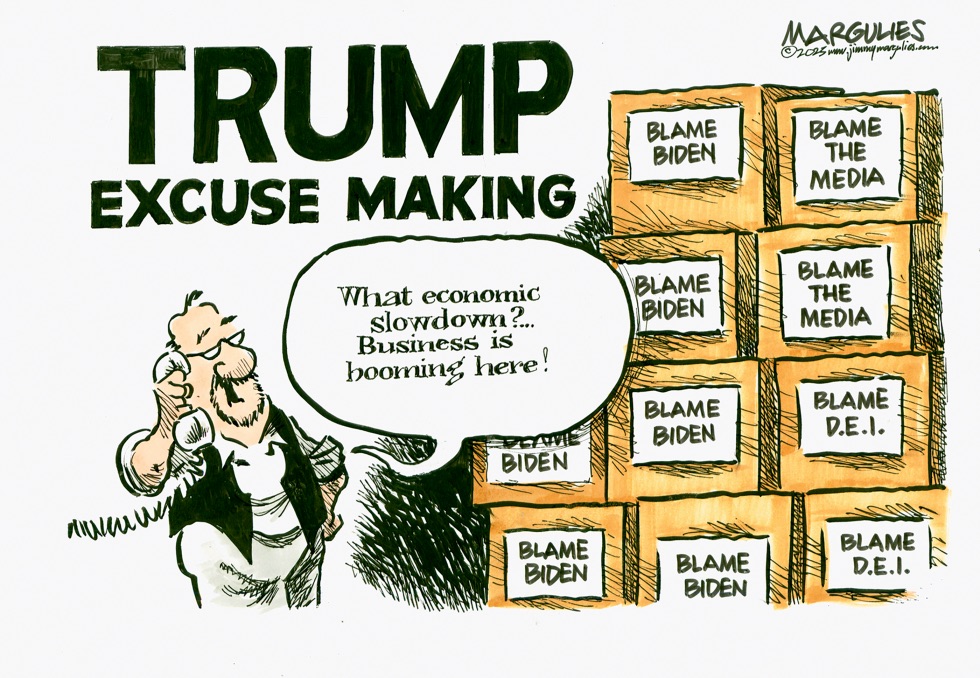
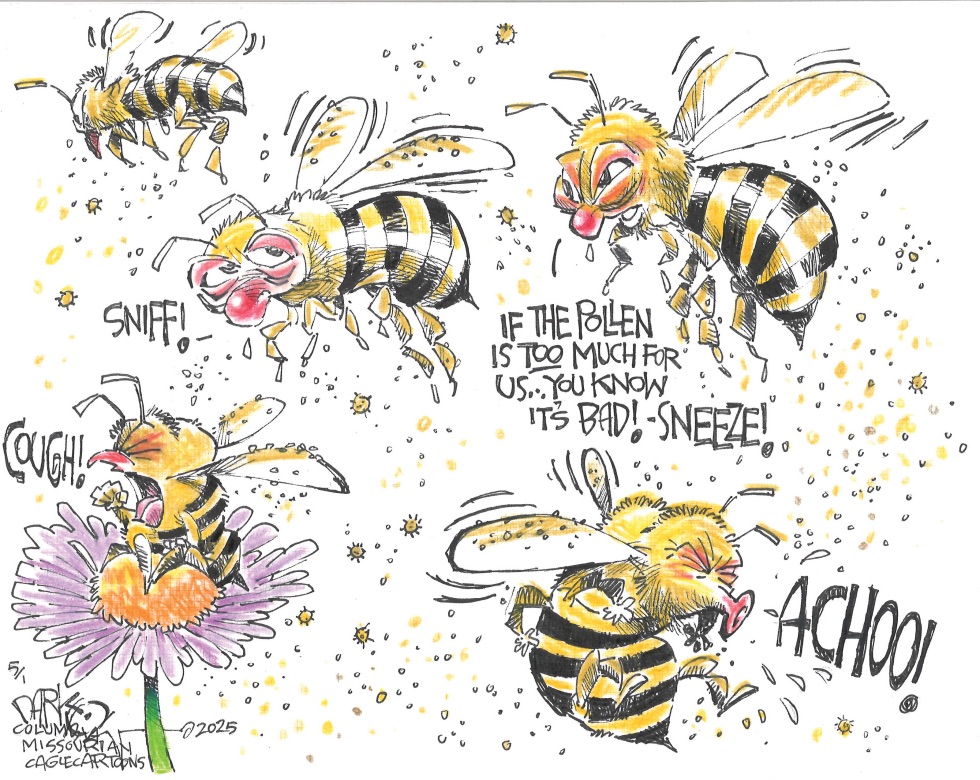
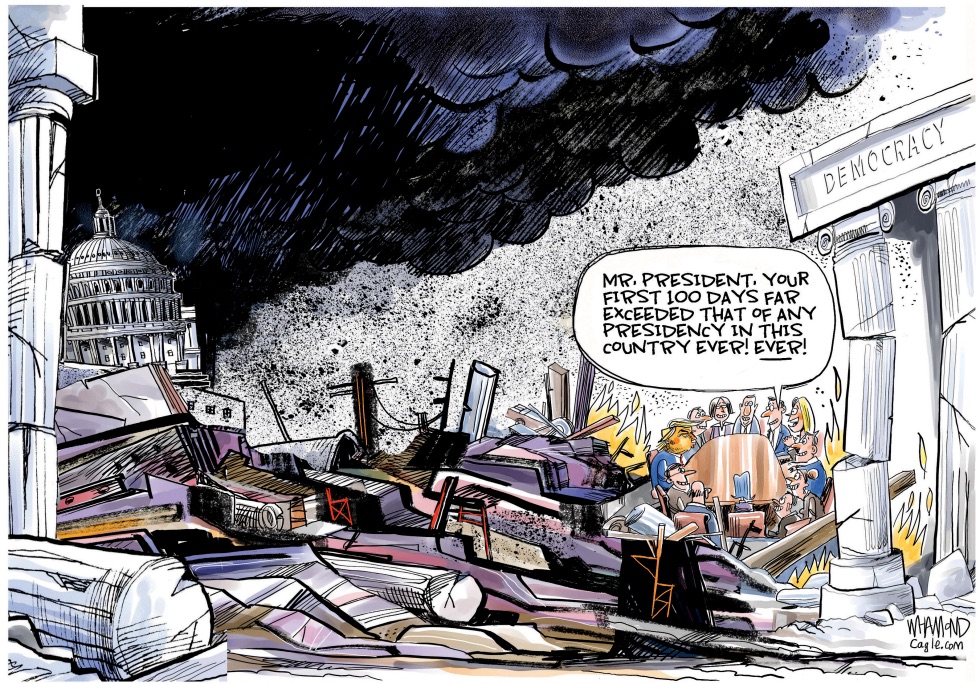
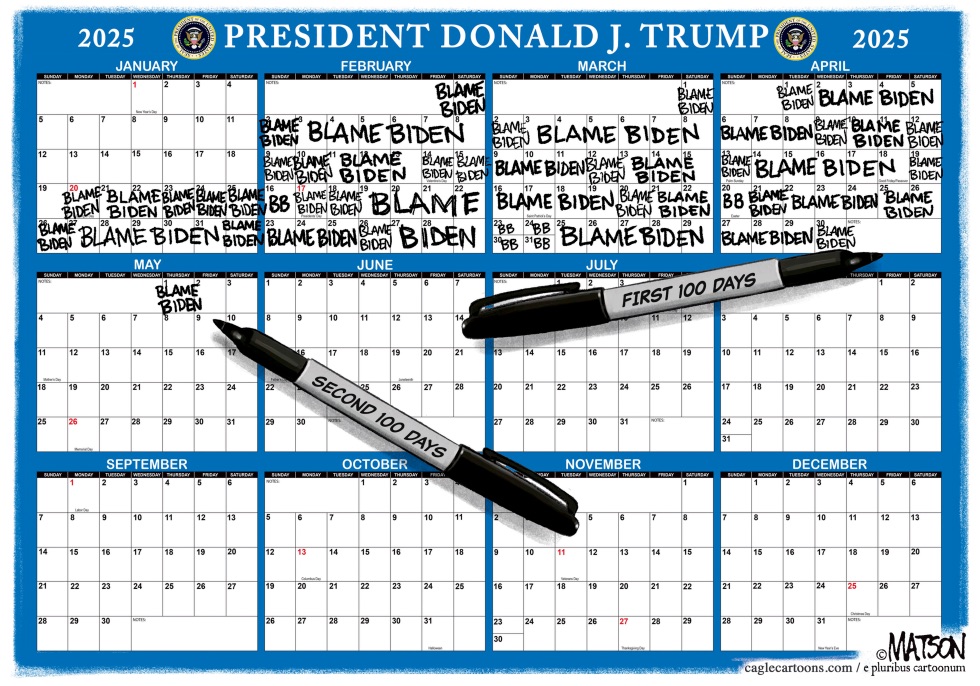
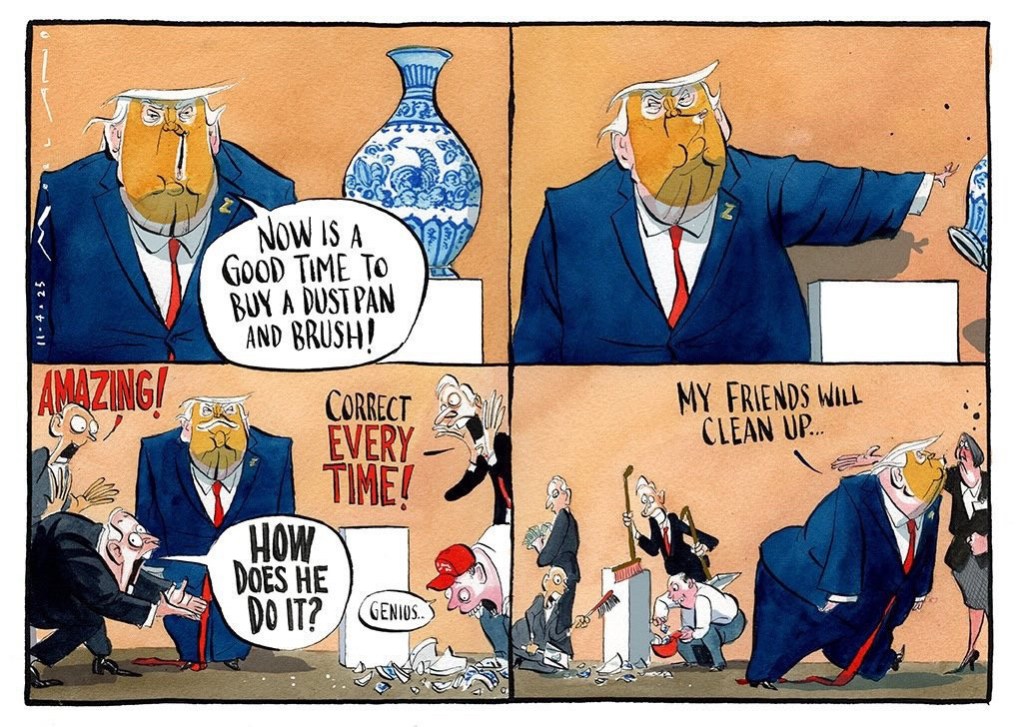
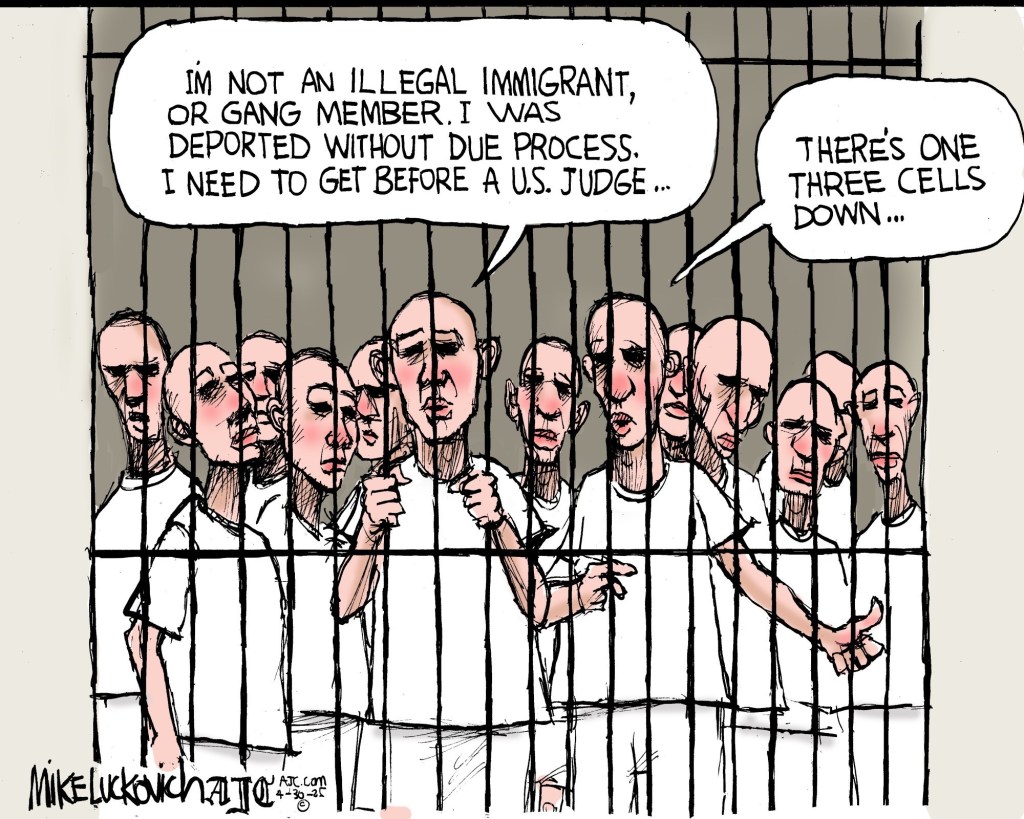
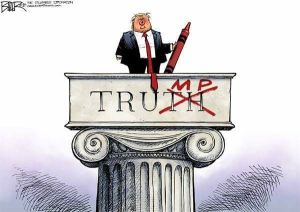
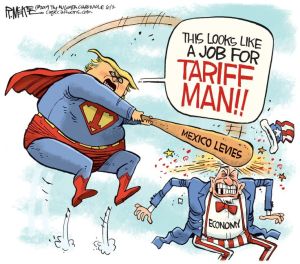
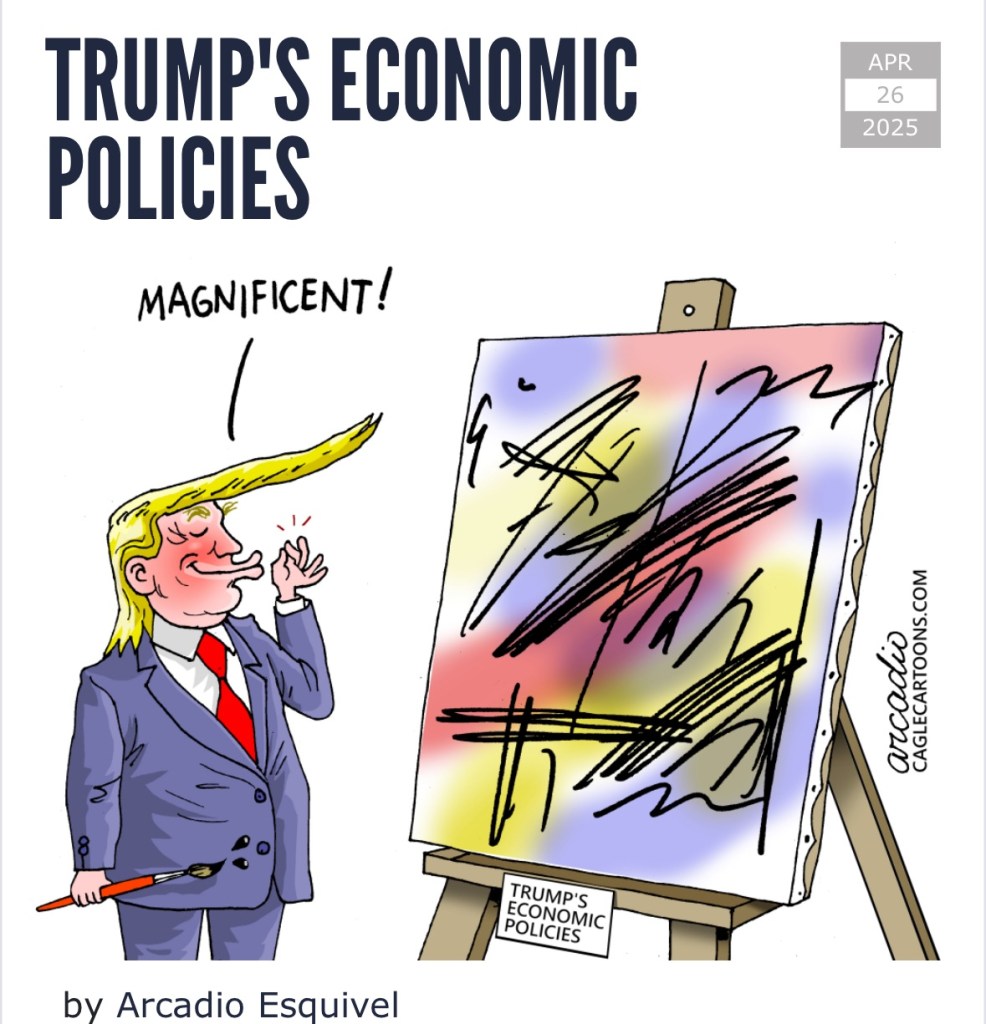
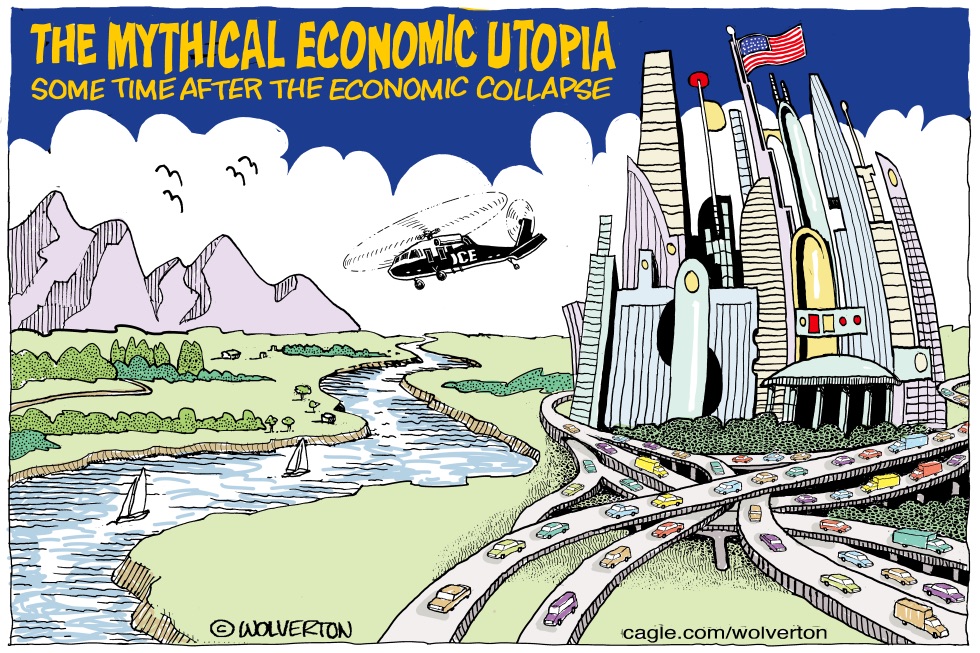
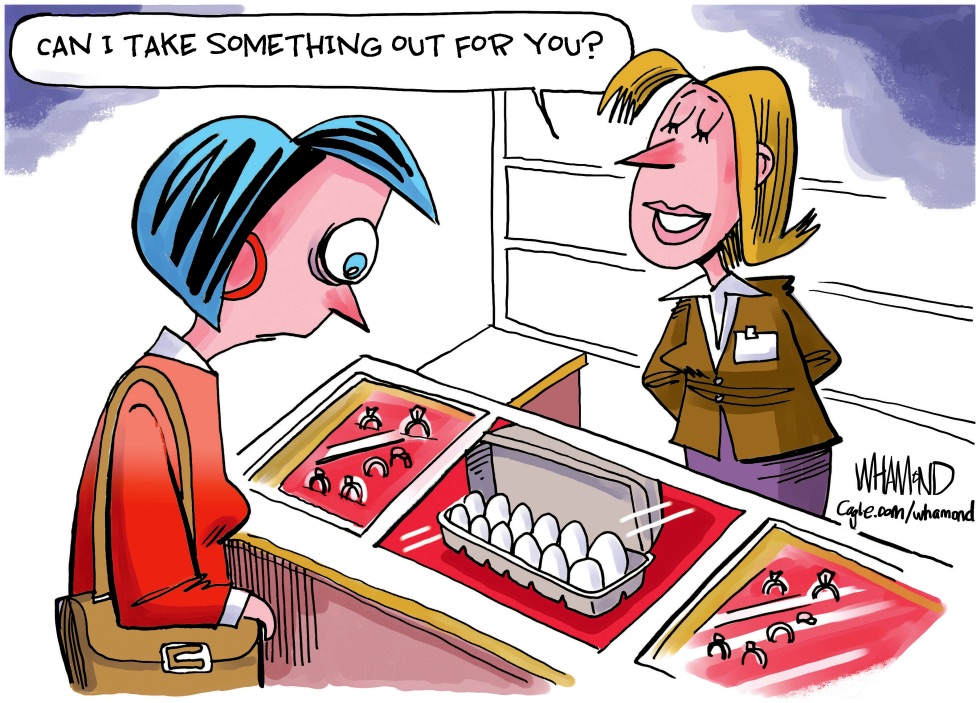
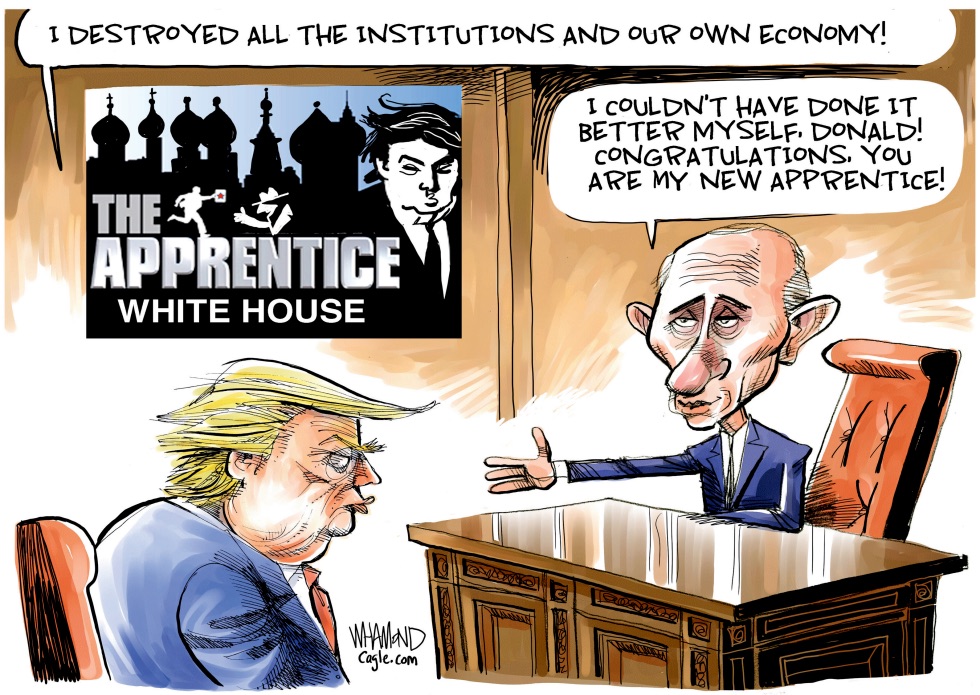
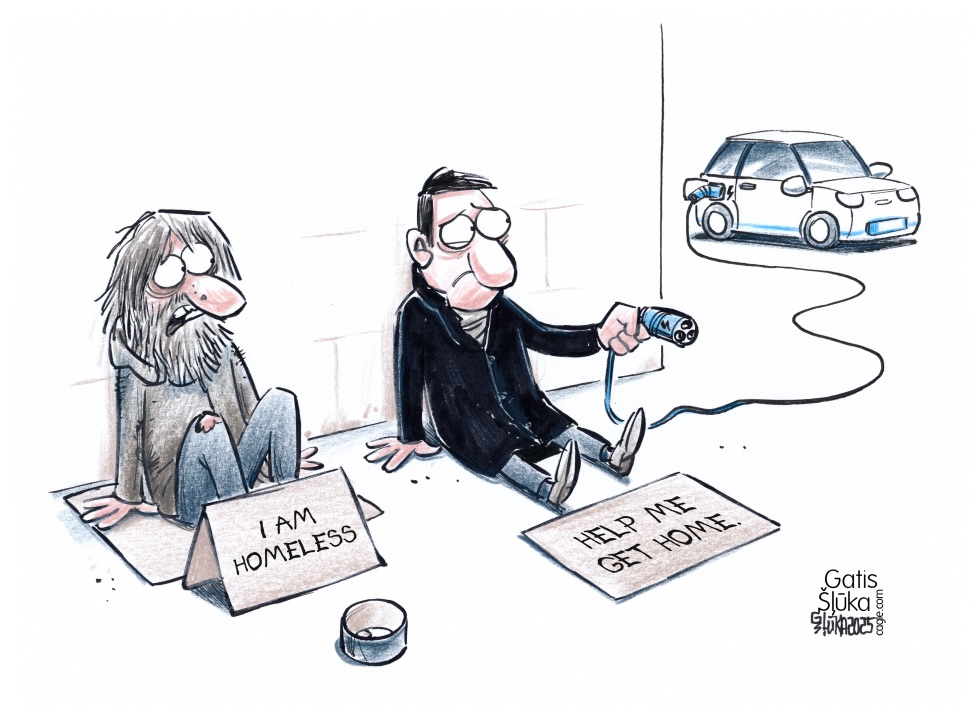
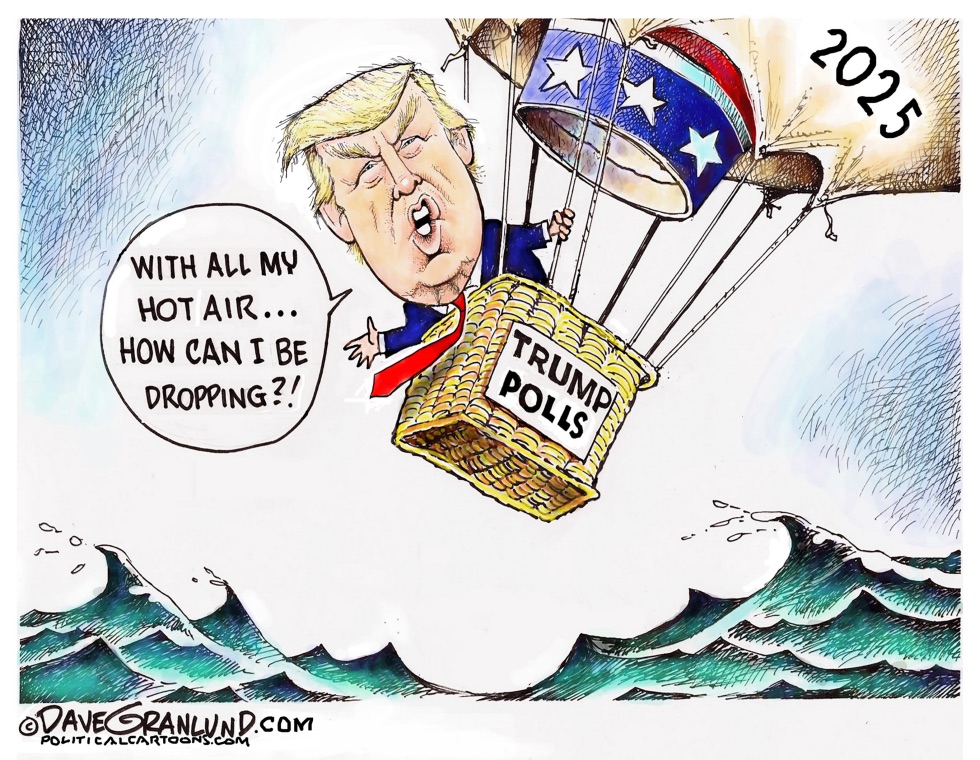
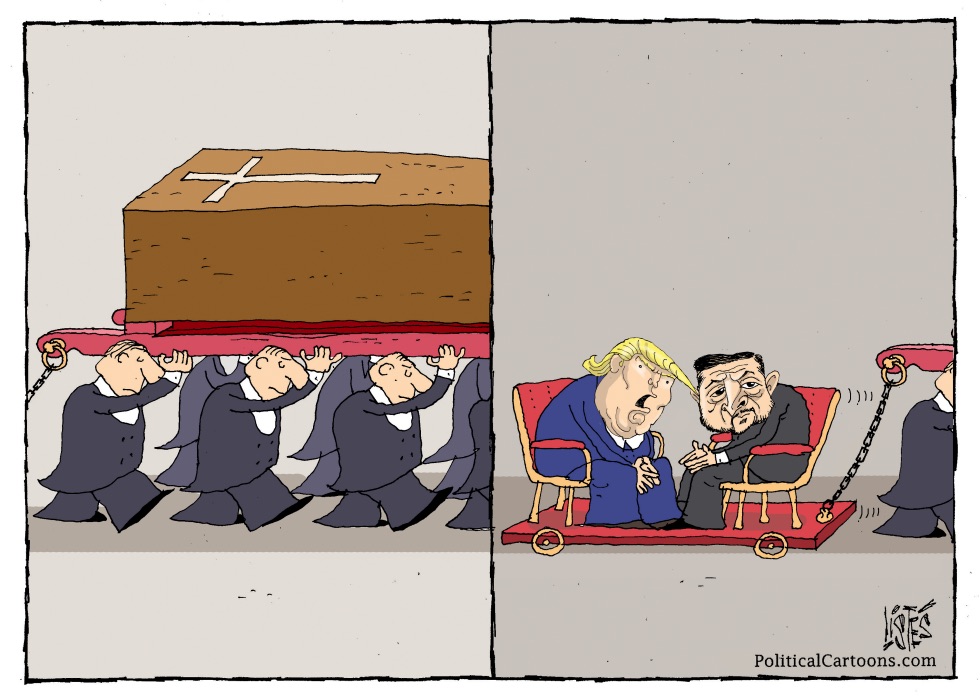
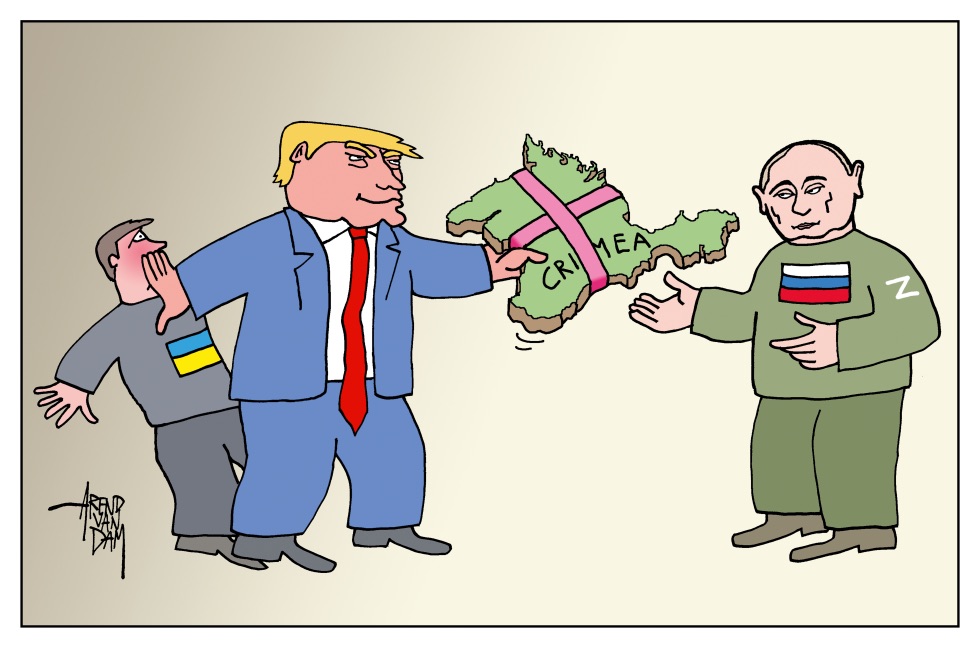
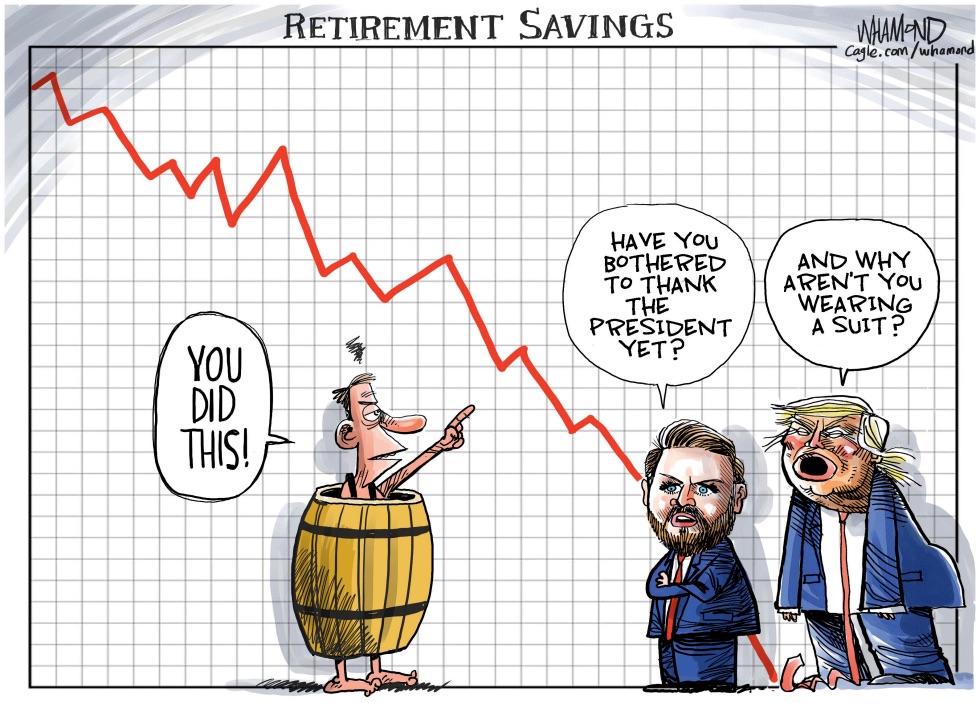
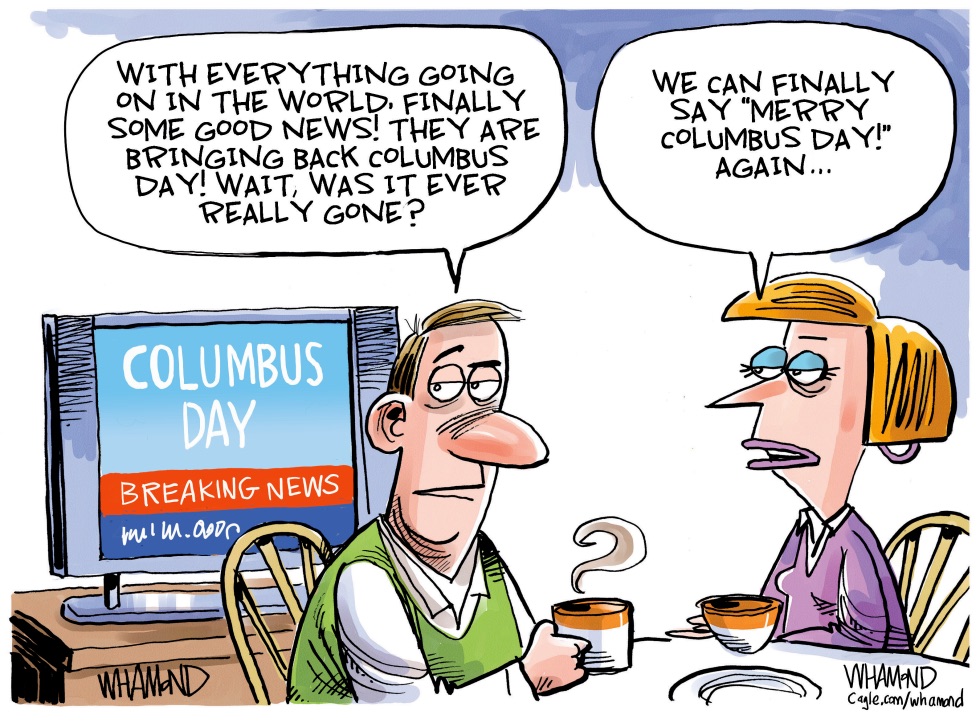
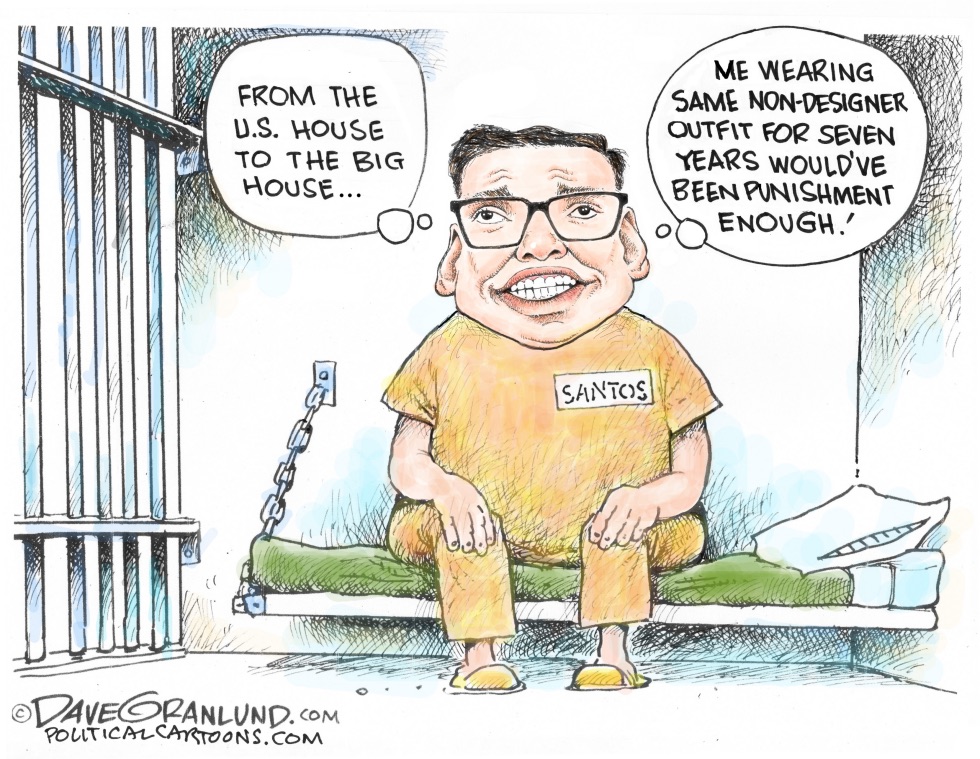
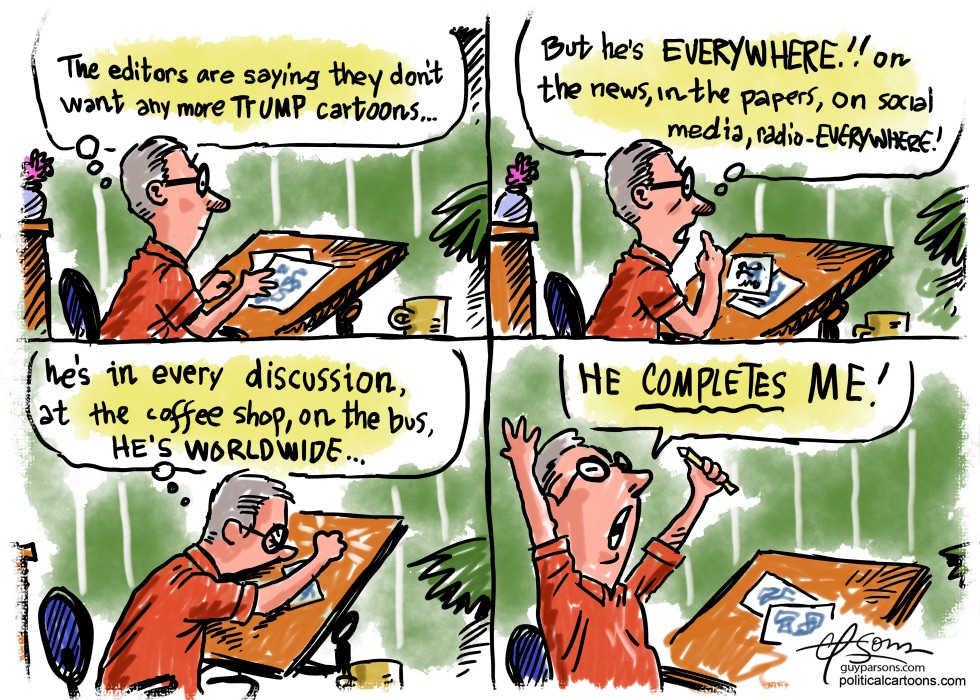
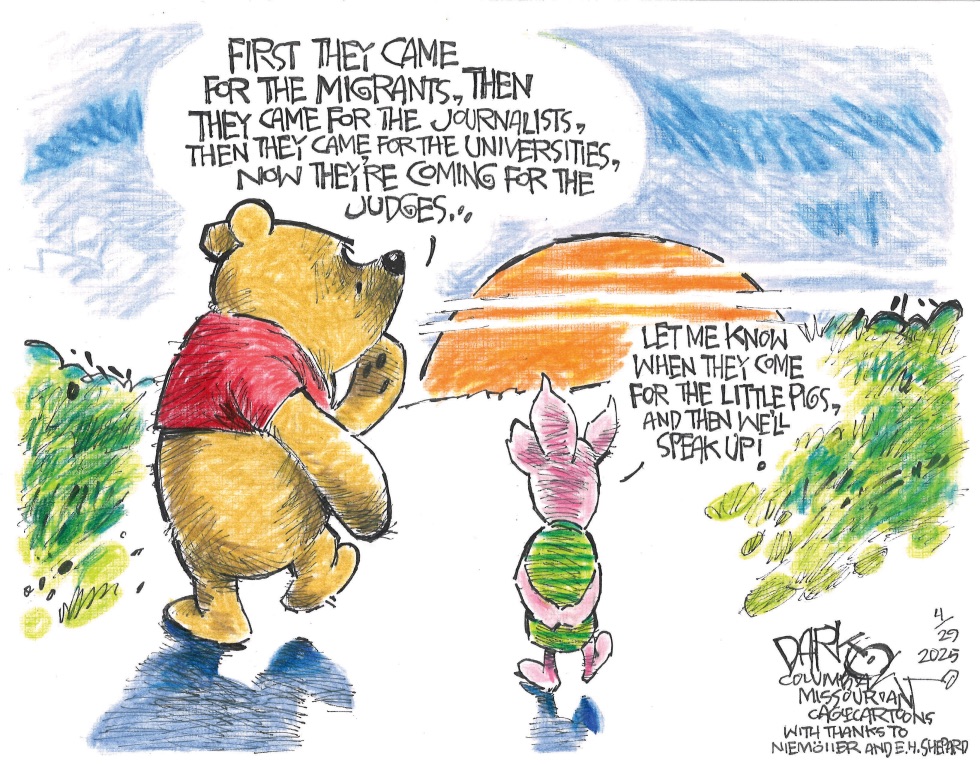
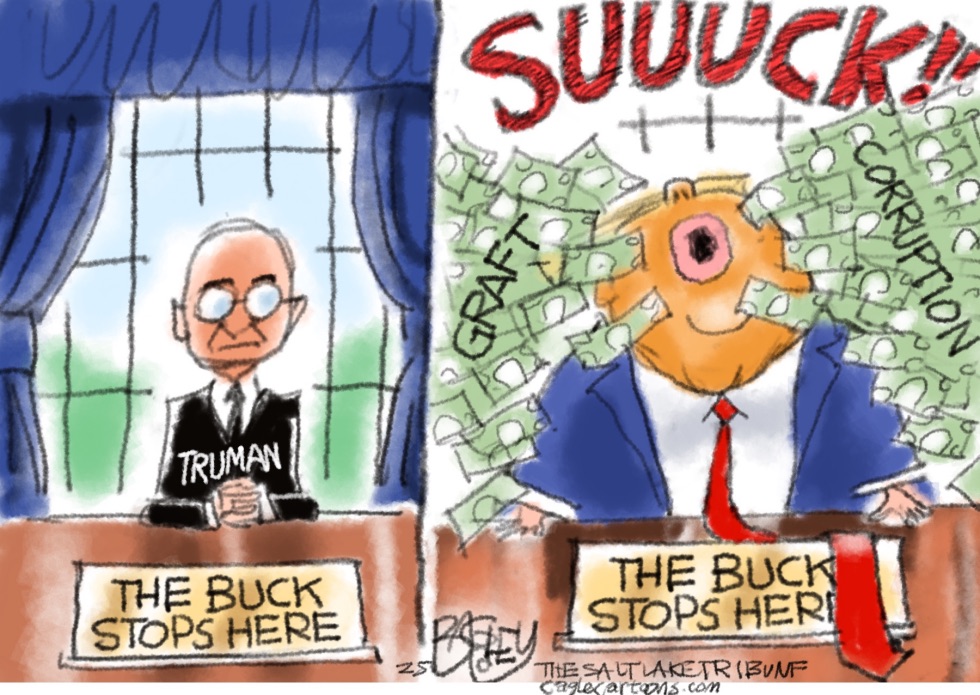
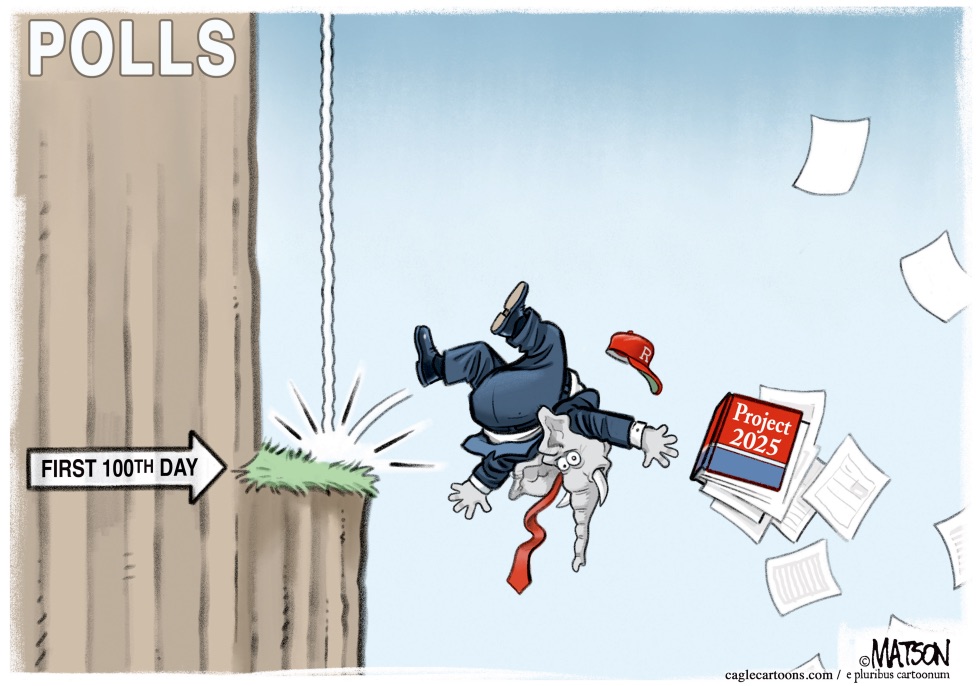
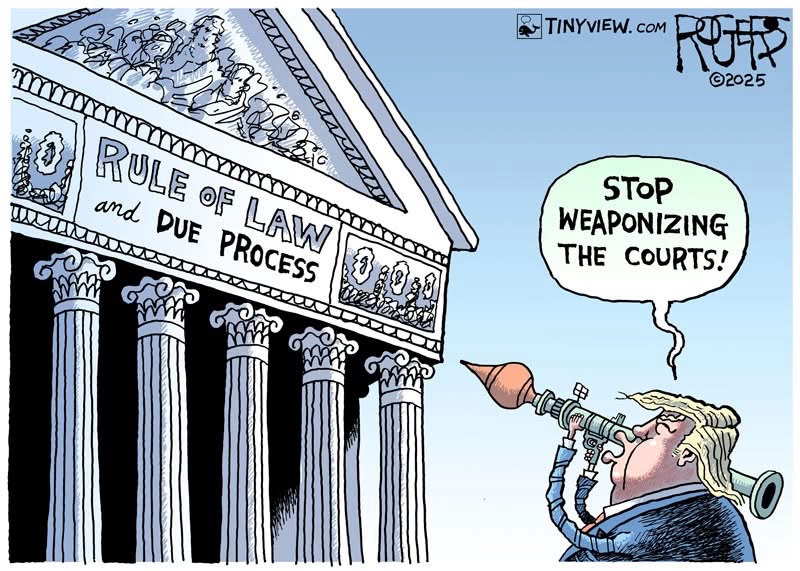
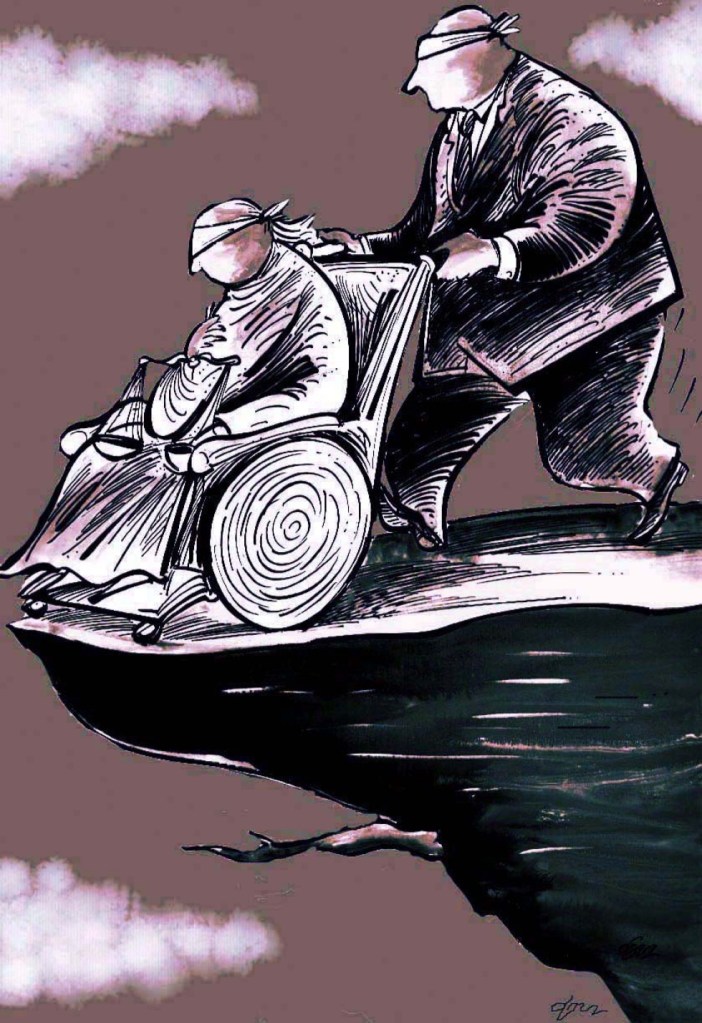
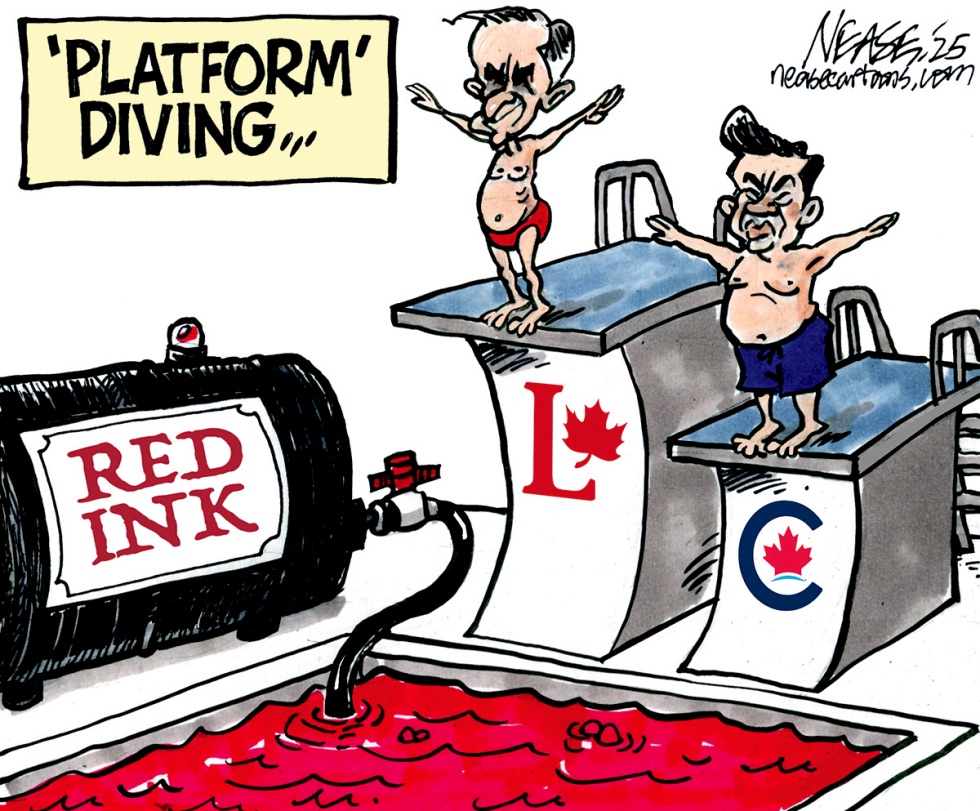
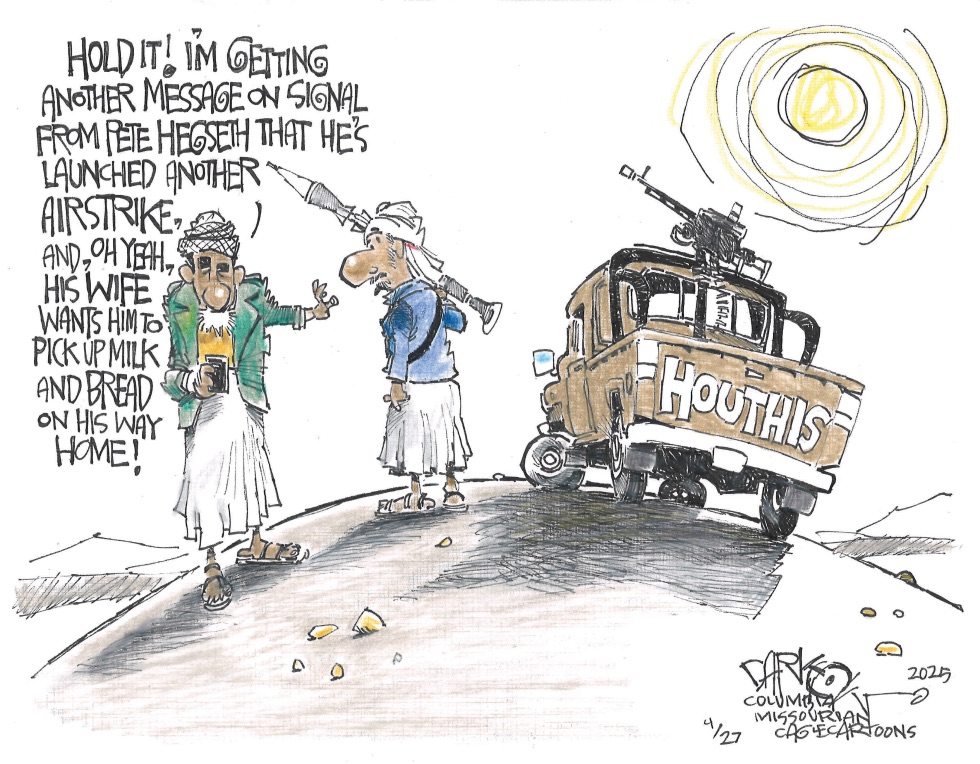
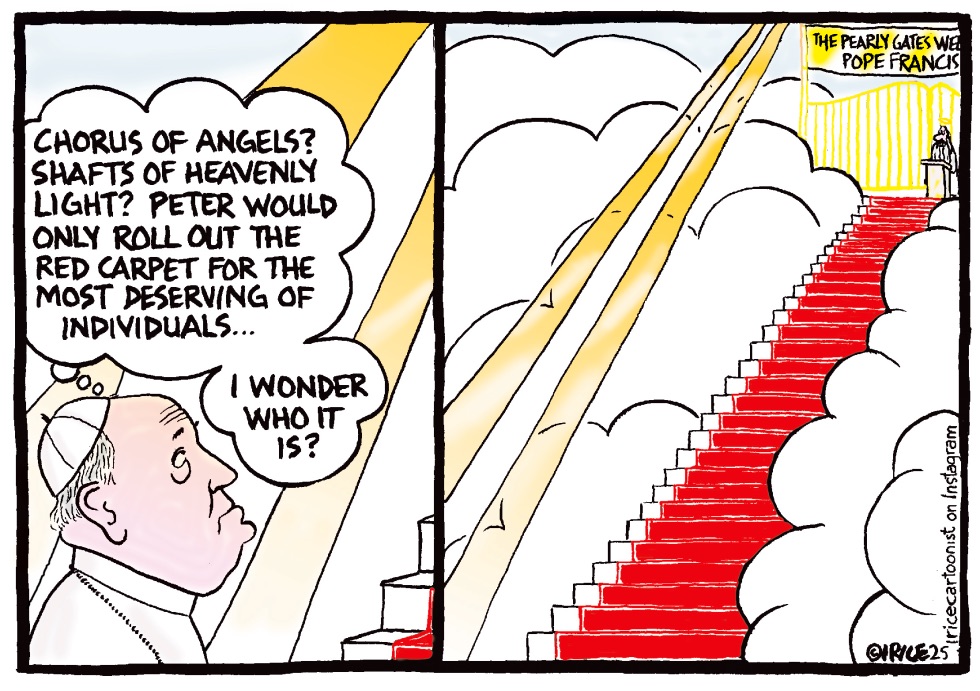
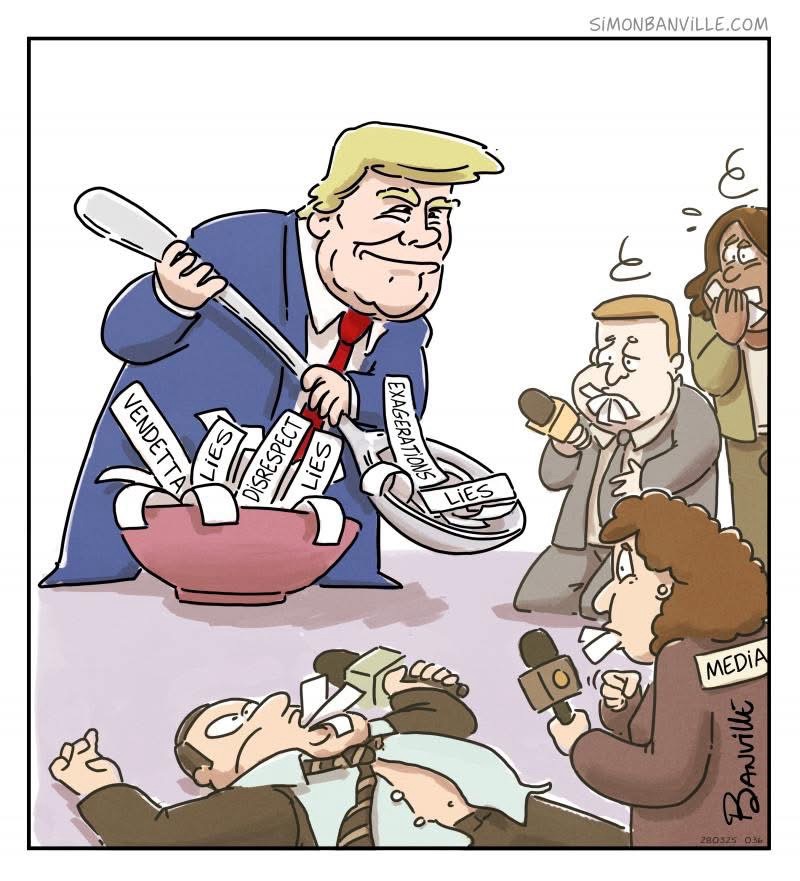
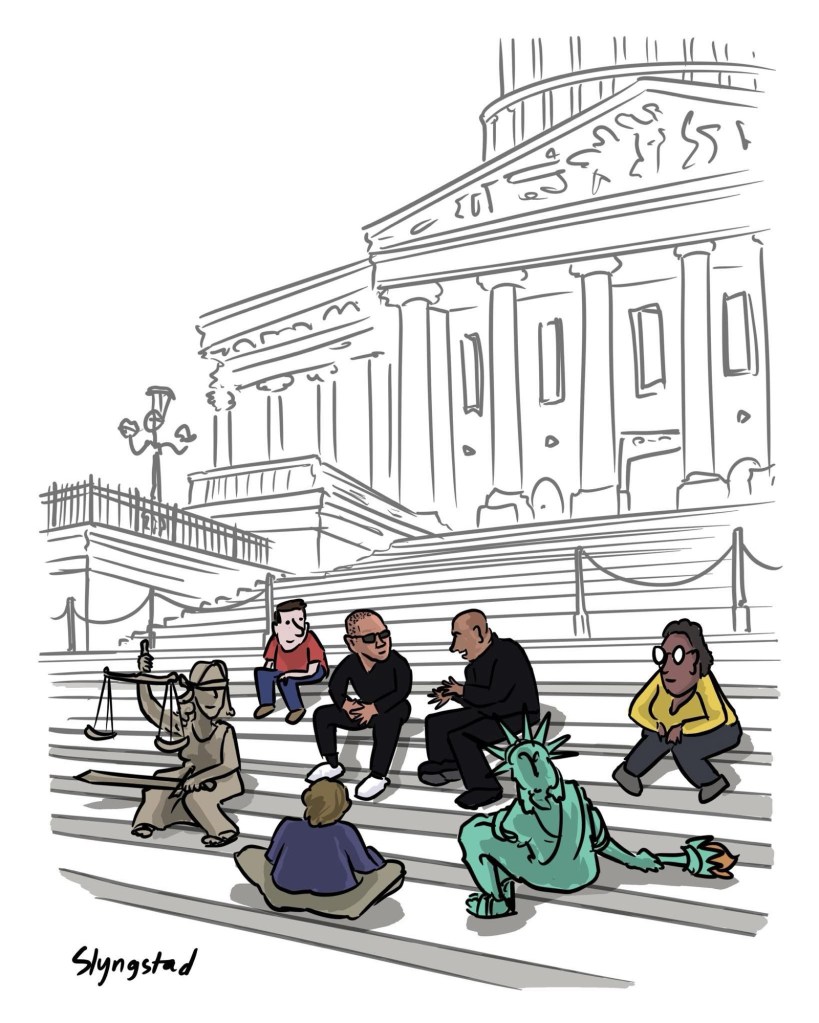
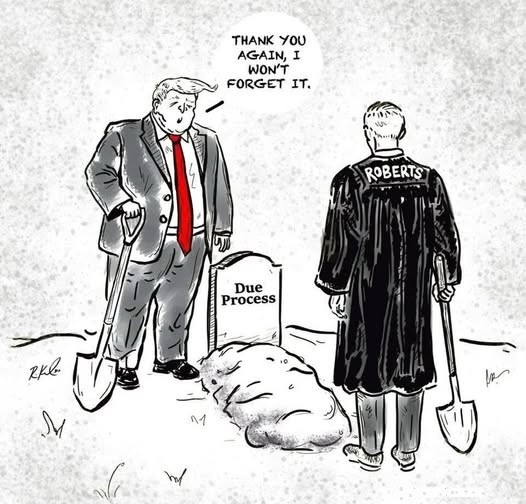
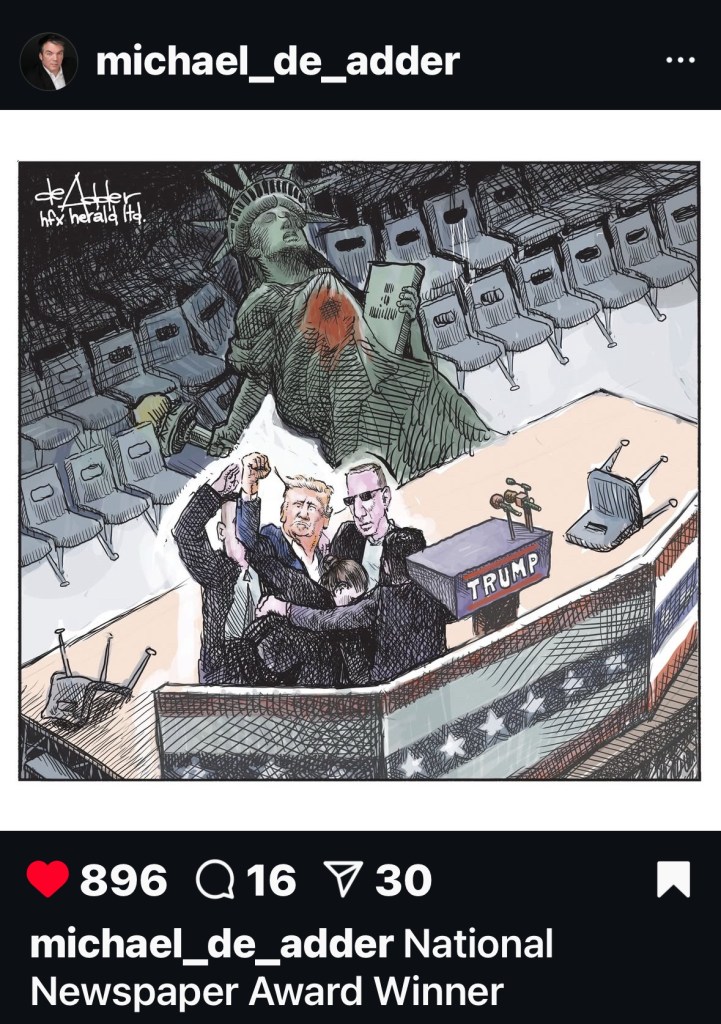
Now some cartoons…via Cagle.
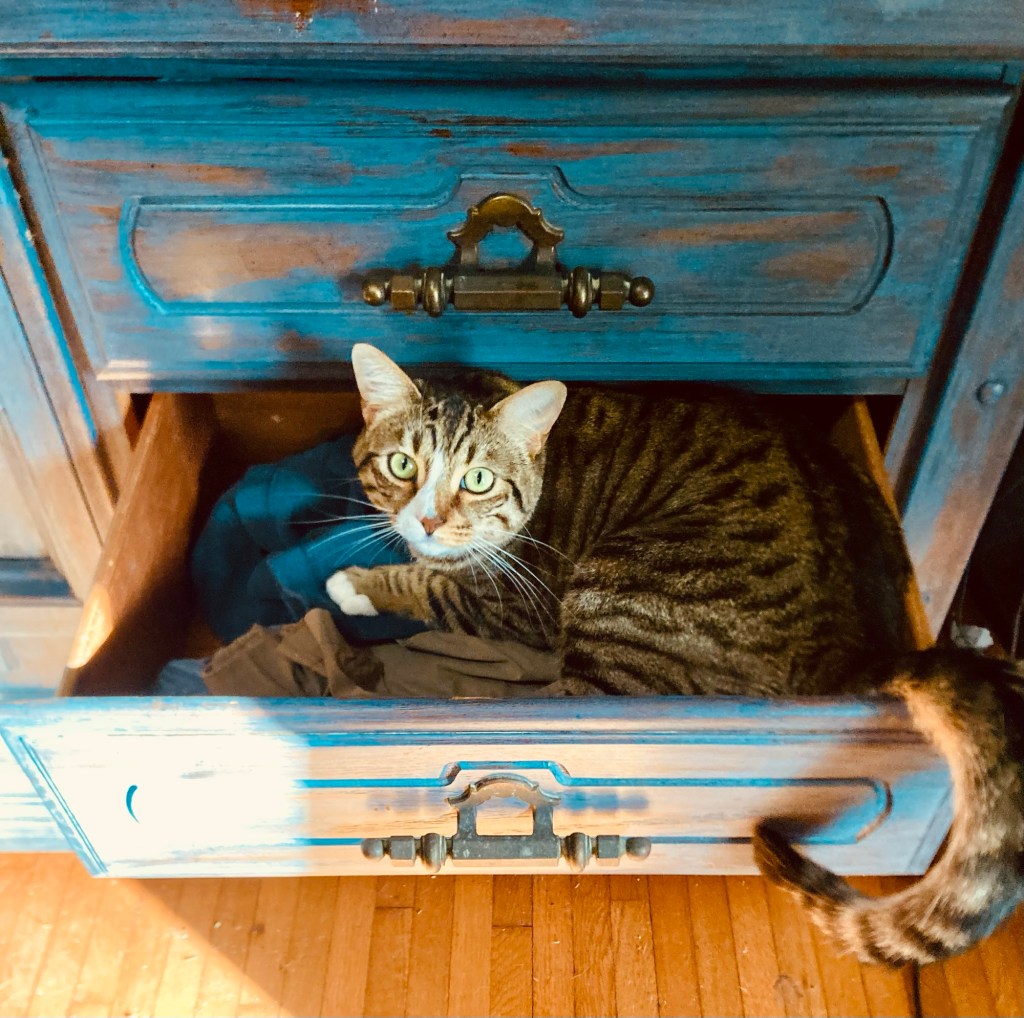
Next a couple of pictures of two of my cats…Cooter is in the drawer and Cletus is in the litter box:
Now some observations:
I plan on deleting all my social media accounts within the next week. As I said up top, I see a time coming where you will have to show your social media post to be able to receive your disability or social security checks.
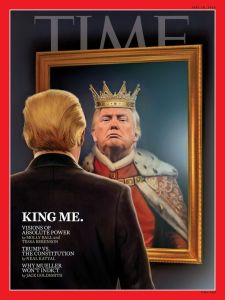
Talk about grandiosity! These remarks have been characterized in the media as “joking,” but Trump doesn’t really have a sense of humor.
From The Atlantic: The article is mostly gossip; it’s written by Ashley Parker and Michael Scherer, who used to write gossipy stories for The Washington Post. Here’s the context of the quote:
“Tell the people at The Atlantic, if they’d write good stories and truthful stories, the magazine would be hot,” he said. Perhaps the magazine can risk forgoing hotness, he suggested, because it is owned by Laurene Powell Jobs, which buffers it, he implied, from commercial imperatives. But that doesn’t guarantee anything, he warned. “You know at some point, they give up,” he said, referring to media owners generally and—we suspected—Bezos specifically. “At some point they say, No más, no más.” He laughed quietly.
Media owners weren’t the only ones on his mind. He also seemed to be referring to law firms, universities, broadcast networks, tech titans, artists, research scientists, military commanders, civil servants, moderate Republicans—all the people and institutions he expected to eventually, inevitably, submit to his will.
We asked the president if his second term felt different from his first. He said it did. “The first time, I had two things to do—run the country and survive; I had all these crooked guys,” he said. “And the second time, I run the country and the world.”
It’s barely 100 days into Donald Trump’s second term in office, and already, he’s suggesting he wants another job.
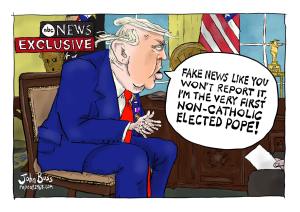
After a reporter asked Trump who he thought should follow Pope Francis as the next pope, the non-Catholic president offered a response that was entirely in character.
“I’d like to be pope,” Trump said. “That’d be my No. 1 choice.”
Graham then dialed it up a notch in a post on X, saying he was “excited” to hear that Trump was open to the role.
“This would truly be a dark horse candidate, but I would ask the papal conclave and Catholic faithful to keep an open mind about this possibility!” wrote Graham, who is a Southern Baptist. “The first Pope-U.S. President combination has many upsides. Watching for white smoke…. Trump MMXXVIII!”
That last bit is the Roman numeral for 2028.
Graham was likely joking as well, but his critics weren’t ready to offer any grace on this one.
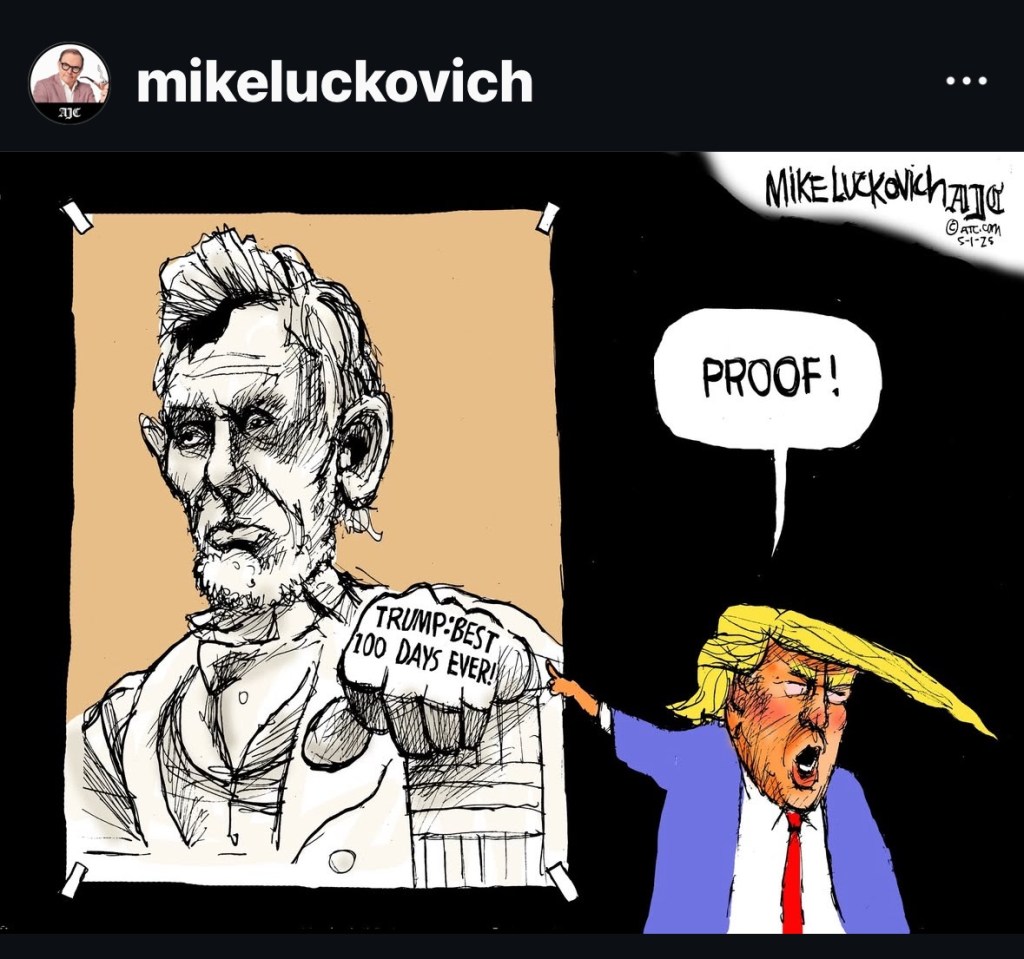
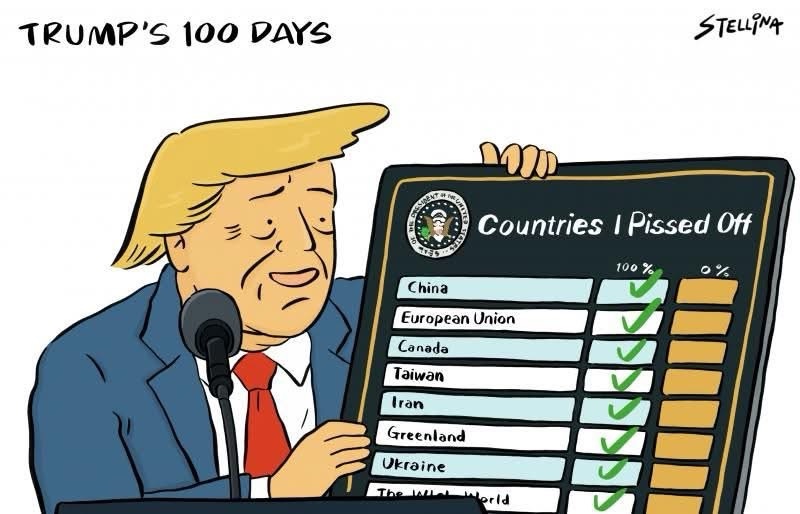
Trump’s 100 days rally
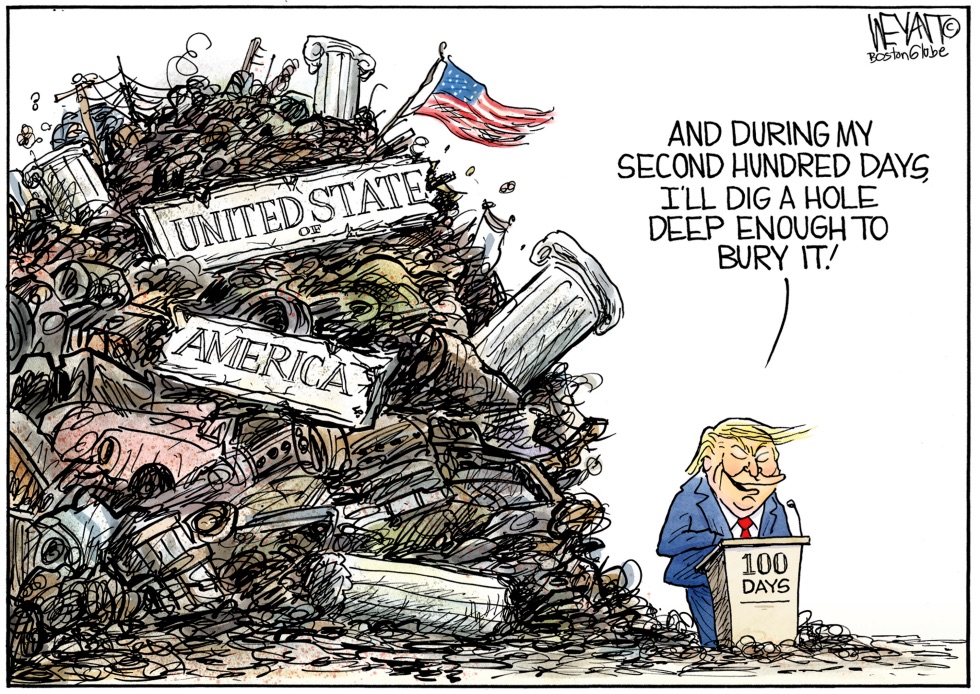
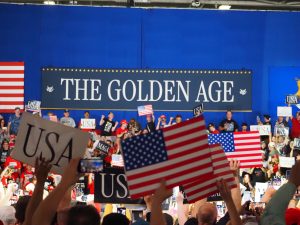
I still say Trump is drunk with power and thinks he’s King. Last night he held a rally to mark his first 100 days in office. Prominent signs at the rally read, “The Golden Age.” and “100 Days of Greatness.”
Crossing the symbolic barrier between the first 100 days of his presidency and the 1,361 that remain, Trump basked in adulation from a supportive crowd and declared that he had just completed the “the most successful first 100 days of any administration in the history of our country.” He waxed nostalgic about his last act with familiar grievances and hyperbolic claims, and seized the moment to set a course for the next one.
Yet the events of the day only illustrated that for all the action he’s taken so far, difficult tasks remain ahead.
Even before he arrived in Michigan, Trump had taken steps to pull back from the auto tariffs he’d put in place weeks earlier, heeding warnings from auto executives and analysts who said the duties could add thousands of dollars to the price of a new car.
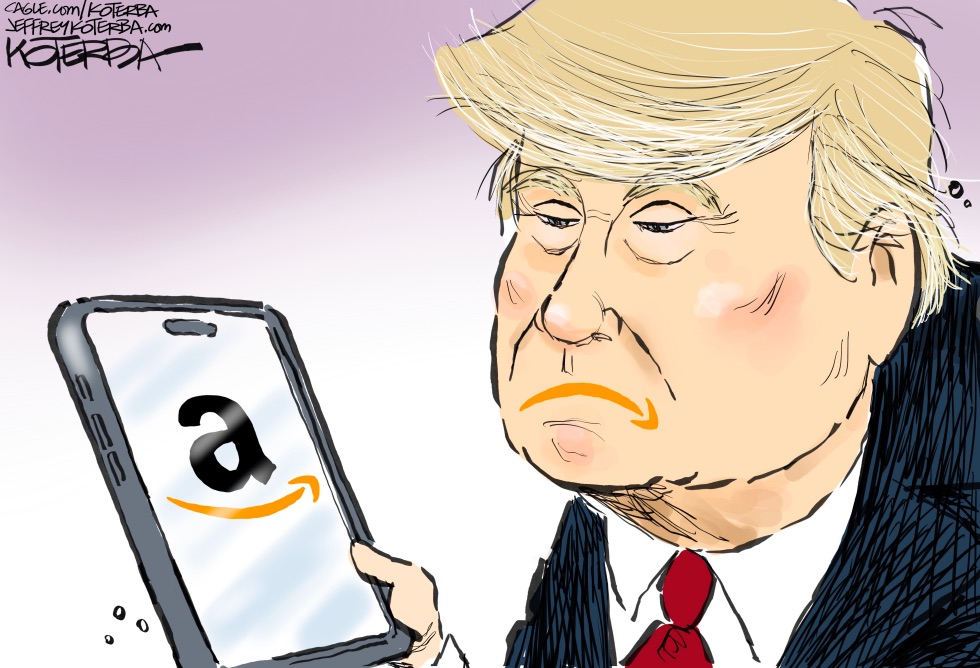
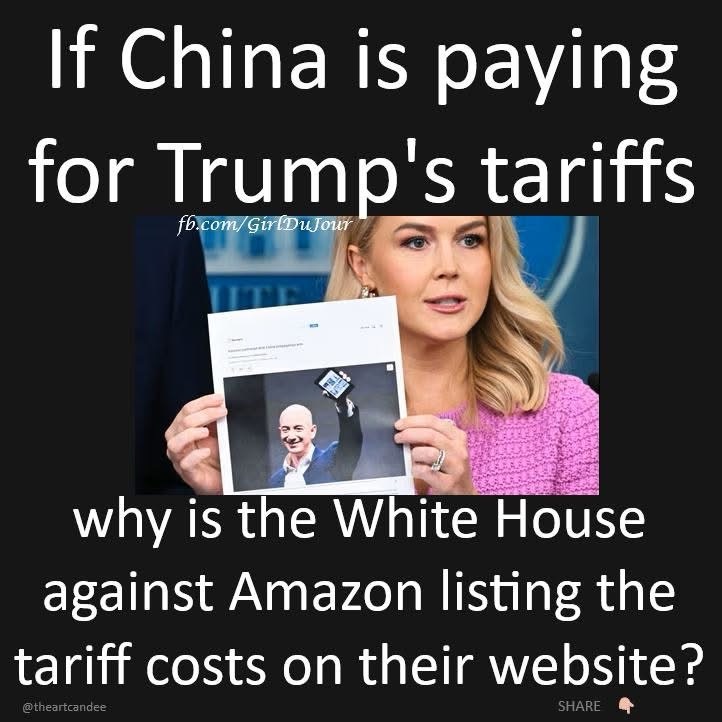
And he’d spent the morning fuming about a report Amazon might list tariff price hikes on its popular marketplace, issuing a warning to founder Jeff Bezos and declaring the move hostile (Amazon said after Trump’s call the plan was only an idea and wouldn’t be implemented).
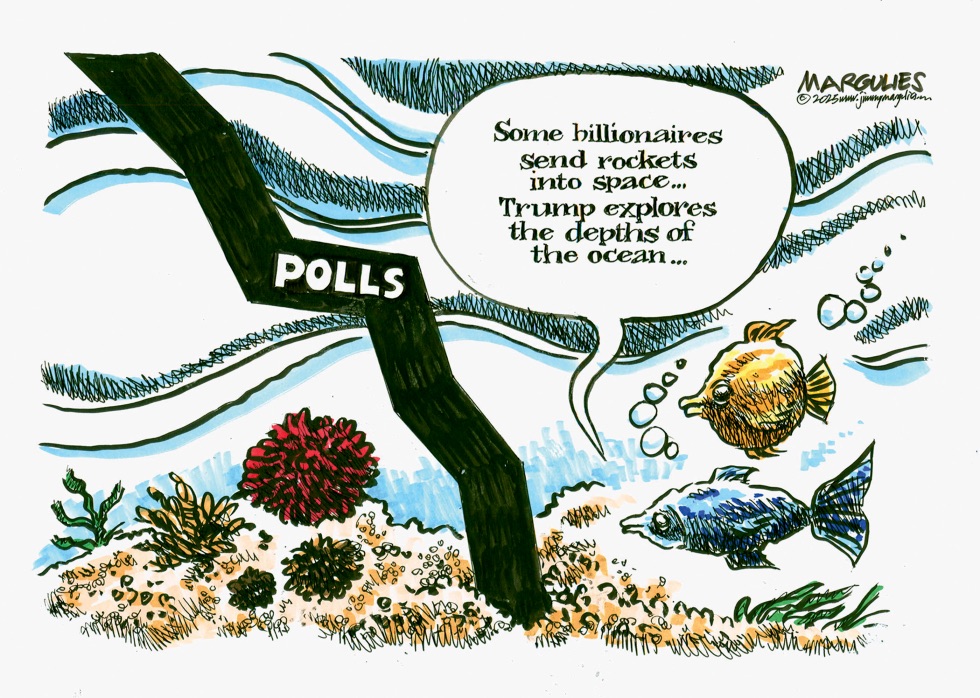
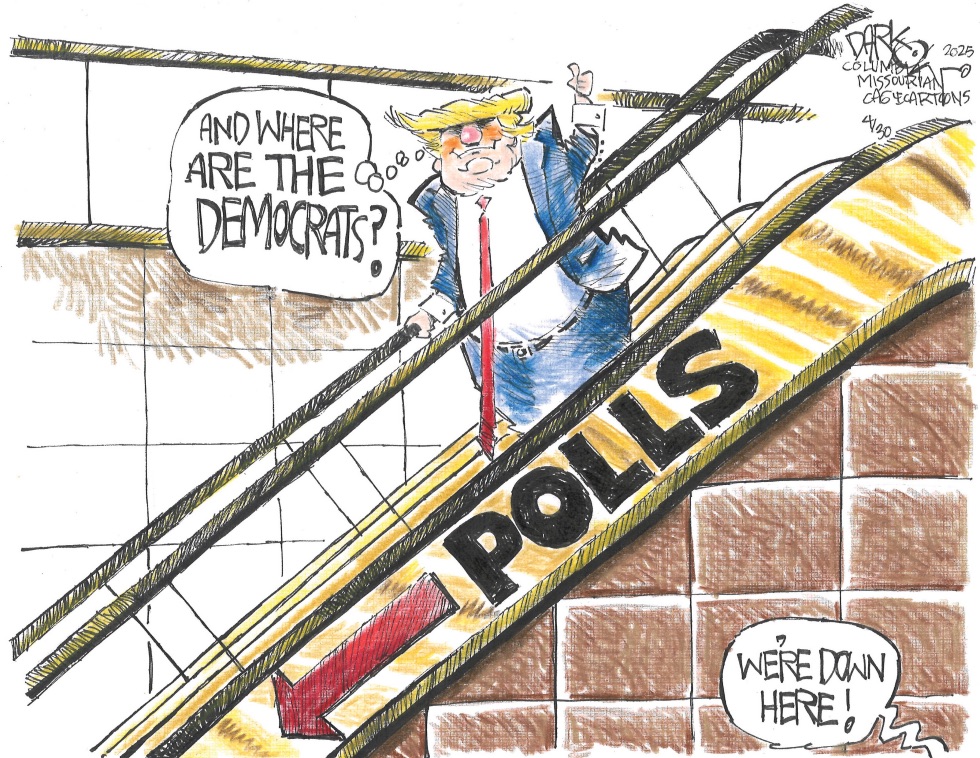
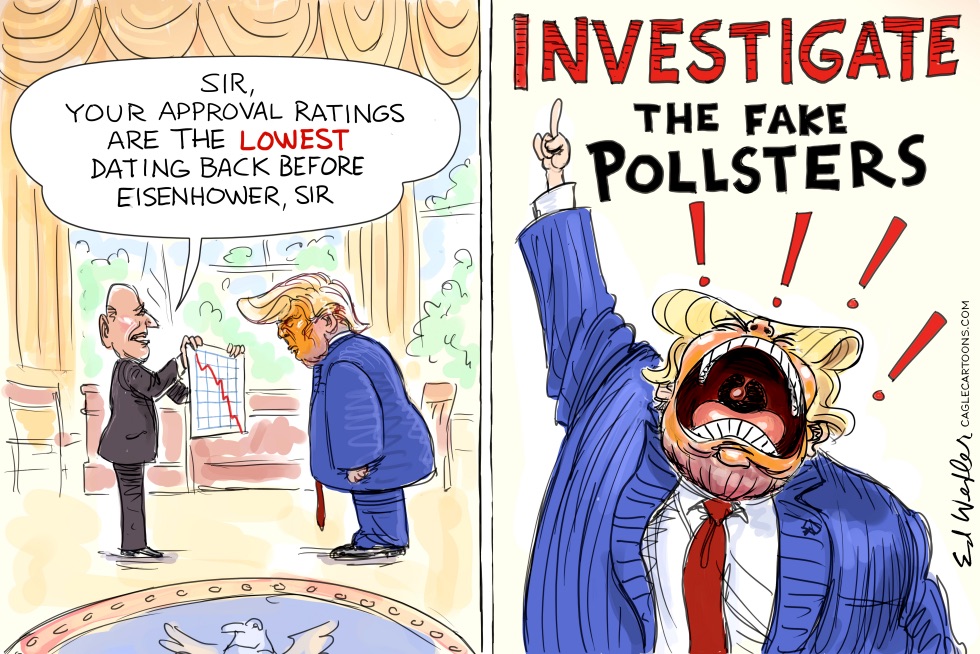
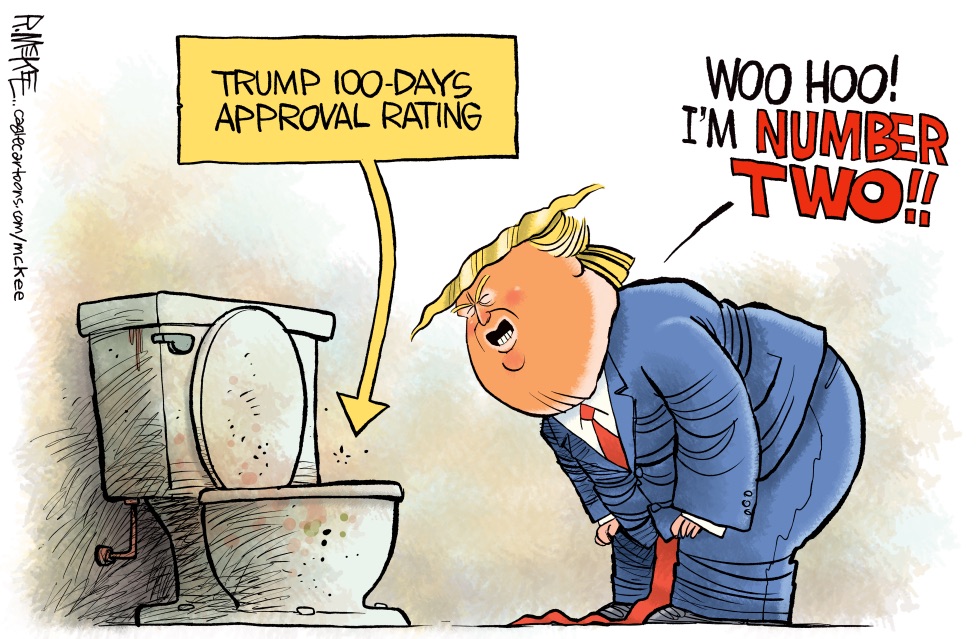
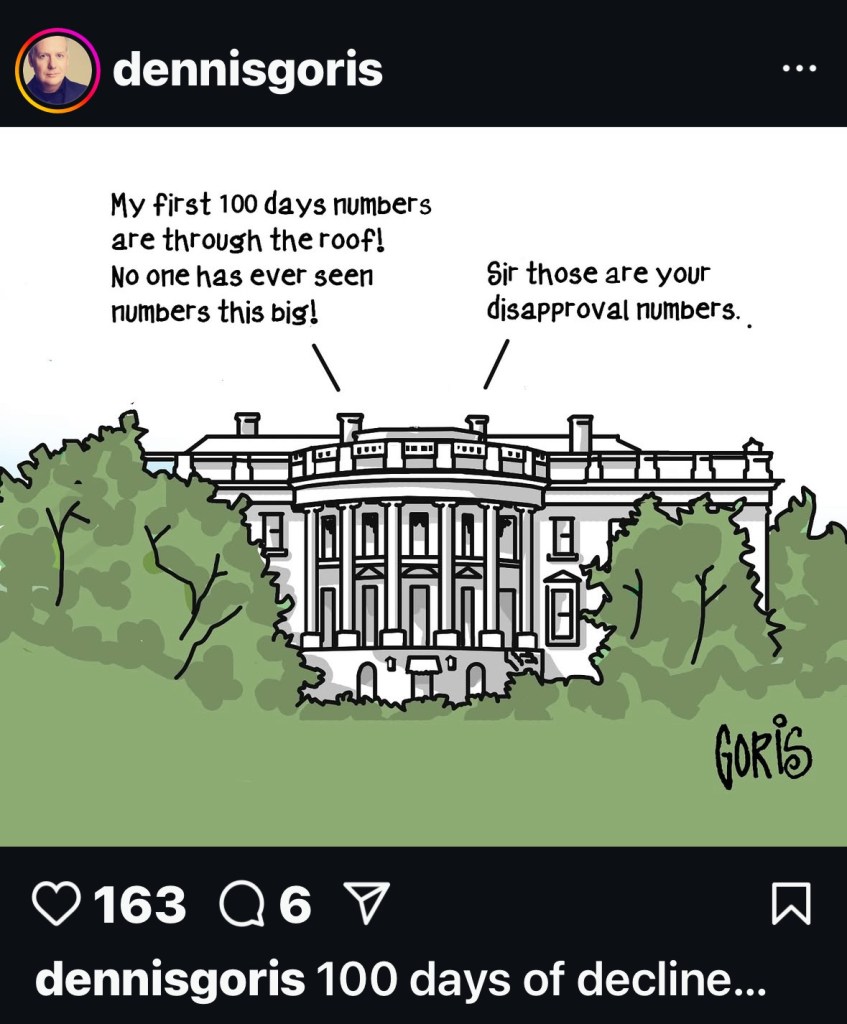
The president is presiding over an increasingly skeptical public. His 41% approval rating in CNN’s latest poll is the worst for any modern president at the 100-day mark. His 39% approval for his handling of the economy marks a career low.
But surrounded by signs that declared this “THE GOLDEN AGE” at Macomb Community College in Warren, Michigan, Trump – and his supporters – were ebullient.
This man is delusional.
As the White House begins turning its full attention to the president’s legislative agenda, with a July deadline looming for his budget and tax plan, Trump spent very little time dwelling on the next 100 days that could play a large role in defining his presidency. He barely mentioned the economic anxieties that have weighed down his public approval, though his visit to Michigan highlighted his roller-coaster approach to tariffs, which are rooted in his long-held belief for how to revive American manufacturing.
The next chapter of this challenge is yet to play out as Trump balances the demands of automakers, who argue his tariffs could inflict deep economic pain, with the interests of the working class, whom he has sought to champion. But in his telling, his evolving tax and tariff moves had convinced automakers “to come back to Michigan and build cars again.”
“You finally have a champion for workers in the White House,” Trump said. “Instead of putting China first, I’m putting Michigan first and I’m putting America first.”
Trump hailed his hardline immigration policies as a signature accomplishment – one of the biggest “promises kept” from his campaign – and in an interview that aired later on ABC, he cast doubt on the idea that those alleged to be in the country illegally deserve due process.
“If people come into our country illegally, there’s a different standard. … They get a process where we have to get them out,” he continued. “They get whatever my lawyers say.”
In his speech, he added that gas prices had “just hit $1.98 in a lot of states”.
This is a claim he has made several times but we cannot find evidence of prices this low.
As of 29 April, no state had an average gas price lower than $2.67 (£1.99), according to the AAA.
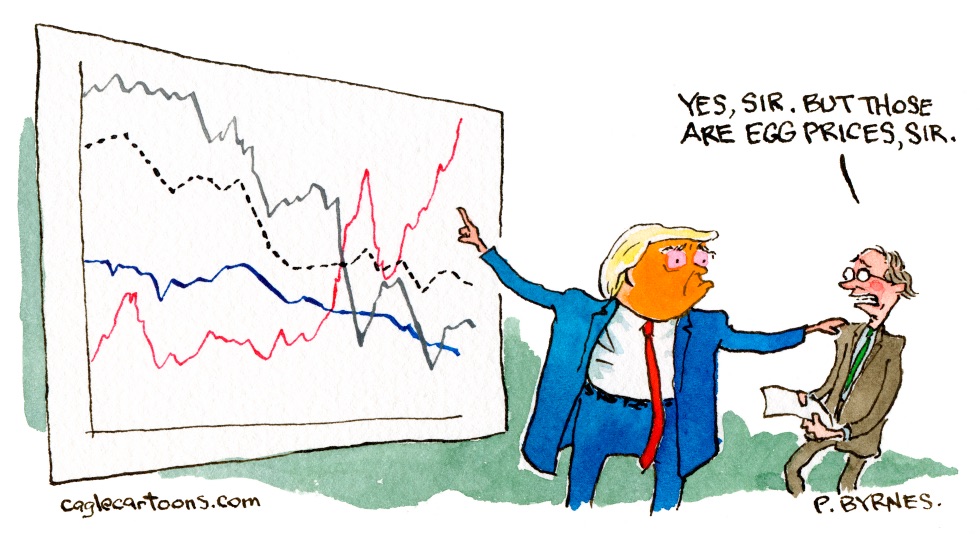
Are egg prices down 87%?
The US president also spoke about the cost of eggs – a concern for many US consumers due to an ongoing bird flu outbreak – and said: “Since I took office, the cost of eggs is down 87%.”
This claim is false.
The average national price for consumers of a dozen large Grade A eggs when Trump entered office in January was about $4.95 (£3.70).
The White House has pointed to wholesale egg prices as evidence of improvement.
Wholesale prices have gone down since Trump took office – but by about 52% – from $6.55 (£4.89) for a dozen large white eggs in January to $3.15 (£2.34) in the past week, according to the US Department of Agriculture.
Read more lies and corrections at the BBC link.
Let’s take a reality-based look at Trump’s “accomplishments.”
The US economy just had its worst quarter since 2022 as President Donald Trump’s significant policy changes unnerved consumers and businesses.
Gross domestic product, which measures all the goods and services produced in the economy, registered at an annualized rate of -0.3% in the first quarter, the Commerce Department said Wednesday.
That’s a sharp slowdown from the fourth quarter’s 2.4% rate, and much worse than the 0.8% rate economists projected. GDP is adjusted for seasonal swings and inflation.
US stocks dropped after the GDP report was released.
The Trump administration has been on a chaotic tariff spree over the past several months, escalating trade tensions with China and unsettling Americans. Most economists say Trump’s monumental bid to reshape global trade is likely to send inflation climbing in the United States and even trigger a recession.
The president, however, deflected blame from the weak figures reflected in the first economic report card of his second term.
“Our Country will boom, but we have to get rid of the Biden ‘Overhang.’” he wrote Wednesday in a post on social media. “This will take a while, has NOTHING TO DO WITH TARIFFS, only that he left us with bad numbers, but when the boom begins, it will be like no other. BE PATIENT!!!”
Cutting federal funding for scientific research could cause long-run economic damage equivalent to a major recession, according to a new study from researchers at American University.
In recent months, the Trump administration has sought to cancel or freeze billions of dollars in grants to scientists at Columbia, Harvard and other universities, and has moved to sharply curtail funding for academic medical centers and other institutions. Deeper cuts could be on the way. As soon as this week, the White House is expected to propose sharp reductions in discretionary spending, including on research and development, as part of the annual budget process.
Economists have warned that such cuts could undermine American competitiveness in areas like vaccine development, artificial intelligence and quantum computing, and could slow growth in income and productivity in the long term. The private sector can’t fully replace government dollars, they argue, because basic research is too risky and takes too long to pay off to attract sufficient private investment.
The study, by a team of economists at American University’s Institute for Macroeconomic and Policy Analysis, is among the first efforts to quantify the risks posed by Mr. Trump’s cuts. Because the full extent of the administration’s plans is not yet clear, the researchers studied a range of scenarios.
Even the mildest approach — a 25 percent reduction in public support for research and development — would correlate to a drop in economic output.
U.S. gross domestic product, adjusted for inflation, would be 3.8 percent smaller in the long term — a decline similar in magnitude to that in the Great Recession, which ended in 2009. The drop in output would be much more gradual than that downturn, taking place over years rather than months. But it would also be more lasting. Cuts to scientific research would sap innovation, leading to slower productivity growth and, as a result, permanently lower economic output.
“It is going to be a decline forever,” said Ignacio González, one of the study’s authors. “The U.S. economy is going to be smaller.”
Savior. Ungodly. Patriotic. Un-American. Great. Sad.
A hundred days into his presidency, all are words Americans used to describe President Donald Trump’s performance in office.
Responses run the full spectrum of possible assessments. On the positive side of the ledger in this ABC News/Washington Post/Ipsos poll: “Excellent.” “Awesome.” “Outstanding.” “Strong.” “Best president ever.”
And among the more negative comments: “Disaster.” “Chaotic.” “Appalling.” “Horrible.” “Atrocious.” “Catastrophic.”
As reported Sunday, Trump has a 39% job approval rating in this poll, produced for ABC by Langer Research Associates with fieldwork by Ipsos. That’s the lowest job approval rating at or near 100 days in office of any president dating back to 1945 (as far back as data are available).
Invited to use one word to express their personal reaction to Trump’s performance as president so far, some focused on their feelings: “Frightened.” “Excited.” “Horrified.” “Relieved.” “Worried.” “Angry.” “Confused.” “Happy.” “Devastated.”
“He’s doing a fantastic job of accomplishing all that we want him to and voted for him to do!”
“He’s a convicted criminal, he’s a horrible con man who thinks he’s a great businessman and he’s tanking the economy for some ‘give it to the libs’ reason. I did not vote for this.”
“Someone needs to step in and rein him in. He is overstepping his authority. What is really frightening is that the Republican leadership knows he is wrong and will not stop him. Fear of losing their own power.”
There is an established playbook for turning a democracy into an authoritarian state, used in countries ranging from India to Hungary. It requires a leader to:
Remove formal limits on their own powers.
Compromise independent power centers such as the press and courts.
Win compliance with the new regime from social elites and the mass public.
Yet in each arena, Trump is facing effective and mounting pushback. He is routinely losing in court. He is failing to silence the media. And he is losing support among the elite as his poll numbers plummet.
This failure is, in large part, a result of his team’s errors. While their approach broadly resembled foreign authoritarians’, it was a poor copy at every level — a strategically unsound campaign, with poorly thought-out tactics that were executed incompetently.
“We should thank [our] lucky stars that Trump chose to do this in the most stupid way possible,” says Lucan Way, a political scientist at the University of Toronto who studies democratic backsliding.
None of this is to say that American democracy is safe. Never before has a president been so committed to breaking the constitutional order and seizing power. We do not know whether America’s democratic institutions will hold when the pressure has been mounting for years rather than months. But the events of the first 100 days give us reason to hope.
There is no question that Donald Trump’s ambition in the first 100 days of his return to the Oval Office was to set a new standard for presidential accomplishment. To rival, even surpass, the scope of Franklin Roosevelt’s efforts nearly a century ago, when he moved so quickly — and so decisively — that he established the first 100 days as a yardstick for executive action.
But as consequential as they have been, and as exhausting as they’ve felt to many Americans, these first months of Trump’s second term fall far short of what Roosevelt accomplished. Yes, Trump has wreaked havoc throughout the federal government and destroyed our relationships abroad, but his main goal — the total subordination of American democracy to his will — remains unfulfilled. You could even say it is slipping away, as he sabotages his administration with a ruinous trade war, deals with the stiff opposition of a large part of civil society and plummets in his standing with most Americans.
If measured by his ultimate aims, Trump’s first 100 days are a failure. To understand why he failed, we must do a bit of compare-and-contrast. First, let’s look at the details of Trump’s opening gambit. And second, let’s measure his efforts against the man who set the terms in the first place: Franklin Delano Roosevelt. To do so is to see that the first 100 days of Trump’s second term aren’t what we think they are. More important, it is to see that the ends of a political project cannot be separated from the means that are used to bring it into this world.
Trump began his second term with a shock-and-awe campaign of executive actions. He, or rather the people around him, devised more than 100 executive orders, all part of a program to repeal the better part of the 20th century — from the New Deal onward — as well as fundamentally transform the relationship between the federal government and the American people.
His ultimate aim is to turn a constitutional republic centered on limited government and the rule of law into a personalist autocracy centered on the rule of one man, Donald J. Trump, and his unlimited authority. Trump’s vision for the United States, put differently, has more in common with foreign dictatorships than it does with almost anything you might find in America’s tradition of republican self-government.
To that end, the president’s executive orders are meant to act as royal decrees — demands that the country bend to his will. In one, among the more than four dozen issued in his first weeks in office, Trump purports to purge the nation’s primary and secondary schools of supposed “radical indoctrination” and promote a program of “patriotic education” instead. In another, signed in the flurry of executive activity that marked his first afternoon back in the Oval Office, Trump asserts the power to define “biological” sex and “gender identity” themselves, in an attempt to end official recognition of trans and other gender nonconforming people….
Trump claims sovereign authority. He claims the right to dismantle entire federal agencies, regardless of the law. He claims the right to spend taxpayer dollars as he sees fit, regardless of what Congress has appropriated. He even claims the right to banish American citizens from the country and send them to rot in a foreign prison.
Trump has deployed autocratic means toward authoritarian ends. And the results, while sweeping, rest on a shaky foundation of unlawful actions and potentially illegal executive actions.
Read how Trump’s 100 days contrast with FDR at the gift link above.
The Sky Dancing banner headline uses a snippet from a work by artist Tashi Mannox called 'Rainbow Study'. The work is described as a" study of typical Tibetan rainbow clouds, that feature in Thanka painting, temple decoration and silk brocades". dakinikat was immediately drawn to the image when trying to find stylized Tibetan Clouds to represent Sky Dancing. It is probably because Tashi's practice is similar to her own. His updated take on the clouds that fill the collection of traditional thankas is quite special.
You can find his work at his website by clicking on his logo below. He is also a calligraphy artist that uses important vajrayana syllables. We encourage you to visit his on line studio.








 Here’s a recent article from WAPO on the amount of Federal Funding received by Musks’ businesses. “
 Well, isn’t that special? Here’s a read from
 Well, kids, the President says you have to scale back holiday gifts, and he doesn’t want you to access
 Judges that have made decisions against Trump continue to be under threat of violence and death as are their families. This headline is from
 Jennifer Bowers Bahney–
 CNN reports that “Trump says the government will revoke Harvard’s tax-exempt status.”






















































 peej
peej Carissa
 bostonboomer
 dakinikat
 ecocatwoman
 mablue2
 Mama Lopez
 peggysue22
 quixote
 skydancingguestblogger
 Mona (aka Wonk the Vote)



 Sky Dancing
Recent Comments