
Tuesday Political Cartoons: The wave…
Posted: March 24, 2026 Filed under: just because 3 Comments
Yesterday we lost another actress:
She was damn good in everything she did…









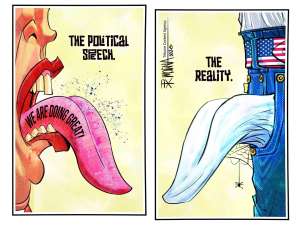
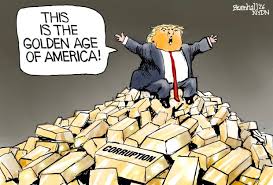
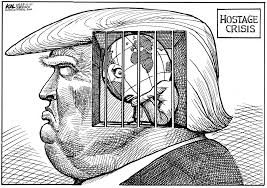
Now the cartoons via Cagle:

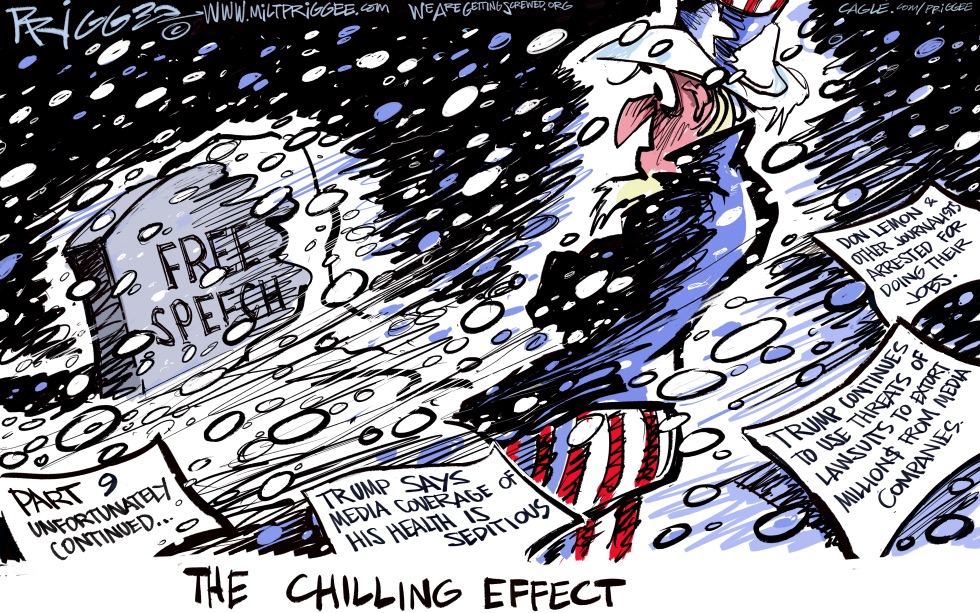

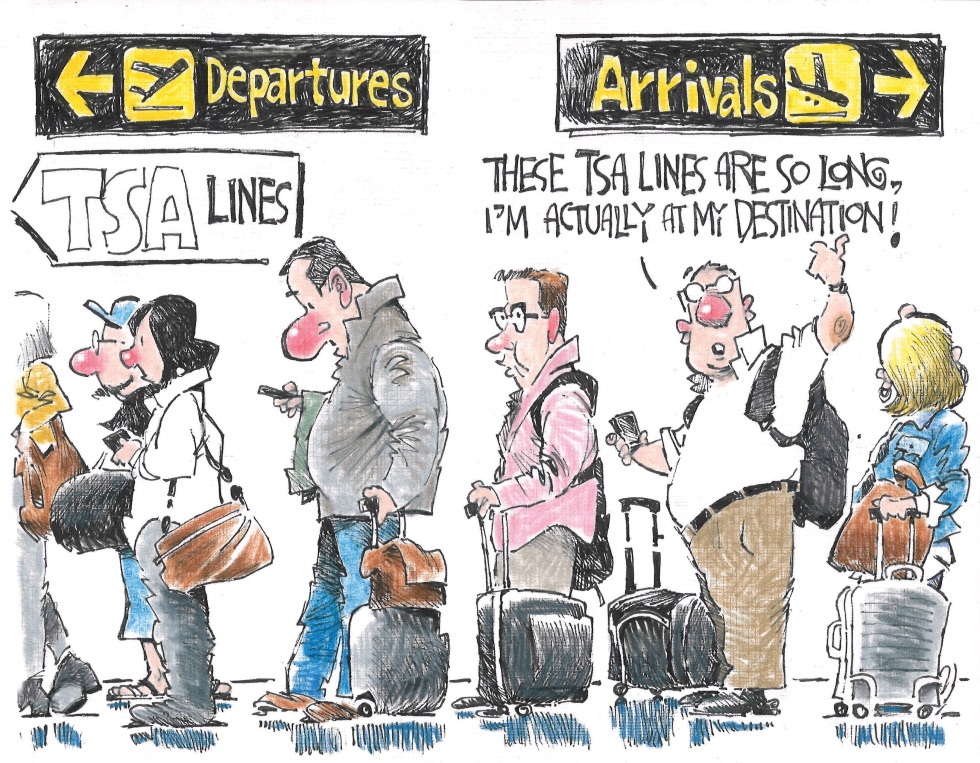
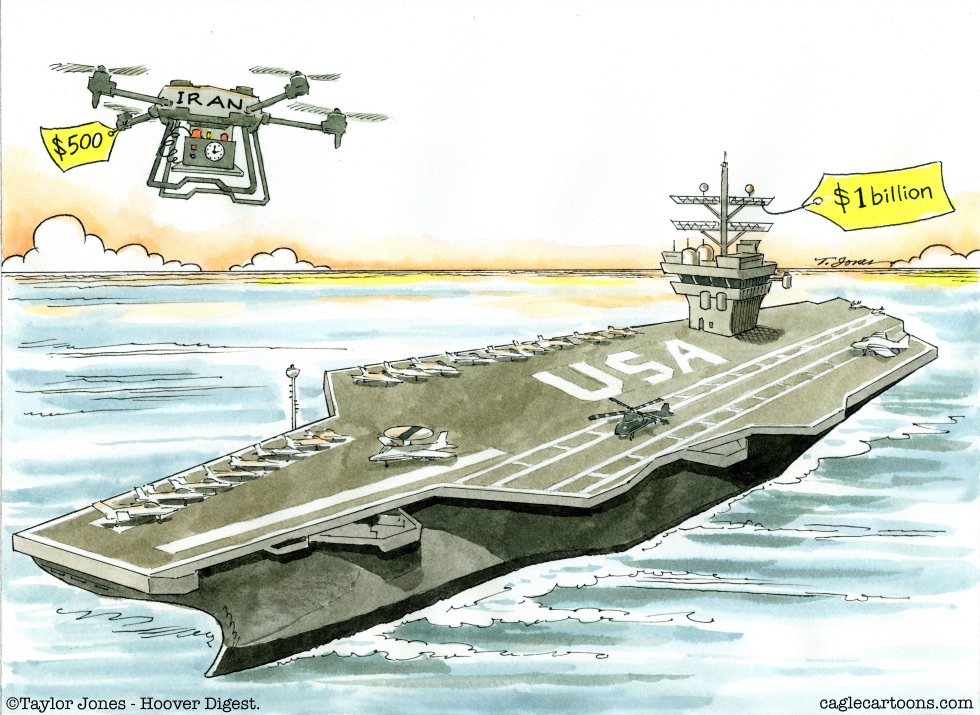

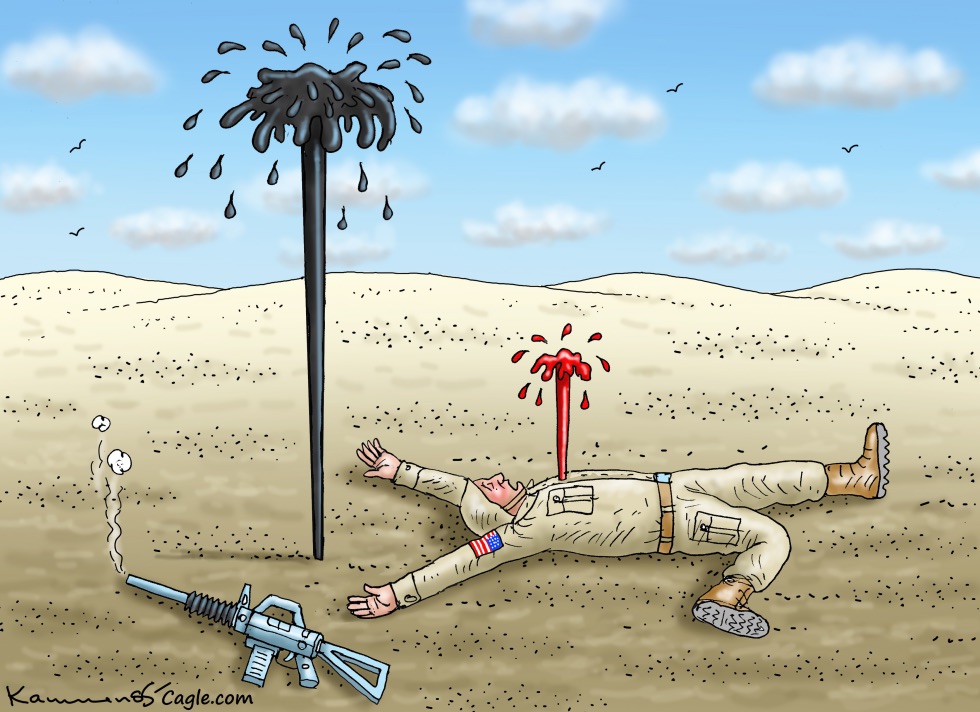

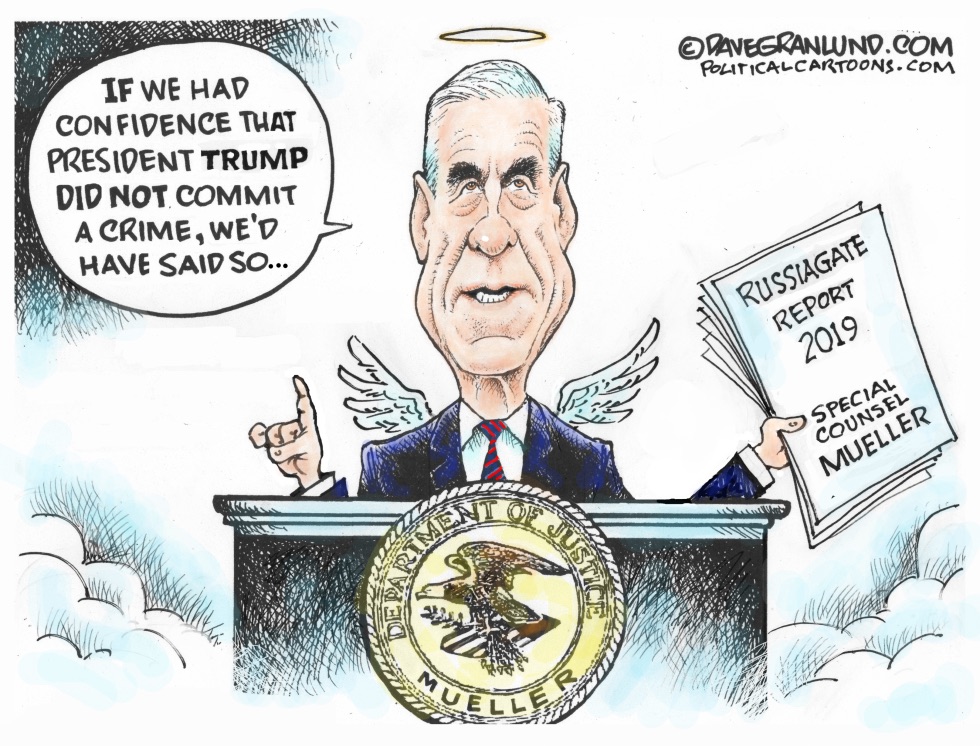
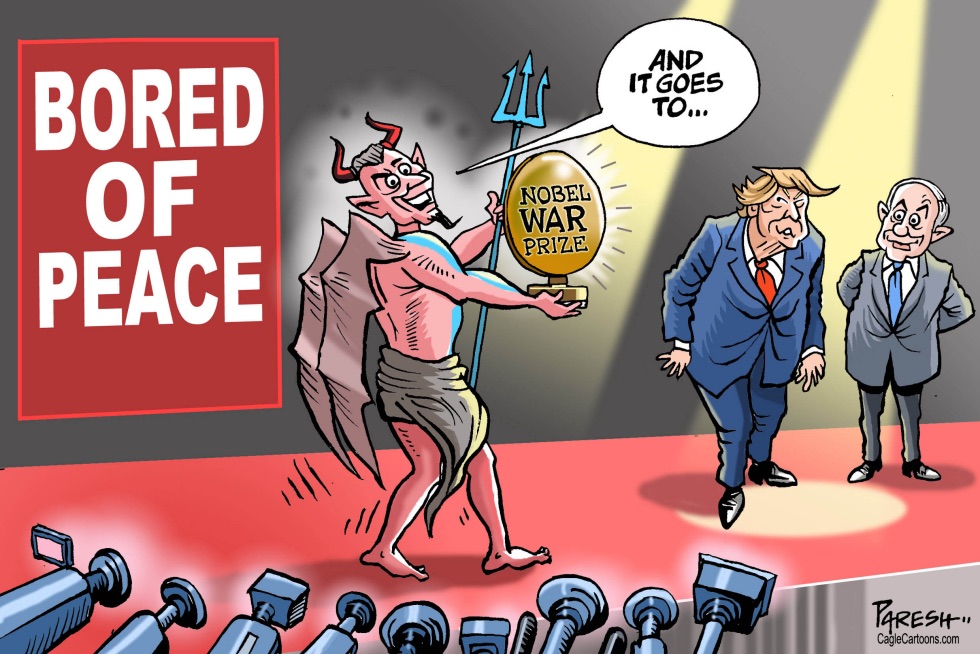
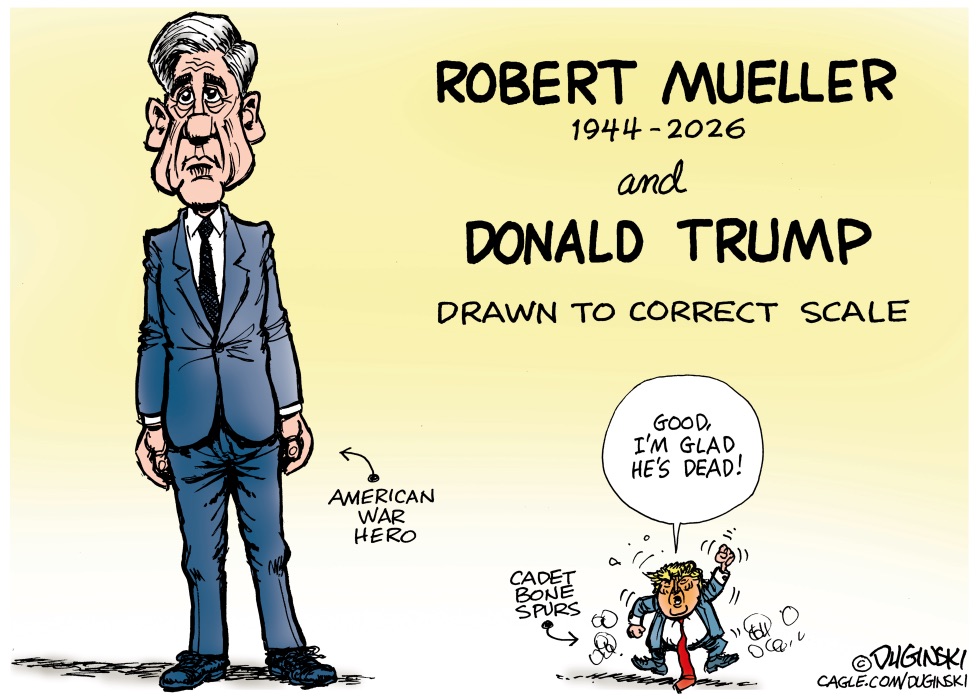
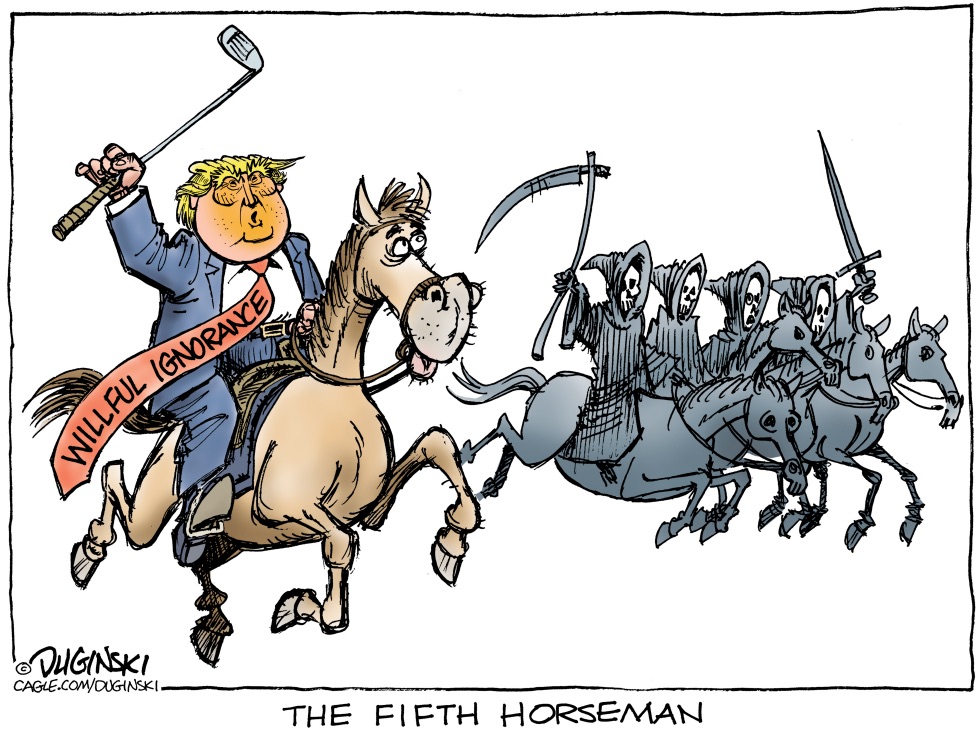
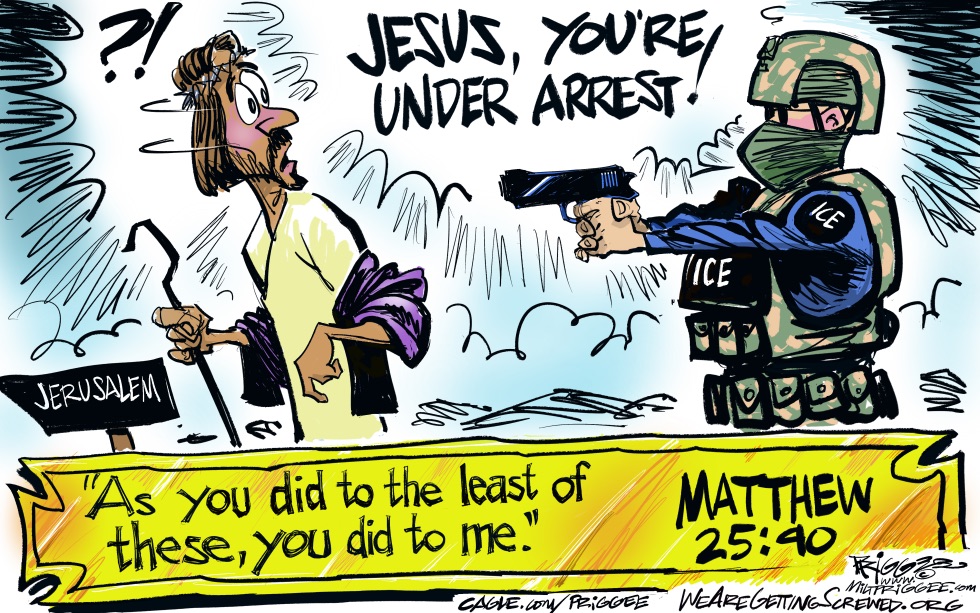
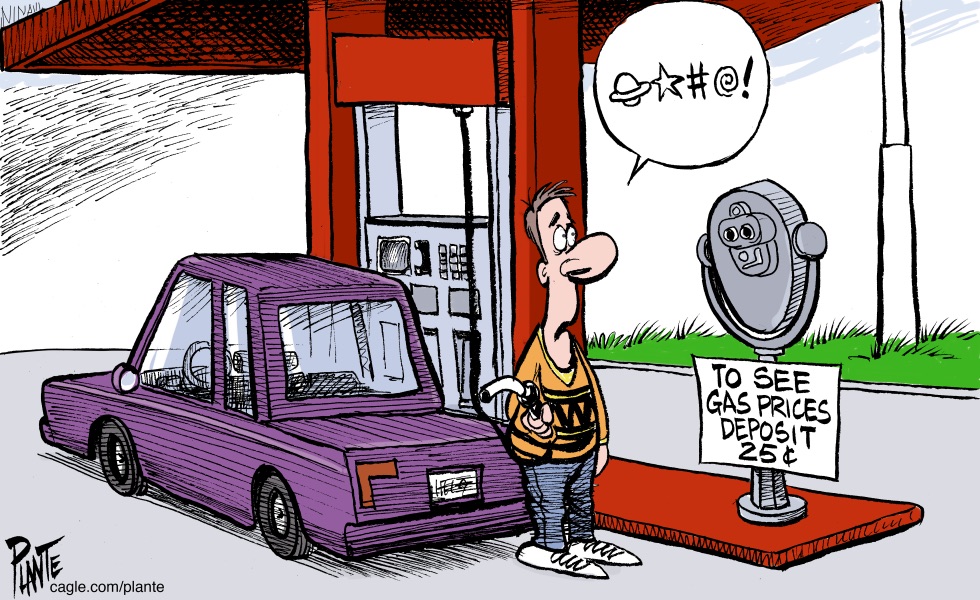

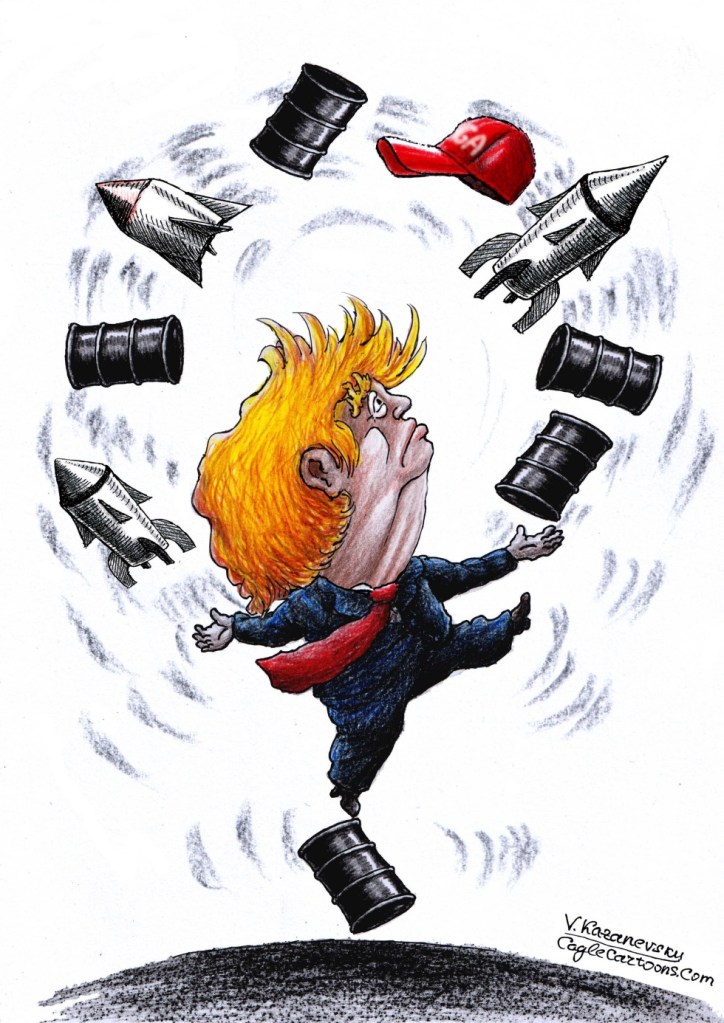
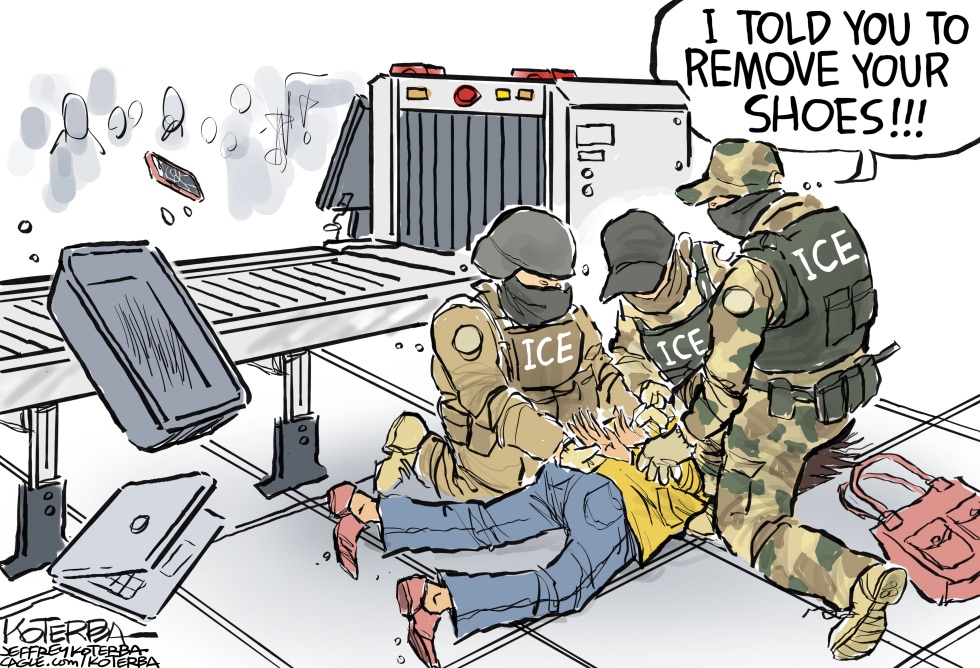
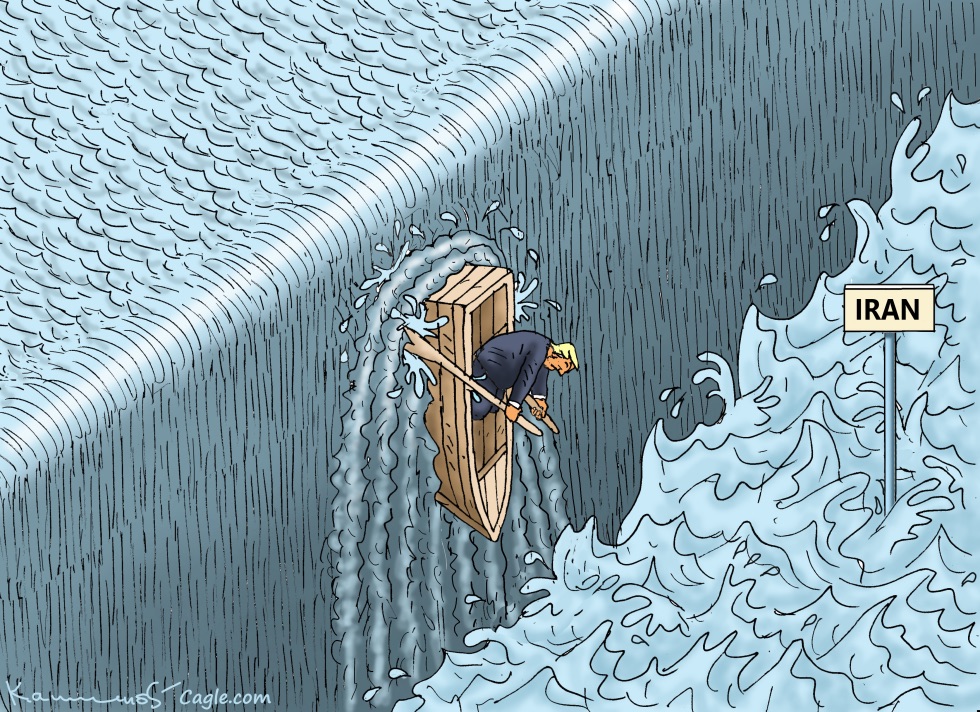
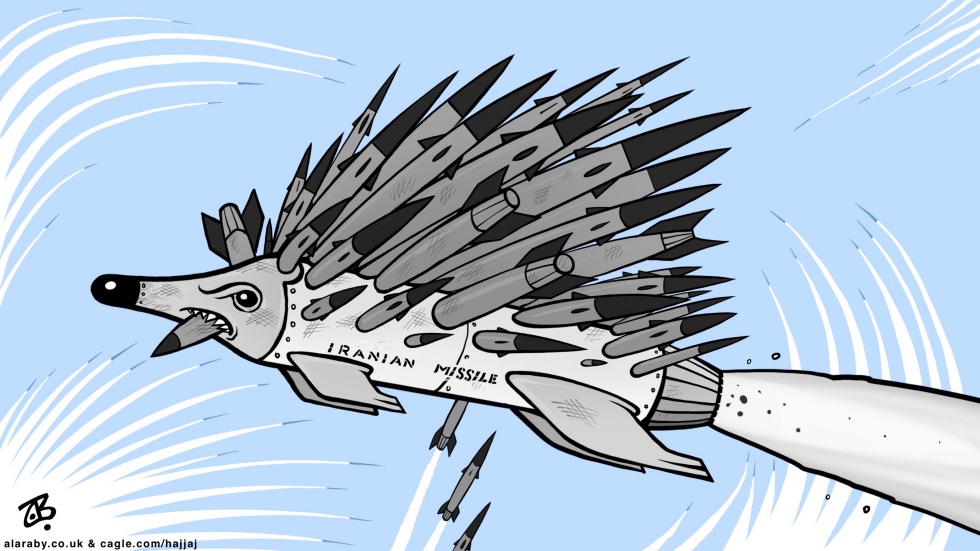
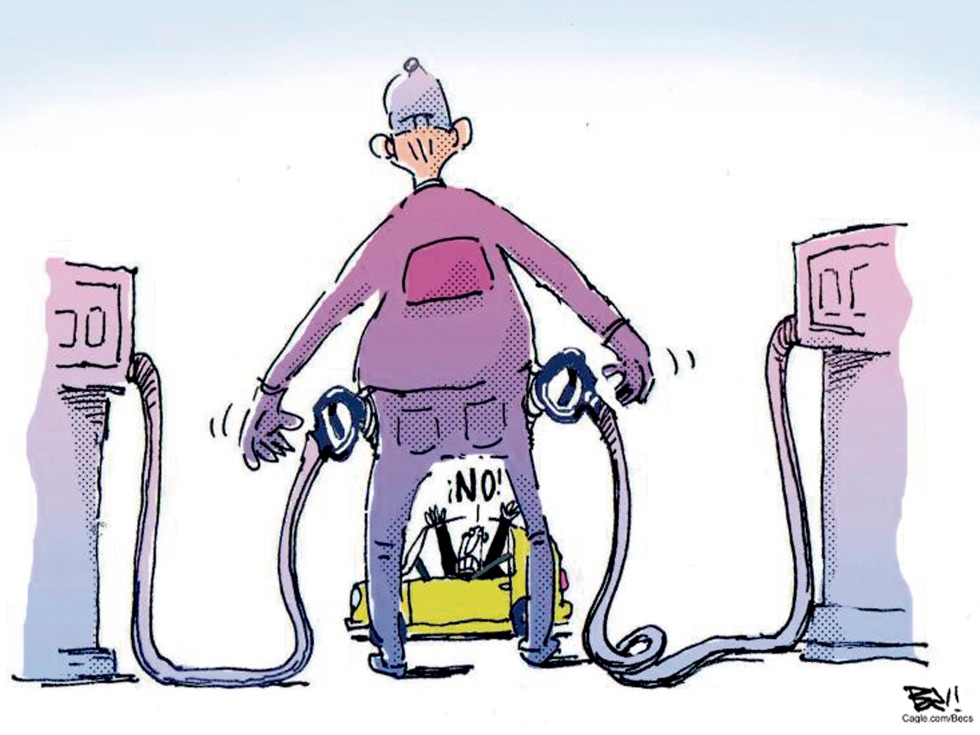
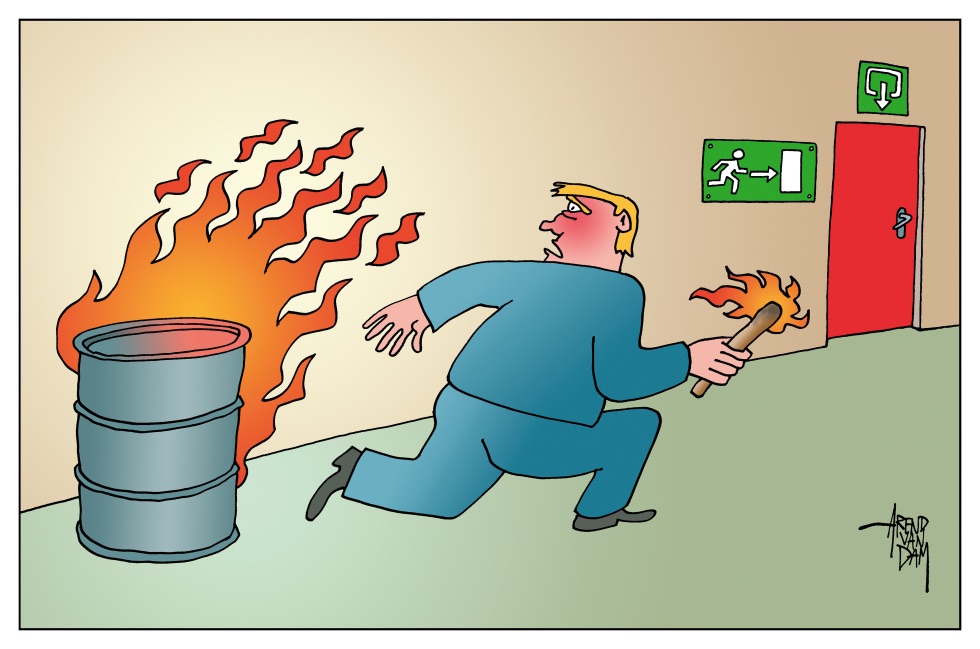
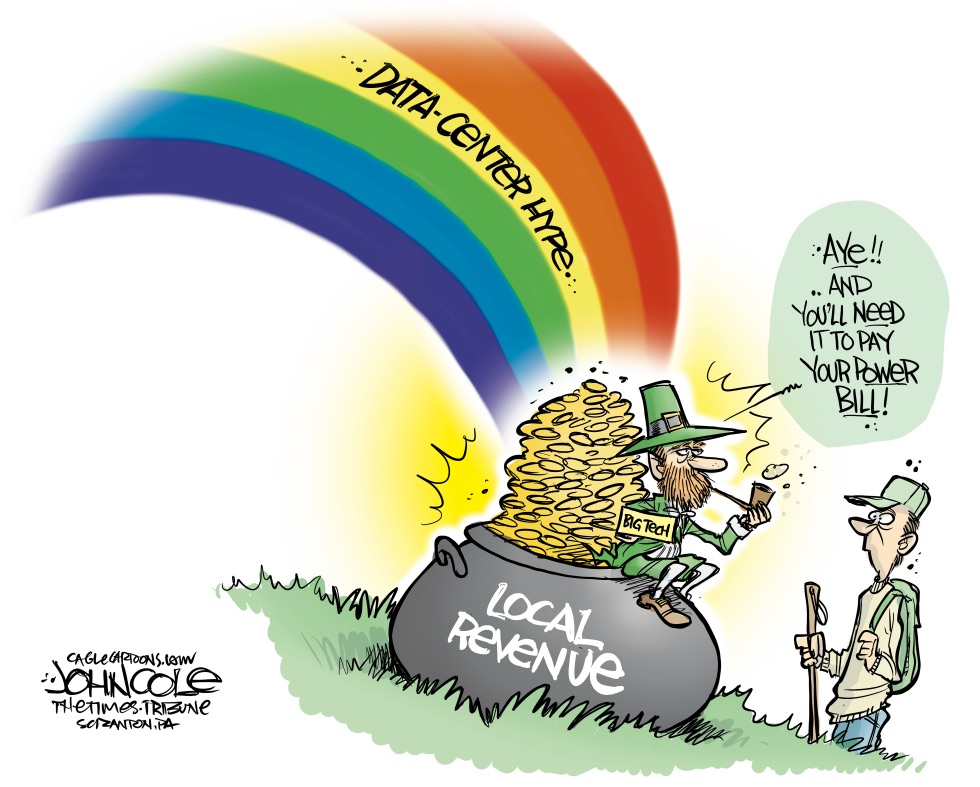
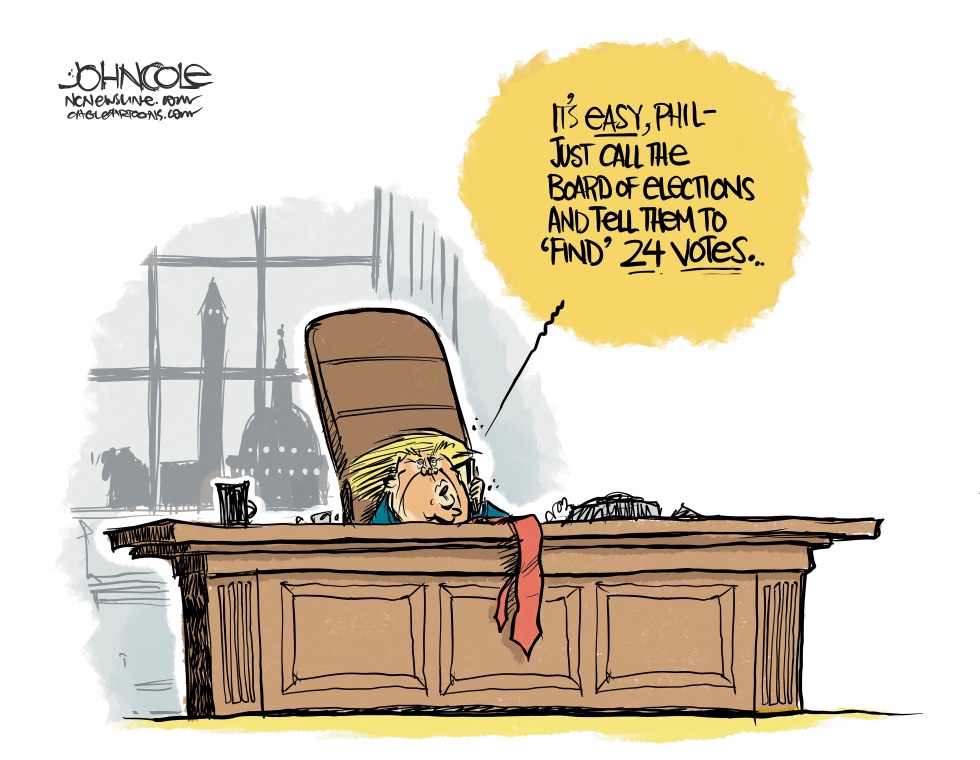
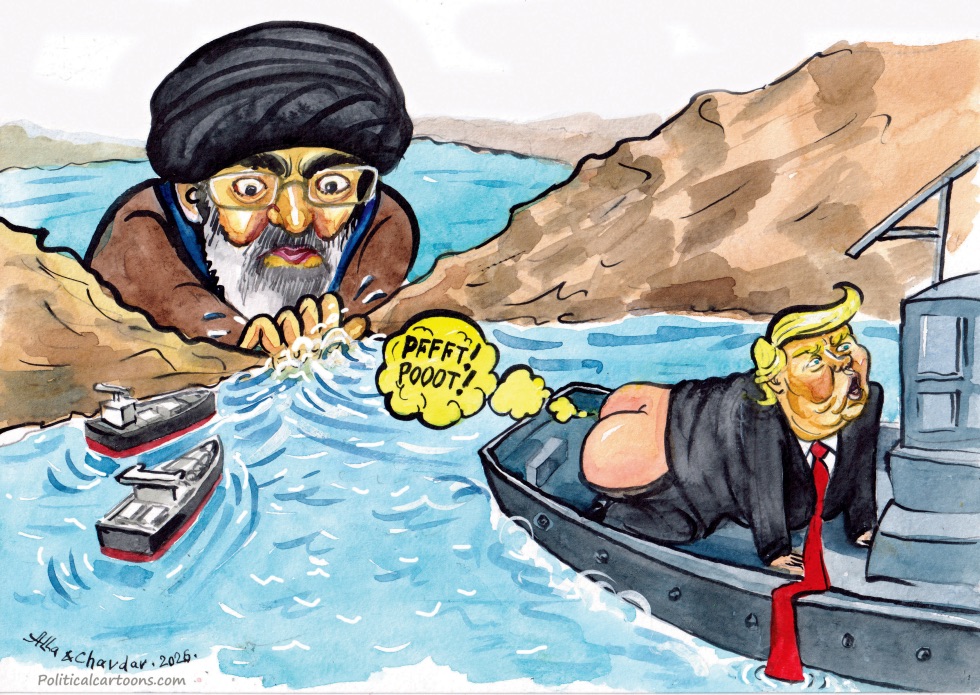
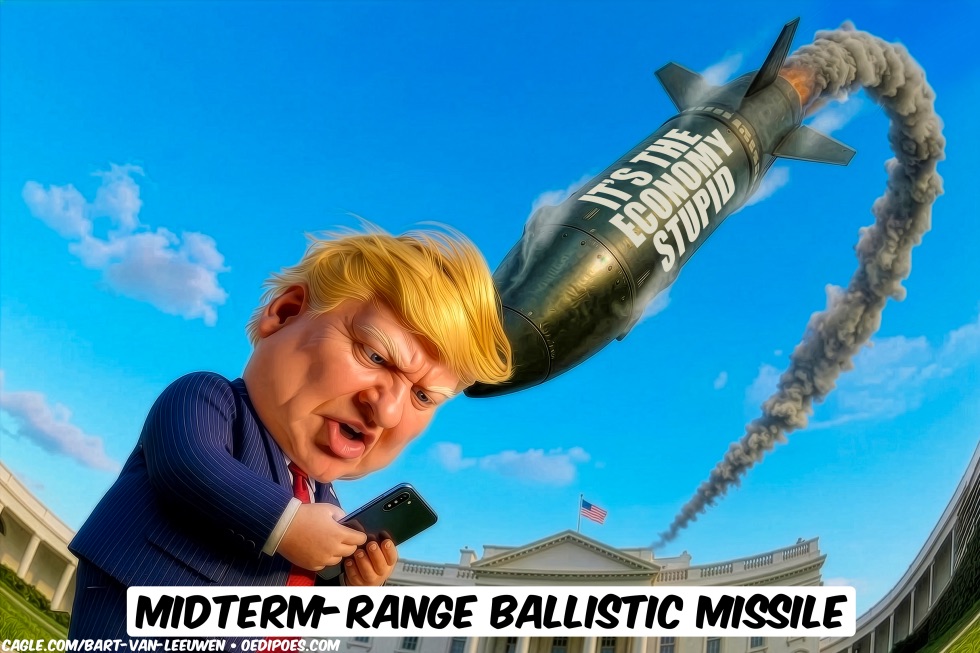
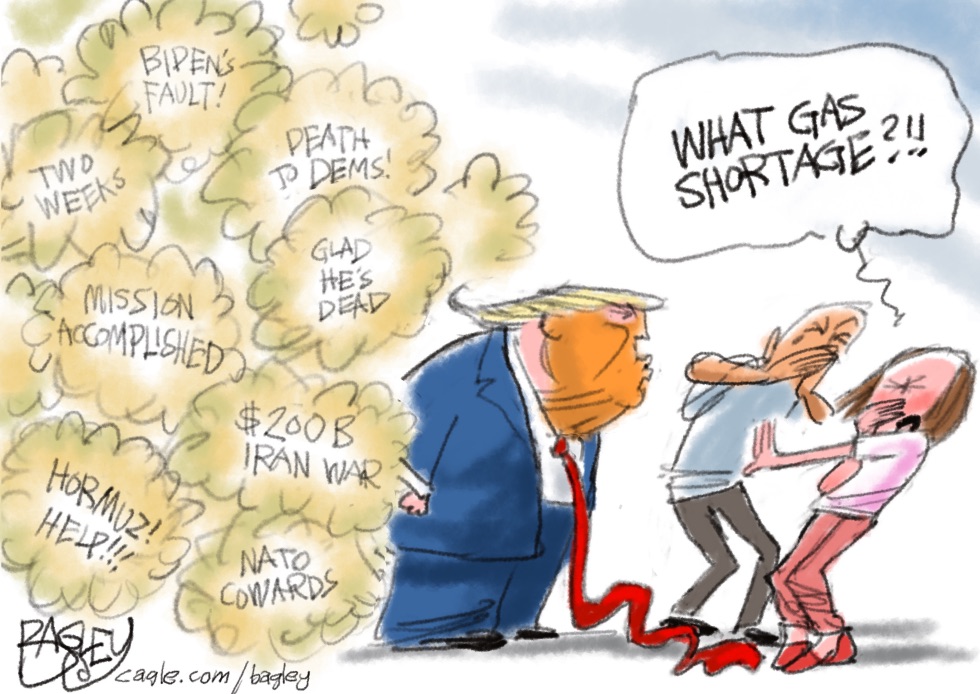
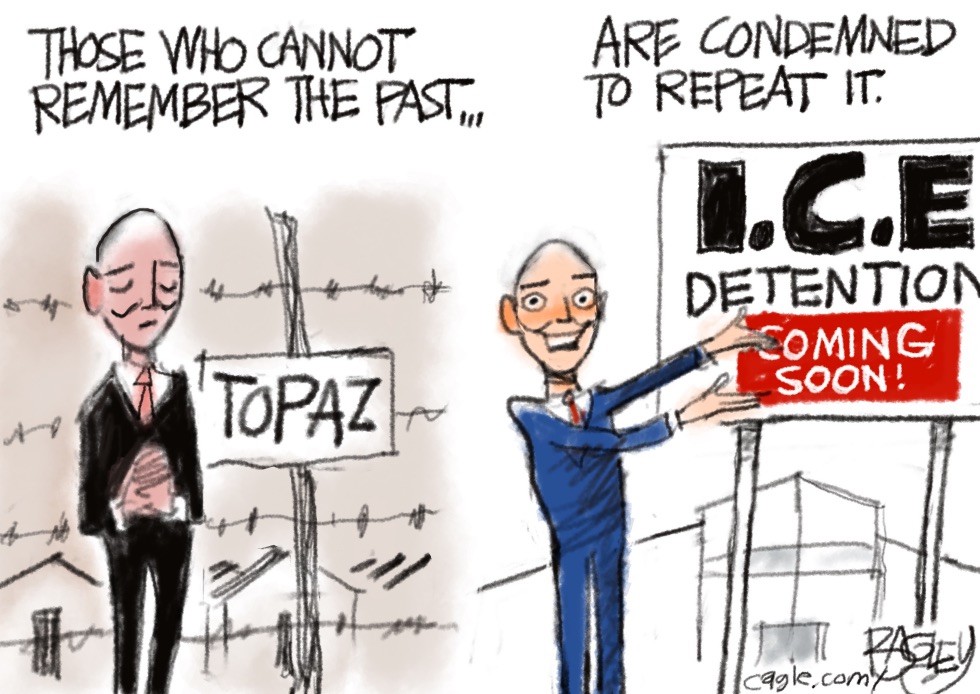
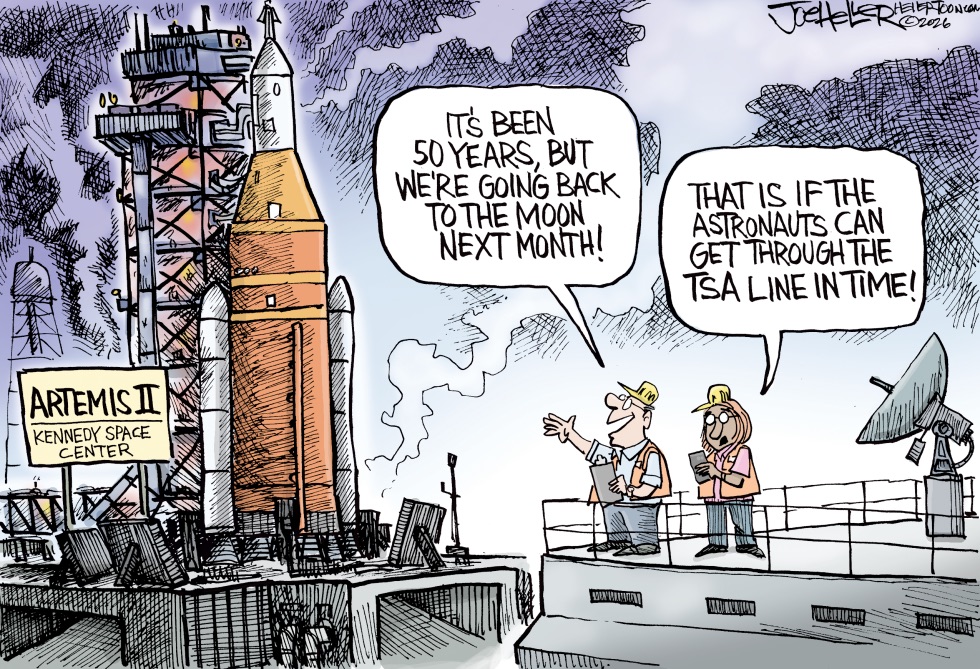

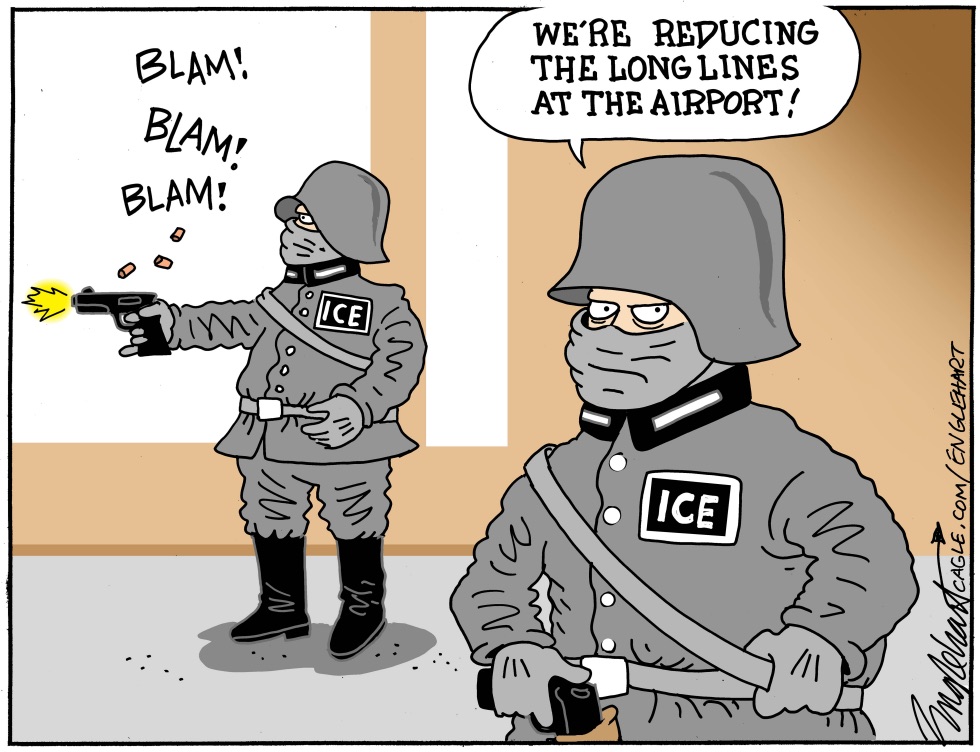
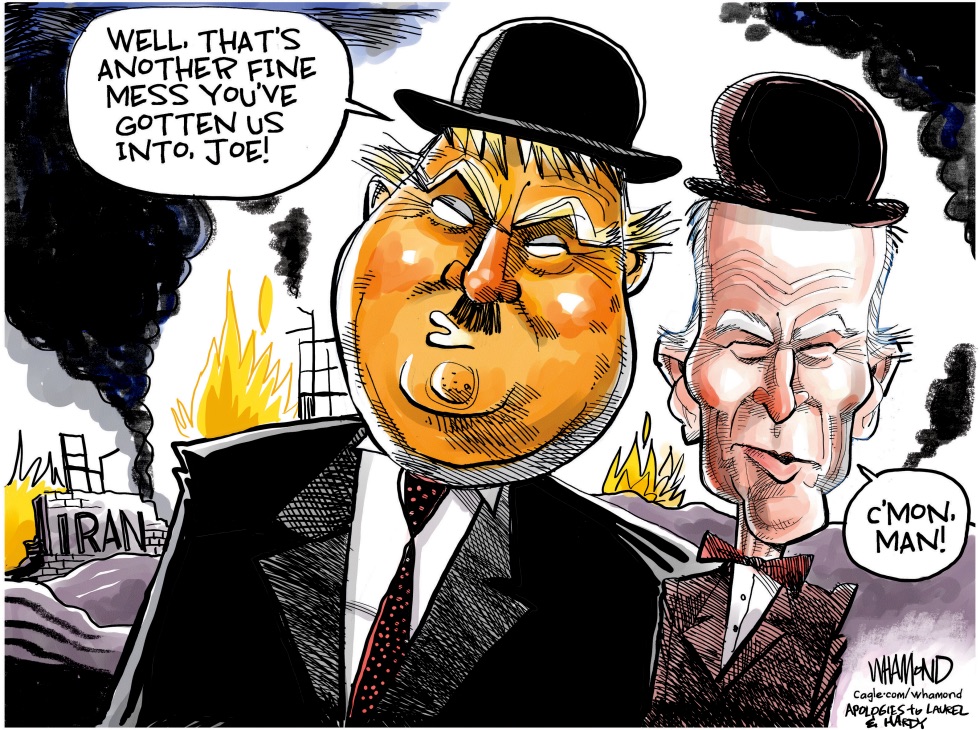
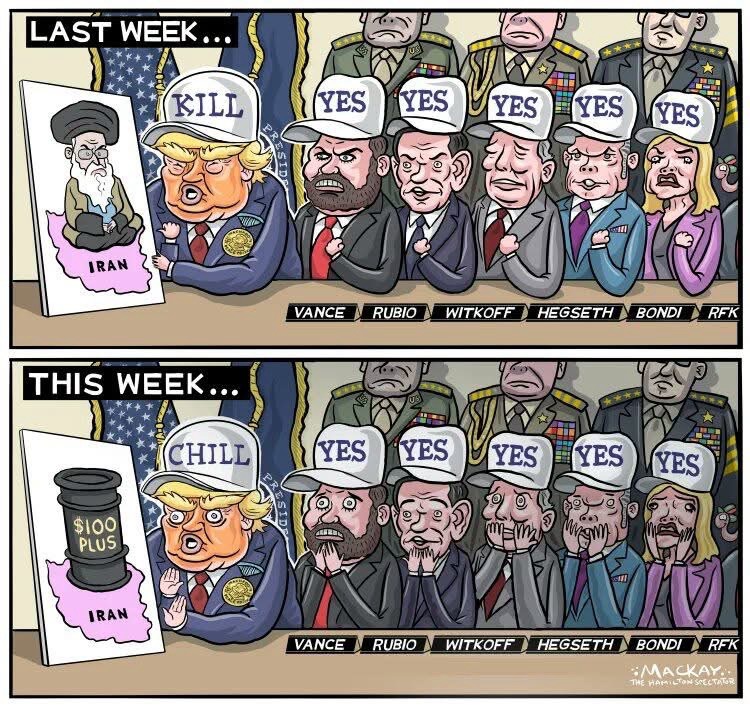
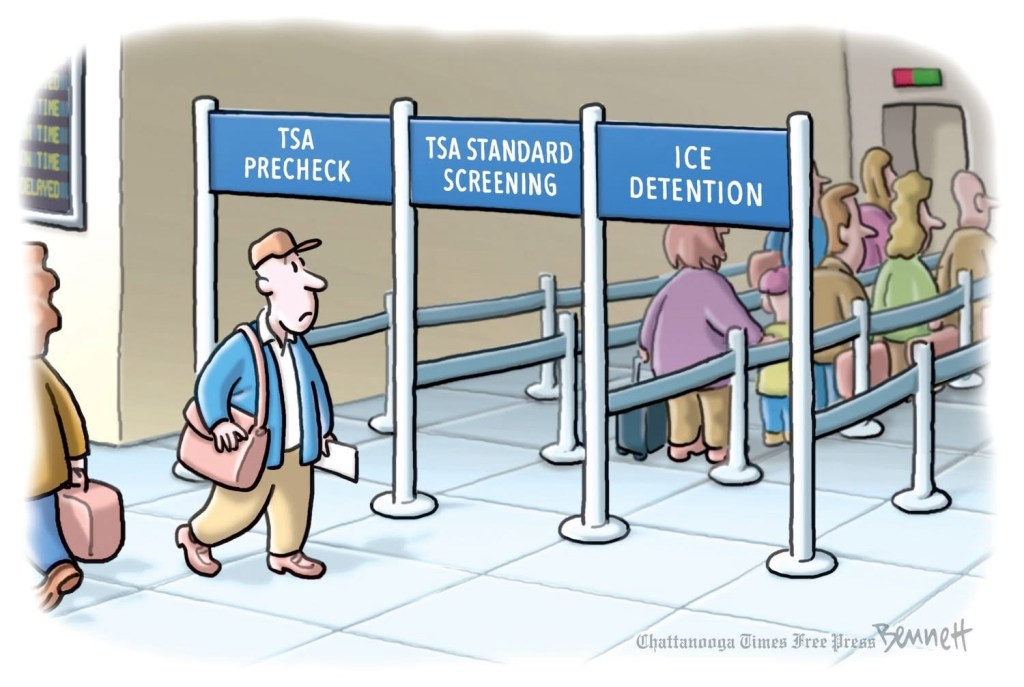

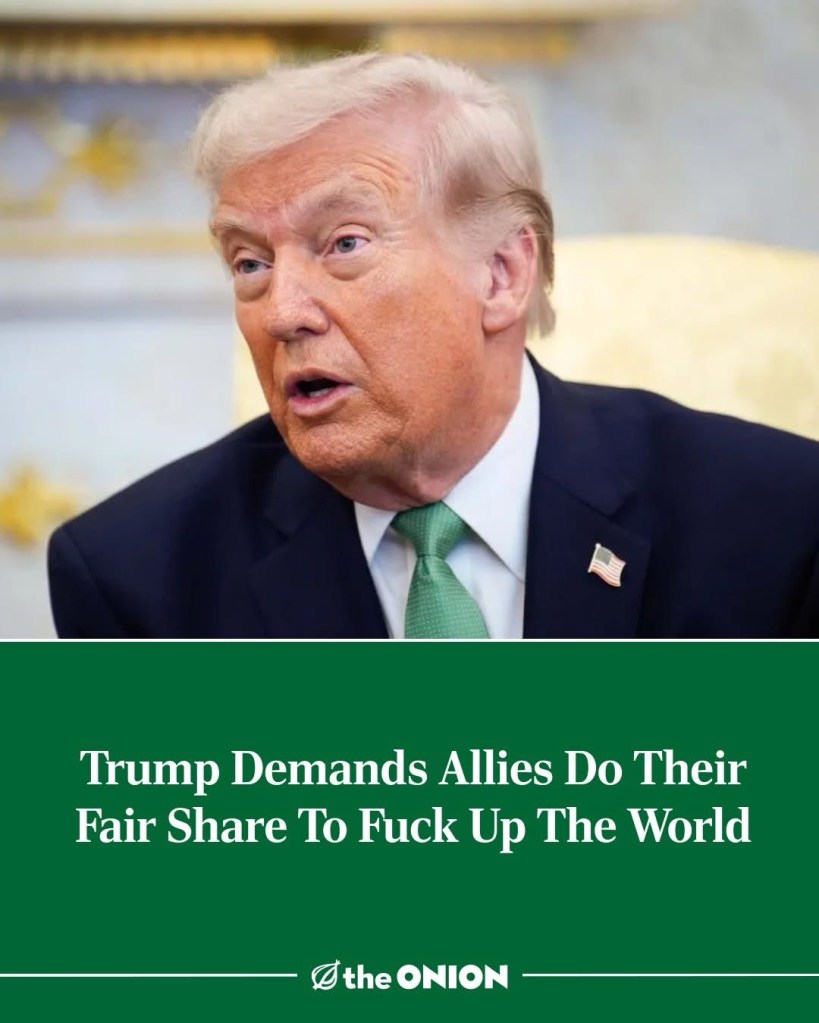
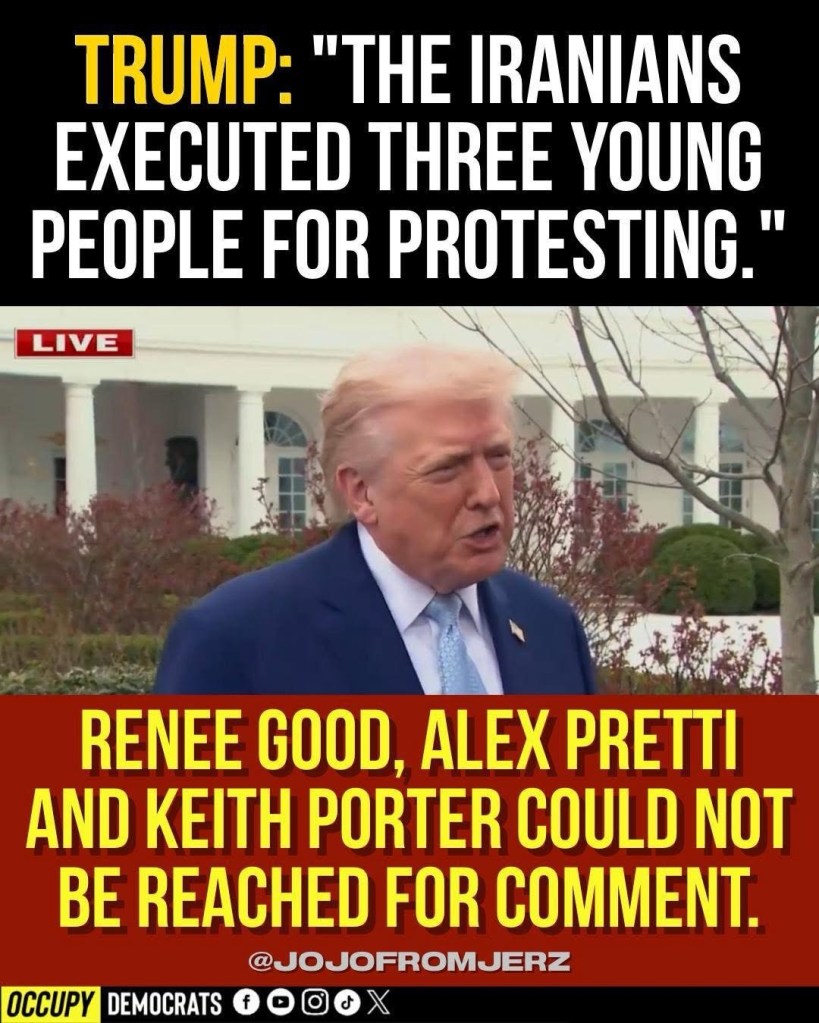
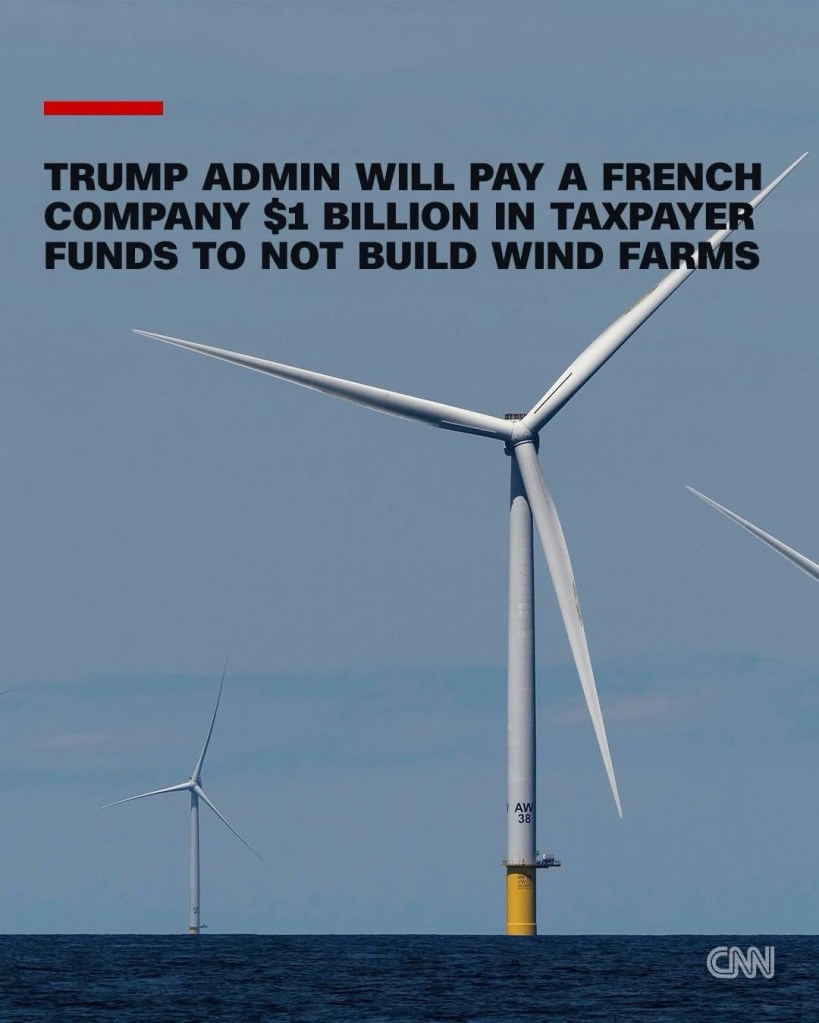




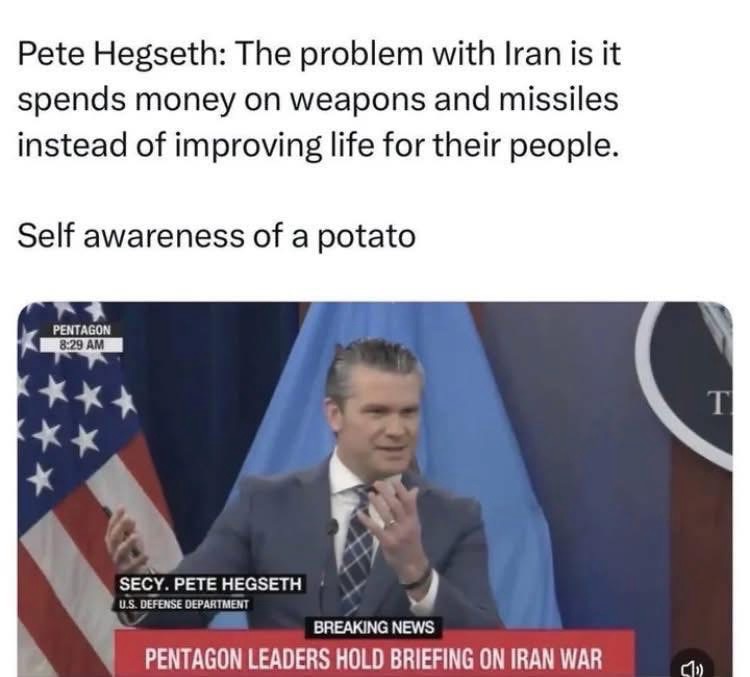
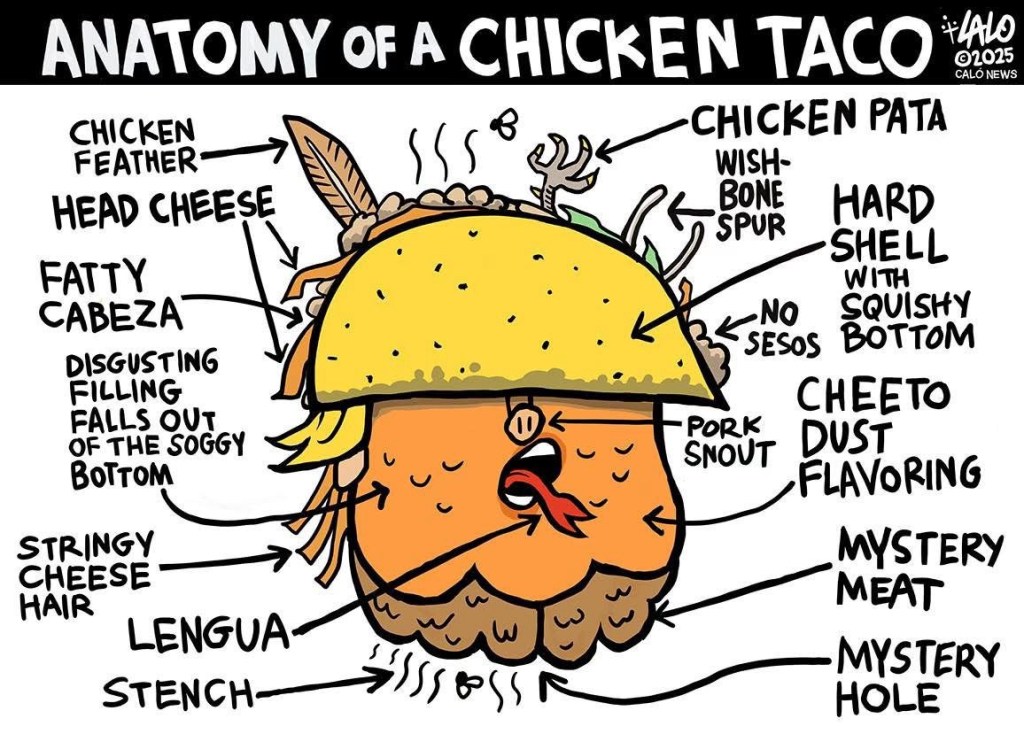
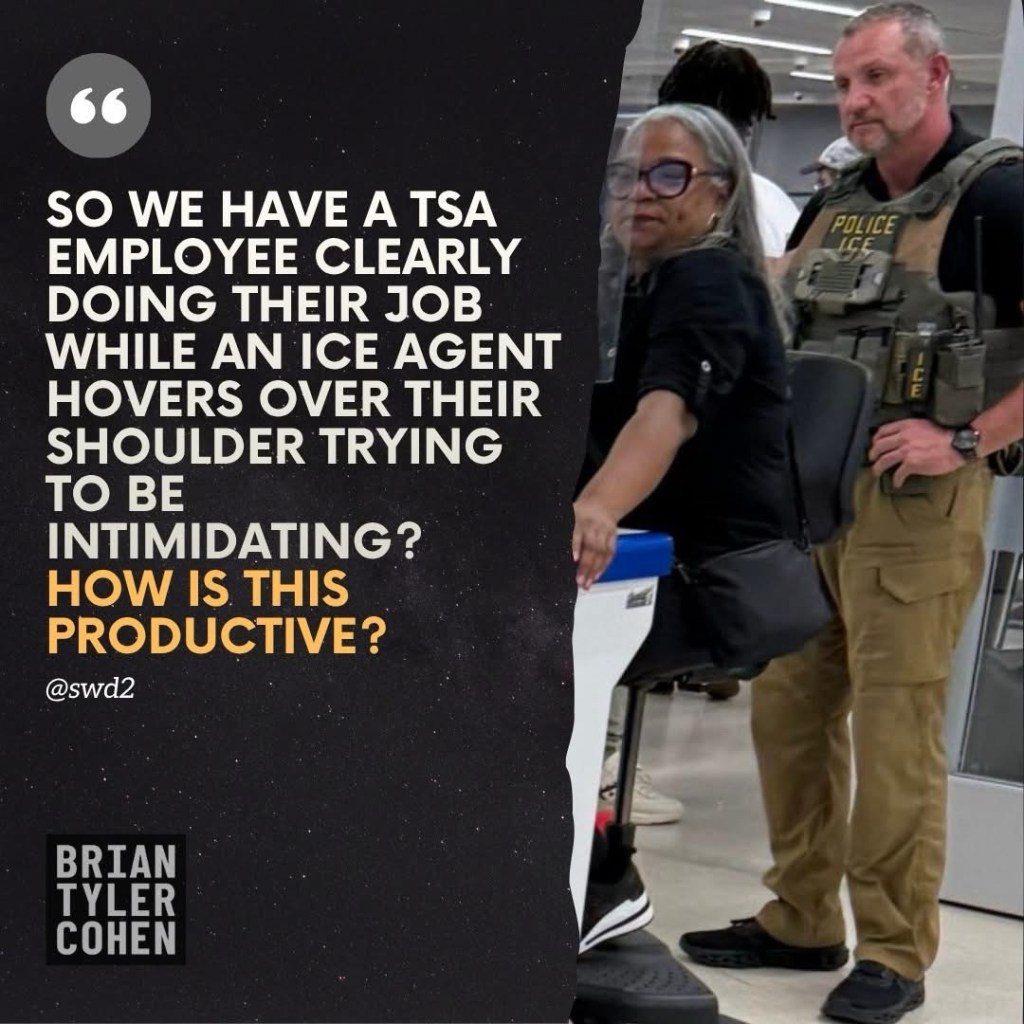
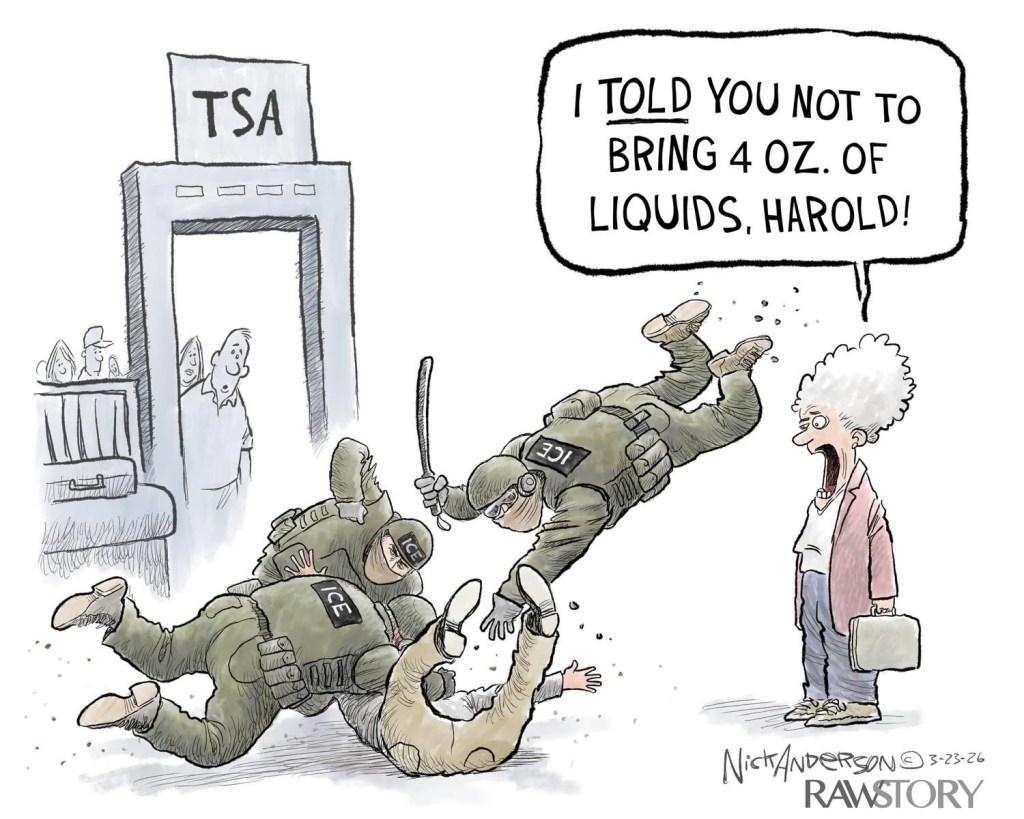
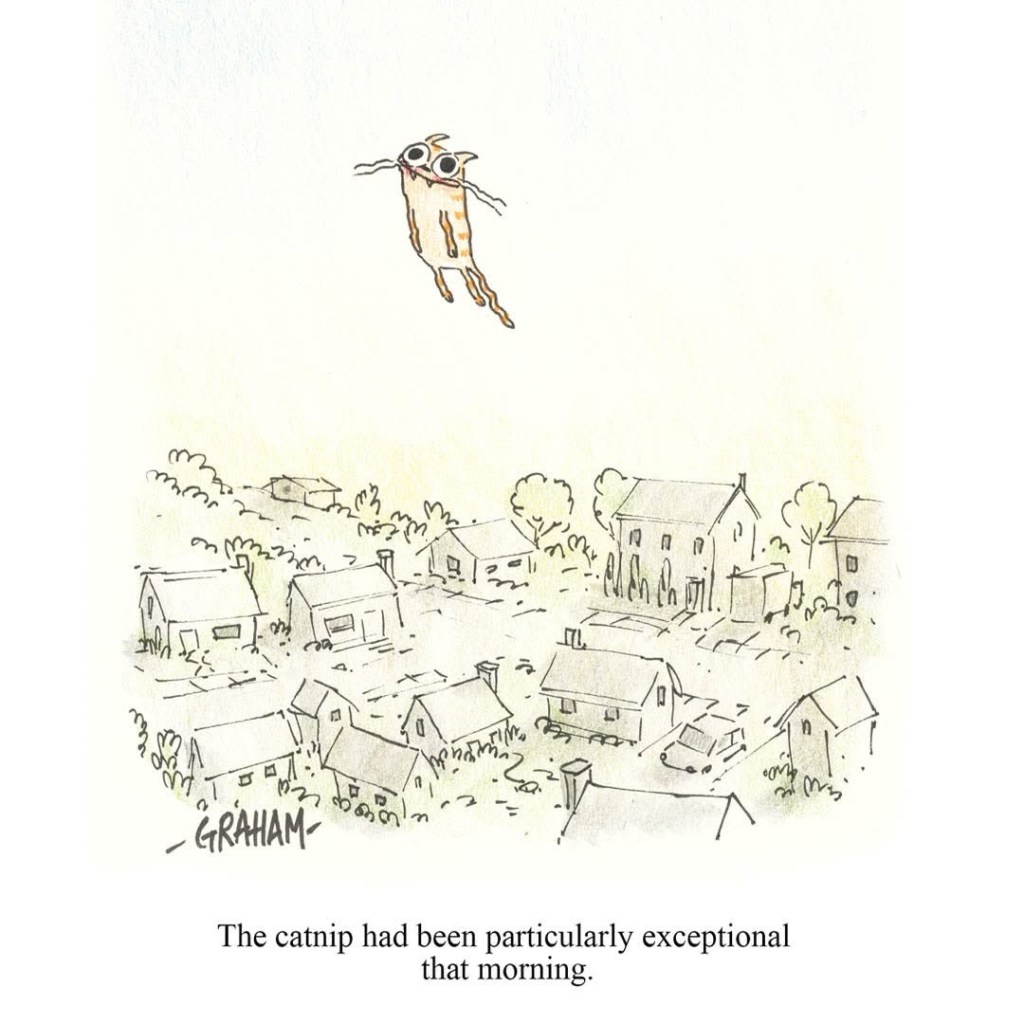
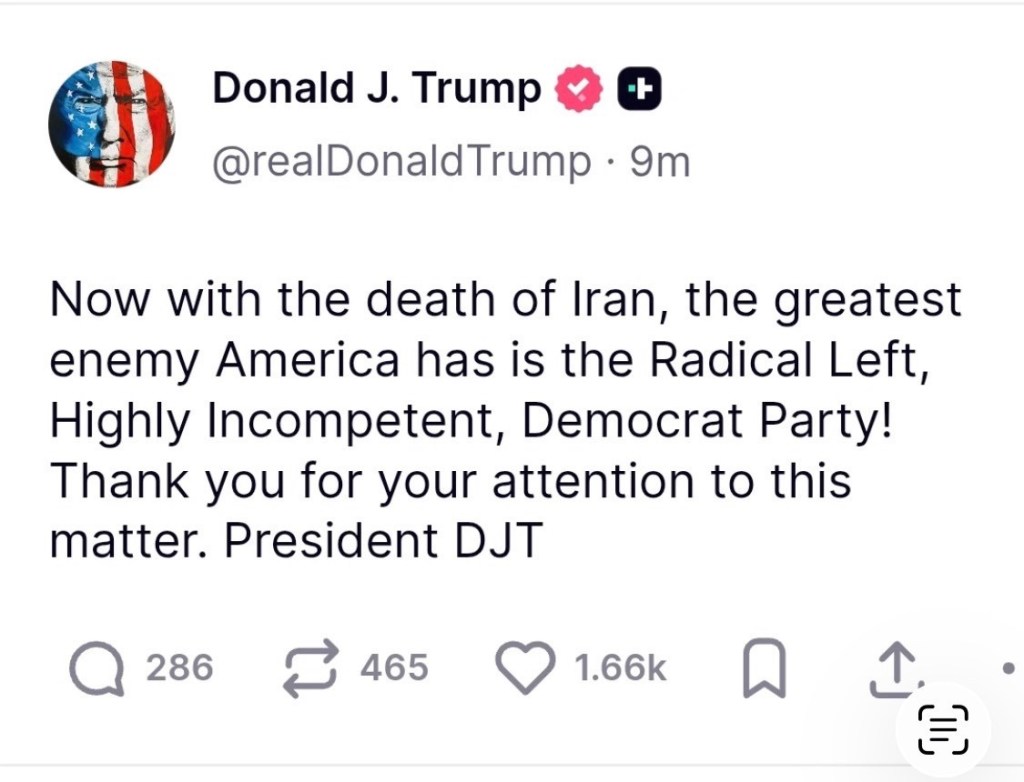
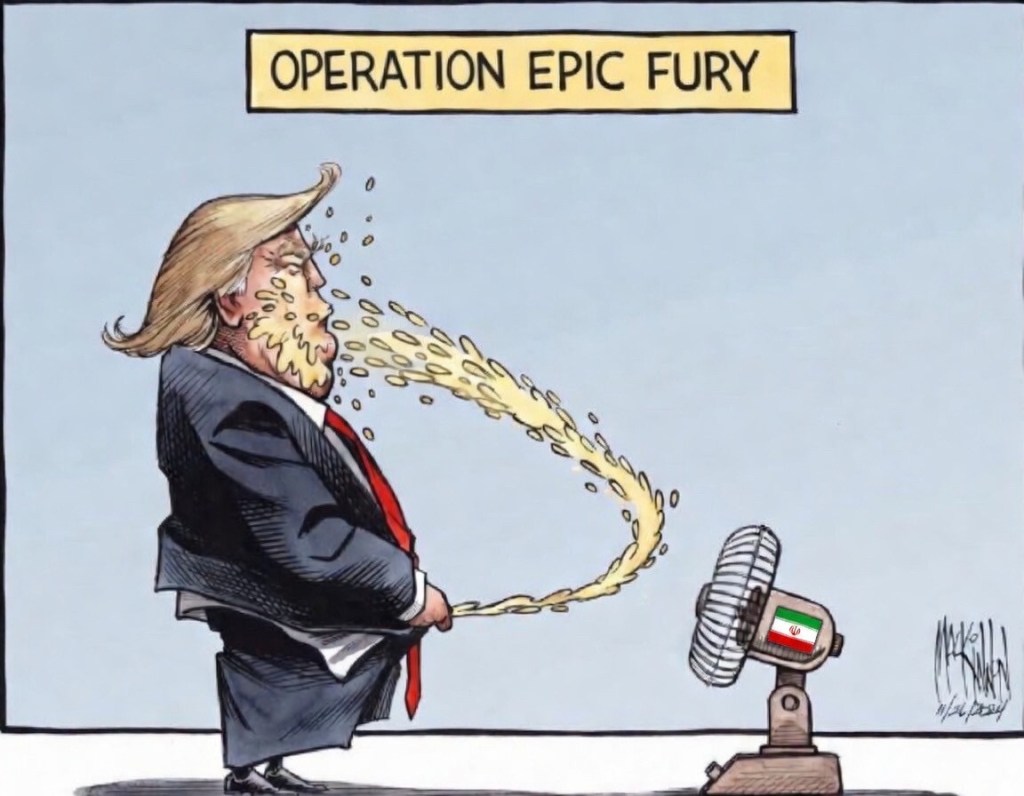


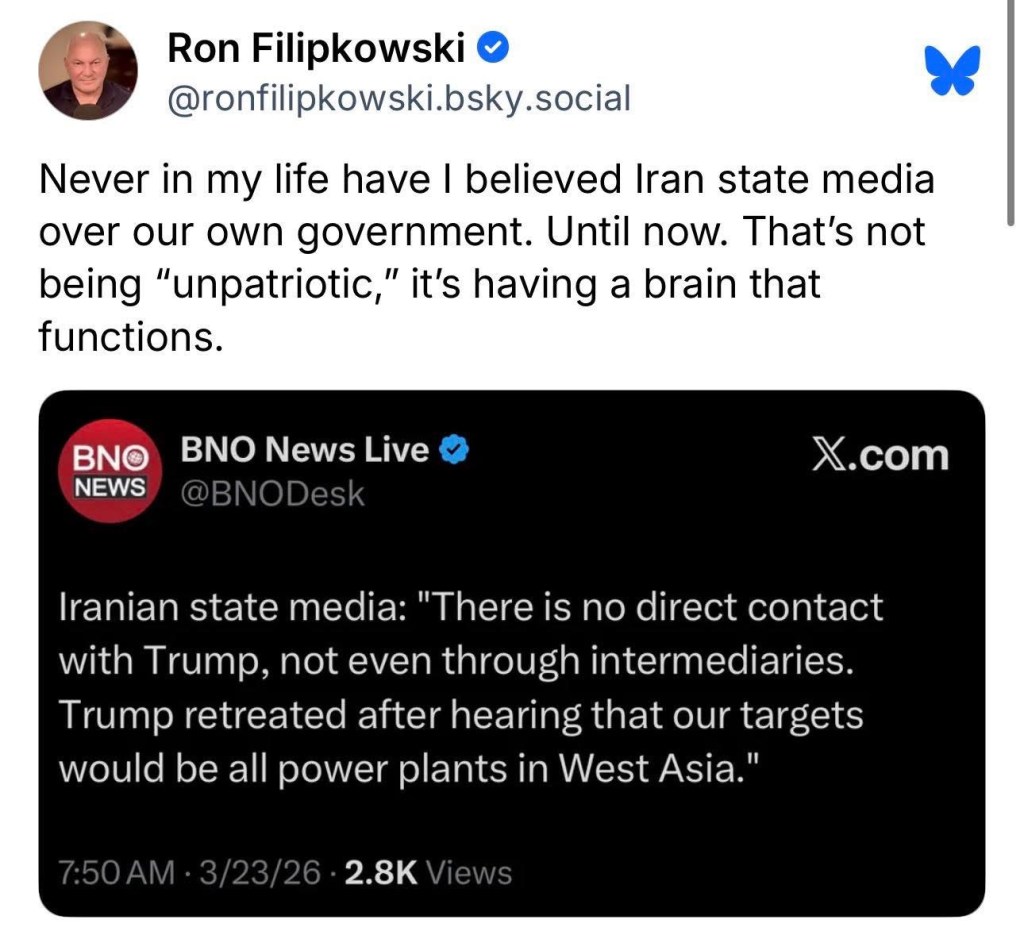
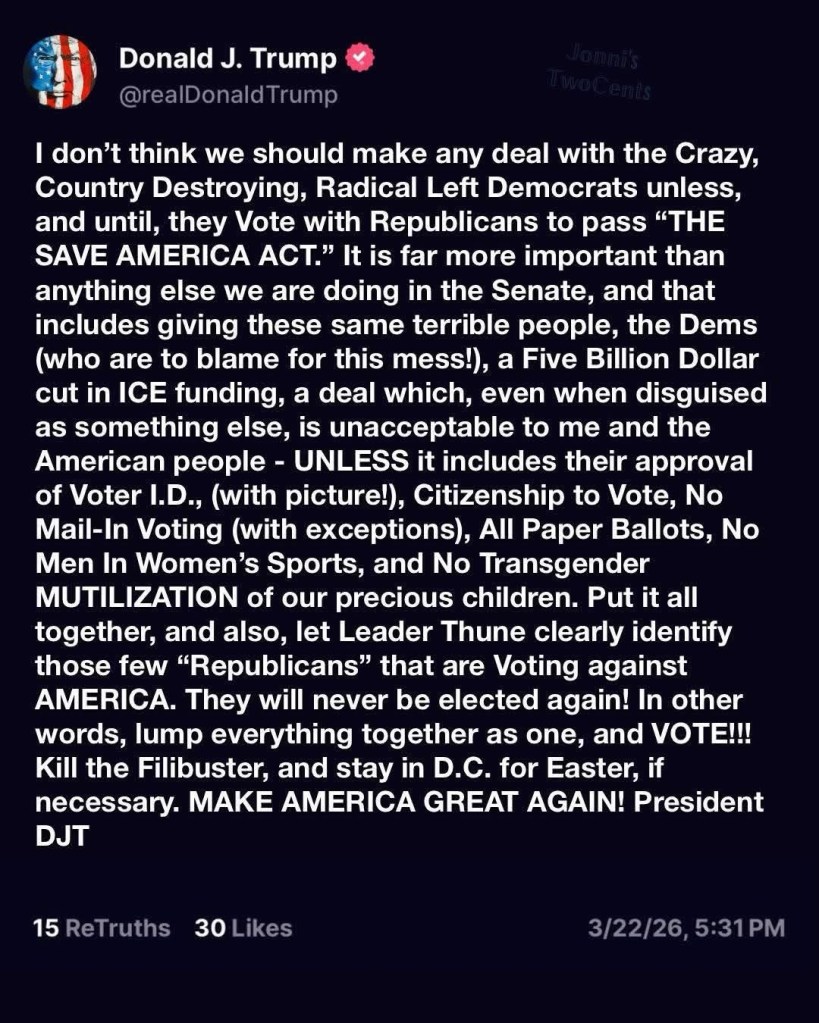
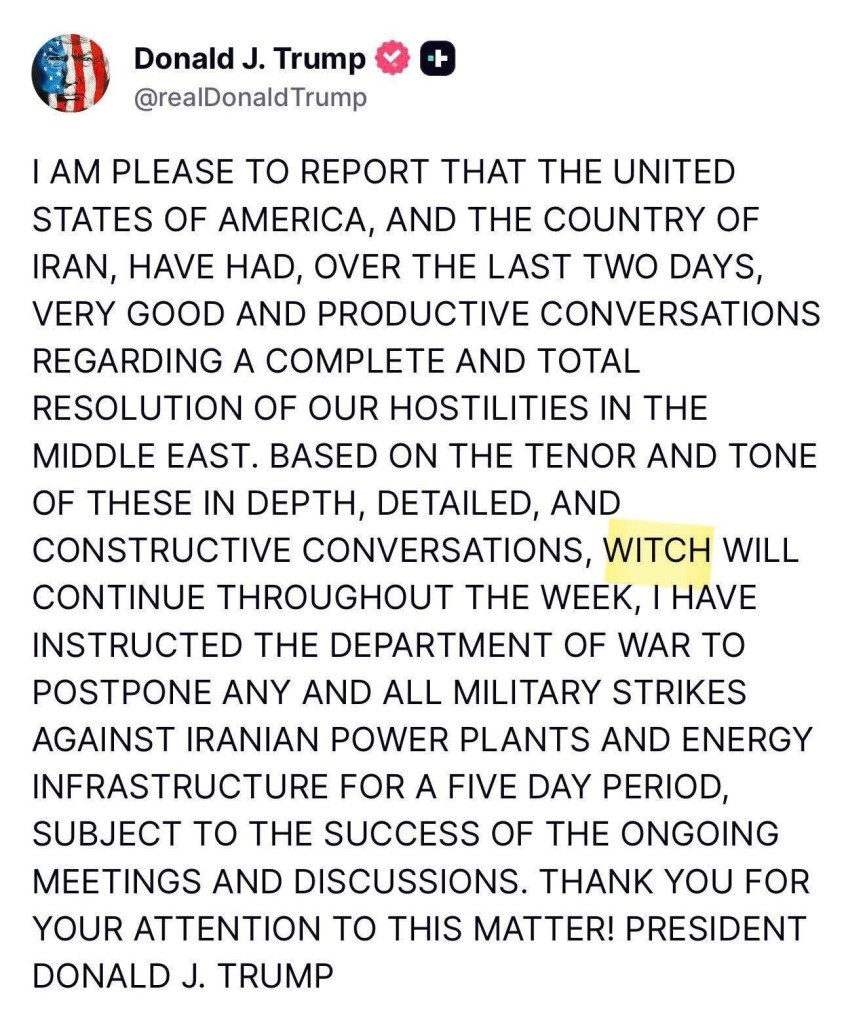
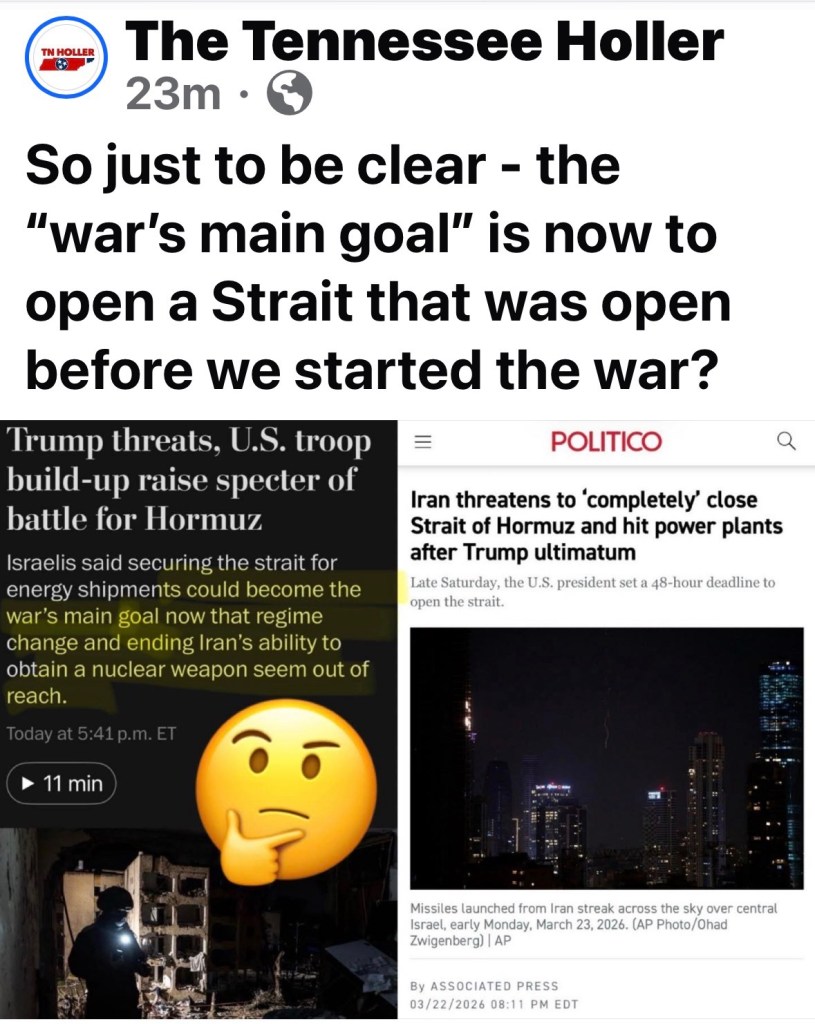
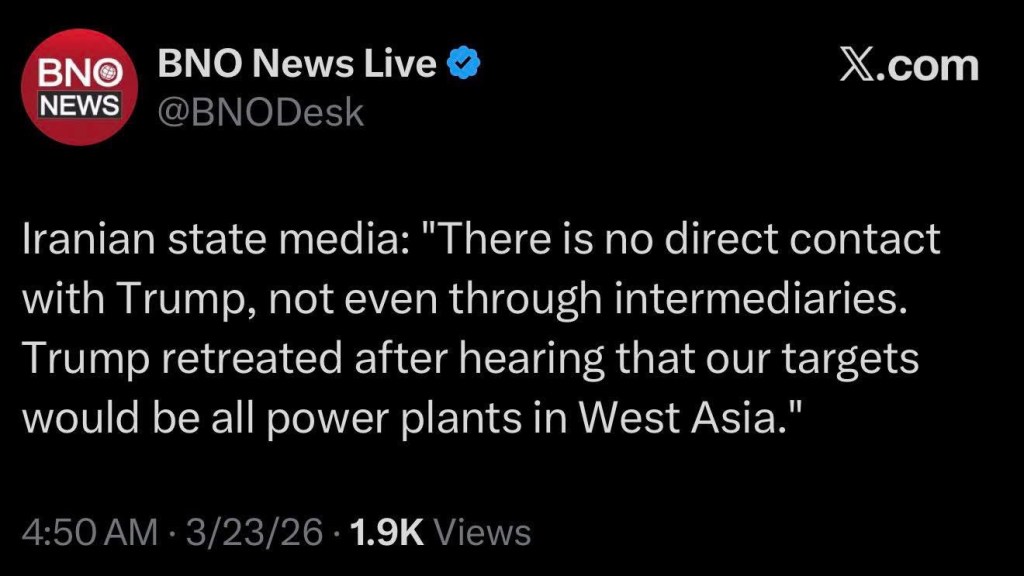

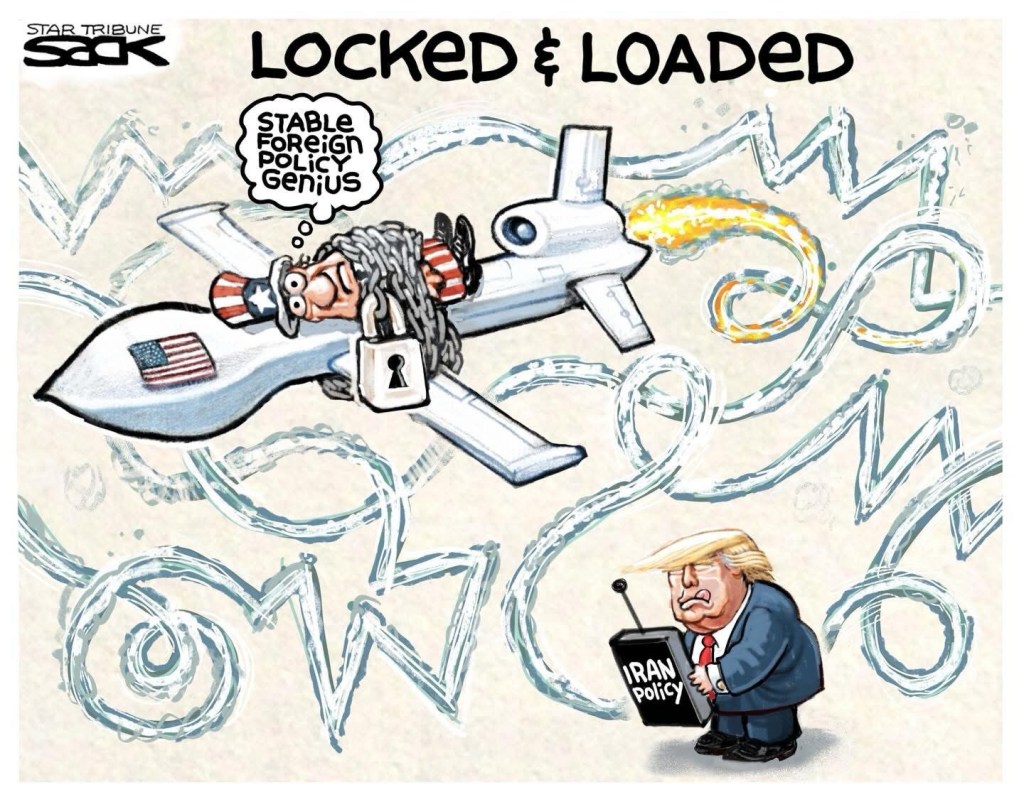
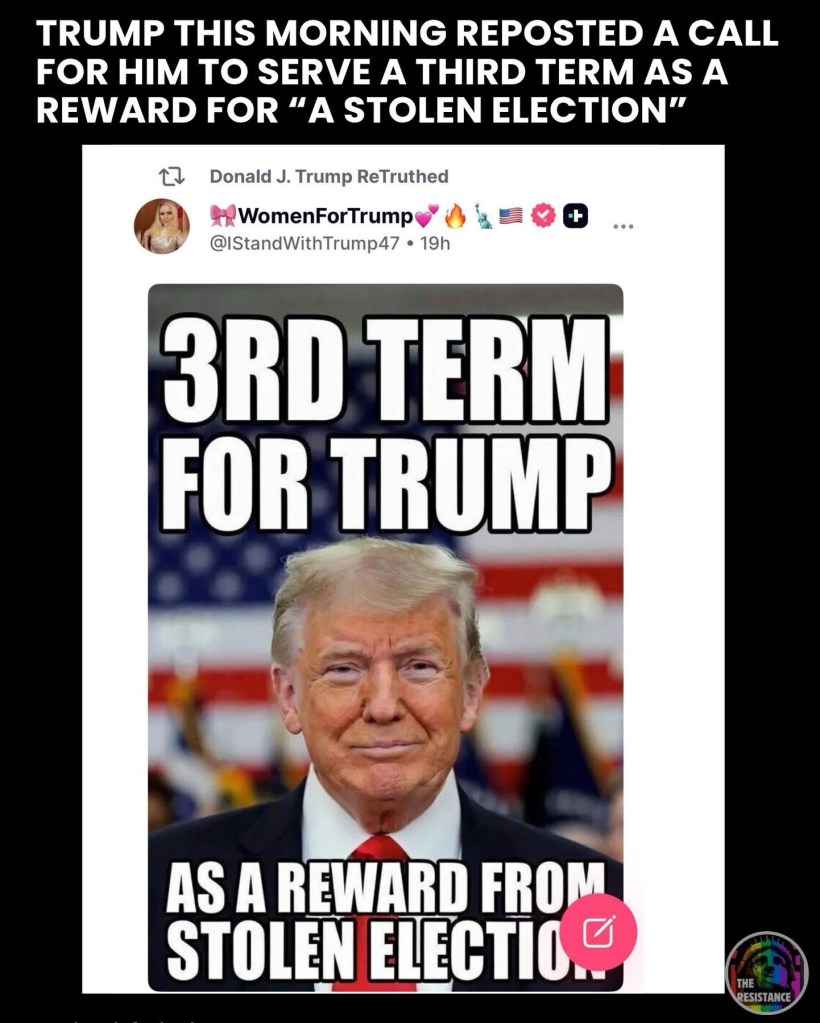


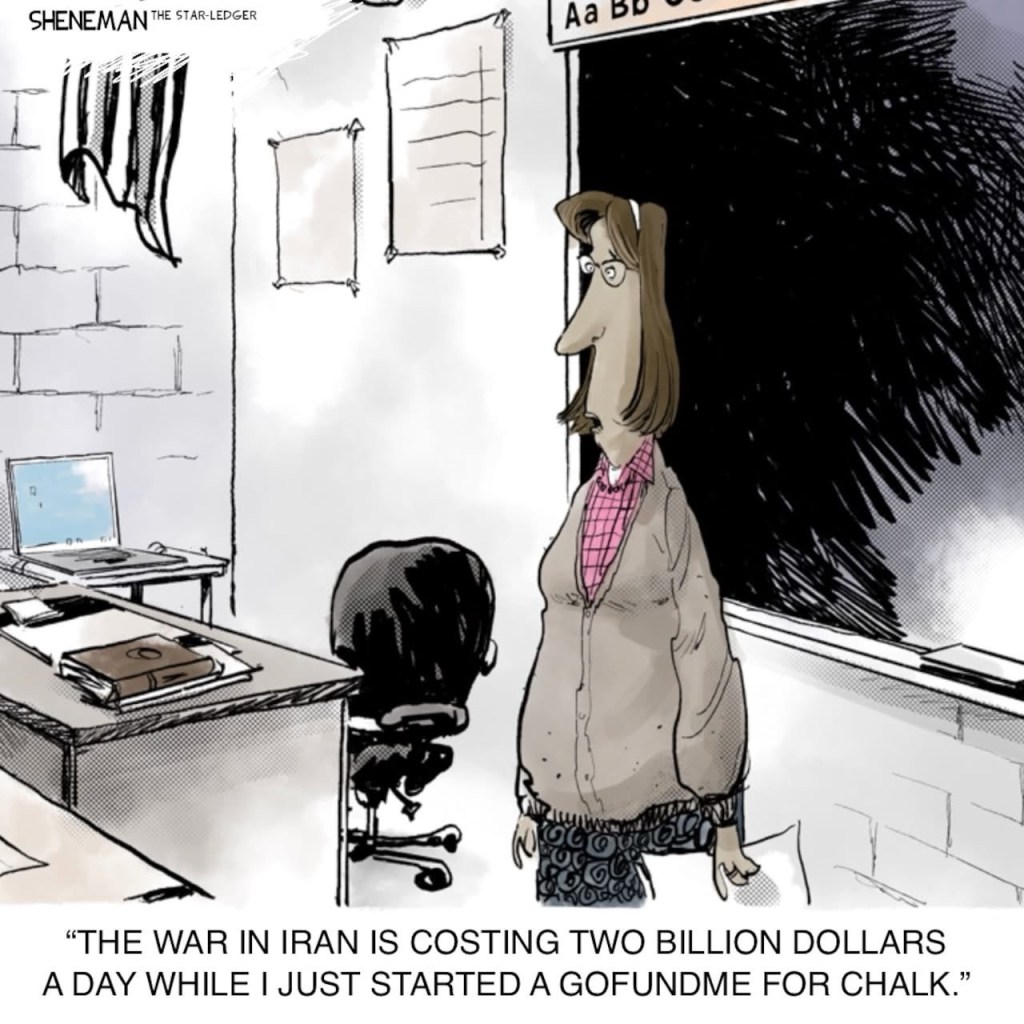

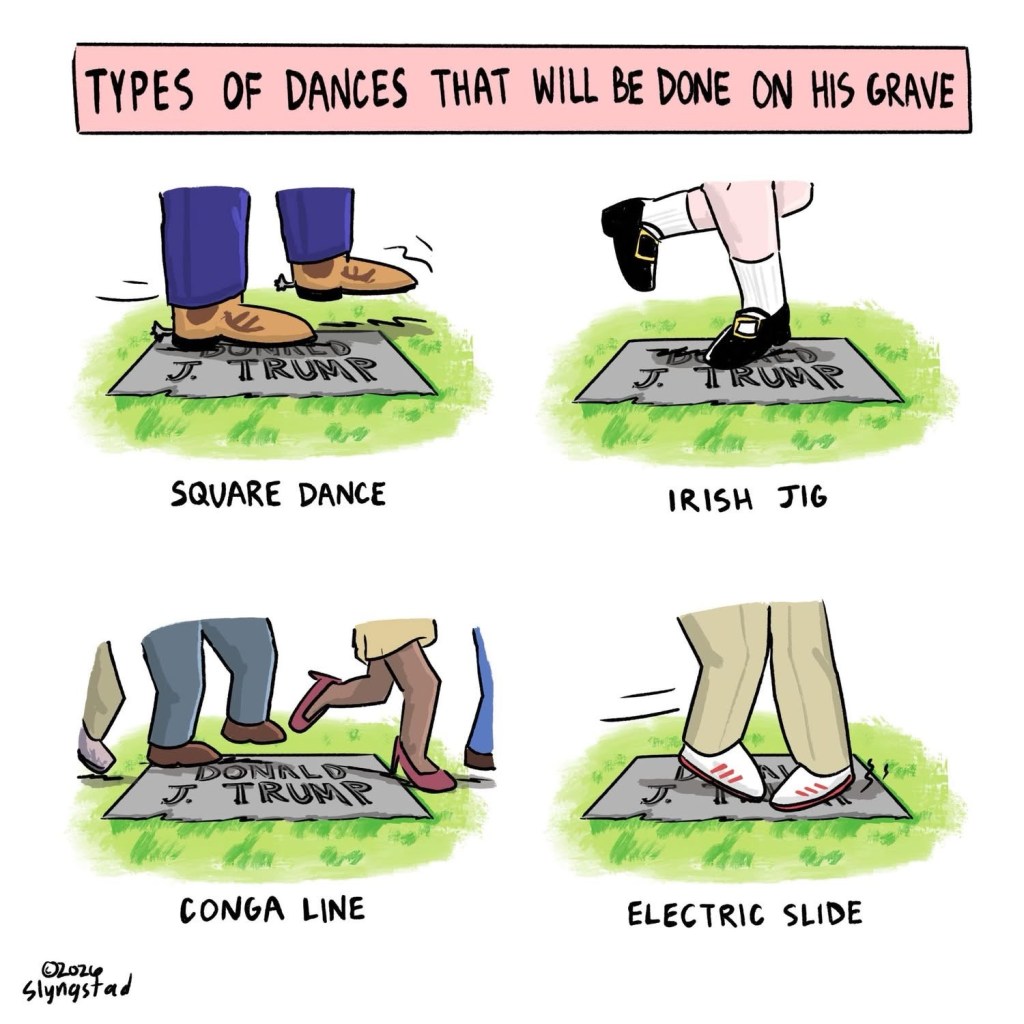

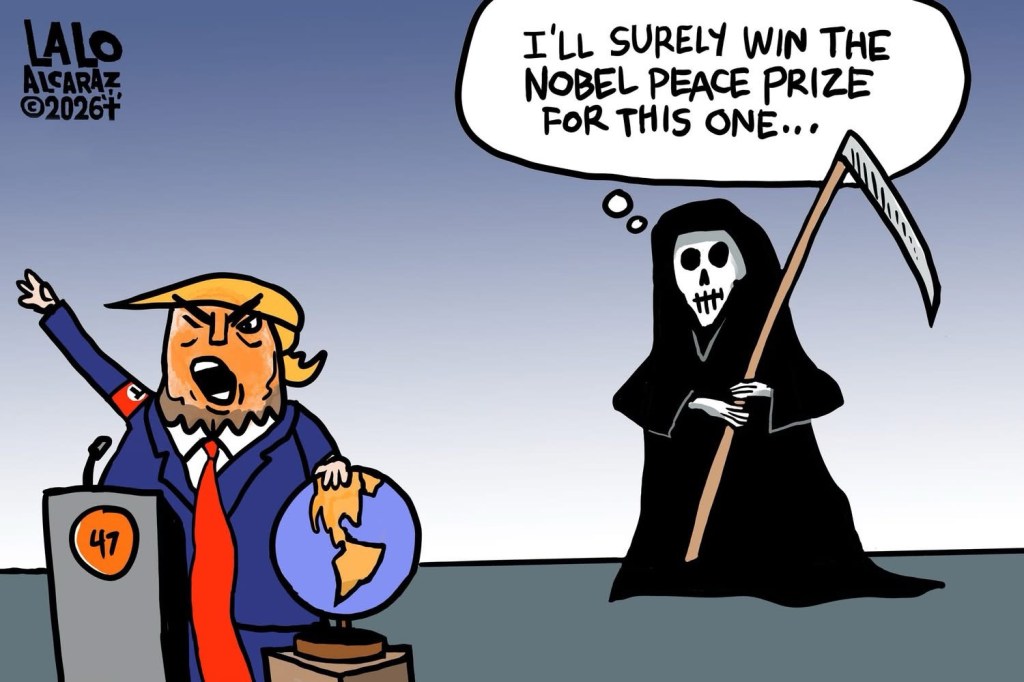
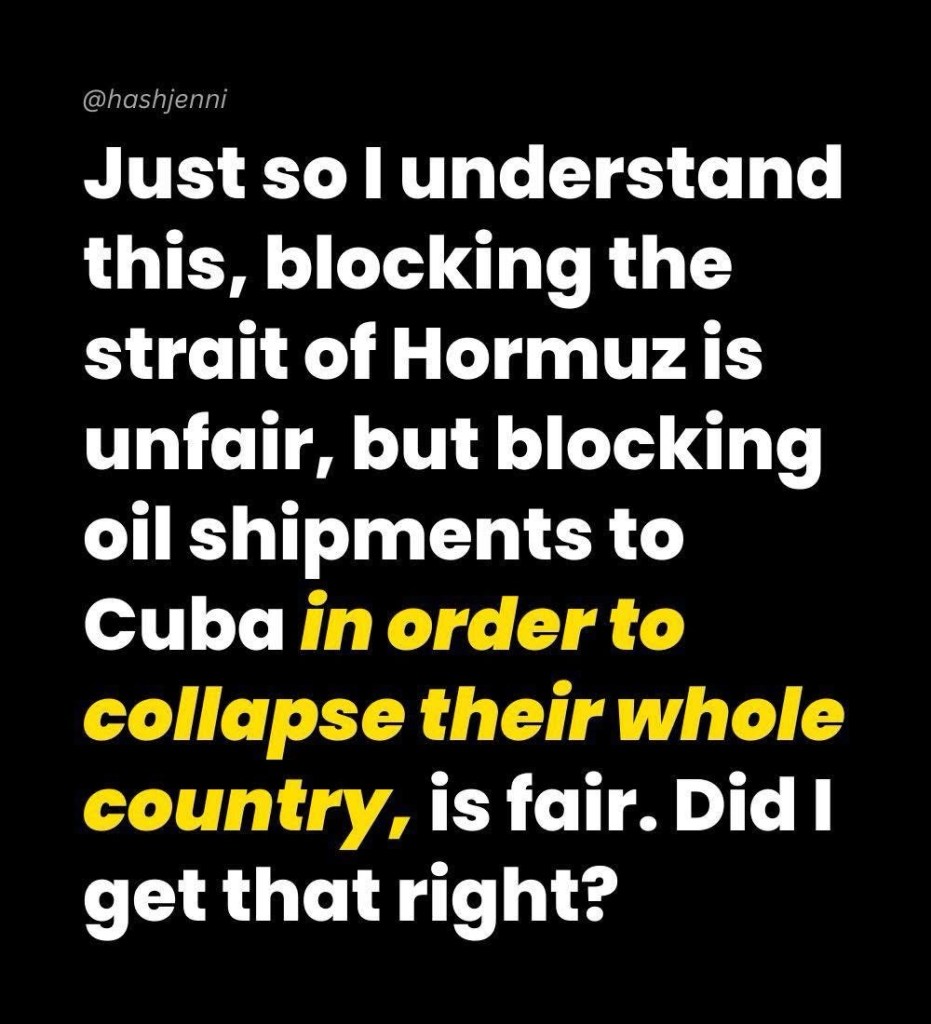

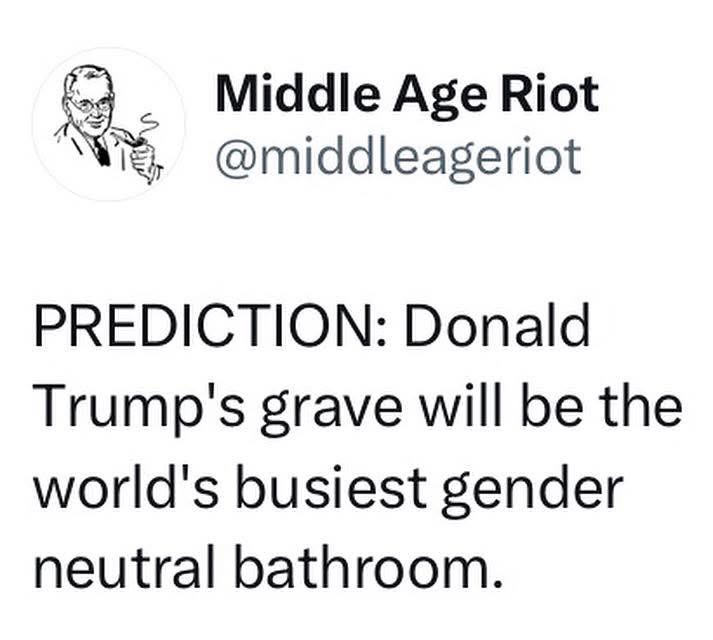
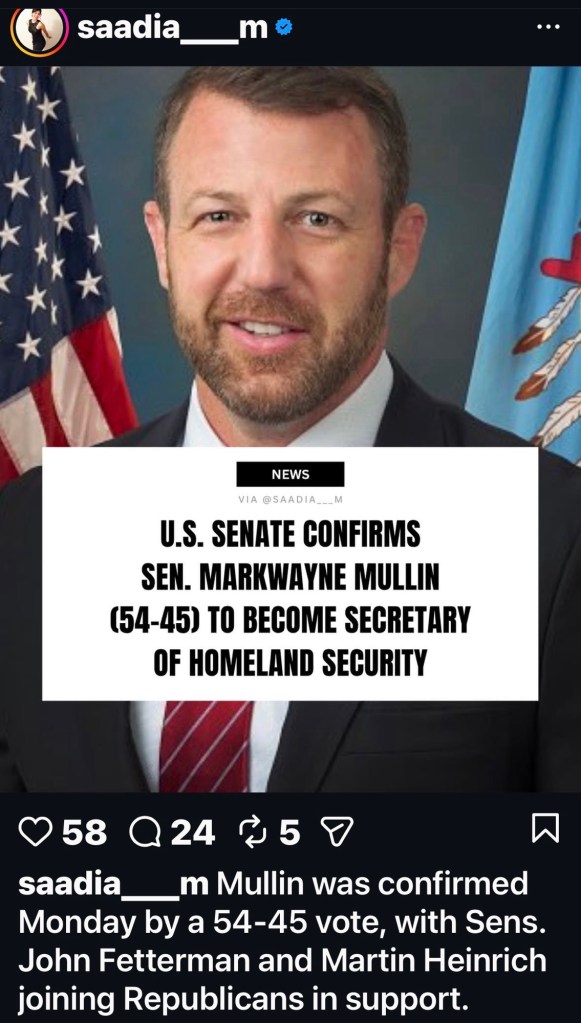
This is an open thread, stay safe out there.
Mostly Monday Reads: Nothing Fit to Read
Posted: March 23, 2026 Filed under: Foreign Affairs, morning reads, U.S. Economy | Tags: @johnbuss.bsky.social John Buss, Cadet Bonespur's Iran War, Energy Crisis, ICE in Air Ports, New Orleans, SCOTUS decisions, Strait of Hormuz 7 Comments
“Trump issues heartfelt condolences upon hearing of the death of former republican FBI Director Robert Mueller while golfing.” John Buss, @repeat1968
Good Day, Sky Dancers!
The headlines today demonstrate exactly how far down the drain our country has gone in a very short period. Here in New Orleans, we’re inundated once again by ICE and the National Guard. They’re taking on TSA duties at the Airport. “ICE agents begin patrol at New Orleans airport as security lines surge for second day.” These folks have proved themselves to be violent, untrained cretins, yet our Governor, himself a cretin, welcomes them wholeheartedly. Can you imagine a better way to wreck the tremendous amount of tourist business and the incredible trade that comes here from South America? This NOLA.COM article provides brief details of the unfolding situation.
U.S. Immigration and Customs Enforcement deployed to Louis Armstrong International in New Orleans Monday morning as airports across the country continue to battle delays and security agent sick-outs amid a partial government shutdown.
ICE’s presence comes days after President Donald Trump said he would send agents to airports to help with long lines caused by the shutdown. The New York Times confirmed that the New Orleans airport was one of 14 where ICE would be deployed to assist Transportation Security Administration workers.
“The airport has staff on hand to help keep the lines organized and will continue to coordinate with the TSA as they navigate this issue. The airport has also been advised by the TSA that additional security resources from the federal agency, ICE, are onsite on Monday to support TSA security functions,” MSY spokesperson Erin Burns said in a statement.
Be sure to take a look at the photos in this article. Our airport looks like it’s undergoing a military takeover. They’re supposedly going unmasked, but the vests and colors just are not a good look imho.
According to TSA experts, this move is useless. This is from the Government Executive, as reported by Eric Katz. “‘No practical use’: TSA experts say Trump’s ICE deployments won’t help with airport security. More than 400 TSA employees have left the agency since the shutdown began last month, White House says.”
President Trump will beginning Monday shift Immigration and Customs Enforcement personnel to airports to provide security there in a move he said will alleviate long lines created by shutdown-induced callouts but which experienced TSA officials said would have minimal impact.
The unusual approach comes as Trump administration officials have repeatedly lamented that Transportation Security Administration employees are calling out and quitting the agency due to the shutdown’s impact on paychecks, lengthening wait times at many airports around the country. Details of the assignments were not clear as of Sunday, despite Trump declaring that the airport deployments would occur on Monday. Tom Homan, the White House’s border czar, told CNNon Sunday that he was “working on the plan” and would come up with one soon.
Several current and former TSA officials told Government Executive that ICE personnel will be limited in what they can accomplish at airports, as they will not have the requisite training to check identification, examine luggage x-rays or provide other key security services. TSA employees go through classroom and on-the-job training before they can staff those roles, the officials said.
“It serves no practical use,” said one former official with decades of federal experience who declined to be named out of fear of professional reprisal. “It’s a political, publicity action, not a practical solution.”
Homan suggested ICE employees could staff the areas where travelers exit their terminals, though former officials noted many airports already use non-TSA personnel for those areas.
A second former senior TSA official added there are almost no functions ICE staff would be capable of offering.
“They can basically provide little help,” the former senior employee said.
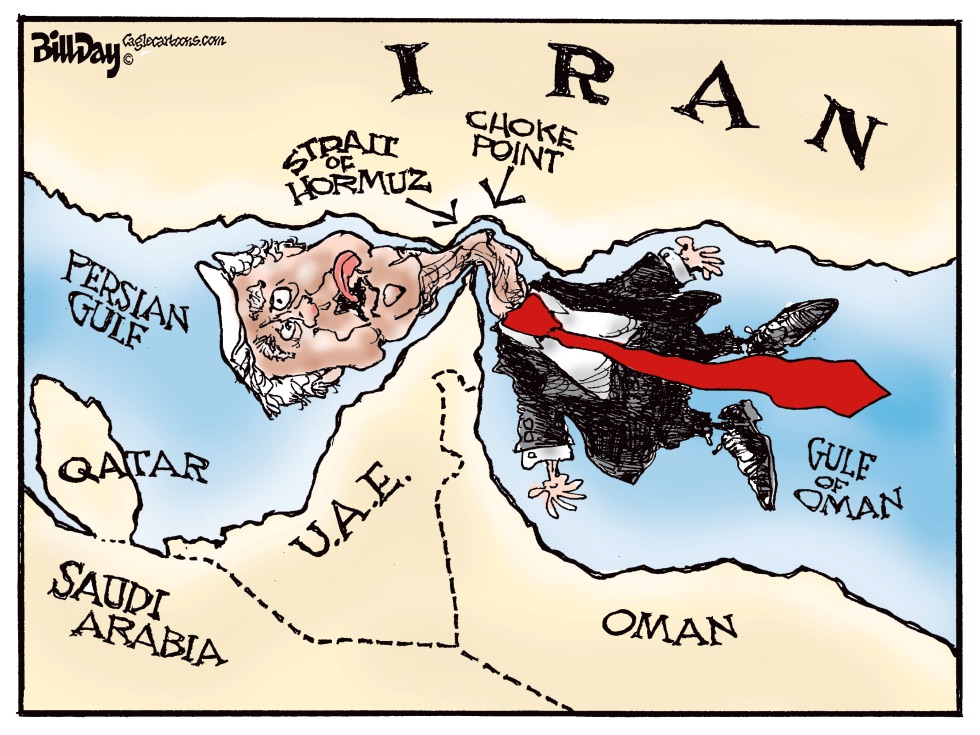
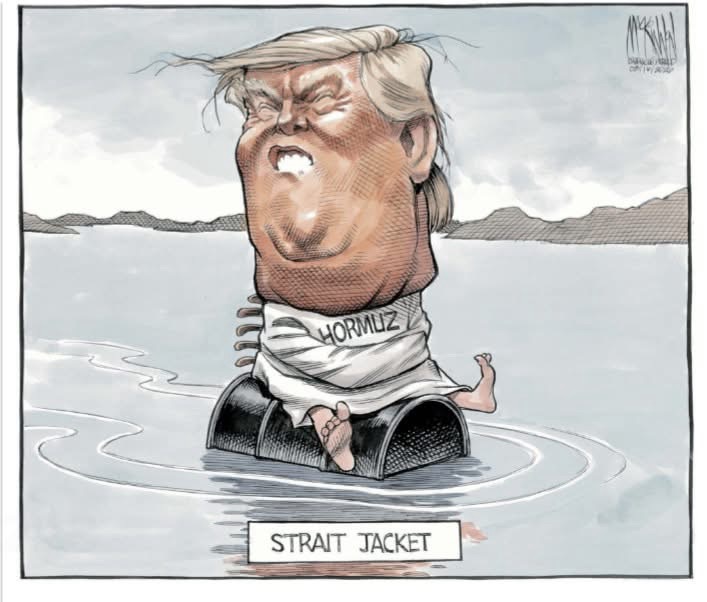
 The Iran War is a misguided, mismanaged mess. This is from the AP. “Hormuz strategy raises questions about US war preparation.” The headlines on the war today are as scattered as Orange Caligula’s thought process. The analysis is by Collin Binkley.
At war with Iran, President Donald Trump is cycling through an increasingly desperate list of options as he searches for a solution to the crisis in the Strait of Hormuz. He has jumped from calls to secure the waterway through diplomatic means to lifting sanctions and now escalating to a direct threat against civilian infrastructure in the Islamic Republic.
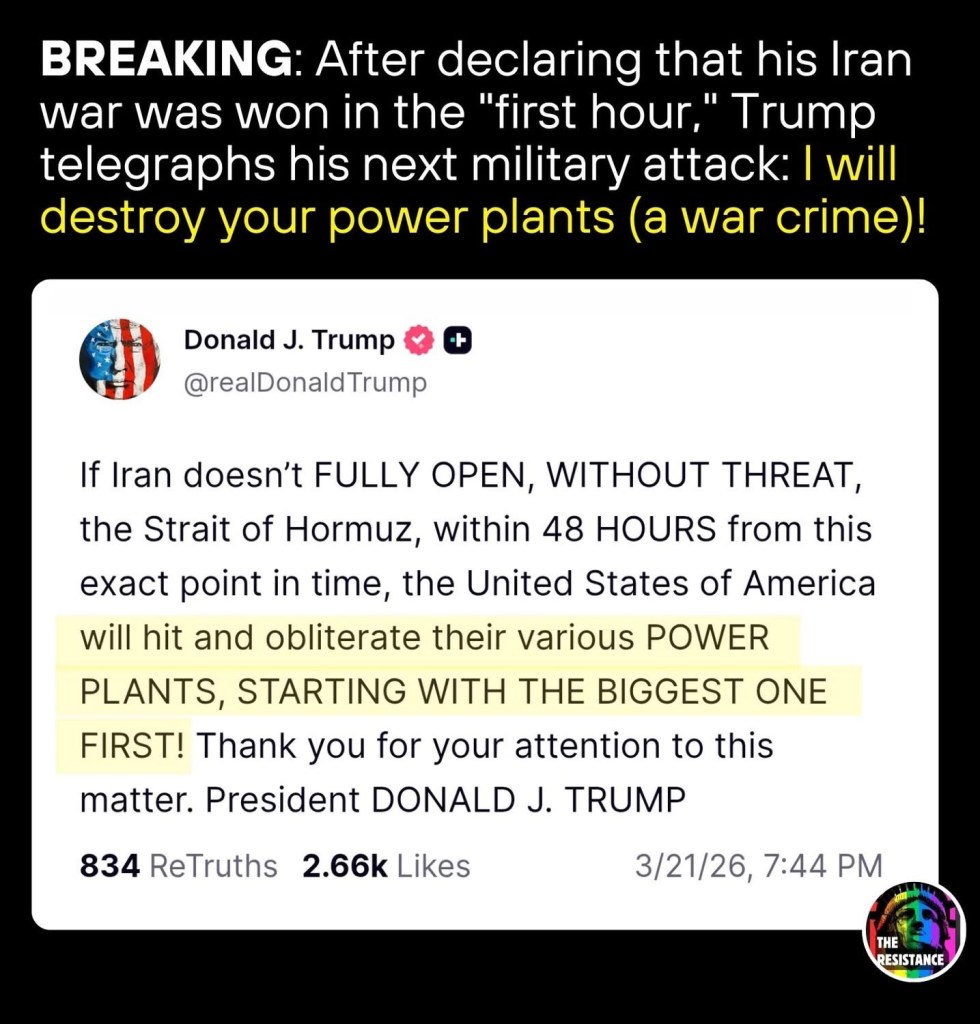
Trump and his allies insist they were always prepared for Iran to block the strait, yet the Republican president’s erratic strategy has fueled criticism that he is grasping for answers after going to war without a clear exit plan. On Saturday came his latest attempt, via an ultimatum to Iran: Open the strait within 48 hours or the United States will “obliterate” the country’s power plants.
Trump’s aides defended the threat as a hard-edged tactic to press Iran into submission. Opponents framed it as the failure of a president who miscalculated what it would take to get out of a geopolitical mire.
“Trump has no plan to reopen the Strait of Hormuz, so he is threatening to attack Iran’s civil power plants,” said Sen. Ed Markey, D-Mass, adding: “This would be a war crime.”
“He’s lost control of the war and he is panicking,” said Sen. Chris Murphy, D-Conn., responding to Trump’s post.
Over the course of about a week, Trump has repeatedly shifted his approach on the crucial waterway for global oil and gas transport. There is growing urgency for Trump as soaring oil prices rattle global markets and pinch American consumers months before pivotal midterm elections.
 As mentioned before, the cost of this war will be devastating to the Global and U.S. economies. This is from The Economist. “Even the best-case scenario for energy markets is disastrous. Whatever happens, high prices will outlive the Iran war.”
THE THIRD Gulf war is now in its fourth week. Every day that Iranian strikes on ships keep the Strait of Hormuz shut, around a fifth of the world’s output of oil and liquefied natural gas (LNG) remains stranded. Every day, therefore, traders update how much supply is lost for the year. As their estimates rise, so do energy prices. Brent crude, at around $100 a barrel, is 40% dearer than before hostilities began. Gas prices in Europe are up by 70%.
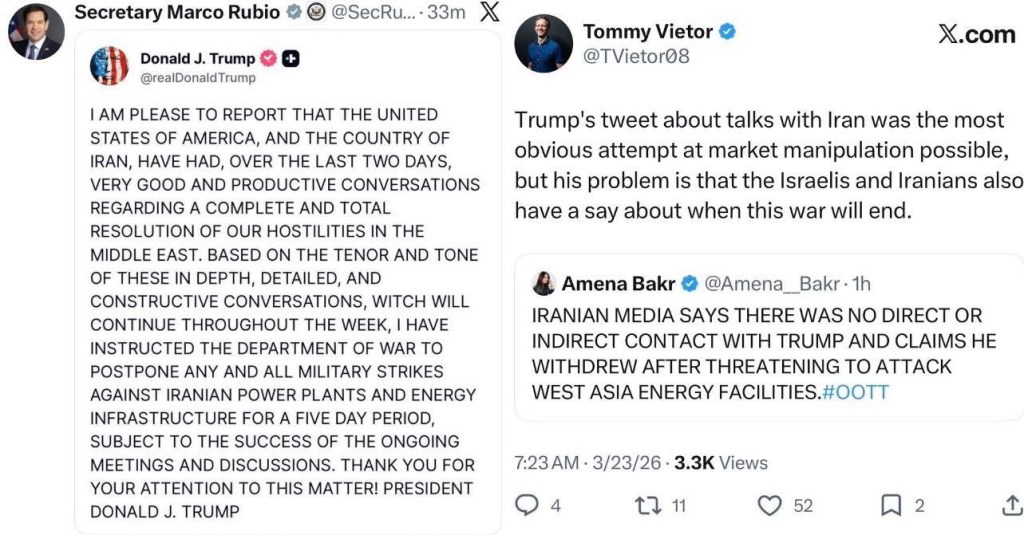
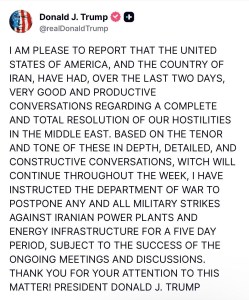
The reason they are not much higher is that investors expect flows to resume soon. On March 23rd Donald Trump postponed a threat to strike Iran’s power plants unless Hormuz reopens, saying he had had “productive conversations [with Iran] regarding a complete and total resolution of our hostilities in the Middle East”. Financial bets that prices will fall (“put” options) outnumber those expecting a rise (“call” options) for July deliveries and onwards (see chart 1). Account for transport lags, in other words, and investors expect normality by May.
To assess those expectations, The Economist calculated how long normalisation would take if the war ended today. Even if Mr Trump’s talks succeed and the strait reopens in a few days, a big “if”, global oil and gas markets would remain undersupplied for months, hurting the world economy.
For energy markets to right themselves once Hormuz reopens, three things need to happen. First, Gulf producers must restore output to pre-war levels. Second, ships must ferry that output to refiners abroad. And third, those refiners must process it into usable fuel. Each stage of this industrial relay takes time.
The latest situation is that planned attacks on power plants are being postponed with the usual TACO maneuver. This is reported by The Bulwark‘s William Kristol. “The Least Worst Option. Better to TACO Than Not to TACO. Trump chickened out again . . . for now.” Why is Orange Caligula’s crap always put on Truth Social instead of given the normal press treatment? Also, our attention to anything appears to be what he wants, always.
Early this morning, with about twelve hours left in his 48-hour ultimatum threatening Iran’s civilian power plants, President Trump announced:
Some may cry, “TACO!” And they’d be right. But just over three weeks into his ill-advised and incompetently managed war, Trump had reached a fork in the road from which neither path led to a happy place. He’s chosen the less bad option—for now.
The other, disastrous path would have been escalation. Trump seemed to be heading down that road Saturday afternoon, when he threatened to bomb Iran’s civilian power plants:
If Iran doesn’t FULLY OPEN, WITHOUT THREAT, the Strait of Hormuz, within 48 HOURS from this exact point in time, the United States of America will hit and obliterate their various POWER PLANTS, STARTING WITH THE BIGGEST ONE FIRST!
And he echoed this threat just yesterday, during a phone interview with Israel’s Channel 13: “You’ll find out what’s gonna happen. You’re gonna find out soon. It’s gonna be very good. Total decimation of Iran.”
Though Trump has now delayed this decision for another five days, it’s worth pondering what would have happened (and what could still happen) if he’d chosen escalation.
One assumes that the United States military would have refused to obey orders to commit a war crime like attempting the “total decimation” of a country.
But even if the military had gone ahead with some version of striking Iran’s civilian power plants, Iran would surely have responded by attacking similar targets in the Gulf, which they’ve shown they retain the capacity to do. The war would have widened and its economic effects would have worsened. And then we would have been faced with the possible introduction of ground troops to secure the Strait—which would have invited an extended conflict and an even more severe economic crisis.
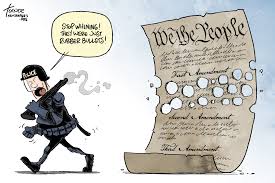 This headline is from Lawrence Hurely reporting for NBC News. “Supreme Court rejects citizen journalist’s case against Texas officials who arrested her for reporting. Officials in Laredo dropped the charges against Priscilla Villarreal but she then filed a civil rights lawsuit, alleging they violated her free speech rights under the First Amendment.”
The Supreme Court on Monday rejected an attempt by a citizen journalist to revive her civil rights claim after she was arrested for soliciting information from a police officer.
At issue in the case brought by reporter Priscilla Villarreal was whether the officials in Laredo, Texas, could claim the legal defense of “qualified immunity,” which would protect them from being sued. The court’s refusal to hear the case means her claim that the officials had violated the Constitution’s First Amendment, which protects freedom of speech, cannot go forward.
Liberal Justice Sonia Sotomayor dissented, saying the court made a “grave error” in declining to take up the case.
“It should be obvious that this arrest violated the First Amendment,” she wrote.
In 2017, Villarreal, who has a large local following via her Facebook page, had texted a police officer to confirm the identities of a suicide victim and a car accident victim, which were not yet public. She then reported what she had learned.
Officials had Villarreal arrested for allegedly violating an obscure state law that prohibits the solicitation of information from a public employee in order to obtain a benefit. The law, if enforced widely, could apply to journalists who routinely seek information from the government and then disseminate it tosubscribers.
Fascism. Are we there yet? Also, may I please have a day without extreme agita and anxiety? This year has quickly turned into one of mass torture. Also, please, I’d like to be able to afford groceries and things again. Can anyone make this go away? I’m way too old for this shit, and my grandchildren are way too young! Insert heavy sigh here. Back to my soothing morning cup of tea.
What’s on your reading and blogging list today?
Sunday Political Cartoons: Dang Good Soldier
Posted: March 22, 2026 Filed under: just because 8 Comments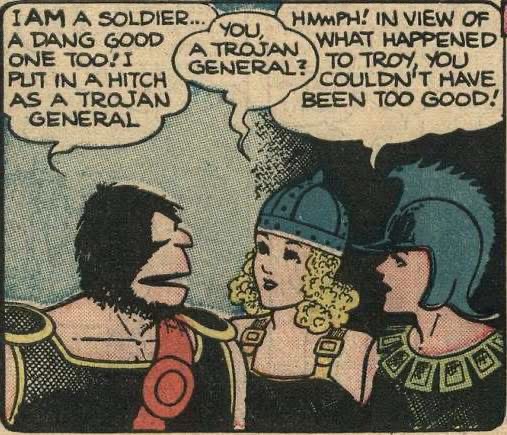
What the fuck?
Well, just going to stick with the cartoons and memes today.
Cartoons via Cagle:
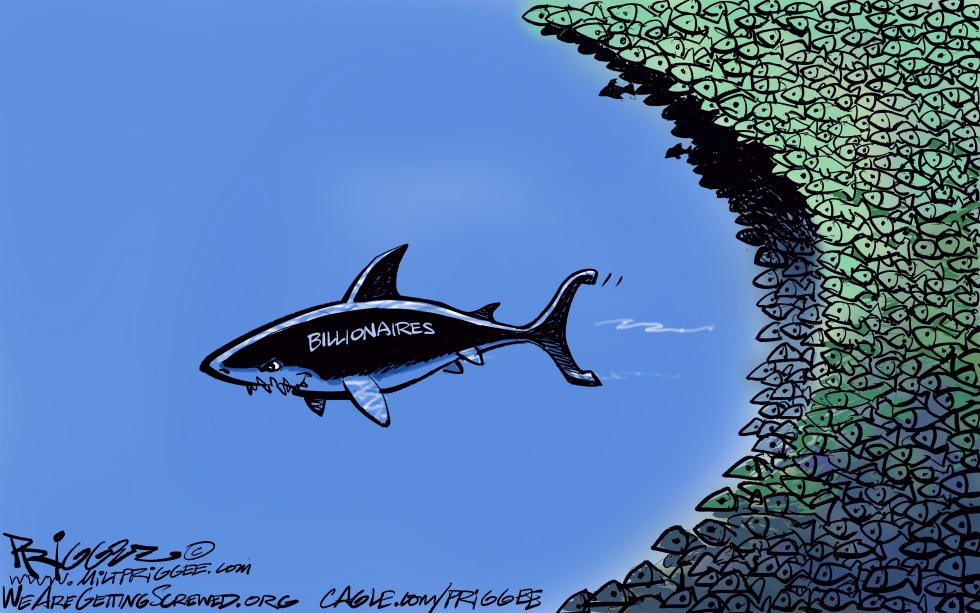
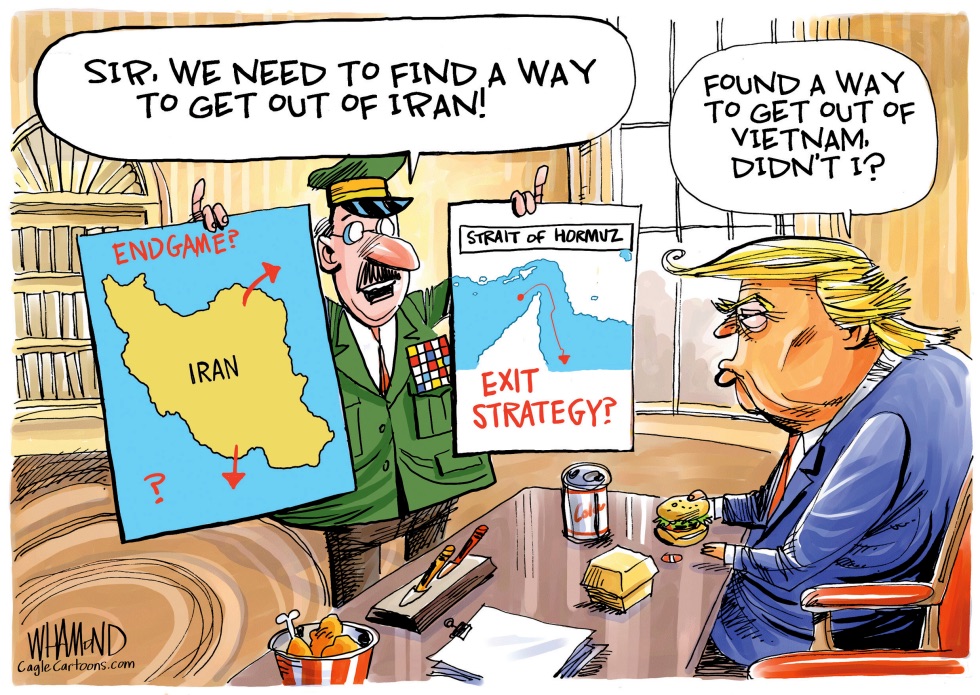
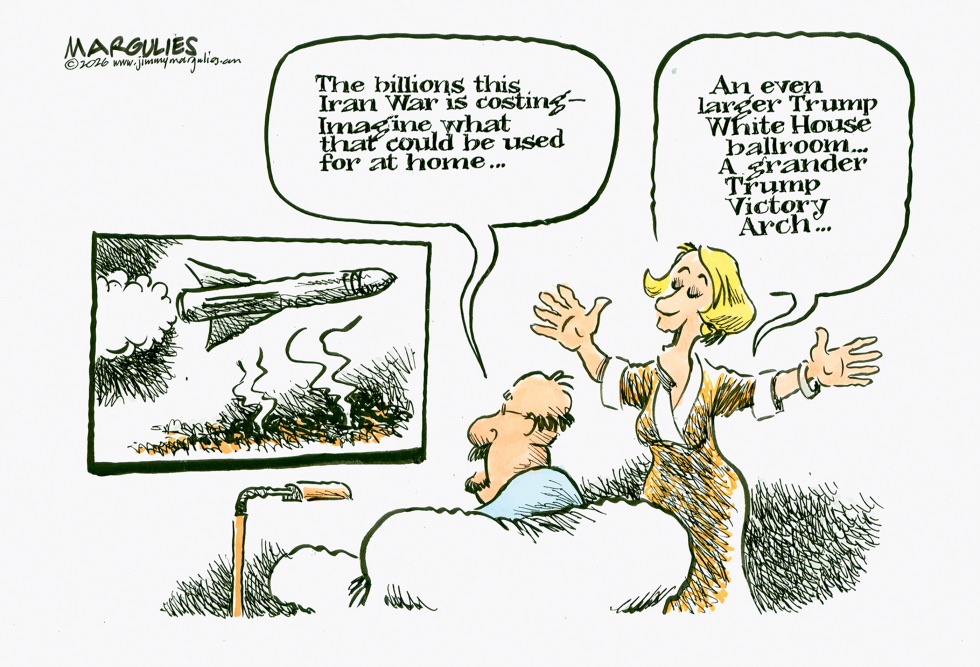

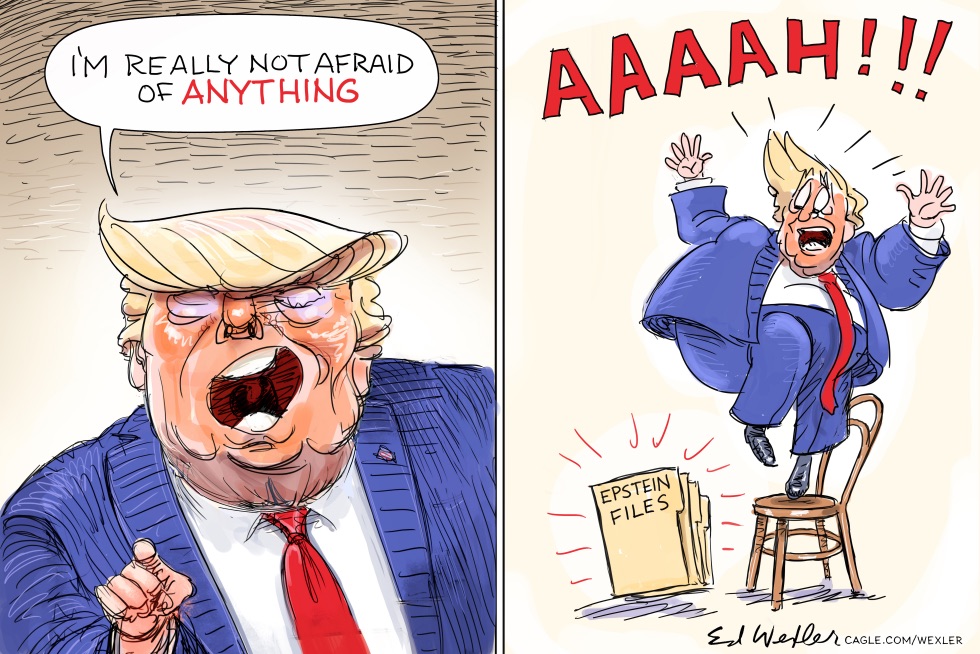
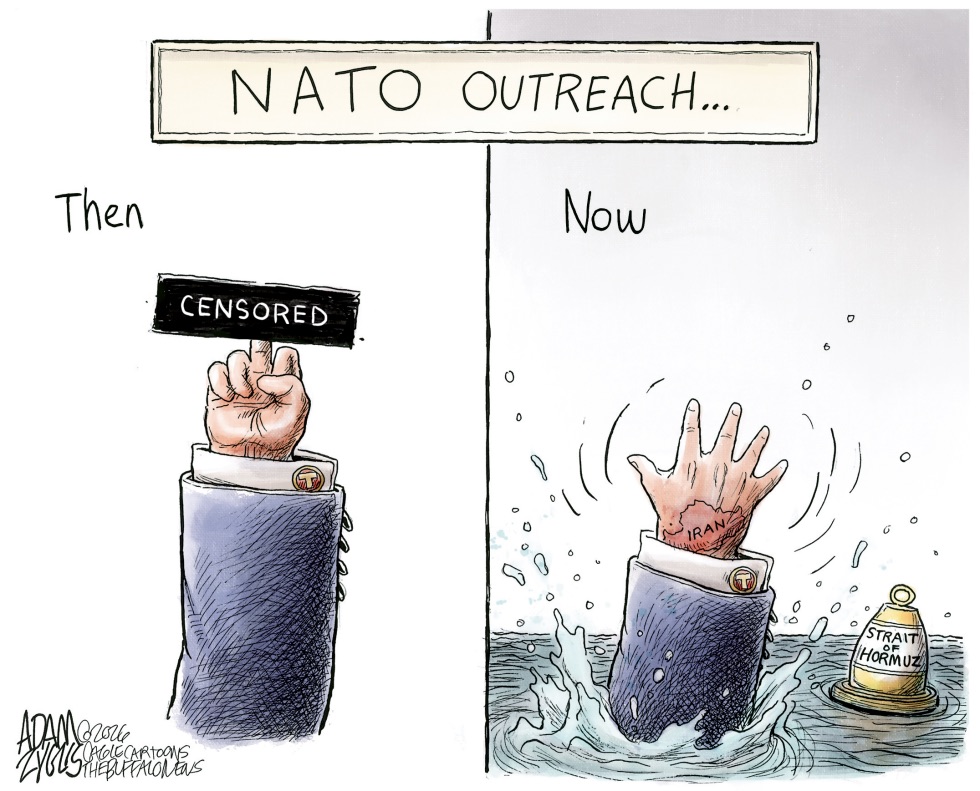

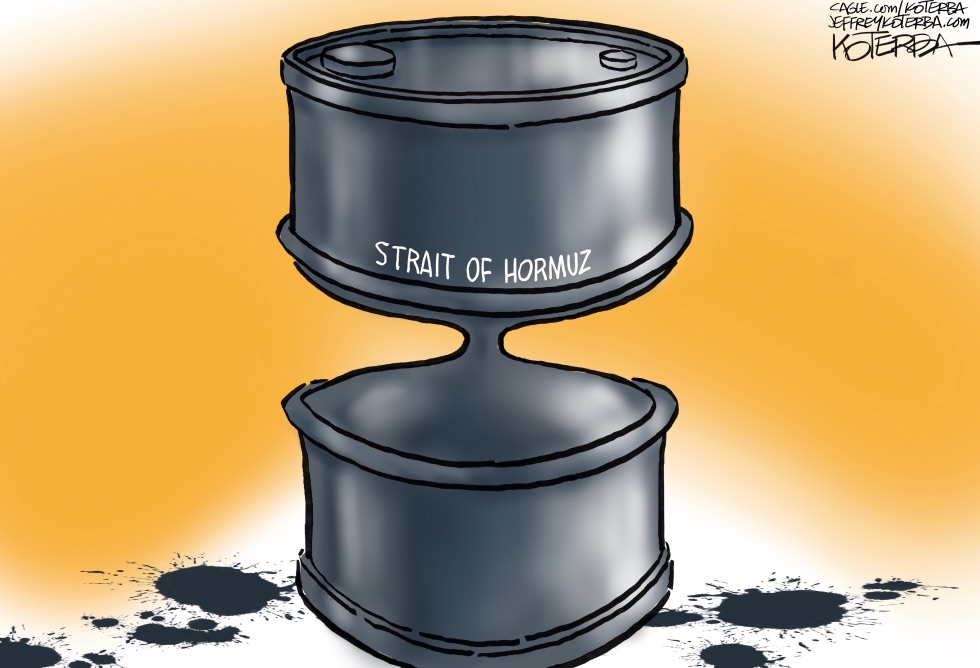
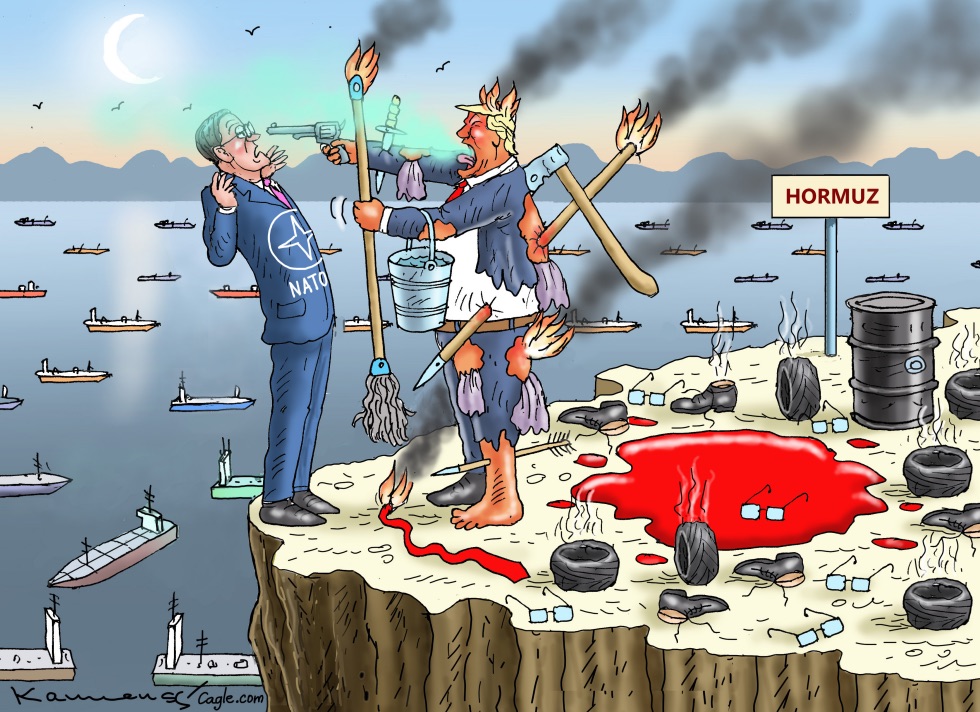
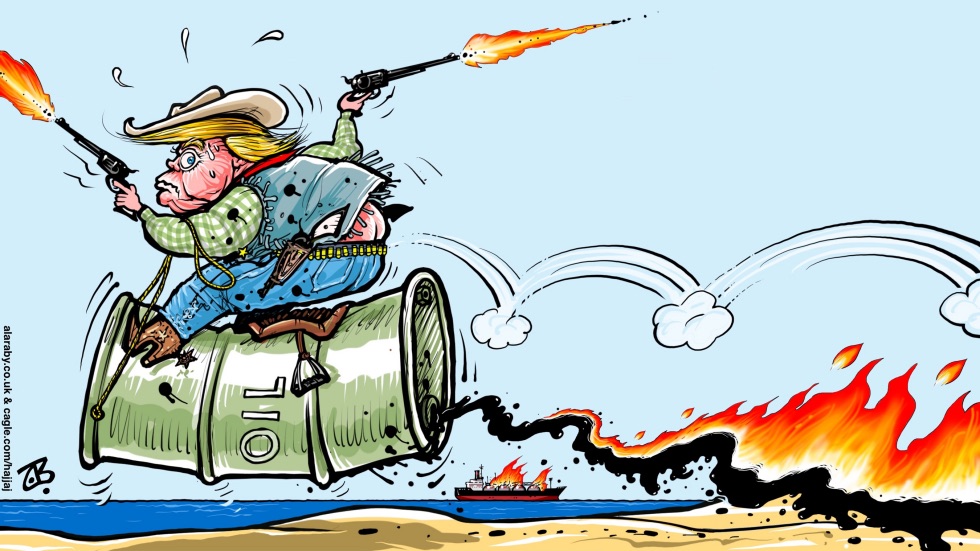
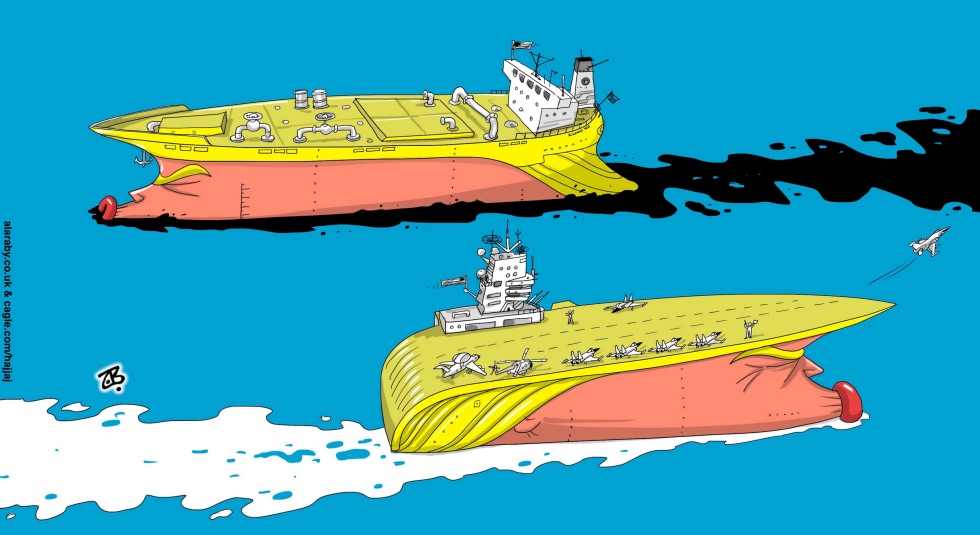
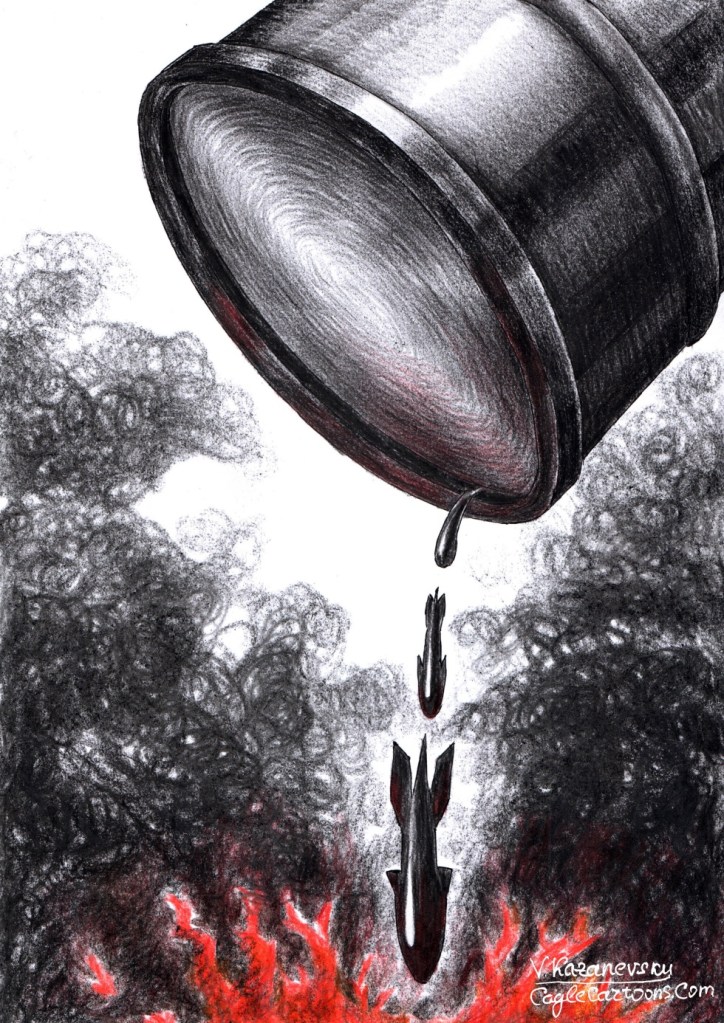
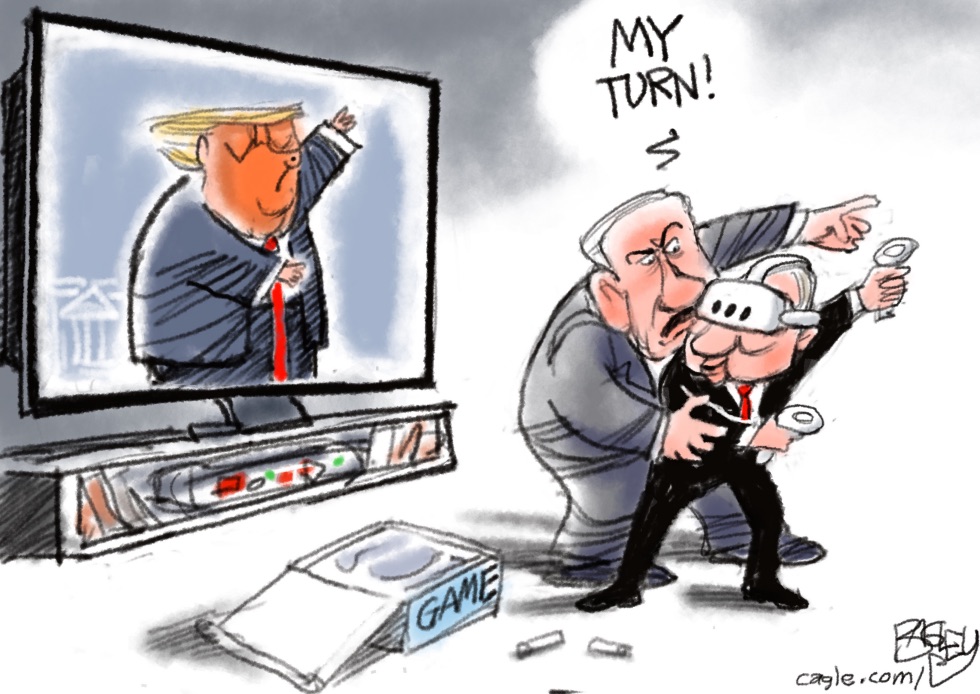
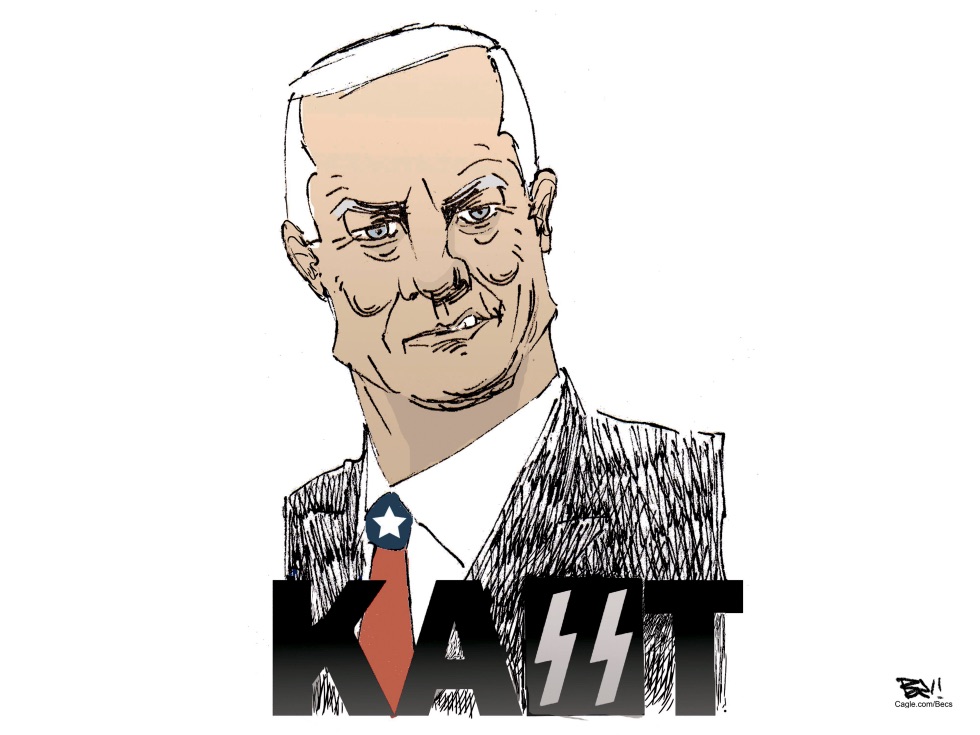

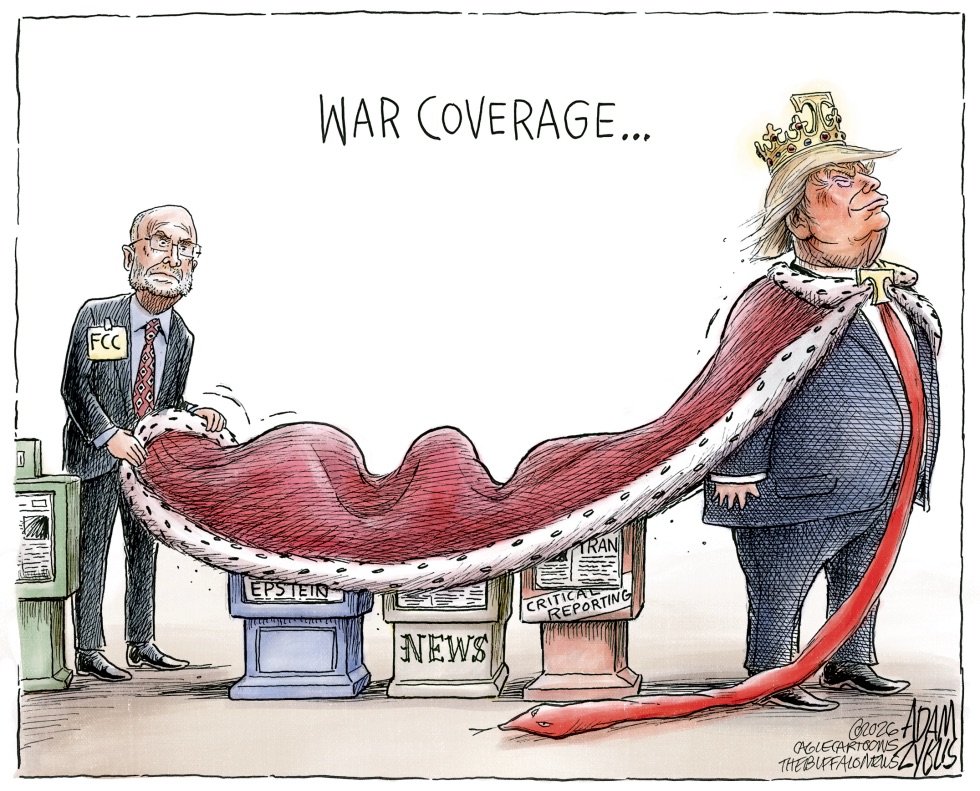
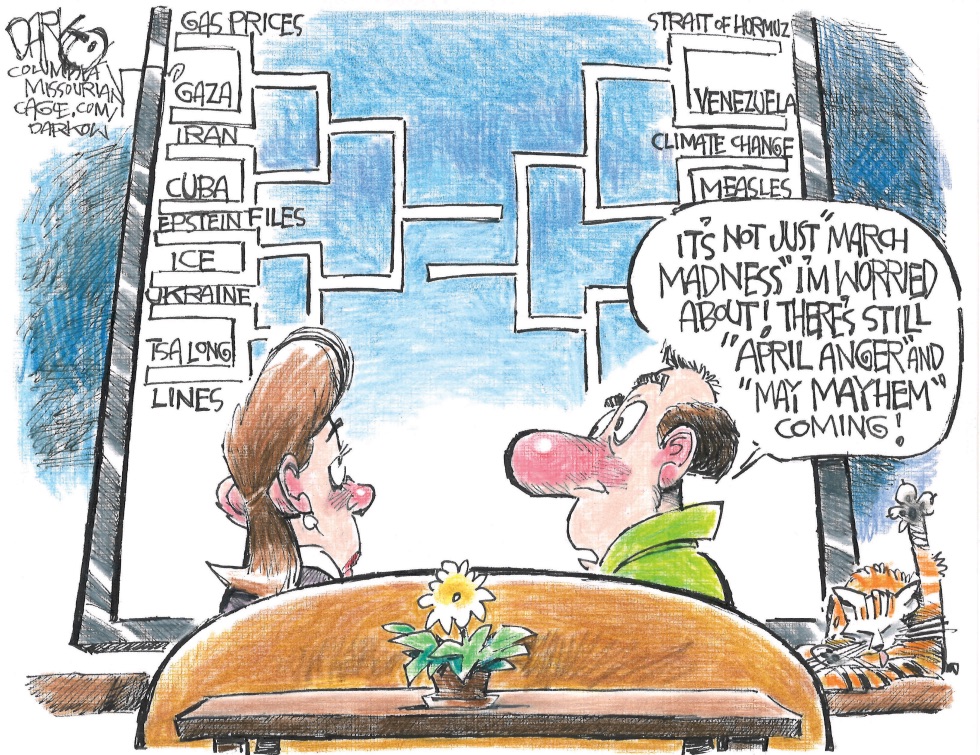


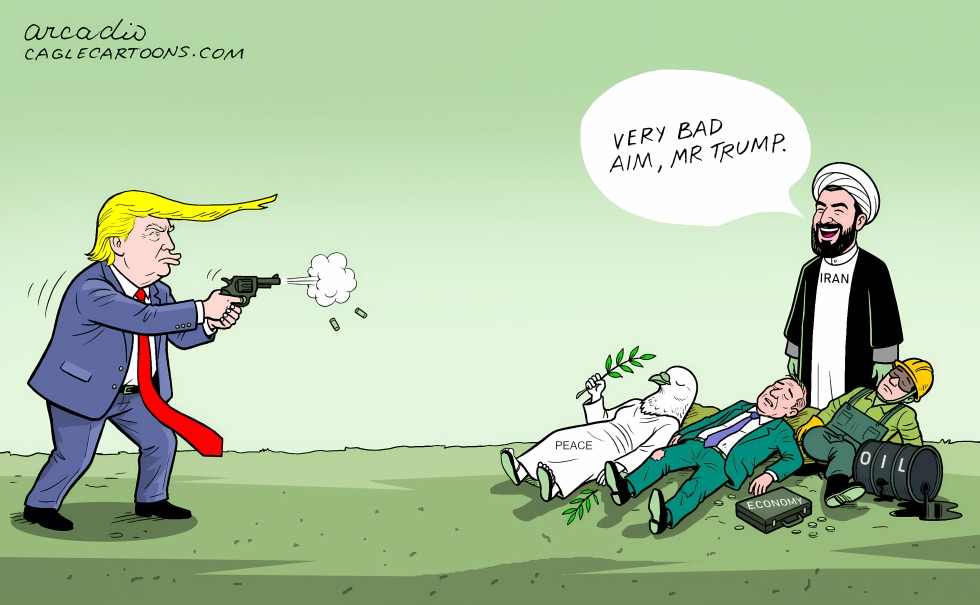
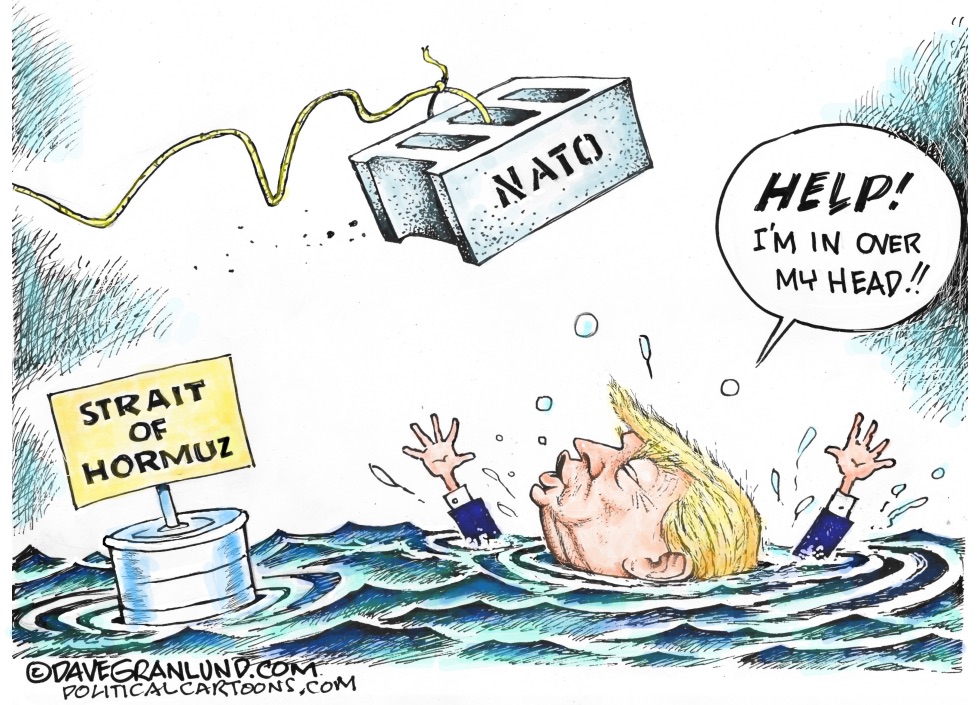
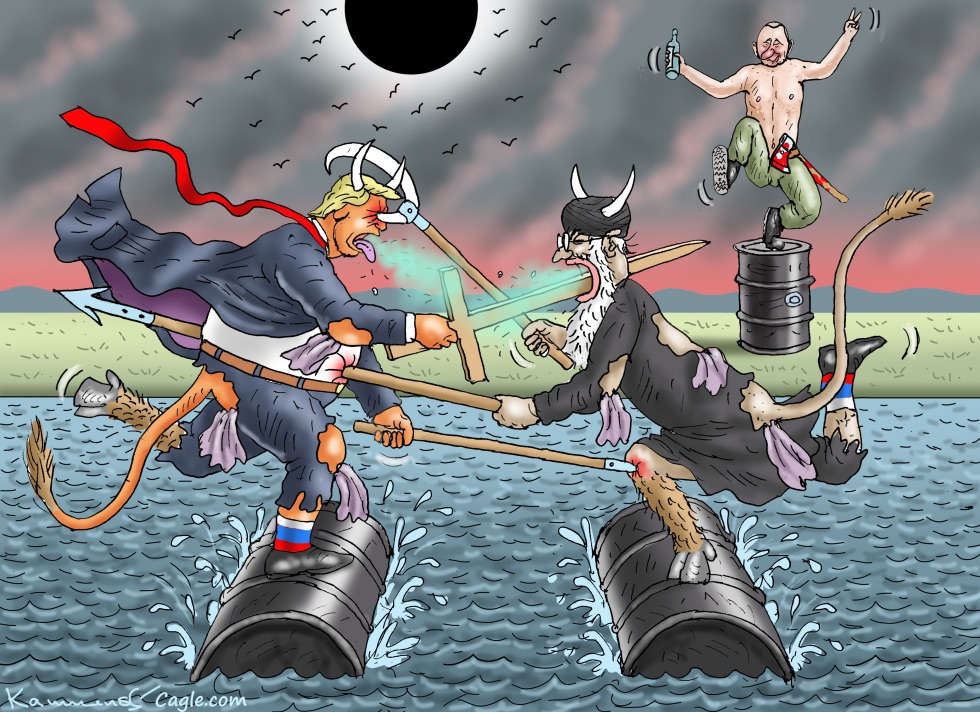
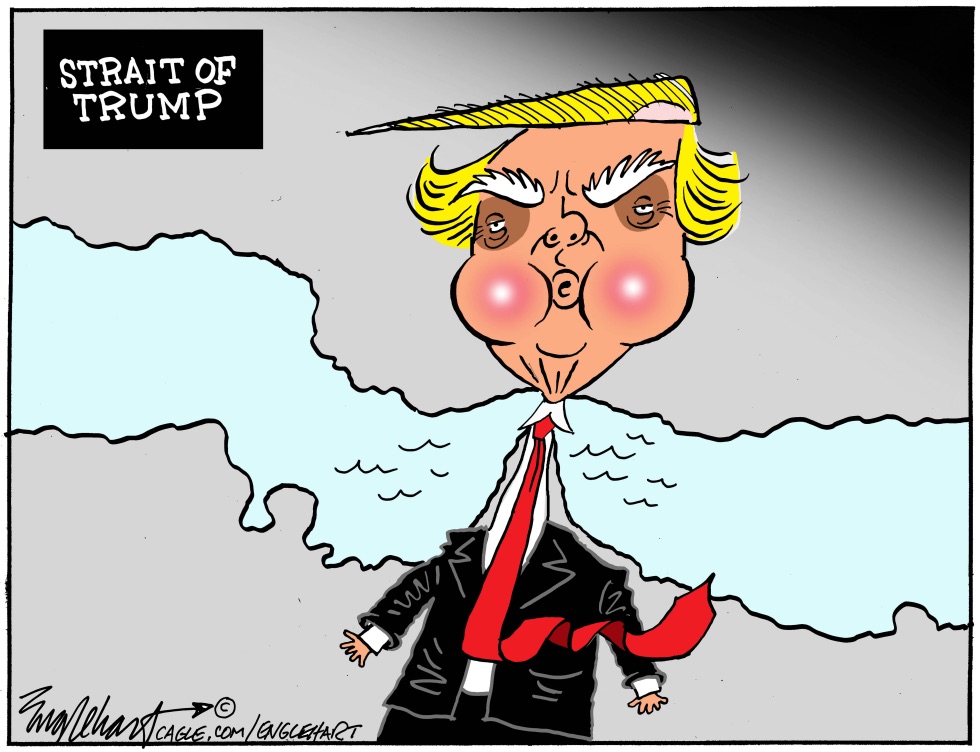

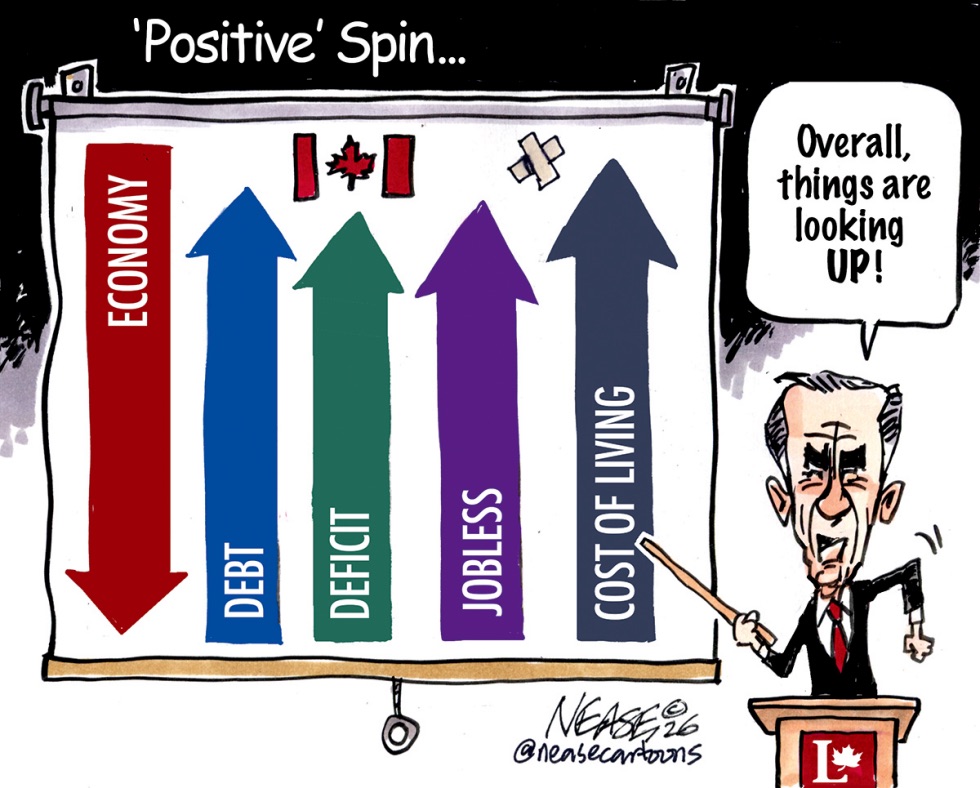
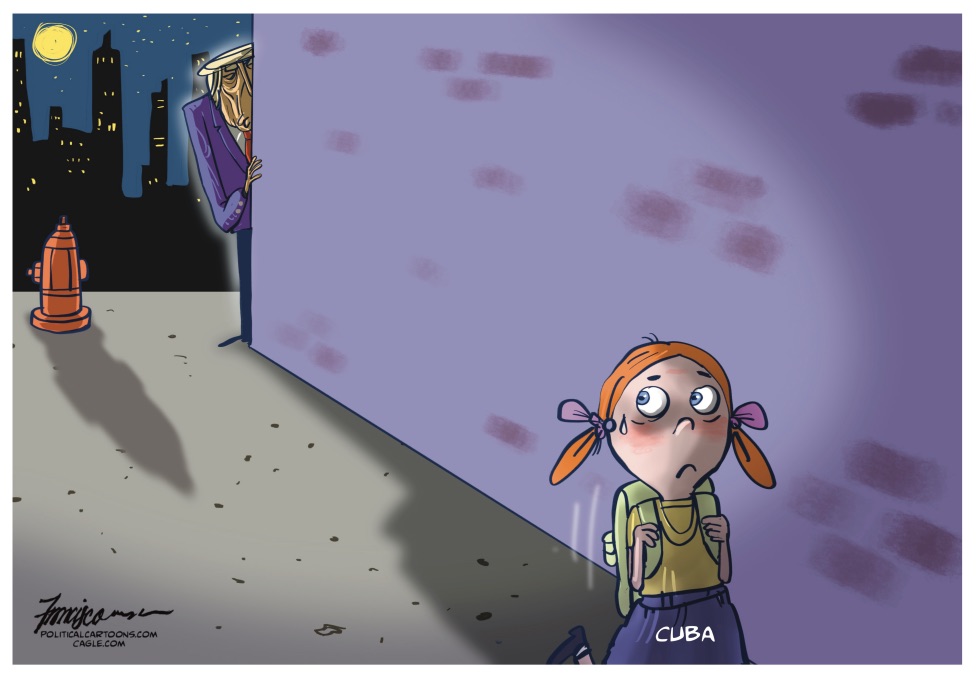
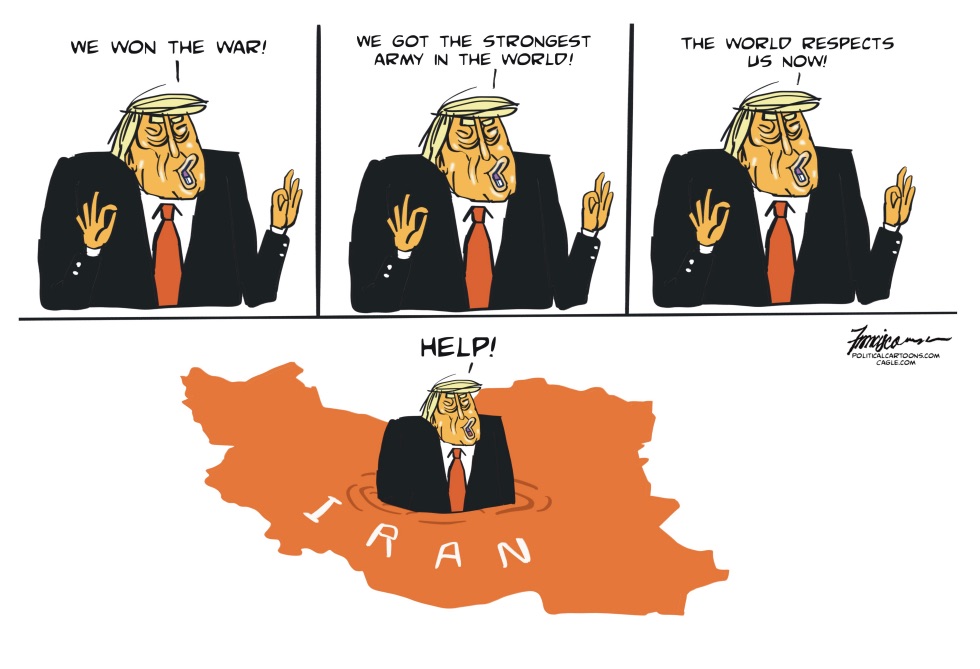
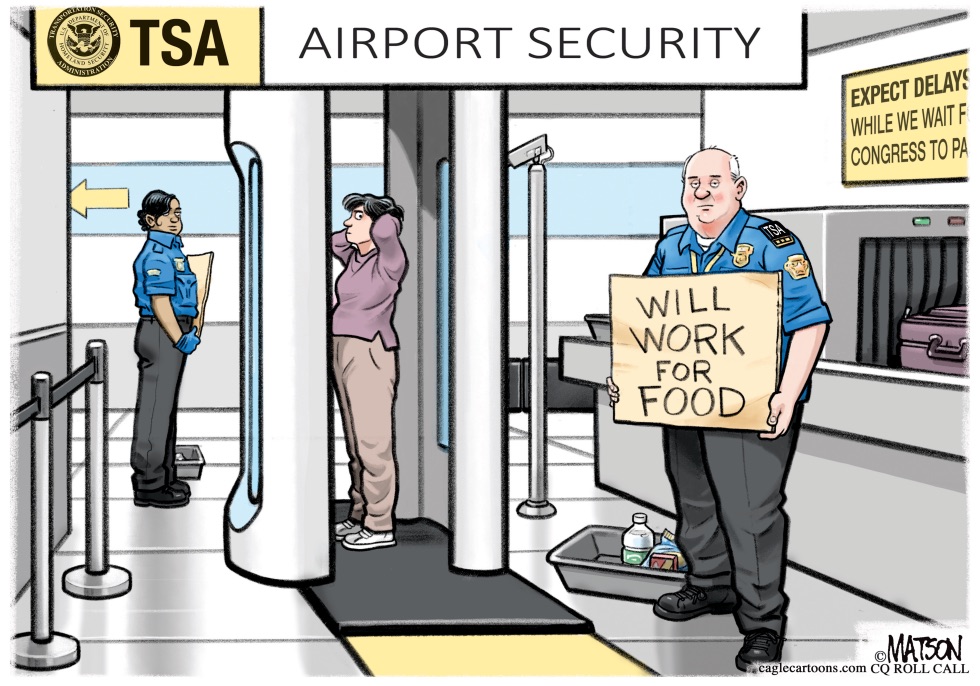
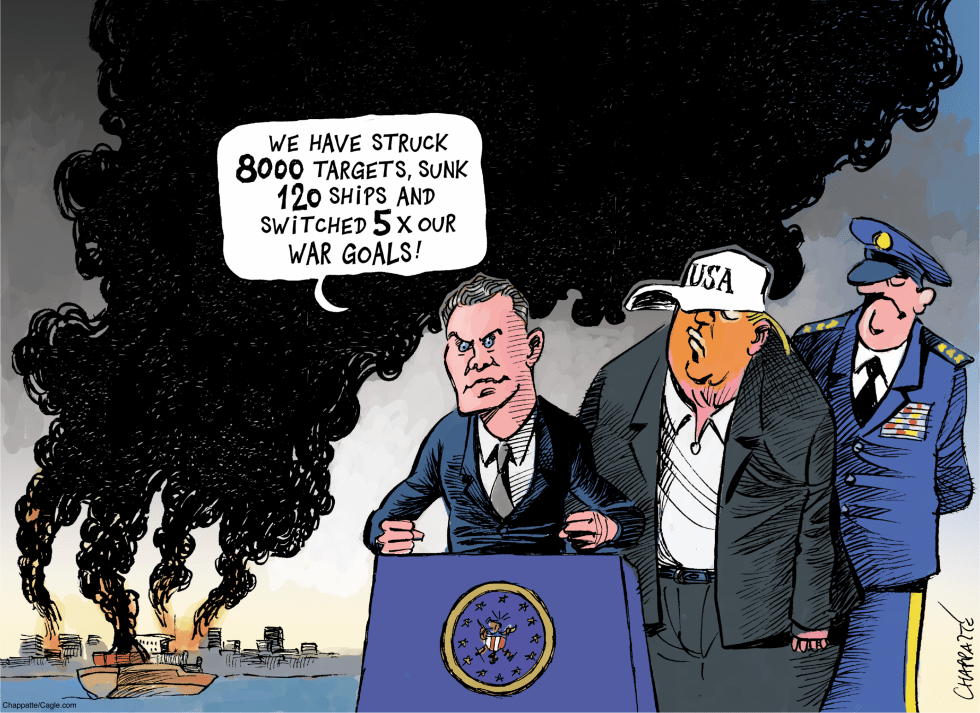
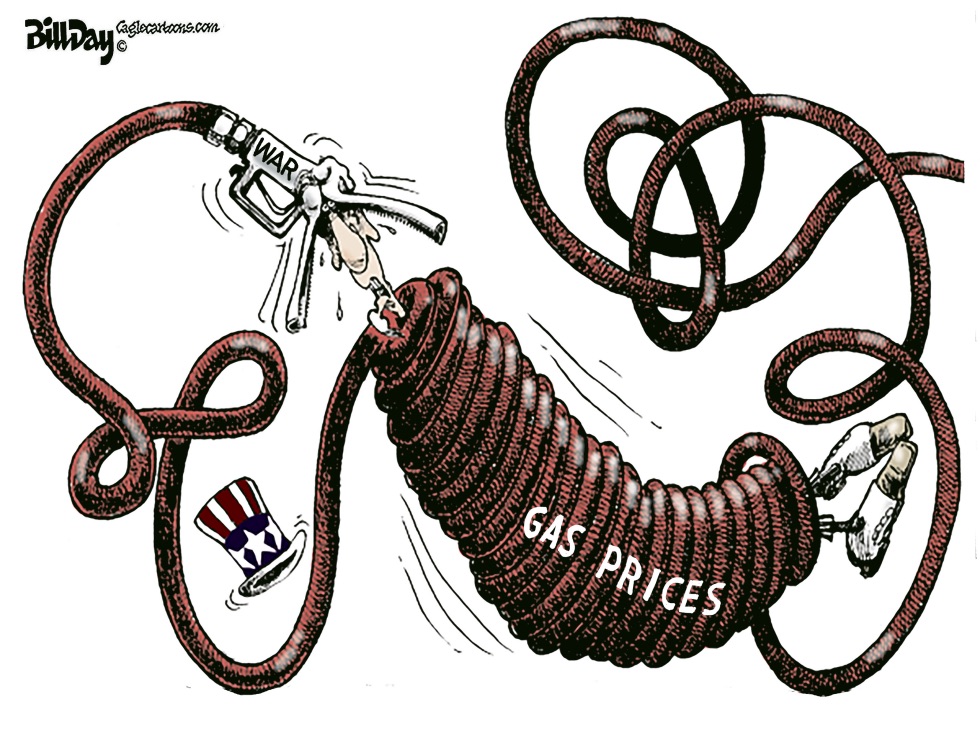
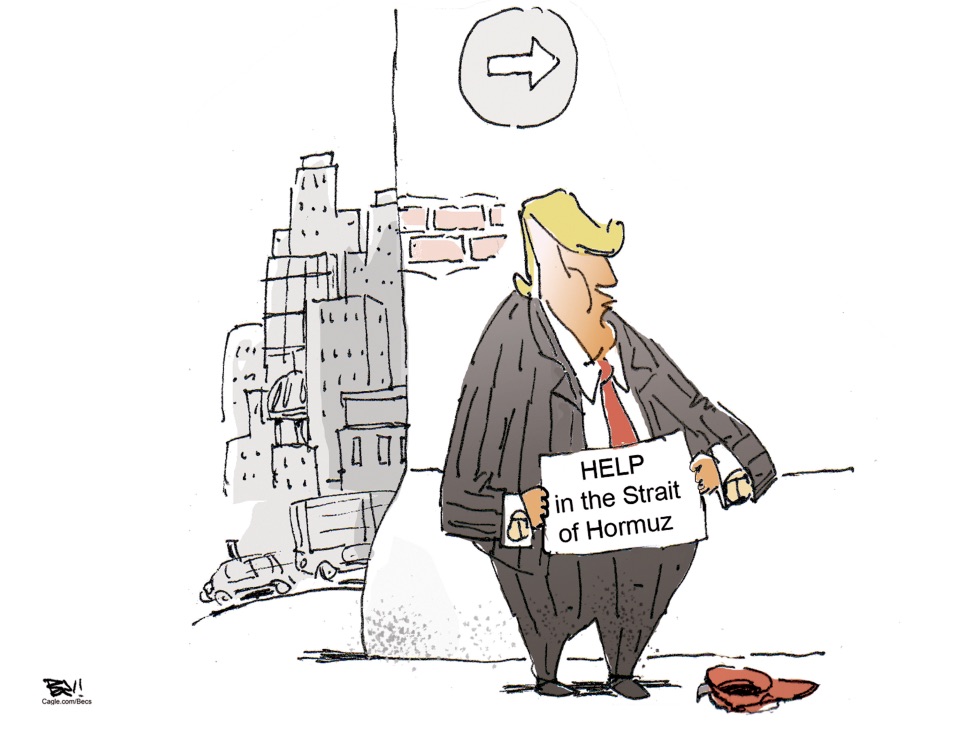
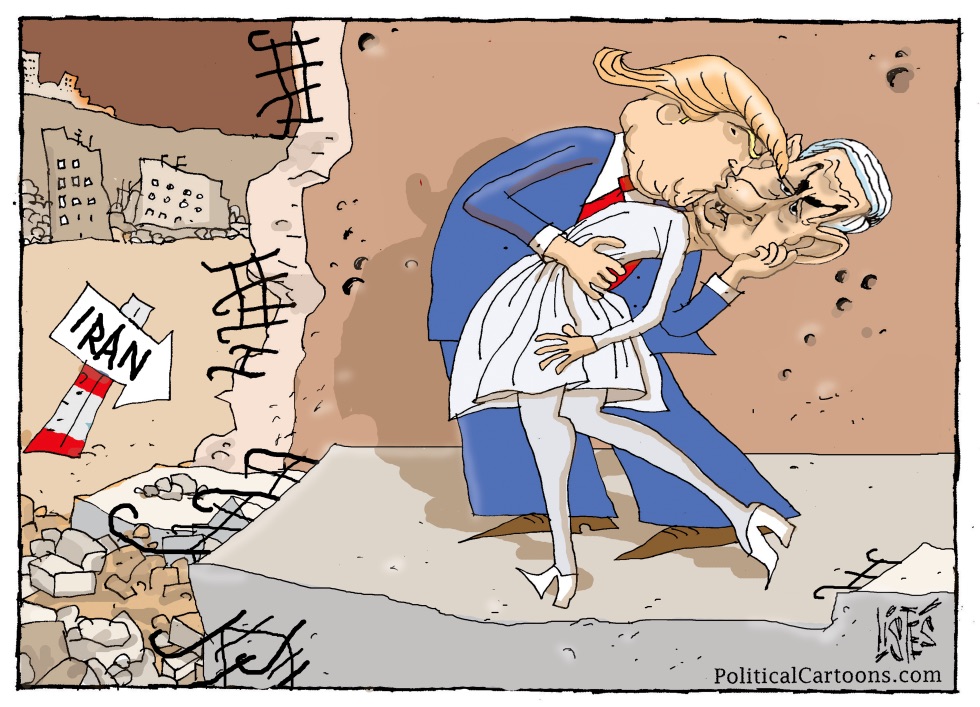
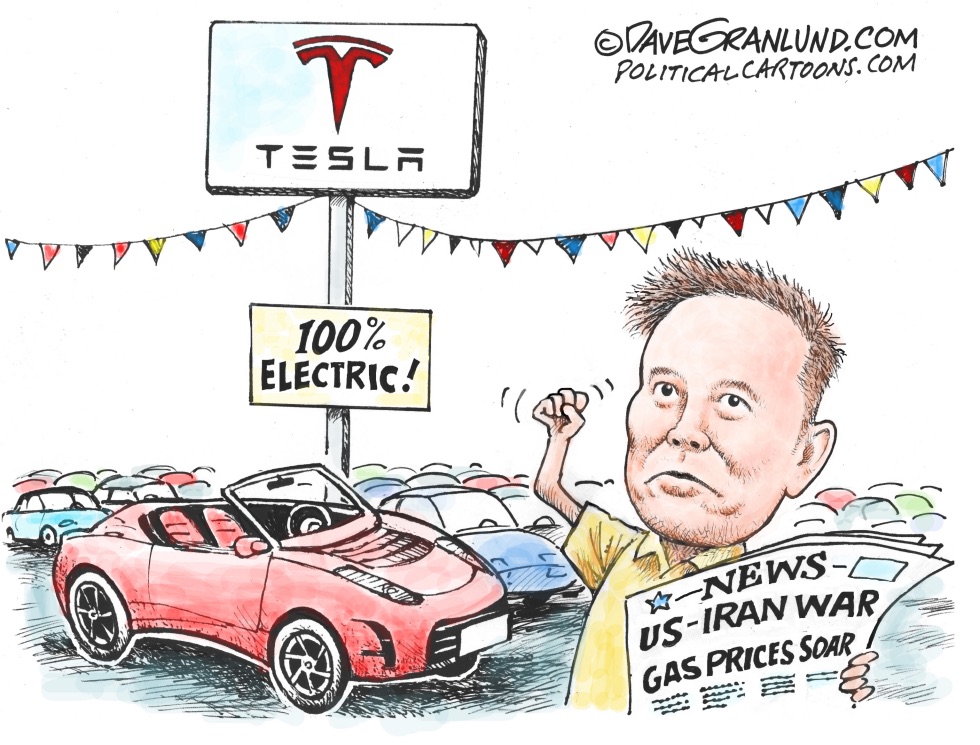
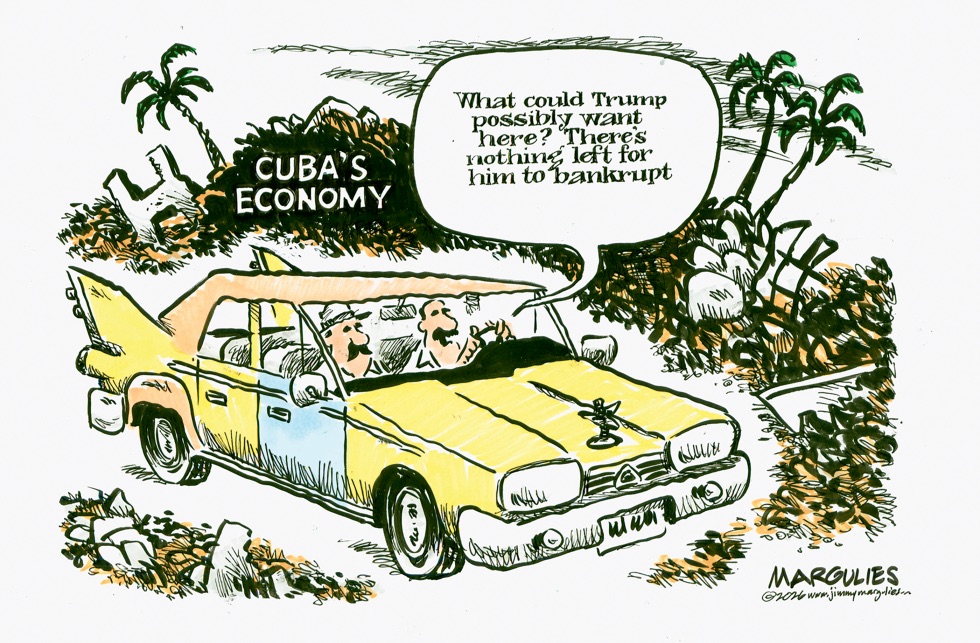
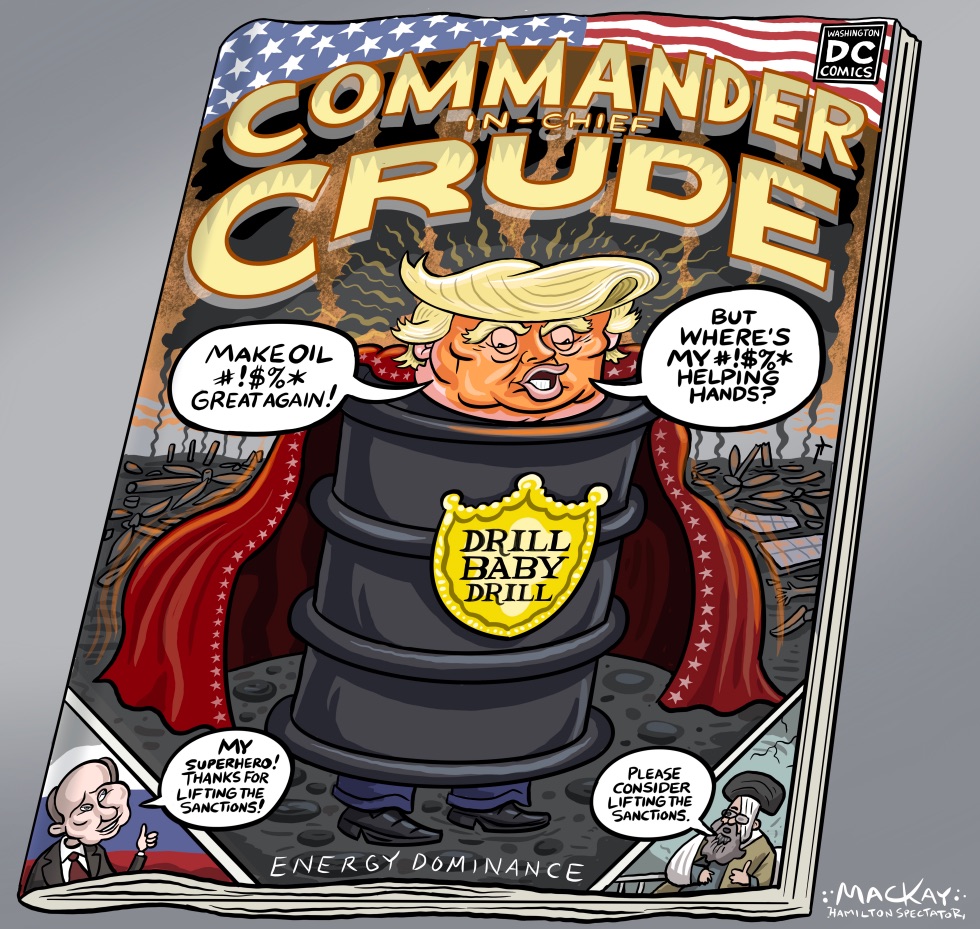
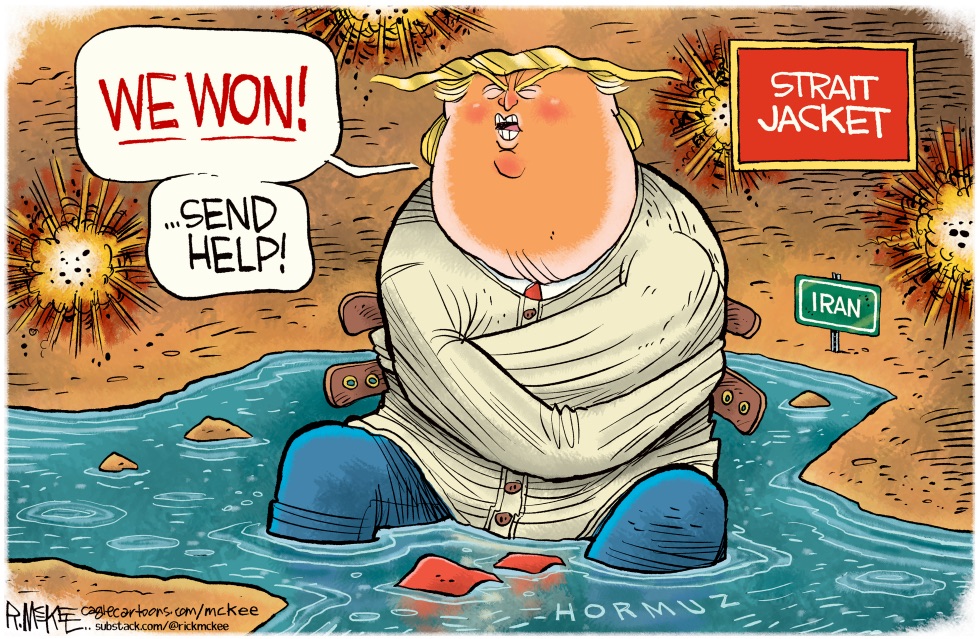



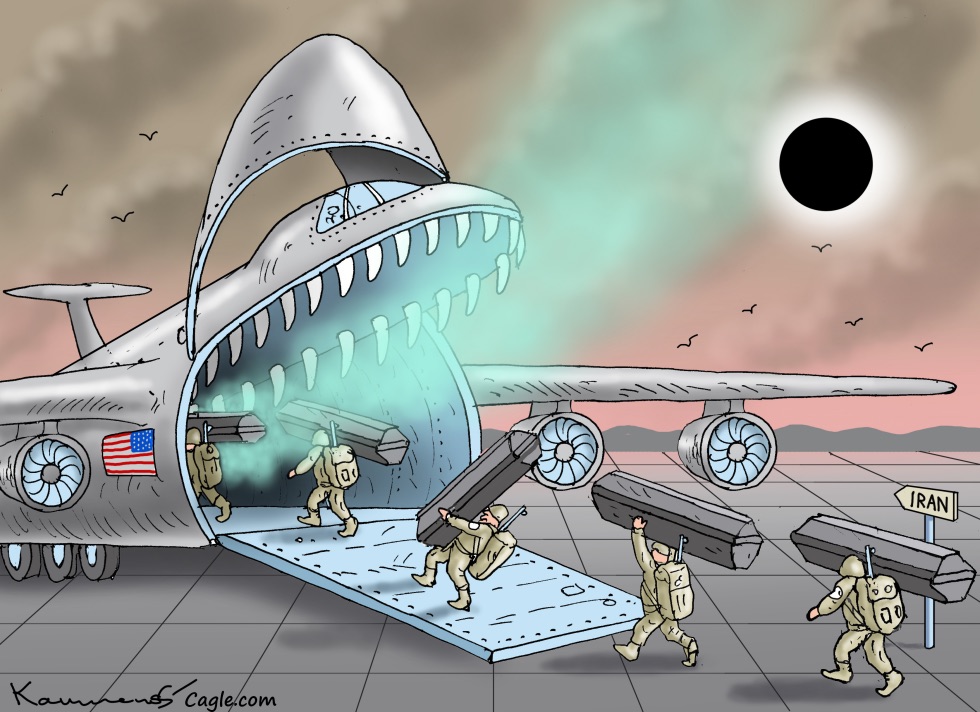
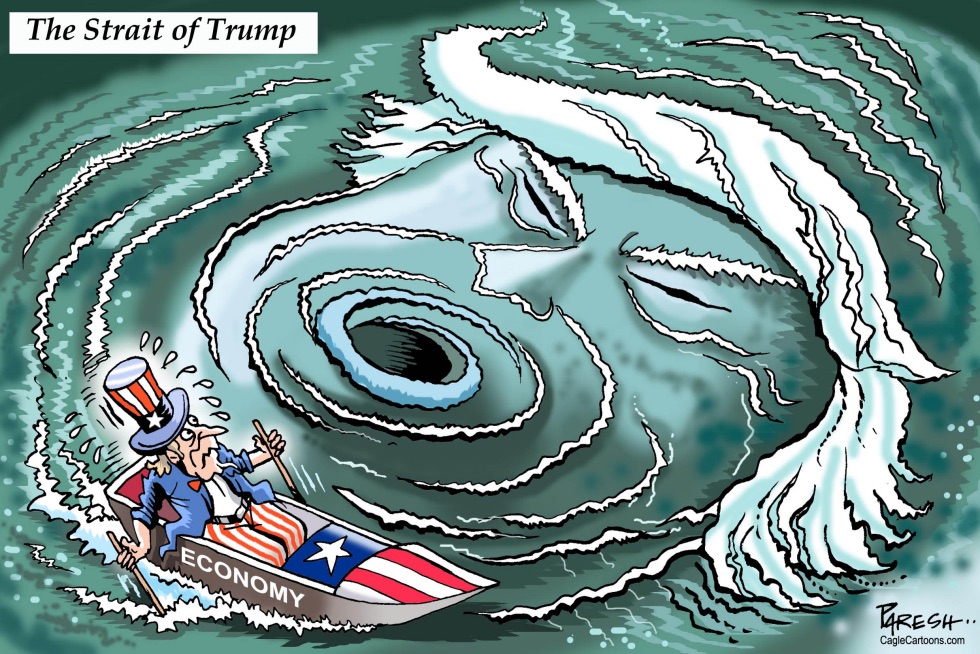

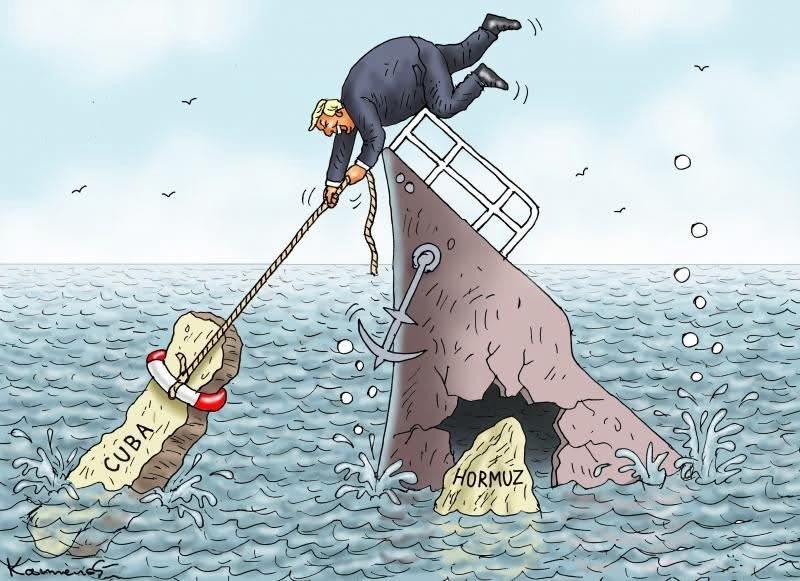

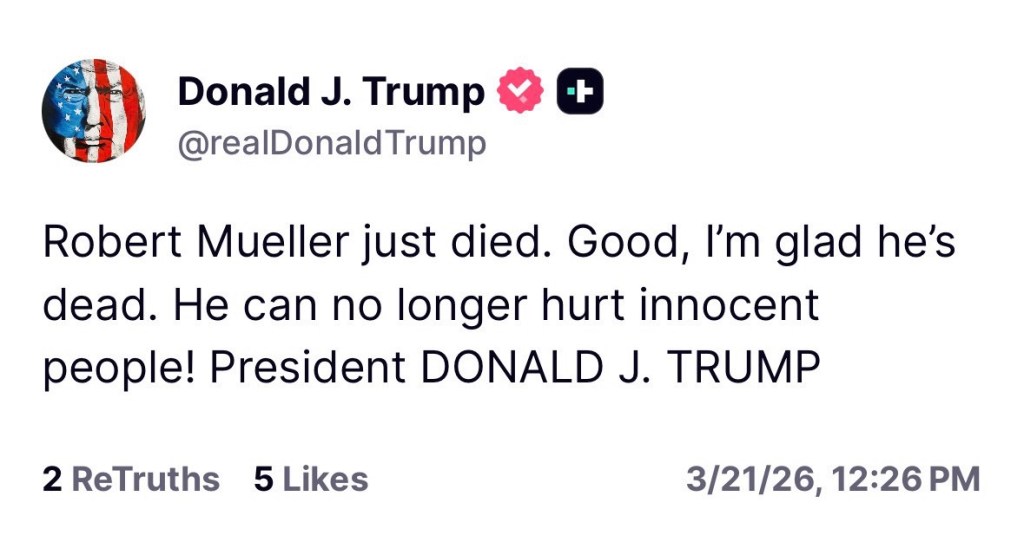
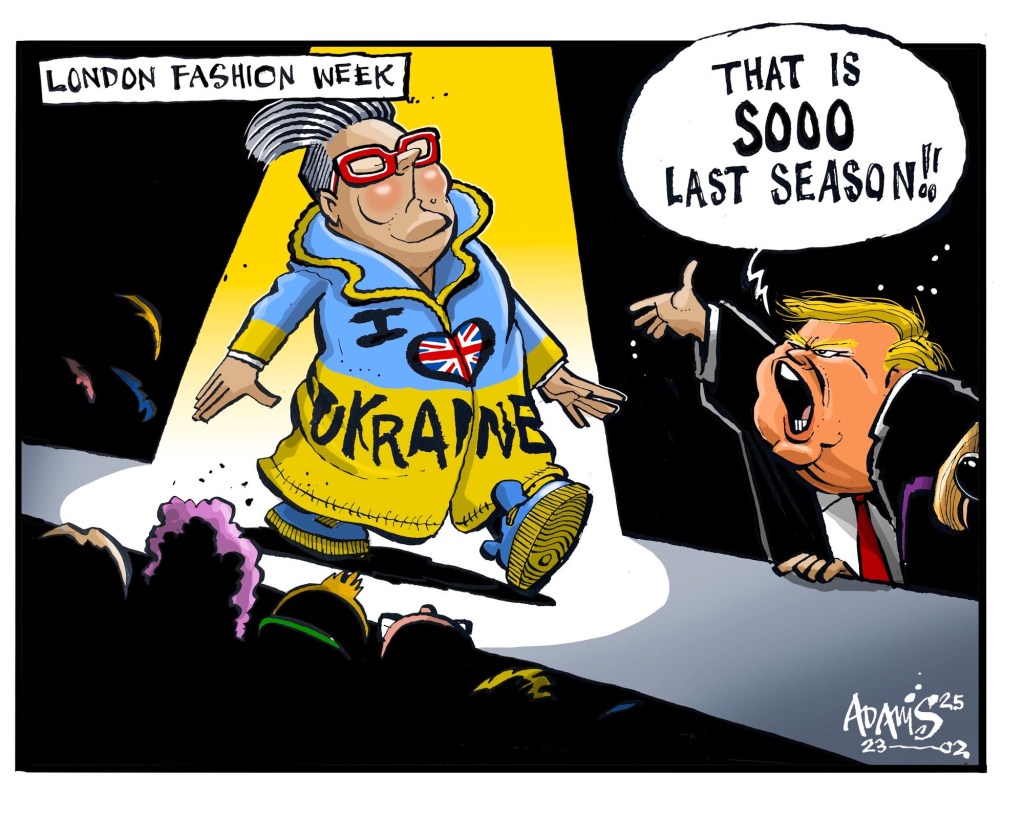

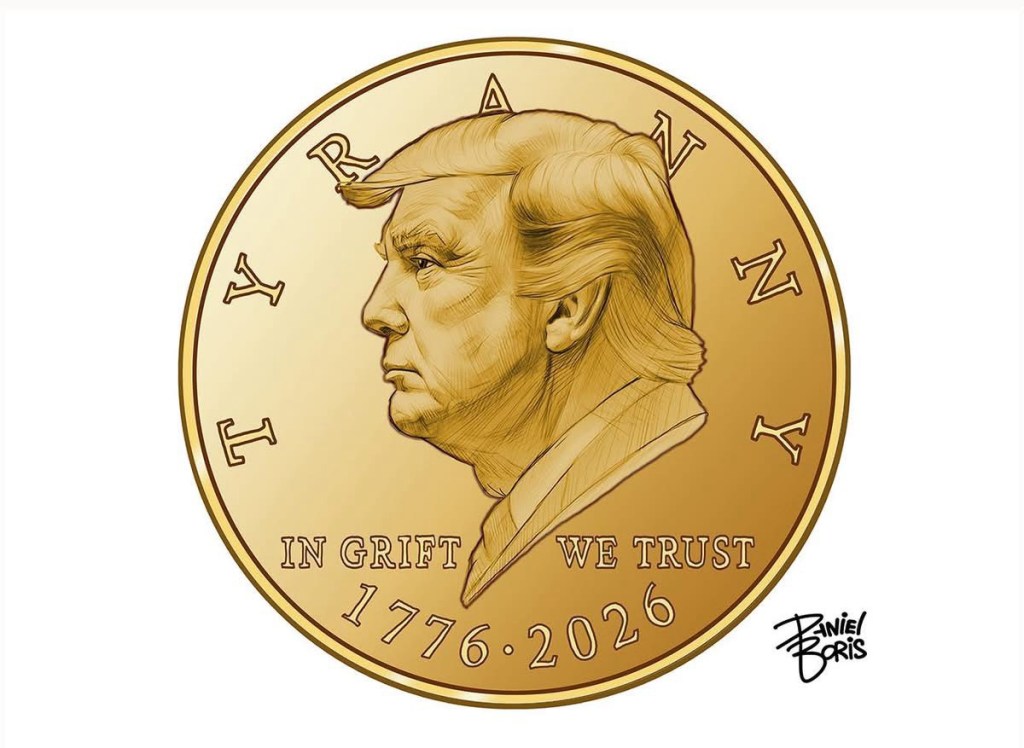
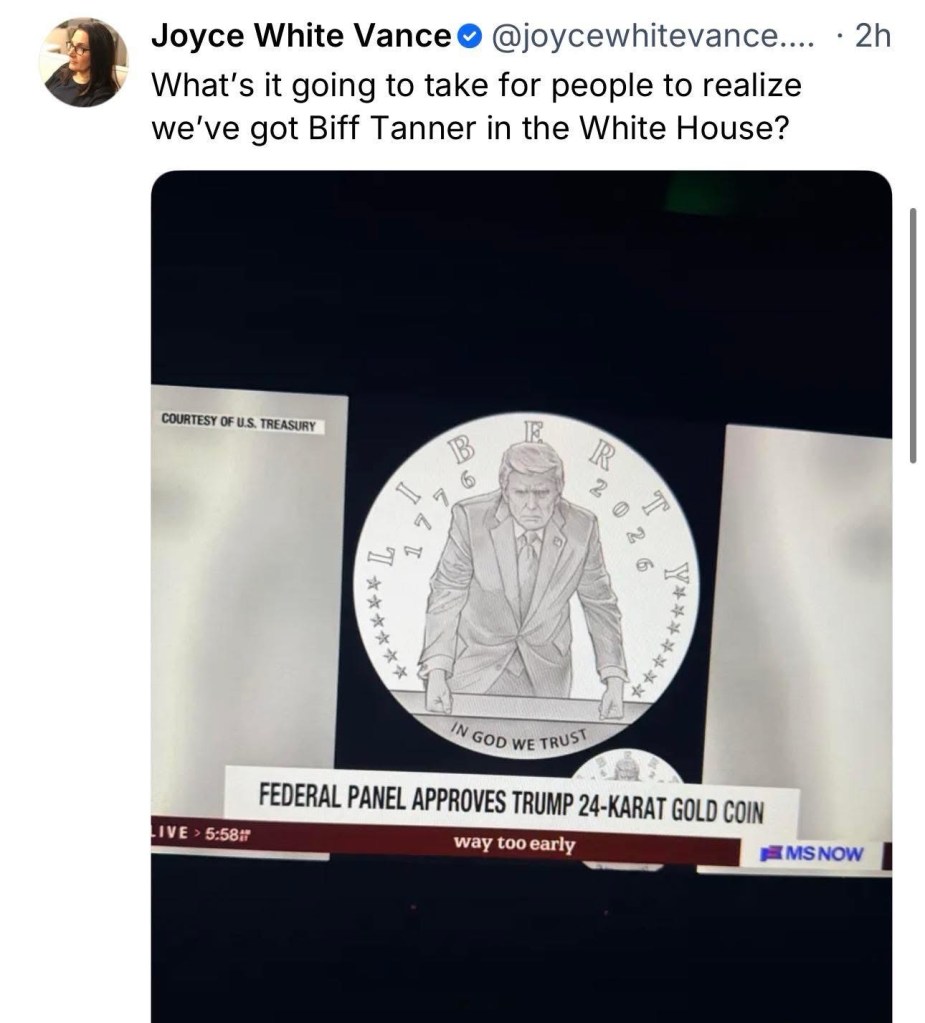



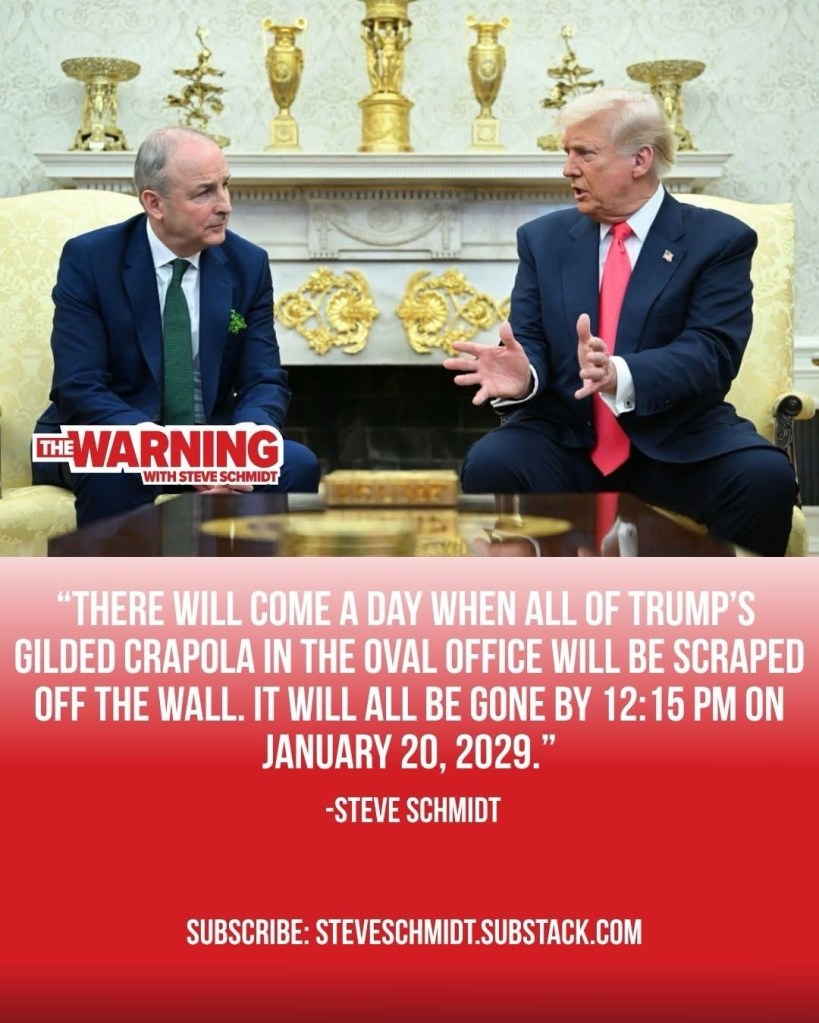

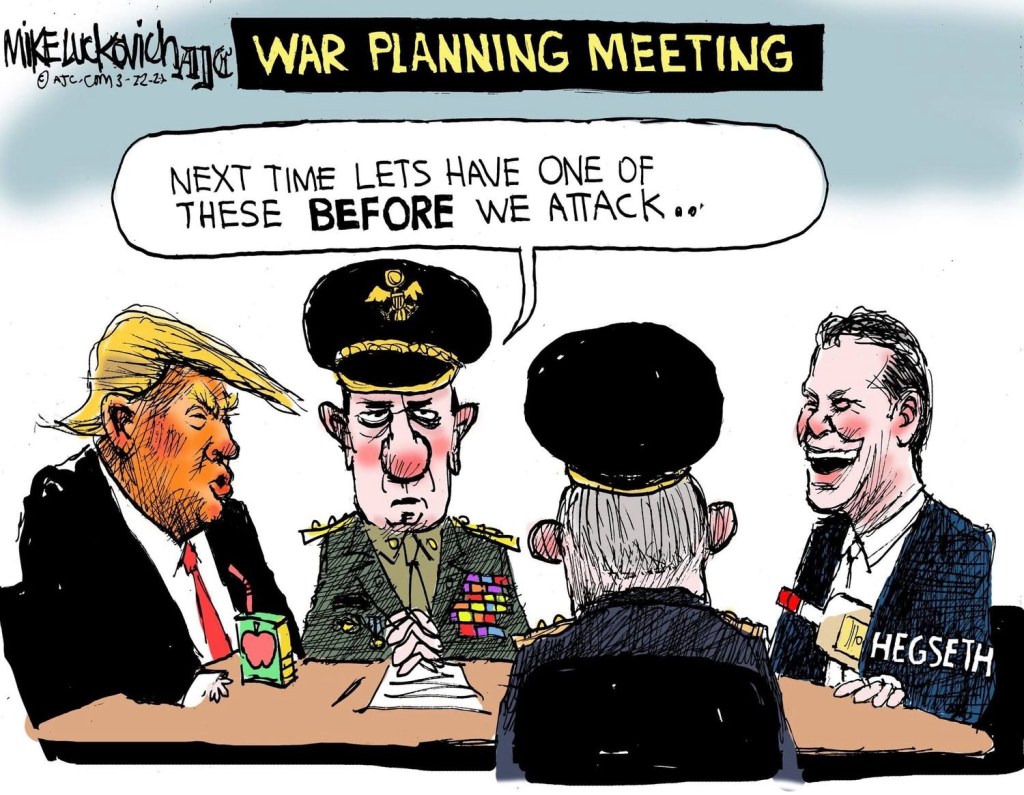
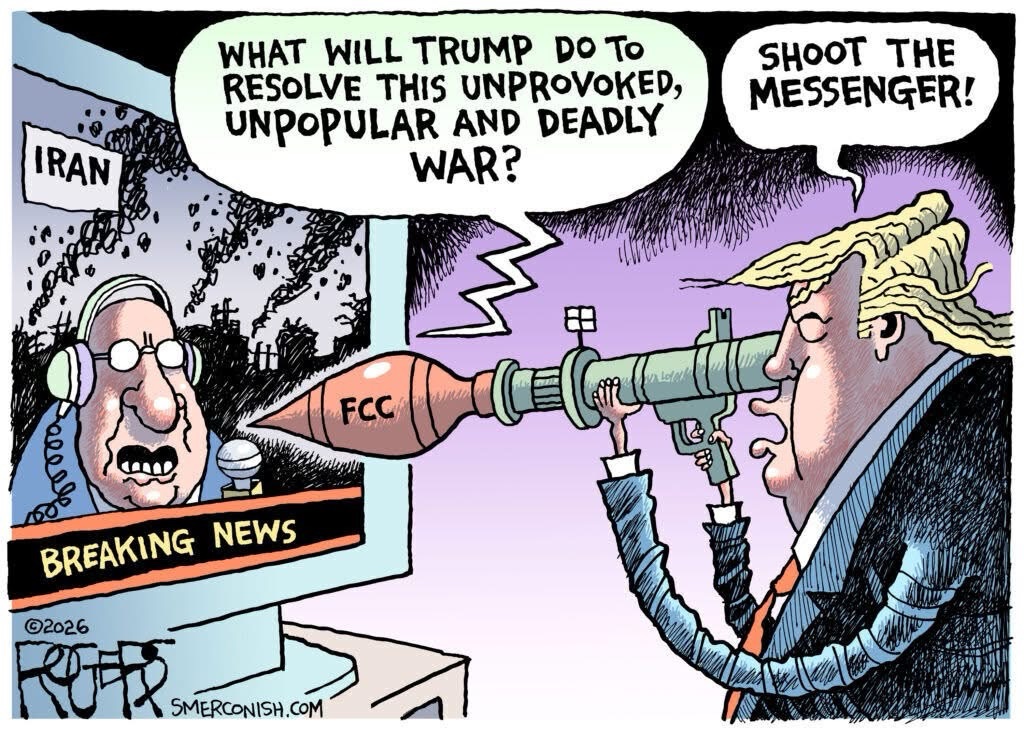

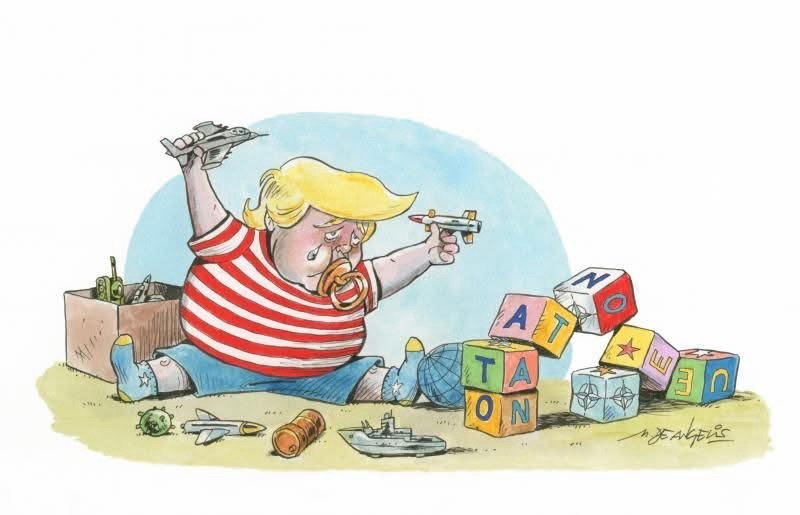
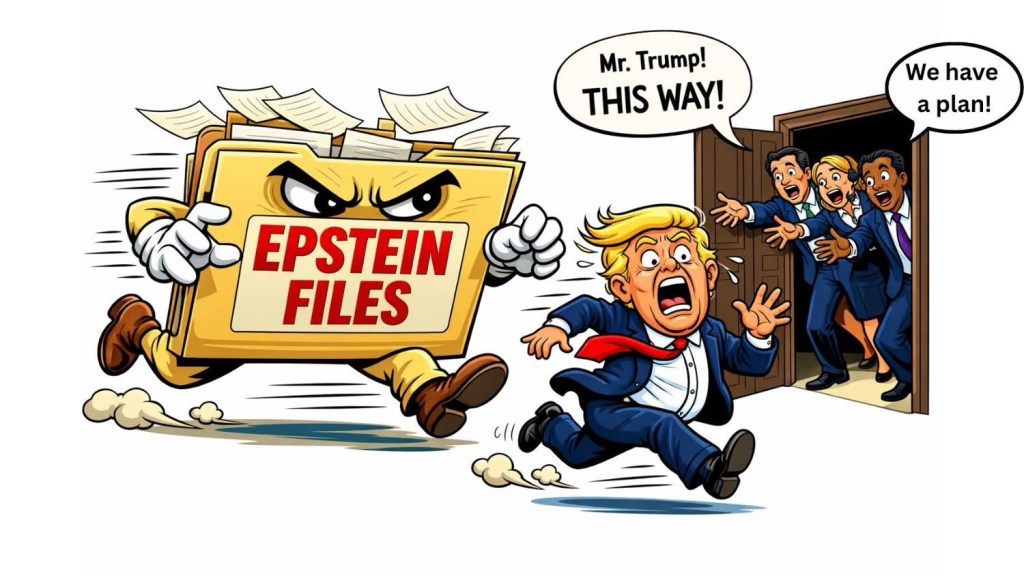
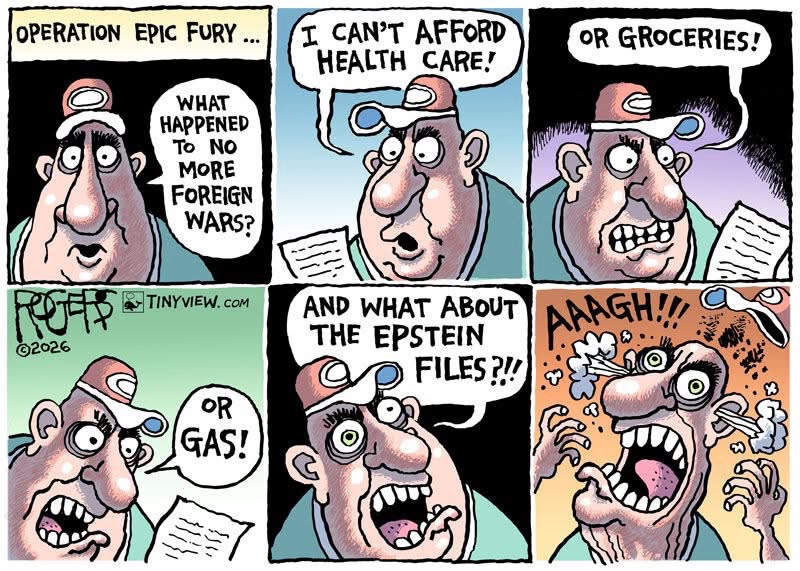
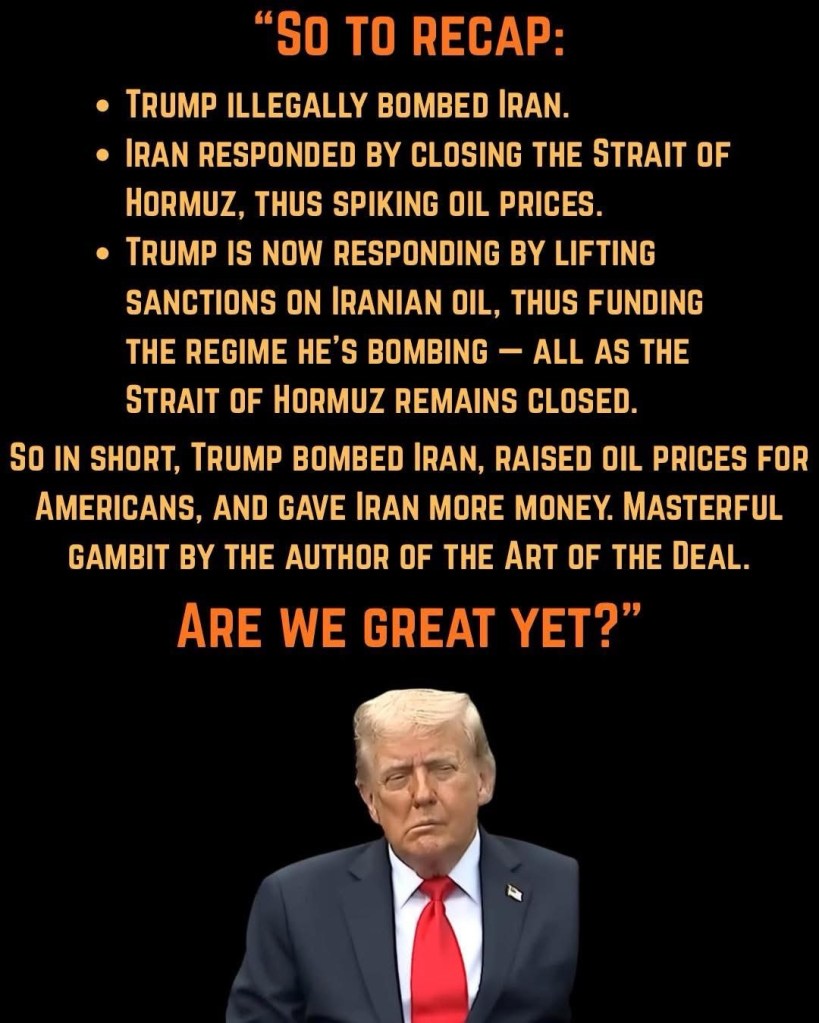
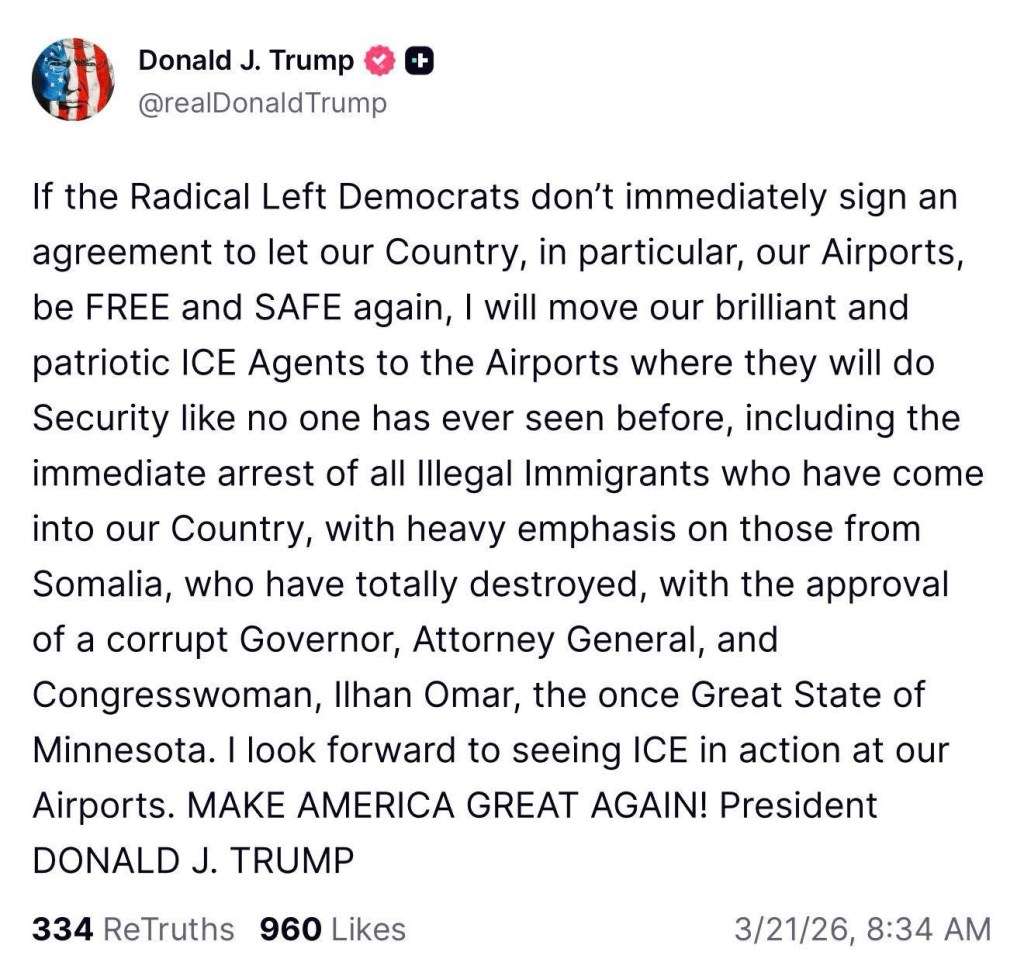
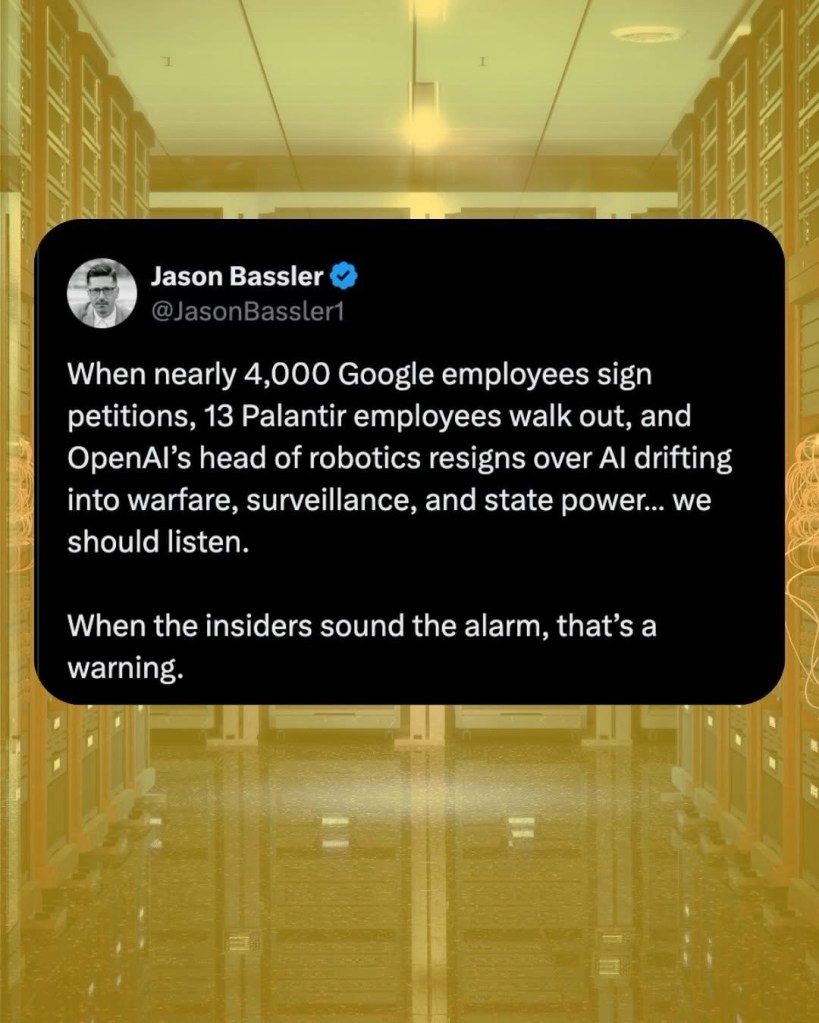

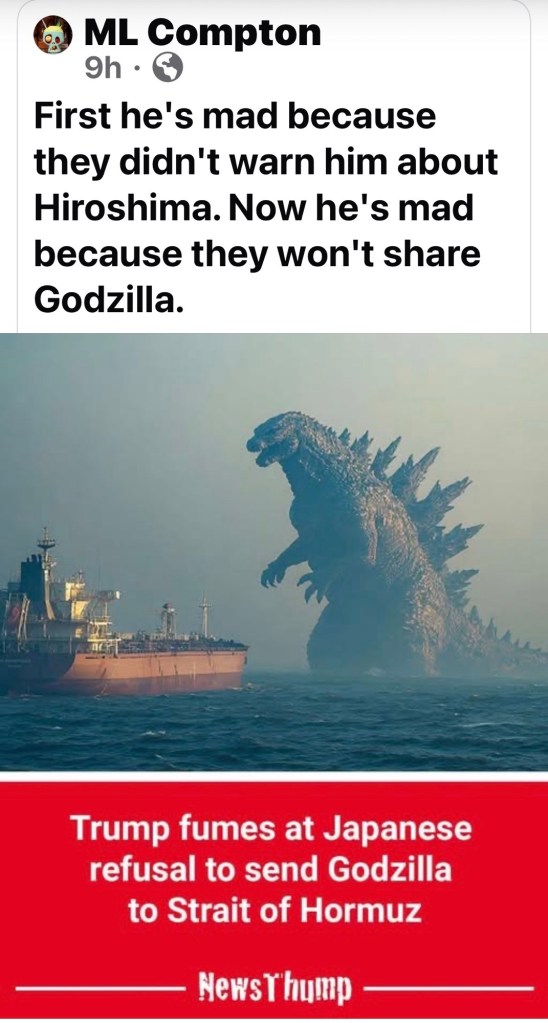


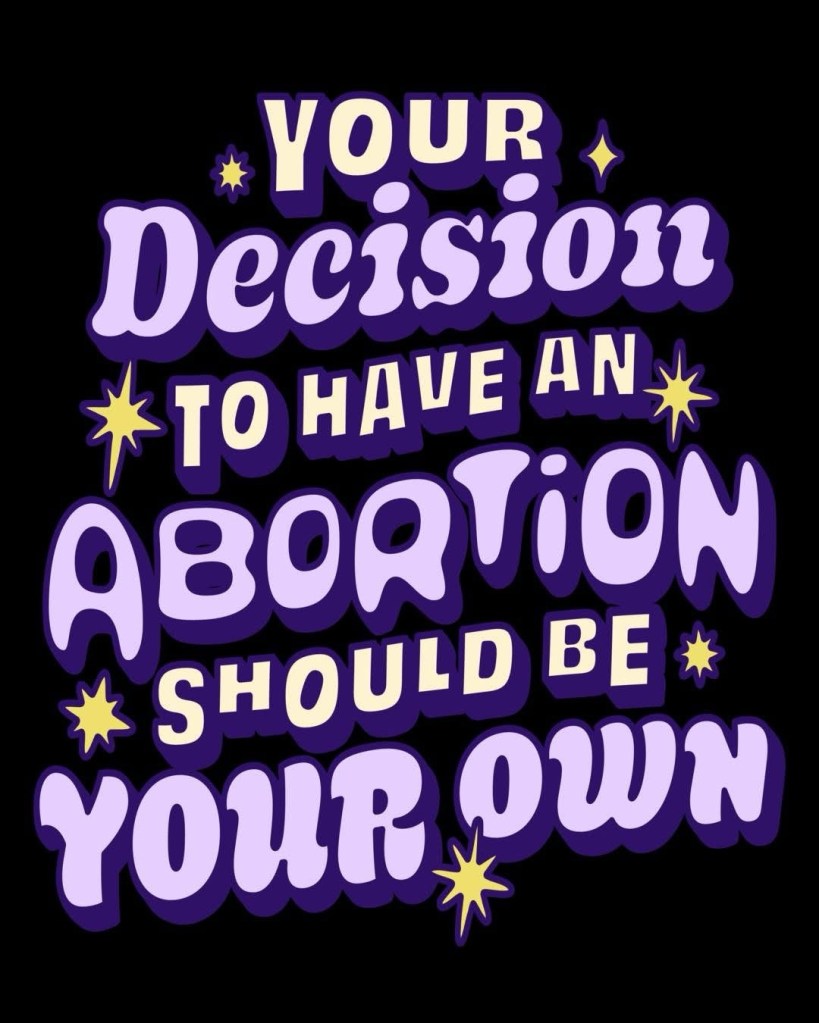
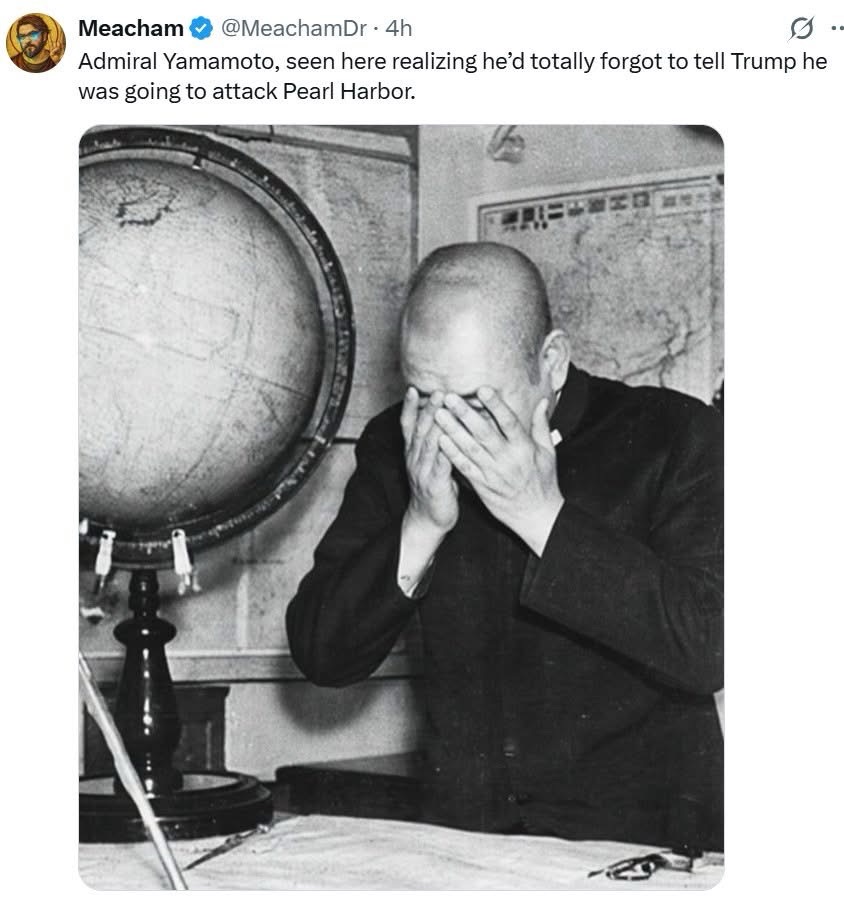
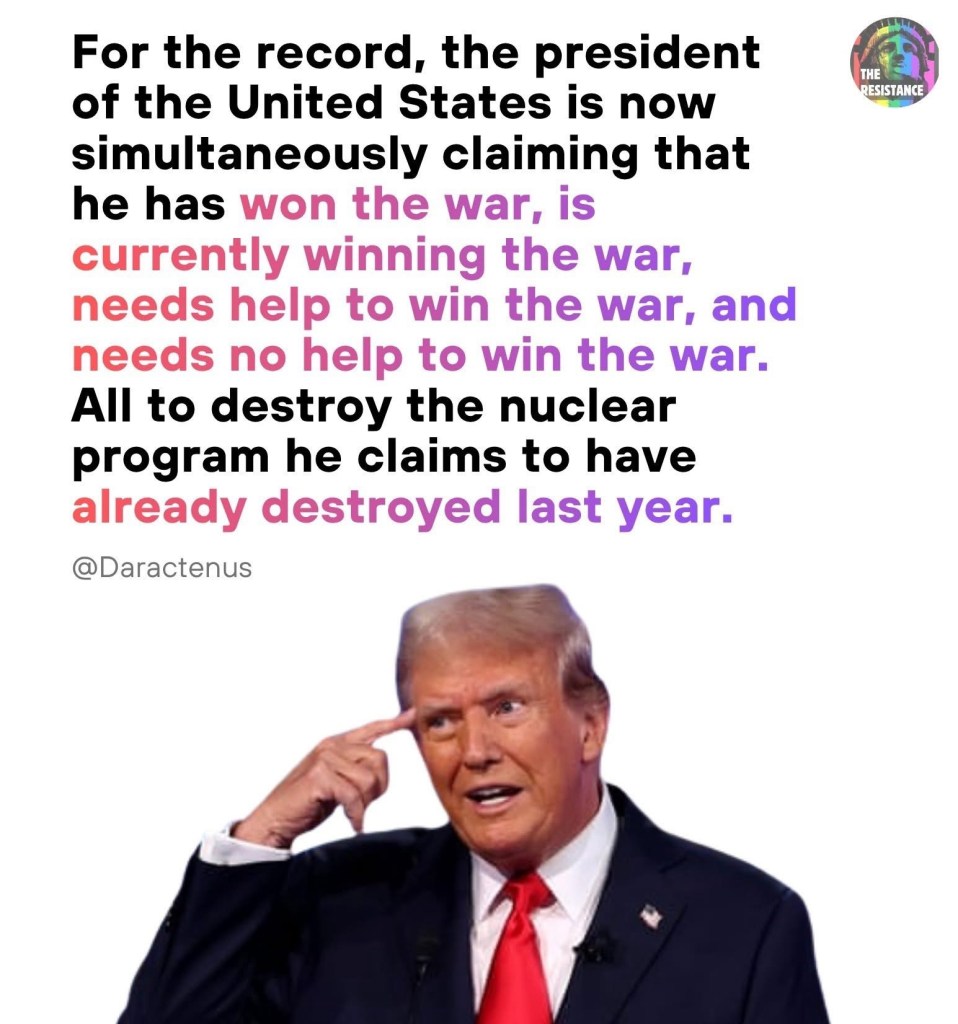
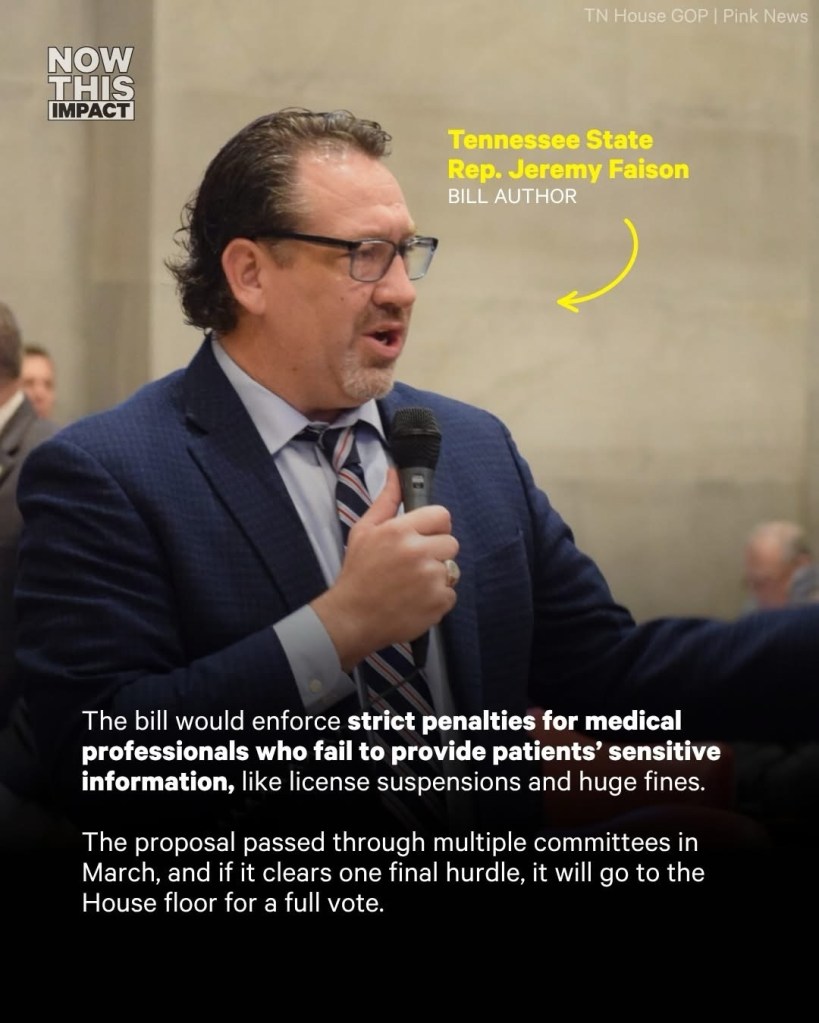






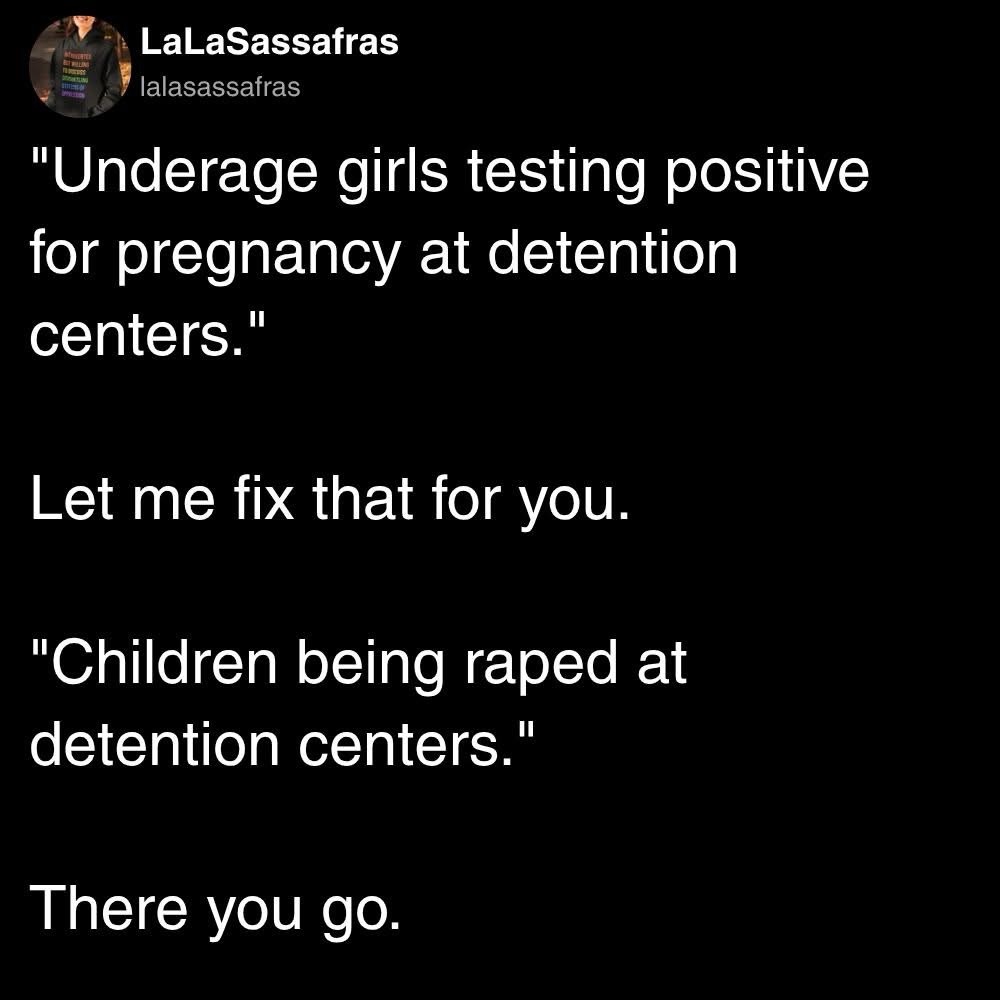
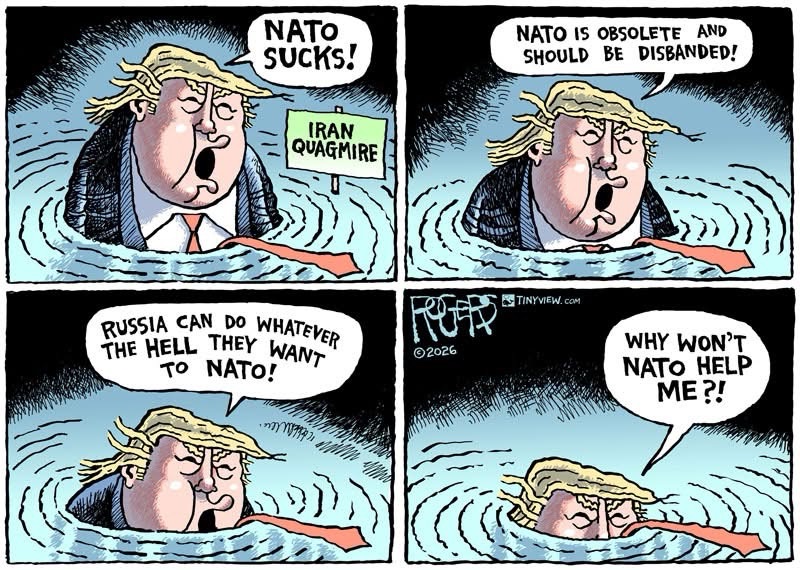

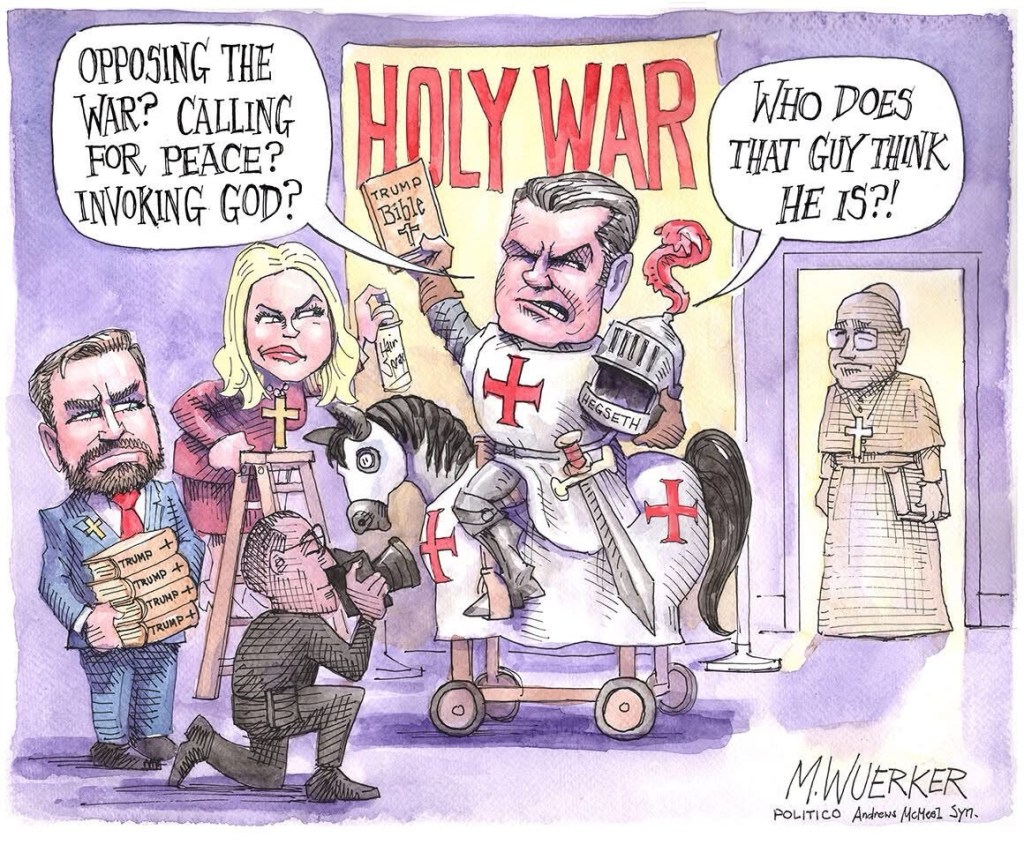



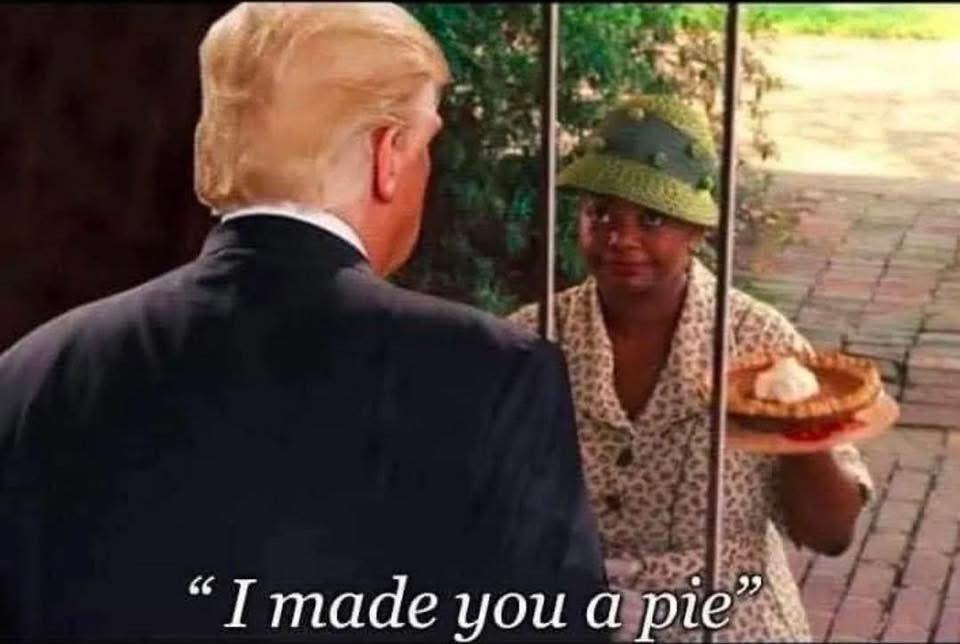

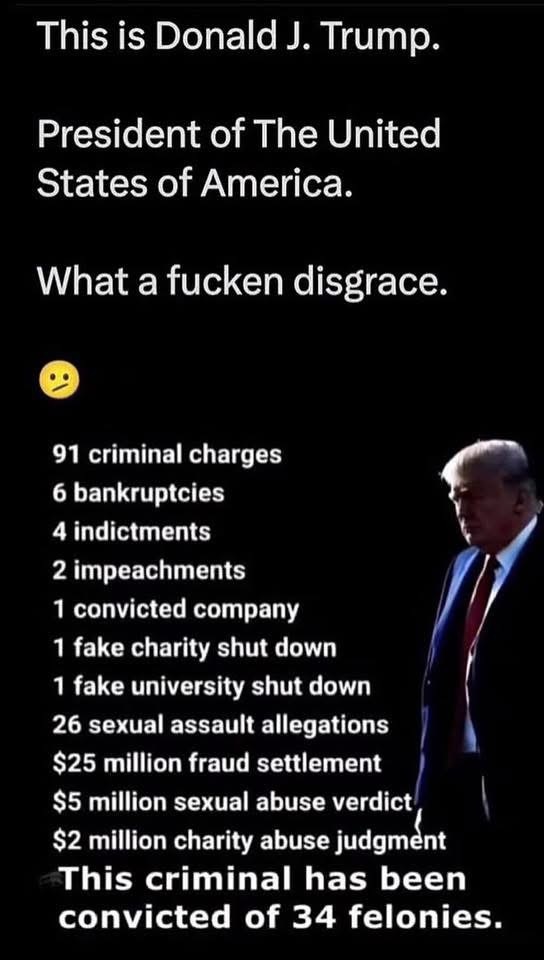



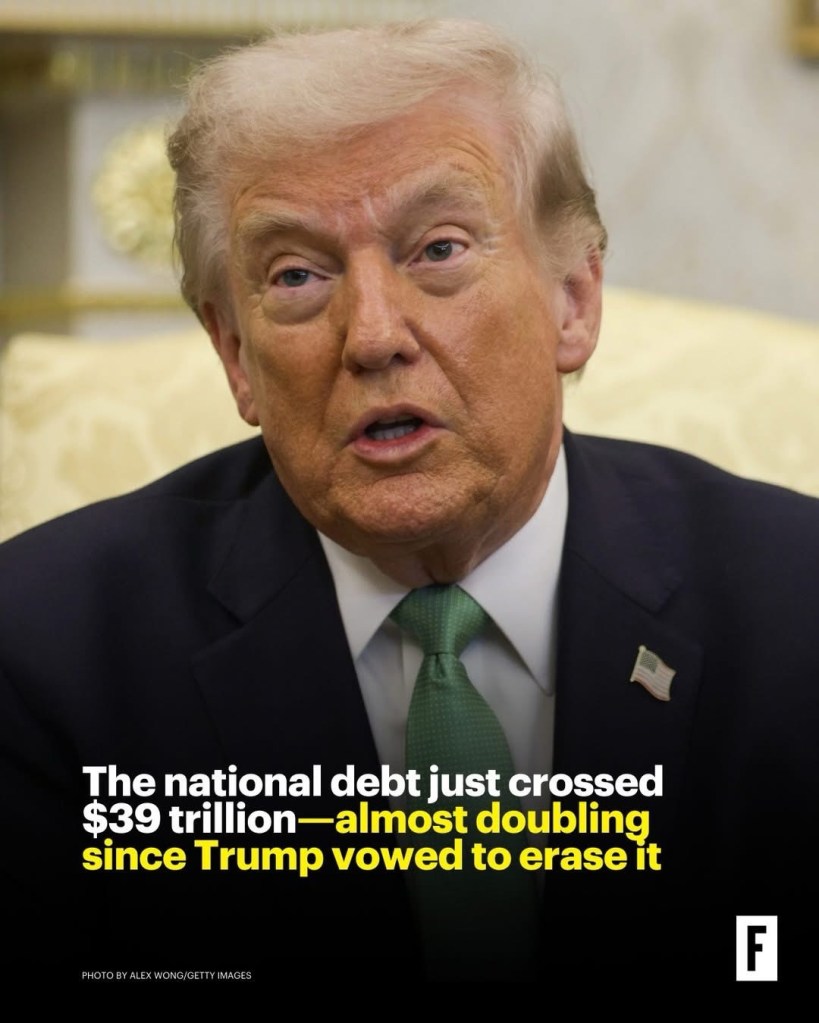
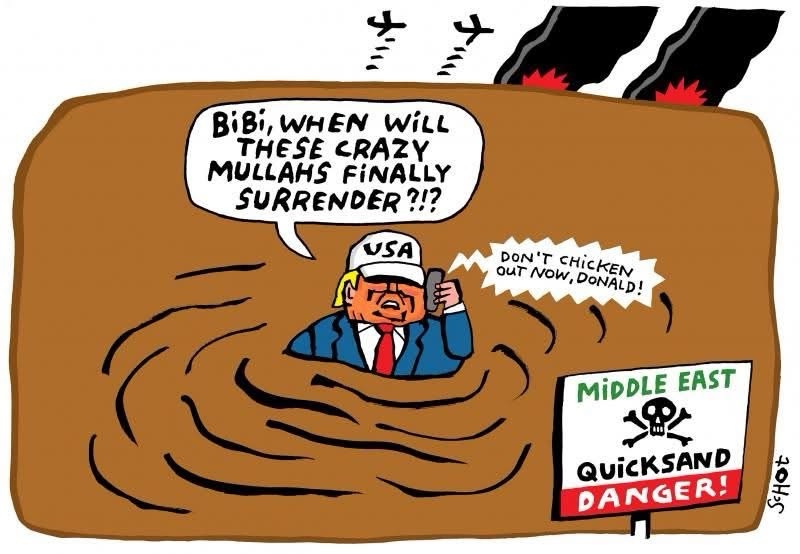
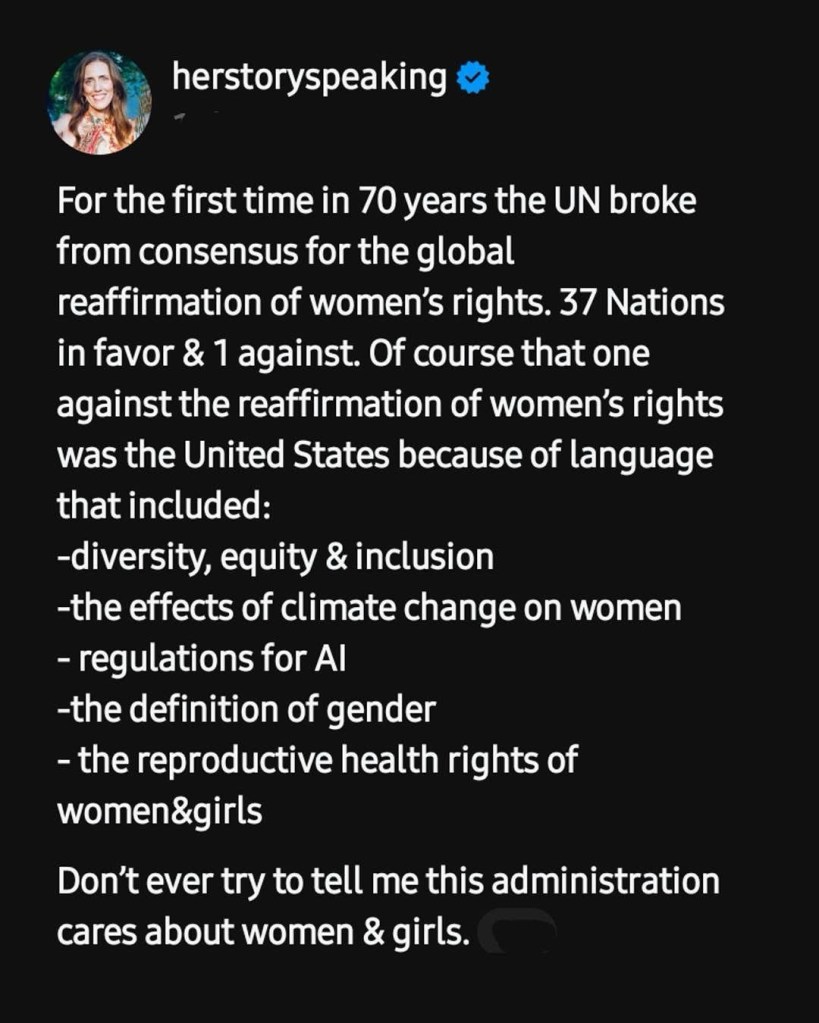






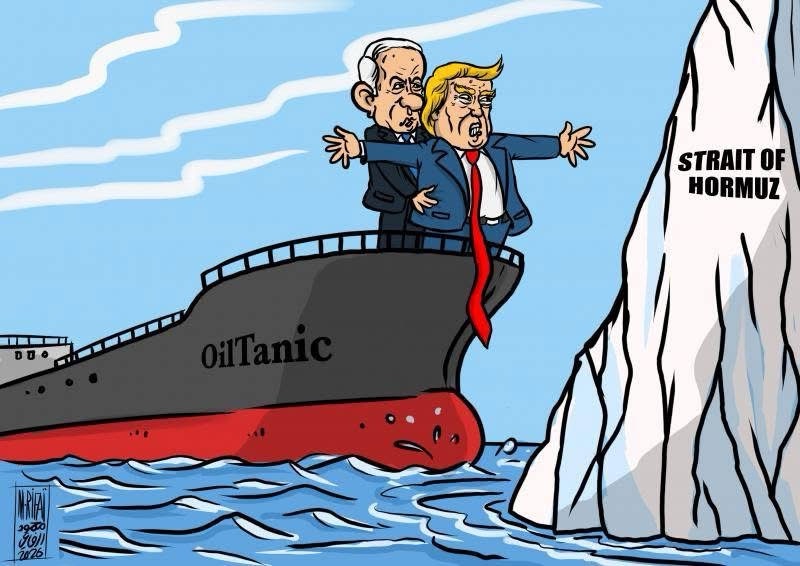

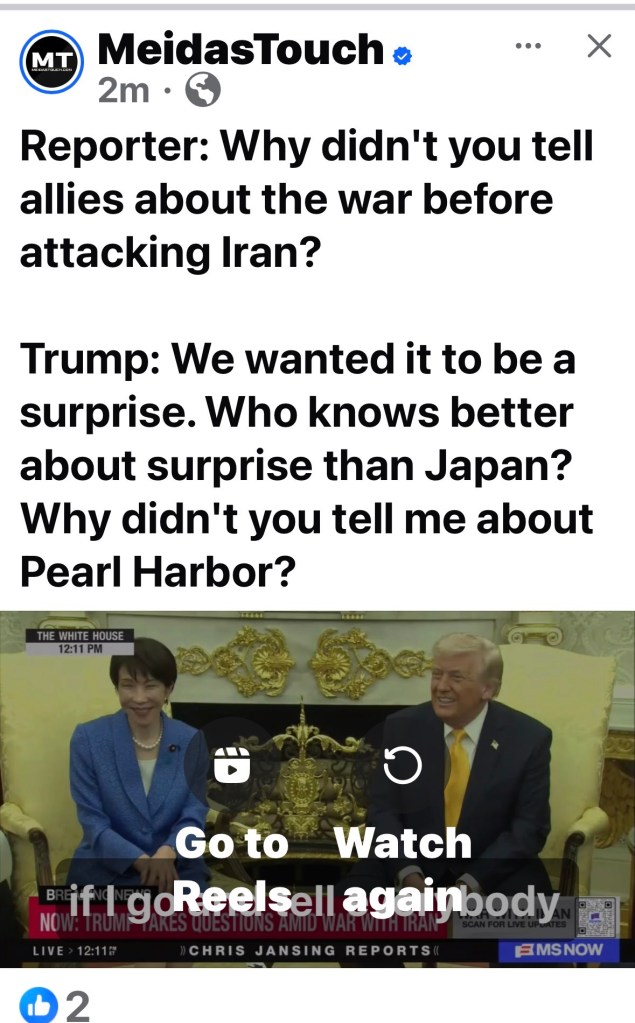
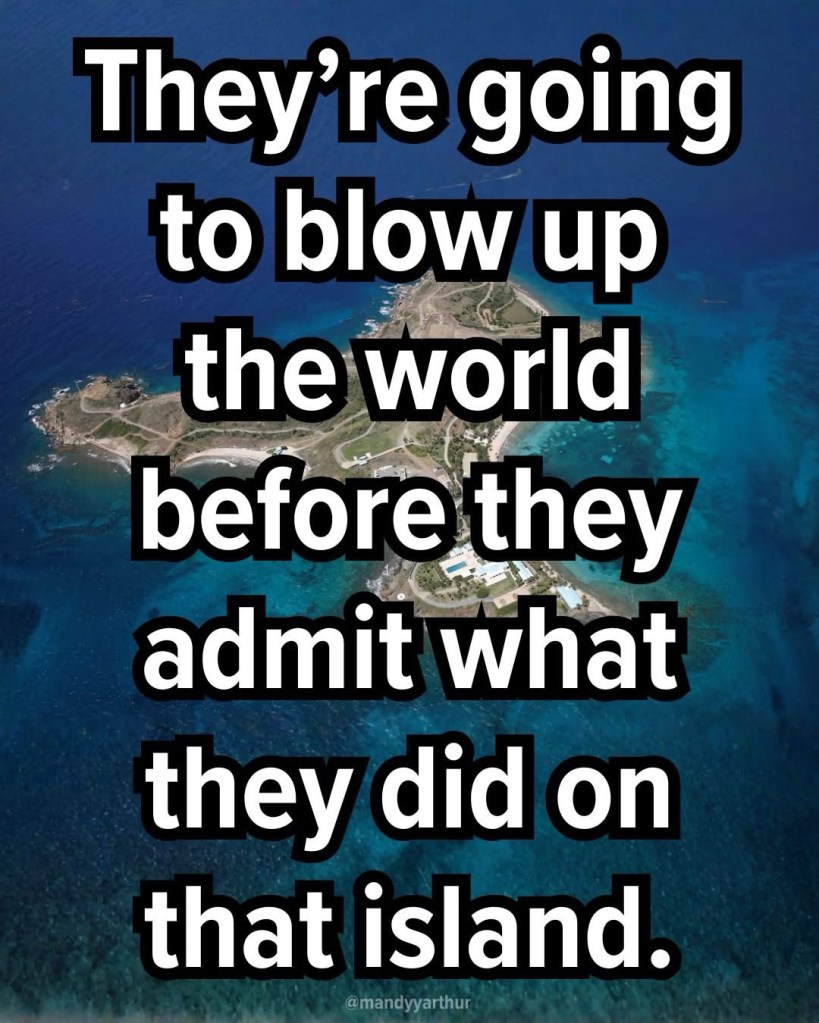
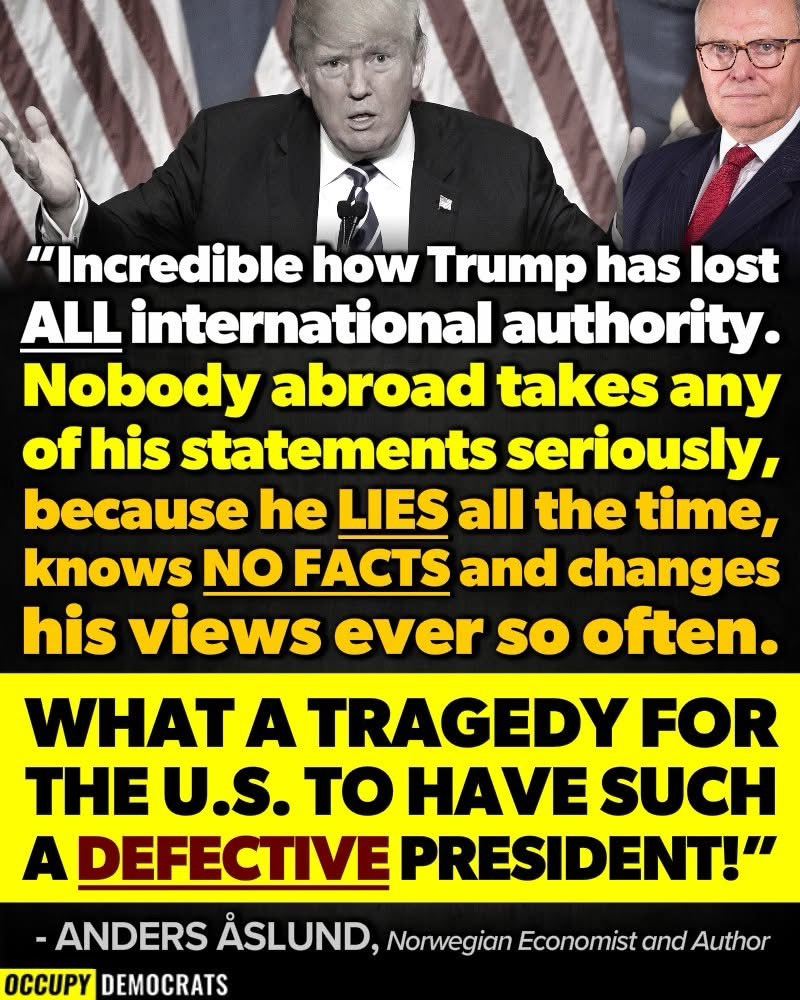
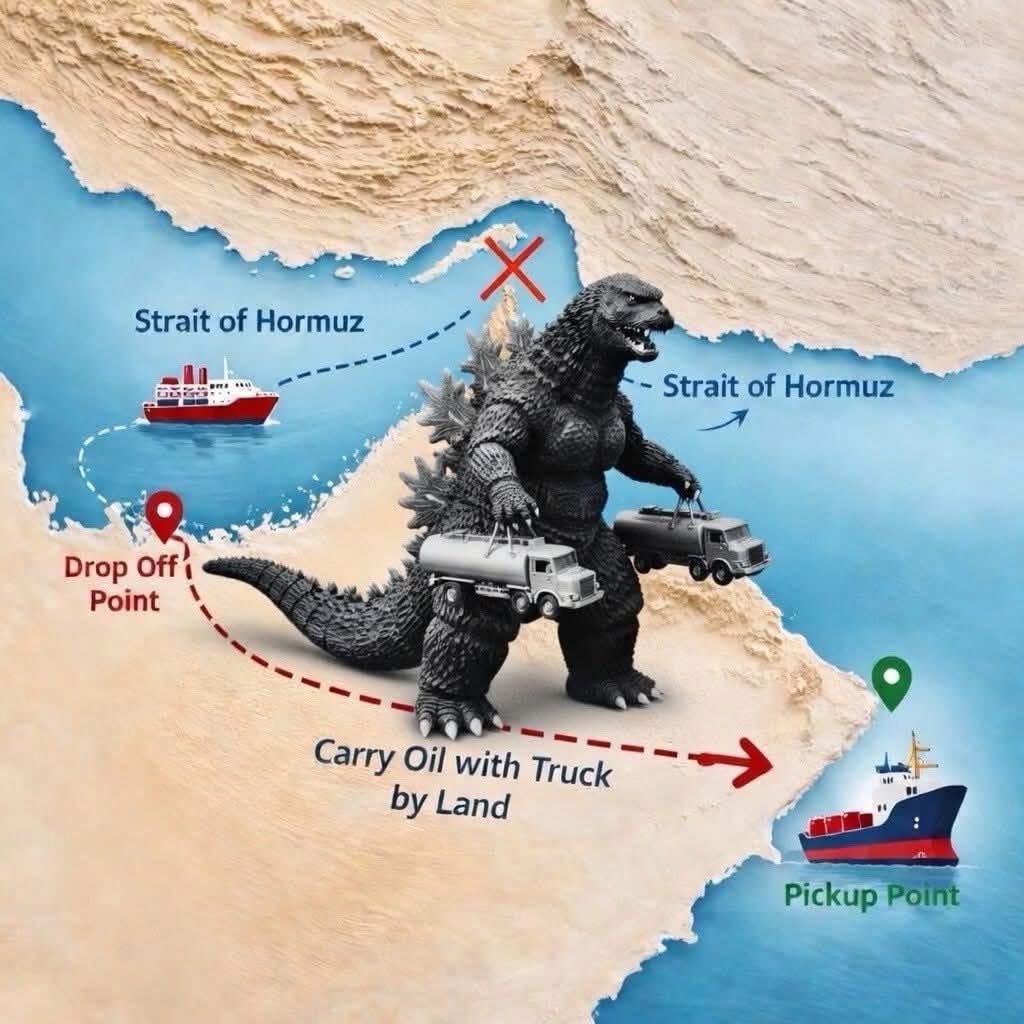
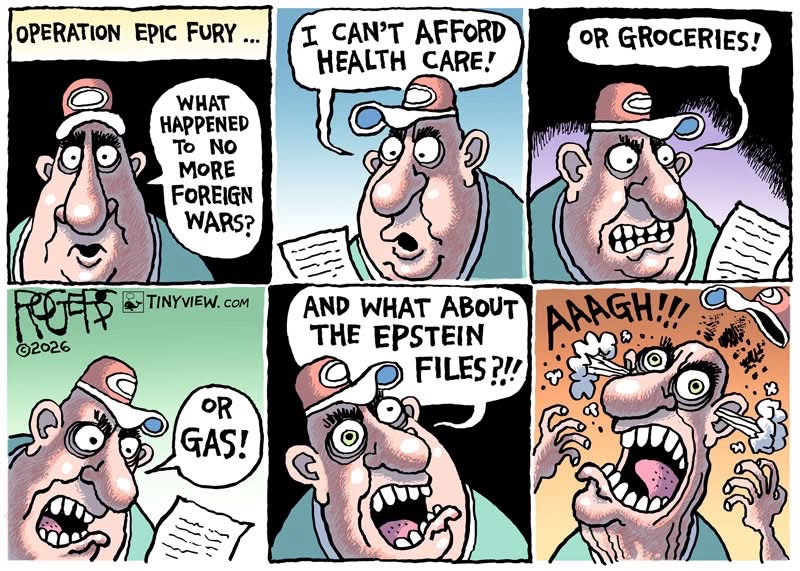
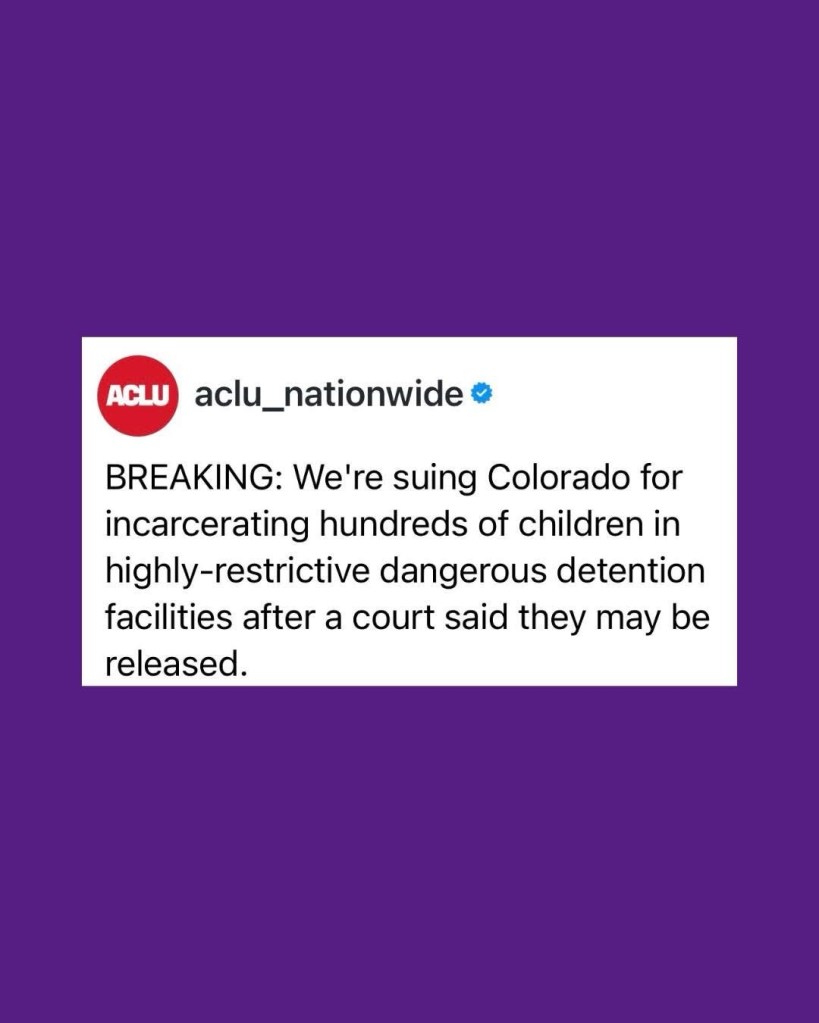
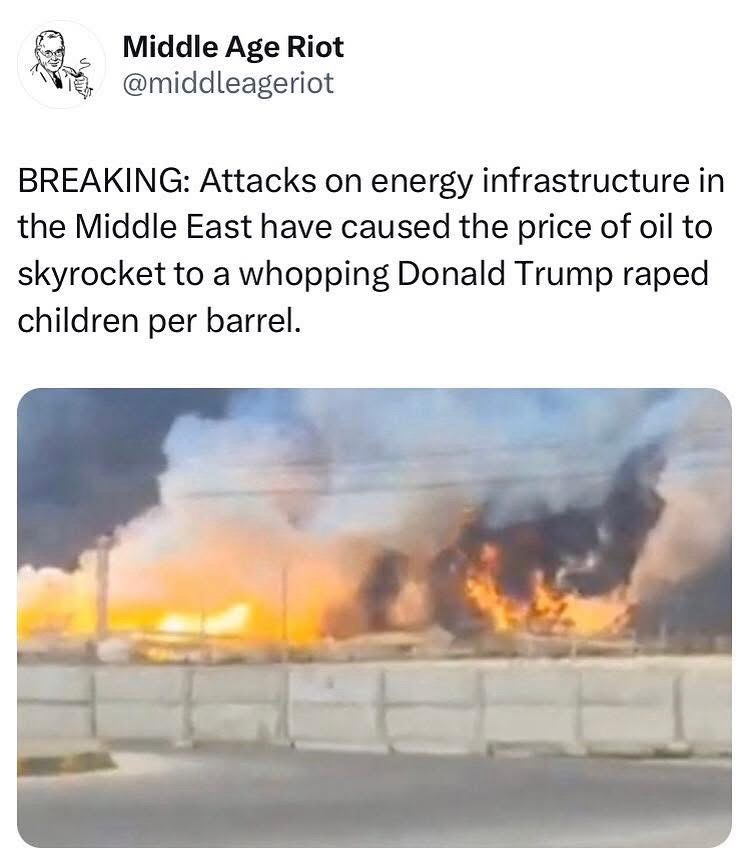
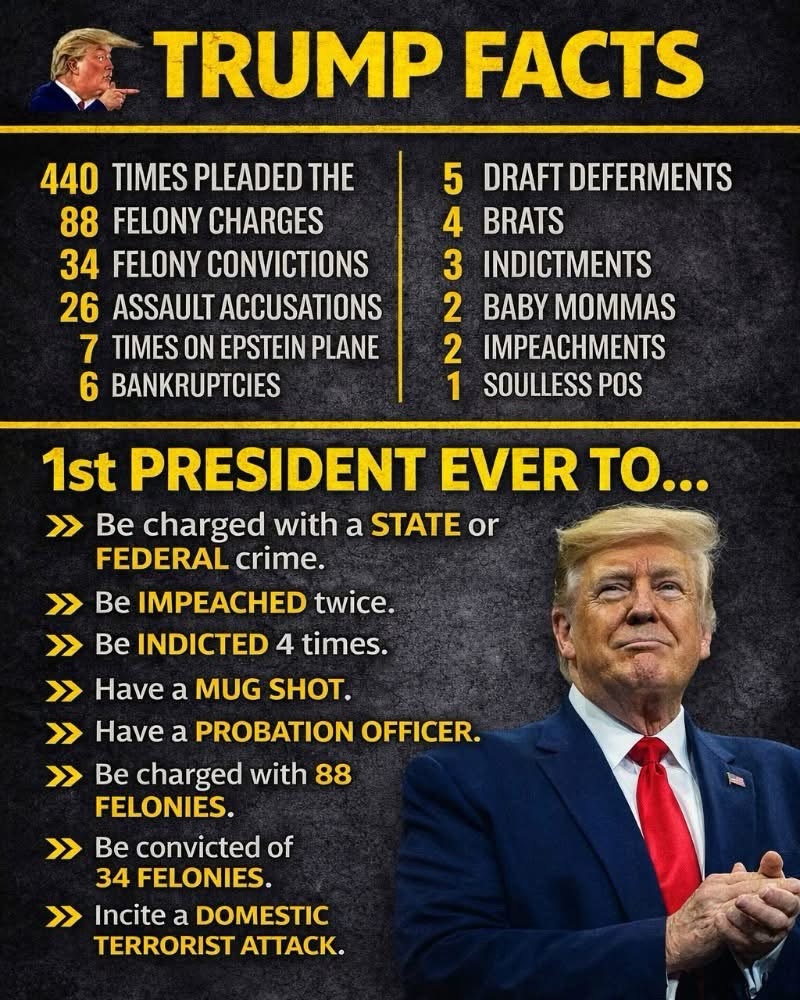
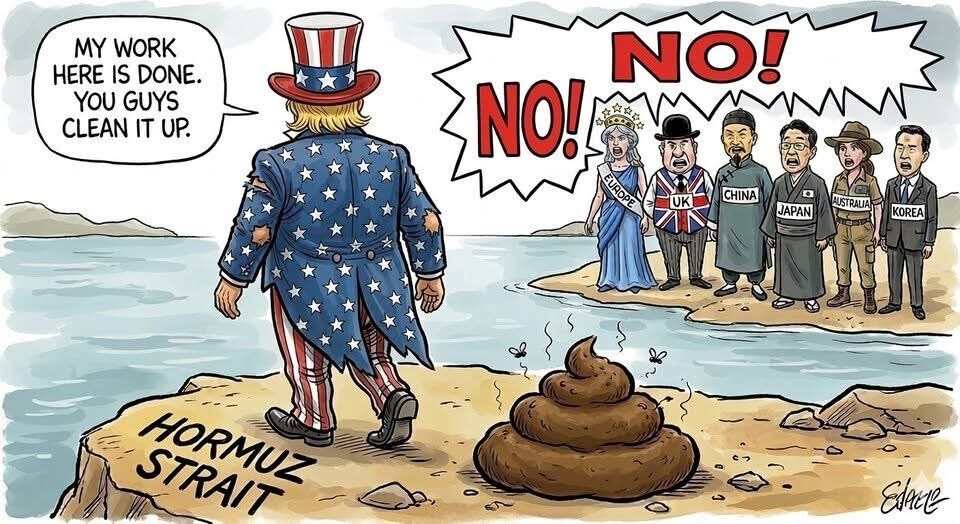
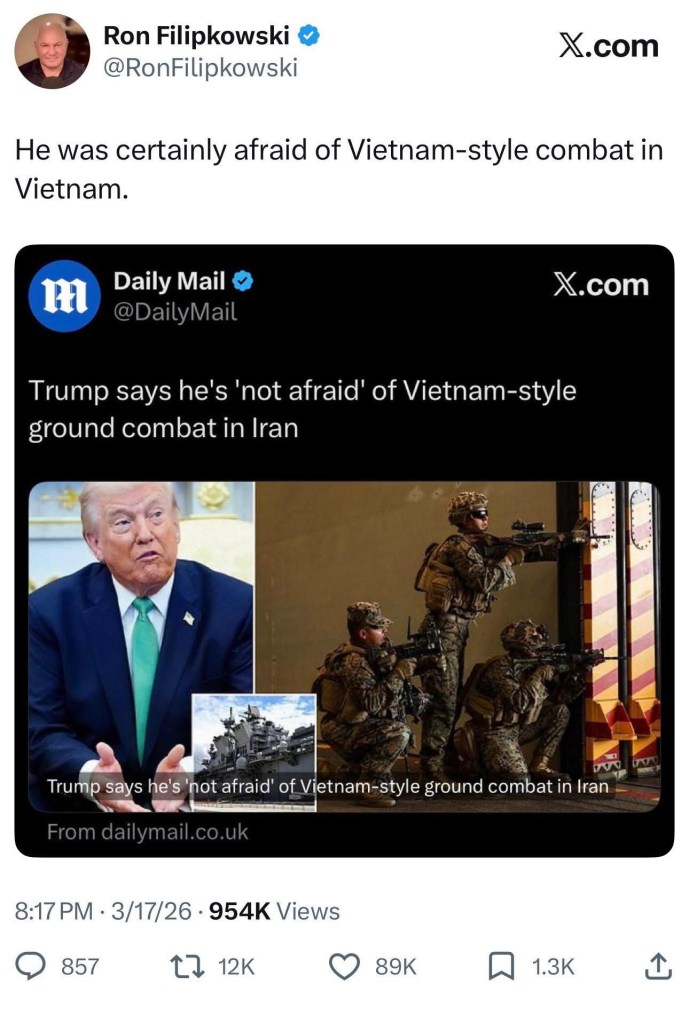
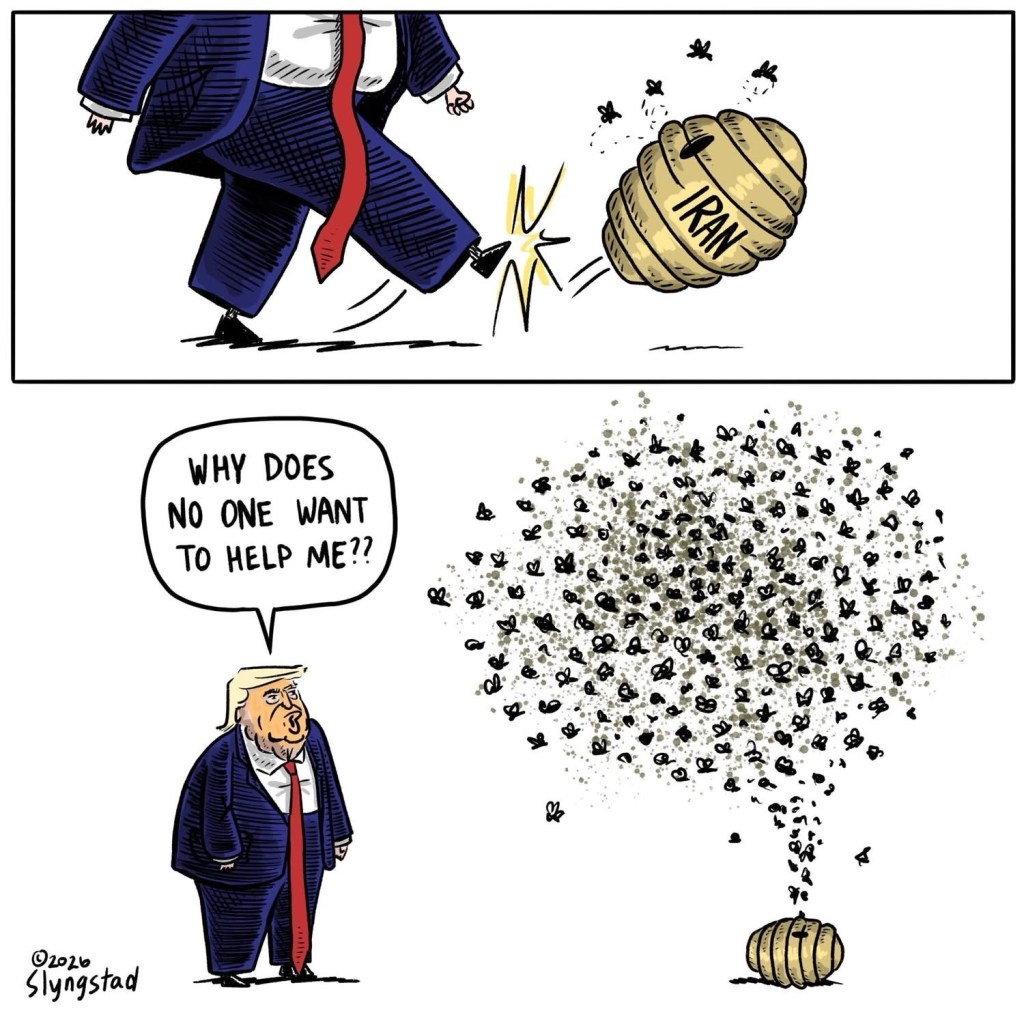

This is an open thread. Stay safe.
Lazy Caturday Reads: Clueless In Iran
Posted: March 21, 2026 Filed under: just because | Tags: Donald Trump, Iran War, Jeffrey Epstein, Strait of Hormuz, Trump clueless about his war 5 CommentsGood Afternoon!!

By Vladimir Olenberg
We are so screwed. Whoever these morons are who decided Trump should get a second chance at the presidency have made a mess that likely won’t be cleaned up in my lifetime.
I don’t think we have any idea yet how bad this Iran war is going to get. Experts are already telling us that the coming energy crisis will be the worst in history. Trump is moving toward putting troops on the ground in Iran. An as of yesterday, 13 U.S. soldiers have been killed and 200 wounded.
All of this is just to distract from the Epstein files. So before I get to Trump’s war, I want to share some Epstein news from Miami Herald reporter Julie K. Brown’s Substack: Documents reportedly shredded by BOP after Epstein’s Death.
“Did you ever destroy any of Epstein’s paperwork?”
This was just one of the many questions that two of the corrections officers who worked the night of Epstein’s death were asked by federal agents two years after the financier’s death was ruled a suicide.
The agents also asked whether the guards had information that indicated Epstein was harmed by anyone, been killed by anyone or had hired anyone to help him hang himself at the Metropolitan Correctional Center in Manhattan on Aug. 10, 2019….
So that made me think. Was something destroyed?
When you search for the words “destruction” or “shredding” in the Epstein Files you find that indeed there were reports in the week after Epstein’s death that boxes of material were feverishly being shredded at the prison.
In fact, at least one corrections officer reported to the FBI that an inmate was hauling an unusual number of bags of trash to the dumpster at the rear gate of MCC on Aug. 15 and 16, less than a week after Epstein’s death.
“They are shredding everything,” the inmate allegedly told one of the guards, adding that he was asked to give the officials, whom he did not recognize, a hand with the shredding.
The inmate wasn’t the only one who found it out of the ordinary. A corrections officer at the prison called the FBI’s National Threat Operations Center that same night, a Friday, at 6:28 p.m. to report that he had “never seen this amount of bags of shredded documents coming out to be put in the dumpster at the rear gate of MCC.”
A back gate corrections officer was also troubled by what he witnessed as the inmate brought down “bales” of shredded paper, according to a memo he wrote to investigators three days later, on Monday, Aug. 19.
The FBI ultimately determined the reports were unfounded, but federal prosecutors nevertheless noted that key documents — such as inmate counts — were missing in the aftermath of Epstein’s death.
And investigators rigorously asked those corrections officers about Epstein’s missing inmate file.
I’m more than ever convinced that Epstein was murdered. There are countless wealthy people who wanted him gone, including Donald Trump. I’m very glad that July Brown is on the case.
Now here’s the latest on Trump’s war.
Al Jazeera has a great summary: Iran war: What’s happening on day 22 of US-Israel attacks?
The war launched by the United States and Israel on Iran has entered its fourth week, with more than 1,400 people reported killed in Iran.
Iran has attacked Israel and US bases in retaliation, threatened Western countries and Gulf states, and warned that global shipping and energy infrastructure could be at risk, as millions of Iranians mark Eid al-Fitr and Nowruz under the shadow of war.
Virginia at the Window, Giusseppe Mariotti
Separately, the US said it was considering “winding down” the conflict while ruling out a ceasefire, and the United Kingdom has allowed the US to use military bases to carry out attacks on Iranian missile sites.
In Iran
- Casualties: The war has killed 1,444 people in Iran, including at least 204 children. Air defences were activated over the capital, Tehran, and nearby areas following reports of explosions as the country celebrated the first day of the Persian new year, Nowruz.
- United Kingdom: Iran fired two ballistic missiles at the US-UK military base Diego Garcia in the Indian Ocean, the semi-official Mehr news agency reported. Iranian Foreign Minister Abbas Araghchi had said Iran will “exercise its right to self-defence” and had warned British lives were in danger after the UK allowed the US to use its bases to launch strikes on Iranian targets.
- 70th wave of attacks: The Iranian armed forces have announced their 70th wave of attacks, launching missiles and drones towards Israel and US bases in the Gulf. This comes as Iran has stepped up its attacks on energy sites across Gulf Arab states in retaliation for an Israeli strike on Iran’s South Pars natural gasfield.
In the Gulf
- Direct threats to the United Arab Emirates: Iran’s military warned it will deliver “crushing blows” to the port city of Ras al-Khaimah if there is any “further aggression” launched from UAE territory against the disputed Gulf islands of Abu Musa and Greater Tunb.
- Bahrain under fire: Bahrain’s defence forces have intercepted and destroyed two more missiles fired from Iran. Bahrain reports that it has destroyed a total of 143 missiles and 242 drones since Iranian attacks began on February 28.
- Saudi Arabia: Its Ministry of Defense reported intercepting and destroying a huge barrage of drones over its eastern region. Saudi forces said they shot down at least 47 drones, including a concentrated barrage of 38 drones within just three hours.
- Kuwait: The Ministry of Defence announced the country is actively “dealing with hostile missile and drone attacks”.
- Refinery strike: Two waves of Iranian drones hit Kuwait’s Mina al-Ahmadi refinery early Friday, sparking a fire at one of the Middle East’s largest facilities, capable of processing approximately 730,000 barrels of oil per day.
- Qatar condemns Israeli strikes: In diplomatic developments, Qatar’s Ministry of Foreign Affairs strongly condemned an Israeli attack on military facilities in southern Syria, calling it a flagrant violation of sovereignty and international law.

There’s much more well organized information at the link.
Trump is all over the place on his plans for the war. In fact, it appears that he has no idea what he doing. News organizations are trying to figure it out, but that seems almost pointless.
The New York Times Editorial Board says he’s lying about his goals (gift link): Trump Is Hiding the Truth About the War in Iran.
From his first announcement of the attack on Iran on Feb. 28, President Trump has issued a stream of falsehoods about the war. He has said Iran wants to engage in negotiations, though its government shows no sign of it. He has claimed that the United States “destroyed 100% of Iran’s Military capability” when Tehran continues to inflict damage throughout the region. He has said the war is almost complete even as he calls in reinforcements from around the globe.
Lying is standard behavior for Mr. Trump, of course. His political career began with a lie about Barack Obama’s birthplace, and he has lied about his business, his wealth, his inauguration crowd size, his defeat in the 2020 election and so much more. A CNN tally of Mr. Trump’s falsehoods during one part of his first term found that he averaged eight false claims per day. Many people are so accustomed to his lies that they hardly notice them anymore.
Yet lying about war is uniquely corrosive. When a president signals that the truth does not matter in wartime, he encourages his cabinet and his generals to mislead the country and one another about how the war is going. He creates a culture in which deadly mistakes and even war crimes can become more common. He makes it harder to win by hiding the realities of conflict and by making allies wary of joining the fight. Ultimately, he undermines American values and interests.
By František Pon
There is a reasonable debate to have about the wisdom of this war. Iran’s murderous government does indeed present a threat — to its own people, to its region and to global stability. Mr. Trump could make a fact-based argument for confronting the regime now, especially to prevent it from menacing its neighbors and, above all, from developing a nuclear weapon. We are skeptical, but we acknowledge that there is a case to be made.
Mr. Trump is not making it. Instead, he has lied about the reasons for the war and about its progress, in an apparent attempt to disguise his poor planning and the war’s questionable basis.
The president was only a few minutes into his Feb. 28 announcement of the start of the conflict when he offered an obviously contradictory rationale for it. He repeated his claim that American attacks last June “obliterated” Iran’s nuclear program while also citing that program as a reason to go to war. The claim of obliteration is false: Iran retains about 970 pounds of highly enriched uranium, potentially enough for 10 warheads.The lies have continued since then. Days later, Mr. Trump said the U.S. military had a “virtually unlimited supply” of high-end munitions. The Pentagon nevertheless has had to withdraw weapons from South Korea to sustain its efforts in the Middle East. He has also asserted that “nobody” believed Iran would retaliate by attacking Arab countries. On Monday, he said that “no, the greatest experts, nobody thought they were going to hit” neighboring countries. In truth, some experts had warned of precisely this scenario.

Use the gift link to read the rest at the link.
As I said before, Trump’s statements about the Iran war are all over the place, and he clearly has no idea what he’s doing. He apparently didn’t expect Iran to close the Strait of Hormuz. He also claimed yesterday that he and his advisers were “shocked” that Iran would actually attack U.S. bases in the Middle East.
Haaretz: Trump ‘Shocked’ That Iran Attacked Gulf Neighbors in Retaliatory Strikes.
U.S. President Donald Trump on Monday said he was “shocked” that Iran attacked neighboring Gulf states in retaliation to U.S. and Israeli strikes, insisting that nobody could have predicted such a response.
“They weren’t supposed to go after all these other countries in the Middle East. So they hit Qatar, Saudi Arabia, UAE, Bahrain, Kuwait. Nobody expected that. We were shocked,” Trump said at a White House event.
He doubled down hours later, stating that “the UAE is like the banker for Iran. Qatar, they are neighbors and got along okay. Saudi Arabia, Kuwait, Bahrain. No expert would say that’s gonna happen. It’s not a question of ‘gee should you have known’ – and if we did, big deal. We have to do what we have to do,” he said in the Oval Office.
In reality, many experts have long warned that Iran was willing and prepared to strike these countries. Iran itself further warned explicitly that neighboring states hosting U.S. military bases could be targeted as part of its deterrence strategy.
Trump’s apparent surprise is the latest example of matters for which the U.S. appeared unprepared – including but not limited to Iran’s military staying power, the regime’s willingness to continue fighting and strategies concerning the Strait of Hormuz choke point that has roiled global energy markets and American gas prices.
Trump’s comments followed an update from CENTCOM chief Brad Cooper that Iran had targeted more than 300 civilian targets in neighboring Gulf states.
I’m sure he was told this would happen, but the man is complete idiot. He doesn’t read or listen and he could even have forgotten what his advisers said. He’s a demented 79 year old.
BBC News: Iranian strikes on bases used by US caused $800m in damage, new analysis shows.
Iranian strikes on military bases used by the US in the Middle East caused about $800m (£600m) in damage in the first two weeks of the war, a new analysis shows….
…[T]he $800m in estimated damage to US military infrastructure – a figure that’s higher than has been previously reported – offers a picture of the steep costs to the US as the conflict drags on.
By Madeleine Ossikian
“The damage to US bases in the region has been underreported,” said Mark Cancian, a CSIS senior adviser and co-author of the think tank study. “Although that appears to be extensive, the full amount won’t be known until more information is available.”
In response to a request for comment, the US Department of Defense referred the BBC to US Central Command, which is leading the war. Officials there declined to comment.
Iran’s retaliatory strikes targeted US air-defence and satellite-communication systems, among other assets, in Jordan, the United Arab Emirates and other countries across the Middle East.
A significant portion of damage was caused by a strike on a US radar for a Thaad missile defence system at an air base in Jordan.
The AN/TPY-2 radar system costs approximately $485m according to a CSIS review of defence department budget documents. The air-defence systems are used for the long-range interception of ballistic missiles.
Strikes by Iran caused an additional $310m in estimated damage to buildings, facilities and other infrastructure on US bases and military bases used by American forces in the region.
Iran also has struck at least three air bases more than once, according to an analysis of satellite imagery by BBC Verify. The repeat strikes underscore Iran’s efforts to target specific US assets. Russia has reportedly shared intelligence with Tehran on American military forces in the region.
Satellite imagery shows the three air bases – Ali Al-Salim base in Kuwait, Al-Udeid in Qatar and Prince Sultan in Saudi Arabia – with fresh damage appearing during different phases of the conflict.

But from what we have been hearing from Trump, he actually didn’t expect Iran to retaliate after being attacked!
Matt Spetalnick and Nandita Bose at Reuters: Three weeks in, Iran war escalates beyond Trump’s control.
President Donald Trump ends the third week of the Iran war confronting a crisis that seems to be slipping out of his hands: Global energy prices are surging, the United States stands isolated from allies and more troops are preparing to deploy despite his promise the war would be only a “short excursion.”
By Linda Herrerra
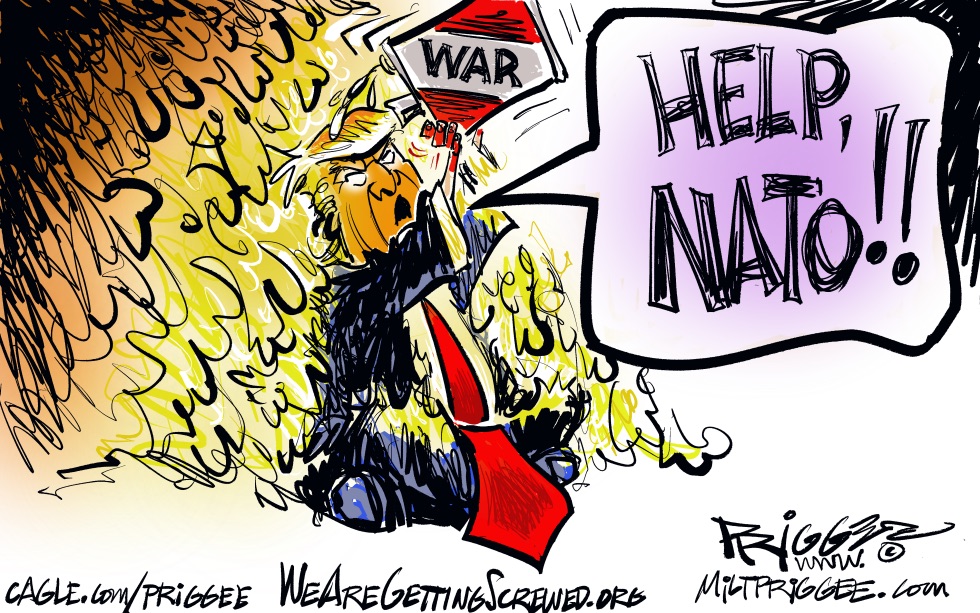
A defensive Trump called other NATO countries “cowards” for refusing to help secure the Strait of Hormuz and insisted the campaign was unfolding according to plan. But his declaration on Friday that the battle “was Militarily WON” clashed with the reality of a defiant Iran that is choking off Gulf oil and gas supplies while launching missile strikes across the region.
Trump, who took office promising to keep the U.S. out of “stupid” military interventions, now appears to control neither the outcome nor the messaging of a conflict he helped to initiate. The lack of a clear exit strategy carries risks both for his presidential legacy and his party’s political prospects as Republicans scramble to defend narrow majorities in Congress in the November midterm elections.
“Trump has built himself a box called the Iran war, and he can’t figure out how to get out of it,” said Aaron David Miller, a former Middle East negotiator for Republican and Democratic administrations. “That’s his biggest source of frustration.” [….]
The limits of Trump’s power — diplomatically, militarily and politically — were thrown into sharp relief over the past week.He was caught off-guard by the resistance of fellow NATO members and other foreign partners to deploying their navies to help secure the Strait of Hormuz, according to another White House official who, like other officials Reuters spoke to for this story, was granted anonymity to discuss internal deliberations.With the president not wanting to appear isolated, some White House aides have advised Trump to quickly find an “off-ramp” and set limits on the military operation’s scope, said one person close to the discussions. But it was unclear whether that argument was enough to sway Trump.

There’s much more at the link.
The Washington Post on mixed messages from Trump about his plans: Trump signals U.S. may leave allies to manage Iran fallout.
President Donald Trump on Friday evening said the United States was considering “winding down” its military efforts in Iran even asthousands of Marines sailed toward the region, leaving unclear whether the White Houseplanned to walk away or escalate its three-week-old war.
Trump’s announcement on social media that he may step back from the war in Iran sought to escalate pressure on allies to assume a greater role in securing the region’s oil shipments — an increasingly urgent concern as energy prices spike. Trump has complained in increasingly bitter terms that U.S. allies are dragging their feet about joining a fight that he launched without consulting them.
“The Hormuz Strait will have to be guarded and policed, as necessary, by other Nations who use it — The United States does not!” he wrote Friday on Truth Social, addingthat he would be open to helping other countries “in their Hormuz efforts.”
“It will be an easy Military Operation for them,” he said.
Tehran has nearly completely shut down a crucial shipping choke point that has sent global energy prices skyrocketing. Trump has lamented multiple times a day this week that Washington’s European and Asian allies have been unwilling to send their militaries to protect the Strait of Hormuz, even though they are more dependent than the United States on the oil and natural gas shipped out of the Persian Gulf.
But Trump is still facing the domestic political consequences of gas prices that have risen 33 percent in the past month — nearly a dollar a gallon, according to AAA figures — creating divisions within his own party as some Republicans grow nervous ahead of the midterm elections. He is also fielding ongoing concerns about the fate of the highly enriched uranium that was buried deep underground by U.S. airstrikes in June.
Hard-liners haveentrenched themselves in Tehran following waves of U.S. and Israeli strikes that Trump has said killed the first, second and third rank of Iranian leadership, leaving the White House to define victory as it seeks an end to the conflict.
The president’s comments come as the Pentagon has developed options that include potentially deploying several thousand paratroopers from the Army’s 82nd Airborne Division to key areas in Iran, according to two officials familiar with the issue who spoke on the condition of anonymity because of the sensitivity of the issue.

By Vladimir Olenberg
We have no idea whether Trump will send in the thousands of troops headed toward Iran or whether he’ll pull out and leave a huge mess for the rest of the world to clean up. I think we’ll have to wait to see what Kushner, Netanyhu, and Putin tell him to do. Because he’s a complete idiot with dementia!
According to NBC News: Trump weighing several options for U.S. troops inside Iran.
President Donald Trump is weighing whether to send possibly thousands of U.S. troops into Iran as he looks for a way to achieve some of his key goals and end the war, according to the two current U.S. officials, two former U.S. officials and another person familiar with the discussions.
Any deployment of ground troops into Iran would carry increased risk but also a potential strategic value of hastening an end to the war. Trump’s considerations come as he faces a looming global energy crisis, increasing political backlash at home from some of his own supporters, and emerging disagreements between the U.S. and its Middle East allies over the direction of the war.
There are several options under discussion, the sources said. One would be aimed at freeing up passage in the Strait of Hormuz by deploying troops to Iranian ports or small islands in the Persian Gulf to mitigate the threat to vessels, the sources said. Others include an operation to retrieve Iran’s highly enriched uranium or using troops to seize Iranian oil facilities to cut off a key financial lifeline and attempt to extract concessions from the regime, the sources said.
They said none of the options that are being seriously considered are expected to involve large-scale deployments like those in the wars in Iraq or Afghanistan. NBC News previously reported that Trump has privately expressed serious interest in deploying U.S. troops on the ground inside of Iran.
Well that’s good, but then there’s this:
Since the war began, Trump has publicly said he is open to sending U.S. troops into Iran. But when asked about it Thursday, Trump told reporters, “No, I’m not putting troops anywhere. If I were, I certainly wouldn’t tell you, but I’m not putting troops.”
White House spokesperson Anna Kelly said in a statement on Friday, “As President Trump said, he has no plans to send troops anywhere — but he wisely does not broadcast his military strategy to the media.” The Pentagon did not respond to a request for comment.
The scale and duration of any deployment of U.S. troops inside of Iran would depend on the type of operation, but it could range from hundreds of specialized forces operating on the ground for a number of hours, similar to the operation employed by forces in the capture of Venezuelan President Nicolas Maduro, to thousands over a matter of weeks, according to the two current U.S. officials and the two former U.S. officials.
Read more at the link. But, the overall takeaway from all these articles is that Trump has no clue what he’s doing.
That’s it for me. I’m terrified about what is going to happen next. What do you think?
Finally Friday Reads: Abusing Public Office on Steriods
Posted: March 20, 2026 Filed under: #FARTUS, #MAGAnomics, #Occupy and We are the 99 percent! | Tags: #TrumpCult, @johnbuss.bsky.social John Buss, Cadet Bonespur's Iran War, high gas prices, ICE Helps Trump Friend, Justice for Breonna Taylor, No Justice, No Peace, Trump sells Favors 3 Comments
“Markwayne Mullin seems qualified to head the Department of Homeland Security.” John Buss, @repeat1968
Good Day, Sky Dancers!
Our Executive branch is basically captured by idiots and criminals. A headline in the New York Times today shows that abusing their offices is the only skill the MAGA officeholders and the president have. This story broke last spring. “Trump Friend Asked ICE to Detain the Mother of His Child. Paolo Zampolli, a former modeling agent and a longtime Trump ally, was in a custody battle over his son. An ICE official agreed to help.” While the American people suffer, the Art of the Steal runs amok.
Megan Twohey, Shawn McCreesh, and Hamed Aleaziz share the lede.
Last June, the man credited with introducing President Trump to his wife asked the administration for a favor.
Paolo Zampolli, a former modeling agent turned presidential special envoy, had learned that his Brazilian ex-girlfriend was in a Miami jail, arrested on charges of fraud at her workplace. They had been in a custody battle over their teenage son. Now he saw an opportunity.
He reached out to a top official at Immigration and Customs Enforcement, explaining that his ex was in the country illegally, according to records obtained by The New York Times and a person familiar with the communications. Could she be put in ICE detention? That could help him get his son back.
The official, David Venturella, promptly called the agency’s Miami office to ensure that ICE agents would pick up the woman from the jail before she was released on bail, according to the records and a person with knowledge of the conversation who requested anonymity to discuss it. During the call, Mr. Venturella noted that the case was important to someone close to the White House.
The woman, Amanda Ungaro, was placed in ICE custody and ultimately deported, an outcome that may well have happened regardless of Mr. Zampolli’s meddling. But the ICE official’s willingness to spring into action for a Trump ally — even one in a low-level, largely ceremonial role — reflects a recurring theme of the second Trump administration: The levers of the federal government can be pulled to settle a personal score.
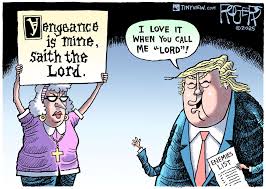 You may read the details at the gifted link above. You may also want to check out MEDIAITE for some analysis by Issac Schorr. “One of Trump’s Friends Reportedly Asked ICE to Arrest the Mother of His Child in Custody Battle Gambit.”
Paolo Zampolli, the man who introduced President Donald Trump to his wife, First Lady Melania Trump, and is currently serving as U.S. special representative for global partnerships at Trump’s behest, asked ICE to arrest the mother of his child last June, according to The New York Times.
After learning that his Brazilian ex-girlfriend, with whom he had a son, Amanda Ungaro, had been arrested on fraud charges in Florida, Zampolli allegedly “saw an opportunity” to land a potentially killing blow in his custody battle with her.
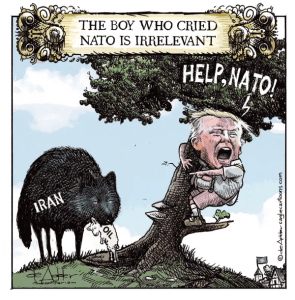 This is just one example of the incompetence, revenge-taking, and grifting that make up the heart of the Trump Regime’s reign of Terror. The story that keeps one like the above in the background is still the Iran War. Greg Sargent of The New Republic discusses some of the incredible ‘madness’ surrounding the machinations behind the War with Congressman Adam Smith. “Transcript: Trump War Takes Dark Turn as Leaks Unnerve Dems: ‘Madness’. In an interview, Congressman Adam Smith, the top Armed Services Democrat, sharply condemns the newly leaked war schemes—and tells us that Dems must not agree to one more dime in war funding.”
Everything we’re learning now strongly suggests that Donald Trump’s war is about to get worse. First, word leaked that the Pentagon may demand $200 billion more from Congress. Second, officials let it be known that Trump is considering the deployment of thousands of troops on the ground. Meanwhile, Trump himself just suggested to reporters that he’s envisioning even more military actions that he hasn’t even explained yet.
All this makes it absolutely clear that Congress will not just be asked to fund Trump’s war, but also that the pressure on Congress to do something about this madness will intensify. So today we’re talking to Congressman Adam Smith, the ranking Democrat on the House Armed Services Committee, about what Democrats will be able to do when that happens. Congressman, thanks so much for coming on.
Adam Smith: Well, thanks for having me. It’s always good to see you.
Sargent: So let’s start with all the leaks about Trump potentially sending in troops on the ground. People familiar with planning told Reuters that Trump may deploy thousands of them. The options being discussed are deploying troops to the shoreline of the Strait of Hormuz to secure passage for oil tankers and possibly sending ground forces to Kharg Island, which is the hub for oil exports, which one official describes to Reuters as “very risky.” Congressman, you talk to people at the Pentagon a fair amount. Are you getting any indications of anything like this, and what’s your overall take on it?
Smith: Yeah, no, it’s very worrisome, because the bottom line is it’s clear that Trump is not going to be able to achieve anything meaningful in Iran—which is a change of the regime and a change of action. I mean, degrading their capability is one thing, but at the cost that we’re currently experiencing—13 service members’ lives already lost, massive economic disruption, 14 countries dragged into this, civilian deaths, the tragic killing of 150 schoolgirls in Iran—massive cost, just to degrade Iran a little bit. He wants regime change. He wants something different. That’s not happening under the current plan.
Now, I don’t think it’s going to happen if he sends in a few thousand troops, either, but the pressure on him to escalate is growing in his own mind. The pressure is also growing on him to end this madness, stop this war, and recognize he’s not going to accomplish that. But we’ve sent 2,500 Marines—they’re now in the area. Another 2,500 are on their way. And you know, Marines don’t just sit in boats—they’re there for a purpose. And sadly, what we’ve learned in the last year is that when Trump masses forces, he uses them.
He did it in Latin America, first with the boat strikes, then with taking out Maduro. He did it in the Middle East when he massed these forces for the war with Iran. So if he sends troops to the region, it is distinctly possible that he’s going to use them. It would be an idiotic decision, because the ability of four or five thousand troops to really fundamentally change this war—I don’t think that’s going to succeed. But Trump doesn’t think in a linear way. He trusts his gut and his bones, apparently.
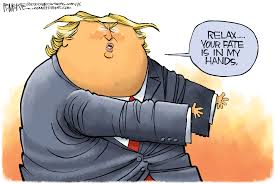 You may watch the interview or continue reading the transcript at the link. Smith and Sargent discuss the implausible reasons given for the war and the difficulty of achieving any real goal from it. As far as I can tell, it just takes the country’s mind off the Epstein files and the constant drip of incompetence and abuse of office. It’s theater that’s costing lives, taxes, and a declining economy.
And a little more dribble from what used to be the Justice Department. “Feds move to dismiss charges against officers accused of falsifying warrant in Breonna Taylor raid.” This is breaking news from the AP.
Federal prosecutors have asked a judge to dismiss the charges against two Louisville officers accused of falsifying the warrant that led police to raid Breonna Taylor’s apartment the night she was killed six years ago.
Prosecutors said in a court filing Friday that their review of the case showed the charges against former Detective Joshua Jaynes and former Sgt. Kyle Meany should be “dismissed in the interest of justice.”
Lawyers for the two didn’t immediately respond to Friday requests for comment.
Judges have twice taken a felony charge against each officer and reduced it to a misdemeanor, saying there wasn’t a direct link between the false information and Taylor’s death. Prosecutors said after the second ruling that they decided to drop the cases.
Taylor was shot to death by police when they broke down the door of her apartment while serving a no-knock drug warrant looking for a former boyfriend who no longer lived there.
Taylor’s boyfriend at the time fired at the officers, and Taylor was killed as police fired back.
Federal prosecutors under former President Joe Biden sought the charges against the officers, while President Donald Trump’s Department of Justice has asked the only officer serving prison time related to Taylor’s killing to be let out of prison while he appeals his conviction.
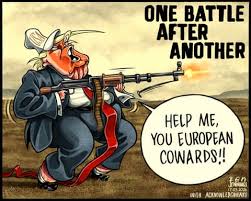 This headline from Wired is due to our insane #FARTUS, and for whatever reason, we got sent to war. “Iran War Puts Global Energy Markets on the Brink of a Worst-Case Scenario. “This will be so, so, so, so, so bad,” one analyst says.” This is reported by Molly Taft.
The war in Iran reached a new extreme this week, as both Israel and Iran launched strikes on oil and gas production and export facilities. The attacks up the stakes in a war that was already choking energy and commodity markets, and will threaten the long-term health of the global economy. On Friday, the International Energy Agency recommended that people work from home, drive slowly, and use gas stoves sparingly in order to alleviate price shocks from the crisis.
The situation in the Persian Gulf is so extreme, analysts told WIRED, that it’s almost unbelievable.
“This scenario is something that you give to the first-year oil analysts to say, ‘OK, if this happens …’ It’s a really interesting illustrative educational thought experiment,” says Rory Johnston, a Canadian oil market researcher. “It’s kind of like, what would happen if gravity just suddenly stopped working for 10 minutes? The things you just give to students to say, ‘Let’s put a thought experiment to something extreme and see how would the system react’? I never thought we would actually see this.”
Ellen Wald, an energy and geopolitics consultant, agrees. “This is like one of those war game simulations in energy markets,” she says.
The initial attacks on Iran earlier this month effectively closed off the Strait of Hormuz, one of the world’s most important shipping routes. The strait is the central lifeline for oil and gas exports from not only Iran, but other countries in the Middle East. The bulk of the Organization of the Petroleum Exporting Countries (OPEC), the world’s largest oil and gas cartel, use the strait to ship oil and gas out of the region to customers. The strait is also a critical hub for oil and gas byproducts like industrial chemicals and fertilizer. Closure of the strait sent shocks through the global economy: After the initial attacks, oil prices shot up above $100 per barrel for the first time since Russia’s invasion of Ukraine in 2022.
“Anytime there is any kind of military activity in the Persian Gulf or even in the Middle East, oil markets tend to get very jittery,” says Wald; closing the strait was a sign that this war could have much more extreme impacts than other conflicts. But for the first few weeks, the oil production facilities themselves remained mostly untouched. “No oil and no products were getting out, and some countries don’t have enough storage, and so they were shutting down production simply because they couldn’t store the oil,” says Wald. “But that’s the kind of thing that can be fairly quickly reversible.”
Over the past few days, however, missile strikes have started heavily targeting oil and gas infrastructure. On Thursday, Israel launched a series of strikes on various oil and gas facilities in the region, most notably the South Pars gas field, the world’s biggest natural gas field, which is jointly controlled by Iran and Qatar. Iran retaliated with counterstrikes, including on the world’s largest oil export facility in Qatar. Oil prices temporarily shot up to nearly $120 a barrel.
 Israel is just doing whatever it wants to because Bibi can flatter the hell out of Trump and make him do anything. This entire thing was a huge disaster just waiting to happen. There’s even some speculation that Israel will use nukes. This is from NPR. “More Marines are headed to Middle East as Iran war reaches the 3-week mark.” This is the most current update.
More U.S. Marines are headed to the Middle East, NPR has confirmed, as the U.S.-Israeli war with Iran reaches the three-week mark.
Israel launched more strikes in and around Tehran early Friday, as Iranians marked Nowruz, the Persian New Year. Muslims around the world are also observing the end of the holy month of Ramadan.
Overnight, Iranian drones hit Kuwait’s Mina Al-Ahmadi oil refinery again, sparking fires as crews worked to contain the blaze. Authorities in the United Arab Emirates said the country’s air defenses responded to missile and drone threats from Iran with explosions echoing across Dubai as worshippers marked the Muslim holiday of Eid
There’s more on the marine deployment and other topics at the link.
Finally, safer and greater today? I sure am not. Just wondering if anyone is singing Bomb. Bomb Bomb Iran today? Never Mind. It says it’s a parody.
What’s on your reading and blogging list today?

 peej
peej Carissa
 bostonboomer
 dakinikat
 ecocatwoman
 mablue2
 Mama Lopez
 peggysue22
 quixote
 skydancingguestblogger
 Mona (aka Wonk the Vote)



 Sky Dancing
Recent Comments