We are getting some snow here in Greater Boston. It doesn’t look like it will amount to much, but it’s pretty to look at. I miss having big snowstorms. It seems as if climate change has destroyed us New Englanders’ identity as tough people who handle deep snow and frigid cold with aplomb.
In the winter of 2014-2015, Boston got an unbelievable snow total of 110 inches, with 64.8 inches coming in February. On January 26-27, a blizzard dropped more than 34 inches of snow. Now we’ve gone through several mild winters with very little snow. Personally, I miss the old days of giant snowstorms. And I know I’m not alone.
Ben Popp, executive director of the American Birkebeiner Ski Foundation….
MEGHNA CHAKRABARTI: This is On Point. I’m Meghna Chakrabarti, and sure snow can be a pain in the butt, I know. But for folks who grew up with long winters, snow also carries memory with it of ethereal beauty, hard slogs, and hard times overcome of crystalline joy. I grew up in a place with a pretty temperate, very rainy winter.
So when I moved to New England and experienced my first big blanket of snow, I was left with only one feeling: pure magic. Now though, for listeners who shared those stories with us that you just heard, they were from upstate New York, Utah, Colorado, Wisconsin, New Hampshire, Washington State, Maine, Iowa, Ohio, the Dakotas and more.
For all of them, winter is very different. Because the magic feels like it’s fading away….
(LISTENER MONTAGE)
I’m standing in my front yard and there is a tiny bit of ice that used to be snow that’s melted in the shade, and we’ve had almost no snow.
It’s February 2nd and I live in Western New York and there is no snow today. The ground is bare. I can see grass. This is completely different from what I experienced when I was growing up.
I have a four-year-old golden, who’s only ever played in a few inches of snow. Has no idea what it’s like to run and fly and bound through endless puffy snow.
This year’s snow amount is quite depressing.
I think our snow drought is contributing to our overall drought that we’ve been experiencing in eastern Iowa over the last five years or so.
This year for the very first time, when I go outside, sometimes I occasionally find flies or mosquitoes or bees, and so to me, seeing insects that are typically not around during the winter months. It tells me there’s clear change happening.
I miss the snow. I miss watching it fall. I miss how it muffles the noise and just makes things so peaceful and quiet.
I really miss having snow for Christmas and for the kids to play sled and built snow forts.
When my kids were growing up, they were outside all the time. Now our young grandchildren can’t really go outside so much and all the time. Because it’s a mud pit instead of a snow mound. So it’s hard.
The roads in town are as oddly bare as the trails here and one local businesses’ electronics door front sign captures our community’s collective sentiment. It keeps flashing “Pray for snow.”
CHAKRABARTI: It is true. Snowfall is becoming less reliable and snowpacks are shrinking. Winter snowpack in many parts of the continental U.S. have shrunk by 10% to 20% per decade over the last 40 years. That’s according to a study published last month in Nature. There is some annual variation, but overall winter and its signature precipitation are changing.
Snow has a way of creating a shared identity, a sense of wonder, a sense of fun for people who live in those cold places. It binds communities together. So what do we lose when that snow melts away?
Climate change is not only changing the way we live; it is change how we see ourselves. Read the discussion at the WBUR link. If you live in a place that used to get lots of snow, I think you’ll find it interesting.
It was the hottest year ever recorded for the world’s lands and oceans in 2024, US government scientists have confirmed, providing yet another measure of how the climate crisis is pushing humanity into temperatures we have previously never experienced.
Last year was the hottest in global temperature records stretching back to 1850, the National Oceanic and Atmospheric Administration (Noaa announced, with the worldwide average 1.46C (2.6F) warmer than the era prior to humans burning huge volumes of planet-heating fossil fuels.
This new record, 0.1C (0.18F) hotter than the previous high mark set in 2023, means that all of the 10 hottest years since 1850 have occurred in the past decade. The data supports separate figures released by European Union scientists this week that also show a record 2024, albeit those figures showed 2024 was 1.6C (2.8F) hotter than pre-industrial times, the first measure beyond the internationally-agreed threshold of keeping long-term temperatures below a 1.5C (2.7F) rise.
Nasa, which also released its temperature data on Friday, concurs that 2024 was a record year, being 1.47C (2.6F) hotter than the pre-industrial era. “All the groups agree, regardless of how they put the data together, there’s no question,” said Gavin Schmidt, a senior climate scientist at Nasa. “The long-term trends are very clear.”
Schmidt said the levels of global heating are pushing humanity beyond its historical experience of the Earth’s climate. “To put that in perspective, temperatures during the warm periods on Earth three million years ago – when sea levels were dozens of feet higher than today – were only around 3C warmer than pre-industrial levels,” he said. “We are halfway to Pliocene-level warmth in just 150 years.”
Last year saw a record hot year for the United States, Europe and Africa, as well as another record year for the Arctic, which is warming up at three times the rate of the global average.
The year was marked by severe events worsened by the climate crisis, with temperatures so hot in Mexico that howler monkeys fell from trees, a double-whammy of hurricanes that flattened swathes of the US south-east, devastating floods in Spain and record low water levels in the Amazon river. Southern Africa got just half of its normal rain levels.
Now in 2025 we are seeing an unbelievable climate disaster in Los Angeles. I heard this morning that the burned area in LA is now larger than the city of Boston.
California’s Palisades Fire, the largest of the deadly wildfires that ignited this week in the Los Angeles area, has devastated communities and upended thousands of lives, forcing people to flee homes that were lost to the blaze. The inferno has scorched dozens of square miles, and maps from CBS News show how its size compares to those of major U.S. cities.
Here’s a look at how the Palisades Fire compares to the size of 13 cities across the U.S.
The maps show comparisons to Baltimore, Boston, Chicago, Dallas, Denver, Detroit, Miami, Minneapolis, New York City, Philadelphia, Pittsburgh, Sacramento, and San Francisco.
Check out the comparisons to cities you are familiar with.
An exceptional mix of environmental conditions has created an ongoing firestorm without known historical precedent across southern California this week.
The ingredients for these infernos in the Los Angeles area, near-hurricane strength winds and drought, foretell an emerging era of compound events – simultaneous types of historic weather conditions, happening at unusual times of the year, resulting in situations that overwhelm our ability to respond.
On Wednesday, Joe Biden pledged the assistance of the Department of Defense to reinforce state and local firefighting capabilities, a rare step that highlighted the extent to which the fast-moving fires have taxed response efforts.
As of Wednesday evening, the Palisades and Eaton fires have each burned more than 10,000 acres and remain completely uncontained. About one in three homes and businesses across the vast southern California megacity were deliberately without power in a coordinated effort by the region’s major utilities to contain the risk of new fire starts due to downed power lines.
The Palisades fire now ranks as the most destructive in Los Angeles history with hundredsof homes and other structures destroyed and damage so extensive that it exhausted municipal water supplies. In Pacific Palisades, wealthy homeowners fled by foot after abandoning their cars in gridlocked neighborhoods. In Pasadena, quickly advancing fire prompted evacuations as far into the urban grid as the famous Rose Parade route.
Early estimates of the wildfires’ combined economic impact are in the tens of billions of dollars and could place the fires as the most damaging in US history – exceeding the 2018 Camp fire in Paradise, California.
Fire crews have been facing a second night of fierce winds in rugged terrain amid drought and atmospheric conditions that are exceedingly rare for southern California at any time of the year, let alone January, in what is typically the middle of the rainy season – weeks later (or earlier) in the calendar year than other historical major wildfires have occurred.
Analysis:
The next few days will be a harrowing test. Lingering bursts of strong, dry winds into early next week will maintain the potential for additional fires of similar magnitude to form. In a worst-case scenario, the uncontained Palisades and Eaton fires will continue to spread further into the urban Los Angeles metro, while new fires simultaneously and rapidly grow out of control – overtaking additional neighborhoods and limiting evacuation routes more quickly than firefighters can react. In conditions like these, containing a wind-driven blaze is nearly impossible.
These fires are a watershed moment, not just for residents of LA, but emblematic of a new era of complex, compound climate disaster. Conditions for a January firestorm in Los Angeles have never existed in all of known history, until they now do.
The short answer is that the greenhouse gases humans continue to emit are fueling the climate crisis and making big fires more common in California.
As the atmosphere warms, hotter air evaporates water and can intensify drought more quickly.
Melting Arctic ice creates changes in the jet stream’s behavior that make wind-driven large wildfires in California more likely. Recent studies have found that Santa Ana wind events could get less frequent but perhaps more intense in the winter months due to the climate crisis.
The more complicated answer is that these fires are an especially acute example of something climate scientists have been warning about for decades: compound climate disasters that, when they occur simultaneously, produce much more damage than they would individually. As the climate crisis escalates, the interdependent atmospheric, oceanic and ecological systems that constrain human civilization will lead to compounding and regime-shifting changes that are difficult to predict in advance. That idea formed a guiding theme of the Biden administration’s 2023 national climate assessment.
Apocalyptic flames and smoke are raging through southern California in the worst fire in Los Angeles county’s history. At least seven people have died. Thousands of structures have been destroyed. Hundreds of thousands of people have fled their homes. The private forecaster AccuWeather estimates initial damage and economic loss at more than $50bn and has the potential to be the costliest wildfire disaster in American history. The impacts of the disruption and loss faced by community members is incalculable.
These powerful interests are ignoring what is fanning wildfire flames – fossil fuel-driven climate change – and trying to deflect attention elsewhere. This is not surprising. Denying science and promoting false narratives squarely falls within the playbook of the fossil fuel industry and its proponents. Take for example, Trump calling the climate crisis a hoax and once again threatening to withdraw the US from the Paris agreement.
Oil, gas and coal companies have been lying to us for decades. A 2015 investigation by Inside Climate News revealed that ExxonMobil’s own scientists knew as early as the 1970s that burning fossil fuels would cause global warming and increase the likelihood of extreme weather events. Instead of pivoting toward cleaner energy solutions, Exxon and other major players funded misinformation campaigns to sow doubt about climate science, delaying action and worsening the crisis.
California is part of a growing number of states and local governments challenging these lies through litigation. The legal suits against six oil companies and the American Petroleum Institute accuse them of deceiving the public regarding the connection between fossil fuels and climate crisis and profiting from that deception. The aim of the litigation is to redirect those profits into funds to address the damage of climate crisis on California. The litigation is still underway.
The science is clear. Wildfires are getting worse due to climate crisis as a result of increased temperatures and drier conditions in southern California. While more work needs to be done to determine the specific role fossil fuels played in the Los Angeles fires, we do know that emissions from the world’s 88 largest fossil fuel companies are responsible for 37% of the cumulative area burned by forest fires in the western US and south-western Canada between 1986 and 2021.
Ethically, the responsibility is undeniable. By continuing to expand production, fossil fuel companies are prioritizing shortterm profits over longterm planetary survival. As academic Naomi Oreskes points out in her book Merchants of Doubt, this is not mere negligence – it is a calculated decision to disregard human and environmental well-being.
As Los Angeles burned for days on end, horrifying the nation, scientists made an announcement on Friday that could help explain the deadly conflagration: 2024 was the hottest year in recorded history.
With temperatures rising around the globe and the oceans unusually warm, scientists are warning that the world has entered a dangerous new era of chaotic floods, storms and fires made worse by human-caused climate change.
The firestorms ravaging the country’s second-largest city are just the latest spasm of extreme weather that is growing more furious as well as more unpredictable. Wildfires are highly unusual in Southern California in January, which is supposed to be the rainy season. The same is true for cyclones in Appalachia, where Hurricanes Helene and Milton shocked the country when they tore through mountain communities in October.
Wildfires are burning hotter and moving faster. Storms are getting bigger and carrying more moisture. And soaring temperatures worldwide are leading to heat waves and drought, which can be devastating on their own and leave communities vulnerable to dangers like mudslides when heavy rains return.
“We’re in a new era now,” said former Vice President Al Gore, who has warned of the threats of global warming for decades. “These climate related extreme events are increasing, both in frequency and intensity, quite rapidly.”
The fires currently raging in greater Los Angeles are already among the most destructive in U.S. history. By Friday, the blazes had consumed more than 36,000 acres and destroyed thousands of buildings. As of Saturday, at least 11 people were dead, and losses could top $100 billion, according to AccuWeather.
Trump holds forth at his Mar-a-Lago press conference.
Trump isn’t in office yet, but he is already dominating the news. It’s difficult to believe, but I think he is actually getting crazier.
Trump 2.0 is going to be chaos to the nth degree. I have no doubt that it will make his first term look sane by comparison. He is aging noticeably–he’s approaching 80–and his dementia is getting worse.
As we all know, this time there won’t be sane handlers trying to hold back his worst inclinations; he will be surrounded by MAGA loyalists who will do whatever he wants. It’s going to be awful, and getting through what’s coming is going to be tough.
Again, he’s not even waiting until he’s sworn in to begin causing trouble. Yesterday he held a “press conference” during which he came off as truly psychotic. In case you missed it (I couldn’t bear to watch), here are some media write-ups.
David E. Sanger at The New York Times: Dripping Faucets and Seizing Greenland: Trump Is Back and Chaos Ensues.
There was talk of the rising number of beached whales in Massachusetts, the victim, the president-elect said, of those windmills that have been erected off the coast. They “are driving the whales crazy, obviously.”
There was a vow to rename the Gulf of Mexico, by presidential decree, to the “Gulf of America.” And then there was Donald J. Trump’s refusal to rule out using military force to seize the 51-mile Panama Canal on national security grounds, along with the 836,000 square miles of Greenland, the world’s largest island.
Mr. Trump’s family and supporters like to say “We are so back!” and they are, without doubt. Yet as the man who will be president again spun out threats and angry denouncements of the Biden administration and personal grievances for more than an hour on Tuesday in the living room of his Mar-a-Lago club, something else was back: the chaotic stream-of-consciousness presidency.
Mr. Trump has returned to our daily national cognizance, even though one could argue he never really left. Tuesday’s news conference was a reminder of what that was like, and what the next four years may have in store.
He waxed on about a favorite complaint during his first term: Shower heads and sink faucets that don’t deliver water, a symbol of a regulatory state gone mad. “It goes drip, drip, drip,” he said. “People just take longer showers, or run their dishwasher again,” and “they end up using more water.”
Then he moved on to the prospect of a military clash with Denmark. After refusing to rule out the prospect of coercing a NATO ally with the use of force if it remained reluctant to turn over property the president-elect coveted, Mr. Trump suggested that Denmark had a dubious claim on Greenland anyway.
Don Jr. and his buddies in Greenland yesterday
“People really don’t even know if Denmark has any legal right to it, but if they do, they should give it up, because we need it for national security,” he said.
As for Panama, he insisted the United States had to defend against an urgent national security threat from China, though the situation around the canal was little changed from the last time Mr. Trump sat in the Oval Office.
“It might be that you’ll have to do something,” he said with signature vagueness, when asked about his suggestion that the only solution to this problem may be military force.
There was a lot of déjà vu in Tuesday’s news conference, recalling scenes from his first presidency. The conspiracy theories, the made-up facts, the burning grievances — all despite the fact that he has pulled off one of the most remarkable political comebacks in history. The vague references to “people” whom he never names. The flat declaration that American national security was threatened now, without defining how the strategic environment has changed in a way that could prompt him to violate the sovereignty of independent nations.
But there were also several differences in this version of Mr. Trump that are easy to overlook in a man who can move, in an instant, from the failures of American plumbing to the need to revive the territory-grabbing spirit of President William McKinley.
President Trump has created a massive gulf in America.
No, I am not talking about the half baked promise “to be changing the name of the Gulf of Mexico to the Gulf of America” that Trump announced in his news conference on Tuesday. The gulf that our country actually is going to have is the one between our current reality and the one we will be experiencing when Trump takes office on Jan. 20.
This news conference, which was the first since Trump’s re-election was certified by Congress, was a wild one — even by Trumpian standards. In a little over an hour behind a podium at his Mar-a-Lago beach club, the president-elect, along with promising to rename an ocean basin, threatened potential military force against Panama and Denmark. He also suggested he might use “economic force” to make Canada the 51st State.
“They should be a state,” Trump said of one of America’s closest neighbors and allies.
And, if Hamas doesn’t release the remaining hostages taken in the October 7th attack before Trump’s inauguration, Trump vowed that would also result in a massive show of force.
“If they’re not back by the time I get into office, all hell will break out in the Middle East,” Trump said. “It will not be good for Hamas and it will not be good frankly for anyone. All hell will break out.”
Trump’s feverish foreign policy visions were mixed up with his other weird obsessions and blatant lies. He ranted about President Joe Biden’s efforts to promote electric power and suggested heat generated this way will make you “itch.” As he vowed to make “major pardons” for some of his supporters who attacked the Capitol during the January 6 insurrection, Trump reiterated some of his preferred, debunked conspiracy theories about that day including that, the FBI is concealing the identity of the unknown pipe bomber and that, somehow, the Middle Eastern terrorist group Hezbollah might have played a role in the violence.
“We have to find out about Hezbollah. We have to find out about who exactly was in that whole thing because people that did some bad things were not prosecuted,” Trump said….
The whole thing was objectively bizarre and it’s difficult to track how much of Trump’s comments were bluster or how many of these wild ideas are even remotely feasible. Can you even effectively rename an ocean? Does he really intend to try to essentially annex Canada? Would he really consider using military force to take over Greenland or the Panama Canal? Would the military stand for that? Would Congress?
President-elect Donald J. Trump’s attention returned Tuesday to an idea that has fascinated him for years: acquiring Greenland for the United States. In a news conference on Tuesday, he refused to rule out using military or economic force to take the territory from Denmark, a U.S. ally.
“We need Greenland for national security purposes,” he said, arguing that Denmark should give it up to “protect the free world.” He threatened to impose tariffs on Denmark if it did not.
Earlier in the day, Mr. Trump wrote on social media that the potential American acquisition of the Arctic territory “is a deal that must happen” and uploaded photos of his eldest son, Donald Trump Jr., who was visiting Greenland….
Greenland
After the news conference, Denmark sharply rebuked the proposal, saying that the world’s largest island is not for sale, and the prime minister of Greenland, Mute B. Egede, rejected Mr. Trump’s designs on the territory. “Greenland belongs to the people of Greenland,” Mr. Egede said. “Our future and fight for independence is our business.” [….]
Greenland’s vast ice sheets and glaciers are quickly retreating as the Earth warms through accelerating climate change. That melting of ice could allow drilling for oil and mining for minerals such as copper, lithium, nickel and cobalt. Those mineral resources are essential to rapidly growing industries that make wind turbines, transmission lines, batteries and electric vehicles.
Because of higher temperatures, an estimated 11,000 square miles of Greenland’s ice sheets and glaciers have already melted in the past three decades, an area roughly the size of Massachusetts….
The melting ice in the Arctic is also opening up a new strategic asset in geopolitics: shorter and more efficient shipping routes. Navigating through the Arctic Sea from Western Europe to East Asia, for example, is about 40 percent shorter compared to sailing through the Suez Canal. Ship traffic in the Arctic has already surged 37 percent over the past decade, according to a recent Arctic Council report.
Donald Trump on Tuesday said the United States would change the name of the Gulf of Mexico to the Gulf of America, and the president-elect seemed to tie the prospective renaming to his long-standing grievances with Mexico’s handling of immigration, drug trafficking and trade.
“We’re going to be changing the name of the Gulf of Mexico to the Gulf of America,” Trump said at a news conference at his Mar-a-Lago Club in Palm Beach, Florida. “ … What a beautiful name, and it’s appropriate.”
The president-elect subsequently decried the Mexican government for allowing migrants to “pour” into the United States, saying Mexico “can stop them and we’re going to put very serious tariffs on Mexico and Canada because Canada, they come through Canada, too.”
Trump provided no additional details about how he planned to implement the name change, but the comments sparked immediate questions about whether a president has the authority to rename an international body of water and prompted at least one Republican member of Congress to draft legislation.
That member of Congress was Marjorie Taylor Greene.
Here’s what we know about what Trump can and cannot do to rename the gulf….
The Gulf of Mexico is a 218,000-square-mile oceanic basin connected to the Caribbean Sea and the Atlantic Ocean through the Florida Straits and the Yucatán Channel. It spans from the eastern coast of Mexico and the southeastern coast of the United States to the western end of Cuba….
There are existing mechanisms to rename places recognized by the federal government. However, if the federal name change becomes official, that does not mean that other nations will recognize it.
The U.S. Board on Geographic Names is a federal interagency organization that is responsible for maintaining uniform geographic name usage throughout the federal government. The board operates under the interior secretary. The board’s Foreign Names Committee is responsible for standardizing foreign place names. The committee is composed of representatives from federal agencies, including several appointees specializing in geography and cartography. Members are appointed every two years.
While the BGN does not create names for geographical features, it approves or rejects names proposed by others based on its established policies. A recent example of the board’s work includes approval of replacement names for all features that included the word “squaw,” which is used as a derogatory slur toward NativeAmerican women. The name changes were made after an order by Interior Secretary Deb Haaland in 2021. Haaland is the first Native person to serve as a Cabinet secretary.
Trump probably doesn’t know that Mexico and Canada, along with the U.S., are each parts of “America.”–that is, the continent of North America. Of course changing the name is ridiculous and idiotic, but so is Trump.
During the “press conference,” Trump also said that the changes Mark Zuckerberg is making to his social media platforms are in response to his (Trump’s) threats to imprison the the billionaire social media owner.
Meta CEO Mark Zuckerberg announced a series of major changes to the company’s moderation policies and practices Tuesday, citing a shifting political and social landscape and a desire to embrace free speech.
Zuckerberg said Meta will end its fact-checking program with trusted partners and replace it with a community-driven system similar to X’s Community Notes.
The company is also changing its content moderation policies around political topics and undoing changes that reduced the amount of political content in user feeds, Zuckerberg said.
The changes will affect Facebook and Instagram, two of the largest social media platforms in the world, each boasting billions of users, as well as Threads.
“We’re going to get back to our roots and focus on reducing mistakes, simplifying our policies and restoring free expression on our platforms,” Zuckerberg said in a video. “More specifically, here’s what we’re going to do. First, we’re going to get rid of fact-checkers and replace them with community notes similar to X, starting in the U.S.”
Zuckerberg pointed to the election as a major influence on the company’s decision and criticized “governments and legacy media” for, he alleged, pushing “to censor more and more.”
“The recent elections also feel like a cultural tipping point towards, once again, prioritizing speech,” he said. “So we’re going to get back to our roots and focus on reducing mistakes, simplifying our policies and restoring free expression on our platforms.”
These two sections outlining speech (written or visual) are new additions:
We do allow allegations of mental illness or abnormality when based on gender or sexual orientation, given political and religious discourse about transgenderism and homosexuality and common non-serious usage of words like “weird.”
We do allow content arguing for gender-based limitations of military, law enforcement, and teaching jobs. We also allow the same content based on sexual orientation, when the content is based on religious beliefs.
Another section that specifically banned making dehumanizing references to transgender or non-binary people as “it” or referring to women “as household objects or property or objects in general” has been removed entirely.
The opening statement about what the policies are “designed to allow room for” that previously listed only health or positive support groups has changed too (new additions marked in bold):
People sometimes use sex- or gender-exclusive language when discussing access to spaces often limited by sex or gender, such as access to bathrooms, specific schools, specific military, law enforcement, or teaching roles, and health or support groups. Other times, they call for exclusion or use insulting language in the context of discussing political or religious topics, such as when discussing transgender rights, immigration, or homosexuality. Finally, sometimes people curse at a gender in the context of a romantic break-up. Our policies are designed to allow room for these types of speech.
The section that specifically banned targeting people or groups “with claims that they have or spread the novel coronavirus” has also been removed.
Meta on Tuesday announced sweeping changes to how it moderates content that will roll out in the coming months, including doing away with professional fact checking. But the company also quietly updated its hateful conduct policy, adding new types of content users can post on the platform, effective immediately.
Users are now allowed to, for example, refer to “women as household objects or property” or “transgender or non-binary people as ‘it,’” according to a section of the policy prohibiting such speech that was crossed out. A new section of the policy notes Meta will allow “allegations of mental illness or abnormality when based on gender or sexual orientation, given political and religious discourse about transgenderism and homosexuality.”
Previously, such comments would have been subject to removal under the policy. The changes to Meta’s hateful conduct policy were first reported by Wired.
Meta had hinted in its announcement about its content moderation policy changes Tuesday morning that it would get rid of restrictions on certain topics, such as immigration and gender identity, and allow more political discussions. But the updated policy shows just how quickly Meta is moving to enact CEO Mark Zuckerberg’s vision for “free expression.”
Meta on Tuesday also announced it would do away with its network of independent fact checkers in the United States and will instead rely on user-generated “community notes” to add context to posts. It also said it would adjust its automated systems that scan for policy violations, which it says have resulted in “too much content being censored that shouldn’t have been.” The systems will now be focused only on extreme violations such as child sexual exploitation and terrorism.
Basically, it’s open season on women and LBGTQ+ people.
Please take care of yourselves today and every day for the next 4 years.
Did you like this post? Please share it with your friends:
FILE PHOTO: A mob of supporters of U.S. President Donald Trump fight with members of law enforcement at a door they broke open as they storm the U.S. Capitol Building in Washington, U.S., January 6, 2021. REUTERS/Leah Millis/File Photo
Good Afternoon!!
Tomorrow is the fourth anniversary of the Capitol insurrection. Four years later, Trump will be certified as president–without the riot he sicced on Joe Biden in 2021.
The transfer of power to Donald Trump is shaping up to be, well, peaceful.
No mobs are assembling to disrupt Congress’ Jan. 6 counting of electoral votes. No Democratic leaders are questioning the results of the election or concocting elaborate legal theories to thwart the outcome. The greatest risk of obstruction seems likely to come from a storm system threatening to dump a few inches of snow on the region overnight.
If all goes as expected, by late Monday afternoon, Trump’s victory will be certified in a ceremony overseen by his vanquished rival, Vice President Kamala Harris, who will preside over the proceedings in her capacity as the president of the Senate. Harris has been clear she will administer a straightforward transfer of power. In doing so, she’ll follow in the footsteps of all vice presidents before her — including Mike Pence, who resisted Trump’s pressure to refuse to count electors from states Trump lost in 2020….
It’s the utter antithesis of the carnage unleashed four years ago, under clear blue skies, by thousands of Trump supporters, goaded by lies about a stolen election. Hundreds of them bludgeoned police officers guarding the Capitol as the mob fought to stop Congress from counting the electoral votes that would make Joe Biden president.
The meeting of the House and Senate this time, by contrast, is expected to be almost jarringly routine. Harris will convene the joint session at 1 p.m. Lawmakers of both parties will announce the certified electors from each state, and Harris will affirm they have been counted….
Monday’s joint session is also the first governed by a 2022 law designed to prevent efforts to corrupt the transfer of power and limit the ability of lawmakers to mount challenges to the results. That law lowers the already slim odds of any objections that could hamper the proceedings.
Still, the general atmosphere of calm in Washington belies a deep, simmering tension between those who watched the nation’s democratic institutions buckle on Jan. 6, 2021, and those who hope to whitewash it — especially as Trump attempts to rewrite the history of the attack on the Capitol and prepares to pardon many of its perpetrators. The Justice Department has charged more than 1,500 people for their involvement in the attack, and more than 1,200 have pleaded guilty or been convicted.
Trump has promised again and again to free the January 6 “hostages” who violently attacked the center of our government and wounded 174 police officers, and led to the deaths of 5 officers–4 of whom died by suicide.
Brandon Fellows, who broke into the US Capitol on January 6 and smoked marijuana in a senator’s office, stood outside the Washington DC jail where he spent part of his three years’ sentence behind bars, thinking about how Donald Trump might soon help him get his life back on track.
Having served his prison sentence after being found guilty on a slew of federal charges, the 30-year-old is today on probation under terms that have prevented him from leaving the capital region to start a chimney maintenance business in New Jersey. But with Trump returning to the White House on 20 January, Fellows expects his circumstances to change dramatically.
“I’m just going to wait till after the election, make sure I don’t have to partake in a real insurrection if Trump loses, and … then I’ll decide what I’m doing after,” he said about his thinking before November’s presidential election. Now that Trump has won, Fellows is counting on the president-elect to pardon him and other January 6 defendants. “With Trump in office, yeah, I’m starting to plan and [rebuild] my life again,” Fellows said.
As soon as he is back in power, Trump has vowed, he will pardon people prosecuted over the assault on the US Capitol that took place four years ago on Monday. Carried out by a mob of Trump’s supporters after he had addressed them outside the White House, the attack brought political violence into the halls of Congress and has been linked to nine deaths among police and rioters.
“We’re going to look at each individual case, and we’re going to do it very quickly, and it’s going to start in the first hour that I get into office,” Trump told Time magazine in an interview after winning re-election. “A vast majority should not be in jail, and they’ve suffered gravely.”
The pardons would mark the end of a four-year campaign by Joe Biden and his attorney general, Merrick Garland, to hold to account the thousands of rioters who overran police lines and sent lawmakers fleeing the Capitol on the day they convened in 2021 to certify the Democrat’s election victory. The justice department has charged more than 1,500 people with offenses related to the attack in the years since, nearly 600 of whom have faced felony charges of assaulting or impeding law enforcement.
But Trump’s jailed followers are counting the days until they receive the absolution Trump has promised. For more than two years, relatives of those charged in the attack and supporters of the former president have gathered on a sidewalk outside Washington DC’s jail for a nightly vigil called “Freedom Corner”, where January 6 is viewed not as an attack on democracy, but a catalyst for unfair government repression.
In two weeks, Donald J. Trump is to emerge from an arched portal of the United States Capitol to once again take the presidential oath of office. As the Inauguration Day ritual conveying the peaceful transfer of power unfolds, he will stand where the worst of the mayhem of Jan. 6, 2021, took place, largely in his name.
Directly behind Mr. Trump will be the metal-and-glass doors where protesters, inflamed by his lie that the 2020 election had been stolen from him, stormed the Capitol with clubs, chemical irritants and other weapons. To his left, the spot where roaring rioters and outnumbered police officers fought hand to hand. To his right, where the prostrate body of a dying woman was jostled in the bloody fray.
And before him, a dozen marble steps descending to a lectern adorned with the presidential seal. The same steps where, four years earlier, Trump flags were waved above the frenzied crowd and wielded like spears; where an officer was dragged facedown to be beaten with an American flag on a pole and another was pulled into the scrum to be kicked and stomped.
Officer Daniel Hodges was crushed in a doorway by rioter Patrick McCaughey III
In the wake of the attack on the Capitol, Mr. Trump’s volatile political career seemed over, his incendiary words before the riot rattling the leaders of his own Republican Party. Myriad factors explain his stunning resurrection, but not least of them is how effectively he and his loyalists have laundered the history of Jan. 6, turning a political nightmare into a political asset.
What began as a strained attempt to absolve Mr. Trump of responsibility for Jan. 6 gradually took hold, as his allies in Congress and the media played down the attack and redirected blame to left-wing plants, Democrats and even the government. Violent rioters — prosecuted, convicted and imprisoned — somehow became patriotic martyrs.
This inverted interpretation defied what the country had watched unfold, but it neatly fit the persecution narrative that binds Mr. Trump to many of his faithful. Once he committed to running again for president, he doubled down on flipping the script about the riot and its blowback, including a congressional inquiry and two criminal indictments against him, as part of an orchestrated victimization.
That day was an American calamity. Lawmakers huddled for safety. Vice President Mike Pence eluded a mob shouting that he should be hanged. Several people died during and after the riot, including one protester by gunshot and four police officers by suicide, and more than 140 officers were injured in a protracted melee that nearly upended what should have been the routine certification of the electoral victory of Mr. Trump’s opponent, Joseph R. Biden Jr.
But with his return to office, Mr. Trump now has the platform to further rinse and spin the Capitol attack into what he has called “a day of love.” He has vowed to pardon rioters in the first hour of his new administration, while his congressional supporters are pushing for criminal charges against those who investigated his actions on that chaotic day.
Some points of view on Trump upcoming second term as “president”:
The success of President-Elect Donald Trump’s legislative agenda will depend on whether Republicans can close ranks in Congress. They nearly failed on their very first vote.
Mike Johnson won reelection as House speaker by the narrowest of margins this afternoon, and only after two Republican holdouts changed their votes at the last minute. Johnson won on the first ballot with exactly the 218 votes he needed to secure the required majority. The effort he expended to keep the speaker’s gavel portends a tough slog for Trump, who endorsed Johnson’s bid.
Johnson was well short of a majority after an initial tally in the House, which elects a speaker in a long, televised roll call during which every member’s name is called. Three Republicans—Representatives Thomas Massie of Kentucky, Ralph Norman of South Carolina, and Keith Self of Texas—voted for other candidates, and another six refused to vote at all in a protest of Johnson’s leadership. The six who initially sat out the roll call cast their votes for Johnson when their names were called a second time. But it took nearly an hour for Johnson to flip Norman and Self. After huddling with Johnson on and off the House floor, the three men walked together to the front of the House chamber, where Norman and Self changed their votes to put Johnson over the top.
The tense vote marked the second Congress in a row in which the formal, usually ceremonial opening of the House became highly dramatic. Two years ago, conservative holdouts forced Kevin McCarthy to endure 15 rounds of voting and days of horse-trading before allowing him to become speaker. With help from Democrats, the same group ousted him nine months later, leading to Johnson’s election as his replacement….
Mike Johnson elected speaker
Yet the members opposing Johnson were not as numerous or dug-in as McCarthy’s adversaries. And although Trump backed McCarthy two years ago, he was more politically invested in Johnson’s success today. A drawn-out fight for the speakership could have threatened his legislative agenda and even delayed the certification of his election. (The House cannot function without a speaker, so it would not have been able to formally open and count the Electoral College ballots as required by the Constitution on January 6.)
Even with today’s relatively swift resolution, Johnson’s struggle to remain speaker is an ominous sign for the GOP’s ability to enact Trump’s priorities in the first few months of his term. The majority that narrowly elected Johnson will temporarily become slimmer once the Senate confirms two Republican lawmakers to Trump’s Cabinet, creating vacancies pending special elections to replace them. And GOP divisions have already emerged over whether the party should launch its governing trifecta with a push to bolster the southern border or combine that effort with legislation extending Trump’s 2017 tax cuts.
Republicans have a bigger buffer in the Senate, where they control 53 seats. But in the House, the GOP edge is two seats smaller than it was at the beginning of the last Congress, and just one or two members will have the power to defeat party-line votes without support from Democrats. Johnson’s main critics, including Massie, Norman, and Self, support Trump’s agenda in the abstract, but they are not loyalists of the president-elect. (Neither Massie nor Roy backed him in the GOP primary last year.) They are far more hawkish on spending than Trump, who showed little concern for deficits in his first term and has pushed Republicans to raise or even eliminate the debt ceiling before he takes office—a move that could smooth the passage of costly tax cuts.
President-elect Donald Trump will begin his second term stronger and more dominant as a player on the world stage than when he was sworn in eight years ago. The world that awaits him, however, is far different — and more threatening — than when he left the presidency four years ago.
Trump’s “America First” second-term focus purports to be principally on the home front. The deportation of millions of undocumented immigrants was one of his leading campaign pledges, and his initial appointments suggest he is serious about this priority. The proposal is fraught with practical and political questions.
Dealing with the domestic economy through tax and spending cuts and regulatory changes was another key promise. Polls suggest the economy — mostly inflation — counted more than other issues did in Trump’s victory over Vice President Kamala Harris. But many economists have said that Trump’s economic agenda — tariffs and an extension of tax cuts — could lead to a new round of inflation and more debt. Deportations, too, would disrupt the economy.
Trump has also pledged to bring the civil service to heel. An initiative that includes cost-cutting and finding inefficiencies will be led by multibillionaire entrepreneur Elon Musk and onetime rival Vivek Ramaswamy. The two have grand ambitions and, seemingly, the president-elect’s blessing. Nonetheless, they face multiple challenges before they will be able to deliver more than symbolic changes.
Still, Trump could quickly be drawn into foreign policy challenges. He will confront a world of chaos and conflict: a prolonged war in Ukraine with Russian President Vladimir Putin more hostile than ever, and the Middle East still in turmoil after more than 15 months of warfare, with Iran weakened, Syria without Bashar al-Assad and Israel stronger militarily but scarred internationally because of its conduct in the war in Gaza.
China presents other challenges for Trump, who has threatened major new tariffs on a country with serious economic problems and growing military ambitions. As an indication of his intentions, Trump plans to populate his incoming administration with several China hawks. Meanwhile, governments of key U.S. allies in Europe, particularly France and Germany, are weakened, with right-wing, populist parties on the rise.
Trump prides himself as a dealmaker. His approach to foreign policy in his first term appeared to be more personal than strategic. He prefers dealing with autocrats rather than working with traditional alliances. In his second term, he probably will find it more difficult to work with the likes of Putin, Chinese President Xi Jinping and the leader who sent him what Trump called “love letters,” North Korea’s Kim Jong Un.
To hear President-elect Donald J. Trump tell it, he is about to take over a nation ravaged by crisis, a desolate hellscape of crime, chaos and economic hardship. “Our Country is a disaster, a laughing stock all over the World!” he declared on social media last week.
But by many traditional metrics, the America that Mr. Trump will inherit from President Biden when he takes the oath for a second time, two weeks from Monday, is actually in better shape than that bequeathed to any newly elected president since George W. Bush came into office in 2001.
For the first time since that transition 24 years ago, there will be no American troops at war overseas on Inauguration Day. New data reported in the past few days indicate that murders are way down, illegal immigration at the southern border has fallen even below where it was when Mr. Trump left office and roaring stock markets finished their best two years in a quarter-century.
The manufacturing sector has more jobs than under any president since Mr. Bush. Drug overdose deaths have fallen for the first time in years. Even inflation, the scourge of the Biden presidency, has returned closer to normal, although prices remain higher than they were four years ago.
“President Trump is inheriting an economy that is about as good as it ever gets,” said Mark Zandi, chief economist of Moody’s Analytics. “The U.S. economy is the envy of the rest of the world, as it is the only significant economy that is growing more quickly post-pandemic than prepandemic.”
Of course Trump will promptly take credit for the good economy as soon as he gets into office.
Trump hails Italy’s Giorgia Meloni
Since the election, Trump has been behaving as if he is already president. For example, he has met with several foreign leaders–all autocrats–at his private club in Florida. Another one showed up at Mar-a-Lago yesterday. Emma Bubola at The New York times: Italy’s Prime Minister Visits Trump in Mar-a-Lago.
Prime Minister Giorgia Meloni of Italy visited President-elect Donald J. Trump on Saturday at his Florida golf club for an informal meeting.
The trip to the club, Mar-a-Lago, came only a few days before Ms. Meloni is set to welcome President Biden for an official visit to Italy and the Vatican from Jan. 9 to 12.
On Saturday, she appeared in the grand ballroom at Mar-a-Lago. Mr. Trump, according to pool reports, said he was having dinner with Ms. Meloni, whom he called “a fantastic woman,” adding, “She’s really taken Europe by storm, and everyone else.”
They, along with some potential members of the future Trump administration, including the nominee for secretary of state, Marco Rubio, and for Treasury, Scott Bessent, then watched a screening of a film titled, “The Eastman Dilemma: Lawfare or Justice.”
Ms. Meloni and Mr. Trump have expressed mutual appreciation in the past, and her trip is one of the first few visits by a foreign leader to the president-elect’s estate in Florida since his election in November. The meeting reinforces the hopes of Ms. Meloni’s supporters that the conservative Italian prime minister will become Mr. Trump’s go-to ally in Europe.
Much of that role would involve mediating tensions between other European leaders and Mr. Trump, who has threatened to start a trade war with the continent, as well as to reduce American backing for some NATO countries and for Ukraine in its war with Russia.
The agenda of the meeting was unclear on Saturday night, but observers expected the two leaders would discuss those issues.
President Joe Biden plans to deliver two major speeches before leaving office as part of an effort to outline what he sees as key parts of his legacy from more than 50 years in public service, according to two people familiar with the plans.
The first speech is set to focus on foreign policy and is expected to be delivered sometime after Biden returns on Jan. 12 from a trip to Italy, these people said. They said Biden then plans to close out his final days in the White House with a farewell address to the country.
Neither speech has been fully drafted, the sources familiar with the president’s plans said, but the contours and themes of both have been developed.
In his farewell address, Biden is expected to offer a message to Americans for the future and reflect on his decades in public office, including his four years in the White House, according to the people familiar with the president’s plans.
The traditional address is expected to channel a similar spirit to the parting sentiments offered by some of Biden’s recent predecessors, including former Presidents George W. Bush and Bill Clinton, who delivered their farewell speeches from the White House, and former President Barack Obama, who opted to speak to the nation from his hometown of Chicago in front of a large audience of supporters….
Biden’s foreign policy speech is set to focus on his belief that America is stronger when it invests in its alliances across the world, according to the people familiar with the president’s speeches. Biden is expected to highlight his efforts to broaden and strengthen the North Atlantic Treaty Organization and U.S. relations in the Indo-Pacific, as well as his administration’s military and financial support for Ukraine since Russia’s invasion in 2022.
It’s unclear how much the speech might touch on Biden’s decision to order the U.S. withdrawal from Afghanistan in 2021, which has been widely criticized and resulted in the deaths of 13 American service members.
Biden is likely to reference his administration’s efforts to combat terrorist groups, including ISIS, but the speech is not expected to dwell on domestic terrorism threats following the New Year’s Day attack in New Orleans, the people familiar with the president’s plans said.
That’s all I have for you today. It’s still kind of quiet as we wrap up the holiday season.
Did you like this post? Please share it with your friends:
10 people were killed and 30 injured after a vehicle drove into a crowd on New Orleans’ Canal and Bourbon Street
The suspect in the New Orleans truck crash that killed 10 people and injured 30 revelers in New Orleans on New Year’s Day was killed after a firefight with police, law enforcement officials told the AP.
The officials were not authorized to discuss details of the investigation publicly and spoke to AP on condition of anonymity.
The suspect rammed a vehicle at high speed into a crowd of pedestrians in New Orleans’ bustling French Quarter district at 3:15 a.m. Wednesday along Bourbon Street, known worldwide as one of the largest destinations for New Year’s Eve parties, and with crowds in the city ballooning in anticipation for the Sugar Bowl college football playoff game at the nearby Superdome later in the day.
At a news conference, New Orleans Mayor LaToya Cantrell described the killings as a “terrorist attack” and the city’s police chief said the act was clearly intentional. But an assistant FBI agent in charge declared that it was “not a terrorist event.” The news conference ended before authorities could reconcile the two characterizations.
Alethea Duncan, an assistant special agent in charge of the FBI’s New Orleans field office, said officials were investigating the discovery of at least one suspected improvised explosive device at the scene.
Police Commissioner Anne Kirkpatrick said police officers would work to ensure safety at the Sugar Bowl, indicating that the game would go on as scheduled.
“He was hell-bent on creating the carnage and the damage that he did,” Kirkpatrick said. “It was very intentional behavior. This man was trying to run over as many people as he could.”
Two police officers who were shot after the driver emerged from the truck are in stable condition, she said.
Officials in New Orleans were assessing the damage in the city’s French Quarter on Wednesday morning after an attack left at least 10 people dead and at least 35 injured, including two police officers.
A man drove a pickup truck at high speed into the crowds on Bourbon Street around 3:15 a.m. before crashing and opening fire, according to police officials. The attacker died in a shootout with the police.
“He was hellbent on creating the carnage and the damage that he did,” the New Orleans police superintendent, Anne Kirkpatrick, said.
The F.B.I. said it was investigating the attack as an act of terrorism, and officials urged the public to stay away from the area.
Security personnel investigate the scene on Bourbon Street after a vehicle drove into a crowd on New Orleans’ Canal and Bourbon Street. Wednesday, Jan. 1. 2024. (AP Photo/Gerald Herbert)
At least 10 people were killed and dozens more were hurt in the early hours of New Year’s Day after a man drove a pickup truck into crowds in the French Quarter of New Orleans and then opened fire. Officials called it an attack, and the F.B.I. said it was investigating it as a potential act of terrorism….
Here’s what we know so far about what happened.
The man sped a truck into crowds on Bourbon Street around 3:15 a.m. After crashing, he opened fire, officials said. At least 10 people were killed and about 35 were injured.
Investigators said they later found what appeared to be improvised explosive devices in the truck and were trying to determine whether the devices were viable. It is not clear if any such devices were detonated….
The carnage occurred in the area of the intersection of Canal and Bourbon Streets in the city’s historic French Quarter, one of its most crowded areas and the heart of its tourism industry.
Officials asked the public on Wednesday morning to stay away from a half-mile stretch of Bourbon Street as the F.B.I. investigated….
Officials have not yet released the man’s name. He crashed the truck and died after a shootout with police officers, according to the F.B.I.
The attack on New Year’s Day targeted New Orleans’ most recognizable tourist destination.
The French Quarter is the historic colonial heart of the city and the center of its tourism industry, one of New Orleans’s leading economic engines. The six-by-13 block area on the curving bank of the Mississippi River is known for its colorful buildings and ornate balconies. Vibrant festivals and parties along famed Bourbon Street, where the attack took place, attract revelers from across the United States and abroad.
“You’re talking about one of the most iconic cities, and one of the most recognizable streets in the world,” Oliver Thomas, a New Orleans city councilman, said on Wednesday after the attack.
“So when you think about it, this isn’t really a message and a shot at New Orleans. This is at America. It’s the world and the environment we live in right now.”
Mr. Thomas said that New Orleans often hosts more people per capita than some of the largest cities in the world and that it was crucial that the city not shut down.
The city’s annual Mardi Gras, with its marching bands and beads flung from floats and balconies, is perhaps the most popular and celebrated event on the calendar, but New Orleans hosts more than 135 festivals each year, according to city figures, and attracted more than 18 million visitors in 2018.
Hours before the attack, the annual Allstate New Year’s Eve Parade moved through the French Quarter, attracting huge crowds. The parade is a buildup to one of the city’s largest annual sporting events — the Sugar Bowl — which falls on Jan. 1 this year and has now been overshadowed by the violence.
Emergency services attend the scene after a vehicle drove into a crowd on New Orleans’ Canal and Bourbon Street, Wednesday, Jan. 1, 2025. (AP Photo/Gerald Herbert)
The suspect’s gun was described as a “long gun” and had a suppressive device attached.
In a statement, the FBI confirmed its lead role in the investigation.
“This morning, an individual drove a car into a crowd of people on Bourbon Street in New Orleans, killing a number of people and injuring dozens of others. The subject then engaged with local law enforcement and is now deceased. The FBI is the lead investigative agency, and we are working with our partners to investigate this as an act of terrorism.”
After plowing through the crowd, the suspect crashed his vehicle and shot two responding officers. The officers fired back and struck the suspect.
An improvised explosive device was also discovered at the scene, prompting the FBI to take over the investigation.
“We are working on confirming if this is a viable device or not,” FBI Special Agent Alicia Duncan said.
Moreno said the suspect was able to drive down Bourbon Street because the bollards were down for repairs.
I’m going to post this as is. I made a mistake, and WordPress has changed the post to “block mode.” There isn’t a way to indent news articles, so I hope this makes sense. We will have some updates in the comment thread.
Take care everyone. Somehow, we will make it through 2025 together. I love you all.
Did you like this post? Please share it with your friends:
It’s a slow news day, as expected during the dead zone between Christmas and New Year’s Day. Most of the mainstream outlets are covering the ongoing battle between MAGAs and Tech bros over H1B visas, which Dakinikat in detail in yesterday’s post. Here’s one update to the story by Hafiz Rashid at The New Republic: Steve Bannon Joins War Against Elon Musk as MAGA Implodes.
Steve Bannon has joined the MAGA war between hard-line immigration opponents and tech executives like Elon Musk, taking the side of xenophobia on his War Room show Friday.
“H-1B visas? That’s not what it’s about. It’s about taking American jobs and bringing over essentially what have become indentured servants at lower wages,” the former Trump adviser turned pundit said, referring to the visa program that allows immigrants in specialized fields to work in the United States temporarily.
“This thing’s a scam by the oligarchs in Silicon Valley to basically take jobs from American citizens, give them to what become indentured servants from foreign countries, and then pay ‘em less. Simple. To let them in through the golden door,” Bannon added.
Musk set off the MAGA faithful on social media on Wednesday morning, posting on X about how more foreign tech workers need to be allowed to work in the United States because “there is a permanent shortage of excellent engineering talent.” Vivek Ramaswamy, Musk’s Department of Government Efficiency sidekick, generated his own backlash from the right Thursday by suggesting American culture was to blame for why employers seek tech employees from overseas.
Many on the right disagreed vehemently, particularly racists like Laura Loomer, who spent most of Thursday on her X account attacking Musk and tech executives who share his views. Musk then retaliated against Loomer and his other MAGA friends turned critics that evening, allegedly censoring them on the platform by removing their verification badges and hurting their engagement.
Neither side is right on the issue, though. Bannon, Loomer, and other anti-immigration conservatives are motivated by nativism and racism in their opposition to foreign tech workers, and tech CEOs like Musk seek low-wage immigrants to work for long hours in their companies instead of American workers who don’t have a fragile visa status hanging over their heads.
Steve Bannon has labeled Elon Musk a “toddler” after the tech billionaire urged opponents of H-1B skilled migrant worker visas to “F*** YOURSELF in the face.”
Bannon, who served as Donald Trump‘s White House chief strategist for seven months in 2017, made the comment on social media platform Gettr, which is primarily used by conservatives….
Bannon’s comments are just the latest salvo in an increasingly bitter row within Trump’s MAGA [Make America Great Again] coalition over H-1B visas, and legal immigration more generally, which has pitted some of his key supporters in big business and Silicon Valley against more nativist elements.
Once in office Trump could struggle to placate both those in business who believe skilled legal migration boosts the U.S. economy, and those of his supporters who think it takes place at the expense of American workers….
In a post on his X social media platform, formerly Twitter, South African-born Musk commented: “The reason I’m in America along with so many critical people who built SpaceX, Tesla and hundreds of other companies that made America strong is because of H1B.
“Take a big step back and F*** YOURSELF in the face. I will go to war on this issue the likes of which you cannot possibly comprehend.”
A screenshot of the post was shared by Bannon on Gettr, with Trump’s former strategist and 2016 campaign manager adding: “Someone please notify ‘Child Protective Services’— need to do a ‘wellness check’ on this toddler.” [….]
The H-1B visa allows American companies to employ foreign workers in specialty occupations. These typically require theoretical or technical expertise in fields such as information technology (IT), engineering, mathematics, finance, medicine, science, or other professional disciplines.
The number is currently capped at 65,000 per year, though an additional 20,000 visas are made available annually for foreigners who graduate in the U.S. with a master’s degree or doctorate.
Luna from Sailor Moon
On a more serious note, as Trump prepares to take office, the U.S. faces the strong possibility of another pandemic. That is frightening, considering how badly Trump handled the COVID-19 pandemic and the fact that Trump has nominated anti-vaxxer and conspiracy theorist Robert Kennedy Junior as head of the Department of Human Services (DHS).
A new report from PBS highlights the potential danger of bird flu turning into a full-blown pandemic in the United States.
In particular, PBS spoke with several experts who said the United States has been behind the ball when it comes to keeping a handle on the pandemic and they point to the fact that the United States Department of Agriculture has only recently started testing milk nationwide for bird flu contamination.
“It’s disheartening to see so many of the same failures that emerged during the COVID-19 crisis reemerge,” explained Tom Bollyky, the director of the Council on Foreign Relations’ Global Health Program….
Tom Peacock, a bird flu researcher at the Pirbright Institute in the United Kingdom, said that the real danger could come if the bird flu virus mutates in a way that makes it easily transmissible between humans.
“Even if there’s only a 5 percent chance of a bird flu pandemic happening, we’re talking about a pandemic that probably looks like 2020 or worse,” he told PBS. “The U.S. knows the risk but hasn’t done anything to slow this down.”
Keith Poulsen’s jaw dropped when farmers showed him images on their cellphones at the World Dairy Expo in Wisconsin in October. A livestock veterinarian at the University of Wisconsin, Poulsen had seen sick cows before, with their noses dripping and udders slack.
But the scale of the farmers’ efforts to treat the sick cows stunned him. They showed videos of systems they built to hydrate hundreds of cattle at once. In 14-hour shifts, dairy workers pumped gallons of electrolyte-rich fluids into ailing cows through metal tubes inserted into the esophagus.
“It was like watching a field hospital on an active battlefront treating hundreds of wounded soldiers,” he said.
Nearly a year into the first outbreak of the bird flu among cattle, the virus shows no sign of slowing. The U.S. government failed to eliminate the virus on dairy farms when it was confined to a handful of states, by quickly identifying infected cows and taking measures to keep their infections from spreading. Now at least 875 herds across 16 states have tested positive.
Experts say they have lost faith in the government’s ability to contain the outbreak.
“We are in a terrible situation and going into a worse situation,” said Angela Rasmussen, a virologist at the University of Saskatchewan in Canada. “I don’t know if the bird flu will become a pandemic, but if it does, we are screwed.”
To understand how the bird flu got out of hand, KFF Health News interviewed nearly 70 government officials, farmers and farmworkers, and researchers with expertise in virology, pandemics, veterinary medicine, and more.
Together with emails obtained from local health departments through public records requests, this investigation revealed key problems, including deference to the farm industry, eroded public health budgets, neglect for the safety of agriculture workers, and the sluggish pace of federal interventions.
Case in point: The U.S. Department of Agriculture this month announced a federal order to test milk nationwide. Researchers welcomed the news but said it should have happened months ago — before the virus was so entrenched….
Far more bird flu damage is inevitable, but the extent of it will be left to the Trump administration and Mother Nature. Already, the USDA has funneled more than $1.7 billion into tamping down the bird flu on poultry farms since 2022, which includes reimbursing farmers who’ve had to cull their flocks, and more than $430 million into combating the bird flu on dairy farms. In coming years, the bird flu may cost billions of dollars more in expenses and losses. Dairy industry experts say the virus kills roughly 2 percent to 5 percent of infected dairy cows and reduces a herd’s milk production by about 20 percent.
Treasury Secretary Janet Yellen said her agency will need to start taking “extraordinary measures,” or special accounting maneuvers intended to prevent the nation from hitting the debt ceiling, as early as January 14, in a letter sent to congressional leaders Friday afternoon.
“Treasury expects to hit the statutory debt ceiling between January 14 and January 23,” Yellen wrote in a letter addressed to House and Senate leadership, at which point extraordinary measures would be used to prevent the government from breaching the nation’s debt ceiling — which has been suspended until Jan. 1, 2025.
The department has in the past deployed what are known as “extraordinary measures” or accounting maneuvers to keep the government operating. But once those measures run out the government risks defaulting on its debt unless lawmakers and the president agree to lift the limit on the U.S. government’s ability to borrow.
“I respectfully urge Congress to act to protect the full faith and credit of the United States,” she said.
The news comes after President Joe Biden signed a bill into law last week that averted a government shutdown but did not include President-elect Donald Trump’s core debt demand to raise or suspend the nation’s debt limit. The bill was approved by Congress only after fierce internal debate among Republicans over how to handle Trump’s demand. “Anything else is a betrayal of our country,” Trump said in a statement.
After a protracted debate in the summer of 2023 over how to fund the government, policymakers crafted the Fiscal Responsibility Act, which included suspending the nation’s $31.4 trillion borrowing authority until Jan. 1, 2025.
Notably however, Yellen said, on Jan. 2 the debt is projected to temporarily decrease due to a scheduled redemption of nonmarketable securities held by a federal trust fund associated with Medicare payments. As a result, “Treasury does not expect that it will be necessary to start taking extraordinary measures on January 2 to prevent the United States from defaulting on its obligations,” she said.
Muta from Whisper of the Heart
Will the Republicans have a Speaker of the House by mid-January? They not only have to deal with the debt ceiling, but also they will need a Speaker in order to count and certify the electoral votes on January 6, 2025.
Trump has promised to take a number of steps on “day 1” of his administration, including pardoning people who were convicted of crimes on January 6 2021 and beginning plans for mass deportation of undocumented immigrants. A couple of related stories:
With Donald Trump winning back the White House, his Big Lie that Jan. 6 was just an enthusiastic rally that got out of hand, rather than an insurrectionist mob he unleashed to disrupt the count of the 2020 electoral college, has new currency.
A new congressional Republican report, spearheaded by MAGA lapdog Rep. Barry Loudermilk (R-Ga.) has recommended a criminal probe of former Rep. Liz Cheney (R-Wyo.) for co-chairing the House Jan. 6 investigation. Loudermilk’s report reached a through-the-looking-glass conclusion that Cheney & co. had promoted “a false, pre-determined narrative that President Trump was personally responsible for the breach of the Capitol on Jan. 6 and should therefore be held accountable.”
Trump is returning to the Oval Office with an explicit agenda to rewrite history — and upend convictions. He has vowed to issue “Day One” pardons to Jan. 6 criminals and defendants, whom he has called “great patriots,” “hostages,” and “warriors.” During the 2024 presidential campaign, Trump referred to Jan. 6 itself as “a day of love.” And when he recently summoned tech billionaire Mark Zuckerberg to Mar-a-Lago, Trump reportedly prompted his guests to rise and place their hands over their hearts, while listening to a rendition of the national anthem sung by jailed Jan. 6 defendants.
It is not precisely clear whom Trump wants to pardon. But the list of Jan. 6 convicts includes many serving long sentences for serious felonies — ranging from injuring police officers to sedition. In mid-December, a federal judge in Washington, D.C., who has handled many Jan. 6 criminal cases, spoke out from the bench. District Court Judge Amit Mehta said the idea that Trump could pardon the former head of the Oath Keepers militia haunts him: “The notion that Stewart Rhodes could be absolved is frightening — and ought to be frightening to anyone who cares about democracy,” Mehta said, per a courtroom report in Politico. In 2023, Mehta handed down an 18-year sentence to Rhodes for “seditious conspiracy.” (The prison term included a terrorism enhancement.)
Asked by Rolling Stone if Trump planned to pardon Rhodes — or others imprisoned on seditious conspiracy charges, like Enrique Tarrio, the ex-honcho of the Proud Boys — the presidential transition team didn’t rule it out. “President Trump will make pardon decisions on a case-by-case basis for those who were denied due process and unfairly targeted by the justice system,” says Trump transition spokesperson Karoline Leavitt.
In the buildup to Jan. 6 and in its aftermath, Rhodes spearheaded militia activity that that saw Oath Keepers lieutenants stockpile weapons across the border in Virginia, creating “Quick Reaction Forces” or QFCs, that could be activated in the hoped-for scenario that Trump would invoke the Insurrection Act and summon militia groups to battle his enemies to help him cling to power.
Rhodes was outside the Capitol during the rioting, but communicated with members in the building. When Rhodes received a report that members of Congress were in danger and looking to flee, he replied, per court documents, “Fuck ‘em.” At sentencing, Rhodes compared himself to the Soviet dissident Aleksandr Solzhenitsyn. Mehta told Rhodes to his face that he was no “political prisoner” — but rather an “ongoing threat and peril to this country.”
Daren Humbert Vaughn:, Gikkingen from The Cat Returns
Mexico is developing a cellphone app that will allow migrants to warn relatives and local consulates if they think they are about to be detained by the U.S. immigration department, a senior official said Friday.
The move is in response to President-elect Donald Trump’s threats to carry out mass deportations after he takes office on Jan. 20.
The app has been rolled out for small-scale testing and “appears to be working very well,” said Juan Ramón de la Fuente, Mexico’s secretary of foreign affairs.
He said the app would allow users to press a tab that would send an alert notification to previously chosen relatives and the nearest Mexican consulate. De la Fuente described it as a sort of panic button.
“In case you find yourself in a situation where detention is imminent, you push the alert button, and that sends a signal to the nearest consulate,” he said.
U.S. authorities are obliged to give notice to home-country consulates when a foreign citizen is detained. Mexico says it has beefed up consular staff and legal aid to help migrants in the legal process related to deportation.
DENVER (AP) — A Colorado man is facing possible bias-motivated charges for allegedly attacking a television news reporter after demanding to know whether he was a citizen, saying “This is Trump’s America now,” according to court documents.
Patrick Thomas Egan, 39, was arrested Dec. 18 in Grand Junction, Colorado, after police say he followed KKCO/KJCT reporter Ja’Ronn Alex’s vehicle for around 40 miles (64 kilometers) from the Delta area. Alex told police that he believed he had been followed and attacked because he is Pacific Islander.
After arriving in Grand Junction, Egan, who was driving a taxi, pulled up next to Alex at a stoplight and, according to an arrest affidavit, said something to the effect of: “Are you even a U.S. citizen? This is Trump’s America now! I’m a Marine and I took an oath to protect this country from people like you!”
Alex, who had been out reporting, then drove back to his news station in the city. After he got out of his vehicle, Egan chased Alex as he ran toward the station’s door and demanded to see his identification, according to the document laying out police’s evidence in the case. Egan then tackled Alex, put him in a headlock and “began to strangle him,” the affidavit said. Coworkers who ran out to help and witnesses told police that Alex appeared to be losing his ability to breathe during the attack, which was partially captured on surveillance video, according to the document.
According to the station’s website, Alex is a native of Detroit. KKCO/KJCT reported that he was driving a news vehicle at the time.
The office of New York’s attorney general released body camera footage Friday showing the fatal beating of a state prisoner this month by correctional officers who punched and kicked him repeatedly while he was handcuffed on an infirmary bed.
The incident, which has drawn outrage from political leaders and was condemned by the officers’ union as “incomprehensible,” is being investigated by state Attorney General Letitia James. The inmate, Robert Brooks, 43, died in the hospital a day after the Dec. 9 attack.
“I do not take lightly the release of this video, especially in the middle of the holiday season,” James said at a virtual news conference.
“These videos are shocking and disturbing,” she added.
Brooks can be seen in the videos with his hands cuffed behind his back. In one video, he is sitting up as an officer presses his foot down on him. He is then punched by two officers.
At another point, he is forcefully yanked from the bed by his shirt collar and held up above the ground, his face visibly bloodied.
Last week, Gov. Kathy Hochul ordered the state Department of Corrections and Community Supervision to begin the process of firing 14 workers at the Marcy Correctional Facility in Oneida County, where the incident occurred. They include correctional officers, sergeants and a prison nurse. In the interim, all have been suspended without pay, except for one officer, who already resigned.
In a statement following the release of the videos, Daniel Martuscello, the commissioner of the state corrections department, said his office has launched its own investigation in an effort to bring “institutional change.”
Read much more at the NBC News link.
Those are my recommended reads for today. Take care, everyone.
Did you like this post? Please share it with your friends:
The Sky Dancing banner headline uses a snippet from a work by artist Tashi Mannox called 'Rainbow Study'. The work is described as a" study of typical Tibetan rainbow clouds, that feature in Thanka painting, temple decoration and silk brocades". dakinikat was immediately drawn to the image when trying to find stylized Tibetan Clouds to represent Sky Dancing. It is probably because Tashi's practice is similar to her own. His updated take on the clouds that fill the collection of traditional thankas is quite special.
You can find his work at his website by clicking on his logo below. He is also a calligraphy artist that uses important vajrayana syllables. We encourage you to visit his on line studio.






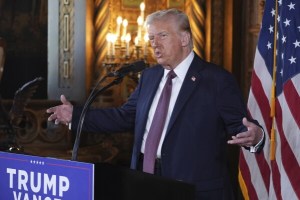
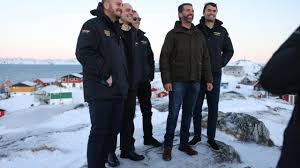
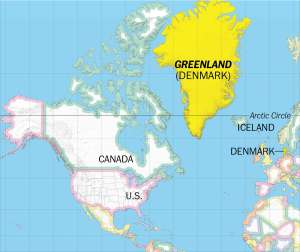
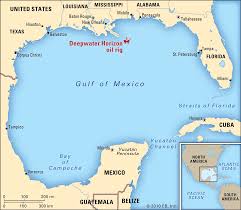
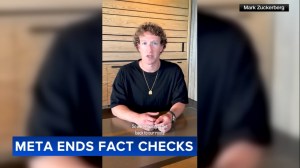
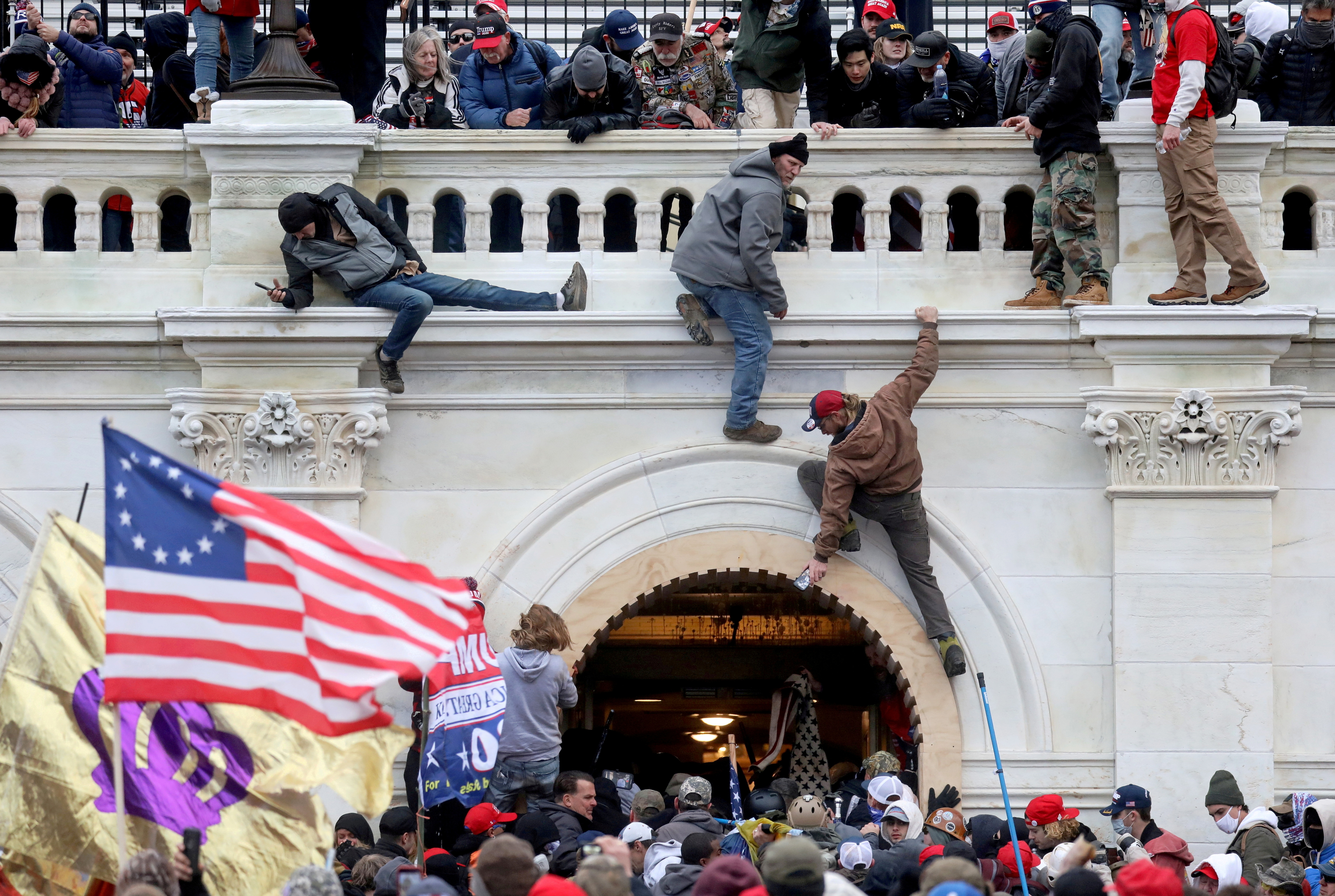
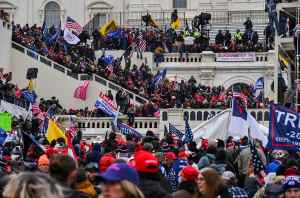 Trump has promised again and again to free the January 6 “hostages” who violently attacked the center of our government and wounded 174 police officers, and led to the deaths of 5 officers–4 of whom died by suicide.
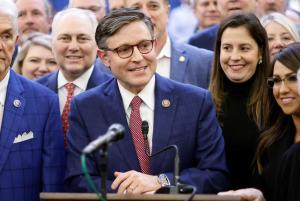
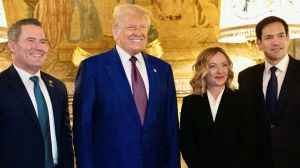

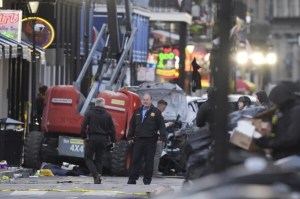






 peej
peej Carissa
 bostonboomer
 dakinikat
 ecocatwoman
 mablue2
 Mama Lopez
 peggysue22
 quixote
 skydancingguestblogger
 Mona (aka Wonk the Vote)



 Sky Dancing
Recent Comments