
Super Heroes of Macroeconomics
Posted: March 22, 2009 Filed under: Uncategorized | Tags: AIG, bail out, Fraud, Geithner, Obama, Summers, TARP, Wealth Transfers, zombie banks 11 CommentsSomebody must have a lot of time on their hands to write a song called “Hey, Paul Krugman” but still, if the angsty, artsy fartsy creative class that foisted this POTUS on us is finally waking up, then Twitter me when the Revolution comes. I’ve even read the orange cheeto place and seems even a few of them are beginning to see the writing on their blackberries.
So, Paul is still appalled and speaking out against the Zombie Plan. I’d say this is another sfz! warning to the White House. What I can’t repeat enough is that it’s not just Paul. It’s not just me. It’s everyone with any knowledge of macroeconomics and the financial system.
Why am I so vehement about this? Because I’m afraid that this will be the administration’s only shot — that if the first bank plan is an abject failure, it won’t have the political capital for a second. So it’s just horrifying that Obama — and yes, the buck stops there — has decided to base his financial plan on the fantasy that a bit of financial hocus-pocus will turn the clock back to 2006.
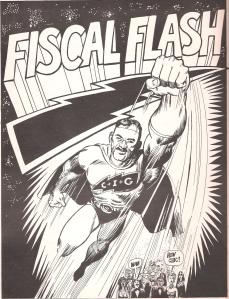 I don’t know if you’ve ever sat in an economics class, but most of you who have will attest that few economics professors are what you would call the dramatic, excitable types. However, I’ve seen more animation out of them recently than I’ve seen in all recent Marvel Comic Books.
From “Reasons Why The Obama Administration will not solve this crisis by the end of 2009” at The Underground Investor:
Consider that President-elect Obama voted FOR the horrible $700 billion bailout plan that accomplished less than zero in fixing the global economy while only transferring wealth from people that were struggling the most to the unethical financial executives that created this problem. These were my exact words in October, 2008, verbatim, about the eventual effect of the bailout plan: “Don’t believe the media spin. This will fix nothing. Even if and when the government overpays Wall Street and US banks by 300%, 500% and 1000% for their toxic assets, this temporarily recapitalizes these financial institutions but only creates A MUCH BIGGER PROBLEM for the future.” If I understood why the bailout plan would most definitely fail, as I blogged here, and the next President of the United States could not, that is a scary thought. On the other hand, if President Obama understood that the bailout plan would likely accomplish nothing but the transference of wealth from hard-working citizens to corrupt financial executives and still voted for the bill, then this action needs no further discourse.
From FT’s Willem Buiter:
Why are the unsecured creditors of banks and quasi-banks like AIG deemed too precious to take a hit or a haircut since Lehman Brothers went down? From the point of view of fairness they ought to have their heads on the block. It was they who funded the excessive leverage and risk-taking of banks and shadow banks. From the point of view of minimizing moral hazard – incentives for future excessive risk taking – it is essential that they pay the price for their past bad lending and investment decisions. We are playing a repeated game. Reputation matters.
Three arguments for saving the unworthy hides of the unsecured creditors are commonly presented:
- Unless the unsecured creditors are made whole, there will be a systemic financial collapse, with dramatic adverse consequences for the real economy.
- If the unsecured creditors are forced to take a hit, no-one will ever lend to banks again or buy their debt.
- The ultimate ‘beneficial owners’ of these securities – notably pensioners drawing their pensions from pension funds heavily invested in unsecured bank debt and owners of insurance policies with insurance companies holding unsecured bank debt – would suffer a large decline in financial wealth and disposable income that would cause them to cut back sharply on consumption. The resulting decline in aggregate demand would deepen and prolong the recession.
I believe all three arguments to be hogwash.

 peej
peej Carissa
 bostonboomer
 dakinikat
 ecocatwoman
 mablue2
 Mama Lopez
 peggysue22
 quixote
 skydancingguestblogger
 Mona (aka Wonk the Vote)



 Sky Dancing
Recent Comments