
An Authentic New Year’s Resolution for our Economy
Posted: January 2, 2011 Filed under: Barack Obama, U.S. Economy | Tags: joseph stiglitz, third way 43 Comments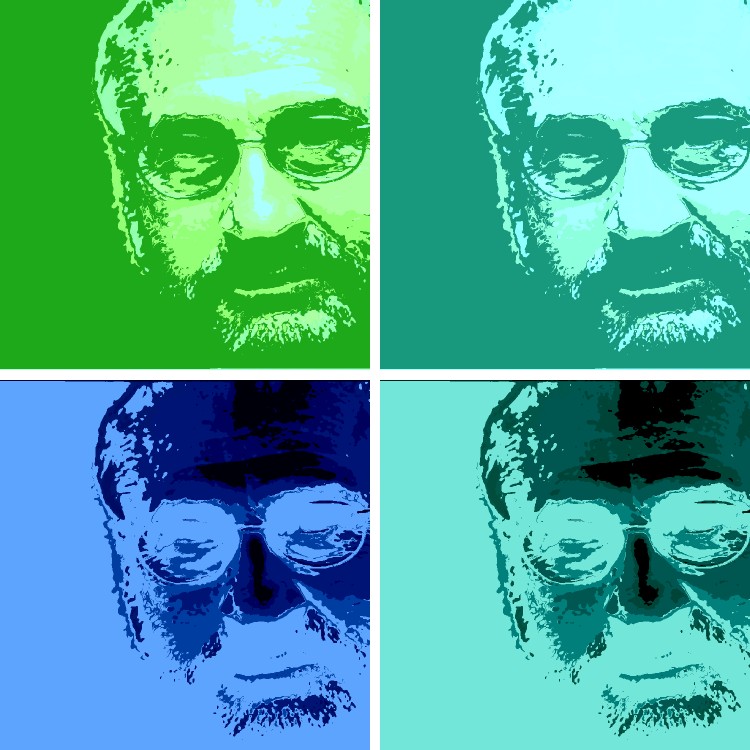 Joseph Stiglitz is one economist whose research influences mine and whose grasp of the big questions and answers that the discipline of economics can provide causes me constant amazement. He’s won just about all the prizes you can possibly win from your peers and the powers that be in recognition of his contributions to the field. Stiglitz has also consulted for almost all the institutions that create economic policy.
Most importantly, his contributions aren’t just theoretical abstracts alone. His contributions have brought theory down from the philosophical level to the ‘make it work’ level of policy. He was the visionary behind the Clinton economic policy that defined a new economic philosophy called the “third way”. The third way was really a pragmatic view of government’s role in a market economy based on naturally and unnaturally occurring flaws in markets that cause them to collapse or fail or not produce the most efficient out come. His theories teach us that some times you have to step in to correct the limitations of the market in the real world.
He has a new article up at Project Syndicate called ‘New Year’s Hope against Hope’. The man is very brilliant and has produced theorems that are both complex and significant. (My Risk Theory Seminar which included his theory of screening is responsible for a large number of my gray hairs.) However, the resulting narrative of his theory and work is always practical, pragmatic, understandable and spot on; once you get pass the math.
Here’s why I wish he had the ear of our tin ear president.
In fact, 2010 was a nightmare. The crises in Ireland and Greece called into question the euro’s viability and raised the prospect of a debt default. On both sides of the Atlantic, unemployment remained stubbornly high, at around 10%. Even though 10% of US households with mortgages had already lost their homes, the pace of foreclosures appeared to be increasing – or would have, were not it not for legal snafus that raised doubts about America’s vaunted “rule of law.”
Unfortunately, the New Year’s resolutions made in Europe and America were the wrong ones. The response to the private-sector failures and profligacy that had caused the crisis was to demand public-sector austerity! The consequence will almost surely be a slower recovery and an even longer delay before unemployment falls to acceptable levels.
There will also be a decline in competitiveness. While has China kept its economy going by making investments in education, technology, and infrastructure, Europe and America have been cutting back.
It has become fashionable among politicians to preach the virtues of pain and suffering, no doubt because those bearing the brunt of it are those with little voice – the poor and future generations. To get the economy going, some people will, in fact, have to bear some pain, but the increasingly skewed income distribution gives clear guidance to whom this should be: Approximately a quarter of all income in the US now goes to the top 1%, while most Americans’ income is lower today than it was a dozen years ago. Simply put, most Americans didn’t share in what many called the Great Moderation, but was really the Mother of All Bubbles. So, should innocent victims and those who gained nothing from fake prosperity really be made to pay even more?
Yup, that’s the BIG question that Obama should be asking himself: “Should innocent victims and those who gained nothing from fake prosperity really be made to pay even more?” How can they bail out the perpetrators and punish the innocent? There are no big thinkers in the District at the moment when we really need one.
Mister President, please put Dr. Joseph Stiglitz on speed dial.

 peej
peej Carissa
 bostonboomer
 dakinikat
 ecocatwoman
 mablue2
 Mama Lopez
 peggysue22
 quixote
 skydancingguestblogger
 Mona (aka Wonk the Vote)



 Sky Dancing
Recent Comments