
Behind the Screen Name
Posted: November 30, 2010 Filed under: Populism, the internet | Tags: anonymity on the net, blogstalking, screen names, trolls 64 CommentsI can remember the first time I got on AOL and had to think up a ‘screen name’ after being told it wasn’t cool to use my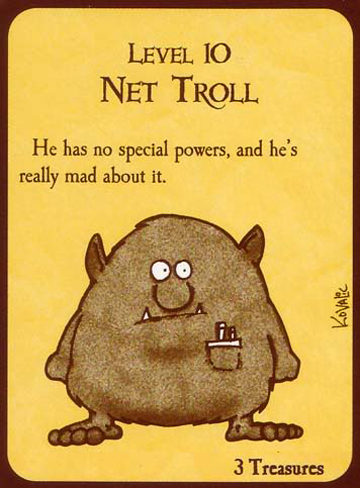 real name. Dakinikat is actually my second screen name from there and it’s about 12 or so years old. I used to go by Anais for a long time. The Dkat moniker came after I started practicing Tibetan Buddhism and a relationship had ended. It was my fresh start in middle age. I used it to search out follow Buddhists on line since there wasn’t a huge community of them around me. You’ll see many of them pop in here ever so often because we’ve all gotten so close from the first years in the AOL Buddhist Chat room.
I actually was outed about a 1 and 1/2 years ago in a blog that hated Obama detractors and Hillary Supporters. It really bothered me then because the 2008 primary was so ugly and I had just started blogging. I really didn’t want my political views known to my students before they got to know me. I always like to taunt their opinions from all sides of the political spectrum and most of the time they have no clue about my political affiliation or they get it wrong. I was actually warned when I started Sky Dancing not to put too much personal information here because there were people that would abuse it. Now, you can find out who I am pretty easily through my twitters and my FaceBook if you’re really that interested. I still like the penname/screename and it tickles me when I talk to folks who know me as ‘kini’ or “daki’ or my IRL nickname ‘kat’. I personally respect people that don’t want to be outed because of that adventure and a later one involving some of the same folks and Hillbuzz. There was an incident a few months ago and I used the opportunity to prod a troll by releasing information I had gleaned from the net off of his email which was hidden to any one but an administrator. I didn’t totally out him, but he knew that I knew who he was and and he suddenly freaked.
So, what got me waxing philosophical about my screen id is this article in the NYT by Julie Zhuo, the product design manager at Facebook. She has a piece today–‘Where Anonymity Breeds Contempt’–that talks about blogstalking and trolls. It also talks about site managers and their attempts to control the troll populace. There are the classic stories out there that just make you cringe over the behavior of your fellow human beings. (They’re ugly so I’m not putting them up here, you can read them there yourself.) She even tells an old Greek Classic story about a man who could hide behind invisibility and took advantage of his status to do horrid things. Anonymity on the web does provide a shield for rude behavior. It also has led to illegal activity, so should it be actively discouraged?
Psychological research has proven again and again that anonymity increases unethical behavior. Road rage bubbles up in the relative anonymity of one’s car. And in the online world, which can offer total anonymity, the effect is even more pronounced. People — even ordinary, good people — often change their behavior in radical ways. There’s even a term for it: the online disinhibition effect.
Many forums and online communities are looking for ways to strike back. Back in February, Engadget, a popular technology review blog, shut down its commenting system for a few days after it received a barrage of trollish comments on its iPad coverage.
Many victims are turning to legislation. All 50 states now have stalking, bullying or harassment laws that explicitly include electronic forms of communication. Last year, Liskula Cohen, a former model, persuaded a New York judge to require Google to reveal the identity of an anonymous blogger who she felt had defamed her, and she has now filed a suit against the blogger. Last month, another former model, Carla Franklin, persuaded a judge to force YouTube to reveal the identity of a troll who made a disparaging comment about her on the video-sharing site.
But the law by itself cannot do enough to disarm the Internet’s trolls. Content providers, social networking platforms and community sites must also do their part by rethinking the systems they have in place for user commentary so as to discourage — or disallow — anonymity. Reuters, for example, announced that it would start to block anonymous comments and require users to register with their names and e-mail addresses in an effort to curb “uncivil behavior.”
So, the anonymity cuts both ways on the web. Like I said, I’d prefer my students get to know me before they read any of my strong opining over here. This is especially true when criticizing this president since it has frequently been framed as ‘racism’ and I live and teach in a community where I am the minority.
You can see throughout our commenters here that there’s a mix between screen names users and people who riff on some version of their real names. We do screen all first time commenters for signs of spam and nastiness, but I’ve gotten so used to screen names I don’t give them a second thought. What I want to know is does it make any difference to see the name vs. the screen name? Is there a difference between reading Digby’s opinions and Jane Hamsher’s when you can put a face and a name to the latter? I’m still bemused by the stories of shock when Digby was revealed to be Heather, a woman. My other question is wondering if there’s a different standard for front pagers and down pagers? Still, I agree that some of the most virulent stuff comes from the folks that can successfully maintain anonymity.
Will lifting the veil of anonymity promote civil behavior or stalking? I’m curious about what you think..

 peej
peej Carissa
 bostonboomer
 dakinikat
 ecocatwoman
 mablue2
 Mama Lopez
 peggysue22
 quixote
 skydancingguestblogger
 Mona (aka Wonk the Vote)



 Sky Dancing
Recent Comments