
Still Not Gone, Still NOT Clean
Posted: January 7, 2011 Filed under: Environment, Environmental Protection, Gulf Oil Spill, New Orleans, toxic waste | Tags: 10 year old poisoned by corexit, Marshes dying from BP Oil, no clean up crews for BP oil mess, Oil in the Gulf, petrochemicals in human blood 25 Comments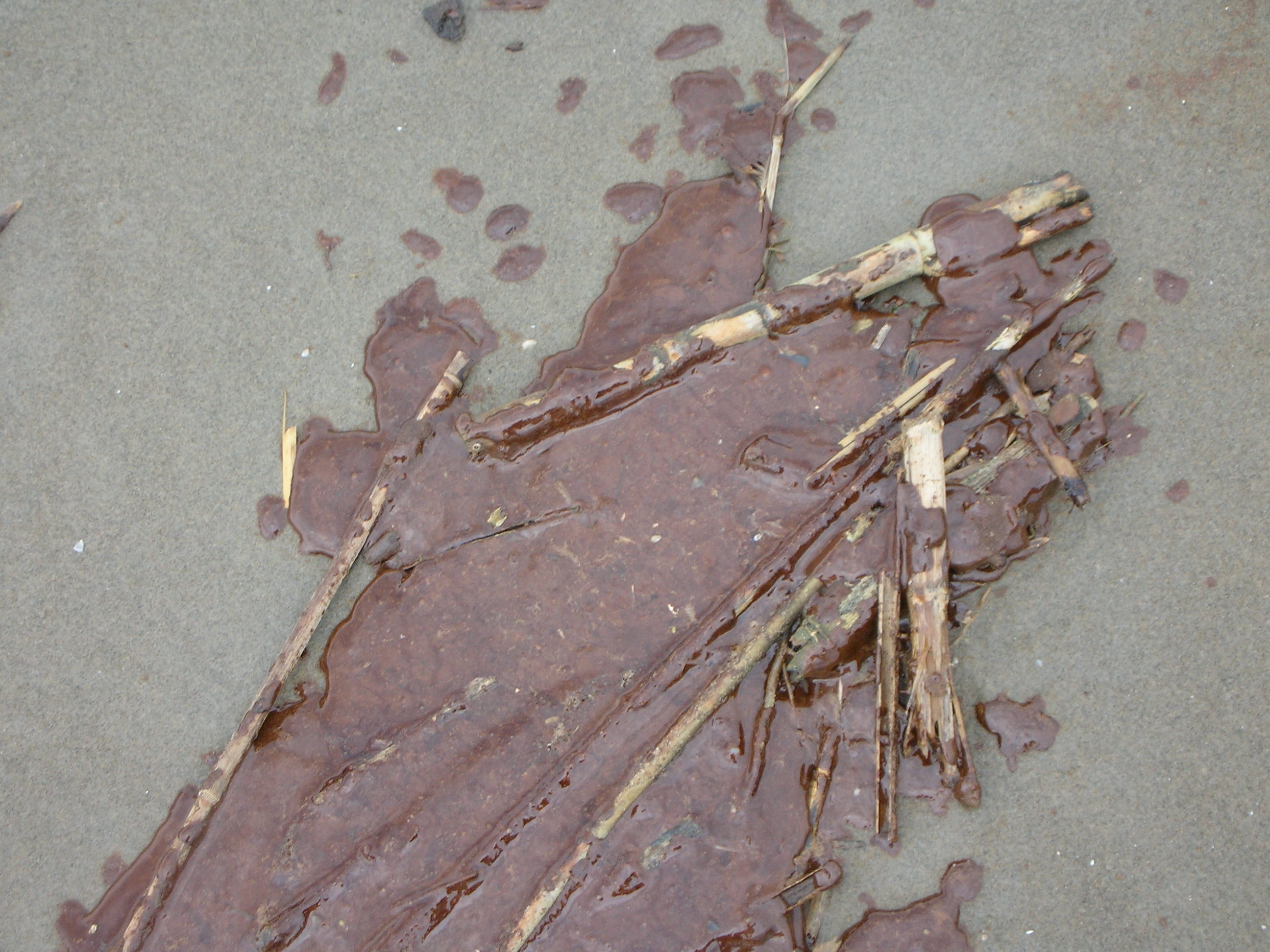
THEN.
Well, it’s time for my bimonthly rant about the total lack of concern by any one above the I-10 on the fact we’re still swimming in oil down here. The Cost Guard is still doing the Dosey-Do. Obama doesn’t swim here so he doesn’t care. There was some MSM press coverage.
Hello? Is any body there?
PORT SULPHUR, Louisiana — Federal and Louisiana officials got into a heated argument Friday over the cleanup of oiled marshes during a tour of an area that remains fouled 8½ months after the Deepwater Horizon rig explosion in the Gulf of Mexico.
State and Plaquemines Parish officials took reporters on a boat tour of Barataria Bay, pointing out an area where oil continues to eat away at marshes and protective boom is either absent or has been gobbled up by the oil. The heavily saturated area that reporters saw was 30 feet to 100 feet wide in sections. No cleanup workers were there when reporters toured the area.
The marshes are critical to the Louisiana coast because they protect the shore from hurricanes and serve as a nursery for Gulf sea life.
“This is the biggest cover-up in the history of America,” Plaquemines Parish President Billy Nungesser told reporters, gesturing with his gloved right hand, which was covered in oil.
Nungesser was accompanied by Robert Barham, the secretary of Louisiana’s Department of Wildlife and Fisheries.
As the two were answering questions from reporters, representatives from the U.S. Coast Guard and National Oceanic and Atmospheric Administration interrupted to point out that a plan is being developed to clean up the marshes. They also insisted that the government has not abandoned the Gulf, nor has it lost sight of the fact that BP is a responsible party.
“Clearly there is oil here in the marsh but we are working as a team to find a best way to clean it up,” said Coast Guard Lt. Cmdr. Dan Lauer. “It’s a high priority.”
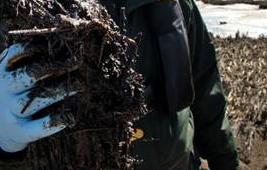
RIGHT NOW.
You could tell it’s a high priority.
There were no clean up crews.
There was oil everywhere.
People down here are getting pretty tired of the excuses.
We’ve heard enough of them since Katrina and Rita.
Didn’t we just do this?
Posted: January 5, 2011 Filed under: Environment, Farming, Food, toxic waste | Tags: bubble, commodity prices, corn, food, gm pigs, wheat 36 Comments(In which Sima works herself up into a frothing rant.)
Commodity futures prices, wheat, rice and corn, are rising again after a brief fall. In fact, they are supposed to top the records set in 2007/08 during the global food bubble.
Supposedly, Corn Rationing Needs to Begin:
“The corn market has one job and one job only—to go high enough to make people stop using the product,” says Ryan Turner, risk management consultant for FCStone, Kansas City. “We are past the point of encouraging more supply.” Turner predicts 2011 corn futures prices will exceed 2008 highs. “I don’t know if it will happen in January or June, but it will happen,” he says.
Soaring corn prices will slice into demand, with corn exports expected to fall first followed by feed usage. Analysts anticipate the cattle industry to begin rationing earlier than other livestock sectors due to poor margins, but rationing in poultry, hog, and dairy will be close behind. “It will be very painful,” Turner adds.
Those greedy so-and-sos! Imagine, eating corn and corn products? Making corn into feed to raise farm animals and then slaughtering those animals to feed humans. And furthermore, they feed the corn to dairy cows and produce milk and cheese and butter! Will the horror never end!
Obviously, everyone needs to suffer (UN: World Food Prices Hit a Record High in December). Especially the world’s poor. And those who produce the meat we Americans so love to eat are not to be excluded from the necessary pain. And those who produce the dairy we love to drink and nosh on with our imported European crackers. And those who make corn into tortillas, and those who make corn into corn syrup and those who make corn into ethanol… oh wait. Not those. In fact, those last ones may be part of what is driving the rise in corn prices. Nearly 1/3 of the 2010 US corn production was diverted to ethanol, after all.

 peej
peej Carissa
 bostonboomer
 dakinikat
 ecocatwoman
 mablue2
 Mama Lopez
 peggysue22
 quixote
 skydancingguestblogger
 Mona (aka Wonk the Vote)



 Sky Dancing
Recent Comments