
Sunday Cartoons: Beat it, Creep!
Posted: September 21, 2025 Filed under: just because 16 Comments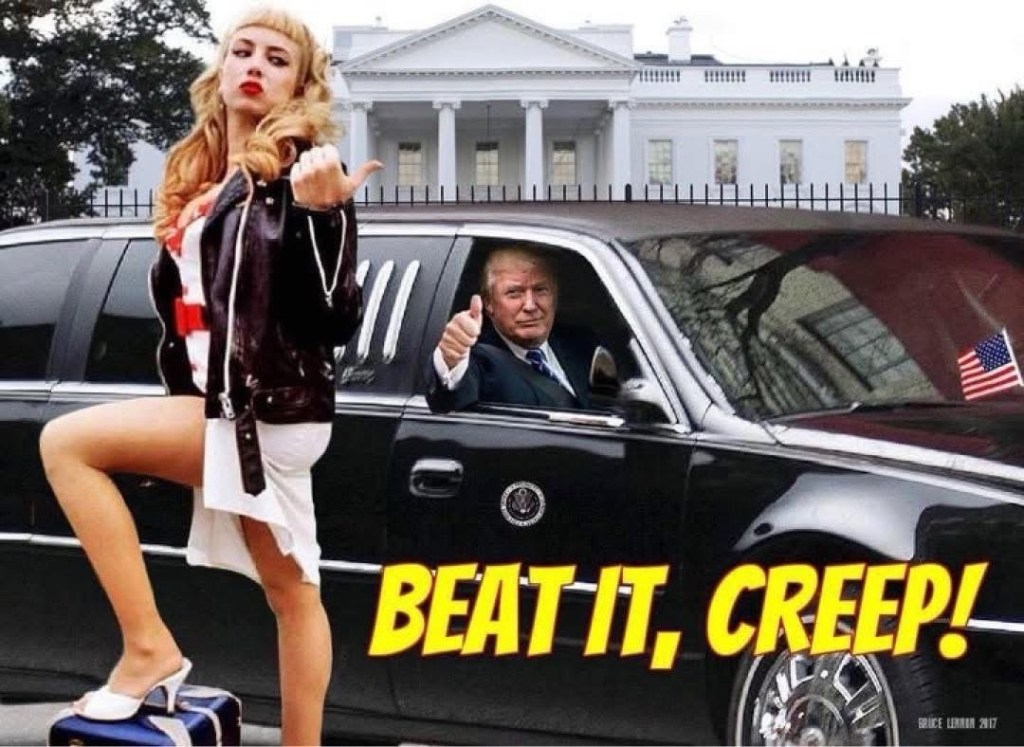
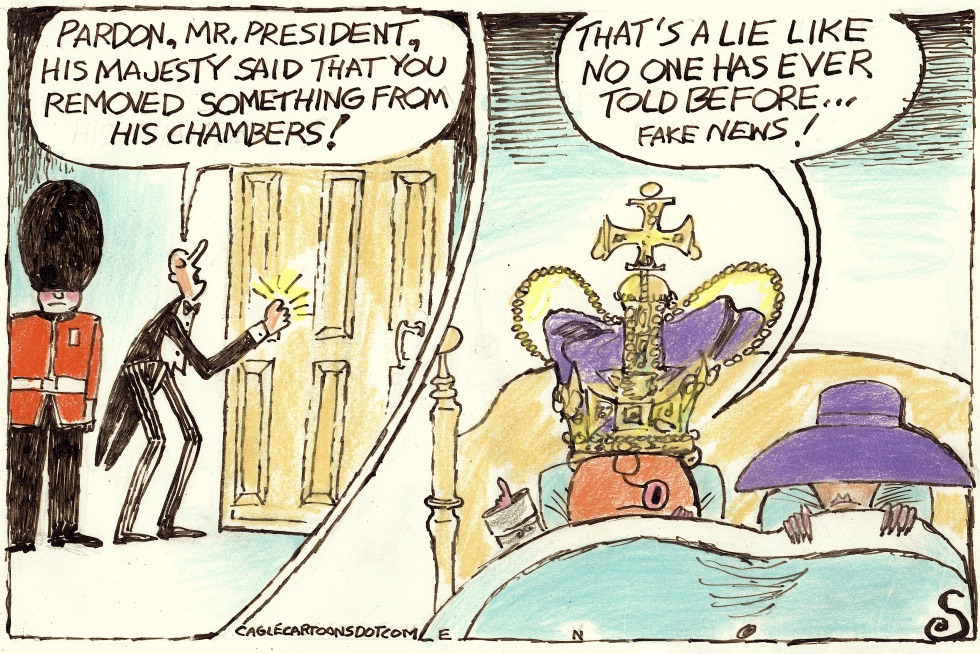
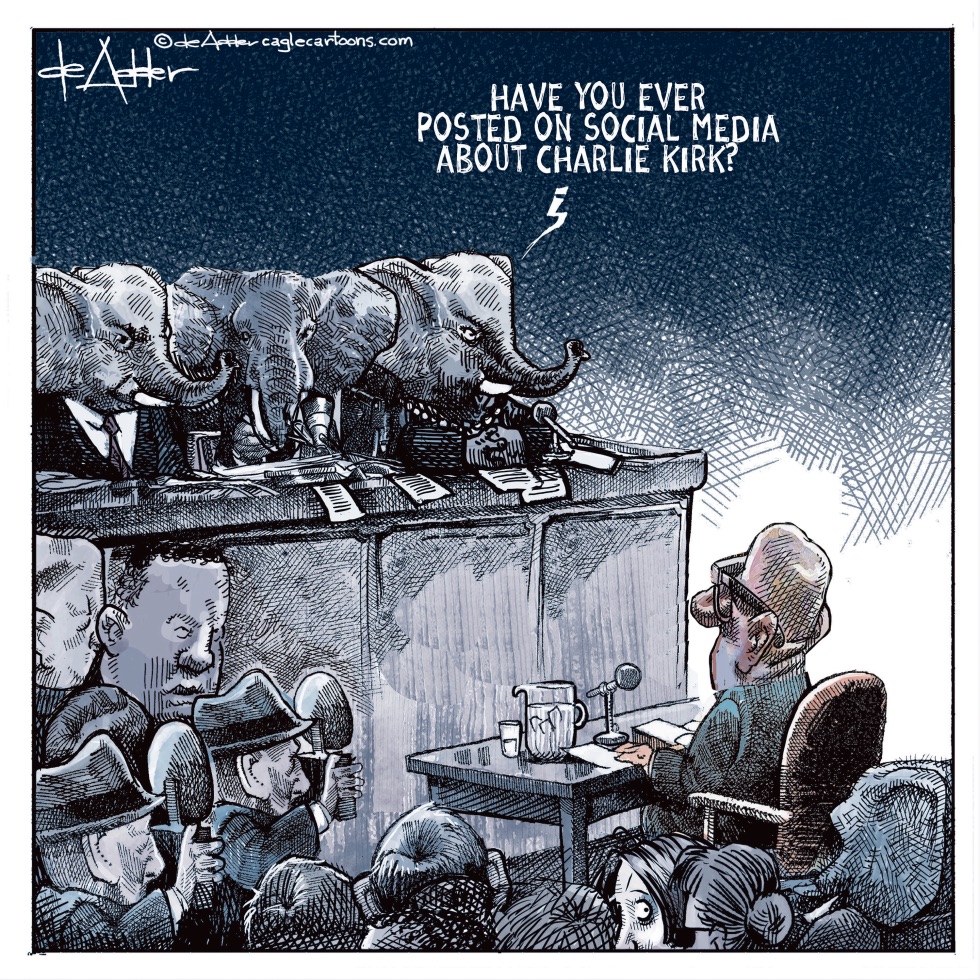
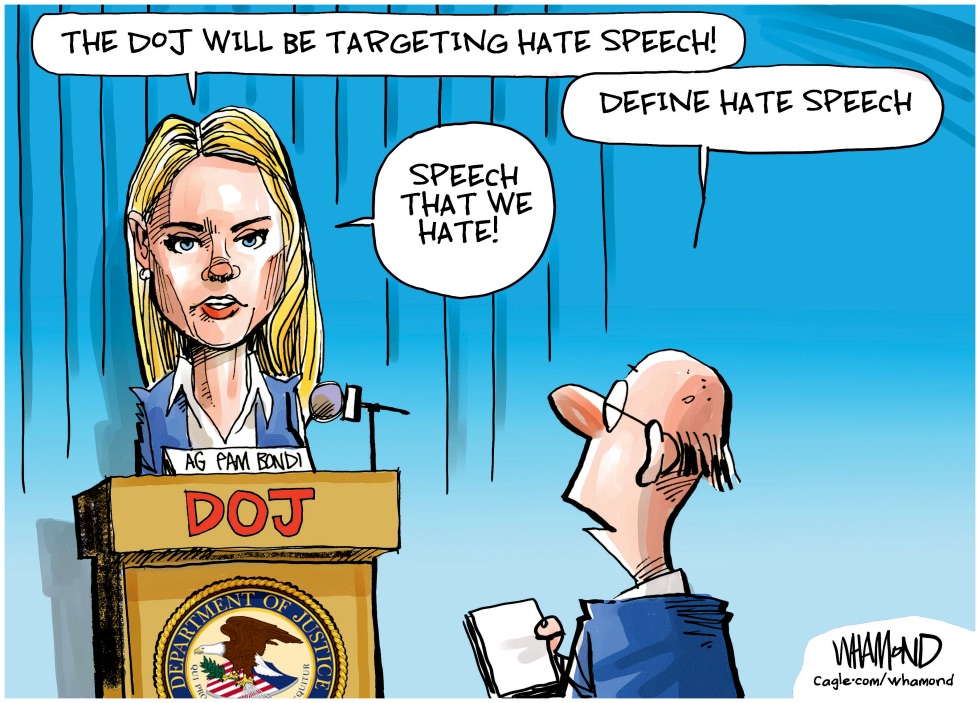
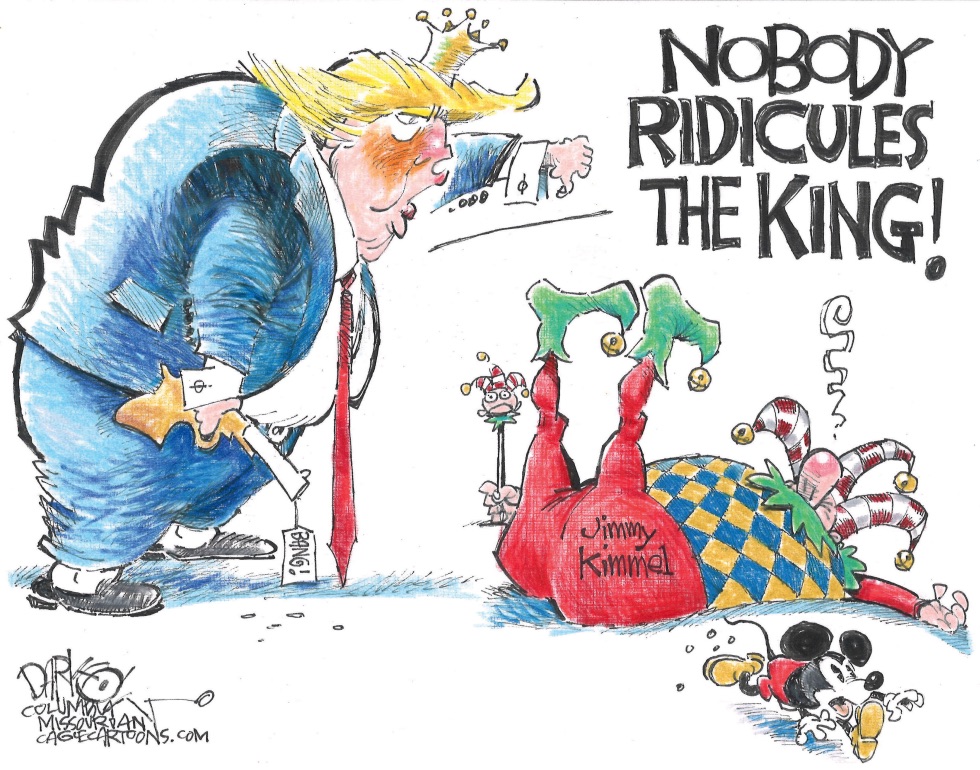
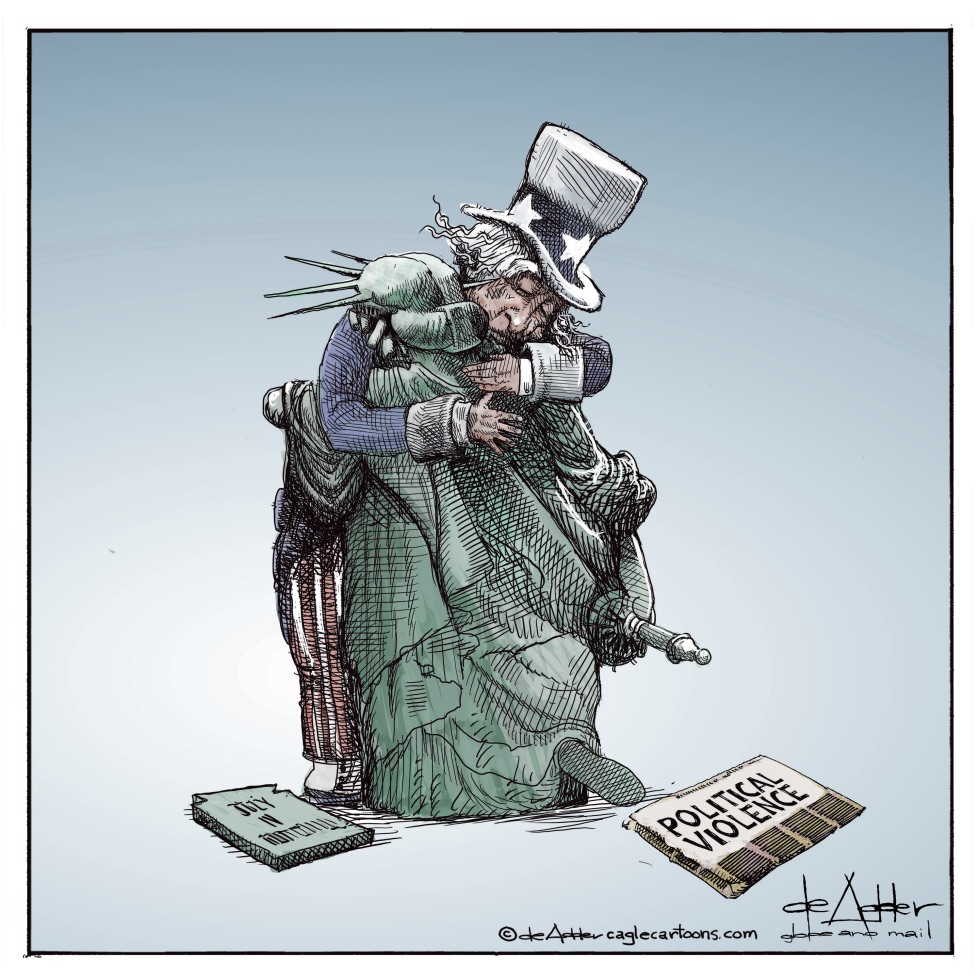
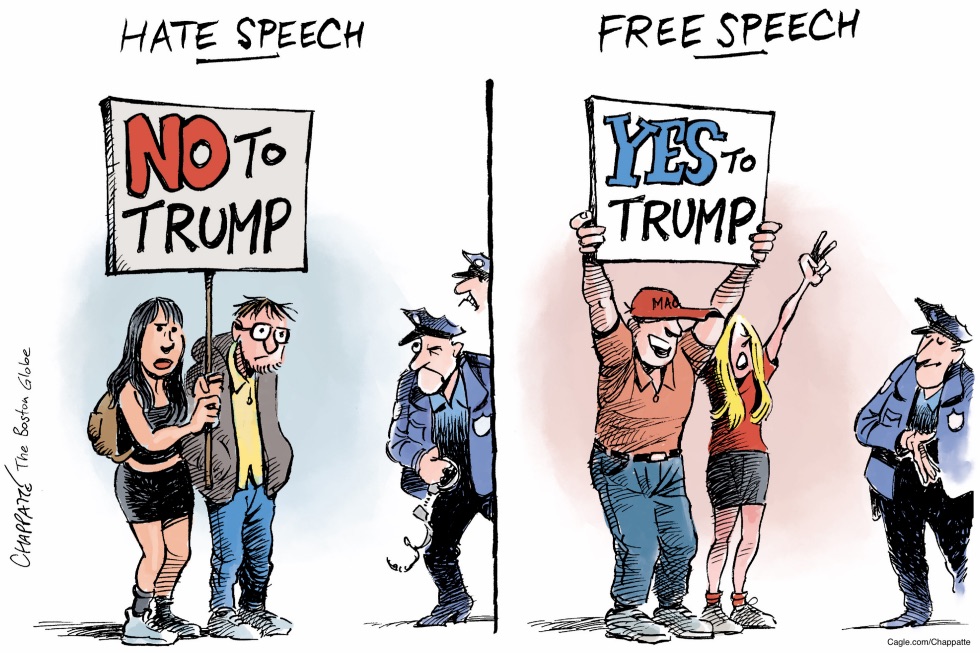
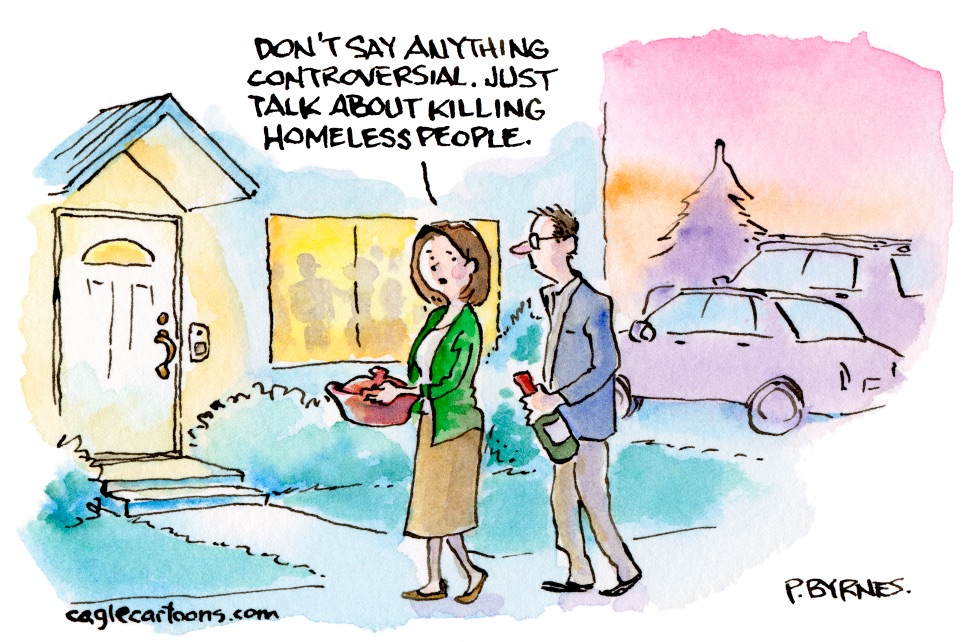
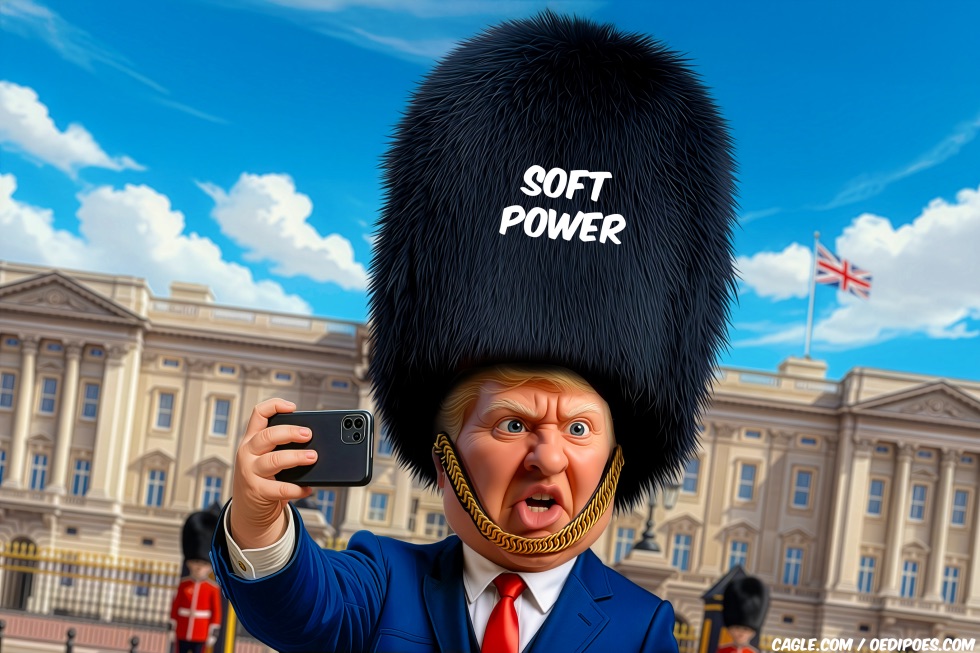
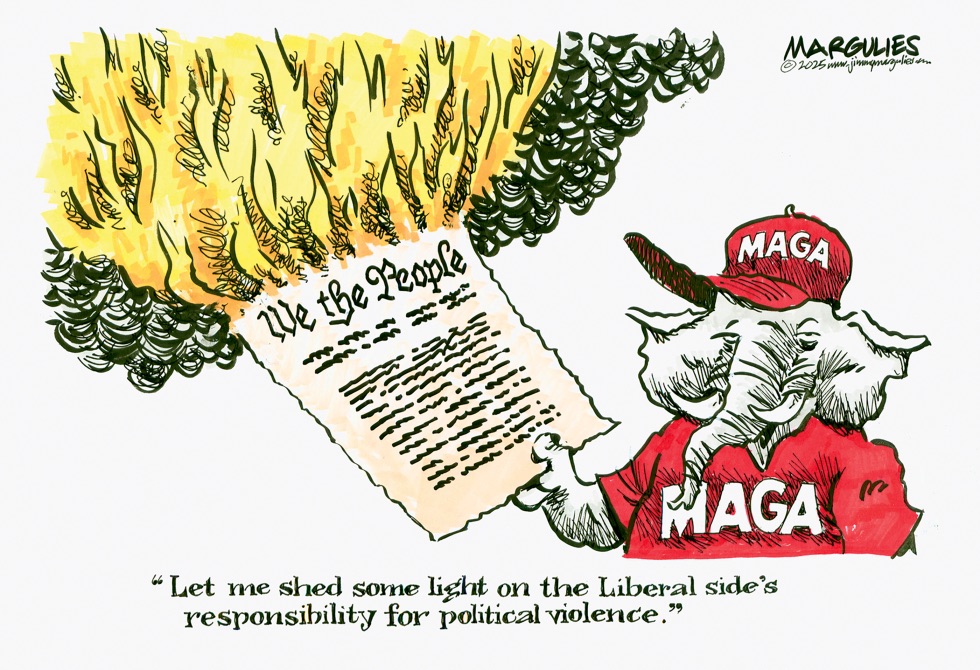
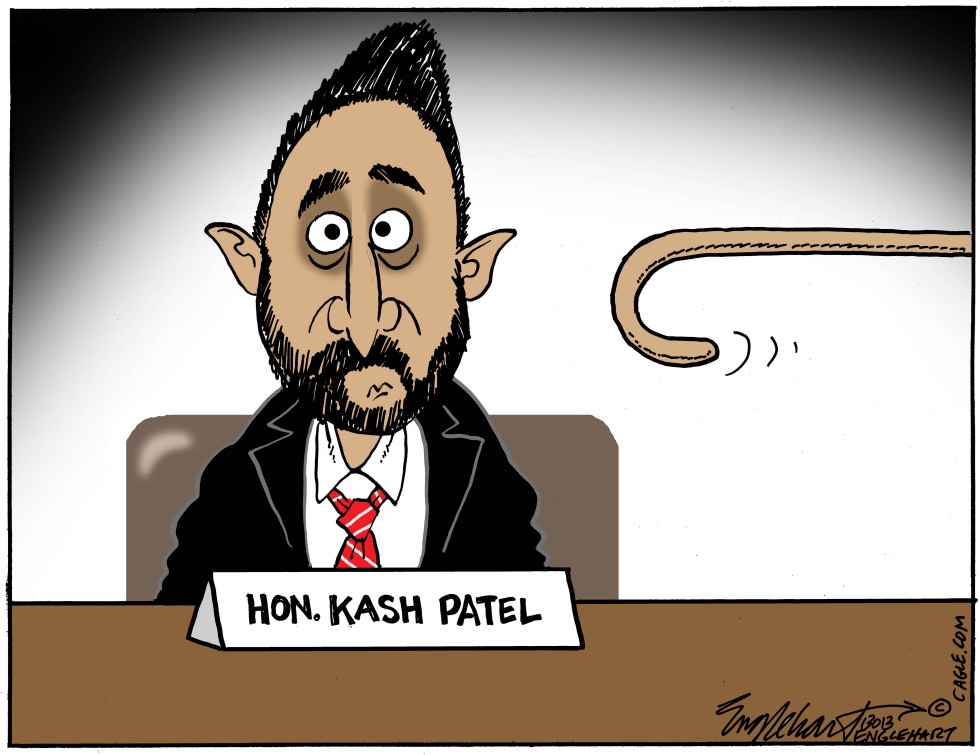
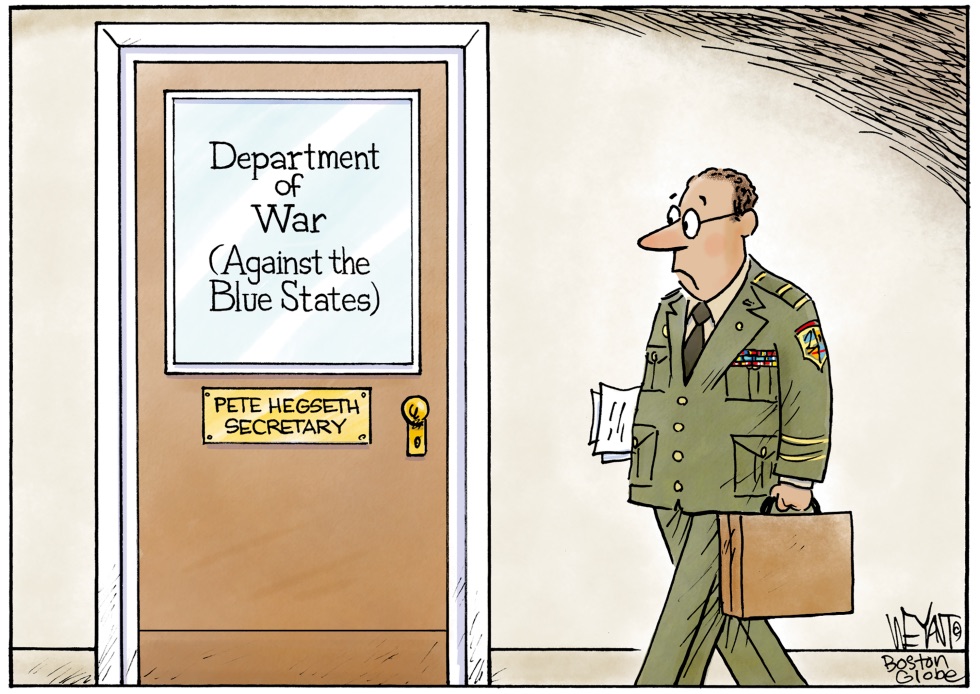
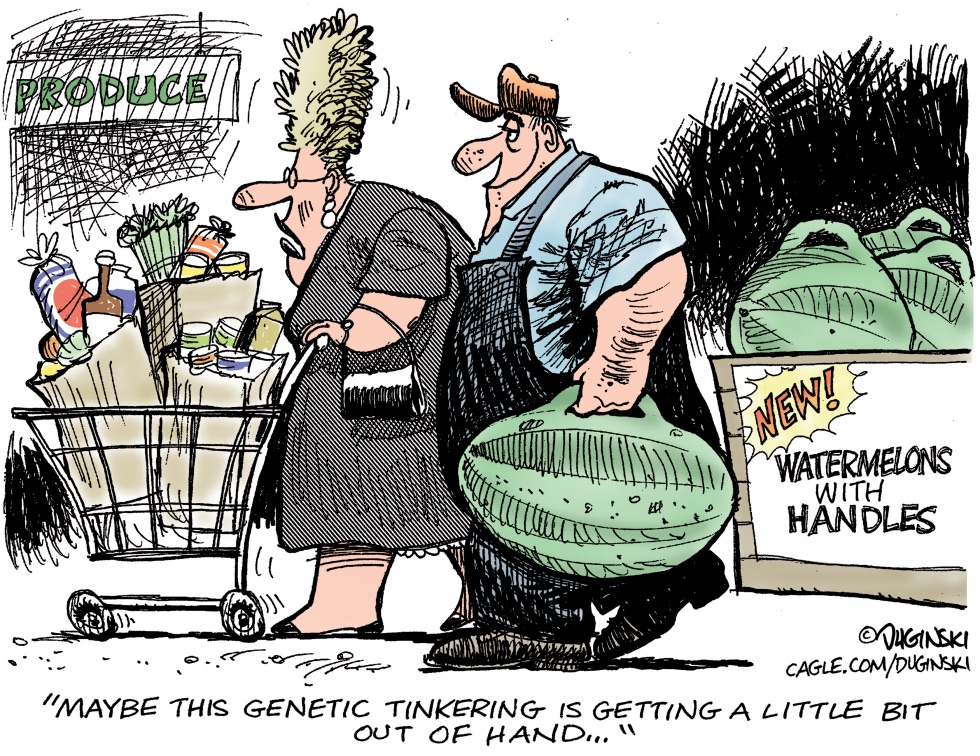
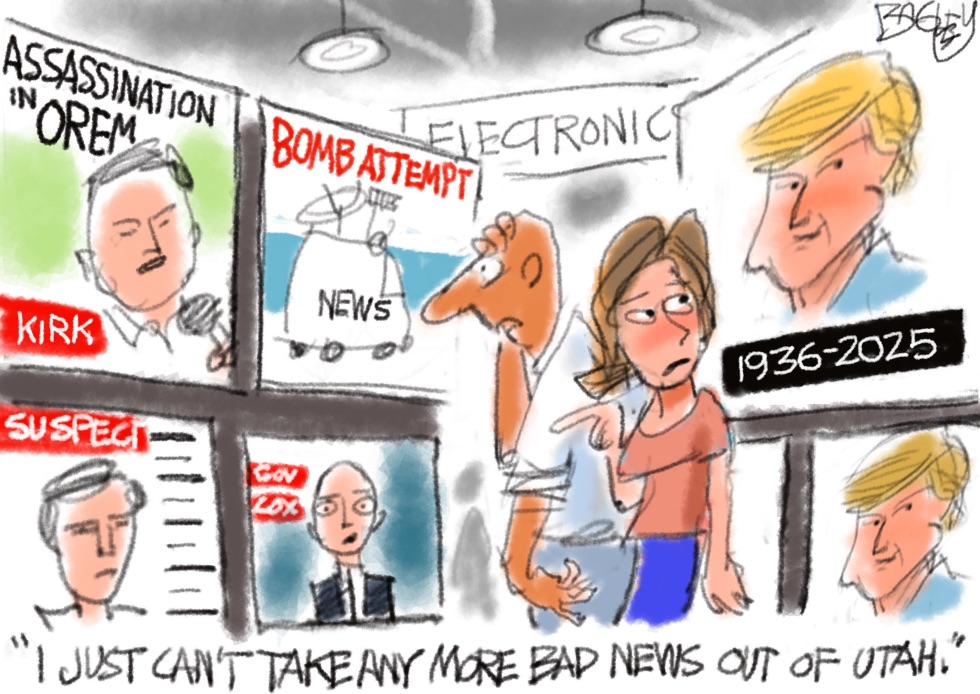
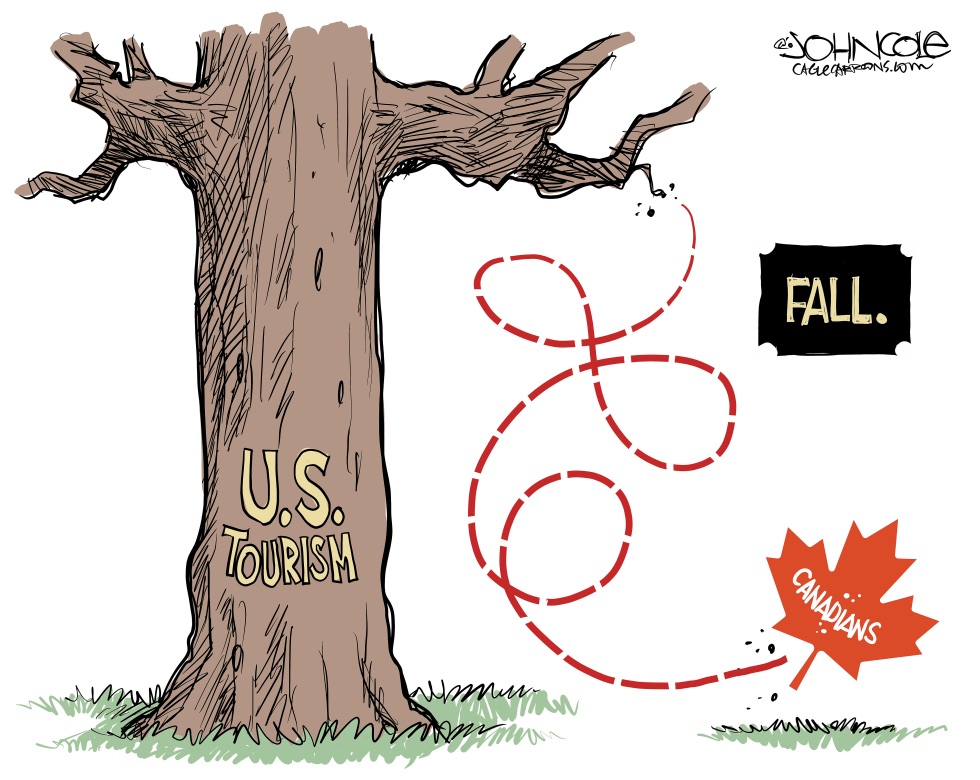
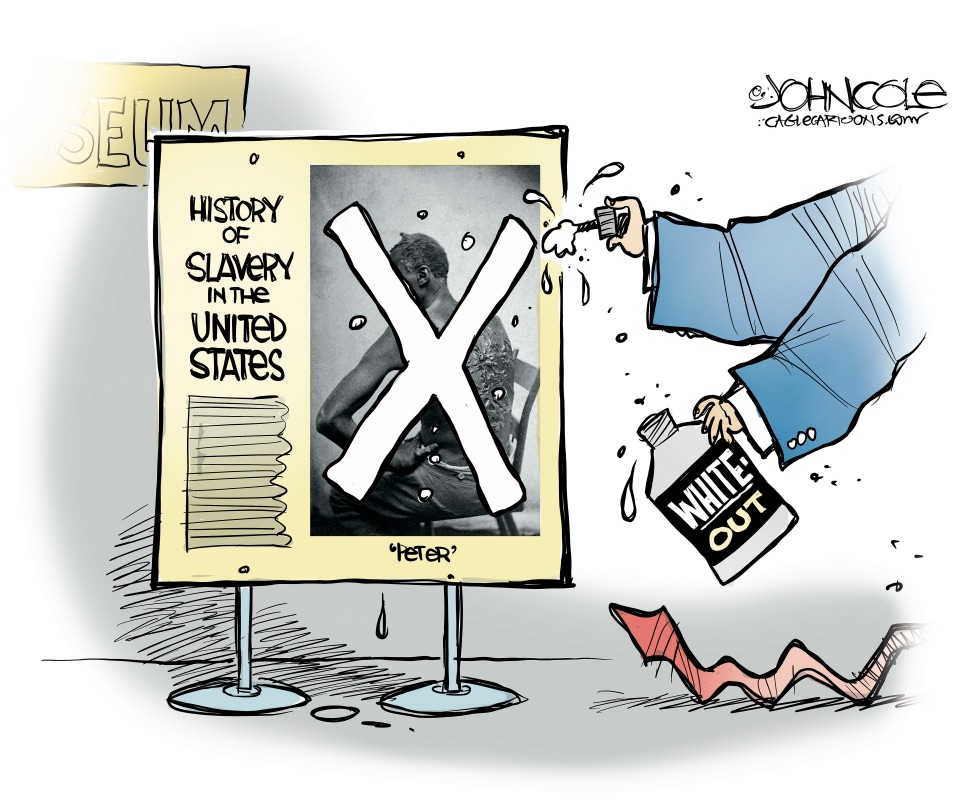
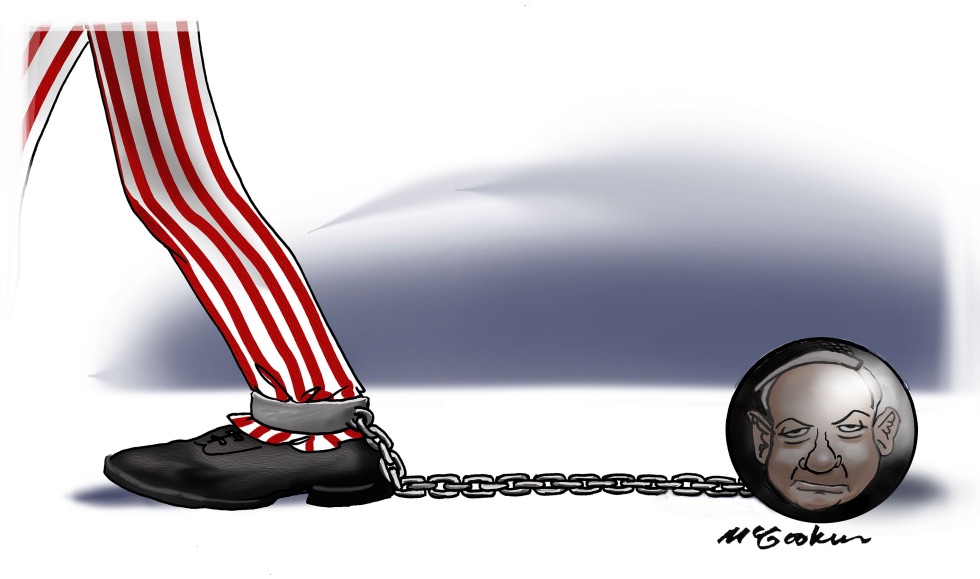
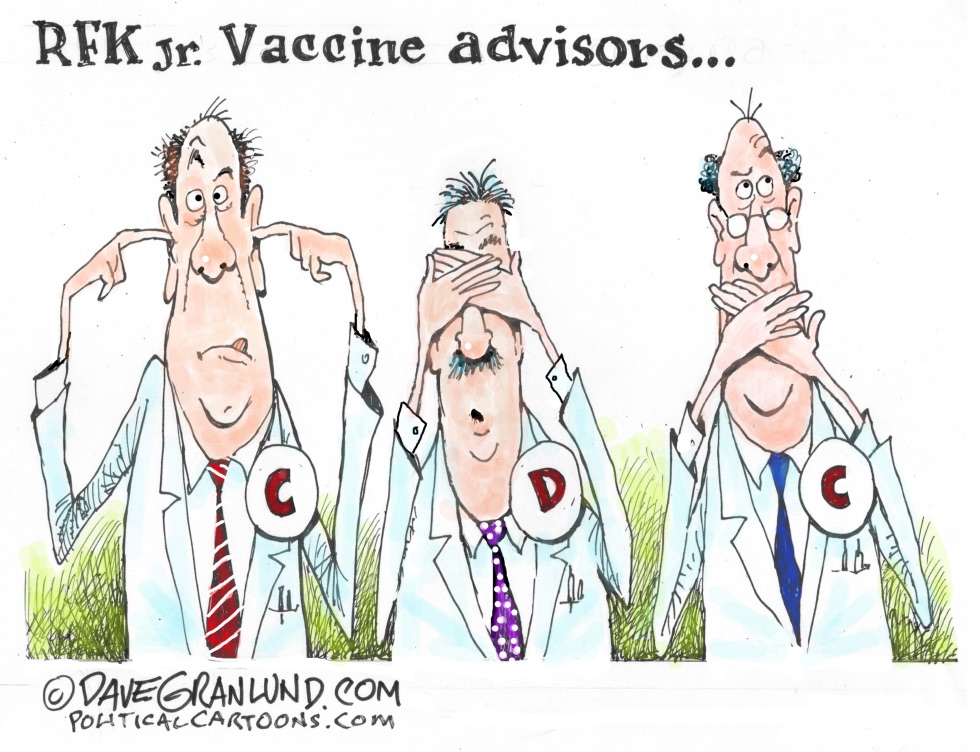
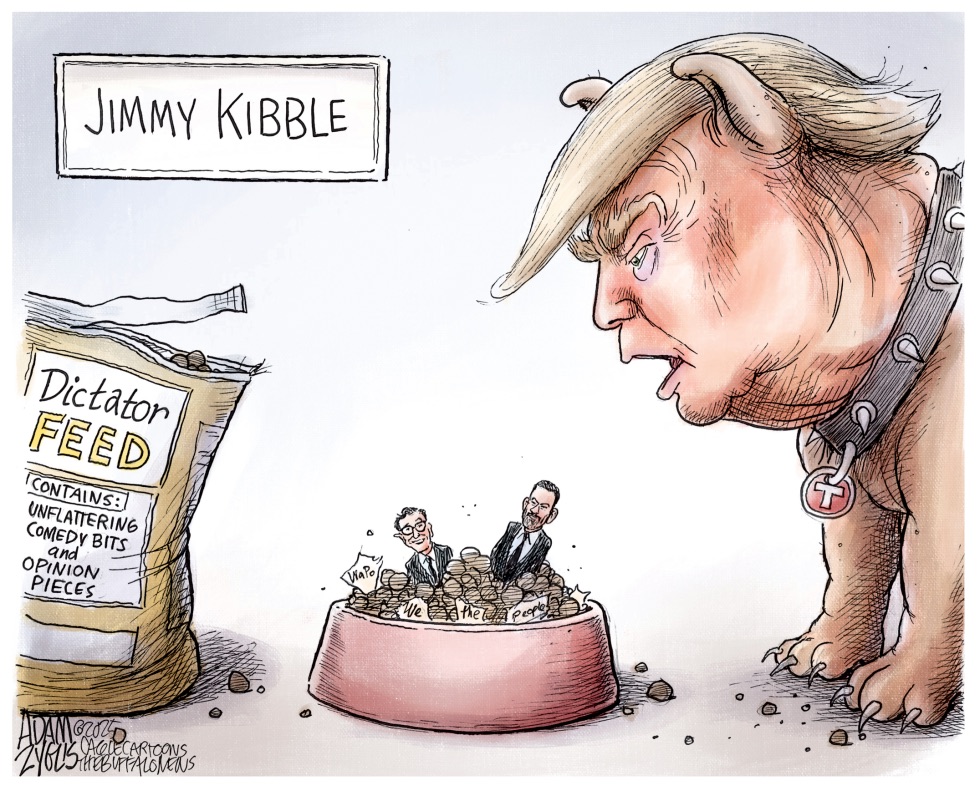
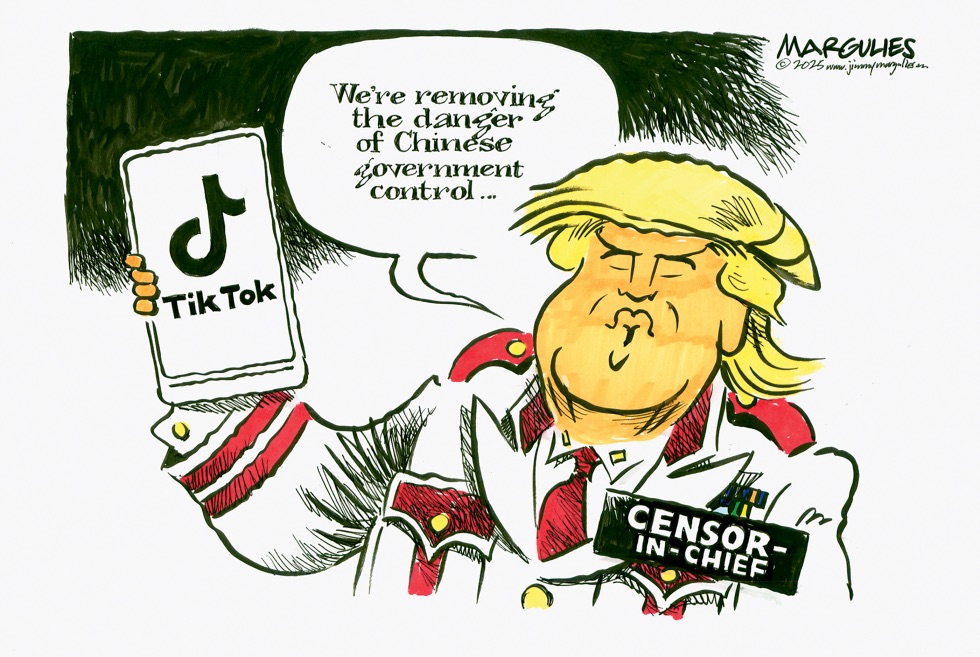
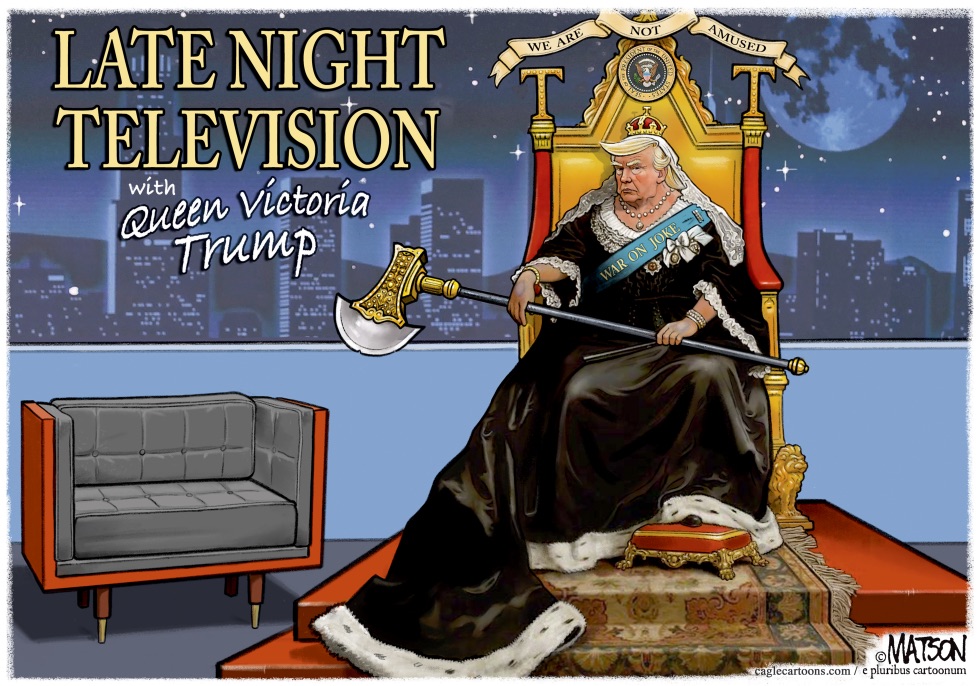
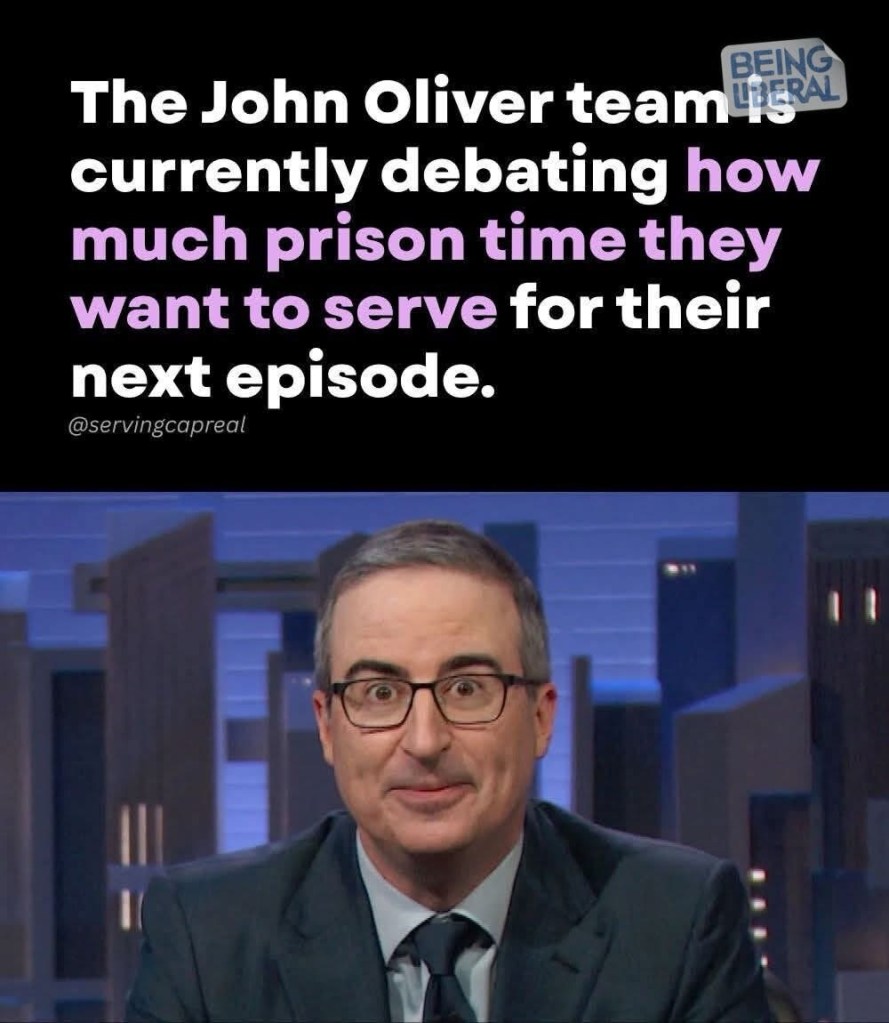
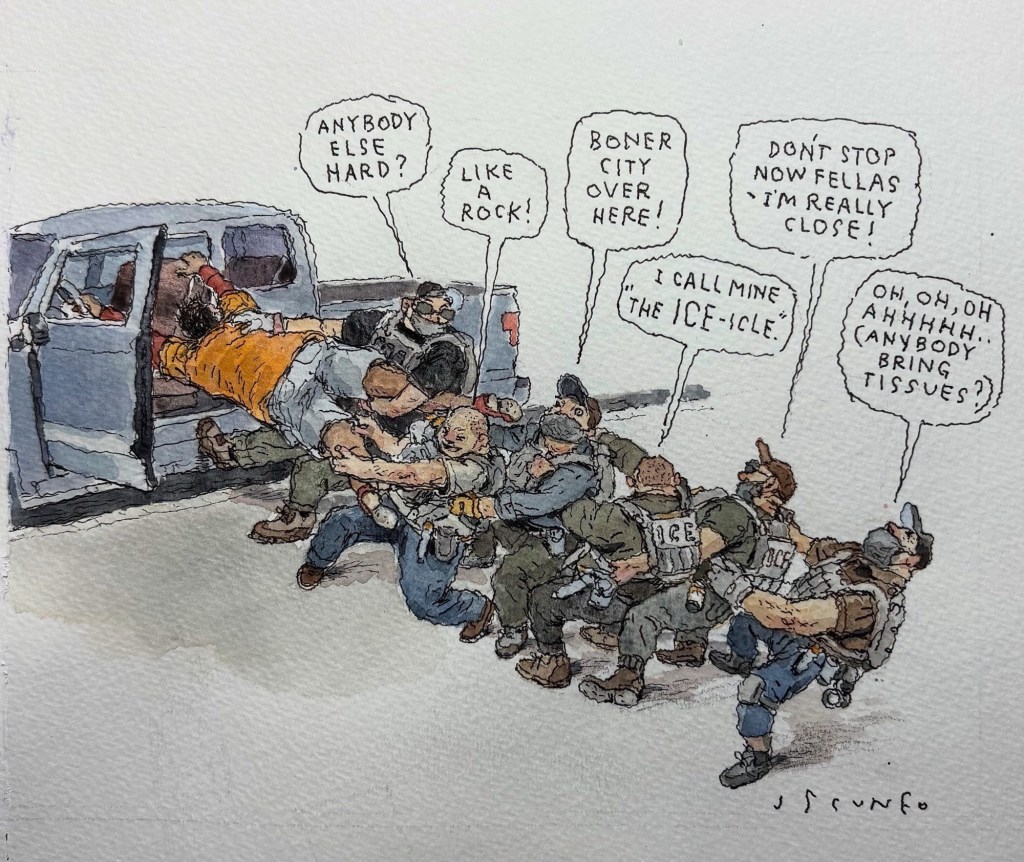
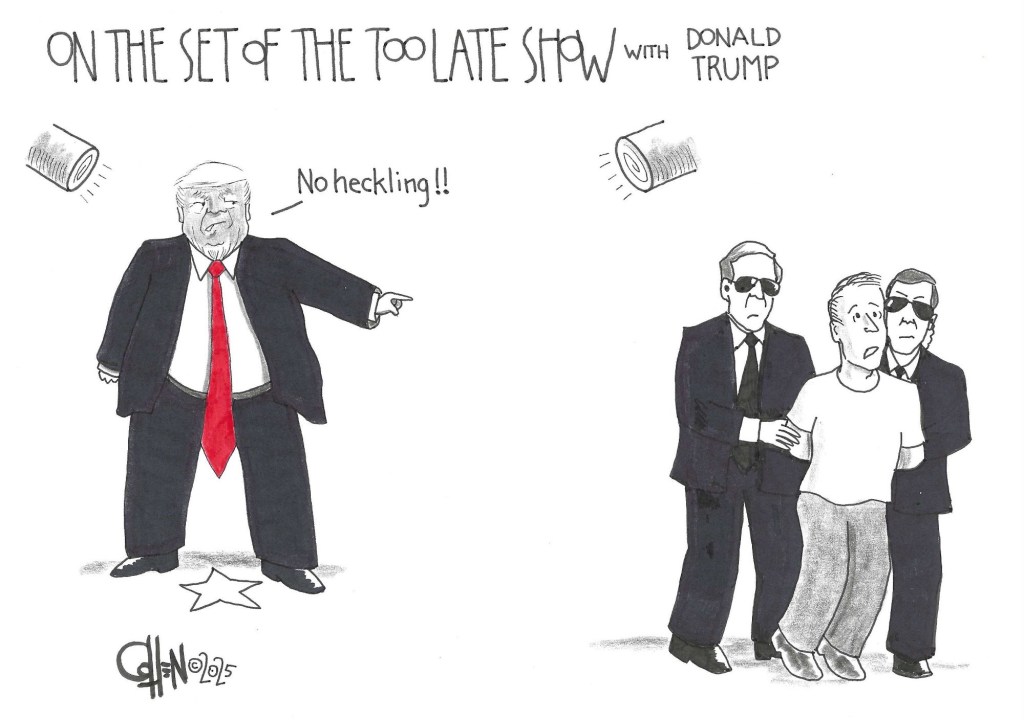
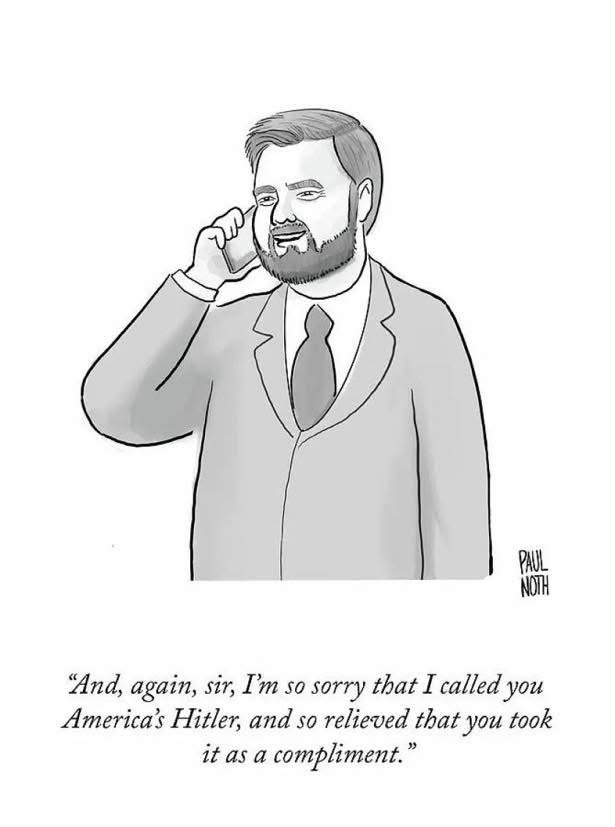
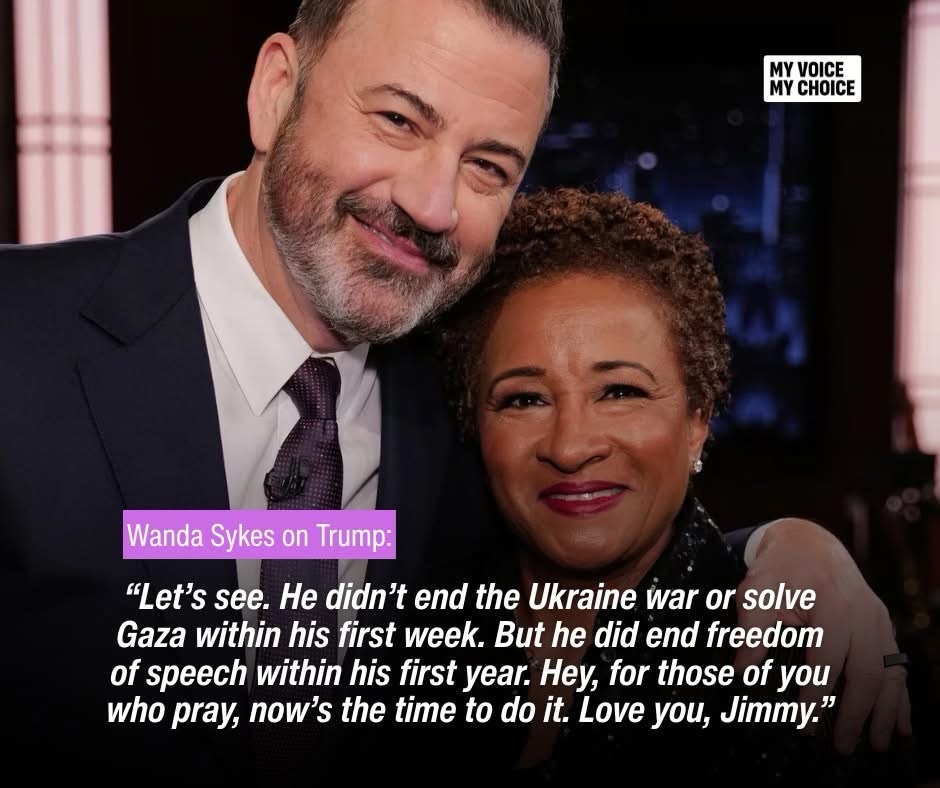
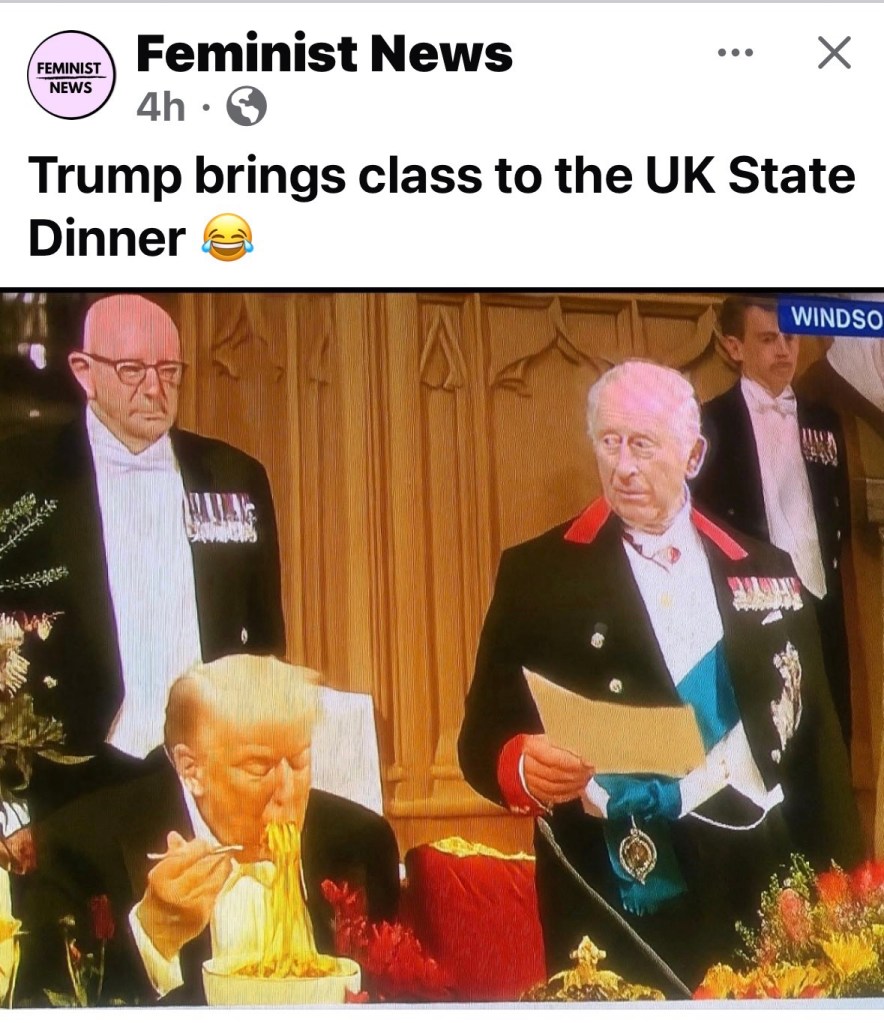
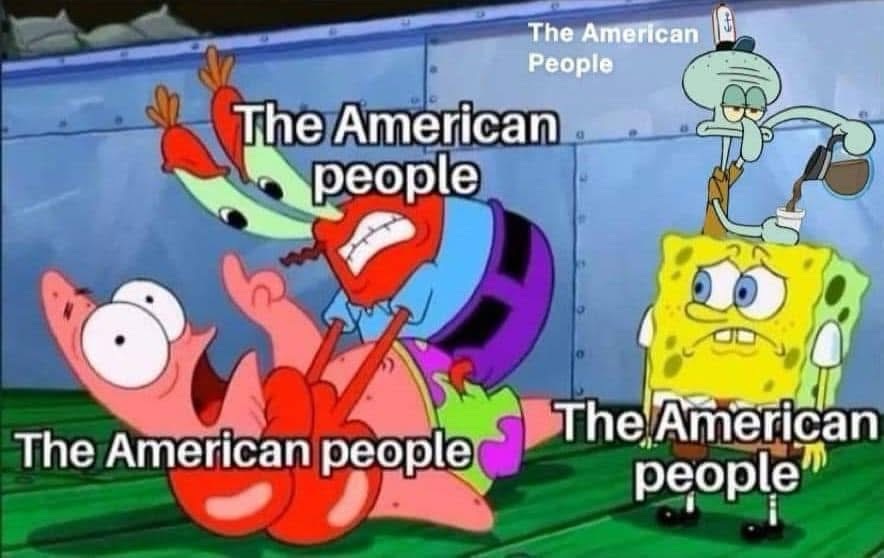
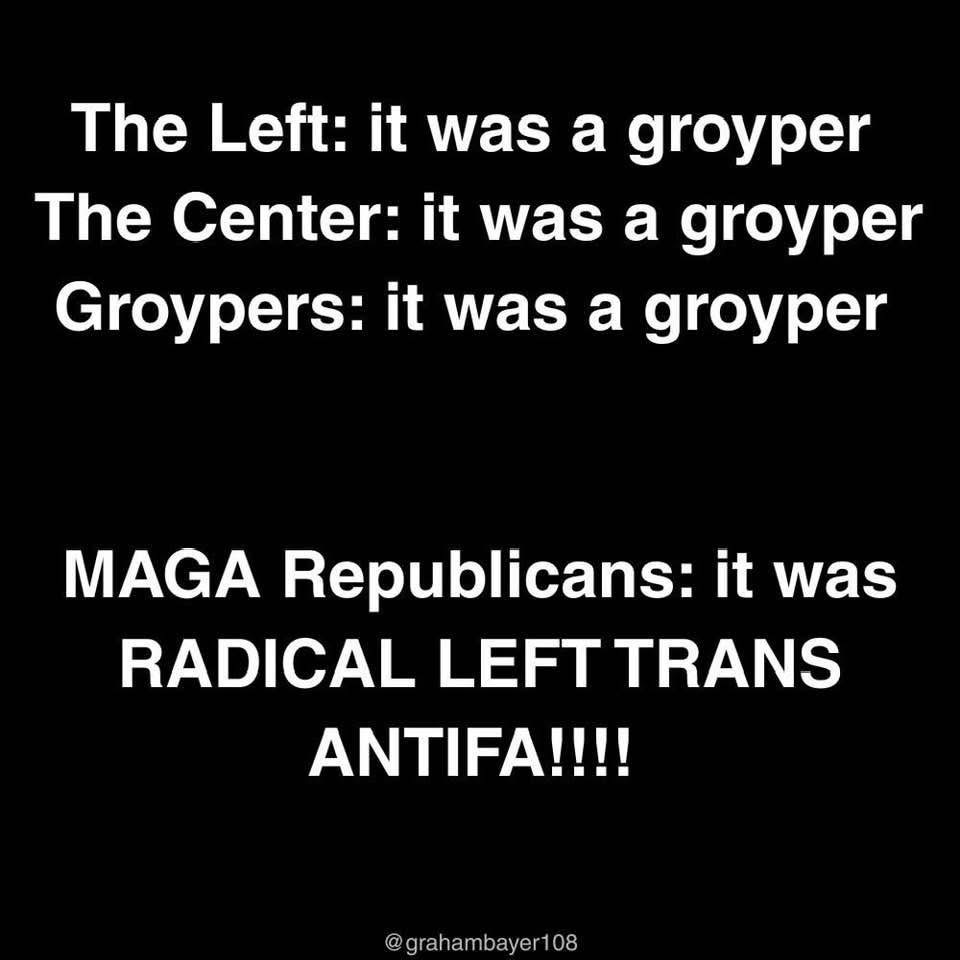
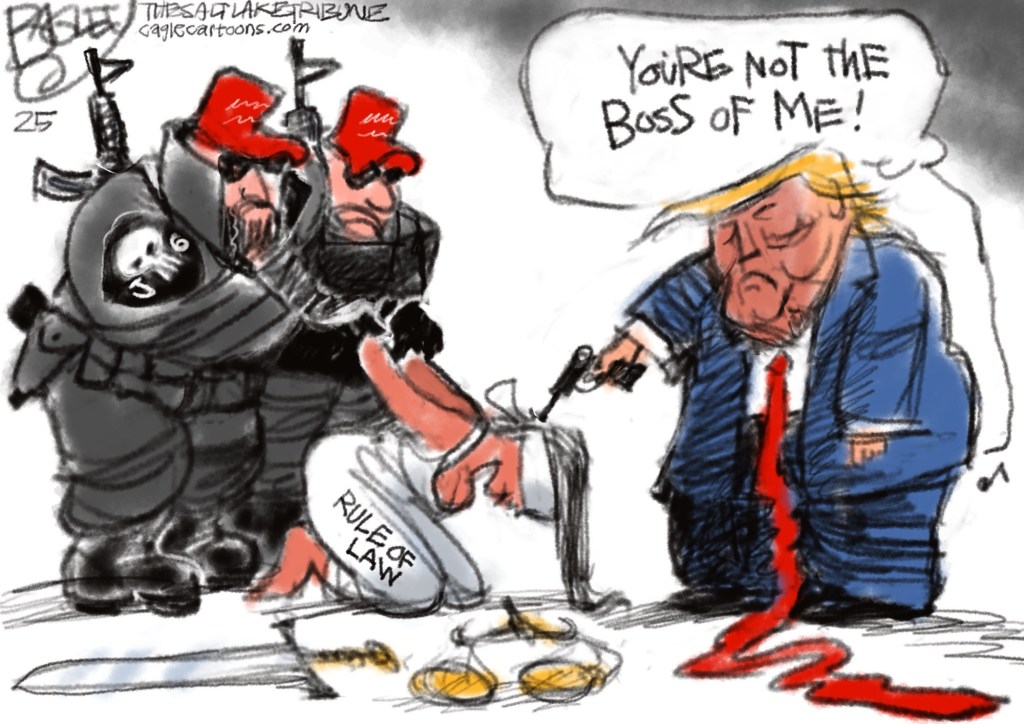
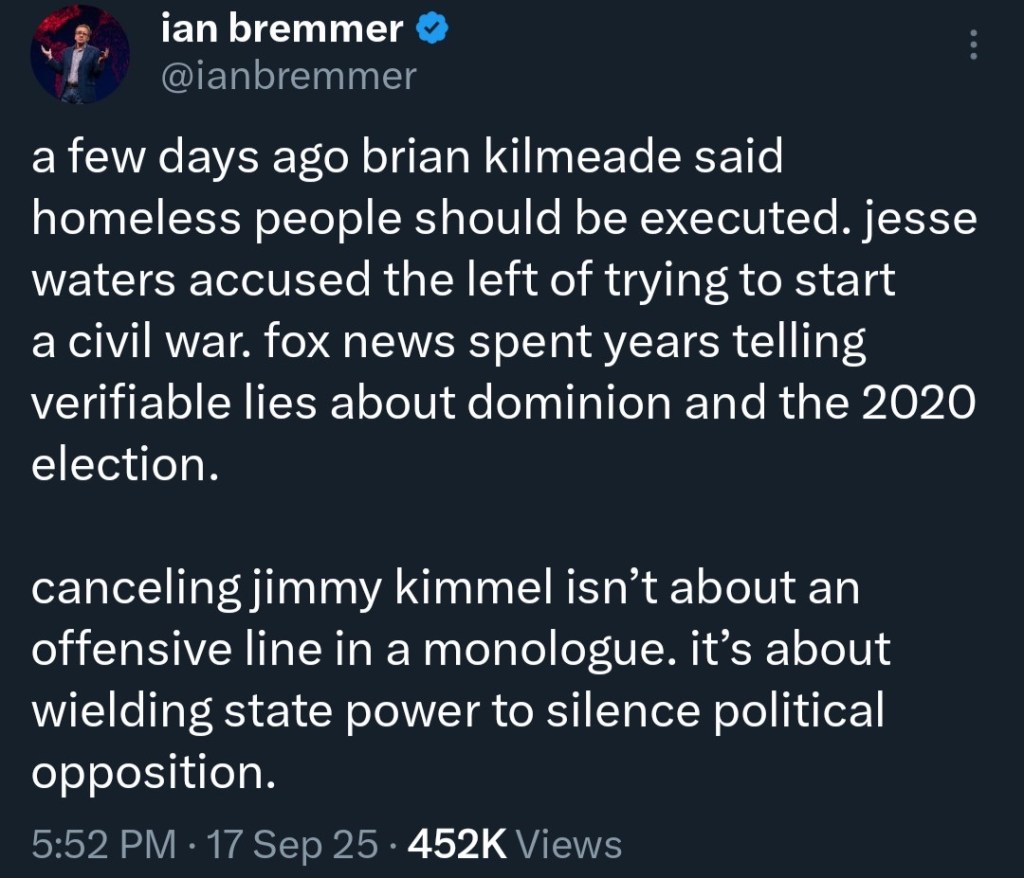
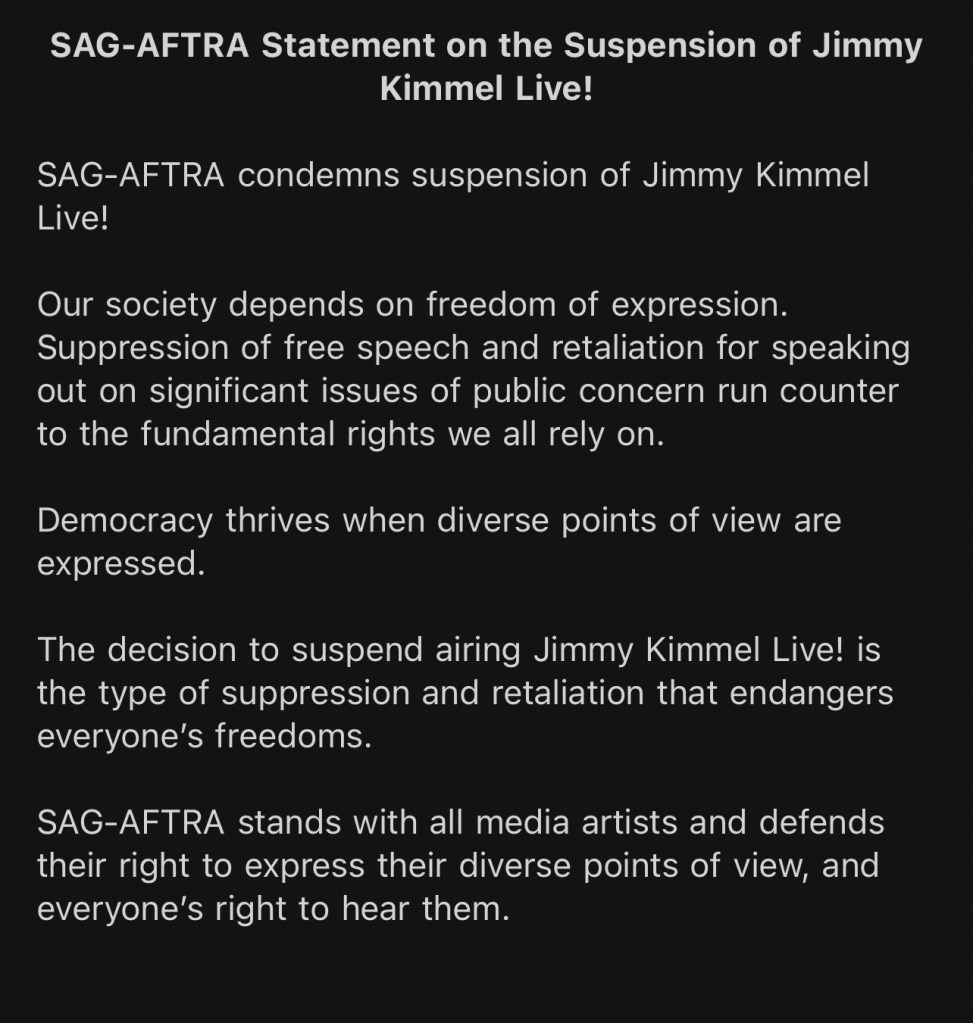
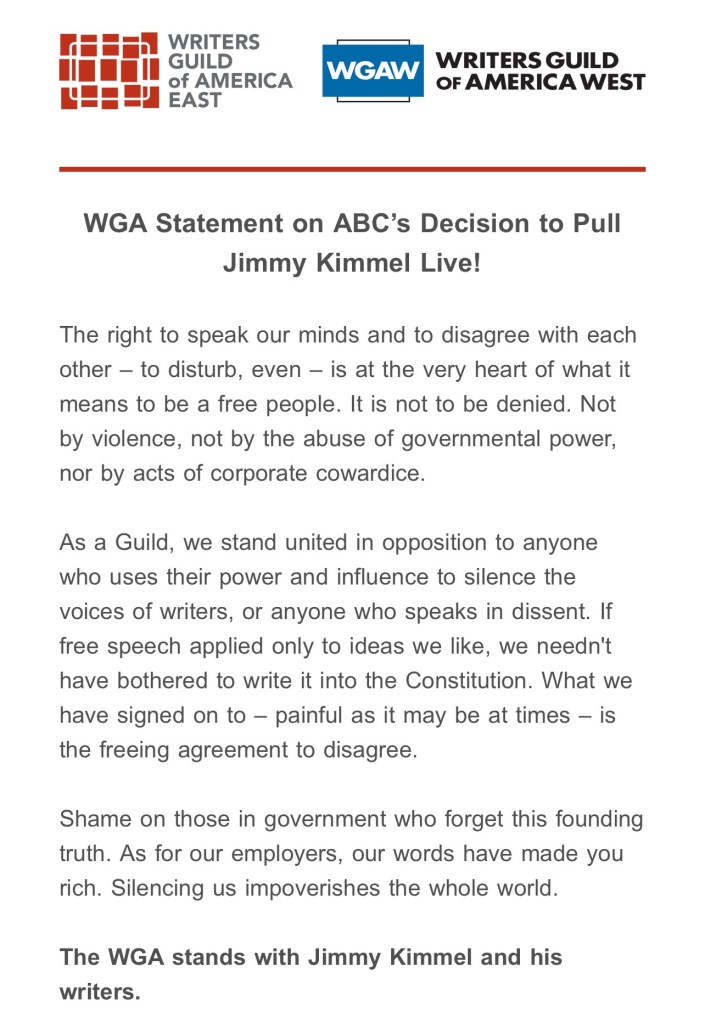
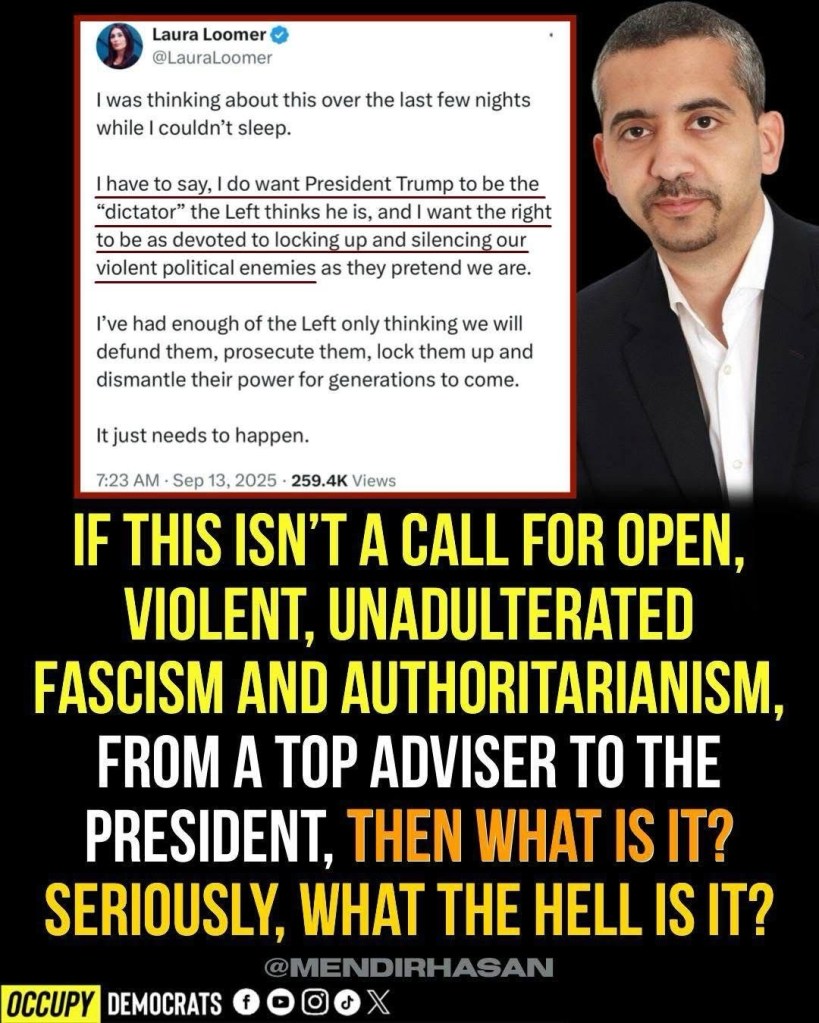
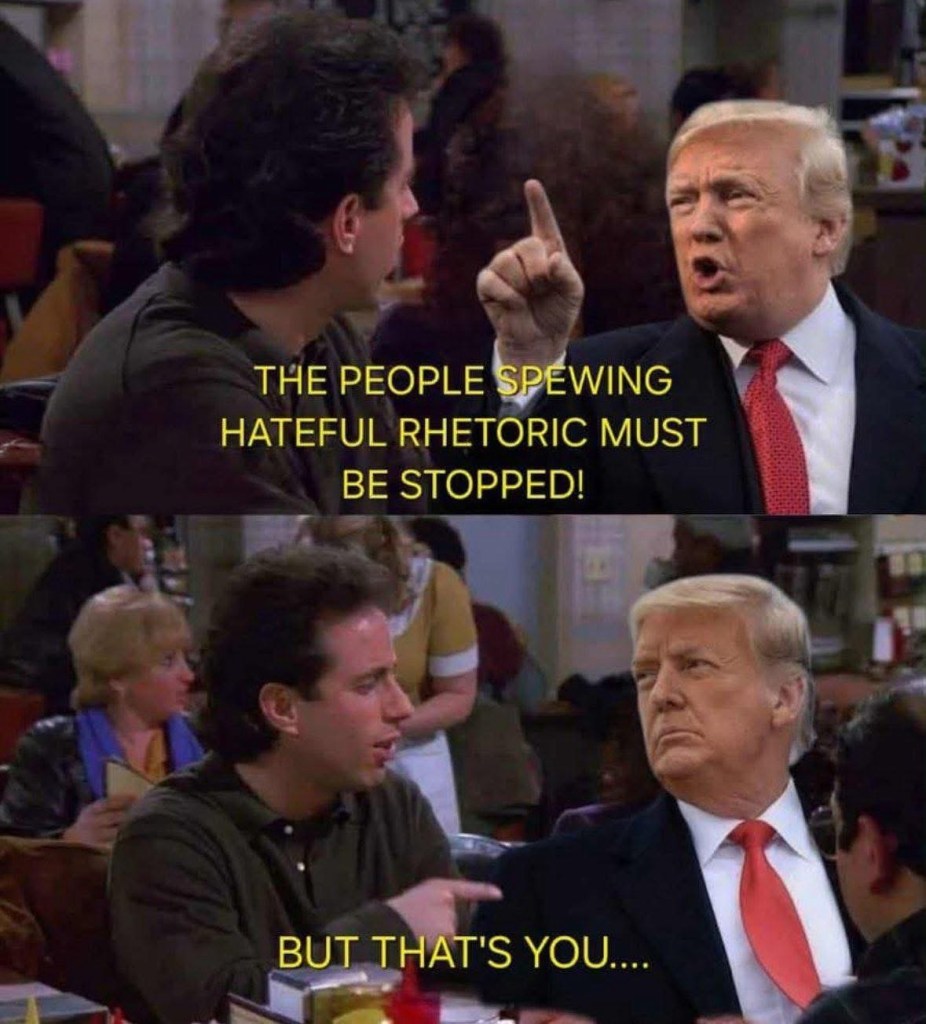
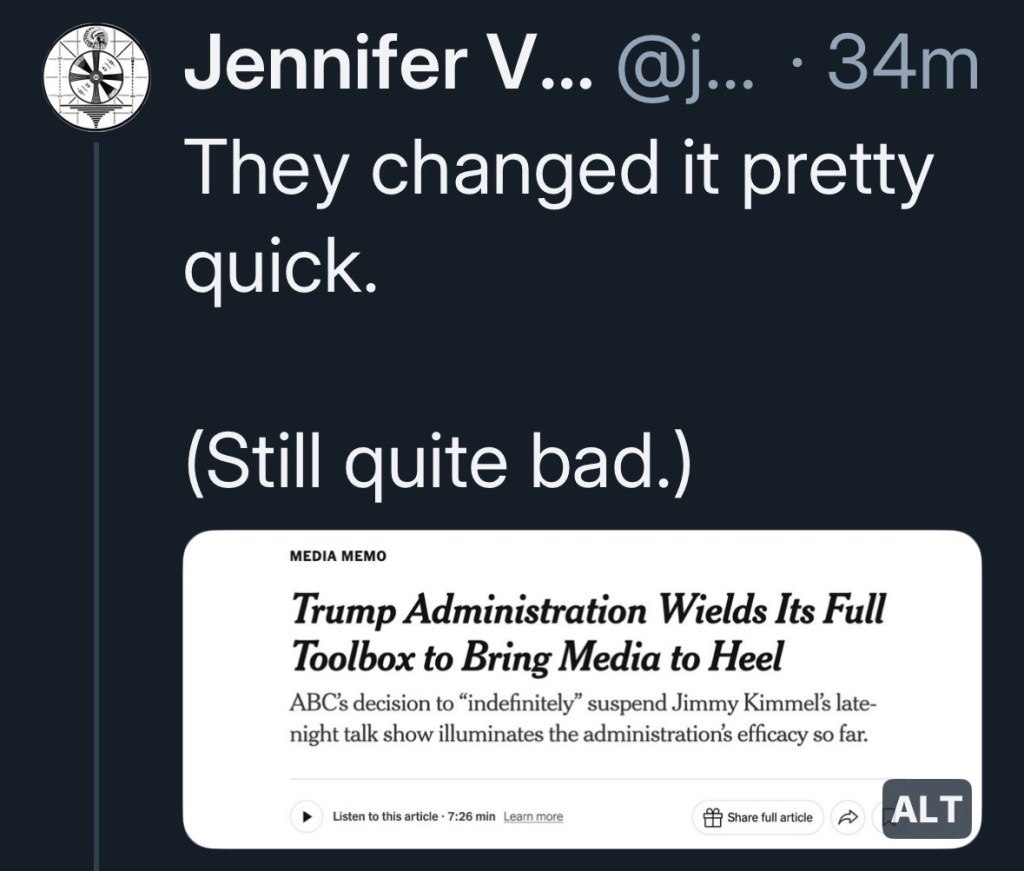
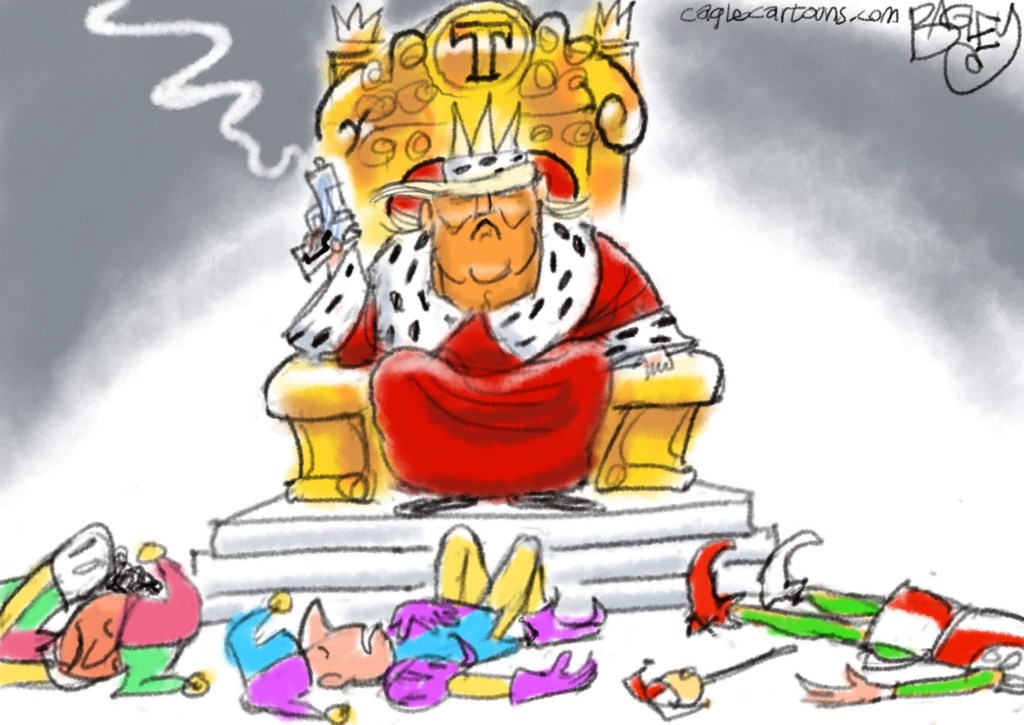
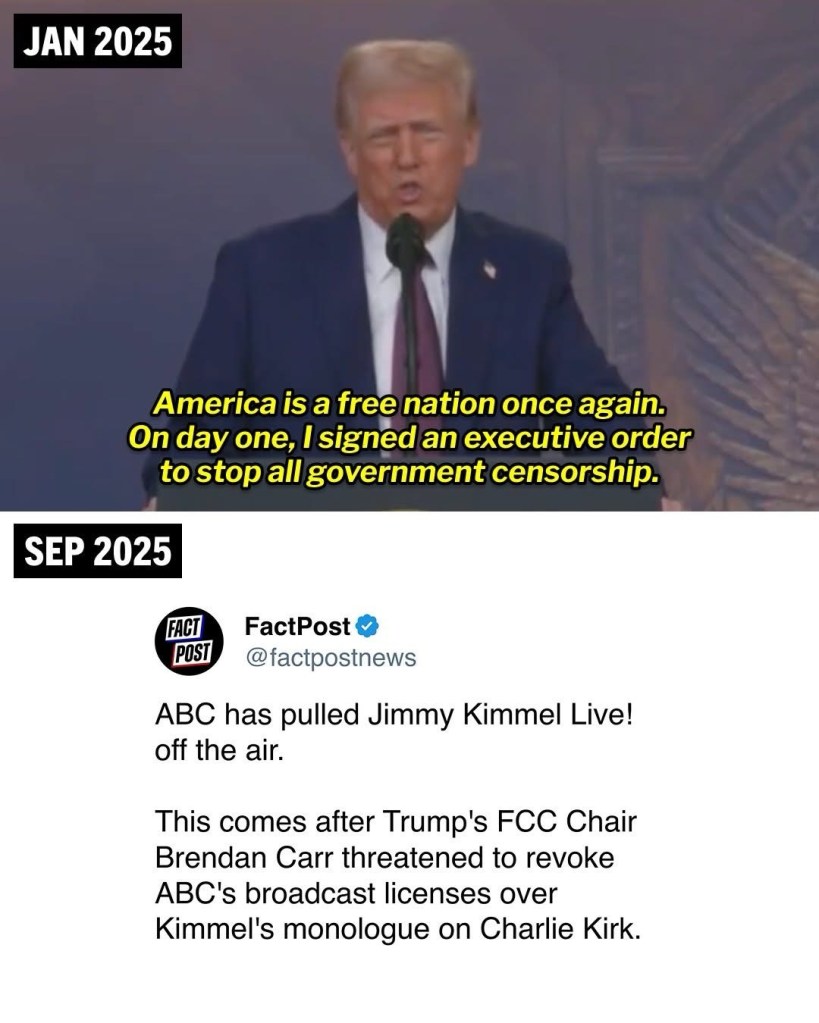
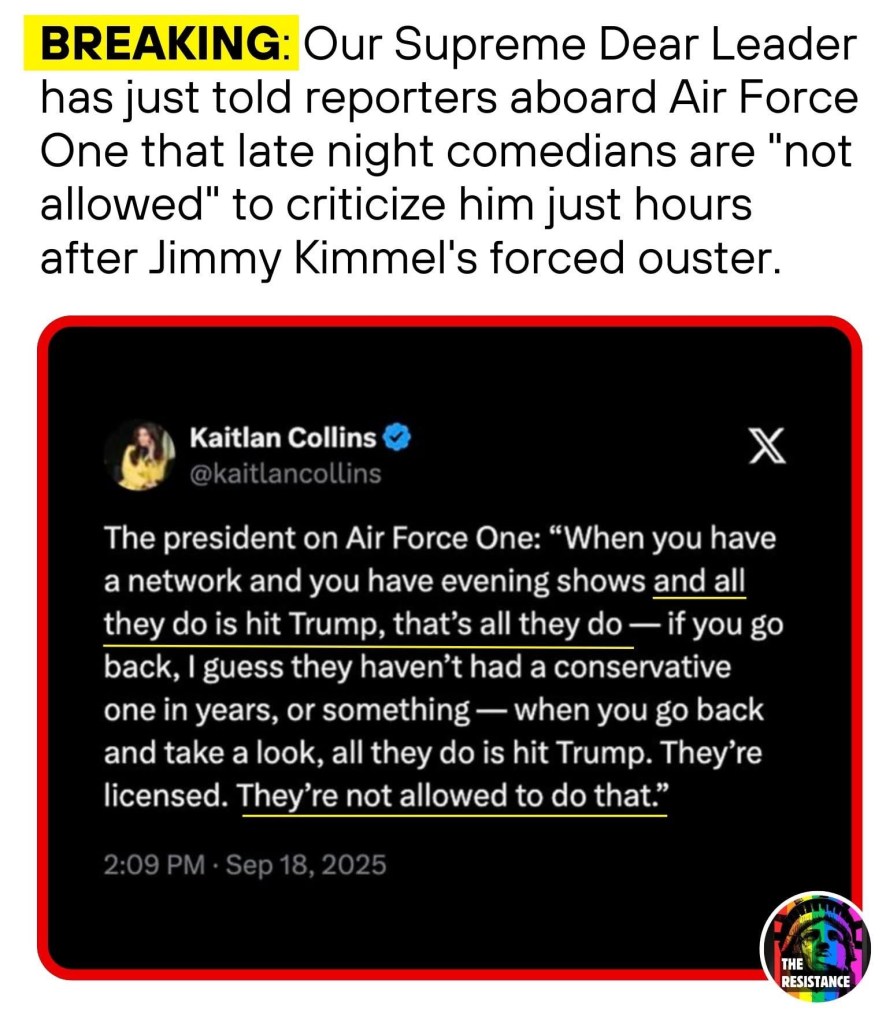
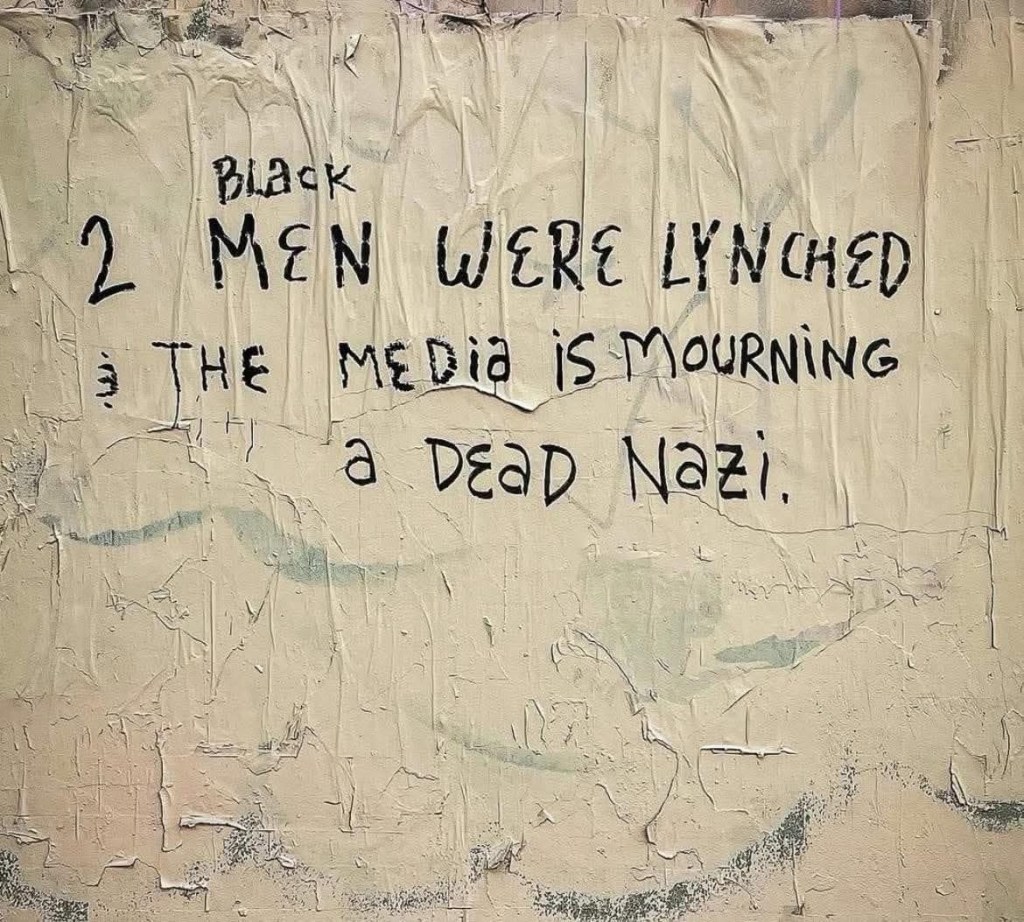
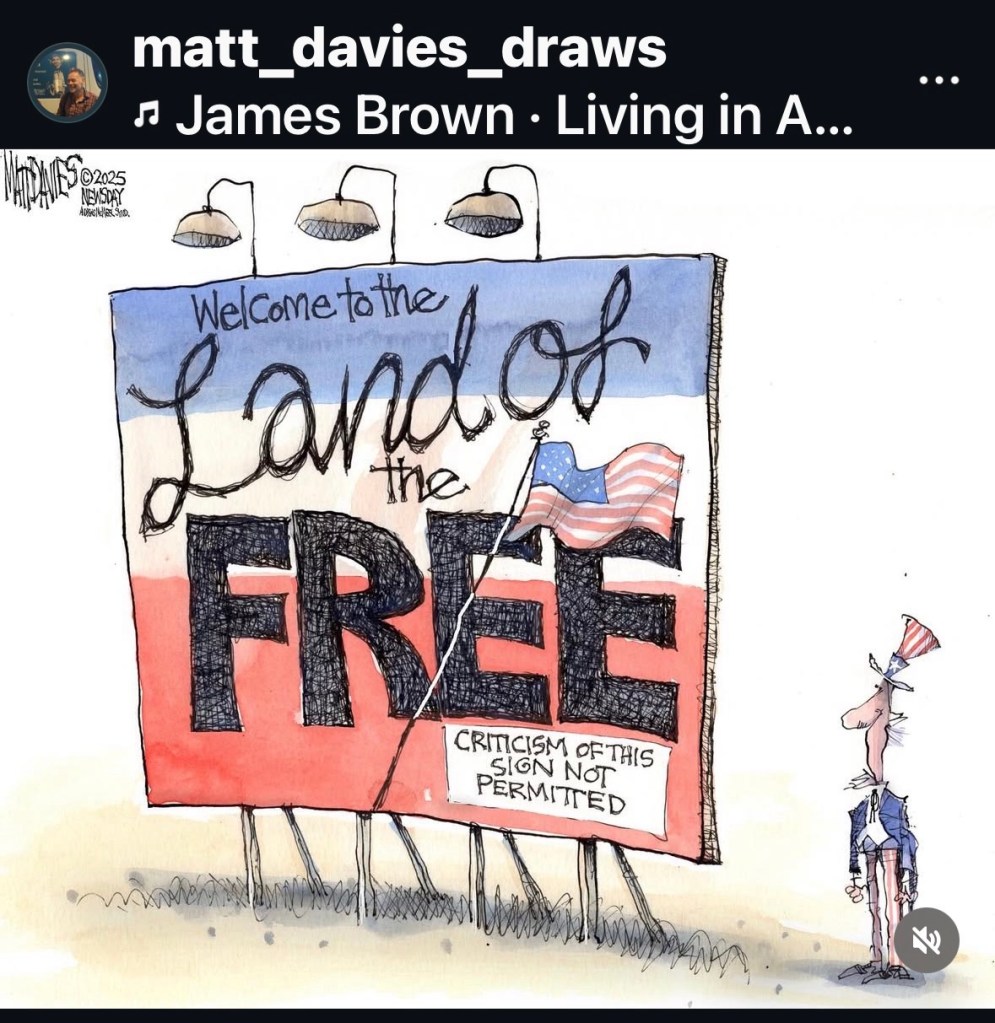
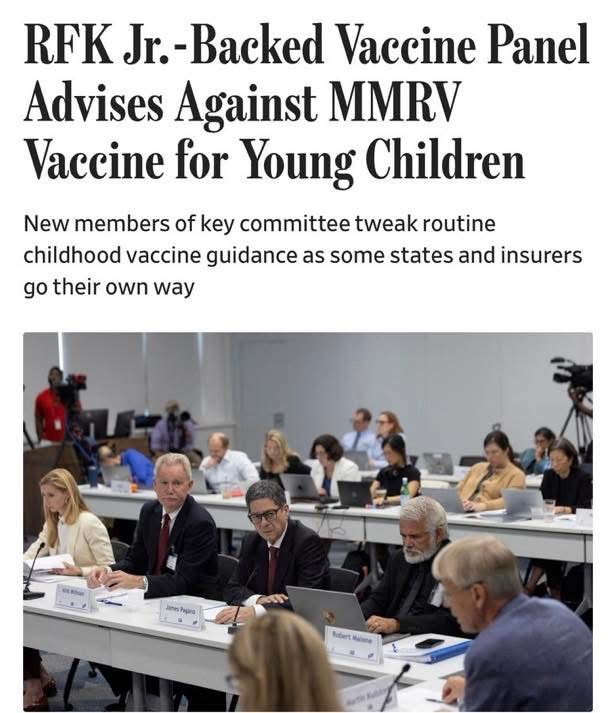
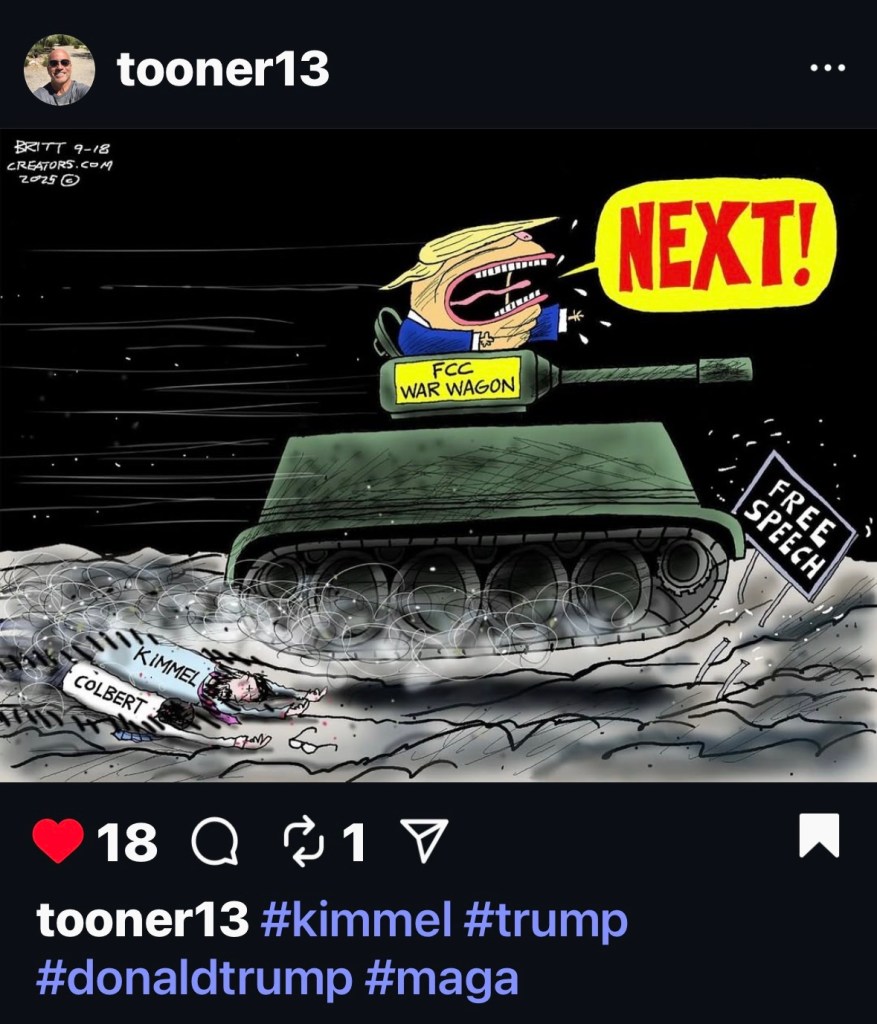
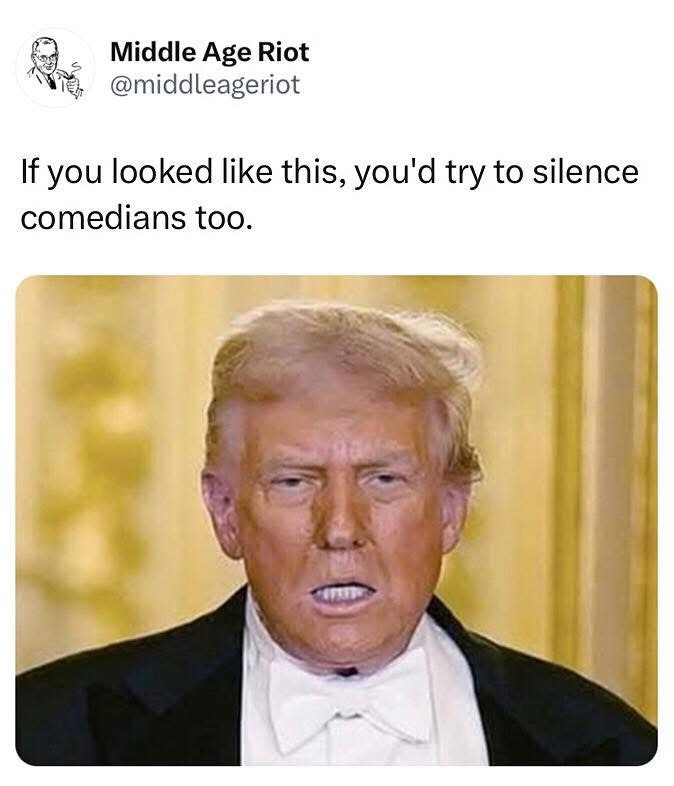
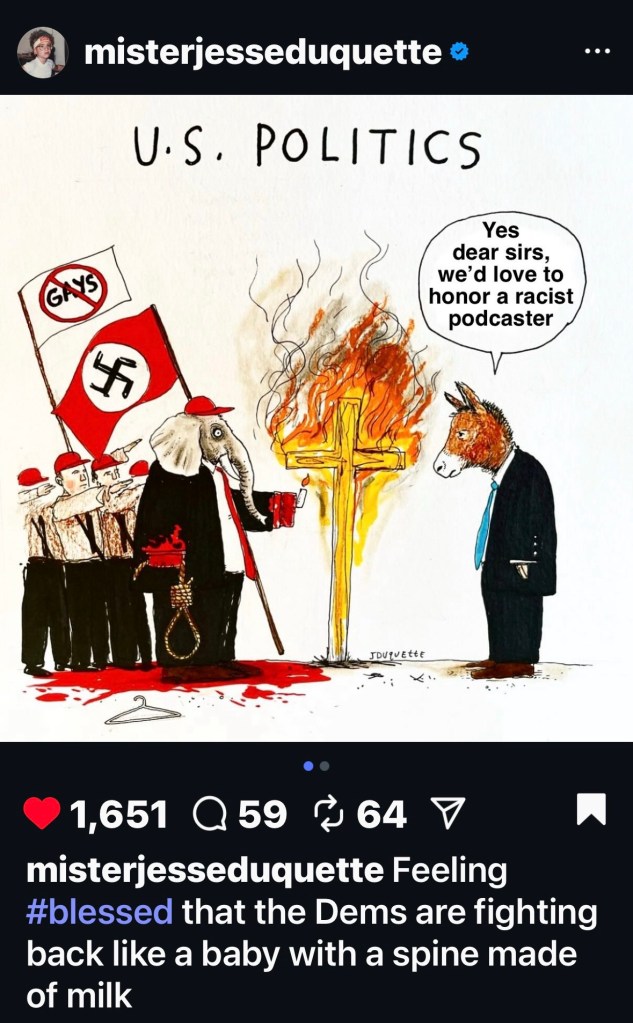
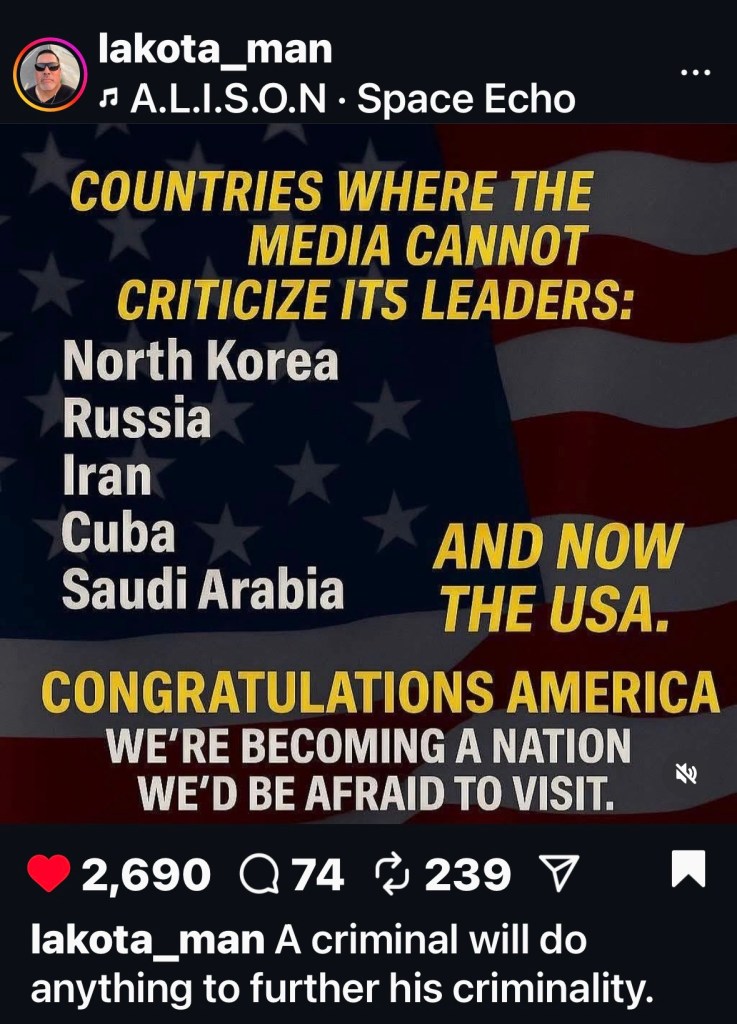
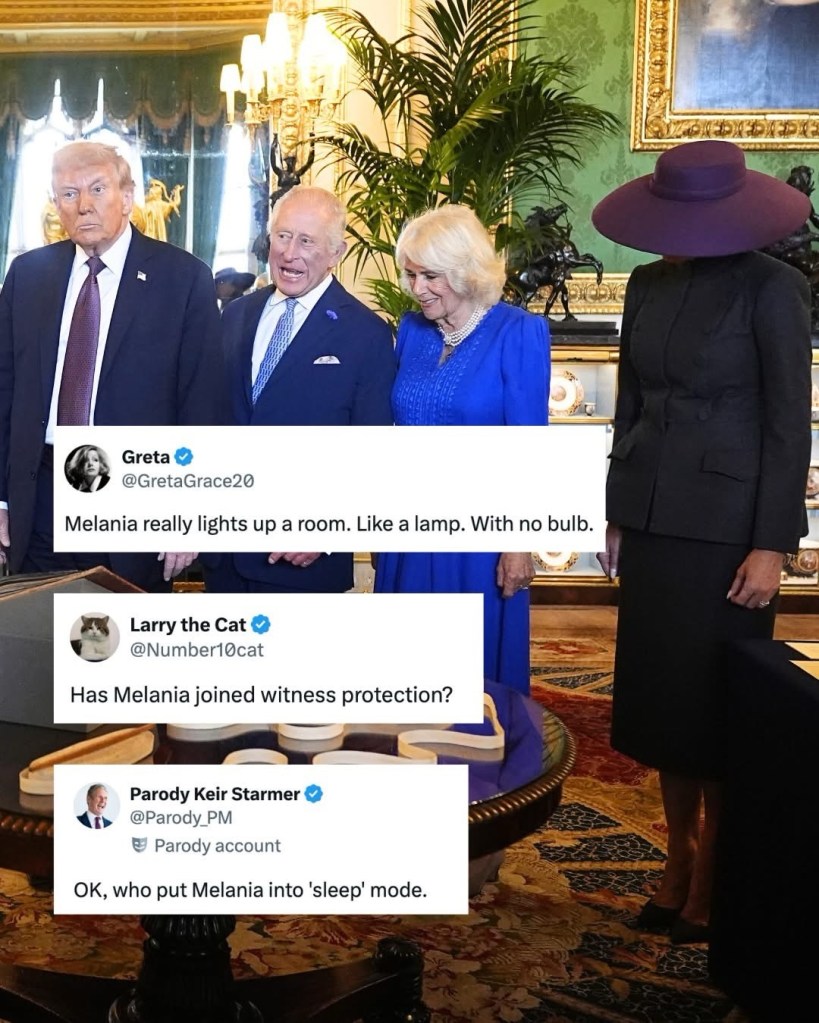
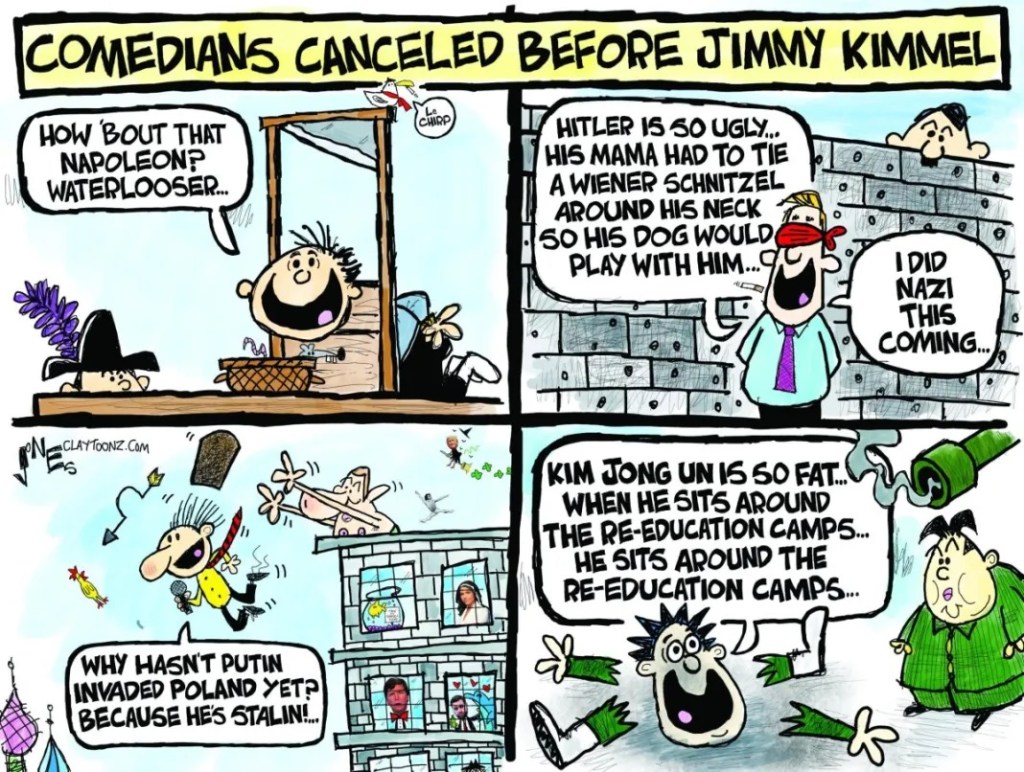
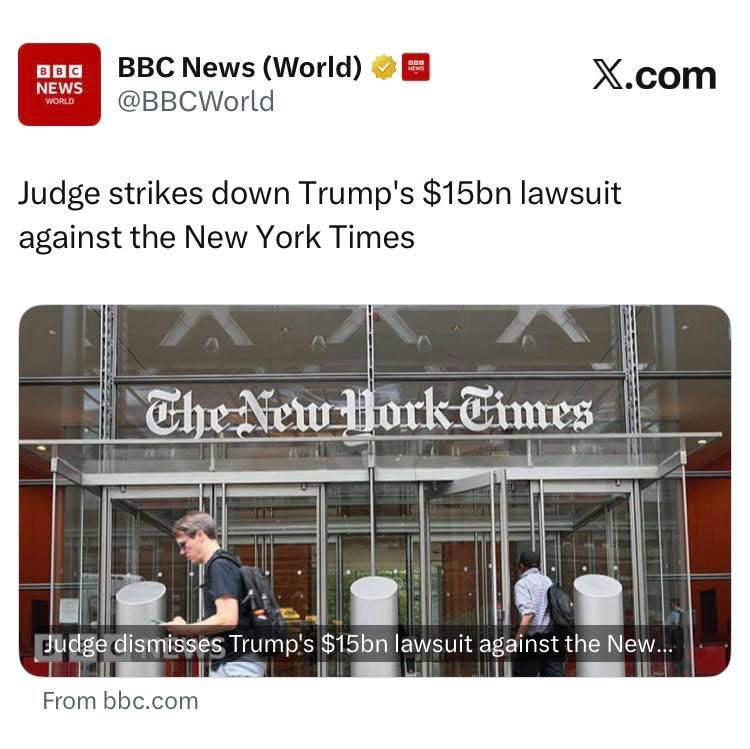
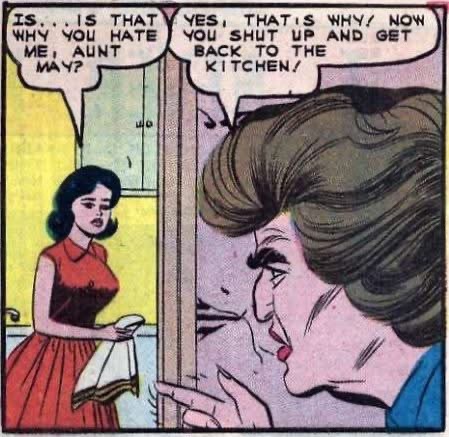
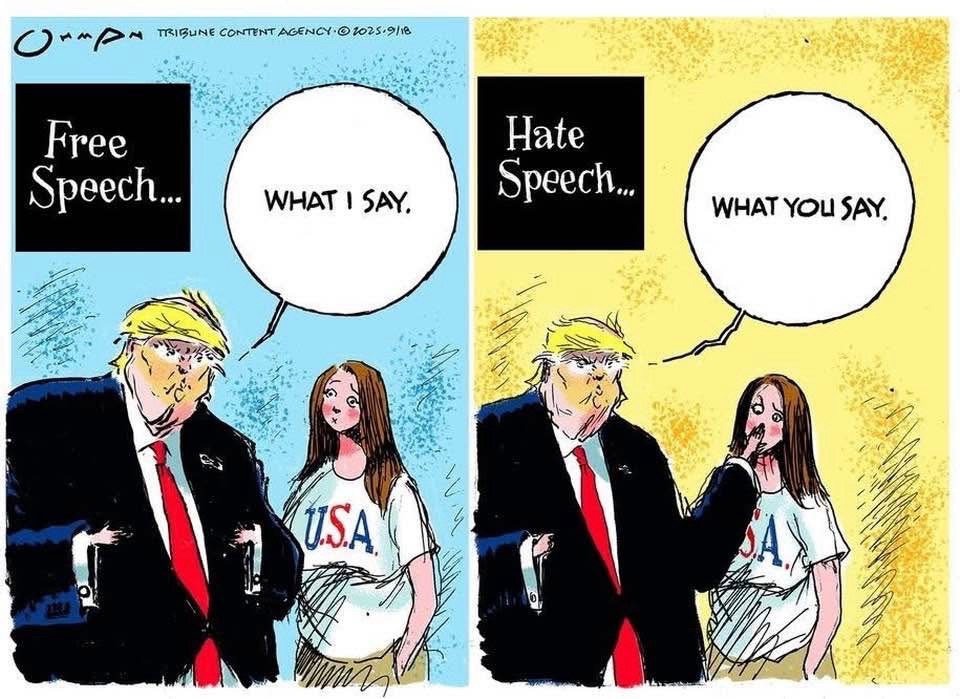
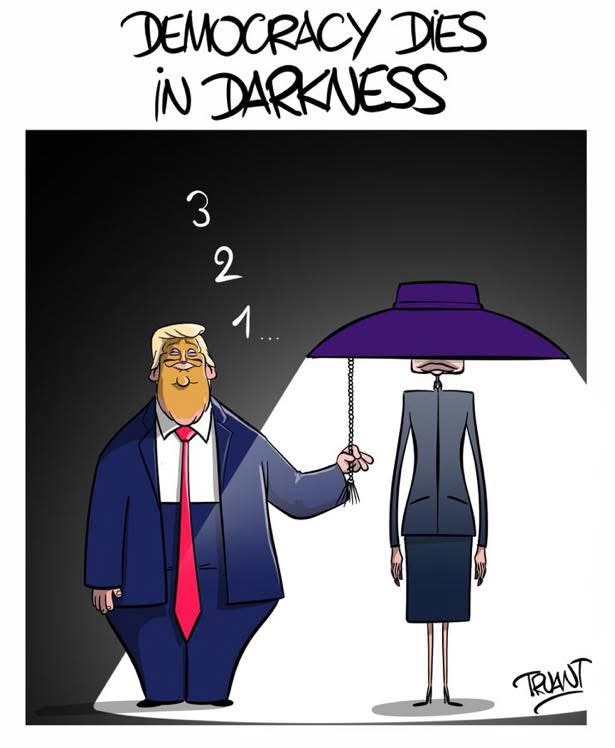
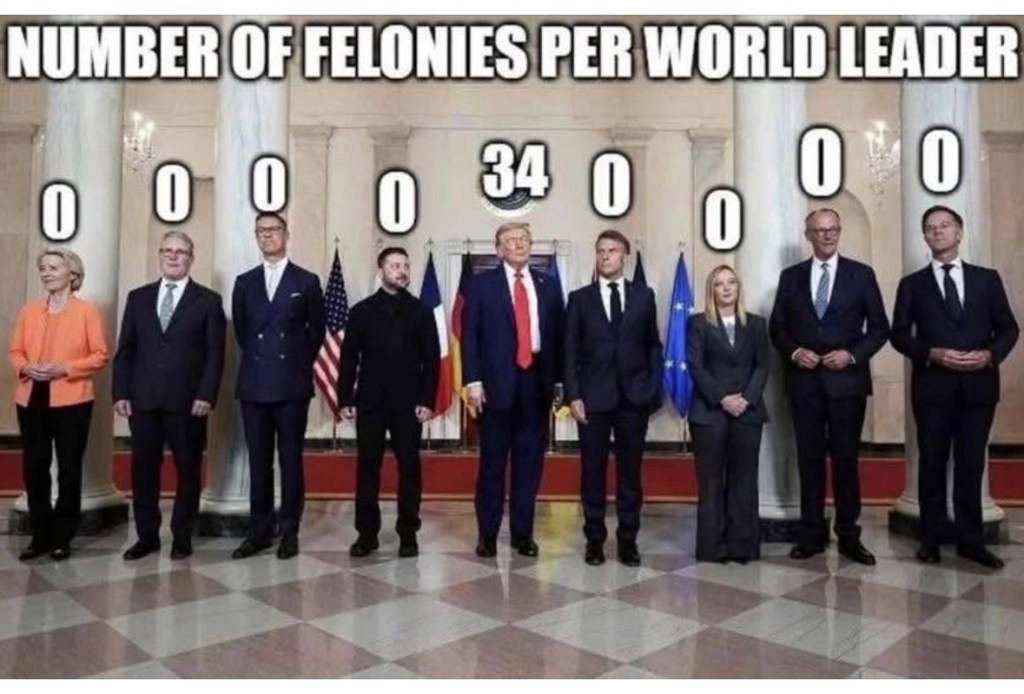
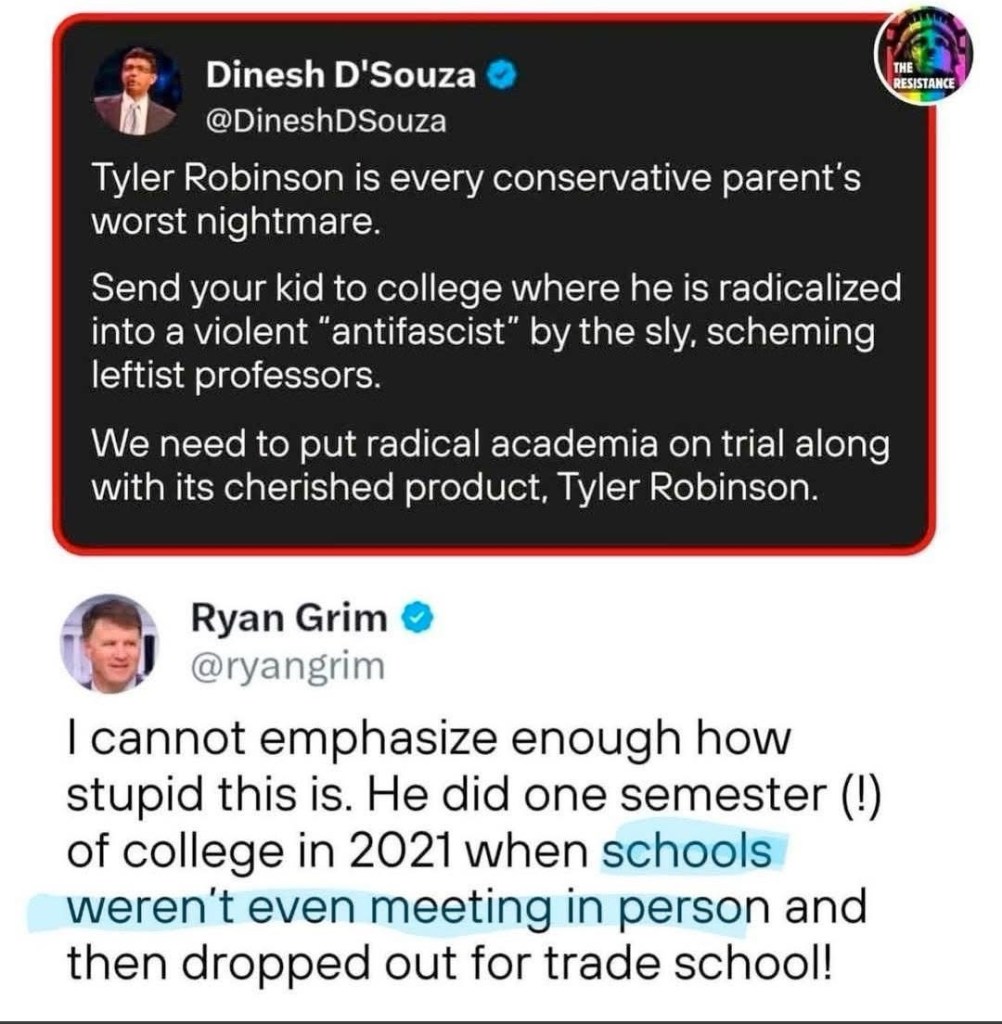
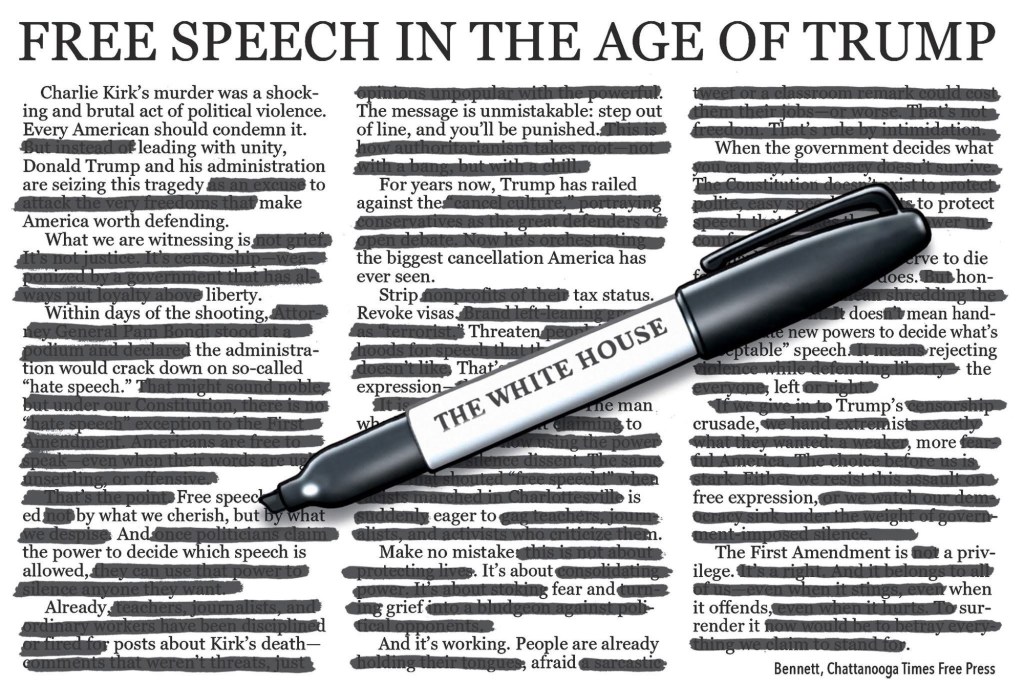
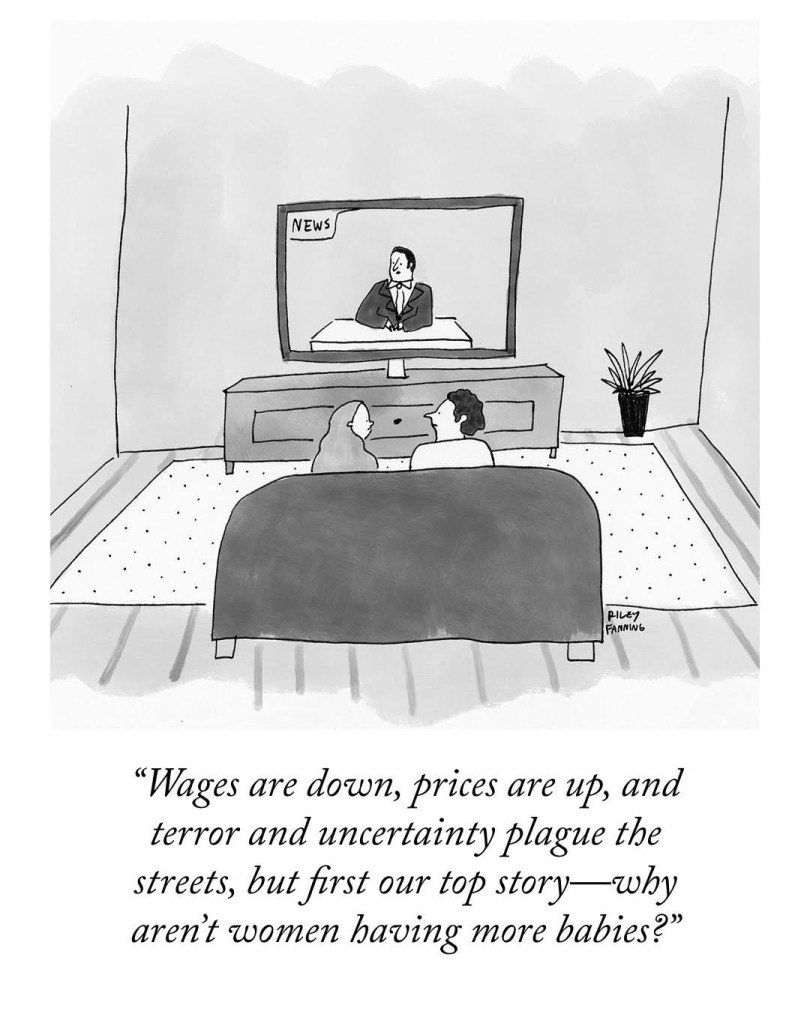
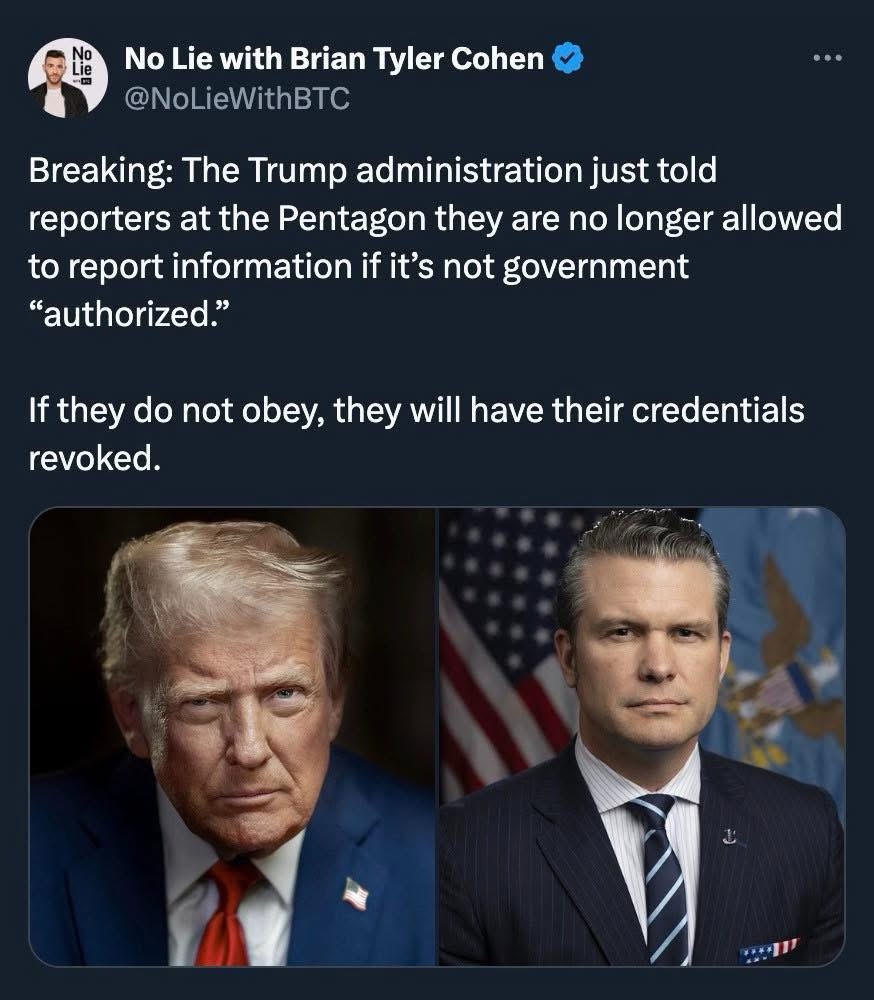
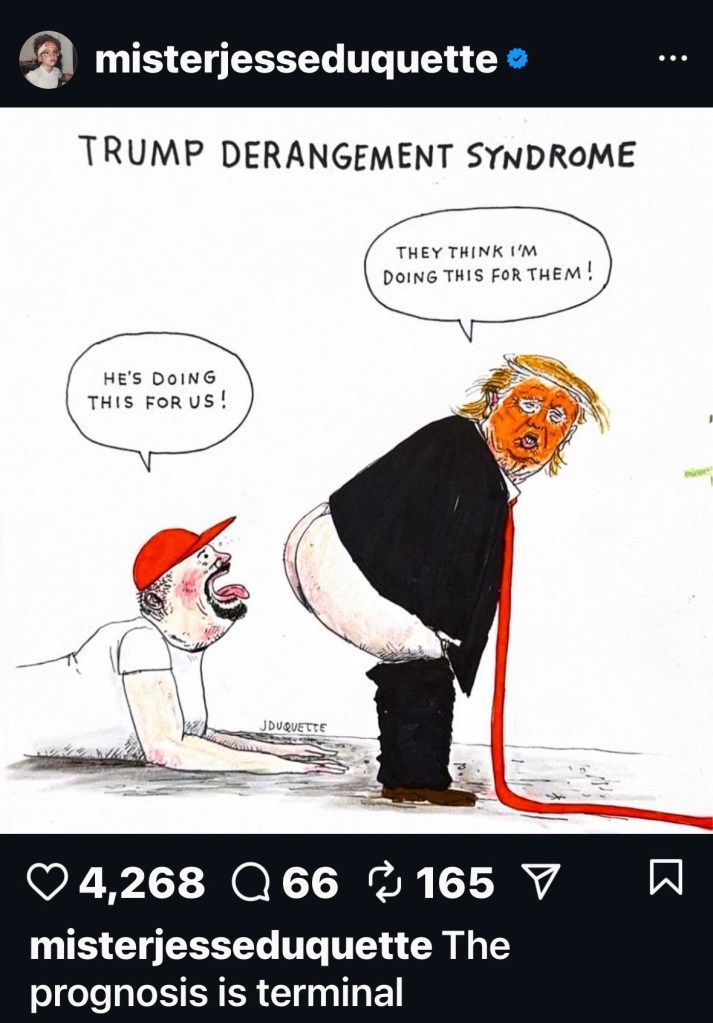
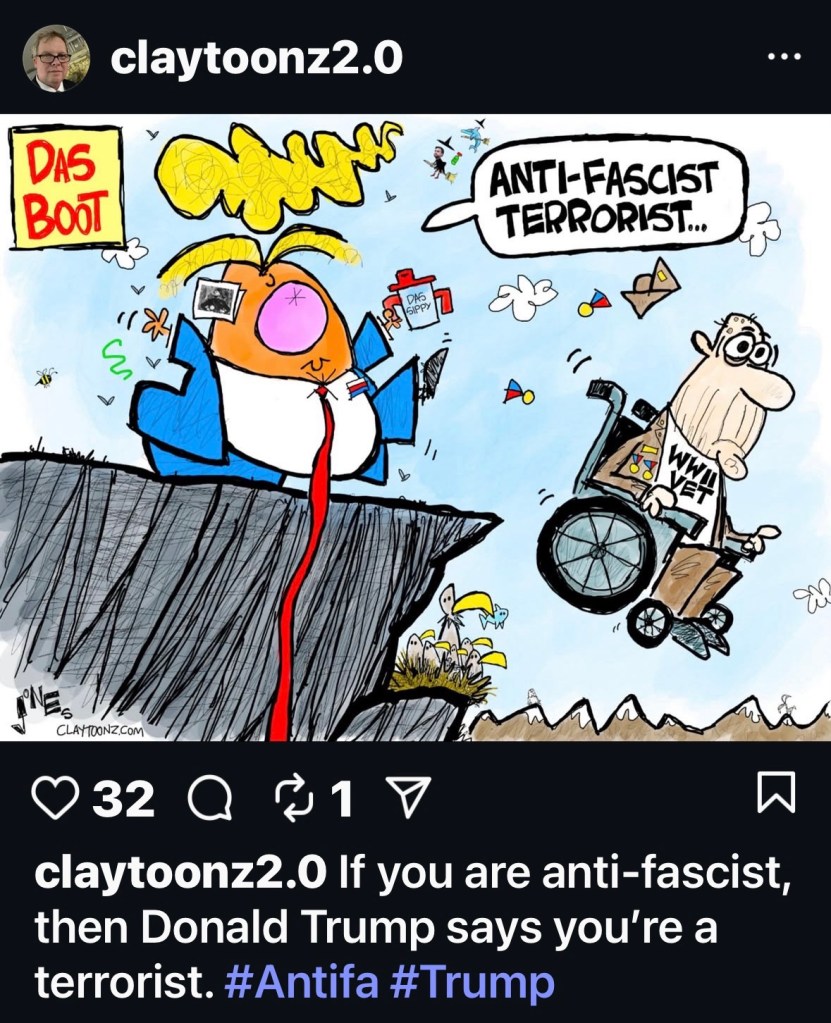
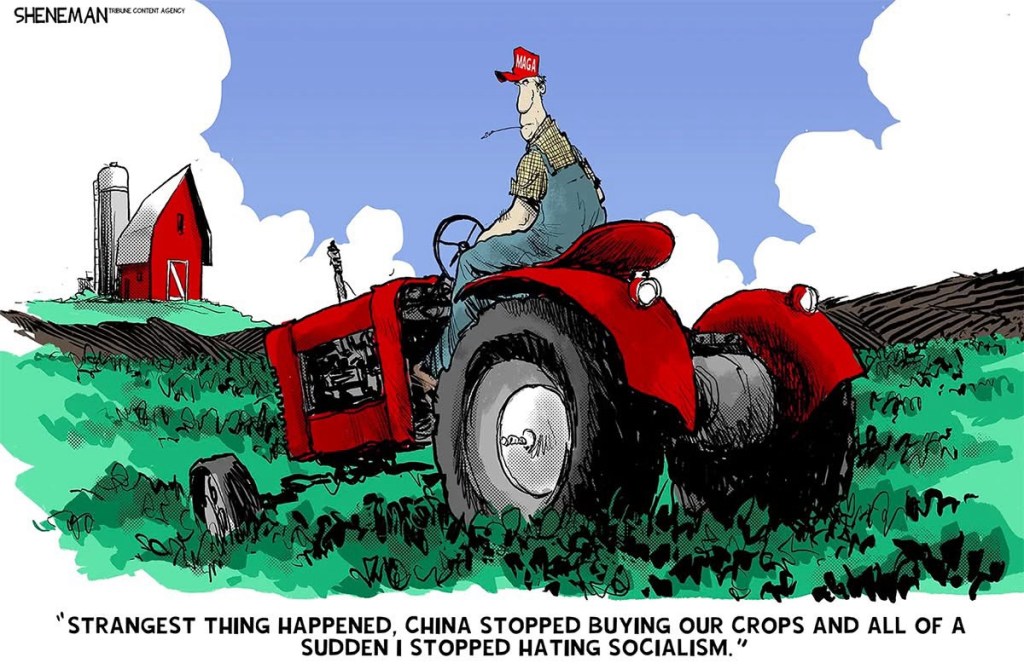
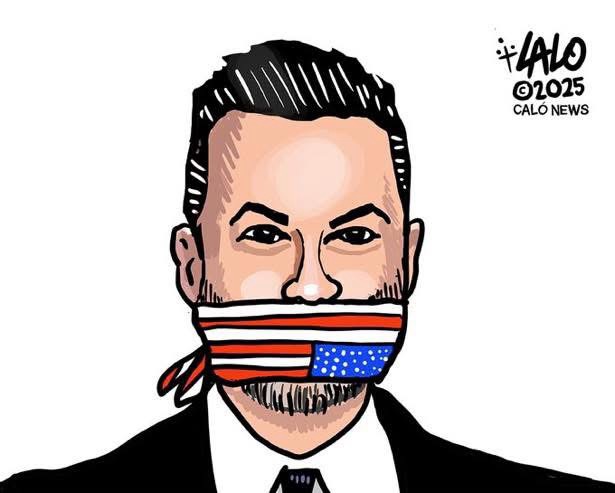
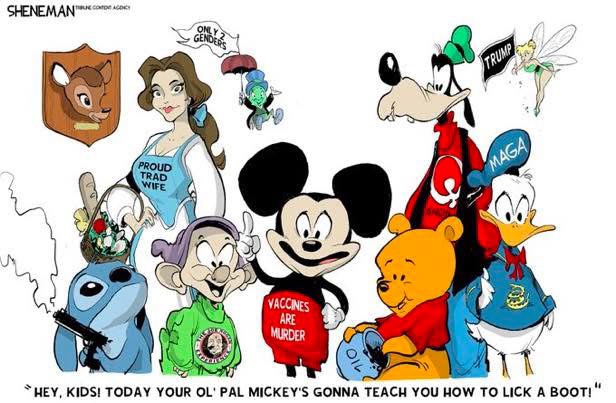
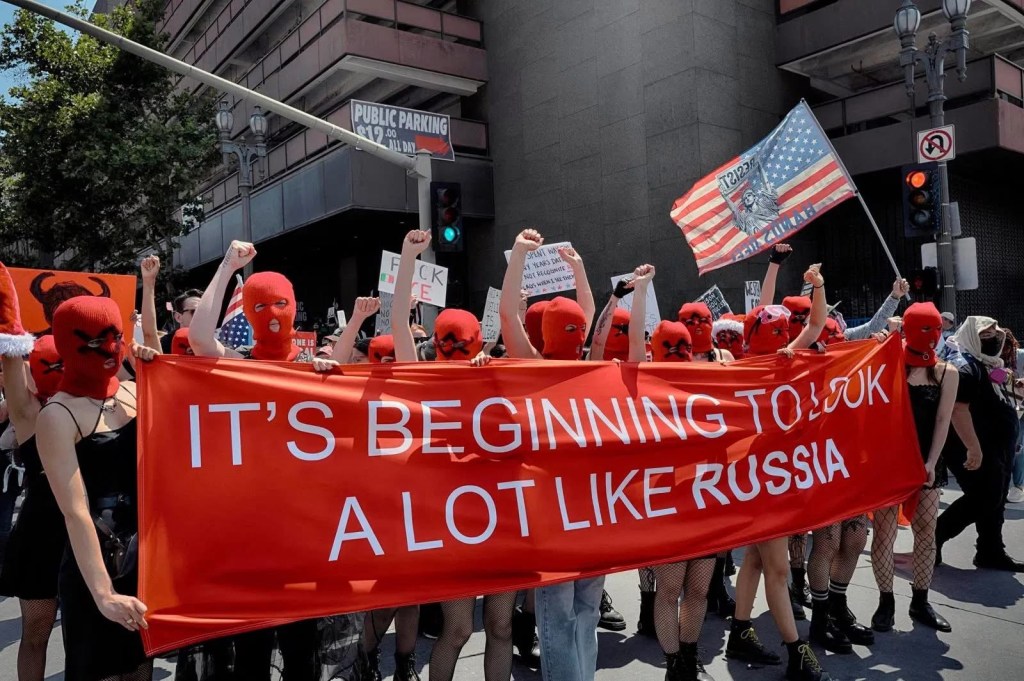
For this Sunday…just cartoons and memes. What a disaster this week has been.
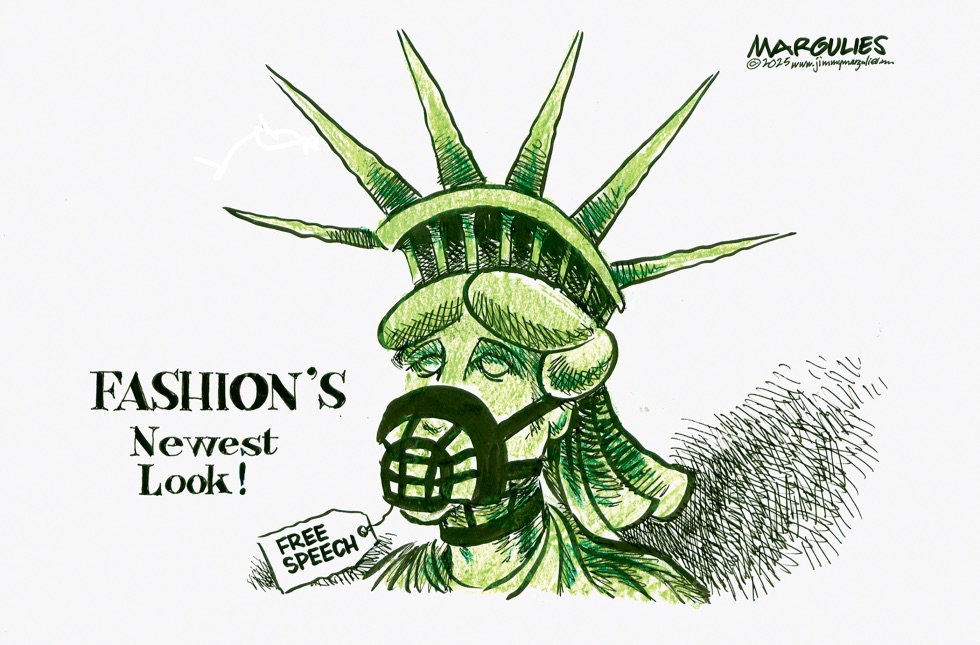
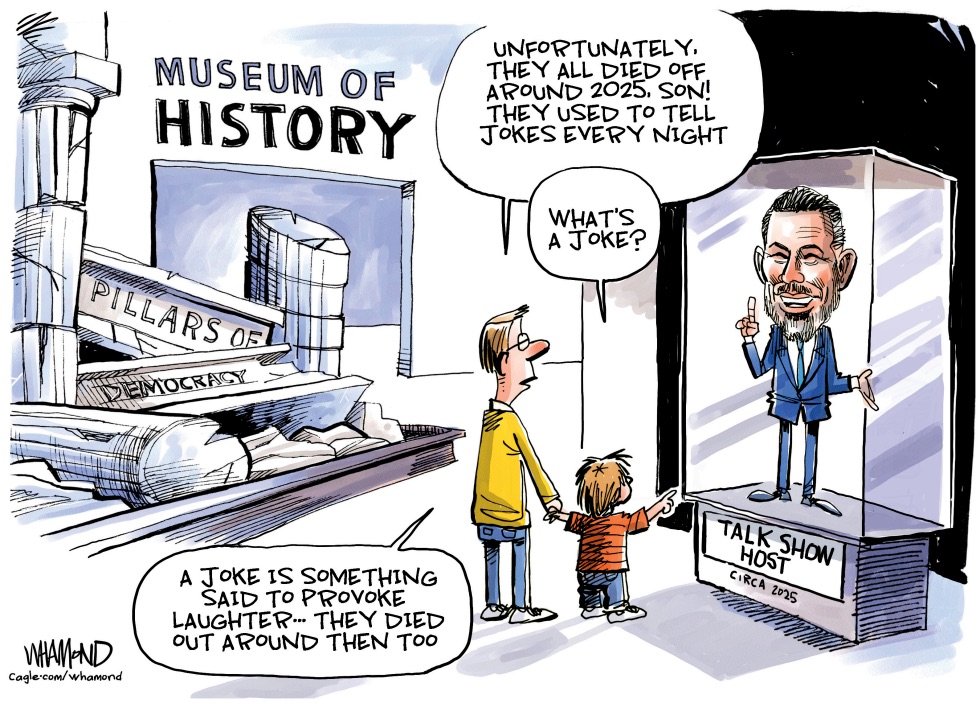
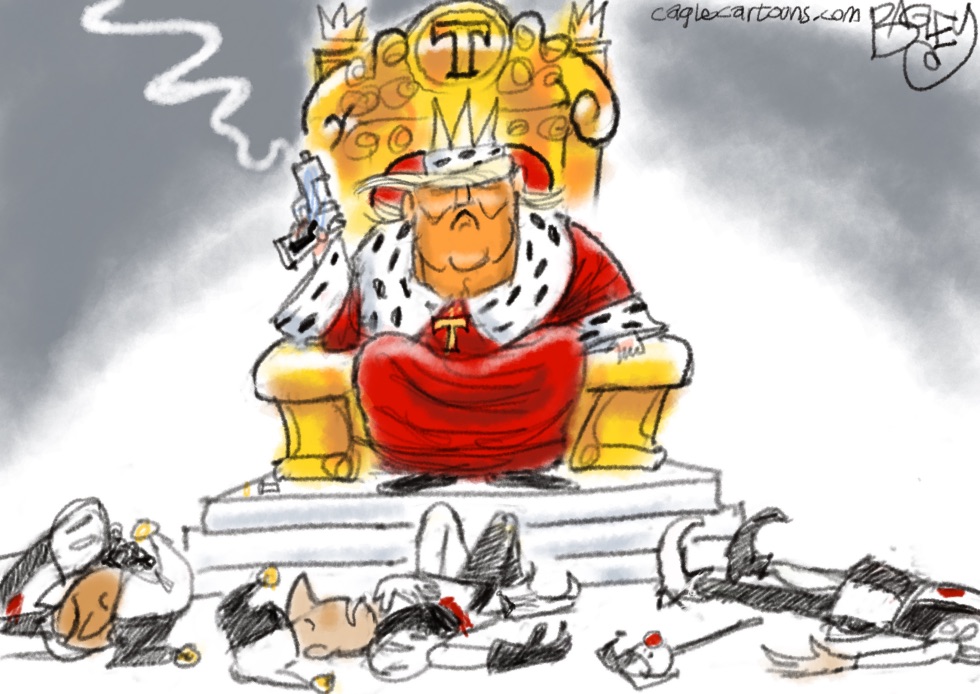
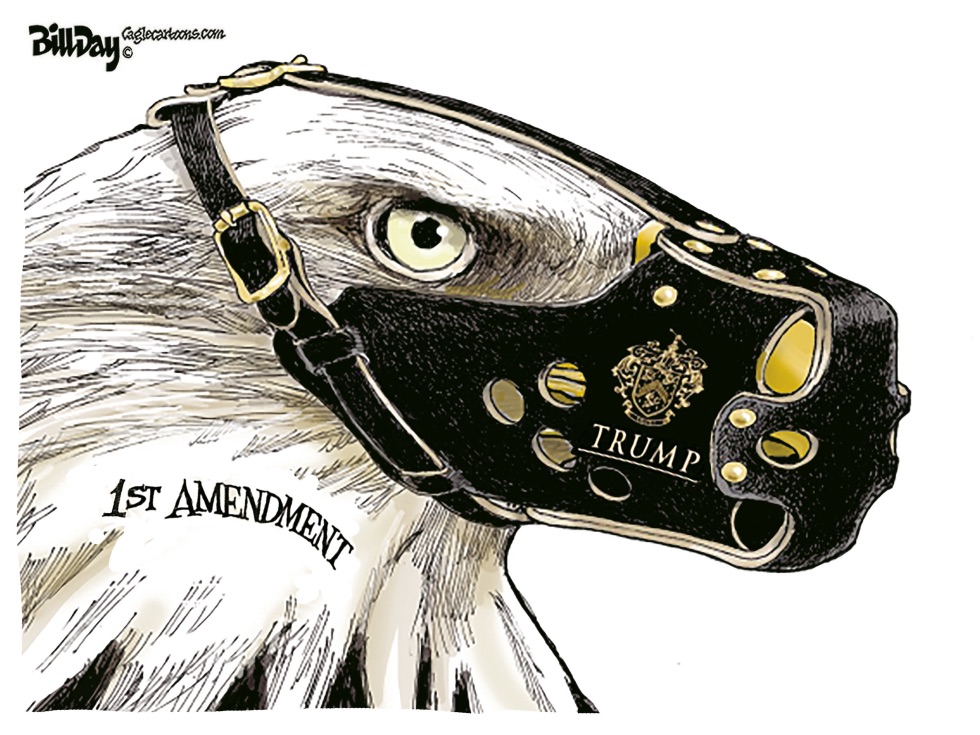
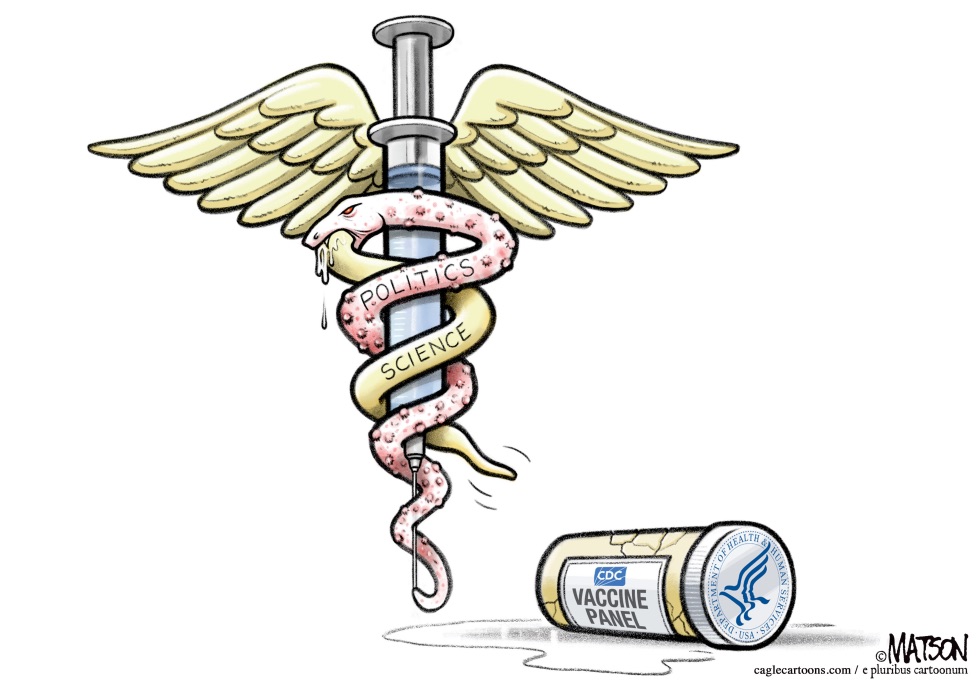
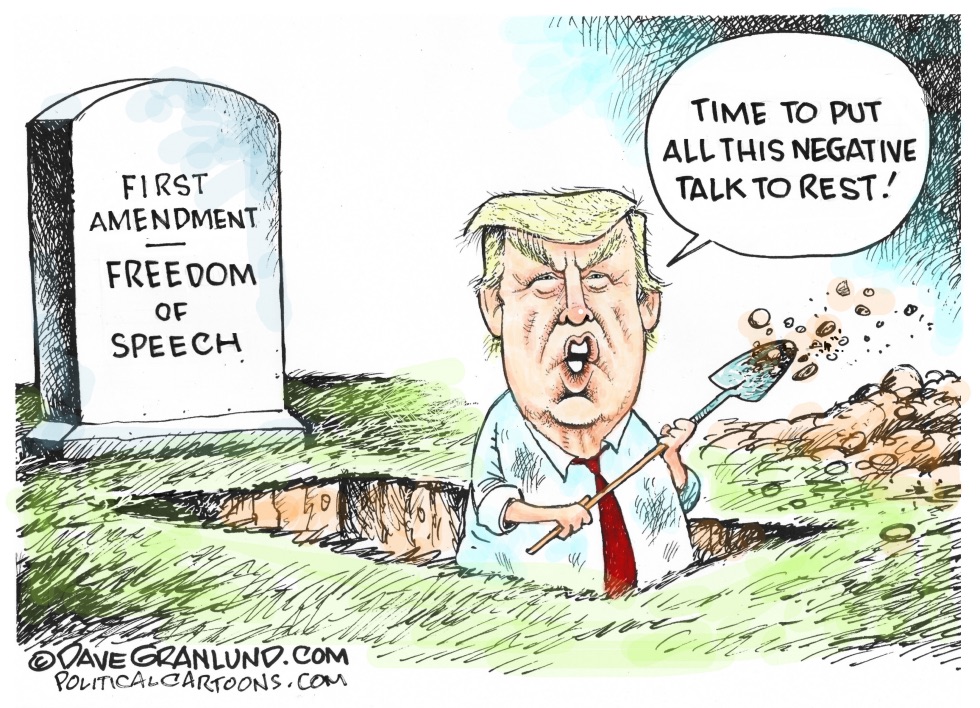
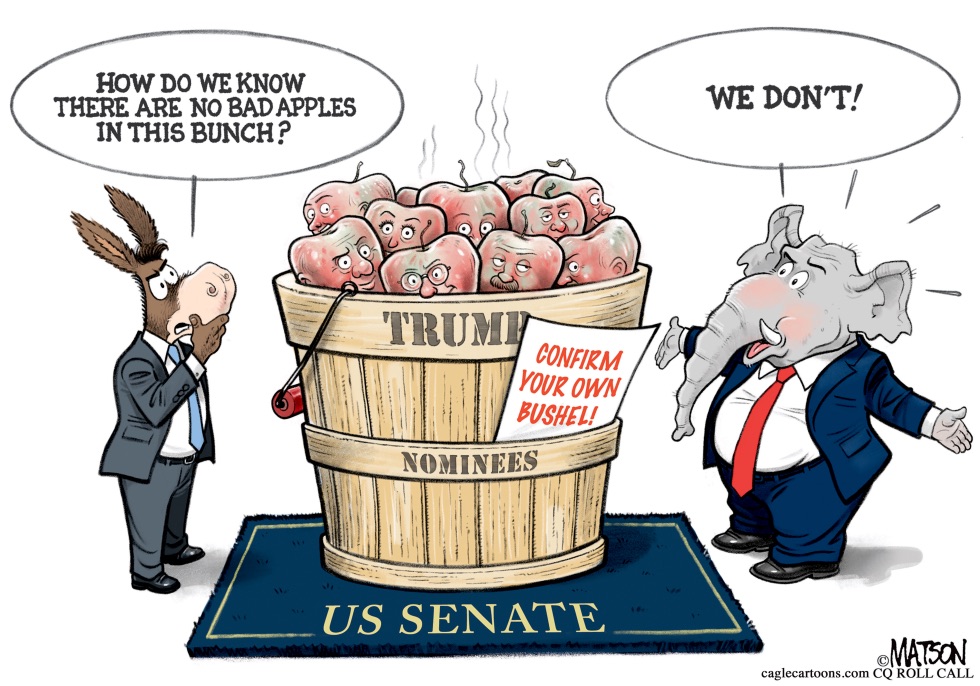
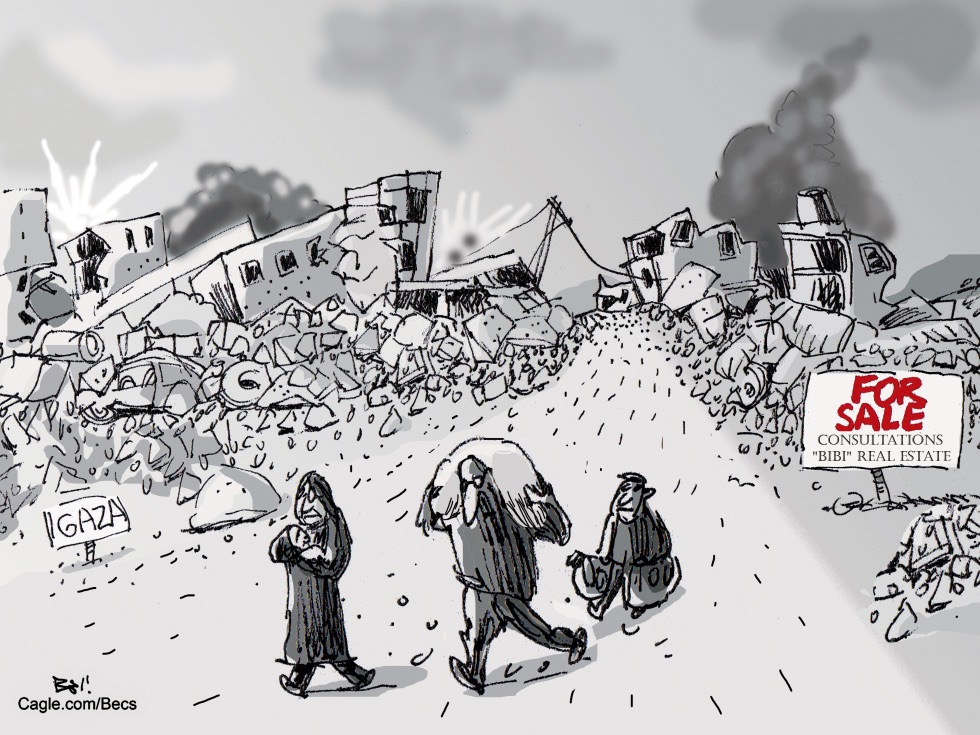
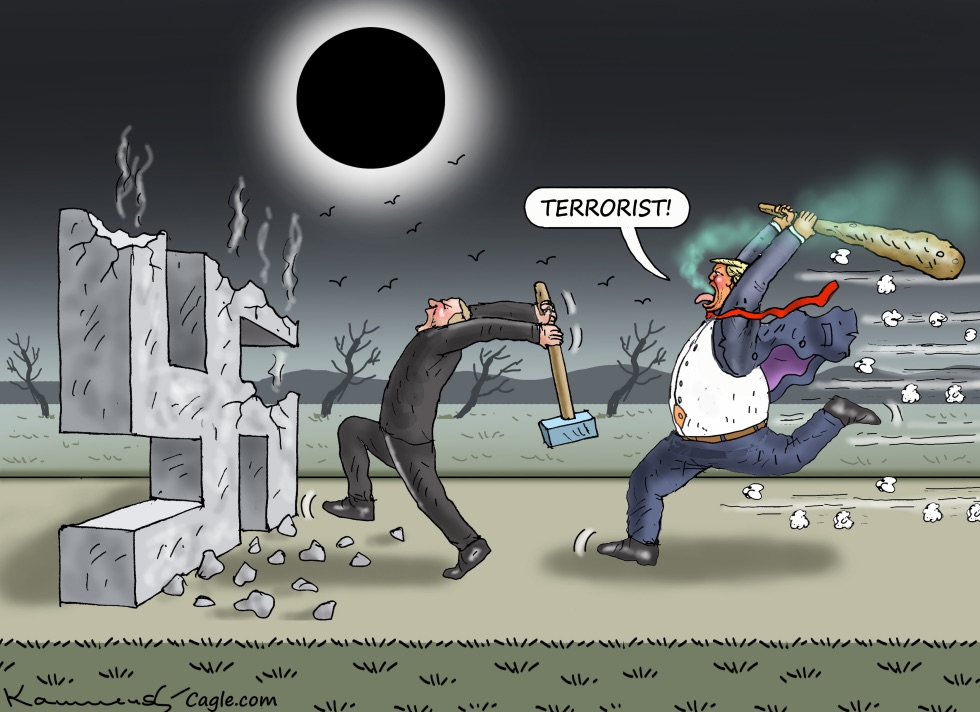
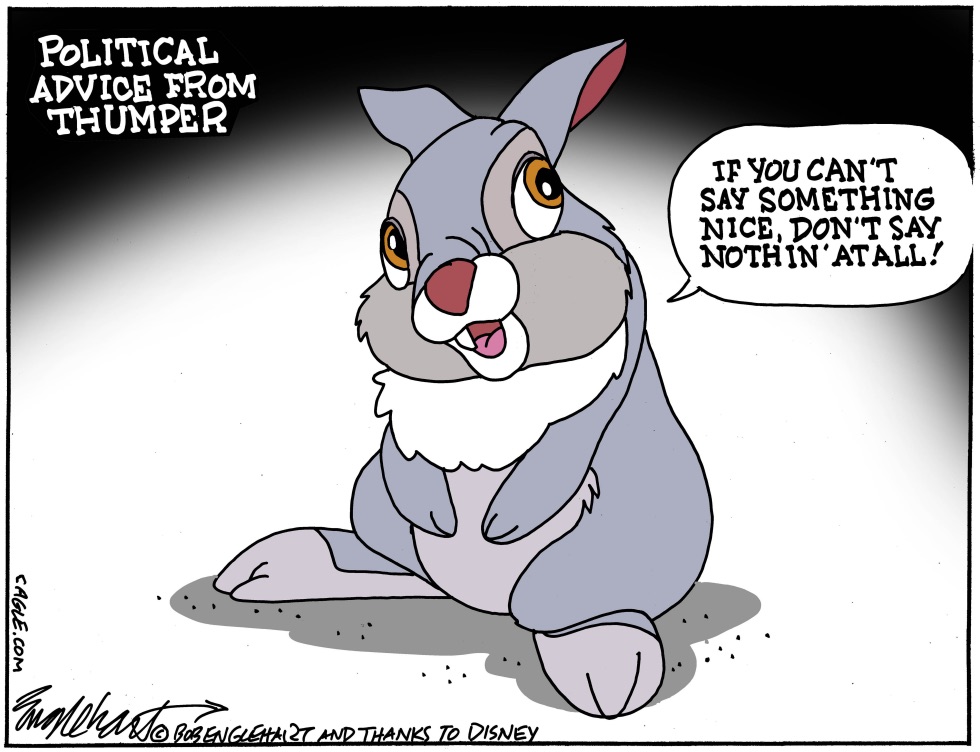
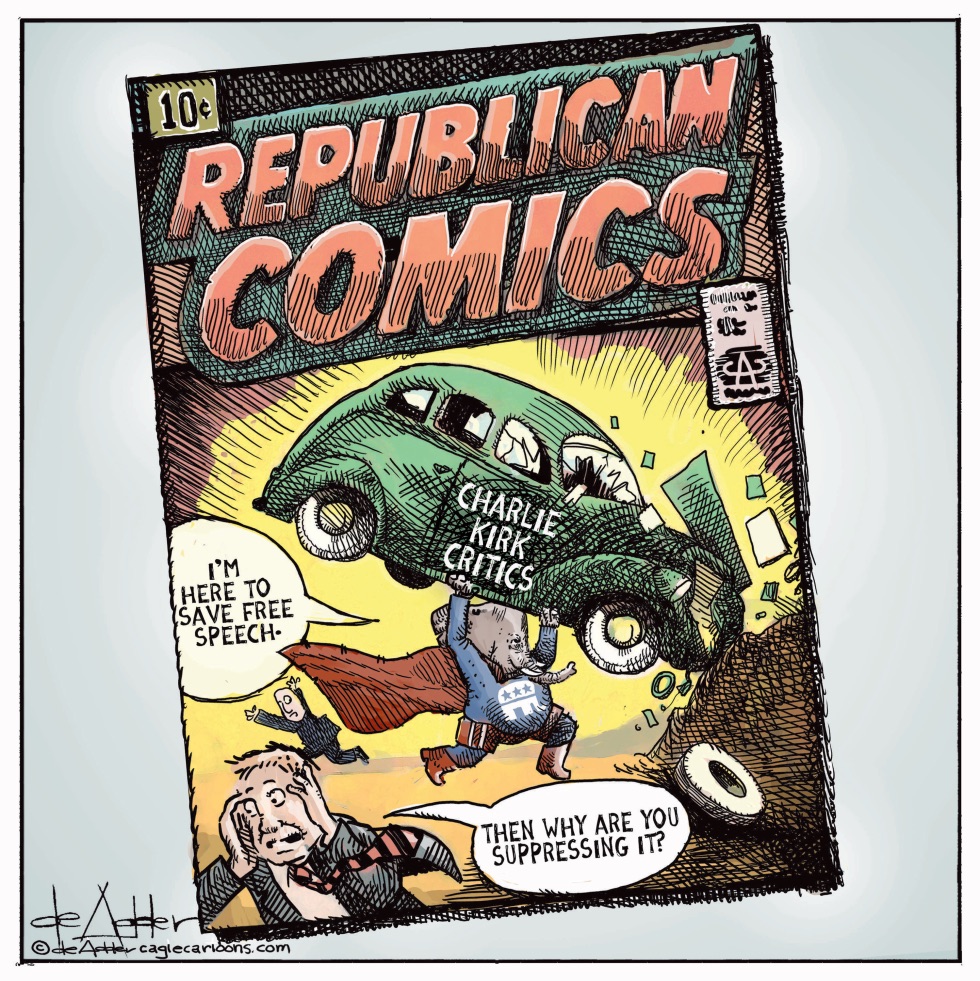
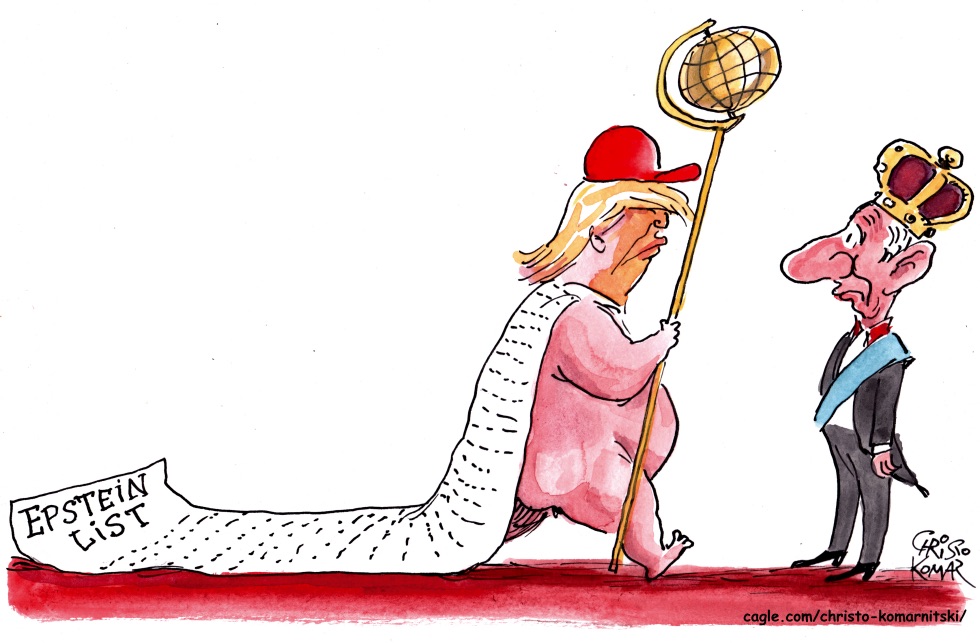
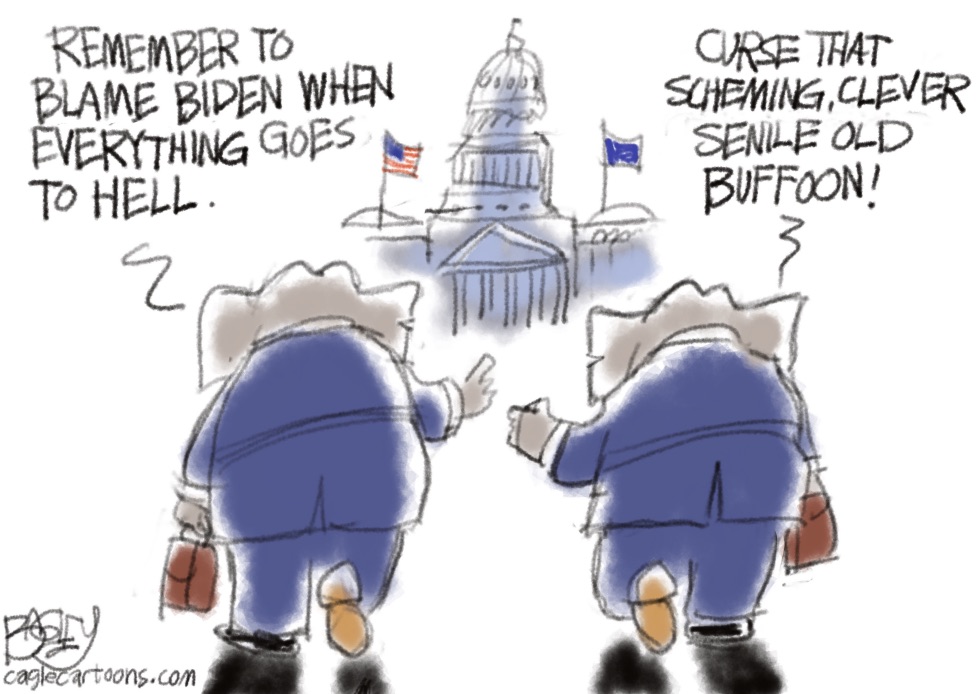
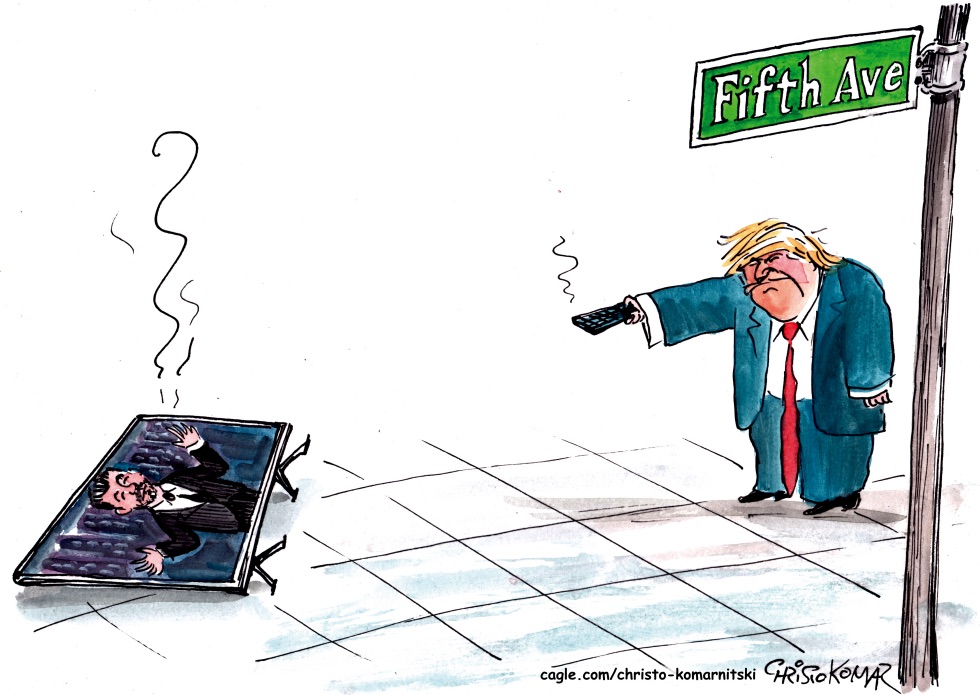
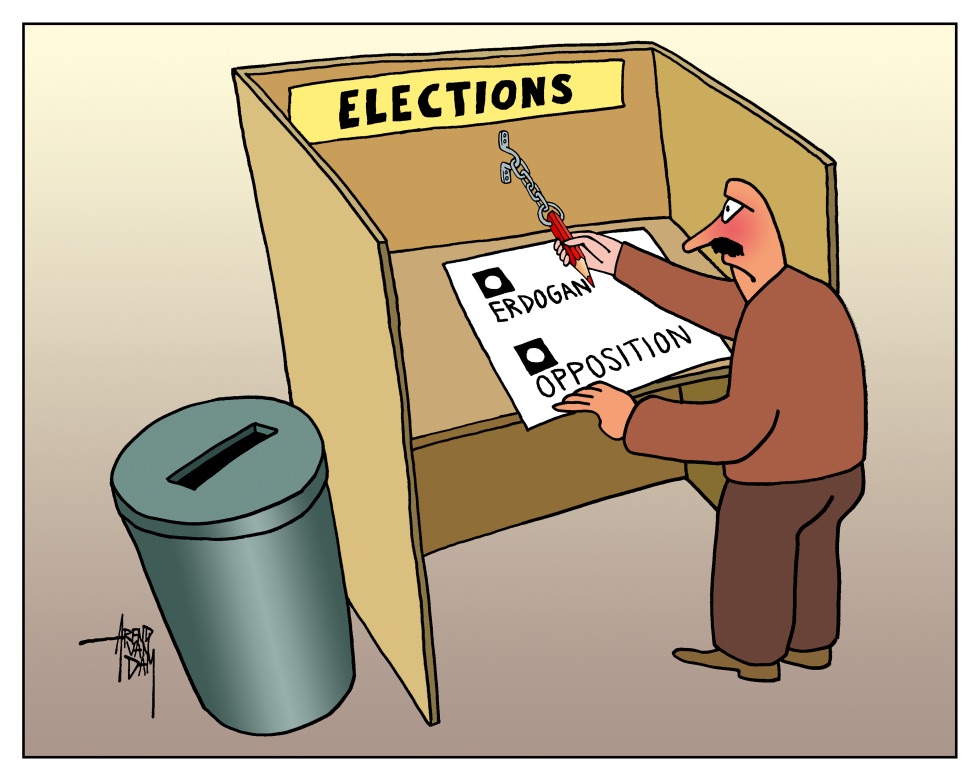
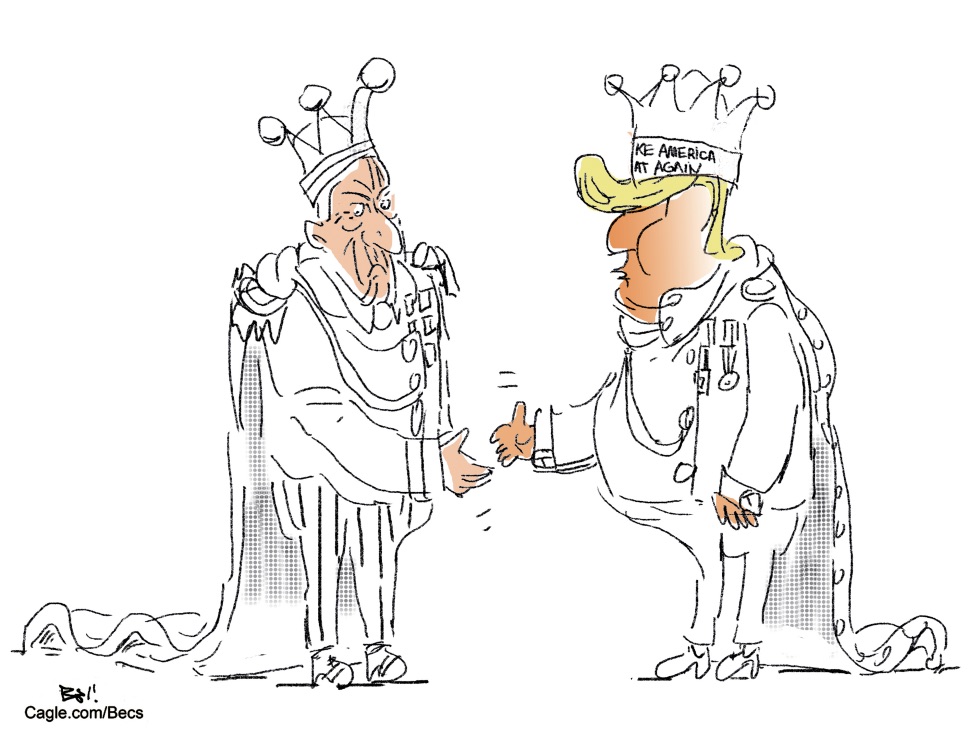
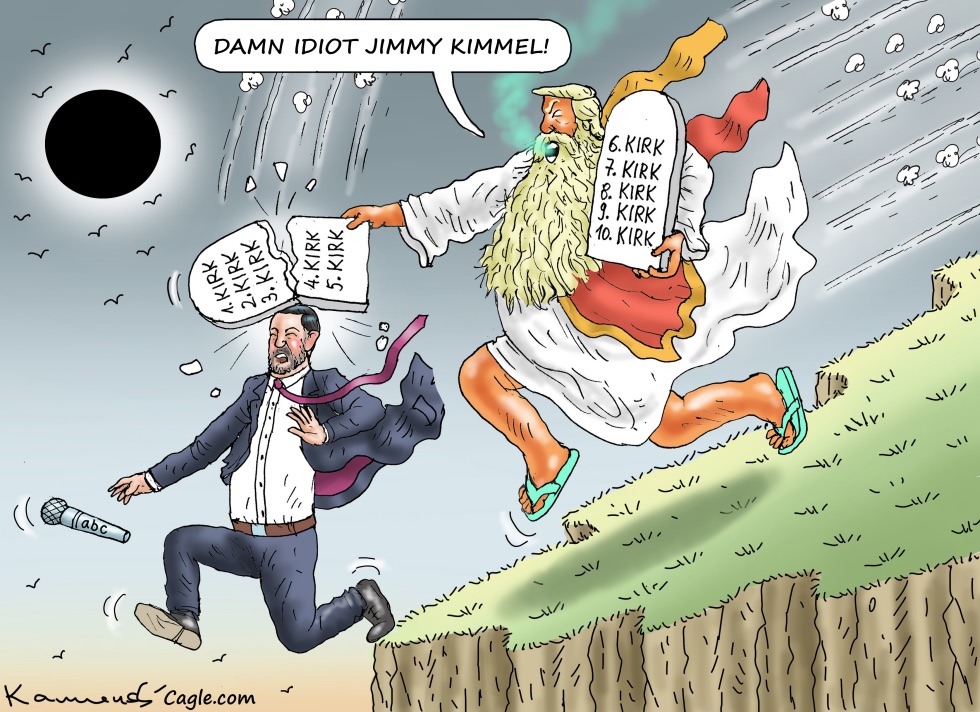
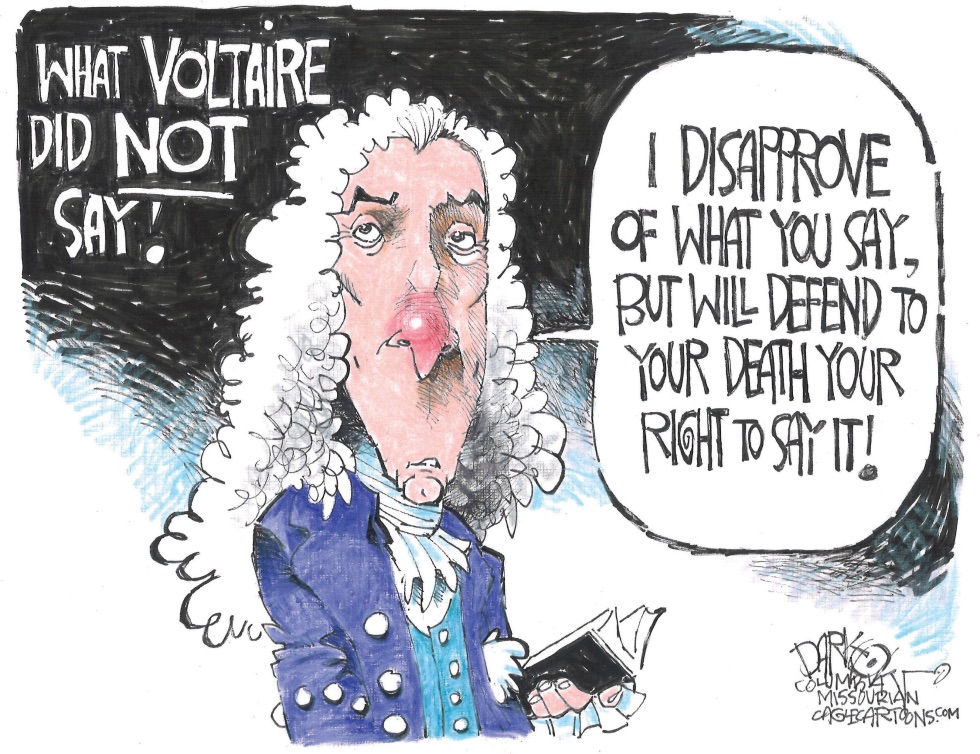
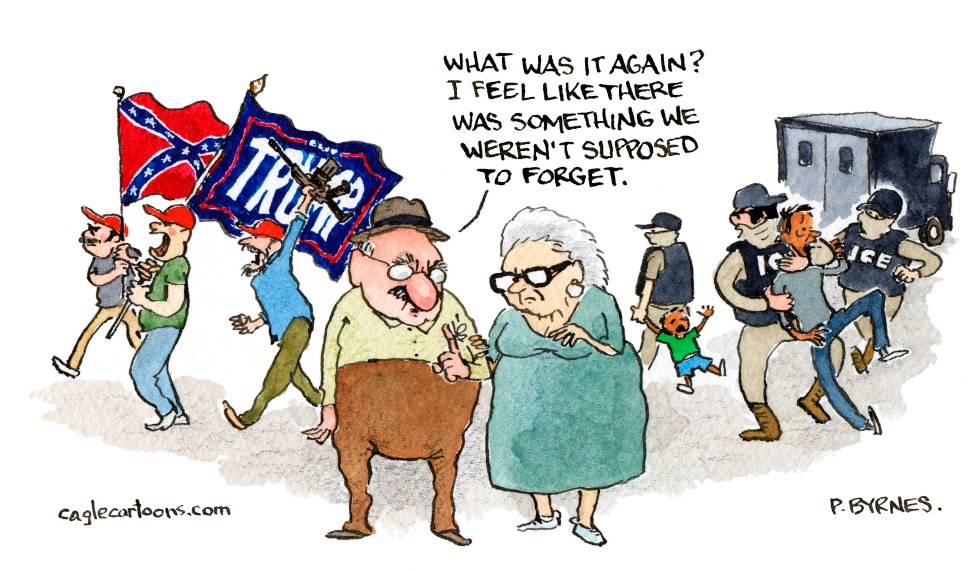
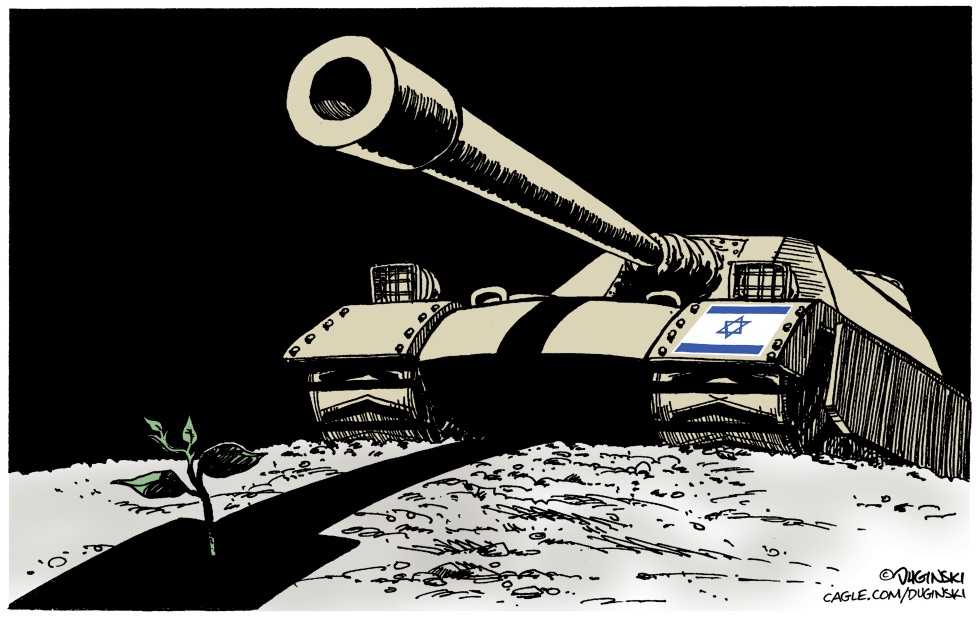
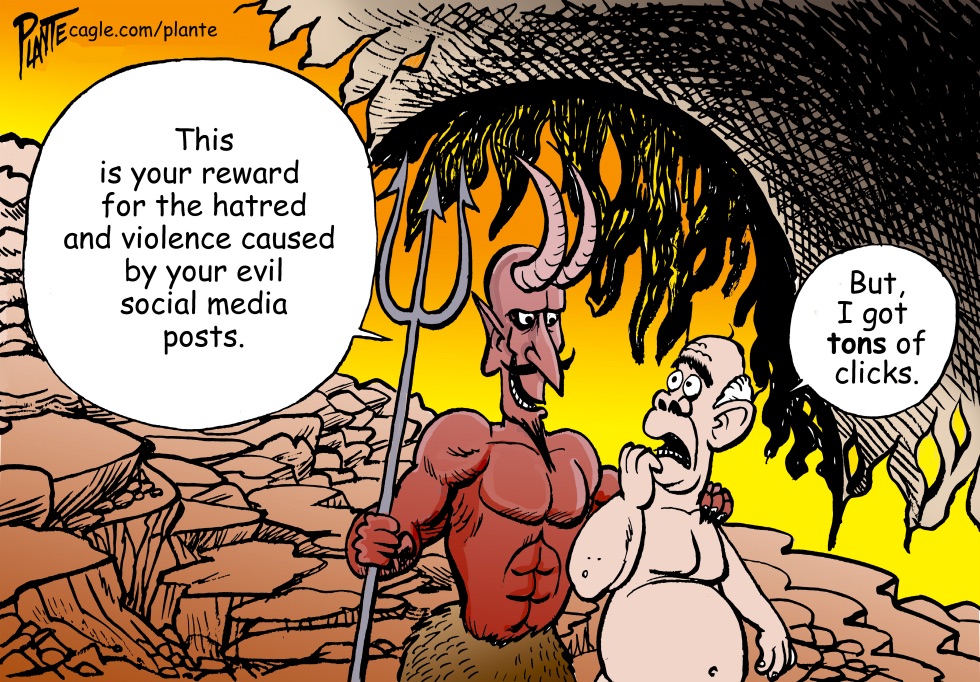
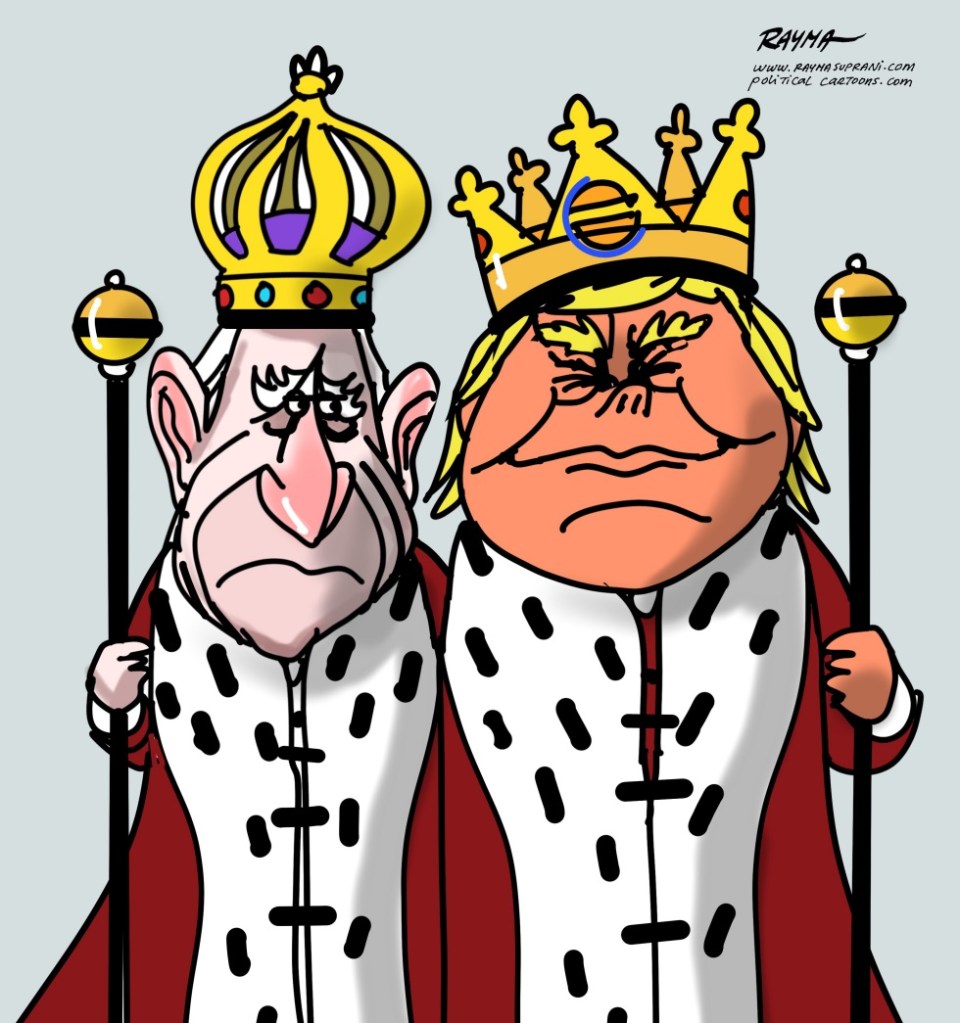
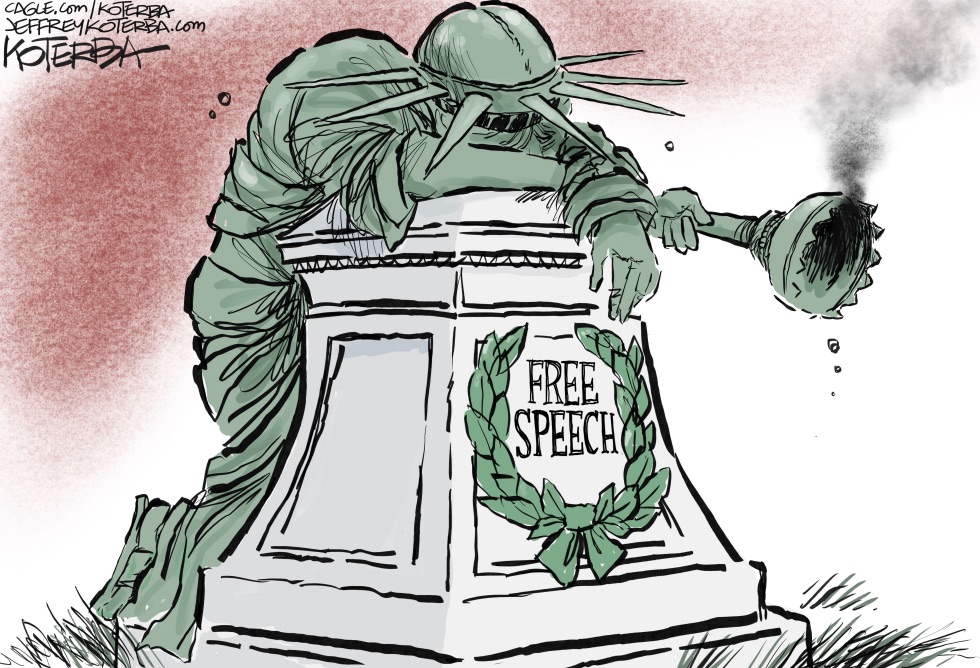
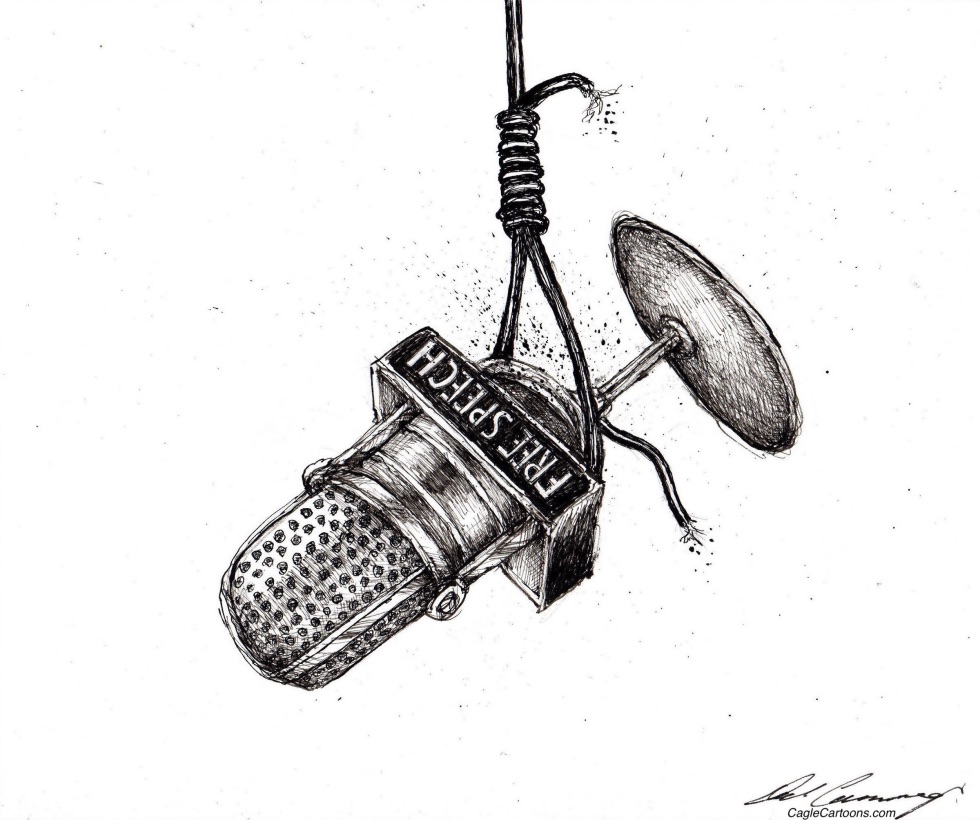
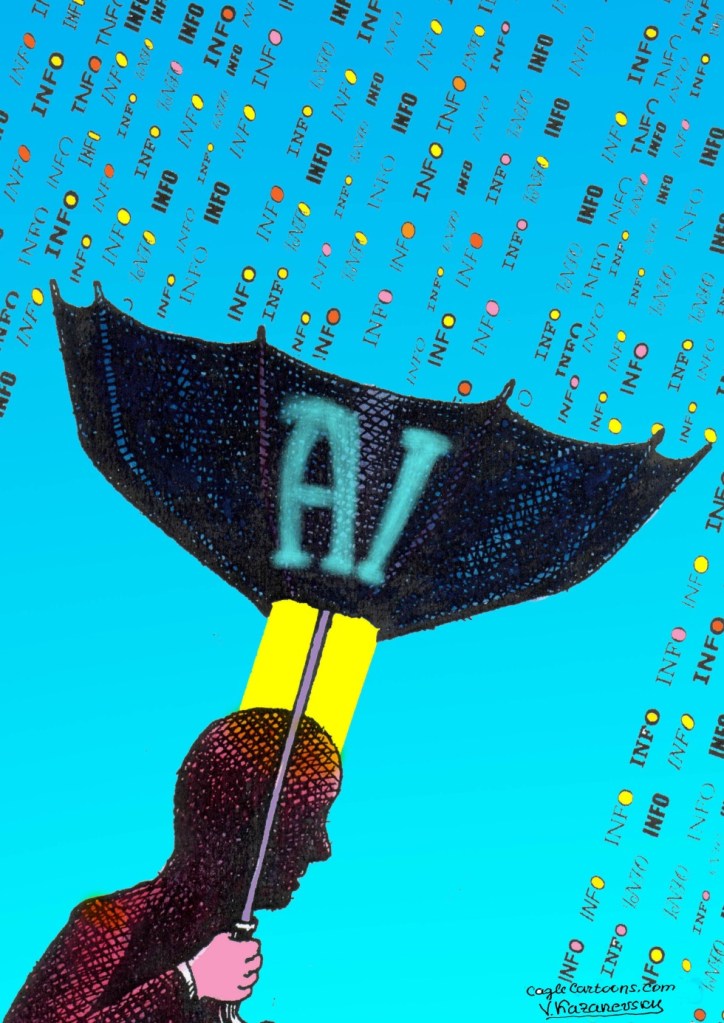
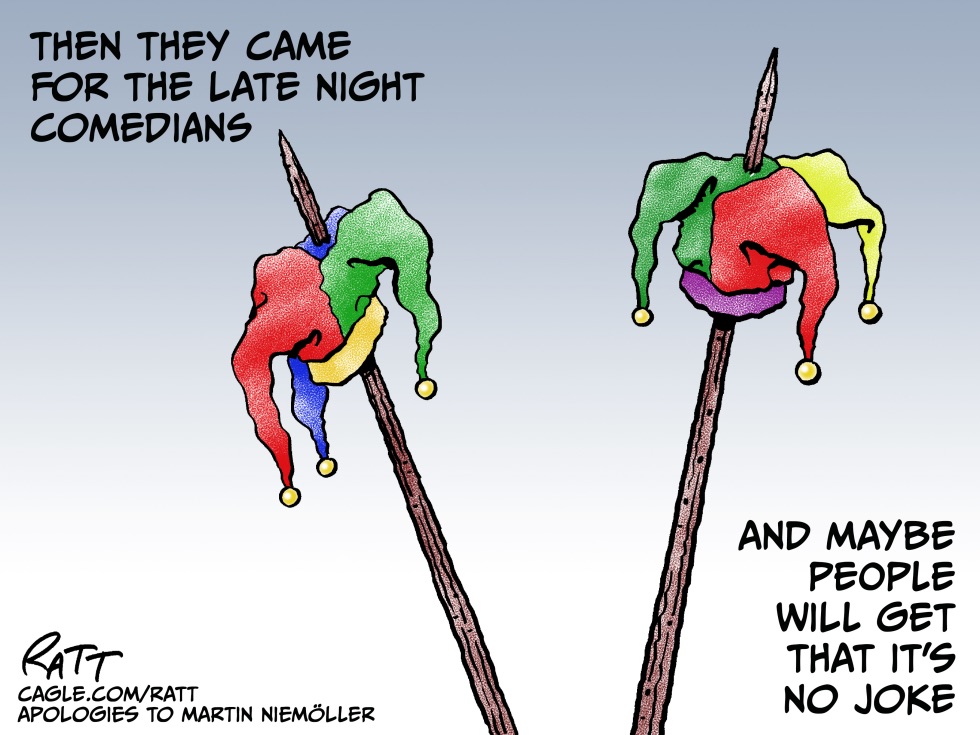
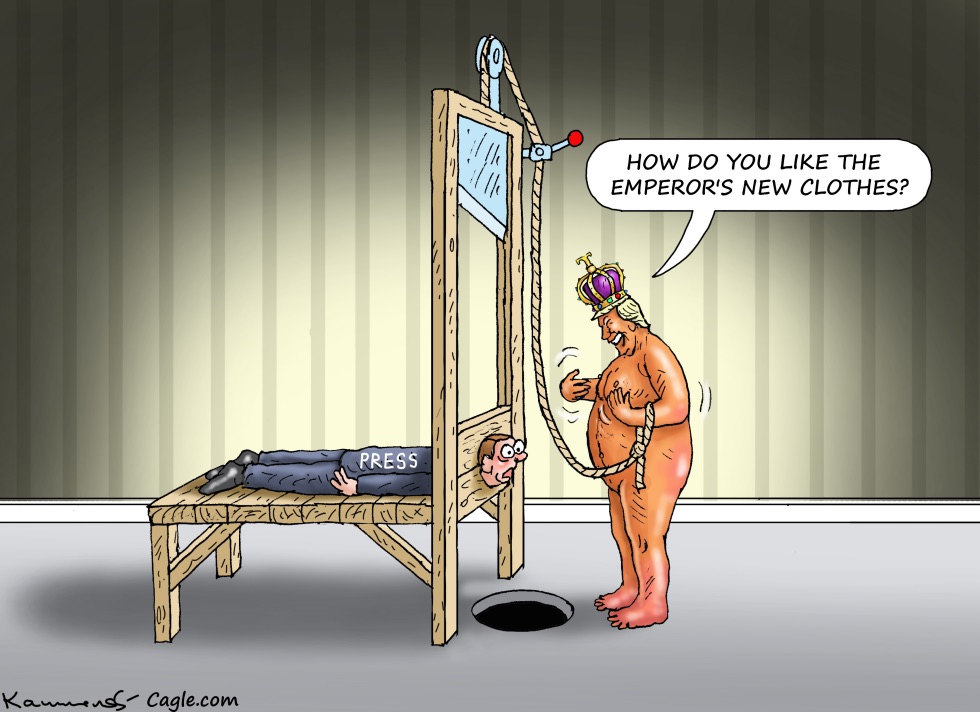
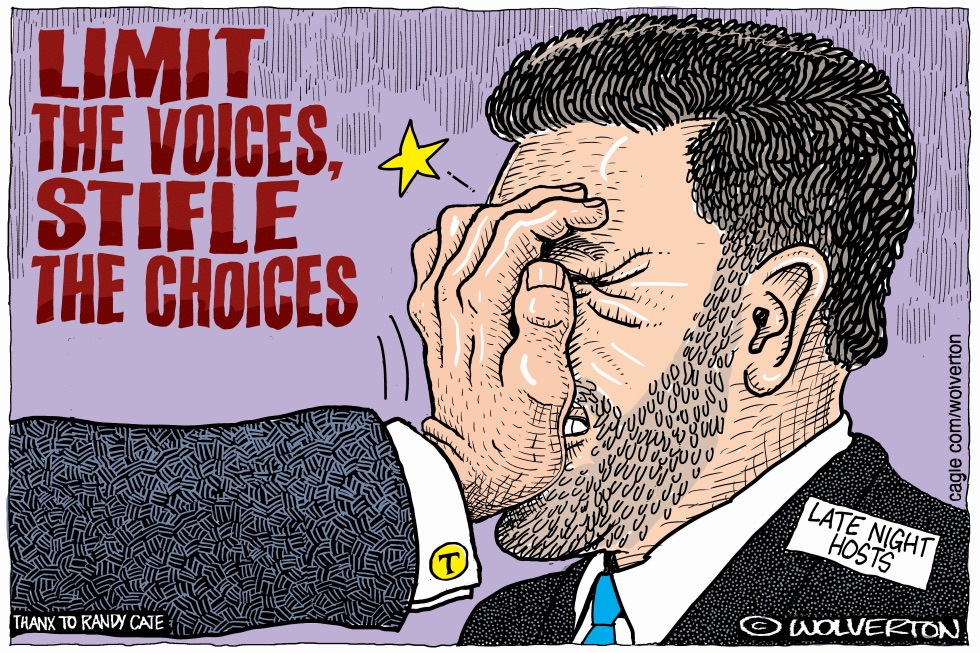
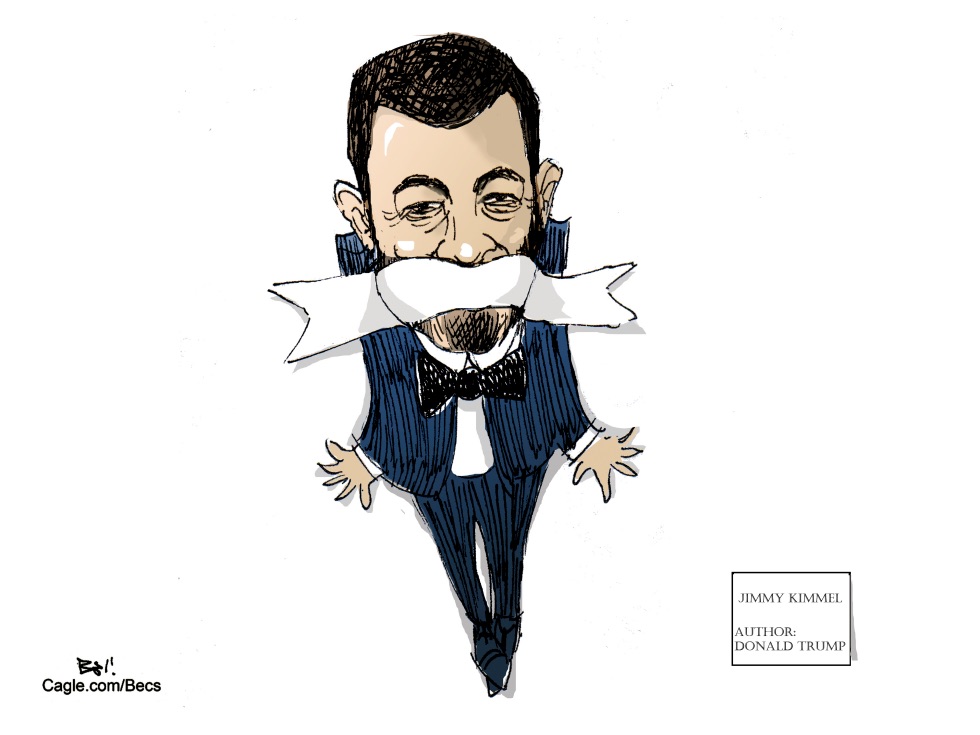
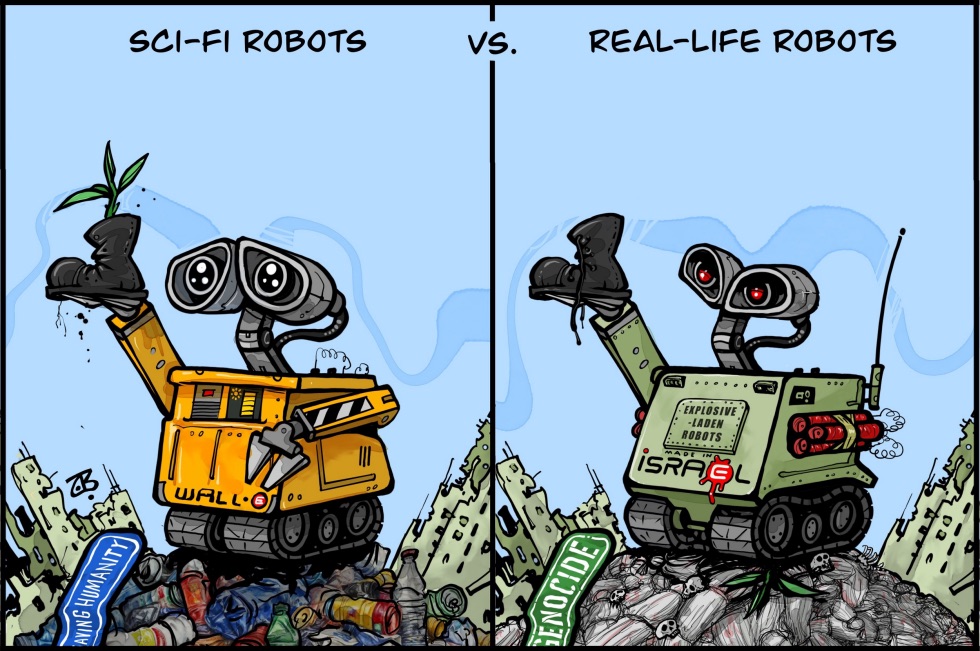
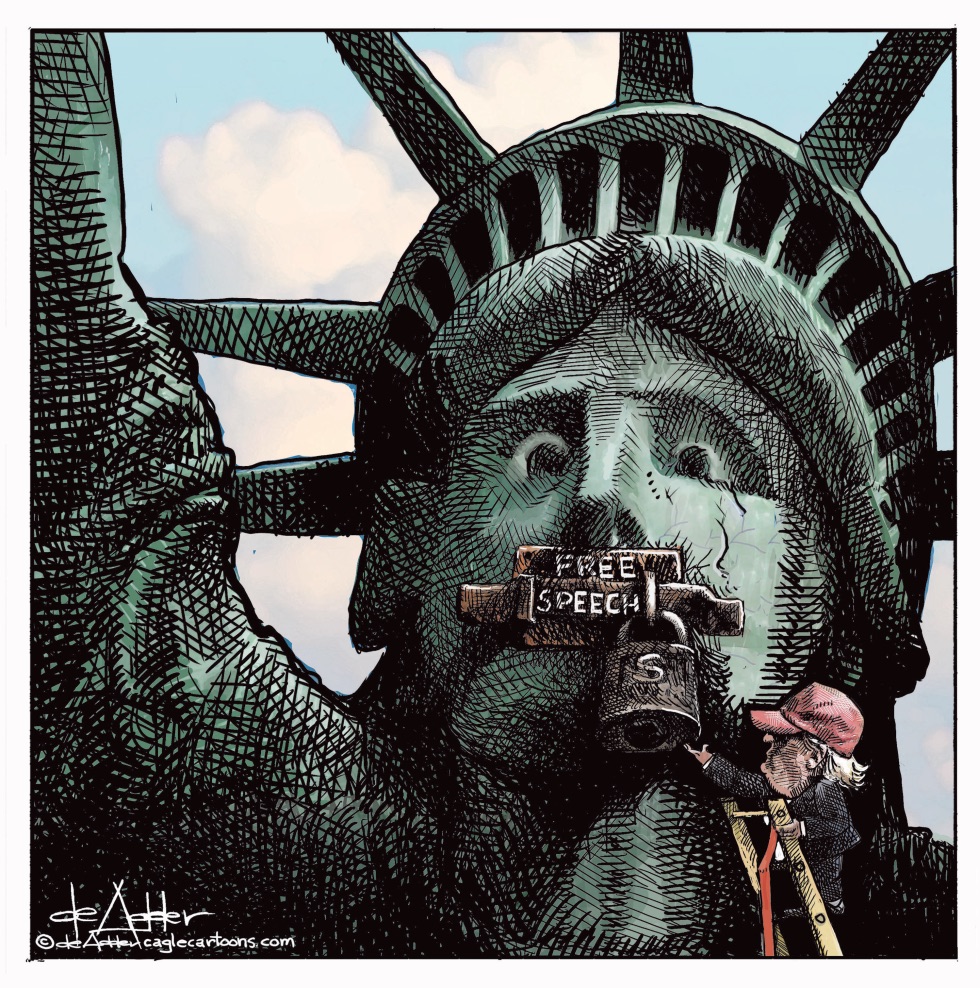
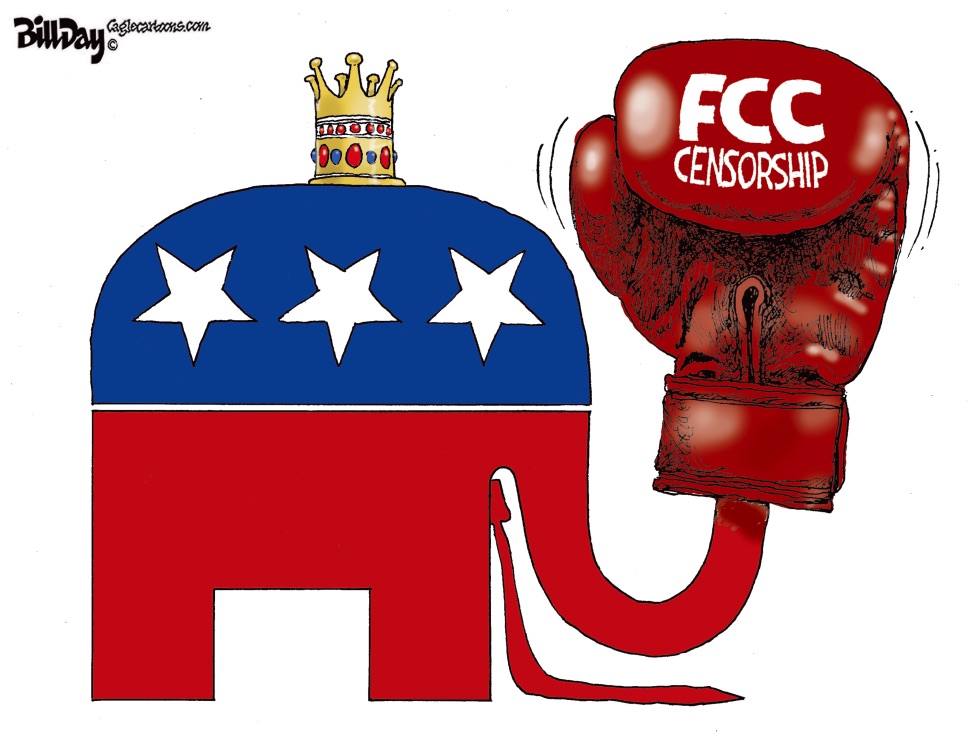
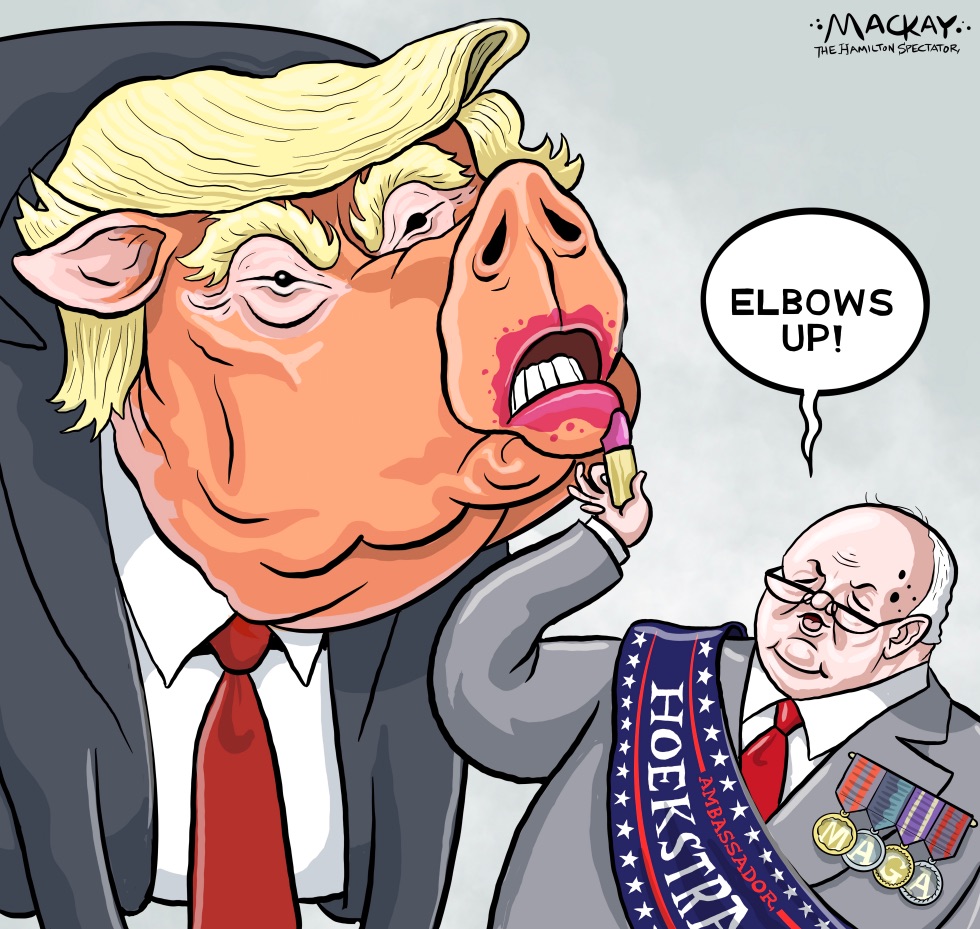
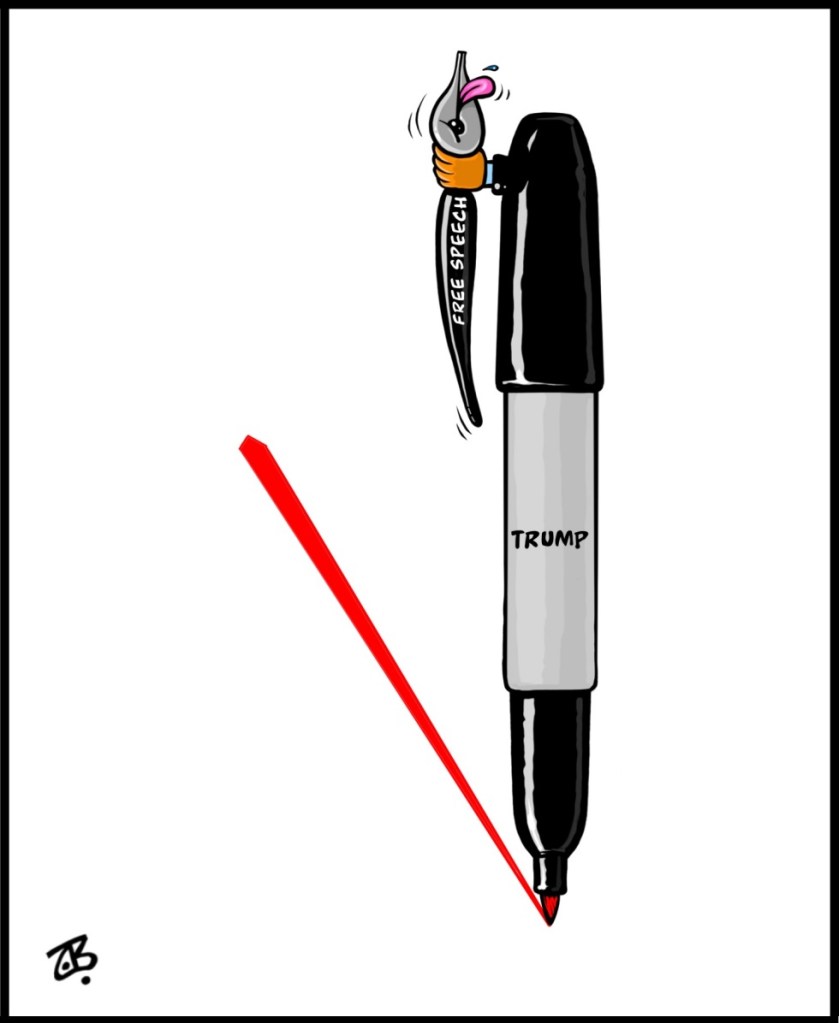
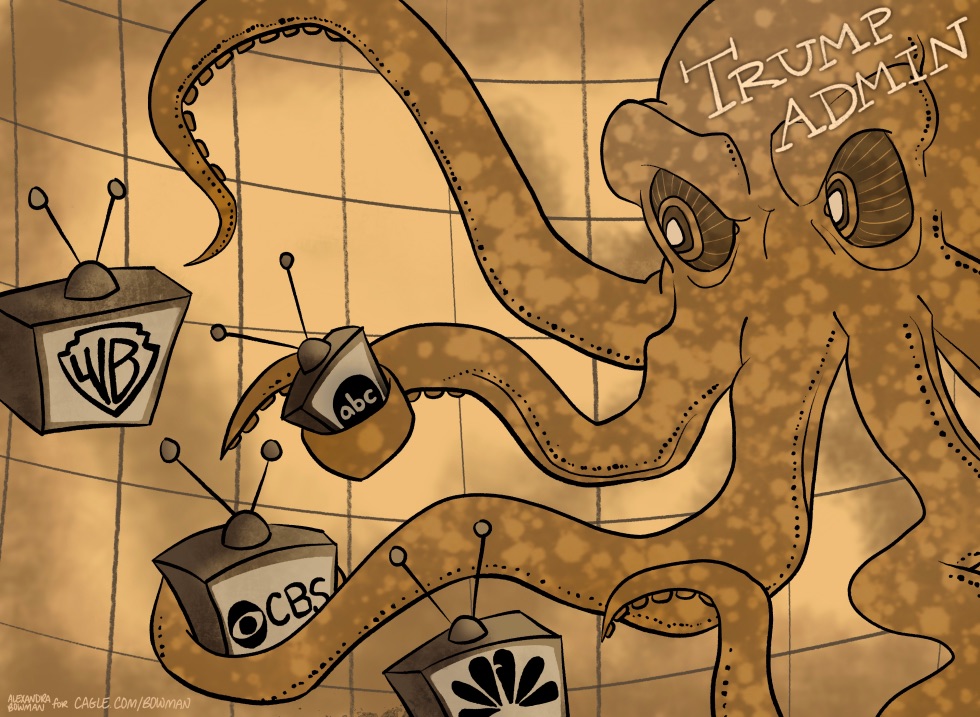
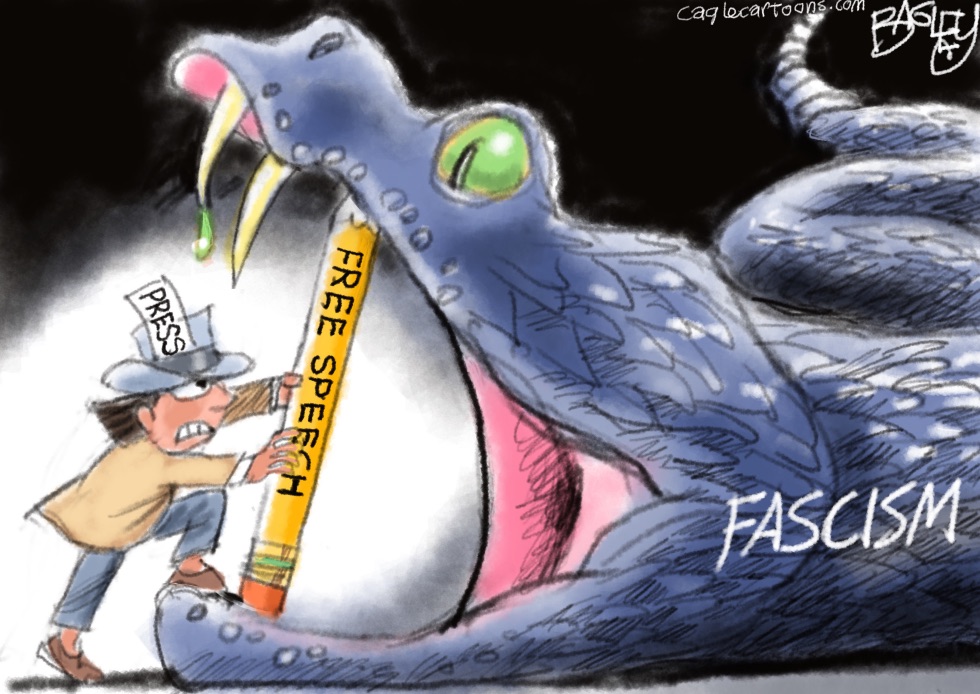
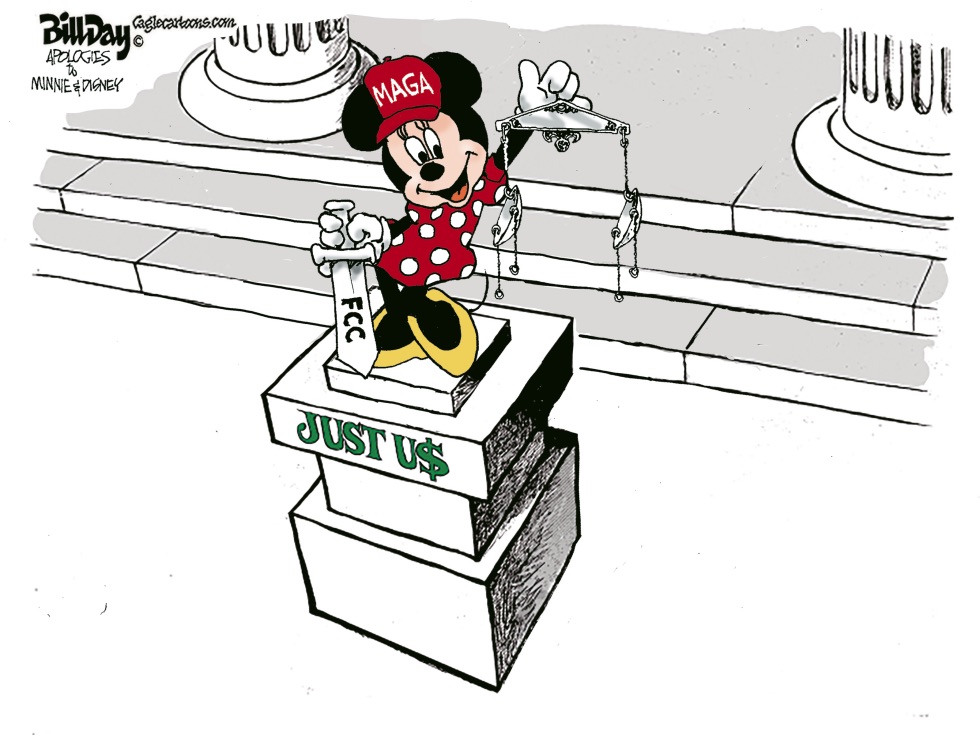
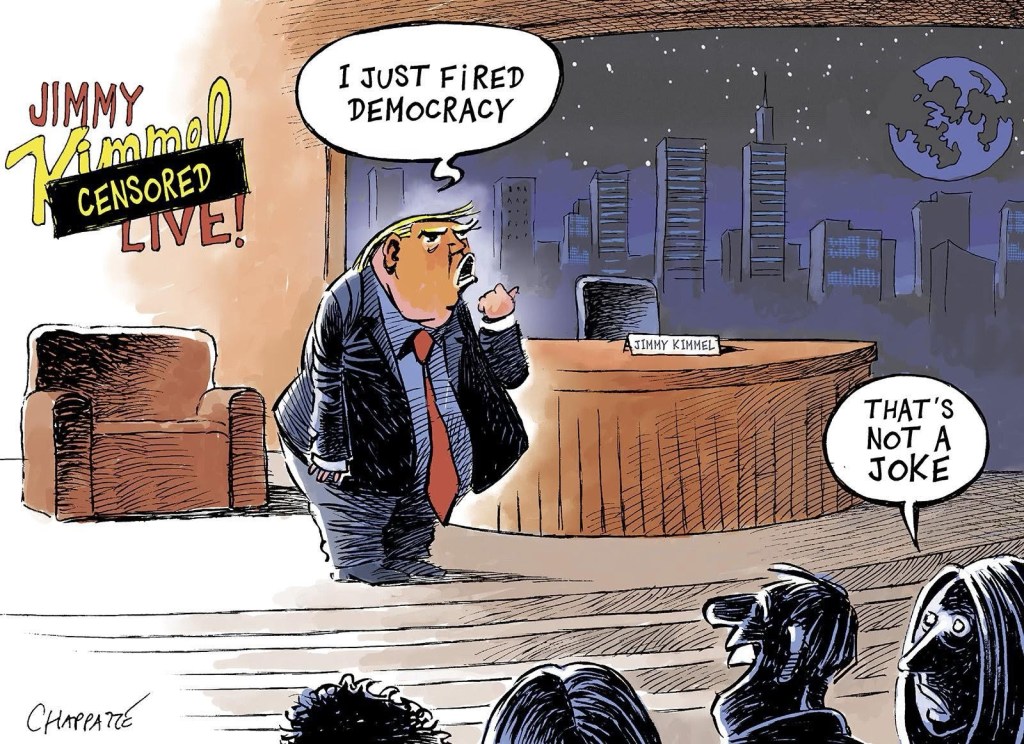
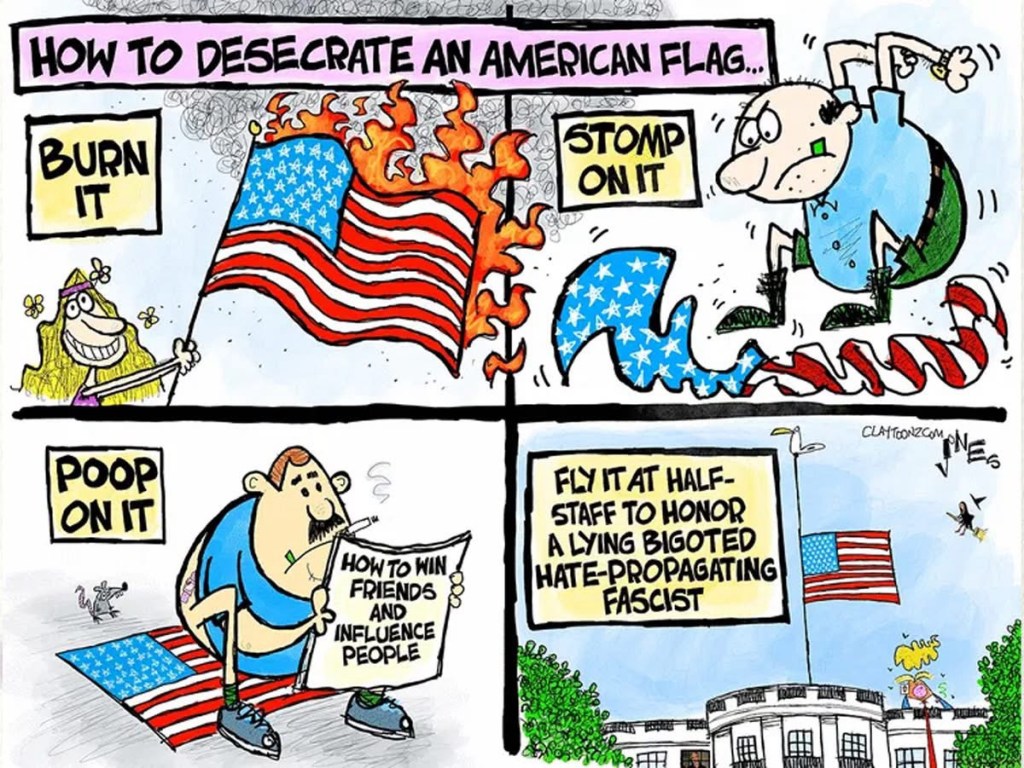
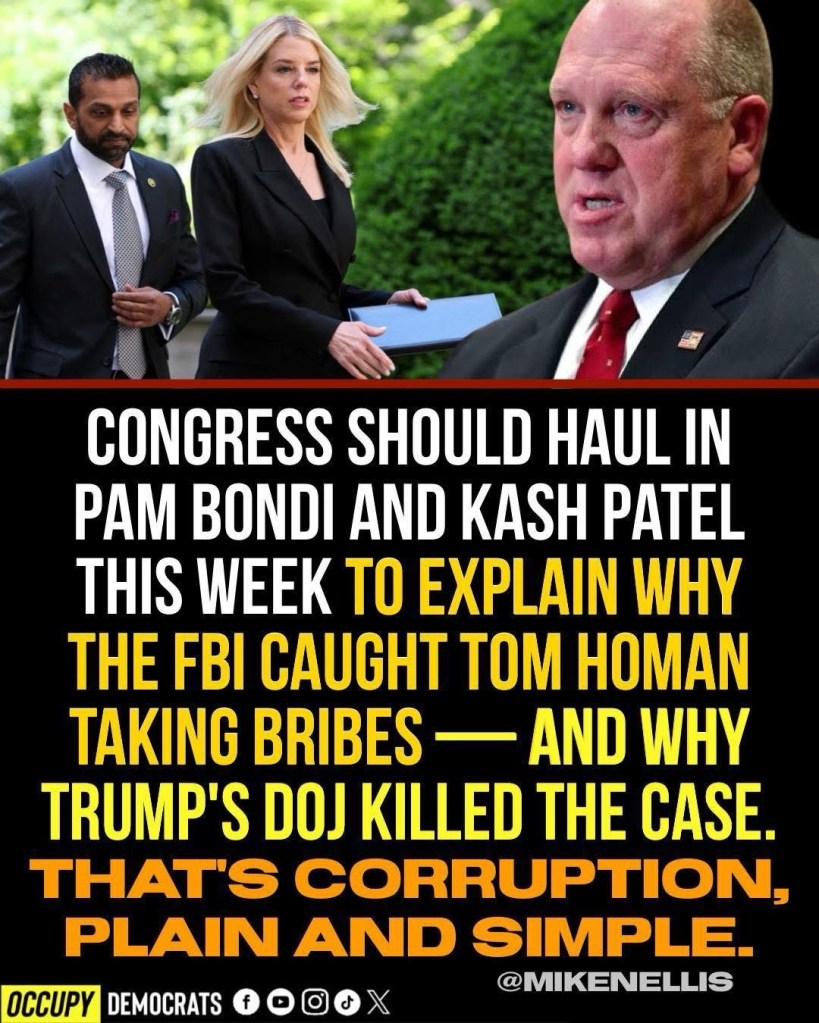
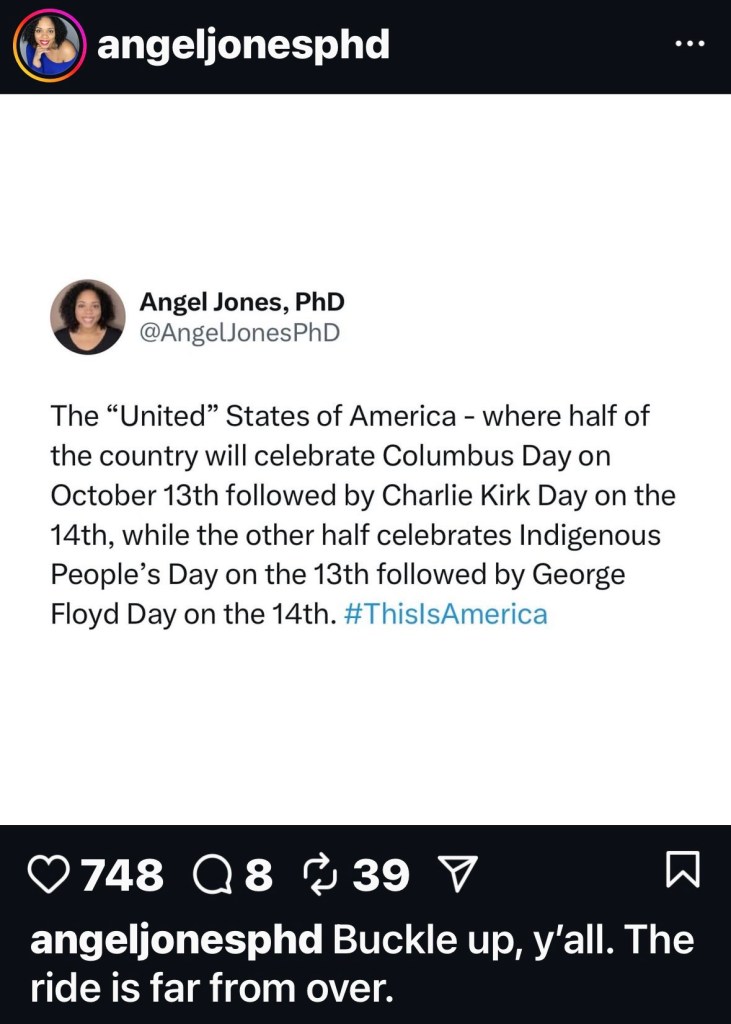
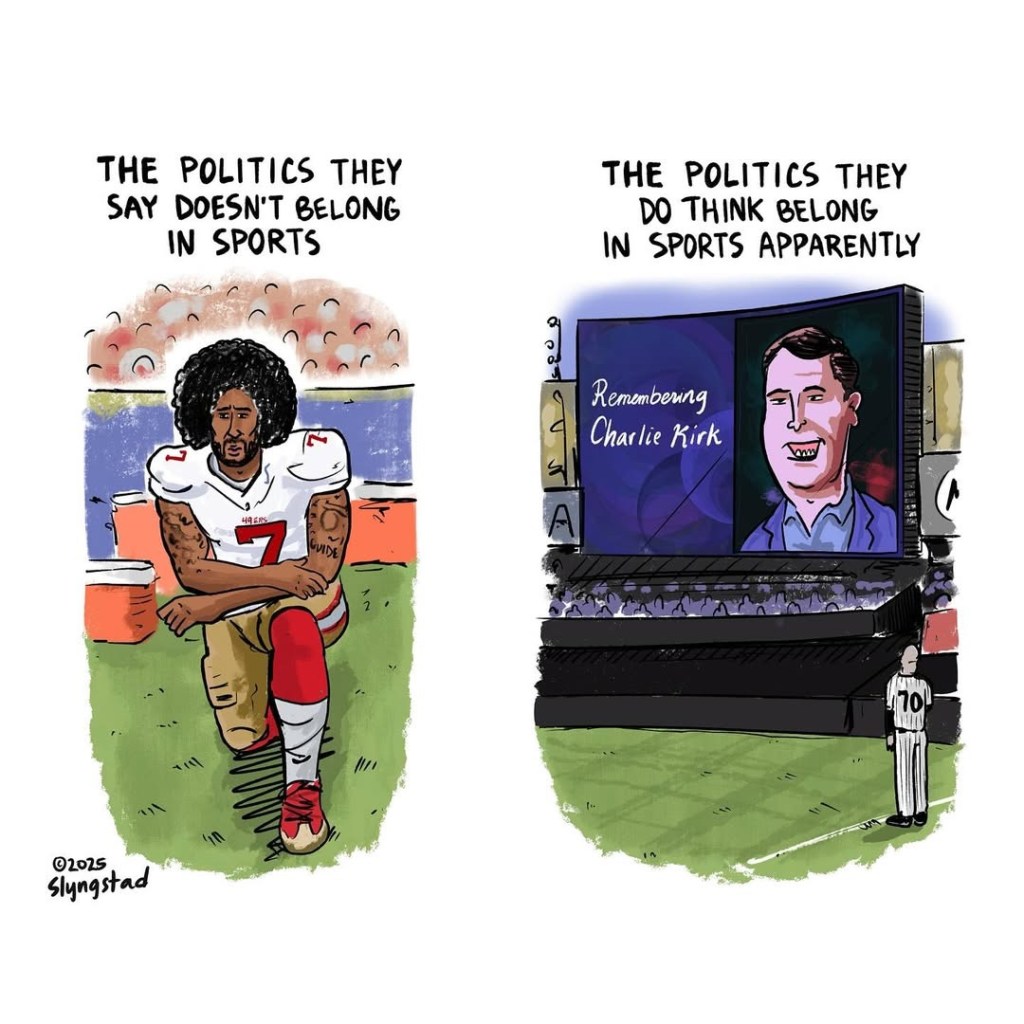
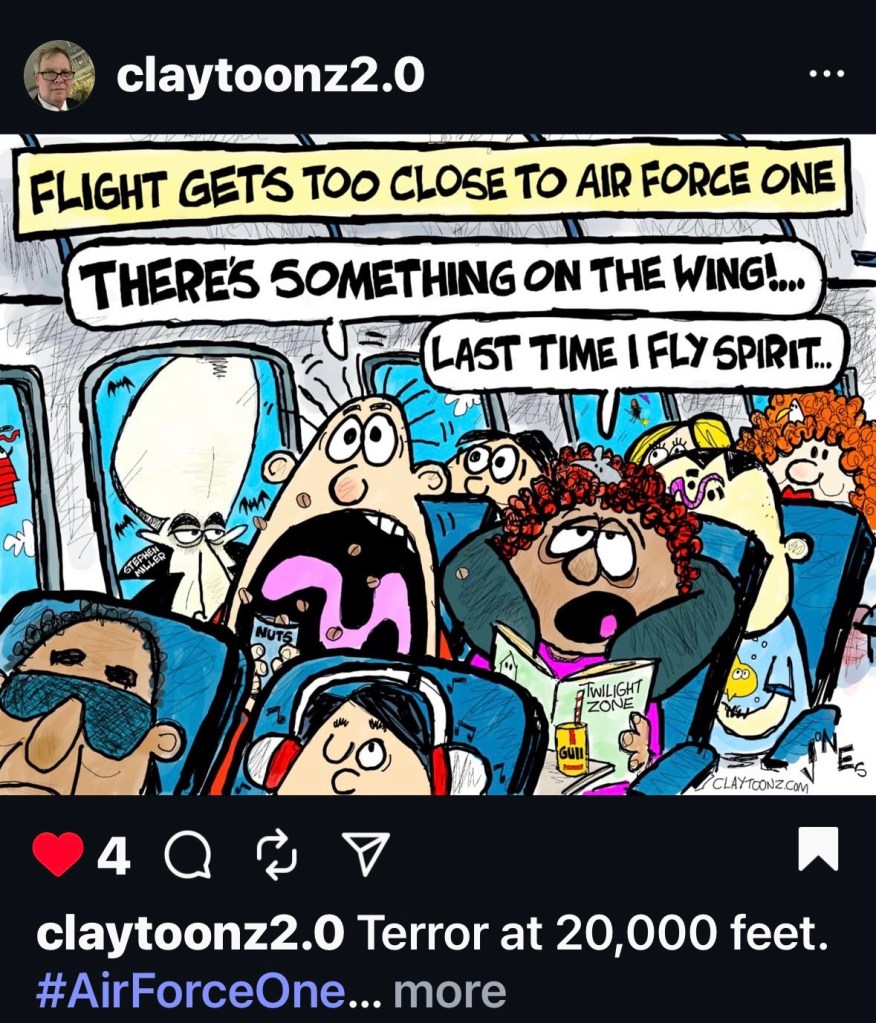
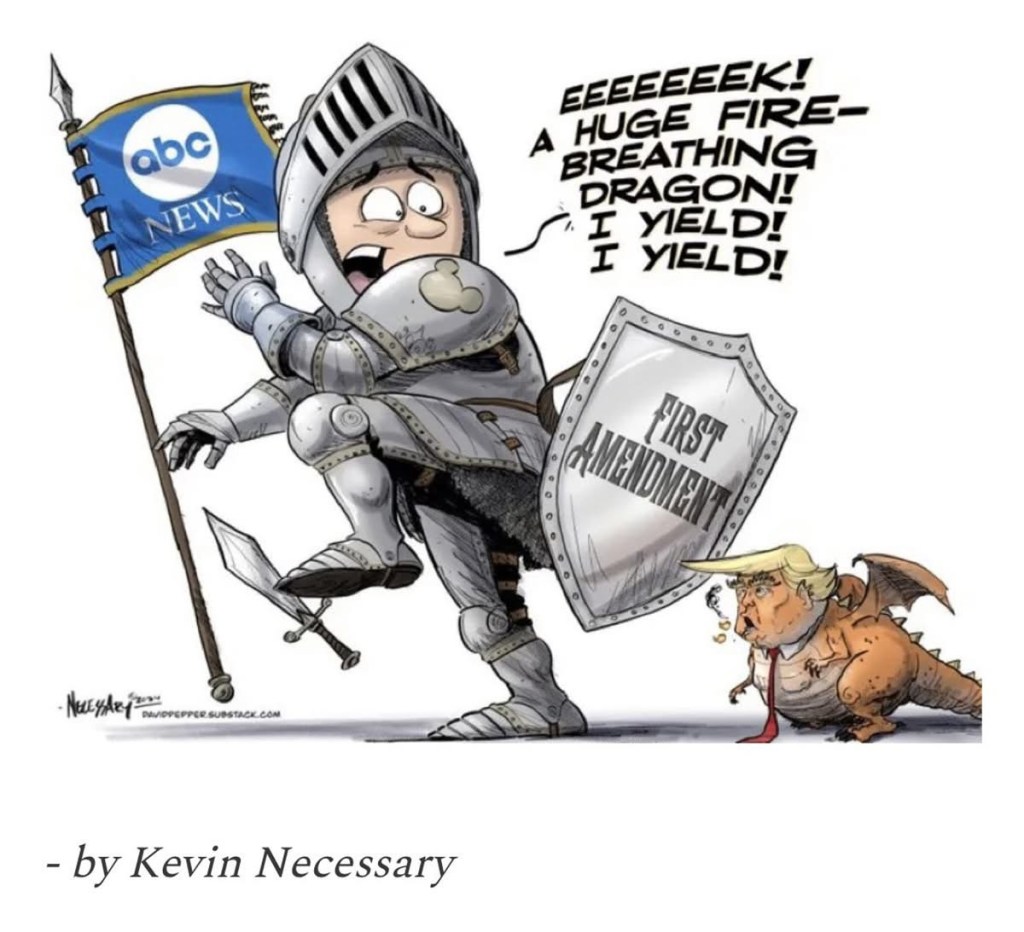
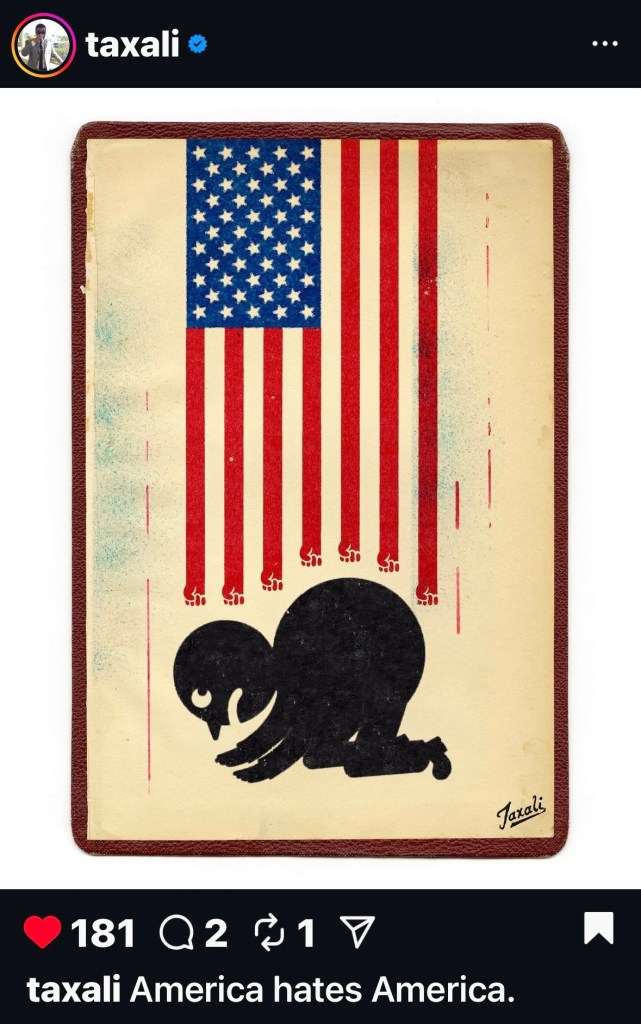
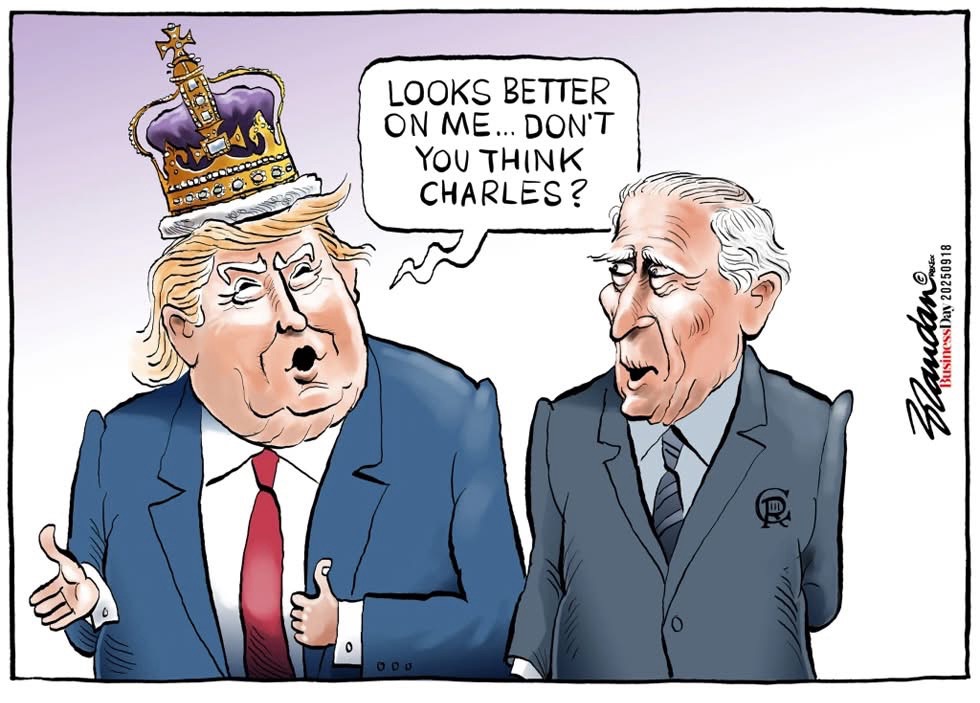
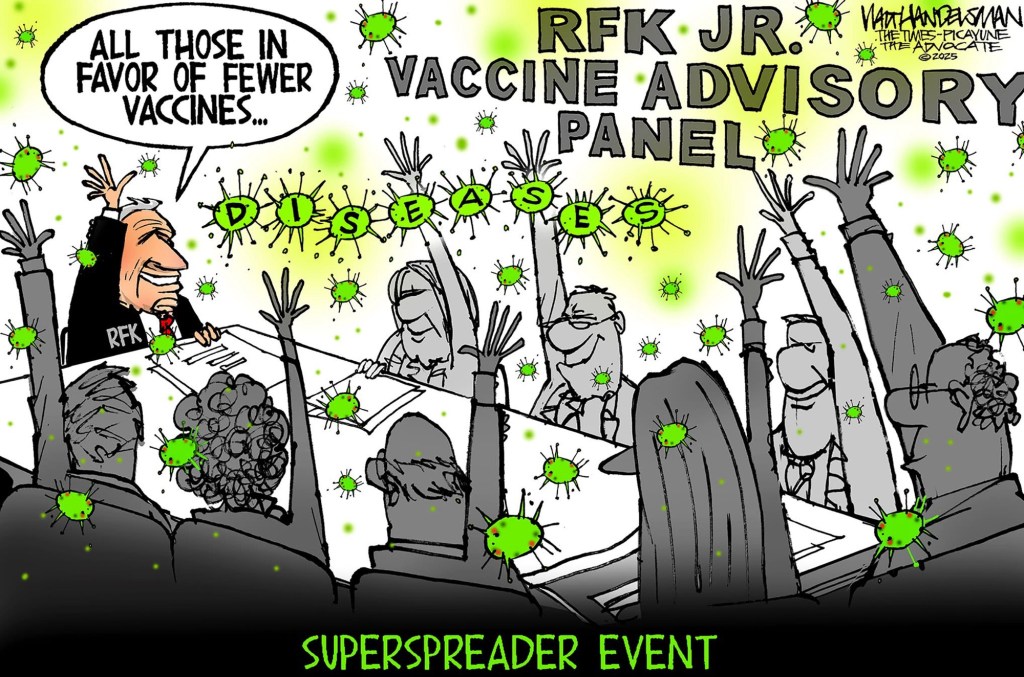
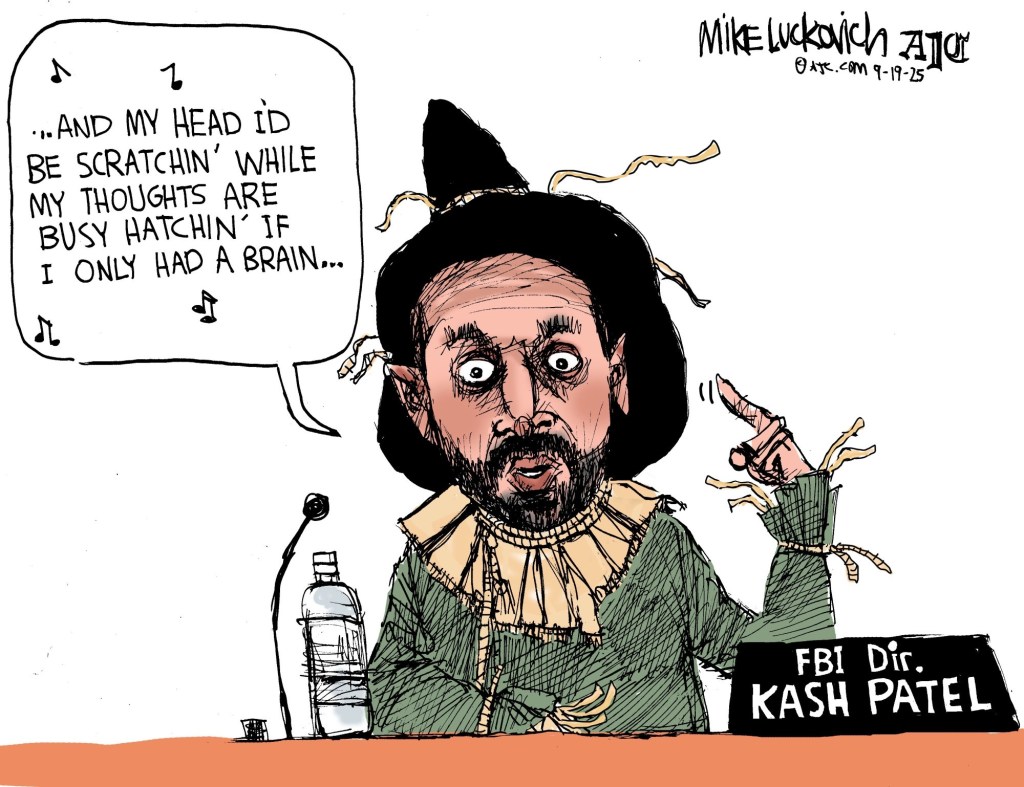
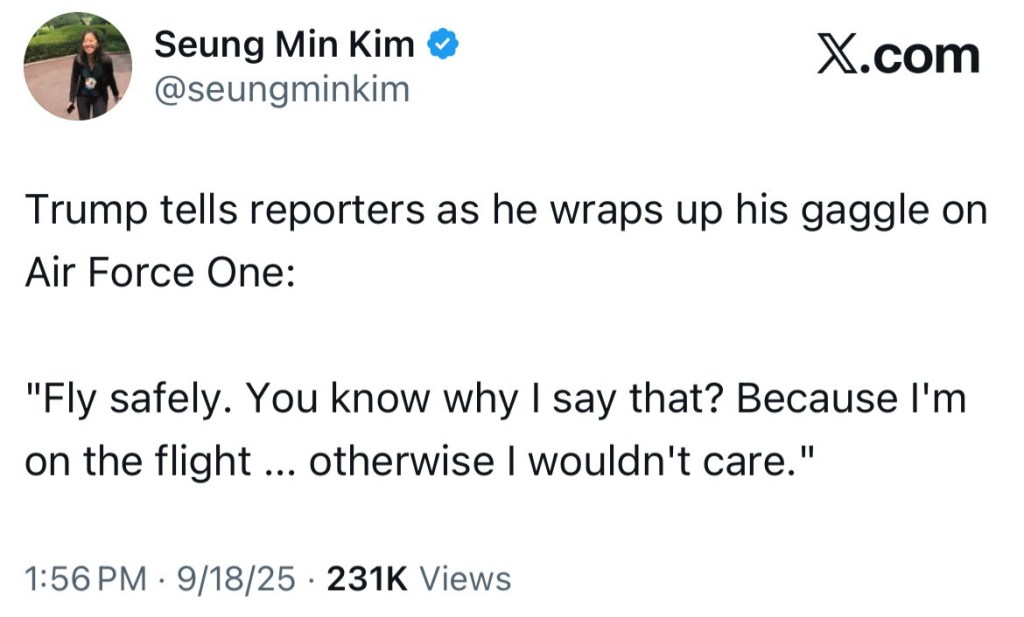
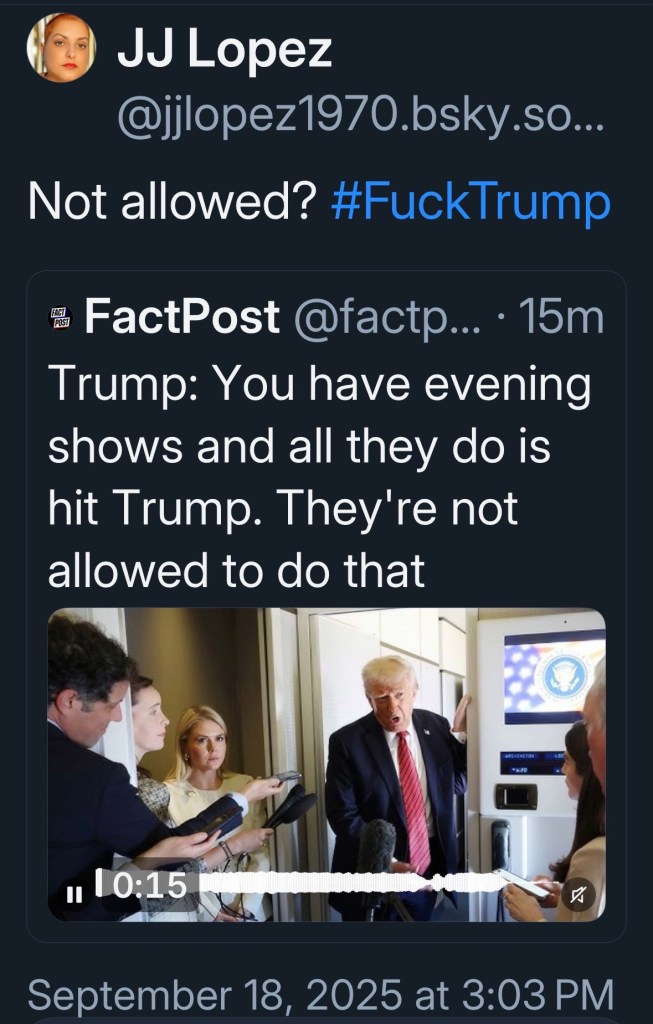
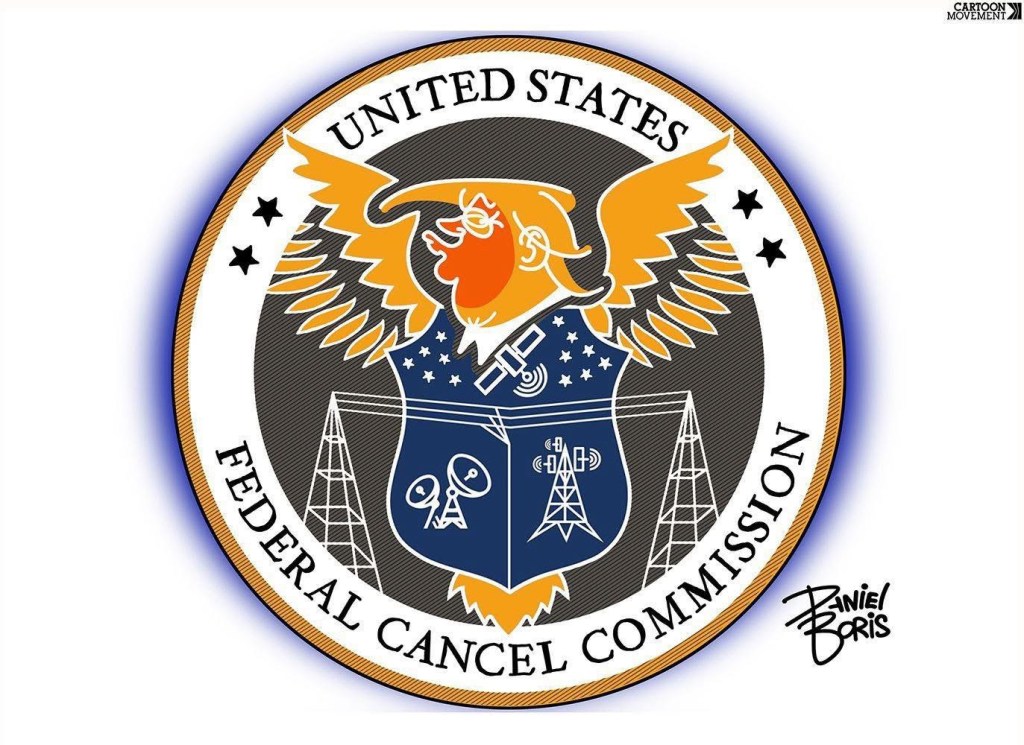
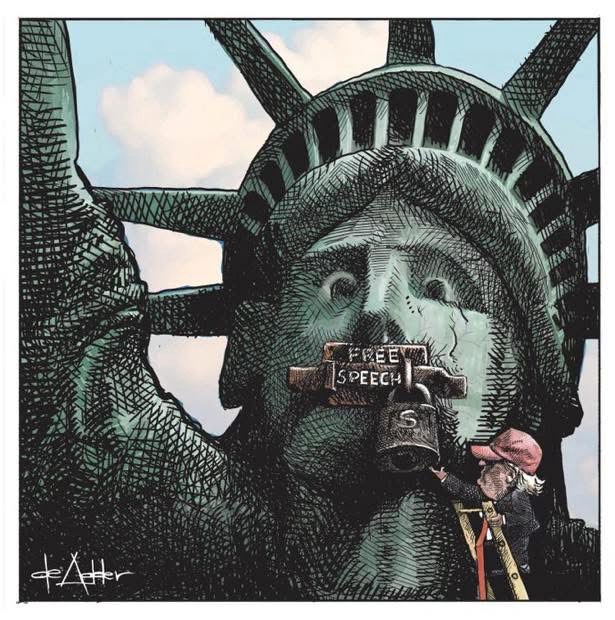
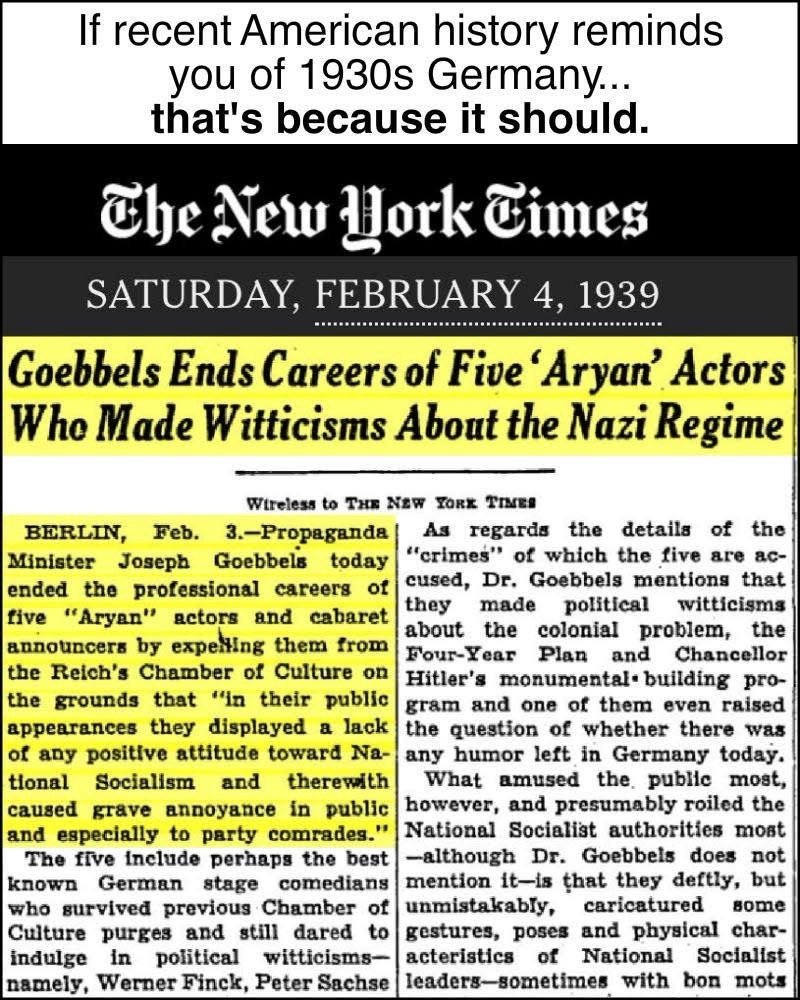
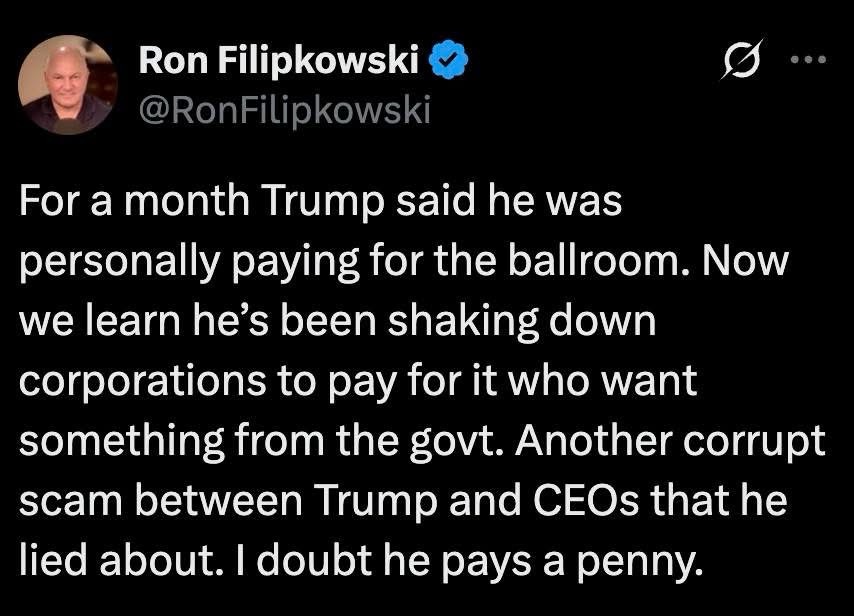
Cartoons via Cagle:


























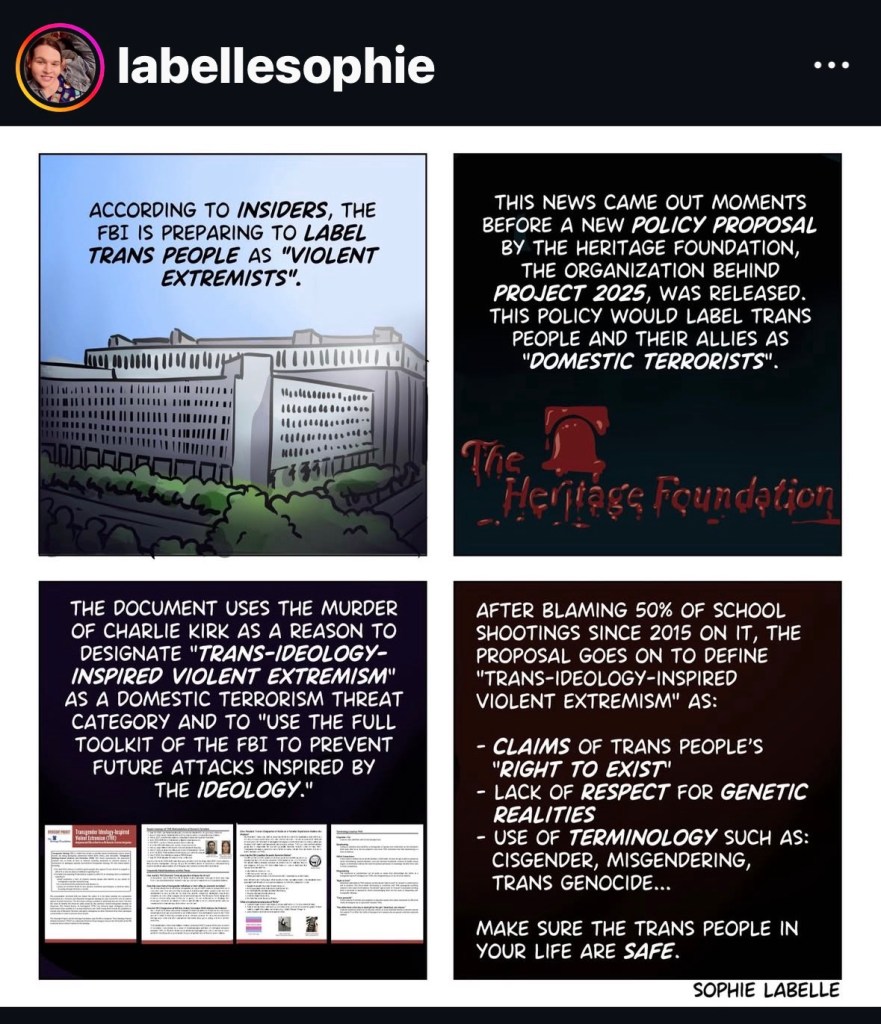
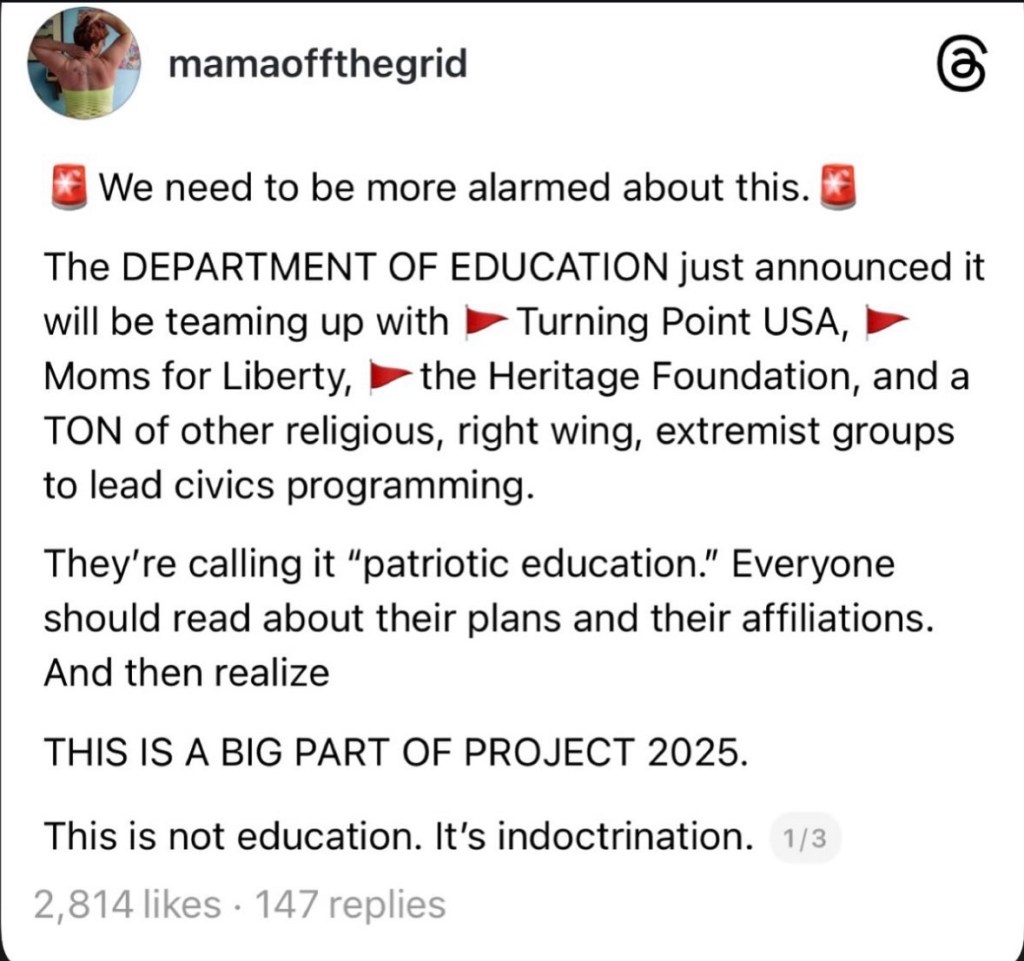
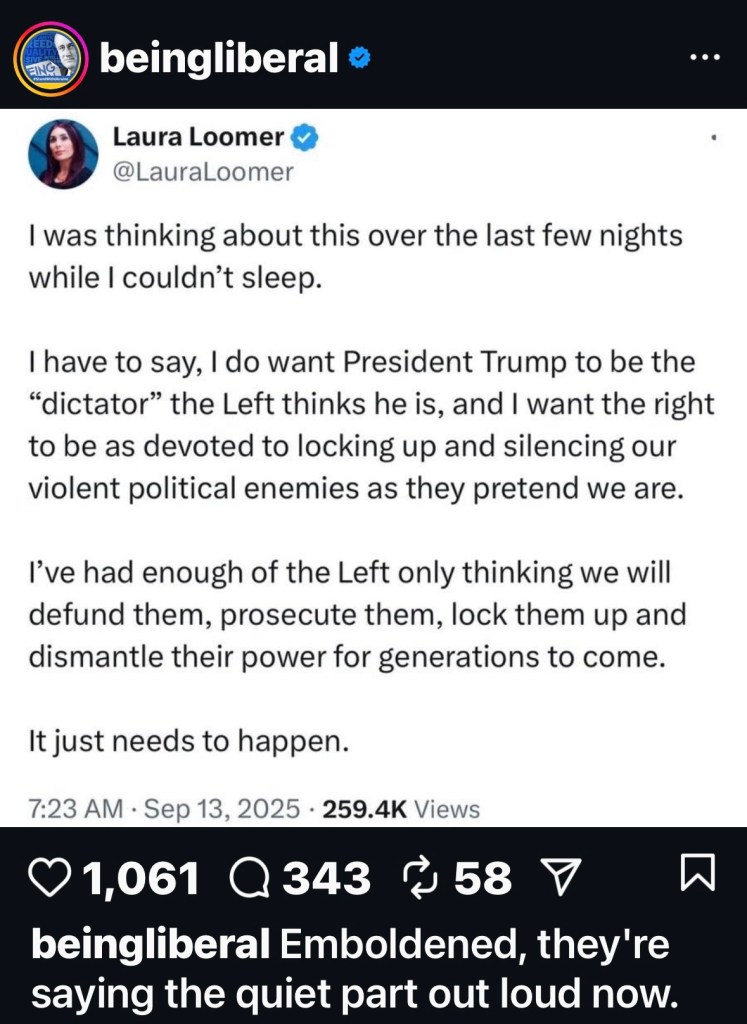
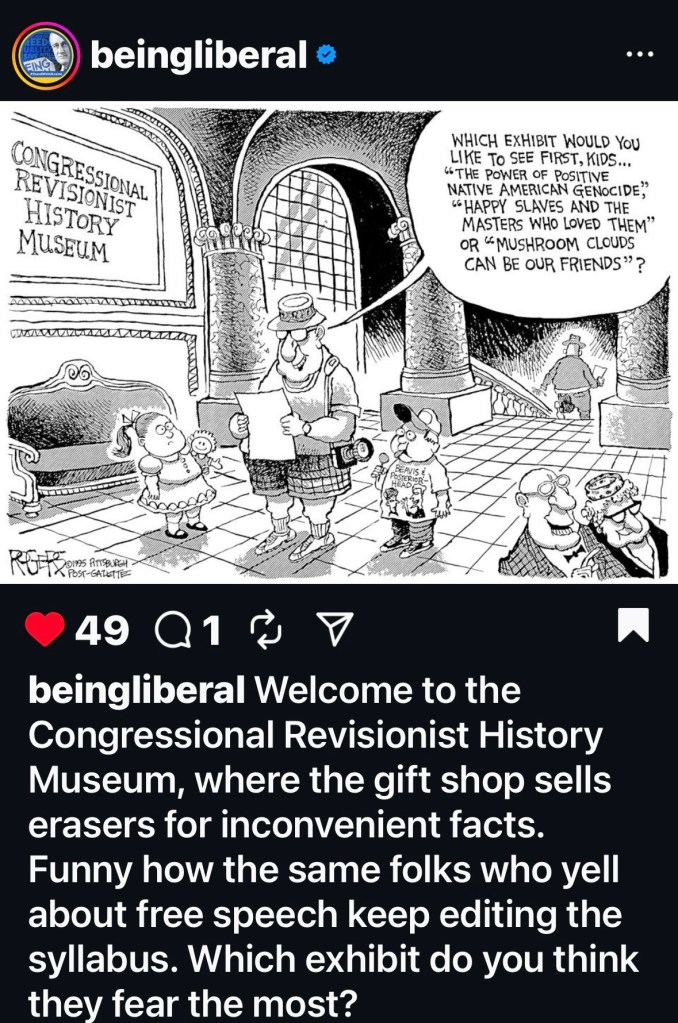



Just one more thing…
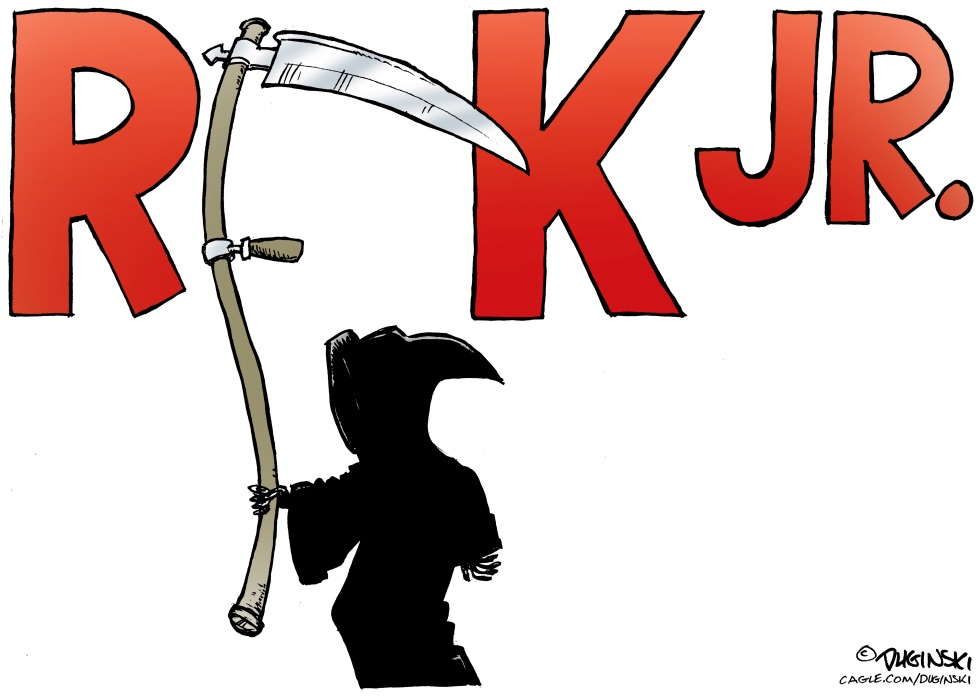
Fuck Charlie Kirk.
This is an open thread.


 peej
peej Carissa
 bostonboomer
 ecocatwoman
 mablue2
 Mama Lopez
 peggysue22
 quixote
 skydancingguestblogger
 Mona (aka Wonk the Vote)



 Sky Dancing
Have a lovely fucking day!
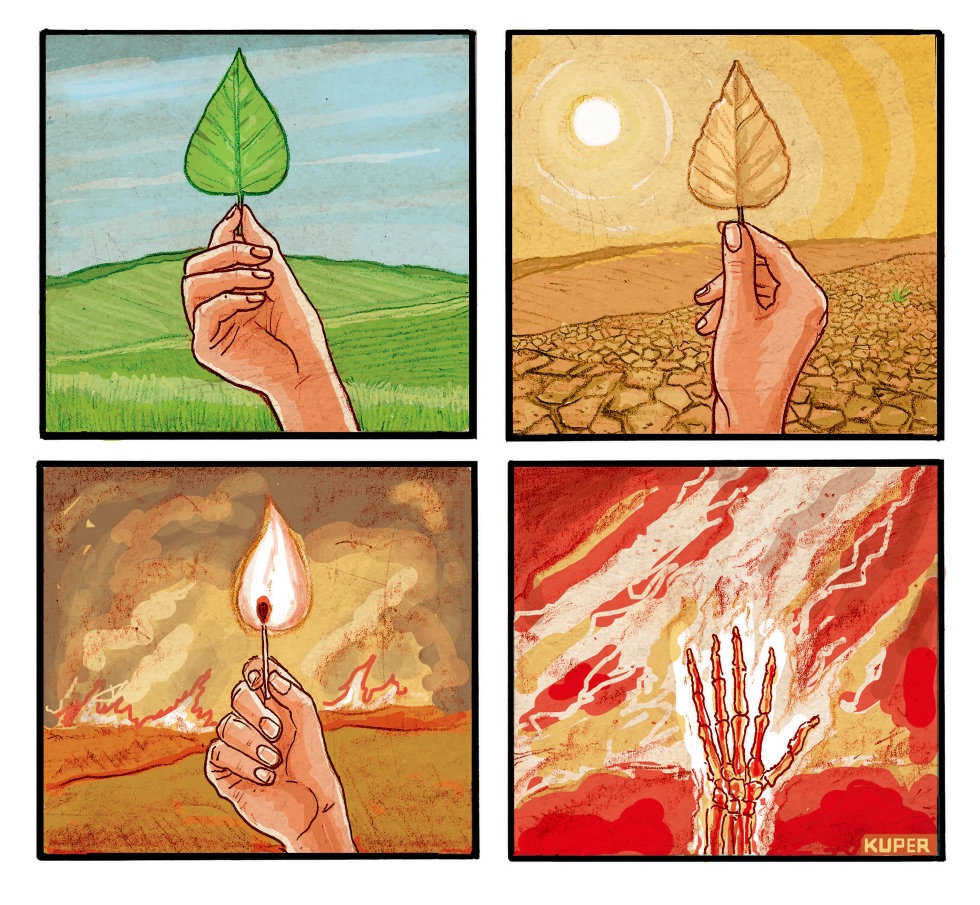
Just another day of suffering with climate change. The News gets worse with each day too. I guess if you hire people whose only job is to wreck the country and are ignorant on top of it, it happens.
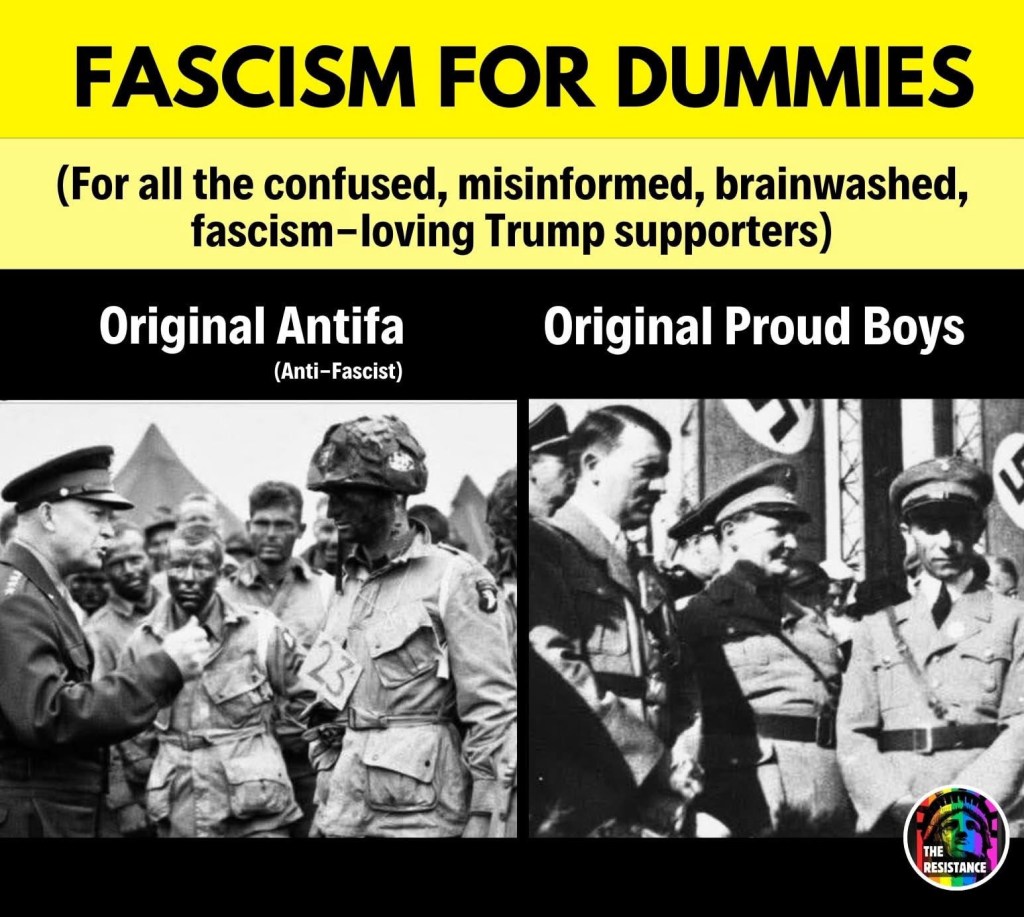
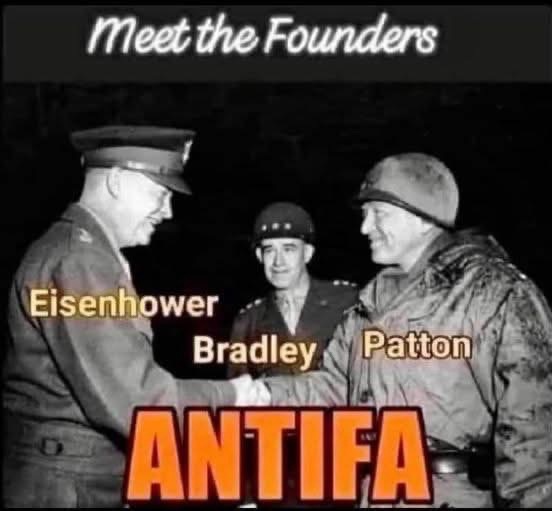
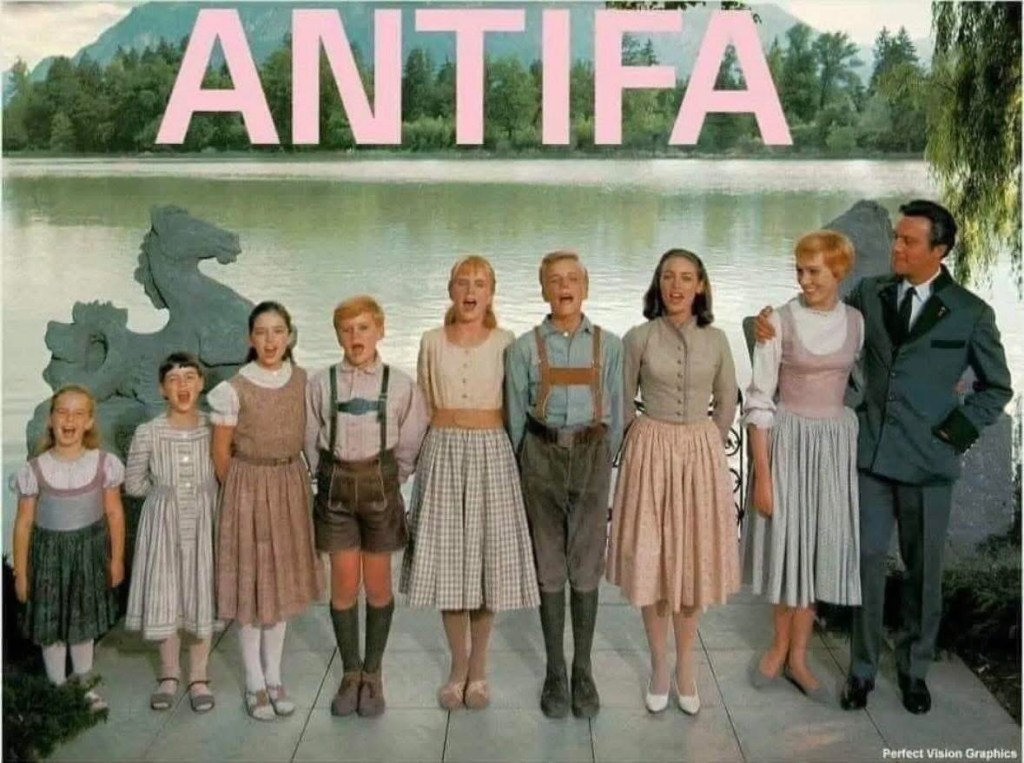
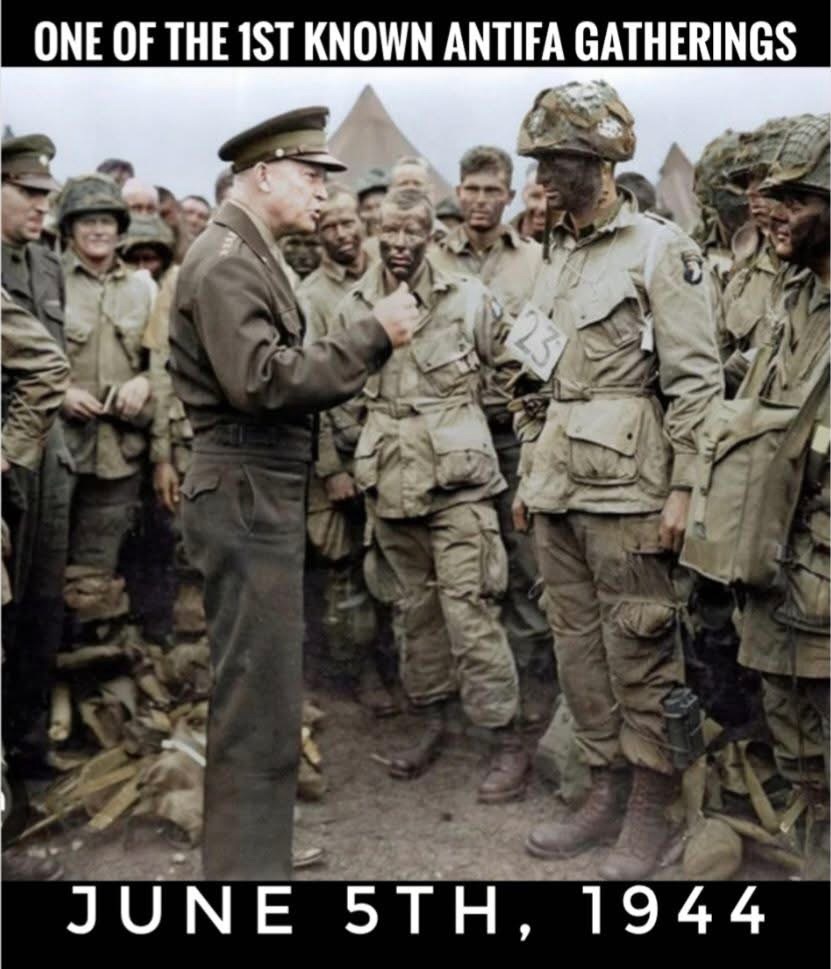
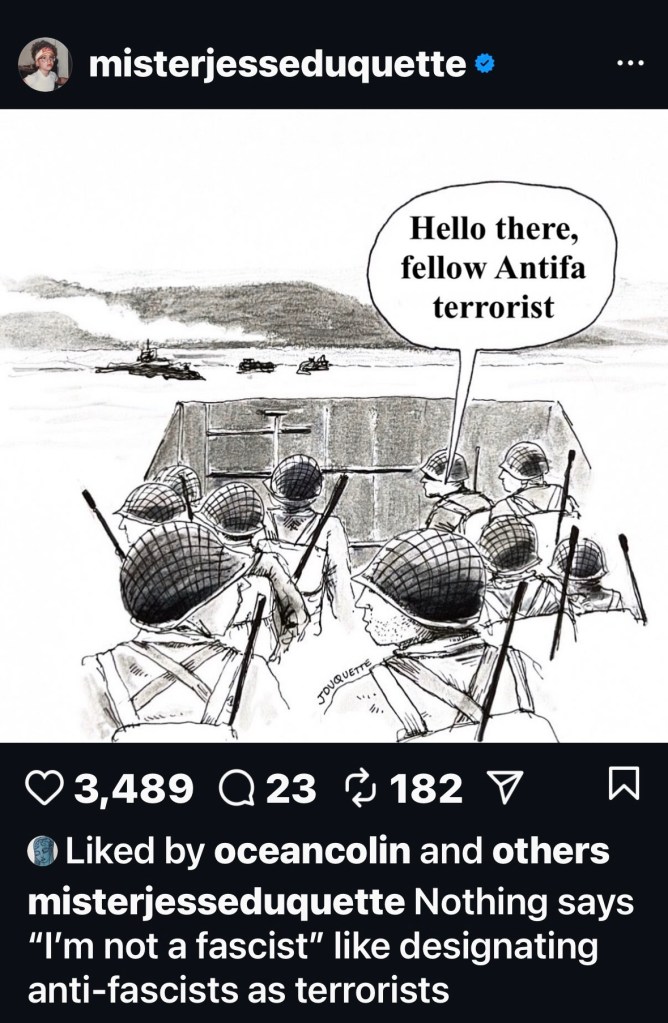
if I could point out one tiny detail that just sort of bothers me. I just saw a stream of cartoons all equating the United States army in world war II to antifa. That’s actually revisionist history because the United States army at that time was segregated and the structure of antifa was any human being that hated fascist could fight side by side like brothers. The US army was segregated when I see a cartoon like that I think to myself well these assholes are covering up the fact that the US army was segregated. You are my friend and I do love you dearly don’t get me wrong but I had to get that off my chest and if you think you can prove me wrong I’ll arm wrestle you.
You are right…
obviously I’m still trying to figure out how this particular system works. And thank you for not lecturing me on my total lack of punctuation.
We welcome the comments and thank you for your feedback…so glad you are here.💜💜💜
And I love you too.
I will try again. I 100% appreciate the effort you put into collecting cartoons for us but I do have one little beef today. Today you had a string of cartoons that equated the United States army during world war II to the organization antifa. I find that to be revisionist history because the United States army was segregated where in antifa anybody of any race Creed or nationality could fight side by side against fascism like brothers and sisters I suppose. To equate the United States army to antifa at that time is to erase the history of segregation in the United States army and that’s the part that bothers me. It’s nothing personal you’re still my friend and I do love you but that kind of cartoon just irritates me.
I missed an opportunity to point this out:
From Nazi Germany to Trump’s America: why strongmen rely on women at home
Fascist regimes pushed narratives of domestic bliss, yet relied on women’s unpaid labor. In the US today, ‘womanosphere’ influencers promote the same fantasies
In 1980, Gertrud Scholtz-Klink, an unrepentant former leader of the Nazi women’s bureau in Berlin from 1934 to 1945, described her former job to historian Claudia Koonz as “influencing women in their daily lives”.
To her audience – approximately 4 million girls in the Nazi youth movement, 8 million women in Nazi associations under her jurisdiction, and 1.9 million subscribers to her women’s magazine, Frauen Warte, according to Koonz – Scholtz-Klink promoted what she called “the cradle and the ladle”, or reproductive and household duties as essential to national strength.
“There was a whole array of women’s magazines that glorified housewives” in Nazi Germany, says Koonz, a professor emerita of history at Duke University. “It would be the equivalent of social media today.” Frauen Warte contained nothing too political – just broadly appealing lifestyle content about keeping a clean and well-provisioned home while raising a healthy family, with occasional debates about how much makeup one should wear. A barefaced look was preferred – much like the “clean girl” trend of today. “In a censored society everyone needs debates about harmless topics,” says Koonz.
Koonz is well-acquainted with the ways political strongmen rely on women’s labor at the family level to implement state ideology. Her 1986 book, Mothers in the Fatherland, describes how the ordinary women of Nazi Germany “operated at its very center”, incubating ideals of white supremacy, female subordination and sacrifice at home.
Thinkers including 20th-century German theorist Theodor Adorno and contemporary American political philosopher George Lakoff theorized about the paternalist personality of authoritarians, with Lakoff noting that in modern history, far-right authoritarian regimes institutionalize male authority through a family-like hierarchy: women are subservient to men and both obey the nation’s metaphorical “strict father”. In the home, paternal authority and maternal subservience prime children for a wider social order, teaching them to see women’s submission as stability, and to accept fear and conformity as the price of belonging.
“There’s been a reluctance to name this moment as fascism,” says cultural historian Tiffany Florvil, yet extreme authoritarian dynamics can be clearly seen in the American right today. (Indeed, Trump supporters can’t seem to stop calling him “Daddy”.)
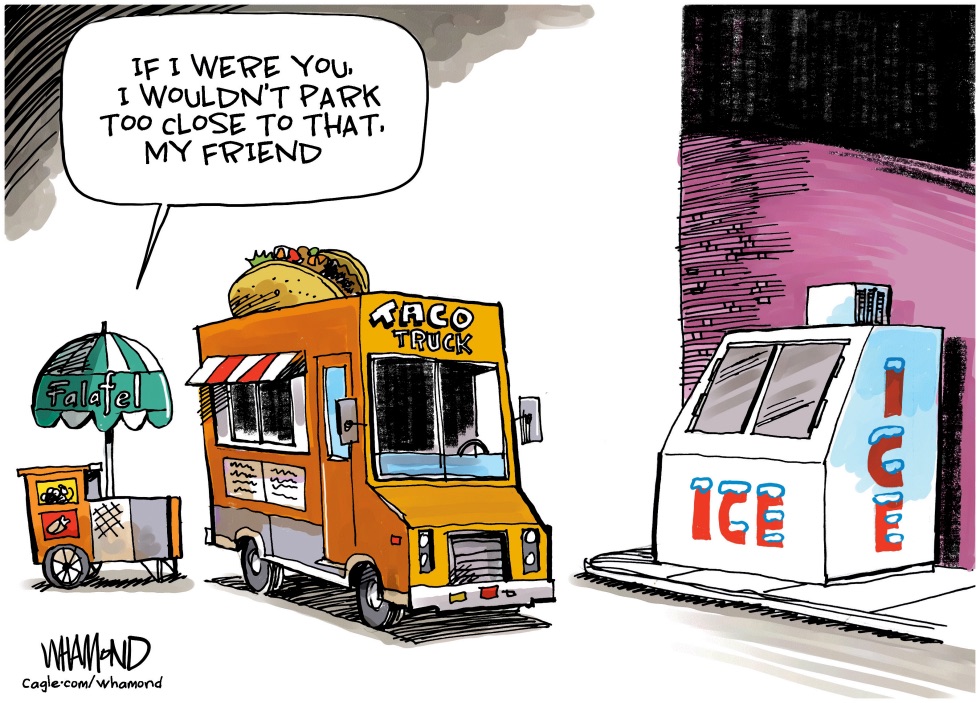
The government’s unprecedented deportations of immigrants; use of Ice to unjustly detain people in detention centers fraught with human rights abuses; intimidation of judges, law firms and universities; and assaults on the fundamental principles of liberal democracy are prompting historians who specialize in fascism to leave the country.
And significant backlash against gender equality is under way. The idea that women’s bodies are state resources for sustaining population appears to be re-emerging; the Trump administration is encouraging traditional roles by rolling back workplace equity, restricting reproductive rights and policing gender identity.
A woman’s “most glorious duty is to give children to her people and nation, children who can continue the line of generations and who guarantee the immortality of the nation”, Joseph Goebbels, the Nazi propagandist, told an audience of women in 1933. Racially selective population growth was core to the agenda of such nationalist, fascist regimes as Nazi Germany and Benito Mussolini’s Italy. The only path to honor for most women was birthing children, formalized through financial rewards and medals for prolific mothers.
What we have is an architectual travesty, Captain!
This is embarassing!
Gross beyond belief!
What College Students Really Think of Charlie Kirk
New data from Generation Lab undercuts Trump’s mythmaking about his murdered ally, who was unquestionably a savvy organizer, even if he wasn’t at all popular on the campuses he loved to visit.
Charlie Kirk was certainly famous—in politics, on campuses, in the halls of Donald Trump’s White House. But I imagine that, for plenty of sports fans attending Major League Baseball or NFL games over the weekend, it must have been a tad confusing to peer up from the stands and see Kirk’s square-jawed face on stadium jumbotrons. A bunch of teams—from the New York Yankees to the Dallas Cowboys to the LSU Tigers—honored Kirk this way, with tributes and a moment of silence.
As John Heilemann and I discussed on today’s episode of The Powers That Be, some of these teams were probably honoring Kirk with sincerity, a gesture toward their red-state fan bases. But it also seems rather obvious that team owners were trying to get on the good side of a vengeful and litigious president, who had just lost one of his top loyalists to an assassin’s bullet. When was the last time a political figure—let alone someone as divisive as Kirk—was honored around the country at sporting events? I can’t think of a single one. Inside the stadiums, the receptions were mixed. When the New Orleans Saints asked for a moment of silence to honor Kirk, he was met with a range of cheers and boos. But it’s also not hard to imagine some Abita-swilling Saints fan hearing Kirk’s name in the Superdome and saying to himself, Who?
The seemingly inescapable paeans to Kirk are the consequence of a political culture dominated by the Very Online—including the men and women who staff the Trump White House and credit the Turning Point USA founder for building a MAGA media culture that drew younger voters into the Republican fold. They are correct about Kirk’s organizational prowess. He was a workhorse political organizer; when I was reporting from college campuses in swing states last fall, Kirk and I kept in close touch about the college towns and counties he was trying to flip to Trump with red-hatted TPUSA organizers.
But even though Kirk had a massive online following and powerful friends in the White House, it needs to be said that even among college students, Kirk was not popular at all. Yes, it was a spectacle if he arrived on your campus, a bonanza of lib-owning and rhetorical combat all recorded for YouTube posterity. But the majority of students on those campuses stayed away. Never forget: For most Americans, politics remains pretty damn tedious.
I’ve obtained fresh polling from Generation Lab, an outfit that surveys college students about politics and society, that bears out these mixed feelings. They polled a sample of 1,030 college students—enrolled at community colleges, technical colleges, trade schools, and public and private four-year institutions—in the two days following Kirk’s death for a sense of how his assassination was being processed on the campuses he so loved to visit. First things first: Generation Lab found that Kirk was almost universally known among college kids: 94 percent of students had heard of him, a remarkable level of name I.D. for any political figure.
However, most college students were not fans of the right-wing provocateur at all, the poll found. A combined 70 percent of students said they either “strongly disagree” or “somewhat disagree” with Kirk’s views. Only 30 percent said they agreed.