
Civil Trial in Orlando Has Important Implications for Athletes and Families
Posted: June 13, 2011 Filed under: children, education, sports, U.S. Politics | Tags: Bennie Abram, College athletes, Devard Darling, Devaughn Darling, Ereck Plancher, high school athletes, Kourtni Livingston, NCAA, sickle cell trait 7 CommentsAs everyone who hasn’t been living under a rock knows by now, there is a high profile trial going on in Orlando, Florida–complete with circus-like atmosphere and spectators fighting for tickets to see the trial live. I’m referring, of course, to the trial of Casey Anthony, accused of first degree murder in the death of her daughter Caylee.
The Anthony trial is getting wall-to-wall coverage on TV stations in Florida, as well as on a couple of cable outlets, but there is another case beginning jury selection today in the same Orange County Courthouse that may have wider implications for families around the country and for high school and college athletic programs.
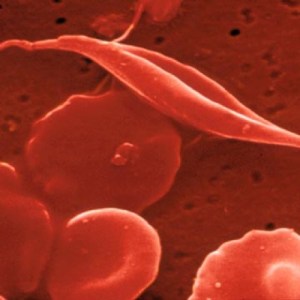
A sickle cell with normal blood cells
In March, 2008, Ereck Plancher, a 19-year-old freshman at the University of Central Florida (UCF), collapsed and died after a preseason football practice. An autopsy showed that Plancher died from complications associated with sickle cell trait.
In March 2009, Plancher’s parents filed suit for wrongful death against UCF’s board of trustees and Athletics Association claiming that their son’s coaches and trainers knew that Plancher had the sickle cell trait but didn’t inform him or his family. In addition, they charge that UCF athletic staff failed respond when Plancher began to exhibit symptoms during the his last practice and therefore they contributed to his death.
Basically, individuals with this trait are carriers of one sickle cell gene–they are heterozygous. In order for sickle cell disease to fully manifest, an individual must have two copies of the abnormal gene. However, it is possible for sickle cell symptoms to appear under highly stressful conditions such as high altitudes, extreme physical exertion, or dehydration. In such instances, there can be dangerous complications. The sickle cell gene is far more common in people with African heritage than people from other ethnic backgrounds. The NCAA and some colleges and universities have resisted testing players for the trait for fear of being accused of racial discrimination.
The most egregious allegation is that the coach and trainers withheld water from players during the workout, and this was backed up in pre-trial testimony by three former UCF players, Nate Tice, Cody Minnich, and Anthony Davis. Tice and Minnich testified in a hearing on Friday.
When Tice was asked during his deposition whether water was available during Plancher’s last workout, he responded, “No.”
Tice, a reserve quarterback who transferred to Wisconsin, said players asked for water from athletic trainers “at your own risk” because O’Leary would curse at athletes who interrupted workouts.
Tice was then asked whether there were athletic trainers present during Plancher’s last workout. Tice said, “They were in a corner. They were not, like, with us.”
Minnich, a reserve offensive lineman who was dismissed from the team after being arrested for driving under the influence in December 2008, said during his deposition there was no water available in the practice facility while the players were running through an obstacle course and sprints.
“They were ordered to take the water outside of the building, and they weren’t there during that portion of the workout,” Minnich said of the athletic trainers.
When he was asked who ordered the athletic trainers to leave, Minnich said O’Leary shouted the instructions.
The question of adequate hydration is central to the case. The judge decided on Friday that Plancher’s parents can sue for punitive damages, but they will only be awarded if the jury decides water was unavailable during the practice.
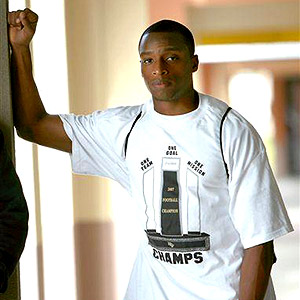
Ereck Plancher
Tice and Minnich bolstered the previous testimony of Anthony Davis.
UCF officials, including O’Leary and athletic director Keith Tribble, said in the immediate aftermath of Plancher’s death that the workout in which he collapsed was not a taxing one. However, former wide receiver Anthony Davis said in his sworn statement that trainers didn’t help Plancher as he struggled to finish an obstacle course. He also told attorneys that he witnessed O’Leary curse Plancher at times when he couldn’t keep up with other teammates.
Davis also told attorneys that he witnessed O’Leary curse Plancher at times when he couldn’t keep up with other teammates.
Ereck Plancher is not the first athlete to die from complications of sickle cell trait.
CNN reports that nine collegiate football players’ deaths have been related to sickle-cell trait since 2000, making exertional sickling the leading cause of death in NCAA football players this decade.” But “the medical field is divided over whether there is enough evidence to warrant the mass screenings,” because the way the trait is related to the deaths is “unclear,” CNN reports.
According to the Washington Post, there have been four such deaths in Florida alone.
Four in-state college football players have died in the past decade while participating in offseason workouts: Plancher; South Florida’s Keeley Dorsey; Florida’s Eraste Autin; and Florida State’s Devaughn Darling.
Devaughn Darling’s twin brother Devard, who went on to play in the NFL, spoke about his brother’s death and about having the sickle cell trait in this 2007 USA Today story.
“I believe it had some effect on him, definitely,” said Devard Darling. “My teammates, who were there at the time, said he was saying he couldn’t see, he was blacking out. … Clearly, there were signs for him to stop. There was definitely room for coaches and athletic trainers to step in and say that’s enough.”
Devard said he’s had no problems with the condition and has always done “all team activities.”
But, he added, “I know my body. It’s important for young athletes as they grow to know their limitations. The No. 1 thing is staying hydrated. … But there is a point at which you know something is not right. You need a little rest.”
He added, “I’m sure it’s not just me (participating in pro sports with sickle cell trait). They say one out of every 10-12 people of African descent carries the sickle cell trait. You know the high amount of African-Americans in pro sports.”
The Darling family received a $200,000 settlement from Florida State (the amount was $2 million, but Florida limits the amount that can be paid in a wrongful death suit!).
Devard has set up a foundation in his native Bahamas to support the brothers’ “dream of bringing football home to the Bahamas and creating opportunities for young kids.” The As One Foundation gets its name from the twins’ hearts beating “as one” in the womb.
A similar wrongful death lawsuit was recently filed in Mississippi.
The family of a deceased Ole Miss football player filed a wrongful death lawsuit Tuesday against the NCAA, the University of Mississippi, coach Houston Nutt as well as several staffers and medical personnel.
Bennie “Buster” Abram died in February 2010 following an early offseason workout due to complications from sickle cell trait. His parents alleged in a 32-page document filed in Mississippi circuit court that the defendants were so “reckless” that their actions rise to “the level of crimes such as” negligent criminal homicide and involuntary manslaughter.
[….]
Bennie Abram III, a walk-on, collapsed shortly after an early-morning workout on Feb. 19, 2010. Six hours later he was pronounced dead. Three months later, an autopsy determined sickle cell trait had contributed to his death. At the time, Abram was the 21st NCAA football player to die from a non-traumatic event since 2000. Eleven of those deaths had come in Division I-A. Sickle cell trait remains the leading killer of Division I football players since that year.
The NCAA did not mandate testing for the condition until last year. That move resulted from a legal settlement between the family of deceased Rice player Dale Lloyd II and the NCAA in 2009. Eugene Egdorf, the lead attorney in Abram’s lawsuit, represented the Lloyd family. Dale Lloyd died in 2006 as a result of sickle cell trait following a workout.
“[Bennie’s] death is a tragedy that should have been prevented,” Egdorf said in a release announcing Tuesday’s suit. “Every sickle cell expert in the world will tell you that the only way this trait can cause a student-athlete’s death is when they are put through overly strenuous workouts like the one Bennie went through before he died.”
Again, in this case, university officials knew the young man had the sickle cell trait and did not inform him or his family or take special precautions.
The NCAA now mandates testing for sickle cell trait for all Division I athletes, but there is an opt-out for students who sign a waiver.
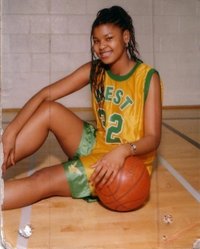
Kourtni Livingston
In my opinion, screening for the trait should be instituted at every level of student athletics. Certainly there should also be protections to keep people who test positive from being discriminated against. High school athletes can also be stressed enough for the symptoms to manifest, as demonstrated in the case of 14-year-old Lubbock, Texas basketball player Kourtni Livingston, who died while running laps.
As one of the attorneys in the Ereck Plancher case emphasized:
“This is not a case about punitive damages or about insurance, it’s about saving lives,” Plancher attorney Steven Yerrid said recently. “It’s not about compensating the Plancher family. It’s about stopping football programs from disregarding safety of student athletes that participate in them. And that’s important and that’s the message. Punitive damages are not designed to compensate plaintiffs. … They’re designed to punish wrongdoers and to send a message that type of conduct won’t be tolerated.


 peej
peej Carissa
 ecocatwoman
 mablue2
 peggysue22
 quixote
 skydancingguestblogger
 Mona (aka Wonk the Vote)



 Sky Dancing
UCF claims Ereck Plancher signed a waiver saying that the university would not be responsible for any medical issues.
http://www.wesh.com/r/28220756/detail.html
But they knew he had the sickle cell trait!
I had heard about this from my Biology teacher, and this is a very scary issue. Especially with the fact that my father has Sickle cell, and i have the trait or am a carrier or both..I get them confused. Also, im play competitive basketball, though ive never had a issue with never taking a break if needed or a sip of water.
You should find out for sure if you have the gene. If your mom doesn’t have sickle cell, you probably just have one allele. You can get information about the symptoms and what to do about them on line. Here is the info page at the CDC:
http://www.cdc.gov/ncbddd/sicklecell/traits.html
Wow, this is something. The fact that the university knew makes it criminal…this is one trial to watch. Especially with the big money associated with college athletics.
What’s scary is that the NCAA still only tests Division I athletes and they can still opt out of the test by signing a waver. I hope parents find out about this since this case will get a lot of publicity and then the Old Miss case will be coming up next.
Why isn’t screening done earlier? I never understood why African American children aren’t routinely screened. Many in my family carry the Thalessemia trait. The successive additions of children get tested in my family and having the trait isn’t even life threatening.
All children are screened for sickle cell disease at birth. But if the child only has one abnormal allele, it usually doesn’t cause any problems. Symptoms will only show up in extreme conditions. I agree with you that every African American should know his or her status.
Sometimes people refuse testing because they don’t want to know. People who have Huntington’s desease in their families, for example, know there is nothing that can be done if they have the genes. Finding out will only let them know that they are going to die in agony with no treatment available.